Ancient Artifact Fragments

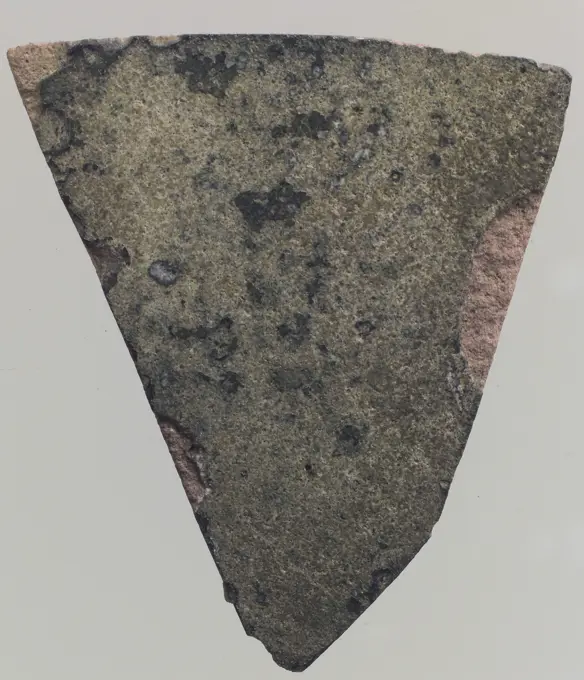
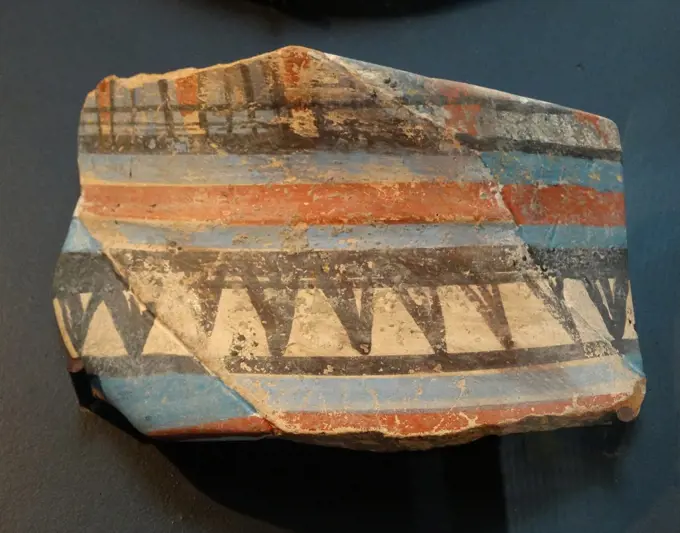
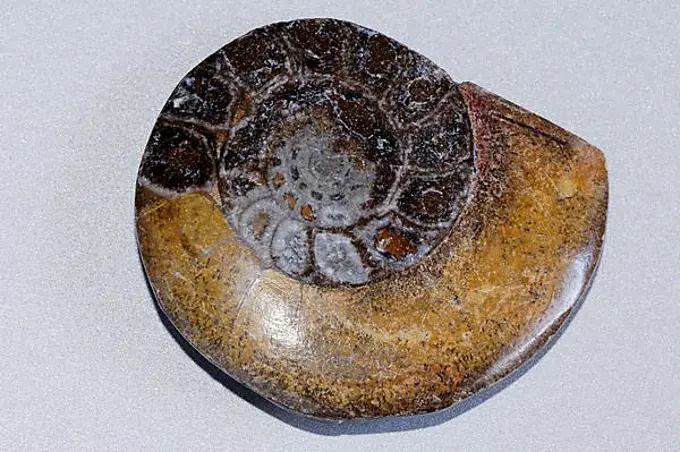
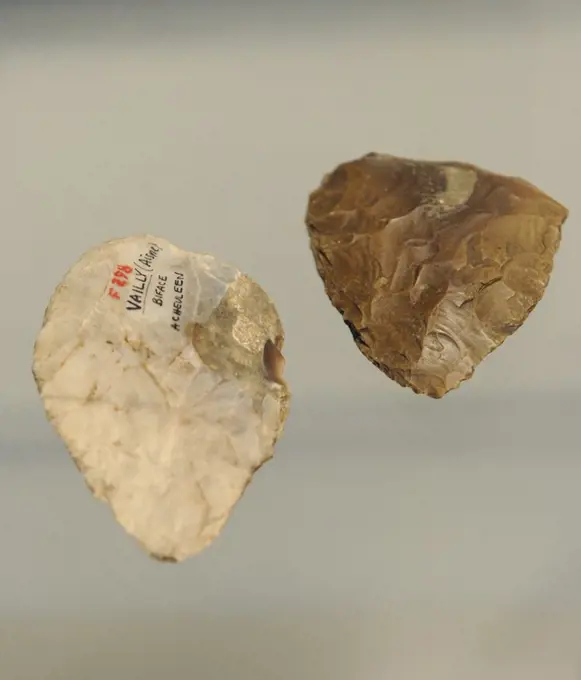
Fragments of ancient artifacts including vase pieces and stone plates with engravings, showcasing historical designs from different cultures.
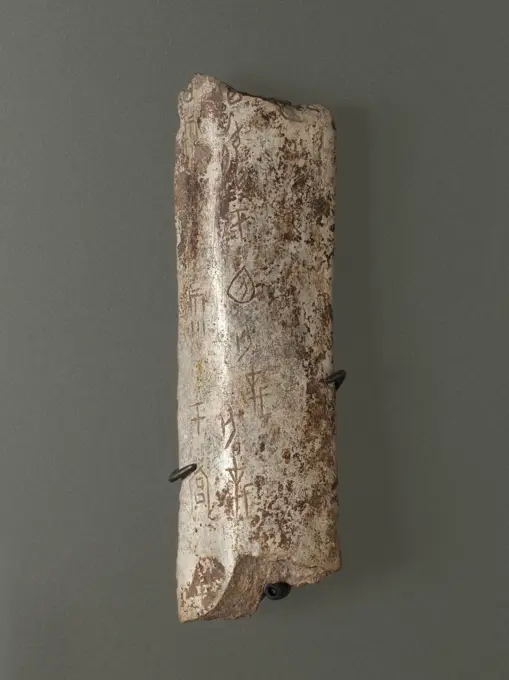
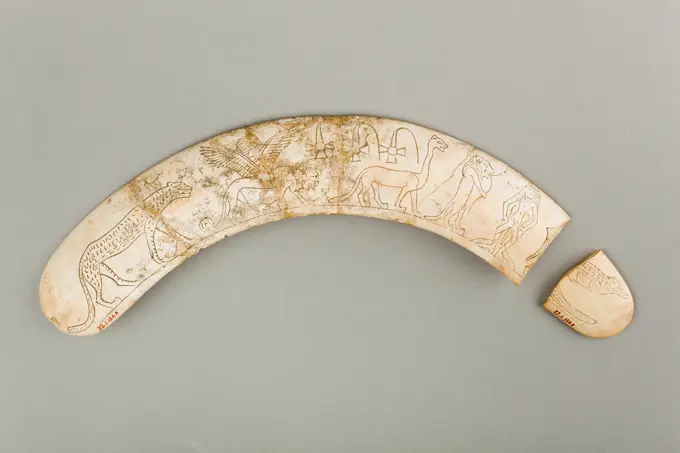
Fragment of bone ". Os. China, Shang dynasty. Paris, Cernuschi museum. 72198-43 Shang dynasty, bone fragment, inscription
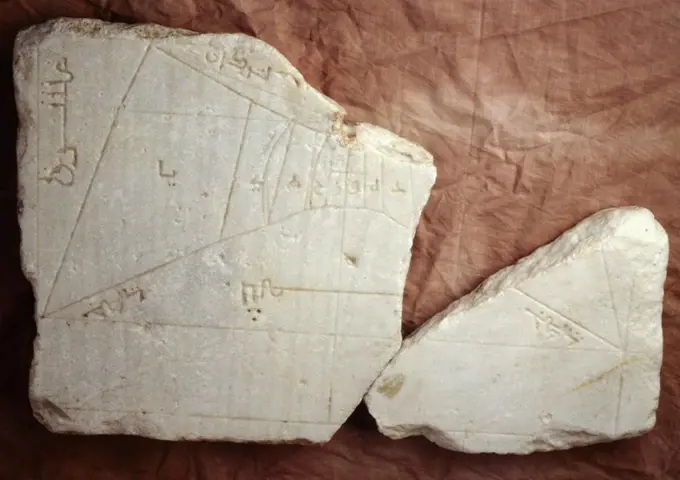
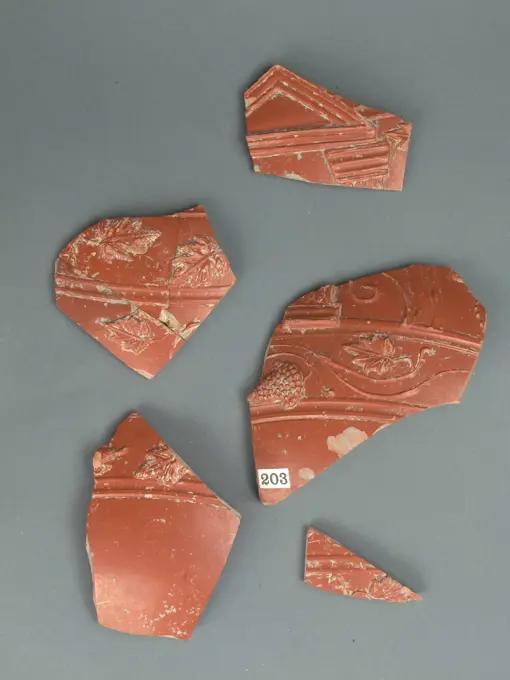
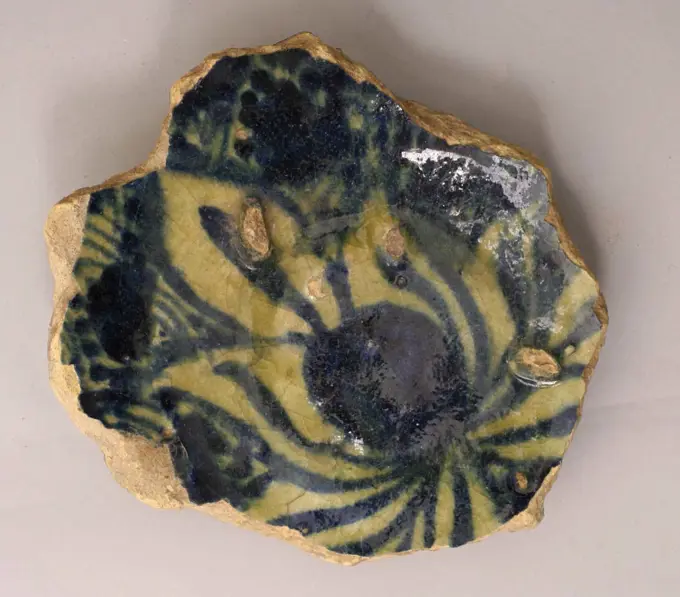
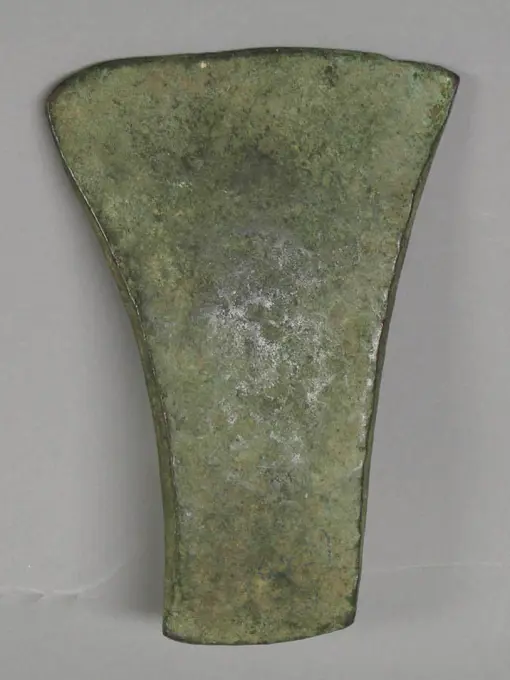
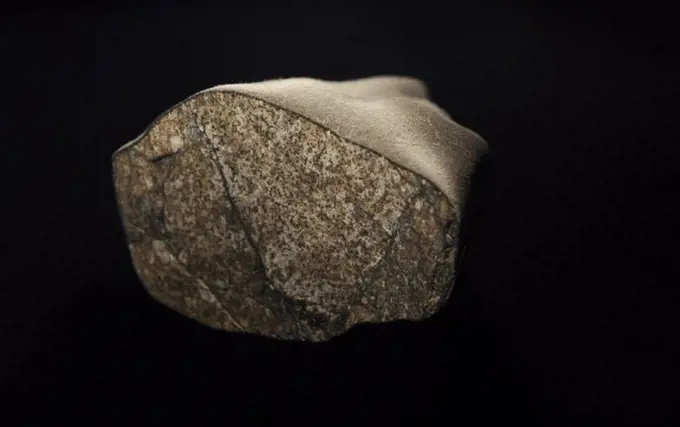
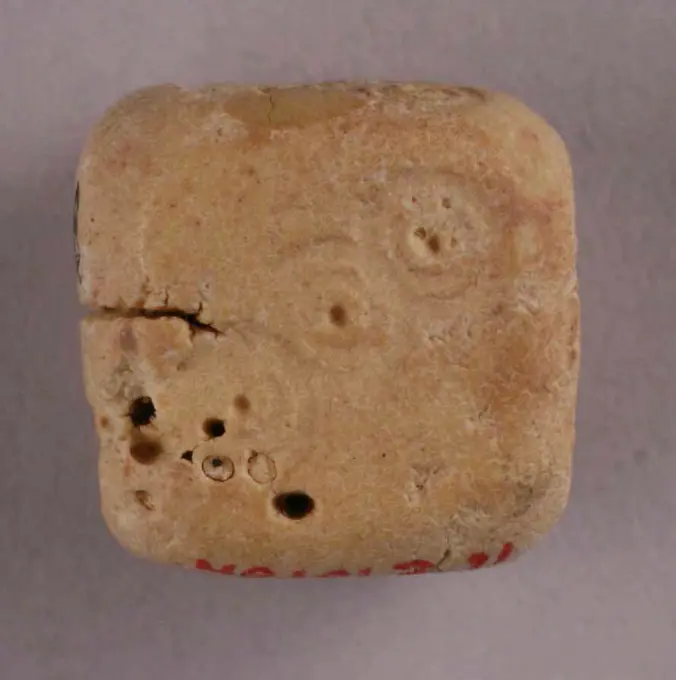
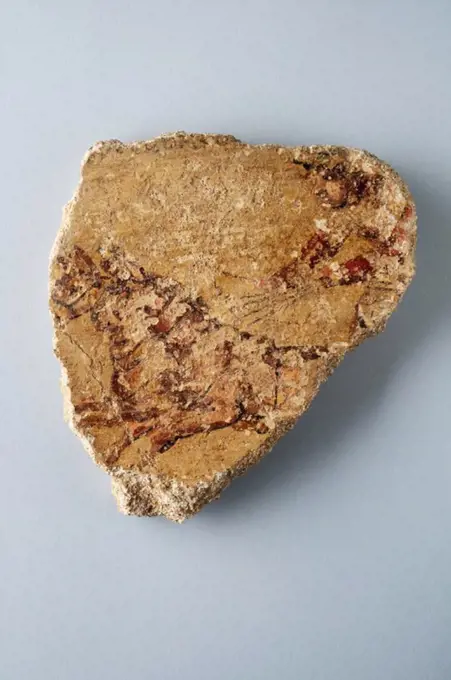
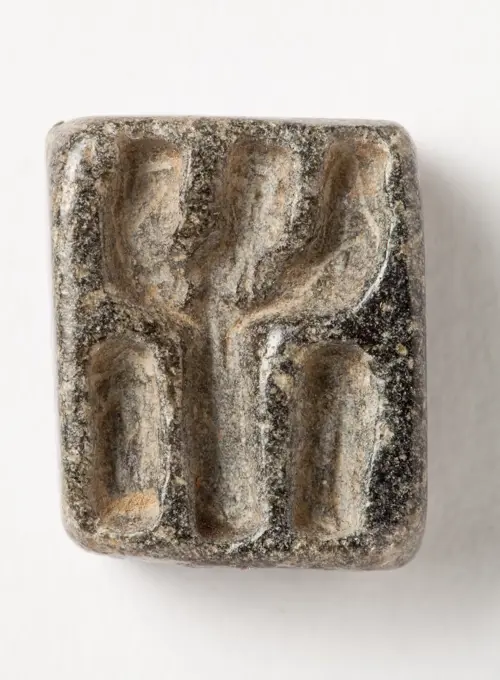
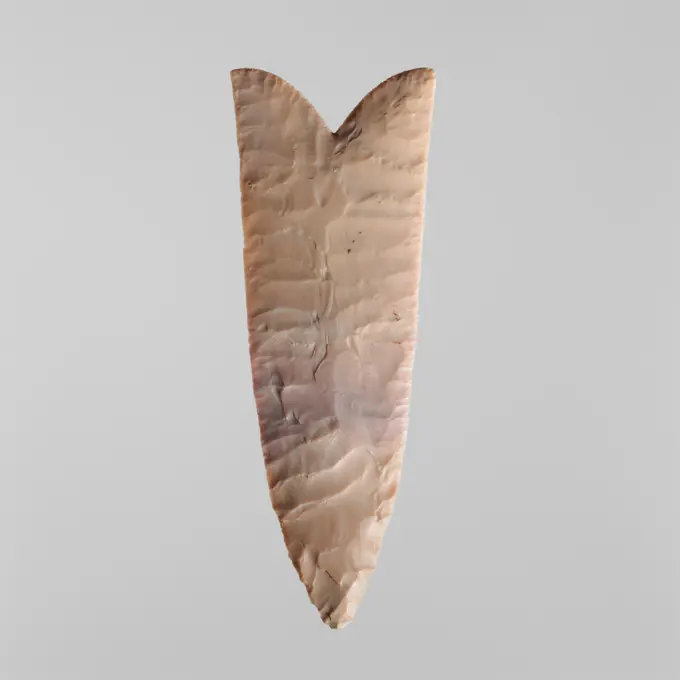
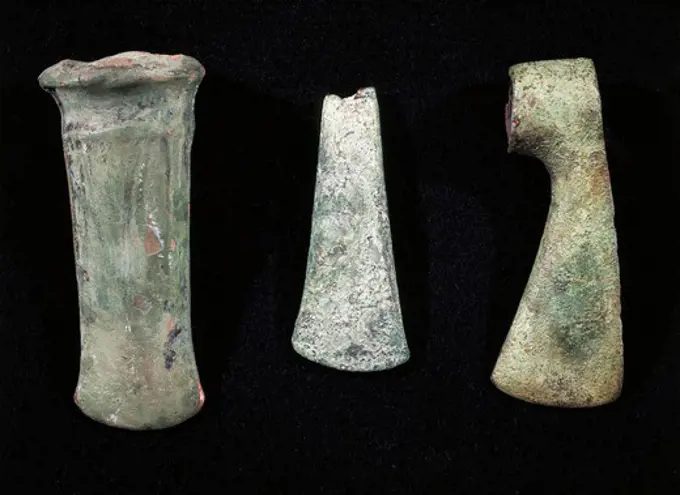
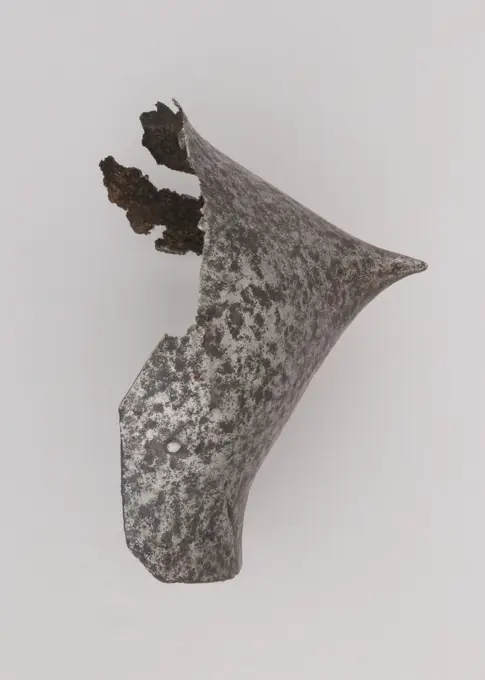
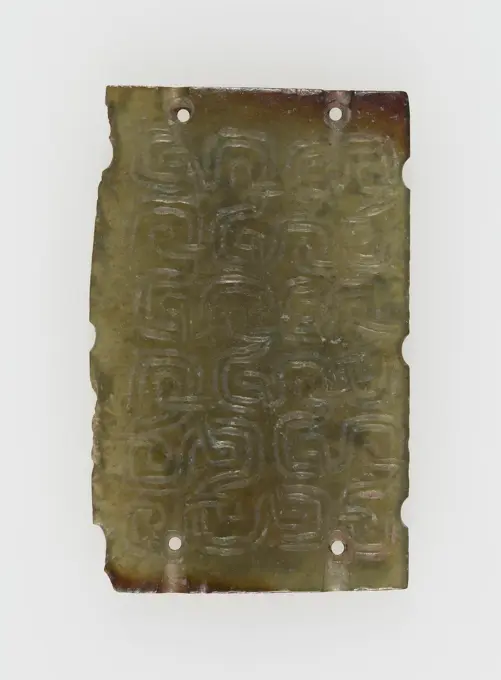
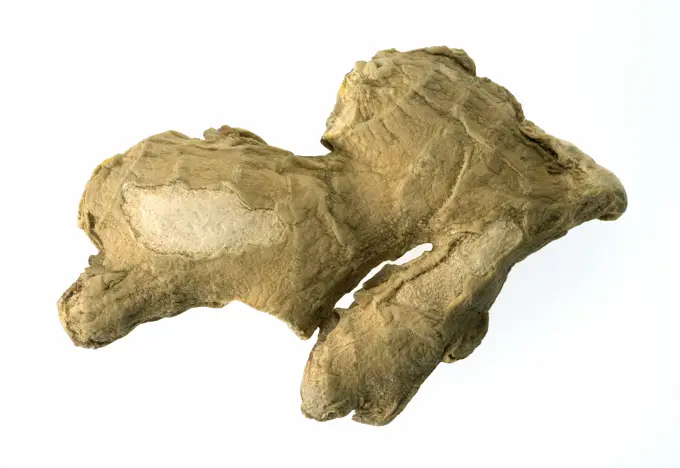
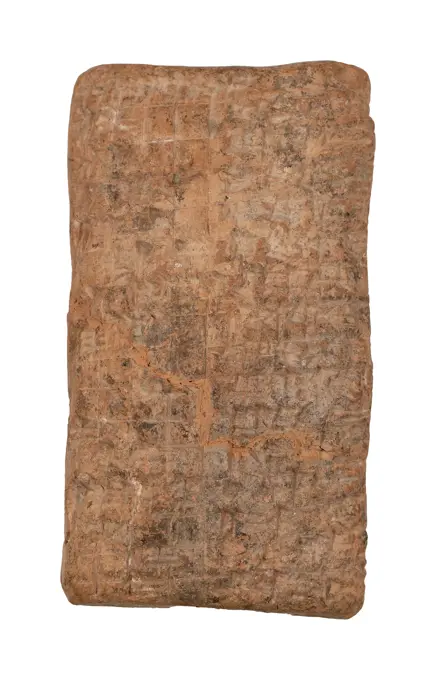
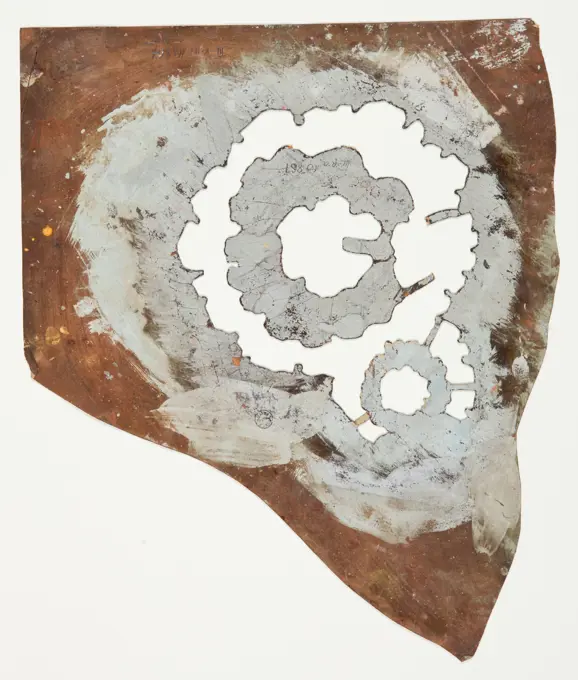
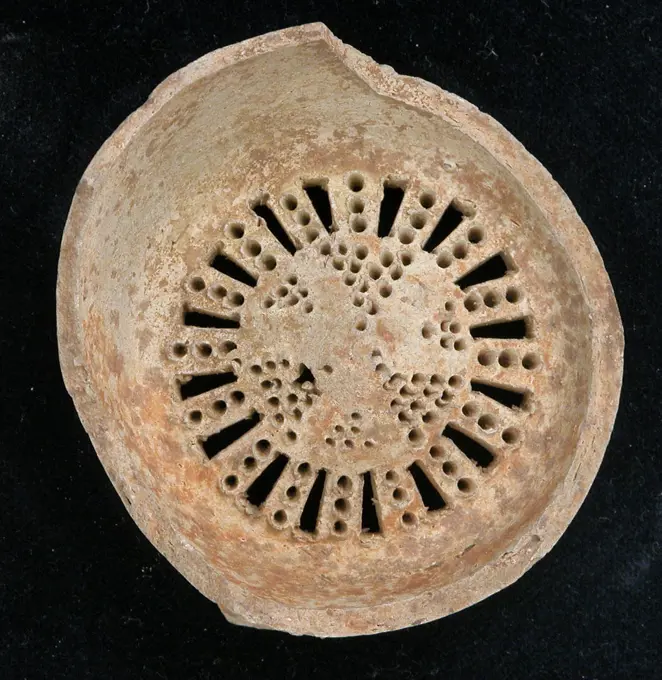
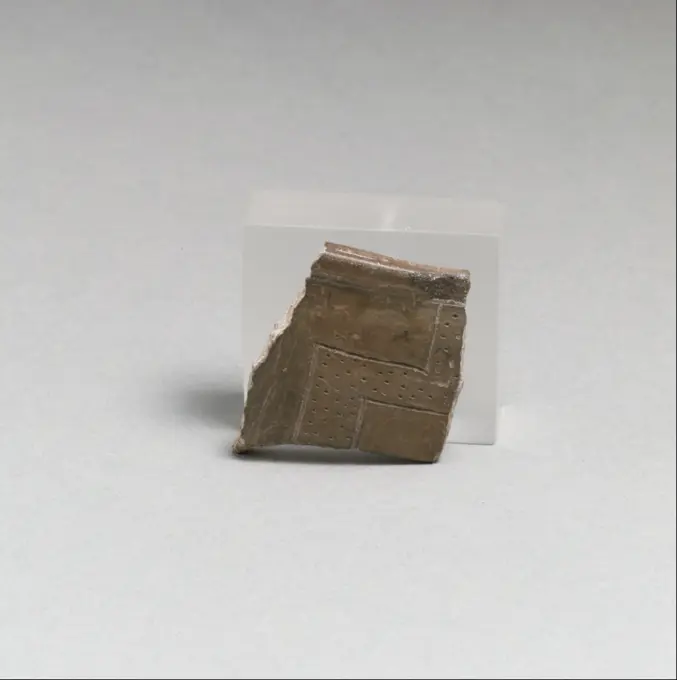
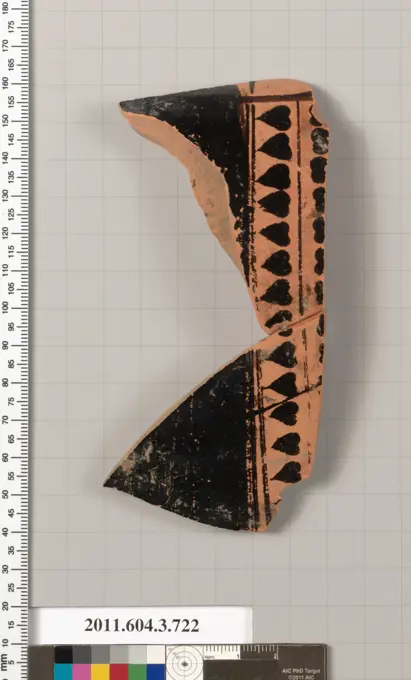
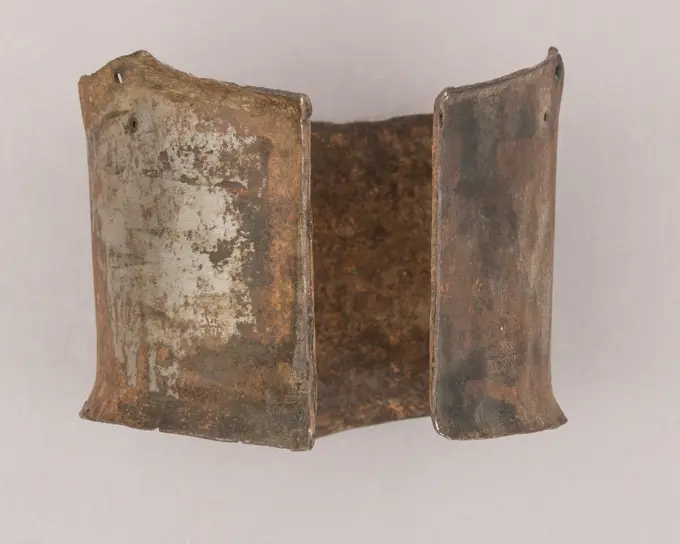
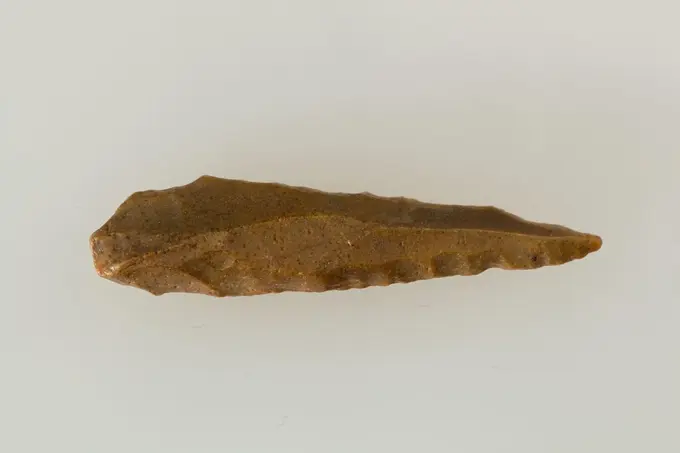
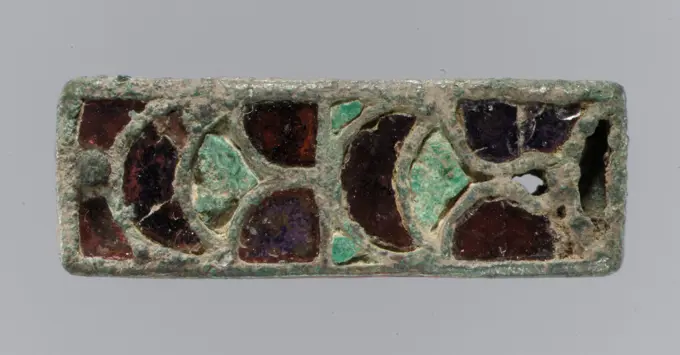
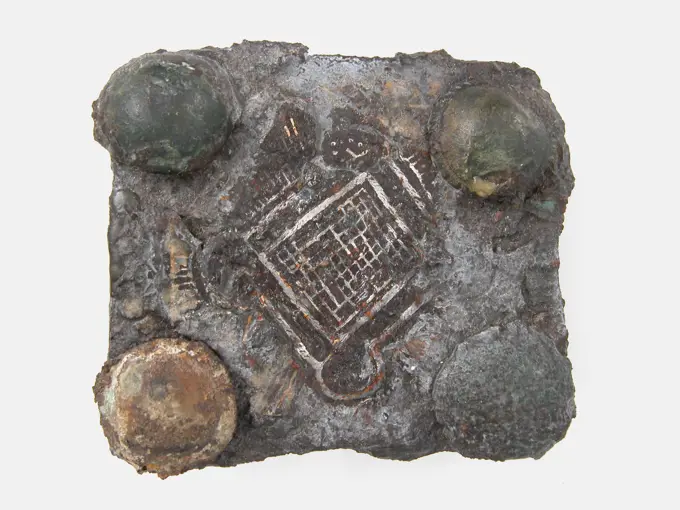
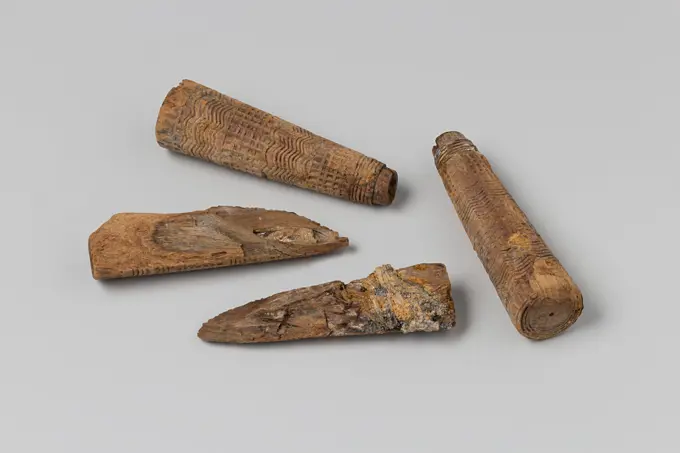
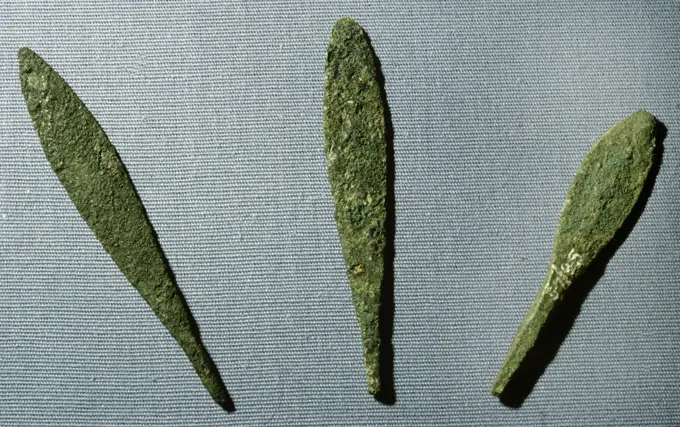
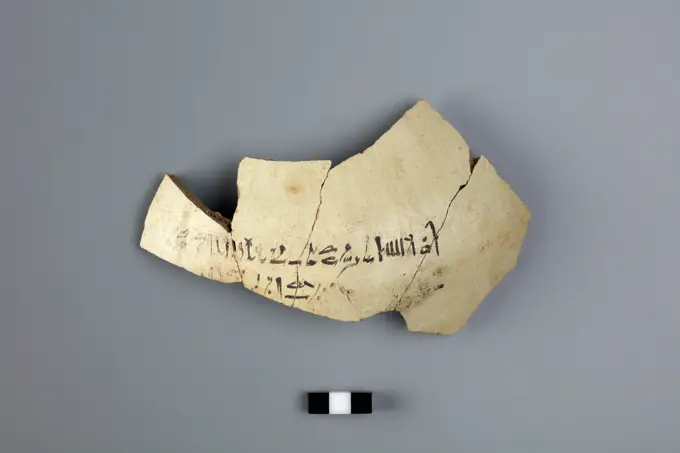
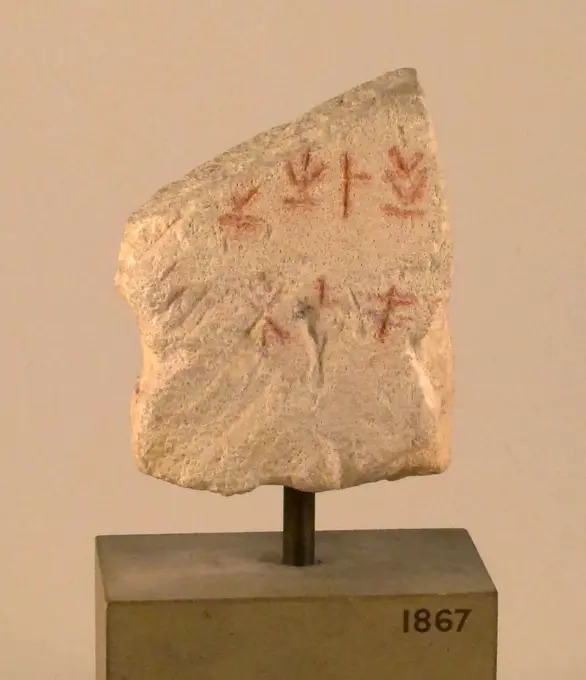
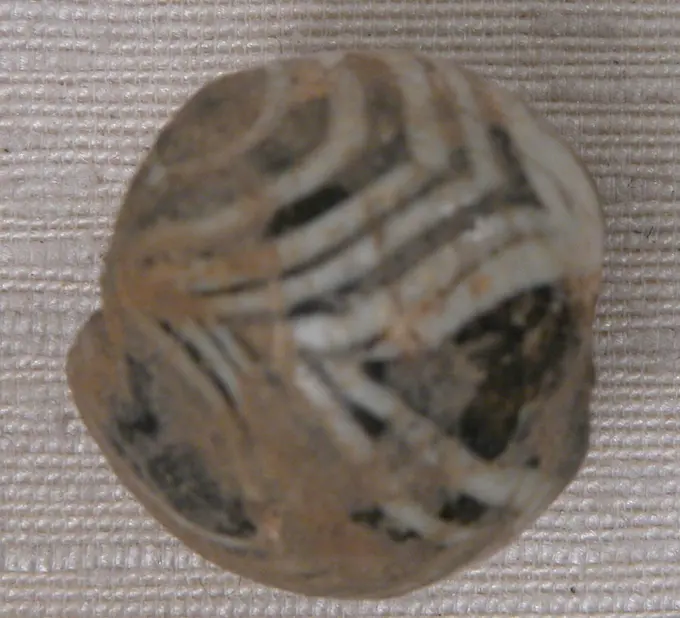
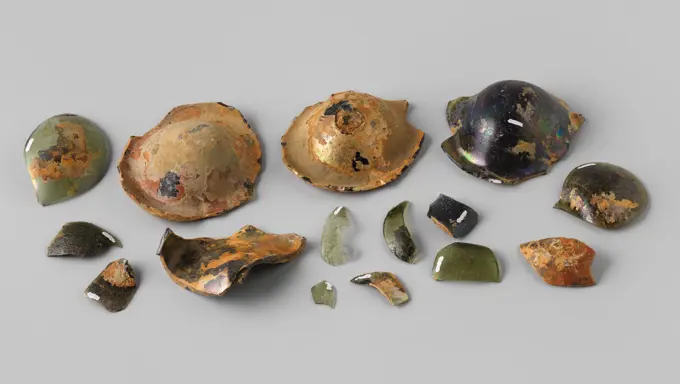
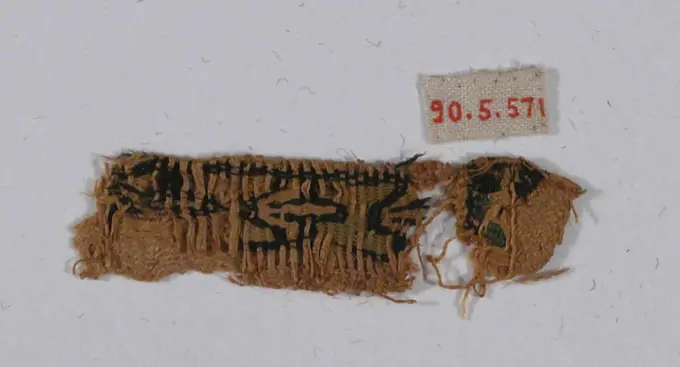
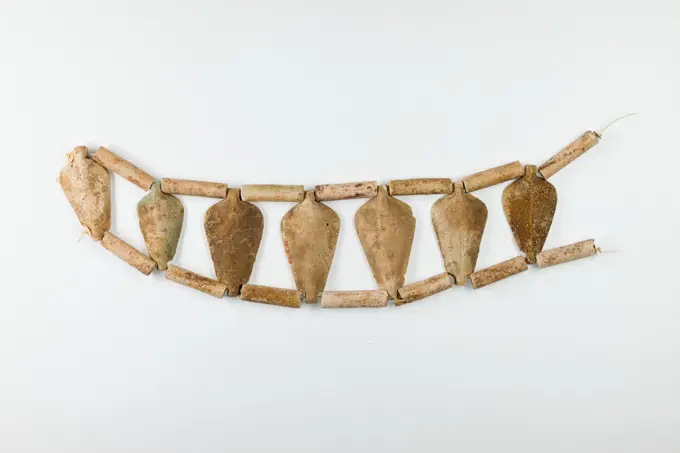
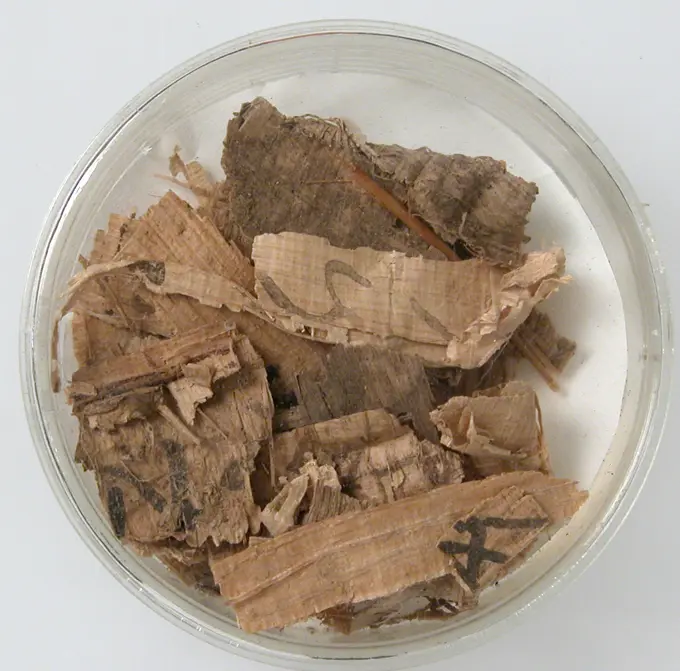
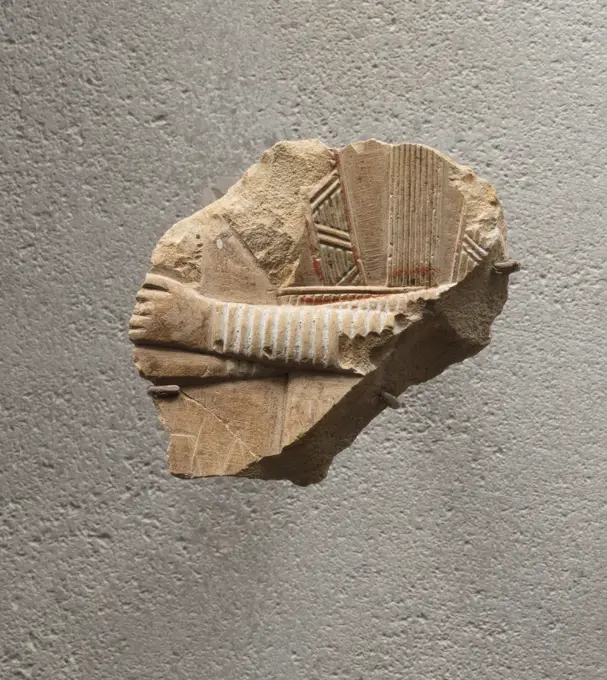
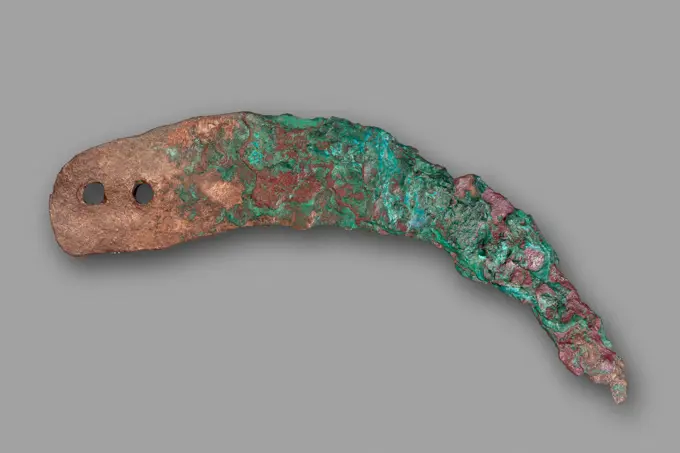
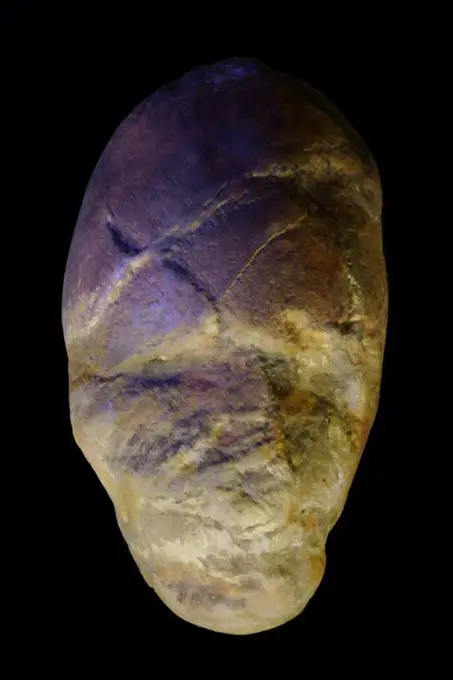
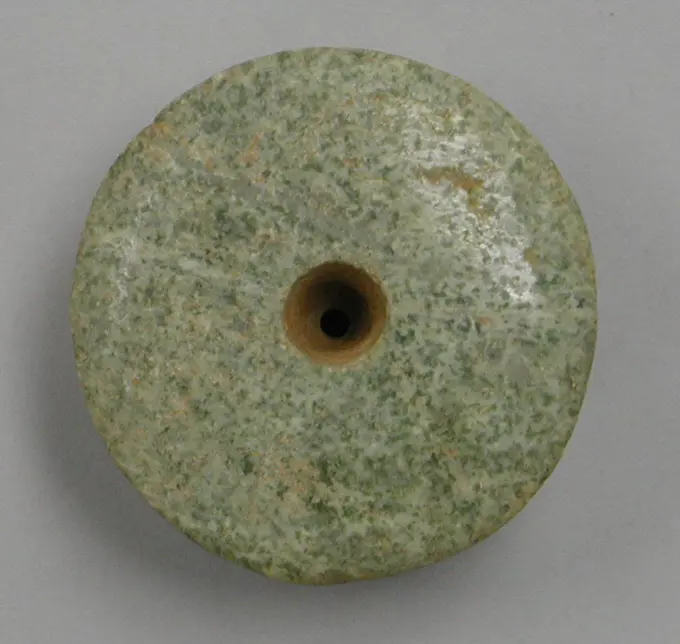
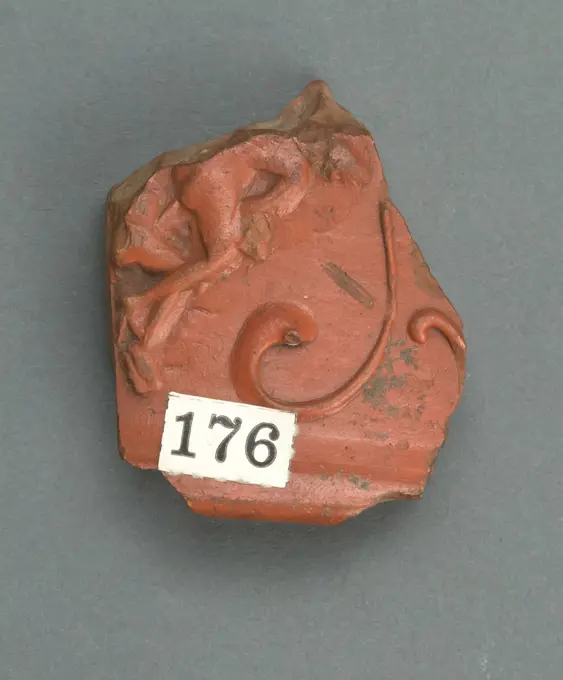
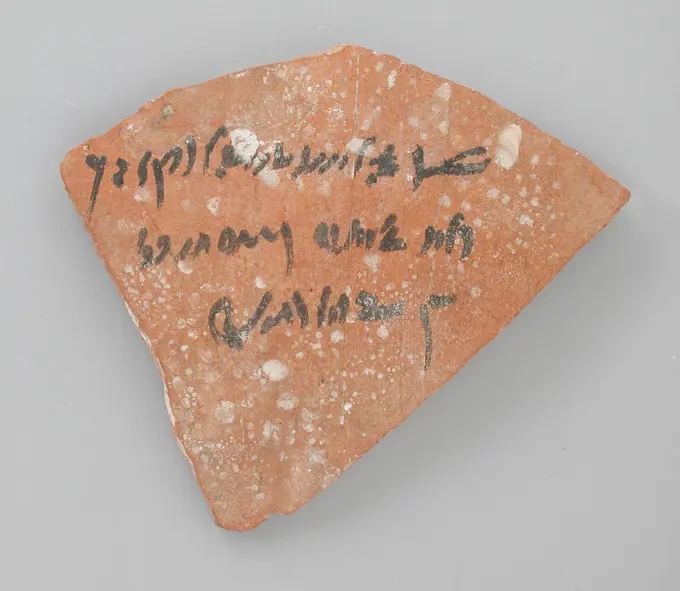
Harvey Beck, Ship Builder's Axe Head, 1939 Ship Builder's Axe HeadFurniture element ca. 18th century B.C. Old Assyrian Trading Colony. Furniture element 32969818th Dynasty (Tutankhamun) ceramic fragments decorated with patterns circa 1350 BCHieratic ostracon New Kingdom, Ramesside ca. 1295-1070 B.C. View more. Hieratic ostracon. ca. 1295-1070 B.C.. Limestone, ink, paint. New Kingdom, Ramesside. From Egypt, Upper Egypt, Thebes, Valley of the Kings, Davis excavations. Dynasty 19-20Map of Palestine on rusty metalPrehistory, Italy, Iron Age. Hallstatt Period, bronze ax from Torrebelvicino, Vicenza province.Fossil ammonite, Ammonites, Crop, ObjectHand axes of flint. Aisne Valley, France. Mousterian Culture. 100000-40000 BC. National Museum of Denmark. Copenhagen. Denmark.FRAGMENTS OF A SOLAR QUADRANT (INV 3059). (EXHIBITION THE SCIENTIFIC LEGACY OF AL-ANDALUS) (LOCATION: NATIONAL MUSEUM OF MUSULMAN HISPANIC ART).Vase fragments Roman Applique and barbotine reliefs; youth, aedicula, animal and vine branches.. Vase fragments. Roman. Terracotta. VasesFragment of a Bowl 15th century. Fragment of a Bowl 445437Ax Blade (Celt) 1500-1000 B.C. India These anthropomorphic figures, harpoons, ax blades (celts), and antennae swords were cast and hammered from unalloyed copper. They may be dated to 1500 to 1000 B.C. Given that pure copper is a relatively soft metal and most of the objects show little or no signs of wear, it seems likely that their function was largely dedicatory. Hoards of such objects have been found across north India, the greatest concentration being in Uttar Pradesh. The findspots suggest they were ritually deposited in rivers or marshes, though several related antennae swords were recorded in late Indus Valley civilization (ca. 1500 B.C.) burials at Sanauli.. Ax Blade (Celt) 50630Lamp 7th-8th century. Lamp 451657AshtraySherd ca. early to mid-3rd millennium B.C. Indus. Sherd 324708Costume Ornament. Culture: Peru; central coast (). Dimensions: Overall: 2 3/8 in. (6.03 cm). Date: 11th-12th century. Museum: Metropolitan Museum of Art, New York, USA.Meteorite Simmern, Rheinland-Pfalz, Germany. H5 class. Fallen to the earth's surface on July 1, 1920.Dice 9th-10th century This object was excavated at Nishapur.Nishapur was a vital city in the early and middle Islamic periods, located along one of the main trajectories that connected Iran and West Asia Islamic lands with Central Asia and China. These itineraries are often referred to by the term Silk routes’ but were in fact crucial to the movement of constellations of materials and objects, as well as people and ideas. The diverse population of Nishapur and its surroundings, from the better-researched elite groups of merchants, land-owning aristocracy, and literates, to the less-known artisans, farmers, miners, and servants, were instrumental in adapting global cultural trends to create their own distinctive visual languages. This is seen in the material remains of everyday life in medieval Nishapur - from pots and pans to lighting devices, inkwells, textiles and trimmings, jewelry, games and toys, talismanic devices, weapons, coins, and architectural fragments.Nishapur lost its poTerracotta rim fragment with lug and linear decoration ca. 4300-3300 B.C. Dimini culture From ThessalyBlack linear pattern on light ground.. Terracotta rim fragment with lug and linear decoration 253212 Dimini culture, Terracotta rim fragment with lug and linear decoration, ca. 43003300 B.C., Terracotta, length 3 3/8in. (8.5cm). The Metropolitan Museum of Art, New York. Anonymous Gift, 1930 (30.119.7)Roman wall painting fragment " charioteer leading two horses." 12, 5 x 11 cm, 5 cm ( 2 nd CE ), Roman period, from the "Villa del Val" - Archaeological site of Complutum in Alcalá de Henares (Madrid). SPAIN.Stamp Seal, Tabloid. Iran or Mesopotamia, late 4th-2nd millennium B.C.. Tools and Equipment; seals. Green-mottled black serpentineFishtail Knife ca. 3650-3300 B.C. Predynastic, Naqada II Blades such as this one were included in burials throughout the Predynastic Period.The cutting edge is the V-shaped notch. Although the implement's exact purpose is unknown, there is persua-sive evidence that it was used at birth to cut the umbilical cord and was placed in the grave to assist its owner's rebirth into the afterlife. A similar instrument was used throughout Egyptian history in the funerary rite known as the "Opening of the Mouth": touched to the mouth of the deceased's mummy or statue, it symboli-cally restored the individual's capability of independent existence. In addition to the implement, this model set also contains replicas of the vessels with which the newly revived spirit was of-fered milk (a baby's first source of nourishment), salt water (used for cleansing), and fresh water.. Fishtail Knife. ca. 3650-3300 B.C.. Flint. Predynastic, Naqada II. From EgyptEarring, from a collection of six, 11th-16th century, 1 3/4 x 2 13/16 in. (4.45 x 7.14 cm), Gold, Ecuador, Pre-ColumbianHammered Silver Cone Ornament 8th-mid-16th century Peru; north coast (). Hammered Silver Cone Ornament 309000Prehistoric Axes, from Aquileia, ItalyVase fragment Greek, Lydian. Vase fragment 252758 Greek, Lydian, Vase fragment, Terracotta, Overall: 2 1/4 x 1 1/2in. (5.7 x 3.8cm). The Metropolitan Museum of Art, New York. Gift of The American Society for the Excavation of Sardis, 1926 (26.199.191)Elbow Defense (Couter) ca. 1430-40 Italian This is part of a large find of medieval armor discovered in 1840 in the ruins of the fortress of Chalcis, on the Greek island of Euboea (then a Venetian colony called Negroponte). The fortress had been captured and destroyed by the Turks in 1470. Now divided largely between the Ethnological Museum, Athens, and The Metropolitan Museum of Art, the Chalcis hoard contains many rare and unusual elements of fourteenth- and fifteenth-century armor. Of particular importance are the variety of headpieces and the many fragments of brigandines (armor for the torso constructed of small plates riveted to layers of fabric), some of which retain portions of their original velvet covering. The Chalcis armor provides a unique picture of the armament used in the Aegean, one of the easternmost military outposts of the Venetian empire.. Elbow Defense (Couter). Italian. ca. 1430-40. Steel. Armor Parts-Elbow PlatesPlaque with Interlinked Scrolls 700 BCE-600 BCE China. Jade .Terracotta lamp handle ca. A.D. 25-75 Roman On handle, a palmette between two hippocamps. Terracotta lamp handle 250355 Roman, Terracotta lamp handle, ca. A.D. 2575, Terracotta, L. 3 1/2in. (8.9 cm.). The Metropolitan Museum of Art, New York. Gift of J. Pierpont Morgan, 1917 (17.194.2010)Vase fragment East Greek/Sardis, Lydian. Vase fragment 252731 East Greek/Sardis, Lydian, Vase fragment, Terracotta, Overall: 4 3/4 x 5 1/8in. (12 x 13cm). The Metropolitan Museum of Art, New York. Gift of The American Society for the Excavation of Sardis, 1926 (26.199.164)Fragment of a Bowl 13th-14th century. Fragment of a Bowl 446430Ravier. Sandstone, Céladon covered, iron brown under the cover. Paris, Cernuschi museum. Art of the table, Japanese art, Japanese ceramic, gres, ravier, dishOil Lamp. Egypt, Greco-Roman Period (305 BCE - 337 CE). Furnishings; Lighting. Calcite ()Fragment 14th-15th century. Fragment 445417Shards of basement bottles and a pipe head from the wreck of the East Indians' t Vliegend Hart ,, 1700 - 1735  Five large fragments of square basement bottles: two soils and four wrote. One pipe head with heel brand Crowned 67. Case Bottle. Middelburg pipe clayKarte von Rio Grande do Sul auf rostigem Metall - Map of Rio Grande do Sul on rusty metal Karte von Rio Grande do Sul auf rostigem Metall - Map of Rio Grande do Sul on rusty metal Copyright: xZoonar.com/lantapixx 14976626Grahal-Manzara. Carnavalet 2013-2016 collection sites. Numismatics.macro shooting of natural mineral rock specimen - rough brown mica sheet on dark granite backgrounddry ginger Copyright: xHarixMahidhar/DinodiaxPhotoxCoin fromBabyloniaDuckling Krakowiaki. Patron for the polychrome of the House of the Medical Society in Krakow Wyspiały, Stanis Aw (1869 1907)Water Filter 10th-12th century. Water Filter 447438Iberian tombstone from Empuries.Floor tile. Floor tile decorated with a quarter circle in which the inscription Thvis with a lily in the two corners.Terracotta rim fragment with incised lines and punctations ca. 3600-3100 B.C. Cretan From Knossos, CreteFragment of a rim, gray ware, decorated with incised lines and punctured dots.. Terracotta rim fragment with incised lines and punctations 248523Terracotta fragment of a calyx-krater (bowl for mixing wine and water) second quarter of the 5th century B.C. Greek, Attic Right half of handle from a calyx-krater. Terracotta fragment of a calyx-krater (bowl for mixing wine and water). Greek, Attic. second quarter of the 5th century B.C.. Terracotta; red-figure. Classical. VasesAbruzzo, L'Aquila, S. Giuliano (L'Aquila environs), Museo, Italy, 20th century, photo, photography, EuropeHighstone with representation of the two -headed eagle between the columns of Hercules, c. 1550 - c. 1600 Highstone with representation of the two -headed eagle between the columns of Hercules. Southern Netherlands earthenware Highstone with representation of the two -headed eagle between the columns of Hercules. Southern Netherlands earthenwareTerracotta fragment of a hydria (water jar) late 6th/early 5th century B.C. Greek, Attic Ivy from the left side of the panel ornament. Terracotta fragment of a hydria (water jar). Greek, Attic. late 6th/early 5th century B.C.. Terracotta; black-figure. Archaic. VasesLower Plate of a Bascinet early 15th century Italian This is part of a large find of medieval armor discovered in 1840 in the ruins of the fortress of Chalcis, on the Greek island of Euboea (then a Venetian colony called Negroponte). The fortress had been captured and destroyed by the Turks in 1470. Now divided largely between the Ethnological Museum, Athens, and The Metropolitan Museum of Art, the Chalcis hoard contains many rare and unusual elements of fourteenth- and fifteenth-century armor. Of particular importance are the variety of headpieces and the many fragments of brigandines (armor for the torso constructed of small plates riveted to layers of fabric), some of which retain portions of their original velvet covering. The Chalcis armor provides a unique picture of the armament used in the Aegean, one of the easternmost military outposts of the Venetian empire.. Lower Plate of a Bascinet. Italian. early 15th century. Iron. Helmets Partspebble of Tinguaite phonolite gemstone macro shooting of natural mineral stone - polished pebble of Tinguaite phonolite gemstone isolated on white background Copyright: xZoonar.com/ValeryxVoennyyx 9078454Tool. Date: ca. 3850-2960 B.C.. Museum: Metropolitan Museum of Art, New York, USA.Empty wooden cutting board for preparing ingredients for preparing a delicious dish. Kitchen utensilsVessel Fragment with Incised Inscription Naming the Vizier Ptahhotep. Egypt, Old Kingdom, possibly 5th Dynasty (2649 - 2191 BCE). Furnishings; Serviceware. GraniteRectangular Mount second half 6th century Visigothic. Rectangular Mount. Visigothic. second half 6th century. Copper alloy, garnets, malachite (efflourescence in HCl). Metalwork-CopperBelt Plate 6th-7th century Frankish. Belt Plate 465027 Frankish, Belt Plate, 6th7th century, Iron, silver inlay, Overall: 2 1/4 x 1 15/16 x 9/16 in. (5.7 x 5 x 1.4 cm). The Metropolitan Museum of Art, New York. Gift of J. Pierpont Morgan, 1917 (17.191.314)Knife lifting out of the wreck of the East India hollandia.knife, handle, cylindrical: tapering; ID. NG 1979-403H.Fragment 9th century. Fragment 452691Canaanite bronze arrowheads and lance points, 14th century BC, IsraelFragment of a Bowl 12th-13th century. Fragment of a Bowl 447221Hat of Genopte Buckram with horseshoe -shaped hat floor and four ramps, anonymous, c. 1800 - c. 1850 Hat van Genopte Buckram with horseshoe -shaped hat floor and four ramps. The hat has a recommended strip with scalloped, festunned edge. West-Europa whole: Buckram Hat van Genopte Buckram with horseshoe -shaped hat floor and four ramps. The hat has a recommended strip with scalloped, festunned edge. West-Europa whole: BuckramShards of wine bottles and a cork from the wreck of the East Indians' t Vliegend Hart ,, 1700 - 1735  Shards of onion -shaped wine bottles of green glass with red (port) wine and a cork. Netherlands cork (bark)Jar Label ca. 1390-1352 B.C. New Kingdom. Jar Label. ca. 1390-1352 B.C.. Pottery and ink, paint. New Kingdom. From Egypt, Upper Egypt, Thebes, Malqata, Palace of Amenhotep III, MMA excavations. Dynasty 18Limestone inscribed fragment Cypriot Inscribed fragment from a box or chest.. Limestone inscribed fragment. Cypriot. Stone. Cesnola InscriptionsBead 8th-13th century This object was excavated at Nishapur.Nishapur was a vital city in the early and middle Islamic periods, located along one of the main trajectories that connected Iran and West Asia Islamic lands with Central Asia and China. These itineraries are often referred to by the term Silk routes’ but were in fact crucial to the movement of constellations of materials and objects, as well as people and ideas. The diverse population of Nishapur and its surroundings, from the better-researched elite groups of merchants, land-owning aristocracy, and literates, to the less-known artisans, farmers, miners, and servants, were instrumental in adapting global cultural trends to create their own distinctive visual languages. This is seen in the material remains of everyday life in medieval Nishapur - from pots and pans to lighting devices, inkwells, textiles and trimmings, jewelry, games and toys, talismanic devices, weapons, coins, and architectural fragments.Nishapur lost its poShards of wine bottles from the wreck of the East Indians' t Vliegend Hart ,, 1700 - 1735  Shards of onion -shaped wine bottles of green glass that has been in red (port) wine. Netherlands .Painted textile with birds among flowers China. Painted textile with birds among flowers. China. Ink, color, and gold on silk. Liao dynasty (907-1125). Textiles-PaintedFragment of a Bowl 13th-14th century. Fragment of a Bowl 445521Tripod for kiln 12th-15th century. Tripod for kiln 447705Helmet, Iron, 6th-7th century, Russia, Moscow, State History Museum,Magic Wand ca. 1900-1640 B.C. Middle Kingdom. Magic Wand 544244Textile Fragment 4th-5th century. Textile Fragment 444050Fragment, Medium: linen Technique: needle lace, Fragment of Argentan lace with an elaborate floral design., France, 18th century, lace, FragmentNecklace ca. 1950-1900 B.C. Middle Kingdom-Early New Kingdom. Necklace 557316Tile with oval. Tile decorated with an oval.Painted ceramic fragments. From Plaza de Maria Pita (La Corua, Galicia, Spain). Archaeological and History Museum (San Anton Castle). A Corua, Galicia, Spain.Ravier. Sandstone, Céladon covered, iron brown under the cover. Paris, Cernuschi museum. Art of the table, Japanese art, Japanese ceramic, gres, ravier, dishRed-Figure Volute Krater Fragment (part of 77.AE.11). Kleophrades Painter (Greek (Attic), active 505 - 475 B.C.)Mosaic pavement fragment Roman. Mosaic pavement fragment. Roman. Tile, mortar. Miscellaneous-MosaicPrehistory, Italy, Bronze Age. Carved bone plaque. From Emilia Romagna.Cushions. IsolatedCork for wine stopper Cork for wine stoppers made from bark tissue of the Cork Oak Quercus suber Copyright: xZoonar.com/ClaudioxDiviziax 8860500Grahal-Manzara. Carnavalet 2013-2016 collection sites. Numismatics.Papyri Fragments 7th century Coptic. Papyri Fragments 479298Relief of part of a richly adorned female figure - see 26.3.353-3 ca. 2051-2030 B.C. Middle Kingdom. Relief of part of a richly adorned female figure - see 26.3.353-3. ca. 2051-2030 B.C.. Limestone, paint. Middle Kingdom. From Egypt, Upper Egypt, Thebes, Deir el-Bahri, Tomb of Neferu (TT 319, MMA 31), MMA excavations, 1923-25. Dynasty 11Cange. Glass. Paris, Carnavalet museum. 51537-9 Camse, glassFragment of an Inlay Depicting a Rosette 100 BCE-100 CE Italy. In ancient Rome, there was a high demand for colorful glass that could dazzle banquet guests alongside the expensive silver and gold serving wares meant to impress. Fragments like this one would have once been a part of larger mosaic dishes. The mosaic pattern was made by sagging molten glass into bowl-shaped molds, a technique used on many of these fragments is similar to millefiori, ìthousand flowersî in Italian, a modern glass-making method in which tiny rods of colored glass are bundled together, wrapped in a sheet of glass, fused, and then thinly sliced to reveal swirls of a flower-like patterns. They were arranged side by side, sometimes together with bits of colored glass, and fused together with heat.. Glass, mosaic glass technique . Ancient RomanBlade of the sickle; Unknown Night -Tamanian workshop; 2. PO. 3 thousand BC ; Early period D Azira IV (-2500-00-00--2001-00-00);Al -Jazira (Geographical Land - Syria - Iraq - Mesopotamia), tools, early period Dżazira IV (approx. 2350 -OK. 2200 BC), Akadian period (appro Transfer (provenance), excavations of the Mediterranean Archeology Center of the University of WarsawPIEZAS DE LA EXPOSICION "ARTE SIN ARTISTAS": ESCULTURA DE CABEZA HUMANA DE ENTREFOCES, DEL ABRIGO DE ENTREFOCES (MORCIN, ASTURIAS). CANTO RODADO DE CUARZO. MAGDALENIENSE.Set of stones seashells and plants Hand drawn ocean shell or conch mollusk scallop Sea underwater animal fossil Nautical and aquarium, marine theme. Vector illustrationBaja Cresta flagstones.Band Fragment with Botanical Decoration Coptic. Band Fragment with Botanical Decoration, 5th-7th century C.E. Wool, linen, 2 3/8 x 14 3/16 in. (6 x 36 cm).   Egyptian, Classical, Ancient Near Eastern Art 5th-7th century C.E.Fragment of a Bowl or Cup 13th-16th century. Fragment of a Bowl or Cup 452461Point in chipped stone. Neolithic period. North Africa. 14,5 cm.Lithic industry. Trapeziums, arrowheads and polished axes. Late Neolithic-Chalcolithic. Los Churuletes, burial 3. Purchena, province of Almeria, Andalusia. National Archaeological Museum. Madrid. Spain.Stone Earflare before 16th century Mexican. Stone Earflare 317336Vase fragment Roman, Gaul Erotic scene, tendrils.. Vase fragment. Roman, Gaul. Terracotta. VasesFragment 12th-13th century. Fragment 451511Terracotta Ostracon with Greek inscription. Egypt, Ptolemaic Period - Roman Period (333 BCE - 337 CE). Tools and Equipment; ostraka. TerracottaSample (Dress Trimming) Made 1815-1835 France. Silk, plain weaves and silk, satin weaves; pieced; backed with linen( ), plain weaves; sized; mounted to cotton, plain weave; sized .