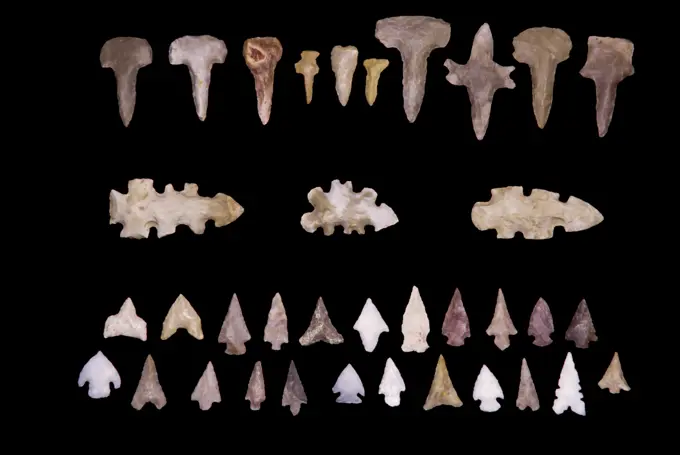
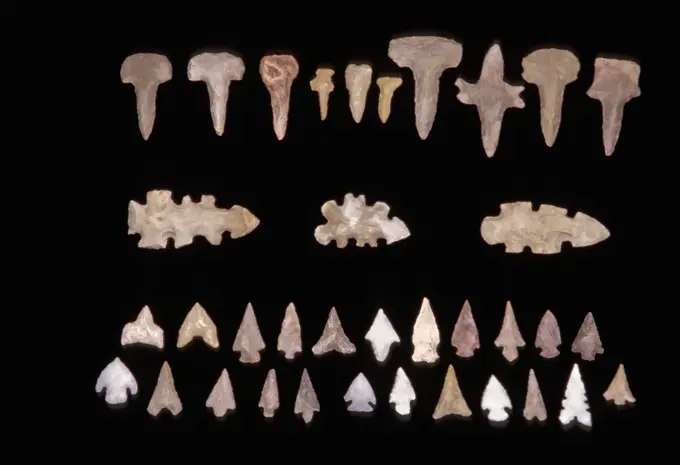
Ancient Artifact Fragments

Fragments of ancient artifacts including vase pieces and stone plates with engravings, showcasing historical designs from different cultures.
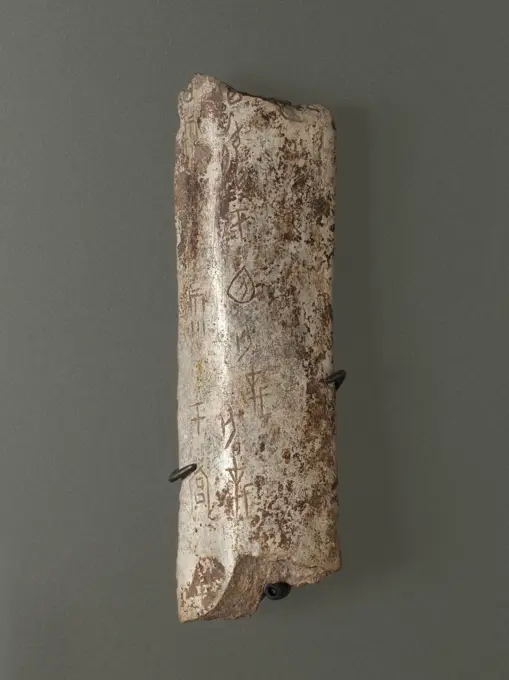
Fragment of bone ". Os. China, Shang dynasty. Paris, Cernuschi museum. 72198-43 Shang dynasty, bone fragment, inscription
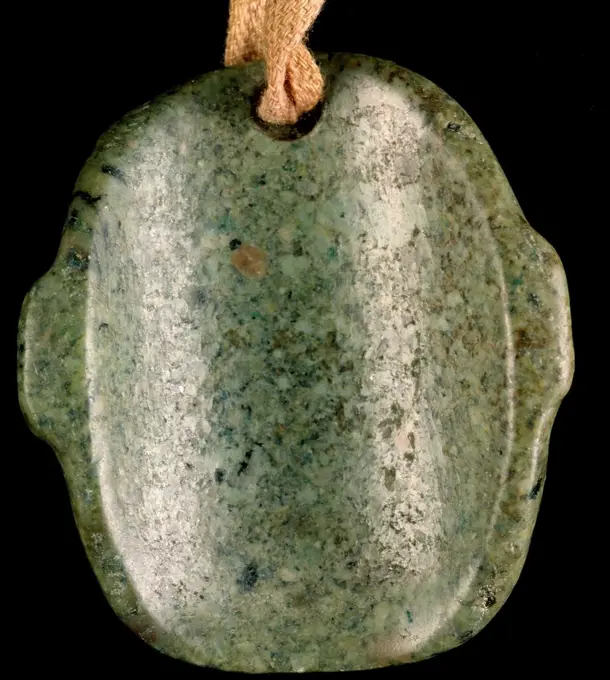
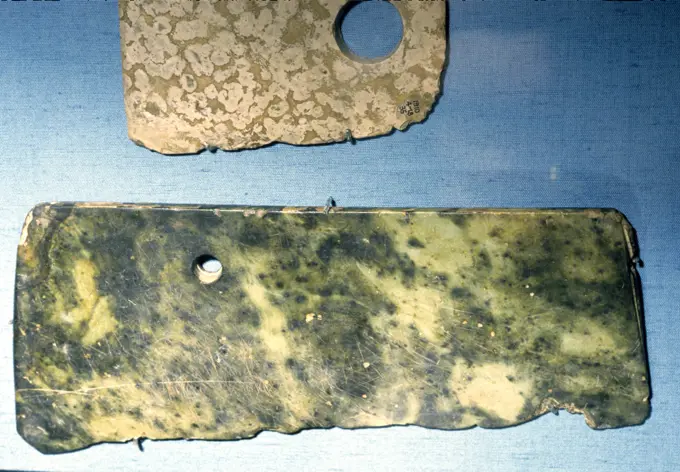
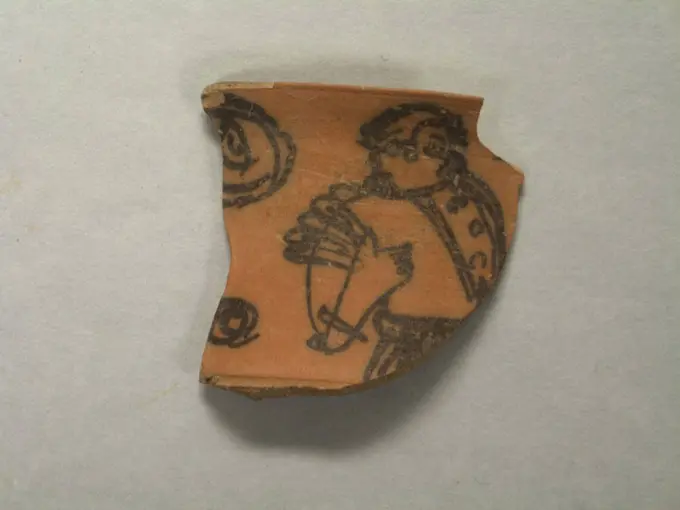
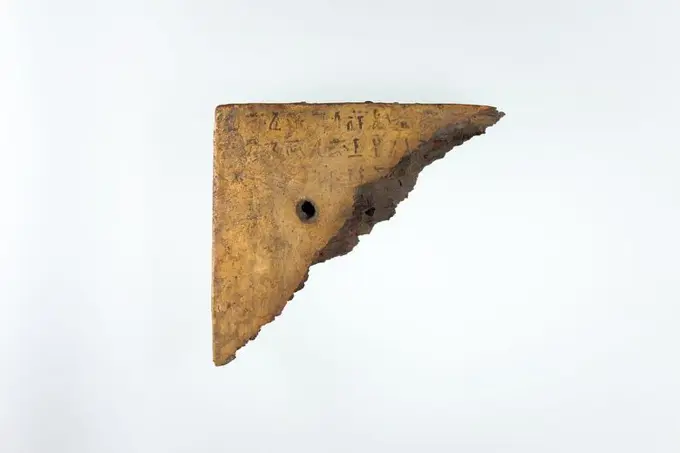
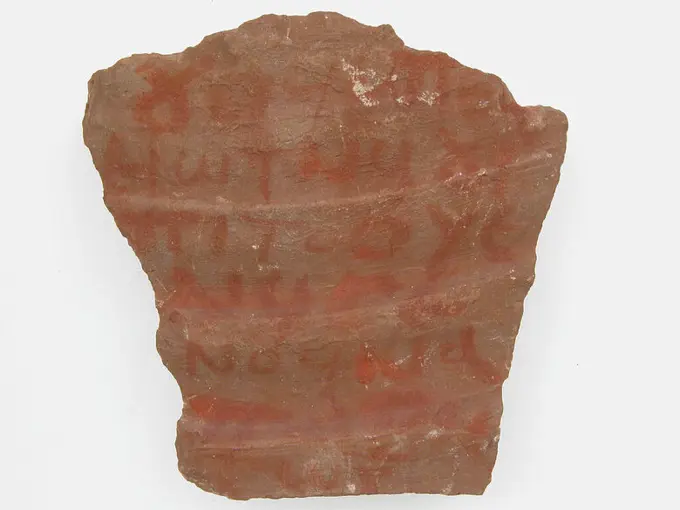
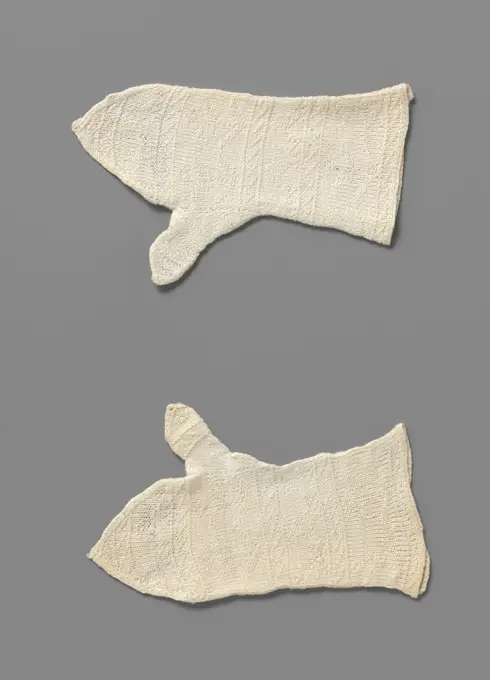
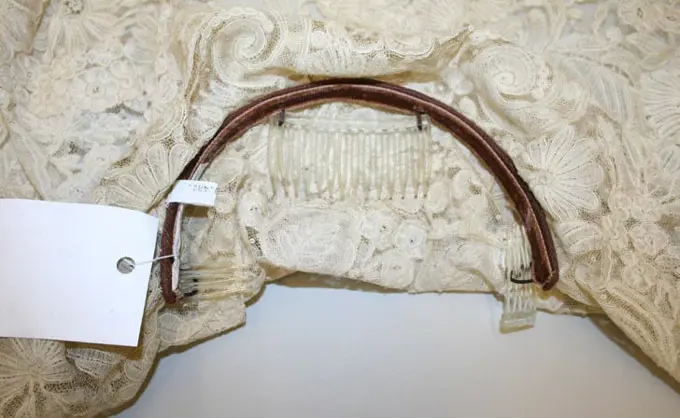
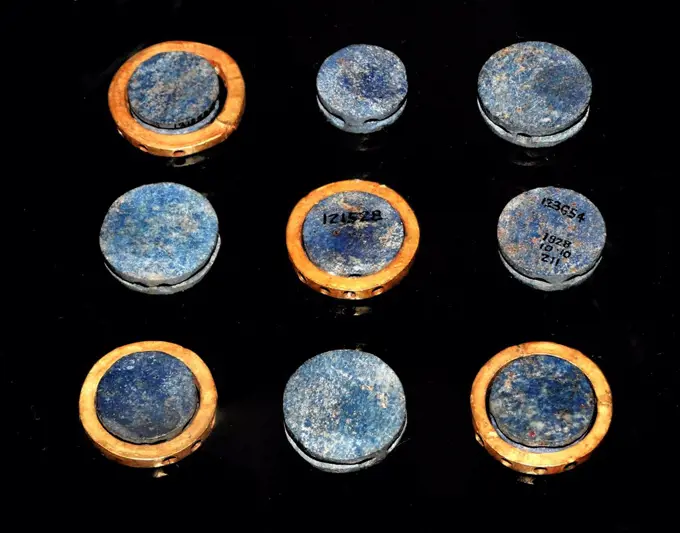
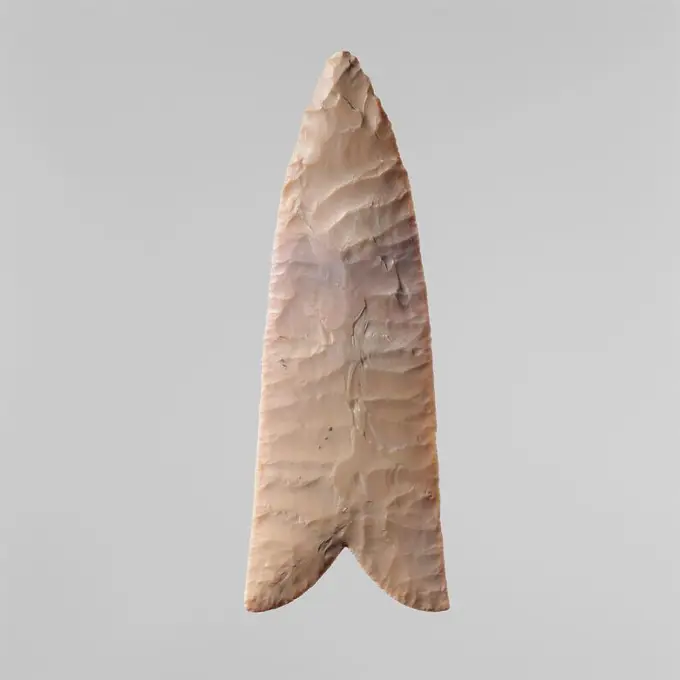
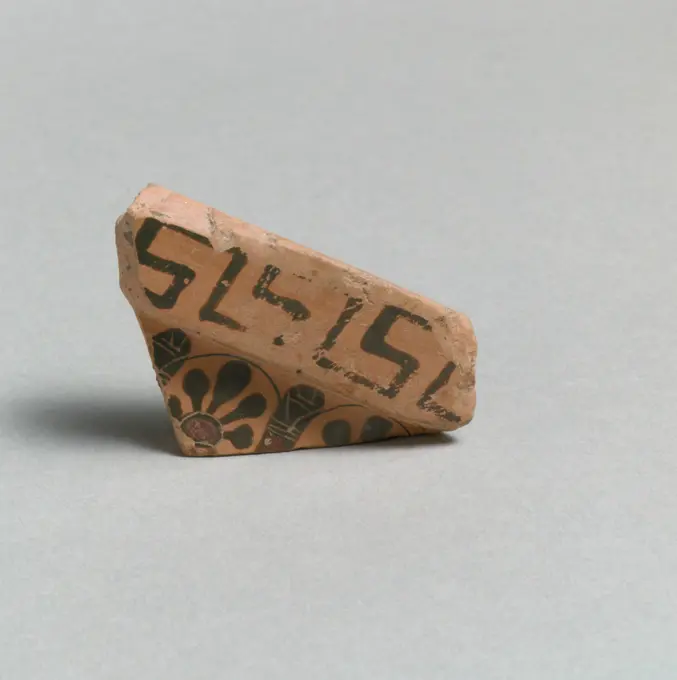
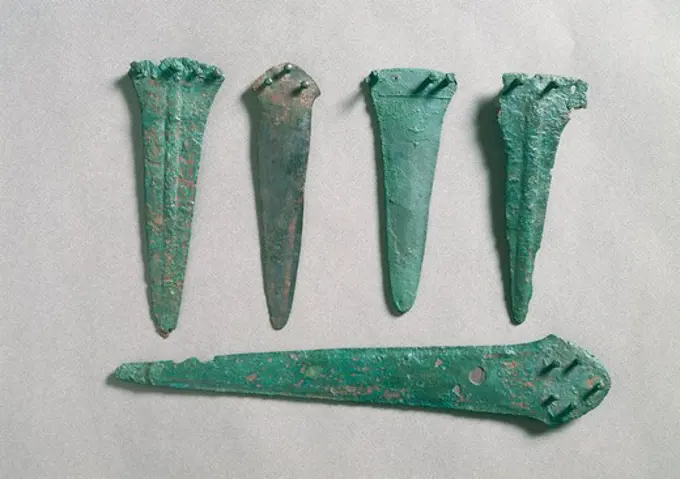
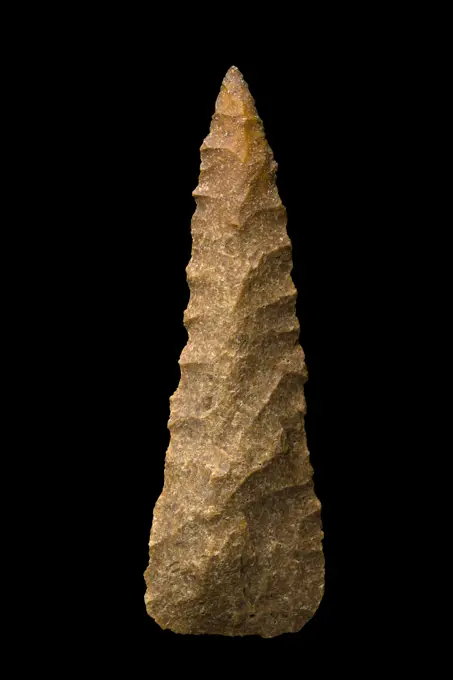
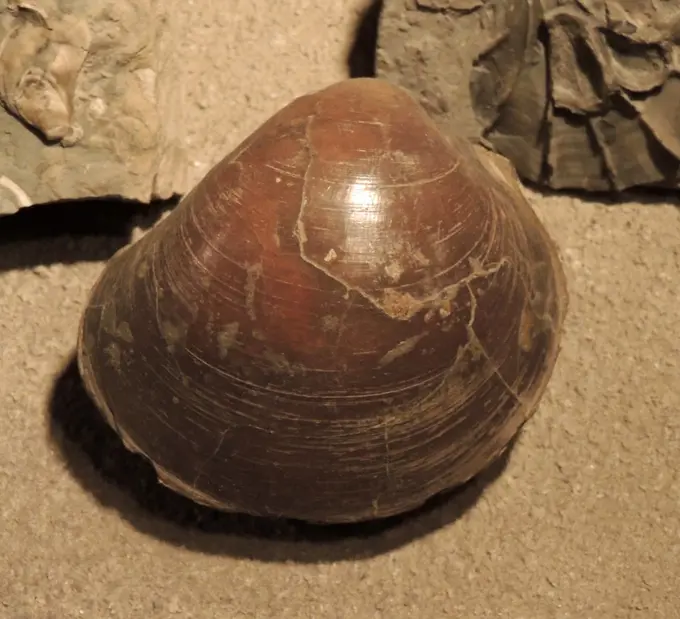
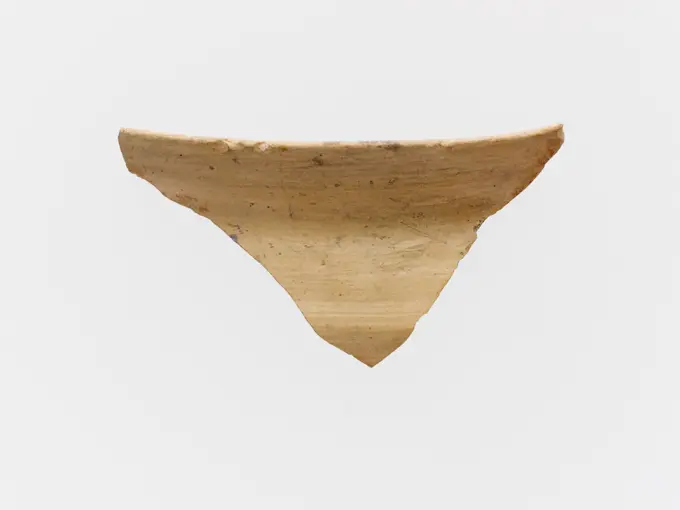
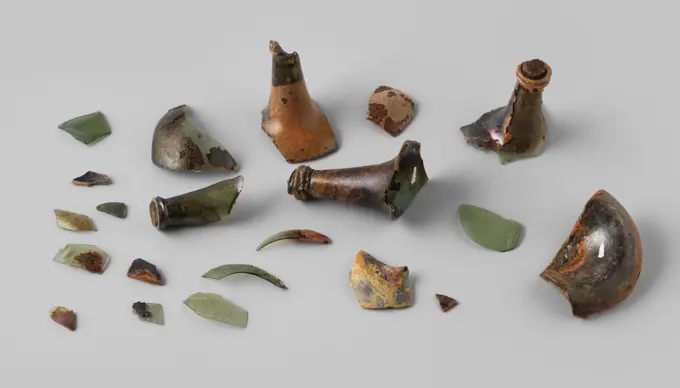
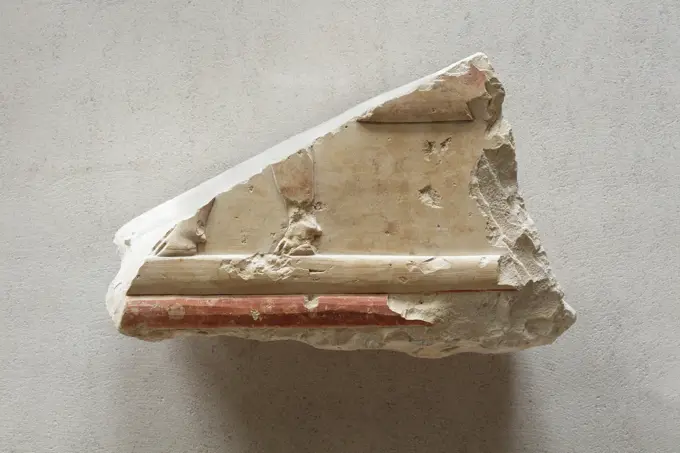
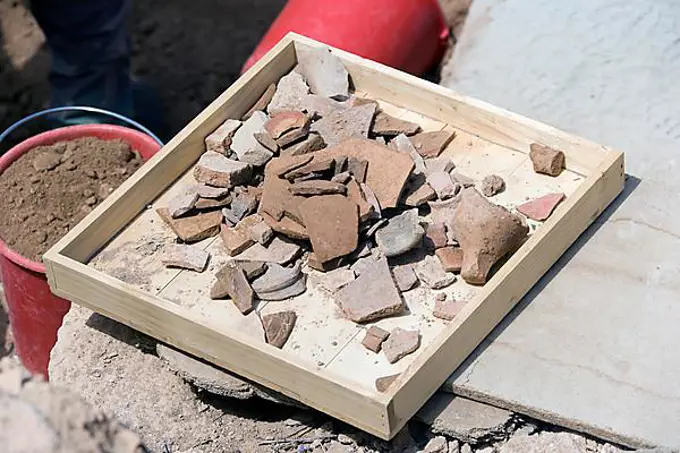
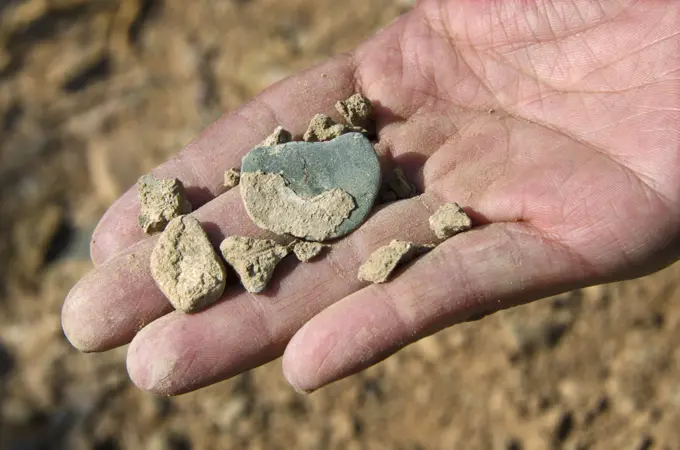
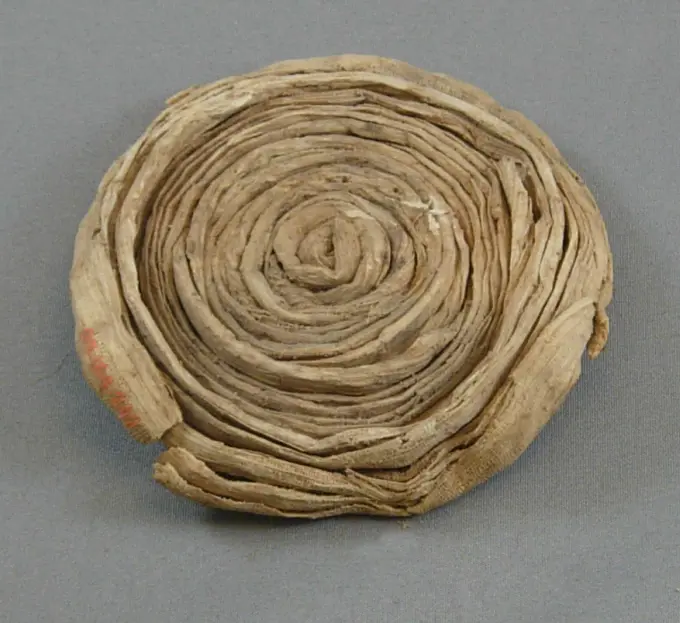
Papyrus Lid from Tutankhamun's Embalming Cache ca. 1336-1327 B.C. New Kingdom. Papyrus Lid from Tutankhamun's Embalming Cache. ca. 1336-1327 B.C.. Papyrus fiber. New Kingdom. From Egypt, Upper Egypt, Thebes, Valley of the Kings, Embalming Cache of Tutankhamun (KV 54), Davis/Ayrton excavations, 1907-08. Dynasty 18Fontaneldoek of white linen with lace, anonymous, c. 1800 - c. 1900 A three -part headscarf with lace edge (part of a Frisian children's costume). Coming from Schiermonnikoog. Schiermonnikoog linen (material). A three -part headscarf with lace edge (part of a Frisian children's costume). Coming from Schiermonnikoog. Schiermonnikoog linen (material).MASCARA DE GRANITO VISTO POR LA PARTE DE ATRAS - ARTE OLMECA. Location: PRIVATE COLLECTION. MADRID. SPAIN.A fragment of Coptic fabric unknownRelief Fragment with Part of a Rosette 6th-7th century Coptic. Relief Fragment with Part of a Rosette. Coptic. 6th-7th century. Ivory. Made in Byzantine Egypt. IvoriesAsia, China. Hardstone knife, Neolithic 3rd-2nd millenium BC. China.Shard with Figural Decoration ca. 4th-5th century Pakistan. Shard with Figural Decoration 37622Karte von Para auf rostigem Metall - Map of Para on rusty metal Karte von Para auf rostigem Metall - Map of Para on rusty metal Copyright: xZoonar.com/lantapixx 14869241Writing board fragment with Sokar formula for the benefit of Itaseneb. Dimensions: H. 18 cm (7 1/16 in.); W. 16 cm (6 5/16 in.); Th. 4.5 cm (1 3/4 in.). Dynasty: Dynasty 11. Date: ca. 2030-1981 B.C.. Museum: Metropolitan Museum of Art, New York, USA.Ostrakon with a Letter. Culture: Coptic. Dimensions: 3 3/4 x 3 3/4 in. (9.5 x 9.6 cm). Date: 600. Museum: Metropolitan Museum of Art, New York, USA.rough Tinguaite rock isolated on white closeup of sample of natural mineral from geological collection - rough Tinguaite rock isolated on white background Copyright: xZoonar.com/ValeryxVoennyyx 14990633Axe for splitting wood. Ulverud, Gran k., Oppland. Viking age. Norway. Axe. Unknown. 9th century. Moulding scraper. Grotheim, Lom K., Oppland. 10th century. Norway. Historical Museum. Oslo. Norway.TalismanMitaine with open thumb of knitted cotton, c. 1700 - c. 1800 Mitaine of white knitted cotton, with open thumb. Knitted in pattern of varied rows with birds and flowers, for baby or child. Netherlands whole: Cotton (textile) knitting Mitaine of white knitted cotton, with open thumb. Knitted in pattern of varied rows with birds and flowers, for baby or child. Netherlands whole: Cotton (textile) knittingShards of Martavanen from V.O.C. ship De 'Witte Leeuw', Anonymous, Before 1613  Shards of Martavanen from V.O.C. ship De 'Witte Leeuw'. southeast Asia porcelain. stoneware   Sint-HelenaKarte von Luxemburg auf rostigem Metall - Map of Luxembourg on rusty metal Karte von Luxemburg auf rostigem Metall - Map of Luxembourg on rusty metal Copyright: xZoonar.com/lantapixx 10692267Wedding veil late 19th century European. Wedding veil 81368Calls with cork of basement bottles from the wreck of the East Indians Hollandia, Anonymous, 1700 - in Or Before 1743  Case bottle, fragm: necks, id. NG 1980-27H1286a; neck and shoulder fragm, wide everted mouth. Netherlands cork (bark)   SecondEarly Mesopotamian Lapis Lazuli and gold discs used for decoration, Iraq, circa 2900-2300 BC AkkadianFlint Blade. Dimensions: L. 5.8 x 0.8 x 15.7 cm (2 5/16 x 5/16 x 6 3/16 in.). Date: ca. 3650-3300 B.C..Blades such as this one were included in burials throughout the Predynastic Period.The cutting edge is the V-shaped notch. Although the implement's exact purpose is unknown, there is persua-sive evidence that it was used at birth to cut the umbilical cord and was placed in the grave to assist its owner's rebirth into the afterlife.A similar instrument was used throughout Egyptian history in the funerary rite known as the "Opening of the Mouth": touched to the mouth of the deceased's mummy or statue, it symboli-cally restored the individual's capability of independent existence. In addition to the implement, this model set also contains replicas of the vessels with which the newly revived spirit was of-fered milk (a baby's first source of nourishment), salt water (used for cleansing), and fresh water. Museum: Metropolitan Museum of Art, New York, USA.Volute-krater fragment ca. 530 B.C. Greek, Attic. Volute-krater fragment 254566 Greek, Attic, Volute-krater fragment, ca. 530 B.C., Terracotta, greatest dimension   5.69 cm. The Metropolitan Museum of Art, New York. Gift of Mr. and Mrs. John van Benschoten Griggs, 1946 (46.129.8)Spain, Madrid, El Argar culture knivesSmall right fish (plate). Jade. Shang dynasty (1765-1122 BC), China. Paris, Cernuschi museum. 101270-15 Asian art, Chinese art, art of extreme orient, Shang dynasty, Yin dynasty, Shang time, iieme II 2nd 2 millennial, jade, fishToothed shape. Arrowhead in chipped stone. Neolithic period. Found between 1970 and 1980 in the southern Sahara at El Golea Timimoun, eastern erg. Algeria. 8,1 cm.Plagiostoma giganteum. A clam shell, Lower Lias, Filton, Gloucestershire.Side of a horn or turtle shell snuff box from the wreck of the Dutch East India ship 't Vliegend Hart, , 1700 - 1735  Horns side of a pinch box with curly copper part of a hinge. Belongs to a similar side with the same find number but without a hinge. Middelburg horn (animal material). copper (metal)Terracotta rim fragment ca. 2000-1600 B.C. Helladic Yellow Minyan ware.. Terracotta rim fragment. Helladic. ca. 2000-1600 B.C.. Terracotta; Yellow Minyan ware. Middle Helladic. VasesWatercolor Wooden signboards, empty Blank, wood banners, planks, board. Signs for messages for pathfinding. Illustration with space for text.Sidewall , Block-printed, Four very small fragments. There is very little pigment remaining on any of these pieces. -b) has the appearance of a gray imitation stone design, France, USA, 1800-1850, Wallcoverings, Sidewall Eskimo stone arrowheads and scrapers from Beverly near Anchorage, Alaska.Fragment first half 17th century Mexican. Fragment 211517Fragment de sarcophage. Iran. Viious s. to. J.-C. Par musée musée malée. 35407-15 Bronze, fragment, character, profile, sarcophagusTassel, Medium: linen, silk, metal wire, foil strip, paillettes, wood Technique: braided and knotted, White linen tassel with a bell-shaped wooden core covered in knotted linen, from which hang four elaborate interconnected knottings in the form of human figures. The figures are decorated with metal wire, foil strips, and some paillettes., Italy, Europe, 17th century, trimmings, TasselUnderemen with flower ranks in Point de Marseille, Anonymous, c. 1750 Under sleeve with an edge of flower vines in Point de Marseille at the bottom. West-Europa batiste. linen (material) Under sleeve with an edge of flower vines in Point de Marseille at the bottom. West-Europa batiste. linen (material)Underemen with flower ranks in Point de Marseille, Anonymous, c. 1750 Under sleeve with an edge of flower vines in Point de Marseille at the bottom. West-Europa batiste. linen (material) Under sleeve with an edge of flower vines in Point de Marseille at the bottom. West-Europa batiste. linen (material)Calligraphic relief tile with turquoise glaze, from Iran. Dated 13th CenturyArrowhead with peduncle in cut stone. Neolithic period. North Africa. 5,5 cm.Shards of stoneware and earthenware from the wreck of the East Indians Hollandia, Anonymous, 1700 - in or Before 1743  Shards of stoneware and red -baking earthenware with glaze.  stoneware. earthenware. glaze   SecondPanel 13th-14th century. Panel 445132Chinese cinnamon (Cinnamomum cassia) bark, Germany, EuropeSherd ca. mid-3rd millennium B.C.. Sherd. ca. mid-3rd millennium B.C.. Ceramic. Early Bronze Age. Mesopotamia, Tell TayaAnonymous, belt buckle (usual name), 0299. Cernuschi Museum, Museum of Arts in Asia in the city of Paris.Close-up of artificial dinosaur bones embedded in a wallFragment (Italy); silklyriform plaque, 7th century, Visigoth - early medieval, Valladolid Museum , Castile and Leon, Spain.Sidewall - Fragment (England); block-printed on paper; 20 x 15.5 cm (7 7/8 x 6 1/8 in.)Cuneiform tablet: fragment, Ebabbar archive ca. 605-562 B.C. Babylonian. Cuneiform tablet: fragment, Ebabbar archive 322045Ivory Fragments 4th-7th century Coptic. Ivory Fragments 478758Cuneiform tablet: fragment ca. 7th-4th century B.C. Babylonian or Achaemenid. Cuneiform tablet: fragment 322043Shells from the great scallop, also known as King Scallop, which is an edible seawater clam. Dated 21st CenturyDufrenite. minerals. North America; USA; Maryland; Prince Georges County; GreenbeltFragment. Dimensions: L 49cm x W 19 x H 5. Date: probably 8th-12th century. Museum: Metropolitan Museum of Art, New York, USA.Scrapers , Woordworking tools, Wood-carving, Charles F. Walcott Archaleogical CollectionCrossbow Nut before 1272 Western European or Near Eastern. Crossbow Nut 822562Pelican's foot (Aporrhais pespelecani) (Aporrhais pespelicanis) shells on white backgroundBag. Dimensions: H. 14 9/16 in.. (37 cm)W. 15 1/2 in. (39.3 cm). Date: 7th century. Museum: Metropolitan Museum of Art, New York, USA.Fragments 4th-7th century Coptic. Fragments 479222Sumerian stamp seals, usually in the shape of stylised animals, have been found at sites of the Late Uruk period, 3300-3000 BC. From Ur, Iraq, SumerianGlass Fragment ca.1245 European. Glass Fragment. European. ca.1245. Pot metal glass. Glass-StainedArrowhead with peduncle in cut stone. Neolithic period. North Africa. 5 cm.Rust;  8-7 thousand BC (-8000-00-00--6001-00-00);The collection of the ancient EastShards of wine bottles from the wreck of the East Indians' t Vliegend Hart ,, 1700 - 1735  Shards of onion -shaped wine bottles of green glass that has been in red (port) wine. Calls with cork, one with iron wire and paint. Netherlands cork (bark). lacquer (coating)Relief of feet of ox - see 26.3.353-3 ca. 2051-2030 B.C. Middle Kingdom. Relief of feet of ox - see 26.3.353-3. ca. 2051-2030 B.C.. Limestone, paint. Middle Kingdom. From Egypt, Upper Egypt, Thebes, Deir el-Bahri, Tomb of Neferu (TT 319, MMA 31), MMA excavations, 1923-25. Dynasty 11Sword Guard (Tsuba) ca. 3rd century-538 Japanese A tsuba is a sword guard and part of a sword mounting. It is mounted between the swords blade and grip to protect the users hands.. Sword Guard (Tsuba) 25816Shawl or Veil Shawl or Veil. Cotton, camelid fiber, 38 1/4 x 45 in. (97.2 x 114.3 cm).   Arts of the AmericasShards of wine bottles from the wreck of the East Indians' t Vliegend Hart ,, 1700 - 1735  Shards of onion -shaped wine bottles of green glass that has been in red (port) wine. Netherlands .Ceramic fragment. Dimensions: D 28 cm. Date: 8th-12th century. Museum: Metropolitan Museum of Art, New York, USA.Tapa (Siapo) Samoan. Tapa (Siapo). Barkcloth, pigment, 49 1/2 x 59 in. (125.7 x 149.9 cm).   Arts of the Pacific IslandsFragment European or Middle Eastern ca. 1150-ca. 1250 View more. Fragment. European or Middle Eastern. ca. 1150-ca. 1250. Glass, ceramic. Glass-VesselsFragment European or Middle Eastern ca. 1150-ca. 1250 View more. Fragment. European or Middle Eastern. ca. 1150-ca. 1250. Glass, ceramic. Glass-VesselsFragment European or Middle Eastern ca. 1150-ca. 1250 View more. Fragment. European or Middle Eastern. ca. 1150-ca. 1250. Glass, ceramic, paint. Glass-VesselsFragment European or Middle Eastern ca. 1150-ca. 1250 View more. Fragment. European or Middle Eastern. ca. 1150-ca. 1250. Glass, ceramic. Glass-VesselsFragment European or Middle Eastern ca. 1150-ca. 1250 View more. Fragment. European or Middle Eastern. ca. 1150-ca. 1250. Glass, ceramic. Glass-VesselsKnife leftring from the wreck of the East Indiesman Hollandia. Knife-Handle, Ferrule; ID. NG 1980-27H426.Fragment 8th century Japan. Fragment. Japan. 8th century. Silk. Nara period (710-794), Tempy (729-749). Textiles-WovenBullet coins from Ayutthaya period in Thailand, Southeast Asia, AsiaQuartz. mineralsKarte von Südamerika auf rostigem Metall - Map of South America on rusty metal Karte von Südamerika auf rostigem Metall - Map of South America on rusty metal Copyright: xZoonar.com/lantapixx 11657518Pottery shards collected at the Paphos Archaeological Park, South Cyprus, EuropeChina, Ningxia, Yinchuan. Winemaker Emma Gao from family-owned Silver Heights winery holds the alluvial soil in her vineyards.H-shapedHingeStone tools such as this collection of arrowheads, spear points and drills used as hole punchs were traditionally used by the Algonquin Indians. (PR)Assorted collection of Shawnee arrow points, projectile points, spears with barbs and awls used as hole punches collected in Indiana. (PR)Gypsum. minerals. North America; Canada; Nova ScotiaScorpionfish (Scorpaena scrofa), dive site wreck of the Thistlegorm, Red Sea, Egypt, AfricaEgypt, Saqqara, Sakkara, Tomb of Qar, Late Period, Offering Table, Alabaster