Ancient Artifact Fragments

Collection of ancient fragments including sculptures and plaques, showcasing historical craftsmanship in various materials from different eras.
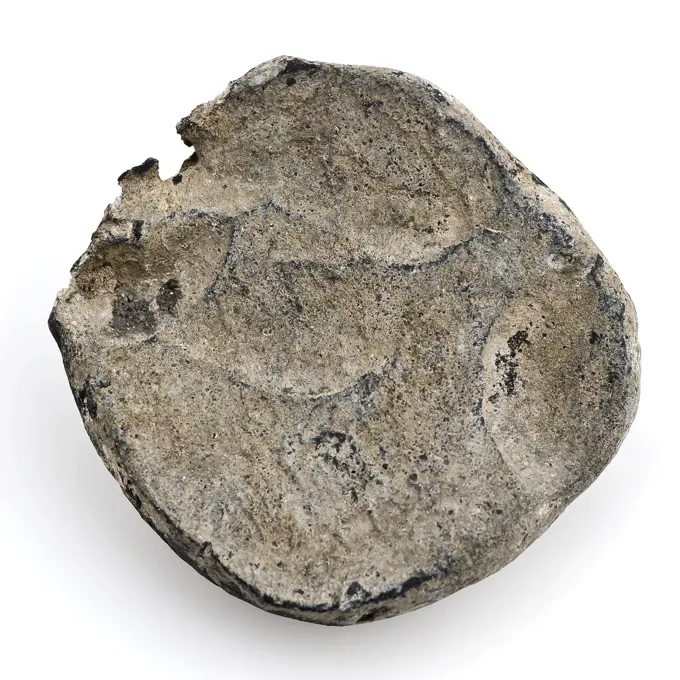
Lead disk, disc soil find lead metal, gram cast Flat and rounded rectangular Function unknown was probably original around archeology Rotterdam railway tunnel Soil discovery: railway tunnel Rotterdam.
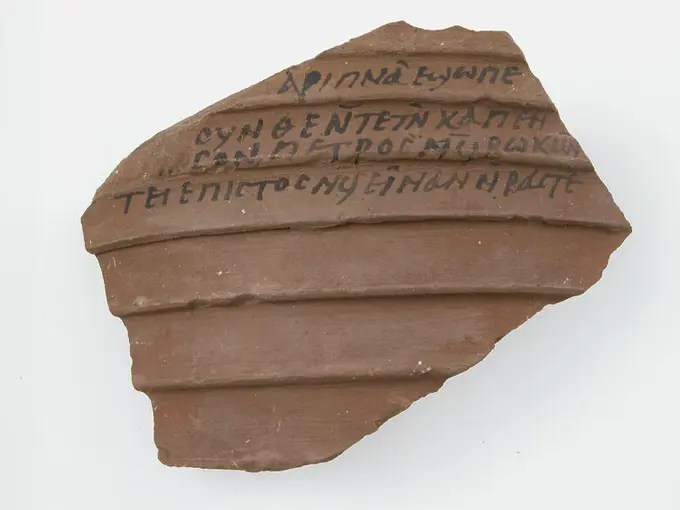
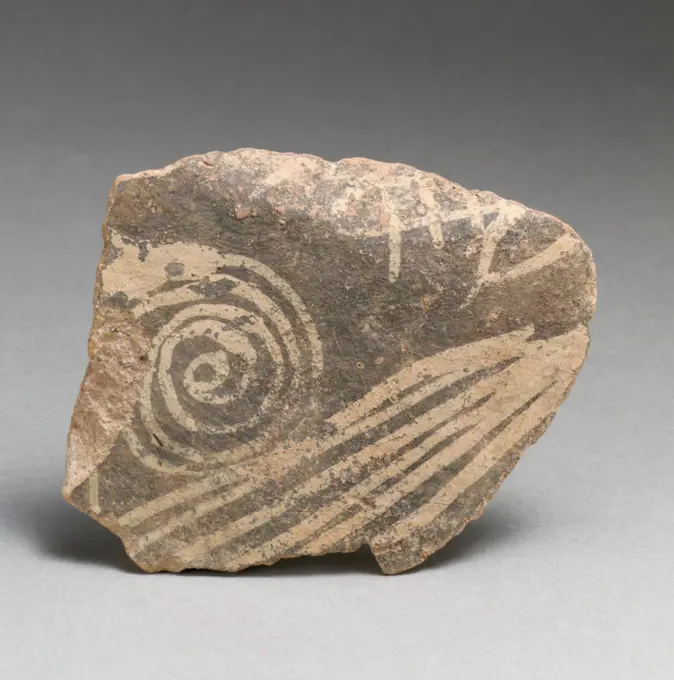
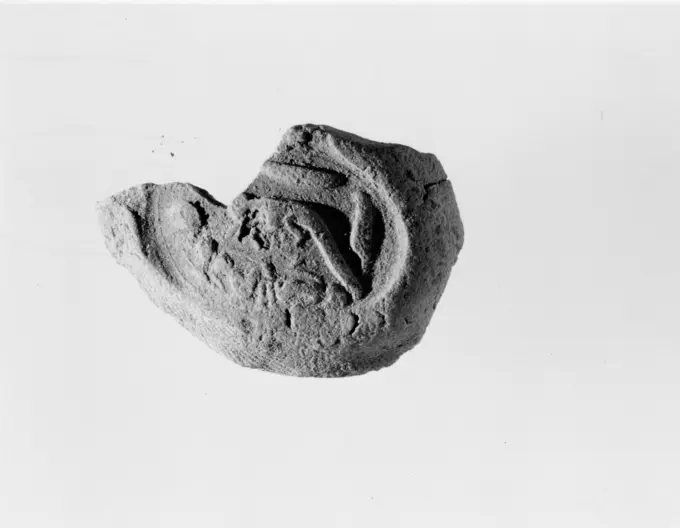
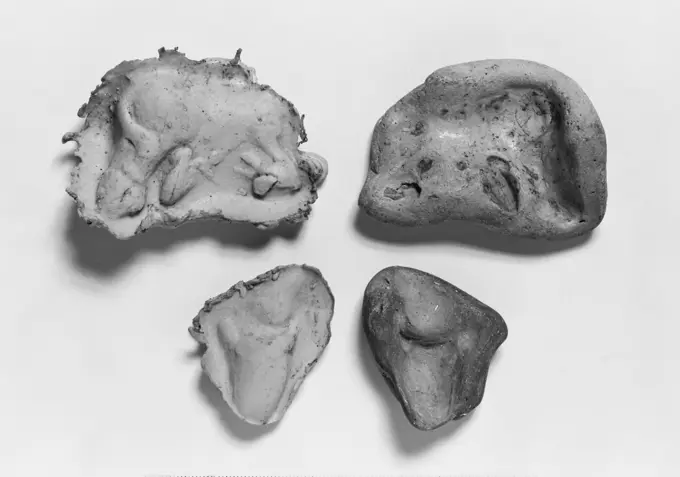
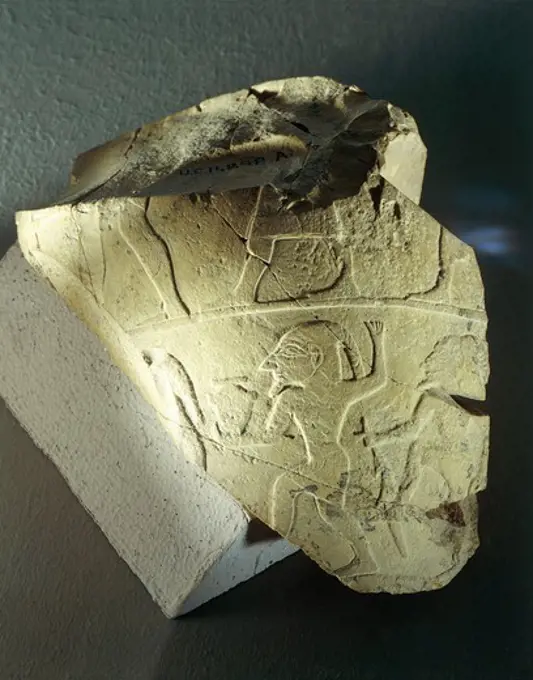
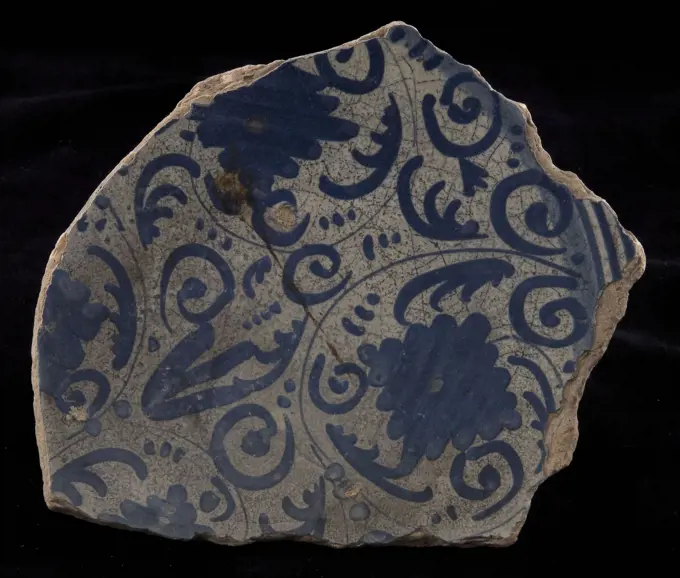
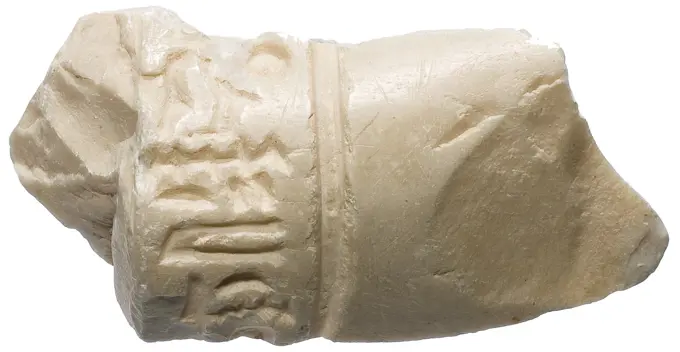
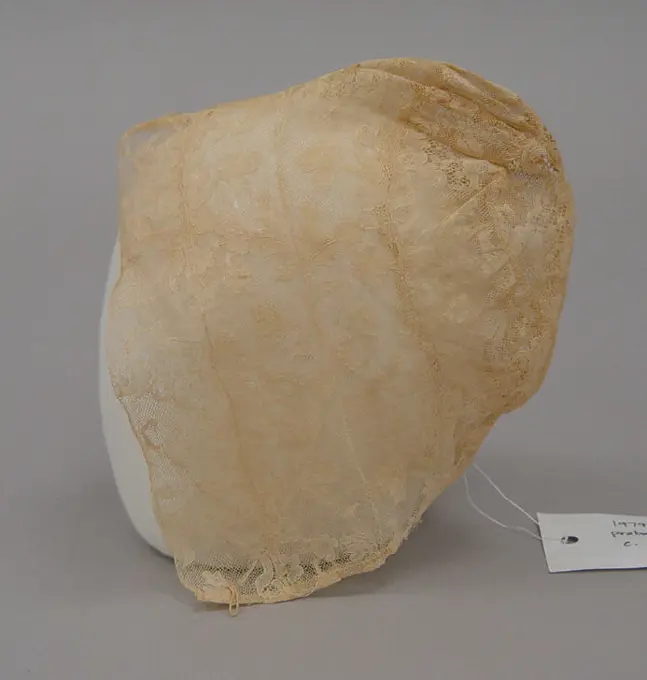
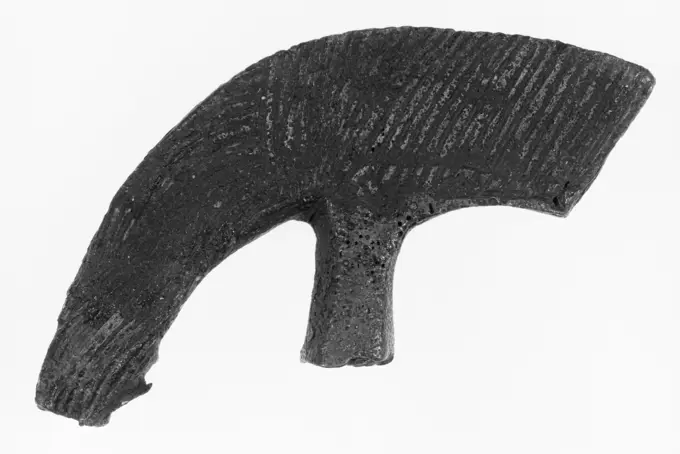
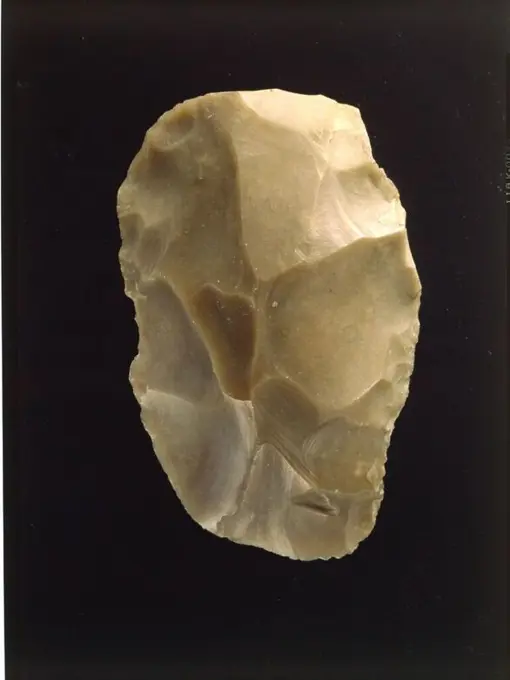
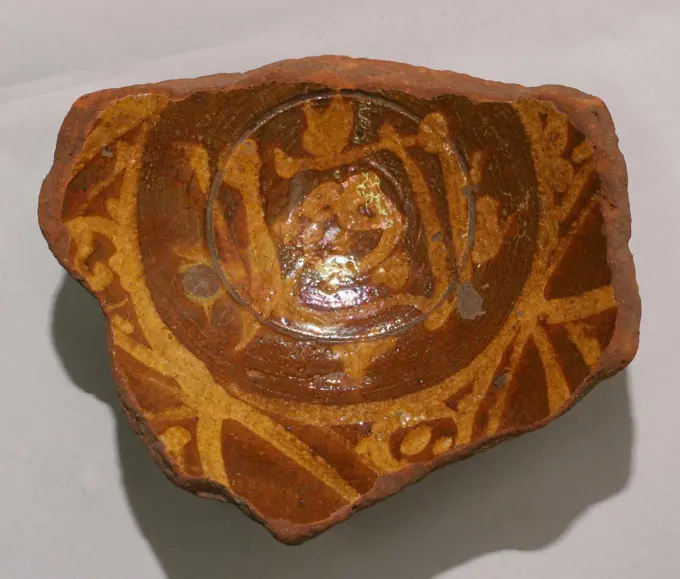
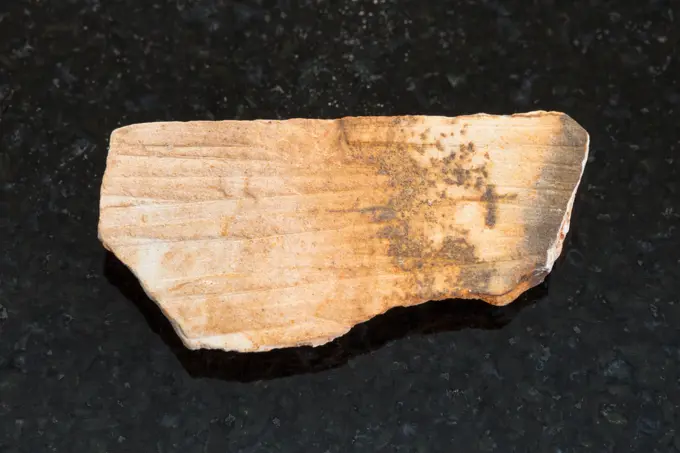
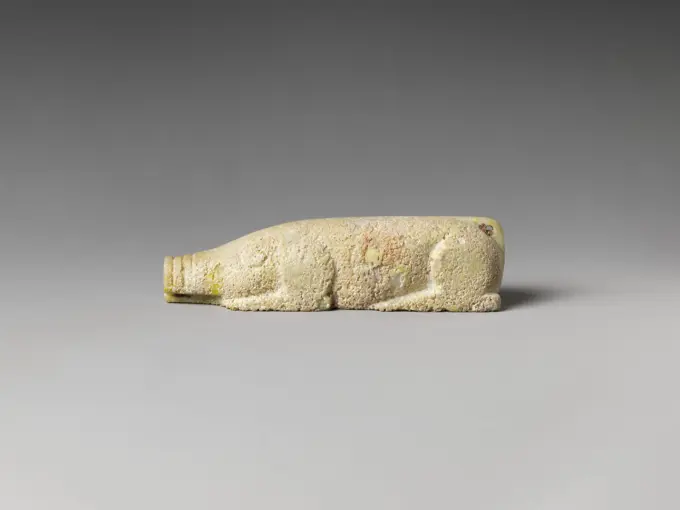
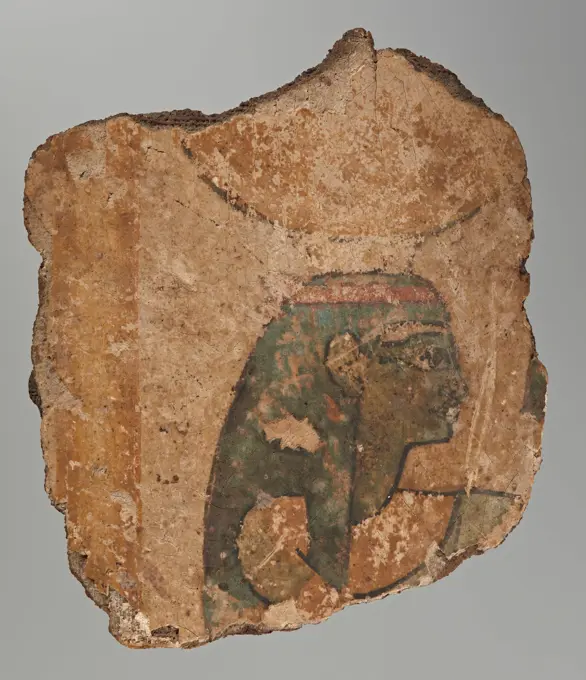
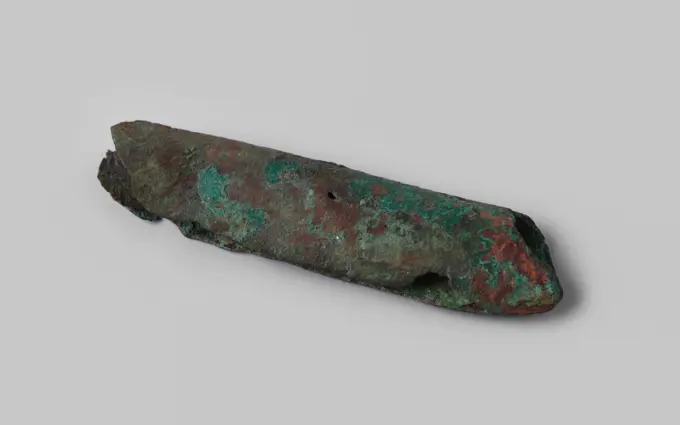
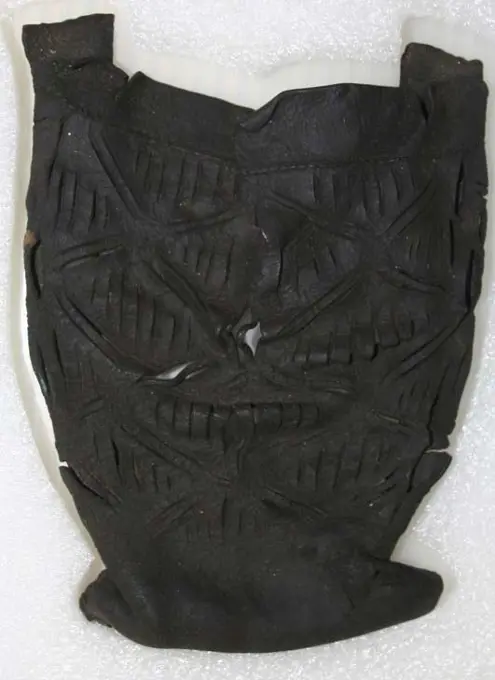
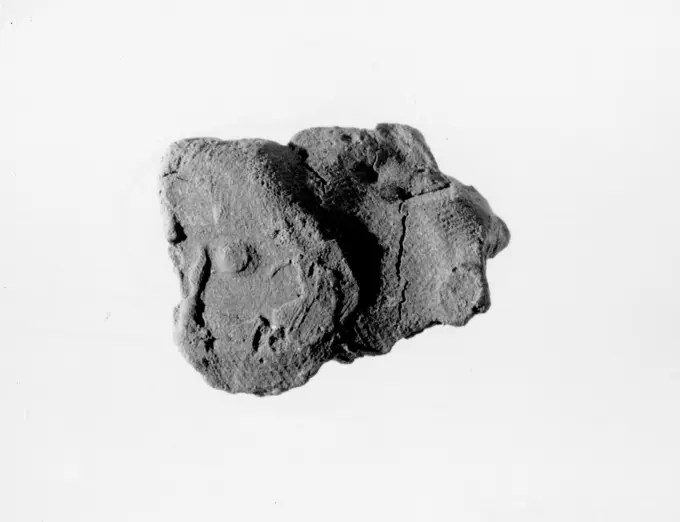
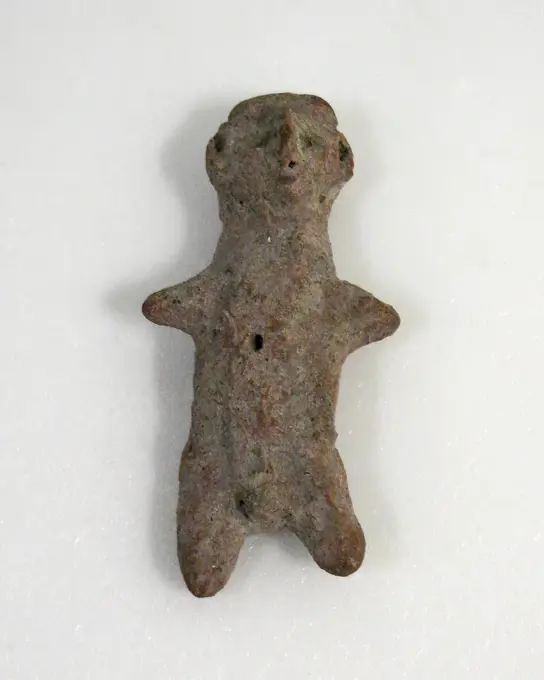
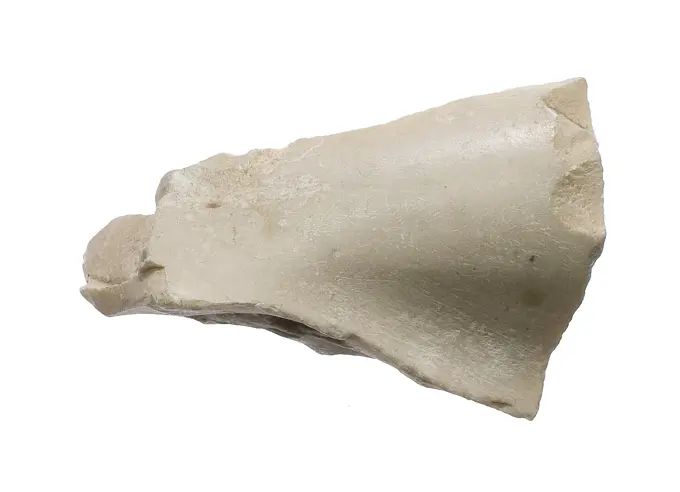
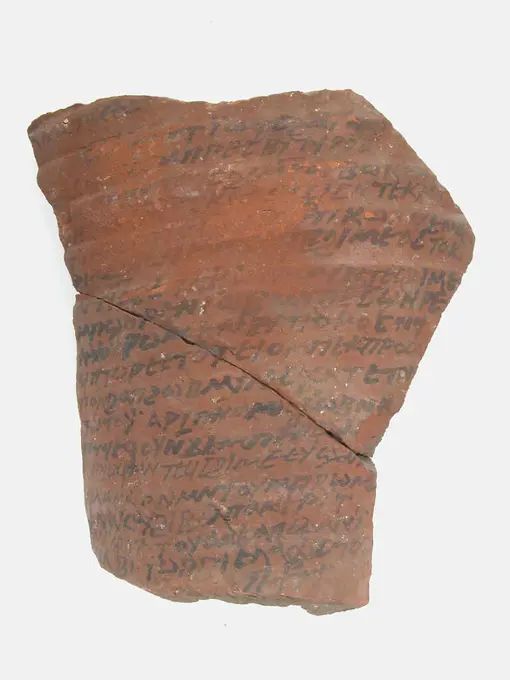
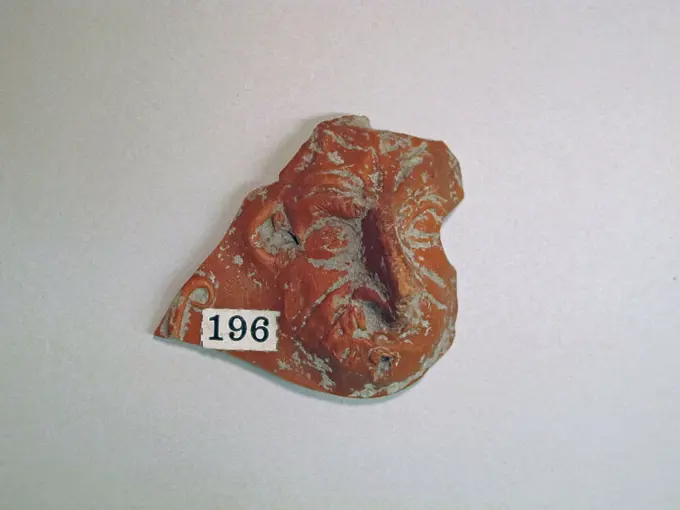
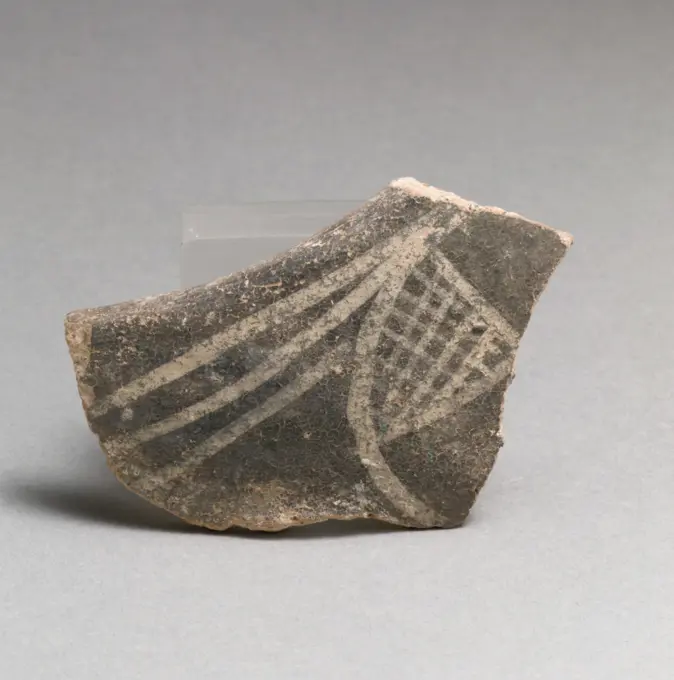
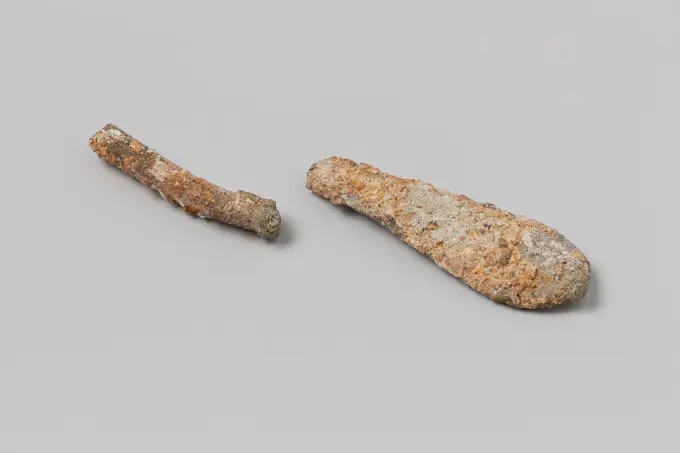
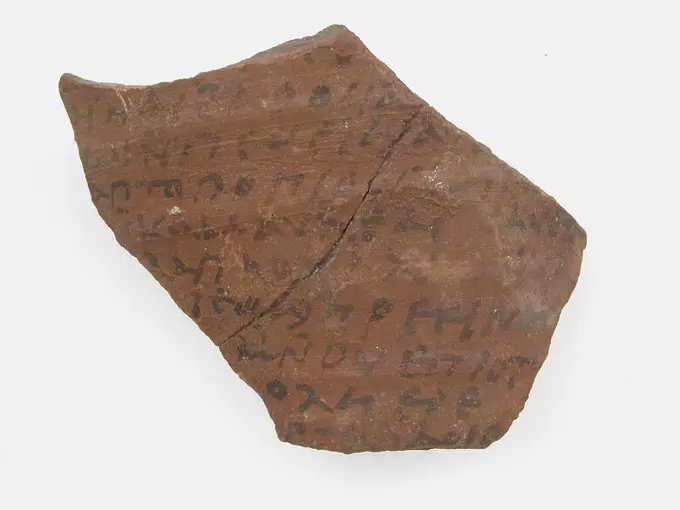
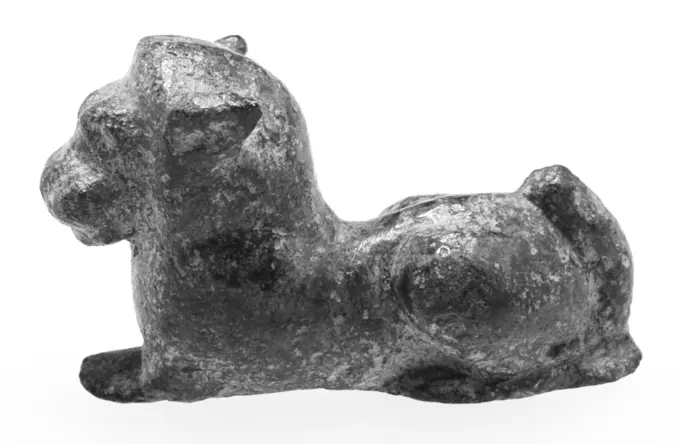
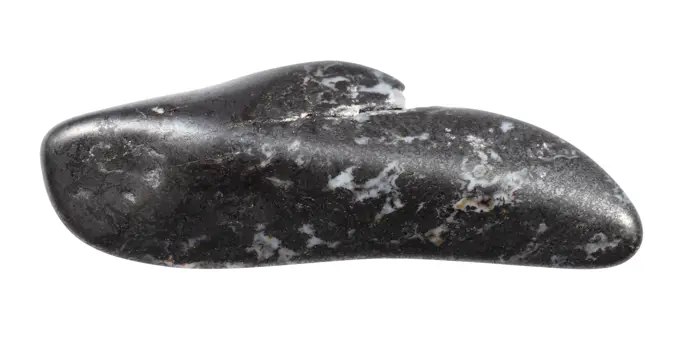
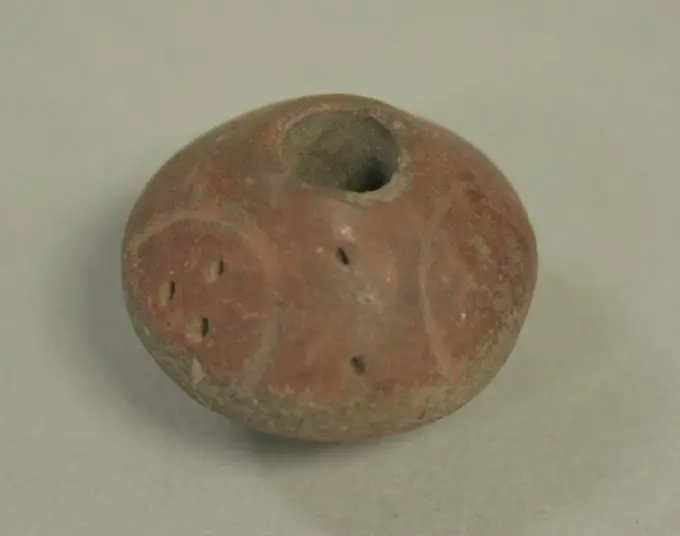
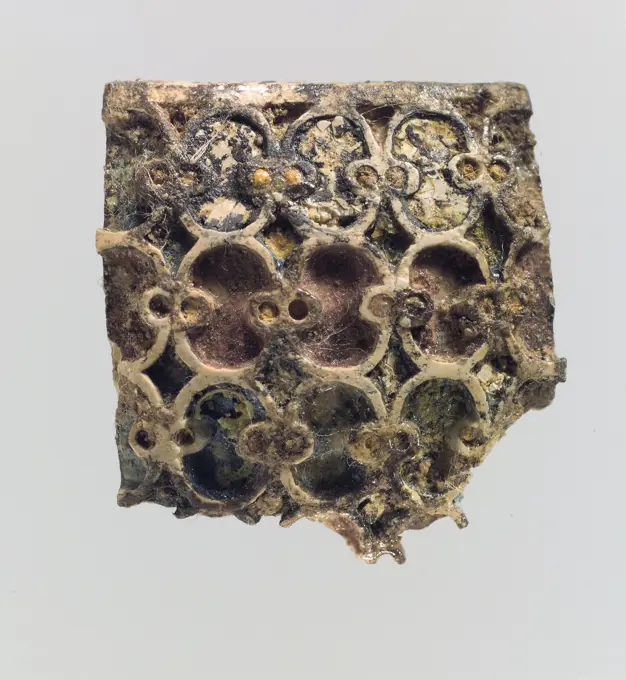
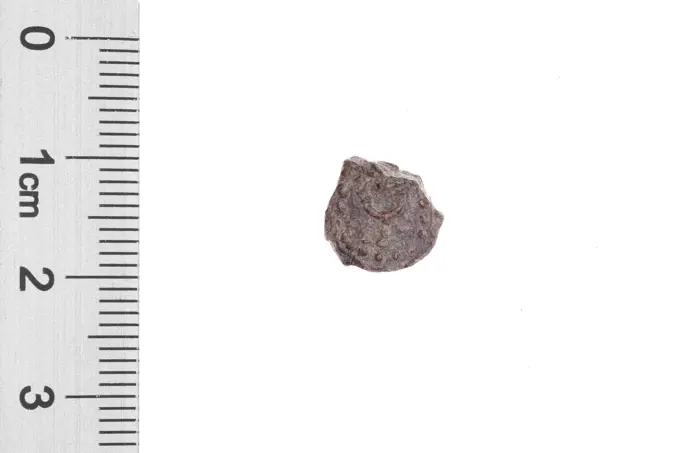
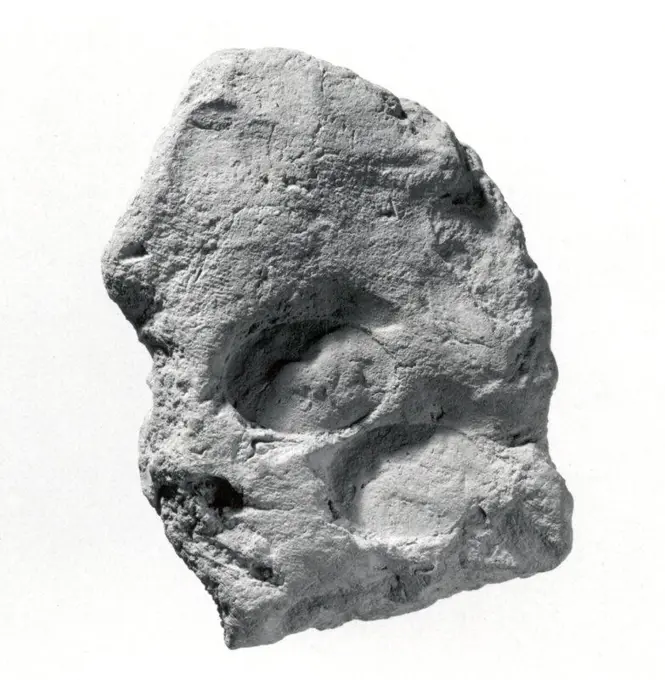
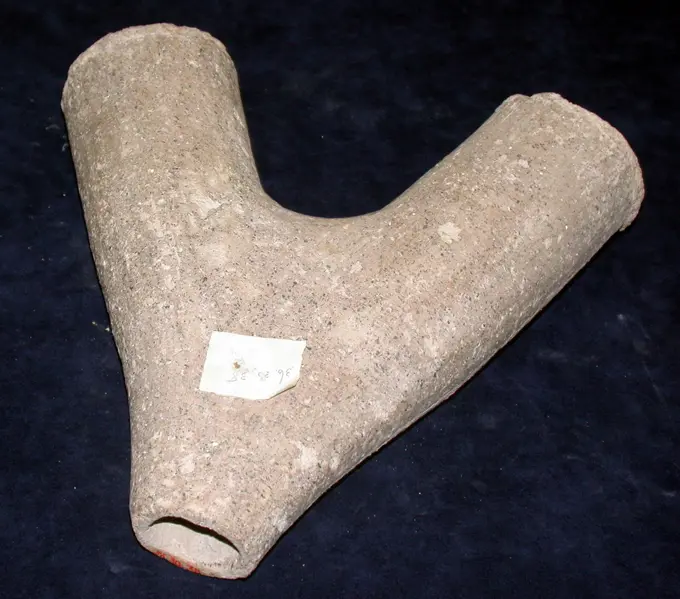
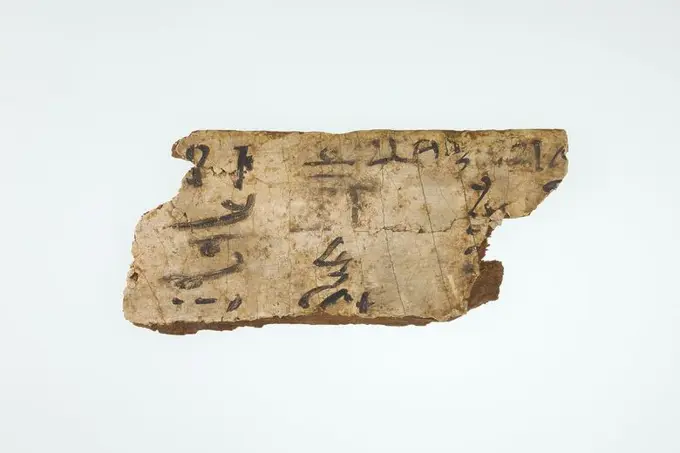
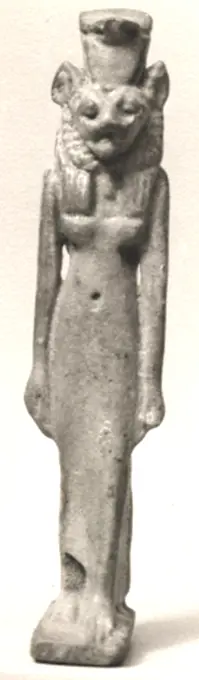
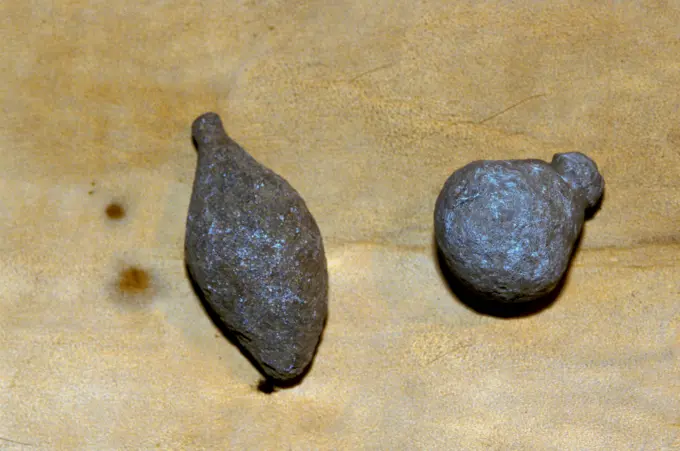
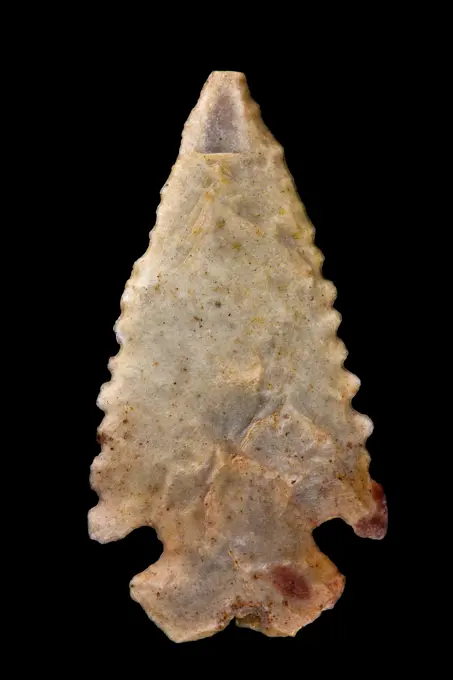
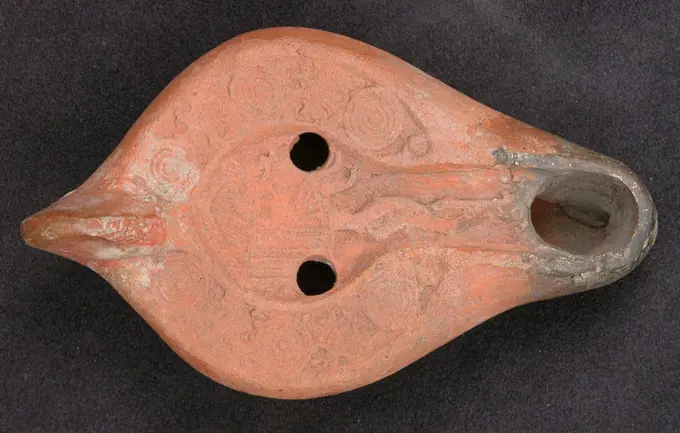
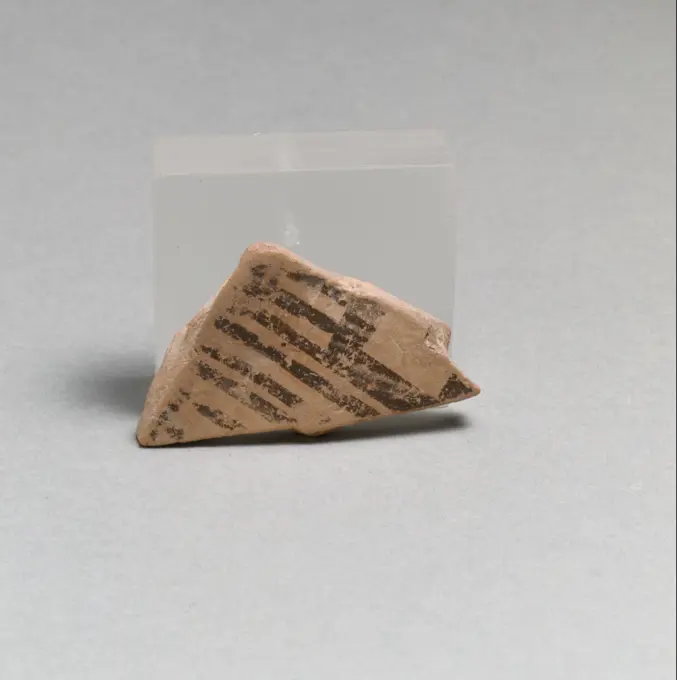
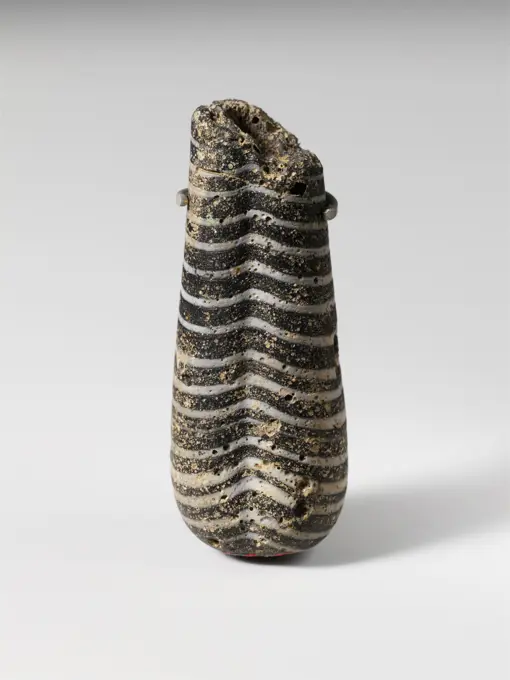
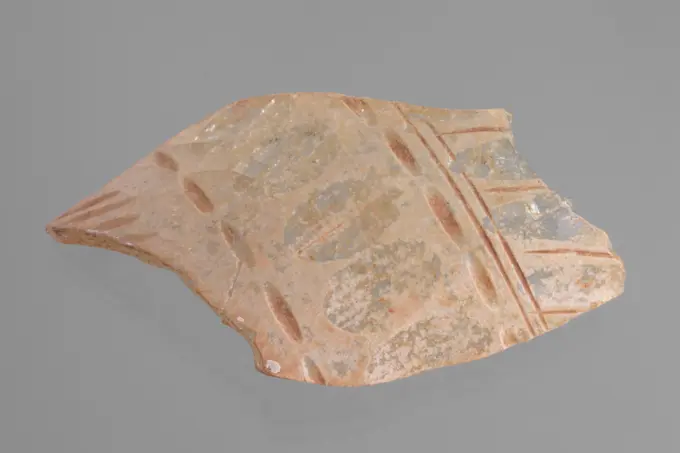
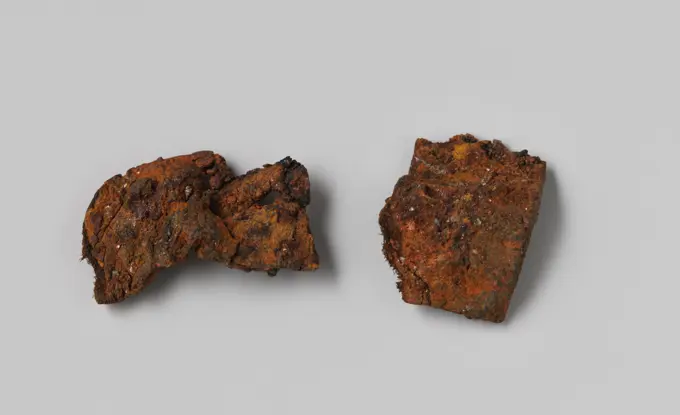
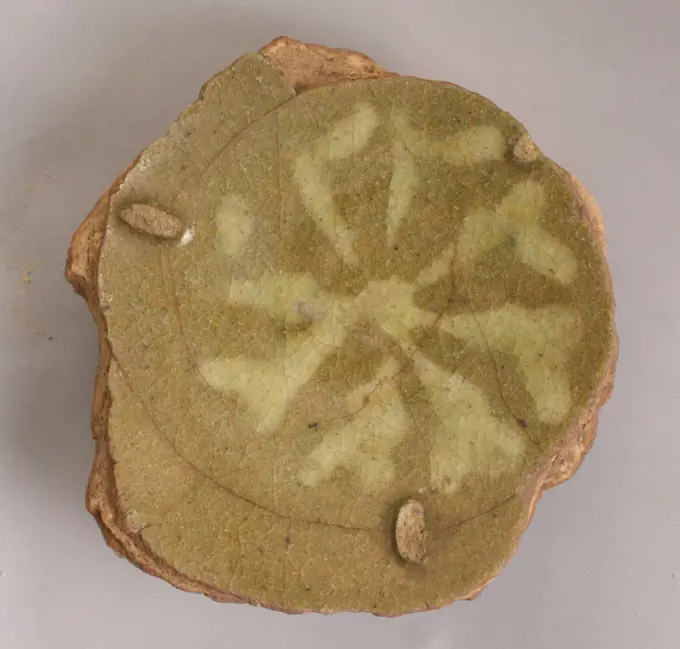
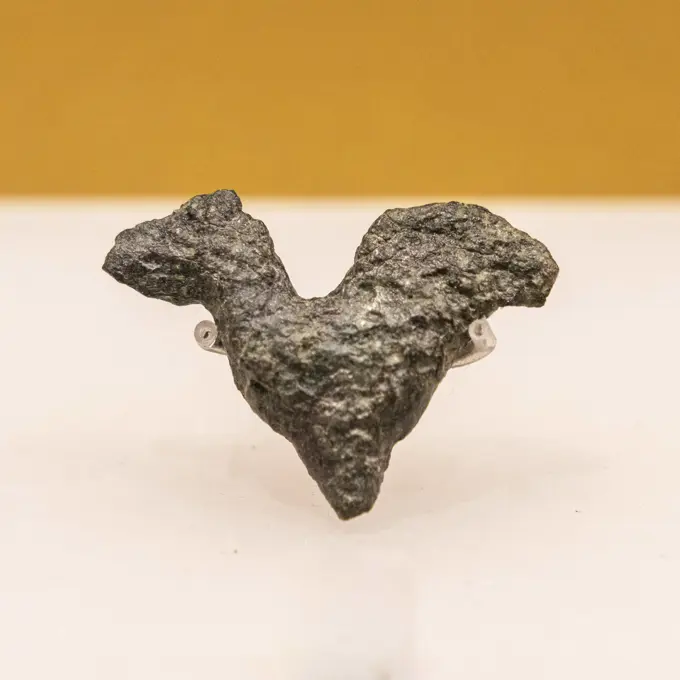
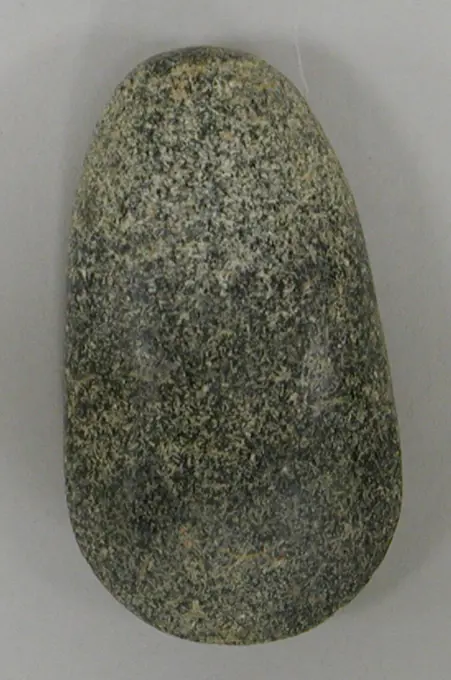
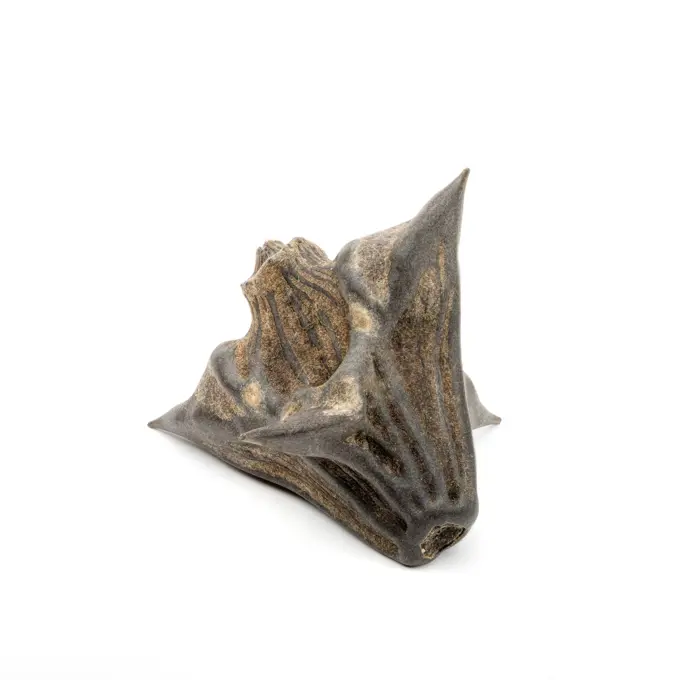
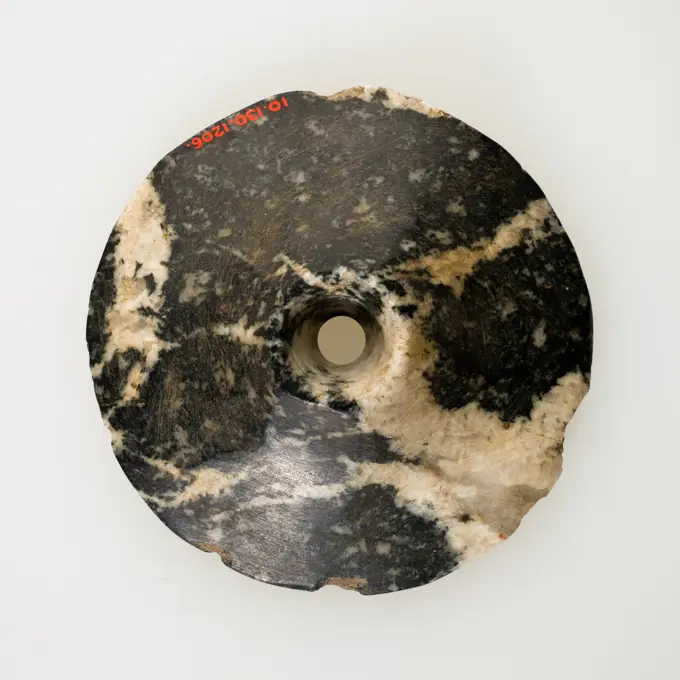
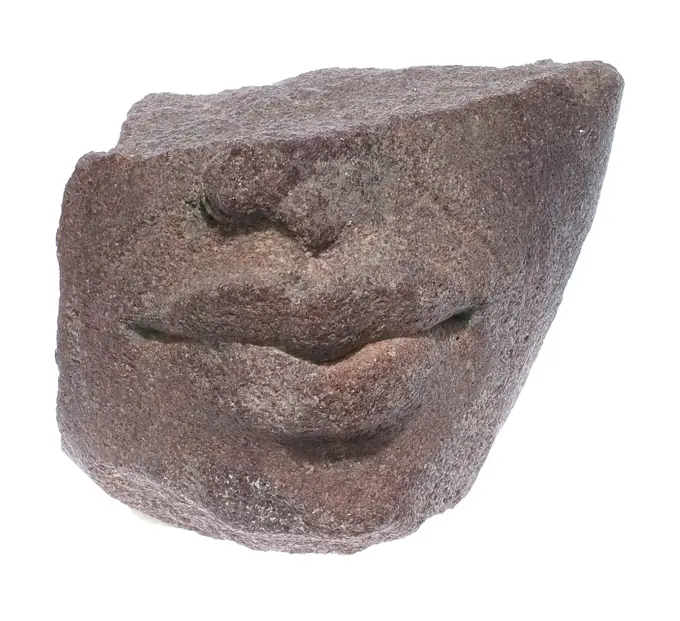
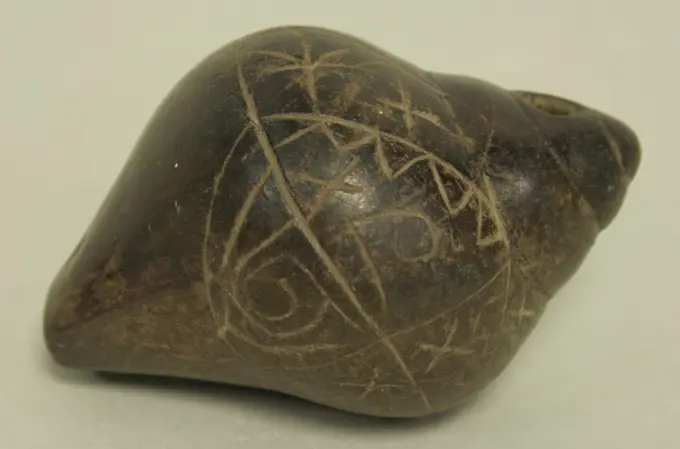
Ceramic Whistle in the Form of a Shell 5th-15th century Ecuadorian. Ceramic Whistle in the Form of a Shell 314639Ostrakon. Culture: Coptic. Dimensions: 5 5/16 x 3 15/16 in. (13.5 x 10 cm). Date: 7th century. Museum: Metropolitan Museum of Art, New York, USA.Weight. UnknownTerracotta vessel fragment with spiral and linear motifs ca. 2300-2100 B.C. Minoan From Gournia, CreteFragment with running spiral.. Terracotta vessel fragment with spiral and linear motifs 247855Bead. UnknownSickle Blade, 1980-1801 BC. Egypt, Middle Kingdom, Dynasty 12. Flint; overall: 5 cm (1 15/16 in.).Document Sealing With the Throne Name of Amenhotep III ca. 1390-1353 B.C. New Kingdom. Document Sealing With the Throne Name of Amenhotep III. ca. 1390-1353 B.C.. Mud. New Kingdom. From Egypt, Upper Egypt, Thebes, Malqata, West Villas, West Villa B, MMA excavations, 1910-12. Dynasty 18Mold Fragment. UnknownTerracotta rim and upper body fragment from a straight-sided cup with tortoiseshell ripple motif ca. 1600-1525 B.C. Minoan From Priniatikos Pyrgos, CreteRippled decoration.. Terracotta rim and upper body fragment from a straight-sided cup with tortoiseshell ripple motif. Minoan. ca. 1600-1525 B.C.. Terracotta; Dark-on-light ware. Late Minoan IA. VasesFragment of Ancient Egyptian pyriform ceremonial limestone mace, Predynastic PeriodHead with Melon Coiffure. UnknownFragment majolica dish, blue on white, Italian-looking tendrils, plate crockery holder soil find ceramic pottery glaze, majolica Cooked on prunes. Italian decor. Layered pottery archeology Italy serving Rotterdam to decorate soil discovery Rotterdam 1916.Effigy of a Conch Shell. Mexico, Guerrero, Mezcala style, Mezcala, 500 BCE-1000 CE. Stone. StoneBone in shape of animal headLeft forearm with Aten cartouche ca. 1353-1336 B.C. New Kingdom, Amarna Period. Left forearm with Aten cartouche 549834Cap 18th century probably American. Cap. probably American. 18th century. cottonFoot fragment of terracotta garden pot flower pot with floral decor in relief, garden vase vase tableware flowerpot holder fragment earthenware ceramic pottery, hand turned in shape made baked Light red unglazed earthenware terracotta in the form symmetrical leaf motifs hole in the bottom standring Pot on stand foot archeology Valckensteyn Poortugaal Albrandswaard indigenous pottery decorate garden flower plant gardener gardener Soil discovery: canal at kitchen castle Valckensteyn at Poortugaal now Albrandswaard 1961.Inscribed marble base. Culture: Roman, Cypriot. Dimensions: Overall: 3 x 7 3/4 x 4 7/8 in. (7.6 x 19.7 x 12.4 cm). Date: 2nd century A.D..The base or bracket probably supported a small statue of the goddess Artemis Paralia, to whom the inscription is dedicated by a certain Olympianos Eudaimon on behalf of his little sister, Veriane. Museum: Metropolitan Museum of Art, New York, USA.Helmet Plume From a Figure. UnknownHendedor de silex. Arenero de Dos Hermanos. Paleolítico inferior. Museum: MUSEO ARQUEOLOGICO, MADRID, SPAIN.Fragment of a Bowl 14th-15th century. Fragment of a Bowl 446392macro shooting of natural mineral rock specimen - raw Shale stone on dark granite backgroundExcerpt of copper from the wreck of the East Indians Hollandia, 1700 - in or before 1743 fragment Varied parts or fragments, strips and strip-shaped fragments; fragm. Netherlands copper (metal)   SecondPig in Recumbent Position 1st-2nd century China Small images of pigsa symbol of wealth in ancient Chinasculpted of jade or soapstone, were often placed in the hands of the deceased to express the wish for wealth in the afterlife.. Pig in Recumbent Position. China. 1st-2nd century. Dolomite. Eastern Han dynasty (25-220). SculptureShard ca. 4th-5th century Pakistan. Shard 50878Coin probably 8th-9th century. Coin. probably 8th-9th century. Copper. Excavated in Iran, Nishapur. CoinsFragment Werra large bowl, mirror design running Eva with apple in hand, pale yellow, purple and green glaze, bowl crockery holder earth discovery ceramic earthenware glaze, Red earthenware with drawing in light yellow and green glaze archeology bible religion fall eve EveFragment kartonażu. unknown, authorExcerpt of copper from the wreck of the East Indians Hollandia, 1700 - in or before 1743 fragment Varied parts or fragments, strips and strip-shaped fragments; fragm. Netherlands copper (metal)   SecondBone Fragment withInscriptionrecipientes de ceramica, Museo arqueologico Son Fornes, sala de época talayótica (1300-123 a. C.), Montuiri, Comarca de Es Pla, Mallorca, Spain.Shoes 16th century British. Shoes 101791Document Sealing With the Throne Name of Amenhotep III ca. 1390-1353 B.C. New Kingdom. Document Sealing With the Throne Name of Amenhotep III. ca. 1390-1353 B.C.. Mud. New Kingdom. From Egypt, Upper Egypt, Thebes, Malqata, Southern rubbish mounds, MMA excavations, 1910-12. Dynasty 18Glass Fragment 11th century French. Glass Fragment. French. 11th century. Colorless glass. Glass-StainedGreen jasper adze. Neolithic period. Mali. 15cm.Miniature figurine, 1500 BCE, 2 1/8 in. (5.4 cm), Earthenware, Mexico, Pre-ClassicBody, miscellaneous part, Aten cartouche ca. 1353-1336 B.C. New Kingdom, Amarna Period. Body, miscellaneous part, Aten cartouche 549679Ostrakon. Culture: Coptic. Dimensions: 5 3/8 x 5 3/4 in. (13.6 x 14.6 cm). Date: 7th century. Museum: Metropolitan Museum of Art, New York, USA.Bifacial Tool ca. 3500-5000 B.C. Middle Paleolithic Period. Bifacial Tool 552160Vase fragment. Culture: Roman, Gaul. Dimensions: 2 1/8 × 2 1/2 × 1 1/16 in. (5.5 × 6.4 × 2.6 cm).Frontal face. Museum: Metropolitan Museum of Art, New York, USA.Belt Buckle Loop Fragment. Culture: Frankish. Dimensions: Overall: 1 5/8 x 15/16 x 1/2 in. (4.1 x 2.4 x 1.2 cm). Date: 4th-7th century. Museum: Metropolitan Museum of Art, New York, USA.Terracotta rim fragment with hatched triangle ca. 2300-2100 B.C. Minoan From Gournia, CreteRim fragment with hatched spiral.. Terracotta rim fragment with hatched triangle 247837Messenheft from the wreck of the East Indians Hollandia, Anonymous, 1700 - in Or Before 1743  Knife, handle, cylindrical: tapering; flat upper end, turned decoration of concentric circles, ferrule missing. Netherlands wood (plant material)   SecondDocument Sealing With the Throne Name of Amenhotep III ca. 1390-1353 B.C. New Kingdom. Document Sealing With the Throne Name of Amenhotep III. ca. 1390-1353 B.C.. Mud. New Kingdom. From Egypt, Upper Egypt, Thebes, Malqata, King's Palace, West magazine, MMA excavations, 1910-12. Dynasty 18Fragments stem from fork or spoon from the wreck of the East Indieschief Hollandia. Cutlery, fragment: voice or fork or spoon; Fragm, Encrusted, SIM. NG 1980-27H67.Ostrakon. Culture: Coptic. Dimensions: 3 7/8 x 3 1/8 in. (9.9 x 8 cm). Date: 7th century. Museum: Metropolitan Museum of Art, New York, USA.Statuette of a Recumbent Lion. Unknowntumbled braunite mineral isolated on white close up of sample of natural stone from geological collection - tumbled braunite mineral isolated on white background from Liguria, Italy Copyright: xZoonar.com/ValeryxVoennyyx 21467284Neolithic scrapers, from Umbria Region, ItalyTourmaline. minerals. North America; USA; Maine; Oxford County; HebronSpindle Whorl 10th-16th century () Peruvian. Spindle Whorl 308365Fragment of a Sewer PipeBuff Ware Fragment with Animal Decoration 9th century The buff clay fabric used to make this vessel forms the background to an overall decoration of animals, including birds and horned and spotted quadrupeds. Interspersed between them are small geometric motifs. None of these features seems to carry a meaning; they were simply a design innovation of the Nishapur potters.. Buff Ware Fragment with Animal Decoration 449331Mayan ceremonial object (eccentric) made from silex. 600-900 ADHammered Silver Peanut Ornament 8th-mid-16th century Peru; north coast (). Hammered Silver Peanut Ornament. Peru; north coast (). 8th-mid-16th century. Silver (hammered), gilt. Peru. Metal-OrnamentsPlaque fragment ca. 8th-7th century B.C. Assyrian This small broken piece of ivory was originally part of a plaque. Carved ivory plaques were widely used in the production of elite furniture during the early first millennium B.C. They were often inlaid into a wooden frame using joinery techniques and glue, and could be overlaid with gold foil or inlaid with colored glass or stone pieces to create a dazzling effect of gleaming surfaces and bright colors. This fragment is made up of thin-walled carved cells, called cloisons, that were filled with colored inlays whose color has changed over time as the material degraded. The small circular yellow inlays are well preserved. Traces of blue and red color in the cloisons were left by the material that fixed the inlays in place rather than by the inlays themselves. When the royal buildings at Nimrud were sacked during the fall of Assyria in 614 and 612 B.C., looters stripped the gold inlay from the ivory furniture and left the broken pieces beDrohiczyn seal. unknown, managerBulla 2nd century BC-1st century AD Parthian This lump of clay, called a bulla,’ bears two impressions of stamp seals. One impression is indistinct, but the other shows a quadruped, possible a goat. Given its condition it is not clear to what it was attached originally, but it may have been a stopper in the mouth of a jar. Seals were ancient accounting tools, used for example to indicate who supplied a commodity, who was responsible for its disbursement, or who received it. In this case, the seal impressions may indicate who supplied the contents of the jar. Once the jar was opened, the bulla was discarded.This bulla was excavated at Shahr-i Qumis in northern Iran, which has been identified as the ancient city of Hecatompylos, established by the Parthians as the capital of their empire by about 200 B.C. In Greek Hecatompylos means a hundred gates,’ suggesting that the city was quite large. Indeed, the modern archaeological site includes several mounds, only a few of which have been eCoin late 12th-early 13th century. Coin 457704Drain pipe ca. 3rd-7th century A.D. Sasanian. Drain pipe 323229Fragments from a Scribe's Writing Board. Dimensions: A: L. 14 cm (5 1/2 in.); W. 6 cm (2 3/8 in.); Th. 0.5 cm (3/16 in.)B: L. 16.5 cm (6 1/2 in.); W. 4 cm (1 9/16 in.); Th. 0.5 cm (3/16 in.). Dynasty: Dynasty 11. Date: ca. 2130-1981 B.C.. Museum: Metropolitan Museum of Art, New York, USA.Seal China. Seal 40972Amulet, Prismatic. Assyria or Mesopotamia, circa 4th century B.C. and later. Jewelry and Adornments; amulets. Black serpentineGrape Cluster Figurine. Egypt, Roman Period (30 BCE - 300 CE) or later. Jewelry and Adornments. BronzeBronze woodworker's equipment, from ancient EgyptTile China. Tile 51973VASO CAMPANIFORME TIPO CIEMPOZUELOS.CALCOLITICO CERAMICA. (DEPOSITO: MUSEO ARQUEOLOGICO NACIONAL).Amulet of Sakhmet ca. 712-343 B.C. Late Period (). Amulet of Sakhmet 558379Stone weights were tied to large fishing nets by the Wampanoag Indians and other tribes of the Northeastern regionToothed shape. Arrowhead in chipped stone. Neolithic period. Found between 1970 and 1980 in the southern Sahara at El Golea Timimoun, eastern erg. Algeria. 3 cm.Lamp 5th-6th century Small earthenware lamps, made from double molds, were the most commonly used source of light during the Coptic period. A wick produced from plant fiber or linen fabric was placed in a reservoir filled with oil, generally castor or sesame oil, and illuminated. This red earthenware lamp depicts a person playing the flute seated in a tree-top hut. The image is enclosed by a broad rim decorated with concentric circles alternating with flowers.. Lamp 447979Vase fragment ca. 4000-3000 B.C. Neolithic, Thessaly. Vase fragment 253245 Neolithic, Thessaly, Vase fragment, ca. 40003000 B.C., Terracotta, length 1 9/16in. (4cm). The Metropolitan Museum of Art, New York. Anonymous Gift, 1930 (30.119.40)Glass pendant bead in the shape of a plumbline ca. 7th-5th century B.C. Greek or Etruscan Uncertain color, appearing opaque black; trail in opaque white.Elongated body, expanding downwards, with two vertical tooled indents in side; pierced through from top to bottom with a large, regular hole; rounded bottom edge.A single marvered trail wound at least 16 times round body in a spiral.Broken at narrower (top) end; dulling, severe pitting of surface bubbles, and faint brownish weathering.The date and provenance of this large bead are uncertain, but it may be Etruscan, dating to the 7th century B.C. and used as decoration on a fibula.. Glass pendant bead in the shape of a plumbline 246519Head with Melon Coiffure. UnknownGlass Fragments with Cut or PressedDesignsSteatite triangular prism. Culture: Minoan. Dimensions: L. 1.95 cm; W. 1.2 cm; 1.1 cm; 1.15 cm. Date: ca. 1900-1750 B.C..Man with spear; bird and insect; long-horned goat. Museum: Metropolitan Museum of Art, New York, USA.Reel ca. 1295-1070 B.C. New Kingdom, Ramesside. Reel. ca. 1295-1070 B.C.. Pottery. New Kingdom, Ramesside. From Egypt, Memphite Region, Lisht North, Cemetery, MMA excavations, 1913-14. Dynasty 19-20Spear Point. Western Iran, circa 1000-825 B.C.. Arms and Armor; spears. BronzeFragments of iron from the wreck of the East Indians Hollandia, 1700 - in Or Before 1743 fragment Varied parts or fragments; unidentified and miscellaneous parts or fragments; fragm, eroded. Netherlands iron (metal)   SecondFragment of Dish 14th-15th century. Fragment of Dish 446384Tool () ca. 90,000-5,000 B.C. Paleolithic to Neolithic. Tool (). ca. 90,000-5,000 B.C.. Flint. Paleolithic to Neolithic. From Egypt, Western Desert; Kharga Oasis, Beledeh District, W and NW of Christian necropolis, surface find, MMA excavations, 1908-10Copper. minerals. North America; USA; Connecticut; New Haven County; New Haven; East RockFish Ornament. Culture: Peru; central coast (). Dimensions: L. 1 1/2 in. (3.8 cm). Date: 11th-12th century. Museum: Metropolitan Museum of Art, New York, USA.Gold grave object from the Pylos Tholos Tombs; 14th century BC; Mycenaean.Iberian votive offering in the shape of a rooster Iberian votive offering in the shape of a rooster, bronze, III BC,Cástulo, Linares, Iberian Museum of Jaén, Andalusia, Spain Copyright: xZoonar.com/Tolox 21714927Weight () ca. 4600-3600 B.C. Ghassulian. Weight () 326568Pendant: Lion's Head; Italy; 500 - 480 B.C; Amber; 15 × 16 × 26 mm (9,16 × 5,8 × 1 in.)Sealing ca. 1981-1640 B.C. Middle Kingdom. Sealing 560397Fragment ca. 1150-ca. 1250 European or Middle Eastern. Fragment. European or Middle Eastern. ca. 1150-ca. 1250. Glass, ceramic. Glass-VesselsEuropean flint , Archaeological assemblages, Charles F. Walcott Archaleogical CollectionConcretion with glass and wood fragments from the wreck of the East India Hollandia. Parts or artifacts; eroded fragments: Materials; LUMP, MIXED COMPOSITION, containing Fragm or Glass, Wood, Hollow Impressions or Nails.Drohiczyn seal. unknown, managerBand Fragment Coptic. Band Fragment, 5th-7th century C.E. Flax, wool, 3/8 x 4 1/2 in. (1 x 11.4 cm).   Egyptian, Classical, Ancient Near Eastern Art 5th-7th century C.E.Stone Celt before 16th century Costa Rica. Stone Celt 317220Trapa Natans Also Called Water Chestnuts Water chestnut, trapa natans, isolated on a white background Copyright: xZoonar.com/AlainxdexMaximyx 8505073Mace head ca. 3850-2960 B.C. Predynastic Period. Mace head. ca. 3850-2960 B.C.. Stone. Predynastic Period. From EgyptMouth of Akhenaten or Nefertiti ca. 1353-1336 B.C. New Kingdom, Amarna Period. Mouth of Akhenaten or Nefertiti. ca. 1353-1336 B.C.. Red quartzite. New Kingdom, Amarna Period. From Egypt, Middle Egypt, Amarna (Akhetaten), Sculptors' workshops in the town, Petrie/Carter excavations, 1891-92. Dynasty 18Sherd ca. 3rd-7th century A.D. Sasanian. Sherd 322822Volute-krater fragment 4th century B.C. Greek, South Italian, Apulian. Volute-krater fragment. Greek, South Italian, Apulian. 4th century B.C.. Terracotta; red-figure. Late Classical. VasesStucco Fragment probably 8th-12th century. Stucco Fragment 740733