Ancient Artifact Fragments

Collection of ancient fragments including sculptures and plaques, showcasing historical craftsmanship in various materials from different eras.
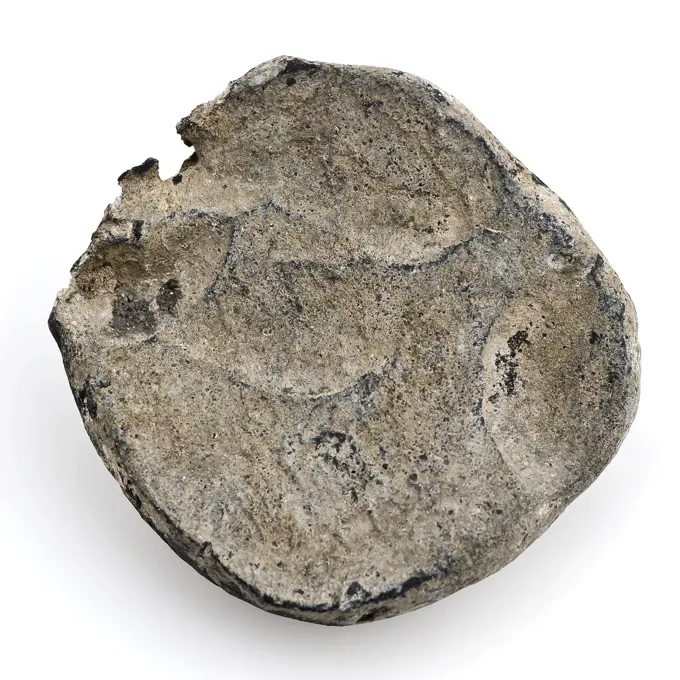
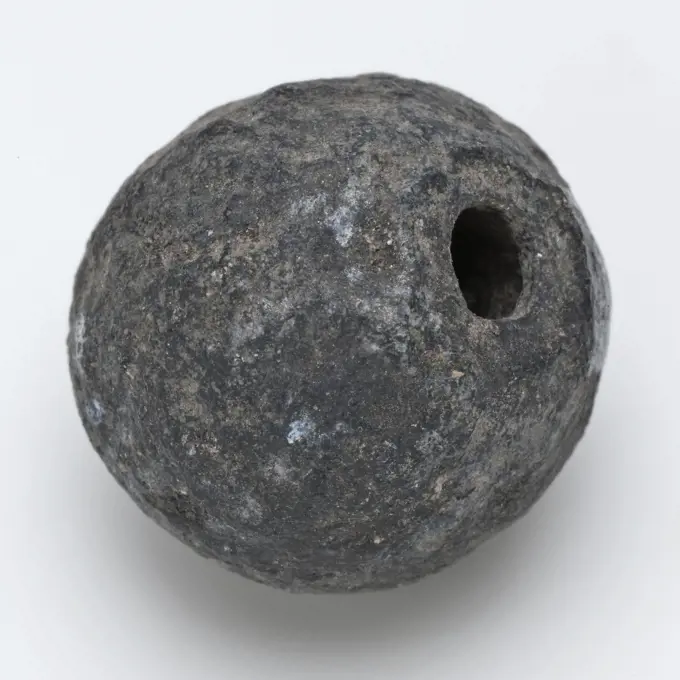
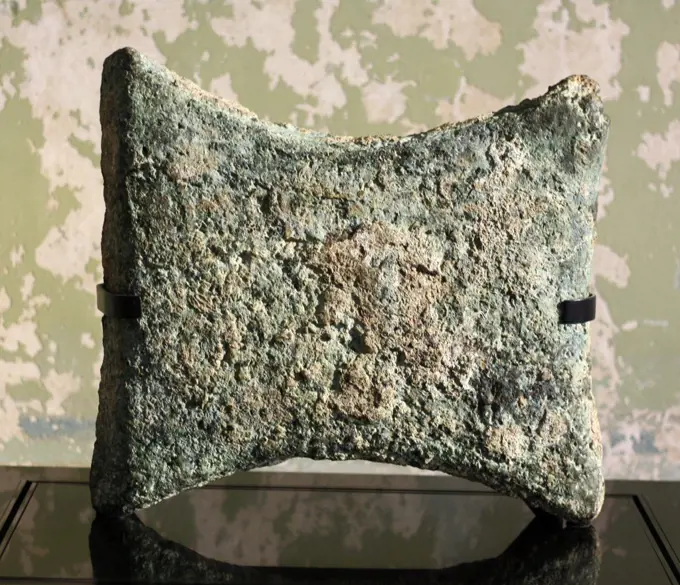
Lead disk, disc soil find lead metal, gram cast Flat and rounded rectangular Function unknown was probably original around archeology Rotterdam railway tunnel Soil discovery: railway tunnel Rotterdam.
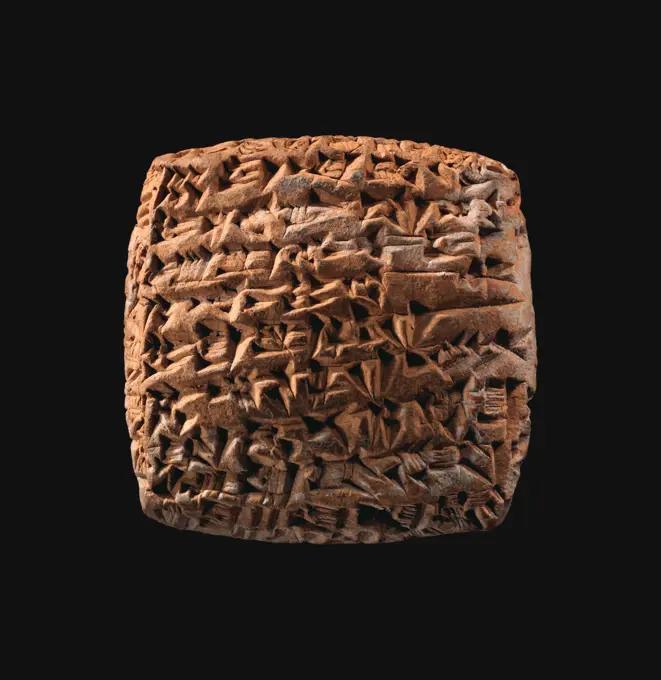
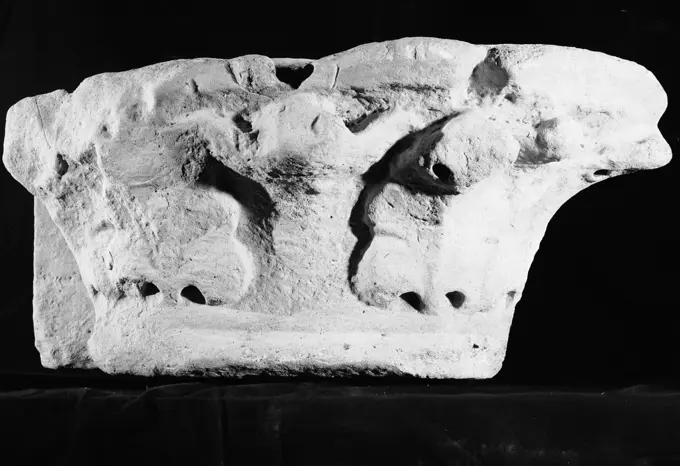
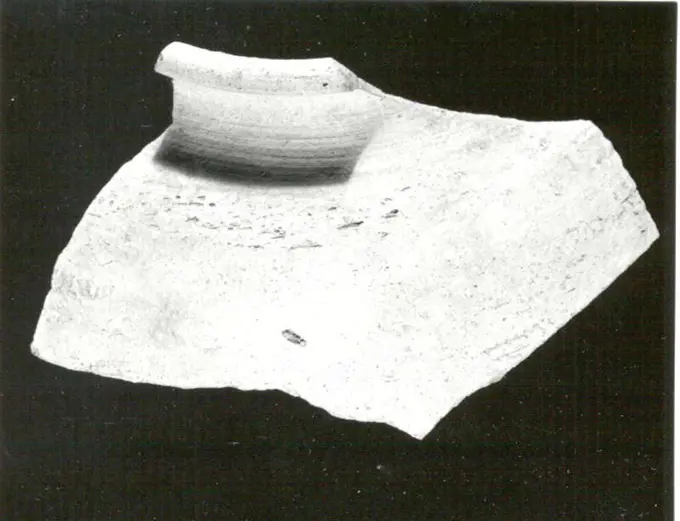
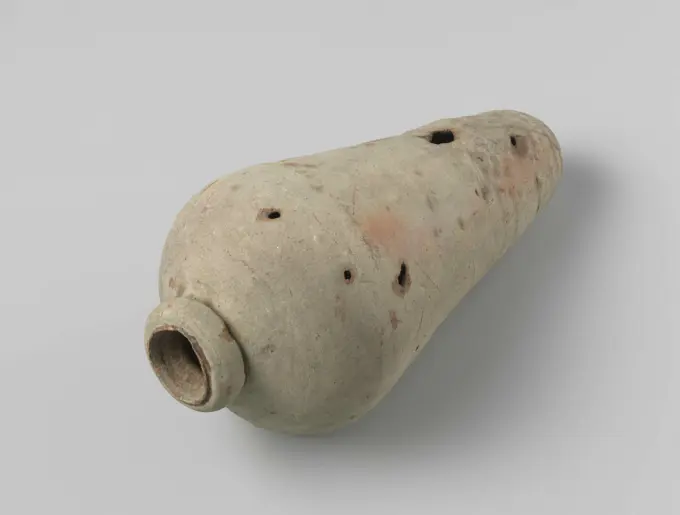
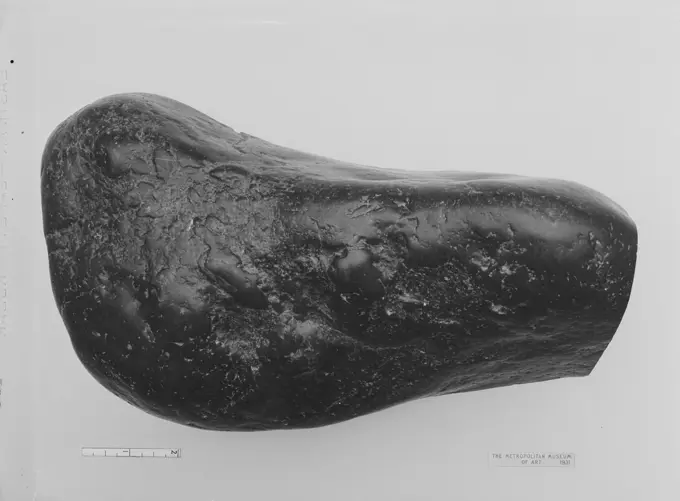
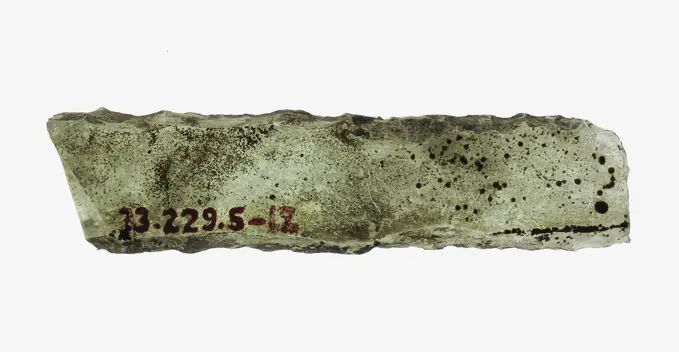
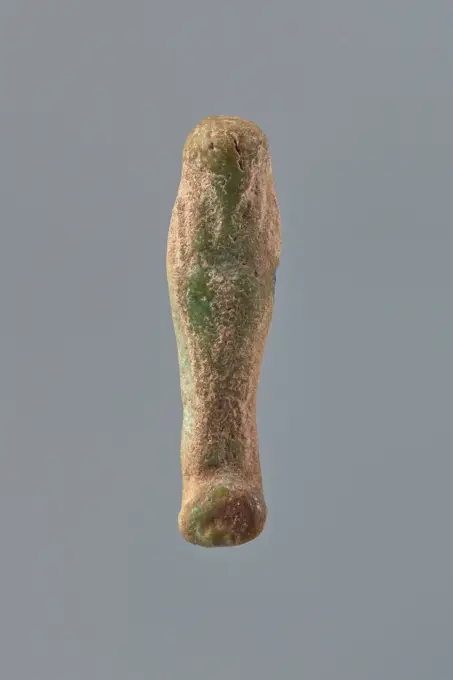
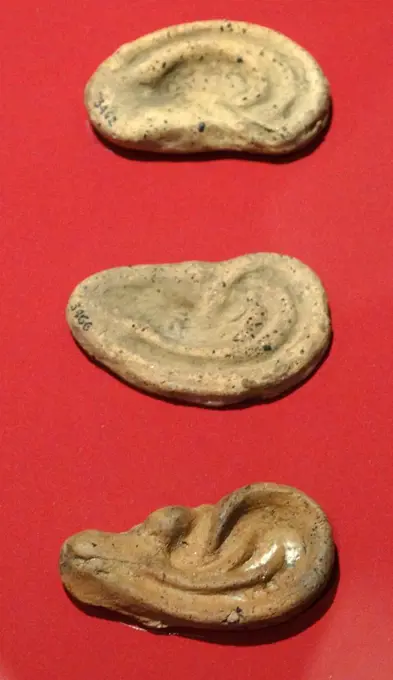
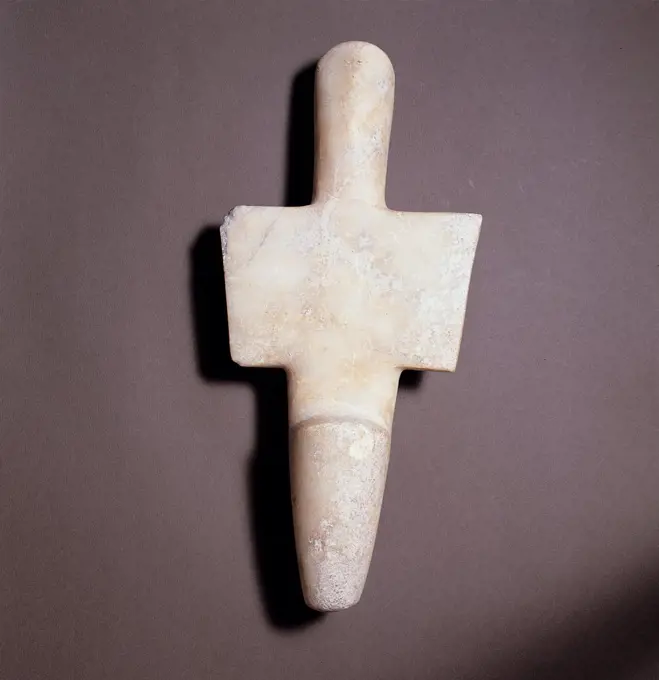
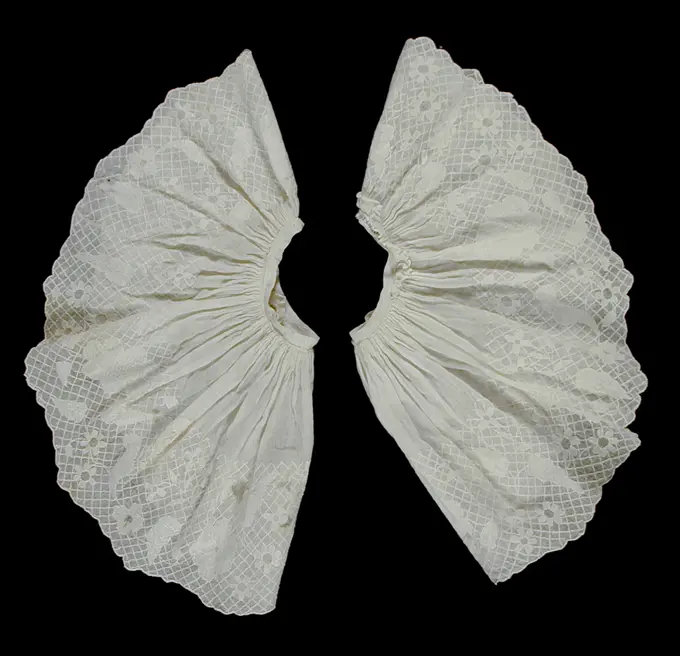
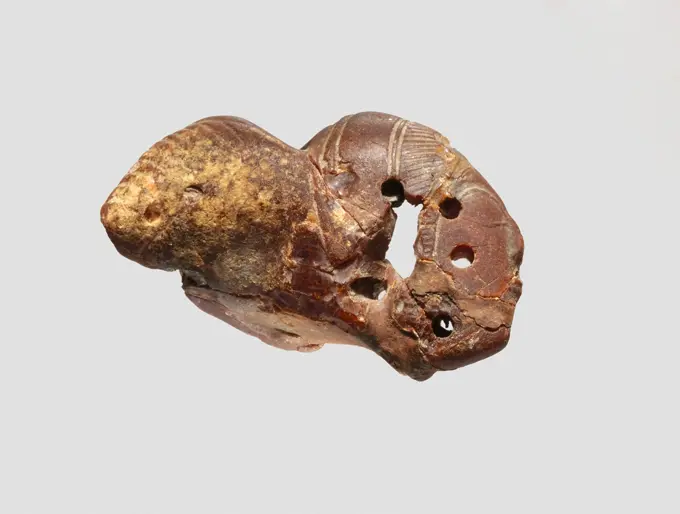
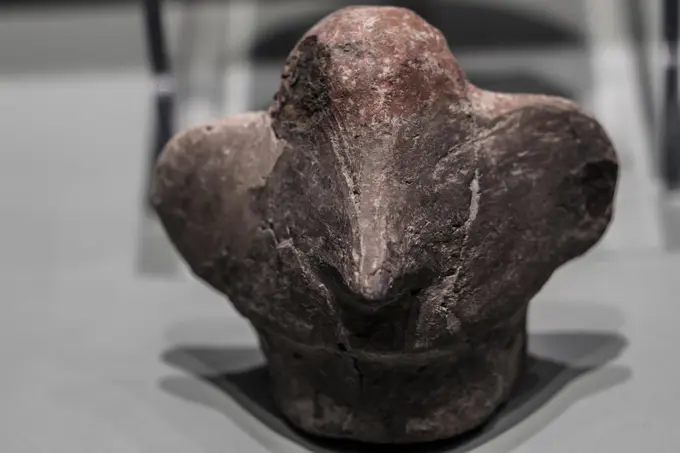
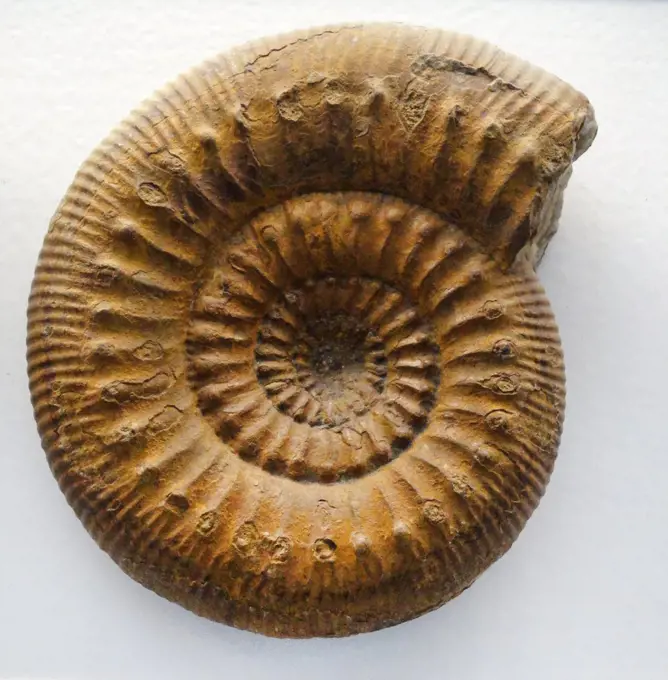
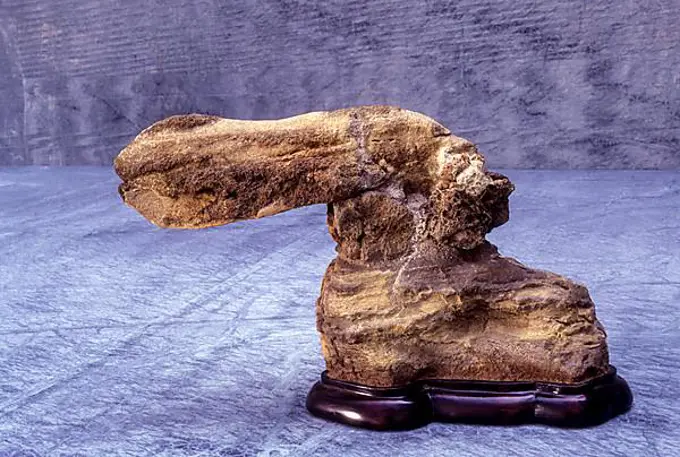
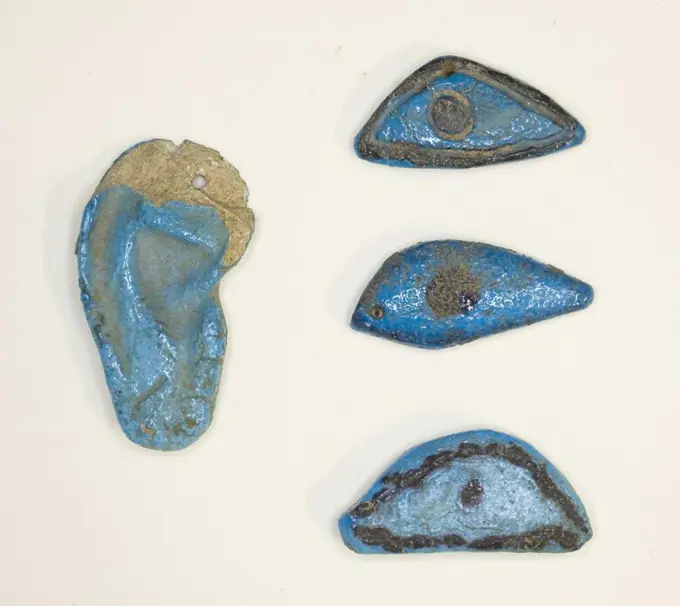
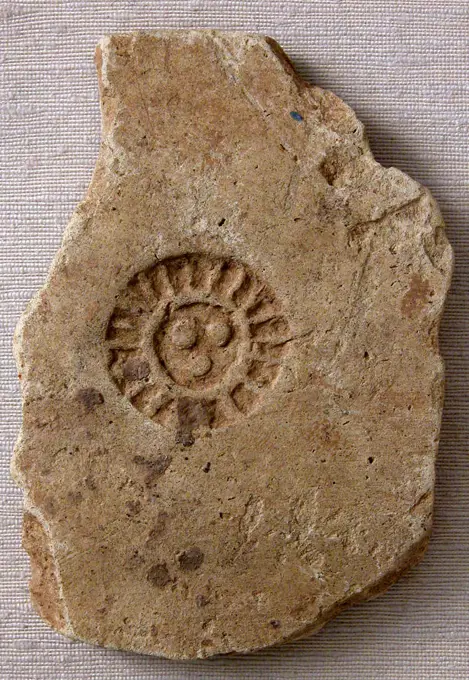
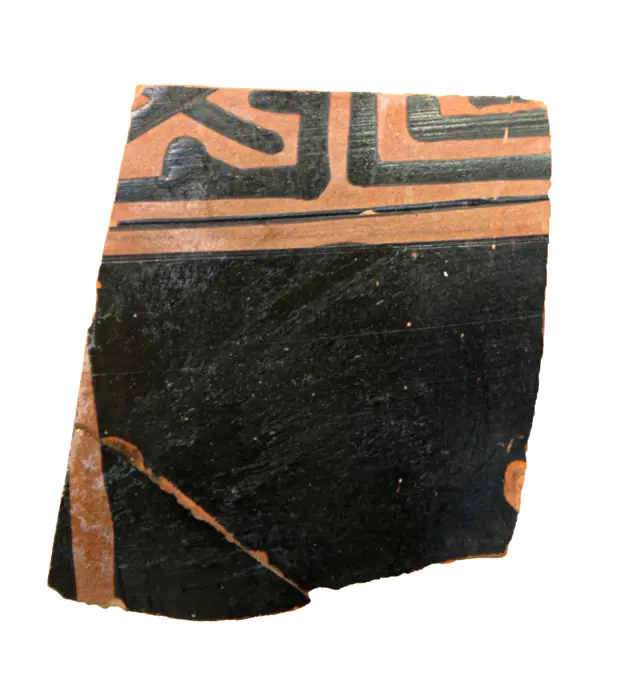
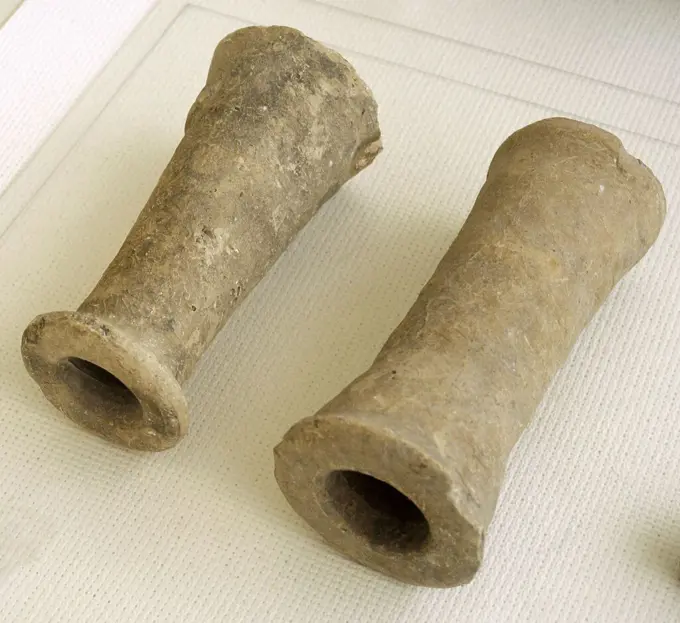
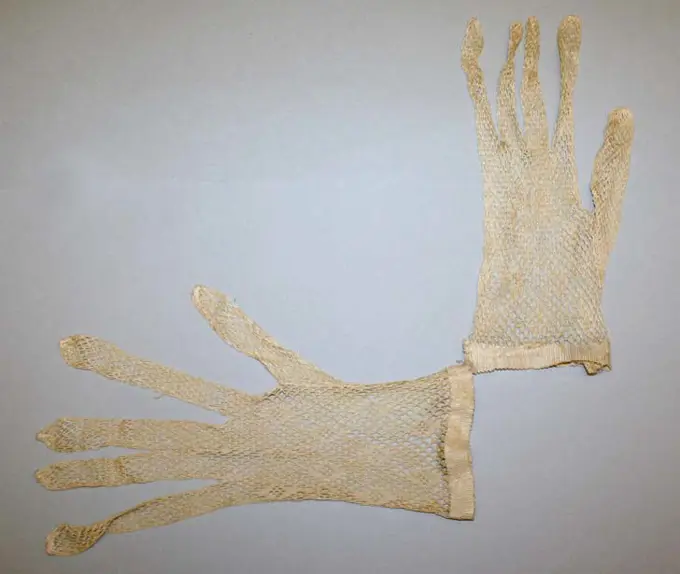
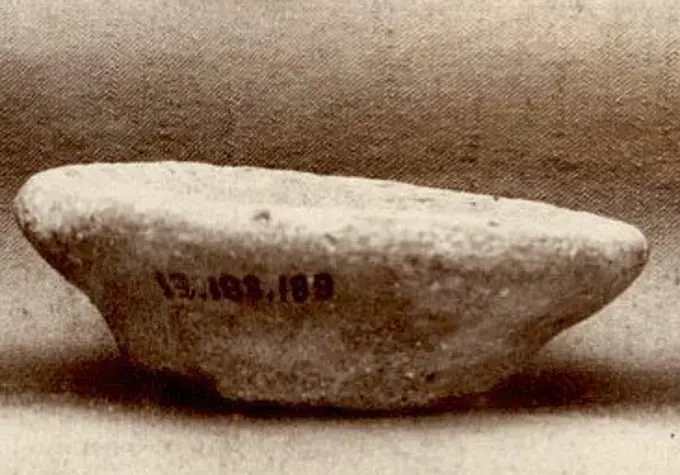
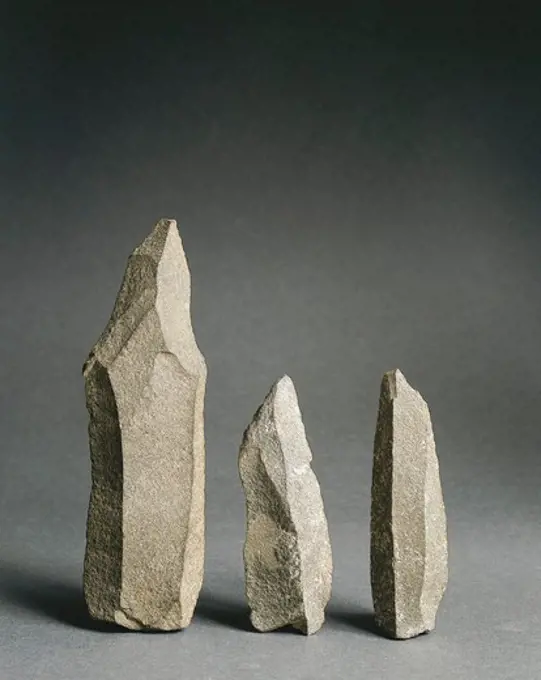
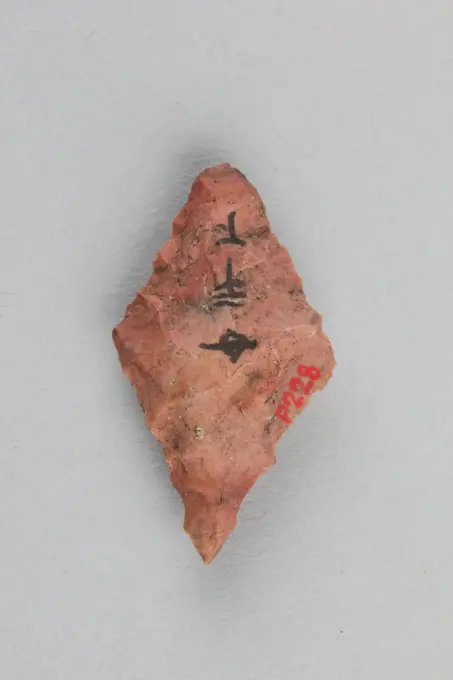
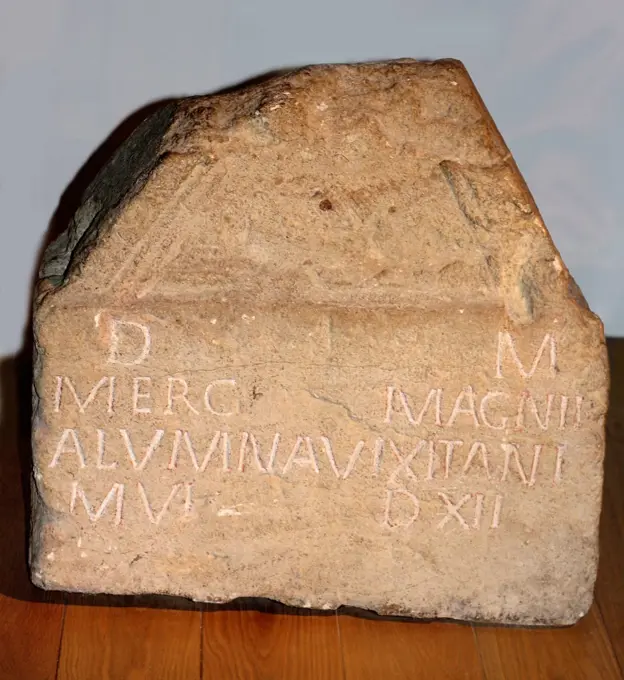
Mold of a Frontal Left Foot. UnknownFragment of a Sculpture: Dove. UnknownCuneiform tablet: loan of silver ca. 20th-19th century B.C. Old Assyrian Trading Colony Kültepe, the ancient city of Kanesh, was a powerful and cosmopolitan city located in northern Cappadocia in central Anatolia. During the early second millennium B.C., it became part of the network of trading settlements established across the region by merchants from Ashur (in Assyria in northern Mesopotamia). Travelling long distances by donkey caravan, and often living separately from their families, these merchants traded vast quantities of tin and textiles for gold and silver in addition to controlling the copper trade within Anatolia itself. Although the merchants adopted many aspects of local Anatolian life, they brought with them Mesopotamian tools used to record transactions: cuneiform writing, clay tablets and envelopes, and cylinder seals. Using a simplified version of the elaborate cuneiform writing system, merchants tracked loans as well as business deals and disputes, and sent letters tStone Engagee Stack Tank Decores Large Leaves Completed by Crochet, Unknown Provenance, XIII Century (Cat 189) Anonymous. Stone stack capit� decorated with large leaves ending with a hook, unknown, 13th century (Cat 189). Pierre.Sherd ca. 2500-1750 B.C. Iran This sherd is made of a red clay. It is typical of Namazga IV/V ceramics from Turkmenistan, dating to ca. 2500-1750 B.C. It was excavated in 1937 at a prehistoric site in the vicinity of Nishapur in northeastern Iran. While Nishapur itself was founded by the Sasanian king Shapur I (reigned ca. A.D. 241-272), this sherd shows that human habitation there goes back to the prehistoric period. Furthermore, the prehistoric pottery from Nishapur has close affinities with ceramic materials from Central Asia rather than with contemporary sites in Iran, meaning that in this period its inhabitants were likely culturally linked to their neighbors to the east. At the same time, Nishapurs location on what later became known as the Great Khorasan Road suggests that it was part of the trade network that facilitated the import of precious stones such as lapis lazuli, carnelian and turquoise from Central Asia to Mesopotamia.. Sherd 323675Terracotta bowl fragments with graffito inscription ca. 3rd century B.C. Etruscan The inscription records the name of the owner: TARXNTES (of Tarchnte).. Terracotta bowl fragments with graffito inscription 246262Pot. Elongated, striker to the bottom left pot of pottery. Two pots with Invnr are part of the pot. BK KOG-485 and BK-KOG-486. All three pots are soil finds.Loden bead or line reinforcement, fishing lead, bead tool kit Soil discovery lead metal, cast Not entirely round ball with hole in the middle Bead or line reinforcement Slightly oval of cross-section archeology Rotterdam Hillegersberg-Schiebroek Terwegge Stoopweg rail tunnel adorning fishing fishing fisheries Soil discovery Rotterdam found on the Stoopweg in the landfill from the route of the Railway tunnel.Scandinavian Tryggevaelde rune stone dated 10th Century AD; erected by Ragnhild in memory of her husband GunulfFragment Russia (Siberia). Fragment. Russia (Siberia). Nephrite. JadeFragment of a figurine of HarpocratesGlass Fragment 14th century European. Glass Fragment. European. 14th century. Colorless glass. Glass-StainedUszebti. unknown, authorKeftiu Ingot.Terracotta votive offerings. From an Etruscan or Etrusco-Campanian selection once featured in Henry Welcome's museum. 4th-2nd Century BC.Marble female idol, by Unknown artist, 60th Century b.C.,, marble. Italy: Sardegna: Cagliari: Cagliari: National Archaeological Museum. Rear view female idol marblePair of Engageantes. Probably England, circa 1760. Costumes; Accessories. Linen embroidery (satin and darning stitches) on cotton groundAmulet. UnknownLoaf of Bread ca. 1492-1473 B.C. New Kingdom This unusually shaped loaf of bread was found in a basket of food (36.3.57) that had been placed in the tomb of Hatnefer (36.3.1). Two other fragmentary loaves of similar shape were also found in the basket. There were also other, more conventional loaves (36.3.73, 36.3.74, 36.3.78), raisins (36.3.65), and dates (36.3.66).. Loaf of Bread 549046Pendant: winged female head 5th century B.C. Italic A head, probably female, appears in profile with five large perforations in a roughly circular pattern.. Pendant: winged female head. Italic. 5th century B.C.. Amber. Classical. Miscellaneous-Amberanthropomorpher Deckel aus Ton anthropomorpher Deckel aus Ton Copyright: xZoonar.com/TOLOxBALAGUERx 22682359Caddis Fly (Limnephilus sp) case made of sticks, wood fragments, seeds, and snail shells, GermanyStucco Fragment probably 8th-12th century. Stucco Fragment 740728Close-up of a doorLand mit verschiedenen Hintergruenden - Land with various backgrounds Land mit verschiedenen Hintergruenden - Land with various backgrounds Copyright: xZoonar.com/lantapixx 9578451Calcite. minerals. North America; USA; South Dakota; Jackson; Pine Ridge Indian Reservation; Rattlesnake ButteStephanoceras humphriesianum - Middle Inferior Oolite Humphriesianum zone Dundry GlosTUMBA ROMANA - FOTO AÑOS 70. Location: EXTERIOR. CORDOBA. SPANIEN.Suzki viewing stones, Tamil Nadu, South India, India, AsiaAmulets (Ear and 3 Eyes). Egyptian. Date: 1550 BC-1069 BC. Dimensions: Eyes: 2.5 x 1 x 0.3 cm (1 x 3/8 x 1/8 in.); Ear: 3.5 x 1.9 x 0.5 cm (1 3/8 x 3/4 x 3/16 in.). Faience. Origin: Egypt. Museum: The Chicago Art Institute, Chicago, USA. Author: Ancient Egyptian.CUEVA DEL DERRUMBE (151/1R): PANEL CON FIGURAS 1 Y 2.Sherd ca. 3rd-7th century A.D. Sasanian. Sherd 328956Italy, Friuli-Venezia Giulia region, Aquileia, ""Laurel leaf"" flint bladesVolute-krater fragment 4th century B.C. Greek, South Italian, Apulian. Volute-krater fragment. Greek, South Italian, Apulian. 4th century B.C.. Terracotta; red-figure. Late Classical. VasesPalette ca. 3rd-7th century A.D. Sasanian. Palette 323196Close-up of marshmallows on a skewerHigh relief inlay fragment, frontal bust of a god in a feather garment and holding a scepter. Dimensions: H. 3.5 × W. 5 cm (1 3/8 × 1 15/16 in.). Date: 200 BC-100 AD.Monochrome blue glass has been fused with three patterns of mosaic glass: twisted blue and yellow form a staff, another pattern forms a broad collar, and a feather pattern represents a god's garment.. Museum: Metropolitan Museum of Art, New York, USA.Abruzzo, L'Aquila, Albe, S. Pietro, Italy, 20th century, photo, photography, EuropeLand Grave, Cemetery, Montevideo, Uruguay High angle shot land grave at small cemetery at montevideo city, uruguay Copyright: xZoonar.com/DanielxFerreira-LeitesxCiccarinox 14471189Small Wooden Board Small Wooden Board on the dark background Copyright: xZoonar.com/AndreyxShadrinx 5267473Messenheft from the wreck of the East Indians Hollandia, Anonymous, 1700 - in Or Before 1743  Knife, handle, cylindrical: tapering; id. NG 1979-403H, ferrules id. NG 1980-27H426. Netherlands wood (plant material)   SecondHead with Melon Coiffure. UnknownOld relicts from the viking time in the Unesco world heritage site Hedeby, Haithabu, Germany, EuropeNeu-Ulm City Hall, geological collection, rock, petrification, Neu-Ulm, Bavaria, Germany, EuropeHammered Silver Pod Ornament 8th-mid-16th century Peru; north coast (). Hammered Silver Pod Ornament 309005Ancient Rome. Ceramic Stamp-seal. National Archaeological Museum. Tarragona. Spain.Gloves 1825 American. Gloves 119432Miniature vessel from Tomb of Perneb ca. 2381-2323 B.C. Old Kingdom Almost 400 miniature pottery vessels were found during the clearing of Pernebs tomb, the majority in the rubble fill of the interior chambers and shafts, with the rest picked up around the outside. It is likely that these came originally from the above-ground chapel, as they would have been used for the offering cult. Since this cult would have been celebrated repeated over time, large numbers of these vessels accumulated around the tomb. Mass-produced, they do have some interior volume and might have held small amounts of liquids or solid foodstuffs such as grain. Perneb could thus have partaken magically in whatever types of food and drink were offered. The shapes of these jars and bowls bear more resemblance in some cases to earlier vessels than to receptacles in daily use during Perneb's era. This example is a saucer.. Miniature vessel from Tomb of Perneb. ca. 2381-2323 B.C.. Pottery. Old Kingdom. From Egypt, MempItaly, Liguria region, Stone Age, KnivesBasalt statue of Horus the falcon god of the sky and the sun. Dated 1st Mill. B.C.Lead Role from the wreck of the East Indies' t Vliegend Hart ,, 1700 - 1735 lead Tubes rolled plates. Black-gray and silver gray of color. One is marked. Roll of Lead. Middelburg lead (metal)Map of South America on rusty metalABRIGO 82/17-3R: DETALLE GRUPO 1: FIGURAS 1, 2, 3, 4 Y 5.Bethel container with ingredients to prepare the stimulant unknownArrowhead Japan. Arrowhead 62414Old engraved illustration of the armor leg of tin or flexible greaves. Industrial encyclopedia E.-O. Lami  1875.Tumba de monje bizantino.Museo de Cabrera.Parque nacional maritimo terrestre de Cabrera.Baleares.España.Fragment from an Roman gravestone. Inscribed in Latin with: "To the spirits of the departed, Mercatilla, freedwoman and foster-daughter of Magnius. Lived 1 year, 6 months, 12 days. This child was born a slave. In her short life she was adopted and granted freedom." Circa 1st-4th century AD.Fragment imadła amfory ze stemplem. unknown, potter's workshop