Ancient Artifacts

A selection of historical items including a hemiobol, knife handle, and tobacco pipe fragments, highlighting craftsmanship and cultural heritage.
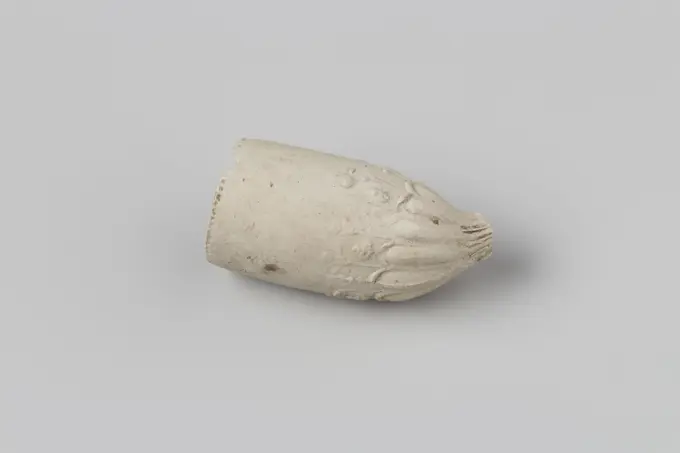
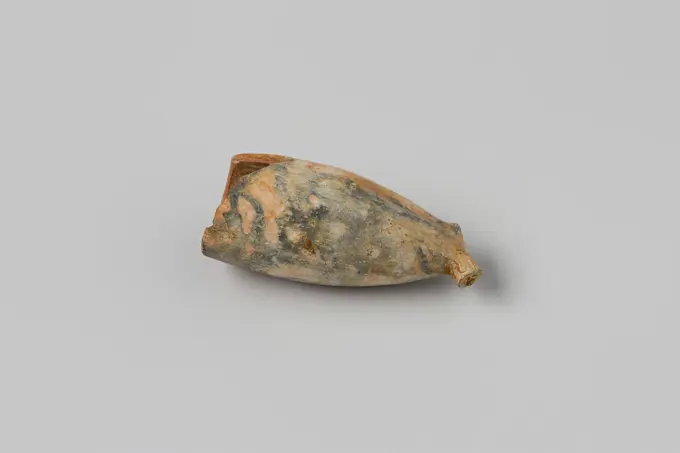
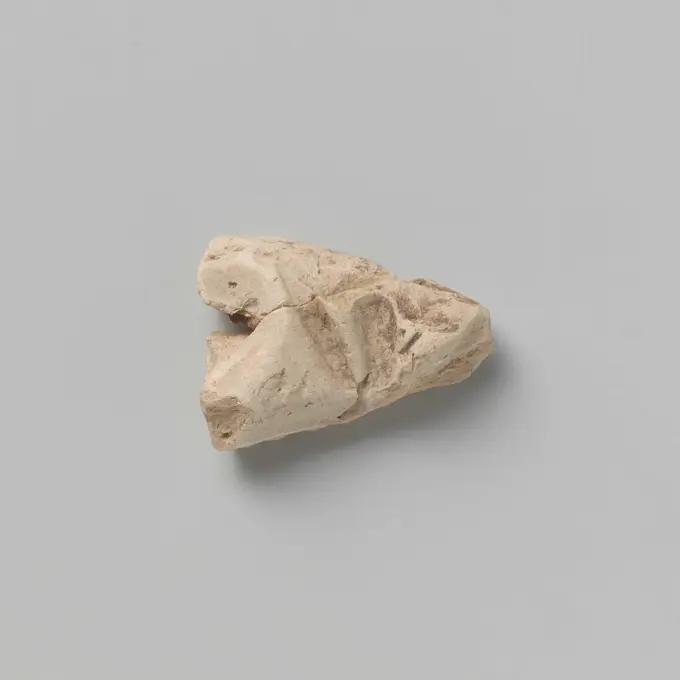
Fragment Pijpenkop, Jan Nieuwveld, 1740 - 1780 Fragment tobacco pipe with grunts (floral -leaving motif) in outline, ending at the top in arcs in which alternating stiled floals and lilies and a row of flowers above the arches. Of the excavations on the Hofstede Arentsburg 1827-1831 under the supervision of Professor Reuvens. Gouda pipe clay Fragment tobacco pipe with grunts (floral -leaving motif) in outline, ending at the top in arcs in which alternating stiled floals and lilies and a row of flowers above the arches. Of the excavations on the Hofstede Arentsburg 1827-1831 under the supervision of Professor Reuvens. Gouda pipe clay
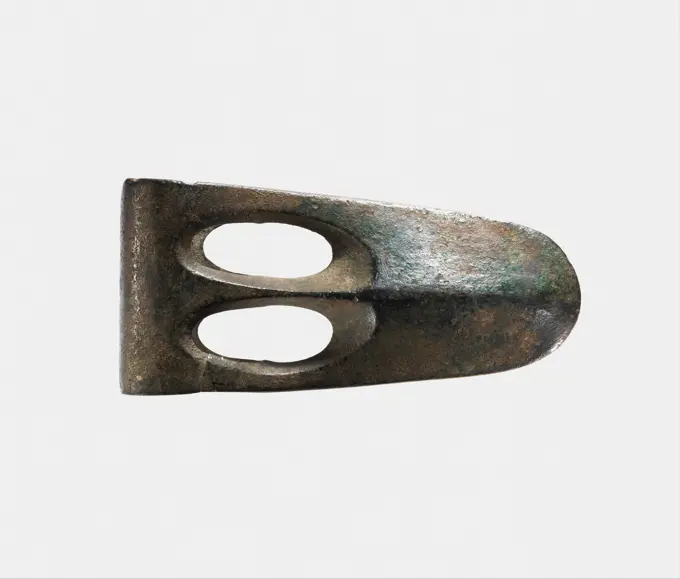
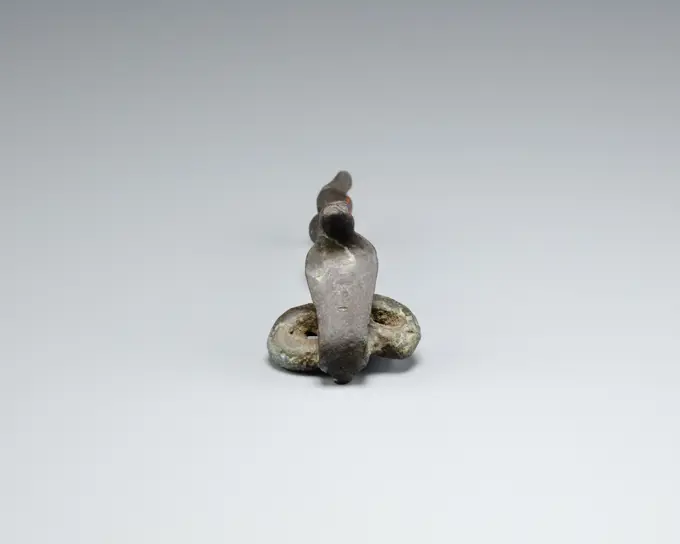
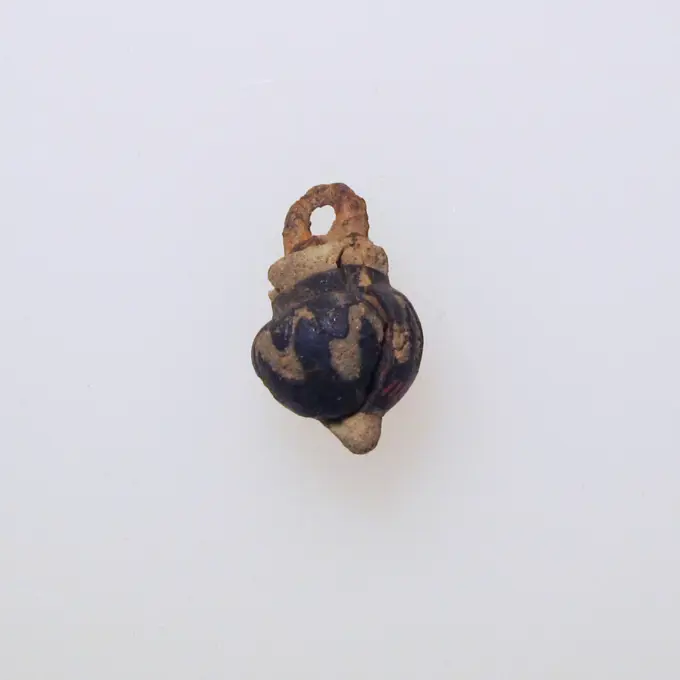
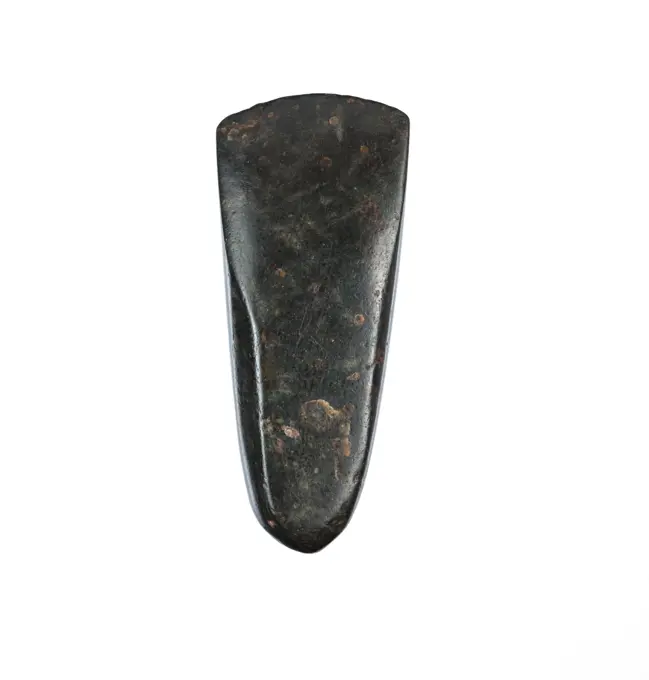
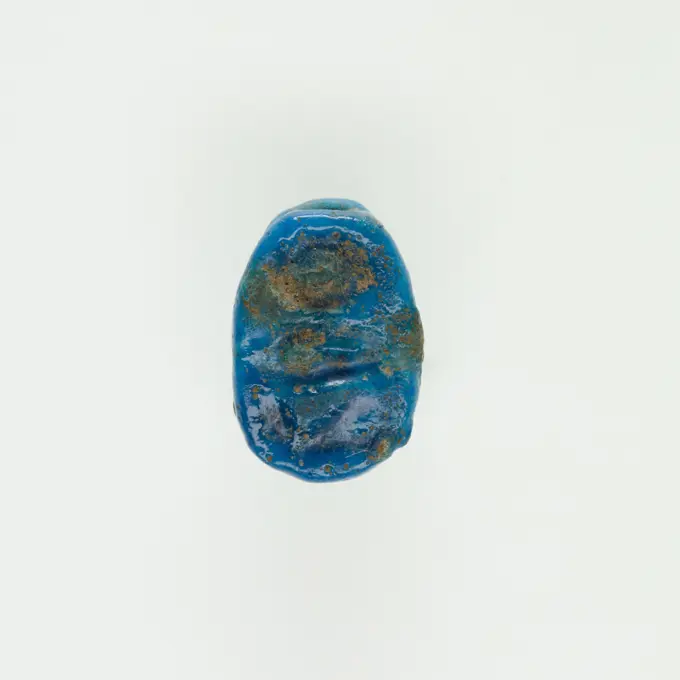
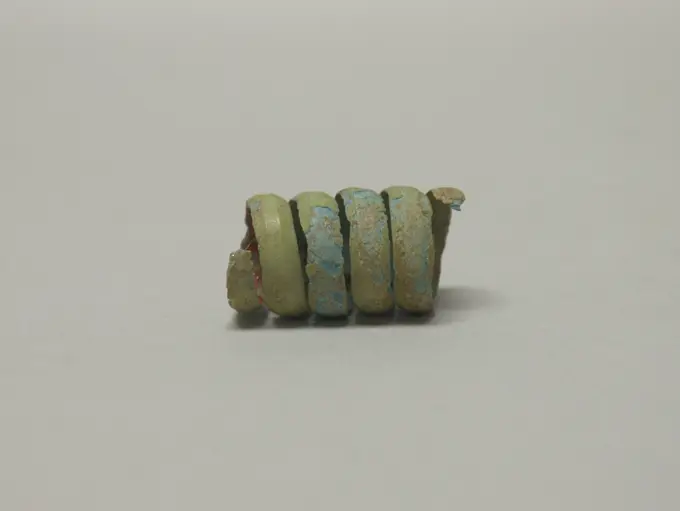
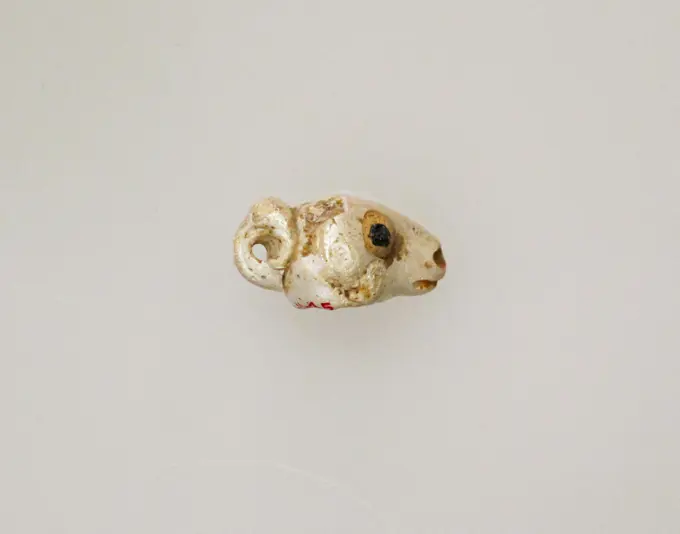
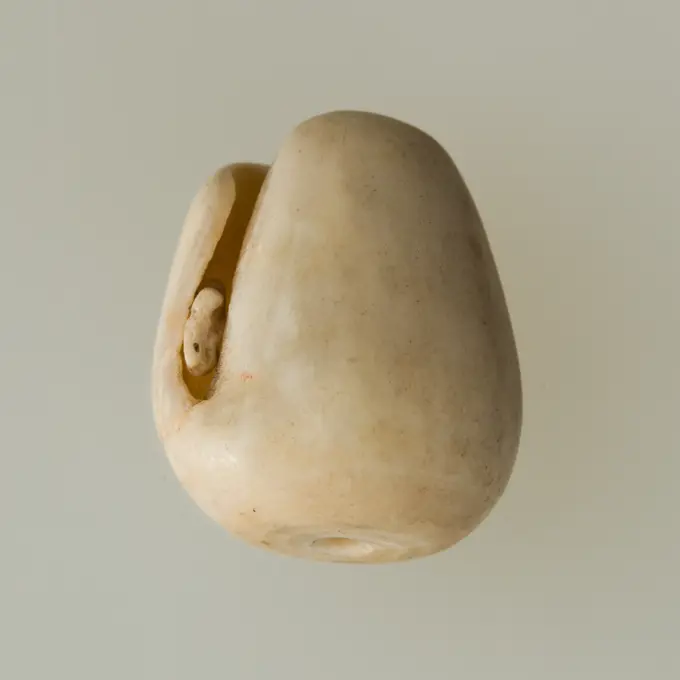
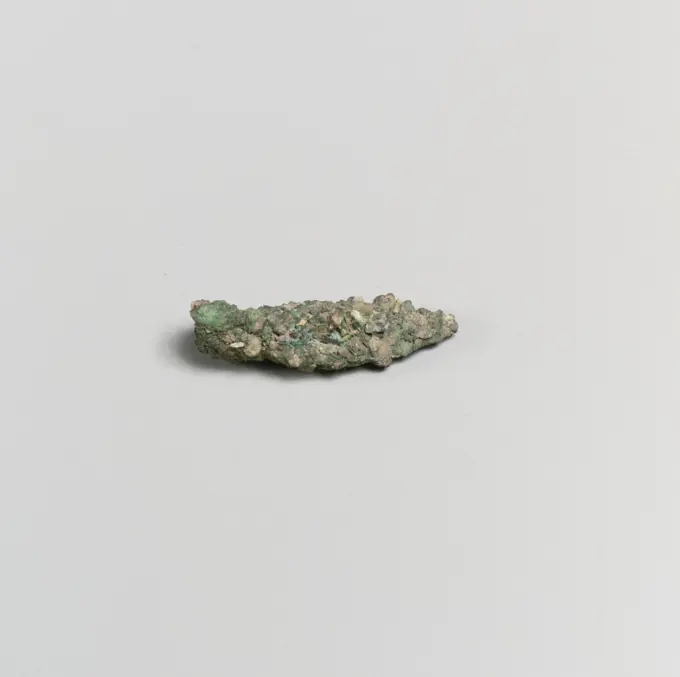
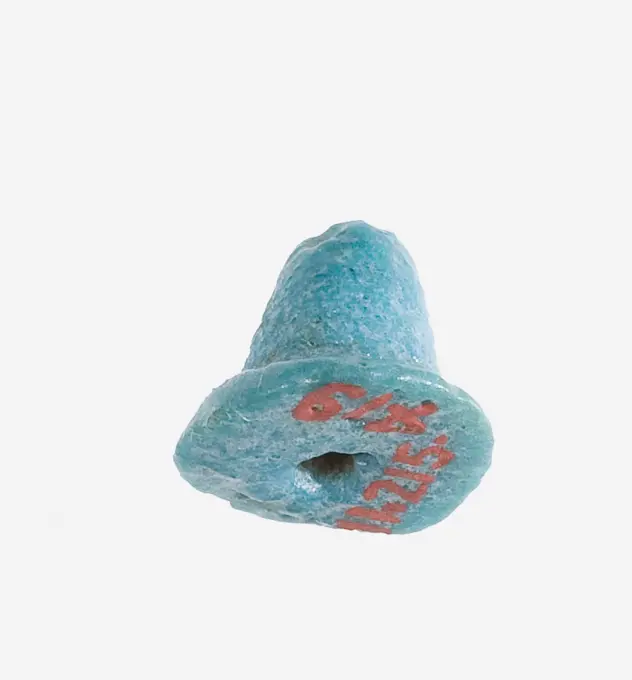
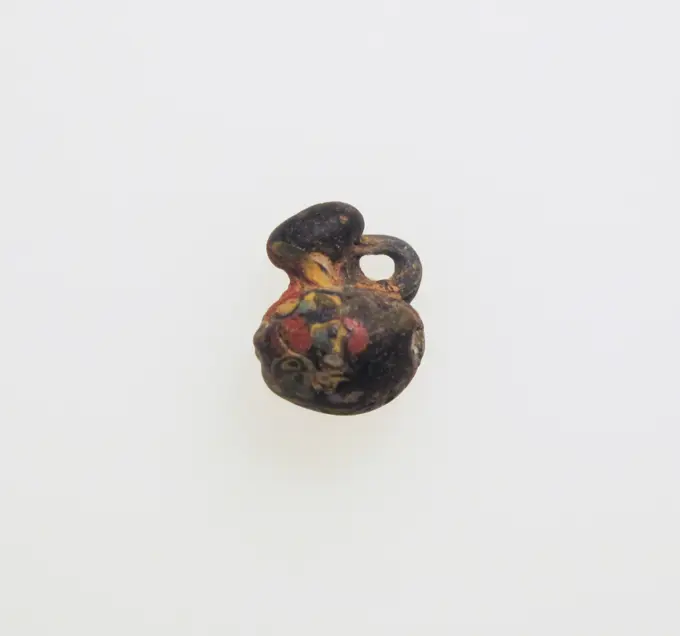
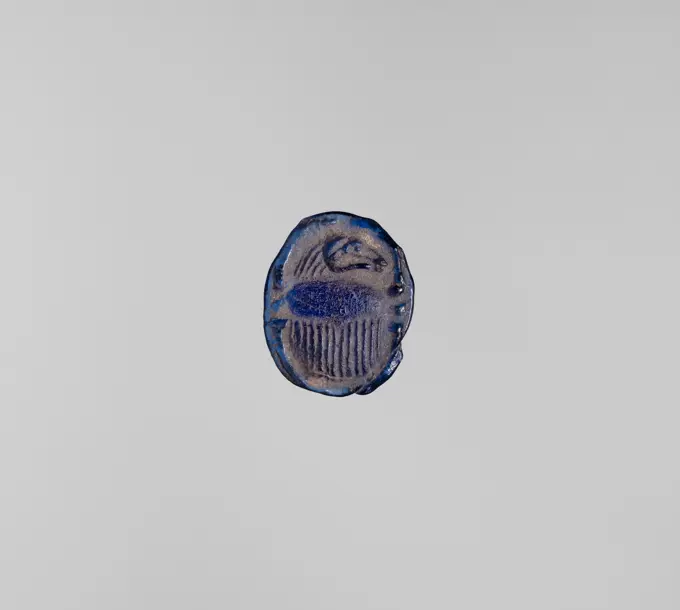
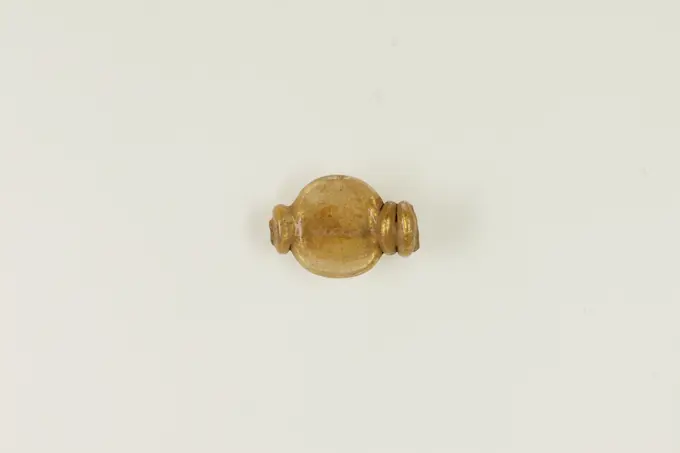
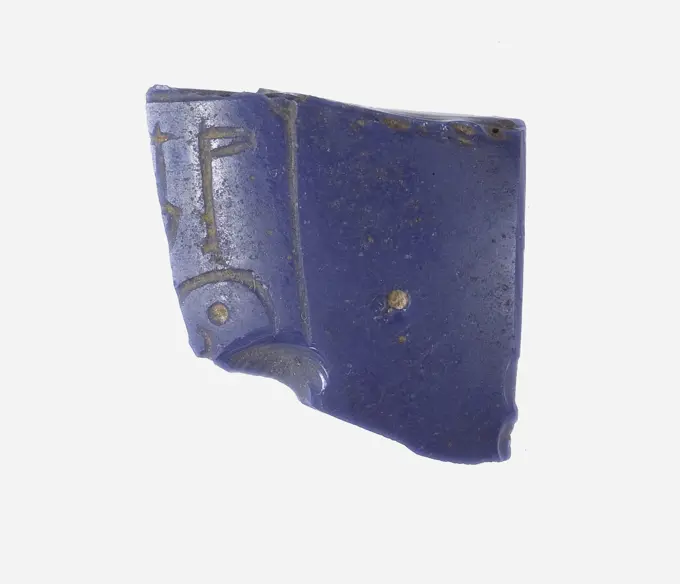
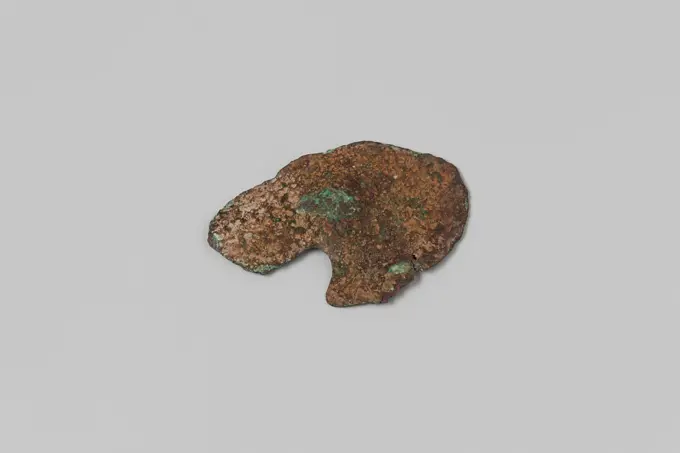
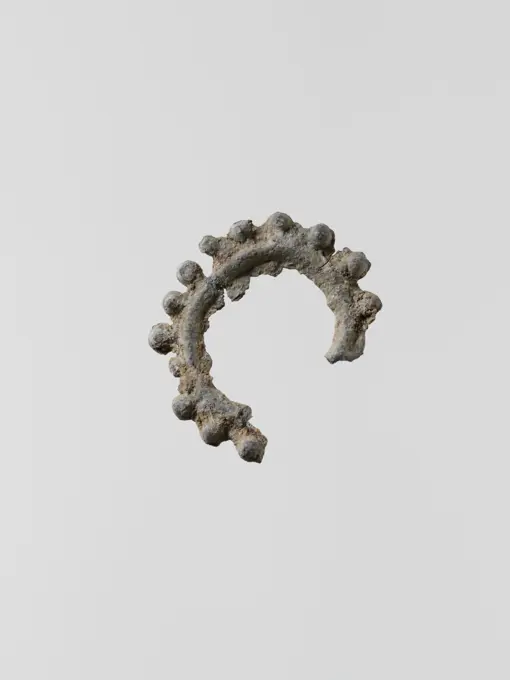
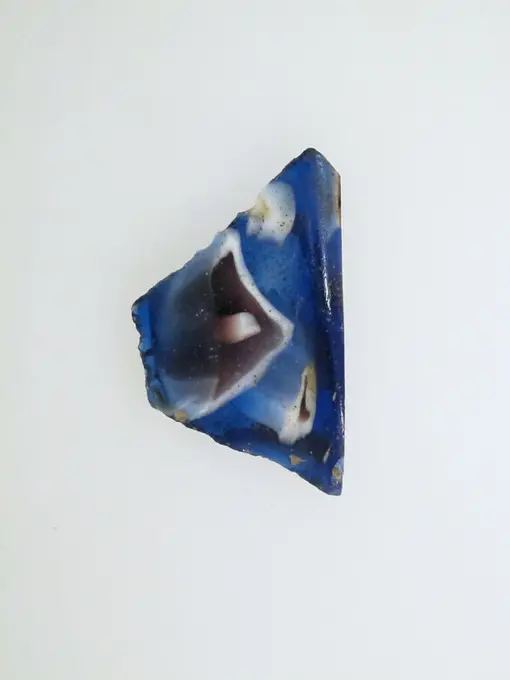
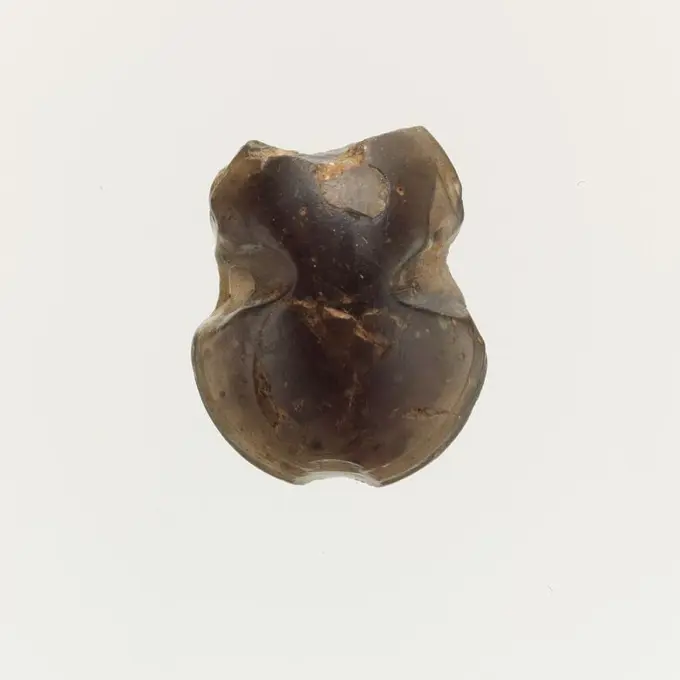
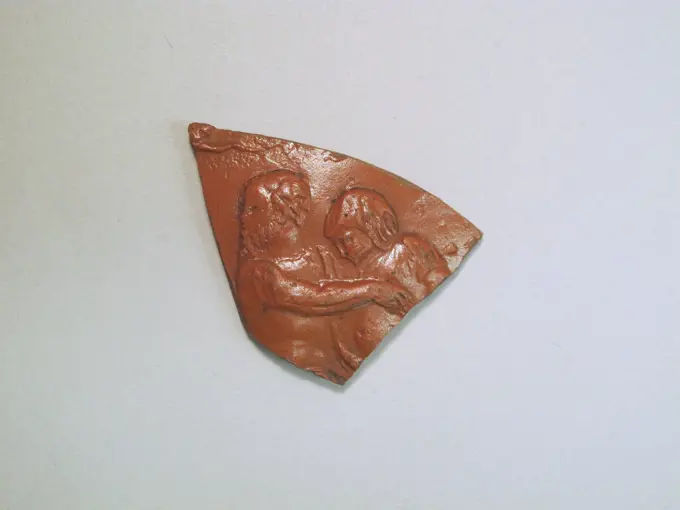
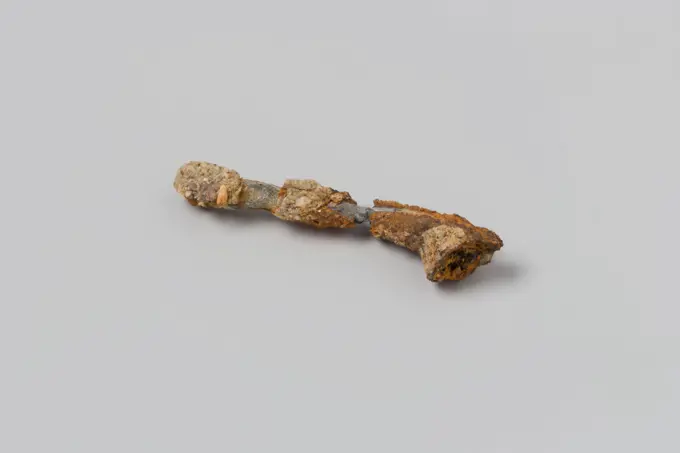
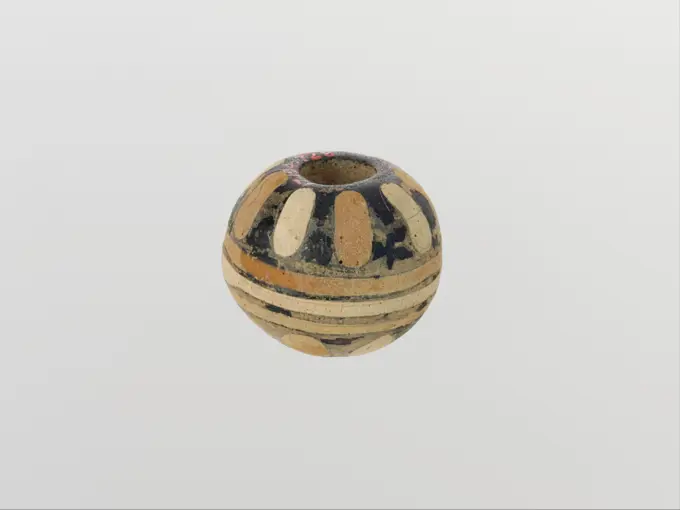
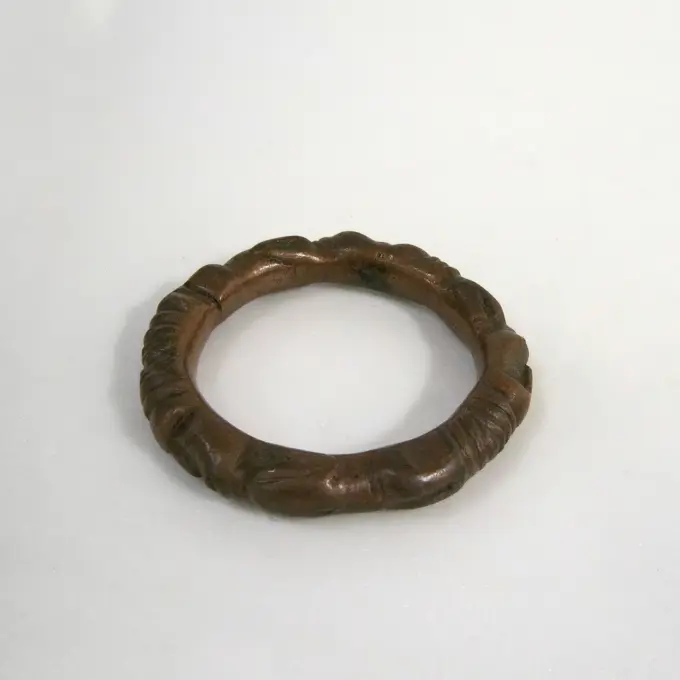
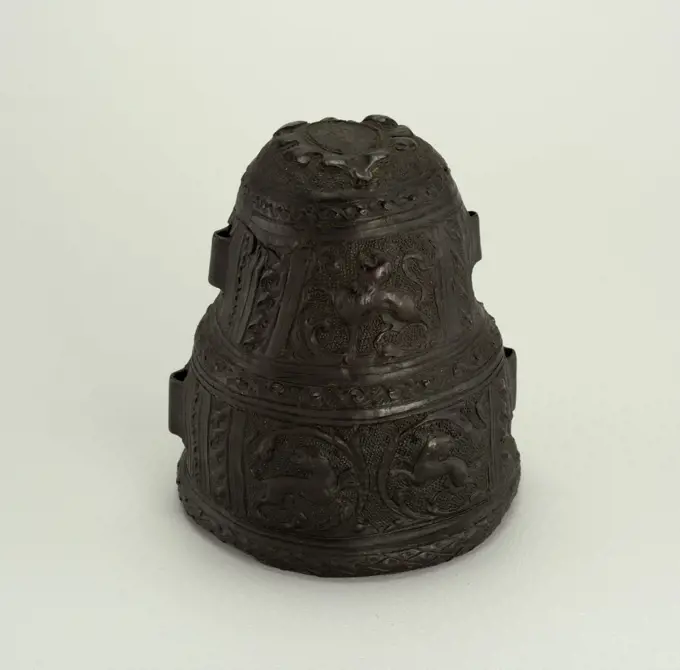
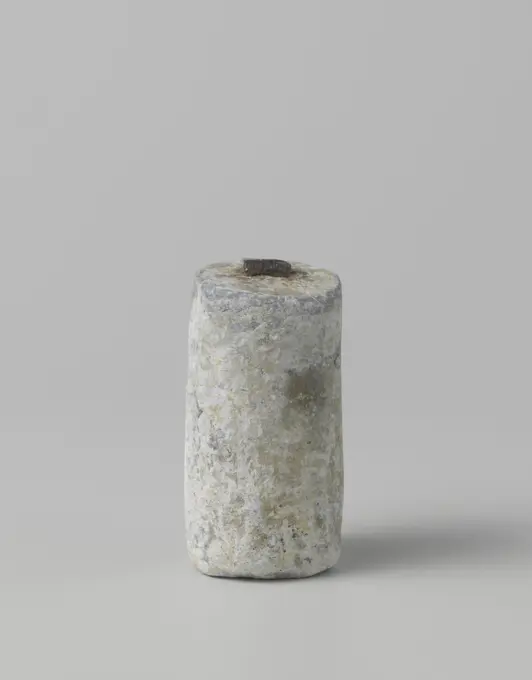
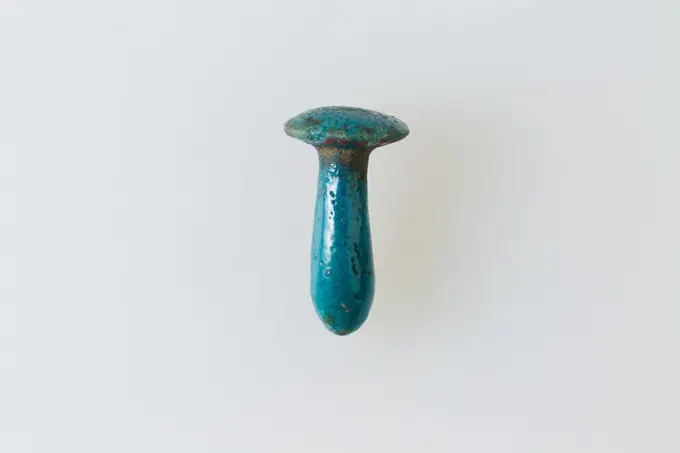
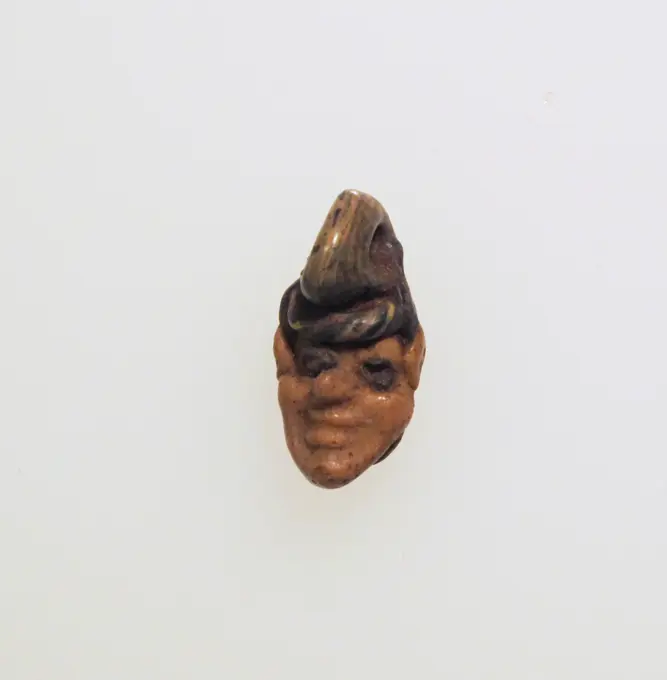
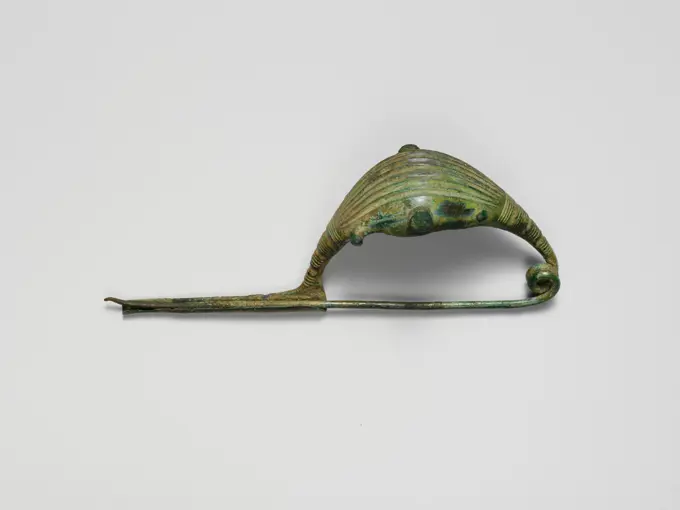
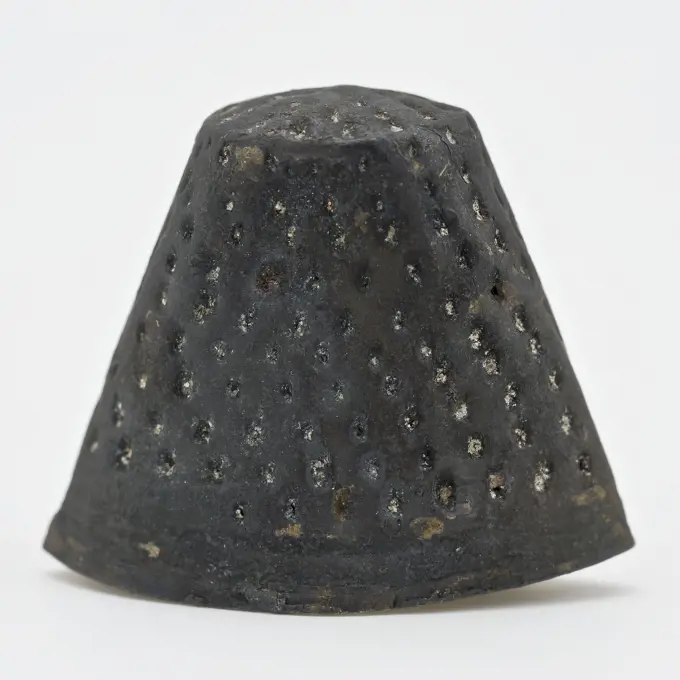
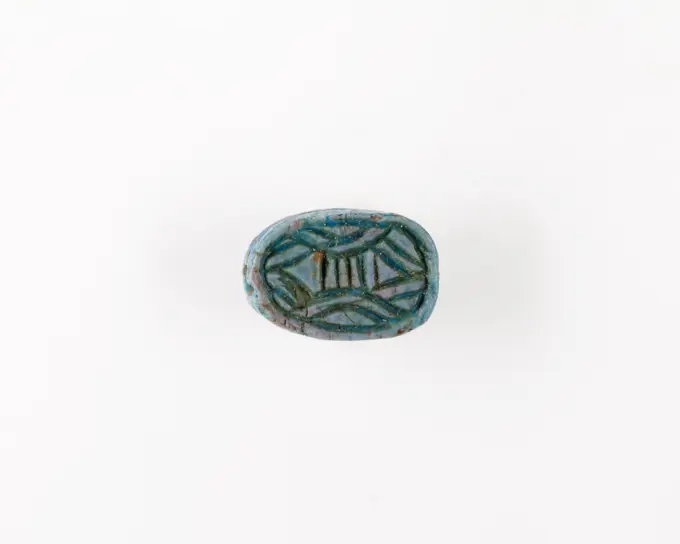
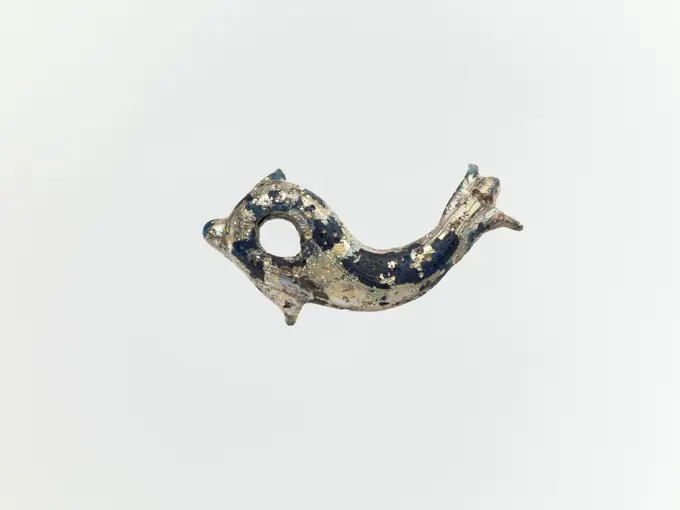
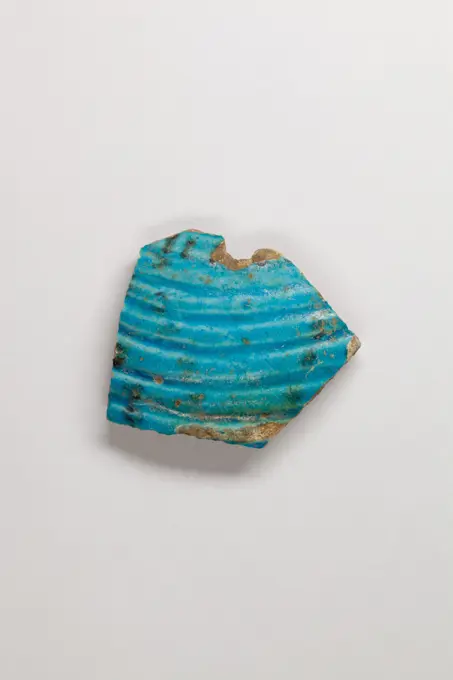
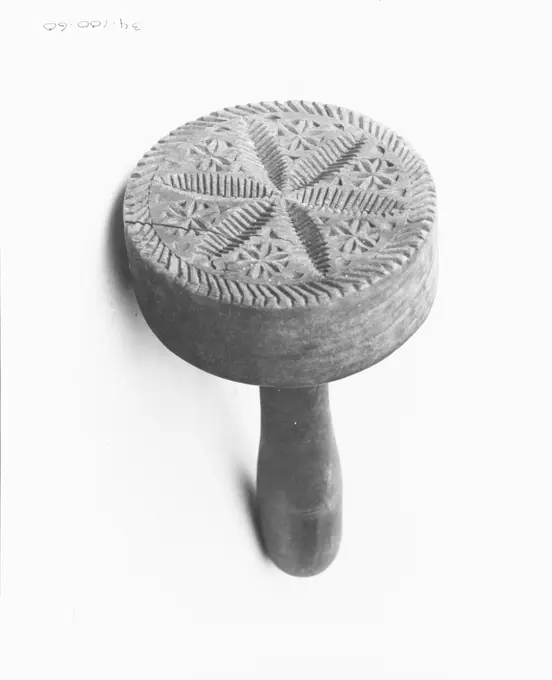
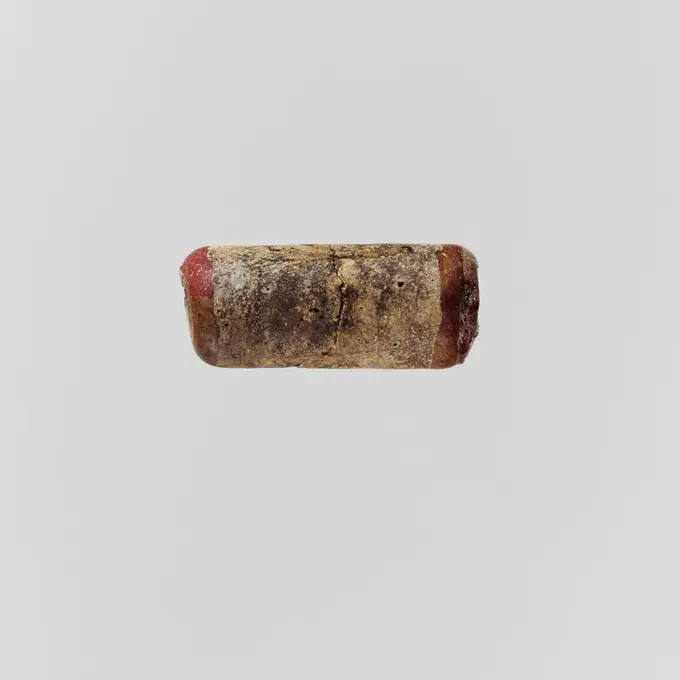
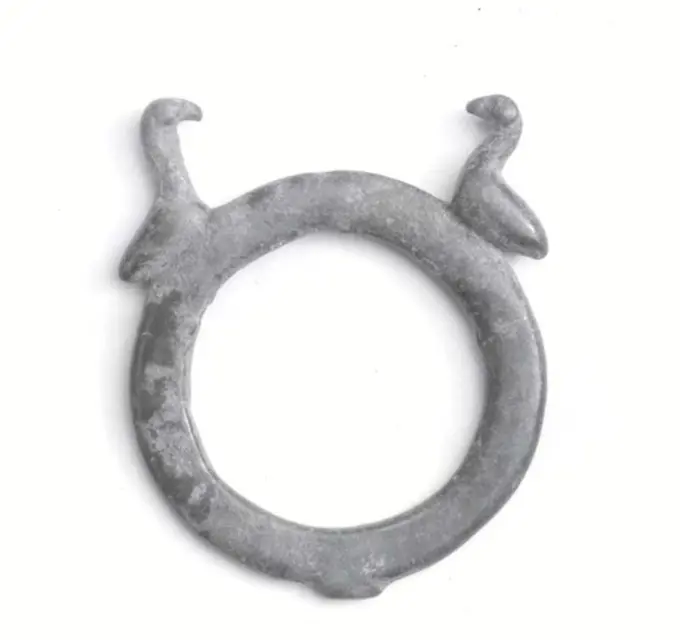
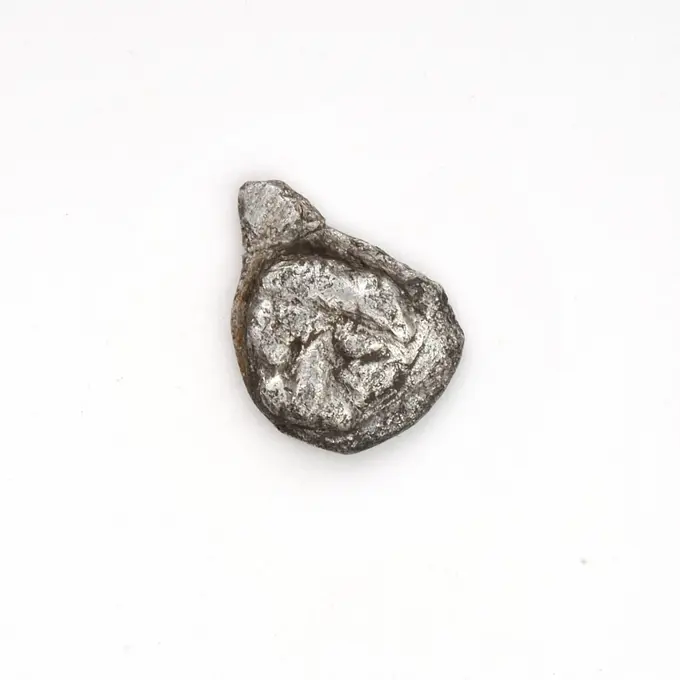
hemiobol; Pantikapaion; 1. W. 5th century BC (-500-00-00--476-00-00);Nadczarzyorze, Terlecki, Ignacy (1860-1916), Terlecki, Ignacy (1860-1916)-collection, balls, hollow square (numism.), Lions, Lion Skalp (iconogr.), Purchase (provenance), animalsMessenheft uit het wrak van de Oost-Indiëvaarder Hollandia. Knife-handle, straight-sided: tapering; fragm of upper end, id. NG 1980-27H1701, octagonal plate riveted on flat end, hollow core with fragm of original stuffing.Fragment Pijpenkop, Jan Nieuwveld, 1740 - 1780 Fragment tobacco pipe with grunts (floral -leaving motif) in outline, ending at the top in arcs in which alternating stiled floals and lilies and a row of flowers above the arches. Of the excavations on the Hofstede Arentsburg 1827-1831 under the supervision of Professor Reuvens. Gouda pipe clay Fragment tobacco pipe with grunts (floral -leaving motif) in outline, ending at the top in arcs in which alternating stiled floals and lilies and a row of flowers above the arches. Of the excavations on the Hofstede Arentsburg 1827-1831 under the supervision of Professor Reuvens. Gouda pipe clayFragment pipe head. Fragment pipe head with a crown and the number 50 depicted. Of the excavations at the Hofstede Arentsburg 1827-1831 under the supervision of professor Reuvens.Ax head ca. 1981-1550 B.C. Middle Kingdom-Early New Kingdom "Duckbill-shaped" axes like this one were produced primarily in Syria-Palestine during the Middle Bronze Age IIA phase, which is roughly contemporaneous with the 12th Dynasty in Egypt. They are attested throughout the eastern Mediterranean world from Anatolia in the north to the Nile Delta in the south. An ax head very similar to this one, for example, was found in a tomb in the late 12th Dynasty stratum at Tell el-Daba (ancient Avaris) in the delta, where many Asiatic people settled during the Middle Kingdom and later established the capital city of the Hyksos Dynasty. Instead of having a series of small binding-holes like a typical Egyptian ax, this Asiatic type has a large socket to receive the haft. Its cutting edge is much smaller than that of its Egyptian counterpart due to its narrow shape, but the force generated by swinging this hefty ax would have been so focused that a single blow might have proven lethal, especiallWeight ca. 3100-2900 B.C.. Weight. ca. 3100-2900 B.C.. Bitumen compound. Jemdet Nasr. Mesopotamia, NippurKohl Flask. Dimensions: 2 3/16 x 1 7/16 in. (5.5 x 3.6 cm). Date: probably 10th-12th century.This charming object was designed to hold kohl, a black cosmetic powder applied around the eyes. In the past, kohl was widely used by men and children as well as women. It was thought not only to accentuate the beauty of the eyes, but also to guard against the glaring sun, ward off evil, and discourage eye disease. The narrow drill hole at the top of this flask would have accommodated a slender stick to collect the cosmetic. Museum: Metropolitan Museum of Art, New York, USA.Attic Red-Figure Cup Fragment. Attributed to the Painter of London D12 (Greek (Attic))Pijpenkop from the wreck of the East India Hollandia.Pipe, Bowl, Healmar: Crowned 47; Fragment, 2HSM2.Button, conical with ribs and leafy eye. Knot, conical shape with six ribs that come together in a point and a leafy eye.Fragment of image. .Excerpt bowl or plate from v.o.c. ship De 'Witte Leeuw', Before 1613 bowl. plate (dishes) Fragment bowl or plate from V.O.C. ship the 'Witte Leeuw'. Jingdezhen porcelain   Sint-HelenaFragment of image. .Fragments lead from the wreck of the East Indiesman Hollandia. Parts or artifacts; eroded fragments: Materials; Lead.Sharf of rossy baking earthenware, with gray glaze, with a decorative edge in blue, anonymous, 1600 - 1650  Northern Netherlands earthenware. glaze majolica  Northern Netherlands earthenware. glaze majolicaUraeus 664-30 B.C. Late Period-Ptolemaic Period. Uraeus. 664-30 B.C.. Cupreous metal. Late Period-Ptolemaic Period. From EgyptDecorative batter from the wreck of the East India Hollandia. Fitting, decorative fitting or fragment; Squashed, disc-shaped, oval, domed, Stepped.Glass pendant in the form of a jar 4th-early 5th century A.D. Roman Translucent cobalt blue with trails in opaque white.Rounded rim; sloping shoulder; globular body, tapering downwards to small applied knob base. Metal (iron) suspension loop inserted in mouth of jar.Horizontal trail around rim and marvered zigzag trail around body.Complete but large vertical cracks down sides (caused by suspension loop); dulling and pitting.. Glass pendant in the form of a jar. Roman. 4th-early 5th century A.D.. Glass; rod-formed and trailed. Late Imperial. GlassPart of the tribe of a Roemer; 2 fragments, anonymous, c. 1650 - c. 1700 Originally inserted bottom on a base spun from a wire. The wide, bowl -shaped chalice blown as a whole with the trunk, which is set with two rows of brambles. Soil find. Foot and part of the chalice are missing; weathered. Low Countries glass glassblowing Originally inserted bottom on a base spun from a wire. The wide, bowl -shaped chalice blown as a whole with the trunk, which is set with two rows of brambles. Soil find. Foot and part of the chalice are missing; weathered. Low Countries glass glassblowingAttic Black Gloss Plate Fragment. UnknownSiekierka. unknown, authorScarab Inscribed with a Blessing Related to Re ca. 1850-1640 B.C. Middle Kingdom During the late Middle Kingdom (late Dynasty 12-13, ca. 1850-1640 B.C.), numerous scarabs were incised with inscriptions related to the sun god Re. These scarabs are often quite small. The precise meaning of the inscriptions remains unclear: they can be interpreted as forming the name Re, or as a phrase or wish meaning (may) Re give. Such inscriptions summon the sun gods protection. These so-called ‘rdi ra scarabs continue to be manufactured during the Second Intermediate Period (ca. 1640-1550 B.C.), but show different details on the back and sides.. Scarab Inscribed with a Blessing Related to Re 557087Stew, oval, with five holes in the top, anonymous, c. 1740 - c. 1760 Stew of mahogany, oval, with five holes in the top. Amsterdam (possibly) mahogany (wood) Stew of mahogany, oval, with five holes in the top. Amsterdam (possibly) mahogany (wood)Fragment tin from the wreck of the East Indiesman Hollandia. Parts or artifacts; eroded fragments: Materials; tin.Scherf of a pot from the wreck of the East Indians Hollandia, Anonymous, 1700 - in Or Before 1743 pot Stoneware, Rhenish, Westerwald, pot; of body, sim. NG 1980-27H2624r. Westerwald stoneware   SecondFragment of image. .Spiral Ring 300 B.C.-A.D. 400 Thailand. Spiral Ring 53399Disk 6th-5th century B.C. Flat on one side and rounded on the other; pierced in the centre.. Disk. 6th-5th century B.C.. Amber. Archaic. Miscellaneous-AmberGlass pendant in the form of a ram's head 4th century B.C. Phoenician or Carthaginian Opaque white, with additions in opaque yellow and translucent blue; suspension loop in opaque white.Shaped like the head of a ram; irregular suspension loop applied to back; rod hole underneath.Applied eyes as blue knobs applied over yellow circles, horns on top of head, nostrils and mouth in yellow.Intact except for horns and small chips on both sides of face, and most of yellow applied to nostrils and mouth missing; dulling, pitting and iridescent weathering, with thick black weathering inside rod hole.. Glass pendant in the form of a ram's head. Phoenician or Carthaginian. 4th century B.C.. Glass; rod-formed, applied, and tooled. Late Classical. GlassShell pendant or bead ca. 3850-2960 B.C. Predynastic Period. Shell pendant or bead 571034Fragment Martavaan from V.O.C. ship De 'Witte Leeuw', Anonymous, Before 1613  Fragment Martavaan from V.O.C. ship De 'Witte Leeuw'. Mouth, neck, ears. southeast Asia porcelain. stoneware   Sint-HelenaButton, maybe for a Horse Tack probably 1st-4th century possibly Roman This small button originally adorned a piece of leather, possibly part of a horse tack.. Button, maybe for a Horse Tack. possibly Roman. probably 1st-4th century. Copper alloy. Equestrian EquipmentStew, oval, with five holes in the top. Stew from mahogany, oval, with five holes in the top.Amulet. Dimensions: l. 2 cm (13/16 in.) × h. 1 cm (3/8 in.). Dynasty: Dynasty 26-29. Date: 664-380 B.C.. Museum: Metropolitan Museum of Art, New York, USA.Bronze arrowhead 6th-4th century B.C. or later Greek or Achaemenid Heavily encrusted.. Bronze arrowhead 252859 Greek or Achaemenid, Bronze arrowhead, 6th4th century B.C. or later, Bronze, Other: 1 3/8 in. (3.5 cm). The Metropolitan Museum of Art, New York. Gift of The American Society for the Excavation of Sardis, 1926 (26.199.296)Umbel Pendant ca. 1390-1353 B.C. New Kingdom. Umbel Pendant. ca. 1390-1353 B.C.. Faience. New Kingdom. From Egypt, Upper Egypt, Thebes, Malqata, Palace of Amenhotep III, MMA excavations, 1910-11. Dynasty 18Kylix, Little-master cup/lip-cup/band-cup fragment 3rd quarter of the 6th century B.C. Greek, Attic Inscribed, "hello and drink this.". Kylix, Little-master cup/lip-cup/band-cup fragment 247615Vessel fragment () ca. 1850-1640 B.C. Middle Kingdom. Vessel fragment () 557331Attic Vase Fragment. UnknownGloben. Plated spherical body, one side of which is inserted.Steatite pendant. Culture: Minoan. Dimensions: L. 3/4 in. (2 cm). Date: ca. 3rd-early 2nd millennium B.C..Pendant in the shape of a leaf. Museum: Metropolitan Museum of Art, New York, USA.Fragment of a pipe head from the wreck of the East India Flying Heart. Cup without stalk of an earthen golden pipe, blue white yellowish. Heel brand WS. Lightly damaged. Fragments or bowls and votes.Pipes head. Pipes head. Of the excavations at the Hofstede Arentsburg 1827-1831 under the supervision of professor Reuvens.Goudweger, anonymous, c. 1800 - c. 1900 An Arabian Goudweger, made of a rectangular piece of wood. Arabia silver (metal). wood (plant material) An Arabian Goudweger, made of a rectangular piece of wood. Arabia silver (metal). wood (plant material)Glass pendant shaped like a jug 3rd-4th century A.D. Roman Translucent blue, with same color handle; chips in opaque red, yellow, light blue, and white, and translucent blue.Thick, rounded rim; narrow concave neck; squat, globular body; round bottom; loop handle applied to top of body, neck, and underside of rim.Chips applied randomly to body and marvered.Intact; dulling, pitting, and some soil encrustation.. Glass pendant shaped like a jug. Roman. 3rd-4th century A.D.. Glass; rod-formed and tooled, applied chips. Late Imperial. GlassFibula 7th century B.C. Etruscan. Fibula 255606Skarabeusz z głową barana. unknown, authorBead 100 BC-200 AD Ptolemaic-Roman Period Gold glass beads were a Hellenistic development. They were created by combining drawn tubes of colorless glass with gold foil. The earliest examples were finished bead by bead. These are all modern stringings; most ancient stringing patterns are lost as the string decays.. Bead 650060Fragment wall hook from the wreck of the East Indieschief Hollandia. Wall Hook; Fragm or Wall Plate, ID. NG 1979-213H1822, Hook Broken off.Water chestnut (trapa natans), isolated on a white backgroundWillem V, Prince of Orange-Nassau. One-sided silver carrying sign in form of male bust. Front: Breast man. Downside: blankBead 100 BC-200 AD Ptolemaic-Roman Period Gold glass beads were a Hellenistic development. They were created by combining drawn tubes of colorless glass with gold foil. The earliest examples were finished bead by bead. These are all modern stringings; most ancient stringing patterns are lost as the string decays.. Bead 551621Fragment 11th-12th century This object was excavated at Nishapur.Nishapur was a vital city in the early and middle Islamic periods, located along one of the main trajectories that connected Iran and West Asia Islamic lands with Central Asia and China. These itineraries are often referred to by the term Silk routes but were in fact crucial to the movement of constellations of materials and objects, as well as people and ideas. The diverse population of Nishapur and its surroundings, from the better-researched elite groups of merchants, land-owning aristocracy, and literates, to the less-known artisans, farmers, miners, and servants, were instrumental in adapting global cultural trends to create their own distinctive visual languages. This is seen in the material remains of everyday life in medieval Nishapur - from pots and pans to lighting devices, inkwells, textiles and trimmings, jewelry, games and toys, talismanic devices, weapons, coins, and architectural fragments.Nishapur lost itsInscribed Fragment of Vase ca. 1390-1353 B.C. New Kingdom. Inscribed Fragment of Vase. ca. 1390-1353 B.C.. Glass. New Kingdom. From Egypt, Upper Egypt, Thebes, Malqata, House B, MMA excavations, 1910-11. Dynasty 18Fragment of buyer from the wreck of the East India Hollandia.parts or artifacts; eroded fragments: Materials; Copper.Loom equipment () ca. 1850-1070 B.C. Late Middle Kingdom or New Kingdom, Ramesside. Loom equipment (). ca. 1850-1070 B.C.. Wood. Late Middle Kingdom or New Kingdom, Ramesside. From Egypt, Memphite Region, Lisht North, Late New Kingdom Settlement, MMA excavations, 1920-22. Dynasty 19-20Wreaths, 6 Greek, Laconian. Wreaths, 6 251738 Greek, Laconian, Wreaths, 6, Lead, Diameter: 1 1/8 in. (2.8 cm). The Metropolitan Museum of Art, New York. Gift of A. J. B. Wace, 1924 (24.195.172)Virgin and Child with Saint John the Baptist in front of a townscape. Culture: Italian, Milan. Dimensions: 1 3/16 x 1 in. (3 x 2.6 cm); Visible cameo: 29 × 25 mm. Date: ca. 1520-30.The group echoes the new harmonies that Raphael and his school brought to painting. Suggestive comparisons exist in Raphael-esque Madonnas engraved by Giulio Bonasone and Gian Giacomo Caraglio (who doubled as an engraver of hardstones), but the graceful composition is apparently unique to this piece. The cityscape in the background is executed in intaglio. The irregular chestnut-hued translucent band around the edge of the stone is void, probably because it was meant to be embedded in a gold setting. Museum: Metropolitan Museum of Art, New York, USA.Fragment Pijpenkop, Unknown, 1740 - 1780 Fragment Pijpenkop with the weapon of Prussia (Pruyse), held by two standing wild men with clubs. Of the excavations on the Hofstede Arentsburg 1827-1831 under the supervision of Professor Reuvens. Gouda pipe clay Fragment Pijpenkop with the weapon of Prussia (Pruyse), held by two standing wild men with clubs. Of the excavations on the Hofstede Arentsburg 1827-1831 under the supervision of Professor Reuvens. Gouda pipe claySmall serpentinite axe 5th-4th millennium B.C. Cretan Celt.. Small serpentinite axe 252424 Cretan, Small serpentinite axe, 5th4th millennium B.C., Stone, Length 1 7/8 in. (4.7 cm); W. 1 1/16 in. (2.7 cm). The Metropolitan Museum of Art, New York. Bequest of Richard B. Seager, 1926 (26.31.504)Cylinder seal ca. 2649-2100 B.C. Old Kingdom. Cylinder seal. ca. 2649-2100 B.C.. Steatite. Old Kingdom. From Egypt. Dynasty 3-5Fragment of a pipe head from the wreck of the East India Flying Heart. Cup of an earthen golden pipe, without stem, slightly damaged with crowned heel brand WS, blue and white-gladly discolored. Fragments or bowls and votes.Mitten Gauntlet for the Left Hand ca. 1500 German or Austrian The cuff is engraved with a mark that was put on objects deposited in Ottoman arsenals, indicating that this gauntlet was captured by the Turks during a conflict with European forces.. Mitten Gauntlet for the Left Hand. German or Austrian. ca. 1500. Steel. Armor Parts-GauntletsGlass mosaic ribbed bowl fragment. Culture: Roman. Dimensions: Other: 1 15/16 x 1 3/16 in. (4.9 x 3 cm). Date: late 1st century B.C.-early 1st century A.D..Body fragment.Translucent cobalt blue, purple, and opaque white.Convex curving side tapering downward.Marbled mosaic pattern formed from sections of a single cane in blue ground with irregular white and purple threads and streaks; on exterior, vertical rib, tapering and becoming deeper with rounded outer edge.Polished exterior and edge along rib; pitting of surface bubbles on interior; pitting and dulling on interior; some weathering on jagged edges. Museum: Metropolitan Museum of Art, New York, USA.Obsidian bead in the form of of a figure-of-eight shield. Culture: Minoan. Dimensions: Length (as preserved): 1/2 in. (1.3 cm). Date: ca. 2200-1450 B.C..Grooved. Museum: Metropolitan Museum of Art, New York, USA.Fragment of a stop from the wreck of the East India Hollandiaia. Containers, Parts, Various, Stop; eroded; circular, flat top with ioded finial, wrapped up with cloth and string.Vase fragment 1st century B.C.-1st century A.D. Roman Initiation scene.. Vase fragment 250452Fragment Steel van Fork or Spoon from the wreck of the East Indians Hollandia, Anonymous, 1700 - in Or Before 1743 spoon Cutlery, fragment: stem of fork or spoon; fragm, heavily corroded. Netherlands tin (metal)   SecondNutmeg Grater 1775-1786 London. Silver and iron .Small Child in a Sling New Kingdom ca. 1427-1295 B.C. This fragment shows a small child being carried in a cloth sling. It was probably part of a figure vase depicting a seated or standing woman carrying the child high on her back.Glass bead 2nd half of 4th century B.C. Carthaginian Ground in semi-opaque dark blue, appearing black; additions in opaque yellow and white.Spherical with large vertical hole with rounded edges.Three horizontal trails, two in yellow flanking one in white, around center of bead; at one end, row of eight marvered dots, five in yellow, three in white; at other end, nine broad stripes, five in yellow, four in white.Intact; dulling and creamy iridescent weatheringBlack opaque bead with yellow and white bands and spots.. Glass bead 249961Whetstone ca. 1000-800 B.C. Edomite. Whetstone. Edomite. ca. 1000-800 B.C.. Stone. Iron Age II. Levant, TawilanStatuette of a warrior-11. Culture: Greek, Laconian. Dimensions: Height: 3/4 in. (1.8 cm). Museum: Metropolitan Museum of Art, New York, USA.Bracelet, 19th century, 3 5/8 x 3 1/2 x 5/8 in. (9.21 x 8.89 x 1.59 cm), Copper, Democratic Republic of Congo, 19th centuryPetalsof a Composite Cornflower Pendant ca. 1390-1353 B.C. New Kingdom See 11.215.280 for a complete cornflower pendant.. Petalsof a Composite Cornflower Pendant. ca. 1390-1353 B.C.. Faience. New Kingdom. From Egypt, Upper Egypt, Thebes, Malqata, Palace of Amenhotep III, MMA excavations, 1910-11. Dynasty 18Fibula, serpentine type 7th-6th century B.C. Italic Only part of the bow is preserved; it has two loops and four pairs of bosses.. Fibula, serpentine type 246322Case, leather (cuir bouilli), Brown campaniform case decorated in two panelled bands with designs of lions and hounds within scrolls and foliations. Heraldic device within scrolled escutcheon top. Four wide open loops on sides. Bottom border is a fillet of laurel leaves., Italy, 16th century, containers, Decorative Arts, CaseCopper pressed thimble with mark, thimble sewing kit soil find copper metal, pressed Copper pressed thimble with wells merging into the shaft with wells in right rotating spiral and board with two grooves and mark above the grooves mark at beginning of the wells: M or W archeology Rotterdam railway tunnel seamstress tailor sewing textile processing clothing needle and thread repair Soil discovery: trajectory rail tunnel Rotterdam.Counter Plate of a Belt Buckle late 6th-early 7th century Frankish. Counter Plate of a Belt Buckle 472619Clock and gunpowder horn, anonymous, c. 1590 - c. 1596 weight. clockwork Weight of a timepiece, cylindrical in shape with the remainder of an iron hook at the top. The weight belongs to No. NM-7687.  iron (metal). lead (metal). casting / forging  Nova Zembla. Saving HuysEar Stud. Dimensions: Overall: L. 2.6 cm (1 in.); diam. 1.4 cm (9/16 in.)Shaft: L. 2.3 cm (7/8 in.); diam. 0.55-0.7 cm (3/16-1/4 in.). Dynasty: Dynasty 19-20. Date: ca. 1295-1070 B.C.. Museum: Metropolitan Museum of Art, New York, USA.Knife lift from the wreck of the East India Hollandia. Knife, handle, cylindrical: tapering; Fragm, ID. NG 1980-27H512A.Glass head pendant 3rd-1st century B.C. Carthaginian or Eastern Mediterranean Translucent blue, appearing opaque black, and opaque yellow.Oval with uneven back; small hole under chin; large suspension loop on top of the head.Ears as small applied trails of yellow glass over blue hair; spiral headband across forehead; deep-set eye sockets with applied small circular trails as eyes, rounded nose, broad lips, and prominent rounded chin.Intact, but possibly chipped across back; dulling and faint brownish enamel-like weathering.. Glass head pendant. Carthaginian or Eastern Mediterranean. 3rd-1st century B.C.. Glass; rod-formed and trailed. Hellenistic. GlassBronze navicella-type fibula (safety pin) Early Etruscan 8th-7th century BCE The people of ancient Italy used fibulae to fasten their garments and also to display wealth. Navicella (little boat) fibulae have arched bows and were used almost exclusively by females from the end of the ninth century B.C.Messenlift ring from the wreck of the East Indians Hollandia, Anonymous, 1700 - in Or Before 1743  Knife-handle, ferrule; (1) id. NG 1980-27H426. Netherlands copper (metal)   SecondCopper pressed thimble, thimble sewing kit soil find copper metal, pressed Copper pressed thimble with pits without groove crossing to the right spinning spiral on shaft with board archeology Rotterdam rail tunnel seamstress tailor sewing textile processing clothing needle and thread repair trajectory rail tunnel Rotterdam.Whetstone ca. 1550-1295 B.C. New Kingdom This small whetstone is part of a set of cosmetic implements that includes two razors (12.182.d, 12.182.e3).. Whetstone. ca. 1550-1295 B.C.. Grit stone (sandstone). New Kingdom. From Egypt, Upper Egypt, Thebes. Dynasty 18Scarab with Double Lotus Design ca. 1981-1802 B.C. Middle Kingdom. Scarab with Double Lotus Design 545253Glass pendant in the form of a dolphin possibly 3rd-5th century A.D. Roman Translucent cobalt blue.Shaped as a dolphin in the round, with large suspension hole serving as eyes, tooled to form rounded nose, pointed crest, and three-finned tail, and pointed fin under belly.Intact; pitting and brilliant iridescent weathering.. Glass pendant in the form of a dolphin. Roman. possibly 3rd-5th century A.D.. Glass; tooled and rod-pierced. Late Imperial. GlassInlay ca. 8th-7th century B.C. Iran. Inlay 324225Ornament in the shape of a griffin head ca. 5th century B.C. Sarmatian. Ornament in the shape of a griffin head. Sarmatian. ca. 5th century B.C.. Gold. Eurasian steppesGlass Fragment ca.1300 French or British. Glass Fragment. French or British. ca.1300. Glass. Glass-StainedGlass pendant shaped like a jar. Culture: Roman. Dimensions: H.: 13/16 in. (2.1 cm). Date: 3rd-4th century A.D..Uncertain color, appearing opaque black; loop and base in same color.Squat globular body; flat pad base; thick circular suspension loop applied at top.Tooled vertical ribs around body, and a diamond-shaped pattern on one side.Intact, but chipped on pad base; dulling, pitting, and faint weathering.Black opaque pendant with handle and fluted sides. Museum: Metropolitan Museum of Art, New York, USA.Vase fragment ca. 1981-1640 B.C. Middle Kingdom. Vase fragment 560592Butter Mold ca. 1790 American. Butter Mold. American. ca. 1790. Cherry. Made in Pennsylvania, United StatesFragment of the container for black eye;  19th century (1801-00-00-1900-00-00);Osman dynasty (1299-1922), Islam (culture), Islamic art, Turkish (culture)Planets-manager. Cornalet Collection Sites 2013-2016. Numismatic.Lance Rest, c.1550-1570. Germany, 16th century. Iron, steel, leather and brass rivets; overall: 34.5 x 20 x 31.2 cm (13 9/16 x 7 7/8 x 12 5/16 in.).Glass bead. Dimensions: L.: 1 in. (2.4 cm)Diam.: 3/8 in. (1.0 cm).Translucent deep purple, appearing black; trails in opaque red and white.Cylindrical, with rounded edges at both ends; pierced lengthwise; red trail around each end; body covered with white trails in feather pattern.Broken; almost half of one side missing. Museum: Metropolitan Museum of Art, New York, USA.Harness ring ca. 8th-7th century B.C. Iran. Harness ring 322576