Ancient Artifacts

A selection of historical items including a hemiobol, knife handle, and tobacco pipe fragments, highlighting craftsmanship and cultural heritage.
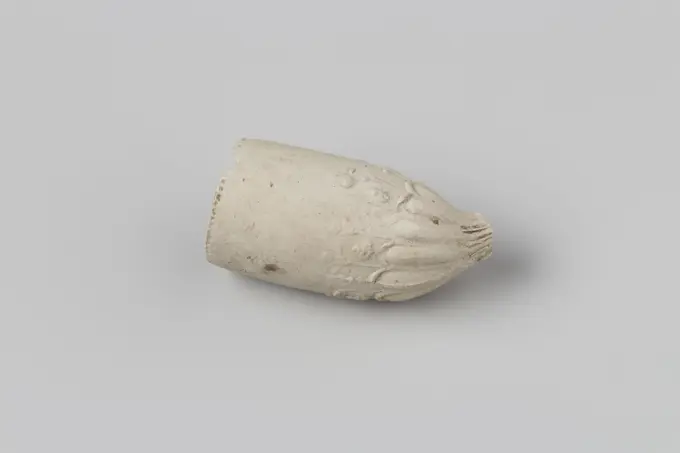
Fragment Pijpenkop, Jan Nieuwveld, 1740 - 1780 Fragment tobacco pipe with grunts (floral -leaving motif) in outline, ending at the top in arcs in which alternating stiled floals and lilies and a row of flowers above the arches. Of the excavations on the Hofstede Arentsburg 1827-1831 under the supervision of Professor Reuvens. Gouda pipe clay Fragment tobacco pipe with grunts (floral -leaving motif) in outline, ending at the top in arcs in which alternating stiled floals and lilies and a row of flowers above the arches. Of the excavations on the Hofstede Arentsburg 1827-1831 under the supervision of Professor Reuvens. Gouda pipe clay
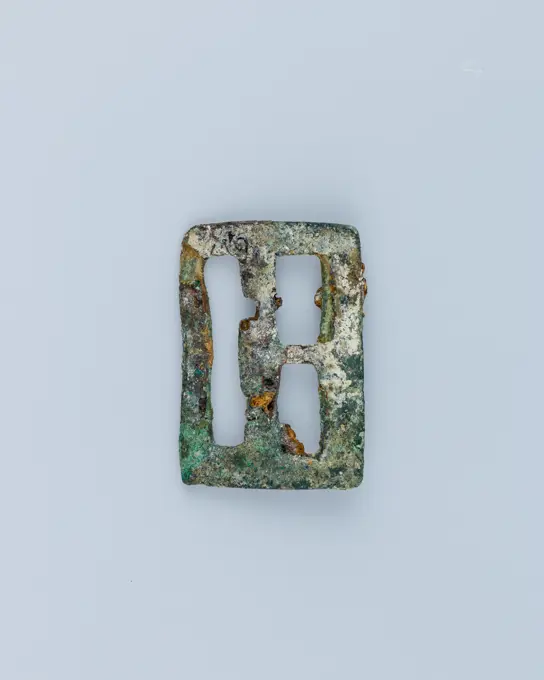
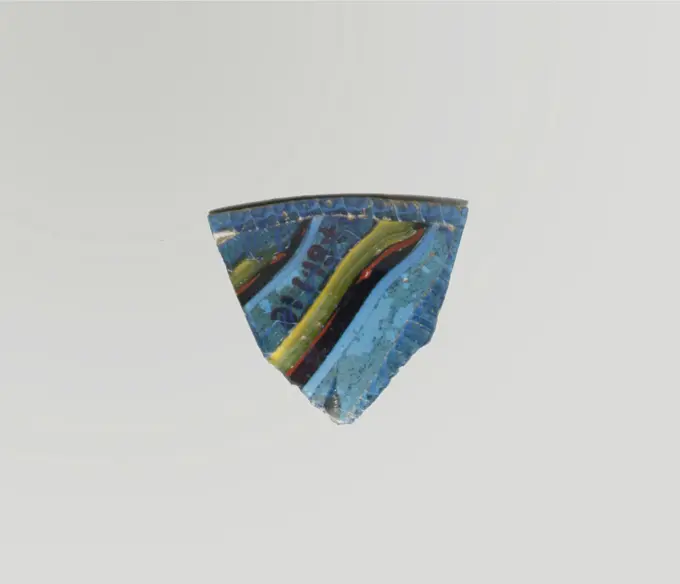
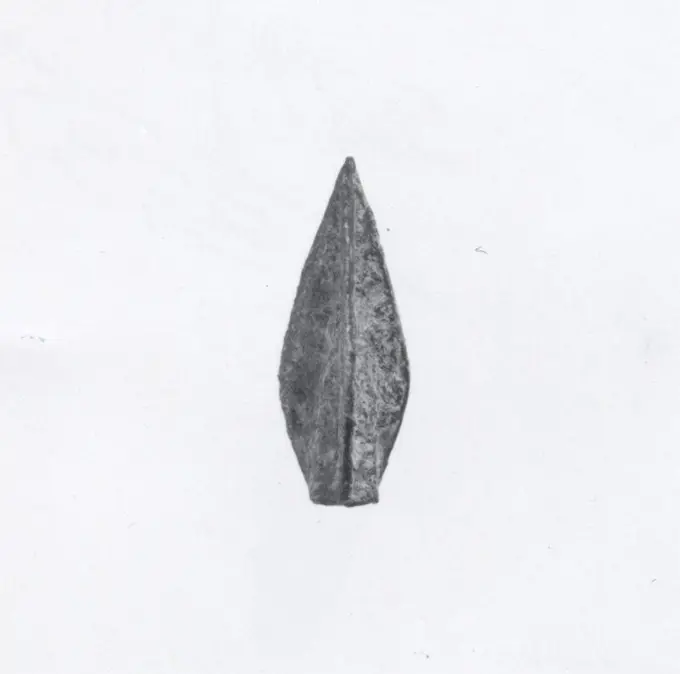
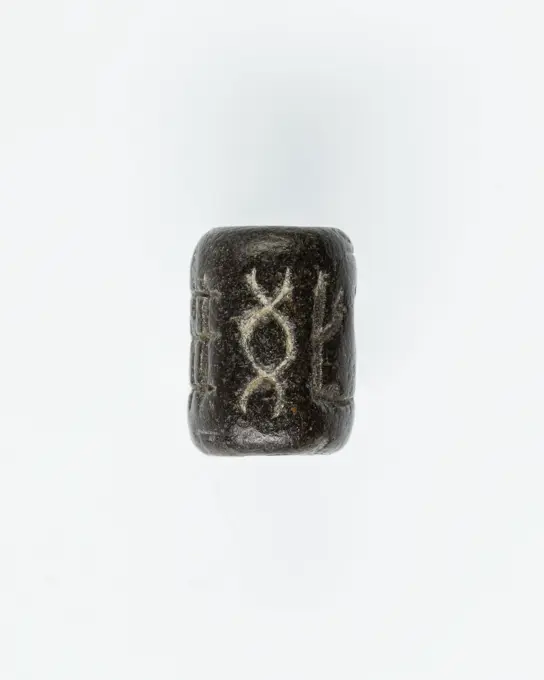
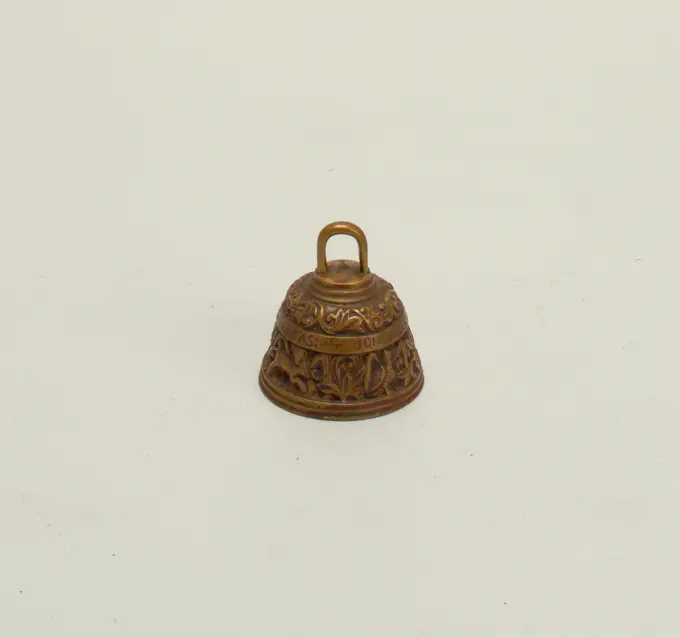
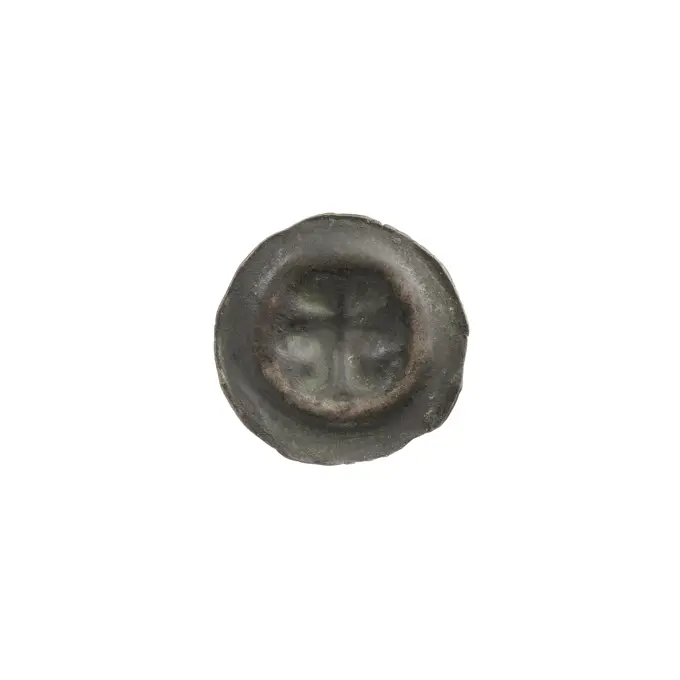
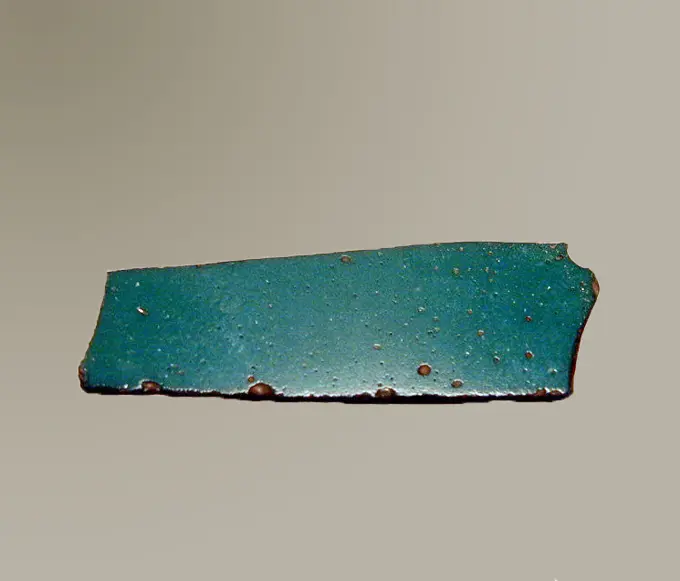
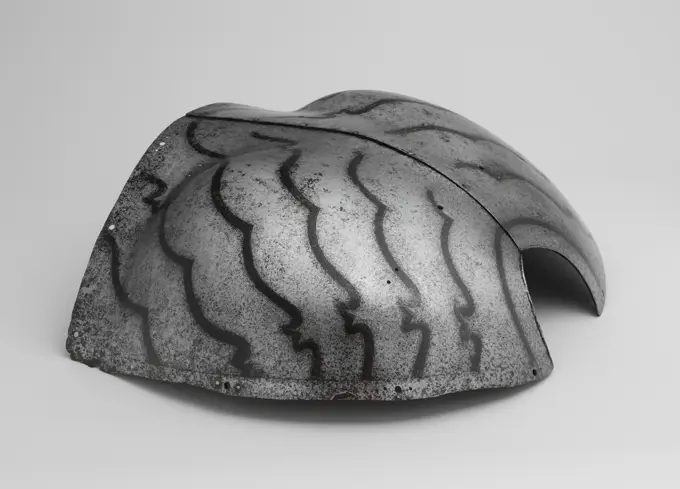
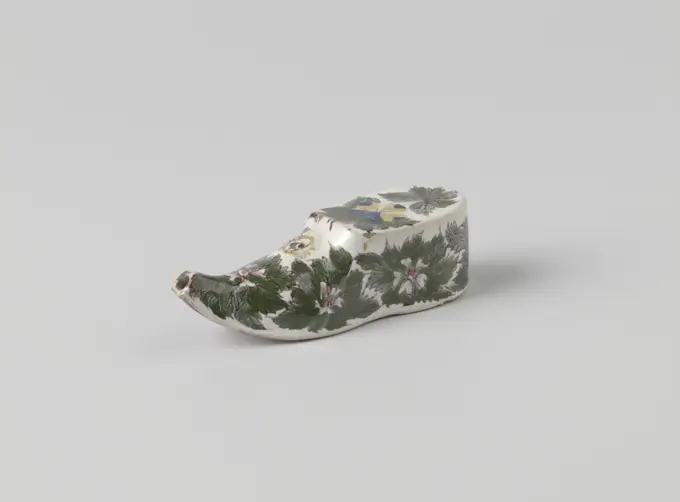
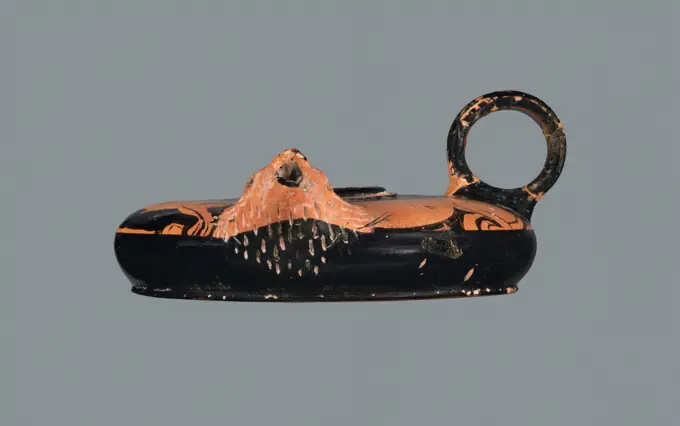
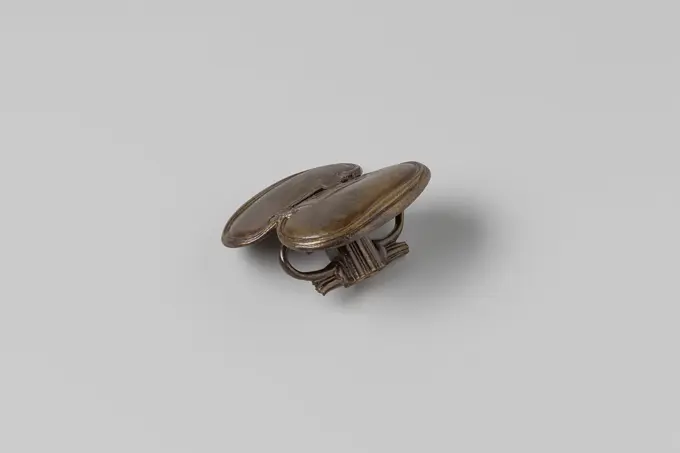
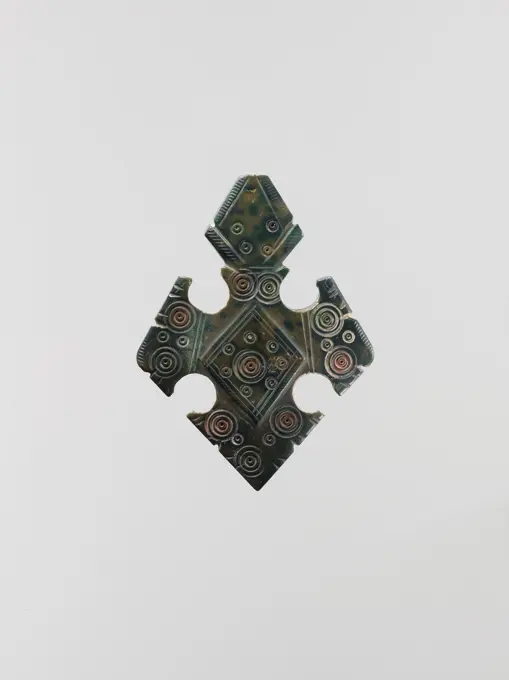
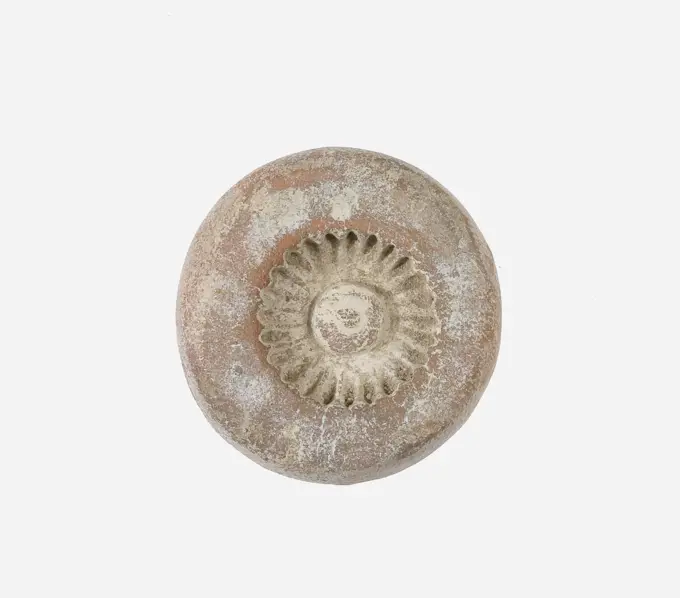
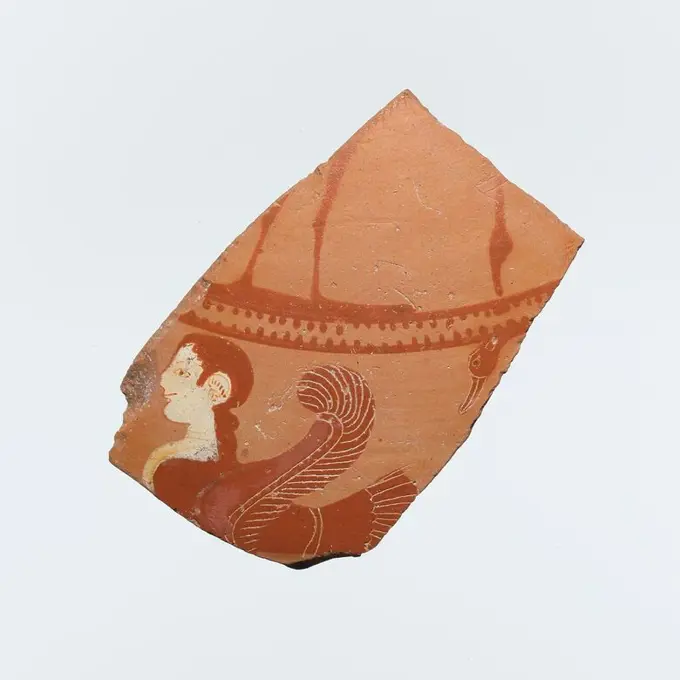
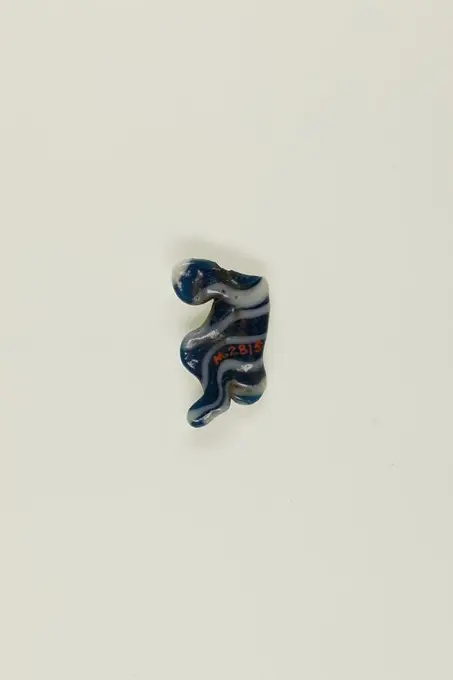
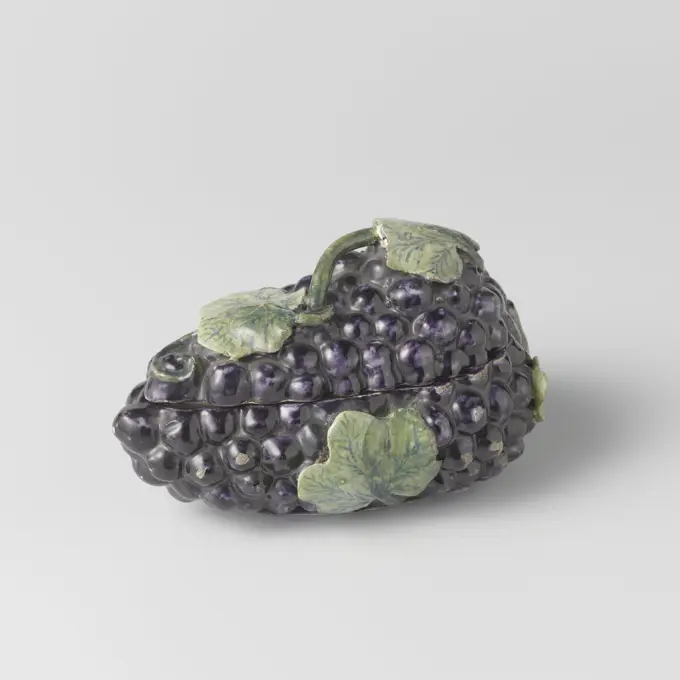
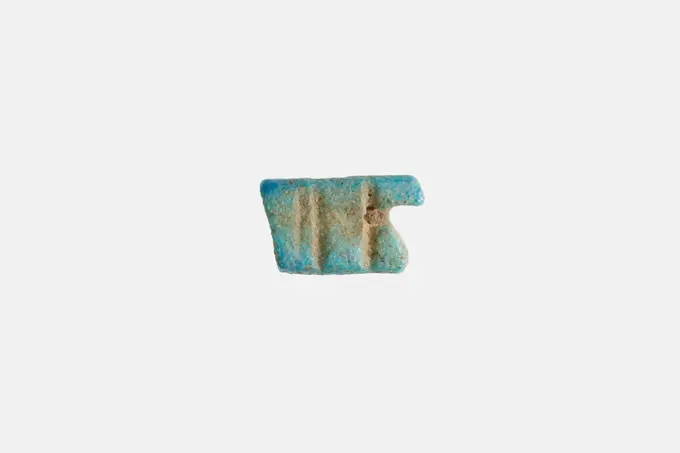
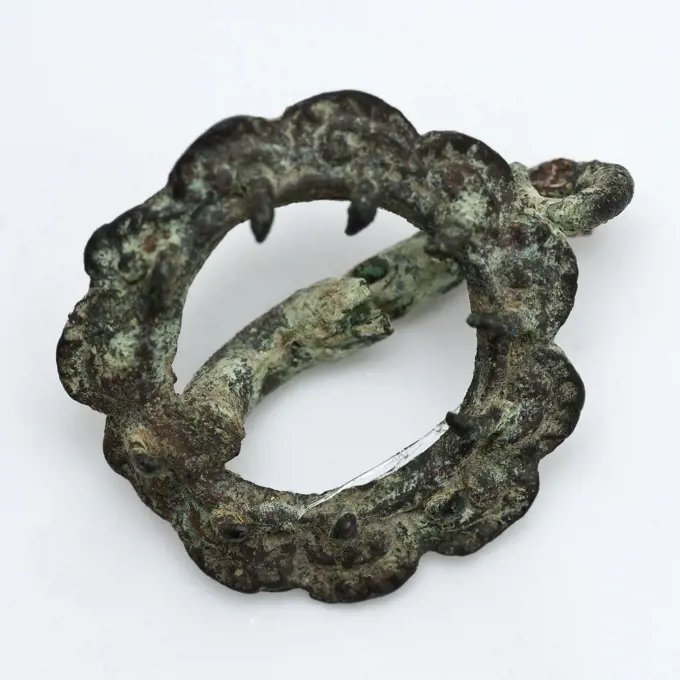
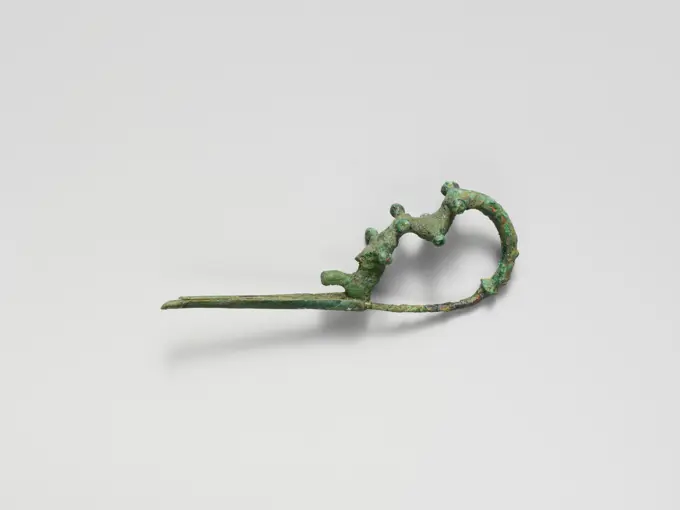
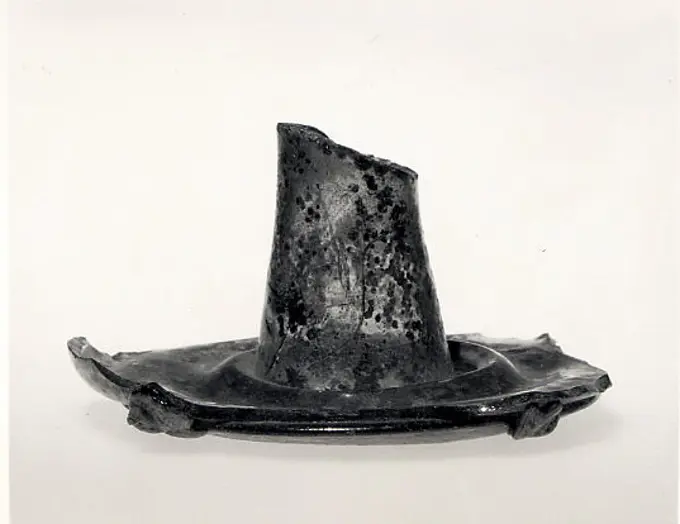
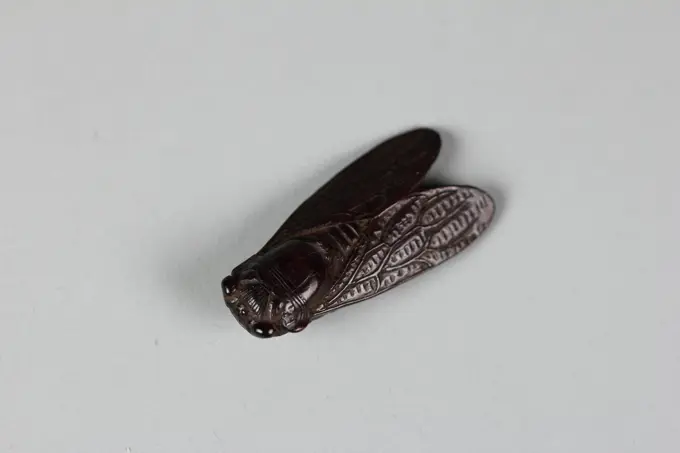
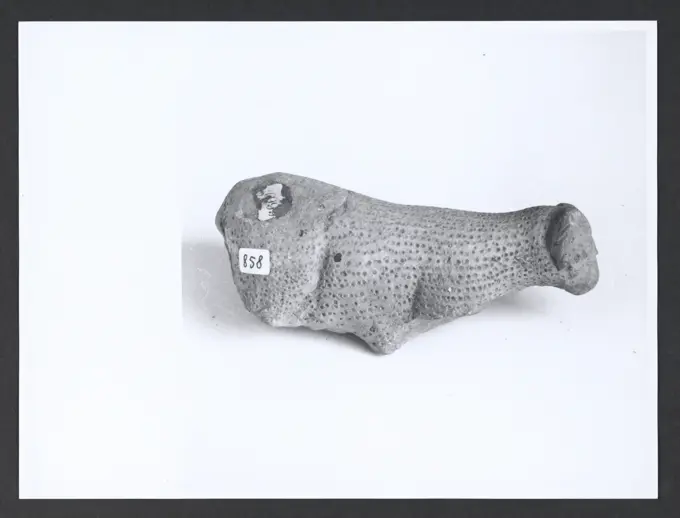
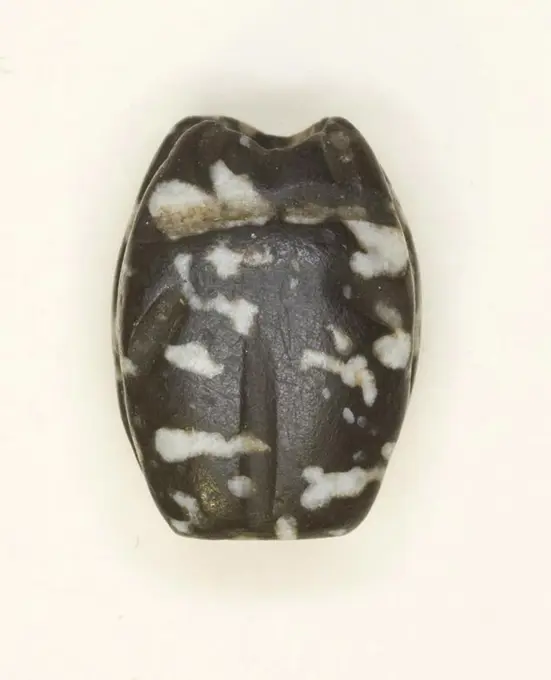
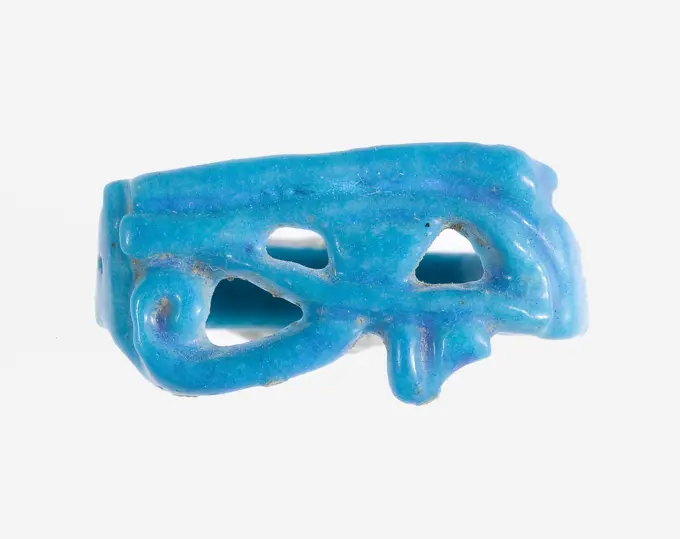
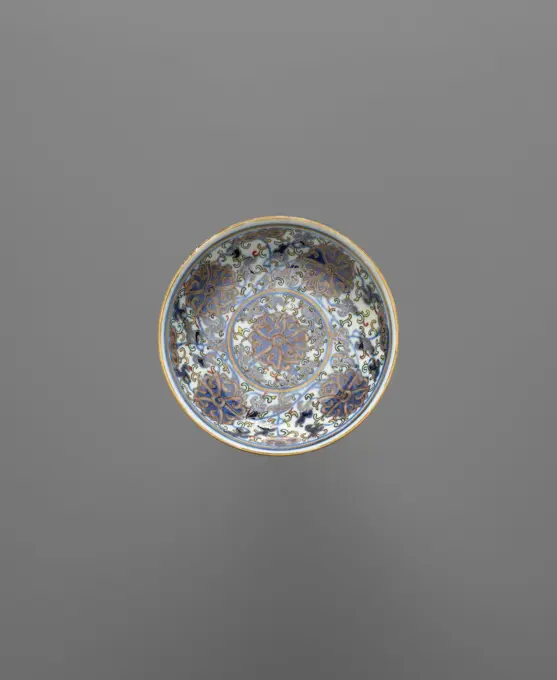
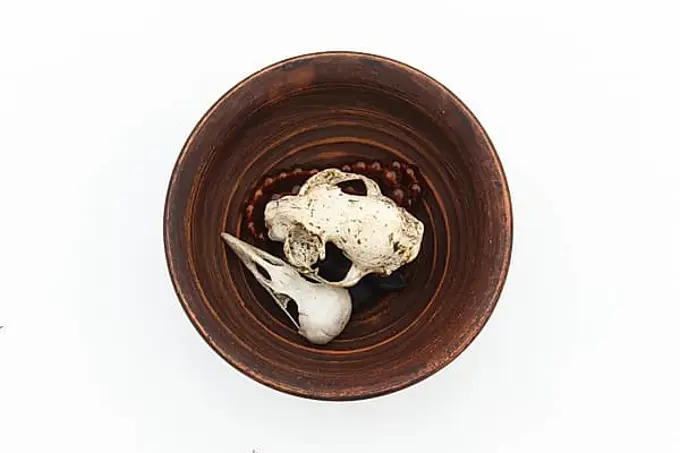
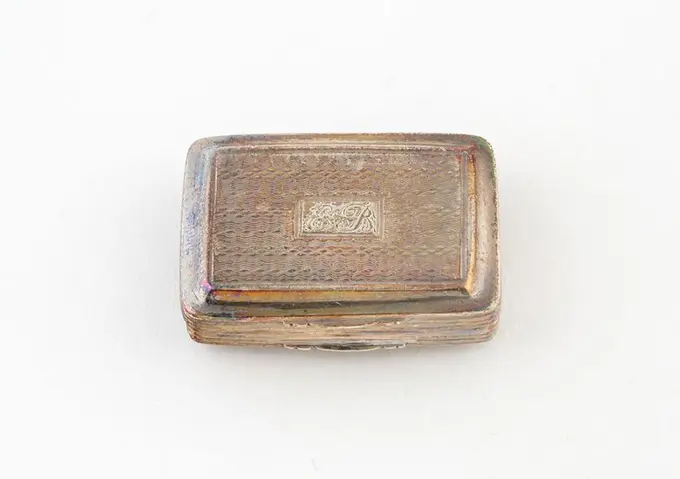
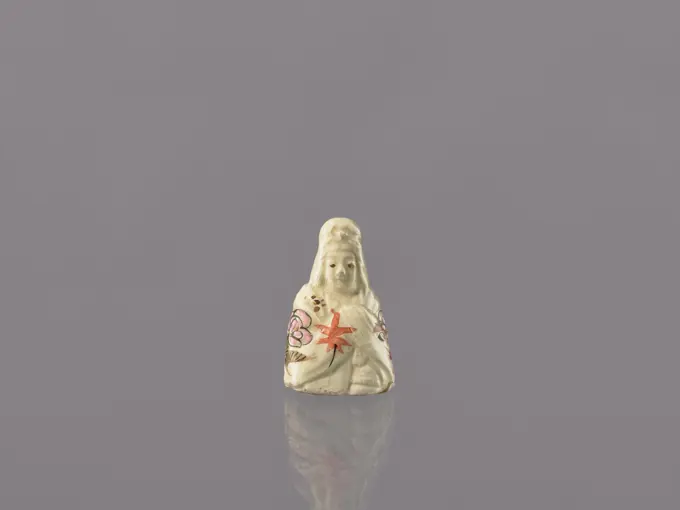
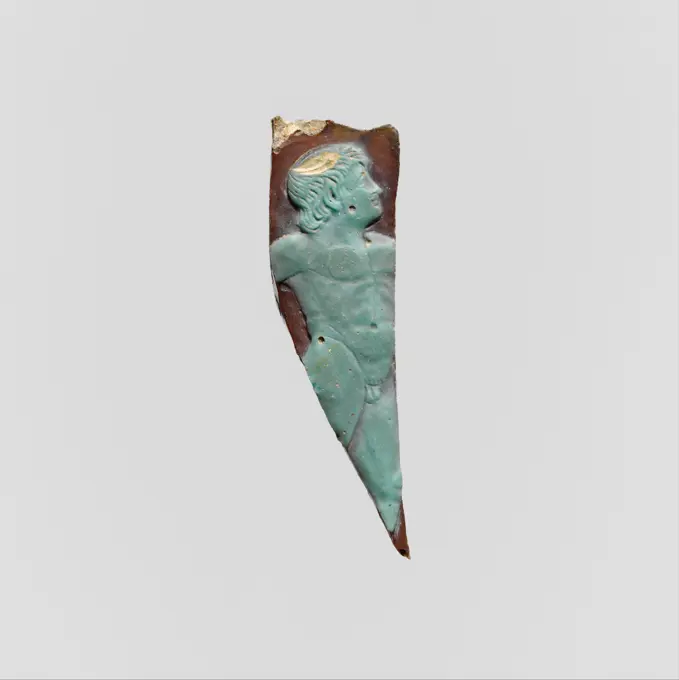
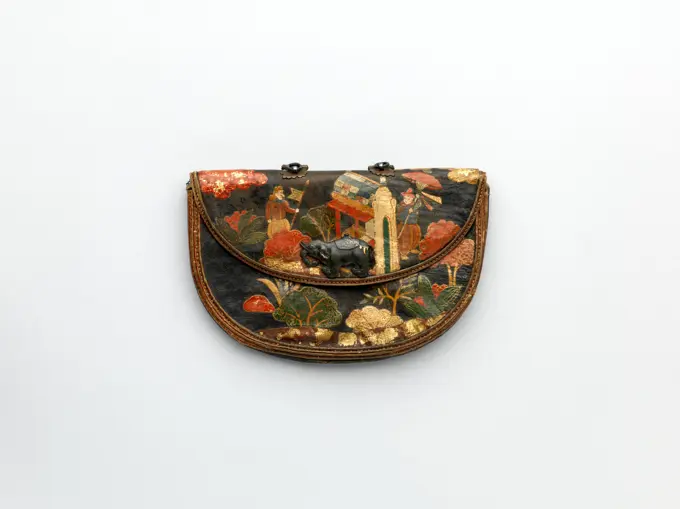
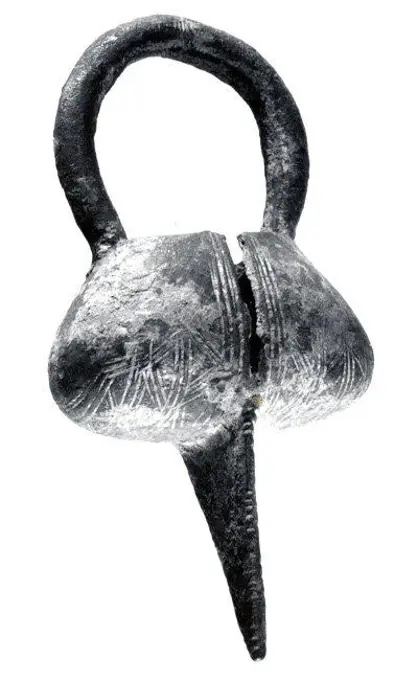
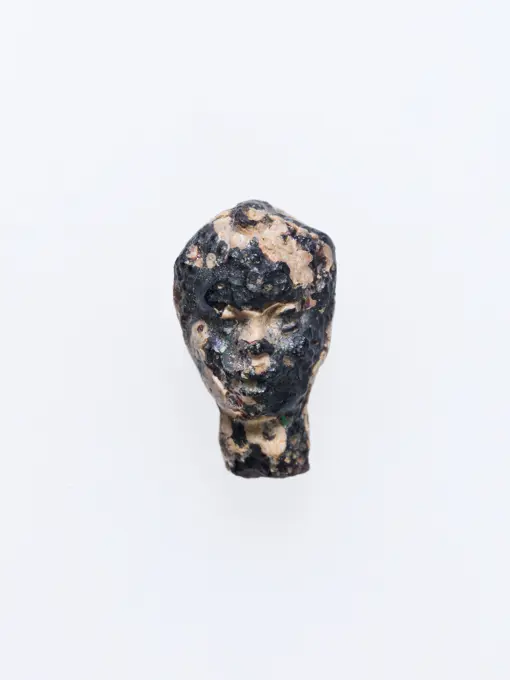
Hellenistic-style head 200 BC-100 AD Ptolemaic or Roman Period This head in dark glass probably represents an "Ethiopian", popular subject matter in the Greco-Roman Period.. Hellenistic-style head. 200 BC-100 AD. Glass. Ptolemaic or Roman Period. From EgyptSlice of dried lotus podStrong box and key, Steel, engraved, Rectangular box with engraved decoration of floral scrolls; lock with key on top, possibly Spain, probably 16th century, containers, Decorative Arts, Strong box and keyBracelet with rams' heads. Bracelet with rams' heads. Silver. Gold and SilverChtelaine-Plaque Buckle ca. 50 B.C.-ca. 500 A.D. Gallo-Roman. Chtelaine-Plaque Buckle. Gallo-Roman. ca. 50 B.C.-ca. 500 A.D.. Bronze. Miscellaneous-Buckles & OrnamentMosaic glass inlay fragment. Culture: Roman. Dimensions: Other: 1 9/16 x 1 5/8 in. (3.9 x 4.1 cm). Date: 1st half of 1st century A.D..Translucent deep purple, appearing black, and opaque white.Fragment of thick, flat block.Pattern of concentric wavy lines in white on purple ground.Many bubbles; deep pitting, brilliant iridescence, and patches of thick creamy weathering on all surfaces.Probably used as decoration in wall or ceiling revetment. Museum: Metropolitan Museum of Art, New York, USA.Glass striped mosaic bowl fragment late 1st century B.C.-early 1st century A.D. Roman Rim fragment.Translucent cobalt blue, purple appearing opaque brick red, opaque yellow and white.Applied coil rim with rounded, vertical lip; convex curving side, tapering downward. Rim in blue with single white spiral thread; body decorated with parallel bands slanting from top right to bottom left, forming a regular pattern: blue with double fine white spiral threads, blue, white layered with blue, red, and yellow.Some pinprick bubbles; exterior polished, with pitting of surface bubbles; dulling and creamy weathering on interior; some iridescent weathering on jagged edges.. Glass striped mosaic bowl fragment. Roman. late 1st century B.C.-early 1st century A.D.. Glass; cast. Early Imperial. GlassArrowhead 4th-3rd century B.C. Achaemenid or Seleucid This is a bronze socketed trilobate (i.e., three-bladed’) arrowhead. It was discovered in an unstratified context at the Tall-i Takht at Pasargadae, about 55 miles northeast of Shiraz, Iran. Pasargadae was founded by Cyrus the Great (reigned ca. 550-530 B.C.) as the first capital of the Achaemenid Persian Empire. Trilobate arrowheads were once associated with the Scythians and Cimmerians, nomadic peoples from the Eurasian steppe who invaded the Near East in the 8th century B.C. However, this type of arrowhead appears far and wide in space and time, indicating it was widely used in the ancient Near East, doubtless on account of its efficacy at piercing armor. More than 3000 of them were found at Persepolis, which replaced Pasargadae as the Achaemenid capital, suggesting that this was the standard type of arrowhead used by the Persians.. Arrowhead 326390Cylinder seal ca. 2960-2649 B.C. Early Dynastic Period. Cylinder seal. ca. 2960-2649 B.C.. Steatite. Early Dynastic Period. From Egypt. Dynasty 2Bell; bronzeDenar - Brakteat; approx. 1317/1318-OK. 1327/1328 (1317-00-00-1328-00-00);Glass monochrome inlay fragment 1st half of 1st century A.D. Roman Opaque pale turquoise green.Flat, thin inlay, with one long straight edge.Polished upper side; pitting of surface bubbles on upper side; dulling and faint weathering on underside and edges.. Glass monochrome inlay fragment. Roman. 1st half of 1st century A.D.. Glass; cast. Early Imperial, Julio-Claudian. GlassGrzechotka w kształcie głowy barana. unknown, authorSharf of a sign from the wreck of the East Indians Hollandia, Anonymous, 1700 - in Or Before 1743 plate (dishes) Porcelain, plate, type 3; fragm of base or rim, sim. NG 1980-27H3202c. Netherlands porcelain   SecondUpper Part of a Crupper late 16th or early 17th century Italian, probably Brescia This upper part of a crupper comprises two large plates shaped to the horse's croup that are joined by several rivets over the spine, leaving an opening for the tail at the end. In its original form, it would have had one or more transverse plates elongating it at the front, as well as several large plates at the sides and rear that extended the defense downward to slightly below the level of the abdomen. Four threaded holes along the rather rough joint where the two plates overlap indicate that the joint was once covered by a tubular tail guard. The pairs of small holes (three on each plate around the embossed bulge over the point of the hip) are likely to have been for laces that served to secure a lining. While the size and shape of the two surviving plates suggest a date in the second half of the sixteenth century, the decoration is unusual and defies conclusive identification. The surface is covered Buckle 15th-16th century European. Buckle. European. 15th-16th century. Brass. Miscellaneous-Buckles & OrnamentCopper1/8 Tical of Fuang from Thailand, 1650-1850 ,, 1650 - 1850 coin Silver, grain -shaped mint. Equipped with one set of concept (KRA): Bai Matum = Bale Fruit Tree .  silver (metal) castingGerman Gothic Gauntlet for the Left Hand. Culture: South German or Austrian. Dimensions: L. 10 3/4 in. (27.31 cm); Wt. 11 oz. (300 g). Date: ca. 1480.The diagonal flutes and the pierced and cusped edges of the plates are characteristic of German armor of the late fifteenth century and what is called the Gothic style of decoration. Museum: Metropolitan Museum of Art, New York, USA.Hand guard, Akimasa (possibly), 1800 - 1900 Tsuba in the form of AOI leaves; At the front in Iroe-Taka-Zogan the fishing taikobo, sheltered by a large empty basket; At the rear a landscape with a stream and pine trees; Signed "geiyoju ppodo akimasa". Japan silver (metal). gold (metal). Tsuba in the form of AOI leaves; At the front in Iroe-Taka-Zogan the fishing taikobo, sheltered by a large empty basket; At the rear a landscape with a stream and pine trees; Signed "geiyoju ppodo akimasa". Japan silver (metal). gold (metal).Bead. Bead. Gold. Gold and SilverTongue from a buckle 6th-7th century Ostrogothic. Tongue from a buckle 472629Pendant 15th century French. Pendant. French. 15th century. Bronze. Miscellaneous-Buckles & OrnamentIndian spice, Kokum Garcinia indica on white background India Copyright: xNirmalaxMishra/DinodiaxPhotoxTesson ". Ceramics. China, Song. Paris dynasty, Cernuschi museum. 72685-10 Chinese, ceramic art, Song Dynasty, Piece, Base, TessonFragment of iron from the wreck of the East India Hollandiaia. Parts or artifacts; eroded fragments: Materials; Iron.Bead ca. 1st century B.C.-1st century A.D. Parthian This spherical faience bead was excavated at Shahr-i Qumis in northern Iran, which has been identified as the ancient city of Hecatompylos, established by the Parthians as their capital by about 200 B.C. In Greek Hecatompylos means a hundred gates,’ suggesting that the city was quite large. Indeed, the modern archaeological site includes several mounds, only a few of which have been excavated, and a vast area covered with potsherds. It was found at Site VIII, one of the mounds that was not extensively studied.The excavations at Shahr-i Qumis by the British Institute of Persian Studies in 1967 were co-sponsored by the Metropolitan Museum of Art. However, the museum did not acquire this bead until 1978, as a result of the Met’s financial contributions to the Institute’s excavations at Tepe Nush-i Jan, another site in Iran. At the time the Iranian government allowed foreign excavators to keep a portion of the finds, and these excavatorsRing. Ring 256676Printing type with the Malay character syin from the wreck of the Dutch East India ship Hollandia, anonymous, 1700 - in or before 1743  Printing type; rectangular, groove in one side, 1 character Malay letter syin, concave underneath. Netherlands lead (metal)   SecondGaming purse, Medium: silk, metal thread Technique: embroidered on velvet, Purse of red velvet with drawstring of colored silks. On the bottom, a coat of arms and on sides, panels embroidered in metallic thread., Italy, 17th century, costume & accessories, Gaming purseZhiBracelet with red glass paste 3rd century A.D.  Roman. Bracelet with red glass paste. Roman. 3rd century A.D. . Silver, glass paste. Late Imperial. Gold and SilverReukfles, anonymous, c. 1780 - c. 1820 Smared -colored sense of smell, in the form of a shoe. Green blades and some colored flowers are painted on the bottle. The bottom side is purple. Delft earthenware. tin glaze. Smared -colored sense of smell, in the form of a shoe. Green blades and some colored flowers are painted on the bottle. The bottom side is purple. Delft earthenware. tin glaze.Fossilized Eocene fish vertebra against white backgroundRed -andened guttus;  V BC (-500-00-00--401-00-00);Beugel van gevest uit het wrak van de Oost-Indiëvaarder Hollandia. Hilt, guard; fragm; guard-cross with double curved arms (pas d'ane), quillons and/or knuckle-guard broken off, reeded quillon-block, rectangular tapering tang bore, with rectangular (ricasso) washer; shells consisting of 2 oval plates, multiple-reeded rim.Kohl Flask probably 10th-12th century This charming object was designed to hold kohl, a black cosmetic powder applied around the eyes. In the past, kohl was widely used by men and children as well as women. It was thought not only to accentuate the beauty of the eyes, but also to guard against the glaring sun, ward off evil, and discourage eye disease. The narrow drill hole at the top of this flask would have accommodated a slender stick to collect the cosmetic.. Kohl Flask. probably 10th-12th century. Serpentine; carved, incised. Made in Iran or Central Asia. StoneSmall Daisy Mold ca. 1390-1353 B.C. New Kingdom. Small Daisy Mold. ca. 1390-1353 B.C.. Pottery. New Kingdom. From Egypt, Upper Egypt, Thebes, Malqata, Palace of Amenhotep III, MMA excavations, 1910-11. Dynasty 18Vinaigrette holder. Vinaigrette holder of partially gold-plated silver, rectangular with rounded corners. It consists of 2 parts of equal size, which are hinged to each other on one of the long sides. The vinaigrette contains a compartment with a hinged lid in which there is a sponge.Slate Scorpion () Ornament. Culture: Mezcala. Dimensions: Height 4-1/2 in.. Date: 1st-8th century. Museum: Metropolitan Museum of Art, New York, USA.Glass mosaic bowl fragment. Culture: Roman. Dimensions: 1 7/16 × 1 1/8 × 13 3/8 in. (3.7 × 2.9 × 34 cm); estimated diameter of rim 4 3/4 in. (12 cm). Date: late 1st century B.C.-early 1st century A.D..Probably part of the rim of a bowl, cut down into a triangular shape.Translucent blue, deep purple, opaque white and yellow.Plain, vertical rim, with beveled inner edge; convex-curving side slanting in downward.Composite mosaic pattern formed from sections of two canes: one in a purple ground with a white spiral, and the other in a blue ground with a circle of white rods around a central yellow rod.One chip on one edge; polished on exterior, with slight pitting of surface bubbles; slight pitting and creamy weathering on interior; ground edges. Rotary grinding marks on interior. Museum: Metropolitan Museum of Art, New York, USA.Boss from a Horse Breast Collar late 17th - 18th century Ottoman or Tatar This boss, decorated all over with flowers and foliage, adorned the cross-section of the three straps of a horse breast collar (straps preventing the saddle from slipping backwards). This example is a simpler version of the luxury bosses attached to some Ottoman deluxe tacks, usually made of silver and gold.. Boss from a Horse Breast Collar. Ottoman or Tatar. late 17th - 18th century. Copper alloy. Equestrian Equipment-BitsButton from silver colored metal and stream. Button from silver colored metal and stream. Six rotating, ajour, spalls of metal with three bras stones standing around a large middle stone. Copy of an eighteenth century knot.Fragment of a terracotta lid. Culture: East Greek, Clazomenian. Dimensions: 3 3/8in. (8.5cm). Date: ca. 540-515 B.C..Upper register: legs and head of a crane. Lower register: siren and head of swan. Museum: Metropolitan Museum of Art, New York, USA.Model of a house. Dimensions: H. 2 1/4 in.. (5.7 cm)W. 5 3/4 in. (14.6 cm)D. 4 in. (10.2 cm). Date: 12th-13th century. Museum: Metropolitan Museum of Art, New York, USA.Taweret amulet. Dimensions: l. 2.4 × w. 1.3 cm (15/16 × 1/2 in.). Date: 100 BC-100 AD. Museum: Metropolitan Museum of Art, New York, USA.Lid of multi -colored painted faience, De Greek A, After Jacobus Adriaens Halder, 1765 - 1768 lid Lid in the form of a grape vent. Corning with a terrine with underpotel. Delft .Arrowhead ca. 9th century B.C. Iran. Arrowhead 325183Fish Pendant. China. Date: 1100 BC-900 BC. Dimensions: 1 1/2 × 13/16 × 1/16 in. Jade. Origin: China. Museum: The Chicago Art Institute, Chicago, USA.Bead, broken ca. 1295-1070 B.C. New Kingdom, Ramesside. Bead, broken. ca. 1295-1070 B.C.. Faience. New Kingdom, Ramesside. From Egypt; Probably from Northern Upper Egypt, Deir el-Ballas. Dynasty 19-20Vintage Photograph. Relief Globe on white backdrop.Upper Half of a Female Figurine ca. 1981-1550 B.C. Late Middle Kingdom-Early New Kingdom. Upper Half of a Female Figurine. ca. 1981-1550 B.C.. Pottery. Late Middle Kingdom-Early New Kingdom. From Egypt, Northern Upper Egypt, Qift, Birba. Dynasty 12-18Copper molded thimble, thimble sewing kit soil find copper metal, cast Copper molded thimble spirally drawn on top with blank round in the middle without groove in the shaft with rather wide blank board archeology Rotterdam rail tunnel seamstress tailor sewing textile processing clothing needle and thread repair Soil discovery: rail tunnel Rotterdam.Flavius Sabinus Vespasianus Titus, Wedgwood, English, established 1759, Unglazed stoneware ('black basalt'), Oval, with molded border. Head and shoulder portrait, in profile to right. Flavius Sabinus Vespasianus Titus (ca. 40-81) wears a wreath tied with ribbon. Slot at top for suspension., England, 1764-1780, ceramics, Decorative Arts, Portrait medallion, Portrait medallionCopper earring with frame for large stone, earring jewelery clothing accessory clothing soil find copper metal d 1.0, Copper rosette with hinged bracket at the back. Frame for large stone Earring archeology Rotterdam City center Stadsdriehoek Botersloot Binnenrotte decorate soil Soil discovery collapses Binnenrotte back Botersloot (savings bank) from medieval layer.Rod Late Period 664-332 B.C. View more. Rod. 664-332 B.C.. Copper. Late Period. From Egypt, Upper Egypt, Thebes, Asasif, Tomb MMA 812, MMA excavations, 1929-30. Dynasty 27-30Glass striped mosaic bowl fragment late 1st century B.C.-early 1st century A.D. Roman Rim fragment.Translucent cobalt blue, honey yellow, purple appearing opaque brick red, and white.Applied coil rim with rounded, vertical lip; almost straight, vertical side, tapering slightly downward. Rim in blue with single white spiral thread; body decorated with vertical bands, slanting from top left to bottom right, forming a regular pattern in blue, red, and honey yellow with fine white lines.Pinprick bubbles; exterior polished, with pitting of surface bubbles; dulling, pitting, and iridescent weathering on interior; iridescent weathering on jagged edges.. Glass striped mosaic bowl fragment 257331Beads and pendants ca. 1981-1640 B.C. Middle Kingdom. Beads and pendants. ca. 1981-1640 B.C.. Faience. Middle Kingdom. From Egypt, Memphite Region, Lisht North, Tomb 954, Burial 954J, MMA excavations, 1920-22. Dynasty 12-13Piszczałka w kształcie jaskółki. unknown, authorString from papyrus charm 1295-1070 B.C. New Kingdom, Ramesside This string was found around a papyrus inscribed with an incantation for protection, invoking the eight deities of the Ogdoad in order to protect the individual named in the final line (26.225a-b). At the bottom center, a drawing once featured two symmetrically arranged crocodiles facing and attacking a figure positioned between them. The papyrus would have been folded into a small package and worn on a string around the neck.. String from papyrus charm. 1295-1070 B.C.. Linen. New Kingdom, Ramesside. From Egypt, Upper Egypt, Thebes, Deir el-Bahri, Tomb of Henenu (TT 313, MMA 510), MMA excavations, 1922-24. Dynasty 19-20Bead ca. 1635-1458 B.C. Second Intermediate Period-Early New Kingdom. Bead 546996Shield. Culture: Sumatran. Dimensions: H. 24 1/2 in. (62.2 cm); W. 13 5/8 in. (34.6 cm); D. 3 1/4 in. (8.3 cm); Wt. 4 lb. 8.1 oz. (2044 g). Date: 16th-19th century. Museum: Metropolitan Museum of Art, New York, USA.Bronze dragon-type fibula (safety pin) 8th century B.C. Villanovan Dragon-type fibulae are a later variant of the serpentine type.. Bronze dragon-type fibula (safety pin) 256007Fragment of Inkwell probably 10th century. Fragment of Inkwell 450914Tiles and ornaments from the palace of Ramesses II ca. 1279-1213 B.C. New Kingdom, Ramesside. Tiles and ornaments from the palace of Ramesses II. ca. 1279-1213 B.C.. Faience. New Kingdom, Ramesside. From Egypt, Eastern Delta, Qantir (Piramesse), Palace of Ramesses II, Private apartments. Dynasty 19Netsuke of Cicada 19th century Japan. Netsuke of Cicada. Japan. 19th century. Wood. Edo (1615-1868) or Meiji period (1868-1912). NetsukePyramid of Openwork Ivory, in which a Spanish rider, 1700 - 1900 Pyramid of open worked ivory, in which a Spanish rider  ivory Pyramid of open worked ivory, in which a Spanish rider  ivoryBuckle ca. 100 B.C.-ca. 500 A.D. Ibero-Roman. Buckle. Ibero-Roman. ca. 100 B.C.-ca. 500 A.D.. Bronze, patina. Miscellaneous-Buckles & OrnamentCampania Caserta Capua Museo Campano94. Hutzel, Max 1960-1990 Medieval: Byzantine architectural fragments; parchment fragments with miniatures (12th century) from Montecassino; painted wooden crucifix (13th century); Carolingian crucifixes; Bishop's miter (11th century) of gold and silver damask; fresco (13th century). Post-medieval: Architecture (15th century). Formerly the Palazzo Antignano. Unusual Catalan/Moorish-style portal; Paintings on panel and canvas (15th-18th centuries); marble intarsia (16th century); marble sculpture: busts of Christ and Mary (17th century); sculpture of saints in marble and in wood (15th century); painted and gilded sculpture in wood; marble grave sculpture (16th century); sarcophagus with allegorical carvings; gold reliquary "Rosa d'Oro"; crucifix made of elephant tusk Specific Location: Pianterreno Antiquities: Italic sculpture (seated women holding babies); inscription. Photo campaign #1: 533 photos. Roman relief and sculpture; cinerary urns; Greek anScarab: Uninscribed. Egyptian. Date: 2160 BC-1773 BC. Dimensions: 0.8 × 1.3 × 1 cm (5/16 × 1/2 × 3/8 in.). Diorite (). Origin: Egypt. Museum: The Chicago Art Institute, Chicago, USA. Author: Ancient Egyptian.Wedjat Eye Ring ca. 1390-1353 B.C. New Kingdom The wedjat eye represents the healed eye of the god Horus. It depicts a combination of a human and a falcon eye, since Horus was often associated with a falcon. Its ancient Egyptian name, wedjat, means "the one that is sound (again)." In Egyptian mythology Horus eye was injured or stolen by the god Seth and then restored by Thoth. The wedjat eye embodies healing power and symbolizes rebirth. An amulet or ring in this shape was thought to protect its wearer and to transfer the power of regeneration onto him or her.. Wedjat Eye Ring. ca. 1390-1353 B.C.. Faience. New Kingdom. From Egypt, Upper Egypt, Thebes, Malqata, Palace of Amenhotep III, MMA excavations, 1911-12. Dynasty 18Wreaths, 6. Culture: Greek, Laconian. Dimensions: fragmented 3 pieces. Museum: Metropolitan Museum of Art, New York, USA.Ball bead ca. 1635-1458 B.C. Second Intermediate Period-Early New Kingdom. Ball bead 546894Fragment of a Bowl 100 BCE-100 CE Roman Empire. In ancient Rome, there was a high demand for colorful glass that could dazzle banquet guests alongside the expensive silver and gold serving wares meant to impress. Fragments like this one would have once been a part of larger mosaic dishes. The mosaic pattern was made by sagging molten glass into bowl-shaped molds, a technique used on many of these fragments is similar to millefiori, ìthousand flowersî in Italian, a modern glass-making method in which tiny rods of colored glass are bundled together, wrapped in a sheet of glass, fused, and then thinly sliced to reveal swirls of a flower-like patterns. They were arranged side by side, sometimes together with bits of colored glass, and fused together with heat.. Glass, mosaic glass technique . Ancient RomanSpider. Culture: Moche (Loma Negra). Dimensions: Length 2-11/16 in. (6.8 cm). Date: 390-450. Museum: Metropolitan Museum of Art, New York, USA.Plate. unknown, craftsmanVinaigrettehouder, Joseph Taylor, 1814 Vinaigrette holder of partially gilded silver, rectangular with beveled corners. It consists of 2 parts of the same size, which are attached to each other on one of the long sides. Birmingham silver (metal). gilding (material) gilding Vinaigrette holder of partially gilded silver, rectangular with beveled corners. It consists of 2 parts of the same size, which are attached to each other on one of the long sides. Birmingham silver (metal). gilding (material) gildingDetailed and colorful image of tiger iron  mineralGlove of dark brown glacé leather, c. 1900 Left glove of dark brown glacé leather. Decorated on the back with five black lines. At the wrist a split with four metal buttons. With extra slender fingers. West-Europa (possibly) whole: Leather. whole:. whole: Metal Left glove of dark brown glacé leather. Decorated on the back with five black lines. At the wrist a split with four metal buttons. With extra slender fingers. West-Europa (possibly) whole: Leather. whole:. whole: MetalBead Plaque of Ramesses II ca. 1295-1070 B.C. New Kingdom, Ramesside. Bead Plaque of Ramesses II 567932Bronze belt clasp. Culture: Greek, Macedonian. Dimensions: H. 6 1/8 in. (15.6 cm); diameter 10 3/4 in. (27.3 cm). Date: 7th century B.C..Clasp for a belt. Museum: Metropolitan Museum of Art, New York, USA.Glass Fragment 13th century French. Glass Fragment. French. 13th century. Colorless glass. Made in Bourges, France. Glass-StainedStone font Letter F 3D Stone font Letter F 3D rendering illustration isolated on white background Copyright: xZoonar.com/MilicxDjurovicx 21521948Fragment of an Inlay with a Zig-zag Pattern 100 BCE-100 CE Italy. In ancient Rome, there was a high demand for colorful glass that could dazzle banquet guests alongside the expensive silver and gold serving wares meant to impress. Fragments like this one would have once been a part of larger mosaic dishes. The mosaic pattern was made by sagging molten glass into bowl-shaped molds, a technique used on many of these fragments is similar to millefiori, ìthousand flowersî in Italian, a modern glass-making method in which tiny rods of colored glass are bundled together, wrapped in a sheet of glass, fused, and then thinly sliced to reveal swirls of a flower-like patterns. They were arranged side by side, sometimes together with bits of colored glass, and fused together with heat.. Glass, mosaic glass technique . Ancient RomanZoomorphic Figure 9th-17th century Mali. Zoomorphic Figure. Mali. 9th-17th century. Copper alloy. Mali, Inland Niger Delta region. Metal-OrnamentsClay plate with cat and bird skulls on white. Still life. Pagan symbolsGlass cameo cup (scyphus) fragment. Culture: Roman. Dimensions: Overall: 2 3/16 x 1 3/16 in. (5.6 x 3 cm). Date: late 1st century B.C.-mid-1st century A.D..Translucent cobalt blue with opaque white overlay.Rim tapering to rounded vertical lip; tall, slightly convex curving side; part of left side of integral handle with small pointed projection at tip.On interior, fine, deep, horizontal groove immediately below rim; on top edge, another groove cut between rim and handle attachment. Also on exterior, in deep relief in white heavily draped, standing female figure, with head turned to left and proper right arm extended in front of her; to left, small part of a leafy branch.Rim fragment with large chip at right, broken at sides and bottom; dulling, pitting of surface pinprick bubbles, creamy weathering, and iridescence. Museum: Metropolitan Museum of Art, New York, USA.isolated golden letter isolated golden letter Copyright: xZoonar.com/OxanaxRishnyakx 5214991Inlay ca. 8th-7th century B.C. Iran. Inlay 324218Vinaigrette. John Bettridge; Birmingham, England. Date: 1817-1828. Dimensions: 3.8 × 2.9 cm (1 1/2 × 1 1/8 in.). Silver and silver gilt. Origin: Birmingham. Museum: The Chicago Art Institute, Chicago, USA.Sculpture Fragment: Right Foot from a Male Statue. Unknown late 2nd-3rd century A.D. A hollow cast bronze right foot from a male statue. Preserved are five toes and the front part of the foot. The bottom of the foot and toes is completely cut out. The large toe is shorter than the index; the other toes curl against each other to the right except the small toe, which curves to the left.Żeleźce toporka. nieznany warsztat fenicki, workshopFigurka siedzącej postaci kobiecej - Guan-in (). unknown, sculptorGlass cameo fragment late 1st century B.C.-mid-1st century A.D. Roman Translucent deep honey brown with opaque turquoise green overlay.Flat underside; top surface with shallow relief decoration.In relief in green, naked youthful satyr, facing right with head in profile, torso and legs in three-quarter view, and proper right arm raised behind him; torso rendered with musculature in fine detail; on his head, above his pointed proper right ear, is what appears to be a leaf or wing, picked out by differential weathering.Broken on all sides with weathered edges; dulling, slight pitting, patches of weathering and brilliant iridescence on back.The fragment comes from a flat panel of glass, probably a plaque rather than a vessel. The honey brown ground and opaque turquoise overlay are an unusual combination for Roman cameo glass.. Glass cameo fragment 249596Tobacco Pouch with Nanban Figures, first half 19th century, Metal fitting by Hamano Noriyuki, Japanese, 1771 - 1852, 4 × 6 × 3/4 in. (10.16 × 15.24 × 1.91 cm), Polychrome-lacquered and gilded leather with metal, Japan, 19th century, Gilt leather was introduced to Japan from Europe in the seventeenth century. Inspired by these imported goods, Japanese artisans experimented and developed new techniques, producing works such as this tobacco pouch that uses gold paint, gold foil, and multicolored lacquer to depict a scene of decidedly non-Japanese figures, fauna, and flora. The metal fitting was created by the prominent machibori (lit. town carver) Hamano Noriyuki, an independent metal worker who was not employed by a lord and is famous for his sword fittings.Tile, Glass, Green glass, yellow circle, brown infill, abstract design., New York, New York, USA, 1880-90, glasswares, Decorative Arts, TileStone font Letter V 3D Stone font Letter V 3D rendering illustration isolated on white background Copyright: xZoonar.com/MilicxDjurovicx 21521870Stone font Letter N 3D Stone font Letter N 3D rendering illustration isolated on white background Copyright: xZoonar.com/MilicxDjurovicx 21521895Ornament 9th-17th century Mali. Ornament. Mali. 9th-17th century. Copper alloy. Mali, Inland Niger Delta region. Metal-OrnamentsUmbel Pendant ca. 1390-1353 B.C. New Kingdom. Umbel Pendant. ca. 1390-1353 B.C.. Faience. New Kingdom. From Egypt, Upper Egypt, Thebes, Malqata, Palace of Amenhotep III, MMA excavations, 1910-11. Dynasty 18