Ancient Artifacts

A selection of historical items including a hemiobol, knife handle, and tobacco pipe fragments, highlighting craftsmanship and cultural heritage.
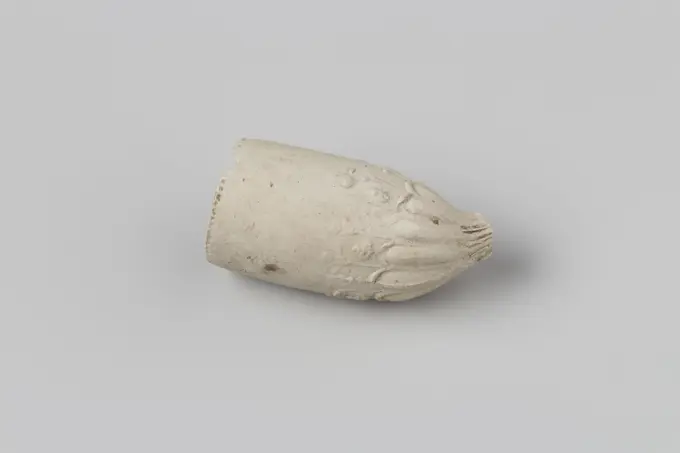
Fragment Pijpenkop, Jan Nieuwveld, 1740 - 1780 Fragment tobacco pipe with grunts (floral -leaving motif) in outline, ending at the top in arcs in which alternating stiled floals and lilies and a row of flowers above the arches. Of the excavations on the Hofstede Arentsburg 1827-1831 under the supervision of Professor Reuvens. Gouda pipe clay Fragment tobacco pipe with grunts (floral -leaving motif) in outline, ending at the top in arcs in which alternating stiled floals and lilies and a row of flowers above the arches. Of the excavations on the Hofstede Arentsburg 1827-1831 under the supervision of Professor Reuvens. Gouda pipe clay
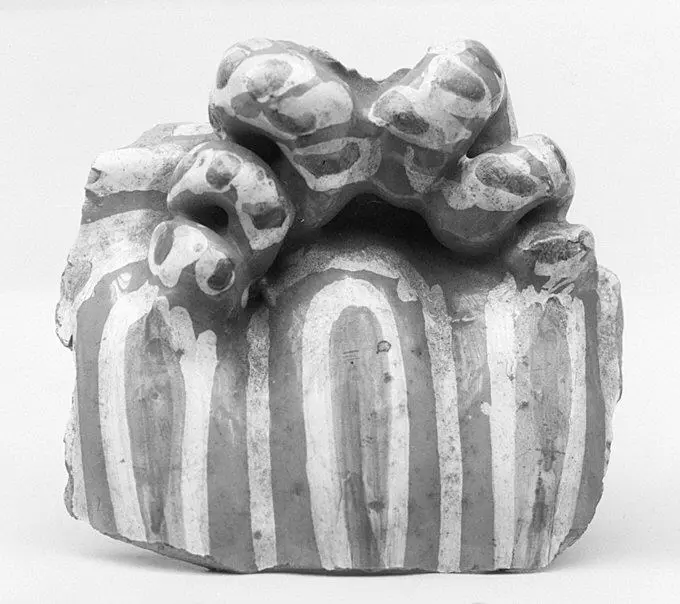
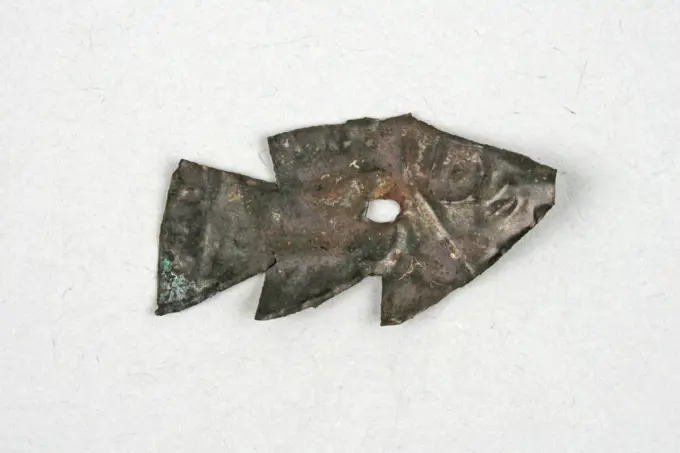
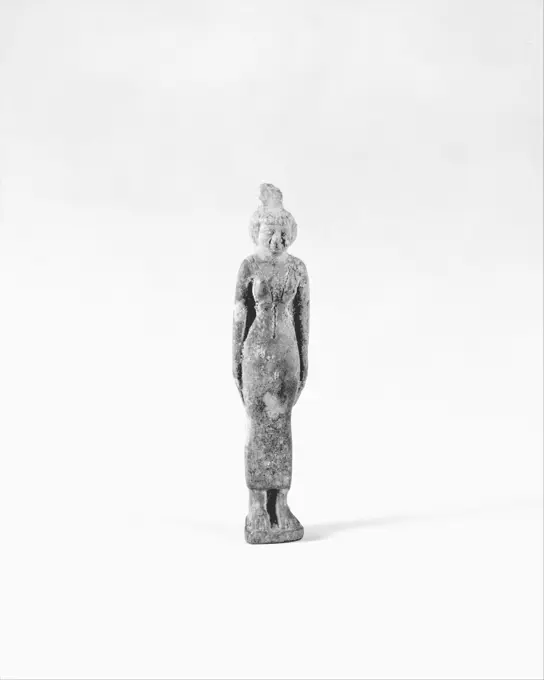
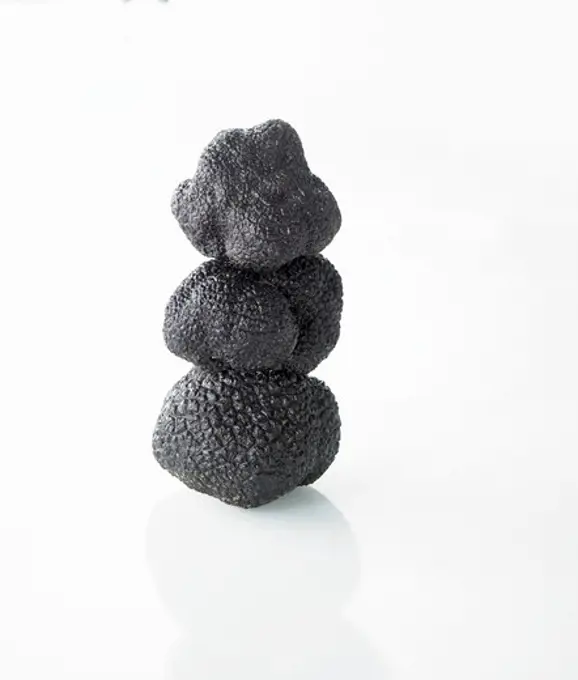
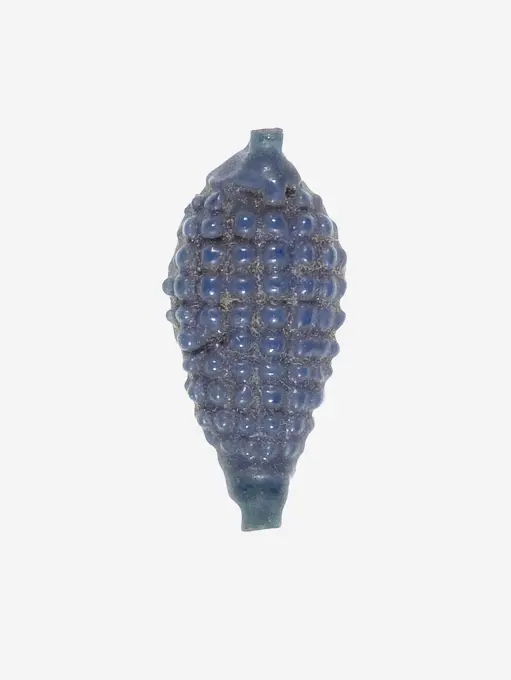
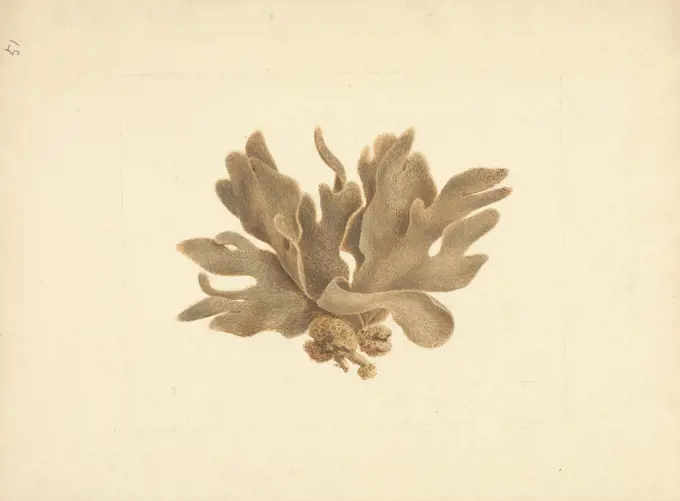
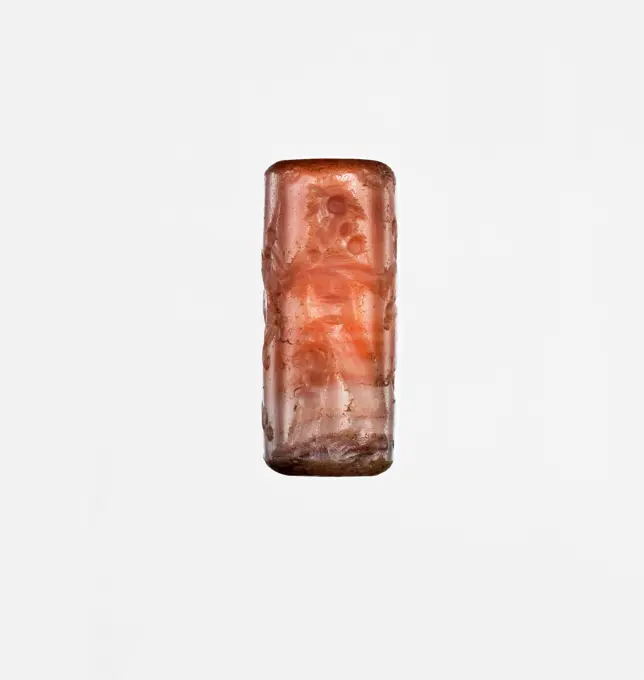
Pieczęć cylindryczna. nieznany warsztat nowoasyryjski, workshopFragment (part of a set) 1670-80 French, Nevers Faience, or tin-glazed and enameled earthenware, first emerged in France during the sixteenth century, reaching widespread usage among elite patrons during the seventeenth and early eighteenth centuries, prior to the establishment of soft-paste porcelain factories. Although characterized as more provincial in style than porcelain, French faience was used at the court of Louis XIV as part of elaborate meals and displays, with large-scale vessels incorporated into the Baroque garden designs of Versailles. Earlier examples of French faience attest to the strong influence of maiolica artists from Italy. Later works demonstrate the ways in which cities such as Nevers, Rouen, Lyon, Moustiers, and Marseille developed innovative vessel shapes and decorative motifs prized among collectors throughout Europe. While faience can be created from a wide mixture of clays, it is foremost distinguished by the milky opaque white color achieved by the additiSliding key, c. 1400 - c. 1950 Sliding key with somewhat flat up narrower getting around eye. The beard runs somewhat pointy.  bronze (metal) Sliding key with somewhat flat up narrower getting around eye. The beard runs somewhat pointy.  bronze (metal)Costume Ornament 11th-12th century Central coast (). Costume Ornament. Central coast (). 11th-12th century. Silver. Peru. Metal-OrnamentsSteatite rectangular prism. Culture: Minoan. Dimensions: L. 1.7 cm; W. 0.8 cm; Thickness 0.5 cm. Date: ca. 1900-1750 B.C..Circles and cross-hatching: 3 circles, 3 groups of concentric circles and double line with diagonal hatching. Museum: Metropolitan Museum of Art, New York, USA.Statuette of Neith with the name of Shabaqo ca. 722-706 B.C. Third Intermediate Period. Statuette of Neith with the name of Shabaqo 553622Pair of Sword-Grip Ornaments (Menuki). Culture: Japanese. Dimensions: L. of each 1 in. (2.5 cm); Wt. of each 0.2 oz. (5.7 g). Date: 18th century. Museum: Metropolitan Museum of Art, New York, USA.Three black truffles, stackedBox with cover China. Box with cover 43982Bead in the Form of a Bunch of Grapes ca. 1390-1353 B.C. New Kingdom. Bead in the Form of a Bunch of Grapes. ca. 1390-1353 B.C.. Faience. New Kingdom. From Egypt, Upper Egypt, Thebes, Malqata, Palace of Amenhotep III, MMA excavations, 1910-11. Dynasty 18Vintage Photograph. Gourds on white backdrop.Untitled, Luigi Balugani, 1737-1770, Italian, undated, Watercolor, gouache, and graphite on medium, slightly textured, cream laid paper, Binding: 16 1/4 inches (41.3 cm) and Sheet: 16 × 12 1/2 inches (40.6 × 31.8 cm), animal artFragment Ring -shaped object from the wreck of the East Indians Hollandia, Anonymous, 1700 - in Or Before 1743 fragment Varied parts or fragments, rings or ring-shaped fragments; fragm, broken; semicircular with one straight side, semicircular in section. Netherlands copper (metal)   SecondShadow Puppet (Wayang Kulit) ofBatuFalse coin, Jagiellonian pennyGas maskPair of Sword-Grip Ornaments (Menuki). Culture: Japanese. Dimensions: L. of each 7/8 in. (2.2 cm); Wt. of each 0.2 oz. (5.7 g). Date: 19th century. Museum: Metropolitan Museum of Art, New York, USA.