Ancient Artifacts

Historical artifacts including a rim shard, lock-plate, cylindrical seal, and scarab, representing ancient Egyptian and Roman craftsmanship.

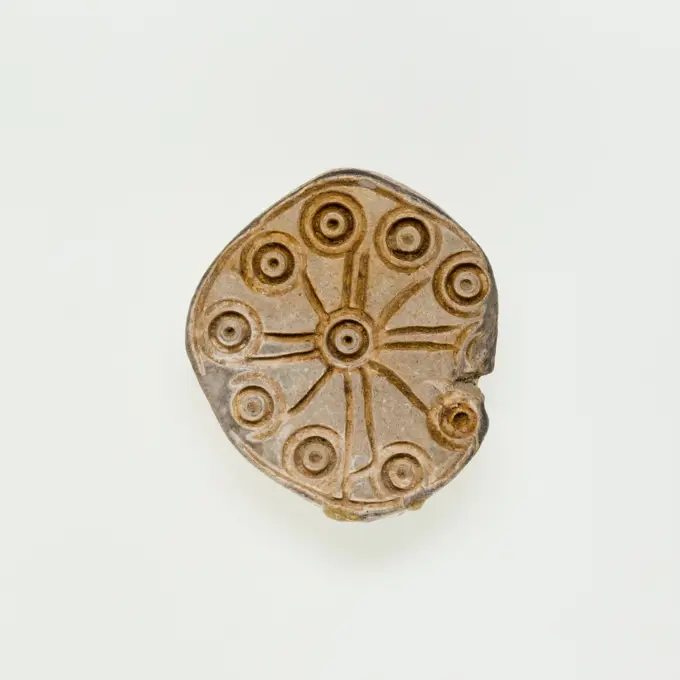
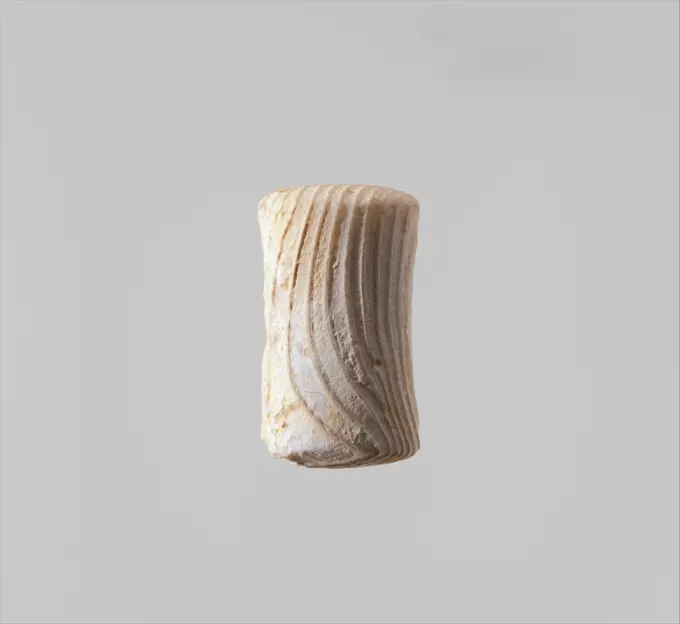
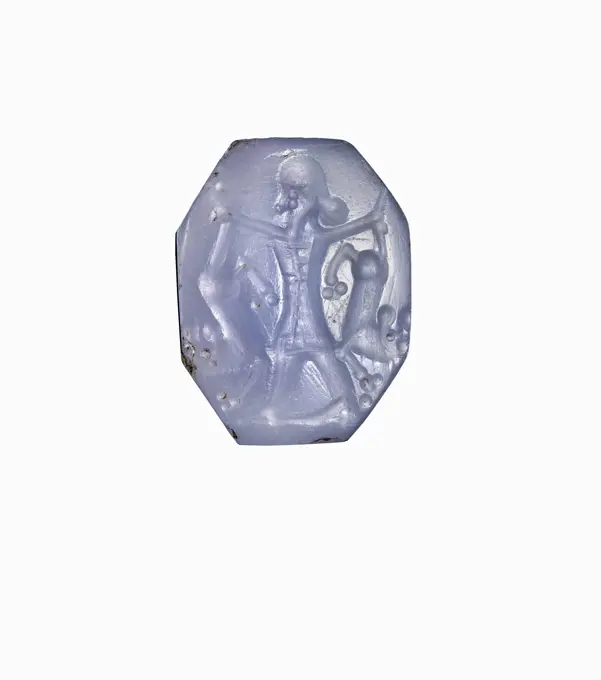
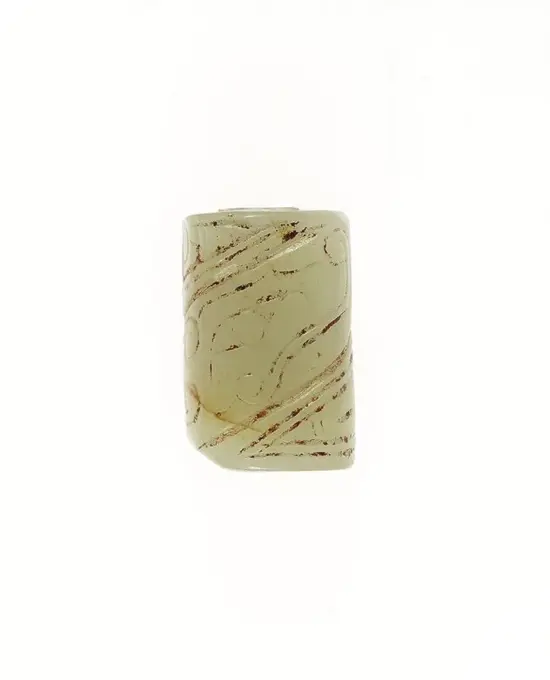
Cylindrical seal
Cylindrical seal
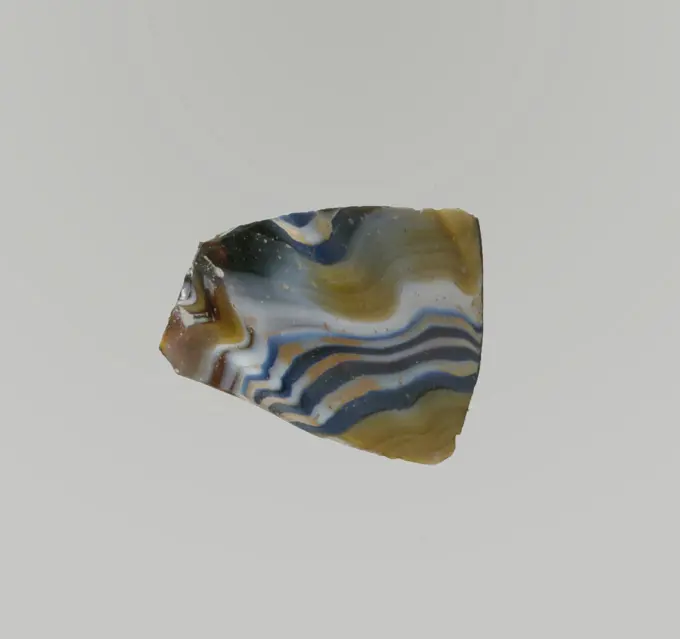
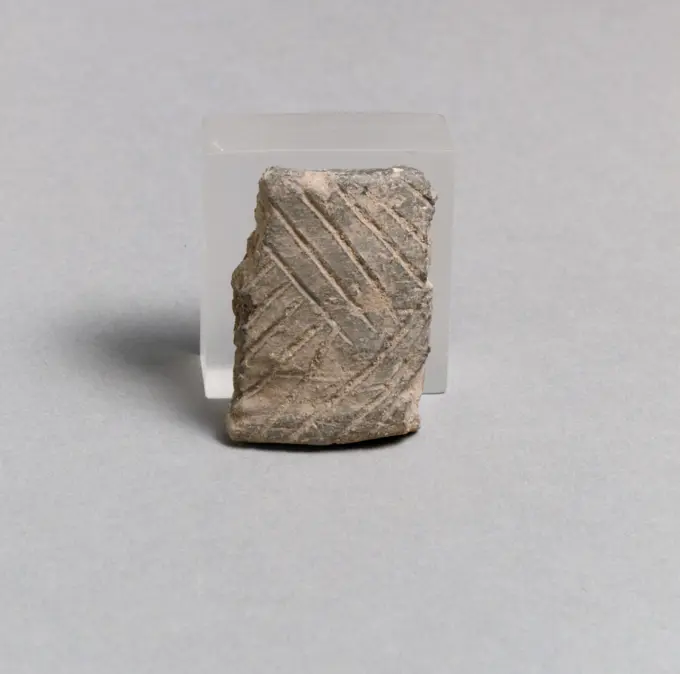
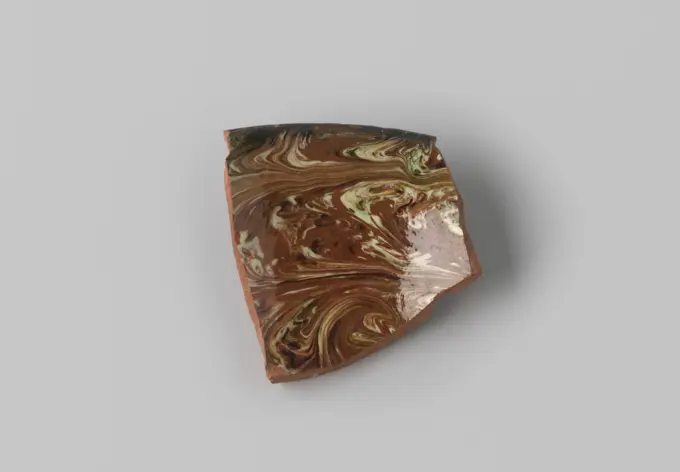
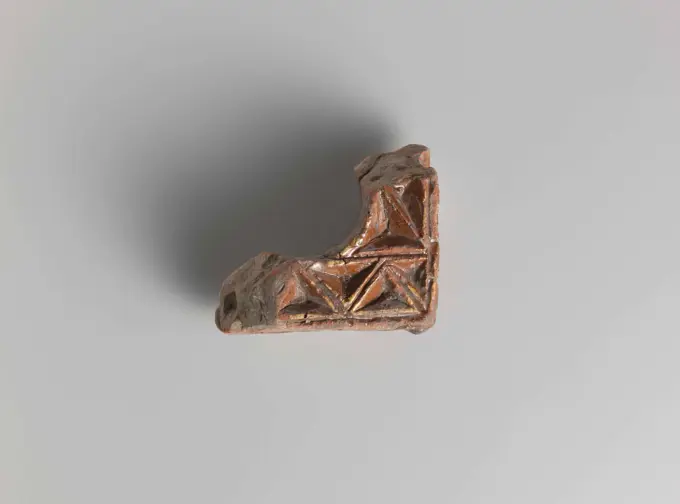
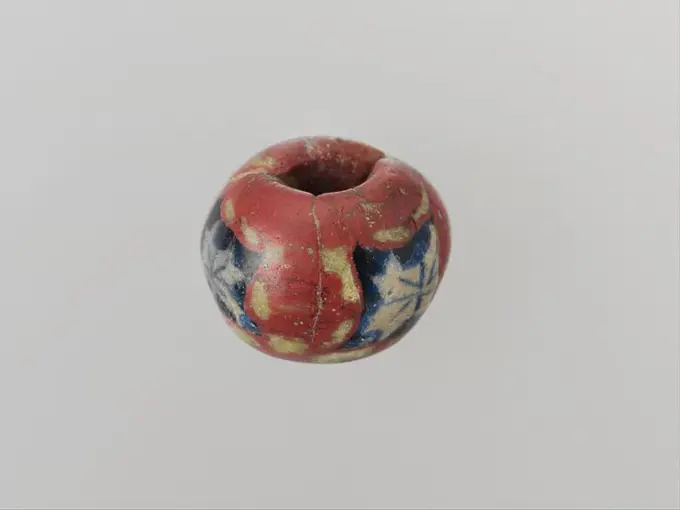
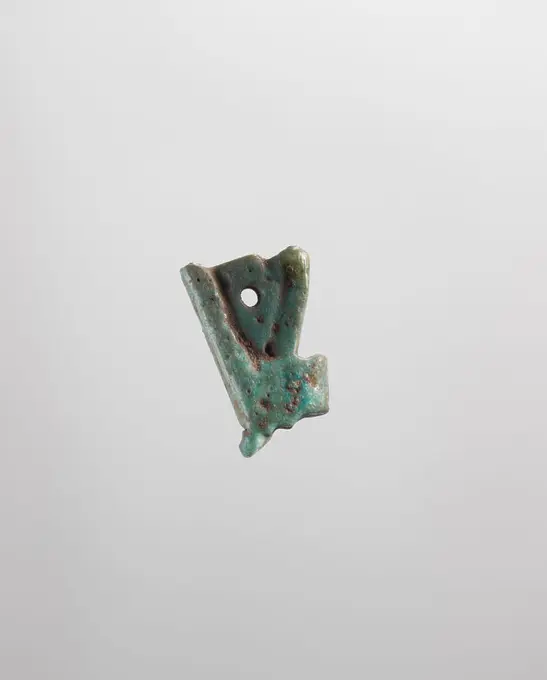
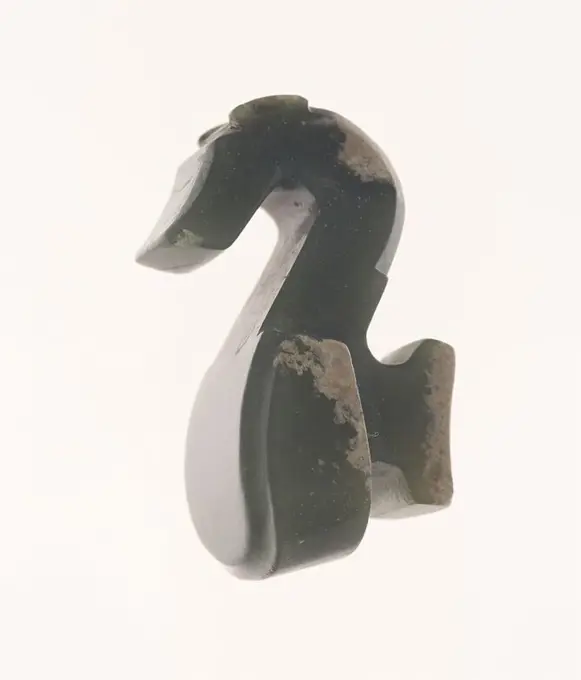
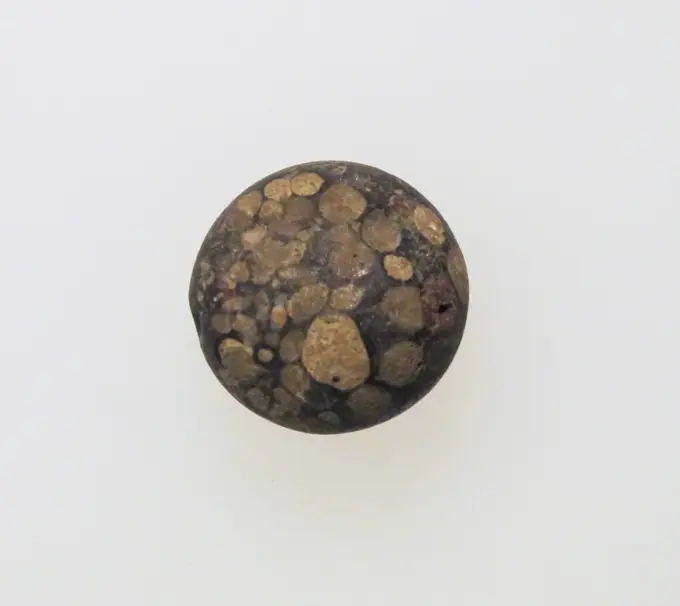
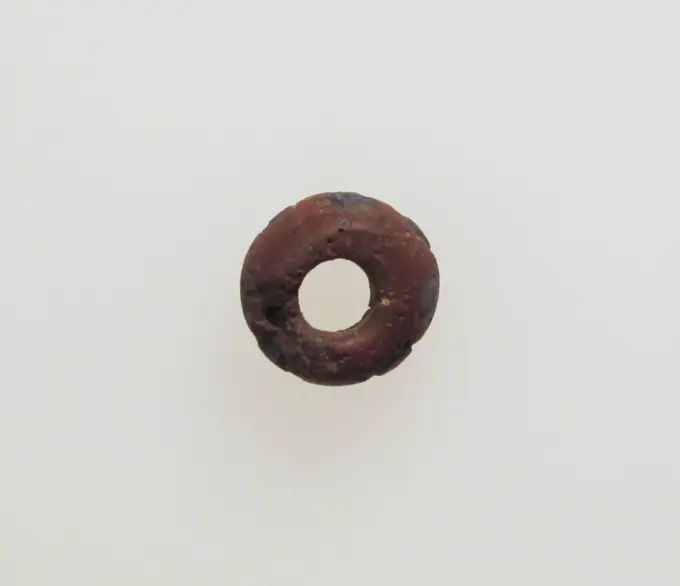
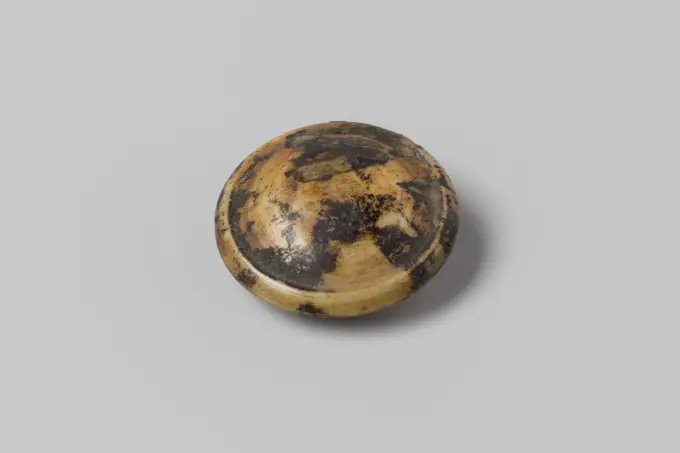
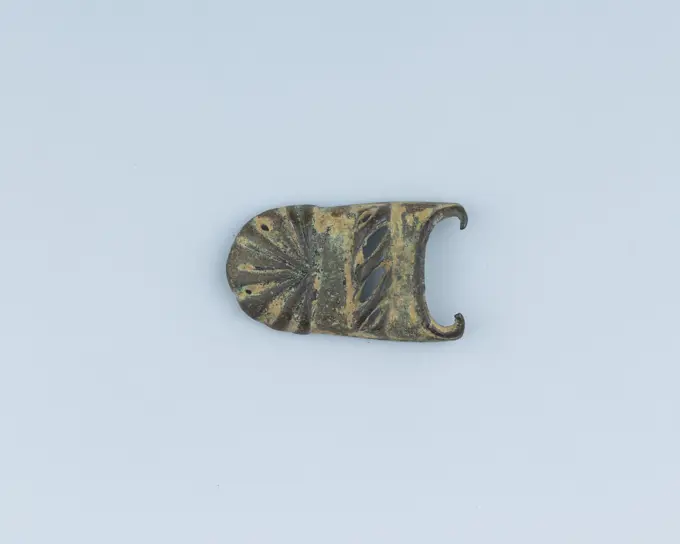
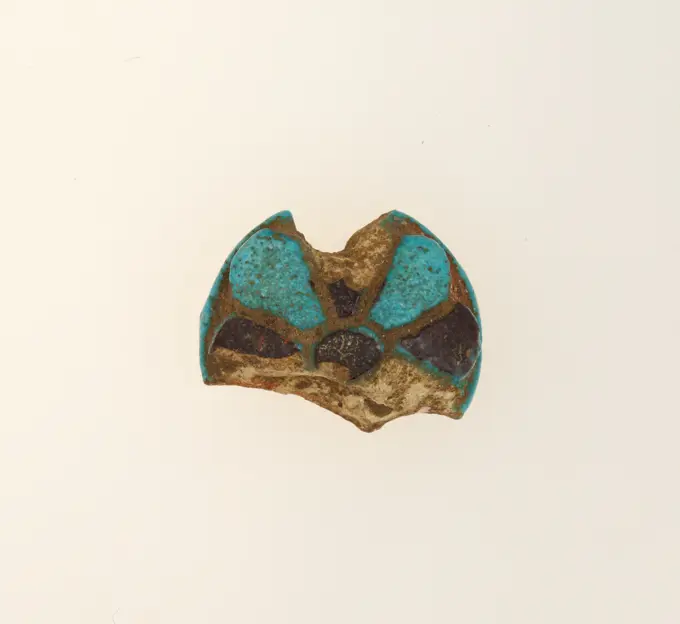
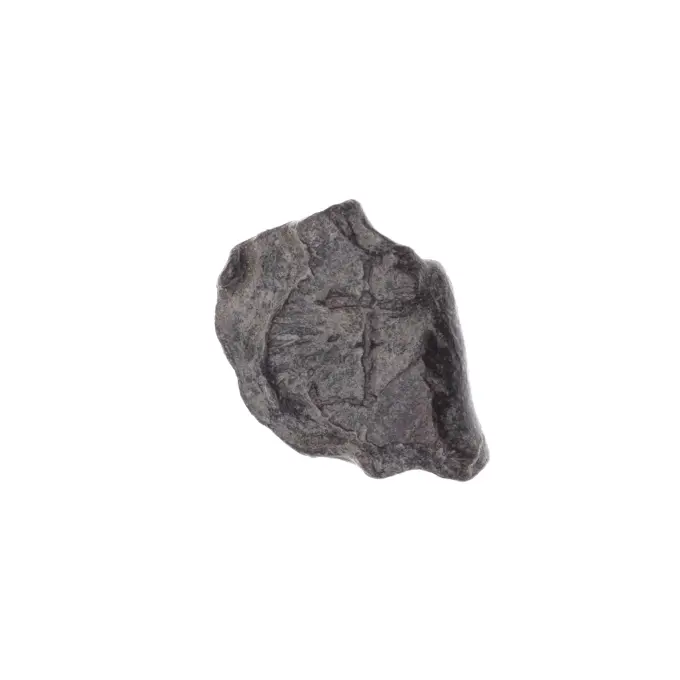
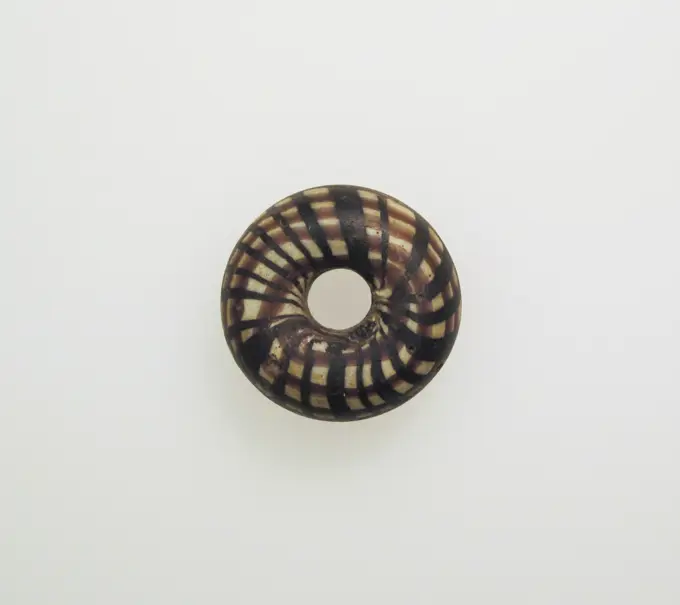
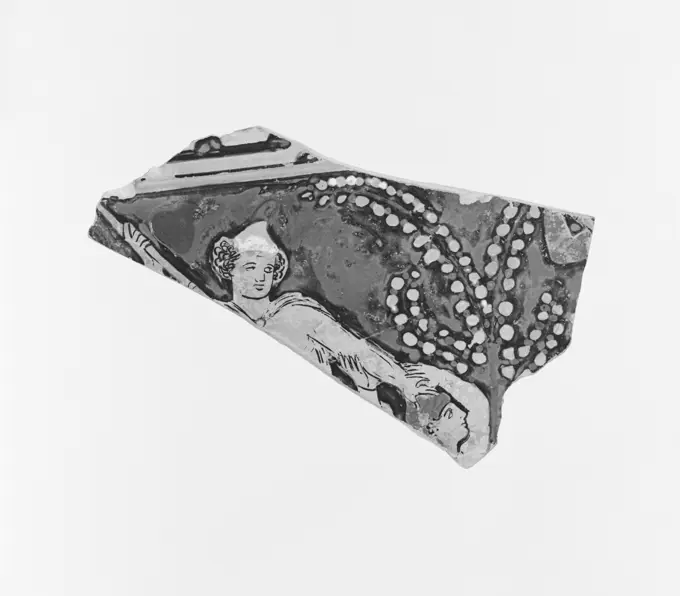
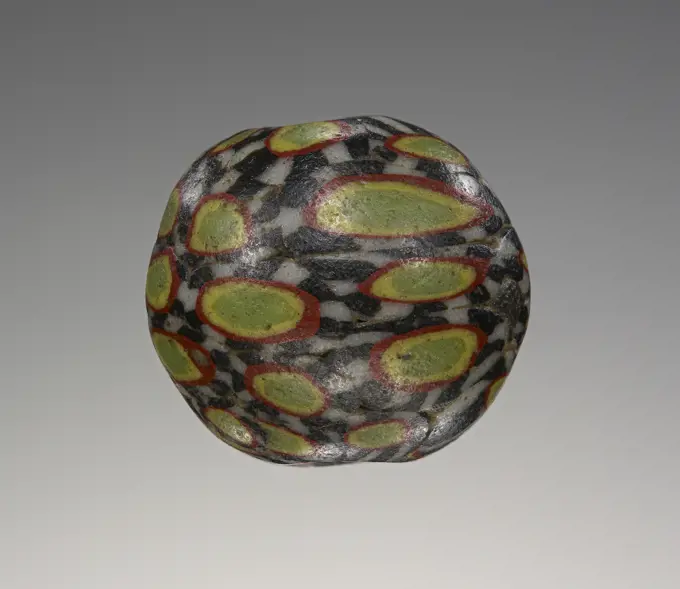
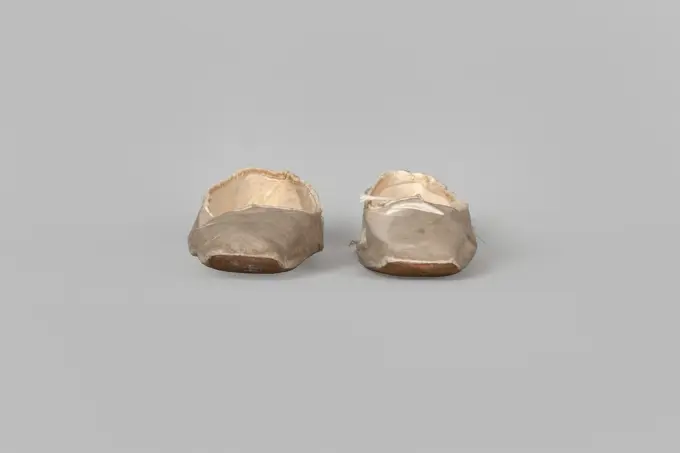
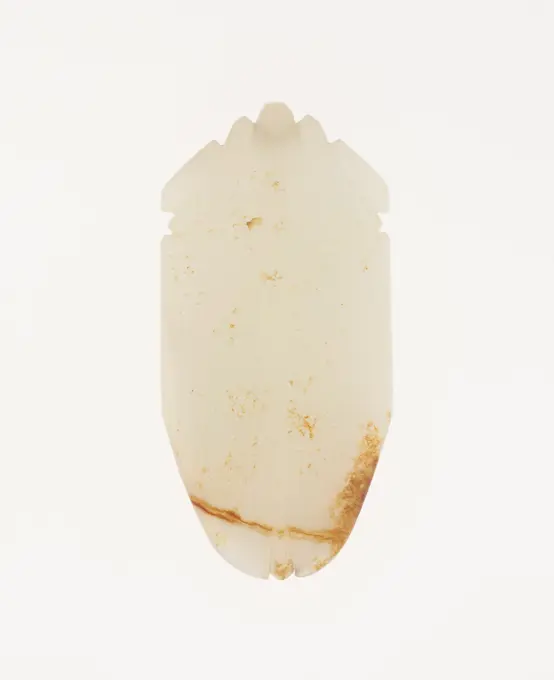
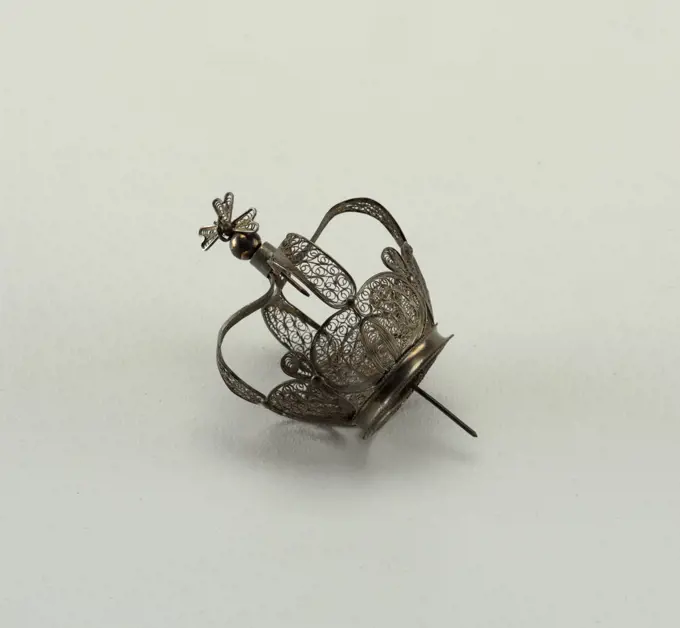
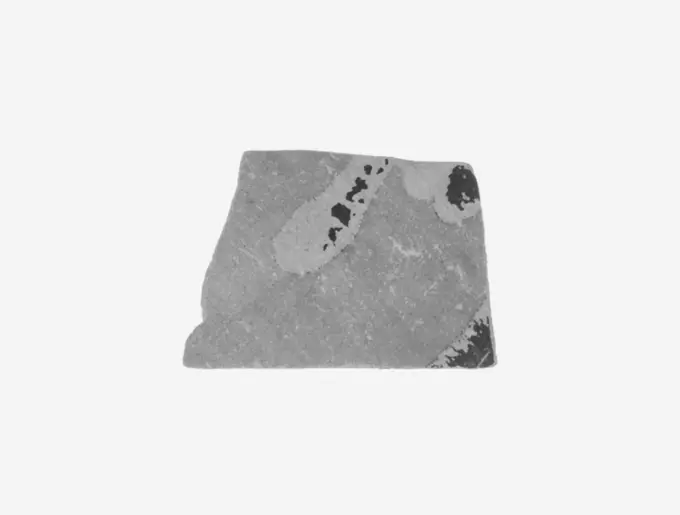
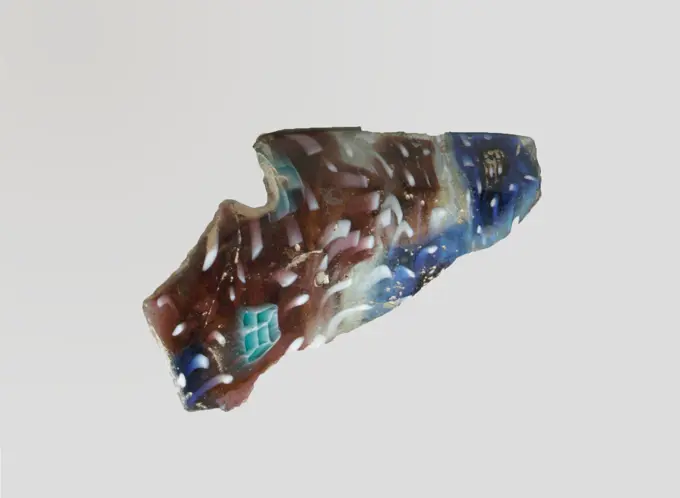
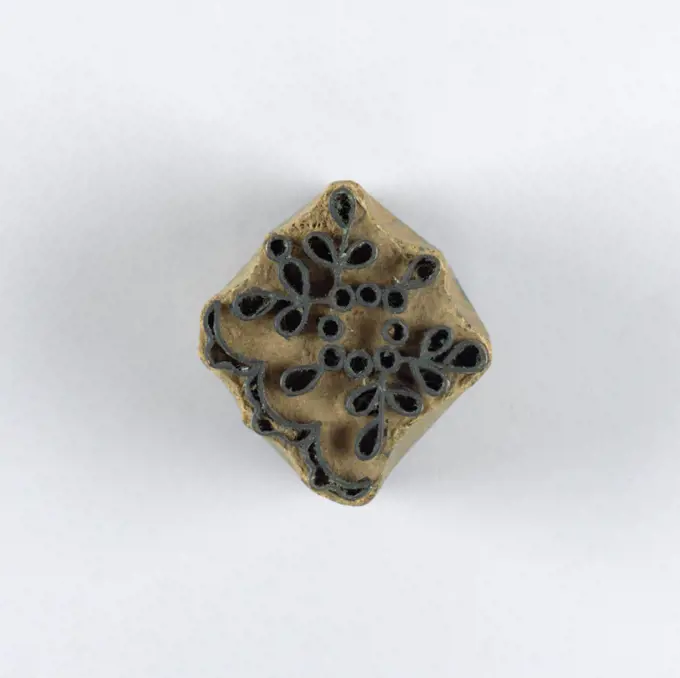
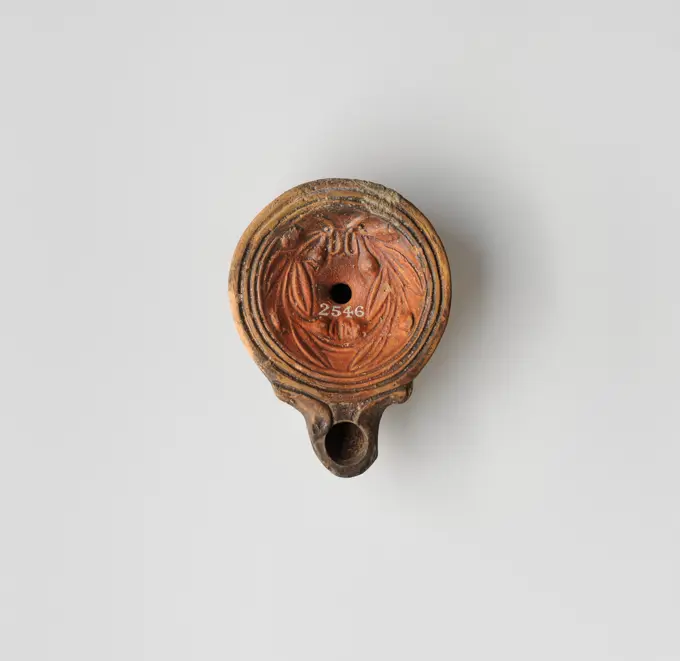
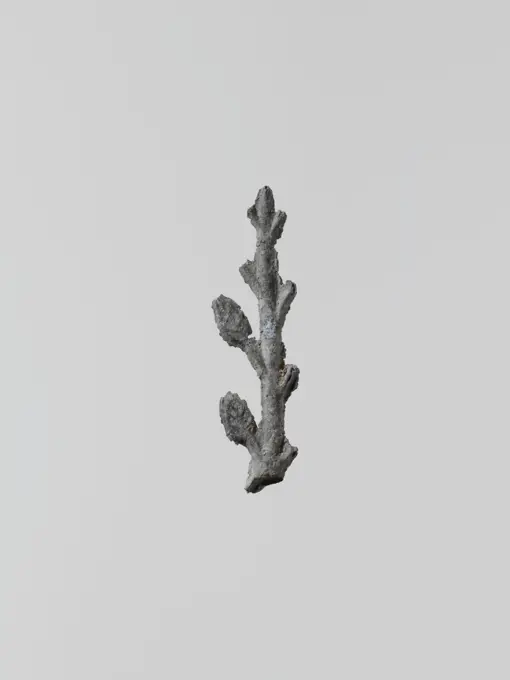
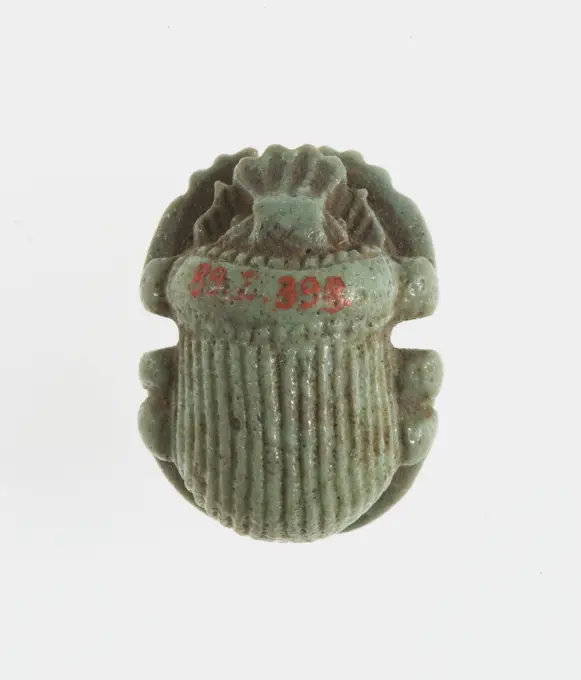
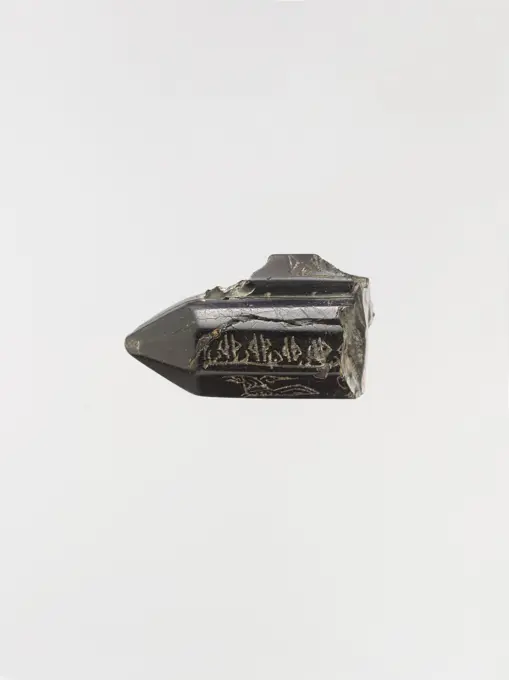
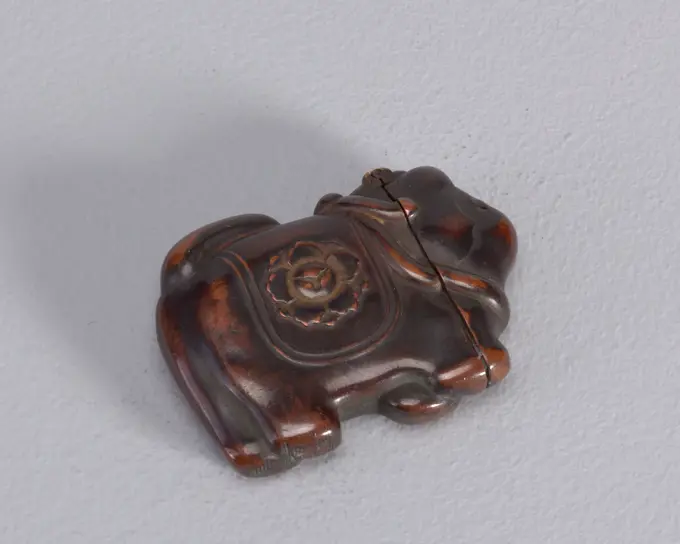
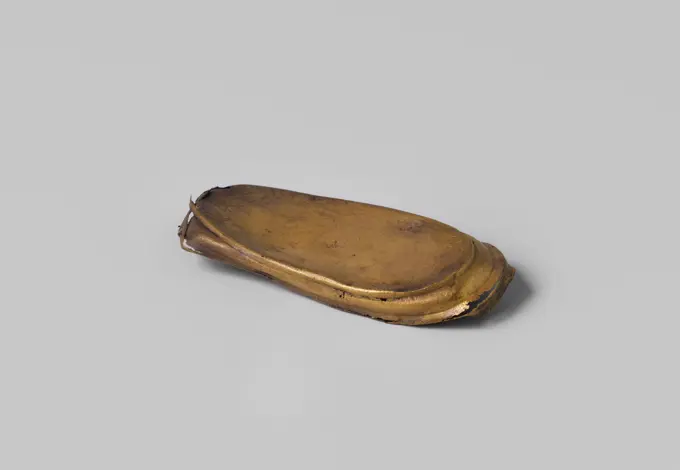
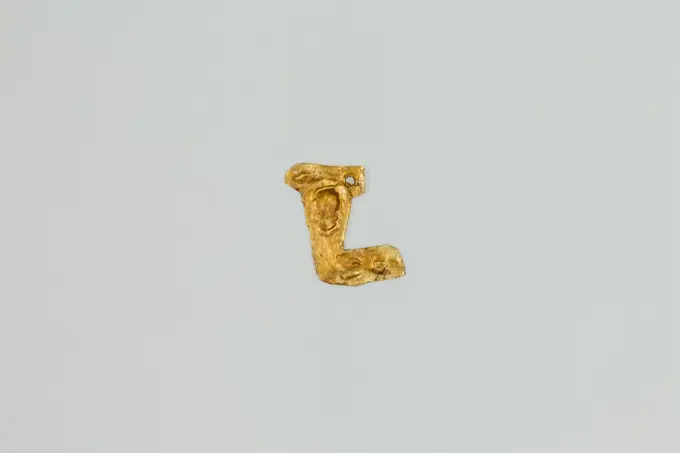
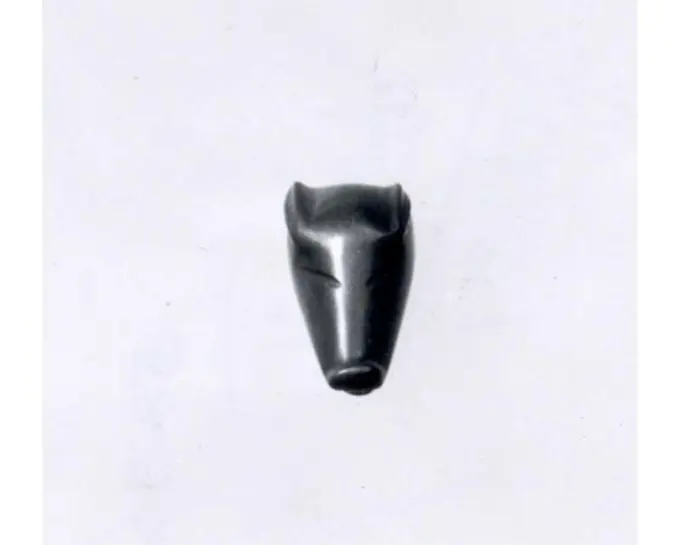
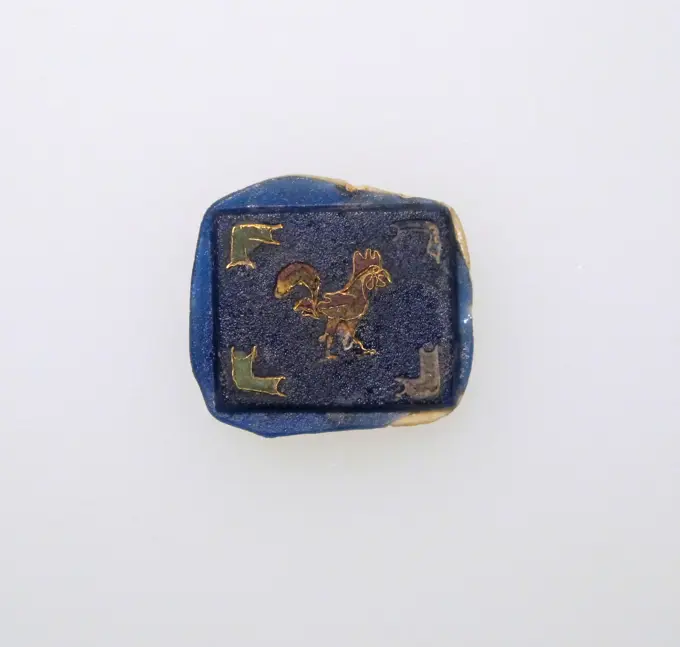
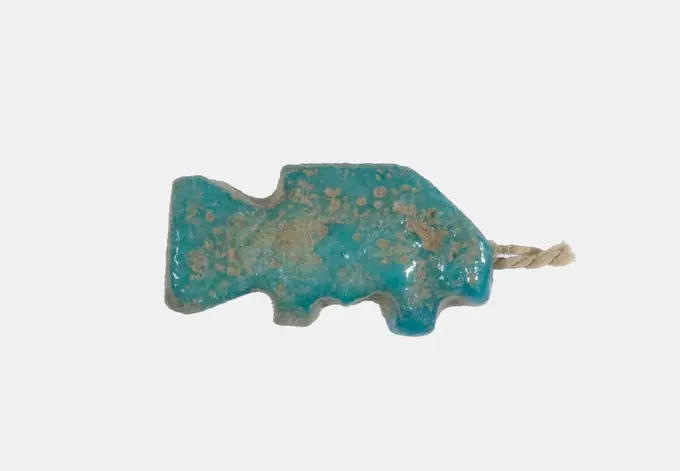
Rim Shard Incised with the Name of Amenhotep II ca. 1427-1400 B.C. New Kingdom. Rim Shard Incised with the Name of Amenhotep II. ca. 1427-1400 B.C.. Glass. New Kingdom. From Egypt, Upper Egypt, Thebes, Valley of the Kings. Dynasty 18Lock-plate and chain Roman. Lock-plate and chain 245922Cylindrical sealScarab ca. 1981-1295 B.C. Middle Kingdom-Early New Kingdom. Scarab 557079Glass bead Cylindrical glass bead, green and white in color.. Glass bead. Glass; rod-formed, trailed, and tooled. GlassGlass mosaic ribbed bowl fragment late 1st century B.C.-early 1st century A.D. Roman Body fragment.Translucent honey brown, partially mixed with white and appearing opaque yellow, blue, and opaque white.Convex curving side, tapering downward to bottom.Ribbon mosaic pattern formed from lengths of a single cane in a brown ground with zigzag bands of white and blue threads in parallel lines and plain bands in yellow; on exterior, lower sections of three vertical ribs, tapering flat.Polished exterior; pitting of surface bubbles on exterior; dulling and creamy iridescent weathering on interior and jagged edges.. Glass mosaic ribbed bowl fragment. Roman. late 1st century B.C.-early 1st century A.D.. Glass; cast and tooled. Early Imperial. GlassCup of a wild boar. The molded and calculated edited object has the shape of a boil head with tusks and front legs. Behind the header the attachment with six planes, in which diagonals composed of points are punched out. Inside a cast iron point for attachment to a larger whole.Ring 30 B.C.-A.D. 364 Roman Period. Ring 551620Button from black glass or git. Button from black glass or git.Vase fragment ca. 3000-2000 B.C. Aegean. Vase fragment 253305 Aegean, Vase fragment, ca. 30002000 B.C., Terracotta, Other: 1 5/16in. (3.4cm). The Metropolitan Museum of Art, New York. Anonymous Gift, 1930 (30.119.100)Fragment Pijpenkop, Unknown, 1740 - 1780 Fragment Pijpenkop with a Zeeland Rijksdaalder depicted. Of the excavations on the Hofstede Arentsburg 1827-1831 under the supervision of Professor Reuvens. Gouda pipe clay Fragment Pijpenkop with a Zeeland Rijksdaalder depicted. Of the excavations on the Hofstede Arentsburg 1827-1831 under the supervision of Professor Reuvens. Gouda pipe clayWhorl 7th-6th century B.C. Etruscan Fragment of a whorl.. Whorl. Etruscan. 7th-6th century B.C.. Amber. Archaic. Miscellaneous-AmberGlass spindle whorl ca. 1st-2nd century A.D. Roman Translucent cobalt blue, with opaque white trail.Domed body, slightly flattened at center; flat bottom; vertical hole.Trail applied to upper surface in a spiral from center to outer edge.Intact; some dulling, and faint weathering.Made by winding trail in a spiral around rod.. Glass spindle whorl. Roman. ca. 1st-2nd century A.D.. Glass; rod-formed and wound. Early to Mid Imperial. GlassSegment from a bronze fibula (safety pin) 7th-6th century B.C. Etruscan Circular piece of amber with 6 holes and remains of a bronze pin through center.. Segment from a bronze fibula (safety pin). Etruscan. 7th-6th century B.C.. Amber, bronze. Archaic. Miscellaneous-AmberKnife leftring from the wreck of the East Indiesman Hollandia. Knife-Handle, Ferrule; Broad ring, tapering, hexagonal faceted.Sharp of red -baking earthenware, on the inside and outside with marbled glaze in brown, beige and terra, anonymous, 1600 - 1650  Northern Netherlands earthenware. glaze majolica  Northern Netherlands earthenware. glaze majolicaDrohiczy seal;  XI-XIII century (1090-00-00-1110-00-00);guild seals, customs seals, touches, seals of customs chambers, official seals, seals with a cross, seal with the letterMordant 15th-17th century European. Mordant. European. 15th-17th century. Bronze. Miscellaneous-Buckles & OrnamentGlanssteen, anonymous, c. 1600 - c. 1825 Flattened spherical body, one side of which is inserted. Northwest Europe glass glassblowing Flattened spherical body, one side of which is inserted. Northwest Europe glass glassblowingFragment lead from the wreck of the East Indians Hollandia, 1700 - in or before 1743 fragment Parts of artefacts; eroded fragments: materials; lead. Netherlands lead (metal)   SecondPunch-Marked Coin, 400-300 BC. India, Rajasthan, Maurya Period (322-185 BC). Silver; overall: 1.4 x 1.2 cm (9/16 x 1/2 in.).Fragment miseczki. nieznany warsztat północno mezopotamski, workshopStampFragment. A fragment architectural decorated from baked earth all around with deepened triangles. Found in the excavation of the Great road from Utrecht to Vreeswijk opposite the house "De Wiers" when performing the Rijks of the Amsterdam-Merwede canal. Together with Inv. Nr. BK-NM-8413-A.Glass mosaic bead. Culture: Roman, Egyptian. Dimensions: Overall: 1/2 in. (1.3 cm)Base: 5/8 in. (1.6 cm). Date: ca. 1st century A.D..Opaque brick red ground; details in opaque white and pale yellow, and translucent blue.Globular, slightly flattened at top and bottom; vertical hole; made from four sections pressed together.Each section decorated with same design: central square in blue with leaf-shaped white overlay marked with eight-armed star in blue, surrounded by irregular splashes of yellow on red ground.Intact; slight pitting and faint weathering.The piece is perhaps related to the face beads that are also displayed here. Museum: Metropolitan Museum of Art, New York, USA.Fragment of a vessel. A low curvature of the glass fragment allows the assignment to a vessel, possibly the edge of a shell. The turquoise glass shows several flowers in millefiori technology. They consist of a white dot with red contour to lay yellow points with black contour as petals. For the production, different colored glasses into tubes and rods were formed. These were compressed and heated, causing a long bar. The glass sliced now had different amorphous or floral patterns. Thereafter, several of these platelets were folded together, heated again and pressed into the vascular shape. Burry for the elaborate manufacturing process and its fragility was one of the luxury articles of antiquity.Bronze folding key 10th-12th century A.D. Byzantine With nine short teeth and a round, hollow shaft.. Bronze folding key 246765Carnavalet museum, tokens collectionFragment faceted handle from a flute glass from the wreck of the East Indieschief Hollandia. Glass, voice glass, stem, faceted; Fragment or button, flatted, octogonal faceted, Both ends broken off.Printing Block (USA); wood, copper, brass; 1941-87-1-nAmulet of a crown of Lower Egypt. Dimensions: H. 1.8  W. 1.1  T. 0.6 cm (11/16  7/16  1/4 in.). Date: 664-30 BC.This amulet takes the form of the crown of Lower Egypt, the northern part of the country. Called deshret by the ancient Egyptians, It is a cylindrical headpiece with a tall spike at the back and a long sprial in front. It has been nicknamed the "red crown," since many depictions in art are colored red. However, amuletic versions are most often green, like this example. The deshret is also a hieroglyph representing the letter "n.". Museum: Metropolitan Museum of Art, New York, USA.Glass mosaic ornament in the form of a shell. Culture: Roman. Dimensions: H.: 1 3/4 in. (4.4 cm). Date: ca. 1st century A.D..Translucent cobalt blue, appearing black, with overlays in opaque white and yellow.Solid block with flat underside in the shape of a bivalve mollusc with radiating ribs.Decoration of nine marvered trails applied across shell in alternating yellow and white.Intact, but chipped around edges; dulling, pitting of surface bubbles, and faint iridescence.This unusual object may have served as part of a wall inlay. Museum: Metropolitan Museum of Art, New York, USA.Garment Hook. China. Date: 400 BC-200 BC. Dimensions: 4.9 × 2.4 × 3.0 cm (1 15/16 × 15/16 × 1 3/16 in.). Jade. Origin: China. Museum: The Chicago Art Institute, Chicago, USA.Pinhead Roman Black opaque bead with brown and white opaque spots.. Pinhead. Roman. Glass. GlassZapinka do pasa. unknown, craftsmanBead Roman. Bead. Roman. Glass. GlassButton from the wreck of the East Indians Hollandia, Anonymous, 1700 - in or before 1743 button Knoop. (1) sim. NG 1980-27H1185 (1.7, 1.8d) Netherlands bone (material)   SecondPendant 15th-17th century European. Pendant. European. 15th-17th century. Bronze. Miscellaneous-Buckles & OrnamentVase Fragment. UnknownVotive Rosette fragments ca. 1479-1458 B.C. New Kingdom. Votive Rosette fragments. ca. 1479-1458 B.C.. Blue and black faience. New Kingdom. From Egypt, Upper Egypt, Thebes, Deir el-Bahri, Temple of Hatshepsut, Hathor Chapel, Egypt Exploration Fund excavations. Dynasty 18Drohiczy seal;  XI-XIII century (1090-00-00-1110-00-00);guild seals, customs seals, touches, seals of customs chambers, official seals, seals with a crossAttic Red-Figure Skyphos Fragment. UnknownBead Roman. Bead. Roman. Glass. Glassdenarius; W ADSAW II JAGIEC (King of Poland; 1386-1434); 1386-1434 (1386-00-00-1434-00-00);Vase fragment ca. 1981-1640 B.C. Middle Kingdom. Vase fragment 559353Fragment from the wreck of the East Indies Hollandia, Anonymous, 1700 - in or Before 1743 fragment Varied parts or fragments, sheet metal fragments: worked, with solder; fragm of sheet, eroded, with soldered band, curved in section. Netherlands copper (metal)   SecondShell pestle/polisher ca. 2700-2400 B.C. Cycladic Small pestle or polisher carved from a piece of shell.. Shell pestle/polisher 631226Apulian Red-Figure Calyx Krater Fragment. Near Underworld Painter (Greek (Apulian), active about 340 - 310 B.C.)Worth, 1900. Silk tulle, embroidery of jet pearls and rhinestones. Palais Galliera, fashion museum of the city of Paris.Excerpt of a pipe head from the wreck of the East Indians' t Vliegend Hart, 1700 - 1735  One broken head with illegible heel brand of an earthen Goudse pipe, yellowish discolored. Fragments of Bowls and Stems.  pipe clayPlanets-manager. Cornalet Collection Sites 2013-2016. Numismatic.Harness or bridle fitting ca. 7th-6th century B.C. Scythian. Harness or bridle fitting 324233Pendant. Dimensions: L. 0.8 × W. 0.9 × D. 0.5 cm (5/16 × 3/8 × 3/16 in.). Date: late 1st century BC-mid 4th century AD or later. Museum: Metropolitan Museum of Art, New York, USA.Anonymous. "Bus sold for the benefit of German winter help (" Winterhilfswerk ")". Metal. 1933-1945. General Leclerc Museum of Hauteclocque and the Liberation of Paris, Jean Moulin Museum. 158812-27Bead; Panticapaeum (Kerch), Ukraine; 10th - 9th century B.C; Glass; 2.3 x 2 cm (7,8 x 13,16 in.)Women's court shoes. Kółażeński, Jan (Kalisz ; pracownia szewska ; ca 1830-ca 1850), authorCicada 206 BCE-220 CE China. Jade .crown, Silver filigree, Four kidney-shaped panels, pierced with filigree work, rising from a plain diadem. From the panels rise four curved arches, meeting to support a ball and a cross mounted on a threaded pin., 19th century, metalwork, Decorative Arts, crownAmulet of ba bird wearing a sun disk 525-30 BC Late Period-Ptolemaic Period Starting in the later Late Period and continuing through the Ptolemaic Period, a type of glass amulet cast by pressing the glass into a shallow open mold appears. The back was left rough, and the amulets may look ragged because glass overflowed the mold around the edges. The earlier amulets are monochrome, bi- or multicolor amulets supplement the repertoire during the Ptolemaic Period.Some of the amulets can be specifically tied to spells of the Book of the Dead - for example, acc. no. 17.194.2526 - and most are clearly funerary amulets, presumably meant to be wrapped between the bandages of the mummy where the presence of the amulet would do its job irrespective of its degree of finish.. Amulet of ba bird wearing a sun disk. 525-30 BC. Glass. Late Period-Ptolemaic Period. From EgyptPommel 206 BCE-9 CE China. Jade .Pieczęć stemplowa. nieznany warsztat babiloński, workshopGrahal-Manzara. Carnavalet 2013-2016 collection sites. Numismatics.Attic Black-Figure Amphora Fragment. UnknownTerracotta vessel fragment with rows of dots and band ca. 1450-1400 B.C. Minoan From Phylakopi, MelosFragment with a band and rows of dots.. Terracotta vessel fragment with rows of dots and band 248562Hat of light blue silk in satin binding. Cap made from light blue silk in satin bonding. This girl's hat has two side pieces and one of the neck to the forehead ongoing middlebaan. The edges are trimmed with light blue silk strap with woven zigzag motif and loops; On the left, this strap continues in a closure band. See also: BK-NM-5448-7-b. With regard to the straps Compare with the blankets of the Poppenhuis from P. Dunois and BK-NM-5448, BK-14656-246 and BK-14656-242-A / b.Engraved lock with key of iteind iron, anonymous, c. 1600 - c. 1699 Slot with a key of iteind iron, supposedly support lock with two shots and the corresponding key. A clover -shaped lock cupboard. The final plate is engraved with braided vendors, ending the vends in flowers with faces in it. The key has a heart -shaped eye, resting on a round disk, smooth shaft and beard.  iron (metal). tin (metal) engraving Slot with a key of iteind iron, supposedly support lock with two shots and the corresponding key. A clover -shaped lock cupboard. The final plate is engraved with braided vendors, ending the vends in flowers with faces in it. The key has a heart -shaped eye, resting on a round disk, smooth shaft and beard.  iron (metal). tin (metal) engravingGlass mosaic ribbed bowl fragment late 1st century B.C.-early 1st century A.D. Roman Translucent purple, cobalt blue, and light turquoise blue, opaque white, and colorless.Outsplayed, rounded rim; convex curving side.Mosaic pattern formed from large polygonal sections of two or more canes; one in a purple ground with a circle of white rods around a central pattern of small squares in turquoise blue outlined in white, and the other in a blue ground with a circle of white rods around a central square in purple with white dots, and irregular patches in colorless with white rods; on exterior, two widely spaced, vertical ribs, with flattened tops.Polished interior; pitting of surface bubbles on interior; dulling and creamy iridescent weathering on exterior, rim, and jagged edges.Part of the rim and side of a deep, footed ribbed bowl with broad flaring rim.. Glass mosaic ribbed bowl fragment. Roman. late 1st century B.C.-early 1st century A.D.. Glass; cast and tooled. Early Imperial. GlassPrinting block, Medium: wood, copper, brass, One of twenty-one wood blocks showing a different floral motif formed by metal strips set in wood., USA, 1825-50, appliances & tools, Printing blockPlaque with Dragon Design. China. Date: 800 BC-600 BC. Dimensions: 5.7 × 5.7 × 0.1 cm (2 1/4 × 2 1/4 × 1/32 in.)4.8 × 2.4 × 0.1 cm (1 7/8 × 15/16 × 1/32 in.). Jade. Origin: China. Museum: The Chicago Art Institute, Chicago, USA.Bit Boss. Culture: European. Dimensions: Diam. 2 1/2 in. (6.4 cm); Wt. 3.7 oz. (104 g). Date: 16th century.Bit bosses were ornamental elements decorating both sides of a horse bit. Museum: Metropolitan Museum of Art, New York, USA.Terracotta oil lamp 1st century B.C.-1st century A.D. Roman, Cypriot Loeschcke Type 4. Mold-made. Discus: wreath, with taenia at top, pointed, ribbed leaves, and round berries or buds; a single filling hole at center; band of lines and grooves around edge. Volutes flanking small nozzle. Broad base ring flanked by incised circles, and flat base.Intact.. Terracotta oil lamp. Roman, Cypriot. 1st century B.C.-1st century A.D.. Terracotta. Early Imperial. TerracottasLead ornament in the form of a branch 6th-5th century B.C. Greek, Laconian Small flat votive figurines of cast lead have been found in great quantities at the ancient sanctuaries of Laconia; over one hundred thousand, dating from the seventh century B.C. to the Classical period, were dedicated to the goddess Artemis Orthia in Sparta.. Lead ornament in the form of a branch 251714 Greek, Laconian, Lead ornament in the form of a branch, 6th5th century B.C., Lead, Height: 1 3/8 in. (3.4 cm). The Metropolitan Museum of Art, New York. Gift of A. J. B. Wace, 1924 (24.195.148)Bead. China. Date: 1000 BC-800 BC. Dimensions: 13/16 × 1/2 × 7/16 in. Jade. Origin: China. Museum: The Chicago Art Institute, Chicago, USA.Funerary scarab 664-30 B.C. Late Period-Ptolemaic Period This scarab amulet depicts the scarab beetle with a naturalistic underside and a loop at its belly. Scarabs in this shape may have been used only as amulets for mummies and they are often called naturalistic scarabs or funerary scarabs. They can easily be differentiated by their shape from the most common type of scarab, which has a flat underside with designs or a short inscription. The latter could be used for sealing purposes as well, which is why it is called a seal amulet; it is usually pierced lengthwise. The scarab beetles behaviour of rolling large dung balls was associated by the ancient Egyptians with the movement of the sun through the sky. They also thought that this beetle generated spontaneously in the ground. The belief in the scarabs self-generation and its association with the sun god made it a potent amulet that was thought to bear the power of life and regeneration.. Funerary scarab. 664-30 B.C.. Faience. LatCylindrical Pendant with Magical Writing 9th-10th century This cylindrical stone pendant (now broken) is carved with lines of magic symbols on two facets, and the image of a quadruped on one facet. Rather than forming actual words, the writing appears to represent a magical alphabet. The inscription remains undeciphered, and exactly what such a pendant was meant to protect against remains a mystery.. Cylindrical Pendant with Magical Writing. 9th-10th century. Jet. Excavated in Iran, Nishapur. JewelryLagynos fragment. Lagynos fragment 252672 Lagynos fragment, Terracotta, Overall: 1 3/8 x 1 5/8in. (3.5 x 4.2cm). The Metropolitan Museum of Art, New York. Gift of The American Society for the Excavation of Sardis, 1926 (26.199.104)Round cuff knot of Niello silver with star pattern, anonymous, c. 1900 - c. 1925 Round cufflink of Niellozilver with star pattern West-Europa silver (metal). Niello (technique) Round cufflink of Niellozilver with star pattern West-Europa silver (metal). Niello (technique)Fibula Italic. Fibula 251338 Italic, Fibula, Bronze, H.: 3/4 x 1 3/8 in. (1.9 x 3.5 cm). The Metropolitan Museum of Art, New York. Purchase, 1923 (23.138.1)Stone font Letter J 3D Stone font Letter J 3D rendering illustration isolated on white background Copyright: xZoonar.com/MilicxDjurovicx 21521904Amulet of a Bird with Outstretched Wings. Egypt, New Kingdom (circa 1569 - 1081 BCE). Jewelry and Adornments; amulets. FaienceAttic Red-Figure Kylix Fragment. Manner of the Epeleios Painter (Greek (Attic))Fragment of a key, c. 1400 - c. 1950 Fragment of a key whose round eye has broken off some teeth. Rome bronze (metal) Fragment of a key whose round eye has broken off some teeth. Rome bronze (metal)Cat Matchsafe; Japan; patinated copper; 3 x 4.5 x .9 cm (1 3/16 x 1 3/4 x 3/8 in. )Tobacco box without lid from the wreck of the East Indians Hollandia, Anonymous, 1700 - in or before 1743 box Tobacco box; fragm, lid, squashed, oval (hinge originally five-lugged). Netherlands copper (metal)   SecondUraeus amulet 664-380 B.C. Late Period. Uraeus amulet 561541Weight 2nd millennium B.C.. Weight 324734Grahal-Manzara. Carnavalet 2013-2016 collection sites. Numismatics.Vase. Terracotta white paste, gilding. Cernuschi Museum, Asia Museum of Asia in the city of Paris.Denar - Brakteat; approx. 1327/1328-OK. 1337/1338 (1327-00-00-1338-00-00);Standard support ca. 8th-7th century B.C. Iran. Standard support 322863Glass and gold inlay late 1st century B.C.-1st century A.D. Roman Translucent cobalt blue over opaque white, with opaque red, yellow, and pale green inlay.Rectangular plaque with irregular edges extending beyond frame to the upper surface.On upper surface, a rooster at center facing right and four small leaf-like motifs, one at each corner; rooster outlined in gold wire and inlaid with small pieces of red and yellow glass; corner motifs outlined in gold wire and inlaid with green glass.Intact, but inlay missing in two of the corner motifs; dulling, pitting, and faint iridescent weathering.. Glass and gold inlay. Roman. late 1st century B.C.-1st century A.D.. Glass. Early Imperial. GlassGlass pendant in the form of a bird 8th-7th century B.C. Greek, possibly Rhodian Translucent purple.Shaped like a stylized bird, with large hole horizontally through body from side to side; tooled to form head and flattened tail.Intact; pitting of surface bubbles, some dulling, and iridescence.. Glass pendant in the form of a bird. Greek, possibly Rhodian. 8th-7th century B.C.. Glass; rod-formed and tooled. GlassPierced disk, perhaps from an earring or fibula (safety pin) 7th century B.C. Etruscan or Italic Whorl.. Pierced disk, perhaps from an earring or fibula (safety pin). Etruscan or Italic. 7th century B.C.. Amber. Late Geometric. Miscellaneous-AmberPendant 1100 BCE-900 BCE China. Jade .Apulian Red-Figure Krater Fragment. UnknownLoop. United beveled band.isolated golden object made in 3d graphicsFish Amulet ca. 1802-1450 B.C. Late Middle Kingdom-Early New Kingdom. Fish Amulet. ca. 1802-1450 B.C.. Faience. Late Middle Kingdom-Early New Kingdom. From Egypt, Memphite Region, Lisht North, Cemetery south of pyramid, House A1, so-called "faience factory", MMA excavations, 1920-22. Dynasty 13-18, earlyRound Plaque 3rd century B.C.-A.D. 2nd century Vicús. Round Plaque 315587