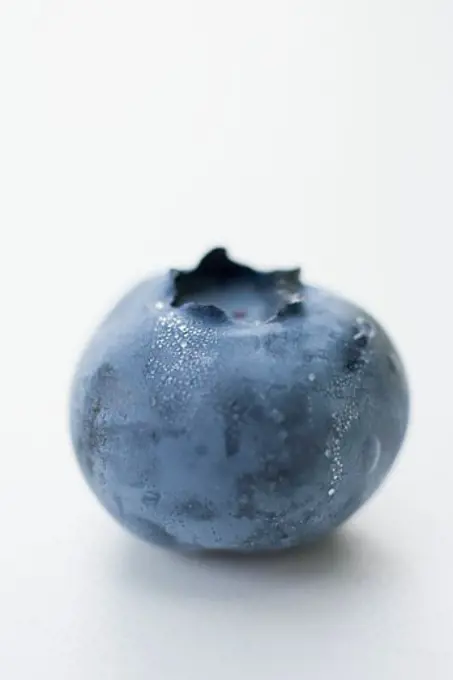
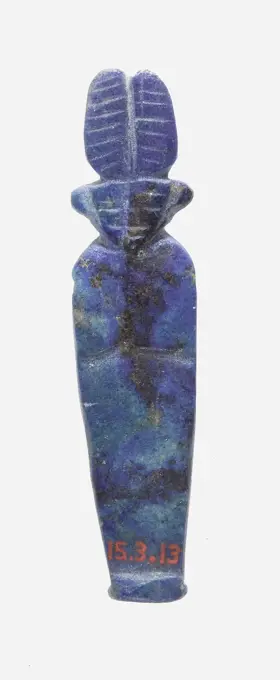
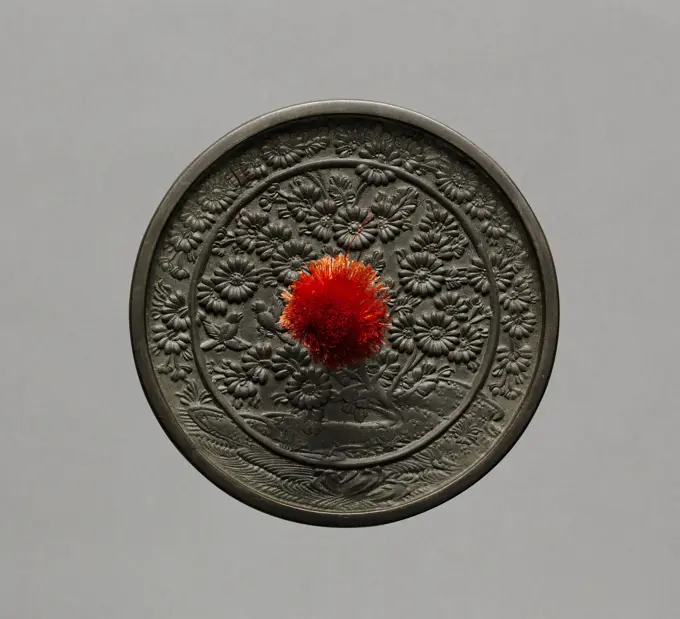
Ancient Artifacts

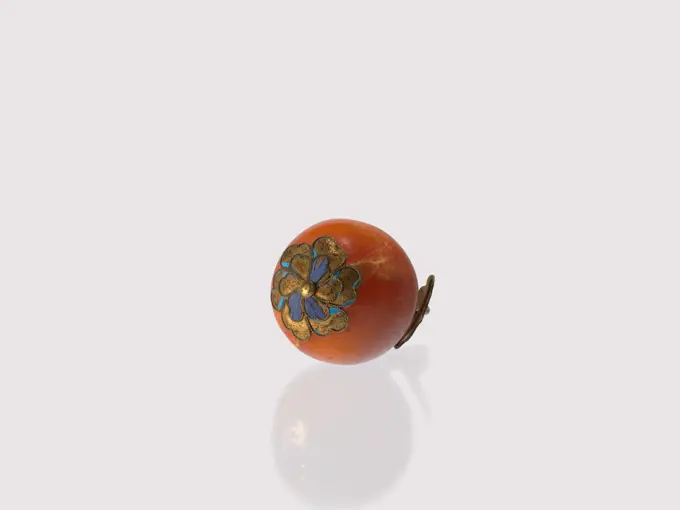
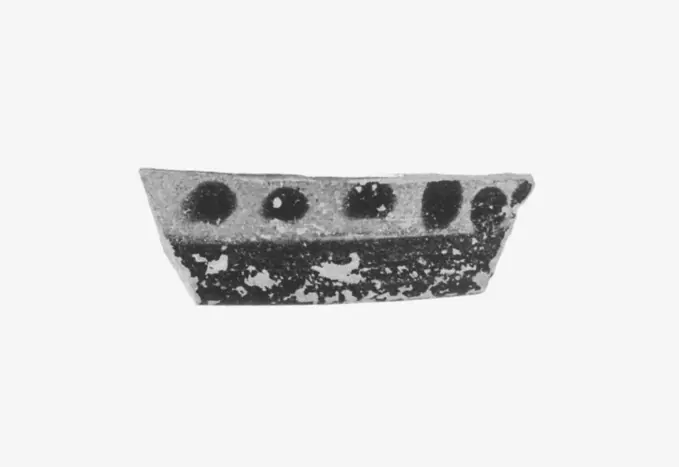
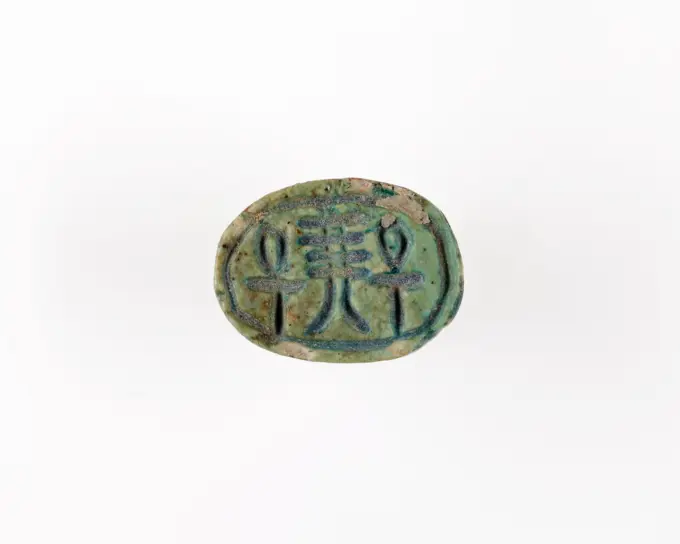
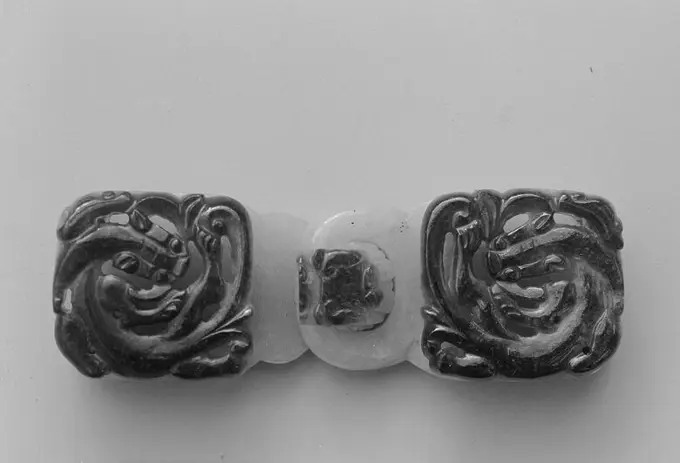
Historical artifacts including a rim shard, lock-plate, cylindrical seal, and scarab, representing ancient Egyptian and Roman craftsmanship.

Cylindrical seal
Cylindrical seal
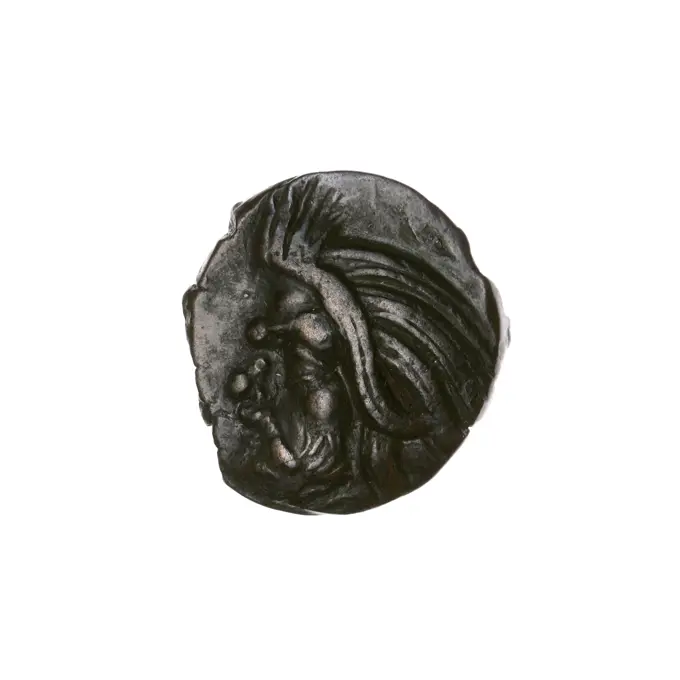
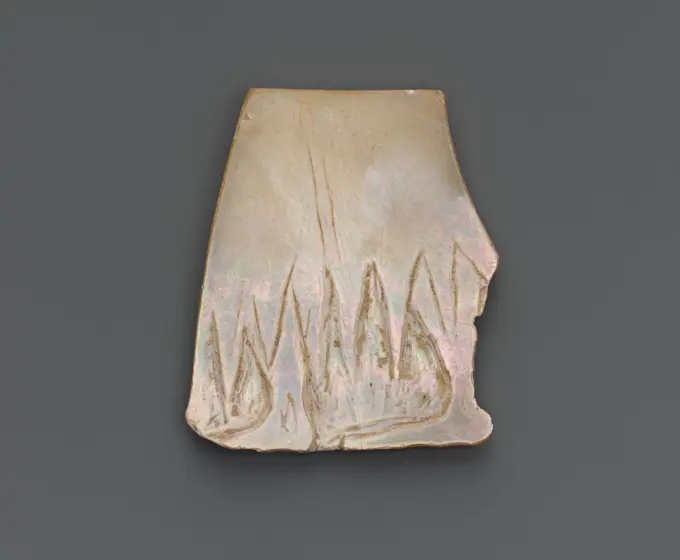
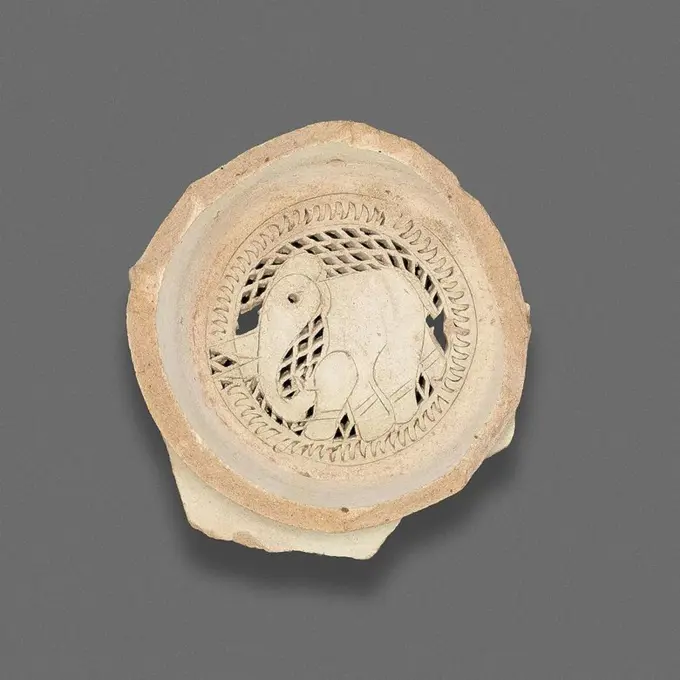
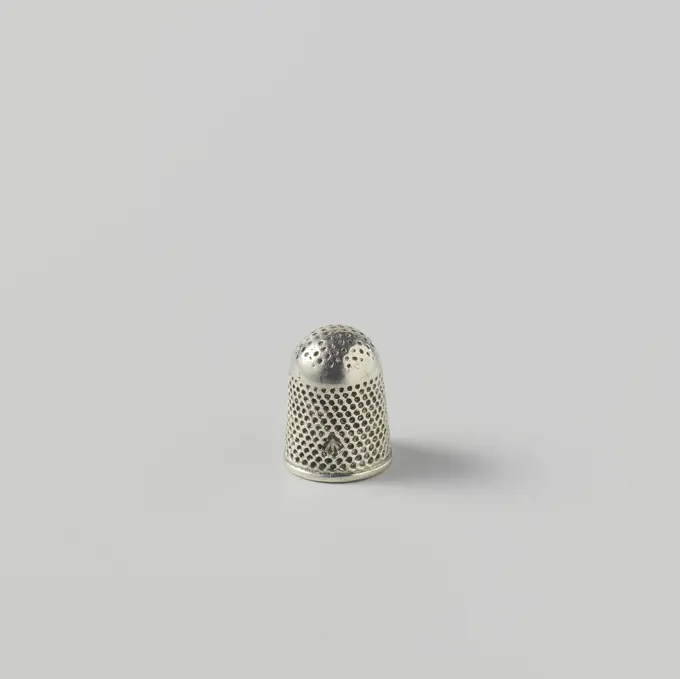
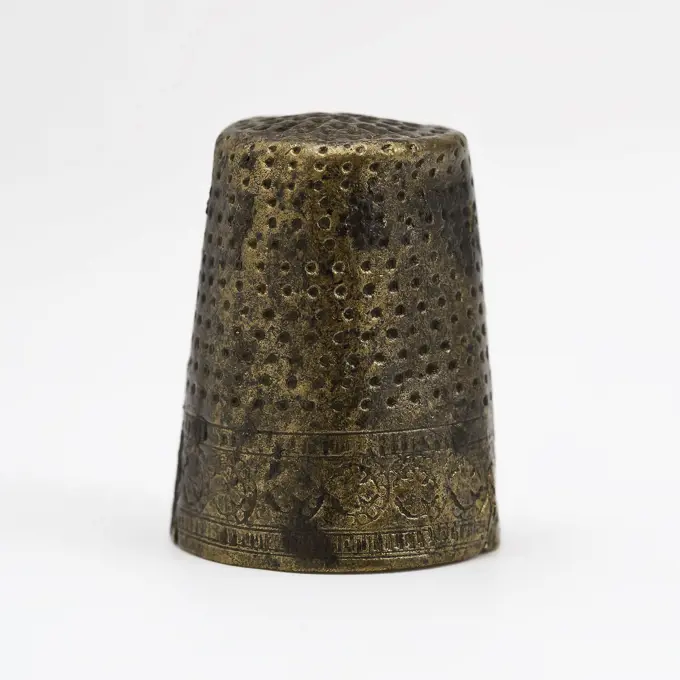
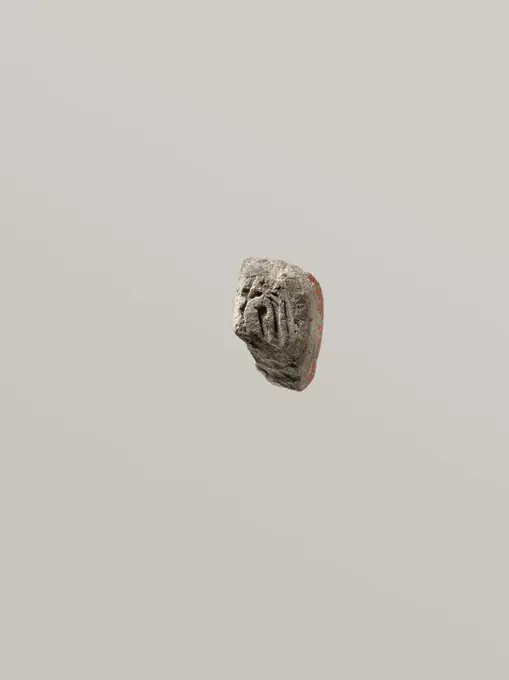
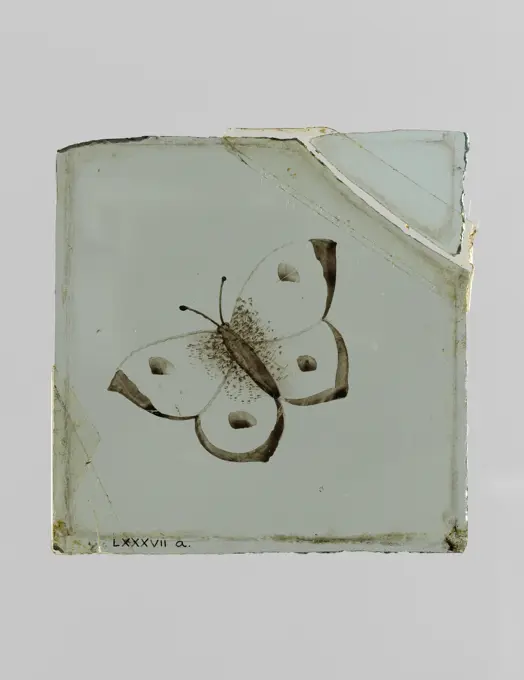
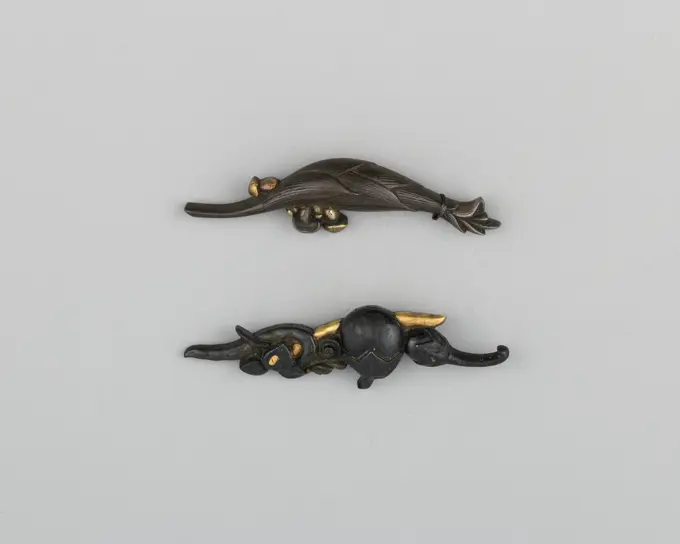
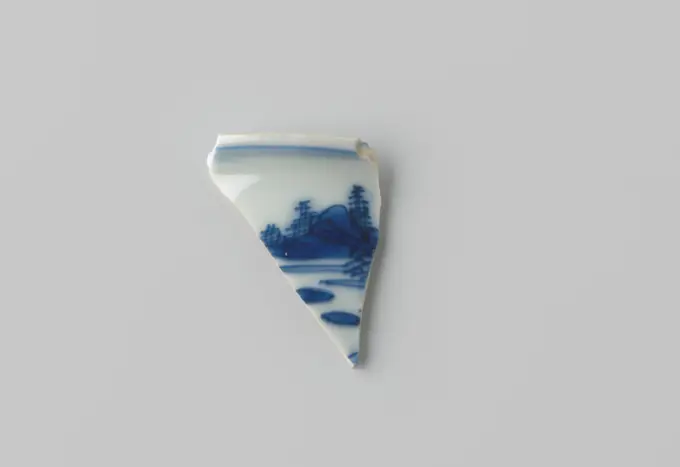
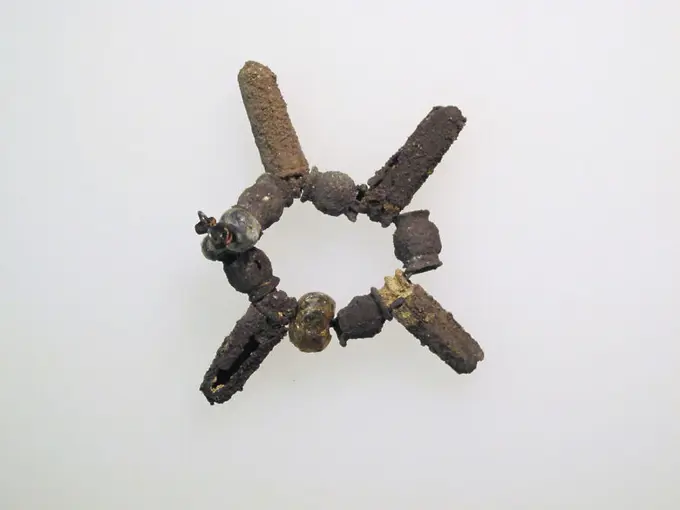
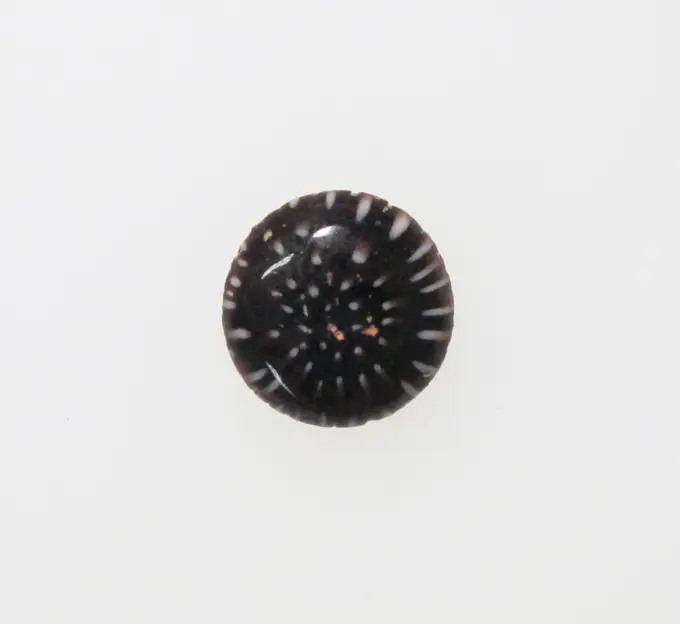
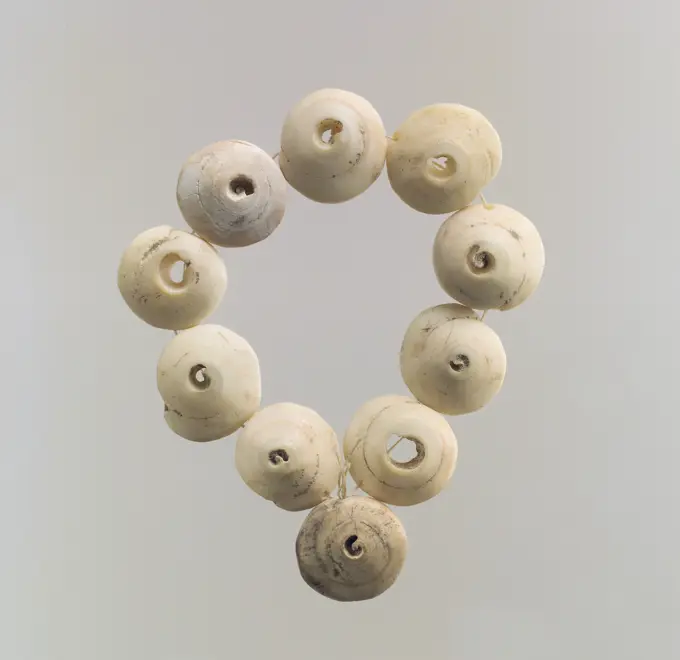
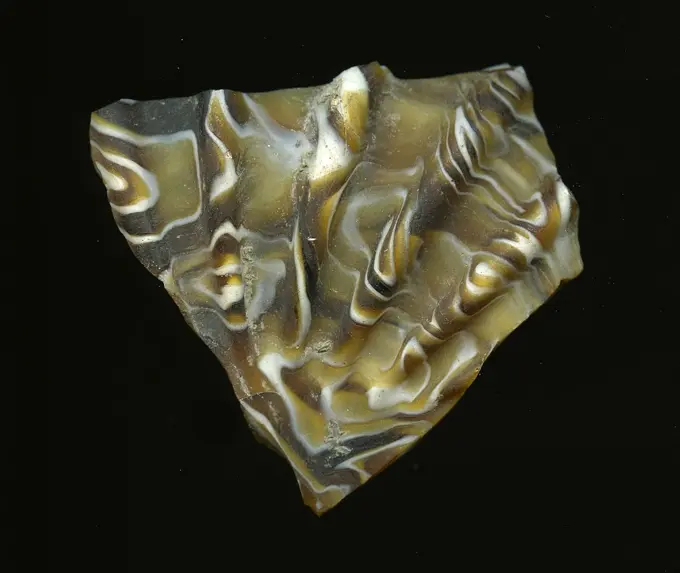
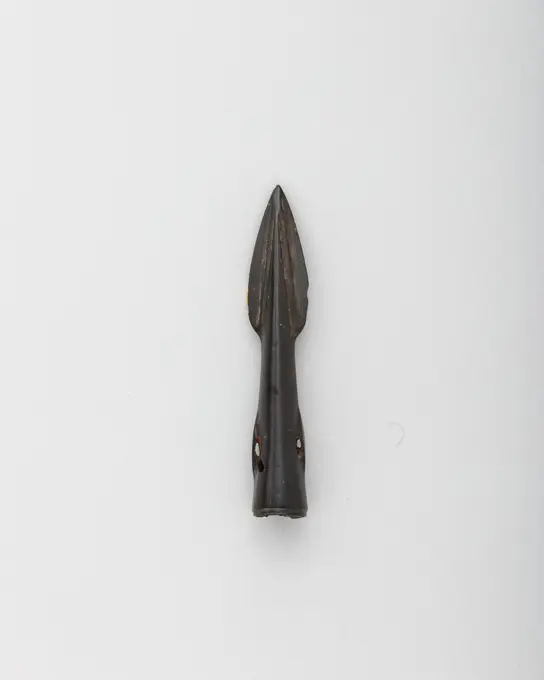
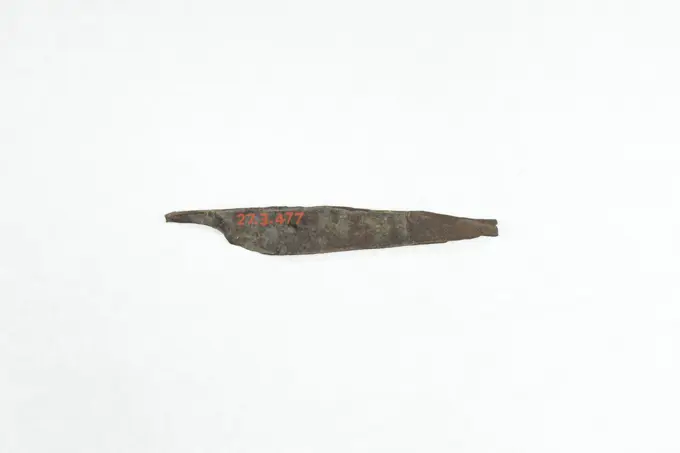
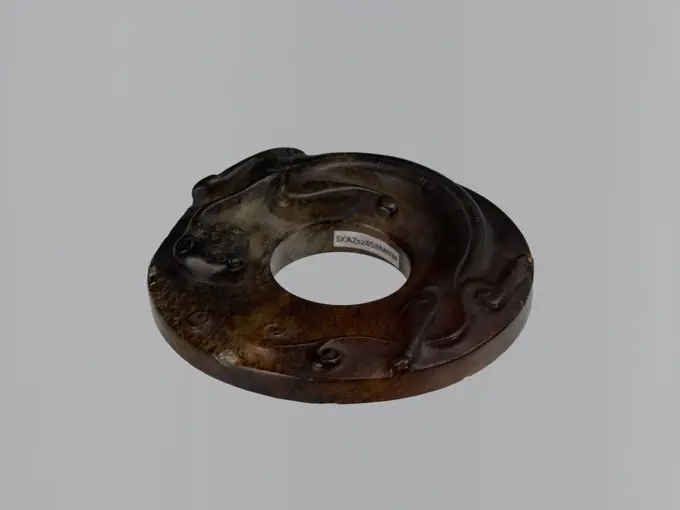
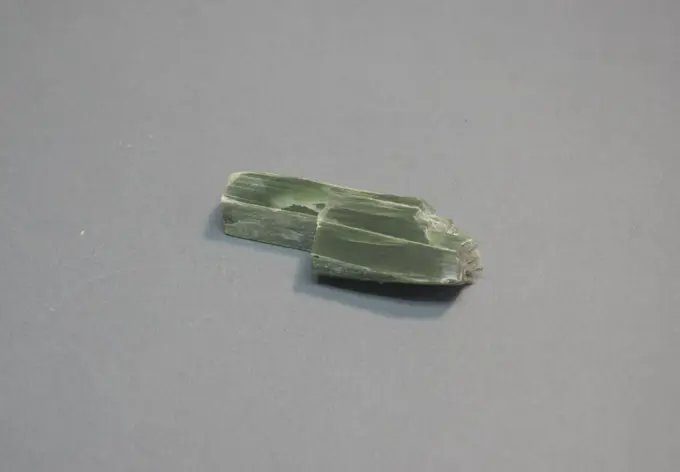
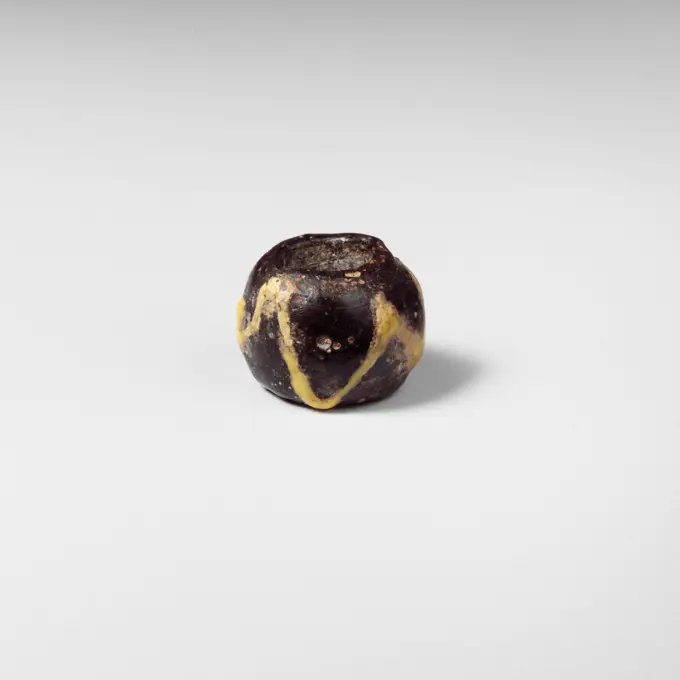
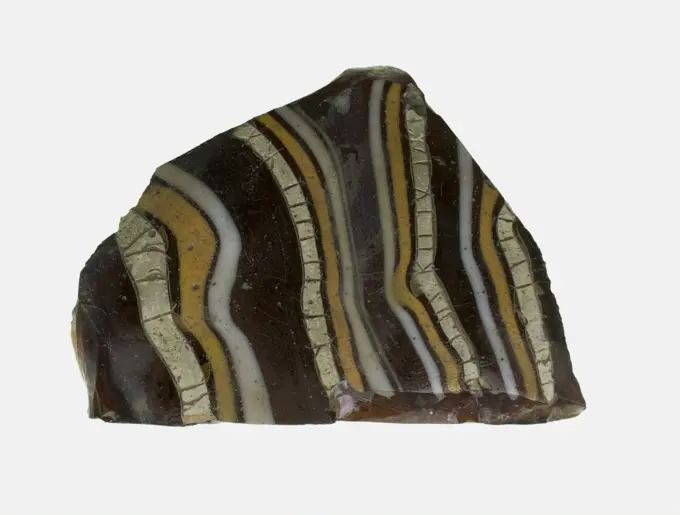
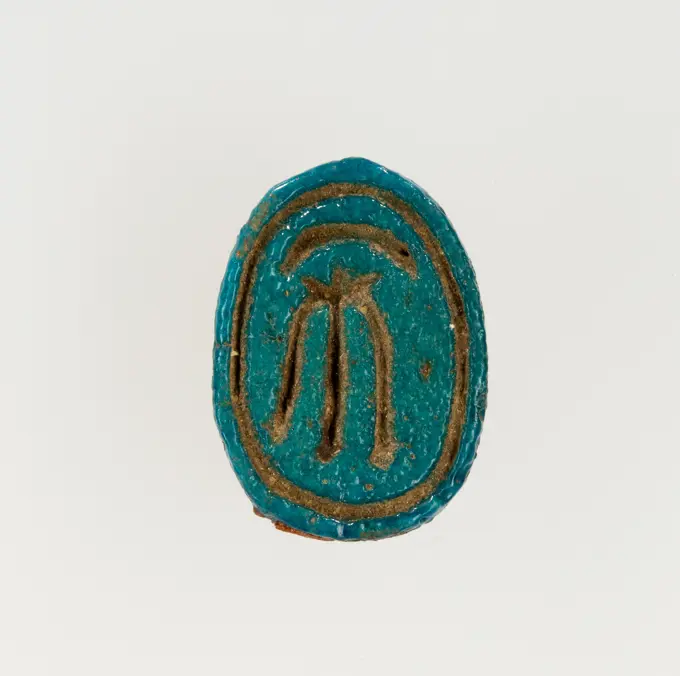
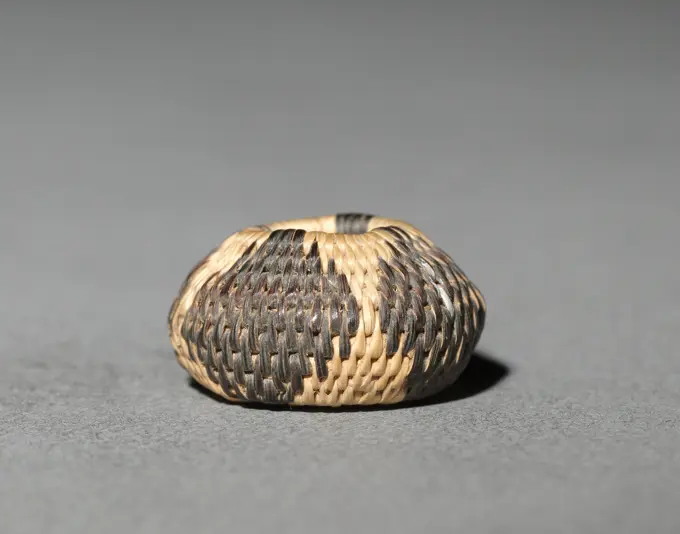
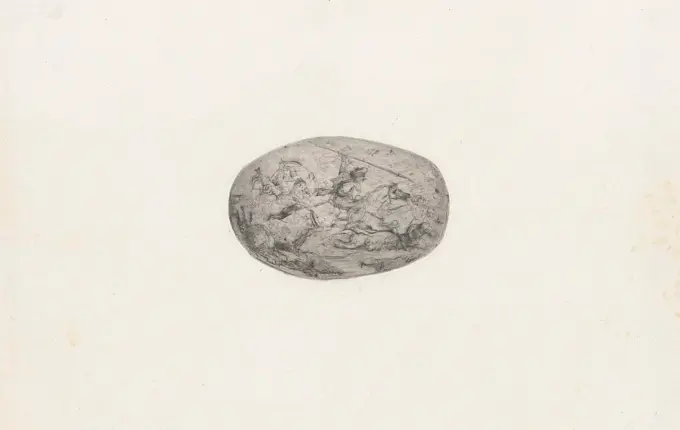
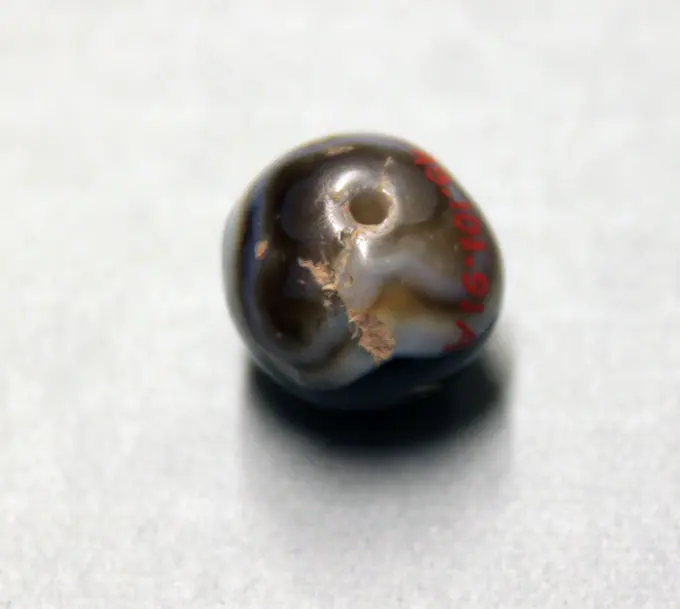
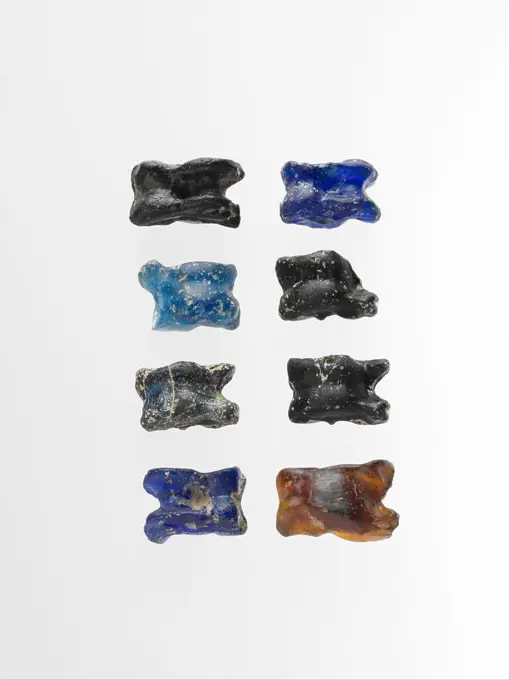
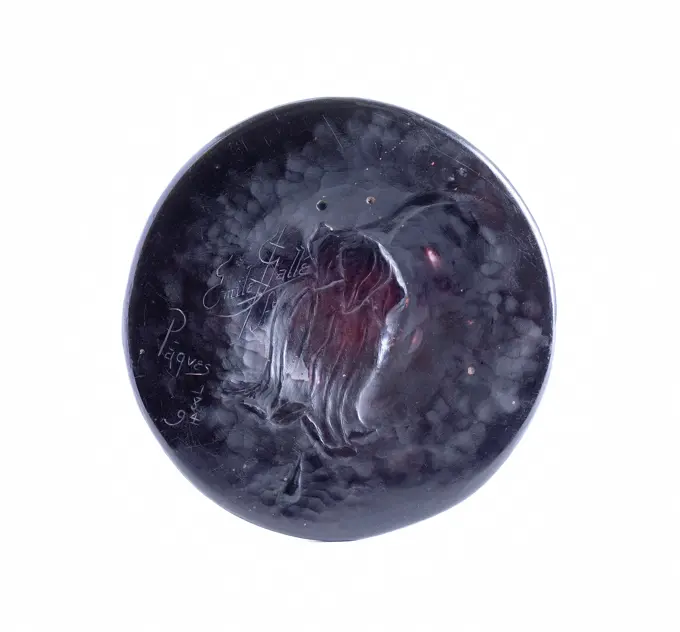
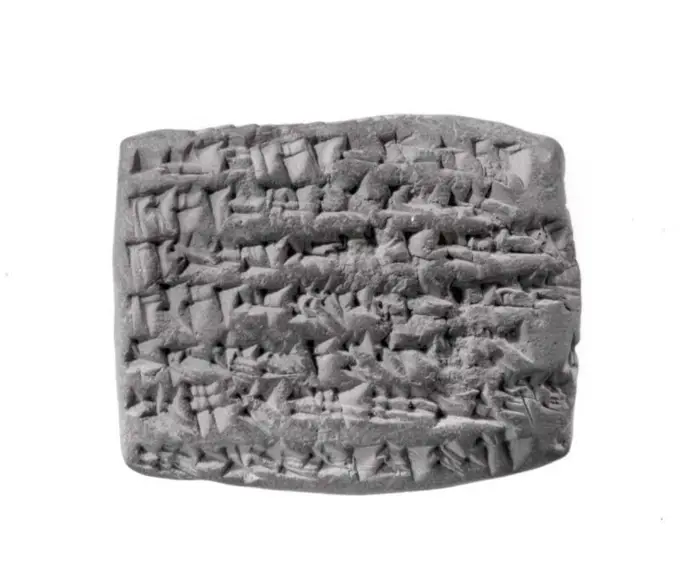
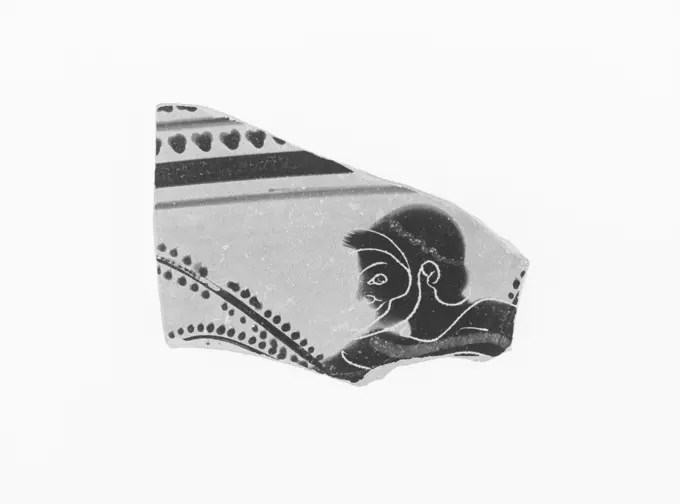
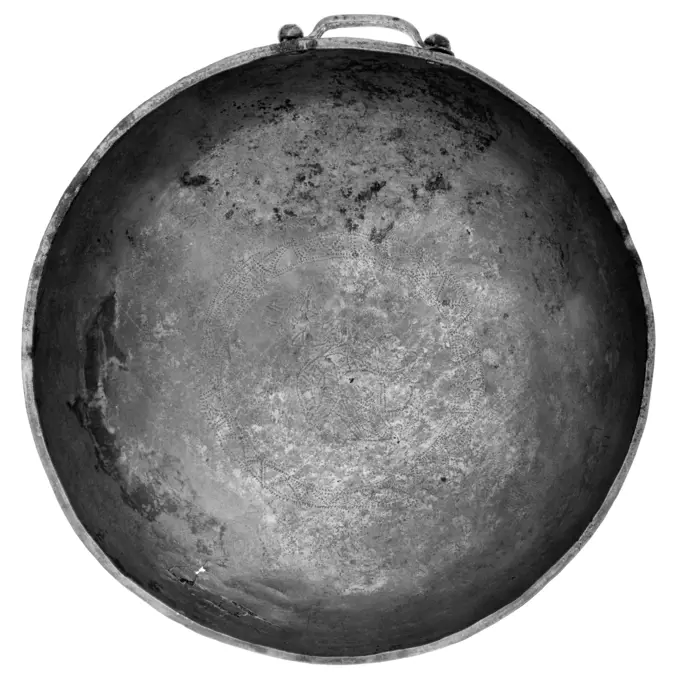
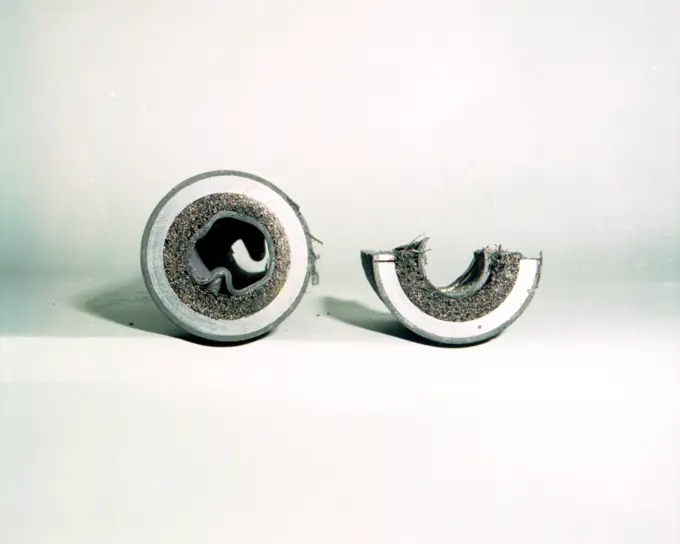
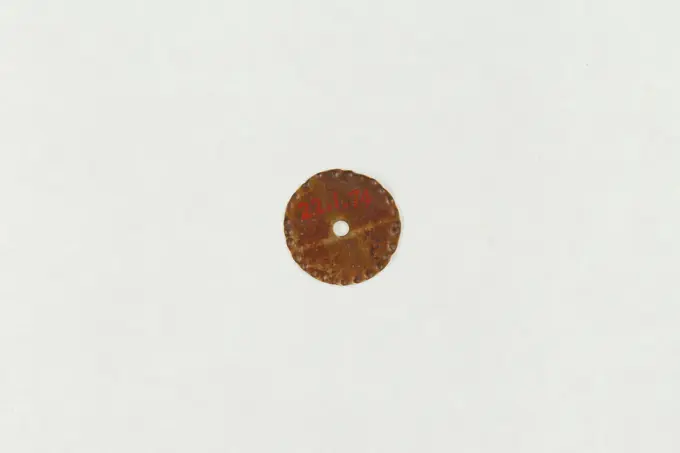
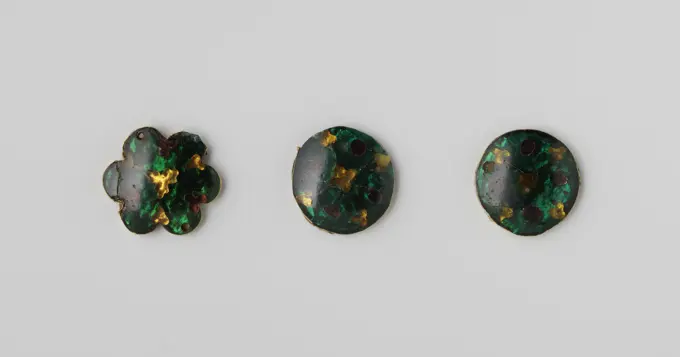
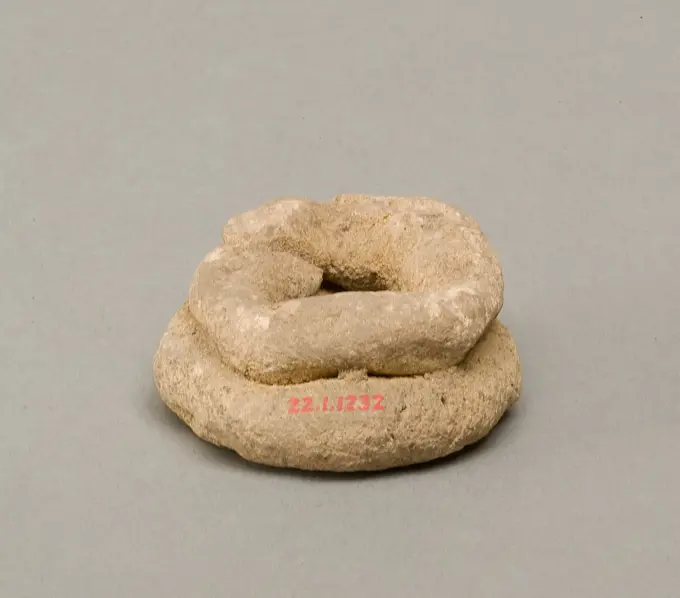
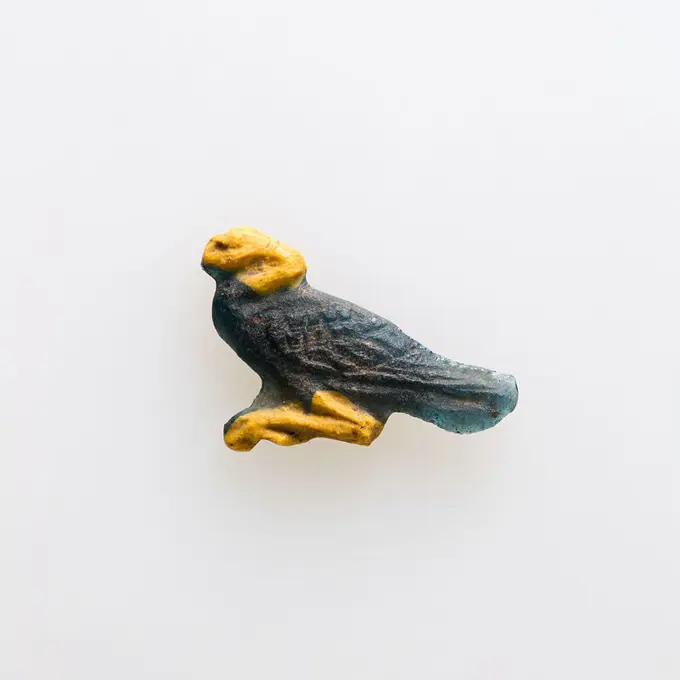
Clasp.  Maker: Daniel Russell, Sr., American, 1698-c. 1780Patron: John Burrington, American, ca. 1687-1756bracteate heller. Świdnica, issuerBuckle Shank 14th century French, Haute-Savoie. Buckle Shank. French, Haute-Savoie. 14th century. Bronze, gilt. Miscellaneous-Buckles & OrnamentBrown coin; Pantikapaion; the beginning of the 3rd century BC (-300-00-00--291-00-00);Nadczarzyorze, satir (mitol.), Bulls, bull's head (iconogr.), Message (provenance), animalsInlay ca. 2600-2350 B.C. Sumerian. Inlay. Sumerian. ca. 2600-2350 B.C.. Shell. Early Dynastic III. Mesopotamia, NippurPlateStew, oval, with five holes in the top, anonymous, c. 1740 - c. 1760 Stew of mahogany, oval with five holes in the top, the opening for the fire test is finished with a scalloped front line. Amsterdam mahogany (wood) Stew of mahogany, oval with five holes in the top, the opening for the fire test is finished with a scalloped front line. Amsterdam mahogany (wood)Bead ornament, oval-shaped 3rd century A.D. Roman. Bead ornament, oval-shaped. Roman. 3rd century A.D.. Gold. Late Imperial. Gold and SilverClay filter with design of elephant. Egypt; Fustat. Date: 1000-1200. Dimensions: 2.5 × 7.9 cm (1 × 3 1/8 in.). Earthenware, carved and punched. Origin: Masr al-`Atiqah. Museum: The Chicago Art Institute, Chicago, USA. Author: Islamic.Vingerhoed, Cornelis Coutrier, c. 1735 Thimble with round top with dimples. There are holes in the side wall. The thimble is marked: Mt. = Cornelis Coutrier. Amsterdam silver (metal) Thimble with round top with dimples. There are holes in the side wall. The thimble is marked: Mt. = Cornelis Coutrier. Amsterdam silver (metal)Copper pressed thimble with decorated collar, thimble sewing kit soil find copper brass metal, cap, opening, pressed Copper pressed thimble with right rotating spiral of pits continuous continuous from shaft to flat top edge decorated with two rows of vertical stripes where between stylized flowers in circle archeology Rotterdam City center Stadsdriehoek Schielandshuis Korte Hoogstraat sewing textile processing needle and thread repair clothing seamstress tailor Soil discovery: Gallery garden Schielandshuis 1985.Denar - Brakteat; approx. 1297/1298-OK. 1307/1308 (1297-00-00-1308-00-00);Kafeepad seat cushion zen/ kafeepad seat cushion zen/ copyright: xzoonar.com/curryx 2041351Clay pipe, marked with yellow-green glaze, clay pipe smoking equipment smoking ground find ceramic pottery, pressed finished baked Clay pipe marked with yellow-green glaze. Heel mark Glaze seems to have been applied neatly and not as is usually the case accidentally on the pipe leaked during firing heel mark: unreadable archeology smoking tobaccoTalerz z dwiema aplikami przedstawiającymi ryby oraz stemplem L. Geliusa Quadratusa w kształcie stopy. unknown, authorFragmentary Seal Impression from Tutankhamun's Embalming Cache. Dimensions: L. 1.5 cm (9/16 in.); W. 1 cm (3/8 in.). Dynasty: Dynasty 18. Reign: reign of Tutankhamun. Date: ca. 1336-1327 B.C.. Museum: Metropolitan Museum of Art, New York, USA.Window with butterfly, anonymous, c. 1650 - c. 1675 A stained glass window with the image of a butterfly in grisaille.  glass. lead (metal). A stained glass window with the image of a butterfly in grisaille.  glass. lead (metal).Glass Fragment from a Vessel 4th-early 5th century Coptic. Glass Fragment from a Vessel 477138Vase fragment 1st century B.C.-1st century A.D. Roman Niobids.. Vase fragment 250450Pair of Sword-Grip Ornaments (Menuki) 18th century Japanese Menuki are a pair of ornamental sword fittings attached to either side of a sword hilt.. Pair of Sword-Grip Ornaments (Menuki). Japanese. 18th century. Copper-silver alloy (shibuichi), gold, silver, copper-gold alloy (shakud). Sword Furniture-MenukiPair of golden blues. Couple of build, painted from wood and gold.Wall Blaker with back plate in four -pass shape, anonymous, c. 1850 - c. 1899 Wallblaker with back plate in four -pass shape. Amsterdam (possibly) wood (plant material). glass. looking glasses. silver (metal) Wallblaker with back plate in four -pass shape. Amsterdam (possibly) wood (plant material). glass. looking glasses. silver (metal)Fragment. Culture: European or Middle Eastern. Dimensions: L. 2 1/4 in. (5.7 cm). Date: ca. 1150-ca. 1250. Museum: Metropolitan Museum of Art, New York, USA.Toggle Okvik, Native American 100 BCE-200 CE When early hunters succeeded in a big walrus kill, they transformed the animals precious ivory into finely wrought tools for their hunting kits. This toggle, carved in the form of a ferocious animal, possibly a sea lion, was attached to a harpoon and acted as a movable barb: when the body of a walrus was pierced, it prevented the spear from exiting the skin. View more. Toggle. Okvik, Native American. 100 BCE-200 CE. Walrus ivory. Made in Alaska, United StatesShards of a bowl from V.O.C. ship De 'Witte Leeuw', Before 1613 bowl Shards of a bowl from V.O.C. ship the 'Witte Leeuw'.  porcelain   Sint-HelenaAttic Red-Figure Vase Fragment. UnknownBeads. Dimensions: losenges, average: 15/16 × 5/16 in. (2.4 × 0.8 cm)spacers average: 3/8 × 5/16 in. (1 × 0.7 cm)Diameter (smallest bead): 1/4 in. (0.6 cm)Diameter (largest bead): 3/8 in. (0.9 cm). Museum: Metropolitan Museum of Art, New York, USA.Fragment of a tobacco pipe., Anonymous, c. 1400 - c. 1950 Fragment of a tobacco pipe decorated with a Dutch lion, above which a crown and K.W. And a mill on the other side.  earthenware. pipe clay   Slot Loevestein Fragment of a tobacco pipe decorated with a Dutch lion, above which a crown and K.W. And a mill on the other side.  earthenware. pipe clay   Slot LoevesteinMillefiori pinhead Roman Amethyst and white millefiori pinhead.. Millefiori pinhead. Roman. Glass, amethyst. GlassDenar - Brakteat; approx. 1297/1298-OK. 1307/1308 (1297-00-00-1308-00-00);Beads ca. 9th century B.C. Iran. Beads 325027Bottle;  IX-XII century (801-00-00-1200-00-00);Semerau-Siemianowski, Władysław (1849-1938), Semerau-Siemianowski, Władysław (1849-1938)-collection, gift (provenance), Islam (culture), art of IslamFragment of a rib shell. The curvature of the glass fragment and the five ribs obtained allow assignment to a rib shell. The dark to light brown glass is composed of pieces of white spirals. For the production, different colored glasses were molded into tubes and rods. These were compressed and heated, causing a long bar. The glass sliced now had different amorphous or floral patterns. Thereafter, several of these platelets were folded together, heated again and pressed into the vascular shape. Burry for the elaborate manufacturing process and its fragility was one of the luxury articles of antiquity.Aker, anonymous, c. 1700 Round bucket with handle. The bucket is decorated with smooth tires and is marked: twice a dolphin. Netherlands silver (metal) Round bucket with handle. The bucket is decorated with smooth tires and is marked: twice a dolphin. Netherlands silver (metal)Spearhead ca. 1400-1300 B.C. British Discovered in West Overton, Wiltshire, this spearhead is a well-preserved example of a type that was favored in Middle Bronze Age Britain. The leaf-shape of the blade and the small loops at each side of the socket are characteristic. The loops were presumably used to tie the head to the wood haft, though some of these heads may have been made for deposition purposes, and thus never seen active service in combat or the hunt.. Spearhead. British. ca. 1400-1300 B.C.. Bronze. Shafted Weaponscabochon from striped agate gemstone isolated cabochon from polished striped agate gemstone isolated on white background Copyright: xZoonar.com/ValeryxVoennyyx 16297177Ozdoba - kolczyk. unknown, craftsmanAttic Black-Figure Cup Fragment. UnknownScarab Inscribed with Hieroglyphs ca. 1640-1550 B.C. Second Intermediate Period This Second Intermediate Period scarab (Dynasty 14-17, ca. 1640-1550 B.C.) is inscribed with the hieroglyphs for durability (djed) and life (ankh), making this an amulet that ensures a long life for its owner.. Scarab Inscribed with Hieroglyphs 545743Sharf of yellowish baking earthenware, with white glaze, with a decorative border in blue, anonymous, 1600 - 1650  Northern Netherlands earthenware. glaze majolica  Northern Netherlands earthenware. glaze majolicaAttic Black-Figure Volute Krater Fragment. UnknownBuckle. Culture: China. Dimensions: L. 3 3/4 in. (9.5 cm). Museum: Metropolitan Museum of Art, New York, USA.Portrait of a manBlade for a Model Saw from a Foundation Deposit ca. 1479-1458 B.C. New Kingdom. Blade for a Model Saw from a Foundation Deposit. ca. 1479-1458 B.C.. Bronze or copper alloy. New Kingdom. From Egypt, Upper Egypt, Thebes, Deir el-Bahri, Tomb of Senenmut (TT 353), Foundation deposit 3, 5a and scattered, MMA excavations, 1926-27. Dynasty 18Fragment of a vessel. A low curvature of the glass fragment allows the assignment to a vessel, possibly a shell. Violet background shows several simple flowers in millefiori technology. A white point with red and yellow border is slipped with a little distance a white circle marked the petals. For the production, different colored glasses into tubes and rods were formed. These were compressed and heated, causing a long bar. The glass sliced now had different amorphous or floral patterns. Thereafter, several of these platelets were folded together, heated again and pressed into the vascular shape. Burry for the elaborate manufacturing process and its fragility was one of the luxury articles of antiquity.Attic Red-Figure Cup Fragment. UnknownAttic Red-Figure Kylix Fragment. UnknownGlass Fragment 14th century () European. Glass Fragment. European. 14th century (). Pot metal glass. Glass-StainedBird Plaque Ornament 3rd century B.C.-A.D. 2nd century Vicús. Bird Plaque Ornament. Vicús. 3rd century B.C.-A.D. 2nd century. Copper, gilt. Peru. Metal-OrnamentsDysk z wyobrażeniem jaszczura. unknown, craftsmanPiece of Nephrite from Daiwan 20th century China. Piece of Nephrite from Daiwan 62113Glass bead 4th-6th century A.D. Roman or Byzantine Uncertain color, appearing black; trail in opaque yellow.Globular, pierced with large hole; zigzag trail decoration around sides.Intact; some dulling and faint iridescent weathering.. Glass bead. Roman or Byzantine. 4th-6th century A.D.. Glass; rod-formed and trailed. Late Roman or Early Byzantine. GlassPear of multicolored painted faïence, anonymous, c. 1750 - c. 1780 Peer of Faïence. Multicolored painted. Delft . Peer of Faïence. Multicolored painted. Delft .Glass mosaic inlay. Culture: Egyptian, Roman. Dimensions: Other: 1 1/2 in. (3.8 cm). Date: 1st century B.C.-1st century A.D..Semi-opaque turquoise blue ground; decoration in opaque white and yellow, and translucent deep purple appearing black, with opaque red and cobalt blue appearing on underside.Polygonal, flat plaque with slightly beveled edges.Floral motif with yellow leaves and buds, outlined in purple, issuing from a base in purple and white horizontal stripes.Broken and repaired with large cracks and small losses; upper side ground and polished; pitted surface bubbles. Museum: Metropolitan Museum of Art, New York, USA.Scarab Decorated with Circles ca. 1640-1550 B.C. Second Intermediate Period. Scarab Decorated with Circles 557082A blueberry (close-up)Amulet ca. 1981-1550 B.C. Middle Kingdom-Second Intermediate Period. Amulet. ca. 1981-1550 B.C.. Lapis lazuli. Middle Kingdom-Second Intermediate Period. From Egypt, Memphite Region, Lisht North, Tomb of Nakht (493), Pit 307, MMA excavations, 1913-14. Dynasty 12Heart Amulet ca. 1070-945 B.C. Third Intermediate Period. Heart Amulet 587553Mirror, 1200s-1300s. Japan, Kamakura period (1185-1333). Bronze; diameter: 10.7 cm (4 3/16 in.).Standing female figurine with missing legs ca. 1390-1186 B.C. New Kingdom. Standing female figurine with missing legs. ca. 1390-1186 B.C.. Pottery. New Kingdom. From Egypt. Dynasty 18-19Pie Plate. Dated: c. 1936. Dimensions: overall: 21 x 26.2 cm (8 1/4 x 10 5/16 in.) Original IAD Object: 20 cm (dia) 3.5 cm(high). Medium: watercolor, colored pencil, graphite, and heightening on paper. Museum: National Gallery of Art, Washington DC. Author: Agnes Karlin and Mina Lowry.Stamp seal ca. 5th-6th century A.D. Sasanian. Stamp seal. Sasanian. ca. 5th-6th century A.D.. Quartz, agate. Sasanian. IranBead ca. 3rd-7th century A.D. Sasanian. Bead. Sasanian. ca. 3rd-7th century A.D.. Glass. Sasanian. Iran, Qasr-i Abu NasrFragment of a pipe stalk from the wreck of the East Indians' t Vliegend Hart ,, 1700 - 1735  Fragment of the stem of an earthen Goudse Pijp, BlauwoRange discolored. Fragments of Bowls and Stems. Gouda pipe clay Fresh sardines in a nice pattern Fragment of a Bowl 100 BCE-100 CE Roman Empire. In ancient Rome, there was a high demand for colorful glass that could dazzle banquet guests alongside the expensive silver and gold serving wares meant to impress. Fragments like this one would have once been a part of larger mosaic dishes. The mosaic pattern was made by sagging molten glass into bowl-shaped molds, a technique used on many of these fragments is similar to millefiori, ìthousand flowersî in Italian, a modern glass-making method in which tiny rods of colored glass are bundled together, wrapped in a sheet of glass, fused, and then thinly sliced to reveal swirls of a flower-like patterns. They were arranged side by side, sometimes together with bits of colored glass, and fused together with heat.. Glass, mosaic glass technique . Ancient RomanFragment tobacco pipe, anonymous, 1700 - 1799 Fragment tobacco pipe with a crown and the letters g h i and n. Of the excavations on the Hofstede Arentsburg 1827-1831 under the supervision of Professor Reuvens. Netherlands pipe clay Fragment tobacco pipe with a crown and the letters g h i and n. Of the excavations on the Hofstede Arentsburg 1827-1831 under the supervision of Professor Reuvens. Netherlands pipe clayWater chestnut (trapa natans), isolated on a white backgroundPadlock with copper mounted, and two keys., Anonymous, c. 1525 - c. 1575 A padlock mounted with copper and two keys. unknown iron (metal). copper (metal) A padlock mounted with copper and two keys. unknown iron (metal). copper (metal)Ornament 1st millennium B.C.. Ornament 325103Scarab Inscribed with the Name Ahmose ca. 1550-1525 B.C. New Kingdom. Scarab Inscribed with the Name Ahmose. ca. 1550-1525 B.C.. Faience. New Kingdom. From Egypt. Dynasty 18Glass bead. Glass bead. Glass. GlassBox (Japan); woodMiniature Basket, Before 1923. America, Native North American, Southwest, Arizona, Akimel O'odham (Pima), Unassigned. overall: 1 x 1.5 cm (3/8 x 9/16 in.).Equestrian fight ..Beads and Pendants 8th-13th century This object was excavated at Nishapur.Nishapur was a vital city in the early and middle Islamic periods, located along one of the main trajectories that connected Iran and West Asia Islamic lands with Central Asia and China. These itineraries are often referred to by the term Silk routes’ but were in fact crucial to the movement of constellations of materials and objects, as well as people and ideas. The diverse population of Nishapur and its surroundings, from the better-researched elite groups of merchants, land-owning aristocracy, and literates, to the less-known artisans, farmers, miners, and servants, were instrumental in adapting global cultural trends to create their own distinctive visual languages. This is seen in the material remains of everyday life in medieval Nishapur - from pots and pans to lighting devices, inkwells, textiles and trimmings, jewelry, games and toys, talismanic devices, weapons, coins, and architectural fragments.NishapGroup of eight glass astragali (knucklebones). Culture: Greek. Dimensions: H.: 9/16 in. (1.5 cm). Date: 3rd-2nd century B.C..1992.266.3: Translucent deep purple.Shaped like the knucklebone of a sheep or goat. Solid with continuous mold seam along sides and ends.Chipped and broken at one end; one deep area of pitting, dulling, and faint weathering.1992.266.4: Translucent cobalt blueShaped like the knucklebone of a sheep or goat. Solid with continuous mold seam along sides and ends.Intact; dulling, slight pitting, patches of black weathering, and iridescence.1992.266.5: Translucent blueShaped like the knucklebone of a sheep or goat. Solid with continuous mold seam along sides and ends.Broken off at one end; pinprick bubbles; dulling, slight pitting, and iridescent weathering.1992.266.6: Translucent deep purple.Shaped like the knucklebone of a sheep or goat. Solid with continuous mold seam along sides and ends.Broken off at one end; dulling, black weathering, and iridescence.1992.266.7: TCone trunk hat, called fez, red with black silk tassel, 1930s, Turkey, 20th century.Ornaments, 14. Culture: Greek, Laconian. Dimensions: Height: 1 1/8 in. (2.9 cm). Museum: Metropolitan Museum of Art, New York, USA.Emile Gallé (1846-1904). Vase "Mulier Quid Ploras ..." 1894. Cisal crystal glass and applications. Signed and dated under the foot: Emile Gallé Ft "," Easter 1894 ". Inscription:" Mulier Quid Ploras, Quem Quaeris ". Museum of Fine Arts of the city of Paris, small palace. se "woman why do you weep ... Application, chiseled, Cisele, crystal, glasswork, glass, inscription, woman why do you seek, perfume vase, pied, which you want, signature, vase a parfum, Verre Cristal, baseCuneiform tablet: memorandum of receipt for silver, Egibi archive ca. 548 BC Babylonian. Cuneiform tablet: memorandum of receipt for silver, Egibi archive 321555Close-up of an Egyptian figurineEqual  stone made on black background in frame.Ojime 19th century Japan. Ojime. Japan. 19th century. Edo period (1615-1868). OjimeAttic Black-Figure Skyphos Fragment.Attic Black-Figure Cup Fragment. Probably belongs to the Class of Top-band Stemless Cups (Greek (Athenian), active 510 - 490 B.C.)Box, late 1700s. Possibly studio or workshop of Johann Heinrich Stobwasser (German, 1740-1829). Lacquered wood; overall: 2.6 x 10.5 cm (1 x 4 1/8 in.).Cover for a Porcelain Jar 18th century China. Cover for a Porcelain Jar 60898Control box, A.J. Hombergen, 1845 Cylindrical control box of partially gilded silver. The box is made up of 2 separate boxes where the upper one with a wide edge closes over the bottom. Breda silver (metal). gilding (material) gilding Cylindrical control box of partially gilded silver. The box is made up of 2 separate boxes where the upper one with a wide edge closes over the bottom. Breda silver (metal). gilding (material) gildingBead ca. 3rd century B.C.-2nd century A.D. Parthian This green stone bead was excavated at Yarim Tepe in northeastern Iran, six miles south of the modern town of Gonbad-e Kavus. Yarim Tepe was a small settlement, inhabited from the Neolithic to the Parthian period, with many interruptions. This bead likely dates to the Parthian period, though such objects are notoriously difficult to date.. Bead. Parthian. ca. 3rd century B.C.-2nd century A.D.. Stone, green black. Parthian. Iran, Yarim TepeBead in the Shape of a Tortoise, c. 6th-8th century, 1/4 x 1/2 x 1/2 in. (0.6 x 1.3 x 1.3 cm), Stone, Myanmar (Burma), 5th-9th centuryBowl with Handle and Bird Emblem. UnknownA790825 U12G PACKER DAMAGED BURESS(Project Engineer) NOV 30 79EG&G/NTS PHOTO LAB Publication Date: 11/30/1979  DAMAGED; DAMAGES; G-TUNNEL; NEVADA; NEVADA TEST SITE; NTS; NUCLEAR ENERGY TECHNOLOGY; PACKER DAMAGE; PARTS & COMPONENTS (EXC BLDGS); TEST SITES; TUNNELS; TUNNELS BY USAGE; UGT; UNDERGROUND TESTING  historical images. 1972 - 2012. Department of Energy. National Nuclear Security Administration. Photographs Related to Nuclear Weapons Testing at the Nevada Test Site.Disk ca. 1981-1803 B.C. Middle Kingdom-Early New Kingdom. Disk 557299Bead, control Greek or Roman. Bead, control. Greek or Roman. Gold. Gold and SilverThree small applications of email, anonymous, c. 1300 - c. 1350 Three small applications of email. Two circular plates and one flower -shaped, consisting of five yellow clover leaves connected to a cross, between which four brown circles or points. Germany (possibly) gold (metal) Three small applications of email. Two circular plates and one flower -shaped, consisting of five yellow clover leaves connected to a cross, between which four brown circles or points. Germany (possibly) gold (metal)Glass mosaic bowl fragment. Culture: Roman. Dimensions: Other: 11/16 x 2 1/8 in. (1.7 x 5.4 cm); estimated diam. of rim 7 1/16 in. (18 cm). Date: late 1st century B.C.-early 1st century A.D..Rim fragment, probably from a large ribbed and footd bowl.Translucent cobalt blue and opaque white.Outsplayed, almost horizontal rim with rounded edge; concave curving neck to side, tapering downward .Composite mosaic pattern formed from polygonal sections of a single cane in a blue ground with a ring of white rods around a white circle and a central white rod.Polished interior; pitting and slight weathering of surface bubbles on interior; iridescence and creamy weathering on exterior, outer edge of rim, and jagged edges.Possibly from the same vessel as 91.1.1971. Museum: Metropolitan Museum of Art, New York, USA.Faience workshop refuse, ring-shaped ca. 1802-1450 B.C. Late Middle Kingdom-Early New Kingdom. Faience workshop refuse, ring-shaped. ca. 1802-1450 B.C.. Low-fired whitish clay. Late Middle Kingdom-Early New Kingdom. From Egypt, Memphite Region, Lisht North, Cemetery south of pyramid, House A1, so-called "faience factory", MMA excavations, 1920-22. Dynasty 13-18, earlyStar Amulet ca. 1802-1450 B.C. Late Middle Kingdom-Early New Kingdom. Star Amulet. ca. 1802-1450 B.C.. Faience. Late Middle Kingdom-Early New Kingdom. From Egypt, Memphite Region, Lisht North, Cemetery south of pyramid, House A1, so-called "faience factory", MMA excavations, 1920-22. Dynasty 13-18, earlyAmulet probably depicting a benu bird. Dimensions: H. 2.1 × W. 3 cm (13/16 × 1 3/16 in.). Date: 400-30 BC.Starting in the later Late Period and continuing through the Ptolemaic Period, a type of glass amulet cast by pressing the glass into a shallow open mold appears. The back was left rough, and the amulets may look ragged because glass overflowed the mold around the edges. The earlier amulets are monochrome, bi- or multicolor amulets supplement the repertoire during the Ptolemaic Period. Museum: Metropolitan Museum of Art, New York, USA.