Ancient Artifacts

Historical artifacts including a rim shard, lock-plate, cylindrical seal, and scarab, representing ancient Egyptian and Roman craftsmanship.

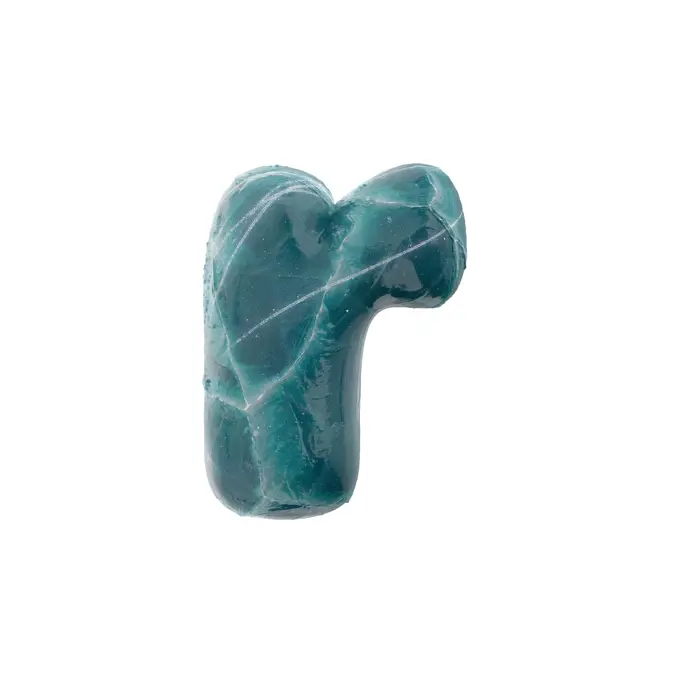
Cylindrical seal
Cylindrical seal
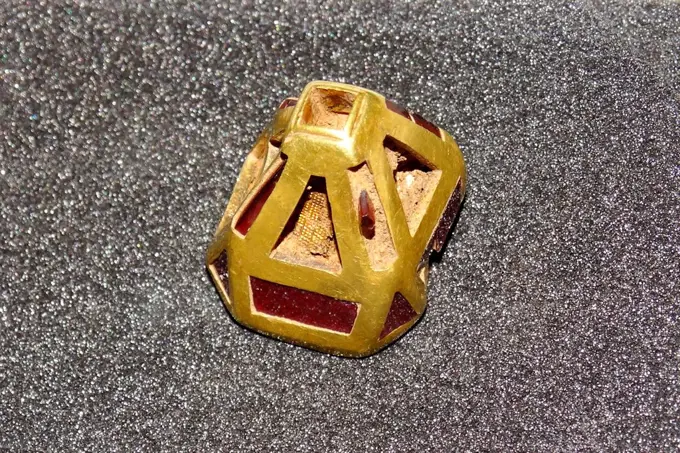
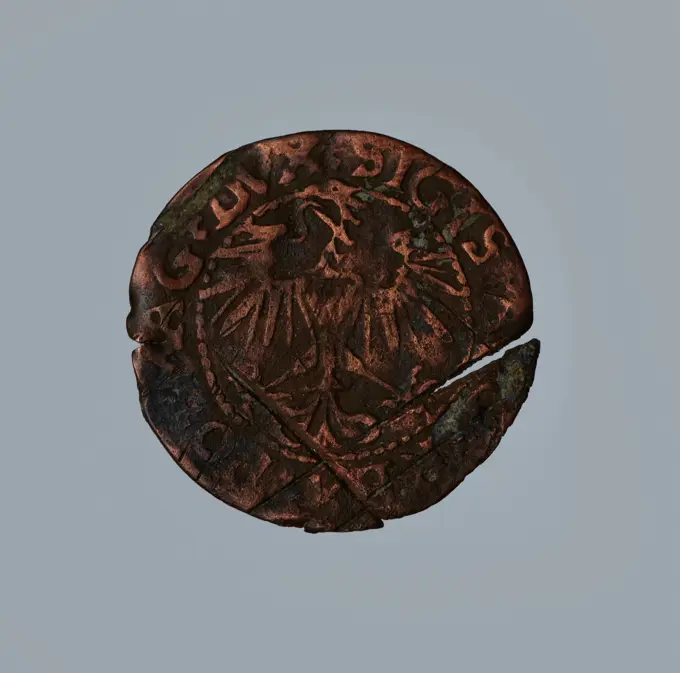
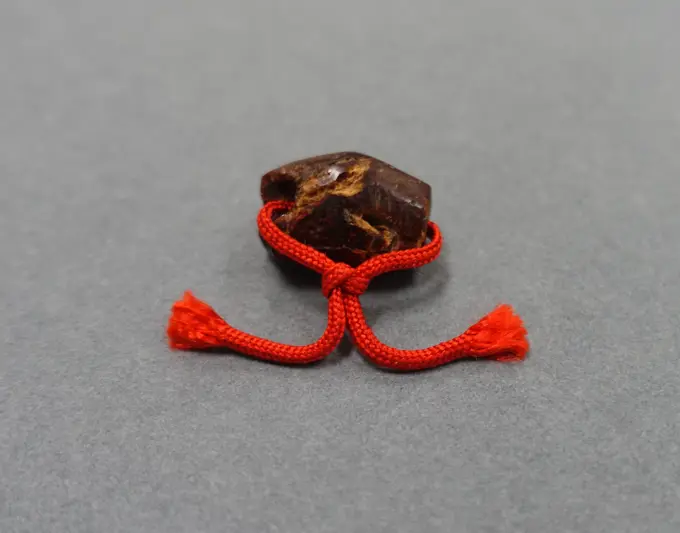
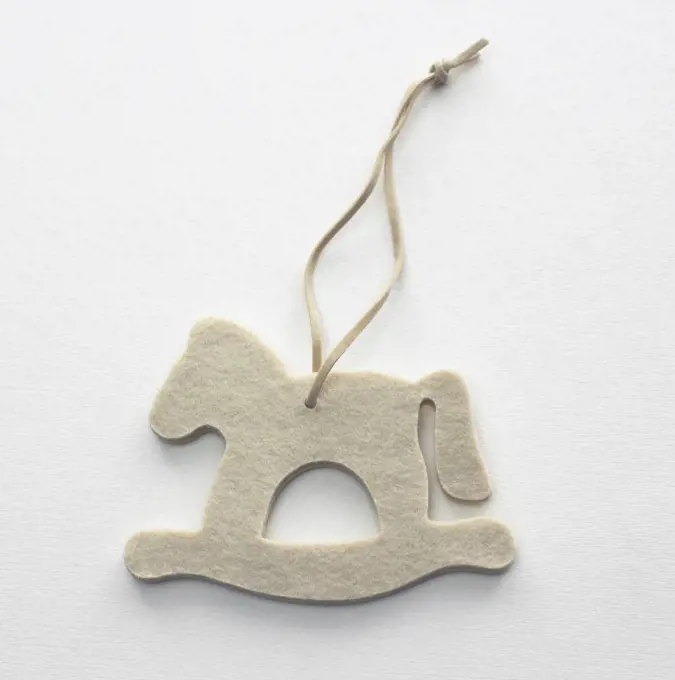
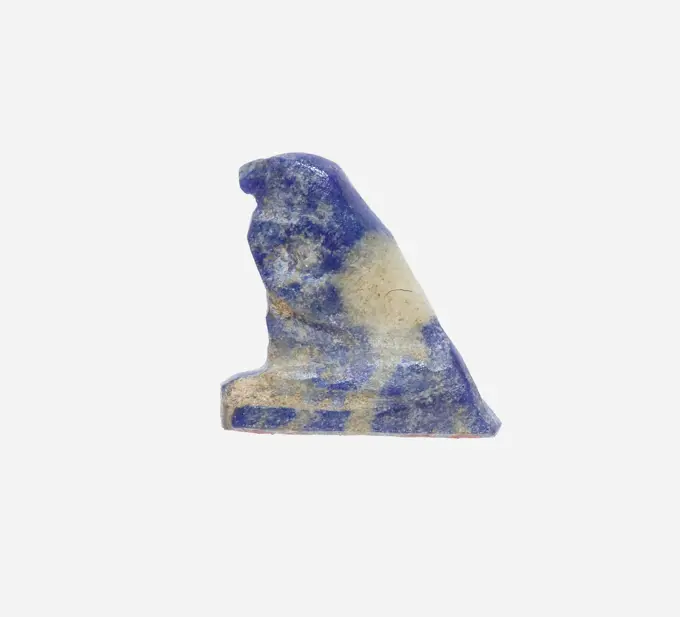
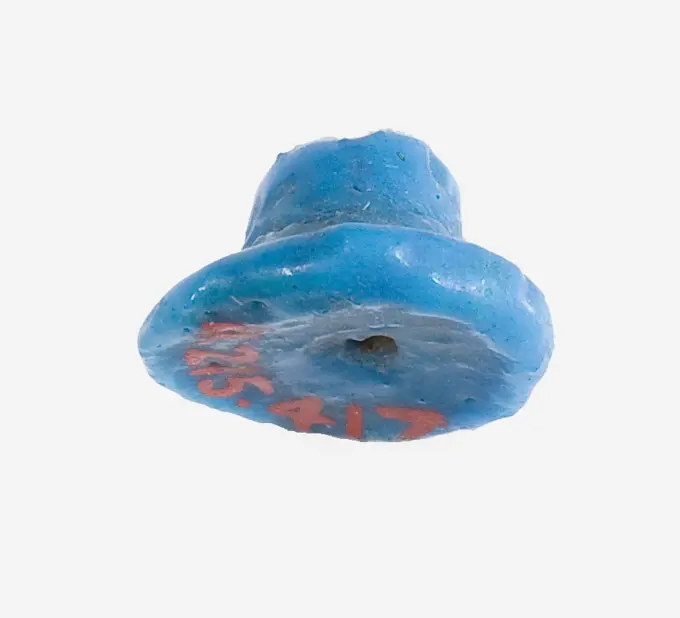
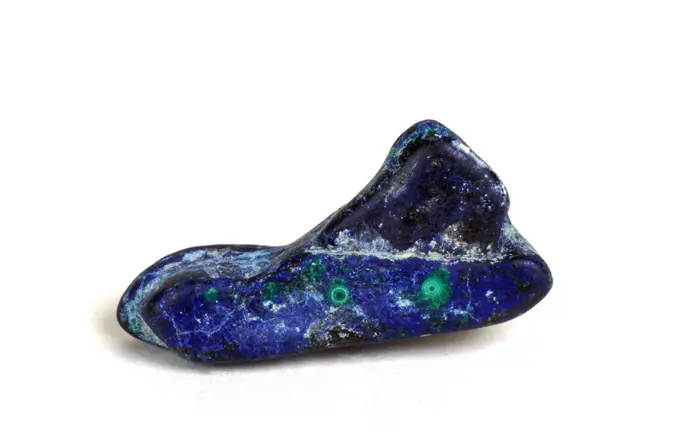
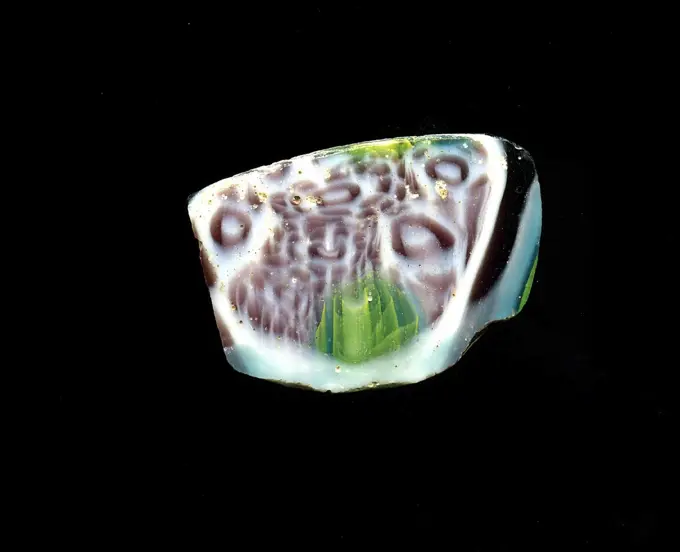
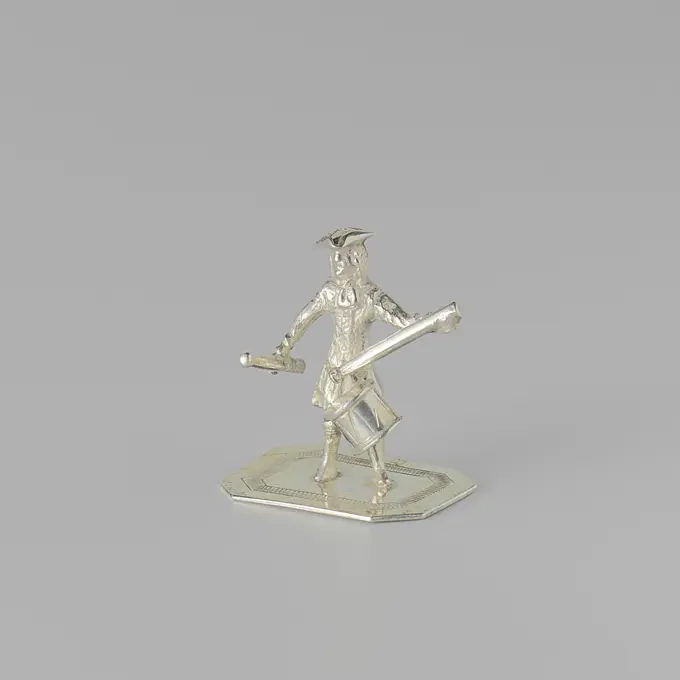
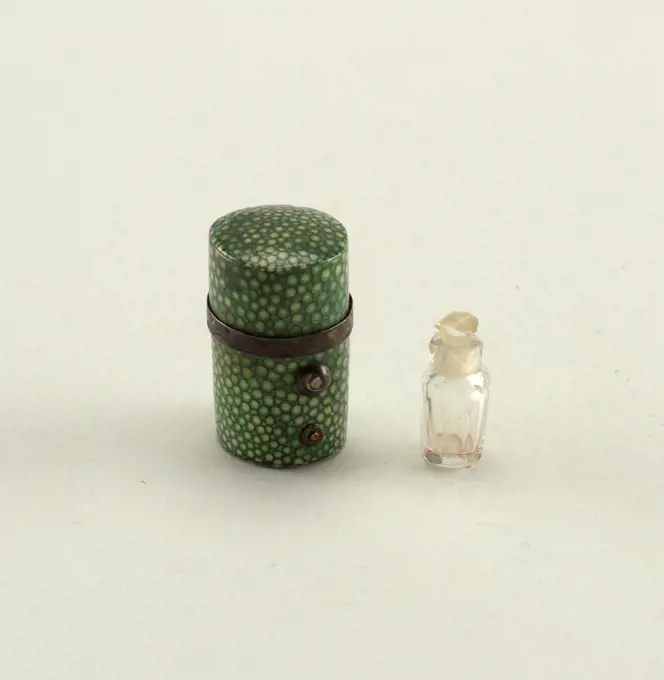
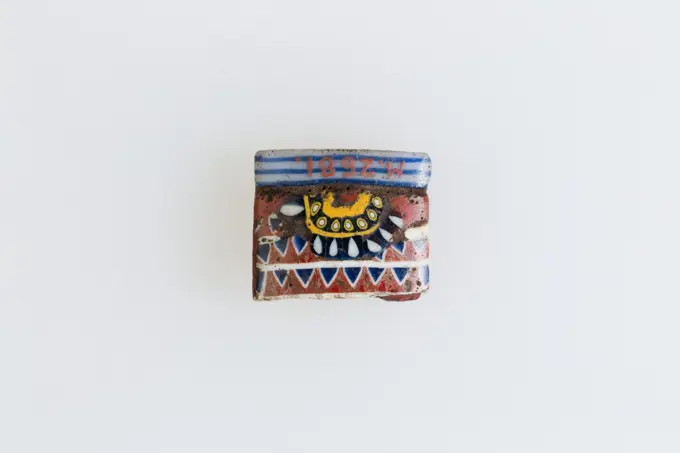
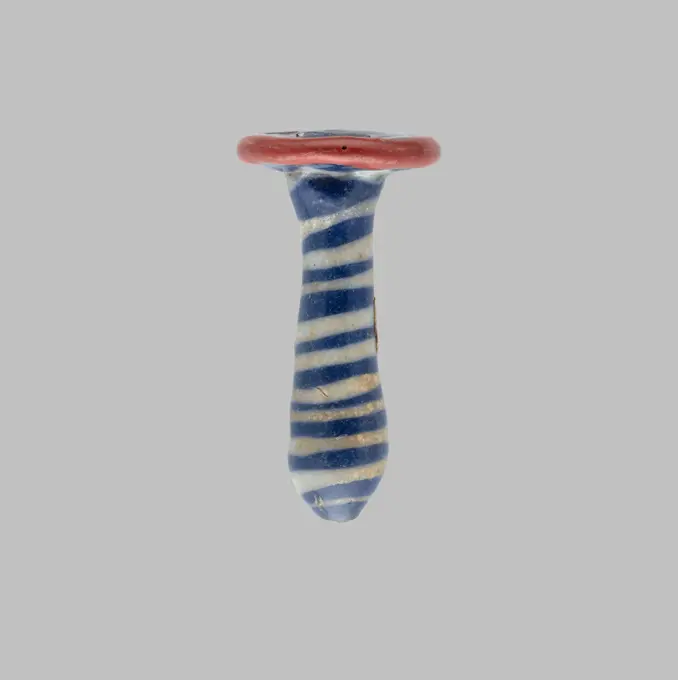
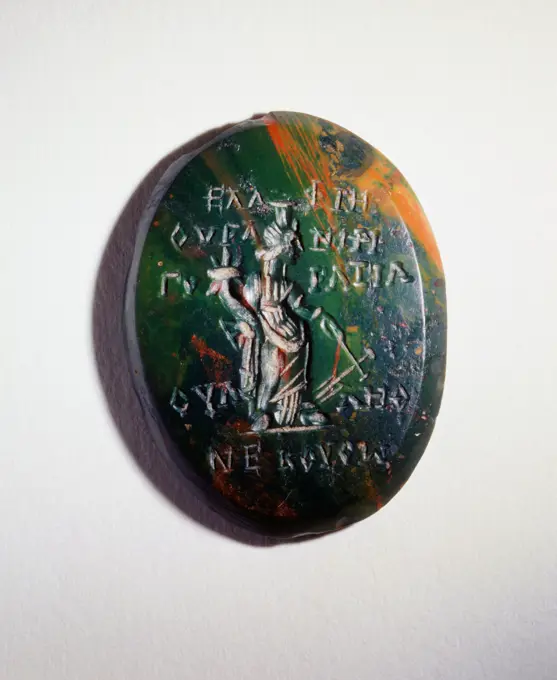
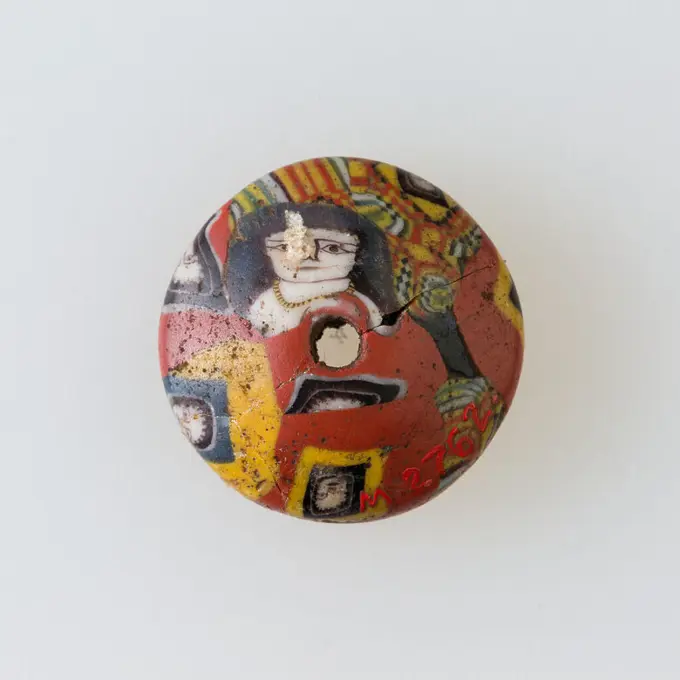
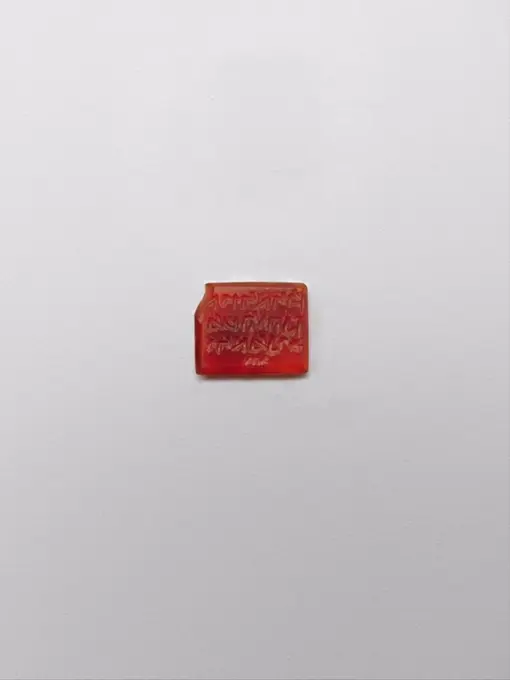
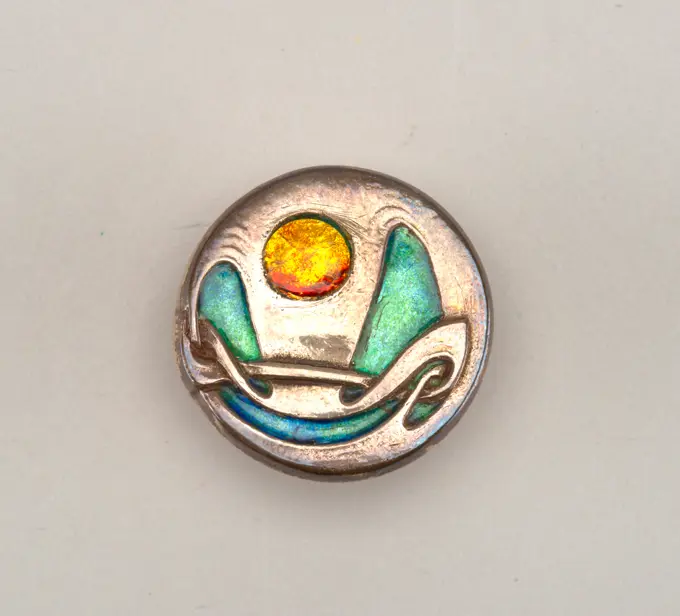
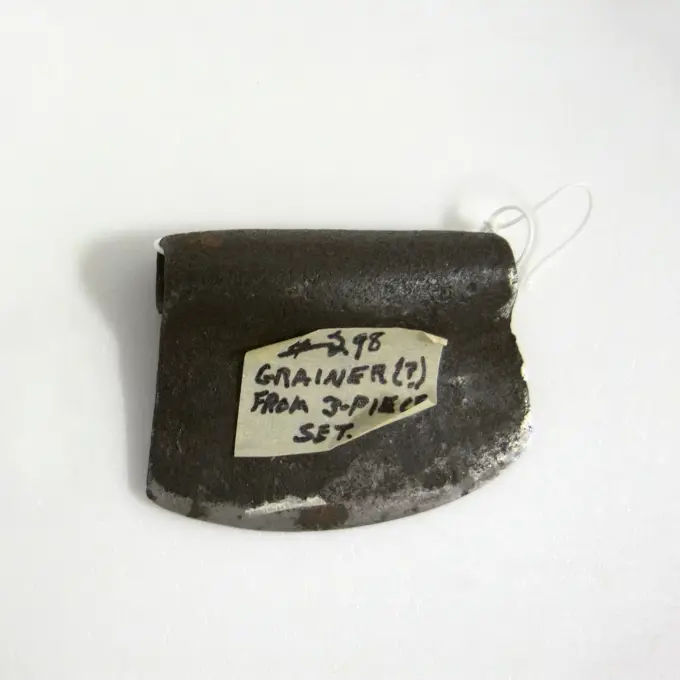
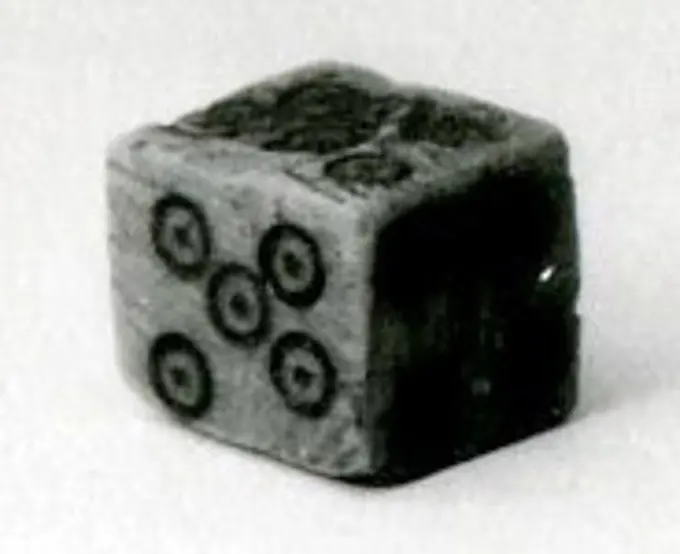
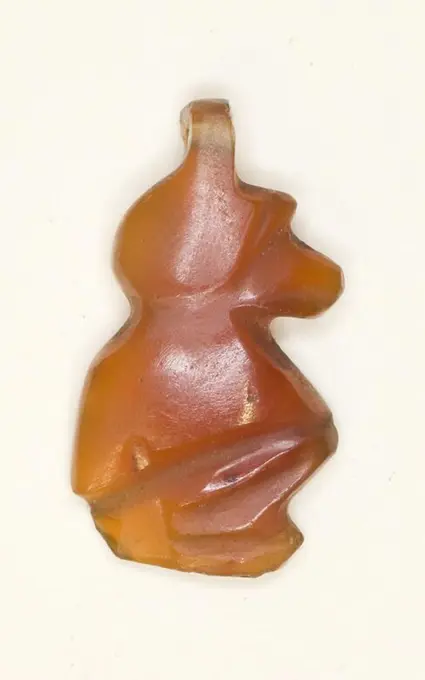
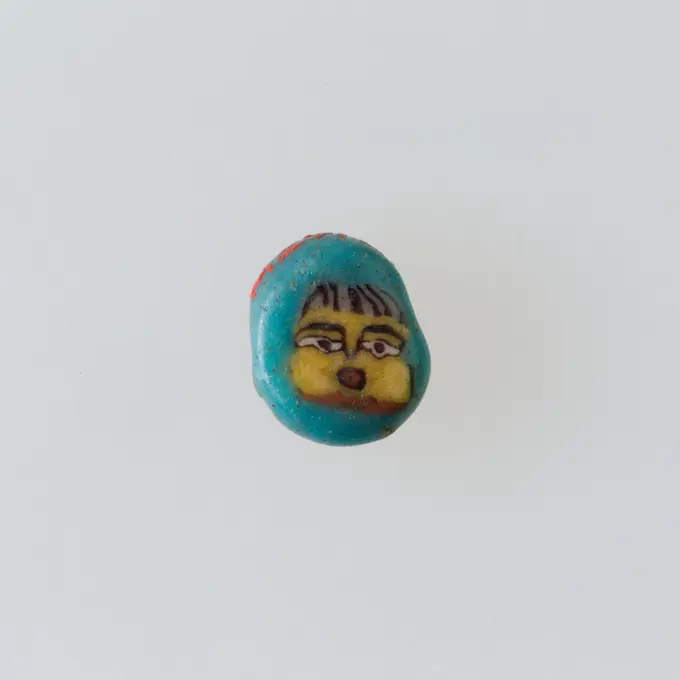
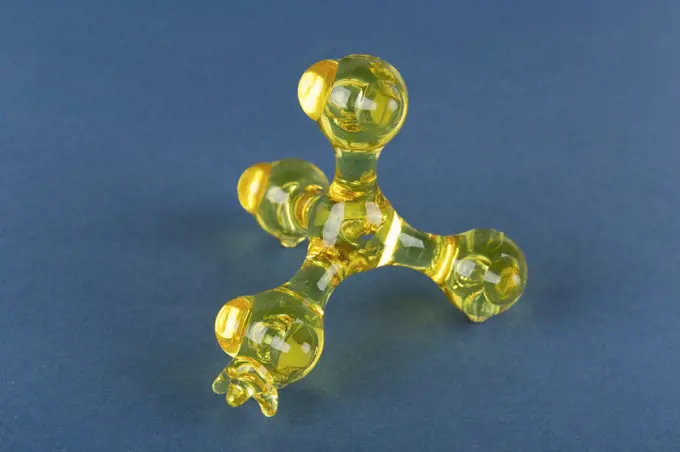
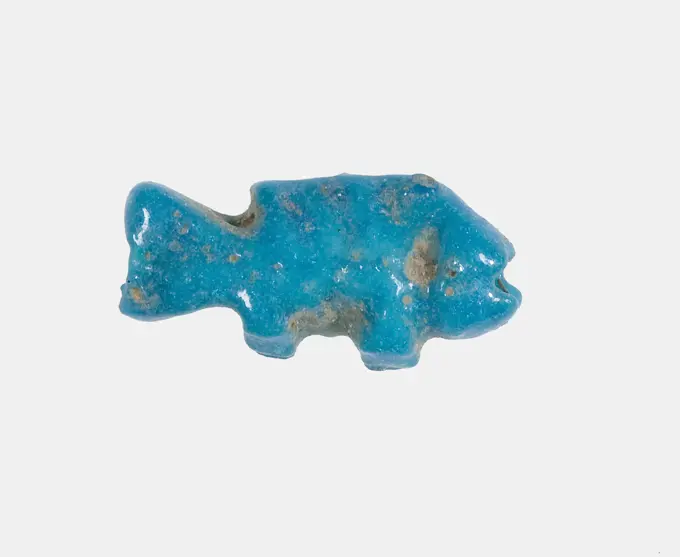
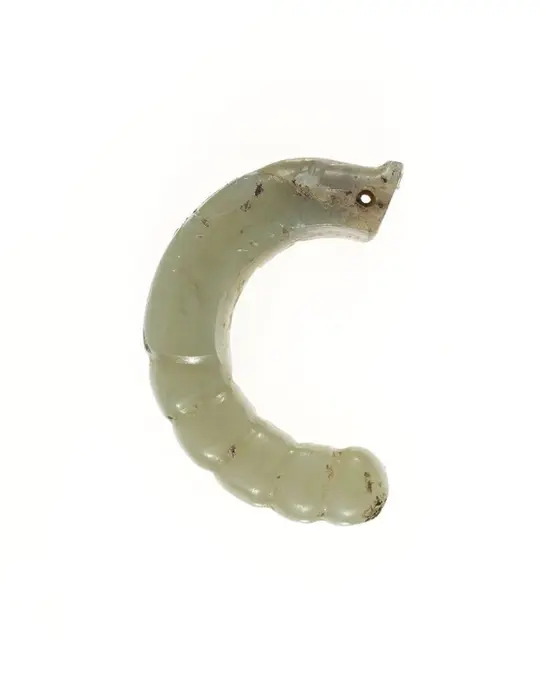
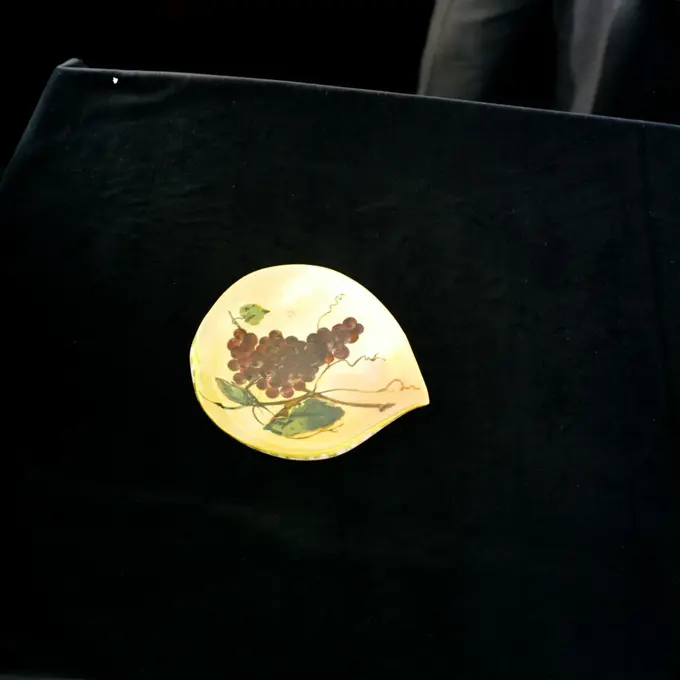
cracked ice letter R - Lower-case 3d frozen font - Suitable for Nature, winter or Christmas related subjectsFaience Inlay ca. 1184-1153 B.C. New Kingdom, Ramesside This decorative tile may be associated with the ceramic art of the reign of Ramesses III. It was probably used to form a horizontal pattern of alternating lily buds like this one, leaves, and open blossoms.. Faience Inlay. ca. 1184-1153 B.C.. Faience. New Kingdom, Ramesside. From Egypt. Dynasty 20Artefact from the Staffordshire Hoard of Anglo-Saxon gold and silver metalwork. Discovered in a field near the village of Hammerwich, near Lichfield, in Staffordshire, England, on 5 July 2009, it consists of over 3,500 items from the Anglo-Saxon kingdom of Mercia.Hathor head amulet ca. 1550-525 B.C. New Kingdom-Late Period. Hathor head amulet 591148Arrowhead ca. 7th century B.C.-2nd century A.D.. Arrowhead 325123False Coin, Iithuanian Half Groschen, 1556, Sigismund II Augustus (1544 1572)Inscribed Cylinder 7th century or earlier Japan. Inscribed Cylinder. Japan. 7th century or earlier. Amber. Kofun period (ca. 300-710). JewelryPile of wood in winterSealtumbled Mariam Stone gemstone isolated on white macro shooting of natural mineral stone - tumbled Mariam Stone Mariam Jasper, Mariyam Jasper, Mariyam Agate, Script stone gemstone from India isolated on white background Copyright: xZoonar.com/ValeryxVoennyyx 11248158Beads, 6 Roman. Beads, 6. Roman. Glass. GlassDice figure, three pieces, two of which form a couple. Dice figure, three pieces, from sliced ivory, two of which form a couple. Note: Black struck.Miniature Dress 12th-13th century Ica. Miniature Dress 312849Wedjat Amulet ca. 1070-945 B.C. Third Intermediate Period. Wedjat Amulet 587556Horse decorationAmulet ca. 1981-1640 B.C. Middle Kingdom-Early New Kingdom. Amulet. ca. 1981-1640 B.C.. Lapis lazuli. Middle Kingdom-Early New Kingdom. From Egypt, Memphite Region, Lisht North, cemetery south of pyramid, between Houses A1:1 & A2:3, Pit 367, MMA excavations, 1920-22. Dynasty 12-18Umbel Pendant ca. 1390-1353 B.C. New Kingdom. Umbel Pendant. ca. 1390-1353 B.C.. Faience. New Kingdom. From Egypt, Upper Egypt, Thebes, Malqata, Palace of Amenhotep III, MMA excavations, 1910-11. Dynasty 18Fragment ca. 1150-ca. 1250 European or Middle Eastern. Fragment 695149Azurite Malachite Stone Against White BackgroundAwning hat of straw with ornaments of horsehair and glass beads, anonymous, c. 1800 - c. 1810 Awnings of braided, natural -colored middle line straw decorated with ornaments of braided blond horsehair and transparent glass beads. Shallow ball with straight back. Lined with solid blue cotton. Netherlands whole:. Decoration: Horsehair. Decoration: Glass. Lining: Cotton (textile) Awnings of braided, natural -colored middle line straw decorated with ornaments of braided blond horsehair and transparent glass beads. Shallow ball with straight back. Lined with solid blue cotton. Netherlands whole:. Decoration: Horsehair. Decoration: Glass. Lining: Cotton (textile)set boxing gloves military. Vector illustration. Eps 10Fragment of a vessel. A low curvature of the glass fragment allows the assignment to a vessel, possibly a shell. At violet reason, two types of flowers are shown in millefiori technology; They consist of a white core to which the individual petals with white contour are specified, on the other of a white core to which a yellow spiral is developed, which is bounded by a blue ring. For the production of different colored glasses to tubes and Rods shaped. These were compressed and heated, causing a long bar. The glass sliced now had a wide variety of amorphous or floral patterns. Thereafter, several of these platelets were folded together, heated again and pressed into the vascular shape. Burry for the elaborate manufacturing process and its fragility was one of the luxury articles of antiquity.DrumSlager, Jan Embroidery, 1746 On an elongated plate there is a tambour with the drum on his left leg and a stick in both hands. The tamboer is wearing a stitch. A ZIG-Zag line is engraved in the edge of the plate. The image is marked: stk. = Amsterdam, Jrl. = M (1746), Mt. = Jan Embroidery and Crowned V a shield. Amsterdam silver (metal) On an elongated plate there is a tambour with the drum on his left leg and a stick in both hands. The tamboer is wearing a stitch. A ZIG-Zag line is engraved in the edge of the plate. The image is marked: stk. = Amsterdam, Jrl. = M (1746), Mt. = Jan Embroidery and Crowned V a shield. Amsterdam silver (metal)Magic gemma with the show of HarpokratesSnuffer  19th century (1800-00-00-1900-00-00);Inlay fragment ca. 1981-1640 B.C. Middle Kingdom. Inlay fragment 557317Mirror, 7th-11th century, Silver, China, 7th-11th centuryScent bottle case, shagreen, late 18th-early 19th century, Decorative Arts, Scent bottle caseRoselle, Jamaican Sorelor or Hibiscus sabdariffa isolated on white background with clipping pathPair of Sword-Grip Ornaments (Menuki) 17th century Japanese Menuki are a pair of ornamental sword fittings attached to either side of a sword hilt.. Pair of Sword-Grip Ornaments (Menuki). Japanese. 17th century. Copper-gold alloy (shakud), gold. Sword Furniture-MenukiInlay fragment, collar design 100 BC-100 AD Ptolemaic Period-Roman Period A mosaic glass technique allowed multiples of an image to be created: a figural or design composition was made by bundling colored glass canes, which were then drawn out into a long bar. The bar was then sectioned at right angles, probably by striking the bar with appropriate tools, to produce small inlay tiles. The tile would then be smoothed and polished on the face intended to appear outwards.. Inlay fragment, collar design. 100 BC-100 AD. Glass. Ptolemaic Period-Roman Period. From EgyptAmulet - serce ib. unknown, authorRetro look Industrial hardware Vintage looking Industrial steel hardware bolt nut screw washer Copyright: xZoonar.com/ClaudioxDiviziax 5788053Amulet - przetyczka do uszu. unknown, authorClose-up of blue and green ceramic mosaic tilesMetal pot cleaner, white background,Anonymous. "Magic intaglies". Green and red jasper, engraving. 3rd century BC .. Museum of Fine Arts of the City of Paris, Petit Palais. 99939-24 Antiquity, IIIEM III 3th 3rd 3 century before av. JC, Jaspe, ancient, engravingBead with face canes. Dimensions: diam. 2.1 cm (13/16 in.). Date: 30 B.C.-A.D. 364.A mosaic glass technique allowed multiples of an image to be created: a figural or design composition was made by bundling colored glass canes, which were then drawn out into a long bar. The bar was then sectioned at right angles, probably by striking the bar with appropriate tools, to produce small inlay tiles. The tile would then be smoothed and polished on the face intended to appear outwards. Museum: Metropolitan Museum of Art, New York, USA.Spindle Whorl Spindle Whorl, 1000-1532. Clay, pigment   Arts of the Americas 1000-1532Seal with Hebrew Inscription. Dimensions: H. 1/16 in. (0.1 cm)W. 1/2 in. (1.2 cm)D: 1/16 in. (0.2 cm). Date: 10th-11th century.The Hebrew text on this seal gives the name of the seal's owner, his father's name, and the word "prepared" or "fashioned," followed by the letters y-h-. One proposal is that this is the Arabic name Yahya, but there are other known Hebrew seals that end with the phrase "May Yahweh have mercy" or "The work of Yahweh," which may be the phrase included here. We do not know whether the find of this seal testifies to the existence of a Jewish community in eleventh-century Nishapur, or if the seal had been preserved because its foreign letters were believed to ward off evil. Arabic seals with random Hebrew and Syriac words, as well as ancient seals to which Arabic phrases have been added, are both well documented. Museum: Metropolitan Museum of Art, New York, USA.Paperweight 1843-1860 France. Glass . Compagnie de Saint LouisLid of ginger jar, Chinese porcelain, lid closure ginger jar pot holder soil find ceramic porcelain glaze feldspar glaze, hand turned glazed painted Round lid with raised edge at the bottom. Glazed except inside of the upright edge Light gray shard with light blue glaze and dark blue decoration. The boundary of the glaze is orange colored archeology Save Rotterdam rail tunnel store packing ginger China Soil discovery: rail tunnel Rotterdam.Pieczęć cylindryczna. nieznany warsztat starobabiloński, workshop"Cymric" lines Button; Attributed to Archibald Knox (British, 1864 - 1933); Distributed by Liberty & Company (United Kingdom); England; silver, enamel; Diameter: 2.4 cm (15/16 in.)Dalpayrat, Pierre-Adrien (n.1844-04-14-D.1910-08-10), circular dish (main title). Dark green sandstone, yellow and brown. Petit Palais, Museum of Fine Arts of the City of Paris.Pin with head of a dog. Culture: Roman. Dimensions: length 4.50 cm.. Museum: Metropolitan Museum of Art, New York, USA.Grainer (), from a Three-Piece Hide Tanning Set, 2 3/8 x 3 x 11/16 in. (6.03 x 7.62 x 1.75 cm), Metal, United StatesDie 30 B.C.-A.D. 330 Roman Period. Die. 30 B.C.-A.D. 330. ivory. Roman Period. From Egypt, Middle Egypt, Oxyrhynchus (Bahnasa), EEF excavations 1896-97Heart shaped cut out of a brown cardboardLava on Filz Lava on FilzParfümflasche und Komposition mit Naturstein und Zitronenscheiben. Präsentation des Duftes von Damenparfüm mit Noten von Zitrusfrüchten. perfume bottle and composition with natural stone and lemon slices. presentation of the aroma of women s perfume with notes of citrus fruits Copyright: xZoonar.com/MarinaxMoskalyukx 22769272Amulet of a Sitting Baboon. Egyptian. Date: 1700 BC. Dimensions: 2.2 × 1.3 × 0.5 cm (7/8 × 1/2 × 3/16 in.). Carnelian. Origin: Egypt. Museum: The Chicago Art Institute, Chicago, USA. Author: Ancient Egyptian.Inlay / bead blank with face 100 BC-100 AD Ptolemaic Period-Roman Period A mosaic glass technique allowed multiples of an image to be created: a figural or design composition was made by bundling colored glass canes, which were then drawn out into a long bar. The bar was then sectioned at right angles, probably by striking the bar with appropriate tools, to produce small inlay tiles. The tile would then be smoothed and polished on the face intended to appear outwards.. Inlay / bead blank with face. 100 BC-100 AD. Glass. Ptolemaic Period-Roman Period. From EgyptPlastic handheld massager on a blue backgroundCufflink - Josiah Wedgwood Josiah WedgwoodFish Amulet ca. 1802-1450 B.C. Late Middle Kingdom-Early New Kingdom. Fish Amulet. ca. 1802-1450 B.C.. Faience. Late Middle Kingdom-Early New Kingdom. From Egypt, Memphite Region, Lisht North, Cemetery south of pyramid, House A1, so-called "faience factory", MMA excavations, 1920-22. Dynasty 13-18, earlyClose-up of a string ballDragon-Headed Pupa Pendant. China. Date: 1100 BC-900 BC. Dimensions: 1 1/2 × 15/16 × 5/16 in. Jade. Origin: China. Museum: The Chicago Art Institute, Chicago, USA.China and crystal used in the White House. Porcelain fruit or dessert plate depicting Concord grapes with a katydid perched on one of the stems. The plate is part of the state dinner service for President Rutherford B. Hayes and was commissioned from Haviland Co. in 1879 and designed by Theodore R. Davis.