Ancient Artifacts

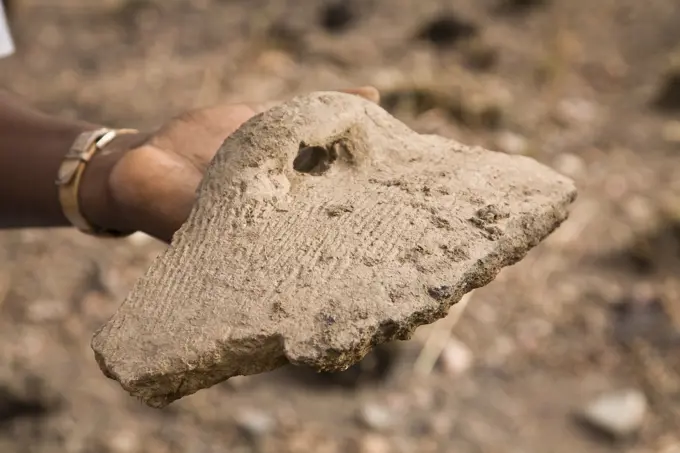
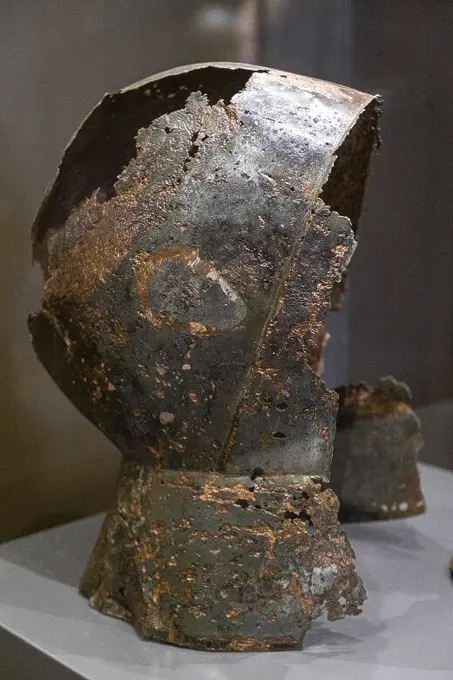
Collection of ancient artifacts including a Roman helmet and Assyrian lamp fragments, reflecting historical craftsmanship and design.
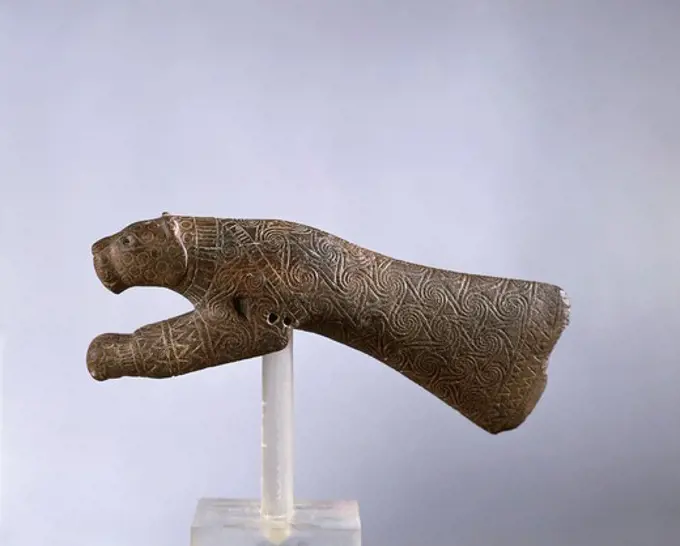
Dark shale hatchet in form of leopard
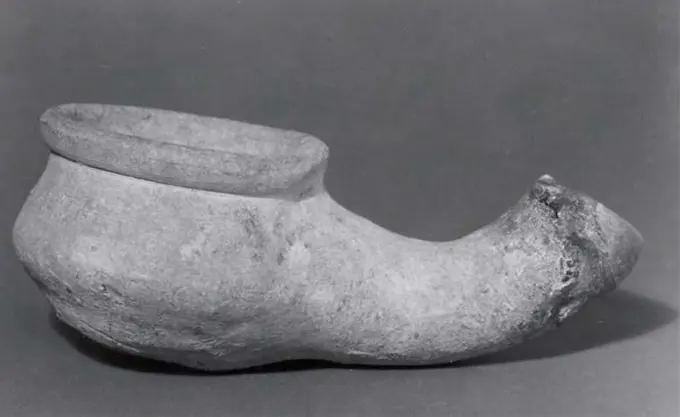
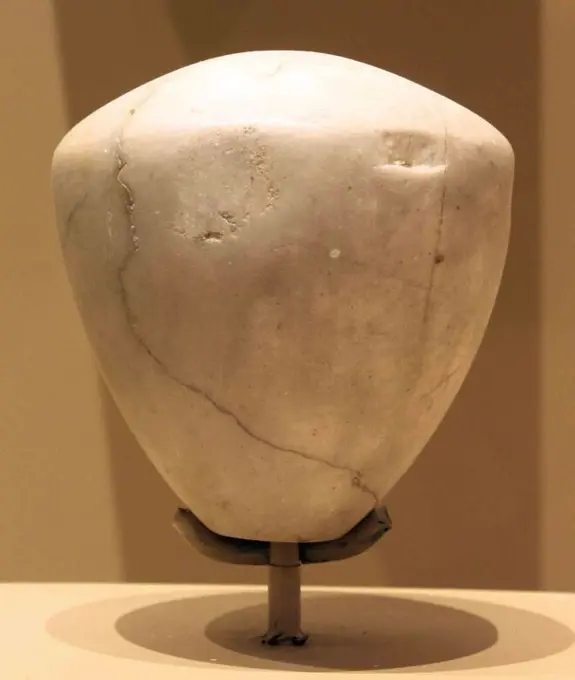
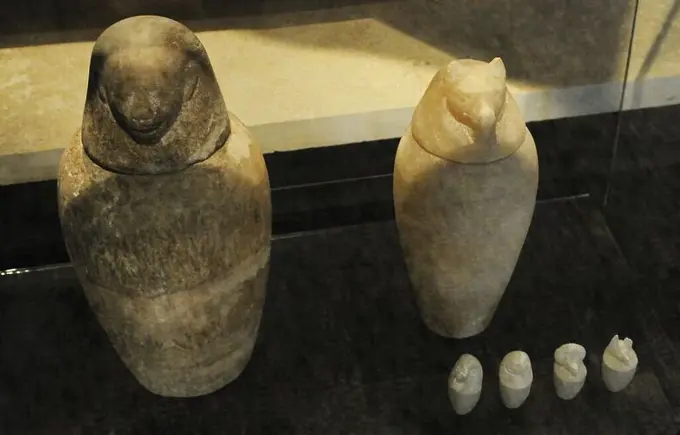
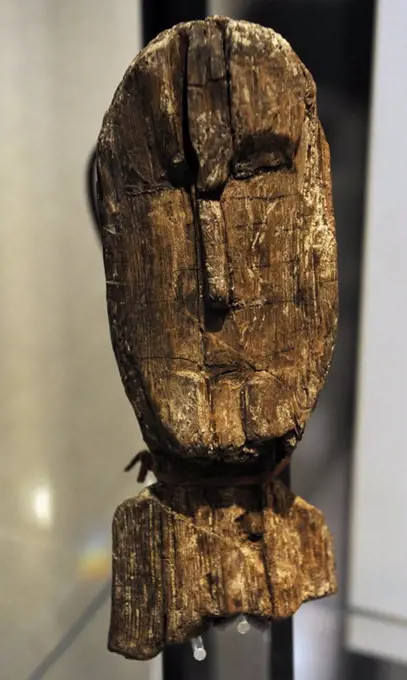
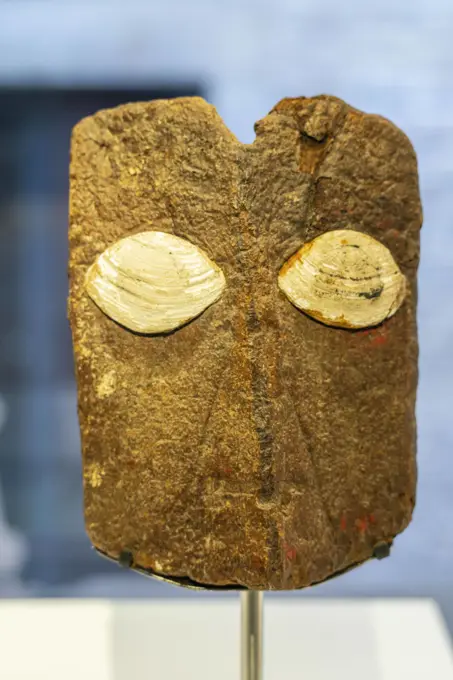
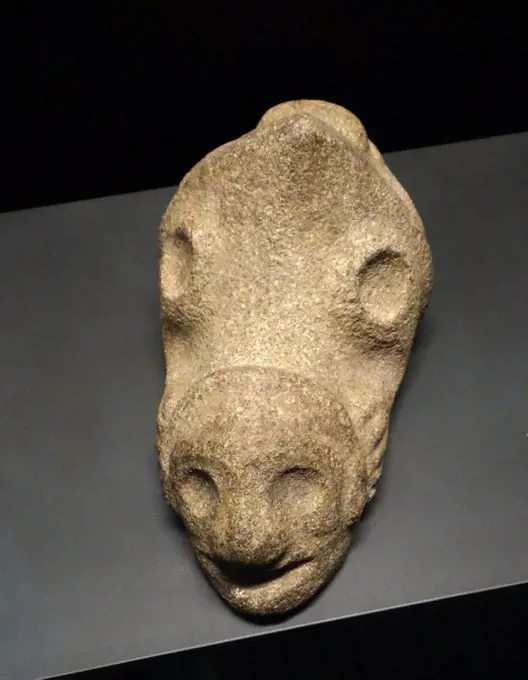
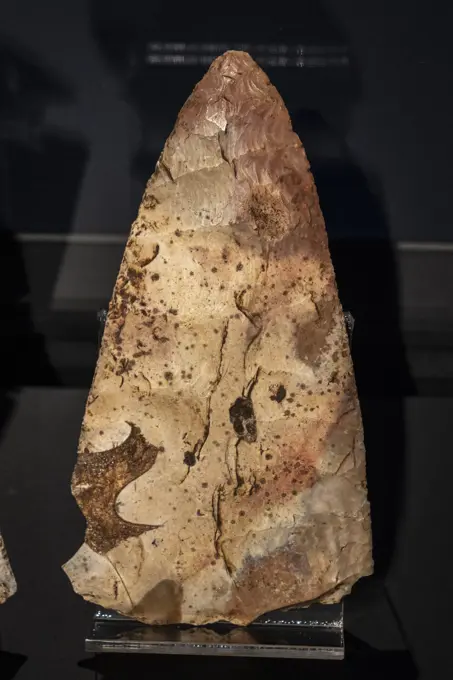
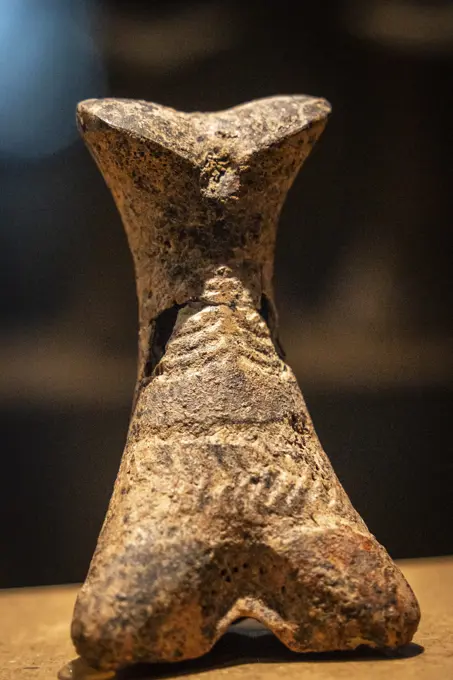
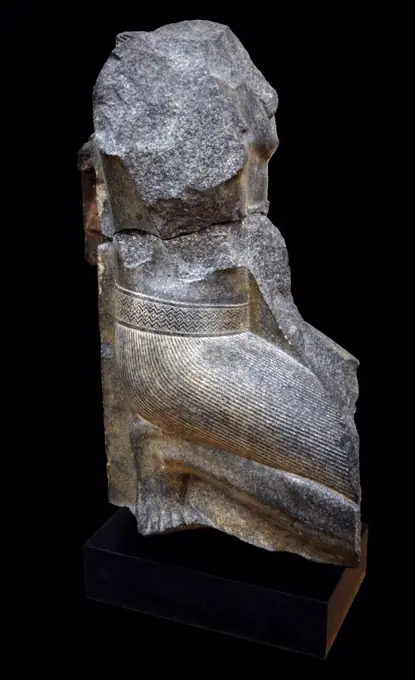
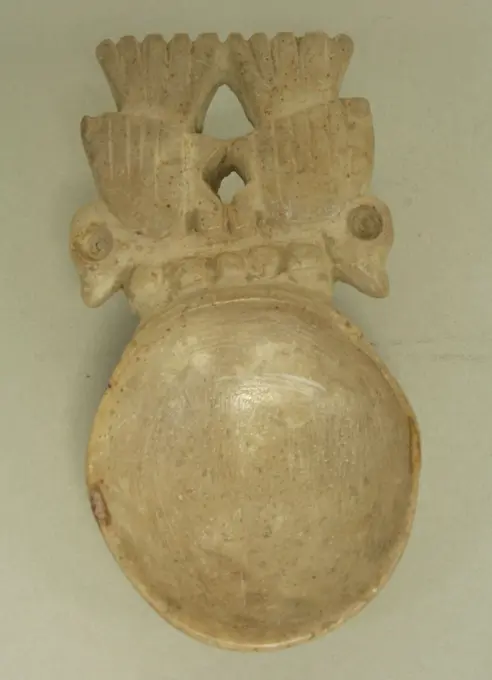
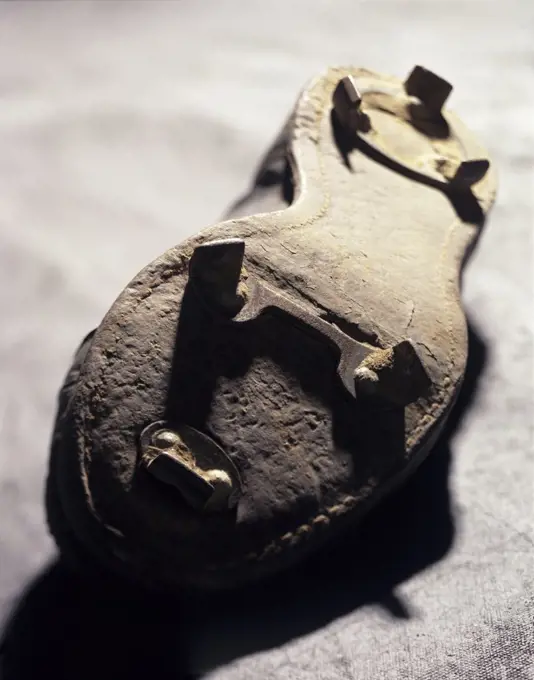
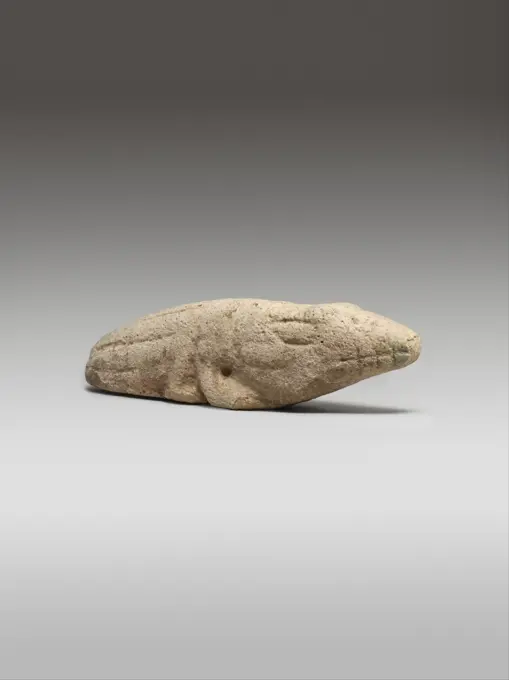
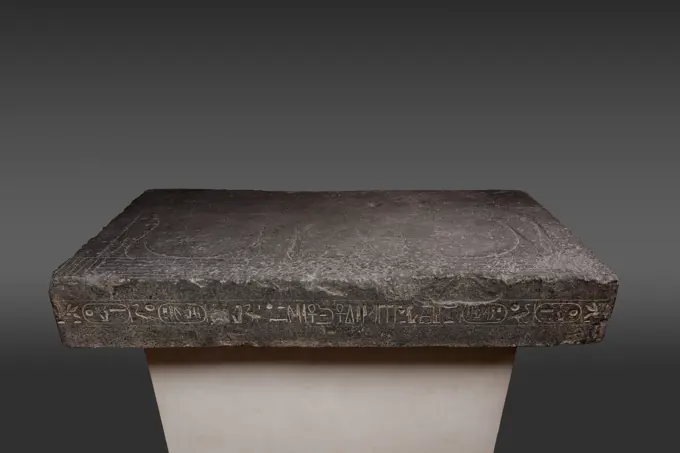
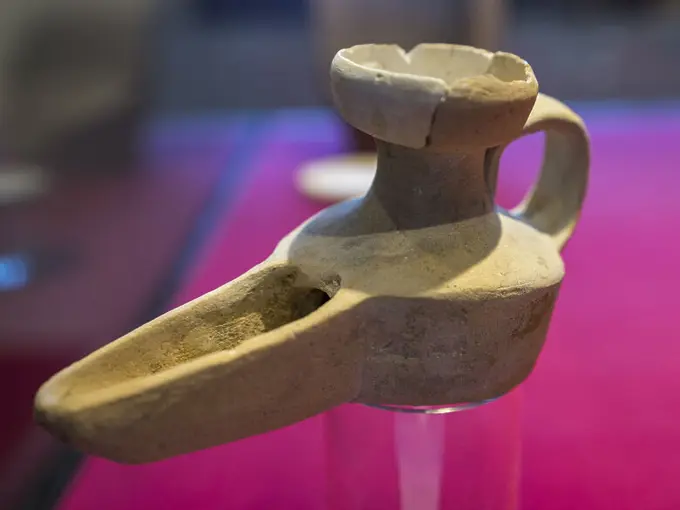
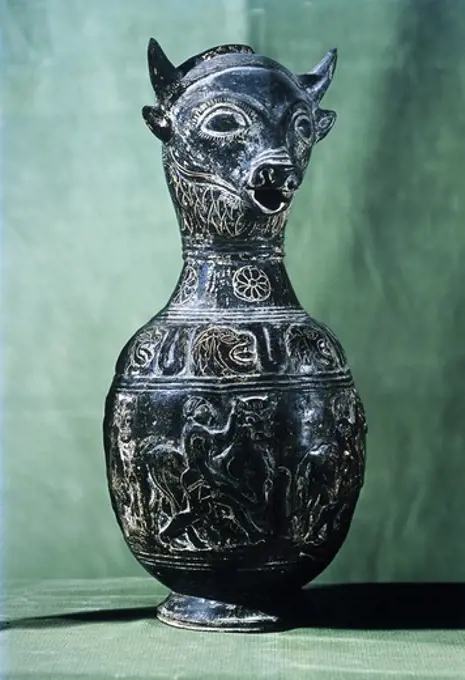
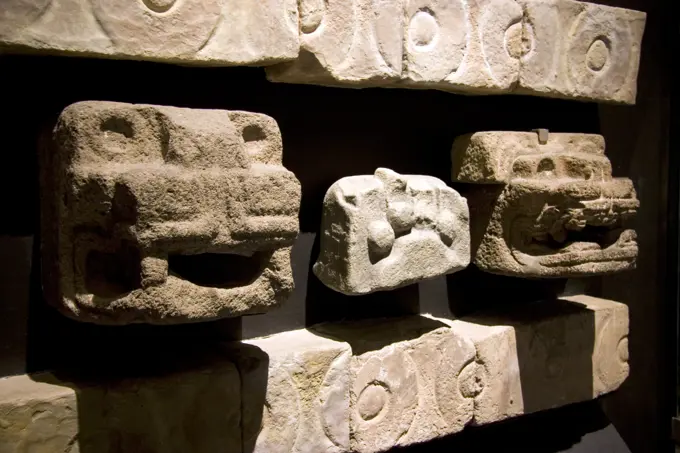
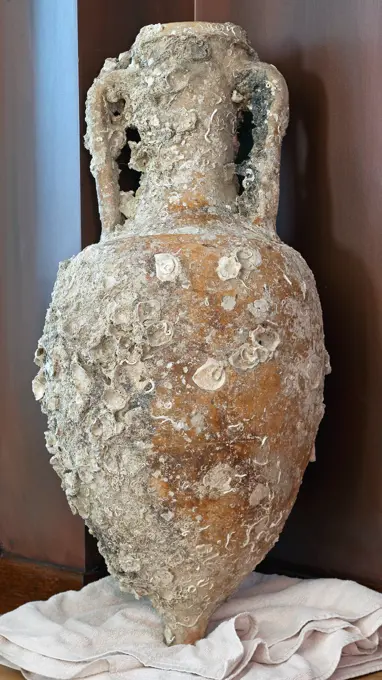
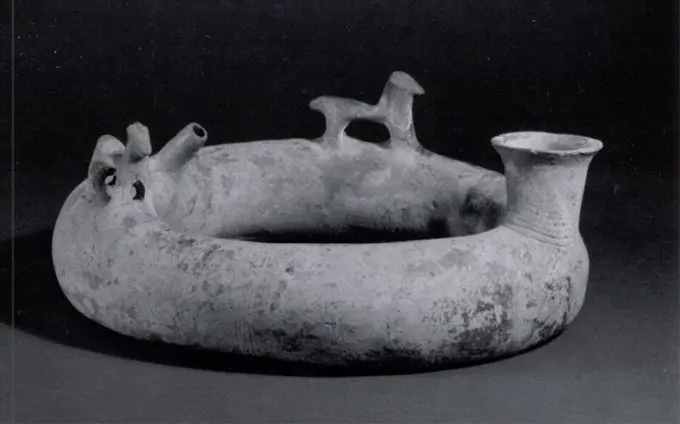
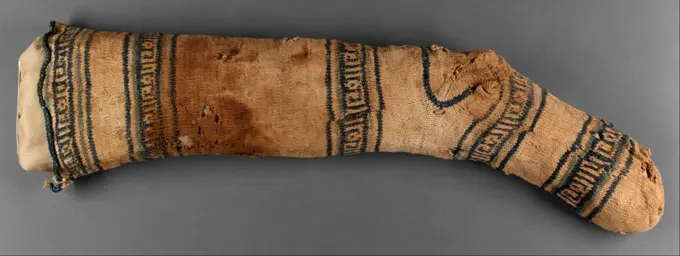
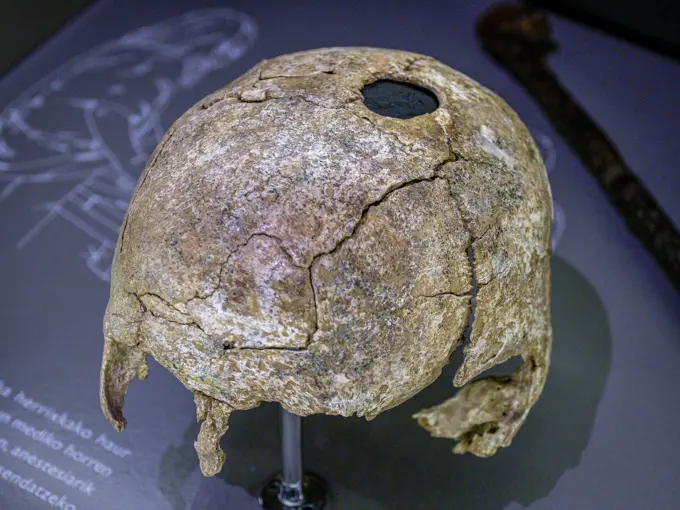
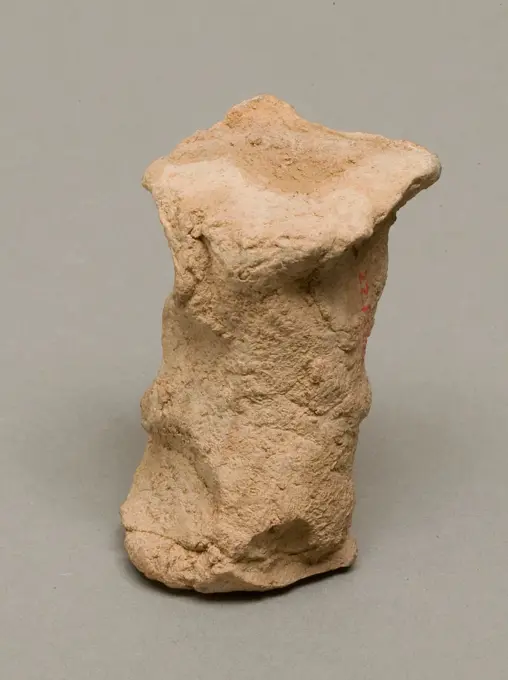
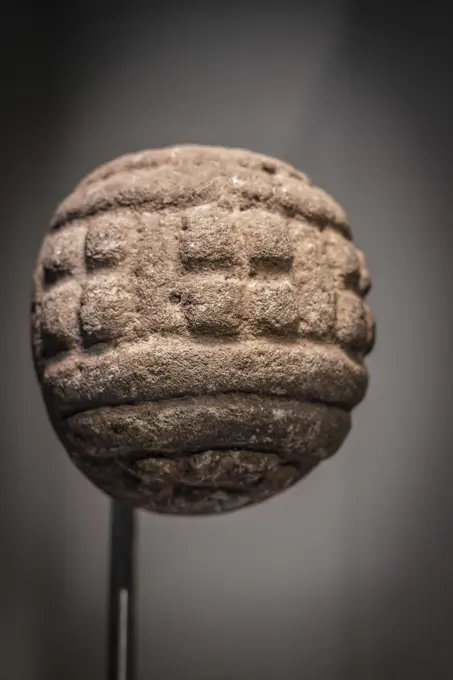
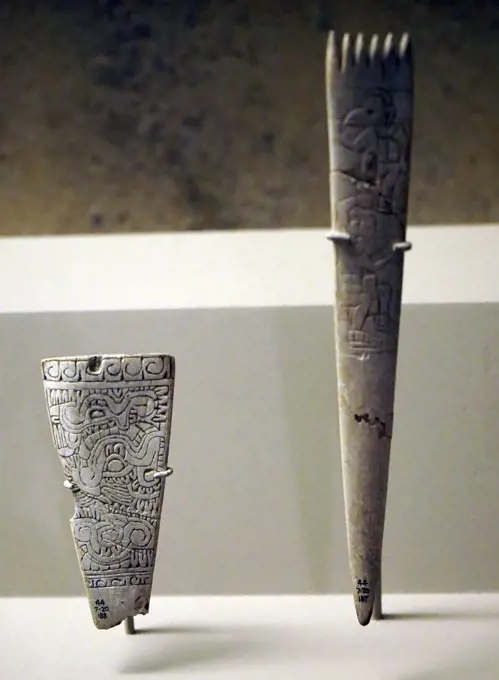
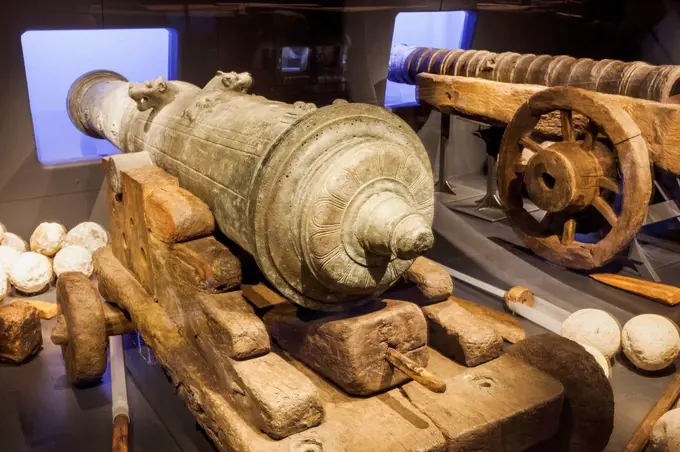
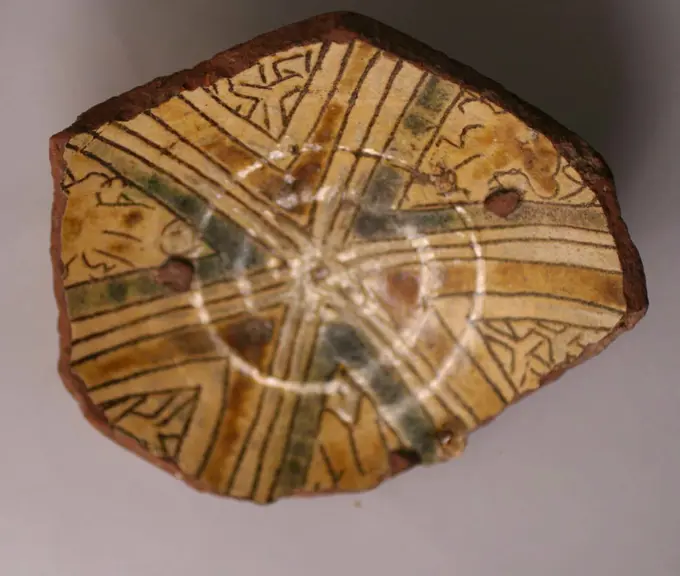
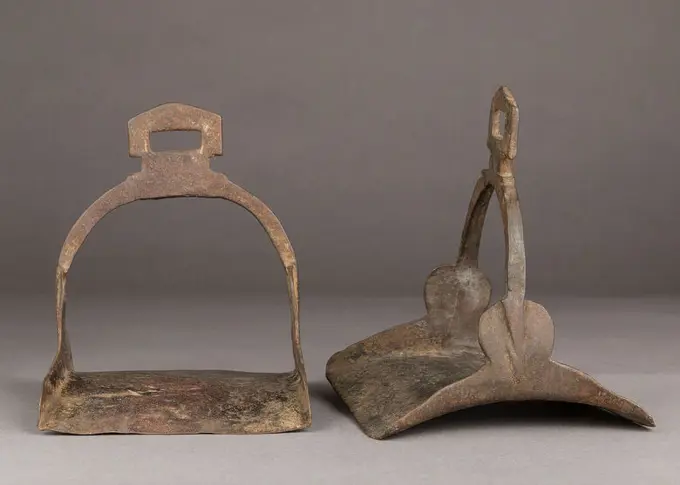
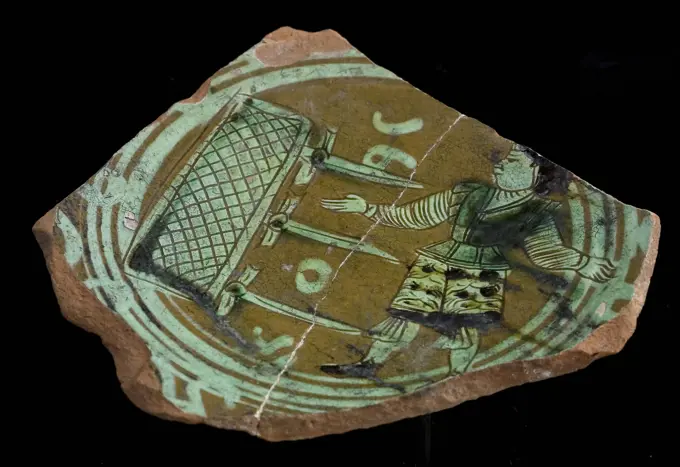
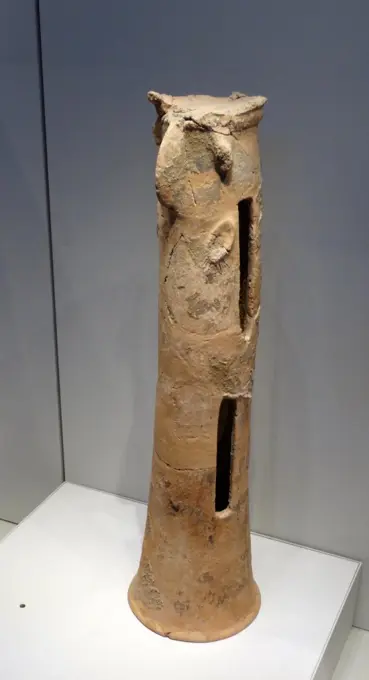
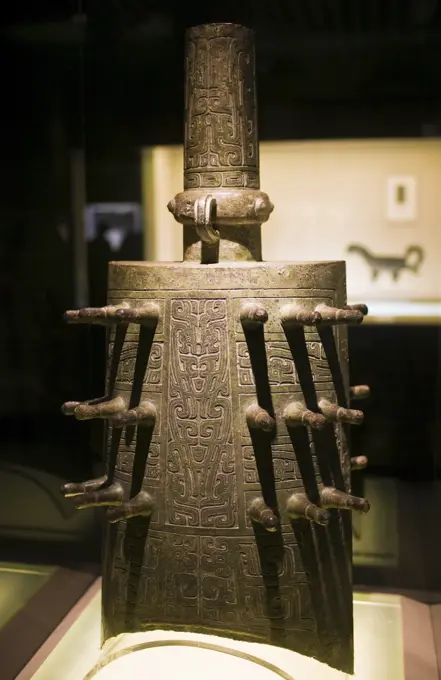
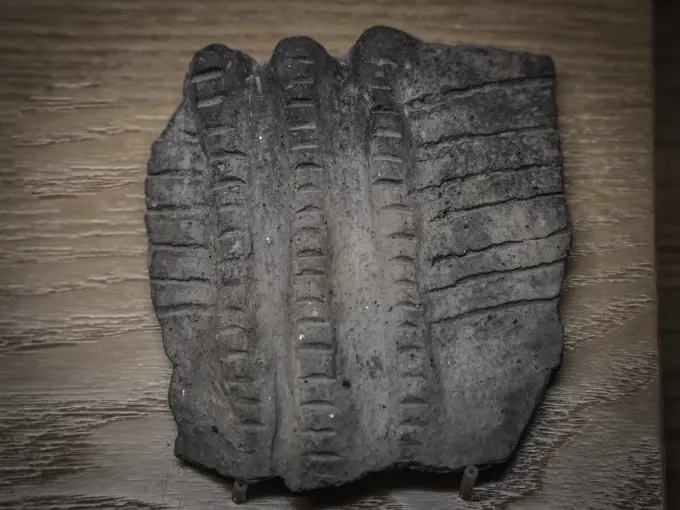
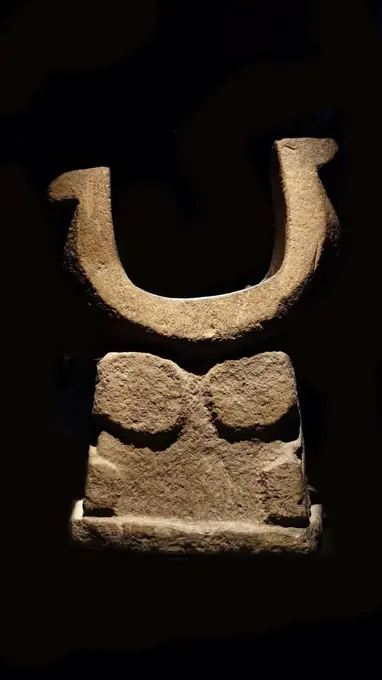
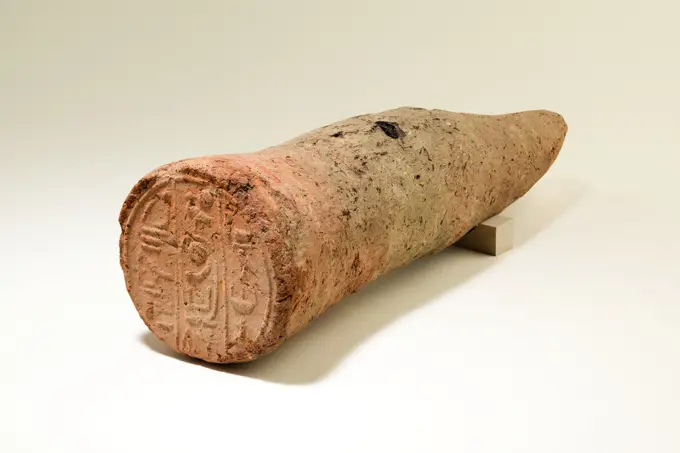
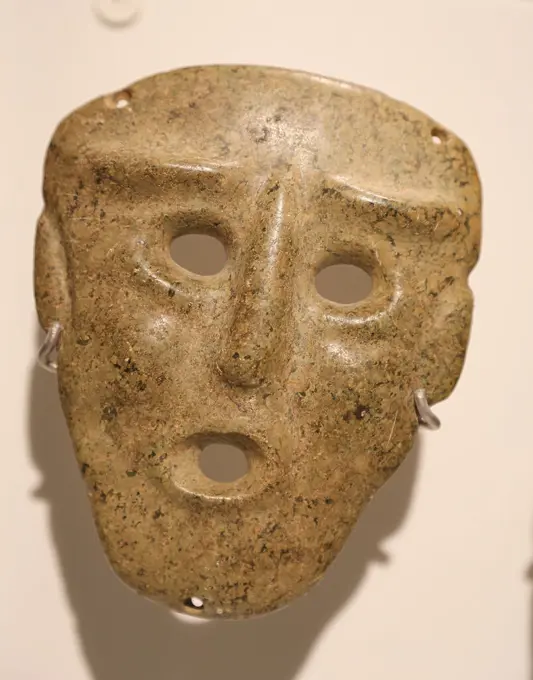
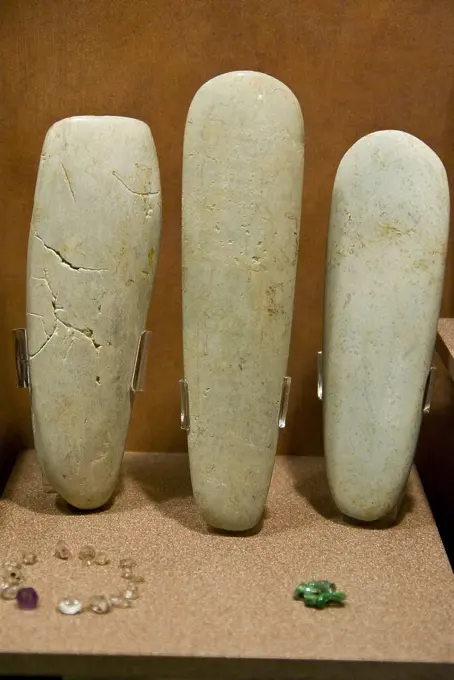
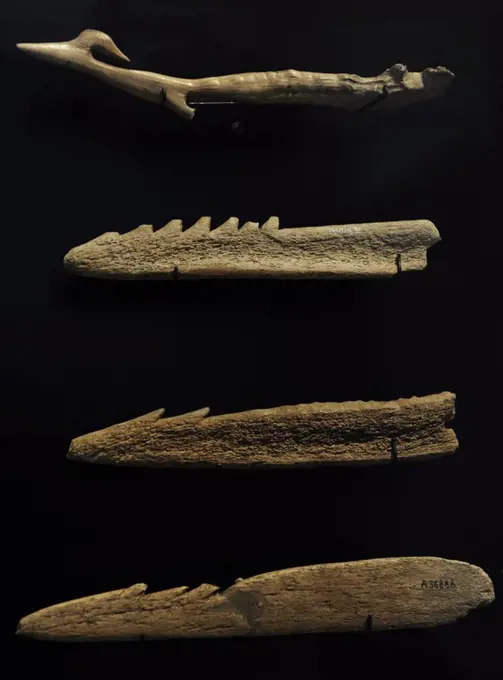
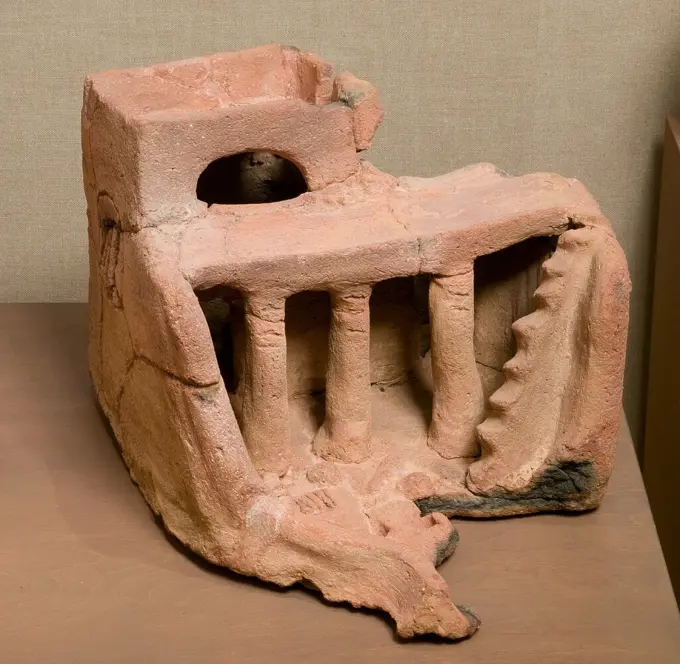
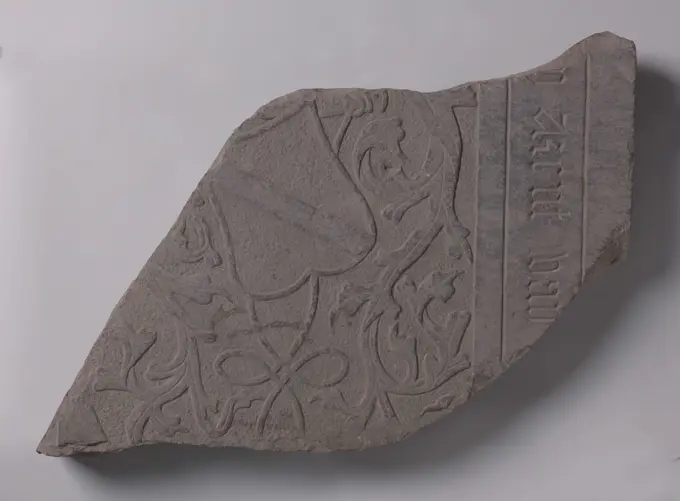
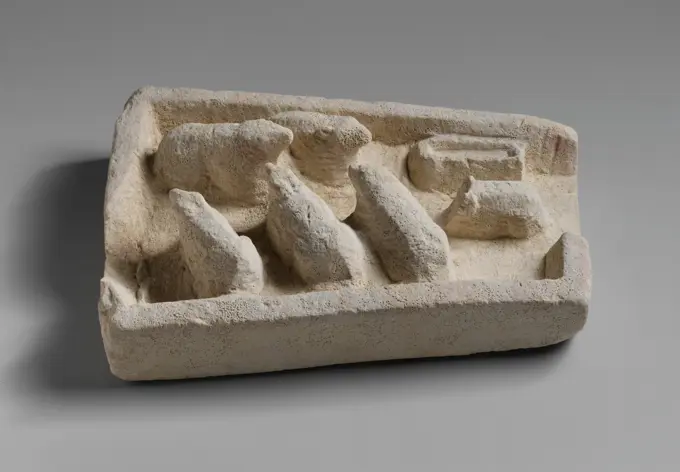
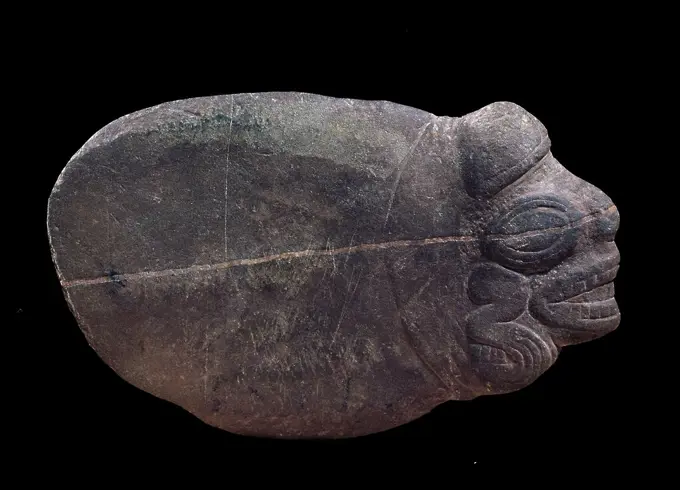
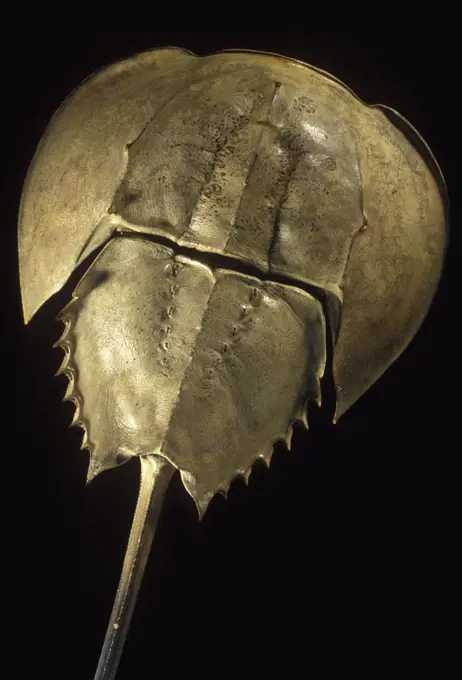
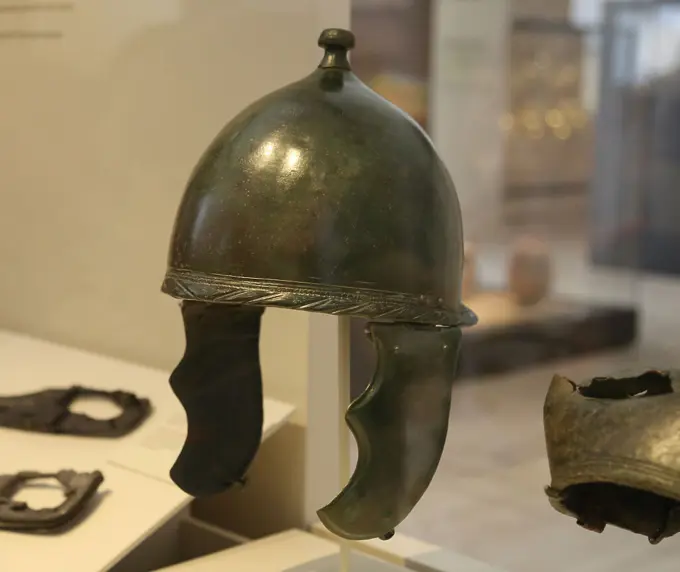
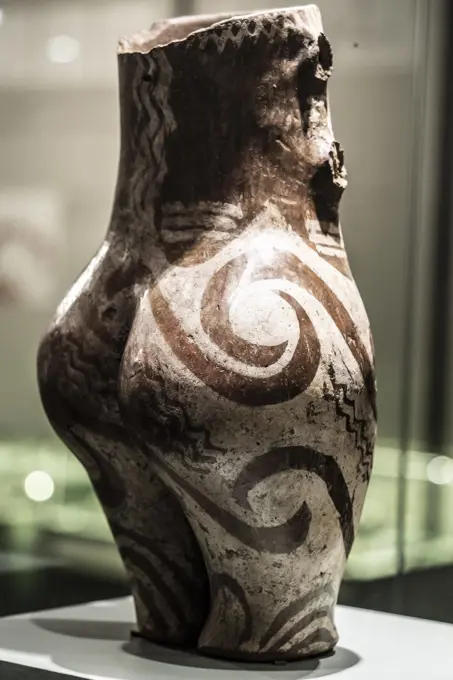
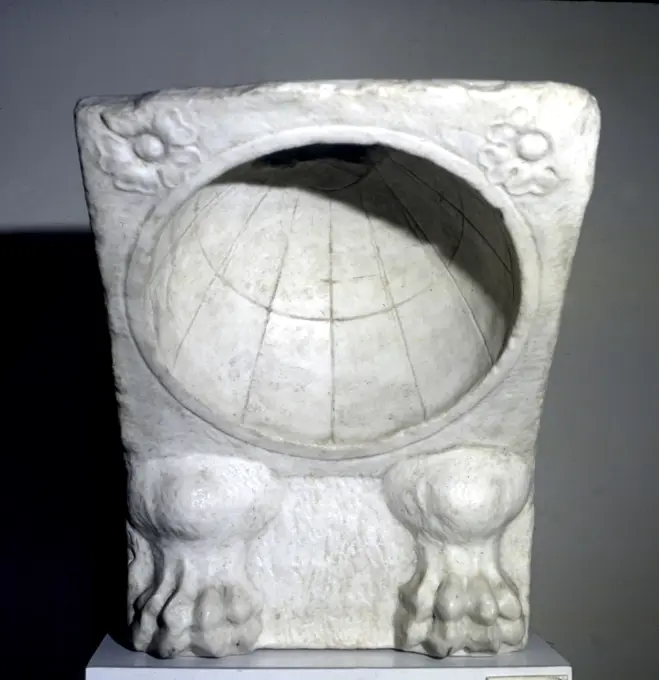
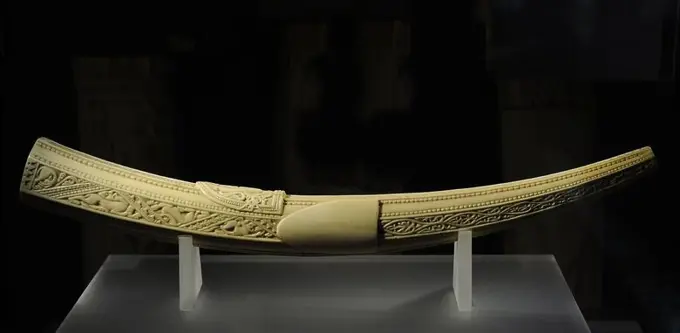
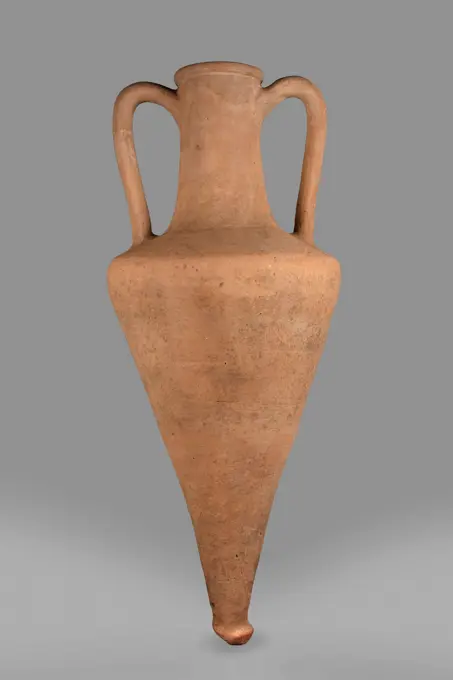
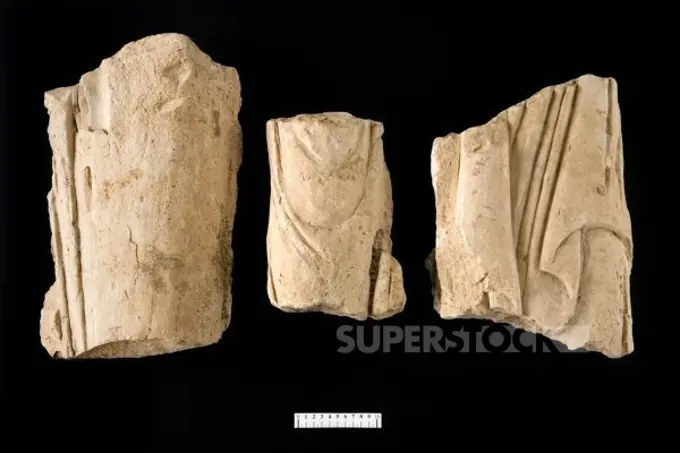
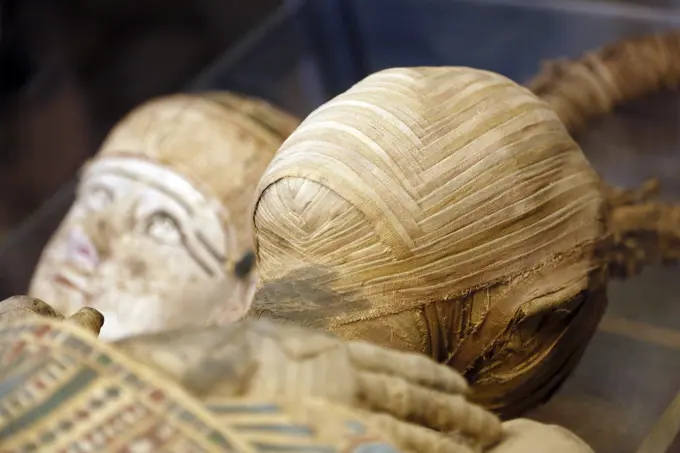
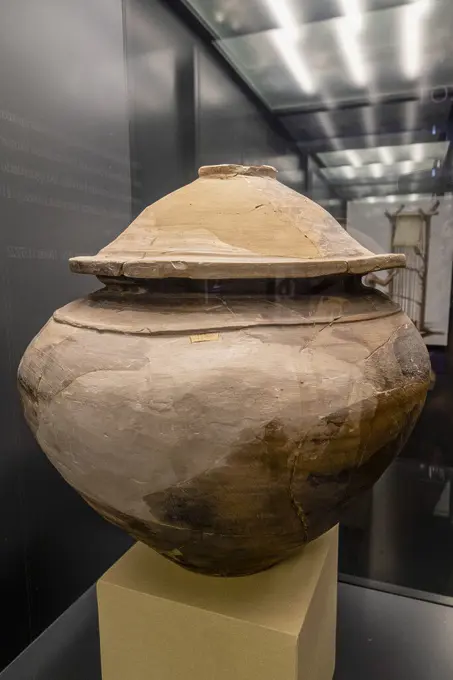
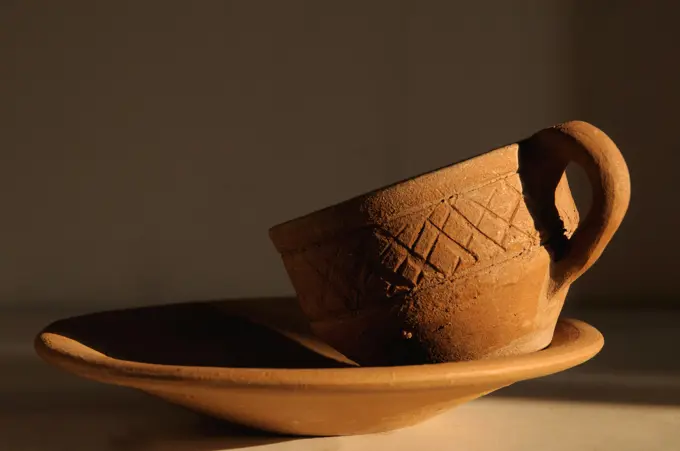
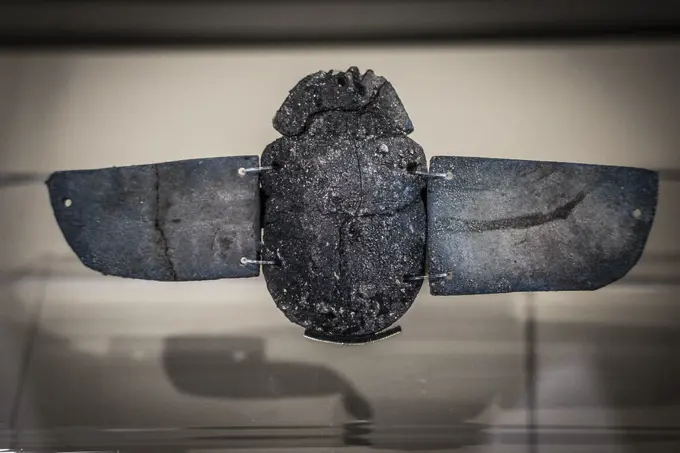
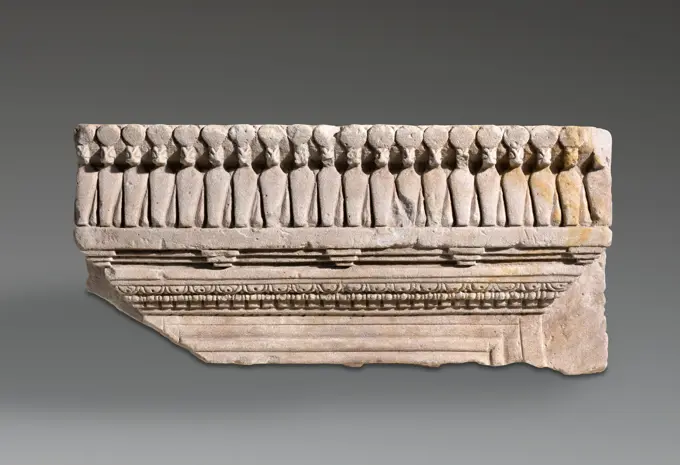
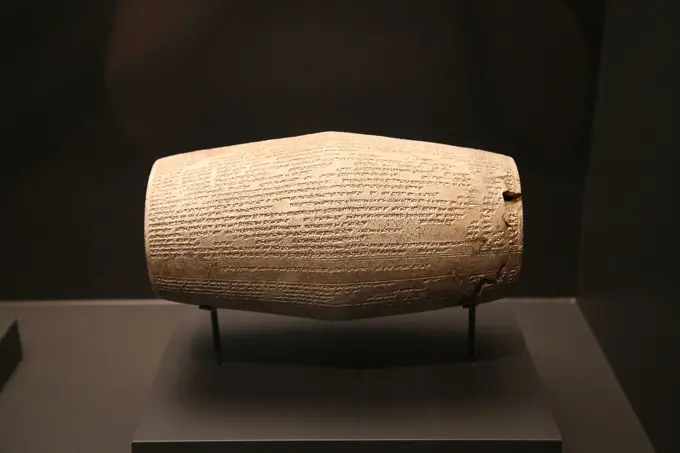
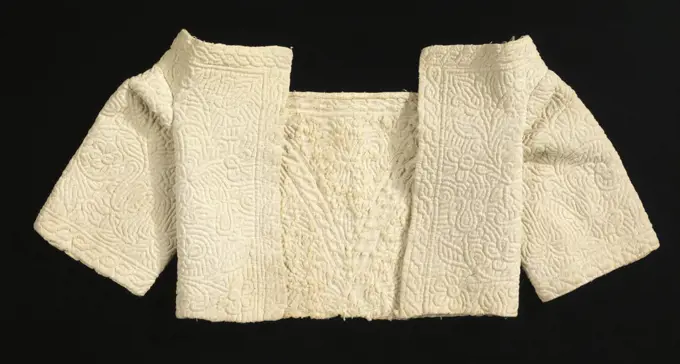
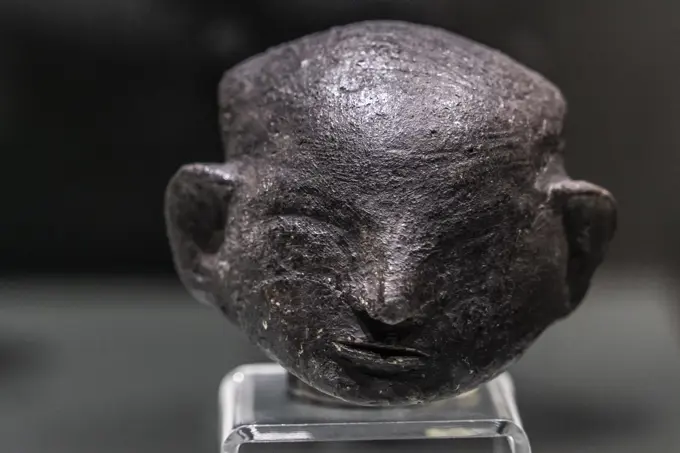
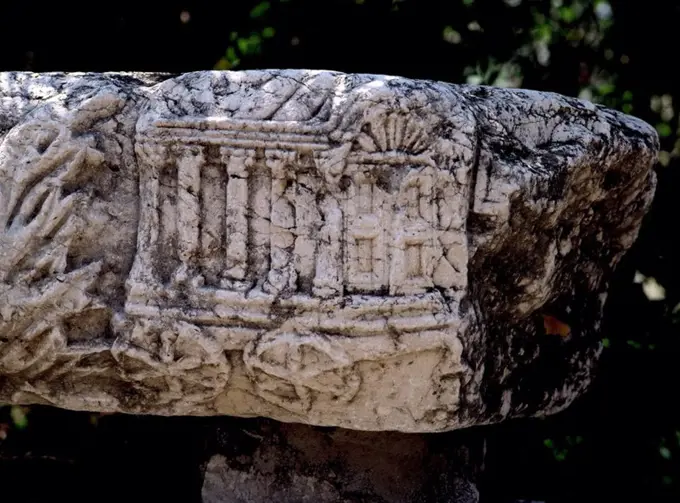
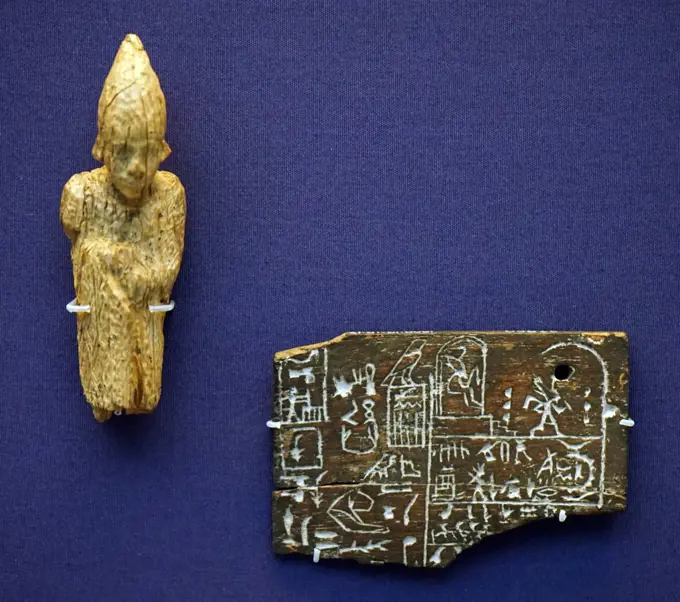
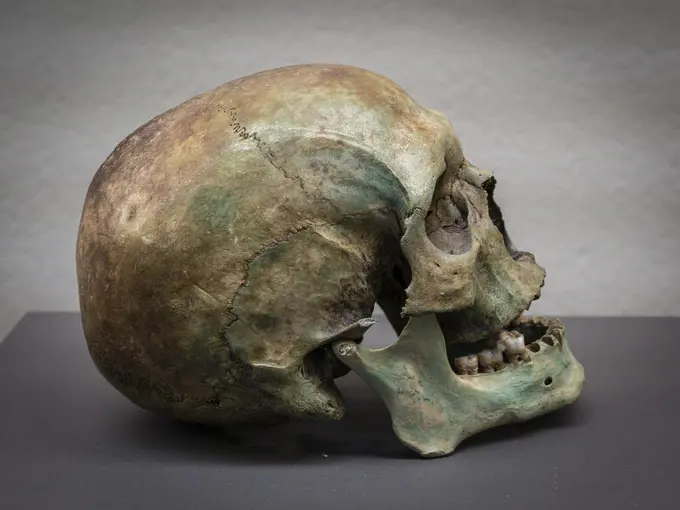
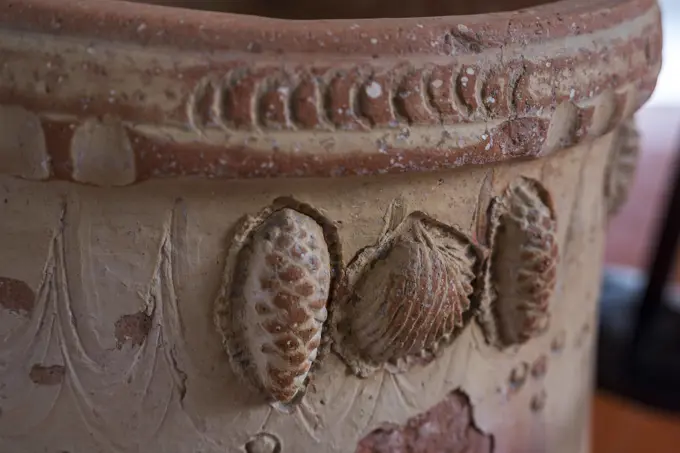
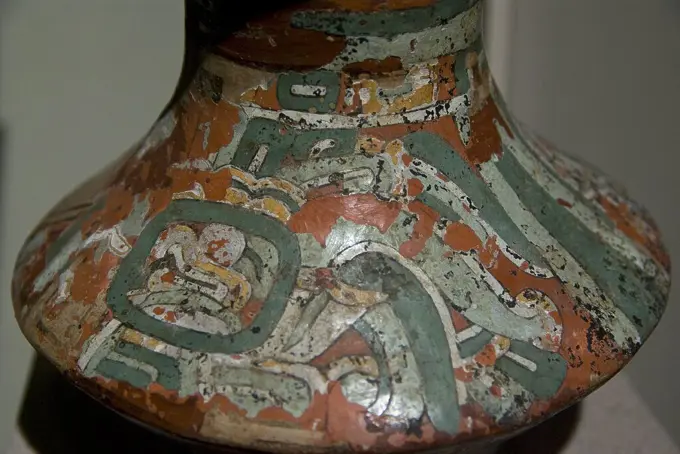
roman helmet, Monographic Museum of Pollentia, Alcudia, Mallorca, Balearic Islands, Spain.left hand and arm fragment with Aten cartouches from a statue supporting a stela ca. 1353-1336 B.C. New Kingdom, Amarna Period. left hand and arm fragment with Aten cartouches from a statue supporting a stela 549365Lamp ca. 8th-7th century B.C. Assyrian. Lamp. Assyrian. ca. 8th-7th century B.C.. Ceramic. Neo-Assyrian. Mesopotamia, Nimrud (ancient Kalhu)Mace head. Dimensions: H. 6.3 cm (2 1/2 in); greatest diam. 6.3 cm (2 1/2 in). Date: ca. 3500-3100 B.C.. Museum: Metropolitan Museum of Art, New York, USA.Dark shale hatchet in form of leopardEgyptian art. Caponic jars It preserves the viscera, stomach, intestines, lungs and liver. Historical Museum. Oslo. Norway.Relief fragments from tomb of Meketre ca. 1981-1975 B.C. Middle Kingdom. Relief fragments from tomb of Meketre 545329The wooden idol from Pohjankuru. Southern Finland, dates from ca. 3000 BC and is the oldest known portrait of an inhabitant of Finland. The National Museum of Finland. Helsinki.Chancay-Maske Chancay mask, central coast of Peru, year 1000 to 1470 AD, wood, MuEC, Barcelona, Catalonia, Spain LicenseRF Copyright: xZoonar.com/Tolox 23171414Sumeric clay cone (wedge record of the Prince Gudea of Lagash in South Mesopotamia for one of him in Girsu (Tello today) Temple.)Pointed stone from the Taíno culture. Created by the Arawak people, the indigenous peoples of the Caribbean. Dated 16th Centuryhalberd halberd, flint, 3000-2500 BC, Casaínhos, Loures, Portugal, Huelva Museum, Huelva, Andalusia, Spain Copyright: xZoonar.com/TOLOxBALAGUERx 21720813Relief fragment from tomb of Meketre ca. 1981-1975 B.C. Middle Kingdom. Relief fragment from tomb of Meketre. ca. 1981-1975 B.C.. Limestone. Middle Kingdom. From Egypt, Upper Egypt, Thebes, Southern Asasif, Tomb of Meketre (TT 280, MMA 1101), Court, Radim, MMA excavations, 1920. Dynasty 12Eyed Phalanx Idol Eyed Phalanx Idol, Bone, 2800-2450 BC, Perduces, Reguengos de Monsaraz, Évora, Huelva Museum, Huelva, Andalusia, SpainGranite stone statue of King Psammetichus I kneeling with an offering table. Dated 664 B.C.Bird Plaque, 1766-1122 BCE, 3 1/2 x 1 3/8 x 1/4 in. (8.89 x 3.49 x 0.56 cm), Highly calcified grey-green jade with traces of red pigment, China, 18th-12th century BCESpoon 7th-2nd century B.C. Chavin (). Spoon 316817Mask 1867-1900 Nigeria. This strikingly abstract mask was once covered with potent red abrus seeds that were held in place by a resin paste. It would have been used in initiation rituals for one of six age-grade associations. Among the Sha people, a mask like this one represents a male spirit called Akirang who had a female counterpart named Aja. The Kulere equivalent of Akirang was Asho, a spirit associated with human and agricultural fertility.. Wood and rubber . ShaBaseball CleatCrocodile ca. 3100-2649 B.C. Early Dynastic Period. Crocodile 547481Fragment probably 11th century. Fragment 451601Offering Table of Seti I ca. 1294-1279 B.C. New Kingdom, Ramesside This large offering slab was placed in a temple and dedicated by Seti I to the god Seth: it bears a representation of bread loaves and libation jars on the top. Where the spout would normally be, there is a smoothly finished depression, which suggests the piece was repaired in ancient times. On two sides of the depression are parallel scenes depicting the king worshipping Seth (on the right) and offering libation to his consort Nephthys. All pictorial and textual references to Seth have been defaced, except for his hieroglyph in writing the name of the king.. Offering Table of Seti I. ca. 1294-1279 B.C.. Granodiorite. New Kingdom, Ramesside. From Egypt; Possibly from Memphite Region, Heliopolis (Iunu; On). Dynasty 19Feet Fragment. Culture: Coptic. Dimensions: Overall: 2 5/8 x 4 13/16 x 2 9/16 in. (6.7 x 12.3 x 6.5 cm). Date: 4th-7th century. Museum: Metropolitan Museum of Art, New York, USA.Muslim piqueras lamp, Archeological Museum. Úbeda, Jaén province, Andalusia, Spain.Vase Etruscan Art Archeological Museum, Florence, ItalyCarved serpent heads are artifacts from Teotihuacan on display in the National Museum of Anthropology in Mexico City, Mexico.Amphora Ancient Amphora Covered WIth Shells Sediment Copyright: xZoonar.com/MarkoxBericx 12047038Ring flask 1st millennium B.C. Iran. Ring flask 325826Sock 12th-13th century. Sock 448138Trepanierter Schädel trepanated skull, 10th century, Mendraka necropolis, Elorrio, Arkeologi Museoa, museo aqueologico, Bilbao, Bizkaia, Pais Vasco, Spain Copyright: xZoonar.com/BartomeuxBalaguerxRotgerx 22845519Faience workshop refuse ca. 1802-1450 B.C. Late Middle Kingdom-Early New Kingdom. Faience workshop refuse. ca. 1802-1450 B.C.. Low-fired whitish clay. Late Middle Kingdom-Early New Kingdom. From Egypt, Memphite Region, Lisht North, Cemetery south of pyramid, House A1, so-called "faience factory", MMA excavations, 1920-22. Dynasty 13-18, earlymitten mitten, ball game paraphernalia, Mayan culture, Mexico or Guatemala, 300-900 AD, volcanic stoneMuEC, Barcelona, Catalonia, Spain LicenseRF Copyright: xZoonar.com/Tolox 23171389Shell with Seated Noble, 600-900. Mexico or Central America, Maya style (250-900). Conch shell; overall: 16.6 x 7.9 x 3.5 cm (6 9/16 x 3 1/8 x 1 3/8 in.).Grand GulchEngraved bone ornaments with split serpent design and bird mask figure, from the Isla de Sacrificios. Dated 10th Century ADEngland, Hampshire, Portsmouth, Portsmouth Historic Dockyard, The Mary Rose, Ship's CannonLimestone votive vase fragment 4th or 3rd century B.C. Cypriot The fragment of a vase has a syllabic inscription that is impossible to interpret.. Limestone votive vase fragment 241906Fragment of a Bowl 14th-15th century. Fragment of a Bowl 445213Two Stirrups. Culture: Syrian or Armenian. Dimensions: Stirrup (a); H. 6 3/4 in. (17.1 cm); W. 5 3/4 in. (14.6 cm); D. 6 1/2 in. (16.5 cm); Wt. 1 lb. 2.5 oz. (524.5 g); stirrup (b); H. 7 in. (17.8 cm); W. 5 1/2 in. (14 cm); D. 6 in. (15.2 cm); Wt. 1 lb. 2.2 oz. (516 g). Date: 19th century.This shape of stirrup, with its long rectangular footplate and wide flaring sides, is found in most of the Islamic world. Arab equestrian equipment spread in Africa and in the Near East alongside the spread of Islam itself, and was then adopted by local populations and adapted in their own styles. Museum: Metropolitan Museum of Art, New York, USA.Harpokrates;  Hellenistic or Roman period (0-00-00-0-00-00);Daszewski, Wiktor A. (1936-), Daszewski, Wiktor A. (1936-)-collection, gift (provenance)Bottom Fragment Werra plate, mirror decor standing man next to upright chest with three swords, year 1605, pale yellow and green glaze, plate crockery holder earth discovery ceramic earthenware glaze, Red earthenware with drawing in light yellow and green glaze glazed year: 1605 archeologyTerracota rhyton terminating in head of griffin. Ruvo, Italy. 300-200 BC.Storage jar from Beersheba and Golan, over 6,500-5,500 years ago. Made from pottery.Romanization of Hispania. Wine amphora. Clay. 2nd -1st c.BC. Spain. Commercial marks. Numerals and cursive Latin script may indicate trader. National Archaeological Museum, Madrid. Spain.Zhong Dynasty bell on display in the Shanghai Museum, ChinaTerracotta fragment of a bell-krater (bowl for mixing wine and water) 460-440 B.C. Greek, Attic On the top of the mouth, an egg pattern; below the rim, a ribbon pattern. Terracotta fragment of a bell-krater (bowl for mixing wine and water). Greek, Attic. 460-440 B.C.. Terracotta; red-figure. Classical. VasesMale head, Brass, Udo, Nigeria, 16th century. In the 16th century the city of Udo made an attempt to take over the Benin Empire and, as a mark of Independence, began casting its own brass heads.Early olithic ceramics with a plastic and scratched decor of early Oolithic ceramics with plastic and scratched decorative copyright: xzoonar.com/bartomeuxbalaguerxrotgerx 22556721Shamanic bench from Ecuador, Manabi Province. Dated 14th CenturyFunerary Cone of the Wab-Priest Amenemhab ca. 1525-1504 B.C. New Kingdom. Funerary Cone of the Wab-Priest Amenemhab 559216Mesoamerica. Precolombian. Mask. Mezcala Culture. Mezcala-Guerrero, Mexico. 300-BC-300 AC. Museum of Cutures of the World. Barcelona. Spain.Mexico.Mexico city.National Museum of Antropology.Olmec culture. Stone axes.Harpoons of deer antler for hunting small whales and seals. 6500-4000 BC. From Zealand coasts and fjords of Eastern Jutland. National Museum of Denmark. Copenhagen. Denmark.Model of a House. Dimensions: l. 40 cm (15 3/4 in); w. 54 cm (21 1/4 in); th. 34 cm (13 3/8 in). Dynasty: Dynasty 13, mid. Date: ca. 1750-1700 B.C..At Rifa in middle Egypt, the British excavator William Flinders Petrie found clay models of houses such as this placed near burials in such a way that he concluded they had been placed above the burials. He called them "soul houses." At other sites such as Thebes, oval clay trays have been found that include sometimes rough reproductions of huts and always little offerings modelled in clay. These trays were placed in and at the entrances to tombs. Most of the models have a kind of spout at the front through which libation water could flow into the ground. This model from Rifa of the "soul house" type represents a house with a three-columned portico behind a walled courtyard; in front of the courtyard a libation spout is partly preserved. A stairway on the right gives access to the roof of the house, where an arched opening represents a featStatue fragment. Dimensions: h. 20 cm (7 7/8 in); w. 17.5 cm (6 7/8 in); d. 11 cm (4 5/16 in). Dynasty: Dynasty 12-13. Date: ca. 1981-1640 B.C.. Museum: Metropolitan Museum of Art, New York, USA.Fragment of a gravestone with sculpture. Fragment of the right side of the gravestone of the Arent van Malsen. The fragment has a writing: N Arent of and in midfield a weapon within leaf refines. The fragment belongs to seven fragments of an incomplete gravestone (BK-NM-8657-B-1 T / M BK-NM-8657-B-8).Topola, Sumadija District, Serbia. September 11, 2024. Karadordev Konak Museum in Topola.Limestone model of a sheepfold ca. 3rd century B.C. Cypriot In a trapezoidal pen, open on the smallest side, lie six very schematic sheep; one of the smallest lies near a drinking trough.In a trapezoidal pen, open on the smallest side, lie six very schematic sheep; one of the smallest lies near a drinking trough. The surface is very worn.. Limestone model of a sheepfold 242228HACHA DE PONCE DECORADA CON ROSTRO Y BRAZOS ESQUEMATICOS EN EL ENMANGUE- 1200-1500 DC. Location: MUSEO DE AMERICA-COLECCION. MADRID. SPAIN.Mayan diorite Yoke from Balancan, Mexico 600-900 AD. Ancient players of the Mesoamerican ballgame wore a wide, padded, belt-like yoke of wood, rubber or leather to prevent injury from the heavy rubber ball. Heavy stone yokes were ceremonial items, sometimes even found in burials that bestowed status on their ownersKeltiberisches Schiff Celtiberian vessel, 4th-1st century BC, Cerro de San Miguel, Arnedo, Museum of Romanization, Calahorra, La Rioja, Spain, Europe Copyright: xZoonar.com/BartomeuxBalaguerxRotgerx 22945860Horseshoe Crab (Limulus polyphemus) carapace, occurs along the Atlantic shore of North AmericaIberian weapon. Helmet. 4th-2th century BC. National Archaeological Museum, Madrid. Spain.weibliches anthropomorphes Gefäß weibliches anthropomorphes Gefäß Copyright: xZoonar.com/Tolox 22682429Sundial of the 1st cent. AD. A small hole in the top permits a shaft of sunlight. Roman period. ITALY.Culinary mould - Gingerbread Mould, 1870-80. This English culinary mould, made around 1875, has been carved from an unidentified fruit wood. The type of carving is called "intaglio". It was a skilled process which called for the design to be carved in reverse. This mould is interesting. because the delicate detail on the clothing is countered by the crude carving of the feet and arms. Originally, the maker intended to carve another figure and the rough outline of a man can be seen on the back. Wood used for making moulds needs to have many special qualities. They must be close grained, well seasoned and free from knots. Also they must not warp, split or shrink too much under changing temperatures and wet and dry conditions. They must also be able to cope with rigorous cleaning and scrubbing without splintering... Purchased from Edward H Pinto, 1965.. .Mummy of a Young Bull 20 B.C. Thebes. The Horn of Erik of Pomerania (1382-1459). King Eri III of Norway, King VII of Denmark, King Eric XIII of Sweden. 14th century. Swedish History Museum. Stockholm. Sweden.Asia. Jordan. Petra. Archaeological Area. Detail Asia.Stożek pogrzebowy Mentuemhata. unknown, authorTransport amphora;  1st half 4th century BC (-400-00-00--351-00-00);Chynowski, Józef (Ca 1833-1915) - collectionFragments of Romanesque decorative stuccoes, after restoration, recto, basilica of Santa Maria Maggiore, Lomello, Lombardy. Italy, 11th century.Paris 1st arrondissement, Louvre Museum. Department of Egyptian Antiquities. Close-up on the head of a mummy covered with his "cartonnages" (linen). in phaselis temple turkey asia old ruined column and destroyed stonePreserved Goose in Half of a Wooden Case. Dimensions: Dimensions of case: L. 35 cm (13 3/4 in.); W. 14.5 cm (5 11/16 in.); H. 10 cm (3 15/16 in.). Dynasty: early Dynasty 18. Date: ca. 1550-1479 B.C.. Museum: Metropolitan Museum of Art, New York, USA.Skeleton burial in a pot from Cuesta del Negro de Purullena, 1200-600 BC. SPAIN.Early Neolithic pottery with plastic and incised decoration, Chaves Bastarás-Casbas cave, Huesca museum, Aragon community, Spain.trepanated skull, 10th century, Mendraka necropolis, Elorrio, Arkeologi Museoa, museo aqueologico, Bilbao, Bizkaia, Pais Vasco, Spain.Celtibera storage jar, cooked clay, Contrebia Leucade, Aguilar del Rio Alhama, Museo de la Romanización, Calahorra, La Rioja , Spain, Europe.Earthen cup and saucer on black background 25-November-2009 Copyright: xSunilxKapadia/DinodiaxPhotoxPre-Columbian art. Valdivia culture. Ecuador. 3500 BC-1800 BC. Venus statuette. From Ecuador. Private collection.Early Bronze Age pottery cup with lid and food vessel from England. Dated 3rd Century BCEgypt, Bahariya Oasis, Valley of the Golden Mummies, Bahariya Museum, Clay statuettes of mournerRibchester Helmet. Roman parade helmet. Romano-British ENGLAND.Shards of a Martavan from V.O.C. ship De 'Witte Leeuw', Anonymous, Before 1613  Fragment of a martavan from V.O.C. ship the 'Witte Leeuw'. Martaban (possibly) stoneware. porcelain   Sint-HelenaEgyptian Winged scarab made of faience, funerary trousseau, New Kingdom, 1540, Huesca museum, Aragon community, Spain.Window grille;  II-III century (Meroic period) (101-00-00-300-00-00);Faras (Sudan), architectural elements, window bars, ureusze, Polish excavations in Faras (Sudan)Copper alloy lion's foot, probably fitted onto the furniture. Urartian era. 8thC BC. Toprakkale, Turkey. British Museum. London.Library of Ashurbanipal. Cylindrical clay prism of king Sennacherib. Neo-Assyrian. 704BC-681BC. Nineveh. Iraq. British Museum. London.Whistling pot with two figures playing panpipes. From Lambayeque-Chimu, Peru. Dated 13th CenturyChild's bodice, Medium: linen Technique: trapunto quilting on plain weave, Bodice quilted in trapunto style in allover vine and flower design. V-shaped section in front, decorated with fleur-de-lys with pointed vines. Border around neck and sleeves. Fastens at back., England or Italy, early 17th century, embroidery & stitching, Child's bodiceRetro look Foot step Vintage looking Footsteps left by shoes in the sand on a beach Copyright: xZoonar.com/ClaudioxDiviziax 7328430anthropomorpher Deckel aus Ton anthropomorpher Deckel aus Ton Copyright: xZoonar.com/TOLOxBALAGUERx 22682490PIEDRA DECORADA CON EL ARCA DE LA ALIANZA - RESTOS DE LOS SIGLOS III Y IV. Location: SINAGOGA. CAFARNAUM. ISRAEL.Belt Plates late 7th century Frankish. Belt Plates 465418 Frankish, Belt Plates, late 7th century, Iron, silver inlay, brass inlay, Overall (a): 3 x 1 1/2 x 7/16 in. (7.6 x 3.8 x 1.1 cm) Overall (b): 2 13/16 x 1 7/16 x 3/8 in. (7.2 x 3.6 x 1 cm) Overall (c): 1 5/8 x 1 5/8 x 1/2 in. (4.2 x 4.1 x 1.2 cm). The Metropolitan Museum of Art, New York. Gift of J. Pierpont Morgan, 1917 (17.193.111a-c)Ivory statuette of King Den and an Ebony label from the Osiris Temple in the ancient city of Abydos. Dated 30th Century BCgreen tinted skull, bronze age, cave of the green men, Urbiola, Navarra,Spain.well curb well curb, Mudejar domestic architecture, Archeological Museum. Úbeda, Jaén province, Andalusia, Spain Copyright: xZoonar.com/BartomeuxBalaguerxRotgerx 21702798Mexico.Mexico city.National Museum of Anthropology.Ceramic vessel.Africa, West Africa, Ghana, Yikpabongo. Close-up shot of ancient funerial pottery shards.