Ancient Artifacts

Collection of ancient artifacts including a Roman helmet and Assyrian lamp fragments, reflecting historical craftsmanship and design.
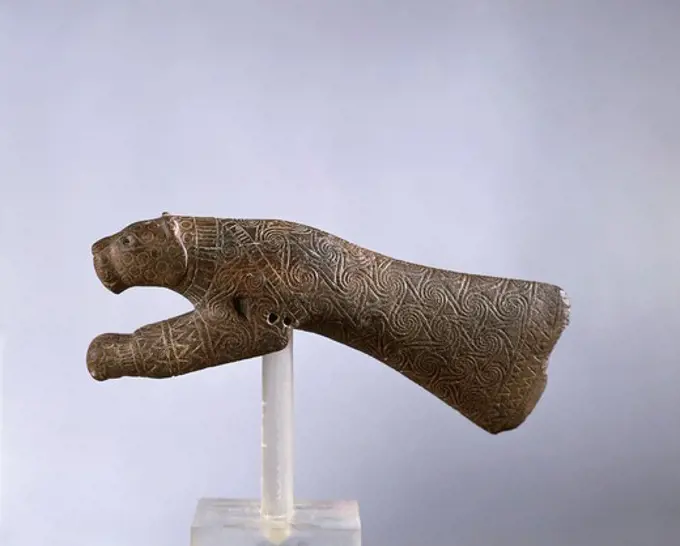
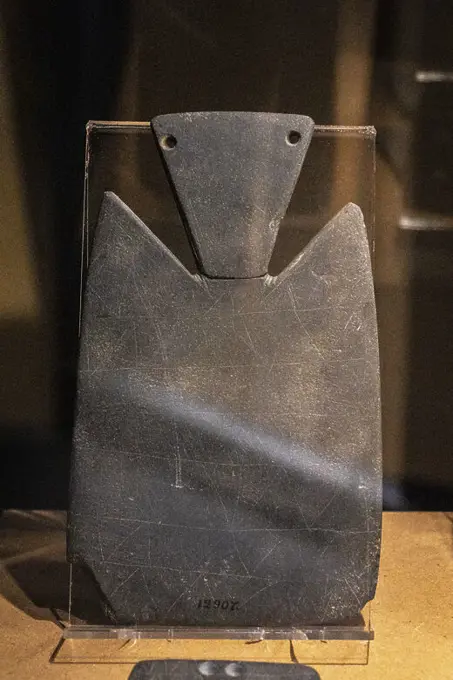
Dark shale hatchet in form of leopard
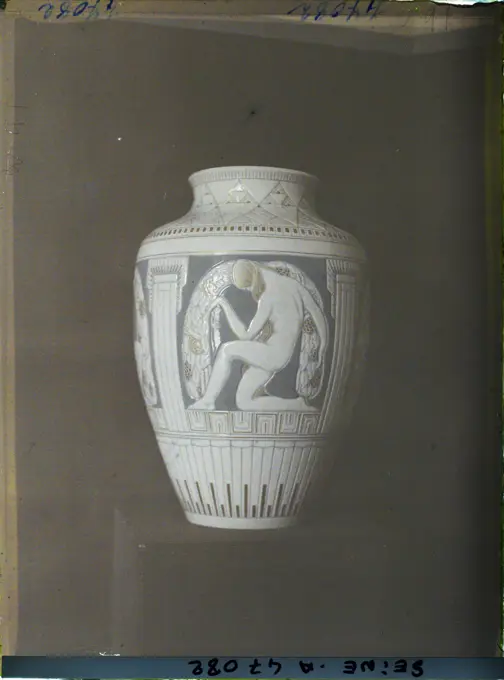
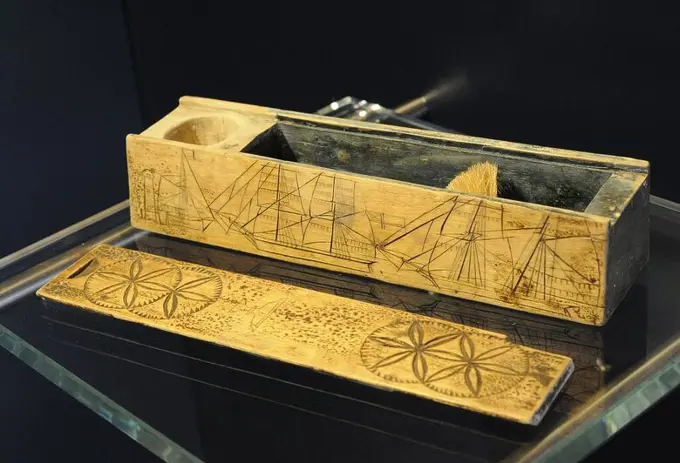
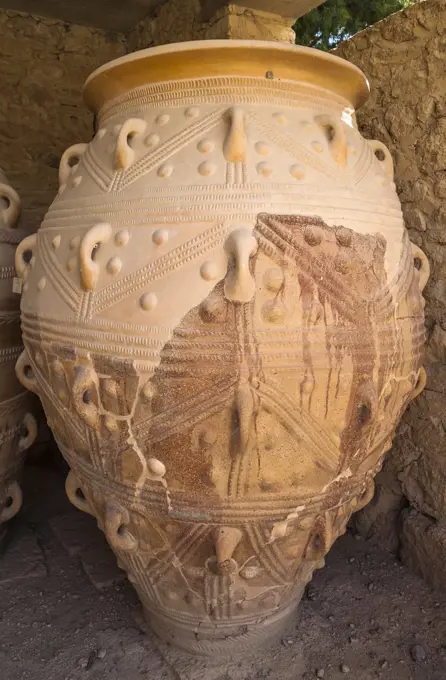
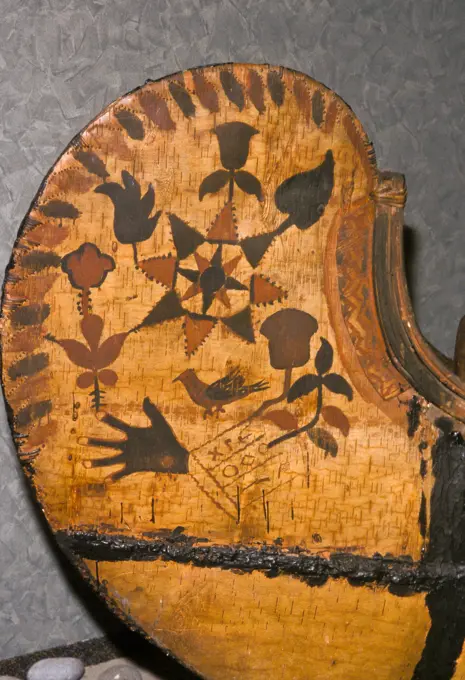
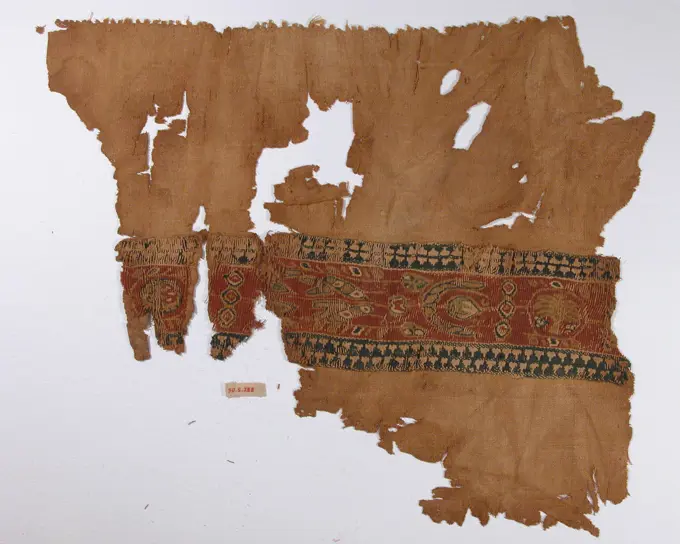
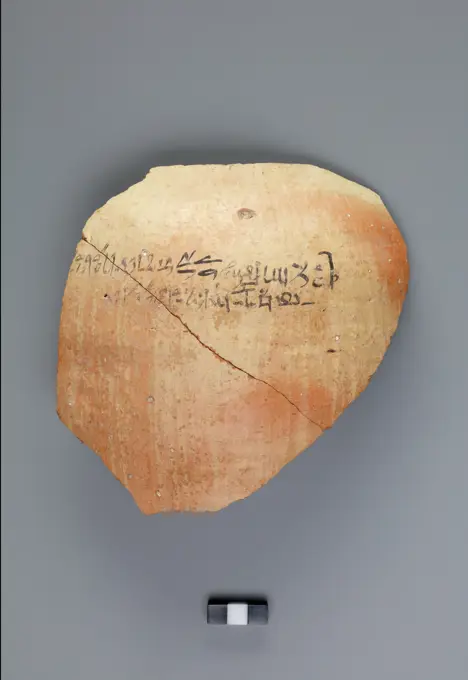
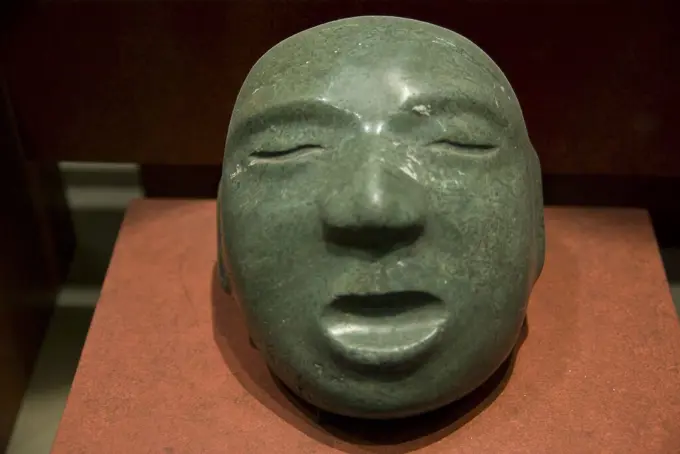
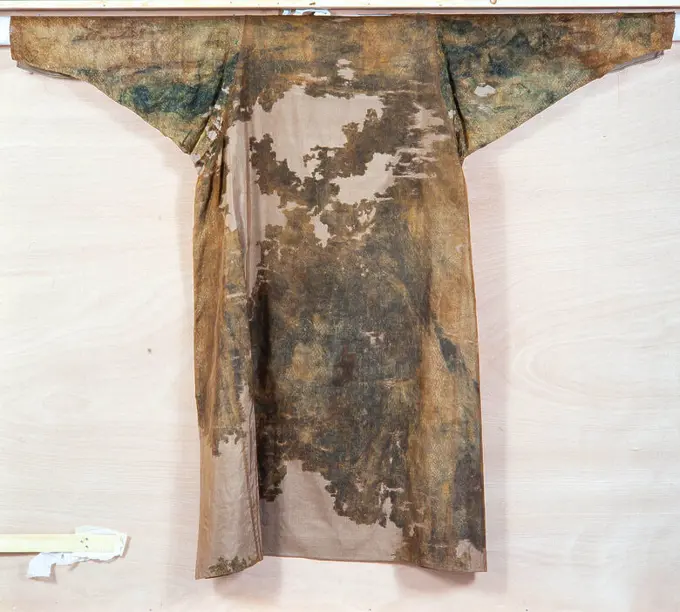
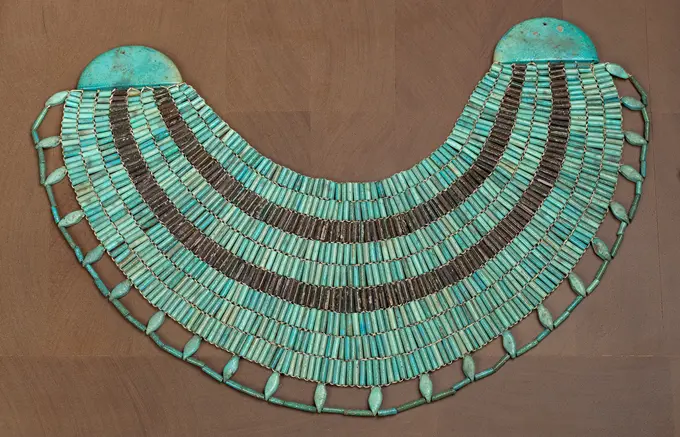
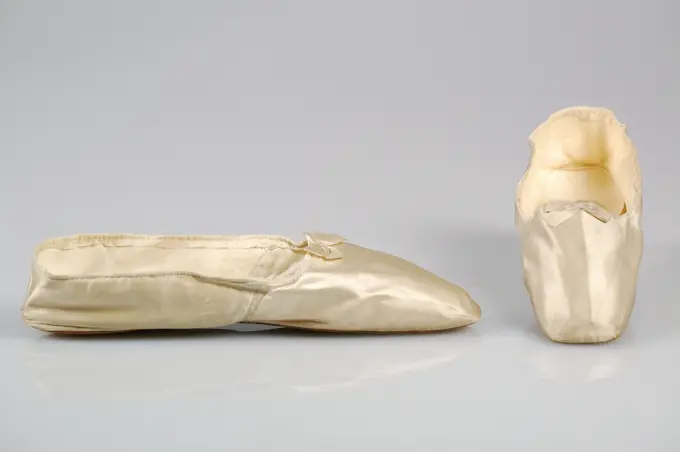
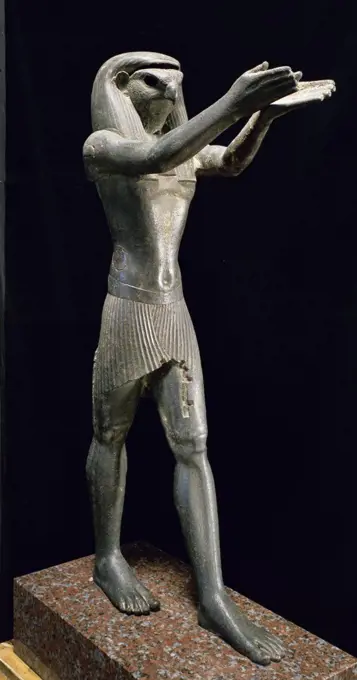
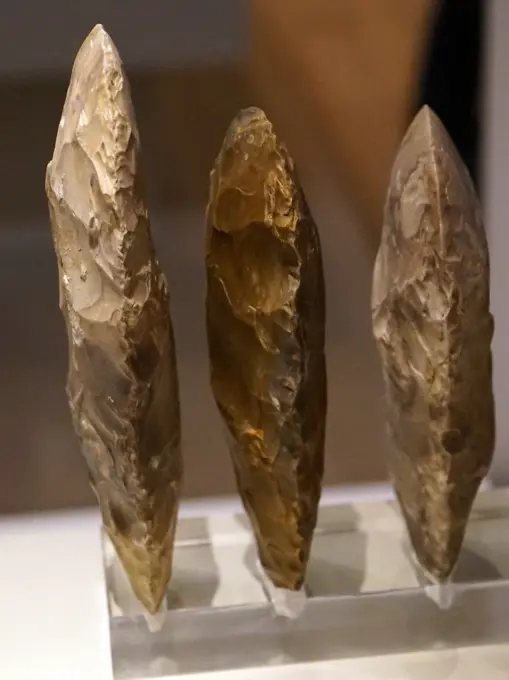
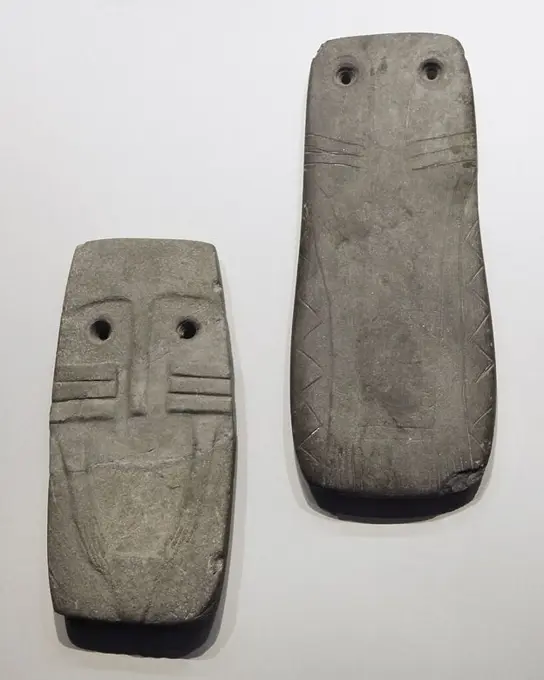
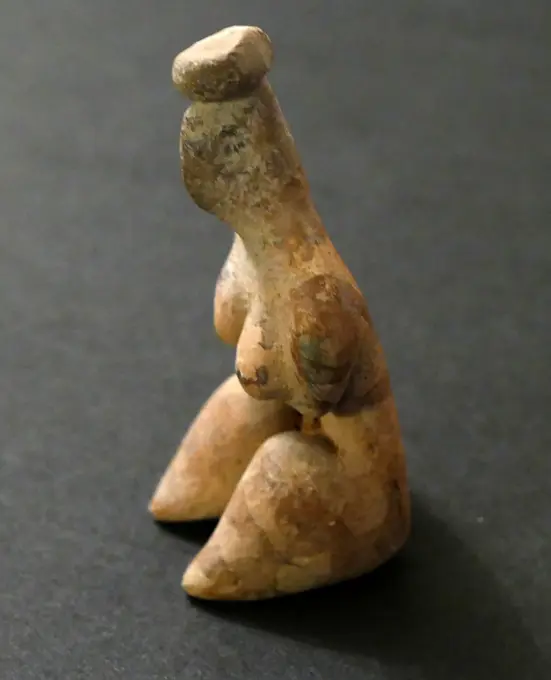
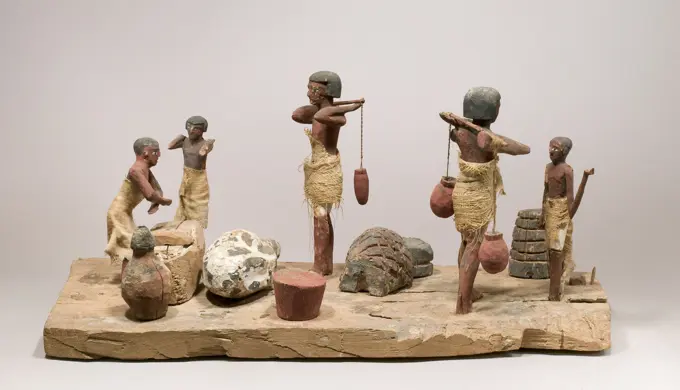
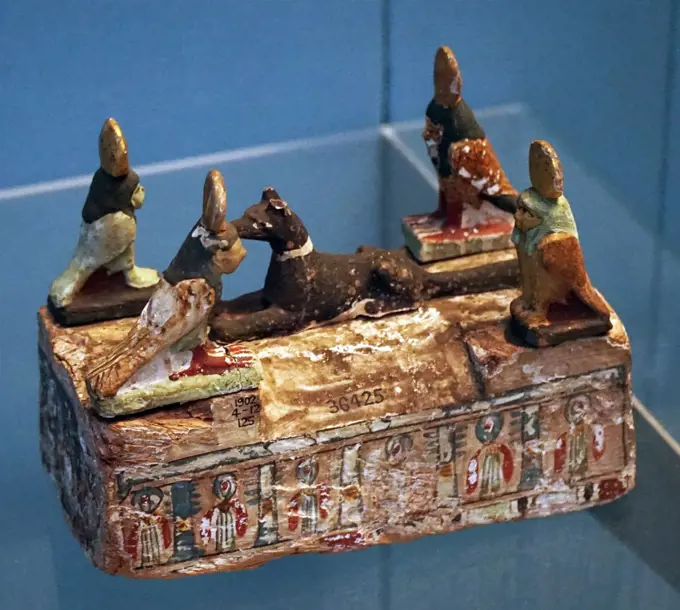
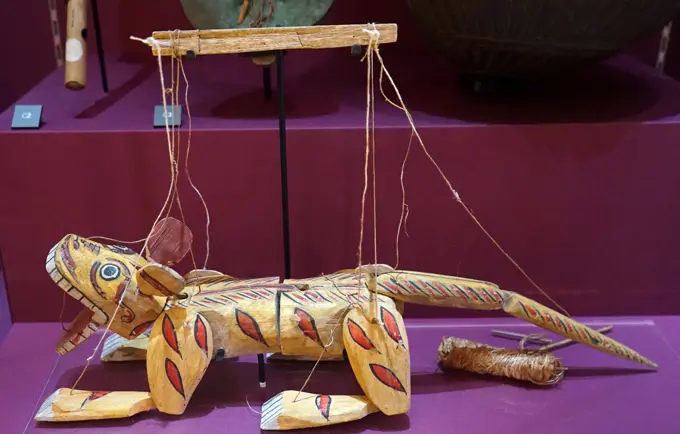
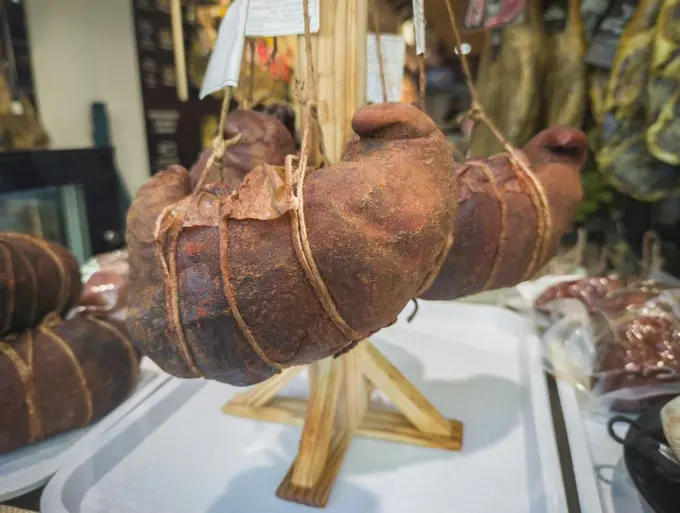
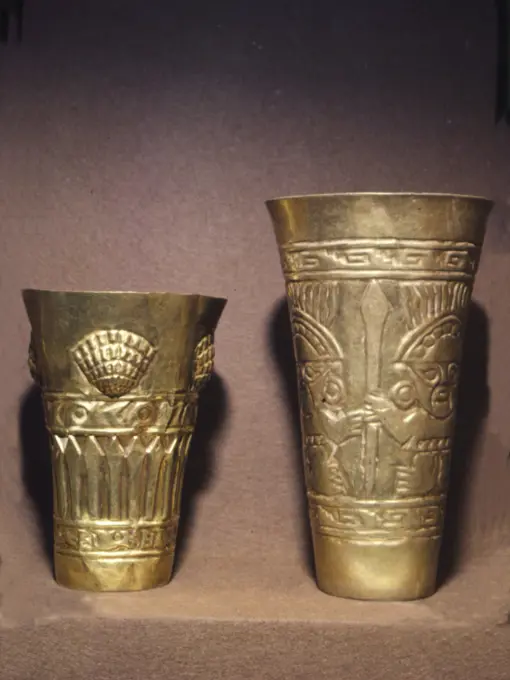
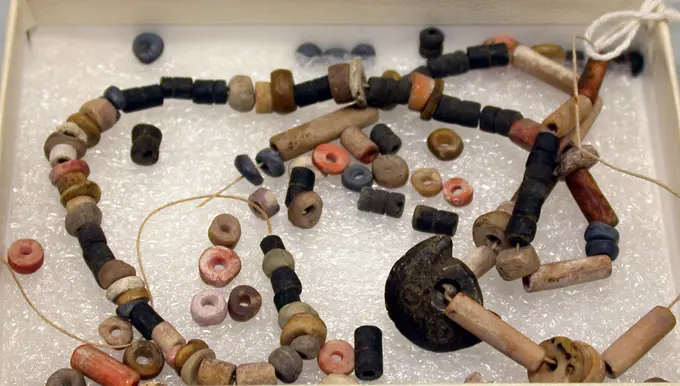
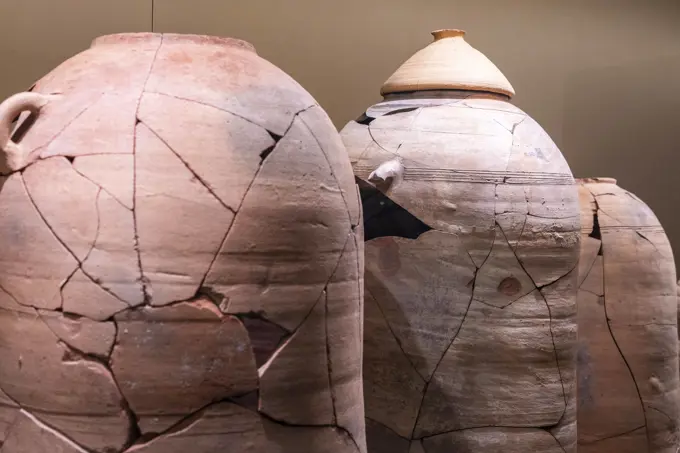
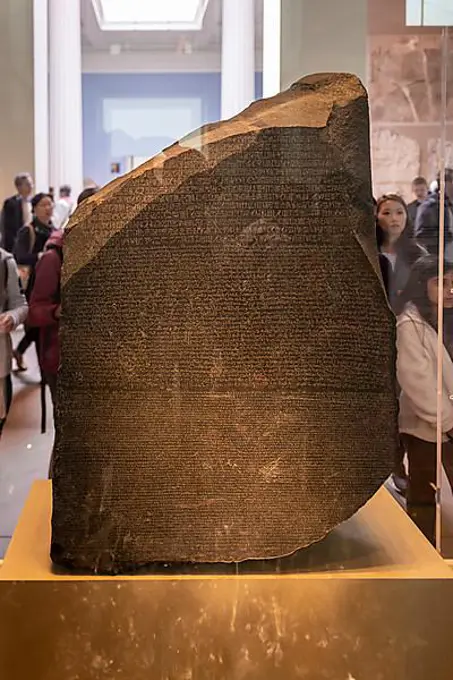
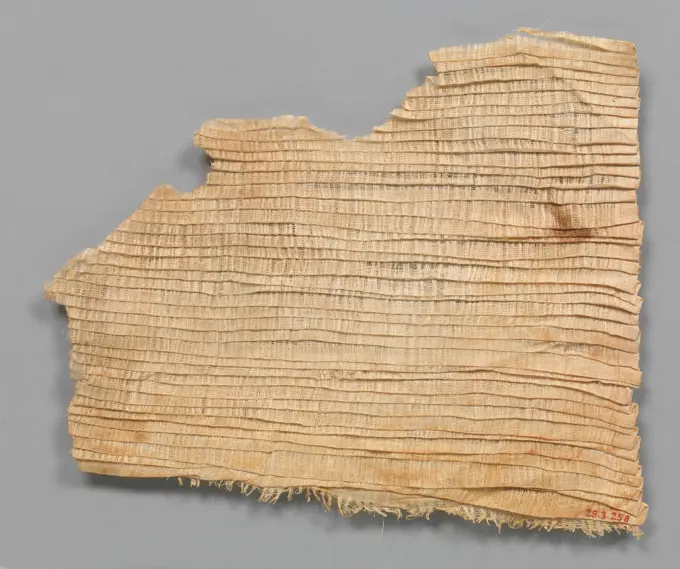
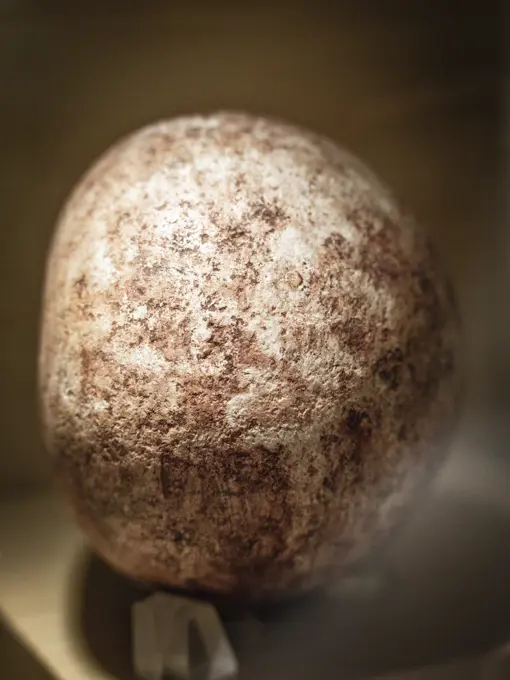
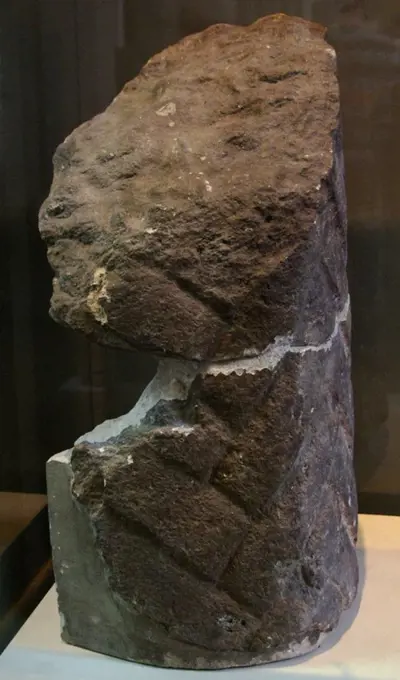
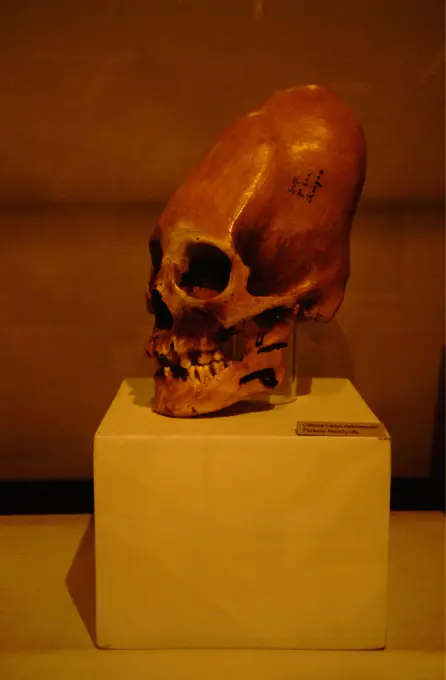
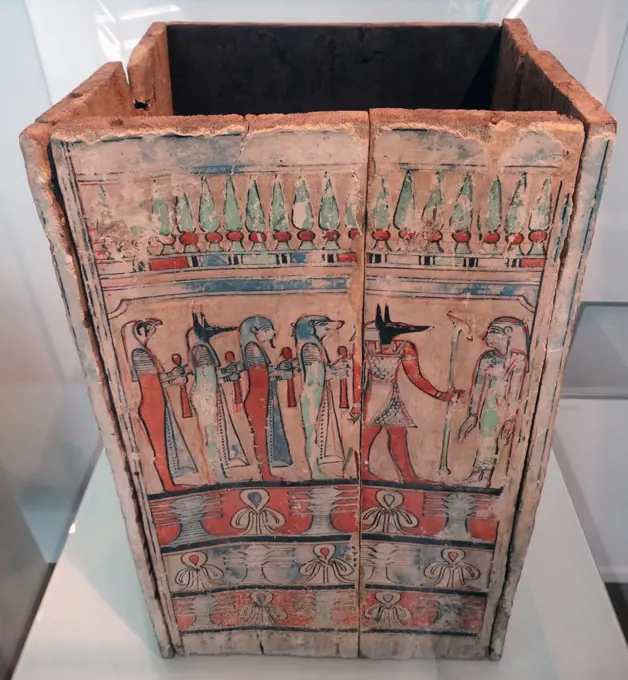
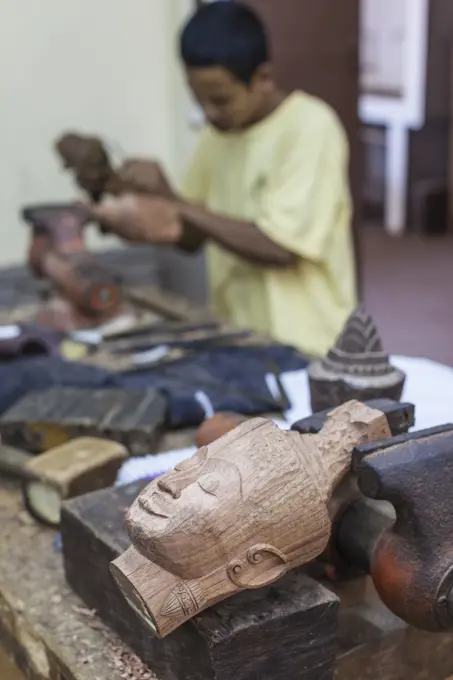
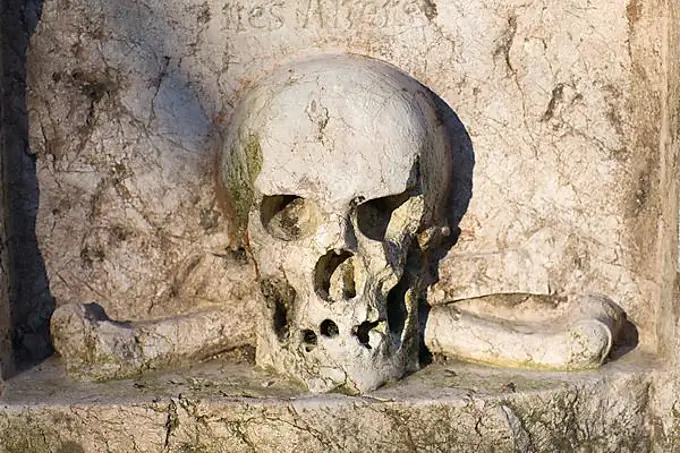
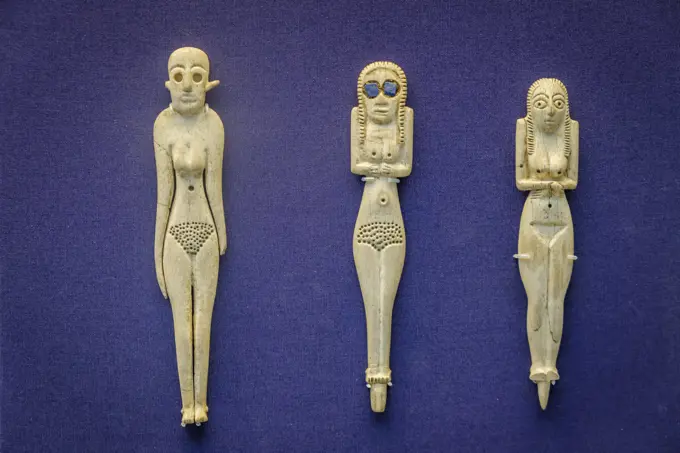
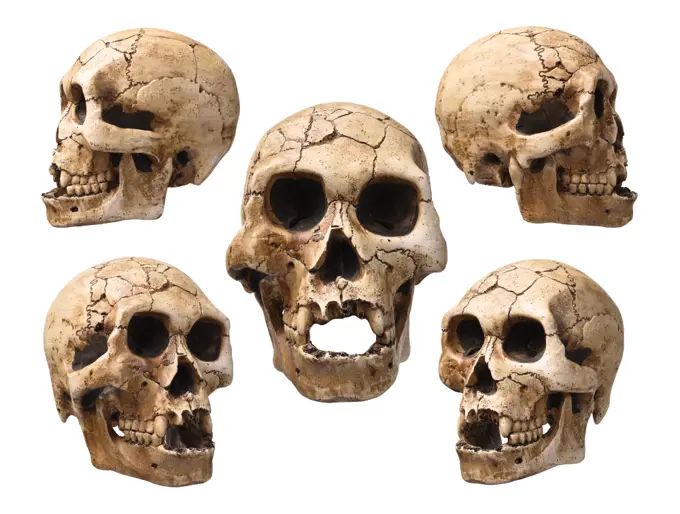
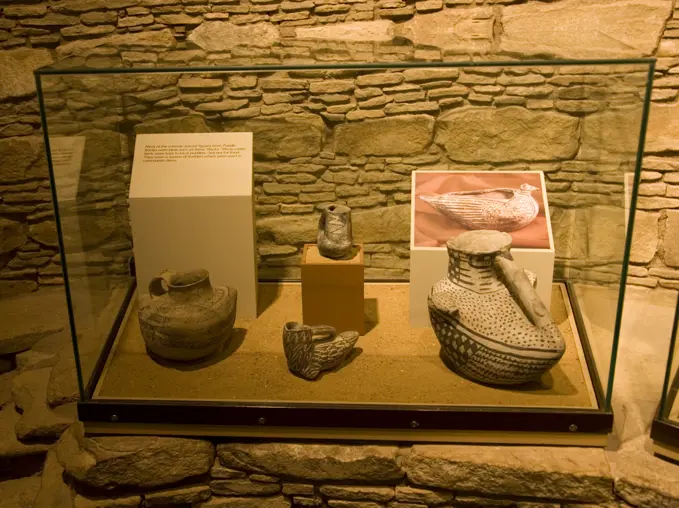
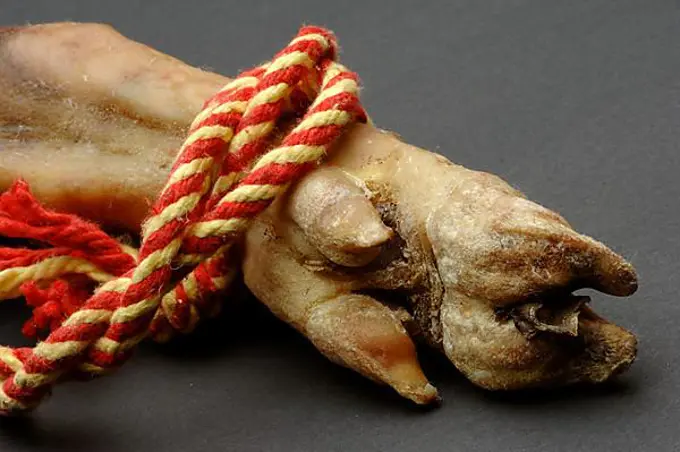
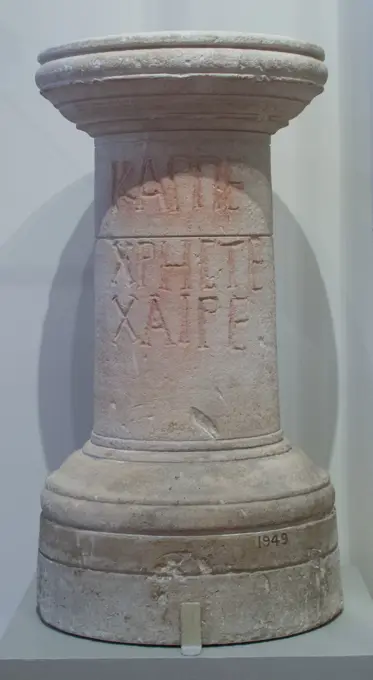
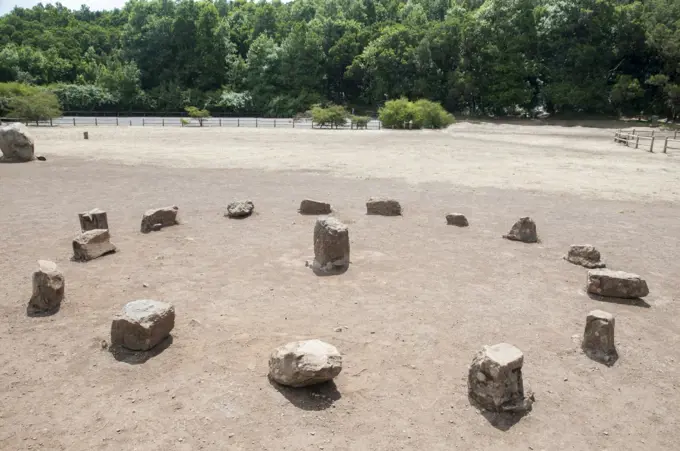
CABEZA DE JABALI CON LA EFIGIE DE UN HOMBRE EN SUS FAUCES ABIERTAS O CARA HUMANA CON TOCADO DE COYOTE - BARRO Y MOSAICO DE CONCHA - TOLTECA. Location: MUSEO NACIONAL DE ANTROPOLOGIA. MEXICO CITY. CIUDAD DE MEXICO.Stucco Fragment probably 8th-12th century. Stucco Fragment 740971Ceramic Prism with Inscription 7th Century B.C. The prism records a set of royal land grants to prominent Babylonian families.Fragment. Dimensions: L 38 x W 31.5 x H 4.5. Date: probably 8th-12th century. Museum: Metropolitan Museum of Art, New York, USA.Paris (VIIE arr.), France The exhibition of decorative arts, national manufacture of Sèvres, hard porcelain, decor of Grande , 1925 - International Exhibition of Modern Decorative and Industrial Arts Paris (French - Paris ( VIIe arr. ) , France L' Exposition des arts décoratifs , Manufacture Nationale de Sèvres , Porcelaine dure , décor de grand feu). Vase, decorative arts, ceramics, exhibition, exhibition of decorative arts, ephemeral architecture, Art , Habitat , Architecture, France, Paris, Exhibition of decorative arts, Manufre nle de Sèvres. A vase with charactersAJUAR DE LA TUMBA 15 LOS MILLARES. CALCOLITICO. CULTURA DE LOS MILLARES. (DEPOSITO: MUSEO ARQUEOLOGICO NACIONAL).Barber box, 1808 by prisoner, Abraham Johannesen de Drobak. Between 1807-14 Norwegian mariners spent time in English prisons (ships used as prisons). Norwegian Maritime Museum. Oslo. Norway.Greece, Crete, Knossos, A Pithos, large storage jar, in The Magazines of The Giants, Knossos Palace.The Shawnee Indians built fancy canoes from materials such as peeled bark from trees and then would decorate their canoes with fancy painted symbols and designsestela funeraria decorada con figura de un jinete, Borobia, museo Numantino de Soria, Soria, Comunidad Autónoma de Castilla, Spain, Europe.Fragment of a Tunic 6th-7th century. Fragment of a Tunic 443774Jar Label ca. 1390-1352 B.C. New Kingdom. Jar Label. ca. 1390-1352 B.C.. Pottery and ink, paint. New Kingdom. From Egypt, Upper Egypt, Thebes, Malqata, Palace of Amenhotep III, MMA excavations. Dynasty 18anthropomorphic plate, schist, 3600-2500 BC, Herdade da Comenda, Montemor-o-Novo, Portugal, Huelva Museum, Huelva, Andalusia, Spain.Fragment, 700s. China or Japan, 8th century. Gauze ground, resist dyed; overall: 12.7 x 18.5 cm (5 x 7 5/16 in.).Marble Ionic column from Megara, Roman period.Jade Mask, 600-800 AD, from Calakmul Archaeological Zone, Museum, Fort San Jose, Campeche, State of Campeche, Mexico, North AmericaTerracotta votive offering. From an Etruscan or Etrusco-Campanian selection once featured in Henry Welcome's museum. 4th-2nd Century BC.Onyx Tripod Vessel before 16th century Mexican. Onyx Tripod Vessel 317566Crested grave cover with inscription, from Siraf, Iran. Dated 10th Century Mexico.Mexico city.National Museum of Antropology. Guerrero culture.Classic (200-800 AC).Jade mask..painted stones, (around 19000 BC), Navarra,Spain.AMULETOS: ESCARABEO, OJED, UDJA, SEGUET, BES, TOERIS, HIJOS DE HORUS.EGIPCIO. (DEPOSITO: MUSEO ARQUEOLOGICO NACIONAL).Dálmatica de Pere Durg, siglo XIII. Museu del Disseny de Barcelona.bronze votive offering, Iberian sanctuaries of Collado de los Jardines and Castellar de Santisteban, Iberian culture, Archeological Museum. Úbeda, Jaén province, Andalusia, Spain.Reproduction Of A Farmer's Burial Site On Display At The R. P. Gustavo Le Paige Archaeological Museum, San Pedro De Atacama, Antofagasta Region, ChileRELIQUIAS ENCONTRADAS EN EXCAVACIONES. Location: CATEDRAL-INTERIOR. SANTIAGO DE COMPOSTELA. A CORUÑA. SPANIEN.Plain limestone sarcophagus from Southfleet, Kent. Dated 2nd CenturyModel Broad Collar of Hapiankhtifi ca. 1981-1802 B.C. Middle Kingdom One of the complete burial groups excavated at Meir belonged to the Steward Hapiankhtifi. When the mummy was unwrapped in the Museum numerous objects were discovered: a model dagger and sheath, two mirrors, a bat amulet, jewelry, and a ceremonial flail-an emblem of Osiris, with whom the deceased is identified. Broad collars of faience beads such as this were an indispensable part of every funerary outfit. This one - restrung in the Museum - consists of 9 rows of cylindrical beads strung on edge in a sequence of 2 blue, 1 black, 2 blue, 1 black and 3 blue rows. At the bottom are 23 leaf pendants with 2 blue cylindrical beads strung together lengthwise between them. Two semi-circular clasps lay on the shoulders of the wearer.. Model Broad Collar of Hapiankhtifi. ca. 1981-1802 B.C.. Faience, blue green and black. Middle Kingdom. From Egypt, Middle Egypt, Meir, Tomb of Hapiankhtifi, Mummy, Khashaba excavations, 1910-12. DEvening slippers 1845-65 probably French. Evening slippers 168923Model of a Scribe's Palette Inscribed for Amenhotep. Dimensions: L. 44.5 cm (17 1/2 in); w. 8 cm (3 1/8 in). Dynasty: Dynasty 18. Reign: reign of Amenhotep III. Date: ca. 1390-1352 B.C..This funerary model of a scribe's palette is inscribed for the royal scribe and chief Steward in Memphis, Amenhotep who lived during the reign of Amenhotep III. Museum: Metropolitan Museum of Art, New York, USA.Statue of Horus  1069-664 BCE Egyptian Art  Bronze Musee du Louvre, Paris, Francependant in the shape of a skull, marble, Ibero-Roman era, Riotinto mines, Huelva Museum, Huelva, Andalusia, Spain.In the fortress of Girne, Kyrenia, harbour castle, antique shipwreck around 300 BC in the Shipwreck Museum, shipwreck museum, antique cargo ship, boat...bronze spear and axes, 8th-6th century BC, Oppidum de Puente Tablas, Iberian culture, Iberian Museum of Jaén, Andalusia, Spain.Late Neolithic axe heads 3000-2000 BC, Found at Great Baddow, England; flintPiezas arqueológicas procedentes de Can Peixau. Museu de Badalona.Left: Idol-plate anthropomorphic. 3750-2500 BC. Chalcolithic. From the Dolmen of Garrovillas (Garrovillas de Alconetar, province of Caceres, Extremadura). Right: Idol-plate anthropomorphic. Chalcolithic. From Barbacena (Elvas, Portugal). National Archaeological Museum. Madrid. Spain.Tell Halaf, Clay Fertility Idol, circa 5,000 BC. Ancient Near East, Anatolia (central Turkey) and Northern Syria, Tell Halaf. The Halaf culture of Anatolia and ancient Syria came about in approximately 5000 BCE and created female figurines with particular fertility attributes that are displayed in this example. Note how the figure sits with upraised knees and legs extended, with both of her arms cradling and supporting her protruding breasts.mortar, Son Fornes archaeological museum, talayotic period room (1300-123 a. C.), Montuiri, Es Pla region, Mallorca, Spain.Italy. Lombardy. Arsago Seprio, Lombard necropolis. Civic Museum.Texas, Houston. Museum of Fine Artsred granite water-spout fountain from the funerary temple of King Unas at Saqqara, Egypt. 6th DynastyFunerary Cone New Kingdom ca. 1550-1295 B.C. View more. Funerary Cone. ca. 1550-1295 B.C.. Pottery. New Kingdom. From Egypt, Upper Egypt, ThebesModel farmyard and butchery ca. 2030-1850 B.C. Middle Kingdom. Model farmyard and butchery. ca. 2030-1850 B.C.. Wood, paint. Middle Kingdom. From Egypt, Middle Egypt, Asyut (Lykopolis), Khashaba/Kamal excavations, 1910. Dynasty 11-mid 12Pieces of peruvian pottery, inca ceramicMiniature sarcophagus of painted wood, with ba birds and jackal from the Ptolemaic Period. Dated 305 BClate 19th century, Tiger puppet from Burma (Myanmar), collected by Gertrude Benham. Traditional Burmese plays generally started with a story about the beginning of the world including the creation of animals. As a 'baddie', the tiger always enters from the left.Extremaduran buche displayed at butchers shop. Pork stomach stuffed with ribs, tail, tongue and snoutGold beakers. 11th-15th cent. AD. Chimu. Pre-Inca civilisation. PERU.Necklace Beads 1st-mid-16th century Peru; north coast (). Necklace Beads 309243Iberian amphorae Iberian amphorae, lids/enbudos and reel support, 5th-3rd century BC, Giribaile, Iberian culture, Iberian Museum of Jaén, Andalusia, Spain Copyright: xZoonar.com/BartomeuxBalaguerxRotgerx 21704784Rosetta Stone, Rosetta Stone, Rosetta Stone, Egyptian Exhibition at the British Museum, London, England, Great BritainCorner of a pleated linen sheet of queen Neferu ca. 2051-2030 B.C. Middle Kingdom. Corner of a pleated linen sheet of queen Neferu 545319Felsblock mit anthropomorpher Figur mit dreieckigem Kopf Felsblock mit anthropomorpher Figur mit dreieckigem Kopf Copyright: xZoonar.com/BartomeuxBalaguerxRotgerx 22556723Workshop of Ricard Jordà, 2012, Mataró, Barcelona, Catalonia, Spain.Game of 58 Holes, Gaming board, 1000 BC. Artist: Unknown.MONTAJE-CIUDAD. Author: JUAN NAVARRO BALDEWEG.Fragment of the beard of the Great Sphinx of Giza. Egypt. New Kingdom. 14th century BC. 1420BC. British Museum. London. England. United Kingdom.Carthage helmet and body armour, bronze ferro and silver, The Coliseum , Rome, Lazio, Italy ,."Drac de Na Coca".Museo diocesano (Museu diocesà).Centro historico.Palma.Mallorca.Baleares.España.Textile, two fragments ofknittingHuman skull located in a funerary mound. 1700-500 A.c. Hasslow, Halland region. Historical Museum. Stockholm. Sweden.Canopic Jars, Ancient Egyptian, 26th dynasty, 664-525 BC. Artist: UnknownAntiquarium. Small museum with remains of city of Pompeii after the Vesuvius eruption. Amphoras. Pompeii. Italy.England, London, British Museum, Exhibit of Egyptian Mummiespotter s seals potter s seals, Archeological Museum. Úbeda, Jaén province, Andalusia, Spain Copyright: xZoonar.com/BartomeuxBalaguerxRotgerx 21702680Beaded medicine bag of the Mandan on display at the On-A-Slant Indian Village museum, SDPeru, Ica, Regional Museum, Paracas domed skull, misshapen as a baby to indicate wealthMontreal, 17 June 2017: Marketplace at Pointe-à-Callière MuseumExcavation tools at a dig site in Unicorn Cave in Germany; GermanyPair of Earrings. Thailand, Ban Chiang culture, 300 B.C.-A.D. 150. Jewelry and Adornments; earrings. GlassWooden box used in an Egyptian tomb, as container for the internal organs during the Ptolemaic Period (302-30 BC). Richly decorated with religious motifs with several amulets between them. ( dyed pillar, the Isis knot, the symbol of Ufe the ankh or the Uraeus sceptre).Cambodia, Siem Reap. Artisans Angkor, traditional craft workshop and woodcarving.Skull and crossbones on a gravestone, Alter Suedfriedhof Cemetery, Munich, Bavaria, Germany, EuropeDriftwood fragment, weathered wood, natural wooden texture driftwood fragment, weathered wood, natural wooden textureIvory female figurines with Lapis Lazuli inlay eyes. Ancient Egyptian Ivory female figurines with Lapis Lazuli inlay eyes. Ancient Egyptian, Early Middle Predynastic, 3900-3300 BC, British museum, London, England, Great Britain Copyright: xZoonar.com/TOLOxBALAGUERx 21633076Collection of human skull isolated on whiteNM, New Mexico, Chaco Culture National Historic Park, Chaco Canyon, home of Ancestral Pueblo people between AD 850 - 1250, Visitor Center, museum exhibits of potteryKey of the arch of the Basilica of Santa María de Mataró, 15th century, Architectural element.Whole leg of pork, Pork, Spanish Serrano Ham, SerranoLimestone funerary cippus (tomb marker) 2nd-3rd century A.D. Roman, Cypriot The Greek inscription reads: Good Karpos, farewell!”. Limestone funerary cippus (tomb marker). Roman, Cypriot. 2nd-3rd century A.D.. Limestone. Imperial. Cesnola InscriptionsFolk art: Life-size model of an Indian Elephant, wood, Cochin, India, 2009.Statue lying on the ground near the Mosque of Abu Nasir Khan, Jajpur, IndiaFrance, Vaucluse, Vaison la Romaine, archaeological museumdolmen round shaped with stones