Ancient Artifacts

Fragments and tools from different ancient cultures, including jade and terracotta, demonstrating historical craftsmanship and material use.
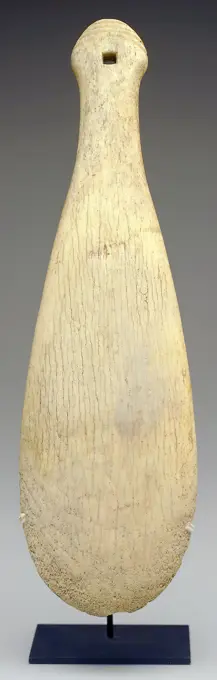
Patu Paraoa, early 19th century, 15 5/16 x 4 3/8 x 1/2 in. (38.89 x 11.11 x 1.27 cm), Whale ivory, New Zealand, 19th century
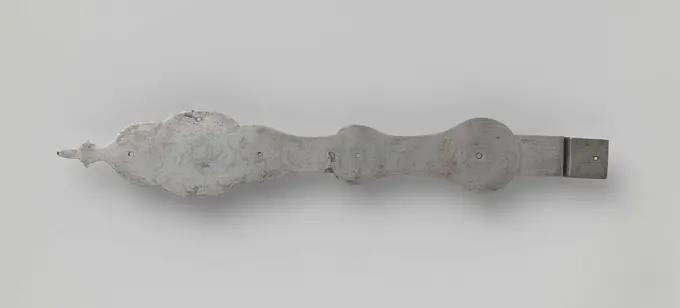
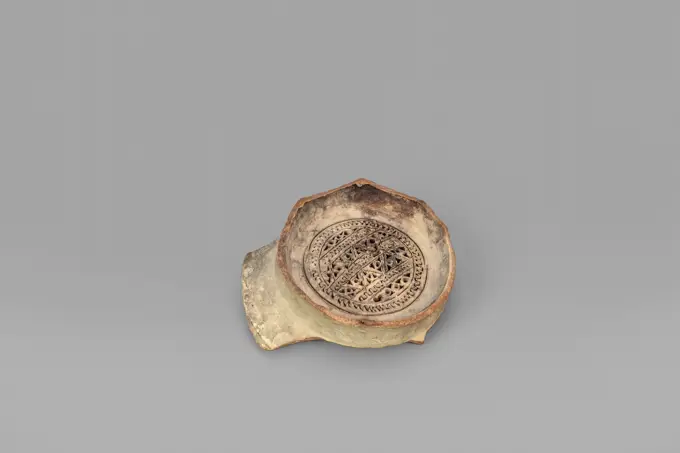
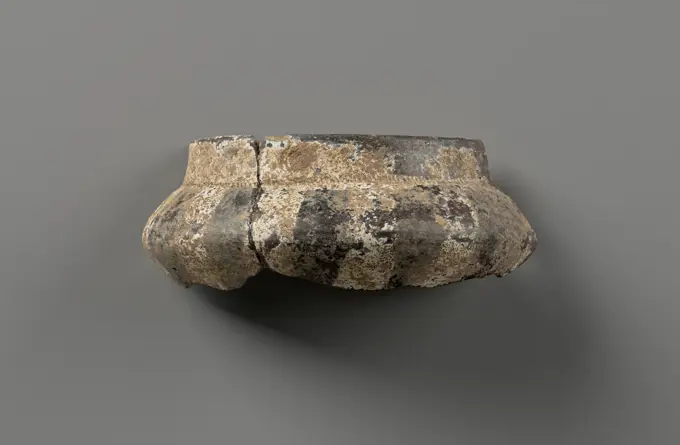
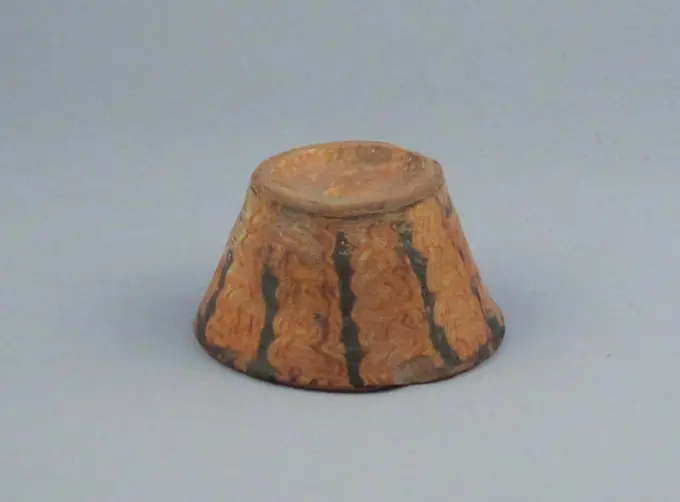
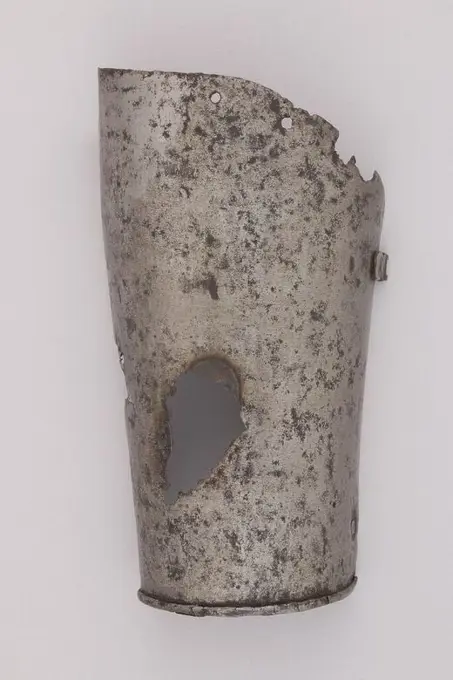
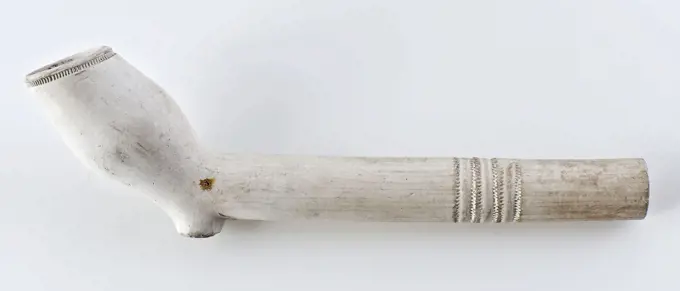
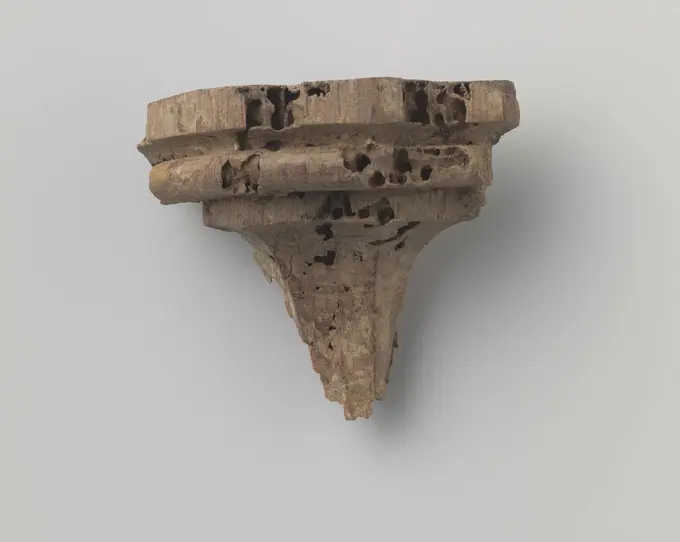
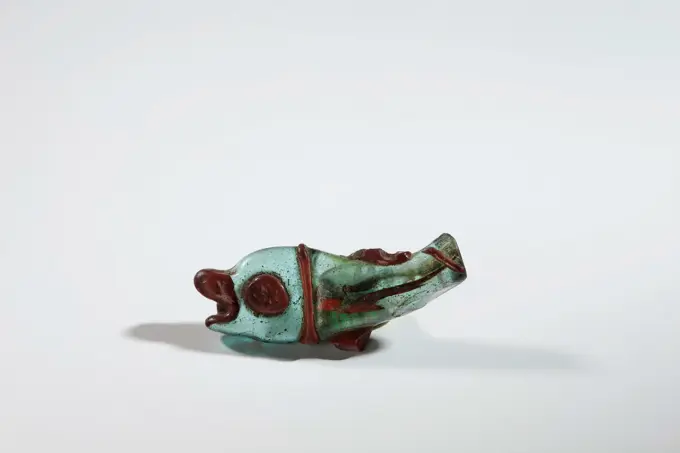
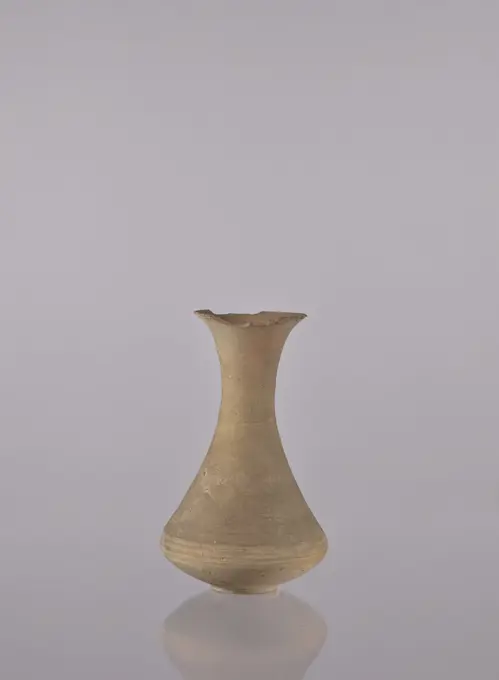
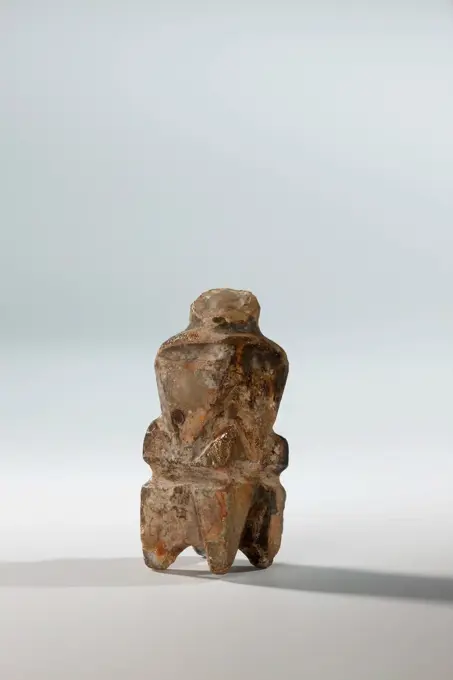
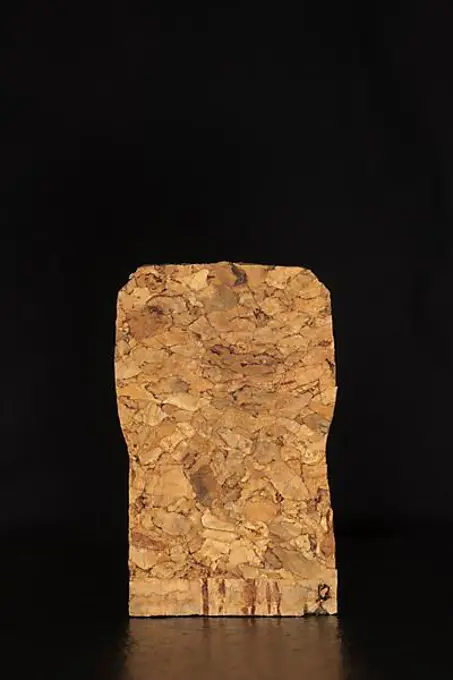
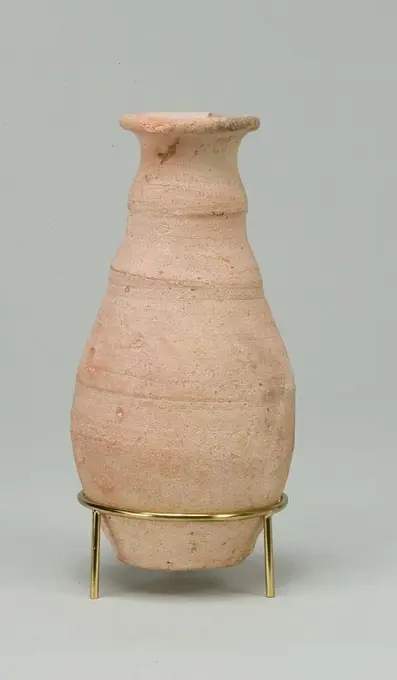
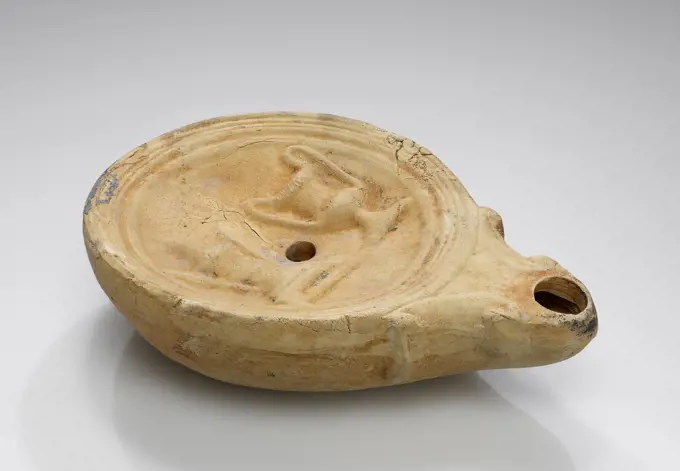
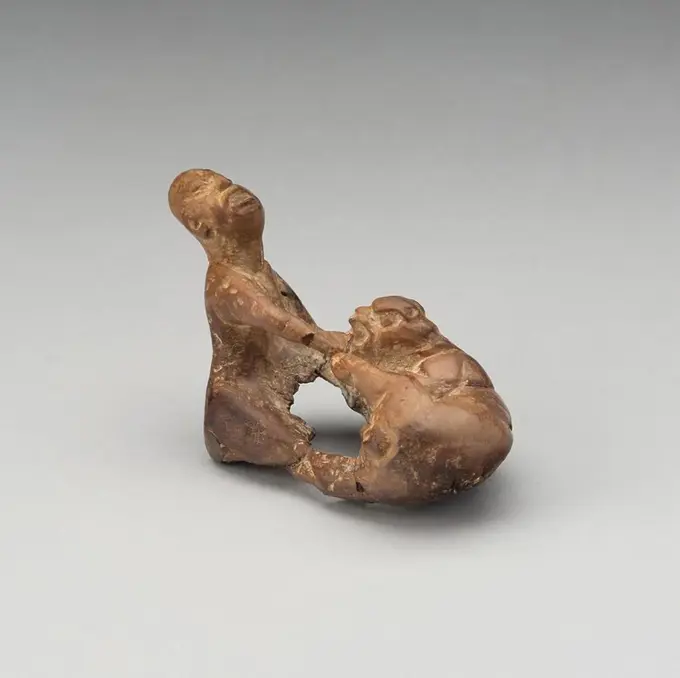
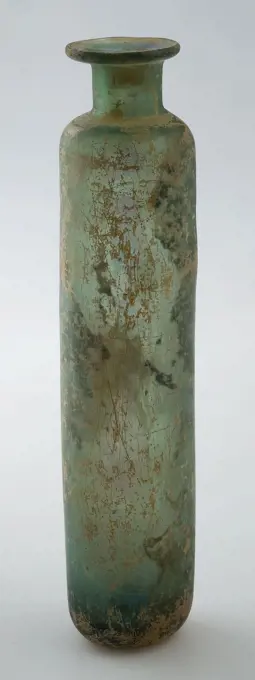
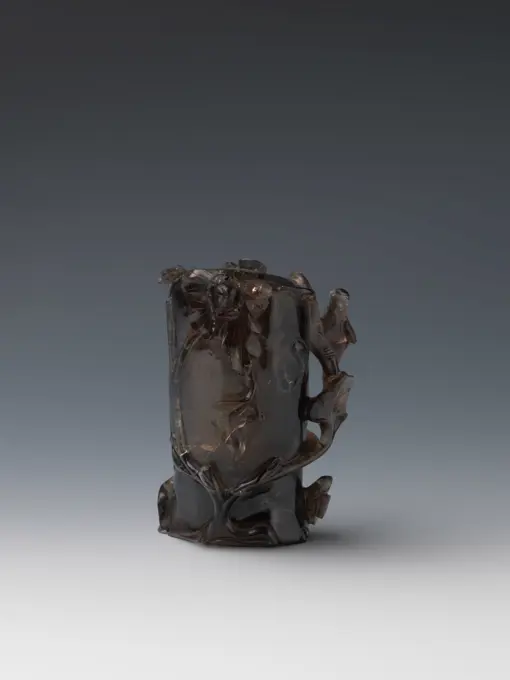
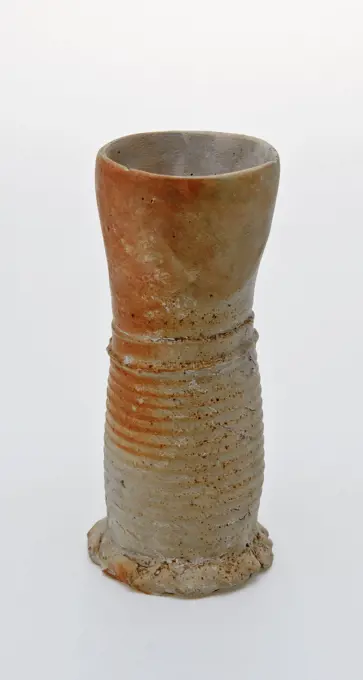
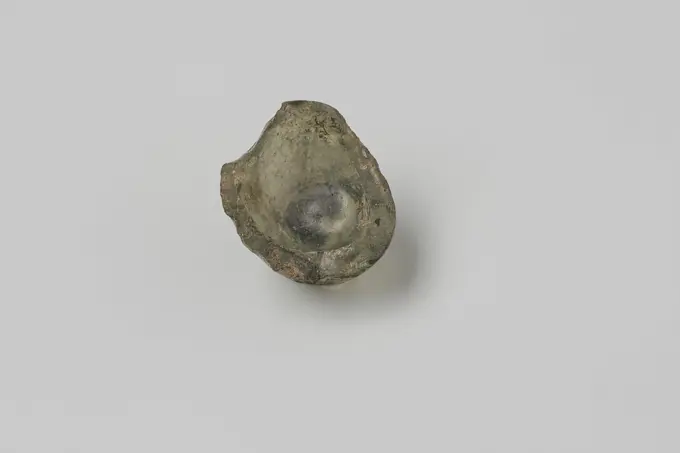
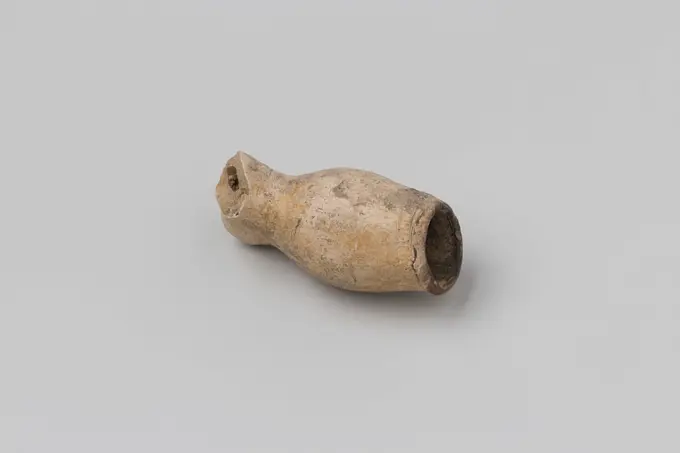
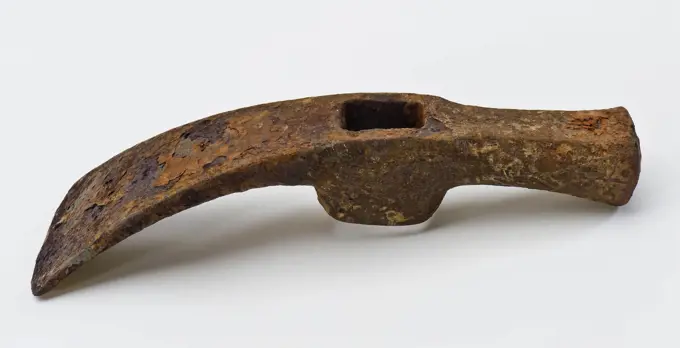
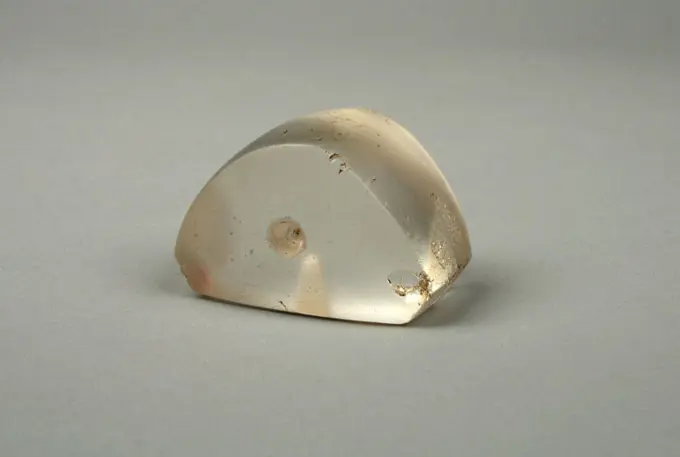
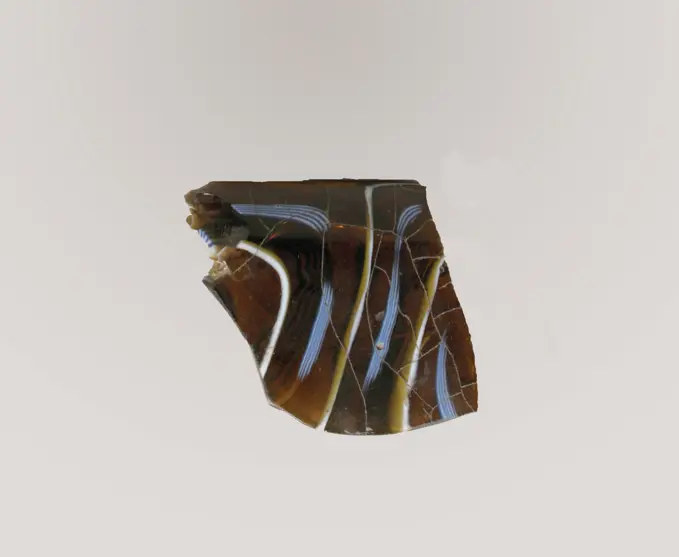
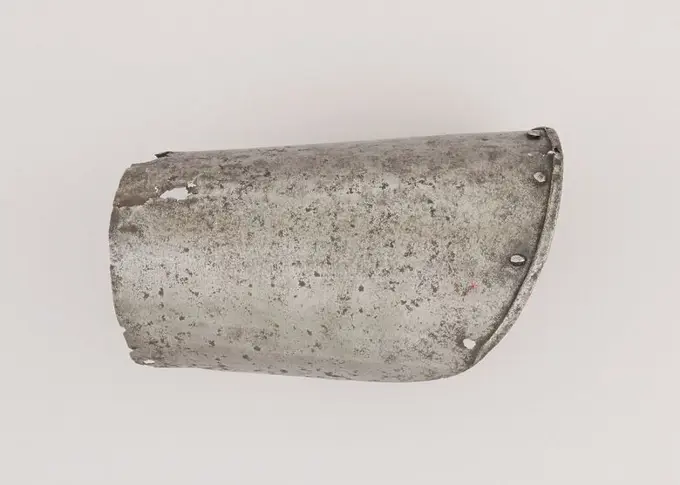
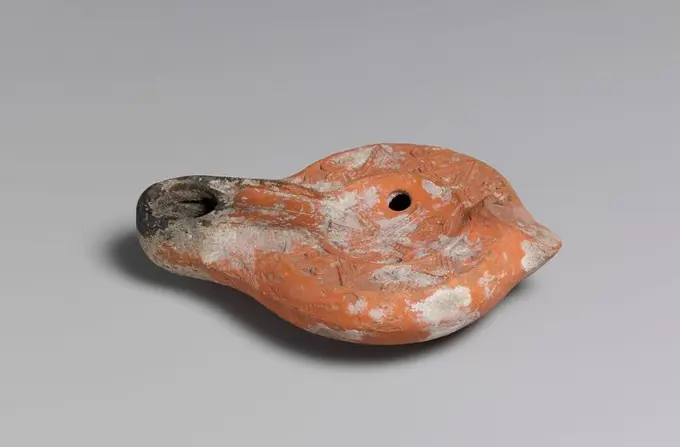
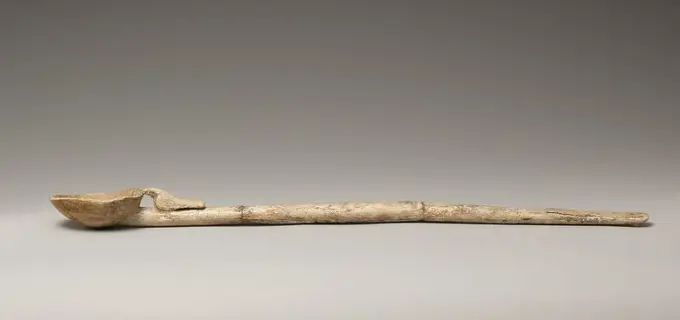
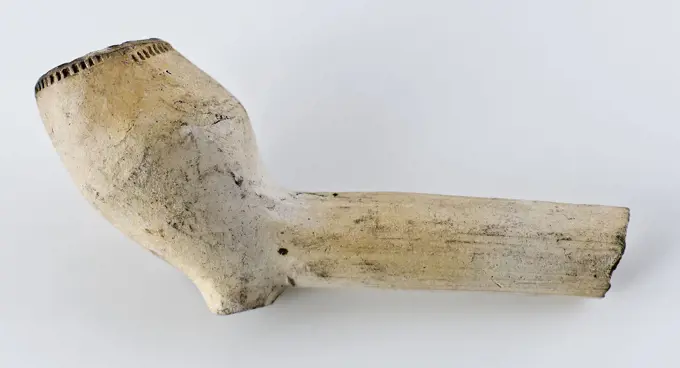
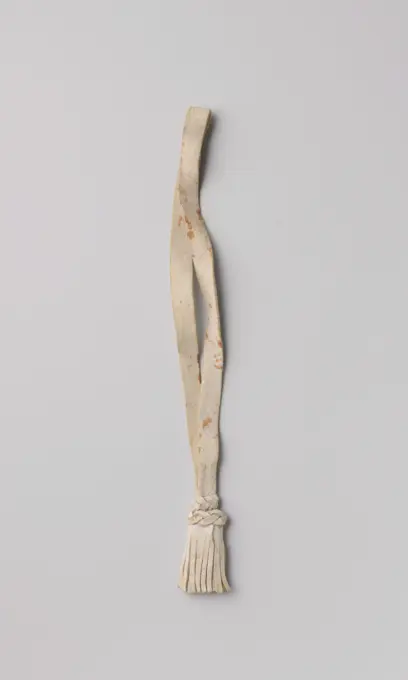
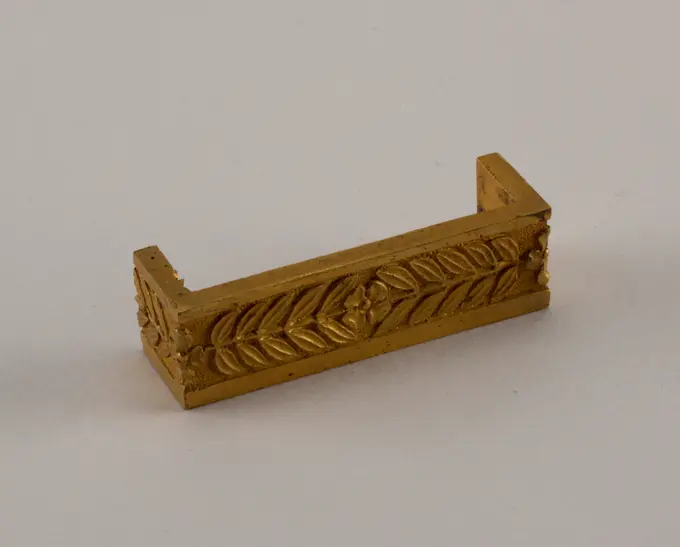
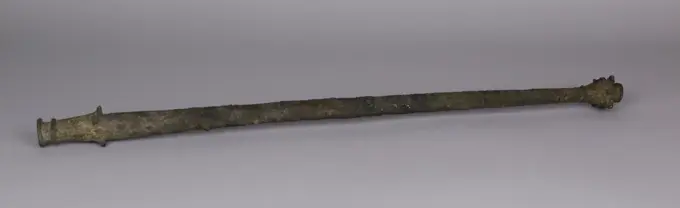
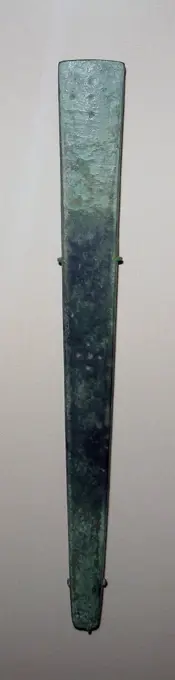
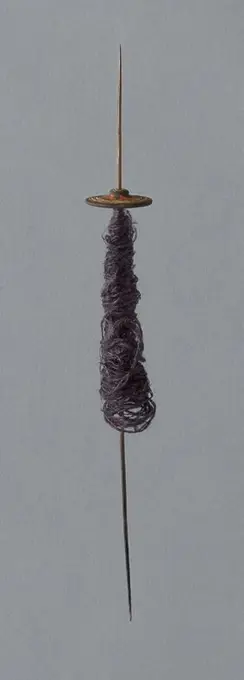
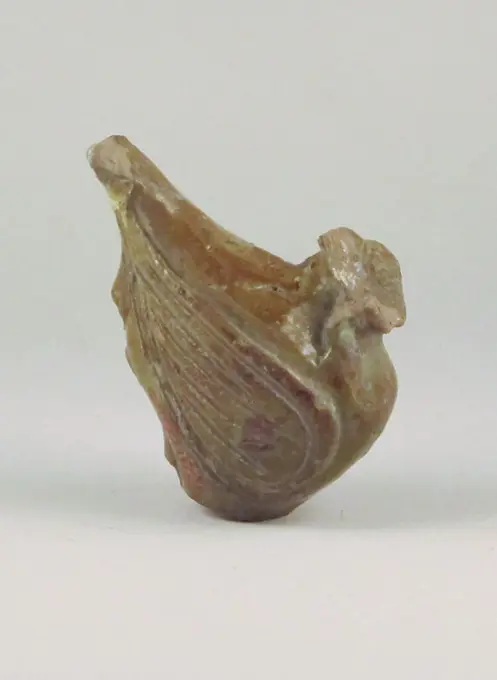
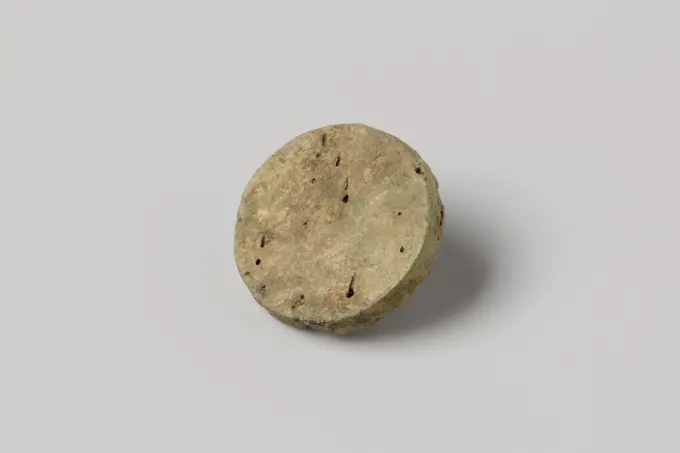
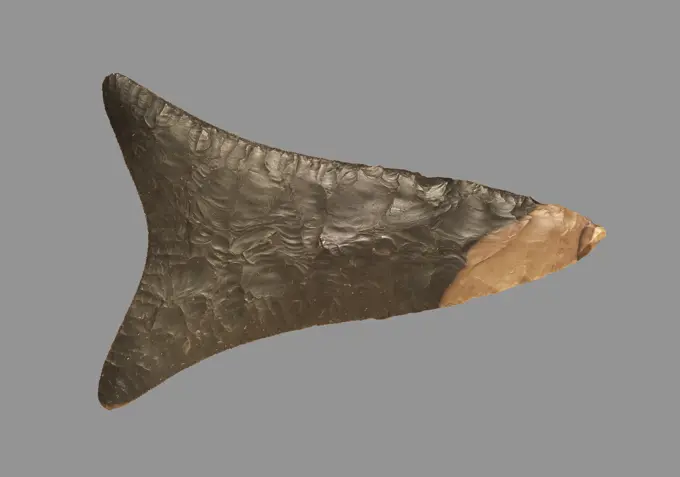
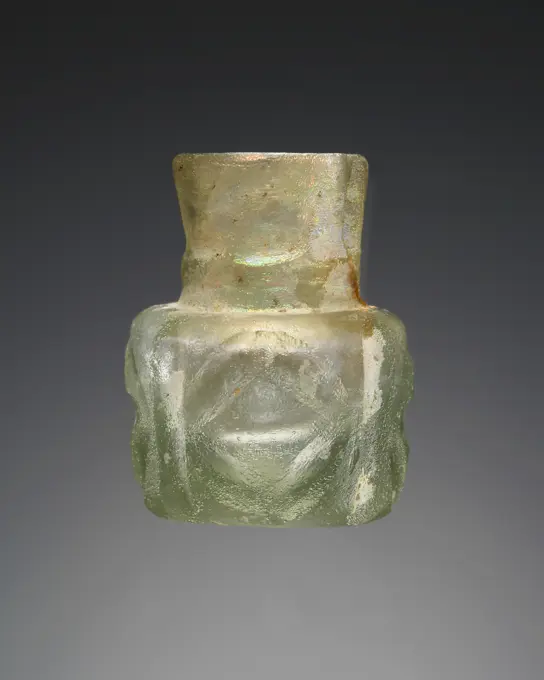
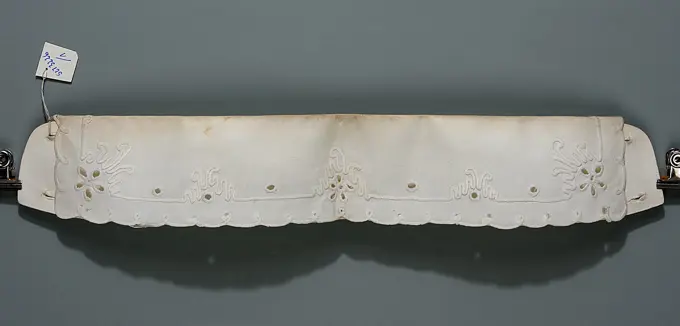
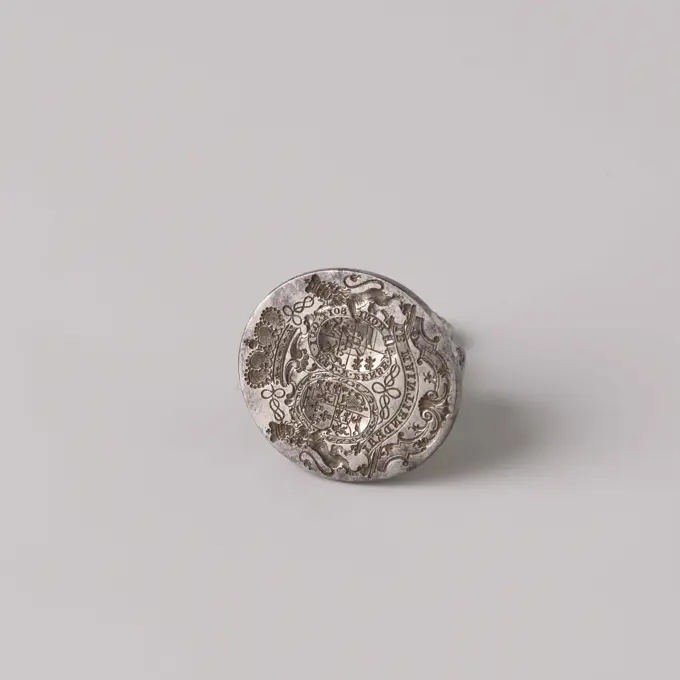
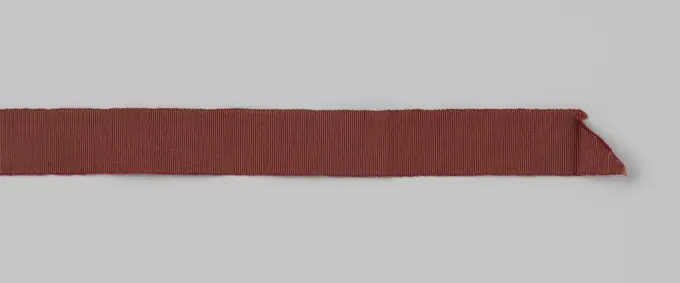
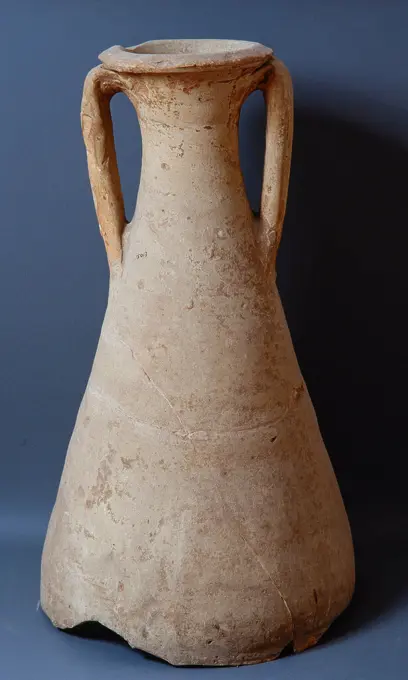
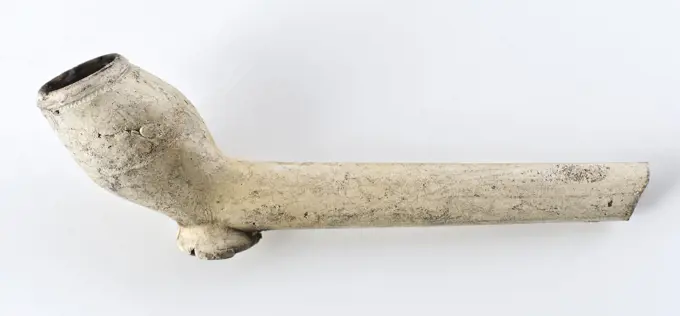
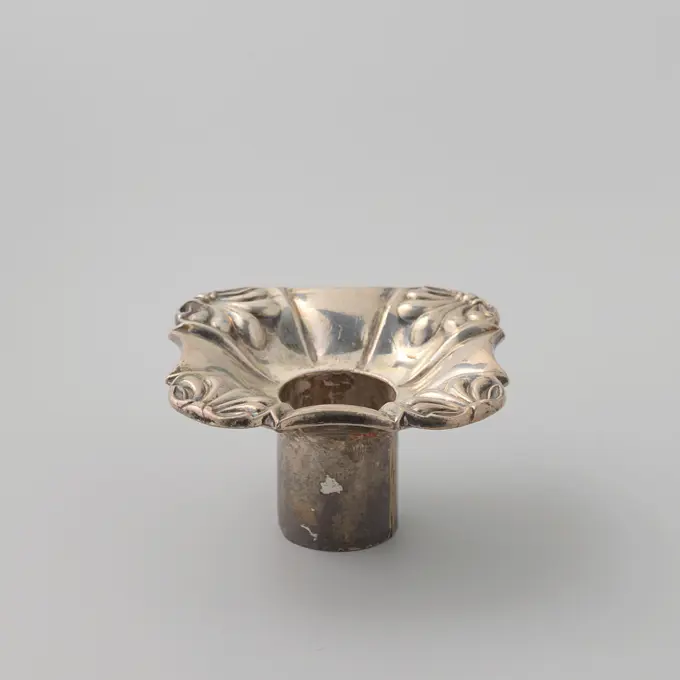
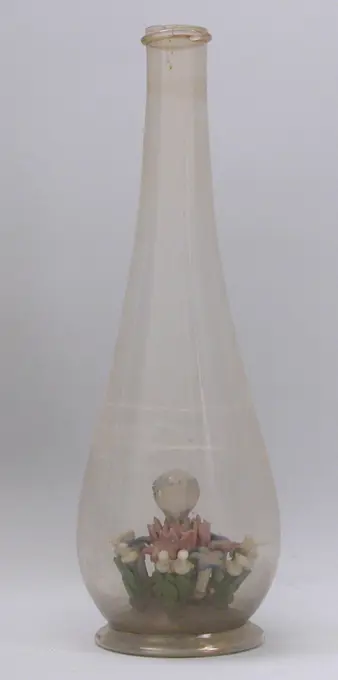
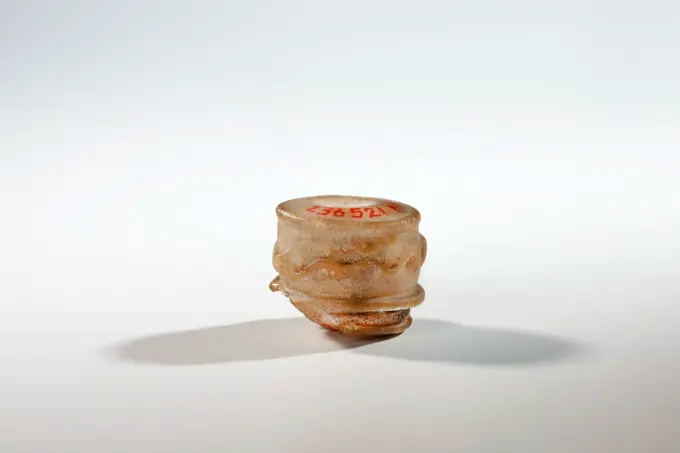
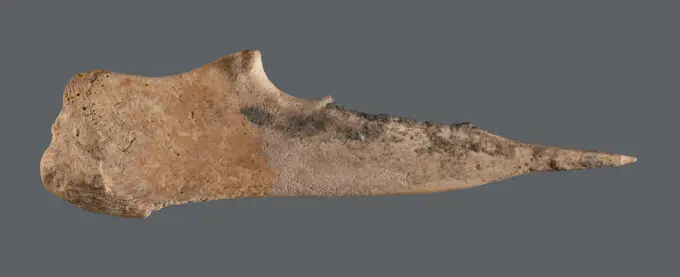
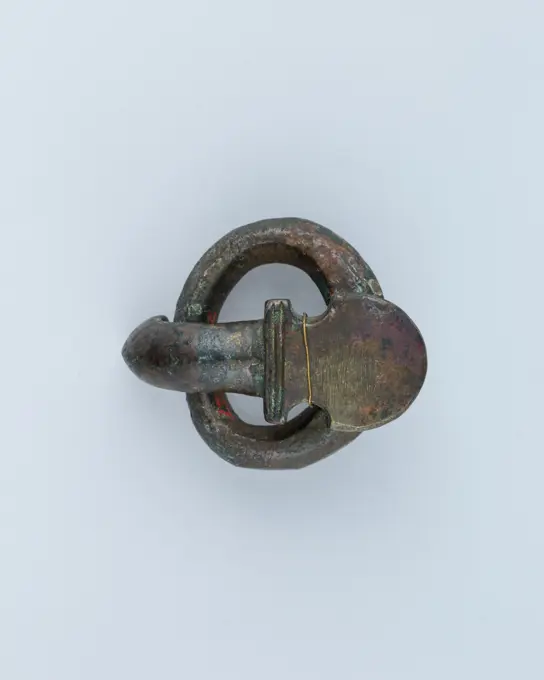
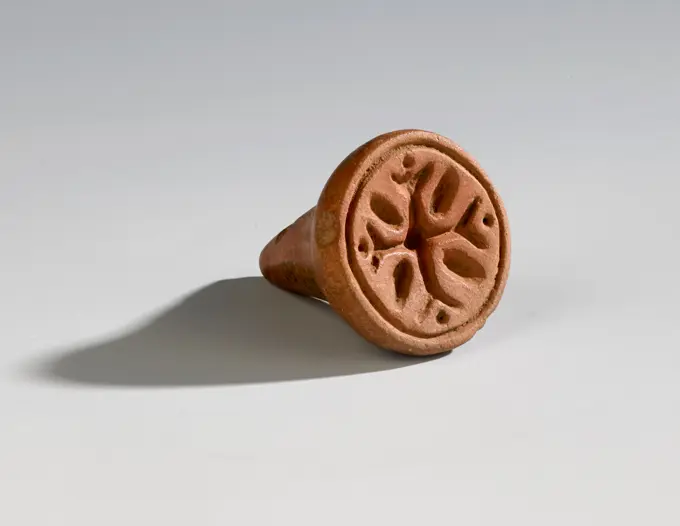
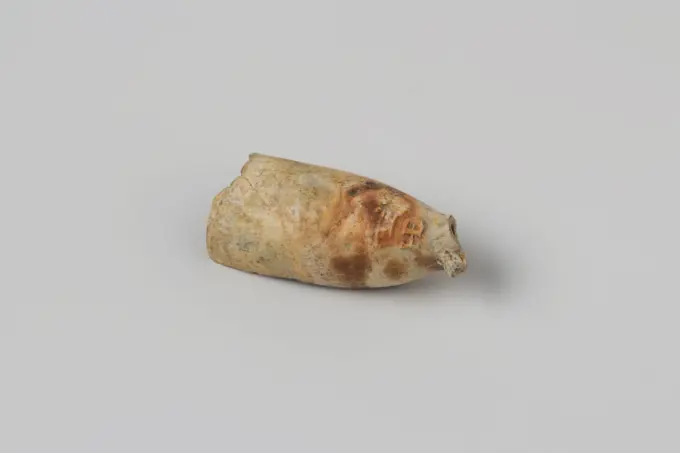
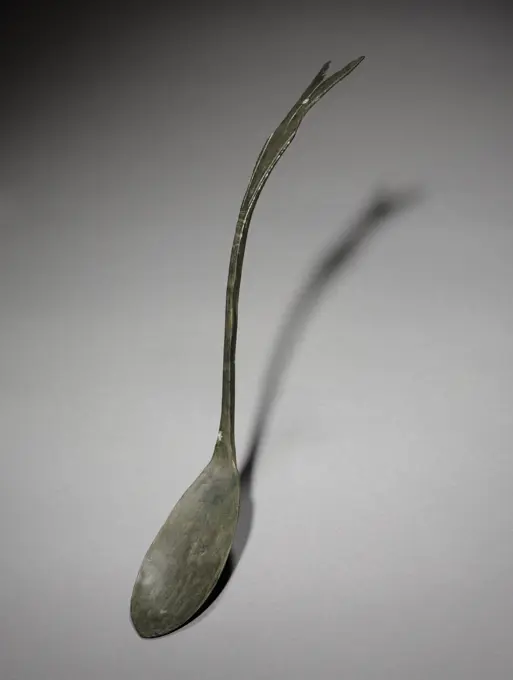
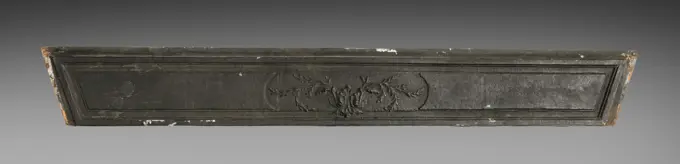
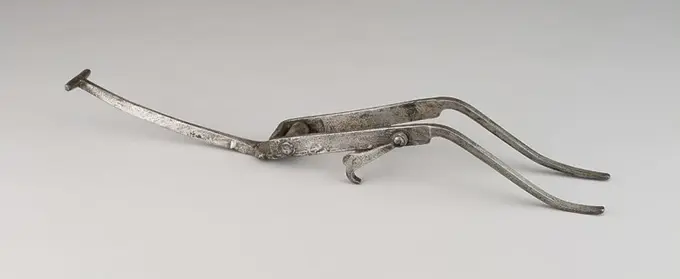
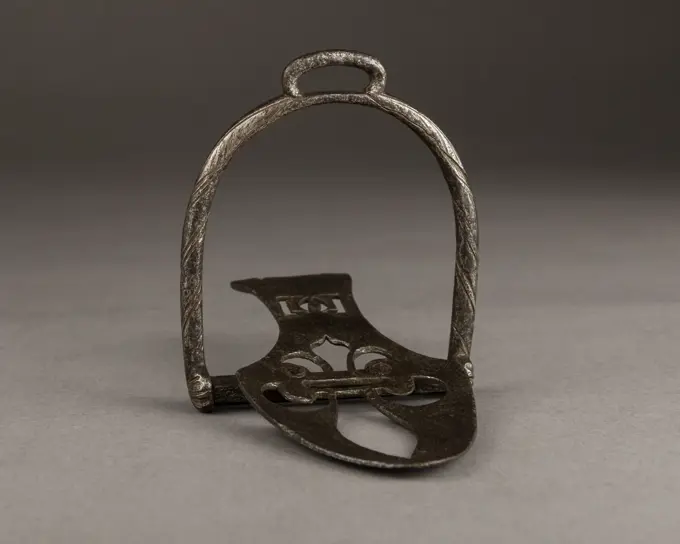
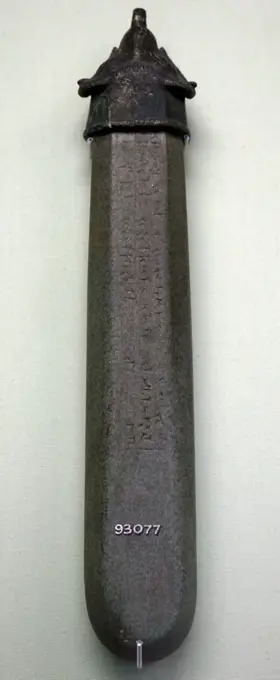
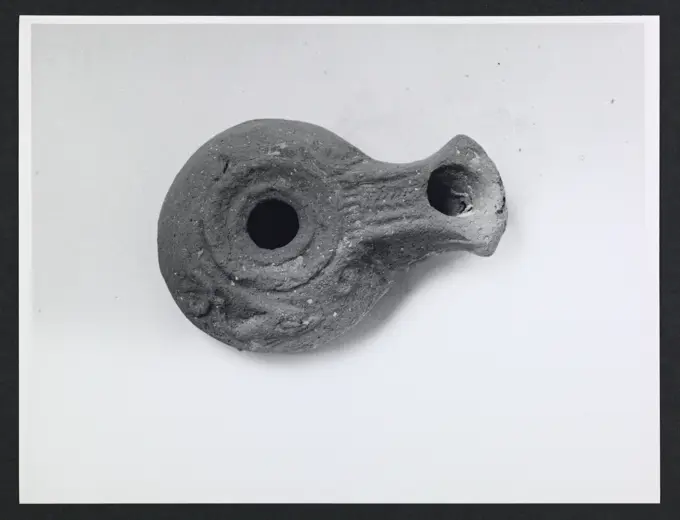
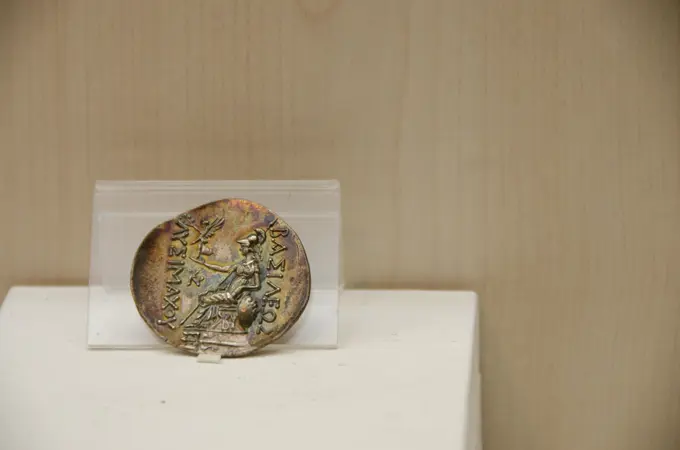
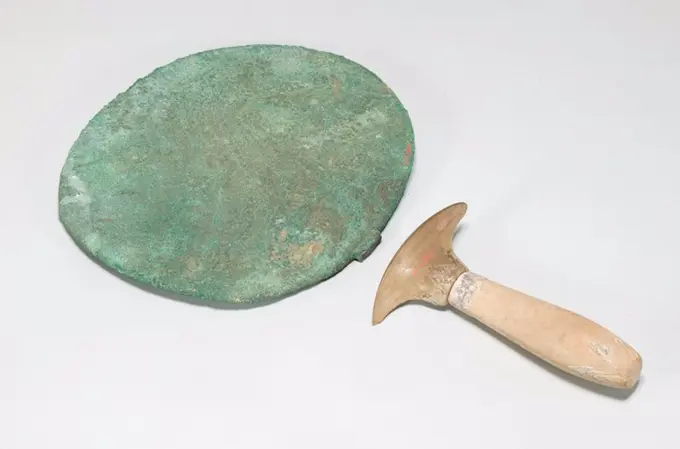
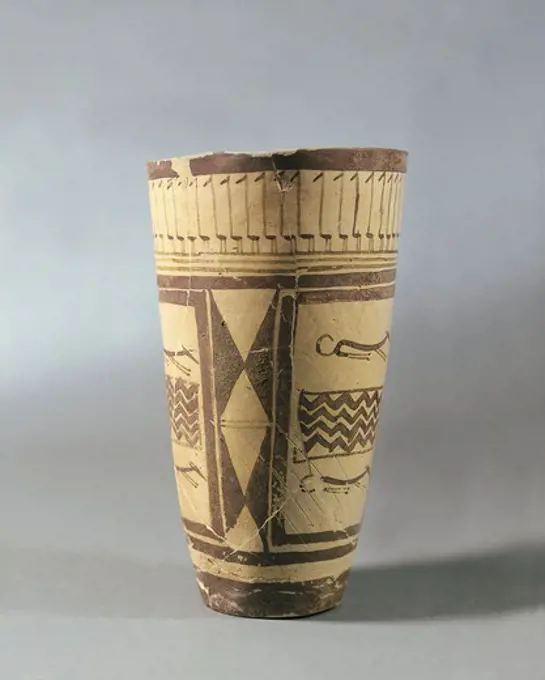
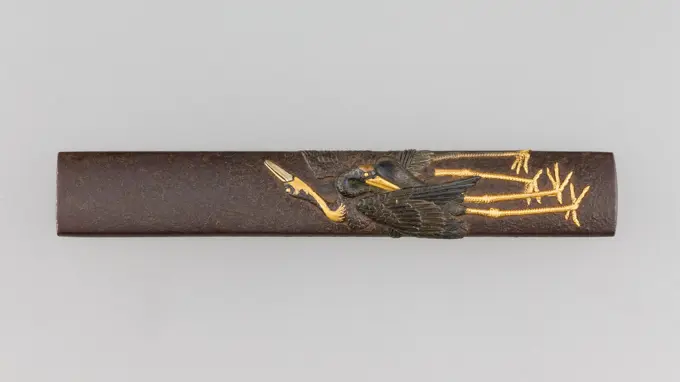
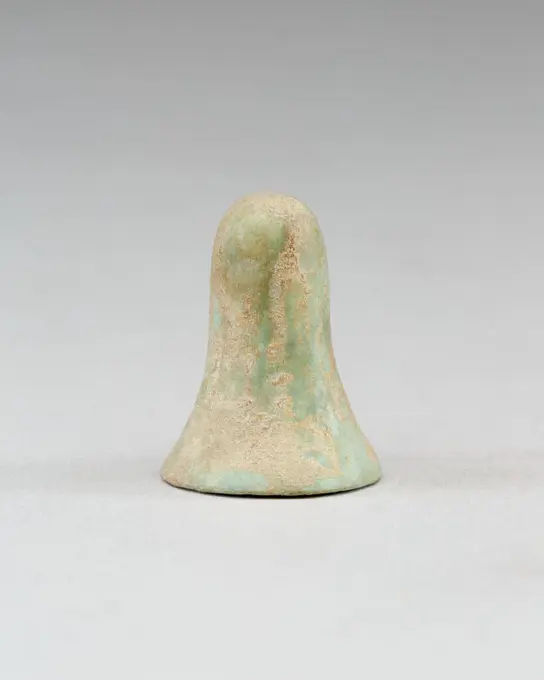
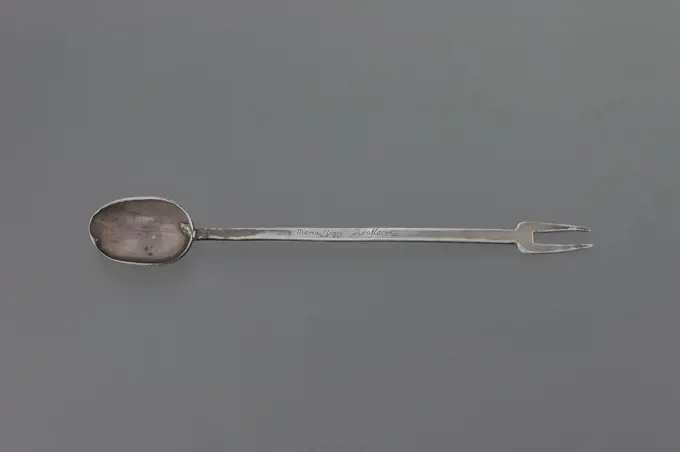
Dagger-Blade (ge) 1300 BCE-1000 BCE China. Jade .Engraved bend.Sieve - Fragment of water pitcher neck. unknown, craftsmanFragments of a Small Bowl or Kyathos. UnknownVase fragment East Greek/Sardis, Lydian Foot of a skyphos or lekythos.. Vase fragment. East Greek/Sardis, Lydian. Terracotta. VasesButton from the wreck of the East India hollandia. Button. (1) Flat, Plain, commanded RIM (1.7D, 0.1T)Glass pendant in the form of a miniature jug or gourd. Culture: Roman. Dimensions: Other: 11/16 x 1/2 x 7/16 in. (1.7 x 1.3 x 1.1 cm). Date: ca. 4th-5th century A.D..Deep purple, with same color handle; trail in opaque white.Thick, bulging rim; concave neck; irregular globular body; uneven rounded bottom; large ring handle (for suspension) pressed into top of body, neck, and underside of rim.Applied, marvered trail wound spirally from rim to edge of bottom. Complete, except for large, weathered chip in side of rim; severe pitting and dulling. Museum: Metropolitan Museum of Art, New York, USA.Patu Paraoa, early 19th century, 15 5/16 x 4 3/8 x 1/2 in. (38.89 x 11.11 x 1.27 cm), Whale ivory, New Zealand, 19th centuryPart of a Forearm Defense (Vambrace). Culture: Italian. Dimensions: H. 8 1/2 in. (21.6 cm); W. 2 1/4 in. (5.7 cm); D. 5 in. (12.7 cm); Wt. 6.8 oz. (192.8 g). Date: ca. 1450-70. Museum: Metropolitan Museum of Art, New York, USA.Abram Danielsz. van Hoorn, White clay pipe, marked, stemmed with simple rings, clay pipe smoking equipment smoke floor pottery ceramics pottery, hand molded baked White clay pipe marked stem decorated with simple rings made with wheel mark Heel mark. heel mark: inside bead edge post horn with curled carry strap archeology smoking tobaccoFragment (console of the altar cabinet); (possibly) belonging to the Retable of Soest. .Scherf van Kist bottle from V.O.C. ship De 'Witte Leeuw', Before 1613  Sharf of Kist bottle from V.O.C. ship the 'Witte Leeuw', Bottles of green glass with yellow-brown attack.  .   Sint-HelenaAdornment (amulet) in the shape of fish. unknown, craftsmanAmulet of a Jackal-Headed God 780 BCE-343 BCE Egypt. Glass . Ancient EgyptianBlowing heads with a piece of stem from the wreck of the East Indians Hollandia, Anonymous, 1700 - in or Before 1743  Pipe, bowl, heelmark: tobacco's brazier; 2hsm2. Netherlands pipe clay   SecondDrievoet pan uit het wrak van de Oost-Indiëvaarder Hollandia. Tripod; (1) oval, flat bottom, straight sides, outward rolled rim, (2.9l, 22.5w, 11h),3 rivet-holes for each leg, handle was fitted above one of the legs with 4 rivets in semicircular row.Vase. unknown, craftsmanBottle. unknown, craftsmanHalved, pressed natural cork for a champagne bottle, studio photography with black backgroundESPADA (HOJA). Nº INV. LI-IN-174. ALTURA 50,8 CM. ANCHO 5,4 CM. MUSULMAN. (EXPOSICION :ARTE ISLAMICO ESPAÑOL)(DEPOSITO: MUSEO PARROQUIAL DE LIETOR).Vase. Dimensions: H. 14.2 cm × Diam. 7.2 cm (5 11/16 × 2 13/16 in.). Dynasty: Dynasty 18. Date: ca. 1500-1400 B.C.. Museum: Metropolitan Museum of Art, New York, USA.Lamp, Asia Minor; 1st - 4th century; Terracotta; 2.6 x 7.3 x 10.2 cm (1 x 2 7,8 x 4 in.)Figure of a Jaguar Attacking a Man. Maya; Possibly Tabasco, Mexico. Date: 250 AD-900 AD. Dimensions: 4.5 x 7 cm (1 3/4 x 2 3/4 in.). Wood. Origin: Mexico. Museum: The Chicago Art Institute, Chicago, USA.Bowl;  around 1550 1425 BC ; New PACylindrical medicine bottle with short constricted neck, medicine bottle bottle holder soil find glass, free blown in the mold blown Cylindrical bottle with short constricted neck and flattened lip in clear green glass Bottom with very small stand and pontilmark archeology pharmacy health care packagingWazonik na podstawce. unknown, craftsmanCobra 664-30 B.C. Late Period-Ptolemaic Period. Cobra. 664-30 B.C.. Cupreous metal. Late Period-Ptolemaic Period. From EgyptStoneware cup on pinched foot, cup drinking utensils tableware holder soil find ceramic stoneware, hand turned baked stoneware cup gray shard Some light brown discoloration. Slightly deformed entirely with rings and on pinched feet Protracted neck archeology Rotterdam Spangen castle import pottery drink Soil discovery: Castle Spangen 1941 Northwest corner of the donjon It carries the traces of long-term stay in convenience and must therefore first be hit during the demolition within the donjon .Fragment of a flute glass from the wreck of the East Indiesman Hollandia. Glass, voice Glass, Bowl; Fragment of Base, Circular, with Tear in Center, With Conically Everted Side (Trumpet-Shaped), Broken.Fragment of stroke and ate amphoras with a stamp; PAPES (CA 255-205 A.C.); 2. PO. III century BC (-251-00-00--200-00-00);Myrmekion, resource amphoras, Hellenistic period, patronimikum, synopian stamps, imprints, stamping vice, guilty group (iconogr.), Polish excavations, Polish excavations in MyrmekionPipes head. Fragment of tobacco pipe.Vase, multicolored decorated with fish and aquatic plants, St. Lukas, c. 1900 - c. 1920 Vase of earthenware with lust glaze, multicolored decorated with fish and aquatic plants. Pear -shaped with long neck. Marked with: st. Lukas Utrecht Made in Holland in Zwart, 49 and F. in Zwart; Ingrift brand. Utrecht earthenware. glaze Vase of earthenware with lust glaze, multicolored decorated with fish and aquatic plants. Pear -shaped with long neck. Marked with: st. Lukas Utrecht Made in Holland in Zwart, 49 and F. in Zwart; Ingrift brand. Utrecht earthenware. glazeCarpenter's drawbar with drawbar on one side and hammer on the other side, carpenter drawbar drawbar tool kit soil find iron metal, forged drawbar Heavy version with slightly curved cover and wide hammer head on the other side. Thick tube for seat stem with rectangular hole archeology Rotterdam rail tunnel wood edit carpenter shipbuilding craft Soil discovery: rail tunnel Rotterdam.Ritual Stone (pulidor). Culture: Olmec. Dimensions: H. 7/8 in. (2.2 cm). Date: 12th-8th century B.C..Small, rounded hard stones such as this example were mounted to a wooden handle and used to polish stone sculptures in ancient Mesoamerica. Museum: Metropolitan Museum of Art, New York, USA.Glass mosaic ribbed bowl fragment late 1st century B.C.-early 1st century A.D. Roman Rim fragment.Translucent deep honey brown, cobalt blue, and opaque white.Outsplayed rim with thick, rounded edge; straight side tapering downward; irregular tooling indents on neck between rim and rib on body.Spiral mosaic pattern formed from sections of a single cane in brown ground with white and blue threads in parallel horizontal lines; on exterior, one vertical rib with flattened top and rounded outer edge.Polished interior; pitting of surface bubbles and cracks on interior; dulling, faint weathering, and small patches of limy encrustation on exterior; some dulling on jagged edges.. Glass mosaic ribbed bowl fragment. Roman. late 1st century B.C.-early 1st century A.D.. Glass; cast and tooled. Early Imperial. GlassUpper Arm Defense (Rerebrace). Culture: Italian. Dimensions: H. 7 in. (17.8 cm); W. 4 in. (10.2 cm); D. 4 1/2 in. (11.4 cm); Wt. 8.1 oz. (229.6 g). Date: ca. 1430-40. Museum: Metropolitan Museum of Art, New York, USA.Lamp. Dimensions: H. 5 in. (12.7 cm)W. 4 1/4 in. (10.8 cm). Date: 5th-6th century.Small earthenware lamps made from double molds were the most commonly used source of light in daily Coptic life. A wick produced from plant fiber or linen fabric was placed in a reservoir filled with oil, generally castor or sesame oil, and illuminated. The disc of this lamp is decorated with a chi-rho monogram, consisting of the superimposed capital Greek letters chi (X) and rho (P), the first two letters of Christ in Greek. The pearled monogram is reversed and surrounded by an alternating border of chevrons and quatrefoils.Christian symbols such as this monogram were thought to offer protection for the lamp's owner. Museum: Metropolitan Museum of Art, New York, USA.Spoon with a falcon on the handle. Dimensions: L. 30.3 × H. 2 × W. 4.3 cm (11 15/16 × 13/16 × 1 11/16 in.). Date: ca. 3300-3100 B.C..This early example of a toilet spoon (partly reconstructed) has a long handle, rounded for most of its length, and then tapering and flattening toward one end. Vertically through the flattened end is a hole, perhaps for suspension. At the other end is a hemispherical bowl to hold cosmetic material. Facing the bowl is the figure of a falcon that rests its beak on the rim. Although falcons are rarely depicted during this period, this high-souring bird of prey was already beginning to be embued with solar connotations. The ivory from which this spoon was carved could be from either a hippopotamus or an elephant tusk. Museum: Metropolitan Museum of Art, New York, USA.White clay pipe, unnoticed, with smooth handle, clay pipe smoking equipment smoke floor pottery ceramic pottery, pressed finished baked White clay pipe unnoticed with smooth handle Bottom heel has small blank stamping plate archeology indigenous pottery import smoking tobaccoDragon for Sabel Berrenen, presumably for shooters on horseback of Amsterdam 1830-1839, Anonymous, 1830 - 1839 carrier Flat leather loop, whitened with pipe earth. Confirmed to a flat whitewashed leather brush with braid, above which a flat leather knot. Netherlands leather   AmsterdamBracketShepherd's crook or staff. Shepherd's crook or staff. Bronze. BronzesTool 1500-500 B.C. India. Tool. India. 1500-500 B.C.. Copper. MetalworkPaperweight in the shape of a lying fawn and a pine tree. unknown, craftsmanBottle 18th-19th century. Bottle 444768Stonemason's Mallet. Egypt, New Kingdom, 1550-1070 BCE. Tools and Equipment; mallets. WoodWooden Spindles with Ceramic Whorls. Peru, Possibly central coast. Date: 1000-1476. Dimensions: 18.7 x 1.7 cm (7 3/8 x 11/16 in.). Wood and ceramic. Origin: Peru. Museum: The Chicago Art Institute, Chicago, USA.Vessel, fragment of the cylinder; Unknown Egyptian Night Workshop; VI-VII century (501-00-00-700-00-00);Statuette of a bird, fragmentary. Culture: Roman. Dimensions: length 6.40 cm..Fragment of green-glazed bird. Museum: Metropolitan Museum of Art, New York, USA.Jean Carriès (1855-1894). "Pot with depression". Enamelled sandstone and golden drips. Museum of Fine Arts of the City of Paris, Petit Palais. 24204-3 Ceramic, golden flow, depression, gres emaille, potButton from the wreck of the East Indians Hollandia, Anonymous, 1700 - in or before 1743 button Knoop. (1) Flat, Plain (1.7d, 0.3t) Netherlands bone (material)   SecondHungle to the osów;  XVIII-XIX century (1701-00-00-1900-00-00);Fork (England); ivory, silver, steel; L x W: 19.6 x 2.5 cm (7 11/16 x 1 in.); The Robert L. Metzenberg Collection, gift of Eleanor L. Metzenberg; 1985-103-170Fishtail Knife, 4500-4000 BC. Egypt, Predynastic Period, Naqada Ia-IIa periods. Dark brown- to dark green-colored flint; overall: 10 cm (3 15/16 in.).Stone Temple Model 1st-8th century Mezcala. Stone Temple Model 317529Miniature Flask. UnknownProperty for a strip of bobbin on green colored parchment, anonymous, c. 1870 - c. 1880 Property for a strip of bobbin side - Valenciennes side - stung in parchment that is green colored at the top. The pattern consists of a tendrils with hand -shaped leaves and rosette flowers along the scrap edge. On the back is the handwritten text: "Piquires de Valenciennes 1870-1880; 501". On a corresponding note it says: "The pins have been punctured on these lace patterns between the indicated holes, so that the Maas becomes smaller than one would say. Belgium parchment (animal material) Property for a strip of bobbin side - Valenciennes side - stung in parchment that is green colored at the top. The pattern consists of a tendrils with hand -shaped leaves and rosette flowers along the scrap edge. On the back is the handwritten text: "Piquires de Valenciennes 1870-1880; 501". On a corresponding note it says: "The pins have been punctured on these lace patterns between the indicated holes, so thatBin consisting of a square base on which a circular upright wall is soldered. Bin consisting of a square base on which a circular upright wall is soldered. Is it unclear whether it concerns a container or bottom of a spy containerWomen's non -circle;  19th/20th century (1890-00-00-1950-00-00);gift (provenance), collarStamp stamp from Prince Willem IV from Orange and Princess Anna van England. Oval stamp with handle and carrying ring, in beautiful forms. The handle is intended to be kept between pointed and middle fing while stamps. On the stamp surface itself two shields, left from England, to the right of orange, both worn by a crowned lion. Above one crown, under the spell of orange on a band, which is supported together with the lions by a sorry base. Inscription: o.: Ie Maintiendrai. Round coat of arms of Orange: Honi Isoit. Qui. MOLD. Y. PENSE.Donkeroze ripslint, anonymous, c. 1400 - c. 1950 Dark pink rip ribbon. West-Europa silk. Dark pink rip ribbon. West-Europa silk.Scarab Finger Ring of Ramesses II. Dimensions: Diam. 3.2 cm (1 1/4 in.). Dynasty: Dynasty 19-20. Date: ca. 1295-1070 B.C.. Museum: Metropolitan Museum of Art, New York, USA.Lamp Stand 25 CE-220 CE China. Earthenware with green lead glaze .Ánfora romana de cerámica, siglo I. Can Serra Museu de Mataró.White clay pipe, unnoticed, with smooth handle, clay pipe smoking equipment smoke floor pottery ceramics pottery, pressed finished baked White clay pipe unnoticed with smooth handle Pipe is made of inferior pipe clay and shows many small black spots. Pipe is well finished archeology smoking tobaccoAnonymous, reduced residential model: front left base, between 0 and 400. Terracotta. Cernuschi Museum, Asia Museum of Asia in the city of Paris.Fatvanger Chervil with a candelabria, Anonymous, 1900 - 2000 Loose fat catcher hiring with a frame candelela. The fat catcher can be placed on the square foot to form a candlestick. Great Britain . Loose fat catcher hiring with a frame candelela. The fat catcher can be placed on the square foot to form a candlestick. Great Britain .Water Pipe Base probably 18th-19th century. Water Pipe Base 444765Vial. unknown, craftsmanCome with two ears, decorated with a deer, anonymous, c. 1600 - c. 1625 Come from lead glaze pottery, with two ears. The bowl is decorated in white sludge with a deer and is covered with local green -tinted lead glaze. North Holland earthenware. lead glaze Come from lead glaze pottery, with two ears. The bowl is decorated in white sludge with a deer and is covered with local green -tinted lead glaze. North Holland earthenware. lead glazeKnife blade ca. 9th century B.C. Iran. Knife blade 326201Crochet;  approx. 2600 2350 BC ; Early period D Azira III (-2600-00-00--2350-00-00);Buckle ca. 409-711 Visigothic. Buckle. Visigothic. ca. 409-711. Bronze. Miscellaneous-Buckles & OrnamentSporting Crossbow 1600-1630 Germany. Wood, steel, ebony, ivory, mother-of-pearl, brass, cord, and fiber weave .Fragment of a buckle. Fragment of a copper buckle.A hundred bake Stemps decorating vessels ceramic;  2. PO. IX-XI century (851-00-00-1100-00-00);Old Dongola (Sudan), decorations imprinted with a stamp, plastic decorations, crosses, medallions, stamp seals, Nubian crafts, Polish excavations in Old DongolaLid of wooden box. Wooden circular lid belonging to a box.Silver miniature spoon with carved handle, spoon cutlery dolls toy relaxant miniature model silver, Spoon with oval bake tilled stalk ending in goat eat food decorate home interiorFragment Pijpenkop from the wreck of the East Indians Hollandia, Anonymous, 1700 - in Or Before 1743  Pipe, bowl, bowlmark: crowned HE; fragm, 2hsm3. Netherlands pipe clay   SecondClay pipe, unnoticed, with two fleur de lis embossed on the kettle, clay pipe smoking equipment smoke floor pottery ceramics pottery, pressed finished baked Clay pipe unnoticed with two fleur de lis embossed on the kettle archeology smoking tobaccoChrismatorium with dragon. The object is poured into two pieces and scilated: the keg and the lid. The farmer consists of three accompanied cup-shaped ampoules. The three cutting lines of the raised surfaces are marked by a rib. The triple lid is hinged at the rear and has a pin closure at the front. On the lid there is a dragon with two legs and claws, the head with two ears and opened mouth facing down. The tail is about in the hinge. Behind the legs there is a round opening under the tail, perhaps to confirm the chain of the pin, which both are missing. At the three lobes of the lid are resp. The letters I, O and C engraved.Grahal-Manzara. Carnavalet 2013-2016 collection sites. Numismatics.Spoon with Fish-Tail Design, 918-1392. Korea, Goryeo period (918-1392). Bronze; overall: 28 cm (11 in.).Set of Fire Linings, c. 1770-1780. France, style of Louis XVI, 18th Century. Cast iron; average: 93.4 x 134.6 x 44.5 cm (36 3/4 x 53 x 17 1/2 in.); panel: 77.8 x 21.3 x 2.3 cm (30 5/8 x 8 3/8 x 7/8 in.).Goat's Foot Lever for a Crossbow. Spanish. Date: 1500-1533. Dimensions: . Iron. Origin: Europe. Museum: The Chicago Art Institute, Chicago, USA.Waist clamp;  XVII-XIX century (1601-00-00-1900-00-00);Bullet from the wreck of the East India Hollandia. Shot.Lady's Stirrup late 18th-early 19th century French Ladies side saddles of the 18th and early 19th century were made with only one stirrup on the left side of the horse, and were shaped at this time as slippers that would give more stability and elegance to the rider. A leather slipper was originally attached to the iron sole of this stirrup. The pierced decoration, however, showing a fleur-de-lis and two letter Ds, has been added later, to falsely suggest it belonged to Diane de Poitiers (1499-1566), the mistress of the French king Henri II.. Lady's Stirrup. French. late 18th-early 19th century. Iron. Equestrian Equipment-StirrupsA stone sharpening stone as a gift for the Sun God Temple. Dated 11th Century BCEmilia-Romagna Ferrara Ferrara Museo Civico di Schifanoia36. Hutzel, Max 1960-1990 General Notes: INCOMPLETE RECORD--NEGATIVES PROCESSED, PRINTS FILED German-born photographer and scholar Max Hutzel (1911-1988) photographed in Italy from the early 1960s until his death. The result of this project, referred to by Hutzel as Foto Arte Minore, is thorough documentation of art historical development in Italy up to the 18th century, including objects of the Etruscans and the Romans, as well as early Medieval, Romanesque, Gothic, Renaissance and Baroque monuments. Images are organized by geographic region in Italy, then by province, city, site complex and monument.Turkey, historic region of Paphlagonia, Sinop (aka Sinope). Archaeological Museum of Sinop. Ancient tetradrachmas coin collection.Mirror. Dimensions: a) h. 15.7 cm (6 3/16 in); w. 16.9 cm (6 5/8 in)b) h. 12.1 cm (4 3/4 in). Dynasty: Dynasty 12, mid. Date: ca. 1900-1850 B.C.. Museum: Metropolitan Museum of Art, New York, USA.Pijpenkop from the wreck of the East Indians Hollandia, Anonymous, 1700 - in Or Before 1743  Pipe, bowl, heelmark: crowned 58; no hsm. Netherlands pipe clay   SecondNeck and Rim of a Vessel 4th-early 5th century Coptic. Neck and Rim of a Vessel 479106Vase depicting greyhounds, found in SusaKnife Handle (Kozuka) 18th century Japanese A kozuka is a handle of a by-knife that is part of a sword mounting. It is kept in a slot on the reverse of a katana scabbard, often with a matching kōgai (hairdressing tool).. Knife Handle (Kozuka) 29716Conical Gaming Piece from Neferkhawet's Tomb. Dimensions: H. 2.5 cm (1 in.); Diam. 1.9 cm (3/4 in.). Dynasty: Dynasty 18, early. Reign: reign of Thutmose I-early sole Thutmose III. Date: ca. 1504-1447 B.C..A family tomb, belonging to a man named Neferkhawet, was excavated by the Egyptian Expedition of the Metropolitan Museum of Art in 1935. One of the last people buried in the tomb was a woman whose name was not recorded on any of the objects in the tomb. Inside her wooden coffin was a set of ten gaming pieces, five conical like this one and five spool-shaped. These would have been used to play the games senet and 20-squares. No trace of an accompanying game box was recorded by the excavators. The coffin itself was badly damaged by rot and insects, so remains of a wooden game box may have been indistinguishable from the coffin.The five conical game pieces are quite uniform in shape, size, and color. Four of the spool-shaped pieces are also quite simiilar, but the fifth is different eIncense burner with a metal cover, anonymous, anonymous, c. 1700 - c. 1799 Incense burner of stoneware with a metal lid, partially covered with a green glaze. The burner has a pressed tire in the body and a flat edge. On the wall twice an entry, wavy band. The open -worked lid has a broken flower branch. Oribe. Japan stoneware. glaze. metal vitrification Incense burner of stoneware with a metal lid, partially covered with a green glaze. The burner has a pressed tire in the body and a flat edge. On the wall twice an entry, wavy band. The open -worked lid has a broken flower branch. Oribe. Japan stoneware. glaze. metal vitrificationMaker: Jesse Kip, 1660-1722, Sucketfork, ca.1680-90, Silver, 6 1/8 in. (15.6cm), Made in New York, New York, American, 17thcentury, Flatware