Ancient Artifacts

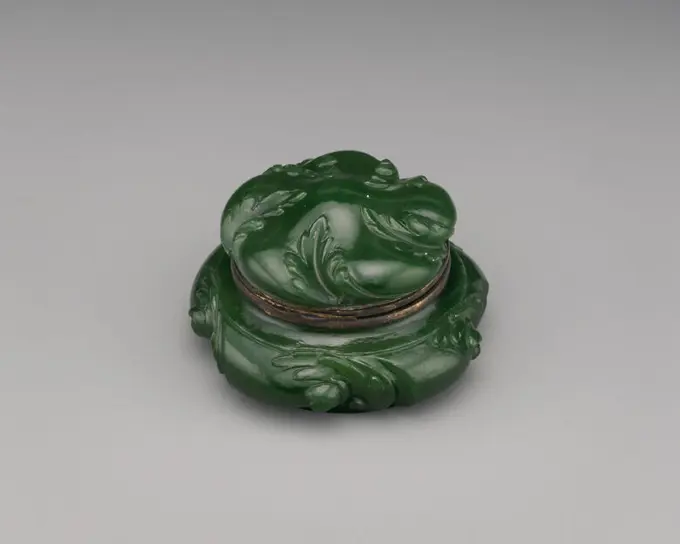
Fragments and tools from different ancient cultures, including jade and terracotta, demonstrating historical craftsmanship and material use.
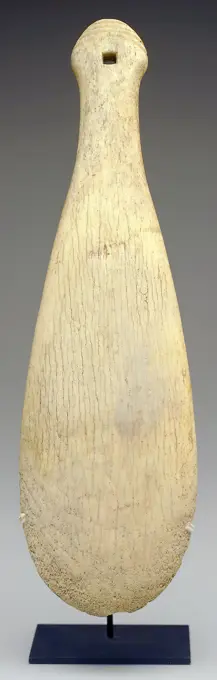
Patu Paraoa, early 19th century, 15 5/16 x 4 3/8 x 1/2 in. (38.89 x 11.11 x 1.27 cm), Whale ivory, New Zealand, 19th century
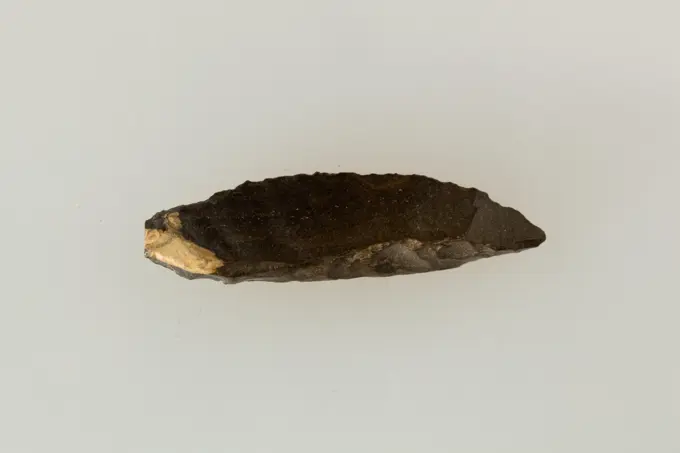
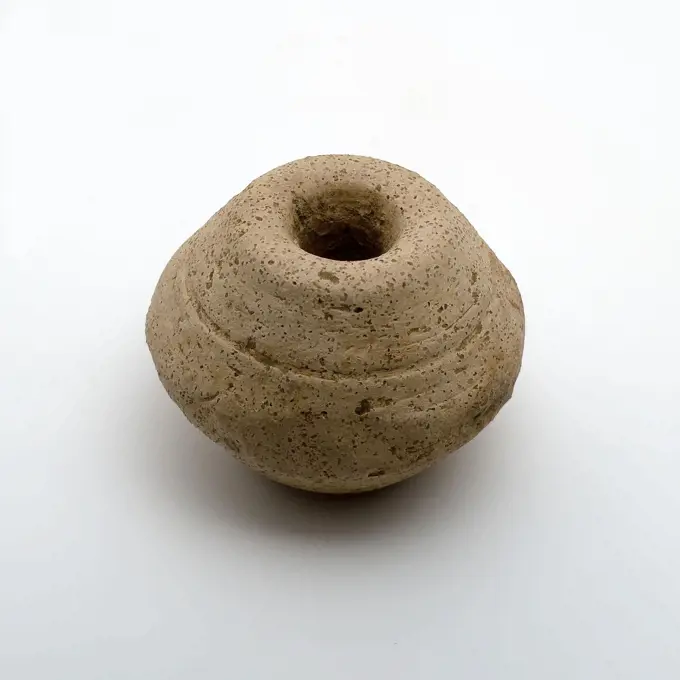
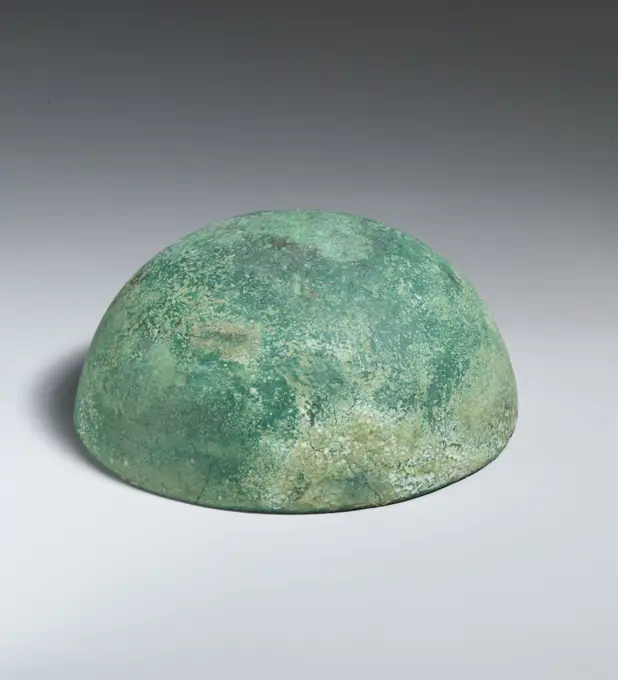
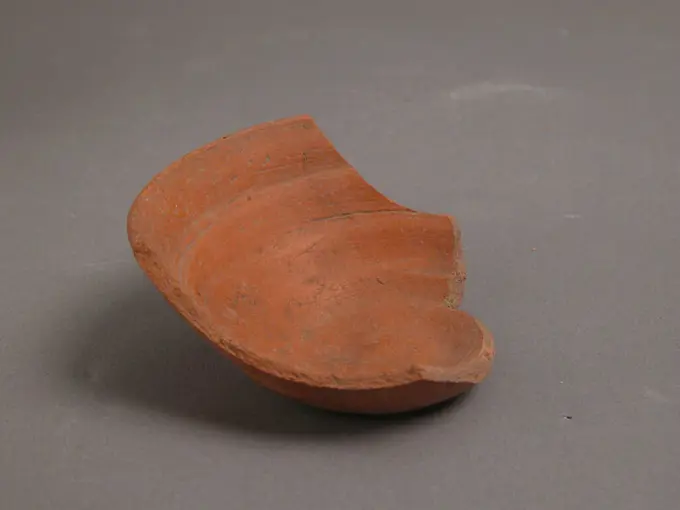
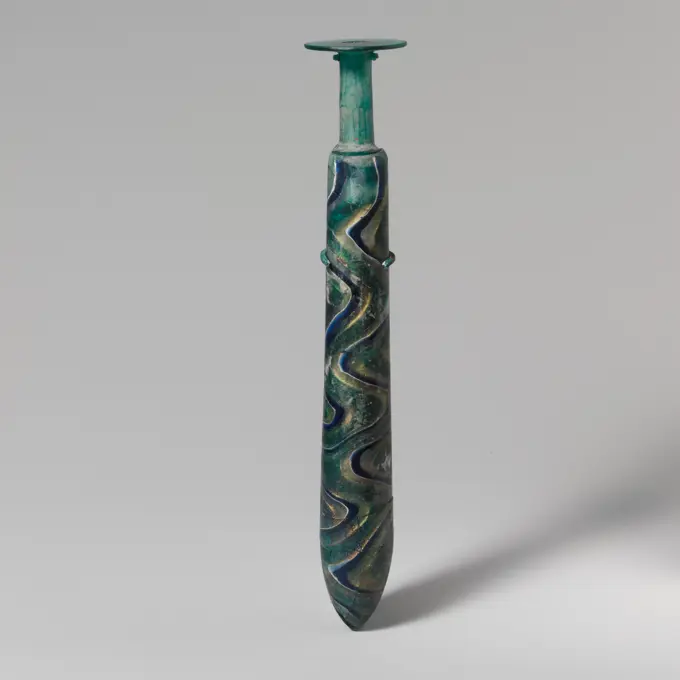
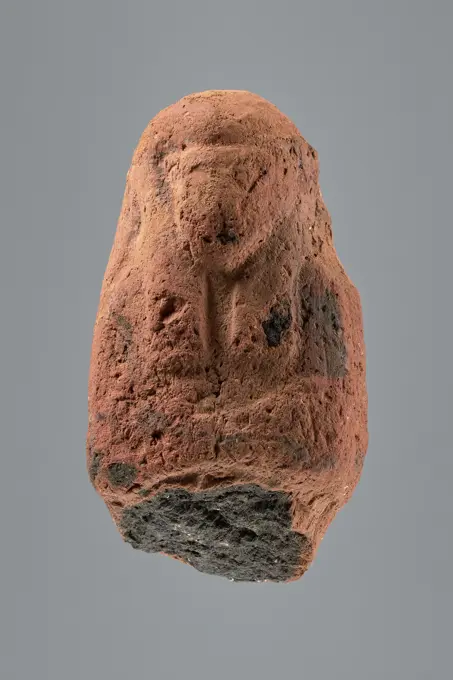
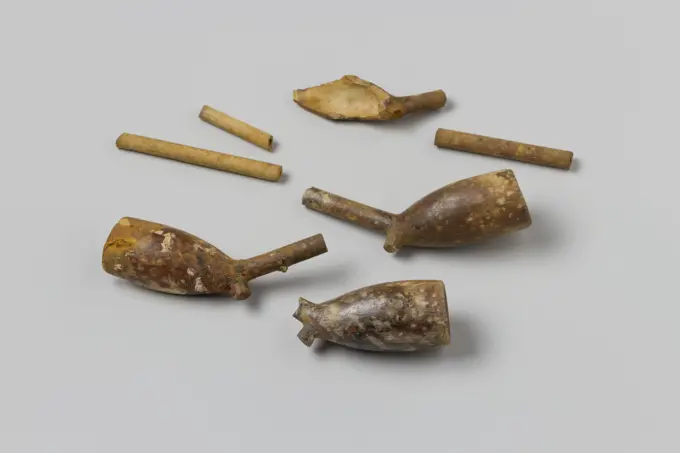
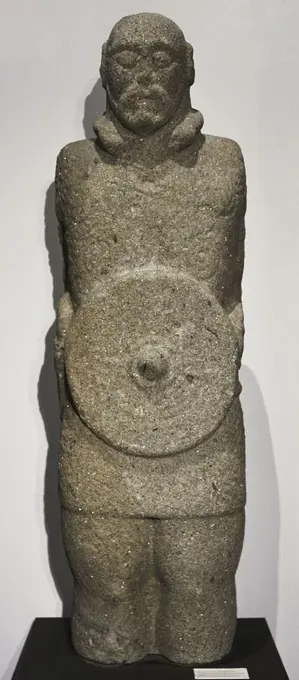
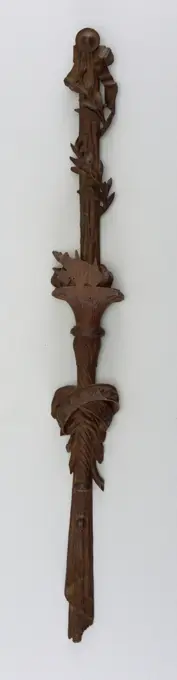
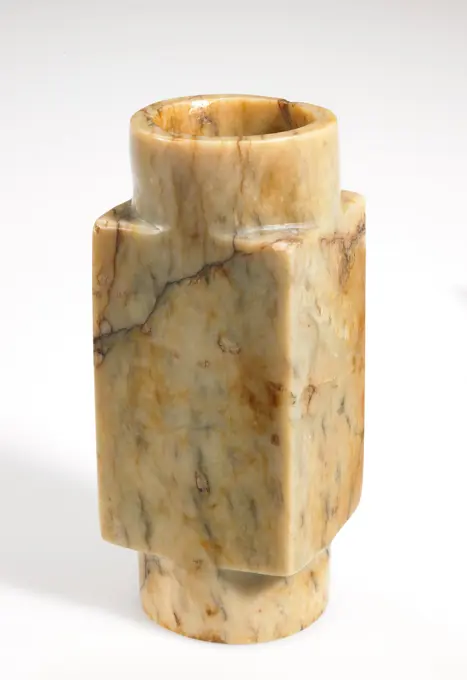
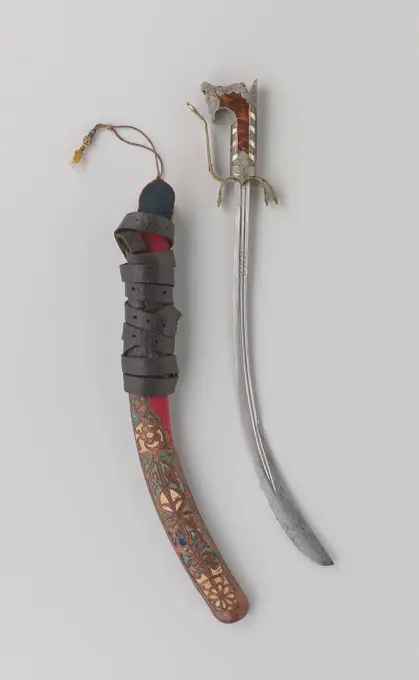
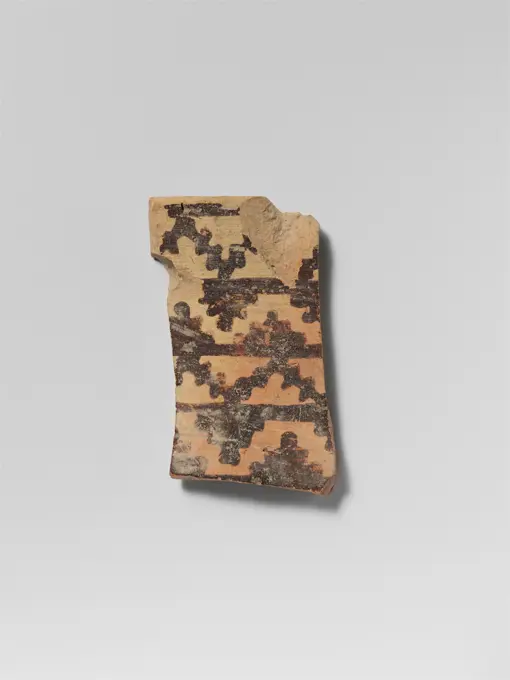
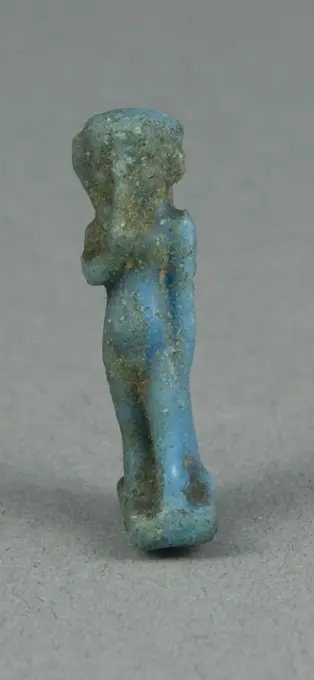
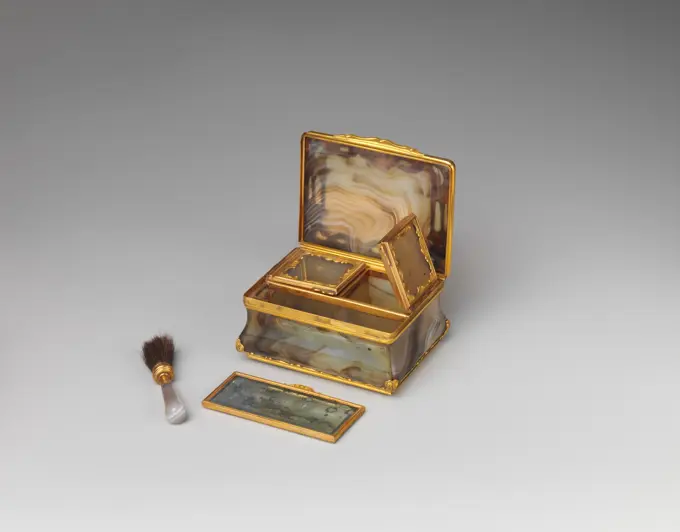
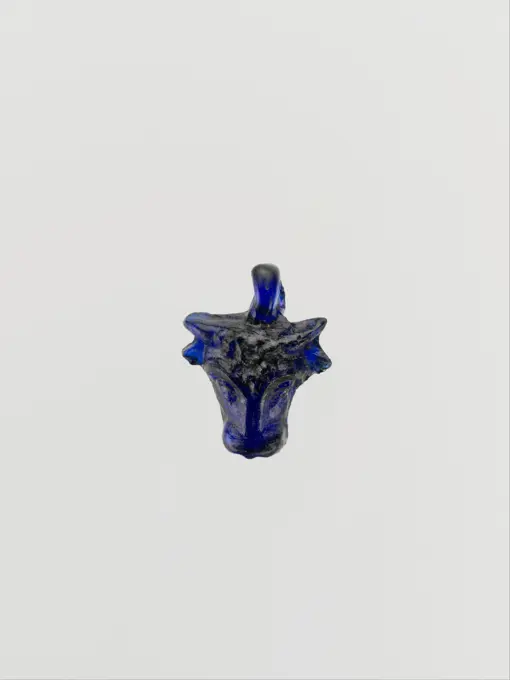
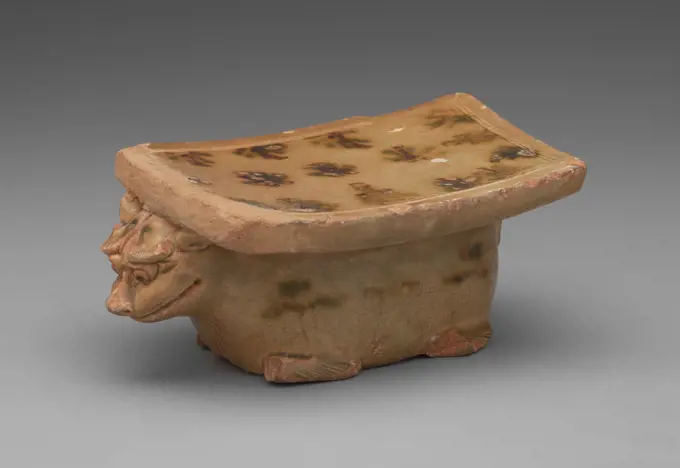
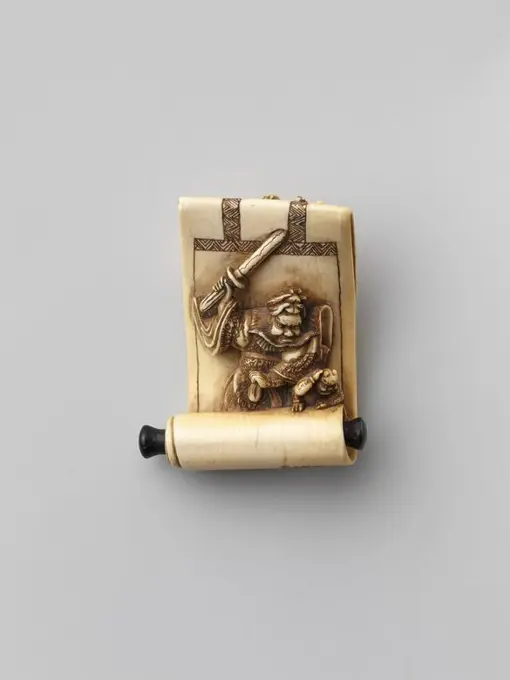
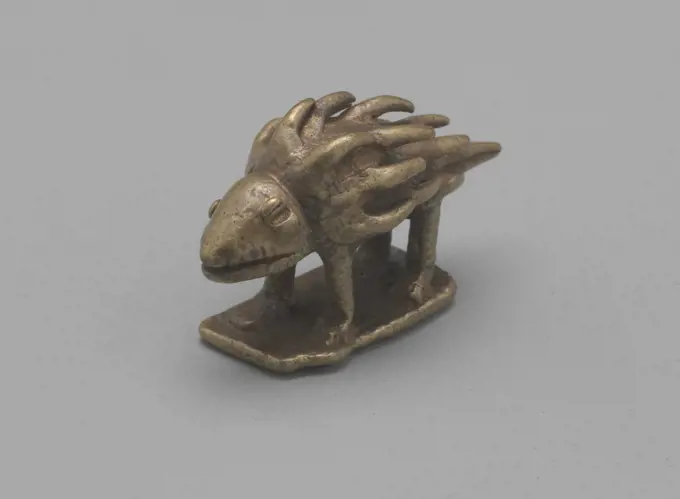
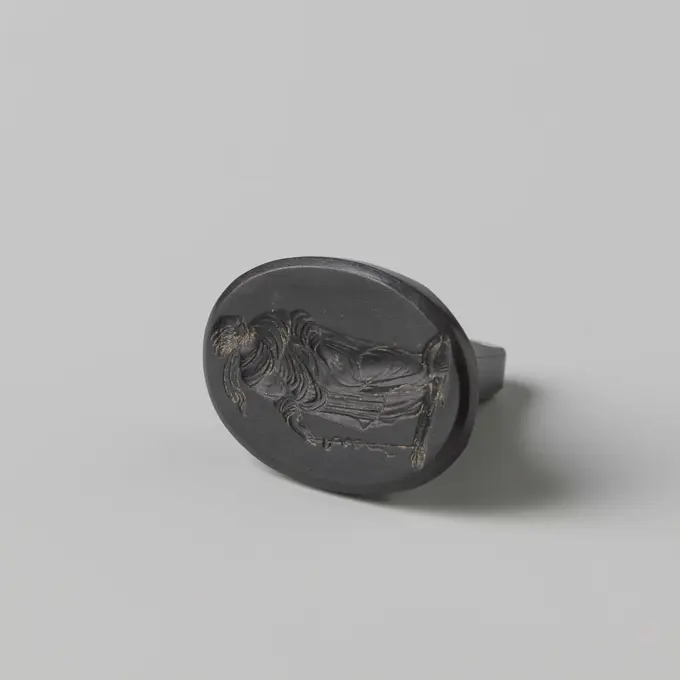
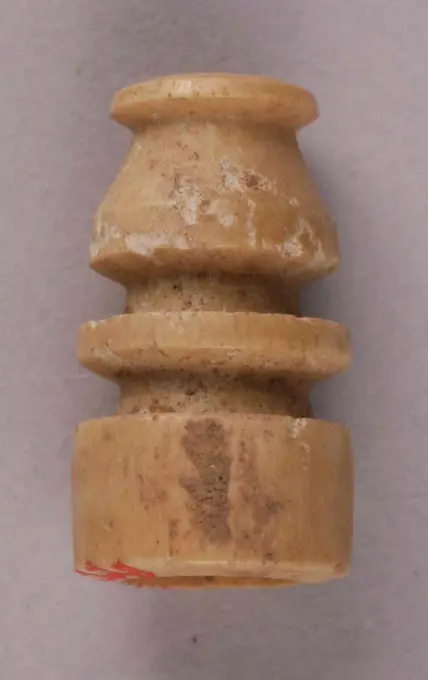
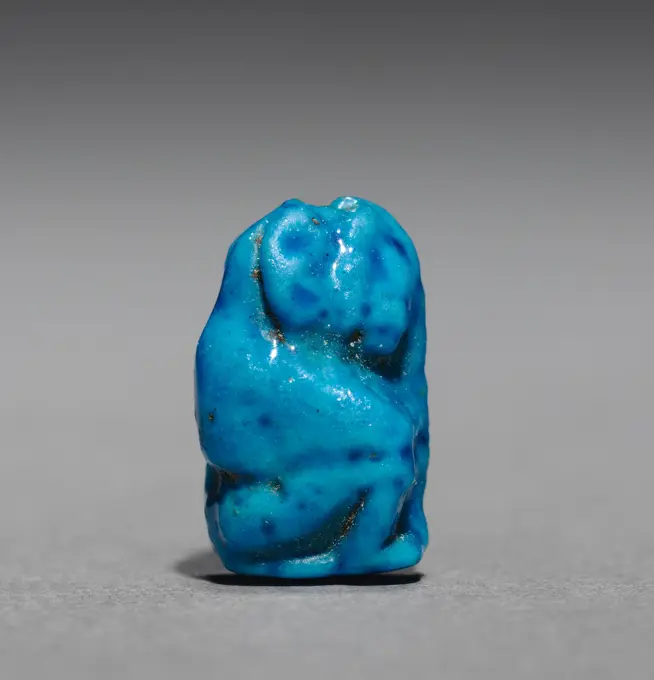
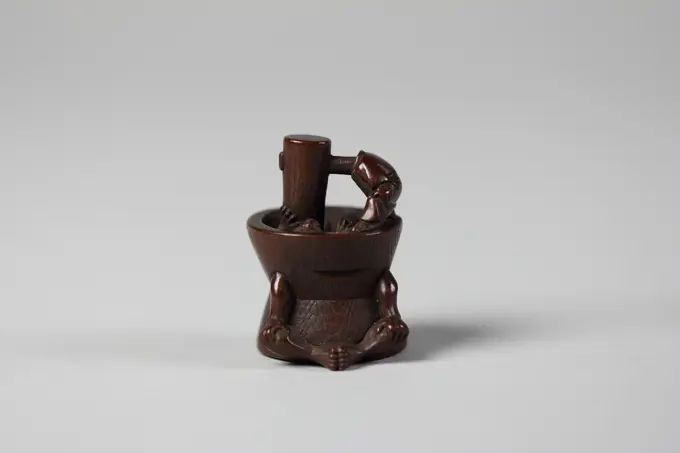
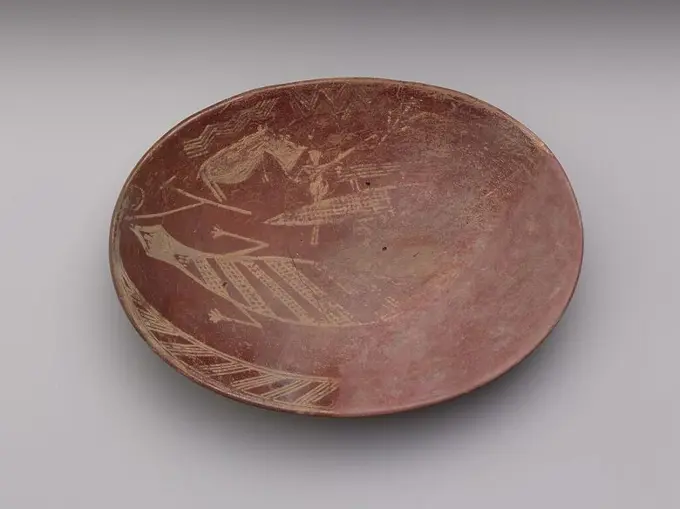
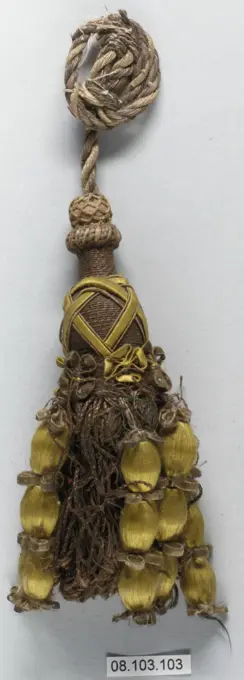
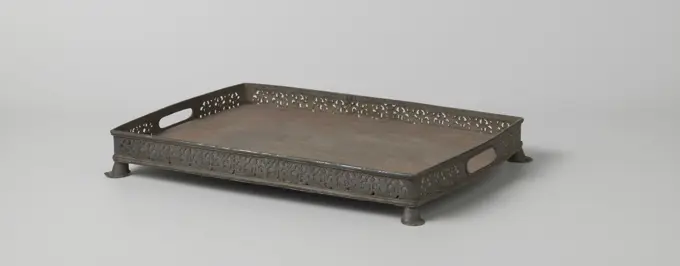
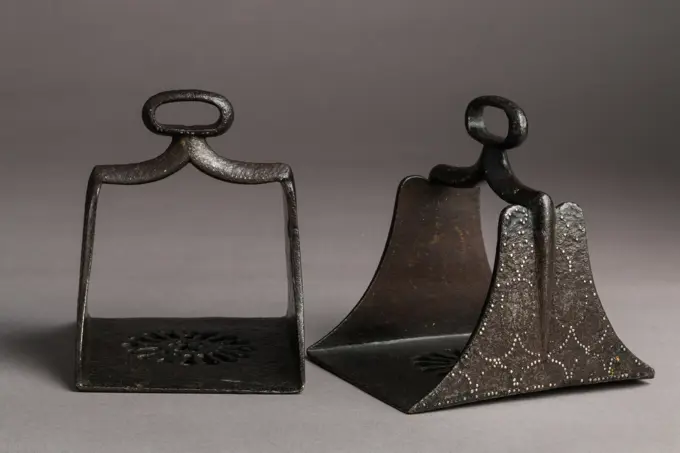
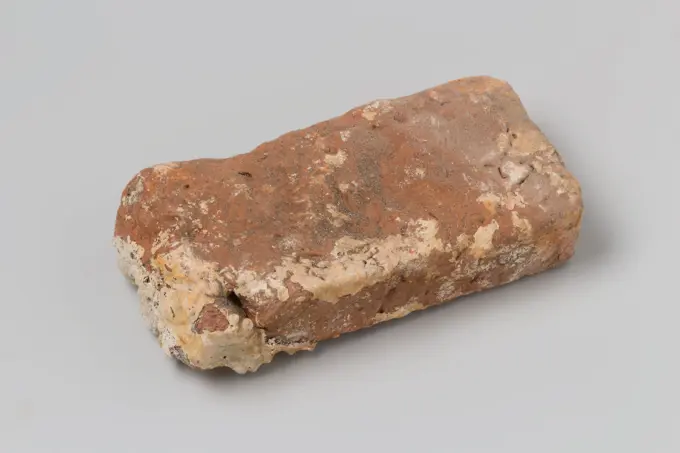
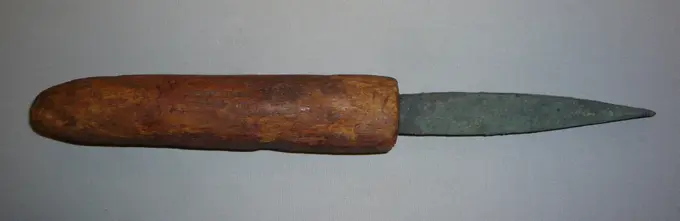
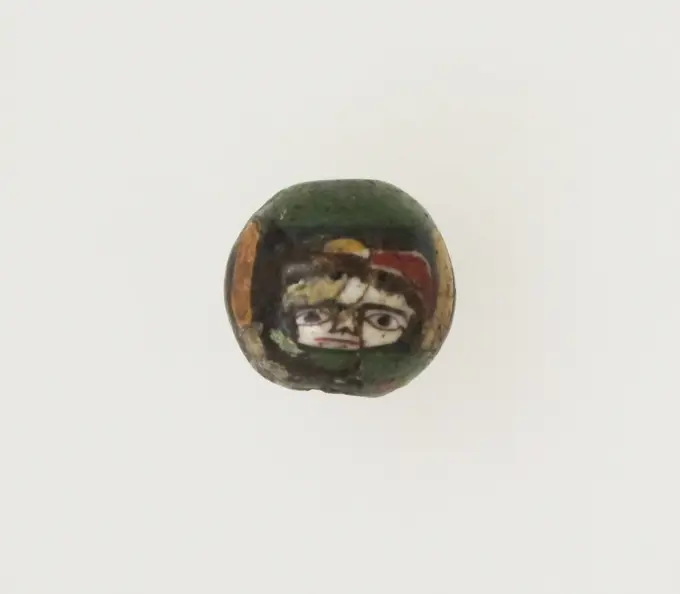
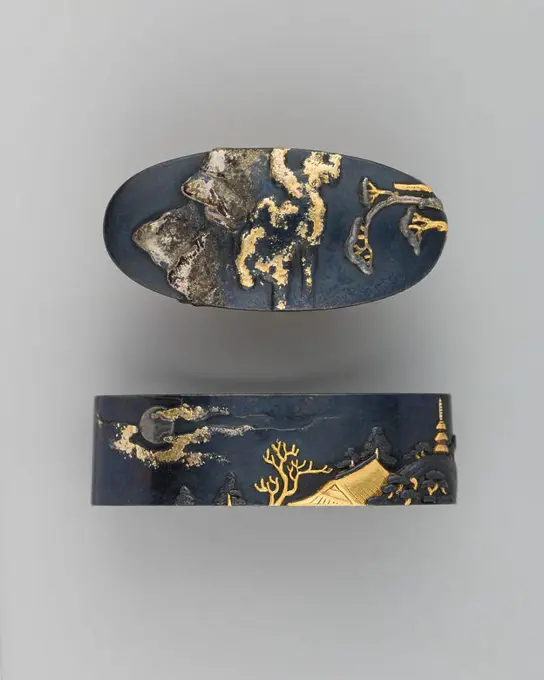
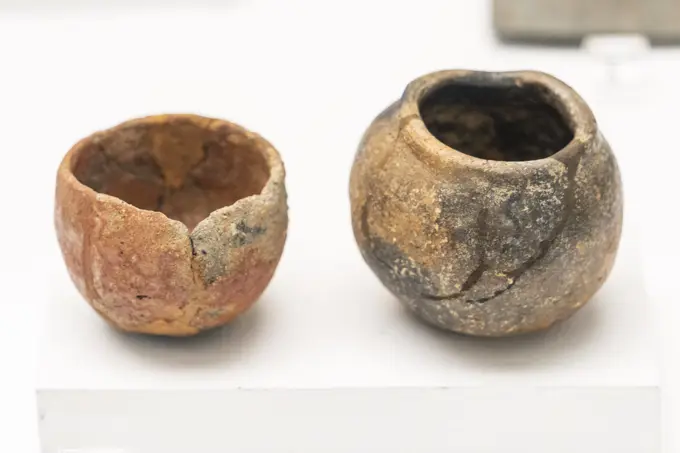
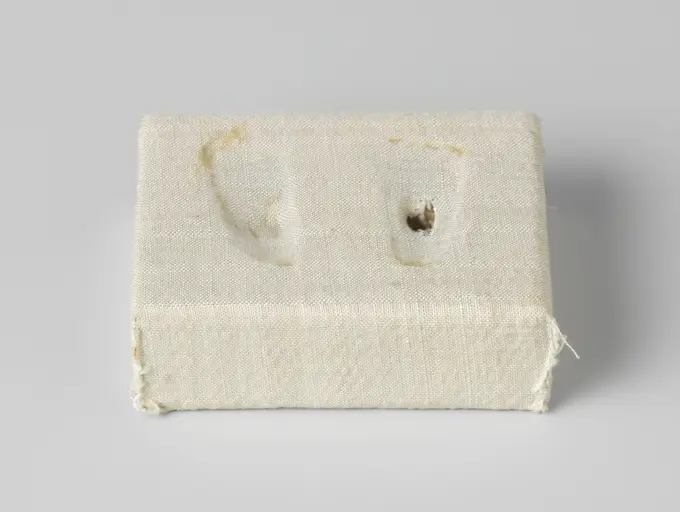
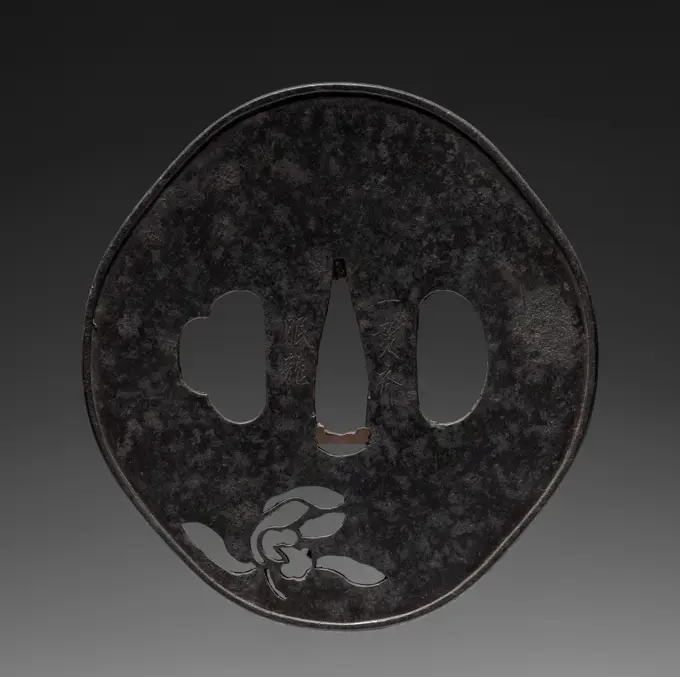
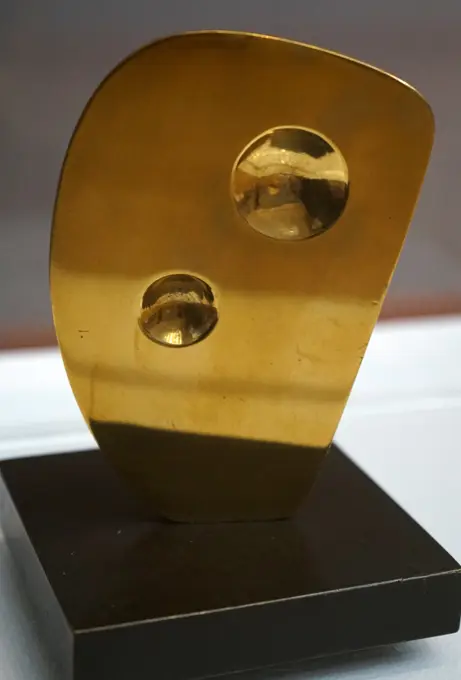
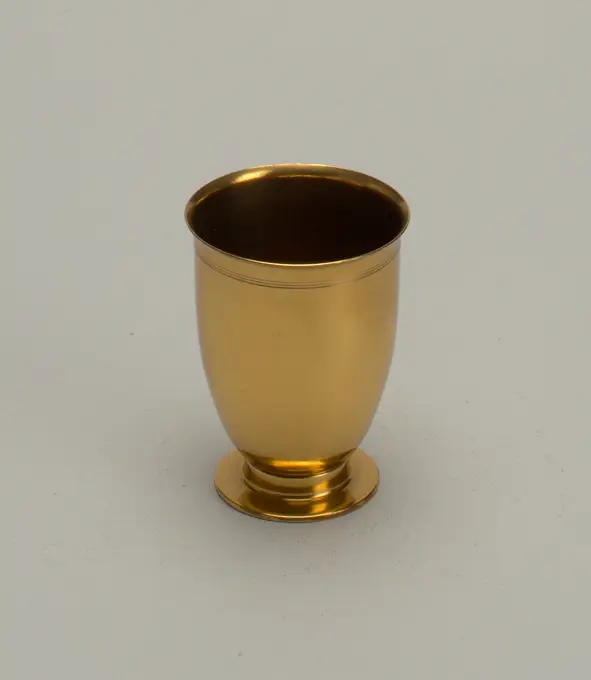
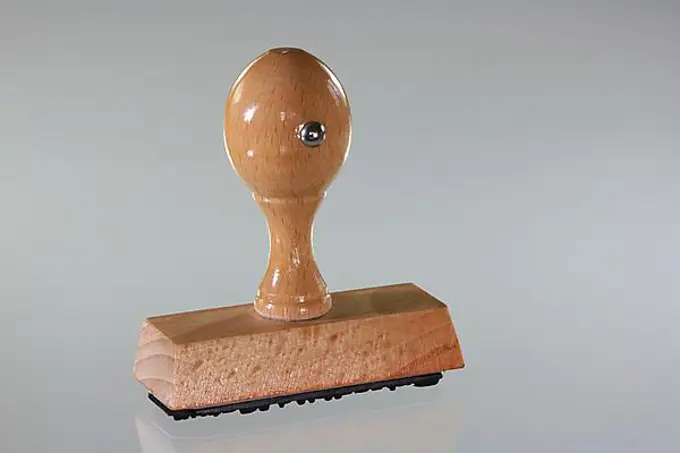
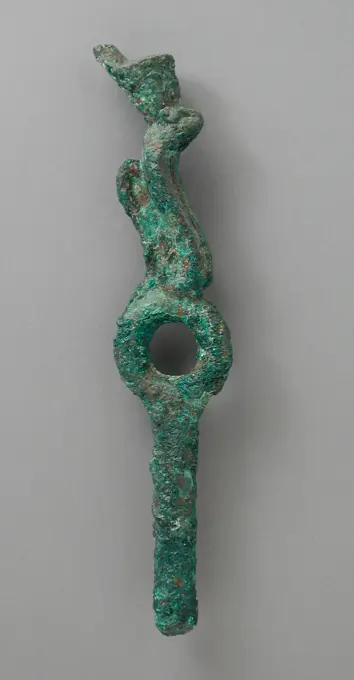
Bronze Ringed Element with Crowned Uraeus Figure. Egypt, Late Period - Ptolemaic Period (711 - 30 BCE). Jewelry and Adornments. BronzeTool ca. 3850-2960 B.C. Predynastic Period. Tool. ca. 3850-2960 B.C.. Flint. Predynastic Period. From Egypt, Fayum, camp II (CII), BSAE/Caton-Thompson excavations, 1924-26Couple of build, light blue. Couple of build, light blue. Nose of paper and nautical leather covered with a yellow silk hand; Made from layers of paper and pink corner leather and brown leather; Side with bottom.Stone Temple Model. Culture: Mezcala. Dimensions: H. 5 1/16 x W. 2 9/16 in. (12.9 x 6.5 cm). Date: 1st-8th century. Museum: Metropolitan Museum of Art, New York, USA.Pottery spinklos, double conical, gray shard, spinklos soil finds ceramic earthenware, d 2,2 hand-turned baked Pottery spindle or spinning stone. Gray shard Decorated with few circumferential rings. Strong double conical shape archeology Poortugaal Albrandswaard spinning wool wool processing textile clothing archaeological find in the soil Poortugaal Hofterrein.Laces, 19th century. Burano stitch (Punto Burano) lace barbola work. Copy from another one of 18th century.Bowl. Bowl 243877Bowl Fragment. Culture: Coptic. Dimensions: H: 1 9/16 in. (4 cm); W: 2 13/16 in. (7.2 cm); Depth: 2 11/16 in. (6.8 cm). Date: 4th-7th century. Museum: Metropolitan Museum of Art, New York, USA.Fragment of an Ivory Handle with a Crouching Lion. UnknownBrick from the wreck of the East Indians Hollandia, Anonymous, 1700 - in or before 1743 brick (clay product) Constructional elements, brick; sim. 80H2567, sim. 80H1208, sim. 80H1009. Netherlands brick (clay product)   SecondBelt () 4th-7th century Coptic. Belt () 474205VesselMold for Long Ovoid Bead. Dimensions: L. 2.8 cm (1 1/8 in.); W. 2.8 cm (1 1/8 in.); Th. 1.5 cm (9/16 in.). Dynasty: Dynasty 18. Reign: reign of Amenhotep III. Date: ca. 1390-1353 B.C.. Museum: Metropolitan Museum of Art, New York, USA.Vase. unknown, craftsmanGlass gold-band mosaic alabastron (perfume bottle) 1st century B.C. Greek Neck and rim disk: translucent turquoise green. Body: colorless, translucent turquoise green, translucent cobalt blue, opaque white, and gold leaf.Rim disk and neck: flat, broad, horizontal rim, with rounded edge; cylindrical neck with uneven surface and vertical ribbing; projecting solid flange with downward taper that fits tightly into mouth of body and flat horizontal bottom edge; body: plain vertical rim, slightly beveled and tapering upward; tall, slender body, expanding downwards, then curving in to pointed bottom.On exterior of body, gold-band mosaic pattern formed from parallel wavy lengths of four canes set vertically: the first in turquoise green; the second in gold leaf sandwiched between two layers of colorless glass; the third in cobalt blue with a thin white stripe; and the fourth again in gold leaf sandwiched between two layers of colorless glass; each cane repeated three times over the body.Neck aHatche to socket (attributed title). Bronze. Carnavalet museum, history of Paris.Uszebti. unknown, authorBeaker Fragment 10th-11th century This glass fragment was excavated at the site of Tepe Madrasa in Nishapur. Nishapur was a vital city in the early and middle Islamic periods, located along one of the main trajectories that connected Iran and West Asia Islamic lands with Central Asia and China. These itineraries are often referred by the term Silk routes but were in fact crucial to the movement of constellations of materials and objects, as well as people and ideas. The diverse population of Nishapur and its surroundings, from the better-researched elite groups of merchants, land-owning aristocracy, and literates, to the less-known artisans, farmers, miners, and servants, were instrumental in adapting global cultural trends to create their own distinctive visual languages. This is seen in the material remains of everyday life in medieval Nishapur  from pots and pans to lighting devices, inkwells, textiles and trimmings, jewelry, games and toys, talismanic devices, weapons, coins, and aFragments piping heads and pipes from the wreck of the East Indians Hollandia, Anonymous, 1700 - in Or Before 1743  Pipe, bowl, heelmark: crowned 57; 2hsm3, fragm, no hsm. Netherlands pipe clay   SecondWooden Weaving Tool 8th-mid-16th century Peru; north or central coast (). Wooden Weaving Tool 309279Statuette. Head. Terracotta. Hellenistic. Paris, Carnavalet museum. 50023-9 Greek, Hellenistic, statuette, terracotta, head, ancientPowder Horn ca. 1760 Canadian. Powder Horn 27499Stack of blankets, tied together with a band. A pile of three folded and tied up wool blankets () Bundled with linen band.Key, c. 1400 - c. 1950 Ring wrench with a saint. The ring is octagonal. Rome bronze (metal) Ring wrench with a saint. The ring is octagonal. Rome bronze (metal)Potter's stamp Roman Herakles with club raised, advancing.. Potter's stamp. Roman. Terracotta. VasesFragment stem from fork or spoon from the wreck of the East Indiesman Hollandia. Cutlery, fragment: voice or fork or spoon; Fragm, ID. NG 1980-27H1373a.Castro culture. Statue of a castreño warrior, called Lusitanian. 1st century AD. Granite. Castro do Outerio Lesenho, Boticas, Vila Real, Portugal. National Archaeology Museum. Lisbon, Portugal.Ornament, Festoon; wood, carvedMini concrete houses on the white background. Buy a house. Concept for property ladder, mortgage and real estate investment. Free space for text, copy space, modern layout. Mini concrete houses on the white background. Buy a house. Concept for property ladder, mortgage and real estate investment. Free space for text, copy space, modern layout.Cong, 206 BCE - 220 CE, 6 9/16 x 2 1/2 x 3/8 in. (16.67 x 6.35 x 0.95 cm), Brownish tan jade with red veins, China, 3rd century BCE - 3rd century CEGoldweight Antelope, 19th-20th century, 1 1/4 x 1/4 x 2 5/8 in. (3.18 x 0.64 x 6.67 cm), Brass, Ghana, 19th-20th centurySabre (nimcha) of Michiel de Ruyter.According to tradition, Michiel de Ruyter captured this nimcha (sabre) in 1655 from an Algerian corsair. Between 1644 and 1664 the admiral repeatedly went to the Mediterranean. His missions there included punitive expeditions against the cities of Algiers, Tunis and Tripoli, whose corsairs were menacing Dutch merchant ships.Spoon, Silver, A spoon with rounded fig-form bowl, the flat stem flaring to flower-form terminal. The obverse of the stem engraved with scrolling foliage topped by engraved flower head. The reverse of the terminal engraved with flower heads and foliage. The reverse of the bowl with foliate terminated arc., possibly Bergen, Norway, ca. 1700, cutlery, Decorative Arts, SpoonPaperweight 1899 Russia. Paperweight. Russia. 1899. Jade (nephrite). JadeSherd ca. 2700-2500 B.C. Iran This sherd is made of a buff clay, with brown painted decoration. It is typical of Namazga IV ceramics from Turkmenistan, dating to ca. 2700-2500 B.C. It was excavated in 1937 at a prehistoric site in the vicinity of Nishapur in northeastern Iran. While Nishapur itself was founded by the Sasanian king Shapur I (reigned ca. A.D. 241-272), this sherd shows that human habitation there goes back to the prehistoric period. Furthermore, the prehistoric pottery from Nishapur has close affinities with ceramic materials from Central Asia rather than with contemporary sites in Iran, meaning that in this period its inhabitants were likely culturally linked to their neighbors to the east. At the same time, Nishapurs location on what later became known as the Great Khorasan Road suggests that it was part of the trade network that facilitated the import of precious stones such as lapis lazuli, carnelian and turquoise from Central Asia to Mesopotamia.. Sherd 323647Daira late 19th century Turkish. Daira 501928Terracotta votive offering, Ibero-Roman culture, probably from the mid-1st century AD. , Archeological Museum. Úbeda, Jaén province, Andalusia, Spain.Amulet of the God Harpocrates (Standing) 664 BCE-332 BCE Egypt. Faience . Ancient EgyptianBox for rouge and patches ca. 1750-55 British, London Resembling a snuffbox but smaller in size, this boîte à mouches contains two closed compartmentsone to hold rouge and the other for black taffeta patches. A tiny brush and mirror were placed in the larger compartment. The fashion for beauty products such as rouge and patches was widespread in eighteenth-century French court circles. This dainty box may have been sold in Paris in one of the magasins anglais where English luxury goods were available.. Box for rouge and patches. British, London. ca. 1750-55. Gold, agate. Metalwork-Gold and PlatinumPlaque, thin gold leaf. Culture: Cypriot. Dimensions: Other: 1 5/8 x 2 1/8 x 3/16 in. (4.2 x 5.5 x 0.5 cm). Museum: Metropolitan Museum of Art, New York, USA.Study Models of Parts of the Body. This group of small models of parts of the body are carefully copied after famous sculptures, in particular by Michelangelo, in Florence and Rome. They came from the workshop of the Nijmegen sculptor Johan Gregor van der Schardt, who had a successful career in Italy, Nuremberg, and Copenhagen. They are extremely rare examples of the, in part autograph, study material of a 16th-century sculptor.Amulet - tarcza słoneczna. unknown, authorGlass pendant in the form of a bulls head late 2nd-1st century B.C. Greek, Eastern Mediterranean Translucent cobalt blue.Solid, vertical pendant, with mold marks running up sides and top of head and up side of loop; on top of head, a small vertical suspension loop; flat back.Head of a bull, facing front, with projecting horns and ears, large eyes in relief, prominent nose and protruding nostrils; on forehead, a circular, rosette-like decoration.Intact; very little weathering.. Glass pendant in the form of a bulls head 249694Bonbonniere. Artist: Berquin-Varangoz Workshop. Culture: France. Dimensions: H. 2 1/4 in. (5.7 cm); W. 1 3/8 in. (3.5 cm). Date: 1898. Museum: Metropolitan Museum of Art, New York, USA.Incense Box late 19th century Japan. Incense Box. Japan. late 19th century. Lacquer. Meiji period (1868-1912). LacquerGoldweight Quadruped, 19th-20th century, 1/2 x 1/2 x 1 5/8 in. (1.27 x 1.27 x 4.13 cm), Brass, Ghana, 19th-20th centuryPillow in the Shape of aTiger, 9th century CE, Stoneware with iron brown and copper green under straw glaze (Changsha ware), 2 7/8 × 6 1/4 × 4 in. (7.3 × 15.9 × 10.2cm), China, Chinese, Tang dynasty (618-907 C.E.), SculptureShoki Comes to Life from a Hanging Scroll. Artist: Shuosai. Culture: Japan. Dimensions: H. 1 3/4 in. (4.5 cm); W. 1 7/16 in. (3.7 cm); D. 9/16 in. (1.5 cm). Date: first half 19th century.Shoki, the demon-queller, comes to life and emerges from a hanging scroll. He menaces a little demon (oni) with his raised sword, while another gleefully escapes to the back of the netsuke. Images of Shoki were thought to ward off demons. Museum: Metropolitan Museum of Art, New York, USA.Flash with a traffic jamGoldweight in the Shape of aPorcupine, 18th-19thcentury, Brass, 13/16 × 1 7/16 × 13/16in. (2 × 3.6 × 2cm), Country Guinea Coast, Ghana, Akan, 18th-19thcentury, Tools andEquipmentA badge of dignity or function In a form resembling a scepterStamp stamp of black stoneware with a representation of escula monkey. Wedgwood and Bentley factory. Stamp stamp of black stoneware with a deepened representation of escula monkey with snake staff. On the downside octagonal cut and conical ascending. 'Basalt' from the Wedgwood and Bentley factory.Stamp stamp made of steel. Steel stamp stamp (from the Marine Agent of the Batavian Republic Commissariat General in London) with wooden handle. Round. Signature: On stamp surface: Coat of arms with standing lion that raises sword. Inscription: on a stamp surface, mirror image: 'Commissioner General der Bat: Rep: in London' and 'Agent Vande Marine'.Handle or Ornament 9th-10th century This object was excavated at Nishapur.Nishapur was a vital city in the early and middle Islamic periods, located along one of the main trajectories that connected Iran and West Asia Islamic lands with Central Asia and China. These itineraries are often referred to by the term Silk routes’ but were in fact crucial to the movement of constellations of materials and objects, as well as people and ideas. The diverse population of Nishapur and its surroundings, from the better-researched elite groups of merchants, land-owning aristocracy, and literates, to the less-known artisans, farmers, miners, and servants, were instrumental in adapting global cultural trends to create their own distinctive visual languages. This is seen in the material remains of everyday life in medieval Nishapur - from pots and pans to lighting devices, inkwells, textiles and trimmings, jewelry, games and toys, talismanic devices, weapons, coins, and architectural fragments.NishapHamadryas Baboon Amulet, 1540-1069 BC. Egypt, New Kingdom. Faience; overall: 1.5 x 0.7 x 0.6 cm (9/16 x 1/4 x 1/4 in.).Sealing piston;  19th century (1801-00-00-1900-00-00);Cosmetic Flask (Mukhula) of Opaque Turquoise Glass 8th-9th century This mukhula, or container for the eye makeup known as kohl, represents a rare example of opaque turquoise glass with stained decoration, little of which has survived. Mukhulas varied little in shape and size.. Cosmetic Flask (Mukhula) of Opaque Turquoise Glass 446088Vitellius tazza. Culture: Netherlandish. Dimensions: Height (a-h): 16 3/16 in. (41.1 cm);Height (e-h): 8 7/16 in. (21.4 cm). Date: ca. 1587-99, foot added after mid-19th century.Before beginning to chase the low-relief scenes on the tazze, each goldsmith would work out his composition on paper. He then transferred the design to the dish by pricking: with the paper pressed against the surface, he used a pointed tool to prick tiny dots along the outlines of the composition, punching through the paper and into the silver. In the third scene of this tazza, these marks are still visible in the contours of the architecture and landscape, especially in the lines of the riverbank.Scene one1 Vitellius is hailed as emperor by his soldiers (although Galba still rules in Rome) (A.D. 69)2 The soldiers carry Vitellius around the villages. He brandishes a sword, which once belonged to Julius Caesar, given to him in honor of his new roleScene two1 During the civil war that commences after OPortrait of an European Oriole egg on a white backgroundItaly. Pompeii. Plaster cast of human remains.Italy, Liguria, Venus of Grimaldi, green steatite figurine from Balzi Rossi cavesNetsuke 19th century Japan. Netsuke. Japan. 19th century. Wood. Edo (1615-1868) or Meiji period (1868-1912). NetsukePot Stand ca. 1479-1458 B.C. New Kingdom. Pot Stand. ca. 1479-1458 B.C.. Straw, palm leaf. New Kingdom. From Egypt, Upper Egypt, Thebes, Deir el-Bahri, Tomb of Senenmut (TT 353), Foundation deposit 2, 5a, scattered, MMA excavations, 1926-27. Dynasty 18Terracotta sculpture of the legendry artist  Himmat Shah  Indian Art  Master piece  Clay  for editorial use only  Jaipur  Rajasthan  India Copyright: xRavixShekhar/DinodiaxPhotoxA shallow white cross-lined ware bowl illustrating a man on a boat alongside a hippo and crocodile. Dimensions: L. 27.2 x W. 19.9 x H. 6.3 cm (10 11/16 x 7 13/16 x 2 1/2 in.). Date: ca. 3900-3650 B.C.. Museum: Metropolitan Museum of Art, New York, USA.Covered Box 19th century Japan. Covered Box. Japan. 19th century. Bamboo. Edo (1615-1868) or Meiji period (1868-1912). BasketryVase of flowers. Jotham A. French (American, 1834 - 1898)Tassel French 19th century View more. Tassel. French. 19th century. Silk. Textiles-TrimmingsOrnament, Christmas Tree (USA); sugarPowder Horn. Culture: American. Dimensions: L. 12 in. (30.5 cm); Diam. 2 3/4 in. (7 cm); Wt. 6.5 oz. (184.3 g). Date: 18th century. Museum: Metropolitan Museum of Art, New York, USA.Fragment of the lace;  after. 18th century (1740-00-00-1760-00-00);Stop of Vaatwerk from the wreck of the East Indians Hollandia, Anonymous, 1700 - in Or Before 1743  Vessel part, stopper; id. NG 1979-527H, cylinder hollow. Netherlands glass   SecondTea leaf, anonymous, c. 1700 - c. 1900 Teak wood tea leaf with silver edges. Coming from Sulawesi (Bone and Goa). Indonesia (possibly) silver (metal). teak (wood) Teak wood tea leaf with silver edges. Coming from Sulawesi (Bone and Goa). Indonesia (possibly) silver (metal). teak (wood)Pair of Stirrups late 16th century Italian, Milan Before being damaged by corrosion, this pair of stirrups was richly decorated with engraved and gilded medallions displaying ancient figures, surrounded by inlaid silver dots and gold damascened arabesques. This decoration is similar to contemporary arms and armor produced in Milan, and could have been part of a similarly adorned set.This sort of wide stirrup, called genette style, was typical of the Islamic world, and widely used in the Ottoman empire at the same time. They were introduced to Europe during the Arab presence in Spain, and then kept by the Spaniards for their light cavalry.In the rest of Europe, they were mostly used during leisure riding or equestrian games, when princes and lords rode their Arabian horses imported from the Ottoman empire. It was common then to ride these horses using Ottoman style tack, imported or made and decorated in Europe.. Pair of Stirrups. Italian, Milan. late 16th century. Iron, silver, gold. MRed-brown brick from V.O.C. ship De 'Witte Leeuw', Anonymous, 1613 brick (clay product) Brick. With yellow, white and coral -like attack.  brick (clay product)ESENCIERO DE CRISTAL DE ROCA ARABE. Location: CONVENTO DE SAN JOSE. Toledo. SPANIEN.Chisel ca. 1479-1458 B.C. New Kingdom. Chisel. ca. 1479-1458 B.C.. Wood, bronze or copper alloy. New Kingdom. From Egypt, Upper Egypt, Thebes, Deir el-Bahri, Temple of Hatshepsut, Foundation Deposit 4 (D), MMA excavations, 1923-24. Dynasty 18Daruma, First Patriarch of Zen. Morikawa Toen (Japan, 1820-1894). Japan, mid- to late 19th century. Costumes; Accessories. WoodHistory of Latvia. Middle Ages. Combat knife, 9th-10th centuries. Latvian War Museum. Riga. Latvia.Solid Cast Ring with Sri Inscription Second half of the 9th-first quarter of the 10th century Indonesia (Java). Solid Cast Ring with Sri Inscription 50406Handmade clay pottery. Isolated on white. Seamless patternImpressed leather case for touchstone, by Unknown, 1428, 15th Century, leather. Italy, Emilia Romagna, Bologna, Davia Bargellini Museum. Whole artwork. Cylindrical case cylinder engraved decoration ornaments black volutes phytomorphic leaves.Tassel 17th century Italian. Tassel. Italian. 17th century. Linen, beads and metal thread. Textiles-TrimmingsFob late 18th century French. Fob 101490Glass mosaic face bead 1st century A.D. Roman, Egyptian Semi-opaque grayish green; details in opaque white, yellow, and red, and translucent blue and deep purple, appearing black.Spherical with vertical large hole.Around center of bead, three mosaic sections arranged horizontally, comprising three female faces flanked by large vertical stripes; each face framed by wavy hair, with almond-shaped eyes, eyebrows, nose, slit mouth with red lips, and round chin; on her hair a diadem in white with red flashes and a central yellow crest.Broken on one side with area of fill surrounded by cracks; dulling and slight pitting.. Glass mosaic face bead. Roman, Egyptian. 1st century A.D.. Glass. Early Imperial. GlassSword-Hilt Collar and Pommel (Fuchigashira). Culture: Japanese. Dimensions: Fuchi (a); H. 1 1/2 in. (3.8 cm); Wt. 0.8 oz. (22.7 g); kashira (b); H. 1 3/8 in. (3.5 cm); Wt. 0.5 oz. (14.2 g). Date: early 19th century. Museum: Metropolitan Museum of Art, New York, USA.Ôhi (Stole) Made 1800-1868 Japan. Heri, jÙ silk and gold-leaf-over-lacquered-paper-strip, warp-float faced 4 1 satin weave with weft-float faced 1 2 ëZí twill interlacings of secondary binding warps and supplementary patterning wefts; shiten Silk and silver-leaf-over-lacquered-paper-strip, warp-float faced 4 1 satin weave with weft-float faced 1 2 ëSí twill interlacings of secondary binding warps and supplementary patterning wefts; lining silk, plain weave .Vesels Vessels, III BC, El Moro Tomb, Nimbla, Huelva Museum, Huelva, Andalusia, SpainSupport from Tara or a goddess, anonymous, c. 1800 - c. 2000 Support from Tara or a goddess. Nepal wood (plant material). textile materials Support from Tara or a goddess. Nepal wood (plant material). textile materialsSword Guard, early 1800s. Japan, Edo period (1615-1868). Iron; average: 8 x 8.6 cm (3 1/8 x 3 3/8 in.).Skull 16th century or later Tibet. Skull. Tibet. 16th century or later. Bone. BoneStencilled Inkwells. Dated: c. 1940. Dimensions: overall: 41.9 x 55.9 cm (16 1/2 x 22 in.). Medium: watercolor, pen and ink, and graphite on paperboard. Museum: National Gallery of Art, Washington DC. Author: Lawrence Flynn.Bronze sculpture titled 'Sun and Moon' by Barbara Hepworth (1903-1975) an English artist and sculptor. Dated 20th CenturySpoon Vase (Netherlands); Designed by Jan Eisenloeffel (1876 - 1957); brassKnife, Charles Victor Gibert, French, Silver, steel, Modeled dragon figure on handle and engraved dragon on blade., ca. 1890, cutlery, Decorative Arts, KnifeStamp, reflectionBelgian Knighthood (Leopolds Order), received by Willem Drees, Anonymous, c. 1949  Blue covered box with the decorations of the Grandkruis van de Leopoldsorde, Kingdom of Belgium, granted to Prime Minister W. Drees. The decorations consist of the order sign with shoulder strap and the order star. The order sign is a white geemailled Maltzerkruis that hangs on a royal crown, with oak and bay leaves between the arms and between the points of the lower arm one on two sticks draped pennant. The Middle Medalon shows a climbing, crowned lion to the left (the lion of Belgium) on a black surface and in golden letters on a red surface the display 'L'Union Fait La Force'; The downside shows a detailed mirror monogram with the letters L R (Leopold Rex) in gold on a black surface, surrounded by a golden bay leaf on a red surface. The order sign hangs on a purple shoulder strap. The Zilveren Osterster has eight brilliant points, with the middle medallion with lion and reversal, similar to the frontPanorama used metal pots from four foreshortenings isolated on white background.Incense barrel decorated with grunts, anonymous, c. 1700 - c. 1800 The parts are driven out of sheet metal, with the exception of the switching chains and cast button. The round with thirteen grunts decorated tub is sounded on a raised octagonal base. Kuip and lid are equipped with three pairs of eyes. The lid has the shape of a round tower crown, of which the lantern, which is decorated with cut -out rankwork, is branched on the Bolle openwork with nine lobes decorated base. The bolle center of the ring carrier has been restored in many places. The chains have been renewed. Southern Netherlands brass (alloy) casting The parts are driven out of sheet metal, with the exception of the switching chains and cast button. The round with thirteen grunts decorated tub is sounded on a raised octagonal base. Kuip and lid are equipped with three pairs of eyes. The lid has the shape of a round tower crown, of which the lantern, which is decorated with cut -out rankwork, is branched on the Bolle opCoffin for a mummified shrewmouse 332-30 B.C. Ptolemaic Period. Coffin for a mummified shrewmouse 551368