Ancient Artifacts

Fragments and tools from different ancient cultures, including jade and terracotta, demonstrating historical craftsmanship and material use.
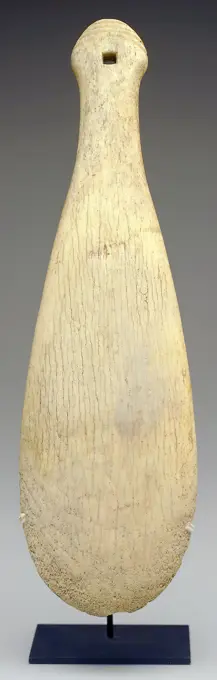
Patu Paraoa, early 19th century, 15 5/16 x 4 3/8 x 1/2 in. (38.89 x 11.11 x 1.27 cm), Whale ivory, New Zealand, 19th century
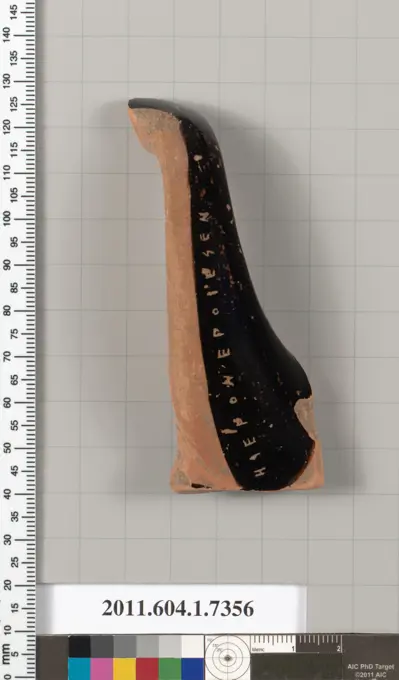
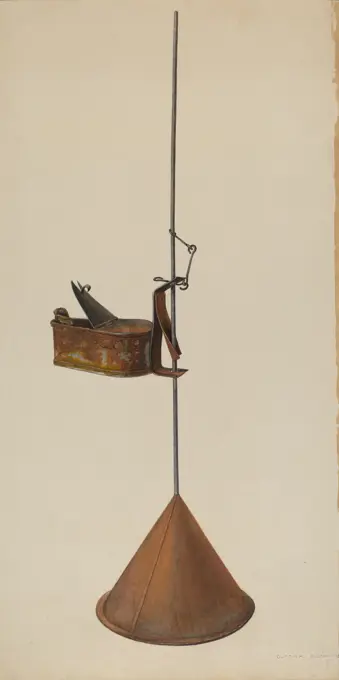
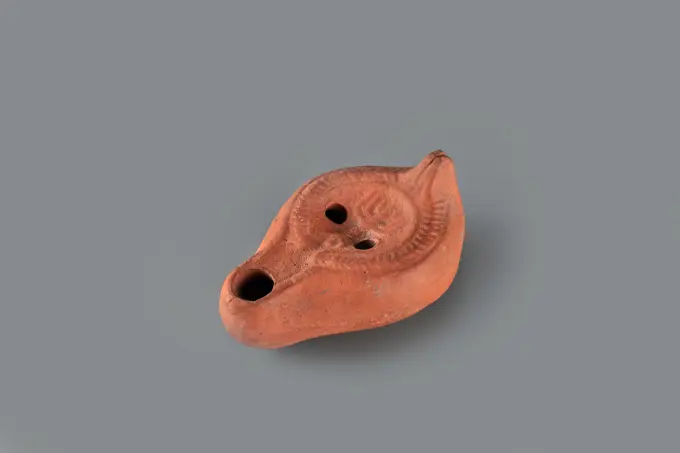
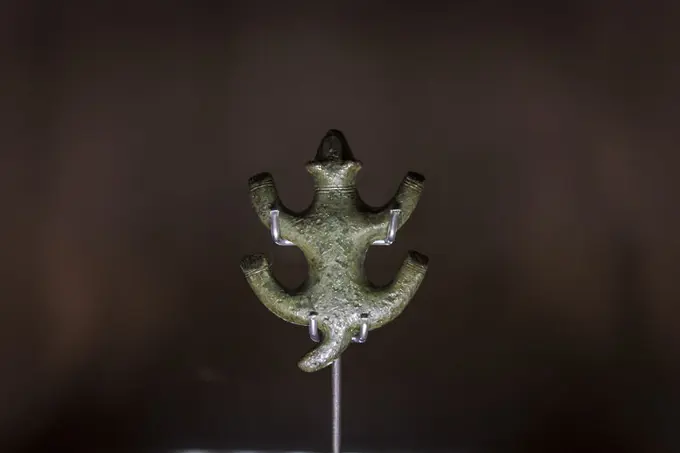
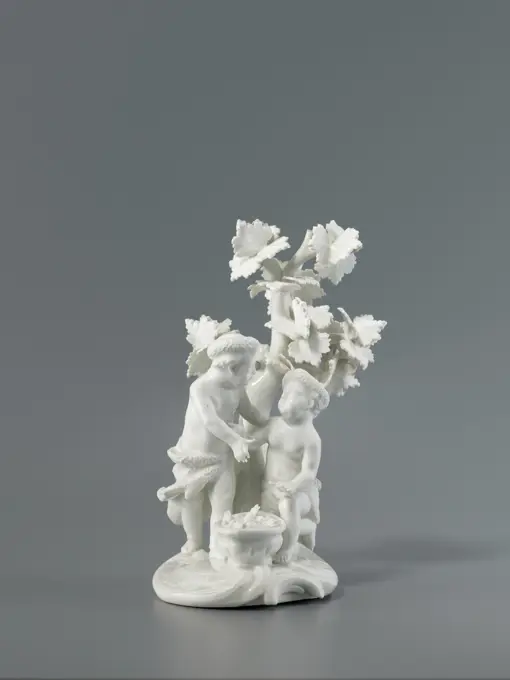
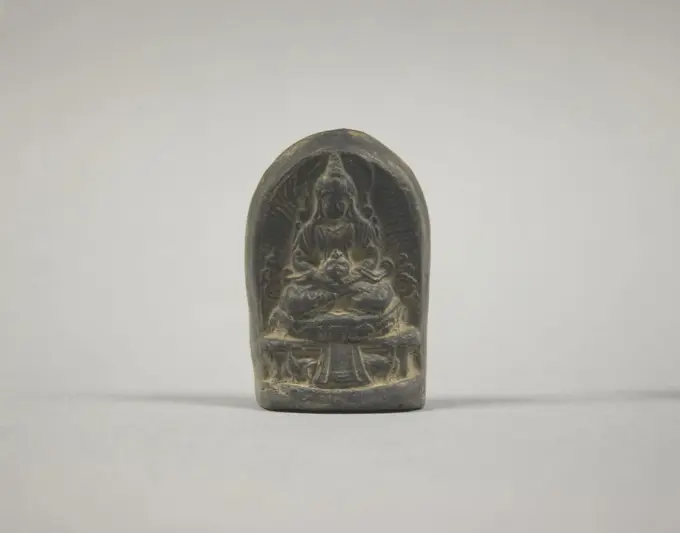
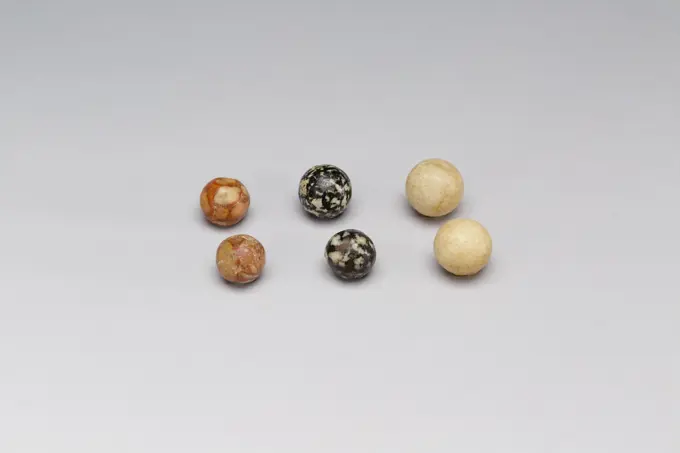
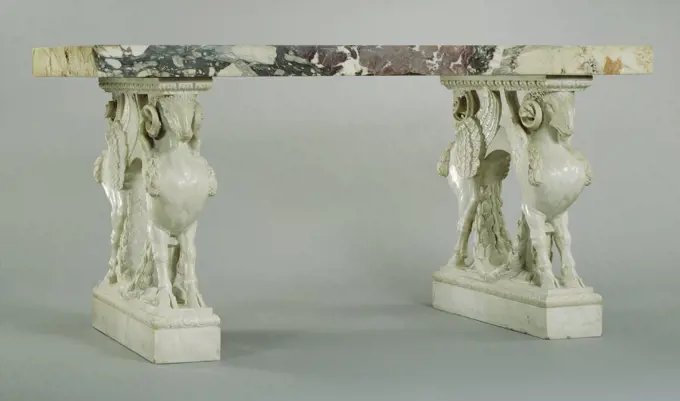
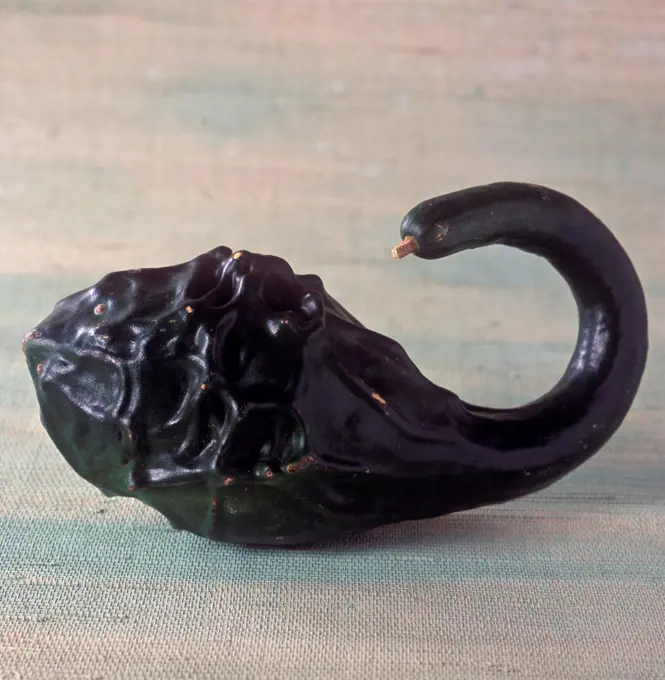
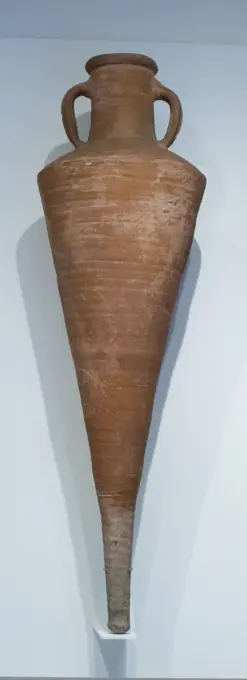
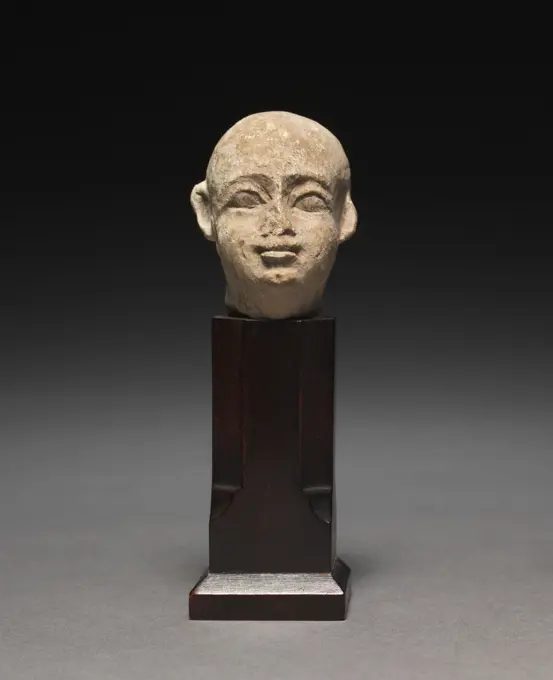
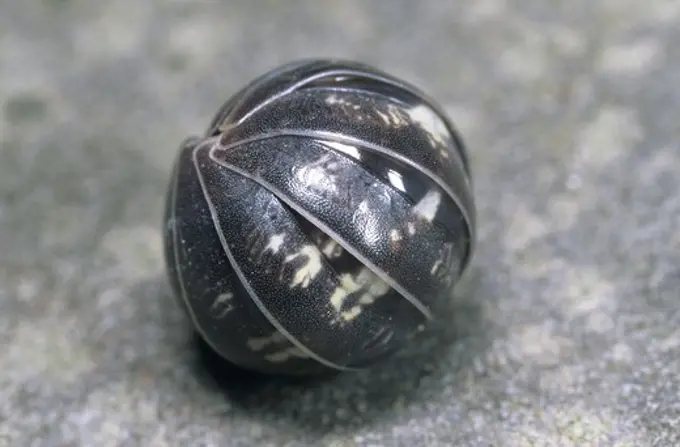
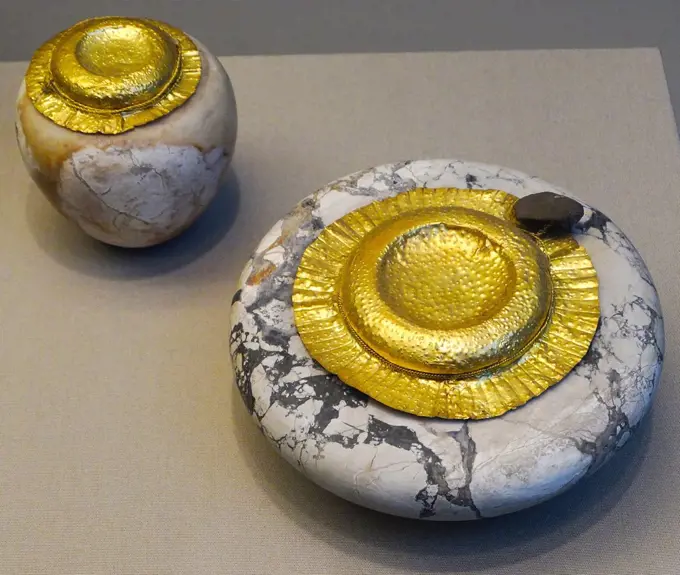
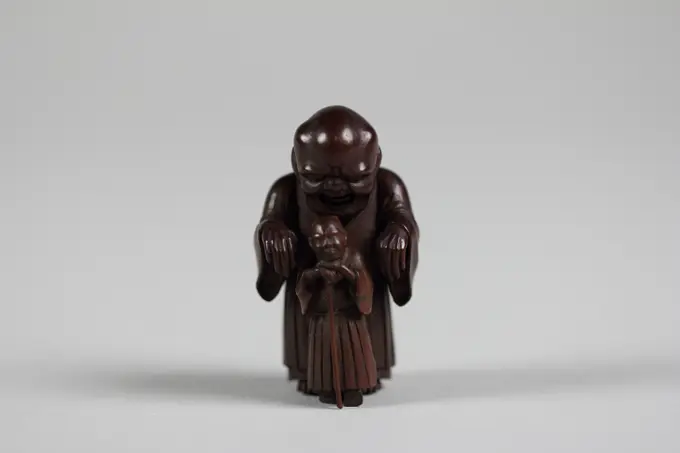
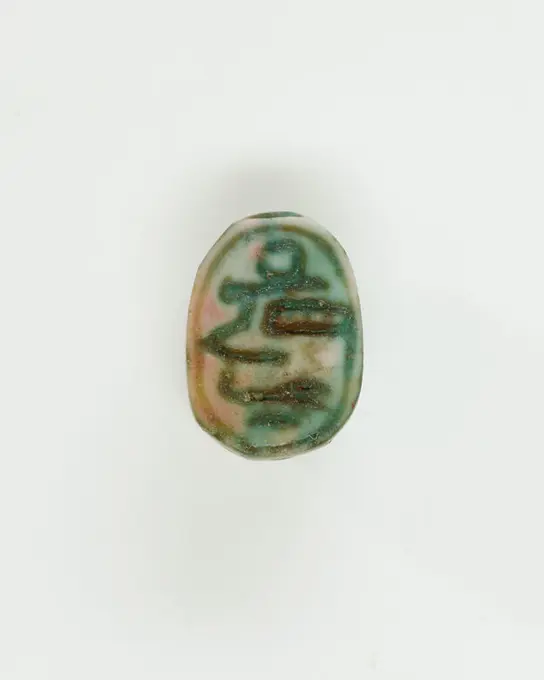
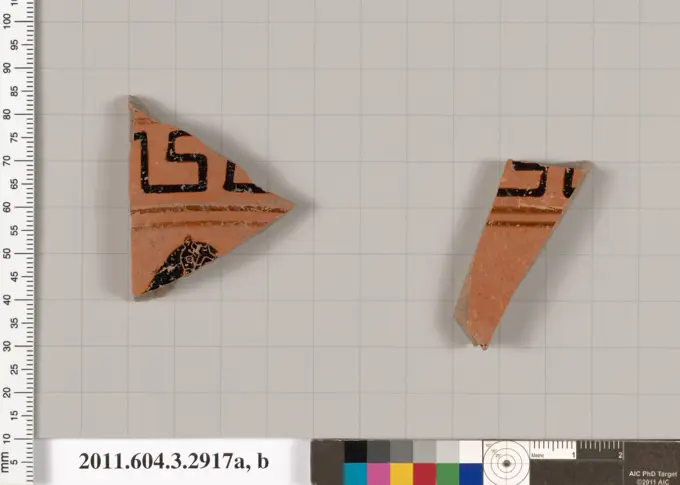
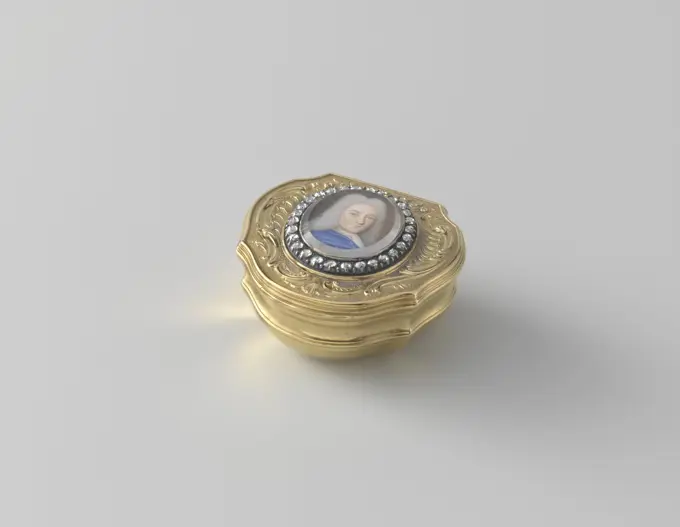
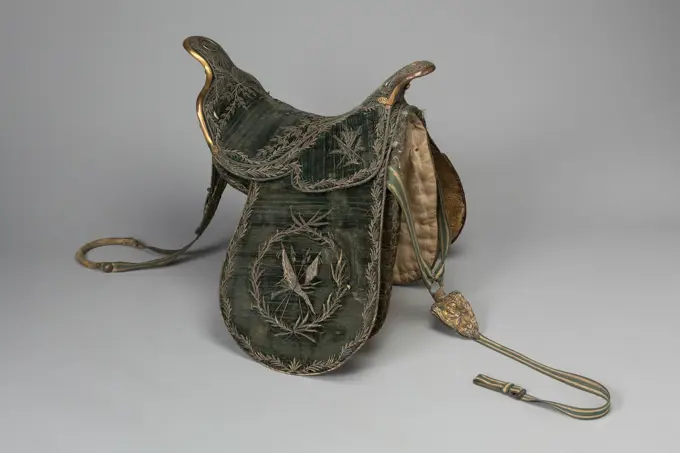
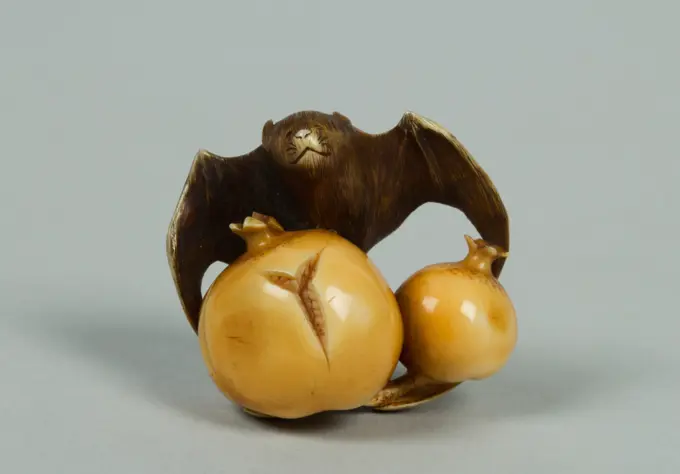
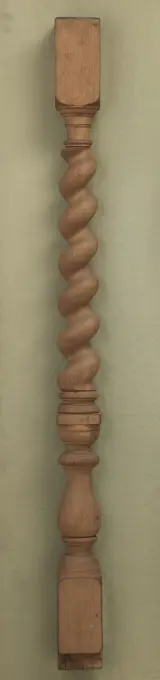
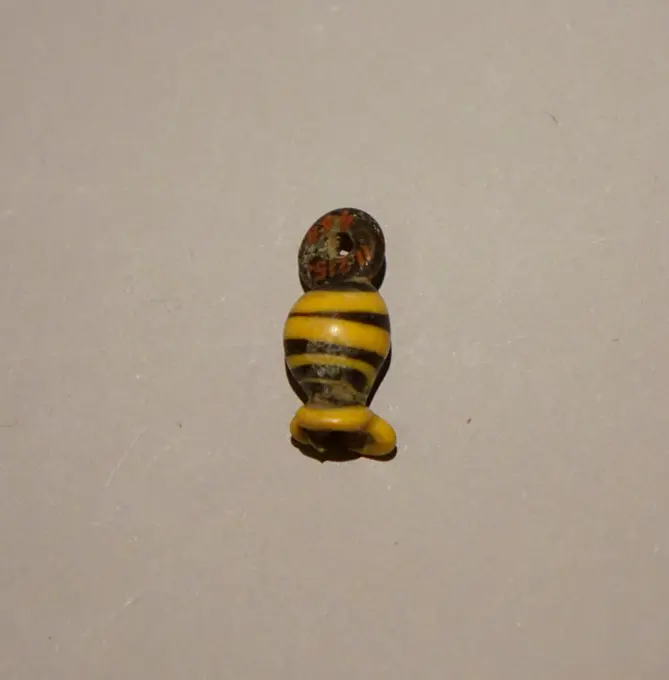
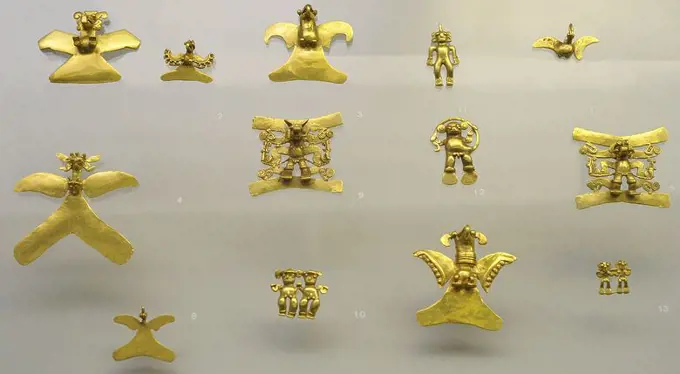
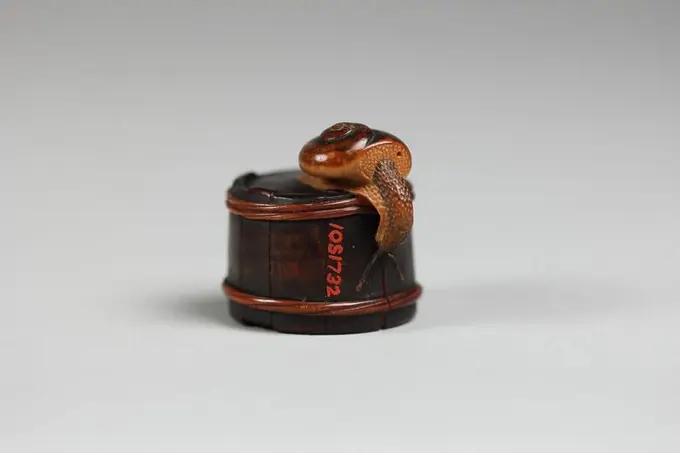
Japanese tea ceremonyTerracotta fragment of a kylix (drinking cup) 500-480 B.C. Attributed to Makron Right half of handle; inscribed on the black glaze, HIERON EPOIESEN. Terracotta fragment of a kylix (drinking cup). Greek, Attic. 500-480 B.C.. Terracotta; red-figure. Archaic. VasesOscar Bluhme, Betty Lamp, c 1941 Betty LampLampka dekorowana motywem menory. unknown, workshopHand holding the Eiffel tower on a white backgroundhospitality tessera in the shape of a bear, Castro de Las Rabas, Cervatos, Museum of prehistory and archeology (MUPAC), Santander, Cantabria, Spain.Bowl China. Bowl. China. Jadeite. Qing dynasty (1644-1911), Qianlong period (1736-95). JadeFigural group: winter; Kaiserliche Porzellanmanufaktur in Wien (1744-1864); 18th century (1700-00-00-1800-00-00);Dish, bowl; Unknown ASUA SKI workshop; VIII-IX century (701-00-00-1000-00-00);Votive Plaque with Amityus ca. 8th century or later Tibet. Votive Plaque with Amityus. Tibet. ca. 8th century or later. Clay. SculptureSnuff Bottle with Stopper 19th century China. Snuff Bottle with Stopper 41416Marble ca. 3850-2300 B.C. Predynastic Period-Old Kingdom This pink & white marble may have been used as a game piece for mehen, an ancient Egyptian game that was played from prehistoric times until the end of the Old Kingdom. Each player would have marbles made of a different colored stones, or they might have had playing pieces of different shapes, The Museum has two tear-drop pieces and one shaped like an American football that may have been used as game pieces.. Marble. ca. 3850-2300 B.C.. Breccia. Predynastic Period-Old Kingdom. From EgyptFragment ca. 1150-ca. 1250 European or Middle Eastern. Fragment 694235Bronze statuette (of a woman) 9th-8th century B.C. Etruscan With arms lowered and oversized hands.. Bronze statuette (of a woman). Etruscan. 9th-8th century B.C.. Bronze. Geometric. BronzesTable with Supports in the Form of Winged Rams; After a design by Francesco Antonio Franzoni, Italian, 1734 - 1818; Rome, Italy, Lazio, Europe; late 1800s or 1900s; Medicean breccia and white marble; Object: H:  100.3 x W:  200.7 x D:  81.3 cm (H:  39 1/2 x W:  79 x D:  32 in.), Object (top only): D:  10.2 cm (D:  4 in.)Portrait of a vegetableTerracotta transport amphora late 2nd century A.D. Roman Red clay with angular shoulder and pointed bottom.. Terracotta transport amphora. Roman. late 2nd century A.D.. Terracotta. Mid Imperial. VasesSmall Head of a Man, 305-30 BC. Egypt, Ptolemaic Dynasty. Limestone; overall: 4.2 x 3.3 x 4.4 cm (1 5/8 x 1 5/16 x 1 3/4 in.).Pill Bug rolled up (Armadillidium vulgare) Ithaca, New Yorkdolomite stone vases found beneath a collapsed wall in Khasekhemwy's tomb. each vase has a lid of sheet gold tied on with fine gold wire and secured with small clay seals. Abydos, Egypt, Tomb of Khasekhemwy, Second Dynasty. Khasekhemwy (ca. 2690 BC;) was the final king of the Second dynasty of Egypt.Double Crocodile Pendant. Culture: Diquís (). Dimensions: H. 3 7/8 x W. 2 7/8 x D. 1 1/8 in. (9.8 x 7.3 x 2.8 cm). Date: 13th-16th century.This pendant represents a two-headed crocodile with six circular danglers. Composite creatures such as this occur throughout Costa Rica and Panama, signaling that beliefs and their expressions were shared by many groups. Local styles developed distinctive characteristics, however. Metalwork from the Diquis Delta area in southwestern Costa Rica is ornate and replete with detail. Spirals and twisted and braided rope proliferate, and danglers, tinkling like bells and glittering in the sunlight, sometimes conceal the figures behind them.Costa Rica is the most northerly of the Precolumbian goldworking areas, which run from southern Peru and Bolivia on the west side of South America, along the Andean Mountain chain to Ecuador and Colombia, and from there across onto the Isthmus of Panama. This generally continuous region, in which ancient American goldworNetsuke of Ghost Trying in Vain to Frighten Blind Man 19th century Japan. Netsuke of Ghost Trying in Vain to Frighten Blind Man. Japan. 19th century. Wood. Edo (1615-1868) or Meiji period (1868-1912). NetsukeFigure ca. 150 B.C. Parthian. Figure 324897Bracket. Culture: British. Dimensions: Overall: 11 1/4 × 4 1/4 in. (28.6 × 10.8 cm). Date: 18th century. Museum: Metropolitan Museum of Art, New York, USA.Scarab of Amenemhat III. Dimensions: L. 0.8 × W. 0.6 × H. 0.5 cm (5/16 × 1/4 × 3/16 in.). Dynasty: Dynasty 12. Reign: reign of Amenemhat III. Date: ca. 1859-1813 B.C.. Museum: Metropolitan Museum of Art, New York, USA.Terracotta fragments of a neck-amphora (jar) third quarter of the 6th century B.C. Greek, Attic One fragment has part of a rightward meander; below, parts of two red glazed lines and head and neck of a frontal panther; the second fragment has part of a rightward meander. Terracotta fragments of a neck-amphora (jar). Greek, Attic. third quarter of the 6th century B.C.. Terracotta; black-figure. Archaic. VasesSnuif box with portrait of Nicolaas Pancras, Jean Soumain (attributed to), c. 1725 - c. 1727 The scalloped gold box, with a straight back has a hinged lid. The box contains a closed compartment, also with a hinged lid and is equipped with a spoon that fits in the compartment. In the underside of the bottom of the box, an oval cornalijn has been put within an elevated edge, which has been avoided with the gkroond weapon Pancras in a frame of volutes and flowers. At the top the soil shows a bulging, creating the space for the stone. The wall of the box is articulated by a profile edge; Below that he is somewhat bulky, rejuvenating to the bottom, he is slightly constricted. The lid has a profiled edge with a raised lip on the front. A plate is contained in the edge, spends with asymmetrical frame of an oval medallion, made up of volutes, rocailles and flowers, on a punched soil. The medallion contains the painted portrait of Mr. Nicolaas Pancras, turnover with 28 diamonds. The portrait anSaddle 1750-1800 Spain. Wood, velvet, canvas, silver thread, gilt brass, leather .Mount, bronze (gilt), Architectural or funiture cornice with lapped tongue decoration of acanthus corners over frieze of pendant tongues over cut-out with laurel decoration, France, early 19th century, metalwork, Decorative Arts, MountTerracotta fragment of a kylix (drinking cup) 6th/5th centuries B.C. Greek, Attic Left half of a kylix handle and part of the handle patch. Terracotta fragment of a kylix (drinking cup). Greek, Attic. 6th/5th centuries B.C.. Terracotta; black-figure. Archaic. VasesTerracotta fragment of a kylix (drinking cup) first half of the 5th century B.C. Greek, Attic Left half of handle with part of handle ornament from a cup with an offset lip. Terracotta fragment of a kylix (drinking cup) 686723SJEES. Sjees without a hood, drawn by two horses. There is a man with a hat in the Sjes. In his right hand, the man has a stick and in his left hand he has the leads. The image is labeled: STK. = Dordrecht, JRL. = N (1767), Mt. = Jacobus van Tricht, a crowned v in a shield, twice an eight-pointed flower or star and a boar cup.Ottoman marble carving art in detailChurch steeple still bank, early 20th century, 10 1/8 x 3 7/8 x 3 3/4 in. (25.72 x 9.84 x 9.53 cm), Tin, pigment, United States (probably), 20th centuryMoonstone against black backgroundFragment ca. 1150-ca. 1250 European or Middle Eastern. Fragment. European or Middle Eastern. ca. 1150-ca. 1250. Glass, ceramic. Glass-VesselsFlower-Shaped Clothing Plaque. Culture: China (Xinjiang Autonomous Region, Central Asia). Dimensions: Diam. 1 1/4 in. (3.2 cm). Date: 7th-9th century.The nomadic communities of Central Asia used such plaques to embellish clothing and horse trappings. As these nomadic cultures herded animals and were constantly moving, their artistic production was expressed in portable objects that marked the wearer's status and wealth. The outstanding preservation of these fragile ornaments suggests they were used in conjunction with burials, where the body was aggrandized with valuable textiles and augmented with gold. Although it is difficult to date and place these objects geographically, their presence in Central Asia and has a long, established history. Museum: Metropolitan Museum of Art, New York, USA.Brown champignon mushroom isolated on white background cutoutabba;  19th century (1801-00-00-1900-00-00);wooden cobra from the base of a funeral bed found in an Egyptian tomb 715-332 BCPair of Earspools with Face in Interior. Possibly Veracruz, Mexico. Date: 450 AD-1000. Dimensions: Diam. 3.2 cm (1 1/4 in.). Ceramic and pigment. Origin: Veracruz state. Museum: The Chicago Art Institute, Chicago, USA.Netsuke of Bat and Fruit 19th century Japan. Netsuke of Bat and Fruit. Japan. 19th century. Ivory. Edo (1615-1868) or Meiji period (1868-1912). NetsukeFragments of a cart or chariot, hook, nails, double strip ca. 500-480 B.C. Etruscan Large collection of bronze and iron attachments once belonging to a chariot.. Fragments of a cart or chariot, hook, nails, double strip 253014 Etruscan, Chariot fragments, hook, nails, double strip, ca. 500480 B.C., Bronze, Other (length H1): 1 5/8 in. (4.1 cm) Other (length H2): 7/8 in. (2.2 cm) Other (length H3): 1 1/4 in. (3.2 cm) Other (length H4): 2 11/16 in. (6.8 cm). The Metropolitan Museum of Art, New York. Fletcher Fund, 1929 (29.131.3h1h4)Powder horn - The Countrys Conquered by the Five NationsBaluster first half 18th century British. Baluster. British. first half 18th century. Walnut. WoodworkPomegranate Pendant ca. 1390-1353 B.C. New Kingdom. Pomegranate Pendant. ca. 1390-1353 B.C.. Glass. New Kingdom. From Egypt, Upper Egypt, Thebes, Malqata, Palace of Amenhotep III, MMA excavations, 1910-11. Dynasty 18Censer in the Shape of a RabbitHead.  Artist: UnknownBourbon vanilla beans isolated on old wooden backgroundSignet ring of Ramesses VI ca. 1143-1136 BC New Kingdom, Ramesside. Signet ring of Ramesses VI. ca. 1143-1136 BC. Gold. New Kingdom, Ramesside. From Egypt. Dynasty 20Conjunto de colgantes. 1-6 Colgantes en forma de ave rapaz. 7. Colgante en forma de ánade. 8. Colgante representando un mono. 9-10 Colgantes representando una figura antropomorfa con cabeza de felino, rodeada de serpientes. 11-13 Colgantes antropomorfos. Oro. Período VI (1000-1500 d. C). Región de Diquís, Costa Rica. Museo de América. Madrid. España.3d rendering of an ancient canon isolated in studio background 3d rendering of an old ancient canon isolated in studio background Copyright: xZoonar.com/HugoxKurkx 14630567Amulet of the Mummiform God Anubis 664 BCE-332 BCE Egypt. Faience . Ancient EgyptianFigure of a "Malabar" Musician Figure; Possibly by Sèvres Porcelain Manufactory (France); biscuitPa. German Dresser. Dated: 1935/1942. Dimensions: overall: 40.9 x 30.6 cm (16 1/8 x 12 1/16 in.). Medium: watercolor, graphite, and colored pencil on paper. Museum: National Gallery of Art, Washington DC. Author: Austin L. Davison.Bells, Probably for a Horse Harness ca. 3rd century Japanese. Bells, Probably for a Horse Harness. Japanese. ca. 3rd century. Bronze. Miscellaneous-Buckles & OrnamentNetsuke of Snail on a Box. Artist: Shigemasa (Japanese). Culture: Japan. Dimensions: H. 1 3/8 in. (3.5 cm); W. 1 5/8 in. (4.1 cm); D. 1 1/4 in. (3.2 cm). Date: 19th century. Museum: Metropolitan Museum of Art, New York, USA.Fragment of a vessel or glass pitch. On turquoise reason, several flowers in millefiori technology can be seen. Two types can be distinguished, one of which consists of a red dot with white core to lay the yellow points with violet contour. That's why another wreath lays with violet edged white scores. The second type consists of a yellow point to lay the violet outlined white points. That's why the same violet wreath with white dots lays down as the first type. For the production, different colored glasses into tubes and rods were formed. These were compressed and heated, causing a long bar. The glass sliced now had different amorphous or floral patterns. Thereafter, several of these platelets were fused, heated again and pressed into the vascular shape. It may be a fragment of such a glass sweat. Burry for the elaborate manufacturing process and its fragility was one of the luxury articles of antiquity.Bliżej Kulturygold figure of the Egyptian Goddess Isis 715-332 BC