Ancient Artifacts

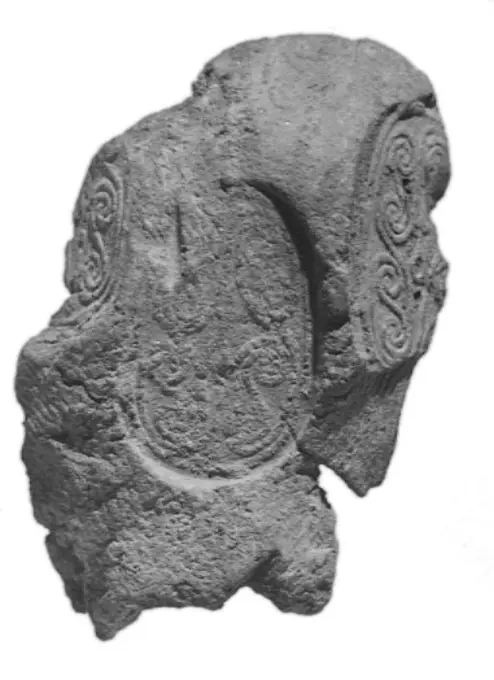
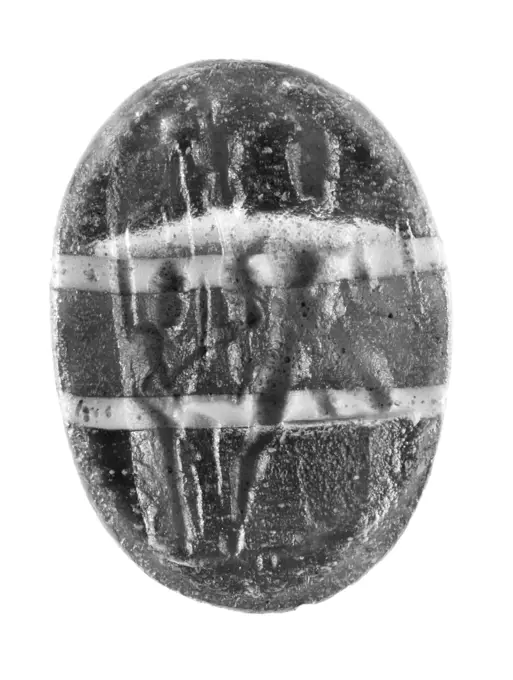
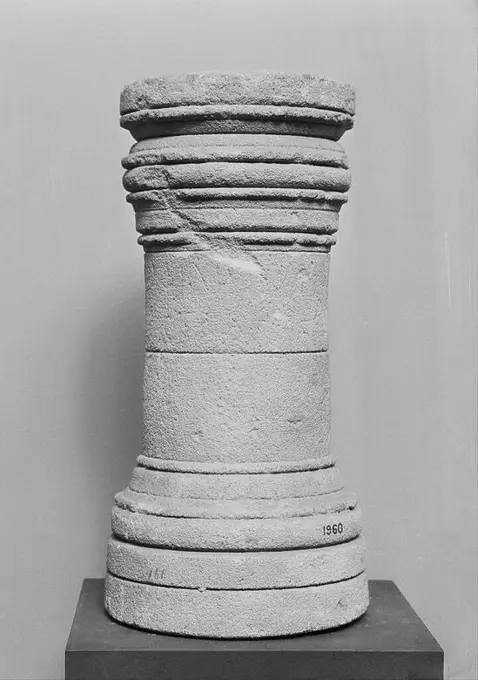
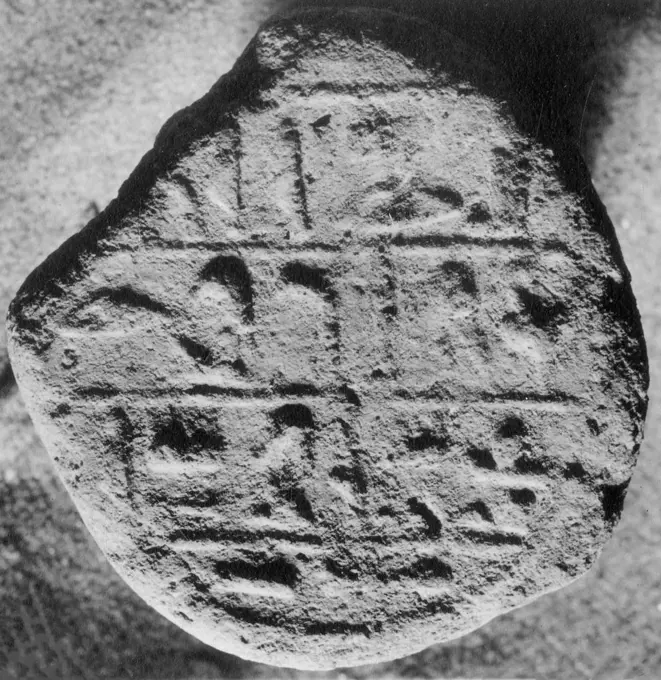
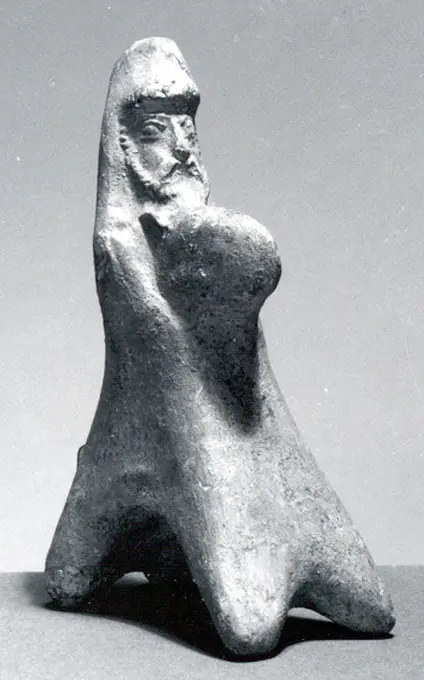
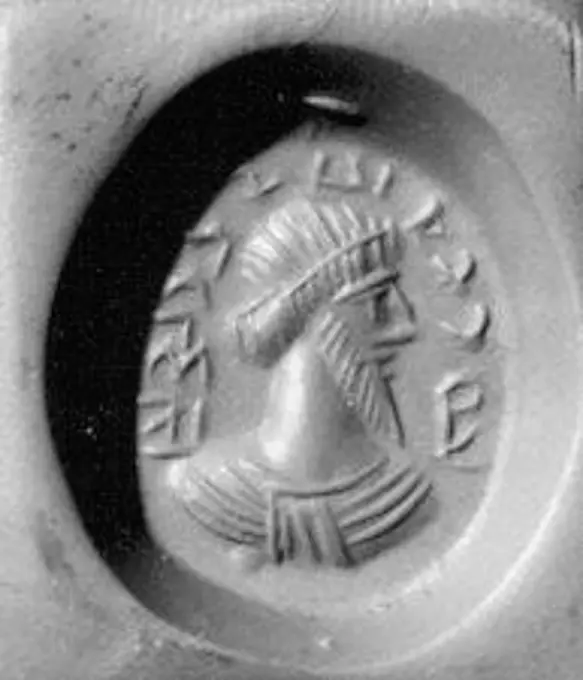
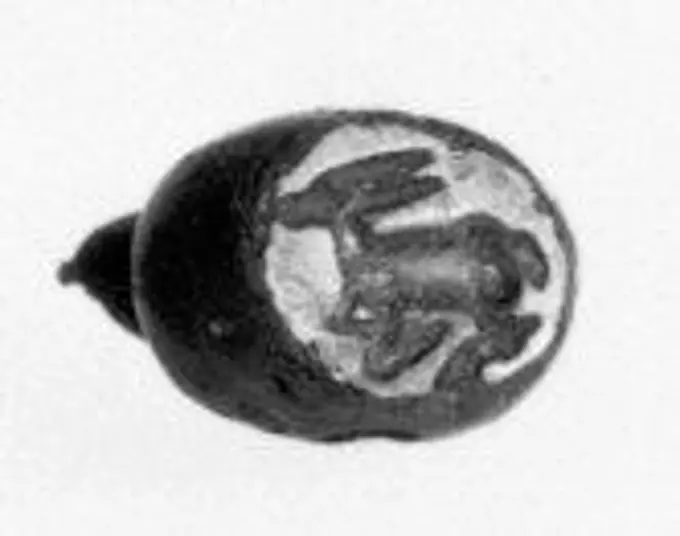
Historical artifacts including loom weights and seals, varying in form and material, reflecting ancient craftsmanship and cultural significance.

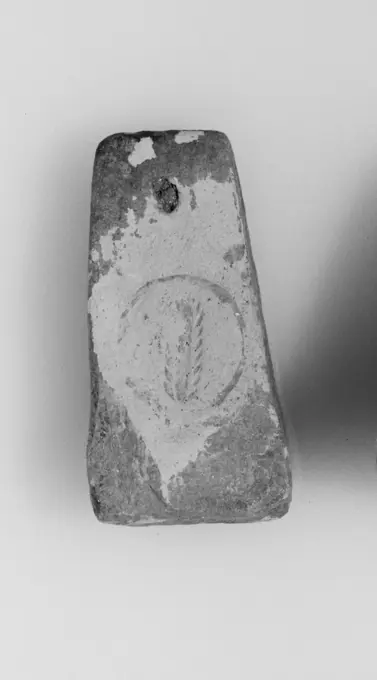
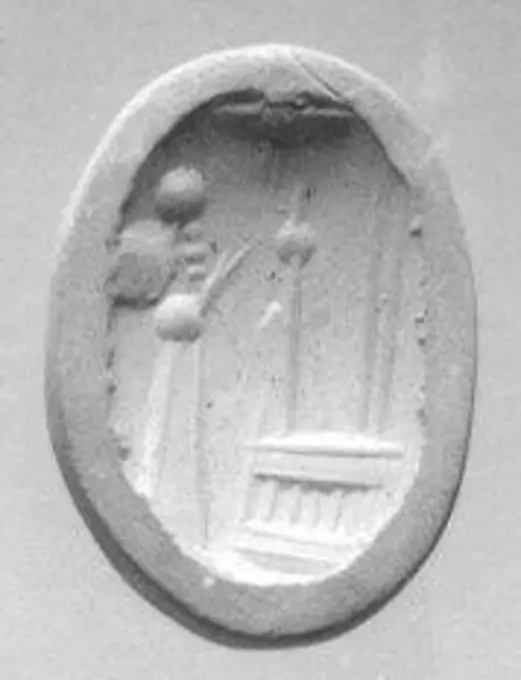
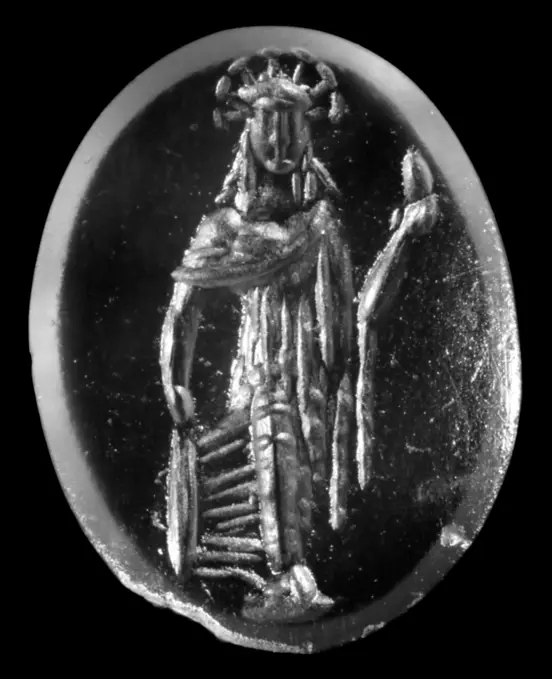
Ring; second half of 6th century B.C; Silver and tin; 2.3 cm, 0.0048 kg (7,8 in., 0.0106 lb.)
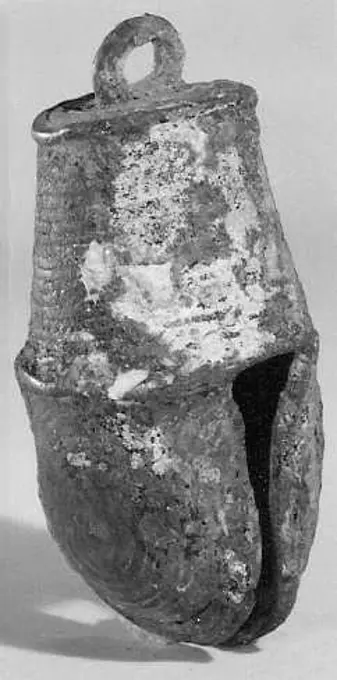
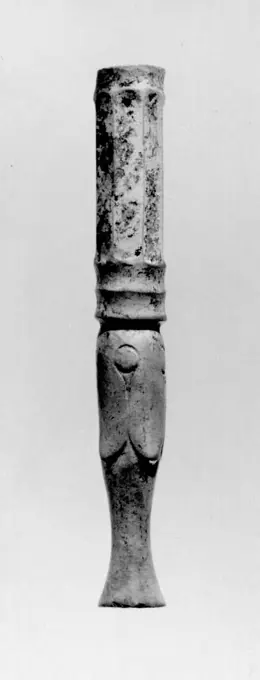
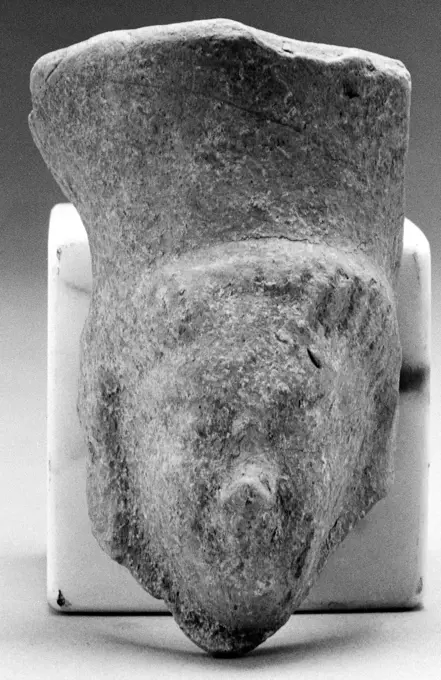
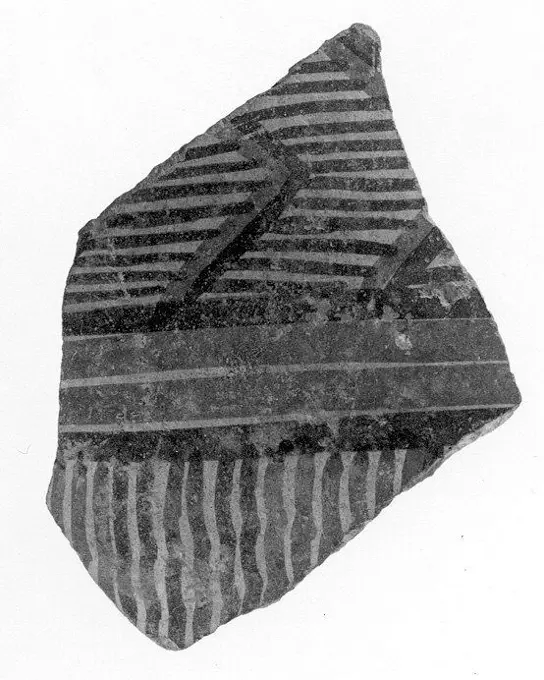
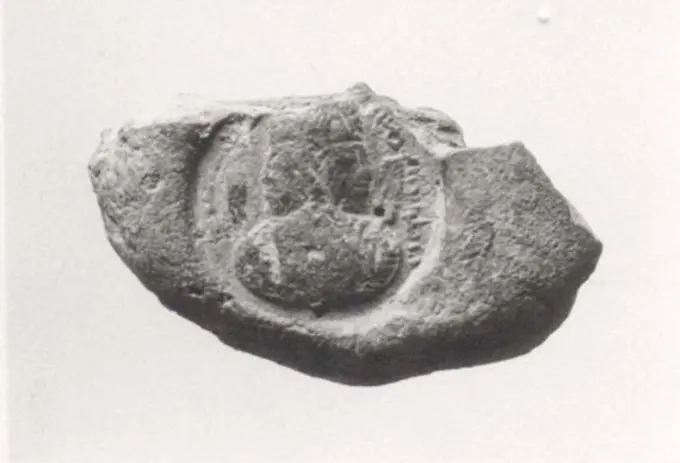
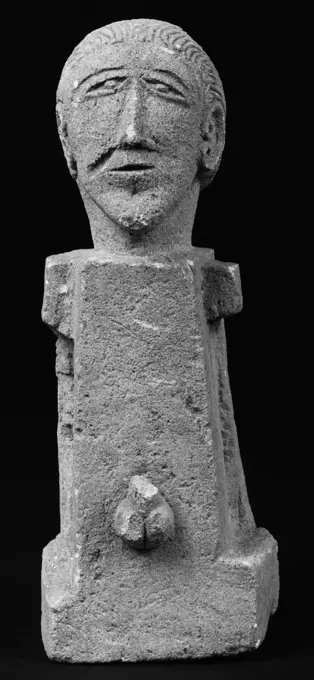
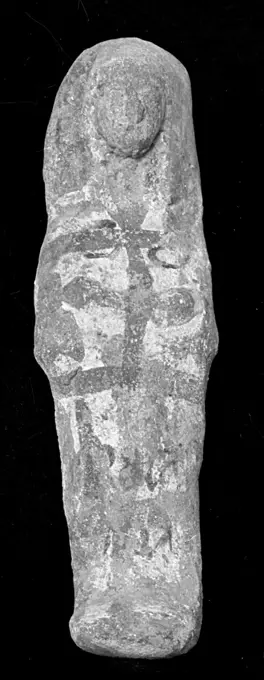
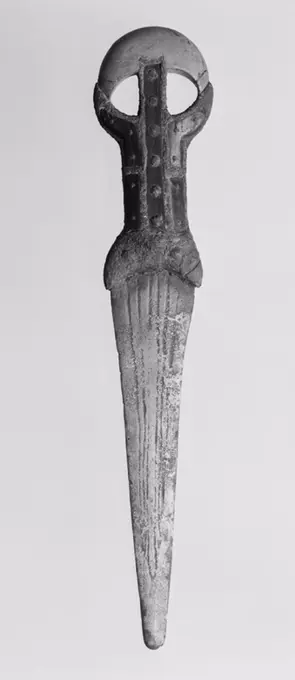
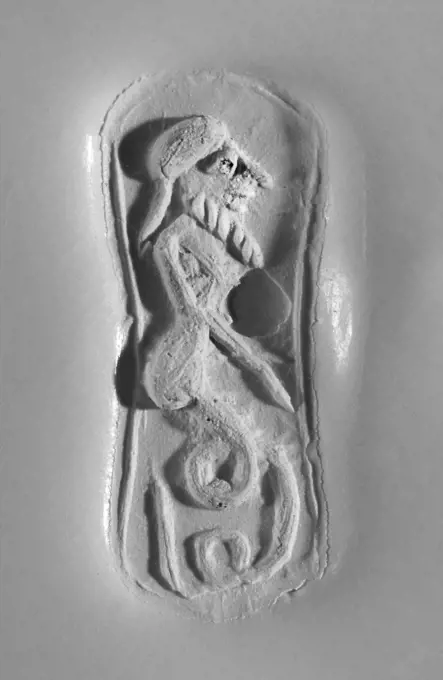
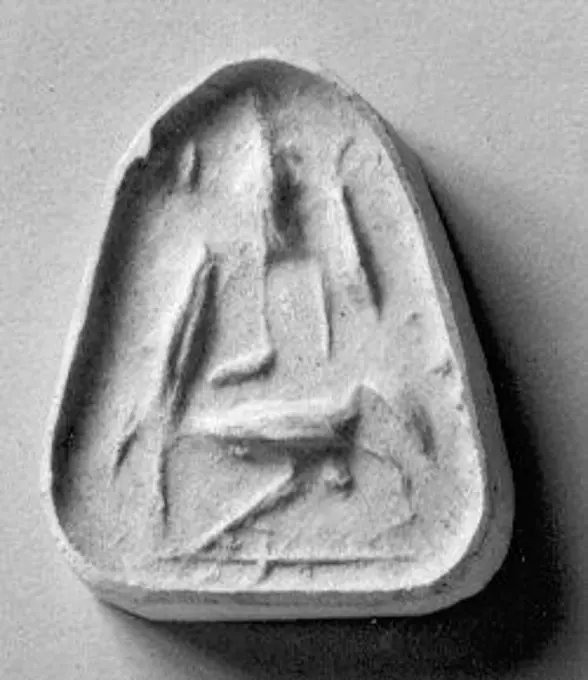
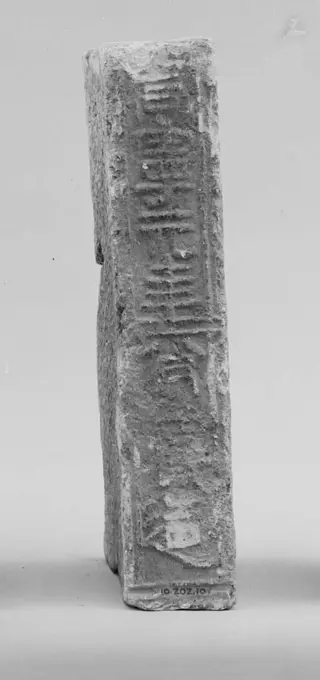
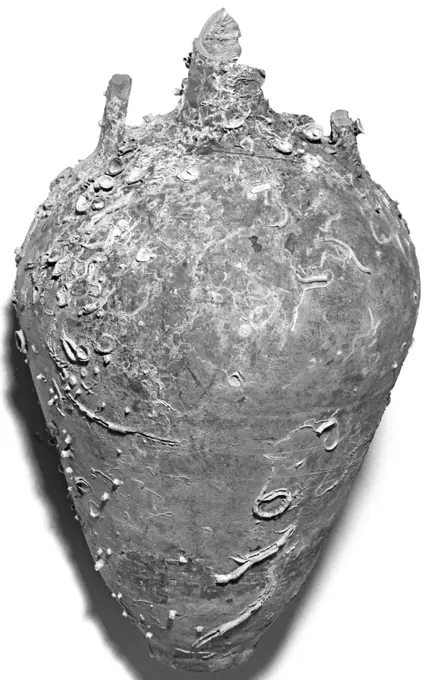
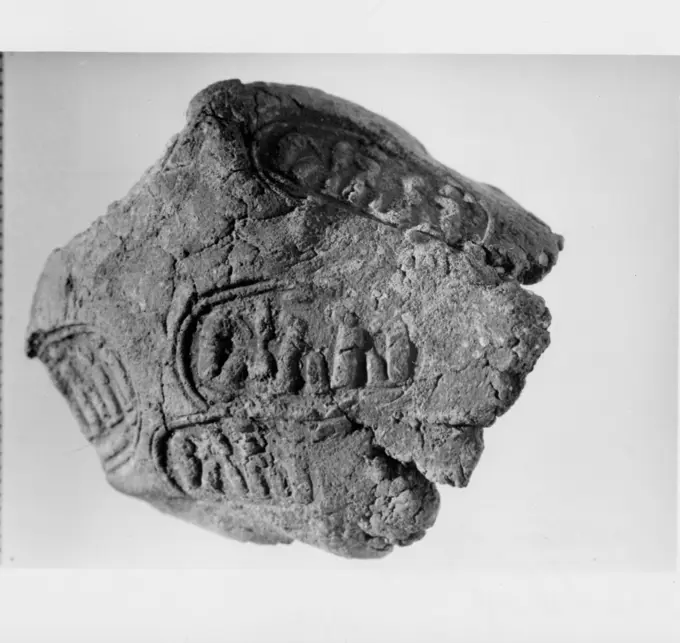
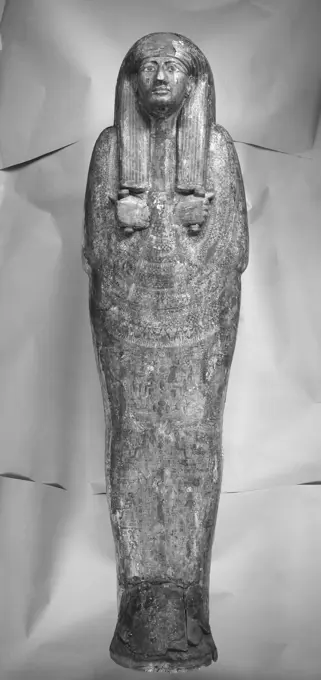
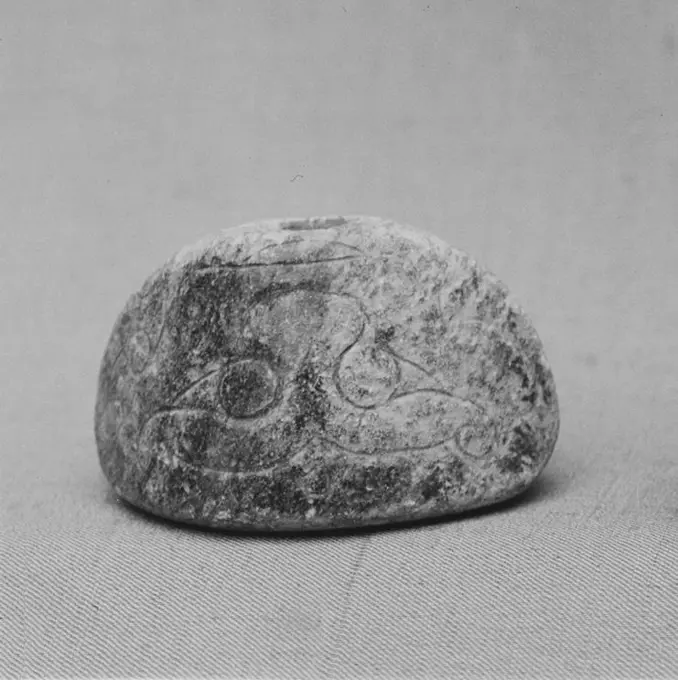
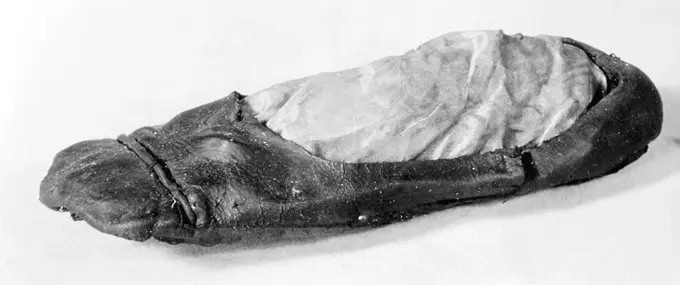
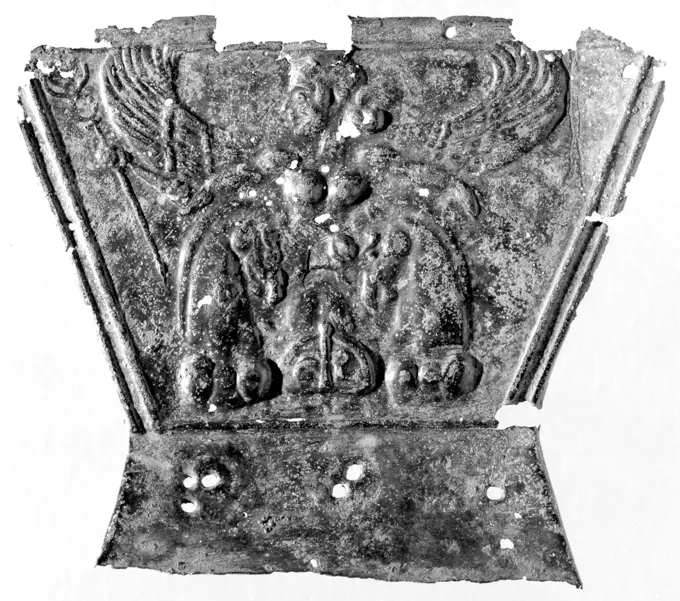
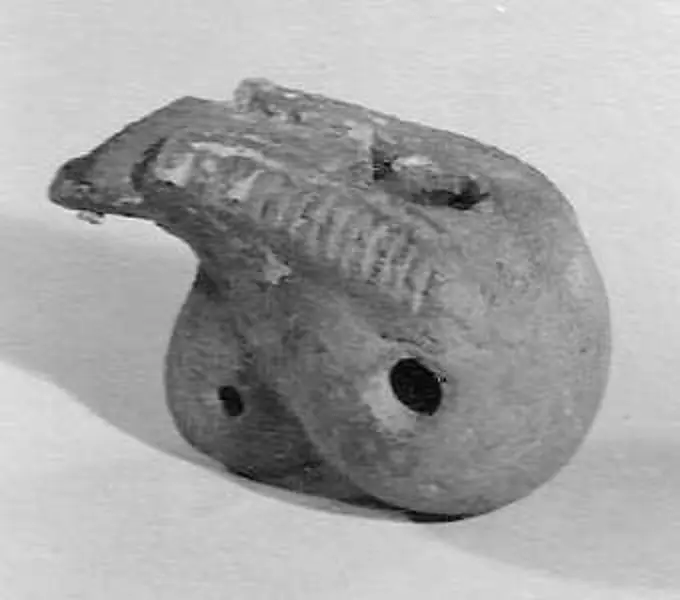
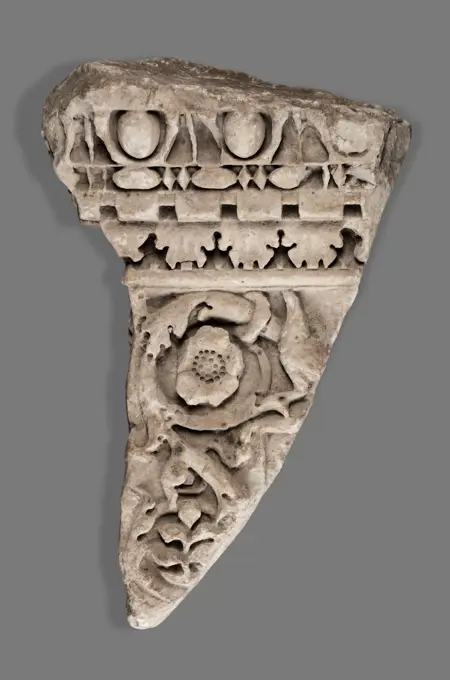
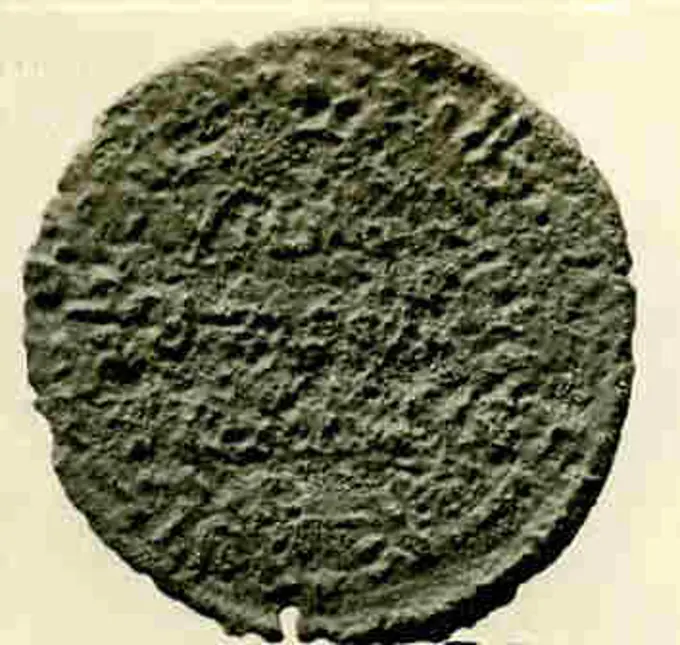
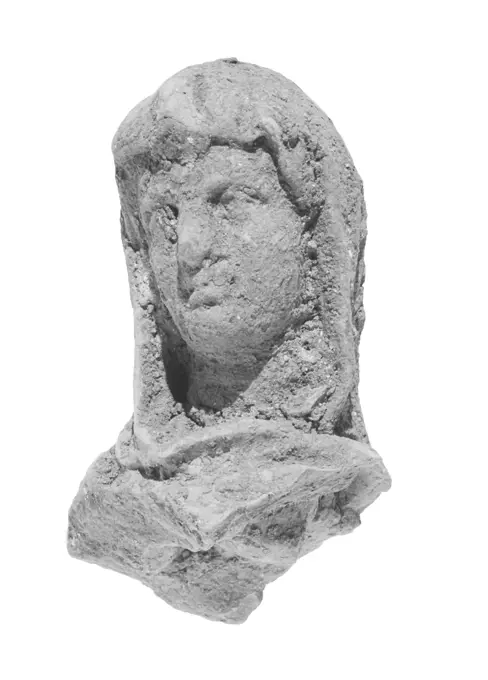
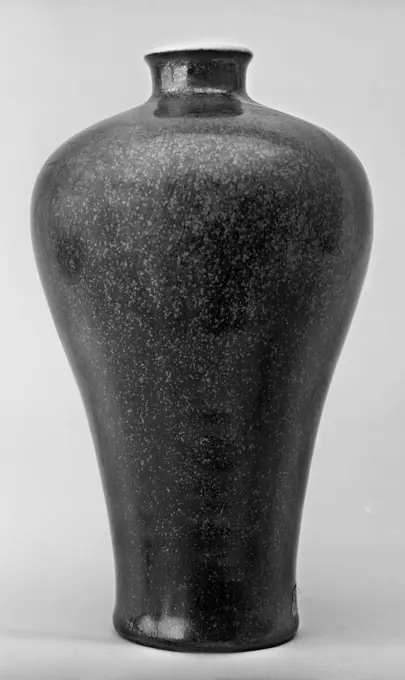
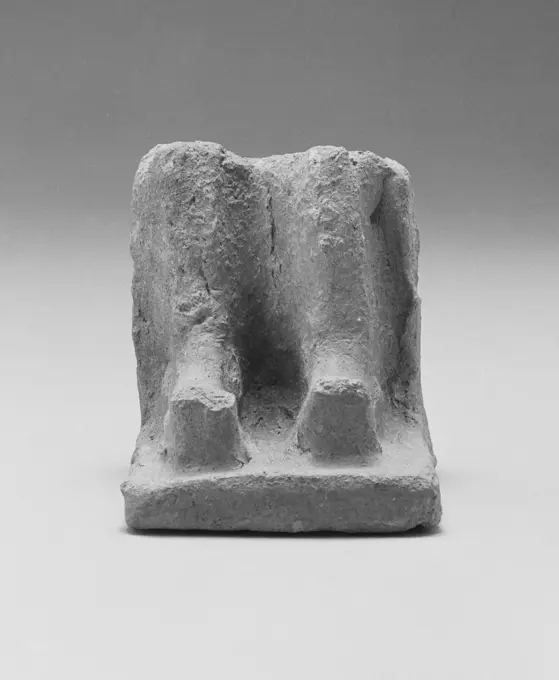
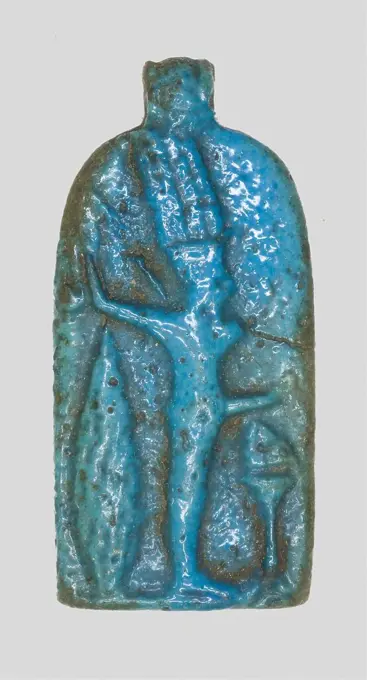
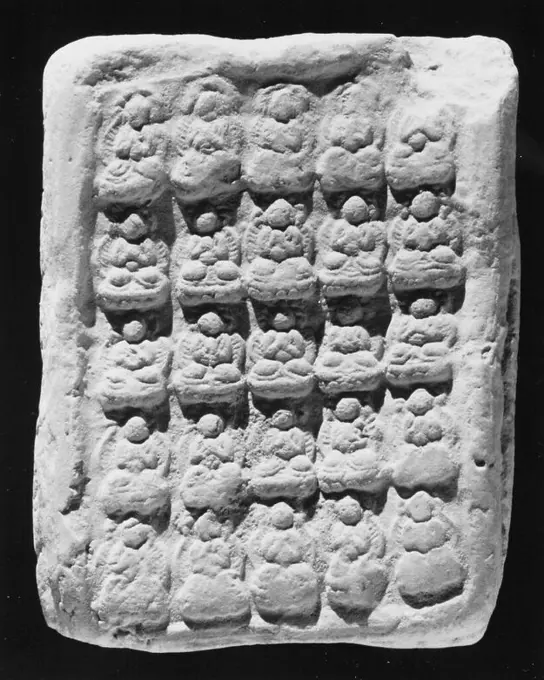
Loom-Weight. UnknownSealing ca. 2030-1640 B.C. Middle Kingdom. Sealing 546570Ring. UnknownRing. UnknownBell 10th-16th century Aztec. Bell 502531Furniture post China. Furniture post 62139Female Head. UnknownTwo-Piece Cast Gem. UnknownRing; second half of 6th century B.C; Silver and tin; 2.3 cm, 0.0048 kg (7,8 in., 0.0106 lb.)Female Head. UnknownSherd ca. 5000-4500 B.C. Halaf. Sherd 327373Sealing ca. 7th century A.D. Sasanian. Sealing. Sasanian. ca. 7th century A.D.. Un-baked clay. Sasanian. Iran, Qasr-i Abu NasrSmall Herm. UnknownSealing ca. 2030-1640 B.C. Middle Kingdom. Sealing 565888Head of a Buddha ca. 900 Cambodia. Head of a Buddha 38878Funerary Cone ca. 1550-1295 B.C. New Kingdom. Funerary Cone. ca. 1550-1295 B.C.. Pottery. New Kingdom. From Egypt, Upper Egypt, Thebes. Dynasty 18Torso Fragment from a Cycladic Figure (Dokathismata Type). UnknownShabti ca. 1550-1295 B.C. New Kingdom. Shabti. ca. 1550-1295 B.C.. Pottery. New Kingdom. From Egypt, Middle Egypt, Deir Rifa, BSAE excavations 1906-1907. Dynasty 18Dagger. Dimensions: l. 30.8 cm (12 1/8 in). Dynasty: Dynasty 17-18. Date: ca. 1600-1500 B.C.. Museum: Metropolitan Museum of Art, New York, USA.Sealing ca. 1981-1640 B.C. Middle Kingdom. Sealing 558565Silver Ring with Gold Stud in Bezel; about 550 B.C; Silver and gold; 1.7 × 0.7 cm (11,16 × 1,4 in.)Sealing ca. 2030-1640 B.C. Middle Kingdom. Sealing 546539Stamp seal (rounded triangular base with loop handle) with anthropomorphic figure and animals ca. 9th-7th century B.C. Syro-Anatolian. Stamp seal (rounded triangular base with loop handle) with anthropomorphic figure and animals. Syro-Anatolian. ca. 9th-7th century B.C.. Steatite, black. Iron Age II. Northern Syria or southeastern AnatoliaTile China. Tile 51967Zanguleh (zangula) ca. 1850-89 Iranian (Persian). Zanguleh (zangula) 504812Sealing ca. 1981-1640 B.C. Middle Kingdom. Sealing 557547Sealing ca. 2030-1640 B.C. Middle Kingdom. Sealing 546573Transport Amphora. UnknownRaised relief fragment 664-610 B.C. Late Period, Saite see 23.3.468. Raised relief fragment. 664-610 B.C.. Limestone, varnish. Late Period, Saite. From Egypt, Upper Egypt, Thebes, Deir el-Bahri, Tomb of Nespekashuty (TT 312, MMA 509), 1st chamber E. wall; N. section, MMA excavations, 1922-23. Dynasty 26Vase. Culture: China. Dimensions: H. 6 1/4 in. (15.9 cm). Museum: Metropolitan Museum of Art, New York, USA.Sealing ca. 2030-1640 B.C. Middle Kingdom. Sealing 565787Female Head. UnknownFigurine of a Head of a Rooster 306-30 B.C. Ptolemaic Period. Figurine of a Head of a Rooster. 306-30 B.C.. Pottery. Ptolemaic Period. From Egypt, Upper Egypt, Thebes, Asasif, MMA excavationsDocument Sealing With the Throne Name of Amenhotep III ca. 1390-1353 B.C. New Kingdom. Document Sealing With the Throne Name of Amenhotep III. ca. 1390-1353 B.C.. Mud. New Kingdom. From Egypt, Upper Egypt, Thebes, Malqata, King's Palace, West magazine, MMA excavations, 1910-12. Dynasty 18Stamp seal (octagonal pyramid) with cultic scene 7th century B.C. Assyrian. Stamp seal (octagonal pyramid) with cultic scene. Assyrian. 7th century B.C.. Neutral Chalcedony (Quartz), possibly etched to produce yellow mottling. Neo-Assyrian. MesopotamiaStamp-cylinder seal ca. 12th century B.C. Cypriot. Stamp-cylinder seal. Cypriot. ca. 12th century B.C.. Marble. Late Cypriot IIIA. CyprusPhallus Pendant. UnknownAnthropoid Coffin ca. 975-900 B.C. Third Intermediate Period This coffin was not commissioned by a specific individual, but was made for general sale and was never inscribed for its eventual owner. Its inscriptions and decoration are of a type very common in Thebes during the late 21st and early 22nd Dynasties, and the whole was intended to have a lavish effect. The details of the enormous necklace that extends from the shoulders, covers the arms, and fall to the tops of the thighs were painted with care, and the shiny varnish applied over the background of the coffin and the raised red and blue decorations were meant to suggest the shimmer of gold and precious stones. The exposed hands hold cylindrical objects that would, in real examples, have held documents or amulets. The red bands hung around the neck represent mummy braces (see for actual examples 22.3.306a, b), which are characteristic of this period. The scenes covering the lower part of the body show the deceased with various Fragment of a Grotesque Head early 12th century Central Asia. Fragment of a Grotesque Head 40036Handle () 6th-9th century Maya. Handle (). Maya. 6th-9th century. Bone. Mexico, Mesoamerica. Bone/Ivory-SculptureScabbard ornament China. Scabbard ornament 43186Shoe. England. Date: 1501-1600. Dimensions: 23 × 9 × 5 cm (9 1/16 × 3 1/2 × 2 in.). Leather. Origin: England. Museum: The Chicago Art Institute, Chicago, USA.Greek Shield Strap Fragment. UnknownStamp seal ca. 3rd-7th century A.D. Sasanian. Stamp seal. Sasanian. ca. 3rd-7th century A.D.. Chalcedony, yellow. Sasanian. Iran or MesopotamiaFunerary Cone ca. 1550-1295 B.C. New Kingdom. Funerary Cone. ca. 1550-1295 B.C.. Pottery. New Kingdom. From Egypt, Upper Egypt, Thebes. Dynasty 18Shaft-hole axe head late 3rd-early 2nd millennium B.C. Iran. Shaft-hole axe head 326645Stamp seal (octagonal pyramid) with cultic scene late 8th - 7th century B.C. Assyrian. Stamp seal (octagonal pyramid) with cultic scene. Assyrian. late 8th - 7th century B.C.. Limestone, yellow. Neo-Assyrian. MesopotamiaBush hammer ax, vintage engraved illustration. From Natural Creation and Living Beings.Shoulder Band Fragment 5th-6th century. Shoulder Band Fragment 445783Stamp seal ca. 3rd-7th century A.D. Sasanian. Stamp seal. Sasanian. ca. 3rd-7th century A.D.. Hematite. Sasanian. Iran or MesopotamiaBalustrade fragment ca. 1353-1336 B.C. New Kingdom, Amarna Period. Balustrade fragment 558366Stud Button. UnknownStamp seal ca. 3rd-7th century A.D. Sasanian. Stamp seal. Sasanian. ca. 3rd-7th century A.D.. Agate, brown. Sasanian. Iran or MesopotamiaEngraved Gem. UnknownOrnament China. Ornament 60669Jug ca. 3rd-7th century A.D. Sasanian Plain unglazed ceramics, like this jar, are the most common type of pottery found during the Sasanian period. These plain vessels were part of the everyday household materials. The ceramics during this period were mostly wheel-made. This jar was excavated from a house at the site of Maaridh II in the Ctesiphon area and is very well preserved The city of Ctesiphon was located on the east bank of the Tigris River, 20 miles (32 km) south of modern Baghdad in Iraq. It flourished for more than 800 years as the capital of the Parthians and the Sasanians, the last two dynasties to rule the ancient Near East before the Islamic conquest in the seventh century. Systematic excavations in the Ctesiphon area were undertaken by an expedition in 1928-29 sponsored by the German Oriental Society (Deutsche Orient-Gesellschaft). The Metropolitan Museum of Art and the Staatliche Museen, Berlin, undertook a joint expedition for one season in 1931-32. Several excavatioHandbell 19th century () Italian. Handbell. Italian. 19th century (). Bronze. Venice, Italy. Idiophone-Struck-bell-clapperFunerary Cone ca. 1550-1295 B.C. New Kingdom. Funerary Cone. ca. 1550-1295 B.C.. Pottery. New Kingdom. From Egypt, Upper Egypt, Thebes, MMA excavations. Dynasty 18Comb Fragment with Carved Decoration. UnknownAttic Geometric Lid. UnknownRelief fragment, tomb of Meketre ca. 1981-1975 B.C. Middle Kingdom. Relief fragment, tomb of Meketre 562102Coin 758-68. Coin. 758-68. Copper. Excavated in Iran, Nishapur. CoinsArrowhead n.d.a.. Arrowhead. n.d.a.. Bronze. Mesopotamia, NippurFragmentary Fibula. UnknownPottery Whistle uncertain date Mexican. Pottery Whistle. Mexican. uncertain date. Pottery. District of Texcoco, Mexico. Aerophone-Whistle Flute-whistleHead with Lampadion Coiffure. UnknownFragment of architectural decoration;  I-II century (1-00-00-200-00-00);Collection, Pac L.Female Head. UnknownHead with Melon Coiffure. UnknownCoin 8th-9th century. Coin. 8th-9th century. Copper. Excavated in Iran, Nishapur. CoinsBead China. Bead 43100Funerary Cone of the Steward Abekh ca. 1550-1295 B.C. New Kingdom This cone has been sawn off about 3 cm. (1 3/16 in.) from the end.. Funerary Cone of the Steward Abekh. ca. 1550-1295 B.C.. Pottery. New Kingdom. From Egypt, Upper Egypt, Thebes. Dynasty 18Funerary Cone ca. 1550-1295 B.C. New Kingdom. Funerary Cone. ca. 1550-1295 B.C.. Pottery. New Kingdom. From Egypt, Upper Egypt, Thebes. Dynasty 18Hooded Female Head. UnknownLimestone cippus of Philon. Culture: Roman, Cypriot. Dimensions: H.: 24 5/8 x 12 in. (62.5 x 30.5 cm). Date: ca. 2nd-3rd century A.D.. Museum: Metropolitan Museum of Art, New York, USA.Stirrup (Wa Abumi). Culture: possibly Japanese. Dimensions: H. 10 1/2 in. (26.7 cm); W. 8 1/8 in. (20.6 cm). Date: ca. 5th century.Excavated from the burial mound at Wada, in Nara Prefecture, this stirrup is an example of the earliest type used in Japan, probably imported from China or Korea. Museum: Metropolitan Museum of Art, New York, USA.Funerary Cone ca. 1550-1295 B.C. New Kingdom. Funerary Cone. ca. 1550-1295 B.C.. Pottery. New Kingdom. From Egypt, Upper Egypt, Thebes. Dynasty 18Plaque 1st millennium B.C. () Iran. Plaque 325271Sealing ca. 7th century A.D. Sasanian. Sealing 323437Figure of a horse and rider ca. 5th-4th century B.C. Achaemenid. Figure of a horse and rider 325506Meiping vase late 18th century China. Meiping vase. China. late 18th century. Porcelain with iron-rust glaze (Jingdezhen ware). Qing dynasty (1644-1911), Qianlong period (1736-95). CeramicsCylinder seal ca. 1900-1800 B.C.. Cylinder seal 324954Lower Legs and Feet on a Square Base. UnknownImplement or Attachment; Roman Empire; 2nd century; Bone; 11.4 cm (4 1,2 in.)Toy Cart 1st century B.C.-1st century A.D. India. Toy Cart 38643Bead. UnknownTobacco box 18th century Dutch The box is oblong with rounded ends. The lid's central field depicts a couple in a landscape, the man offering a flower to the woman. At either end, surrounded by leaf scrolls, is the following inscription: Daar is het roosien/ rnij suijker doosie (There is my rosie / my sweetie pie).The underside shows a similar landscape in which the same couple reach out to each other. Inscribed at left and right: Daar is mij troul / o soeten iuffervrou (There is my faithfulness / o sweet miss).The rims are lined. The front side is engraved with a hunting scene. The rounded ends and back side show chevron ornament.. Tobacco box. Dutch. 18th century. Brass, copper. Metalwork-BrassScaraboid with High Domed Back and Gold Collar. UnknownEngraved Gem. UnknownAmulet of the God Amun-Ra Kamutef. Egyptian. Date: 664 BC-332 BC. Dimensions: 4.8 × 2.5 × 0.6 cm (1 7/8 × 1 × 1/4 in.). Faience. Origin: Egypt. Museum: The Chicago Art Institute, USA. Author: Ancient Egyptian.Funerary Cone ca. 1550-1295 B.C. New Kingdom. Funerary Cone. ca. 1550-1295 B.C.. Pottery. New Kingdom. From Egypt, Upper Egypt, Thebes. Dynasty 18Funerary Cone of Chief of Servants of the Royal Palace Pasinesu ca. 1550-1295 B.C. New Kingdom This cone has the impression of a stamp seal inscribed for a man named Pasinesu who was chief of servants of the royal palace. For a drawing of this impression see http://www.funerarycones.com/, number 309.. Funerary Cone of Chief of Servants of the Royal Palace Pasinesu Funerary Cone of Chief of Servants of the Royal Palace Pasinesu ca. 1550-1295 B.C. New Kingdom This cone has the impression of a stamp seal inscribed for a man named Pasinesu who was chief of servants of the royal palace. For a drawing of this impression see http://www.funerarycones.com/, number 309.. Funerary Cone of Chief of Servants of the Royal Palace Pasinesu. ca. 1550-1295 B.C.. Pottery. New Kingdom. From Egypt, Upper Egypt, Thebes. Dynasty 18Stamp seal ca. 3rd-7th century A.D. Sasanian. Stamp seal. Sasanian. ca. 3rd-7th century A.D.. Chalcedony, milky. Sasanian. Iran or MesopotamiaCylinder Seal. Mesopotamia, Agade period, about 2334-2154 B.C.. Tools and Equipment; seals. Black serpentineBead in the shape of Pazuzu head 1st millennium B.C.. Bead in the shape of Pazuzu head. 1st millennium B.C.. Serpentine. CyprusFunerary Cone ca. 1550-1295 B.C. New Kingdom. Funerary Cone. ca. 1550-1295 B.C.. Pottery. New Kingdom. From Egypt, Upper Egypt, Thebes. Dynasty 18Votive Tablet with Twenty-Five Buddhas. Culture: China. Dimensions: H. 3 1/8 in. (7.9 cm); W. 2 3/8 in. (6 cm); D. 9/16 in. (1.4 cm). Museum: Metropolitan Museum of Art, New York, USA.Stamp seal ca. early 5th century A.D. Sasanian. Stamp seal. Sasanian. ca. early 5th century A.D.. Chalcedony. Sasanian. Iran or MesopotamiaStamp seal ca. 3rd-7th century A.D. Sasanian. Stamp seal. Sasanian. ca. 3rd-7th century A.D.. Carnelian. Sasanian. Iran or MesopotamiaHead from an Animal Figurine 306-30 B.C. Ptolemaic Period. Head from an Animal Figurine. 306-30 B.C.. Pottery. Ptolemaic Period. From Egypt, Upper Egypt, Thebes, Asasif, MMA excavations