Ancient Artifacts

Historical artifacts including loom weights and seals, varying in form and material, reflecting ancient craftsmanship and cultural significance.

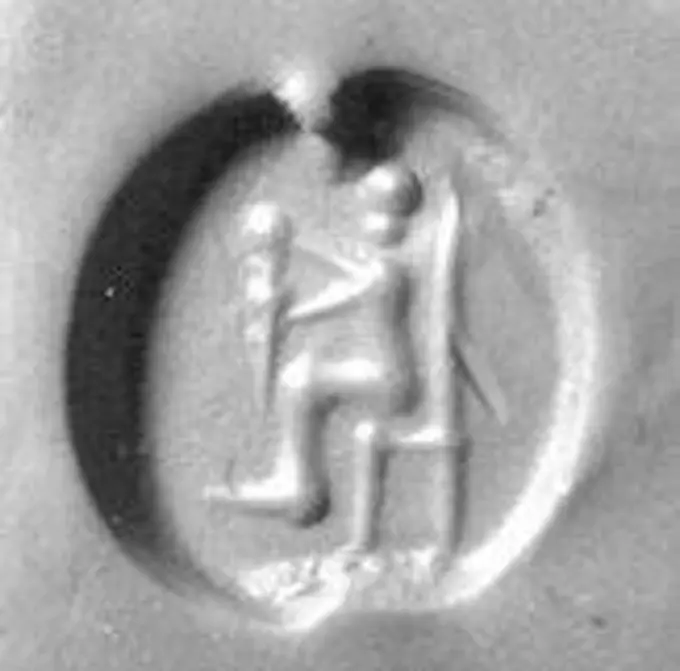
Ring; second half of 6th century B.C; Silver and tin; 2.3 cm, 0.0048 kg (7,8 in., 0.0106 lb.)
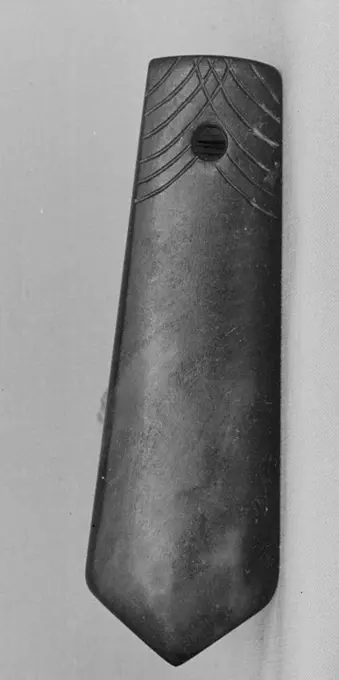
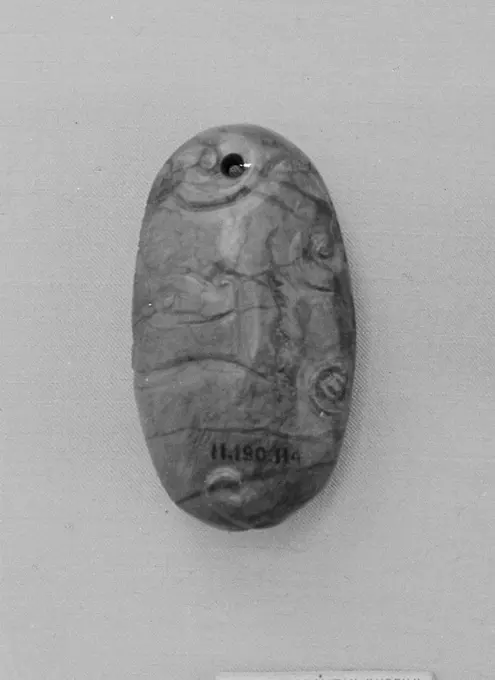
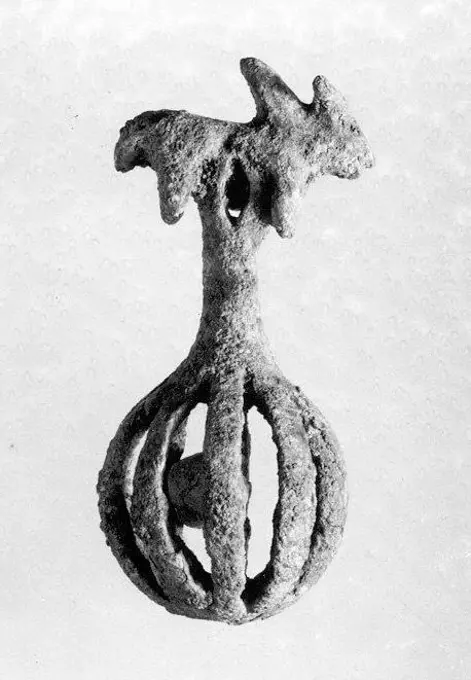
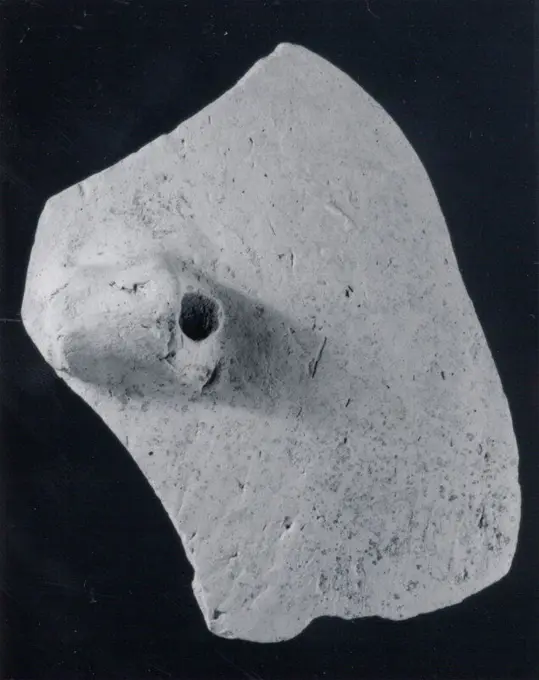
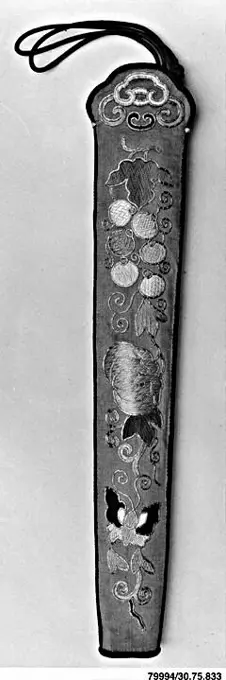
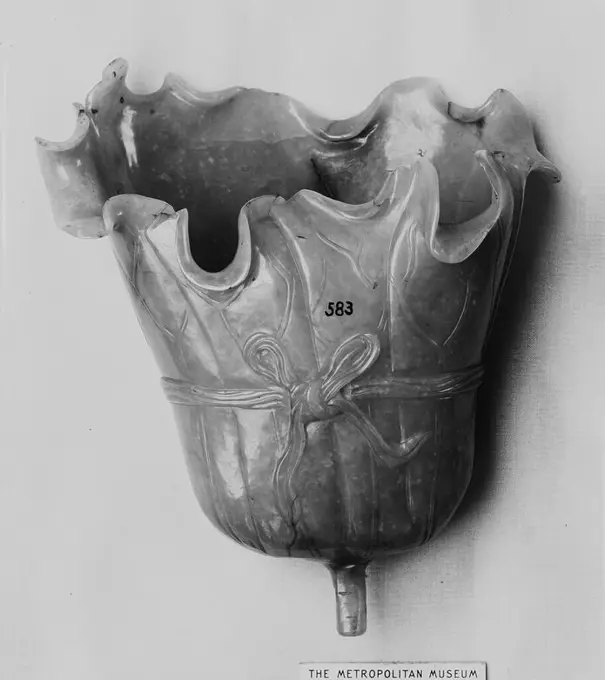
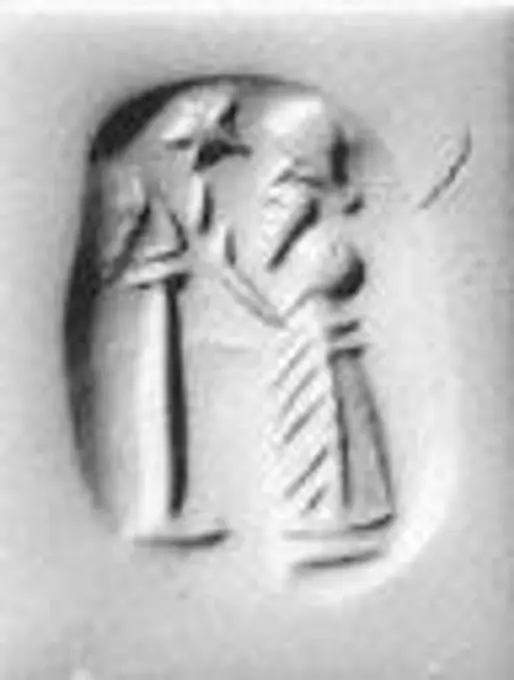
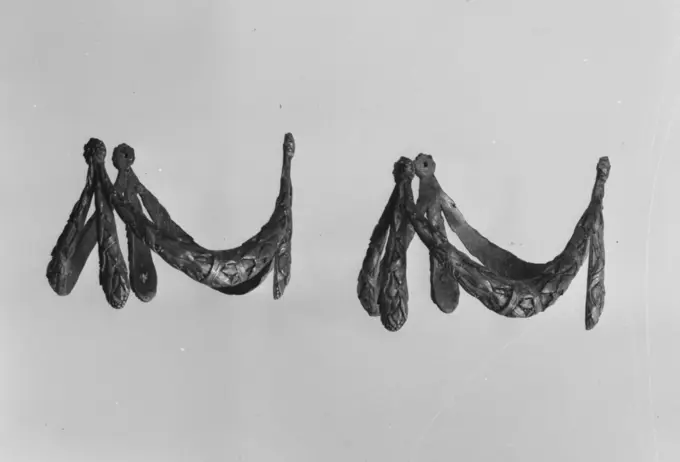
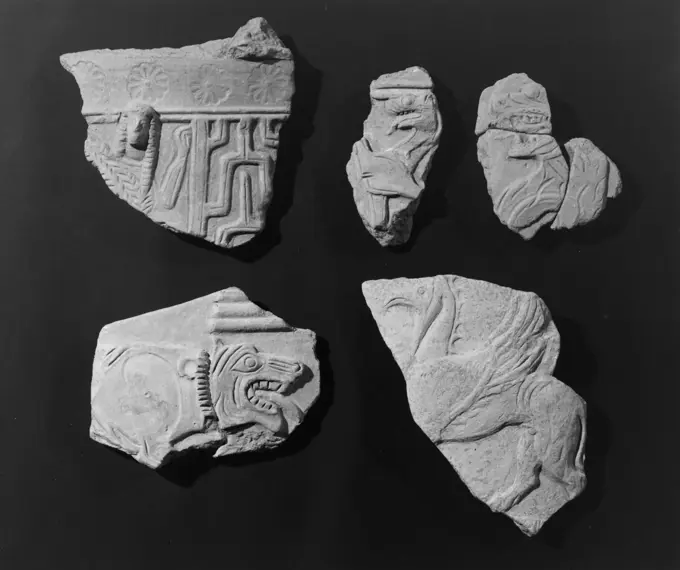
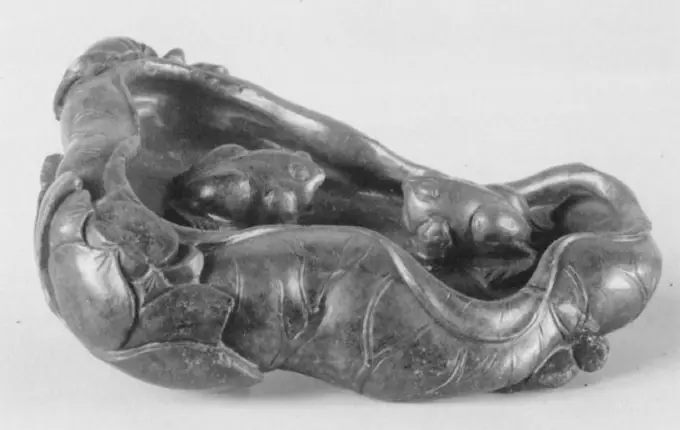
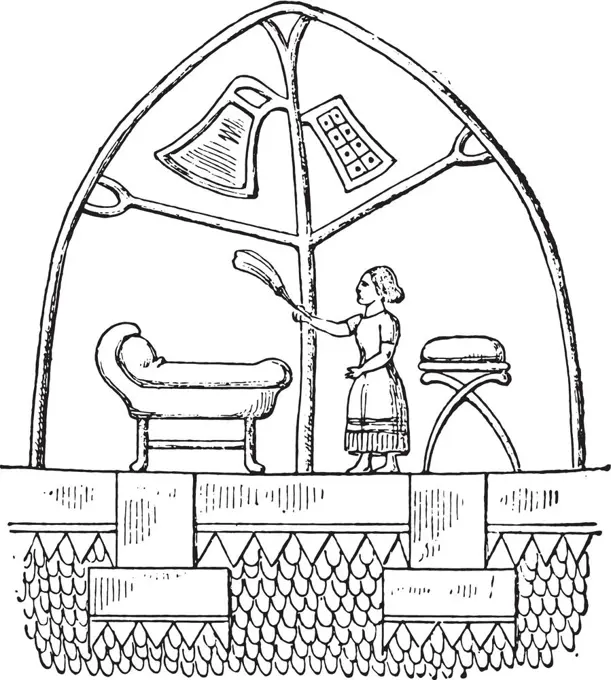
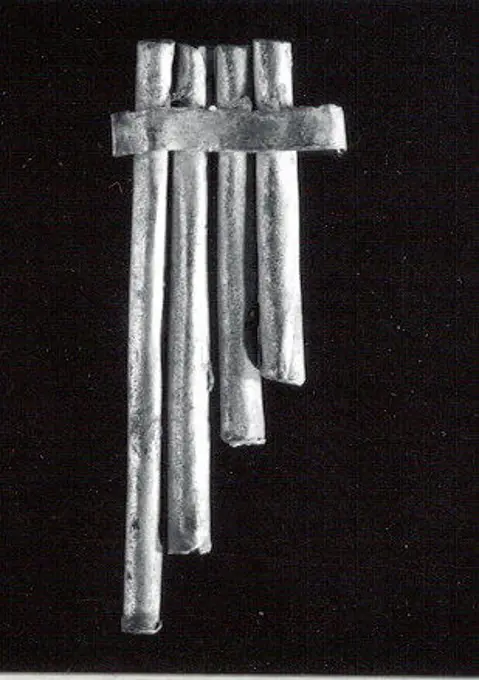
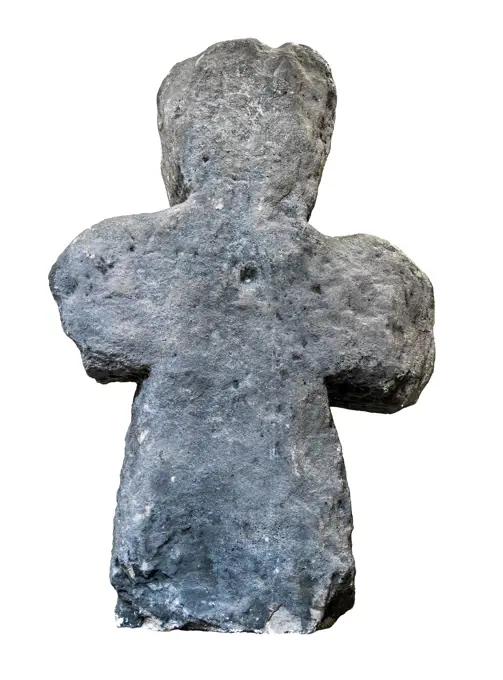
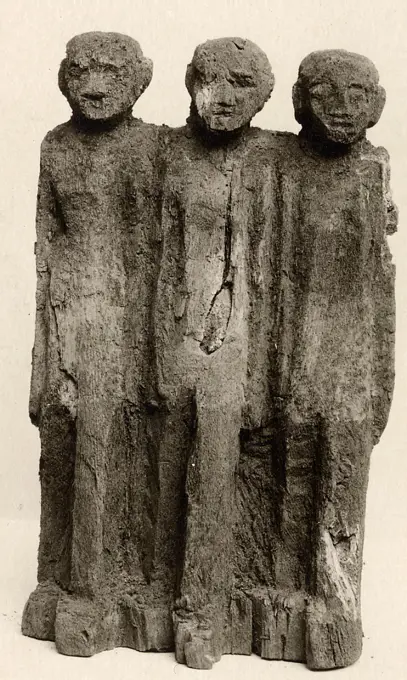
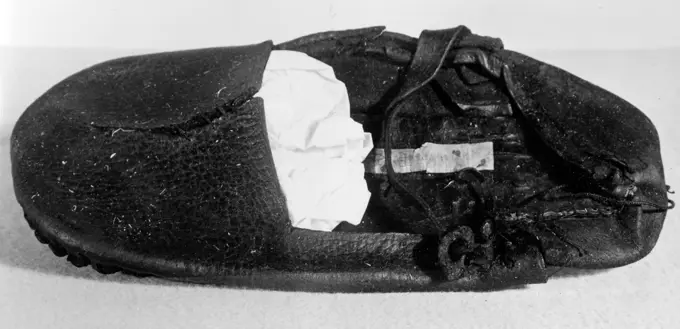
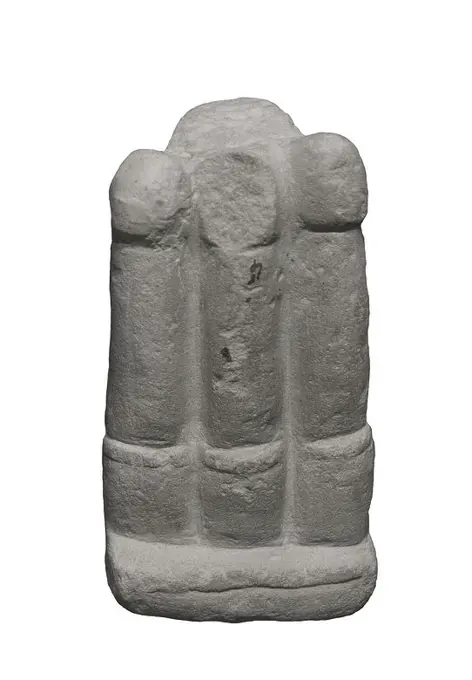
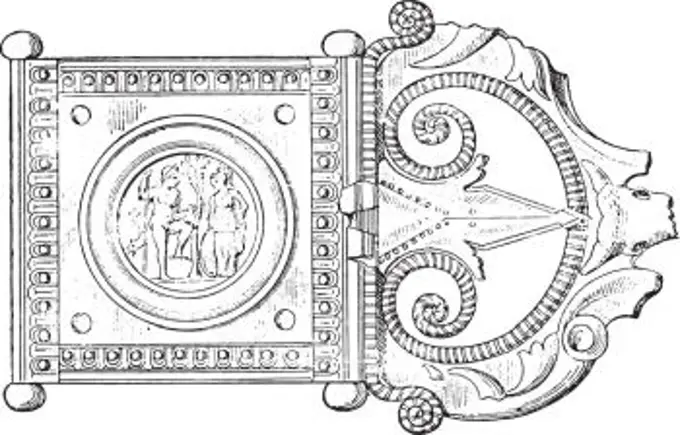
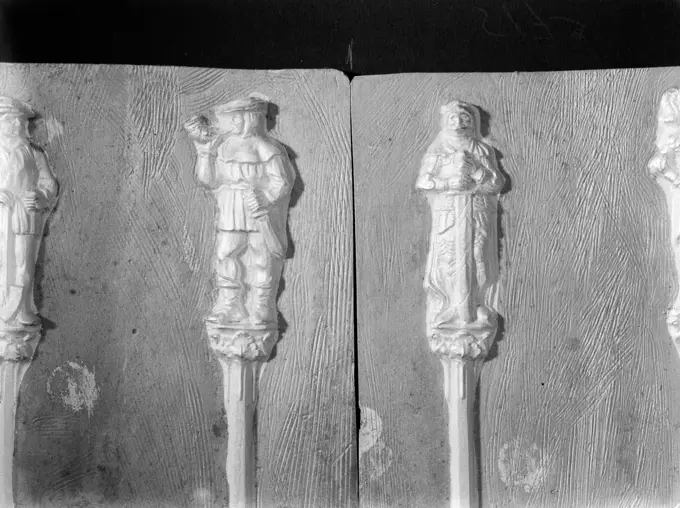
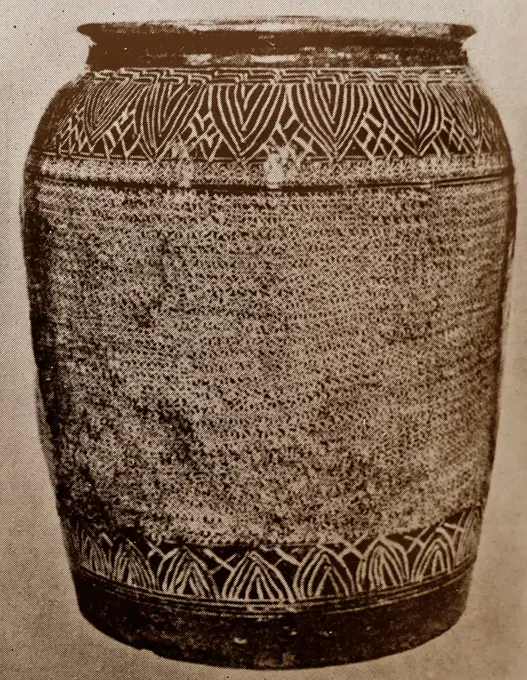
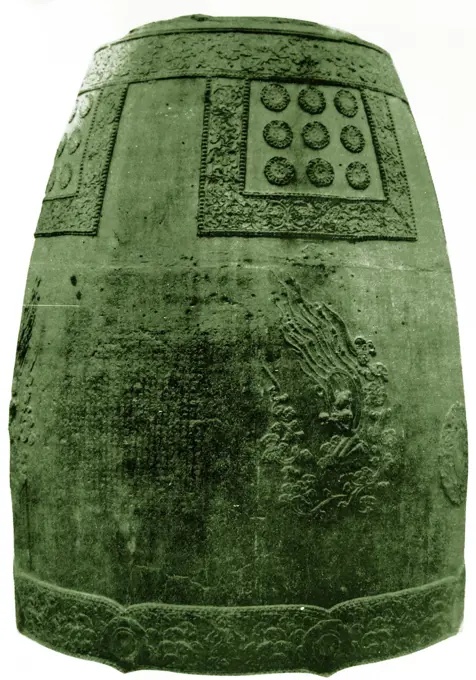
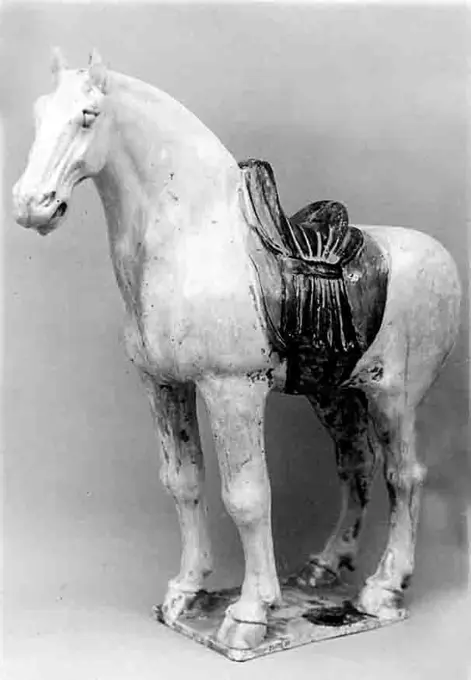
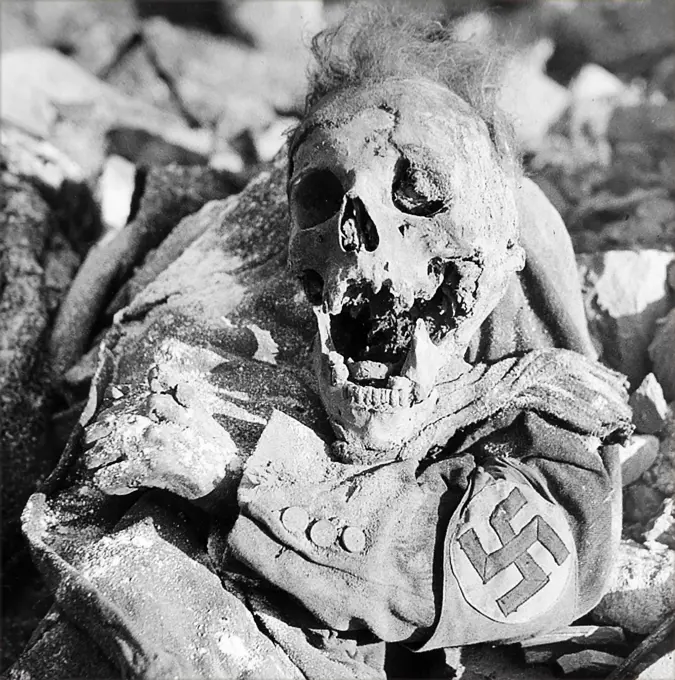
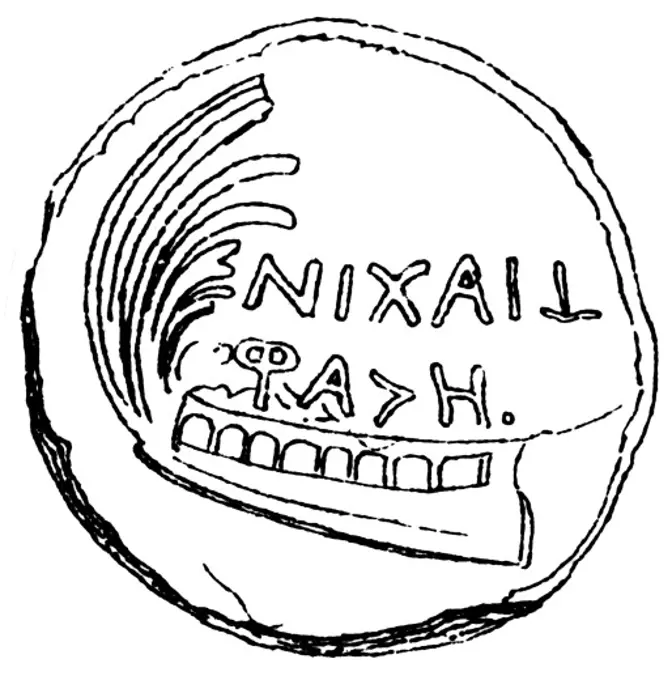
Scabbard ornament China. Scabbard ornament 42905Tablet: Emblem of Dignity China. Tablet: Emblem of Dignity 42999Funerary Cone of Kamose ca. 1550-1295 B.C. New Kingdom This cone has the impression of a stamp seal inscribed for a child of the nursery named Kamose who was also called Nentawaref. For a drawing of this impression see http://www.funerarycones.com/, number 119.. Funerary Cone of Kamose Funerary Cone of Kamose ca. 1550-1295 B.C. New Kingdom This cone has the impression of a stamp seal inscribed for a child of the nursery named Kamose who was also called Nentawaref. For a drawing of this impression see http://www.funerarycones.com/, number 119.. Funerary Cone of Kamose. ca. 1550-1295 B.C.. Pottery. New Kingdom. From Egypt, Upper Egypt, Thebes. Dynasty 18Girdle ornament China. Girdle ornament. China. Jade. Han dynasty (206 B.C.-A.D. 220). JadeTemple Model 1st-8th century Mezcala. Temple Model 315071Flower vase 1796-1875 China. Flower vase. China. 1796-1875. Jadeite, lavender veined with green of varied tone passing from pale green through lettuce green to bright emerald, with occasional touches of light brown. Qing dynasty (1644-1911). JadeVase 19th century China. Vase. China. 19th century. Jade. JadeOpenwork rattle bell 1st millennium B.C. Iran. Openwork rattle bell 327335Emilia-Romagna Ferrara Pomposa Abbazia di Pomposa, Museo21. Hutzel, Max 1960-1990 Medieval: Fragments: capitals (Byzantine, 6th century), also capitals carved with human faces; marble friezes (10th century, later inscriptions); cornices, (with spolia) 11-12th centuries; ciborium; frescos. Post-medieval: Terracotta statuary, "neo-classical" (Hutzel); frescos: Bolognese, 14th century Antiquities: Amphora; grave monuments German-born photographer and scholar Max Hutzel (1911-1988) photographed in Italy from the early 1960s until his death. The result of this project, referred to by Hutzel as Foto Arte Minore, is thorough documentation of art historical development in Italy up to the 18th century, including objects of the Etruscans and the Romans, as well as early Medieval, Romanesque, Gothic, Renaissance and Baroque monuments. Images are organized by geographic region in Italy, then by province, city, site complex and monument.Sherd with lug ca. mid-3rd millennium B.C.. Sherd with lug 326125Head with Melon Coiffure. UnknownFan Holder 18th-19th century China. Fan Holder 68823Flower vase. Culture: China. Dimensions: H. 5 1/2 in. (14 cm); W. 4 5/8 in. (11.8 cm); L. 2 5/16 in. (5.8 cm). Museum: Metropolitan Museum of Art, New York, USA.Funerary Cone of the Royal Scribe Menkheperreseneb ca. 1550-1295 B.C. New Kingdom This cone has the impression of a stamp seal inscribed for a royal scribe named Menkheperresonb, owner of Theban tomb 79, who was also overseer of the double granary of Upper and Lower Egypt. For a drawing of this impression see http://www.funerarycones.com/, number 493.. Funerary Cone of the Royal Scribe Menkheperreseneb Funerary Cone of the Royal Scribe Menkheperreseneb ca. 1550-1295 B.C. New Kingdom This cone has the impression of a stamp seal inscribed for a royal scribe named Menkheperresonb, owner of Theban tomb 79, who was also overseer of the double granary of Upper and Lower Egypt. For a drawing of this impression see http://www.funerarycones.com/, number 493.. Funerary Cone of the Royal Scribe Menkheperreseneb. ca. 1550-1295 B.C.. Pottery. New Kingdom. From Egypt, Upper Egypt, Thebes. Dynasty 18Disk. Culture: China. Dimensions: Diam. 5 in. (12.7 cm). Museum: Metropolitan Museum of Art, New York, USA.Stamp seal (octagonal pyramid, worn) with cultic scene late 8th - 7th century B.C. Assyrian. Stamp seal (octagonal pyramid, worn) with cultic scene. Assyrian. late 8th - 7th century B.C.. Feldspar, yellow black. Neo-Assyrian. MesopotamiaFunerary Cone of Si-Iset ca. 1550-1295 B.C. New Kingdom This cone has the impression of a stamp seal inscribed for a man named Si-Iset who was standard-bearer for the king's boat khaemmaat. For a drawing of this impression see http://www.funerarycones.com/, number 249.. Funerary Cone of Si-Iset Funerary Cone of Si-Iset ca. 1550-1295 B.C. New Kingdom This cone has the impression of a stamp seal inscribed for a man named Si-Iset who was standard-bearer for the king's boat khaemmaat. For a drawing of this impression see http://www.funerarycones.com/, number 249.. Funerary Cone of Si-Iset. ca. 1550-1295 B.C.. Pottery. New Kingdom. From Egypt, Upper Egypt, Thebes. Dynasty 18Textile Fragment 300-600 Coptic. Textile Fragment 475244Ornament 18th century French. Ornament. French. 18th century. Gilt bronze. Metalwork-Gilt BronzeBody Fragment of a Relief Pithos. UnknownSweden, Blekinge, Blekinge, Karlskrona, Karlskrona, external marina (depicted, town).Sweden, Blekinge, Blekinge, Karlskrona, Karlskrona, External War Gogs (depicted, City)Campania Caserta Capua Museo Campano94. Hutzel, Max 1960-1990 Medieval: Byzantine architectural fragments; parchment fragments with miniatures (12th century) from Montecassino; painted wooden crucifix (13th century); Carolingian crucifixes; Bishop's miter (11th century) of gold and silver damask; fresco (13th century). Post-medieval: Architecture (15th century). Formerly the Palazzo Antignano. Unusual Catalan/Moorish-style portal; Paintings on panel and canvas (15th-18th centuries); marble intarsia (16th century); marble sculpture: busts of Christ and Mary (17th century); sculpture of saints in marble and in wood (15th century); painted and gilded sculpture in wood; marble grave sculpture (16th century); sarcophagus with allegorical carvings; gold reliquary "Rosa d'Oro"; crucifix made of elephant tusk Specific Location: Pianterreno Antiquities: Italic sculpture (seated women holding babies); inscription. Photo campaign #1: 533 photos. Roman relief and sculpture; cinerary urns; Greek anJar ca. late 8th millennium B.C.. Jar 327120Lentoid-shaped bead 30 B.C.-A.D. 364 Roman Period. Lentoid-shaped bead. 30 B.C.-A.D. 364. Agate. Roman Period. From EgyptSeal ca. 1950 B.C. Middle Kingdom. Seal. ca. 1950 B.C.. Black steatite. Middle Kingdom. From Egypt. Dynasty 12-13Fragment of a Bowl. Date: late 12th century. Museum: Metropolitan Museum of Art, New York, USA.Campania Caserta Capua Museo Campano62. Hutzel, Max 1960-1990 Medieval: Byzantine architectural fragments; parchment fragments with miniatures (12th century) from Montecassino; painted wooden crucifix (13th century); Carolingian crucifixes; Bishop's miter (11th century) of gold and silver damask; fresco (13th century). Post-medieval: Architecture (15th century). Formerly the Palazzo Antignano. Unusual Catalan/Moorish-style portal; Paintings on panel and canvas (15th-18th centuries); marble intarsia (16th century); marble sculpture: busts of Christ and Mary (17th century); sculpture of saints in marble and in wood (15th century); painted and gilded sculpture in wood; marble grave sculpture (16th century); sarcophagus with allegorical carvings; gold reliquary "Rosa d'Oro"; crucifix made of elephant tusk Specific Location: Pianterreno Antiquities: Italic sculpture (seated women holding babies); inscription. Photo campaign #1: 533 photos. Roman relief and sculpture; cinerary urns; Greek anArrowhead. Dimensions: L. 6-1/16 in. (15.6 cm) x W. 1-1/4 in. (3.1 cm). Date: ca. early 1st millennium B.C..In the early first millennium B.C., the area of the Transcaucasia and northwestern Iran was inhabited by many different tribes of varying wealth and power. Many characteristics of these groups are known primarily from grave goods found in their cemeteries. Although there is great variation in artistic styles from place to place and time to time in this area, the weapons seem to be widely distributed and shared by many groups.One class of weapons excavated in northwestern Iran and Transcaucasia is the cast bronze arrowhead with a triangular head, raised midrib, and tang (shaft) that is usually square or rectangular in section. This arrowhead is of that type pictured along with five other examples (MMA 1991.314.3-.8). This type seems to have been used in small numbers even when generally replaced by socketed bronze arrowheads in this area in about the seventh century B.C. Museum:Dish with frogs China. Dish with frogs 43388Cap Made 1775-1825 France. Linen, plain weave; quilted in back and knot stitches; edged with cotton, bobbin straight lace of a type known as Valenciennes .Head with Melon Coiffure. UnknownAssyrian bed in a tent, vintage engraved illustration. Private life of Ancient-Antique family-1881.Stamp seal ca. 5th-7th century A.D. Sasanian. Stamp seal. Sasanian. ca. 5th-7th century A.D.. Stone. Sasanian. IranMiniature Panpipe 11th-12th century Chancay. Miniature Panpipe 308737alte Sandstein geschnitzt Grabstein - Kreuz, isoliert auf weißem Hintergrund old sandstone carved tombstone - Cross, isolated on white background LicenseRF Copyright: xZoonar.com/MilanxVasicekx 12771714Triad of men ca. 1981-1640 B.C. Middle Kingdom. Triad of men 546487Oval Box Showing Charles II and Catherine of Braganza. England. Date: 1650-1670. Dimensions: 10.3 × 8.7 cm (4 1/8 × 3 1/2 in.). Silk, plain weave; embroidered with silk floss foremost in satin stitch; French knots. Origin: England. Museum: The Chicago Art Institute, Chicago, USA.Head of a lion. Culture: Greek, South Italian/Sicilian. Dimensions: Other: 4 13/16 x 6 1/16 in. (12.2 x 15.4 cm). Date: 5th-4th century B.C.. Museum: Metropolitan Museum of Art, New York, USA.Four CANopen. .Cylinder seal ca. 1820-1730 B.C.. Cylinder seal 326979Shoe Made 1501-1600 England. Leather with one strap and original buckle .Neolithic Period. Temple Period (3600 to 2500 BC). Tarxien Temple Complex. Malta. Built in honour of a mother goddess of fertility. Phallic representation. Group of three phalli on a triangular base. National Museum of Archaeology. Valletta. Malta.Bell ancient Italian (Ancient Roman). Bell 502176Large Cinerarium. UnknownContainer Lid. UnknownSilver buckle, vintage engraved illustration. Private life of Ancient-Antique family-1881.Stamp seal ca. 3rd-7th century A.D. Sasanian. Stamp seal. Sasanian. ca. 3rd-7th century A.D.. Chalcedony, brown. Sasanian. Iran or MesopotamiaStamp seal (scaraboid) with deity () 7th - 6th century B.C. Assyro-Babylonian. Stamp seal (scaraboid) with deity (). Assyro-Babylonian. 7th - 6th century B.C.. Banded neutral Chalcedony (Quartz). Neo-Assyrian / Neo-Babylonian. Mesopotamia or SyriaBead China. Bead 43138Console ornament 18th century French. Console ornament. French. 18th century. Wood, gilt. Woodwork-FurniturePoll photo collection. Product photos; silverware. Molds for teaspoons of the fa. Gerritsen & Van Kempen in Zeist. January 1, 1930. Utrecht (province), ZeistFlower Stone carving at Changwateshwar Temple near Saswad, Maharashtra, India Flower Stone carving at Changwateshwar Temple near Saswad, Maharashtra, India Copyright: xZoonar.com/yogeshxmorex 6541767Bliżej Kultury unknownAbruzzo, L'Aquila, Celano, Museum, Italy, 20th century, photo, photography, EuropeNose Ornament 13th-16th century Colombian. Nose Ornament 307489Bear's Paw Shoe. England. Date: 1501-1600. Dimensions: 21.5 × 13 cm (8 1/2 × 5 in.). Leather. Origin: England. Museum: The Chicago Art Institute, Chicago, USA.Scaraboid; Asia Minor; about 400 B.C; Blue chalcedony; 1 × 2.5 × 1.9 cm (3,8 × 1 × 3,4 in.)Three crowns (depicted - name).Three crowns (depicted - name)Glass Rodes of Various Colors ca. 1295-1070 B.C. New Kingdom, Ramesside. Glass Rodes of Various Colors 576862Drachm (Coin) Depicting the God Zeus. Greek. Date: 196 BC-146 BC. Dimensions: Diam. 2.3 cm; 5.72 g. Silver. Origin: Thessaly. Museum: The Chicago Art Institute, Chicago, USA. Author: ANCIENT GREEK.A Korean Jar from Joseon Dynasty. Punchong ware; stamped decoration filled with white slip. From the time of Joseon dynasty (1392 - 1910)Bowl 8th-9th century. Bowl 449546Stamp seal ca. 3rd-7th century A.D. Sasanian. Stamp seal. Sasanian. ca. 3rd-7th century A.D.. Carnelian. Sasanian. Iran or MesopotamiaPendant. Culture: China. Dimensions: W. 1 /34 in. (4.4 cm); L. 2 5/8 in. (6.7 cm). Date: 18th century. Museum: Metropolitan Museum of Art, New York, USA.Stamp seal ca. 3rd-7th century A.D. Sasanian. Stamp seal. Sasanian. ca. 3rd-7th century A.D.. Agate, banded. Sasanian. IranCake dish 1865 Japan. Cake dish 47618Korean National Treasure number 29. Height: 3.75m, weight: 18.9 tons. The Kyeongdeok King of Silla initiated the project of making a bell in 742CE in order to honor the deeds of his father, King Seongdeok (691-737), however it was only his grand-son Hyegong King of Silla that finished it in 771 AD. The Bell of King Seongdeok is a large bronze bell, the largest extant bell in Korea. The full Korean name means "Sacred Bell of King Seongdeok the Great ()" It was also known as the Emille Bell, after a legend about its casting, and as the Bell of Bongdeoksa Temple, where it was first housed. It was during the time of the Unified Silla (668 - 935).Paperweight China. Paperweight. China. Nephrite. Qing dynasty (1644-1911), Qianlong period (1736-95). JadeSTRATY WOJENNE MNKIt is designed to support the rider’s back, usually in a semi-reclined position. It is usually made up of leather or rubber. Found in older bicycle models. Vintage engraved line art illustration. Bicycle Accessories 1900.Horse 7th-8th century China. Horse. China. 7th-8th century. Earthenware with three color (sancai) glaze. Tang dynasty (618-907). Tomb PotteryNose ornament 13th-16th century Colombia. Nose ornament. Colombia. 13th-16th century. Copper, gold. Colombia. Metal-OrnamentsSkull from a body recovered in the ruins of Dresden, Germany, World War II, 1945.money / finances, coins, ancient world, Greece, coin with aplustre of a Greek ship, Phaselis, wood engraving, 19th century,