Ancient Artifacts

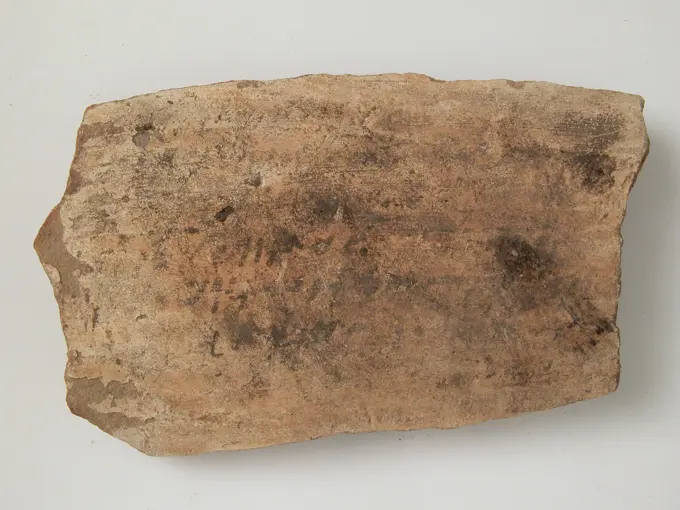
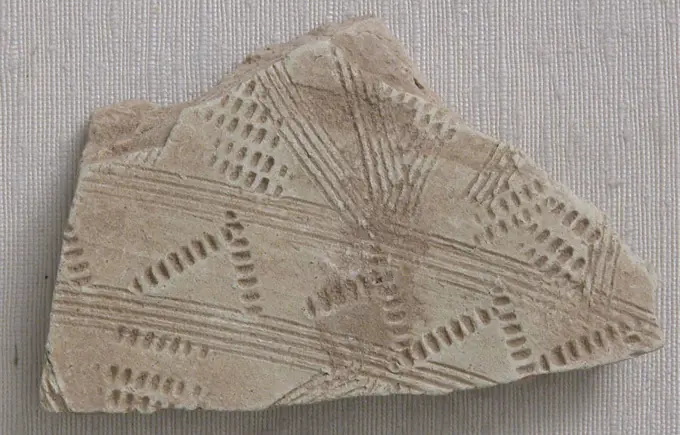
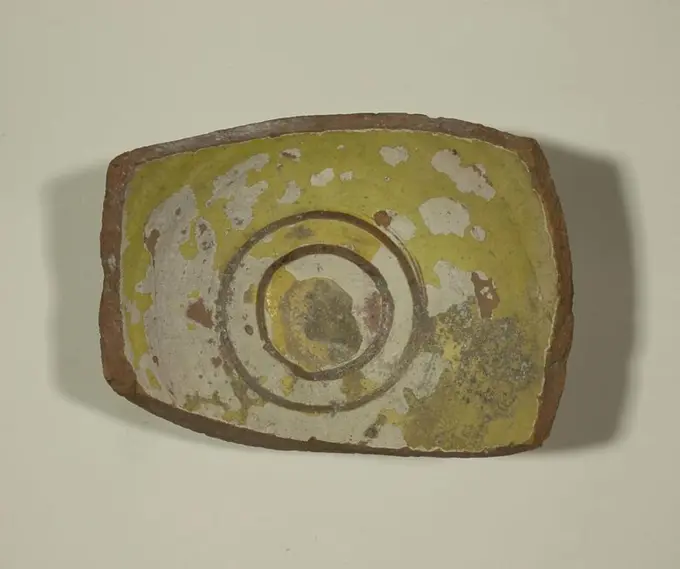
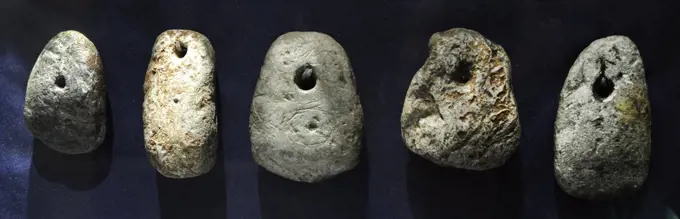
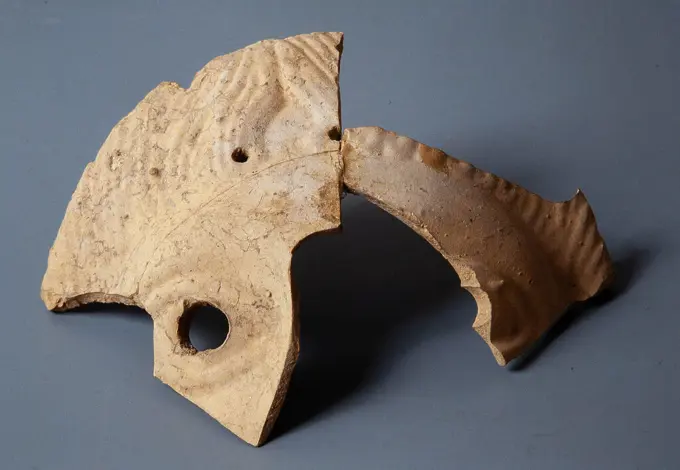
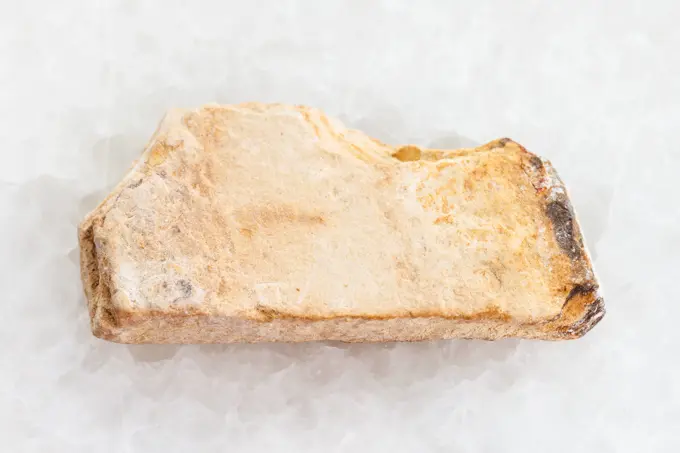
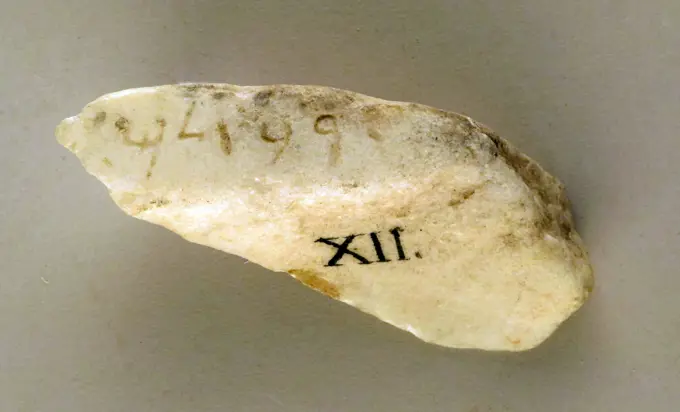
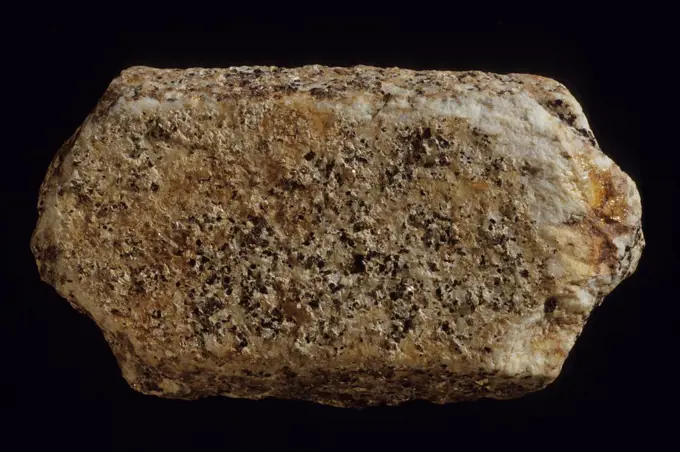
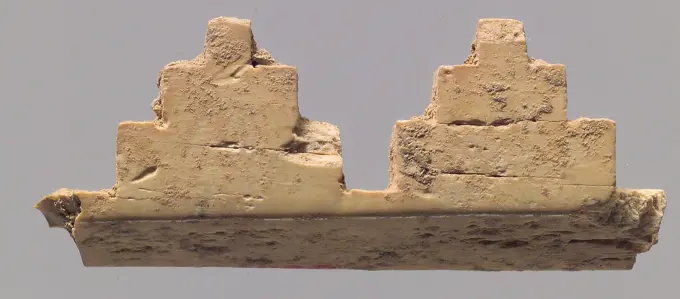
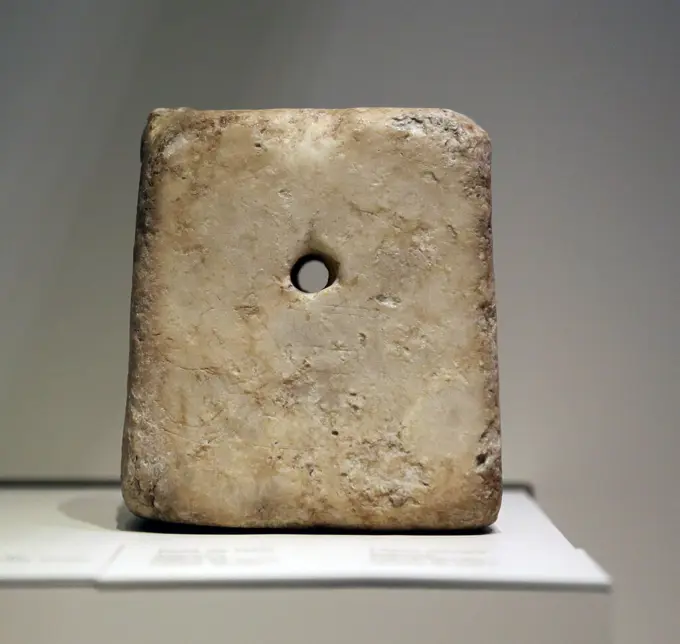
Collection of historical fragments and shards from various ancient cultures, showcasing unique textures and materials used in early craftsmanship.

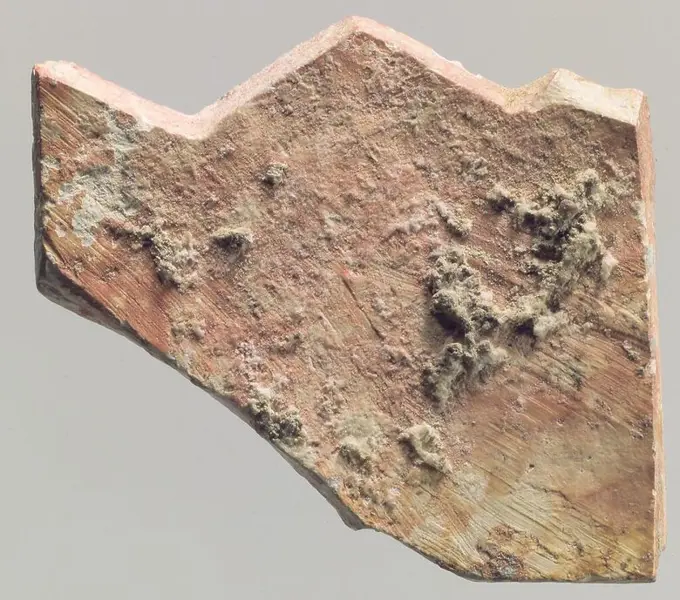
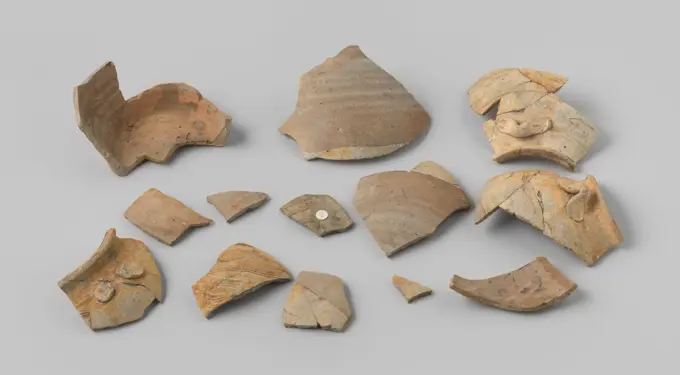
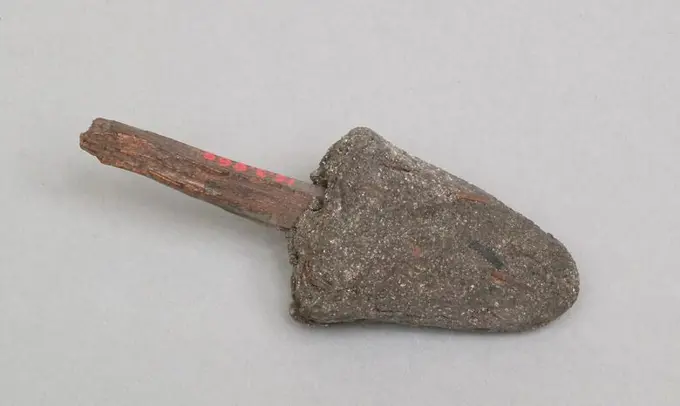
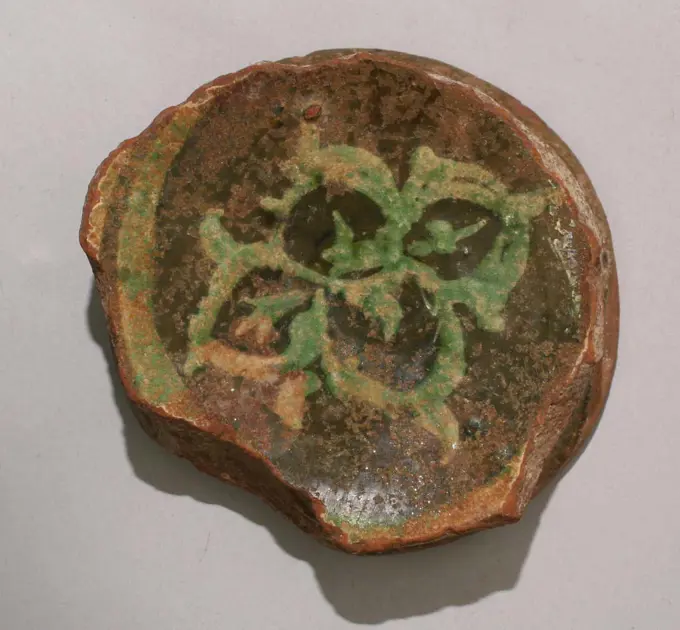
Fragment of prune, soil found ceramic earthenware glaze lead glaze, baked Triangular flat object with tips on the three corners two corners missing enamel remains archeology Rotterdam Delfshaven plateel majolica Soil discovery waste with biscuit tiles and plateel at 18th century houses next to VOC building Delfshaven.
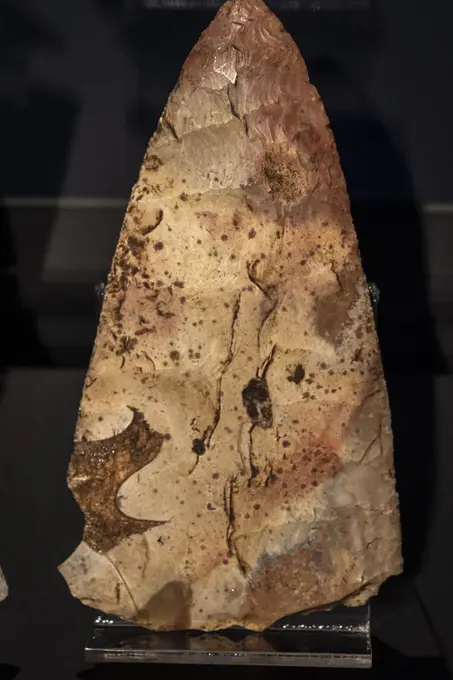
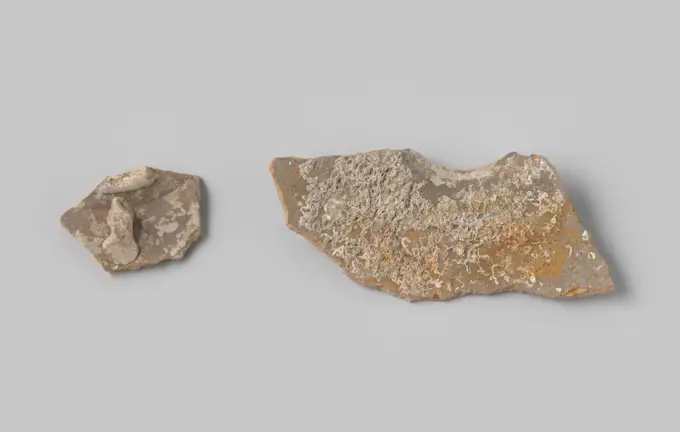
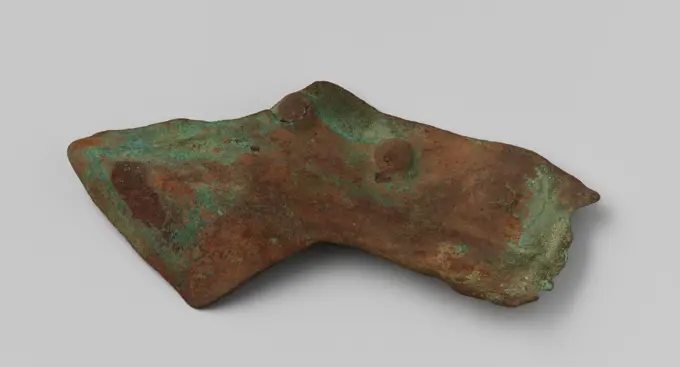
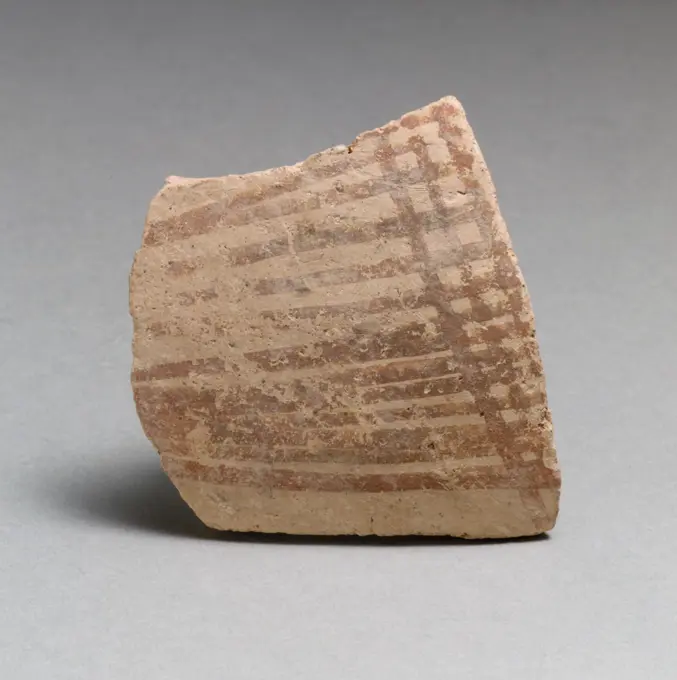
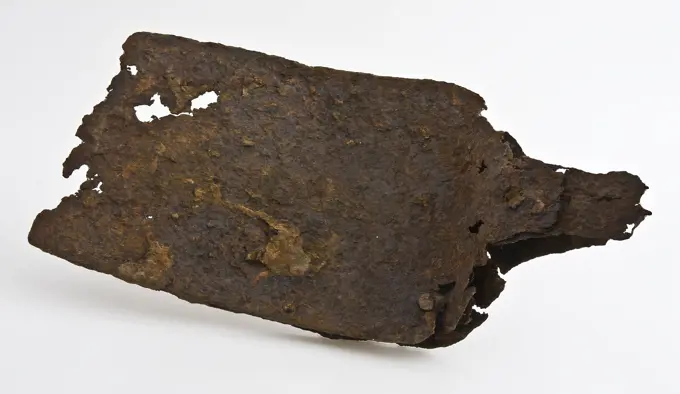
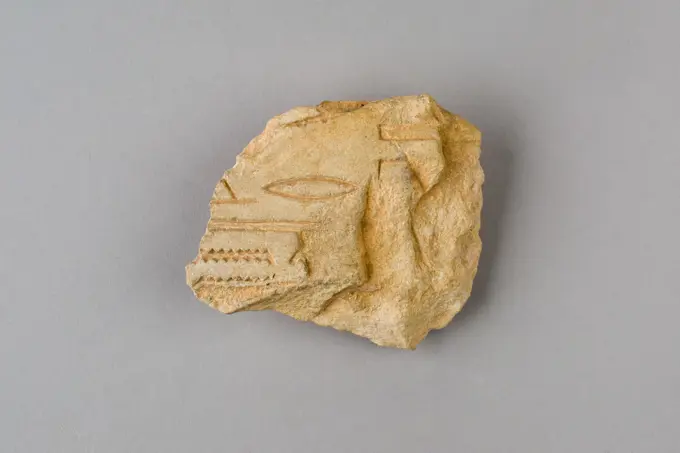
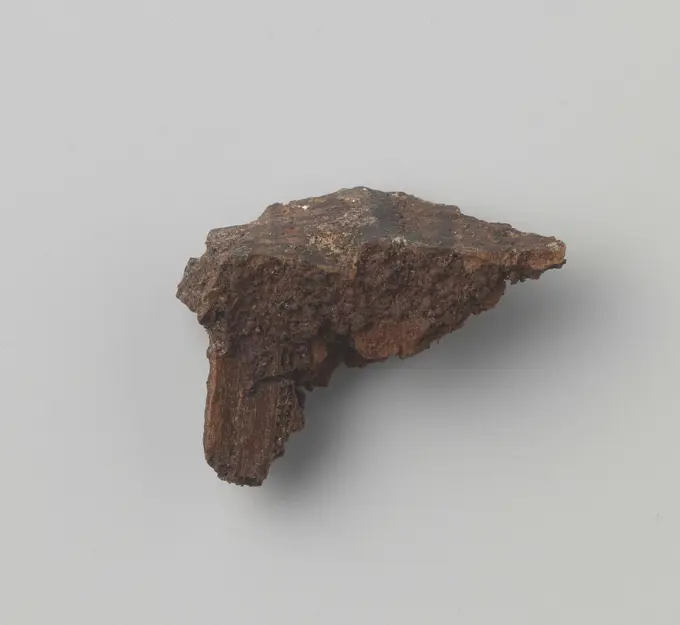
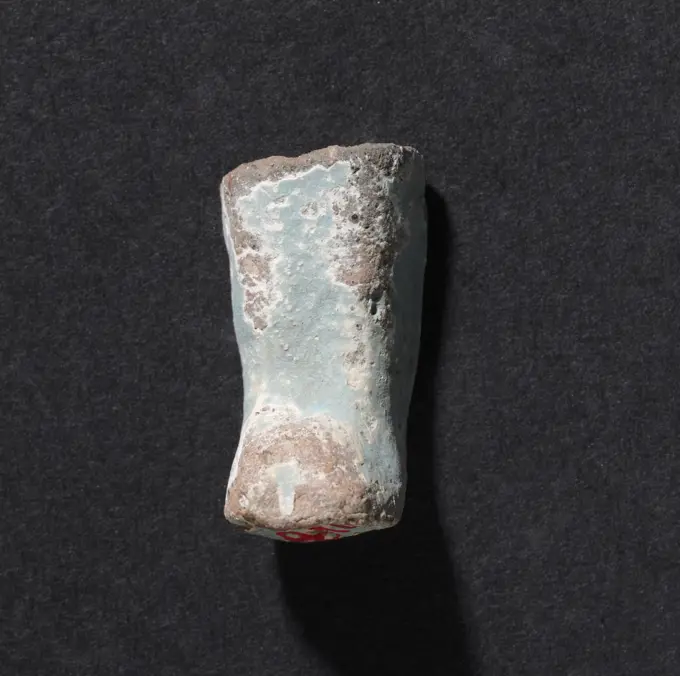
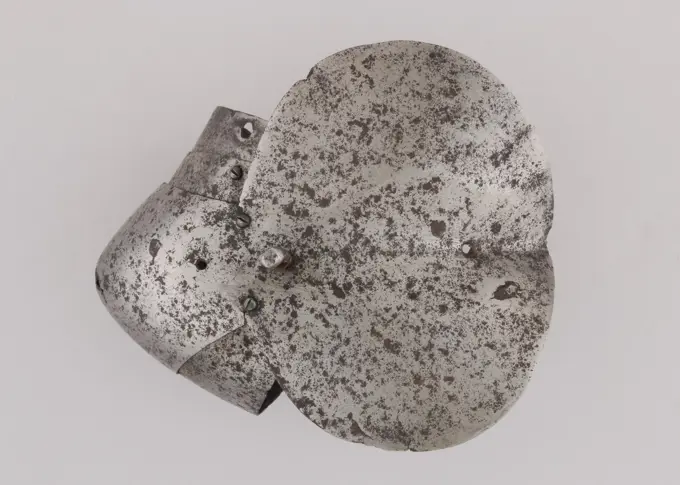
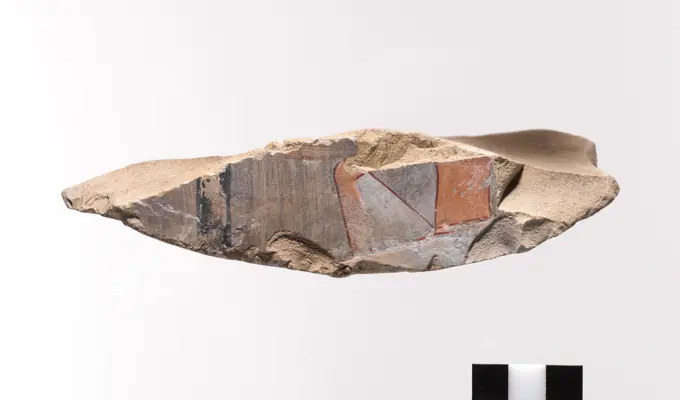
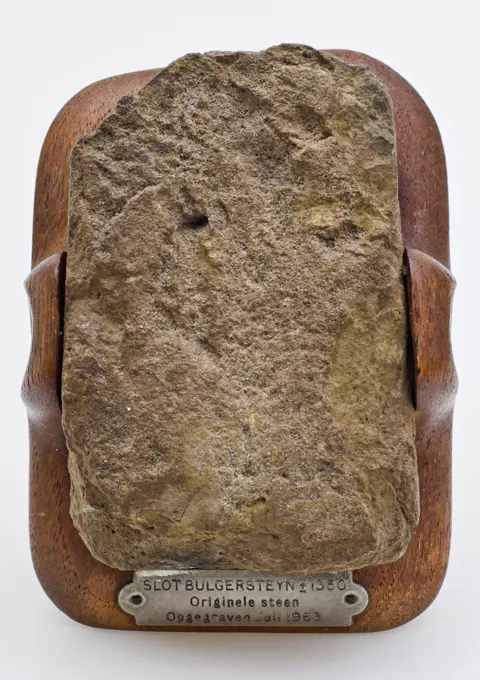
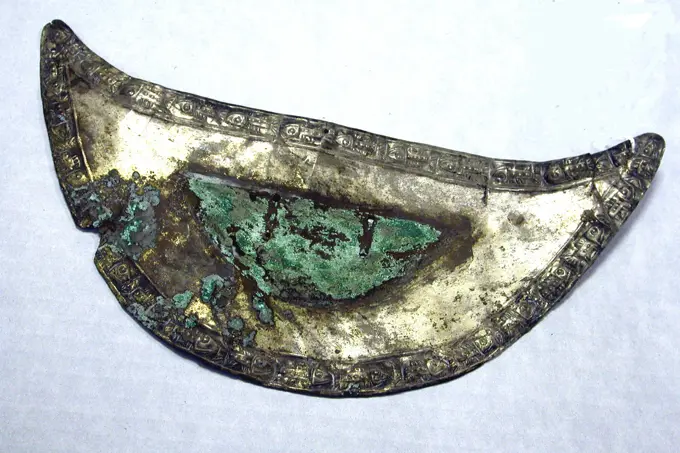
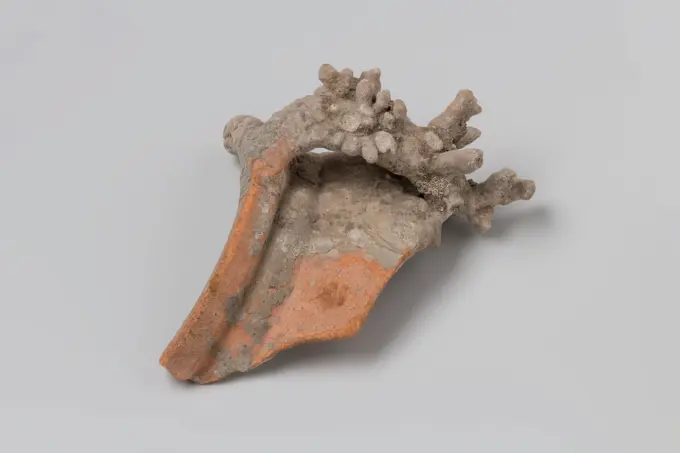
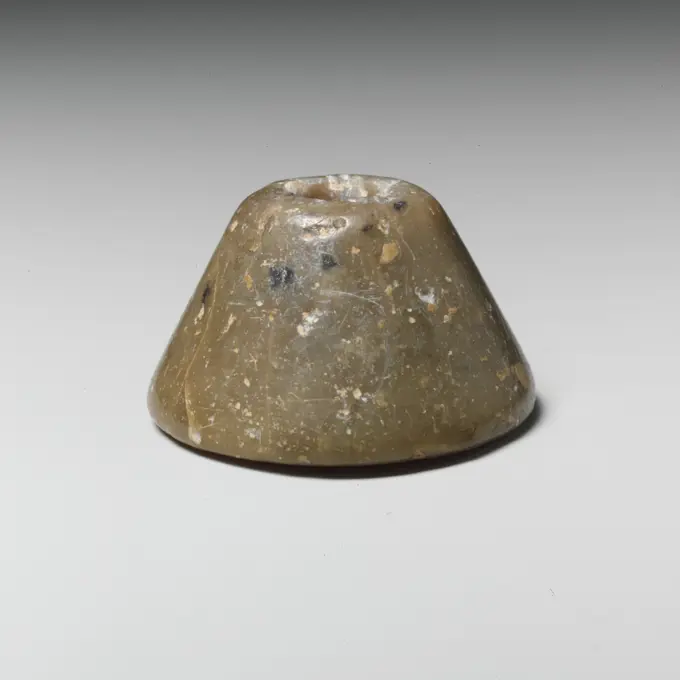
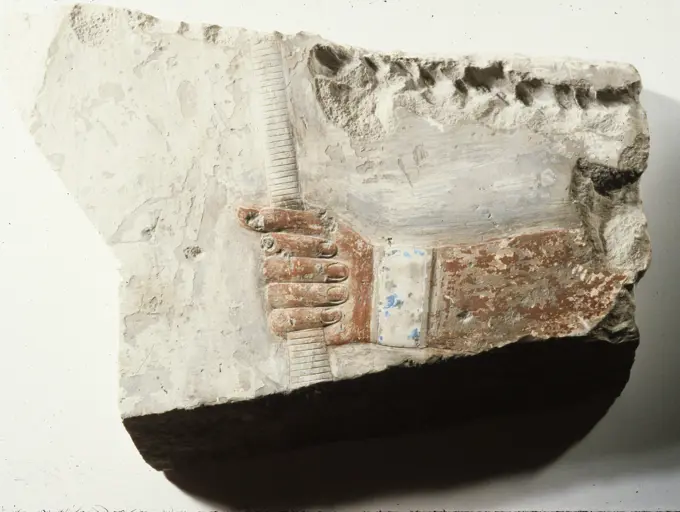
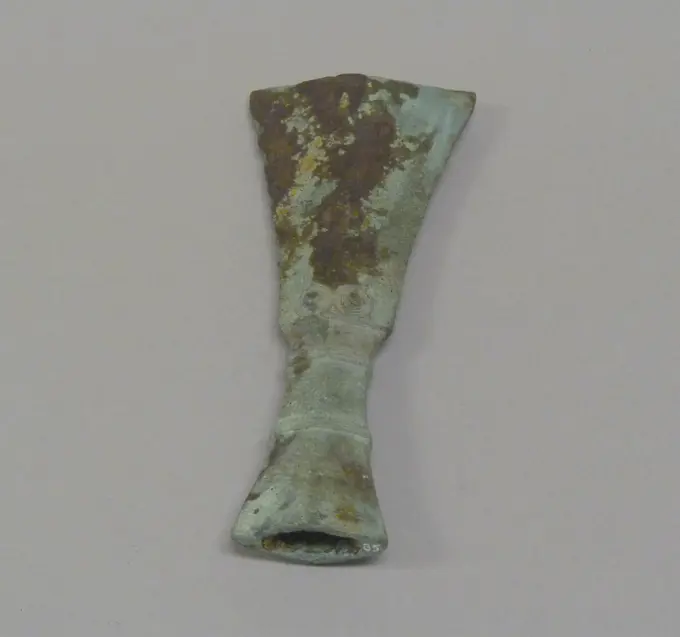
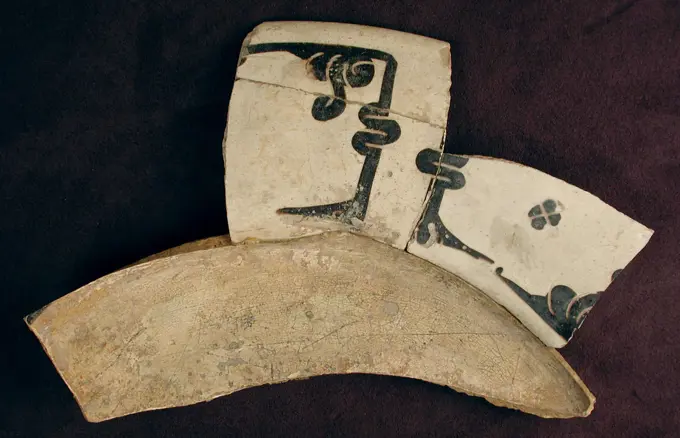
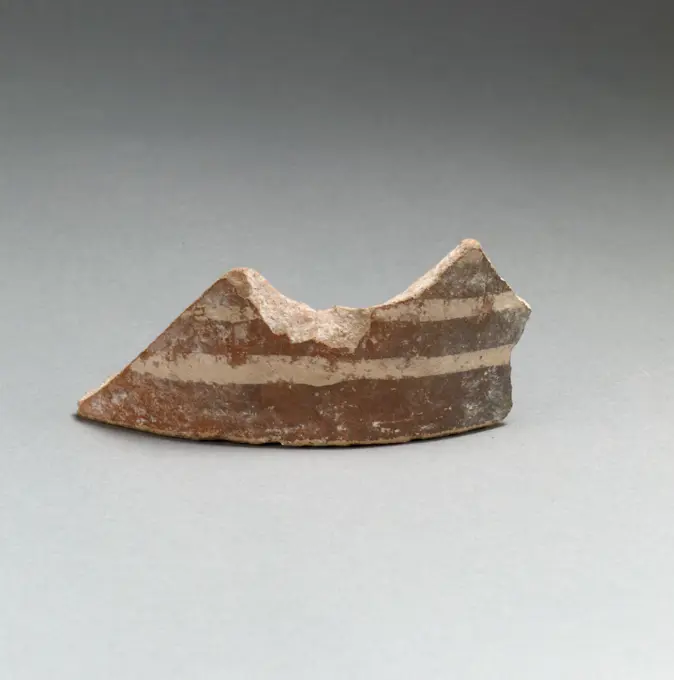
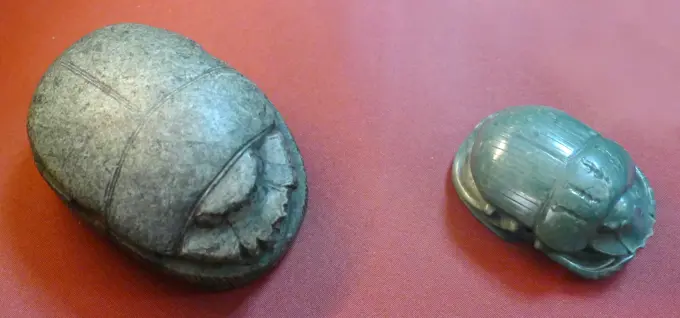
Sealing ca. 1850-1700 B.C. Late Middle Kingdom. Sealing. ca. 1850-1700 B.C.. Mud. Late Middle Kingdom. From Egypt, Memphite Region, Lisht North, cemetery south of pyramid below House A1:2, Pit 884, MMA excavations, 1920-21. Dynasty 12, late - 13 up to 1700halberd, flint, 3000-2500 BC, Casaínhos, Loures, Portugal, Huelva Museum, Huelva, Andalusia, Spain.Fragment; (possibly) belonging to the retable of Soest, c. 1475 - c. 1499   wood (plant material)   wood (plant material)Shards of Martavanen from V.O.C. ship De 'Witte Leeuw', Anonymous, Before 1613  Shards of Martavanen from V.O.C. ship De 'Witte Leeuw'. southeast Asia stoneware. porcelain   Sint-HelenaFragment of prune, soil found ceramic earthenware glaze lead glaze, baked Triangular flat object with tips on the three corners two corners missing enamel remains archeology Rotterdam Delfshaven plateel majolica Soil discovery waste with biscuit tiles and plateel at 18th century houses next to VOC building Delfshaven.Right hand, fragment of anthropoid sarcophagus;  indefinite (0-00-00-0-00-00);Fragmento de un pie de mesa procedente del yacimiento arqueológico de Can Modolell. Can Serra Museu de Mataró.Excerpt from a lead plate from the wreck of the East Indians' t Vliegend Hart ,, 1729 - 1735 sheet lead Three pieces of metal. One piece of lead plate with triangular soldering residues and two pieces of rusty iron plate. Sheet fragments. Middelburg lead (metal). tin (metal). iron (metal)Excerpt from a lead plate from the wreck of the East Indians' t Vliegend Hart ,, 1729 - 1735 sheet lead Two pieces of lead, corroded and bushed, without holes. Sheet fragments. Middelburg lead (metal)Bowl;  around 1550 1069 BC ; New PAFragment; (possibly) belonging to the retable of Soest, c. 1475 - c. 1499   wood (plant material)   wood (plant material)Excerpt copper sheet metal with rivets from the wreck of the East Indians Hollandia, Anonymous, 1700 - in or before 1743 fragment Varied parts or fragments, sheet metal fragments: worked, with rivets; fragm, eroded; flat, angularly curved, along one side strip fitted with 3 rivets. Netherlands copper (metal)   SecondVase fragment Minoan. Vase fragment 247668Furniture element ca. 18th century B.C. Old Assyrian Trading Colony. Furniture element 323589Fragment 15th century. Fragment 445622Vase fragment Greek, Laconian. Vase fragment 251290 Greek, Laconian, Vase fragment, Terracotta, 1 3/4 x 1 1/4in. (4.5 x 3.2cm). The Metropolitan Museum of Art, New York. Gift of A. J. B. Wace, 1923 (23.119.14)Furniture element. Culture: Old Assyrian Trading Colony. Dimensions: 1.34 x 1.1 in. (3.4 x 2.79 cm). Date: ca. 18th century B.C.. Museum: Metropolitan Museum of Art, New York, USA.adze, amphibolite, 3000-2000 BC, Toril dolmen, Zalamea la Real, Huelva Museum, Huelva, Andalusia, Spain.Narrow stitch spade or shovel, shovel tool equipment soil find iron metal, Rectangular plate consisting of two overlaid plates between which wood remains Two parts are connected with nails. Shovel archeology Rotterdam railway tunnel shoveling soil digging graves Soil discovery: railway tunnel Rotterdam.Shards of Martavanen from V.O.C. ship De 'Witte Leeuw', Before 1613  Glazed and unggestive shards of Martavanen from V.O.C. ship De 'Witte Leeuw'. southeast Asia stoneware. porcelain. glaze   Sint-HelenaFunerary figurine of Saiah ca. 2051-1981 B.C. Middle Kingdom. Funerary figurine of Saiah 550144Relief Fragments from the Henenu Stela ca. 2030-2000 B.C. Middle Kingdom. Relief Fragments from the Henenu Stela 590608Copper boiler, anonymous, c. 1550 - c. 1650 Round boiler made of copper. The boiler ran around from below. Some pieces used that serve as a repair have been clank. Low Countries copper (metal) striking (metalworking) Round boiler made of copper. The boiler ran around from below. Some pieces used that serve as a repair have been clank. Low Countries copper (metal) striking (metalworking)Fragment; (possibly) belonging to the Retable of Soest. .Illustrated Single Work 9th-10th century. Illustrated Single Work 452908Shawabty of Ditamenpaankh, 715-656 BC. Egypt, Late Period, Dynasty 25. Terracotta; overall: 2.2 x 1.2 x 1.1 cm (7/8 x 1/2 x 7/16 in.).Disc for packaging from V.O.C. ship De 'Witte Leeuw', Before 1613  Disc for packaging from V.O.C. ship the 'Witte Leeuw'. There is a square hole in the middle. The disk is split in two and lacks a small part.  wood (plant material)   Sint-HelenaFragment 14th-15th centuryThree-Cornered Stone (Trigonolito). Portable-sized sculptures, known as three-pointed stones or trigonolitos. Stone. They used to show human attributes interpreted as depictions of the yucca god. Taino culture (1000-1500 AD). Antilles. Museum of the Americas. Madrid, Spain. Fragment samiet, anonymous, c. 600 - c. 799 Linen natural tissue fragment with sewn woolen strip in samiet. The basic tissue consists of green woolen wires and the added impact system from black and brown woolen wires that form the drawing. The drawing consists of four parallel stripes, which form tires that cross and form on the green surface with a geometric ornament in the middle. Egypt Substrate tissue: Linen (Material). Kettin and impact: Wool samite Linen natural tissue fragment with sewn woolen strip in samiet. The basic tissue consists of green woolen wires and the added impact system from black and brown woolen wires that form the drawing. The drawing consists of four parallel stripes, which form tires that cross and form on the green surface with a geometric ornament in the middle. Egypt Substrate tissue: Linen (Material). Kettin and impact: Wool samiteElbow Defense (Couter) ca. 1430-40 Italian This is part of a large find of medieval armor discovered in 1840 in the ruins of the fortress of Chalcis, on the Greek island of Euboea (then a Venetian colony called Negroponte). The fortress had been captured and destroyed by the Turks in 1470. Now divided largely between the Ethnological Museum, Athens, and The Metropolitan Museum of Art, the Chalcis hoard contains many rare and unusual elements of fourteenth- and fifteenth-century armor. Of particular importance are the variety of headpieces and the many fragments of brigandines (armor for the torso constructed of small plates riveted to layers of fabric), some of which retain portions of their original velvet covering. The Chalcis armor provides a unique picture of the armament used in the Aegean, one of the easternmost military outposts of the Venetian empire.. Elbow Defense (Couter) 23174Plaque in the Shape of a Fish 12th-11th century B.C. China. Plaque in the Shape of a Fish. China. 12th-11th century B.C.. Jade (nephrite). Shang (ca. 1600-1046 B.C.)-Western Zhou (1046-771 B.C.) dynasty. JadeRelief Fragment with Part of a Hieroglyph ca. 1981-1975 B.C. Middle Kingdom The fragment belongs to a vertical column of inscription reading from left to right that was part of a group of texts carved in extremely low relief and exquisitely painted. Preserved are parts of seated-man-sign; the torso and legs are painted with a pinkish color, the kilt is white, and red outlines were used to highlight the different elements. The back contour of of the small figure is slightly concave, while the front has a rounded abdomen and a gentle dip below the now-missing breast. The separation between the upraised leg and the kilt is indicated by an incised line. To the left is part of a vertical black line separating columns of texts. The hieroglyph likely originates from inscriptions listing the titles and epithets of the tomb owner that were placed near representations of him. The darkish gray background preserves vertical brushstrokes.. Relief Fragment with Part of a Hieroglyph. ca. 1981-1975 B.Vase fragment ca. 1100-700 B.C. Greek, Laconian. Vase fragment 251768 Greek, Laconian, Vase fragment, ca. 1100700 B.C., Terracotta, 1 11/16  1 11/16  1/8 in. (4.3  4.3  0.4 cm). The Metropolitan Museum of Art, New York. Gift of A. J. B. Wace, 1924 (24.195.202)Crowning molding of a Doric cornice from a group of fragments from the Temple of Apollo near Phigaleia (Bassae). Culture: Greek, Arcadian. Dimensions: H.: 4 1/2 in. (11.4 cm). Date: 5th century B.C..Crowning molding of Doric cornice from the Temple of Apollo near Phigaleia. Museum: Metropolitan Museum of Art, New York, USA.Fragment of a Lamp 9th century. Fragment of a Lamp 451128Fragment of a wheel of a role horse from the wreck of the East Indies' t Vliegend Hart, c. 1700 - c. 1735  The wheel fragment comes from a role horse. A role horse is a wooden base on which guns rested. The fragment is approximately a quarter of the original wheel.  elm (wood)Spouted bowl or oil lamp ca. 2112-2004 B.C. Neo-Sumerian. Spouted bowl or oil lamp 324132Mold ca. 9th century B.C. Iran. Mold. Iran. ca. 9th century B.C.. Stone. Iron Age II. Iran, HasanluMartavaan from V.O.C. ship De 'Witte Leeuw', Anonymous, Before 1613  Martavaan from V.O.C. ship De 'Witte Leeuw', 95 present. In twelve shards, some of which exist exist from several fragments. southeast Asia stoneware. porcelain   Sint-HelenaFragment of a Bowl 14th-15th century. Fragment of a Bowl 445401Stone by Bulgersteyn: small IJsselsteen, mounted as paper in wooden holder, paperweight stone soil find stone stone, shaped in form made IJsselsteen yellow shard from the location Bulgersteyn Castle In wooden holder, with silver plaque with text Plaque, SLOT BULGERSTEYN ± 1350 original stone Excavated July 1963 archeology Rotterdam City center Stadsdriehoek Bulgersteyn indigenous pottery building remembrance Soil discovery: Bulgersteyn 1963 for the construction of retail premises Bervoets by director J. de Nes.Vase fragment in the form of a face. Dimensions: 1 15/16in. (5cm).Head in full face. Museum: Metropolitan Museum of Art, New York, USA.Bliżej Kultury Maurycy Tiberiusz (582 602), Thessalonicabirch bark birch bark isolated on white background Copyright: xZoonar.com/RuslanxNassyrovx 7120605SILLAR CON PARTE TRASERA DE TRITON DE POZO MORO. IBERICO ESCULTURA. (DEPOSITO: MUSEO ARQUEOLOGICO NACIONAL).Head of a WomanShawabty of Ditamenpaankh, 715-656 BC. Egypt, Late Period, Dynasty 25. Terracotta; overall: 3 x 1.5 x 1.1 cm (1 3/16 x 9/16 x 7/16 in.).Scherf of a Martavaan from V.O.C. ship De 'Witte Leeuw', Anonymous, Before 1613  Scherf of a Martavaan from V.O.C. ship the 'Witte Leeuw'.  earthenware   Sint-HelenaOstrakon 4th-7th century Coptic. Ostrakon 478520Vase fragment Roman Fragment of a green enamel vase with vine around shoulder.. Vase fragment. Roman. Terracotta. VasesShards of stoneware and porcelain from V.O.C.-ship De 'Witte Leeuw', Anonymous, Before 1613 dish Shards of Steengoed (Wall Schrier) and Porcelain (Wall Schrier with part Standring) with cakes of the seabed from V.O.C. ship De 'Witte Leeuw'.  concretionary stone.. tin glaze. stonewareFragment of a Waster 11th-12th century This fragment of an open vessel shows a gritty deposit on its glazed surfaces and an overfired glaze, most probably the results of an accident during firing. Its finding spot at a kiln site in Nishapur, further suggests that the object was considered a waster and never made it to the market. It may well have had an alternative use at the ceramic workshop, such as a stand or a separator during the manufacture of other ceramics.. Fragment of a Waster 450802Ornament Curved Plaque with Fish Motif 12th-15th century Chimú. Ornament Curved Plaque with Fish Motif 309067Sharf of red-baking earthenware from V.O.C. ship De 'Witte Leeuw', Anonymous, Before 1613 pot Rand sharper with ears of red-baking earthenware with cakes of the seabed from V.O.C. ship De 'Witte Leeuw'.  earthenware. coral (material).Bowl rim with rosettes 6th-5th century B.C.. Bowl rim with rosettes 243847Oracle Bones (76 total) 13 BCE-11 BCE China. Segments of turtle plastrons and bones of oxen; polished, burned, and carved with inscriptions .Stone spindle whorl ca. 2400-1900 B.C. Minoan No decoration.. Stone spindle whorl 252325 Minoan, Stone spindle whorl, ca. 24001900 B.C., Stone , Diameter 7/8 in. (2.1 cm); H. 9/16 in. (1.4 cm). The Metropolitan Museum of Art, New York. Bequest of Richard B. Seager, 1926 (26.31.397)Shards of Martavanen from V.O.C. ship De 'Witte Leeuw', Anonymous, Before 1613  Shards of Martavanen from V.O.C. ship De 'Witte Leeuw'. southeast Asia porcelain. stoneware   Sint-HelenaGrahal-Manzara. Carnavalet 2013-2016 collection sites. Numismatics.Glass fragments from V.O.C. ship De 'Witte Leeuw', 1613 fragment Four soils of a chalice glass, with a cakel of the seabed.  glassModel brick mold ca. 2051-1981 B.C. Middle Kingdom. Model brick mold 544314Relief fragment ca. 1961-1917 B.C. Middle Kingdom. Relief fragment. ca. 1961-1917 B.C.. Limestone. Middle Kingdom. From Egypt, Memphite Region, Lisht South, Pyramid Temple of Senwosret I, Causeway, MMA excavations, 1908-09. Dynasty 12Stucco Fragment probably 8th-12th century. Stucco Fragment 741503Vase fragment ca. 575-550 B.C. Etruscan Parts of three lions in relief.. Vase fragment. Etruscan. ca. 575-550 B.C.. Terracotta; bucchero pesante. Archaic. VasesKnife handle 500 B.C.-A.D. 300 Indonesia. Knife handle 53036Plate Fragment 10th century. Plate Fragment 450241Serpentinite pendant ca. 1600-1050 B.C. Cypriot The pendant is bell-shaped with a perforation at the top. On the underside is a small oval area in relief.. Serpentinite pendant 243892Fragment 9th century. Fragment 450206Vase fragment Minoan. Vase fragment. Minoan. Terracotta. Early Minoan III. VasesGlass Fragments from a Vessel 4th-early 5th century Coptic. Glass Fragments from a Vessel 477133Fragment 8th-9th century. Fragment 448884Fragment of a Bowl. Byzantine; Greece, Thessaloniki. Date: 1201-1400. Dimensions: 4.8 × 10.8 × 7.6 cm (1 7/8 × 4 1/4 × 3 in.). Ceramic. Origin: Byzantine Empire. Museum: The Chicago Art Institute, Chicago, USA.Spindle. Dimensions: h. 9.3 cm (3 11/16 in). Dynasty: Dynasty 19-20. Date: ca. 1295-1070 B.C.. Museum: Metropolitan Museum of Art, New York, USA.Fragments from buyer from the wreck of the East India Hollandia.parts or artifacts; eroded fragments: Materials; Copper.Shard ca. 4th-5th century Pakistan. Shard 50863Rib from a Groined Ceiling 13th century French or German. Rib from a Groined Ceiling 472525Scandinavia. Loom weights. Gjelle, Voss K., Hordaland. Viking Age. Norway. Historical Museum. Oslo. Norway.Fragment 9th-10th century. Fragment 451590Roman clay mask. Museum: MUSEO DE MATARÓ.Play medal from the wreck of the East Indies Hollandia, Anonymous, 1700 - in Or Before 1743  Rectangular, square, flat, engraved diagonal cross on one side, game token. Zit vast aan NG-1979-331-H. Netherlands lead (metal)   SecondAndalousite from Morbihan in FranceBischöfliches Siegel Episcopal seal, red and yellow stamped wax, 13th century, Huesca Diocesan Museum, Aragon community, Spain Copyright: xZoonar.com/Tolox 22307951raw Shale stone on white marble macro shooting of natural mineral rock specimen - raw Shale stone on white marble background Copyright: xZoonar.com/ValeryxVoennyyx 11947333GlassObjectStone spindle whorl. Culture: Minoan. Dimensions: Diameter 5/8 in. (1.5 cm); H. 7/16 in. (1 cm). Date: ca. 2400-1900 B.C..Similar whorls have been found as burial goods in tholos tombs at Koumasa and Porti in the Mesara, Crete. Besides serving as spindle whorls they may have been used as pendants or finials for pins. Museum: Metropolitan Museum of Art, New York, USA.Marble bowl fragment with Phoenician inscription ca. 389 B.C. Cypriot. Marble bowl fragment with Phoenician inscription. Cypriot. ca. 389 B.C.. Marble, white. Classical. Cesnola InscriptionsSickle Blade, 1980-1801 BC. Egypt, Middle Kingdom, Dynasty 12. Flint; overall: 5 cm (1 15/16 in.).Fragment of a Dish 14th-15th century. Fragment of a Dish 446455Amazonite with a twin of CarlsbadOrnament ca. 8th-7th century B.C. Iran. Ornament 324821Scarabs were amulets and impression seals in Ancient Egypt. For reasons that are not clear (although no doubt connected to the religious significance of the Egyptian god Khepri), amulets in the form of scarab beetles had become enormously popular in Ancient Egypt by the early Middle Kingdom (approx. 2000 BCE) and remained popular for the rest of the pharaonic period and beyond. During that long period the function of scarabs repeatedly changed.Anonymous, reduced model of housing: roof of the central pavilion, between 0 and 400. Terracotta. Cernuschi Museum, Asia Museum of Asia in the city of Paris.Bath Scraper 12th-13th century Prolonged exposure to water and steam in a hammams hot rooms loosens dead skin and forces impurities out of the body, which are then wiped or scrubbed away with any number of exfoliating implements, such as a mitt or sponge. A group of ceramic scrapers similar to this one are believed to come from Iran. Their decoration includes a variety of animal, floral, and geometric patterns, suggesting customers could select their own designs.. Bath Scraper 447932Romanization of Hispania. Loom weight. Alabaster. 2nd c.BC. Cabezo de Alcala, Spain.Fish Ornament 11th-12th century Peru; central coast (). Fish Ornament 308835Miniature bronze shield 5th century B.C. Etruscan, Vulci Miniature bronze replica of a shield.. Miniature bronze shield. Etruscan, Vulci. 5th century B.C.. Bronze. Classical. BronzesShard: Flower ca. 4th-5th century Pakistan. Shard: Flower. Pakistan. ca. 4th-5th century. Painted terracotta. CeramicsStone Pulidor before 16th century Mexican. Stone Pulidor 317157Hearing stone with men's head and the letters V i in Lauwerkrans, c. 1575 - c. 1625 Hearing stone with men's head and the letters V i in Lauwerkrans, placed in profiled window. A double -headed eagle in the half windows on the sides. The half windows on the top and bottom are filled with half medallions with star motif. Southern Netherlands earthenware Hearing stone with men's head and the letters V i in Lauwerkrans, placed in profiled window. A double -headed eagle in the half windows on the sides. The half windows on the top and bottom are filled with half medallions with star motif. Southern Netherlands earthenware