Ancient Artifacts

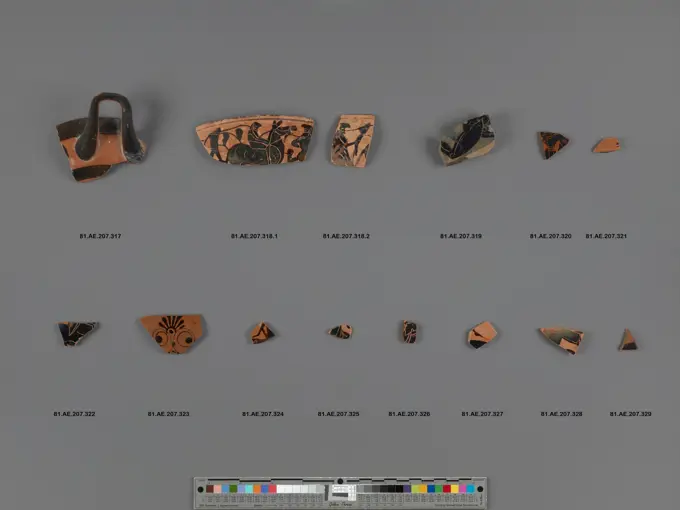
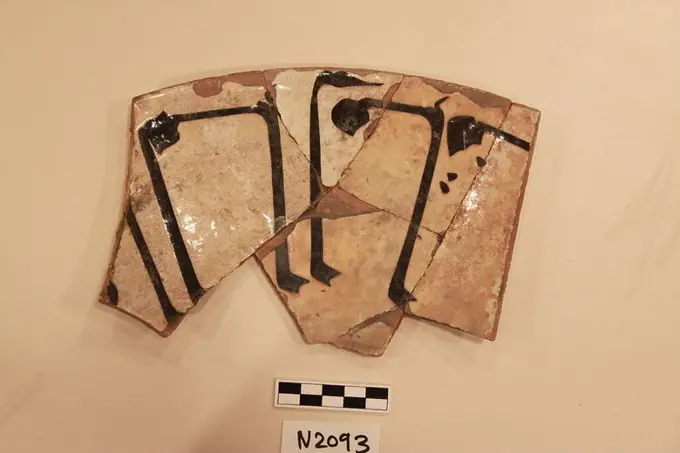
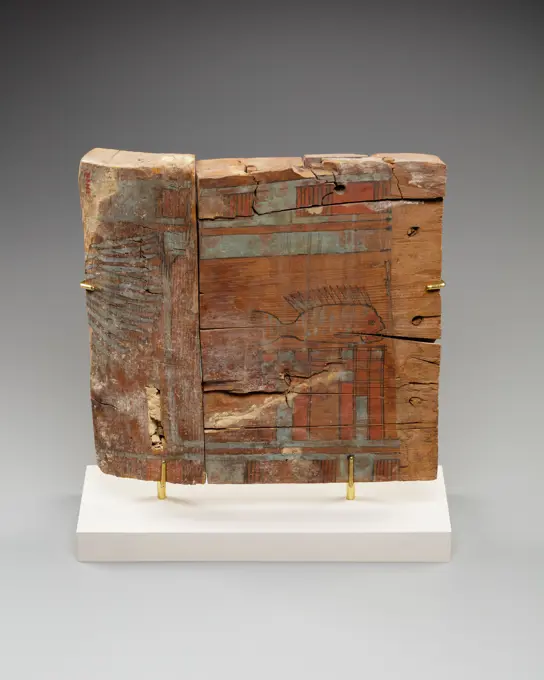
Collection of historical fragments and shards from various ancient cultures, showcasing unique textures and materials used in early craftsmanship.

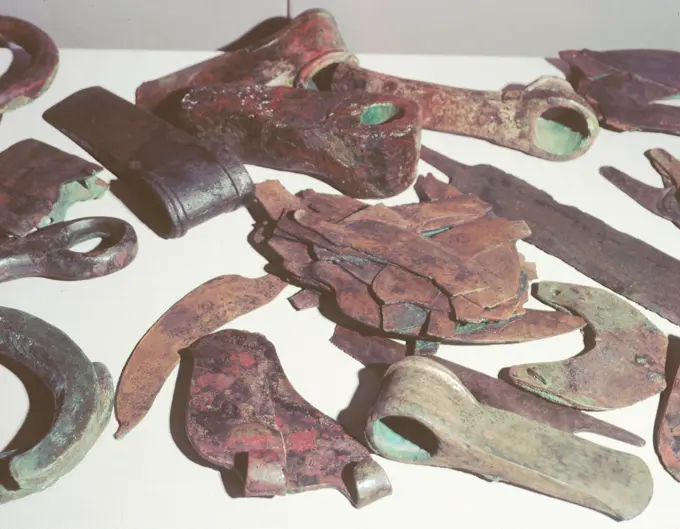
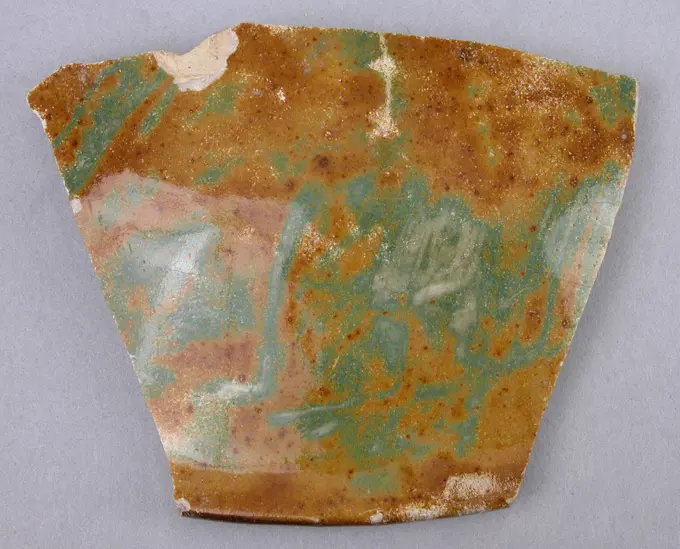
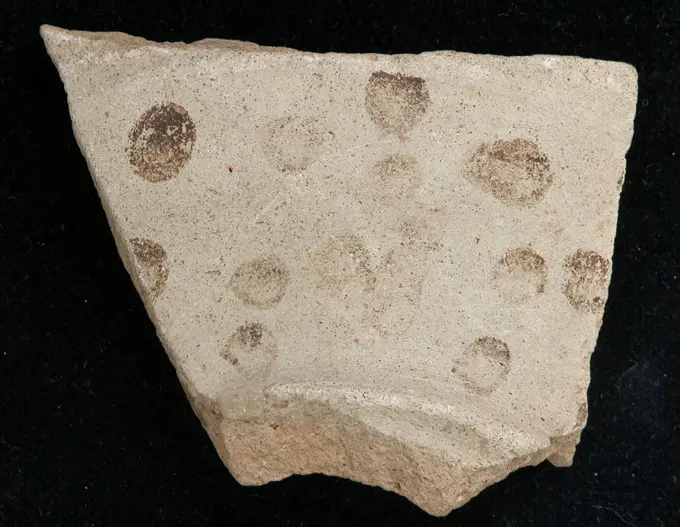
Fragment of prune, soil found ceramic earthenware glaze lead glaze, baked Triangular flat object with tips on the three corners two corners missing enamel remains archeology Rotterdam Delfshaven plateel majolica Soil discovery waste with biscuit tiles and plateel at 18th century houses next to VOC building Delfshaven.
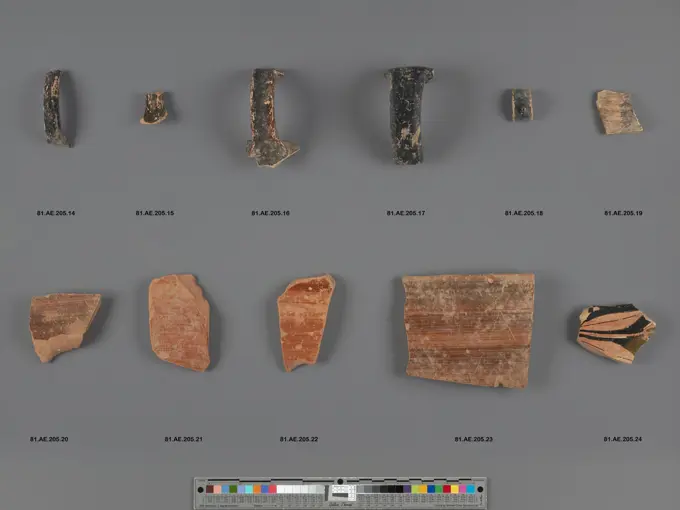
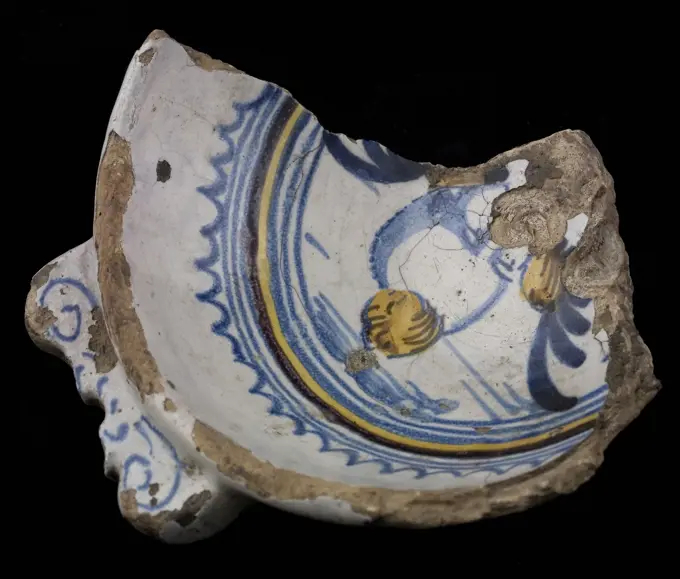
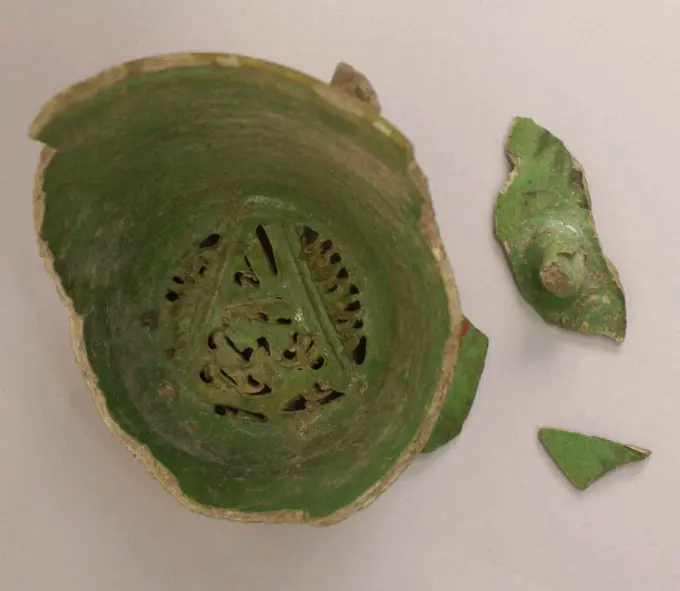
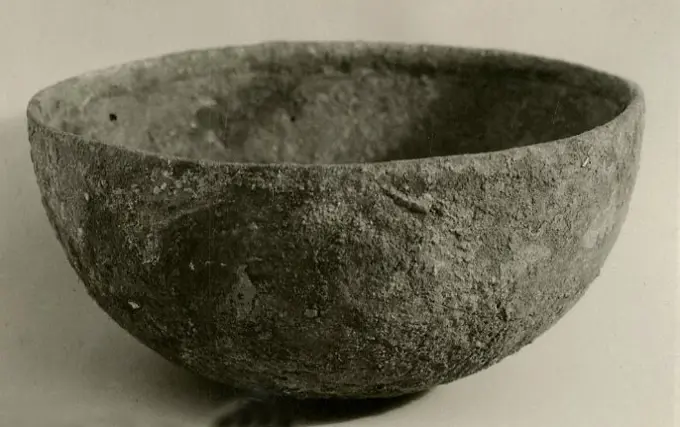
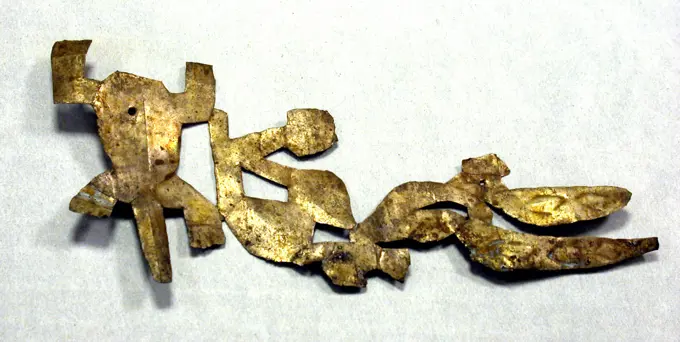
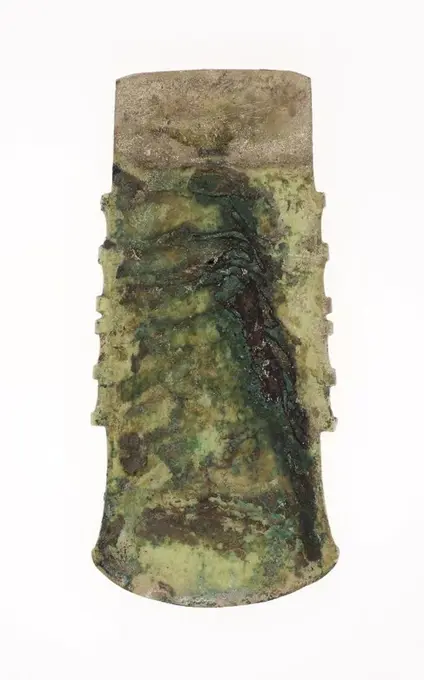
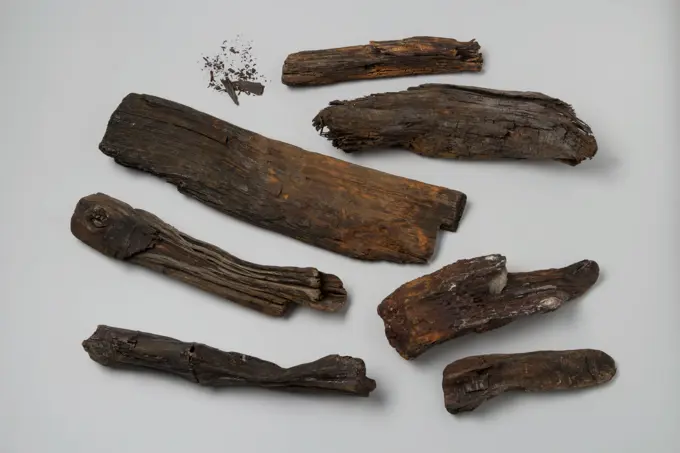
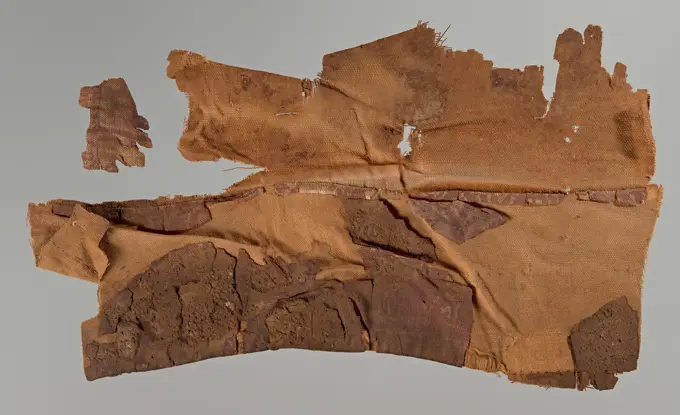
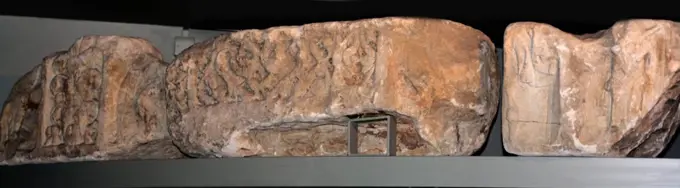
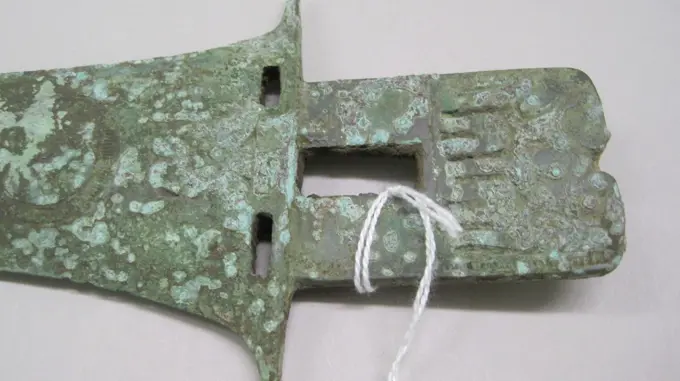
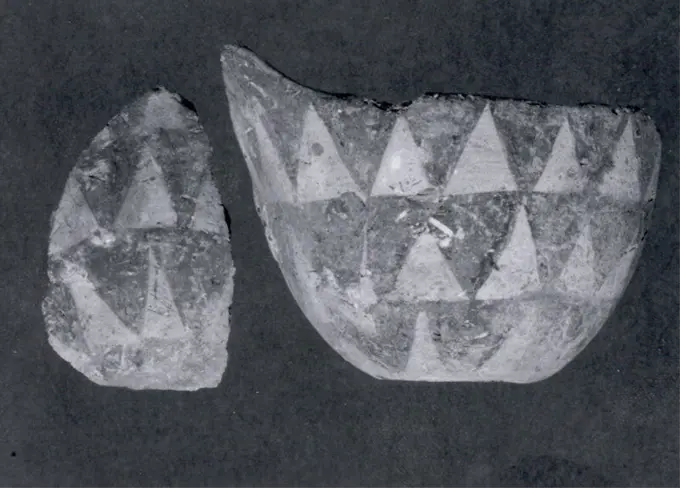
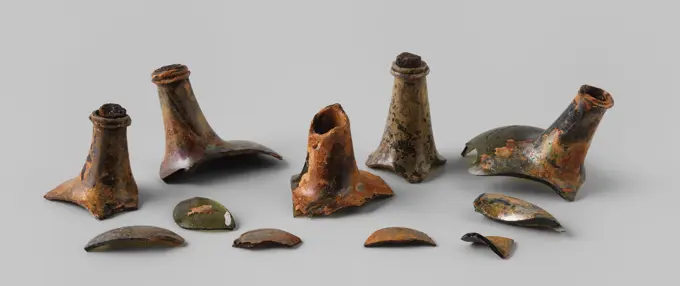
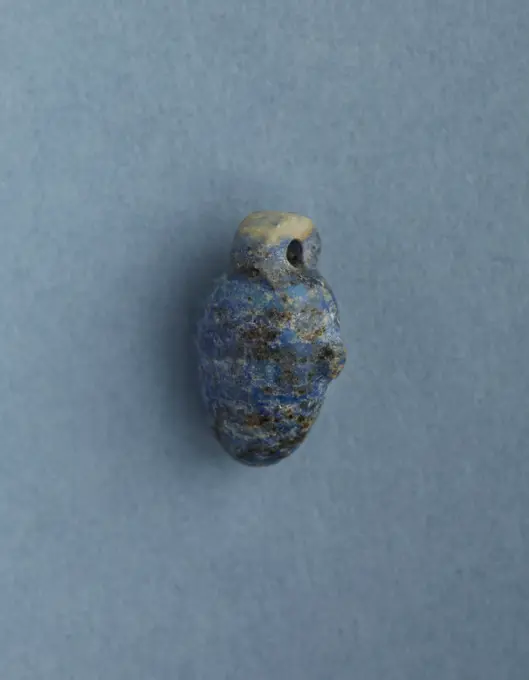
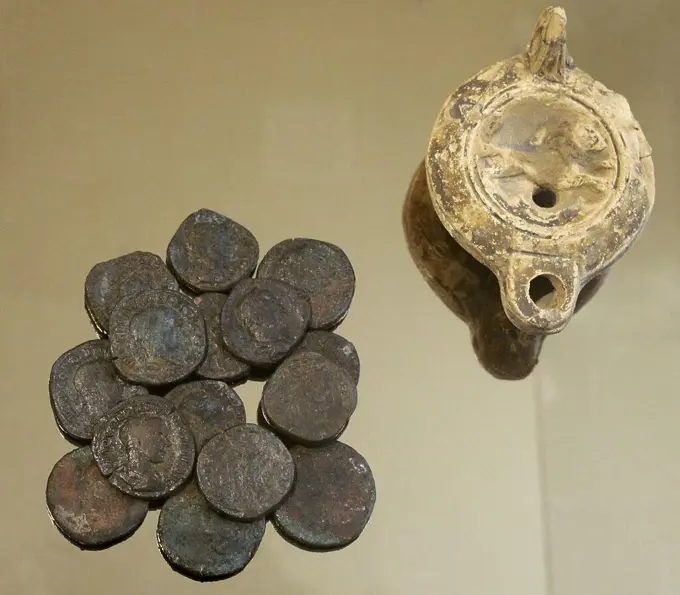
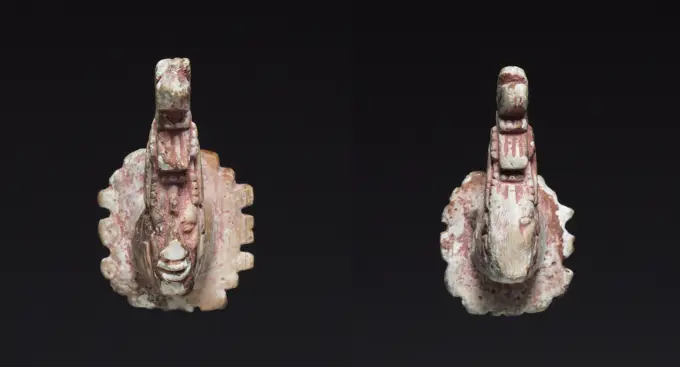
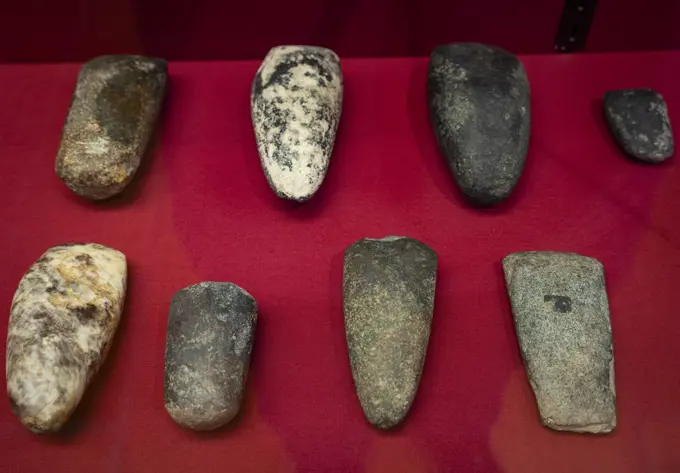
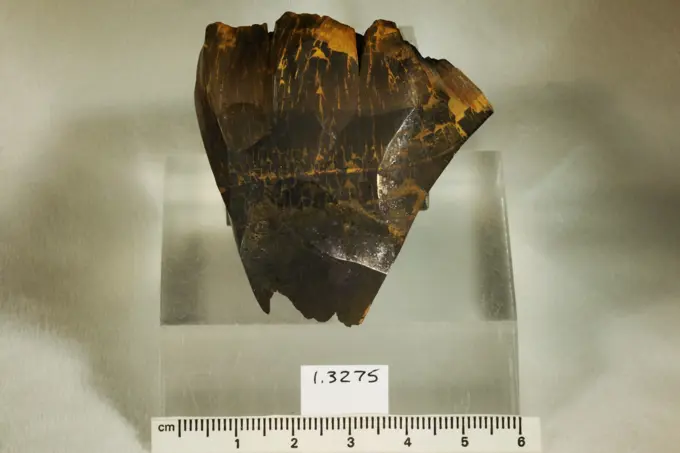
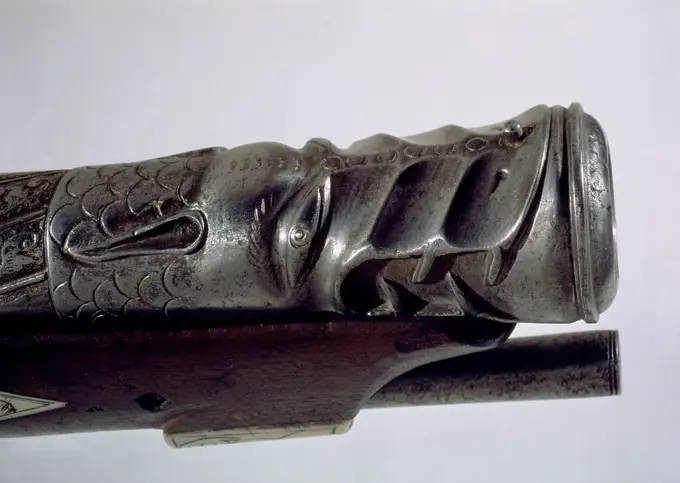
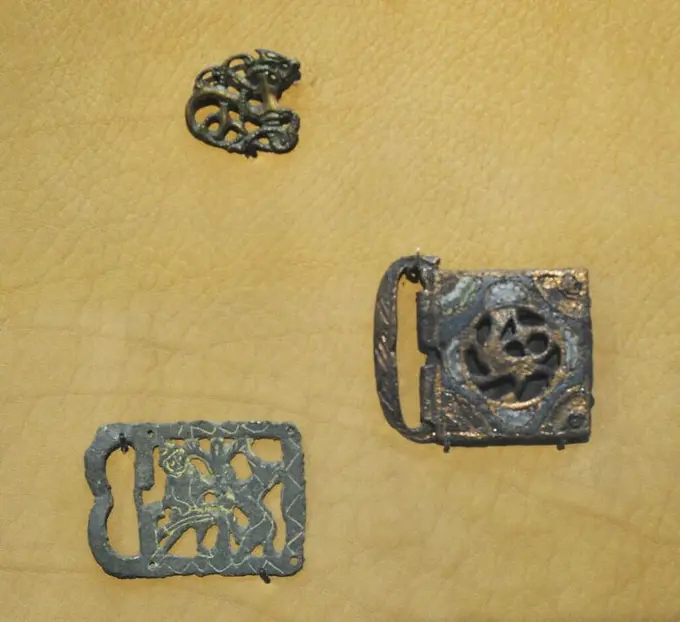
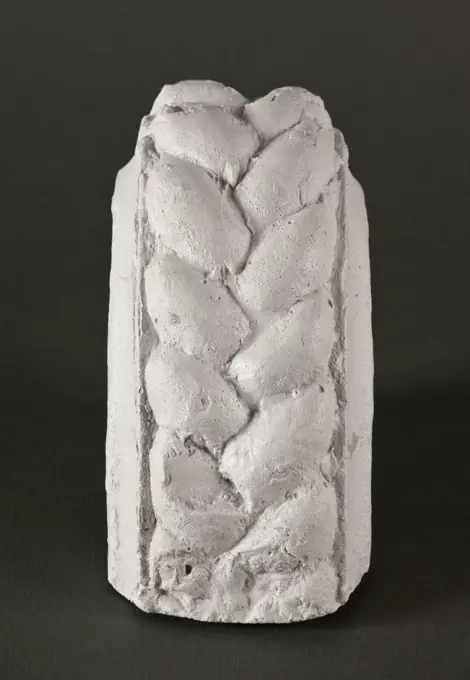
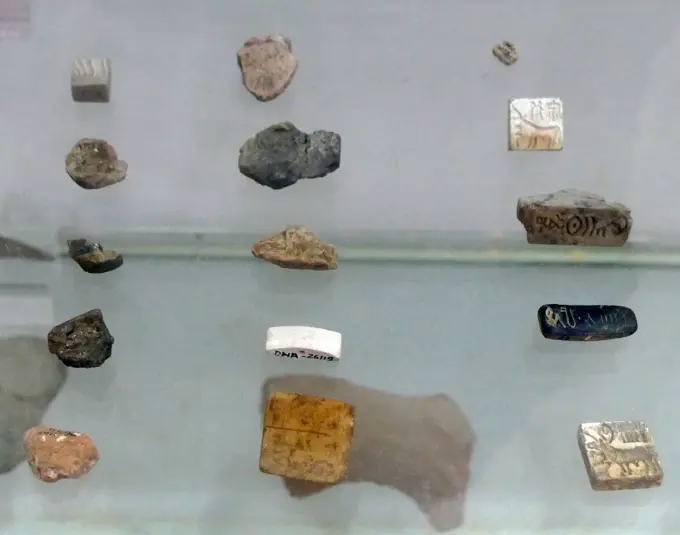
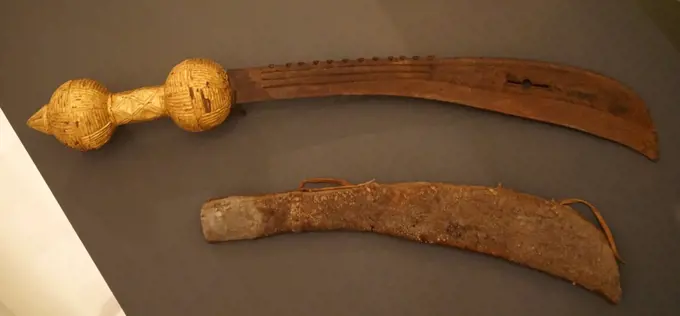
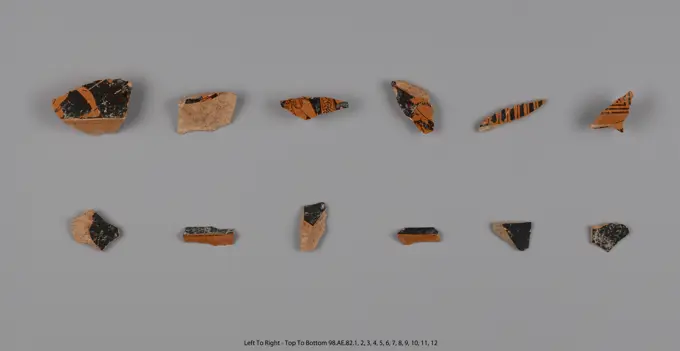
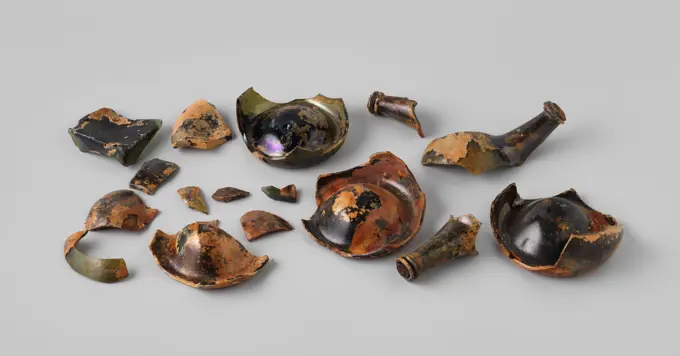
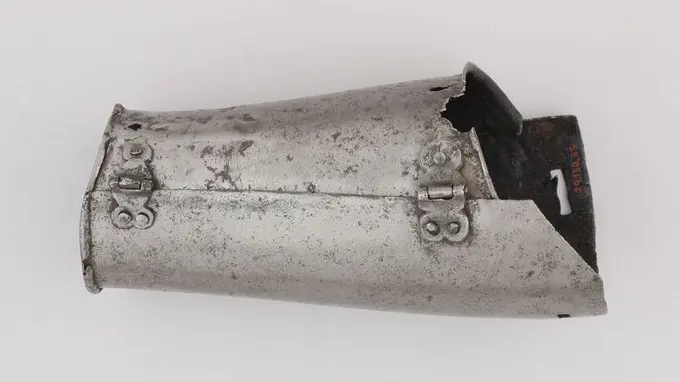
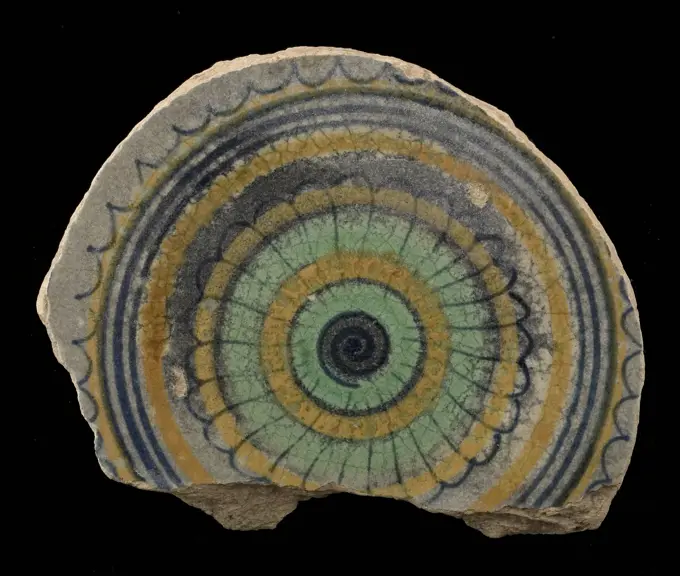
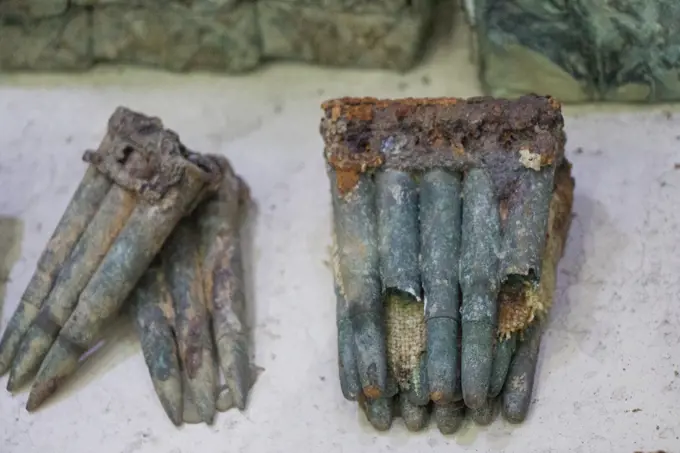
Farm tools from Old Babylon, 1900-1750 BC. Kutalla. BABYLON.Juffer block from v.O.c.-ship the 'white lion'. Juffer block from v.O.c.-ship the 'white lion'.GANIGO DE MADERA (LA GOMERA). Location: ARCHAEOLOGICAL MUSEUM. SANTA CRUZ DE TENERIFE. TENERIFFA. SPAIN.Anhänger Pendant, anthropomorphic votive axe, Greater Nicoya, Guanacaste, Costa Rica, between 300 BC and 500 AD, green nephrite, MuEC, Barcelona, Catalonia, Spain LicenseRF Copyright: xZoonar.com/Tolox 23171192Fragment 12th century. Fragment 452717VASIJA. Location: ARCHAEOLOGICAL MUSEUM. LAS PALMAS. GRAN CANARIA. SPAIN.Hippopus from v.O.c.-ship the 'white lion'. Shell from v.o.c.-ship the 'white lion'.Unidentified Object 9th-10th century. Unidentified Object 449946Sandals were commonly worn for walking in the ancient world and usually consisted of a protective leather sole that was secured to the wearer's foot with straps or thongs.Fragment majolica dish with ears, yellow, purple and blue on white, winged cupidocup, papkom bowl crockery holder earth discovery ceramics pottery glaze, archeology Rotterdam City Triangle Haringvliet Nieuwehaven Soil discovery New Haven Haringvliet 1941.Water Filter 10th-12th century. Water Filter. 10th-12th century. Stonepaste; glazed. Attributed to Egypt. CeramicsStone Profile Pendant 9th-15th century Costa Rica. Stone Profile Pendant 315810Bowl 270 B.C.-A.D. 320 Meroitic Period. Bowl. 270 B.C.-A.D. 320. Copper alloy. Meroitic Period. From Nubia (Sudan), Lower Nubia, Faras, Cemetery 1, Grave 975, University of Oxford Excavations in Nubia 1910-1912Cut-Out Ornament 11th-16th century Peru; north or central coast (). Cut-Out Ornament 308951Tube-Shaped Vessel 7th-5th century B.C. Paracas. Tube-Shaped Vessel 308594Notched Axe. China. Date: 2000 BC-1000 BC. Dimensions: 12.54 × 5.56 × 0.48 cm (6 × 2 1/5 × 3/16 in.). Jade. Origin: China. Museum: The Chicago Art Institute, Chicago, USA.Shards of porcelain from V.O.C. ship De 'Witte Leeuw', Before 1613  Shards of porcelain from V.O.C. ship De 'Witte Leeuw', from Martavanen. One consisting of two fragments glued together. Jingdezhen porcelain   Sint-HelenaFirewood from the shipwreck East Indies' t Vliegend Hart, 1700 - 1735  Firewood. With waxy substance of preservation.  wood (plant material)Part of tile floor from the Dutch Reformed Church in Heukelum ,, 1325 - 1375 tile Triangular part of floor consisting of glazed tiles in the colors black, green, red and yellow. The tiles are stuck on a thick plate. Utrecht . vitrification  HeukelumScarab Central Cable ( ) 1650 BCE-1550 BCE Egypt. Faience . Ancient EgyptianCOSTA RICA, SAN JOSE, NATIONAL MUSEUM, INTERIOR, PRE-COLUMBIA JADE JEWELRYFragment kartonażu. unknown, authorFragment 10th-11th century. Fragment 448514Fragment of red earthenware, partly glazed, fragment crockery holder kitchen utensils earthenware ceramics earthenware glaze lead glaze, hand shaped hand turned glazed fried Fragments of red pottery Frying pans jugs pots of grass and soil of small jug Spicy or only partly glazed with lead glaze archeology Rotterdam City center Stadsdriehoek Hoogstraat indigenous pottery water washing cooking nutrition food preparation handicraft pottery Soil discovery Hoogstraat Rotterdam June 15, 1983.Roman building stone block, decorated with various relief imagery. Found in the Roman city of Bath, England, and wouldve originally been sourced from English quarries. local to bath. Circa 1st-3rd century AD.Terracotta fragments of kylikes (drinking cups) 5th century B.C. Greek, Attic Two parts of feet type B with reserve line at chamfer and part of stem. Terracotta fragments of kylikes (drinking cups) 678358Dagger-Axe with Figural Decoration Dian. Dagger-Axe with Figural Decoration, 5th century B.C.E.-early 1st century C.E. Bronze, 10 1/2 x 3 5/8 in. (26.7 x 9.2 cm).   Asian Art 5th century B.C.E.-early 1st century C.E.Lead Role from the wreck of the East Indies' t Vliegend Hart ,, 1700 - 1735 lead Tubes rolled plates. Black-gray in color. Roll of Lead. Middelburg lead (metal)Sherds 5th millennium B.C. Iran. Sherds 325539Shards of wine bottles from the wreck of the East Indians' t Vliegend Hart ,, 1700 - 1735  Shards of onion -shaped wine bottles of green glass that has been in red (port) wine. Calls with cork. Netherlands cork (bark)Knife in the Shape of a Snake Dian. Knife in the Shape of a Snake, 206 B.C.E.-8 C.E. Bronze, 10 3/4 x 3 1/4 in. (27.3 x 8.3 cm).   Asian Art 206 B.C.E.-8 C.E.Glass Fragment 12th-17th century () European. Glass Fragment. European. 12th-17th century (). Pot-metal glass and vitreous paint. Glass-StainedAnchor before 18th century Columbia River. Anchor 310689Fragment of a Bowl 14th-15th century. Fragment of a Bowl. 14th-15th century. Stonepaste; painted under transparent glaze. Made in Egypt. CeramicsQuartz. minerals. South America; BrazilAmulet - HeartAmulet - BaboonItalic Pot Fragment. UnknownFragment. Dimensions: L 11 x W 9.5 x H 6.5. Date: probably 8th-12th century. Museum: Metropolitan Museum of Art, New York, USA.Double jar of white cross-lined ware ca. 3700-3500 B.C. Predynastic, Late Naqada I-Early Naqada II. Double jar of white cross-lined ware. ca. 3700-3500 B.C.. Pottery, paint. Predynastic, Late Naqada I-Early Naqada II. From EgyptVessel in the form of a horse's head ca. 5th century B.C. Achaemenid. Vessel in the form of a horse's head. Achaemenid. ca. 5th century B.C.. Silver, gilding. Achaemenid. IranPieter Rijckx in samenwerking met Pieter Strengh, Fragments of relief noorderpand Gereformeerd Burgerweeshuis, entrance children's room, facing brick sculpture building component sandstone stone nr.16, minced meat Rectangular flat pieces with diagonal ribs between high relief of two orphans and coats of arms Reformed Burgerweeshuis Gereformeerd Burger Weeshuis oorlog World War II Rotterdam City Triangle Goudsewagenstraat Goudsewagenstraat Rotterdam from rubble after the bombing of May 1940.Iron knife in leather sheath with cloisonne enamel, Stane Mesto, Great Moravia, 9th-10th cent. Czech Republic.painted and engraved ceramics painted and engraved ceramics, 7th century BC, Gil de Olid, Baeza, Iberian Museum of Jaén, Jaén province, Andalusia, Spain Copyright: xZoonar.com/TOLOxBALAGUERx 21704861Scholar's Rock 18th-20th century China This natural piece of limestone, gray with a faint tint of green, resembles a rugged mountain in miniature. Its rough surface, layered with horizontal fissures and interspersed with indentations, evokes cliff walls marked with eons of natural erosion. It sits on a wooden stand made precisely to fit its base. The stand is supported on six short legs and decorated with a row of hemispheric bosses on its outer rim.The object's dramatic silhouette and fine linear texture are characteristic of the highly prized ornamental Lingbi rocks from Lingbi County, Anhui Province. The structure and the decorative program of the wooden stand embody the elegance and refinement of craftsmanship peculiar to 18th-century Chinese wood carving.. Scholar's Rock 76457Fragments from buyer from the wreck of the East India Hollandia.parts or artifacts; eroded fragments: Materials; Copper.iberian Terracotta bovine head, Archena, Murcia, Valladolid Museum - Provincial Museum of Antiquities, Autonomous Community of Castile and Leon, Spain.Fragment of a Luster-Painted and GreenBrown Mottled Bowl 9th-10th century This ceramic fragment was excavated in Ctesiphon, the Sasanian metropolis and administrative capital conquered by Arab Muslim armies in 637. The city was known in Arabic as al-Mada’in, or "the cities", for its extended area. Arab historians indulge in describing al-Mada’in/Ctesiphon’s grand monuments, which obsessed Muslim rulers and may have acquired a symbolic meaning related to its imperial past. This was the case of the Taq-i Kisra, an impressively-sized ivan (a vaulted hall with one side open) partially dismantled to reuse its bricks in caliphal buildings in the new capital Baghdad. Finds like this fragment, which was excavated at a site called West Mound, where the bath of the Taq-i Kisra Palace was believed to be located, attest to the continued occupation of Ctesiphon’s urban area in the early Islamic period. Luster was an innovative technology developed by Iraqi-based craftsmen in the 9th century, as waSocket Adze. Northeastern Thailand, Ban Chiang culture, 300 B.C.-A.D. 150. Tools and Equipment; adzes. Copper alloyFragment shoe sole with heel from the wreck of the East Indiesman Hollandia. Shoe; Fragm, Four-Tiered Very with Square Pins and Part of Sole.Pre-Columbian art. Valdivia culture. Ecuador. 3500 BC-1800 BC. Venus statuette. From Ecuador. Private collection.Figure () 3rd millennium B.C. Valdivia. Figure (). Valdivia. 3rd millennium B.C.. Shell. Ecuador. Shell-SculptureLamp and set of coins that carried the person who died because of the fire of the villa. 2nd century AD. Spain. National Archaeological Museum. Tarragona. Spain.Pair of Ear Ornaments, c. 600-900. Mexico or Central America, Maya, 7th-10th century. Carved shell; overall: 3.8 x 2.3 cm (1 1/2 x 7/8 in.).polished axes and crushers polished axes and crushers, Archeological Museum. Úbeda, Jaén province, Andalusia, Spain Copyright: xZoonar.com/BartomeuxBalaguerxRotgerx 21702901CUENCO. Location: ARCHAEOLOGICAL MUSEUM. LAS PALMAS. GRAN CANARIA. SPAIN.Goethite. minerals. North America; USA; Michigan; Marquette County; Negaunee; Jackson MineDETALLE DE LA BOCA DE CAÑON DE PISTOLA DE CARLOS V - SIGLO XVI. Location: PALACIO REAL-REAL ARMERIA DE MADRID. MADRID. SPAIN.Scandinavia. Brooch, c. 1100. Bronze with urnes-style animal decoration. Belt Buckles, 13th century. The enamelled buckle from Tensberg was probably made in Limoges. France. Historical Museum. Oslo. Norway.Hammered Silver Arc Ornament 12th-15th century Chimú. Hammered Silver Arc Ornament 309056Opal. mineralsBell Głonka (ear decorated with a braid)  Zygmuntów Tower, Wawel Cathedral, KrakowVessel Fragment with a Portrait. UnknownMummy of fishArchitectural element in the shape of a year; Unknown Nubian workshop; VI-VIII century (501-00-00-800-00-00);Faras (Sudan), architectural decorations, figural decorations, architectural elements, Nubian art, Polish excavations in Faras (Sudan)Fragment. Dimensions: L 14.5cm x W 10 x H 2. Date: probably 8th-12th century. Museum: Metropolitan Museum of Art, New York, USA.Plaque ofFranklin. Artist: Giovanni Battista Nini, Italian, active in France, 1717-178613th Dynasty egyptian tomb model of a farming scene. 1991 -1783 BCBronze seals from the Indus Valley Civilisation at Mohenjo-Daro, Pakistan. The Indus Valley Civilisation was a Bronze Age culture, (33001300 BCE; mature period 26001900 BCE) mainly in the north-western regions of South Asia, extending from what today is northeast Afghanistan to Pakistan and northwest IndiaSwords used by Akan society chiefsSeven Glass Fragments 9th century. Seven Glass Fragments 447645Group of Attic Red-Figure Volute Krater Fragments (12). Kleophrades Painter (Greek (Attic), active 505 - 475 B.C.)Intaglio. Eastern Mediterranean, Roman, 332 B.C.-A.D.395. Tools and Equipment; seals. StonePalette. Makowski, Tadeusz (1882-1932), painterOintment Jar from a Foundation Deposit of Hatshepsut ca. 1479-1458 B.C. New Kingdom. Ointment Jar from a Foundation Deposit of Hatshepsut. ca. 1479-1458 B.C.. Travertine (Egyptian alabaster), paint. New Kingdom. From Egypt, Upper Egypt, Thebes, Deir el-Bahri, Temple of Hatshepsut, Foundation Deposit 3 (C), MMA excavations, 1923-24. Dynasty 18Attic Red-Figure Cup Fragment. UnknownAttic Red-Figure Vase Fragment. UnknownAttic Red-Figure Cup Fragment. UnknownShards of wine bottles and a basement bottle from the wreck of the East Indians' t Vliegend Hart ,, 1700 - 1735  Shards of onion -shaped wine bottles of green glass that has been in red (port) wine. Calls with cork. One shard of square basement bottle. Netherlands cork (bark)Cut. Sandstone with greenish covers. Provenance: Vietnam. Paris, Cernuschi museum. 79863-7 Cut, archeological object, dishesLazio Roma Frascati Episcopal Palace0. Hutzel, Max 1960-1990 Exterior views of the castle, formerly called Rocca, that is now the Episcopal Palace. Interior views of dining room and living room, along with paintings and frescoes. Antiquities: Assorted Roman and Etruscan antiquities in the courtyard, including two sarcophagi, statues, stele, an urn, busts. General Notes: There were two sets of prints made from the same set of negatives. One set is labelled Episcopio and the other Vescovado; they have now been integrated into a single numerical sequence. German-born photographer and scholar Max Hutzel (1911-1988) photographed in Italy from the early 1960s until his death. The result of this project, referred to by Hutzel as Foto Arte Minore, is thorough documentation of art historical development in Italy up to the 18th century, including objects of the Etruscans and the Romans, as well as early Medieval, Romanesque, Gothic, Renaissance and Baroque monuments. Images are organized by geogForearm Defense (Vambrace). Culture: Italian. Dimensions: H. 7 3/4 in. (19.7 cm); W. 4 in. (10.2 cm); D. 4 in. (10.2 cm); Wt. 14.1 oz. (399.7 g). Date: ca. 1450-70. Museum: Metropolitan Museum of Art, New York, USA.Lower legs area with fringe of belt ca. 1353-1336 B.C. New Kingdom, Amarna Period. Lower legs area with fringe of belt 549805Attic Black-Figure Cup Fragment. UnknownCeramic fragment. Dimensions: D 37 x H 8.7 cm. Date: 8th-12th century. Museum: Metropolitan Museum of Art, New York, USA.Mozarabic Treffranz Mozarabian TreffranzShard Pakistan ca. 4th-5th centuryMask from Israel. At over 9,000 years old it is considered to be one of the most ancient human portraits.Clay model with scene of agricultural work, from Vounous, CyprusFragment majolica dish, polychrome, in the middle rosette, around it circles, plate crockery holder soil find ceramic earthenware glaze, baked underside covered with clear lead glaze. Italian Dutch decor Polychrome archeology Rotterdam Italy decorate food Soil discovery Rotterdam 1914-1917.Fragment. Culture: European or Middle Eastern. Dimensions: L. 1 3/8 in. (3.5 cm). Date: ca. 1150-ca. 1250. Museum: Metropolitan Museum of Art, New York, USA.Daalder, emergency coin from Haarlem, beaten during the siege, Anonymous, 1572 - 1573 coin. siege coin Unilateral, diamond -shaped emergency coin with beveled corners. Front: three stamps above each other, to the right a knock; From bottom to top: Master sign: Rijksappel; City coat of arms: Conversely, sword with two stars on either side, a cross on the point of sword; year; Beat: Lion on a shield. Reverse: Blanco. Haarlem silver (metal) striking (metalworking)  HaarlemFire hose rings from the wreck of the East Indians Hollandia, Anonymous, 1700 - in Or Before 1743  Fire engine, firehose; fragm: rings, partly squashed, some fragm of (le) hose, firehose. Netherlands copper (metal)   SecondFragment console with abstract decoration, console building element sandstone stone, kgRound Plaque 3rd century B.C.-A.D. 2nd century Vicús. Round Plaque 315557Painted ceramics with plant motifs, La Vispesa, Tamarite de Litera, Iberian period three hundred and fifty to fifty BC, Huesca museum, Aragon community, Spain.Coffin foot Third Intermediate Period ca. 712-664 B.C. View more. Coffin foot. ca. 712-664 B.C.. Wood, ink. Third Intermediate Period. From Egypt, Upper Egypt, Thebes, Deir el-Bahri, Middle Terrace Coffin Cache, MMA excavations, 1930-31. Dynasty 25 (Kushite)Fragment 8th-9th century. Fragment. 8th-9th century. Earthenware; glazed. Found/excavated Iraq, Ctesiphon. CeramicsCUEVA DE EKAIN. GALERIA DE ZALDEI O DE LOS CABALLOS: CABALLO DEVA, GUIPUZCOA, PAIS VASCO, ESPAÑA.Cartridges of rusty bullet ammunition from the dardanelles war