Ancient Artifacts

Collection of historical fragments and shards from various ancient cultures, showcasing unique textures and materials used in early craftsmanship.

Fragment of prune, soil found ceramic earthenware glaze lead glaze, baked Triangular flat object with tips on the three corners two corners missing enamel remains archeology Rotterdam Delfshaven plateel majolica Soil discovery waste with biscuit tiles and plateel at 18th century houses next to VOC building Delfshaven.
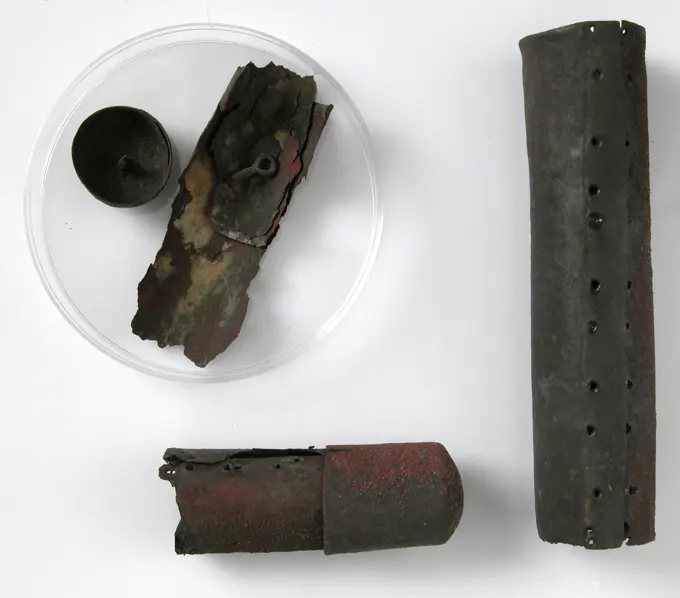
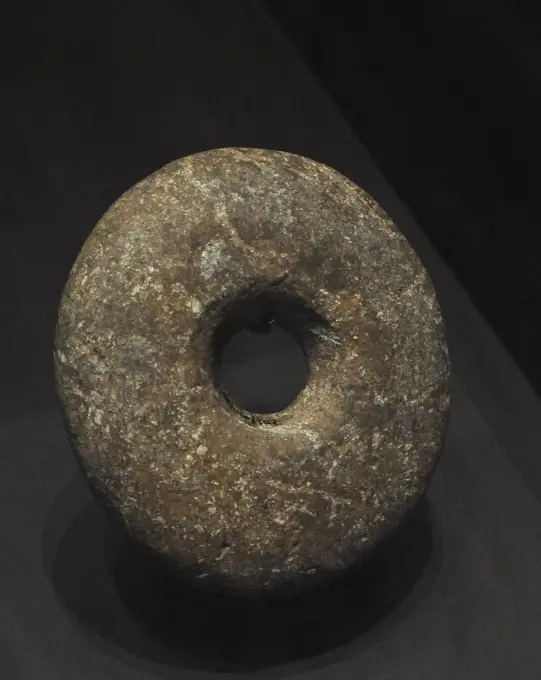
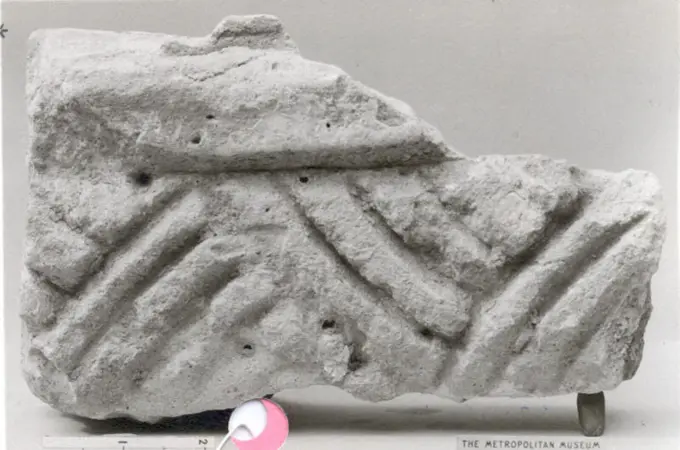
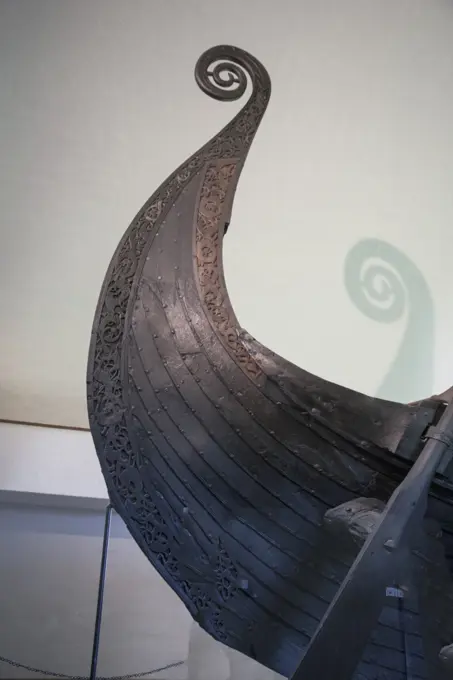
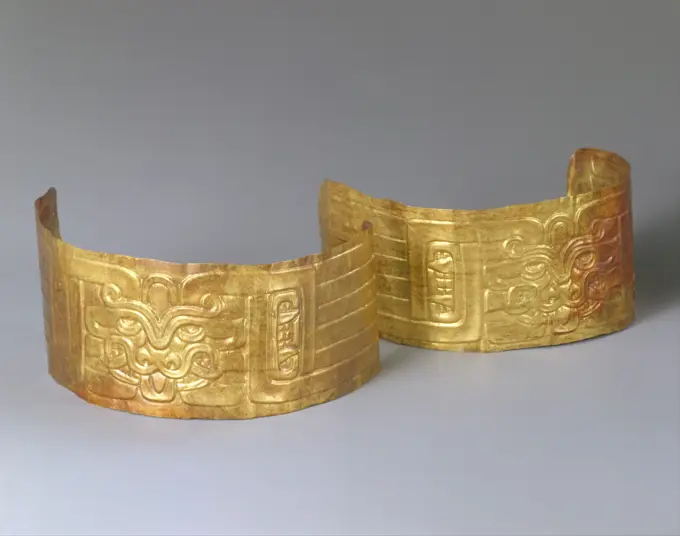
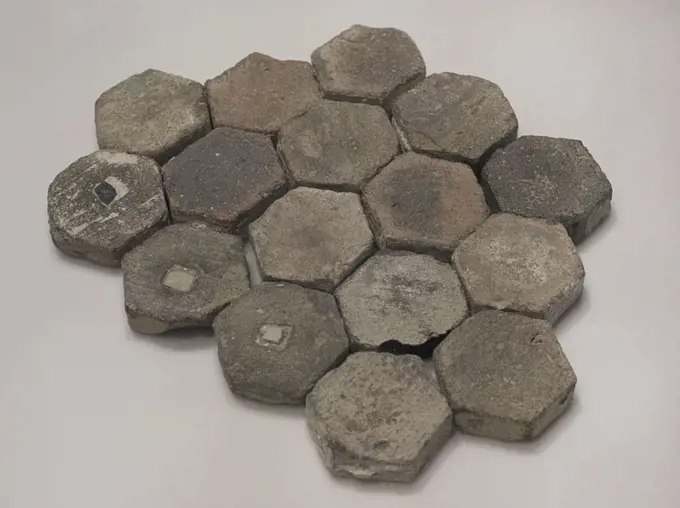
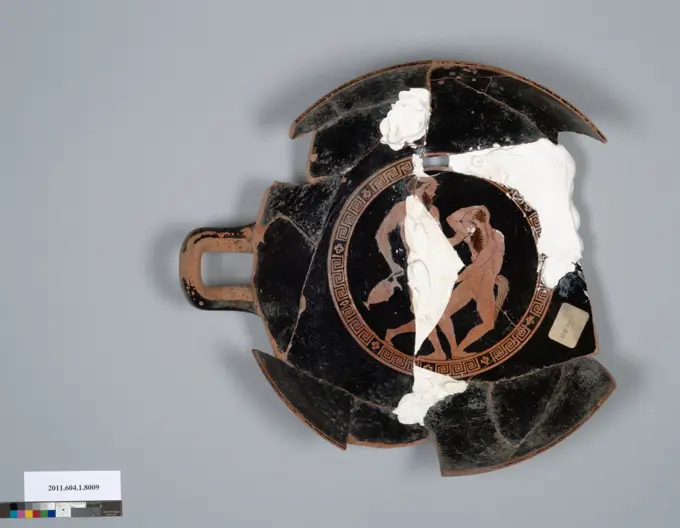
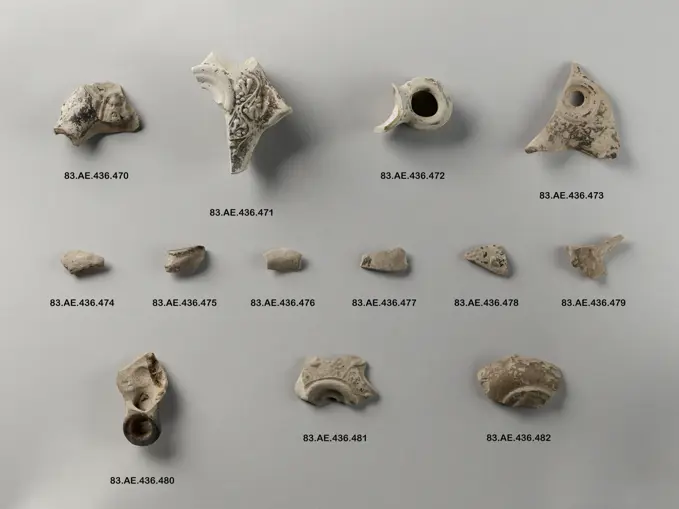
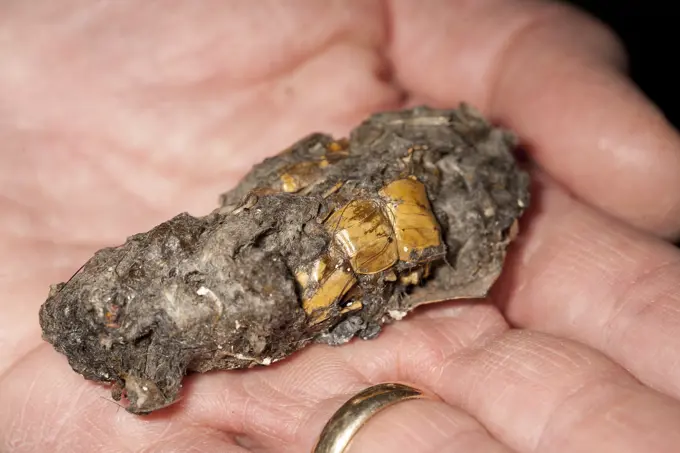
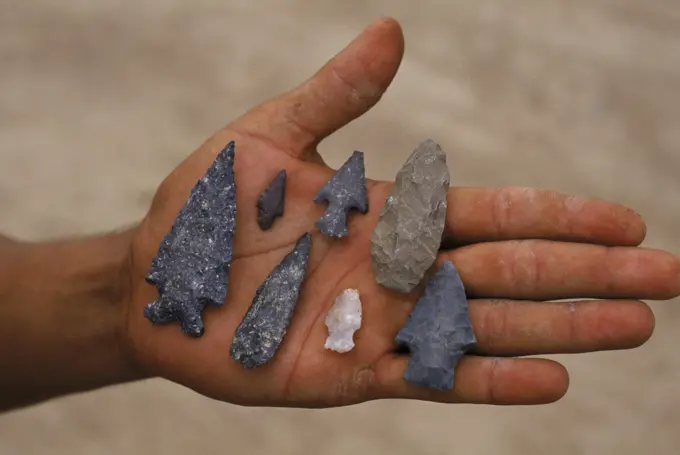
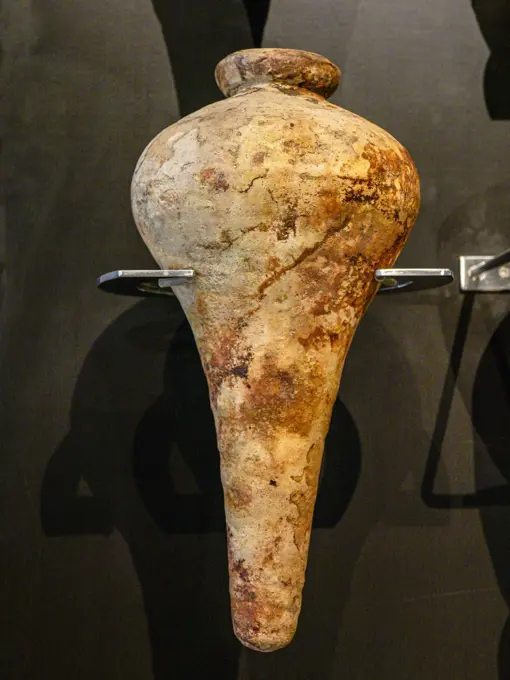
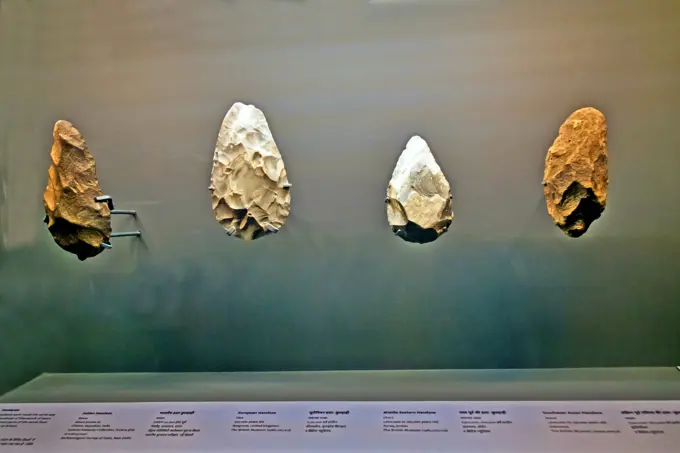
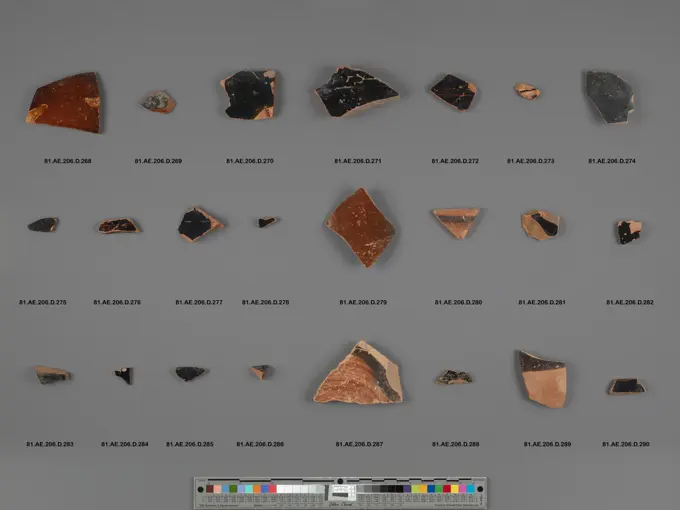
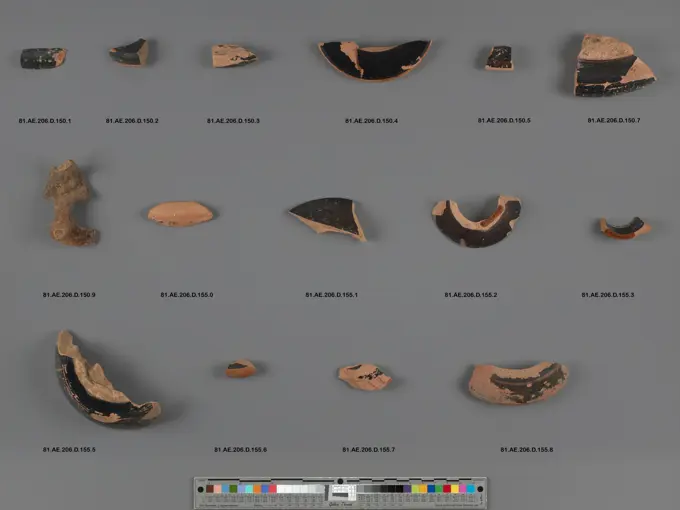
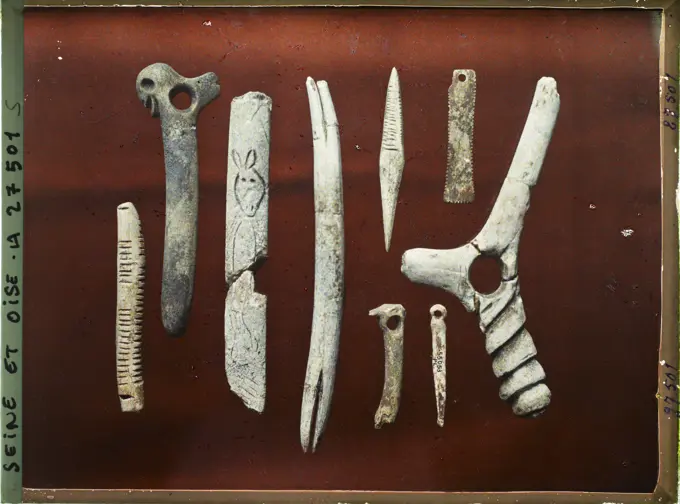
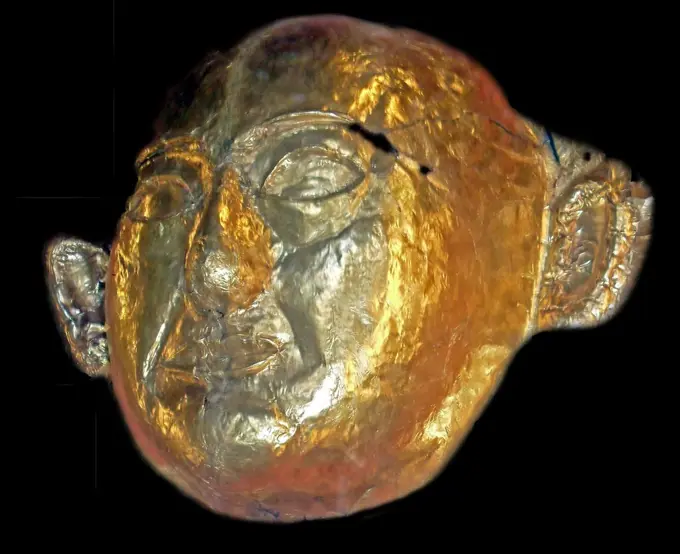
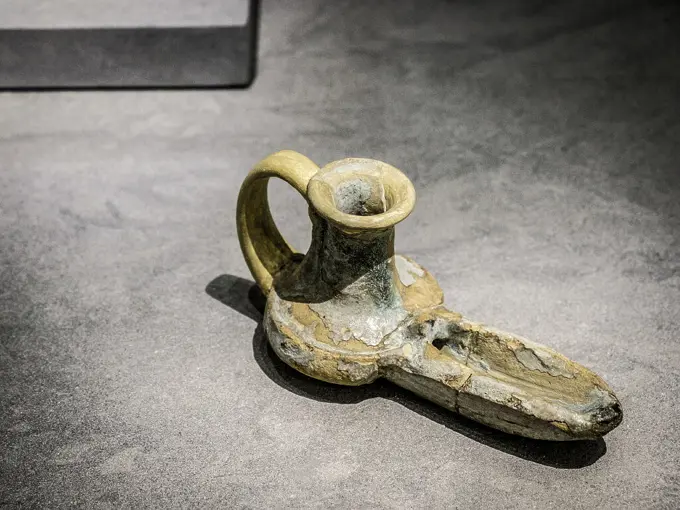
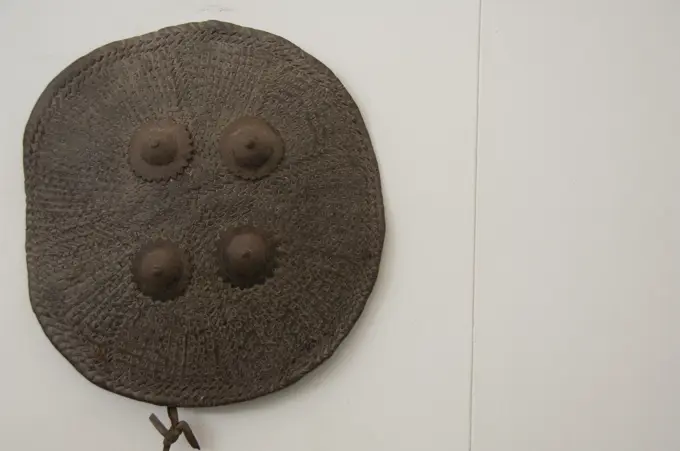
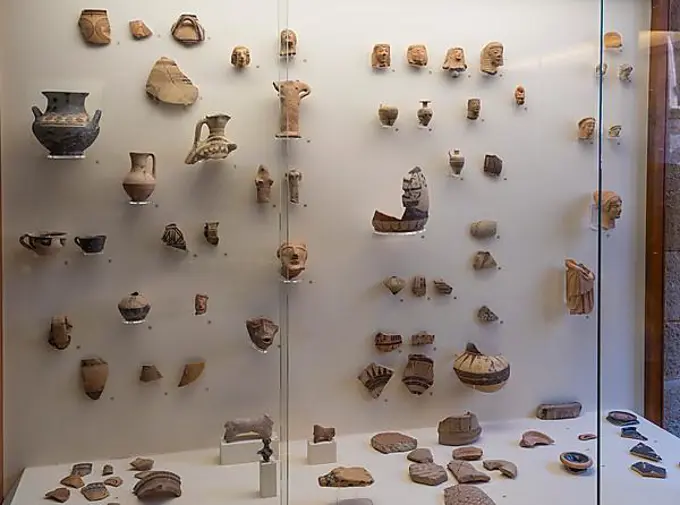
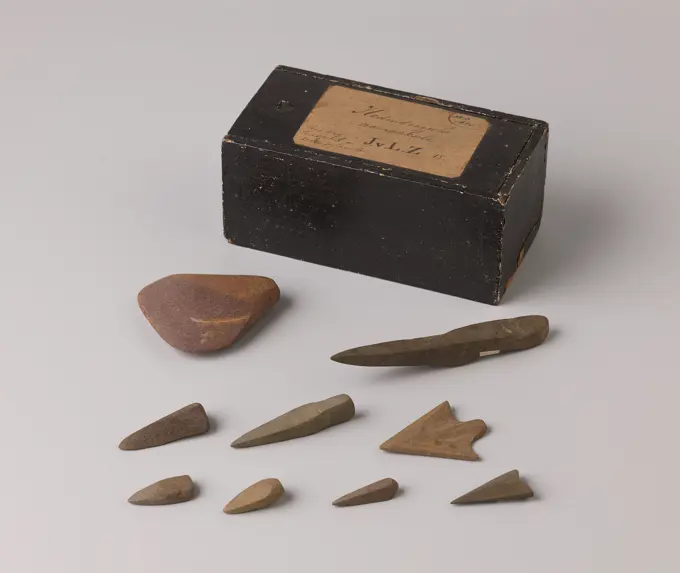
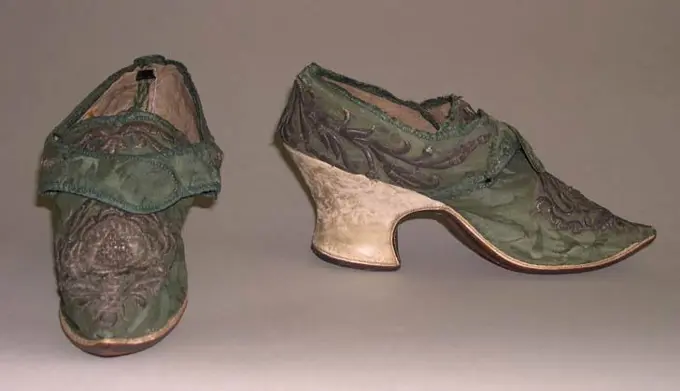
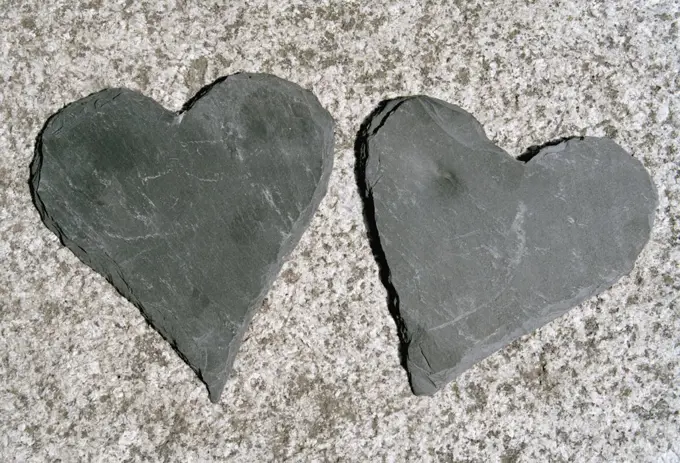
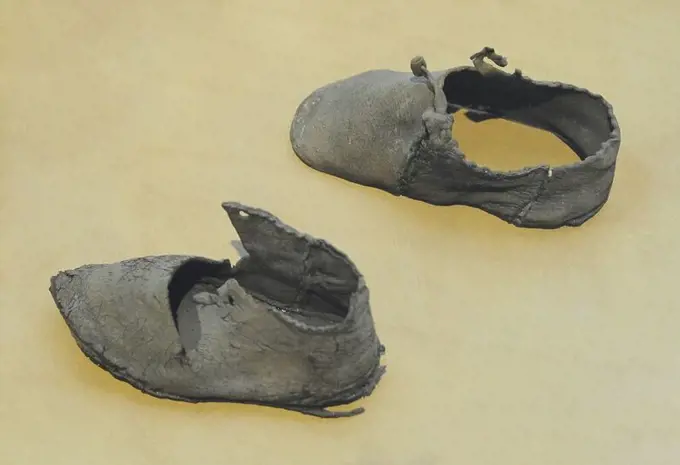
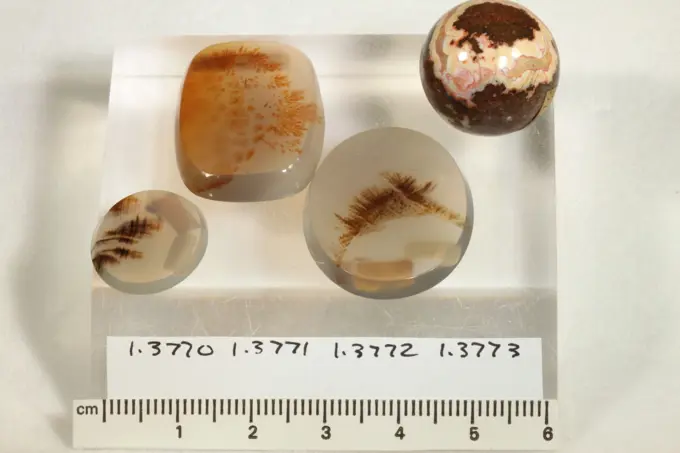
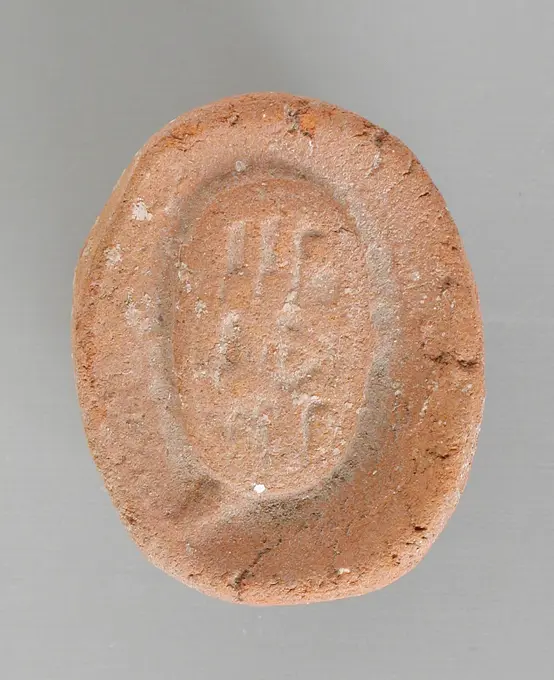
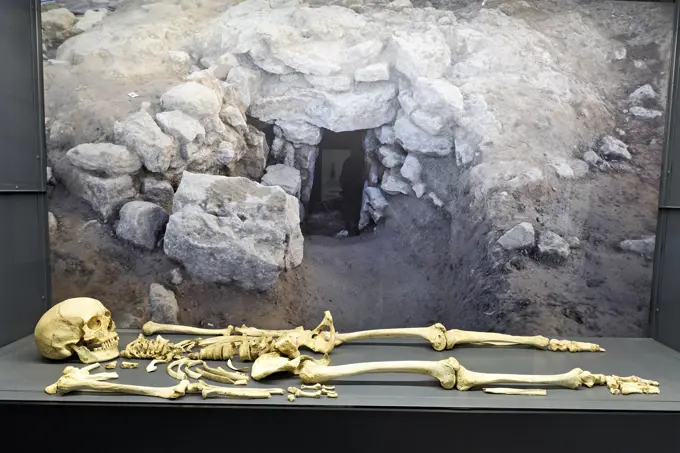
Bead 7th-6th millennium B.C.. Bead 327148Five penny, emergency coin from Oudenaarde, beaten during the siege, Anonymous, 1582 coin. siege coin Unilateral, diamond -shaped emergency coin. Front: two stamps: beat: city brand; Below that round stamp: coat of arms under the value indication within Keering. Reverse: Blanco Oudenaarde tin (metal) striking (metalworking)  OudenaardeSainte Maure de Touraine, French cheese made from goat's milkPhallocrypt probably 19th century Oceanic This collection of largely ethnographic jewelry includes examples from cultures in South America, North America, Europe, Asia, and Africa and dates from the Pre-Columbian period to the twentieth century. Owned by renowned art collector and fashion enthusiast Muriel Kallis Newman, the collection represents her knowledge and appreciation of a wide range of jewelry design and making traditions. Numerous items in her collection are composite artifacts made from various cultures and time periods reappropriated as modern jewelry creations by or for Muriel. It is important to note that Newman wore many of the pieces in the collection, interpreting them to suit and express her own singular, often avant-garde style.. Phallocrypt 141569Fossil, Law, Simoceras swordslock, Snail Shape, Aragonite, McPPUW MCP PUW 2025 000678 McPppuwwwwwMetal Fragments 4th-7th century Coptic. Metal Fragments 478764Neolithic. Stone weight from a digging stick. Limestone. From El Higueron Cave (Rincon de la Victoria, Malaga province, Andalusia, Spain). National Archaeological Museum. Madrid. Spain.Relief fragment ca. 6th-8th century A.D. Sasanian or Islamic. Relief fragment 322697Cartridges of rusty bullet ammunition from the dardanelles warTreibholzfragment, verwittertes Holz, natürliche Holztextur Treibholzfragment, verwittertes Holz, natürliche Holztextur Copyright: xZoonar.com/SerhiixZarevx 22546422Fragments of Romanesque decorative stuccoes, after restoration, verso, basilica of Santa Maria Maggiore, Lomello, Lombardy. Italy, 11th century.Anthropoid baked clay coffin, 13th century BC. Artist: UnknownFragment of Dish with Bird 14th-15th century. Fragment of Dish with Bird 446407Small Bell ca. 12th century Cambodia. Small Bell. Cambodia. ca. 12th century. Bronze with traces of gilding. MetalworkViking ship, the Ostberg, built in 834Fragments Pijpenkoppen and stems from the wreck of the East Indians' t Vliegend Hart, WS, 1700 -1735 fragment Fragments of Goudse Pijpen: 9 fragments piping head with piece of stem, 5 fragments pipes head, 48 pipe stalk, of which 11 is decorated. A few heads with heel brand 67. Gouda pipe clayAttic Black-Figure Lekythos Fragment. UnknownPair of Arm Bands 7th-5th century B.C. Chavin Beginning in the Formative Period, ancient Andean people used metalwork as a means and medium for communication (Lechtman 1996:35). During this period, the use of gold for crowns, pectorals, and nose ornaments grew exponentially. Nonetheless, arm bands are rarely seen in collections of ancient Peruvian gold. The most significant objects of ornamentation from this period have been found in burials at the site of Kuntur Wasi in the northern highlands (Onuki 1997, 2011). A gold crown excavated from this important ceremonial center features five stylized feline faces (Onuki 1997:86; 2017:17; Boswell 2017:139) that are almost identical to the figures on these unique arm bands. This pair of matching gold arm bands is embossed with masterfully balanced zoomorphic faces. The most dominant feature of the feline figure is an upward curved and fanged mouth that spreads across the lower half of the composition. Two canine teeth emerge from the corners Handmade wooden models in shoemaker's workshop, work piece from rough to fine on black groundTwo Bullets Collide Midair from the dardanelles warEtruscan() Oinochoe Fragment. UnknownVase fragment Roman, Gaul Inscribed.. Vase fragment. Roman, Gaul. Terracotta. VasesHigh res cardboard elementsRoman Villa of Ramla. Located in the western sector of Ramla Bay, in Xaghra (Gozo Island, Malta). Archaeological site excavated between 1910 and 1911 by Professor Temi Zammit. It consisted of nineteen rooms, six of which seemed to form a separate group while the rest formed a fairly complete set of baths supplied with water from a nearby spring. Clay paving tiles. Gozo Museum of Archaeology. Cittadella de Victoria. Gozo, Malta.Grave goods of a Roman doctor: two scalpels, three probes with bronze, a catheter, ivory medicine chest, slate palette for grinding ointment ingredients, bronze bowl for mixing medicines, metal scissors (bronze and iron), iron knife , bronze spoon with marks on the handle for the measurement of liquids, two silver amulets with engraved spells, which indicate that the doctor believed in magic as well as in science. Middle 3rd century.Heart Scarab. Egyptian. Date: 1069 BC-664 BC. Dimensions: 2 × 4.5 × 3.25 cm (13/16 × 1 3/4 × 1 1/8 in.). Stone. Origin: Egypt. Museum: The Chicago Art Institute, Chicago, USA. Author: Ancient Egyptian.Lead sling bullet Cypriot Bullet, sling.. Lead sling bullet. Cypriot. Lead. Miscellaneous-LeadStone art. The beauty of stone and grace of its existence is great and admirable. watch it for the sake of ancient art. great treat for art lovers.Terracotta fragment of a kylix (drinking cup) 460-450 B.C. Greek, Attic Interior, bearded satyr to right, holding an oinochoe in his left hand and a drinking horn in his right hand; the satyr to left is taking a sip out of the drinking horn; Exterior, frontal, bearded male to right, with his left arm extended, and his bent right arm behind him, getting ready to throw a rock; tip of beard of draped man to left, with his right arm bent, and his left arm extended behind him with his himation draped over it; draped, bearded man to right holding a spear in his right hand, advancing towards the helmeted warrior in front of him who holds a sword over his head, and a shield in his left; handle palmette and tendrils; Reverse, helmeted warrior to right wearing a himation; draped warrior, with a helmet and frontal face, holding a spear in his right hand, and a shield in his left hand; bearded, helmeted warrior to right, on a horse, with a spear in his right hand, and a shield in his left; completAttic Red-Figure Vase Fragment. UnknownAttic Red-Figure Vase Fragment. UnknownItalic Lamp Fragment. UnknownSpotted Owl pellet, Strix occidentalis lucida, Arizona, USAHopi flat grinding stones used to grind dried blue corn into a mealIndian arrowhead from Georgia and North & South Carolina , Archaeological assemblages, Charles F. Walcott Archaleogical CollectionArrowheads found near TrincherasKeramische Amphorette Ceramic amphorette, 16th century, Arkeologi Museoa, Museo Aqueologico, Bilbao, Bizkaia, Pais Vasco, Spain Copyright: xZoonar.com/BartomeuxBalaguerxRotgerx 22845683Nineteen Fragments. Culture: Japan. Dimensions: Frame: 12 1/2 × 10 1/2 in. (31.8 × 26.7 cm)a: 1 in. × 2 1/4 in. (2.5 × 5.7 cm)b: 3/4 in. × 1 in. (1.9 × 2.5 cm)c: 3/4 × 3 1/2 in. (1.9 × 8.9 cm)d: 1/2 in. × 2 in. (1.3 × 5.1 cm)e: 1/2 in. × 1 in. (1.3 × 2.5 cm)f: 3/4 × 3 1/2 in. (1.9 × 8.9 cm)g: 1/2 × 2 1/4 in. (1.3 × 5.7 cm)h: 1/4 in. × 1 in. (0.6 × 2.5 cm)i: 1/2 × 3 3/4 in. (1.3 × 9.5 cm)j: 1/2 × 1 3/4 in. (1.3 × 4.4 cm)k: 3/4 × 1 1/4 in. (1.9 × 3.2 cm)l: 3/4 × 2 1/4 in. (1.9 × 5.7 cm)m: 1 1/2 in. × 2 in. (3.8 × 5.1 cm)n: 1 1/4 × 1 1/4 in. (3.2 × 3.2 cm)o: 1/2 × 1/4 in. (1.3 × 0.6 cm)p: 1/2 × 3/4 in. (1.3 × 1.9 cm)q: 3/4 × 1 1/2 in. (1.9 × 3.8 cm)r: 1/2 × 2 1/2 in. (1.3 × 6.4 cm). Date: 8th century. Museum: Metropolitan Museum of Art, New York, USA.Fragments European and Middle Eastern ca. 1150-ca. 1250 View more. Fragments. European and Middle Eastern. ca. 1150-ca. 1250. Glass, ceramic. Glass-VesselsFragment European or Middle Eastern ca. 1150-ca. 1250 View more. Fragment. European or Middle Eastern. ca. 1150-ca. 1250. Glass, ceramic. Glass-VesselsDifferent iron scale weights , elevated viewStucco Fragment probably 8th-12th century. Stucco Fragment 741484Stone age antique stone tools, CSMVS Museum, Mumbai, Maharashtra, India, Asia India Copyright: xDuttagupta/DinodiaxPhotox -Papua new guinea hollowed out tree forming a canoeAttic Red-Figure Vase Fragment. UnknownAttic Red-Figure Vase Fragment. UnknownSaint-Germain-en-Laye, France , 1921 - Seine -et -Oise - Auguste Léon - (June) (French - Saint-Germain-en-Laye , France). Museum, animal represented , fantastic animal, archaeological vestige, sculpture, crafts, accessory, prehistory, sculpted decor, Animal, habitat , architecture, art, economic activity, clothing, France, St Germain-en-Laye, Museum: Animal seen from the front 54983-pendulum with notch 54948-poinçon with notch 54953-Aiguille à chas 35053-Bâton de comGold Death Mask of Khaemwaset 1279 B.C. EgyptDivine images in clay and stone. Goddess figurines from Sha'ar Hagolan made from clay and pigments and pebble figurines from Sha'ar Hagolan and Munhata made from limestone and basalt. From the Yarmukian culture over 8,000 years ago.Andalusian oil lamp, 950-100 AD, Archaeological Museum of Ibiza and Formentera, World Heritage Site "Ibiza, biodiversity and culture", Ibiza, Spain.Clintonite, silicate.Africa, Ghana, Accra. National Museum, regarded as one of the finest museums in sub-Saharan Africa. Hide shield from Uganda.Historical artefacts, exhibits, Archaeological Museum in the former Order of St John Hospital, 15th c., Old Town, Rhodes Town, Greece, EuropeBombard balls. Stones and iron. Burgos. The Castle. Warehouse of the Museum of Burgos.Saddle (Kura) 16th century Japanese. Saddle (Kura) 22603Terracotta fragments of kylikes (drinking cups) 5th century B.C. Greek, Attic Left halves of six kylix handles. Terracotta fragments of kylikes (drinking cups). Greek, Attic. 5th century B.C.. Terracotta; red-figure. Archaic /Classical. VasesContemporary counterfeit: a wedge, a lans point and seven arrowheads, J.H. Van Lennip, 1840 - 1852 chest Wooden box with sliding lid, painted black, with a label stuck on the lid. There are nine stone objects in the box: six smaller arrow points, one elongated and one triangular lans point and a triangular wedge. The objects are numbered with labels 20-a to i. In addition, they all wear a painted number: J.Vl.Z15-A to H. J.Vl.Z.15-A comes over with 20-b. De Wig, 20-A, wears J.Vl.Z.15 as a painted number. Furthermore, the order is similar. Inscription. Zeist wood (plant material). paper. ink painting / grinding  HaarlemmermeerORFEBRERIA PUNICA-ANILLOS Y COLGANTES O PENDIENTES. Location: MUSEO ARQUEOLOGICO / MUSEO DE PUIG DES MOLINS. IBIZA. SPAIN.Shoes 1720-39 probably British. Shoes 82617Office of the Secretary - SECRETARY DONALD EVANS PRESS CONFERENCEAncient Egyptian ornaments and protective objects of the mummy: gold, faience and stone amuletsFragment; wood, gildedBronces, siglos VIII-VII aC., procedentes de Llavorsí. Museu d'Història de Catalunya.Fragment 10th-11th century. Fragment. 10th-11th century. Celadon. Found Saudi Arabia, Dhahran. CeramicsTwo heart shaped stonesScandinavian. Medieval Shoes for children. Cowhide. 13th century. Historical Museum. Oslo. Norway.Quartz. minerals. North America; USA; WyomingMold with Birth Name of Ay. Egypt, New Kingdom, late 18th Dynasty, reign of Ay (1346 - 1343 BCE). Tools and Equipment; molds. TerracottaPetrified tree, Natural History Museum or Museum of Natural History, Kensington, London, England, United Kingdom, EuropeARTE ROMANO. ESPAÑA. Restos de la CALZADA ROMANA "Cardum Maximum" en el sótano de una oficina bancaria de la calle del Duque nº29. CARTAGENA. Comunidad de Murcia.USA ARIZONA Painted Rocks site nearby GILA BEND  rocks engraved with enigmatic signs dated from the Hohokam Classic Period 1200-1450 ADArchaeological Museum of Ibiza and Formentera, World Heritage Site "Ibiza, biodiversity and culture", Ibiza, balearic islands, Spain.hunting artifacts in the Herschel Island museum off the Mackenzie River delta Yukon Territory CanadaVolterra Tuscany Italy. Guarnacci Museum of Etruscan Artifacts. Remains of a tomb Volterra Tuscany Italy. Guarnacci Museum of Etruscan Artifacts. Remains of a tomb Copyright: xZoonar.com/MarcoxBriviox 21890487Remains Of The Goods Stolen By The Nazis From The Murdered People At Camp Kanada, Auschwitz-Birkenau Concentration Camp, Oswiecim, Malopolska, PolandCannon on a warship in a museum, Mary Rose Museum, Portsmouth Historic Dockyard, Portsmouth, Hampshire, EnglandLimestone weight bearing the inscription SOC CRI, with two circular holes for the metal grip, House of Stallius Eros, Pompeii, Campania, Italy. Roman civilisation, 1st century AD.USA, Arizona, Scottsdale. Decorated Native-American pottery jugs.