Ancient Artifacts

A range of ancient artifacts including a Moche stirrup spout bottle, Egyptian deities, and terracotta figurines, showcasing historical craftsmanship.

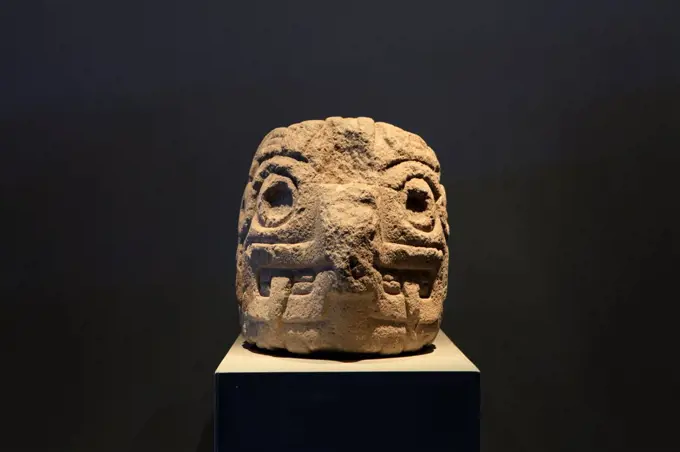
Granite mask. Aztec. 13-15th cent.
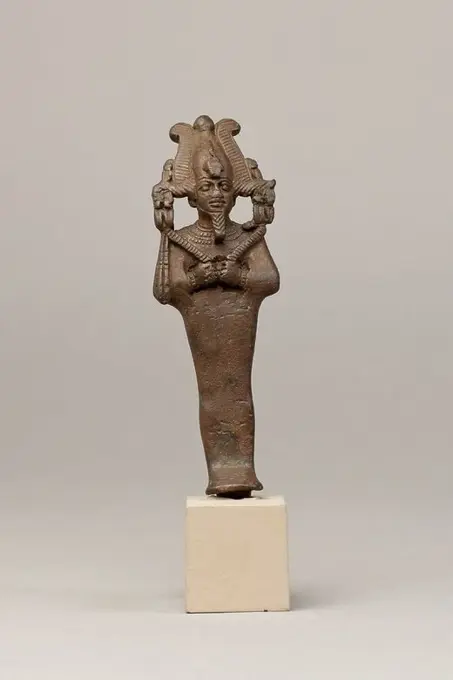
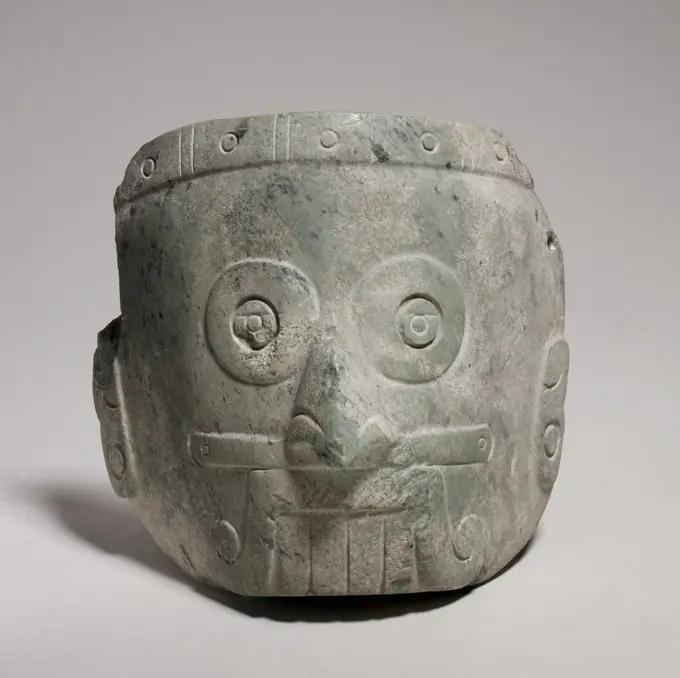
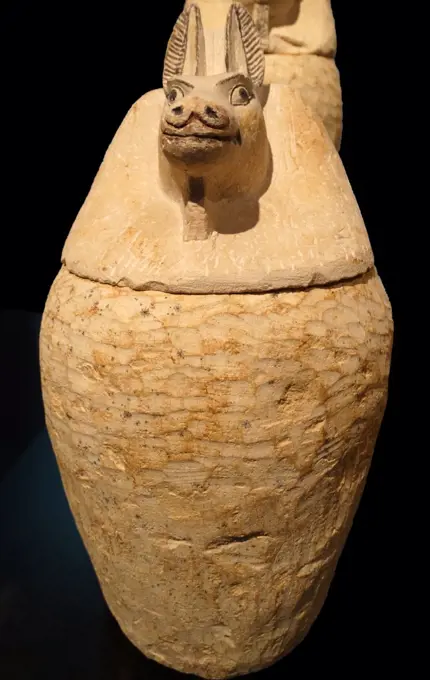
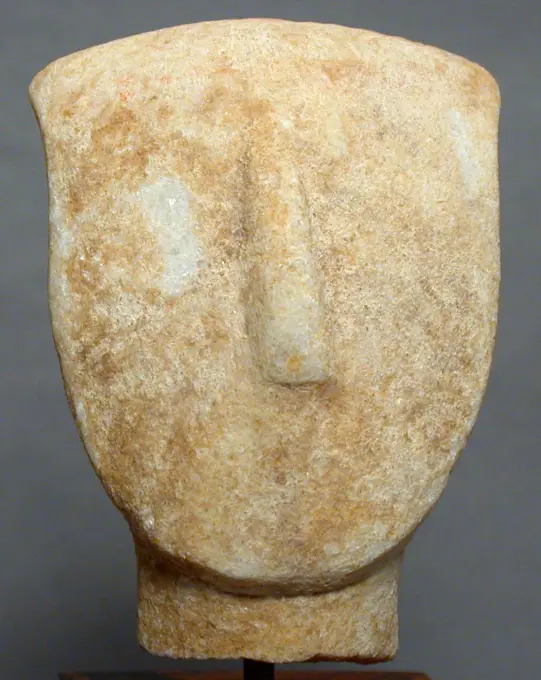
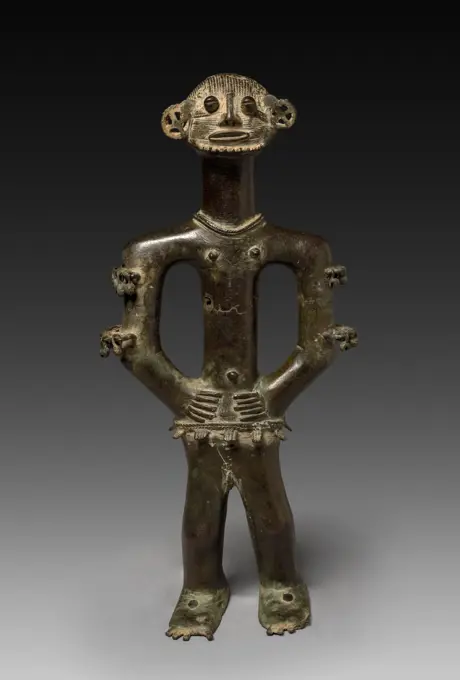
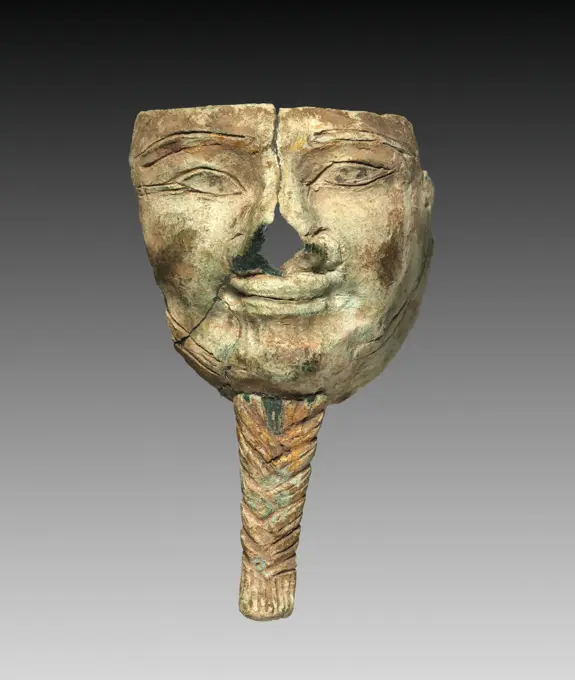
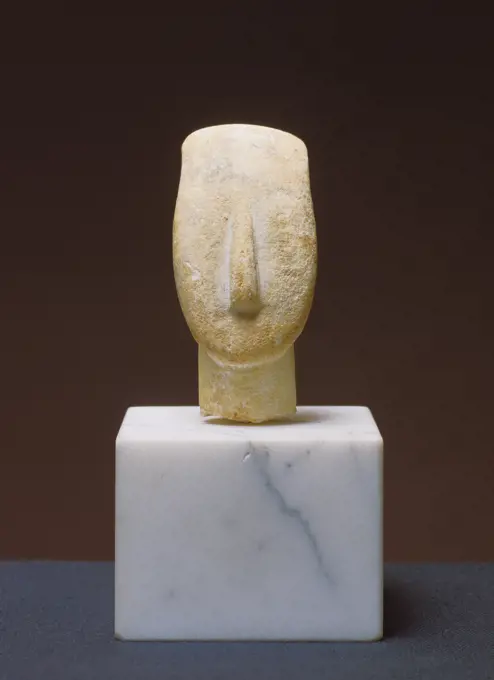
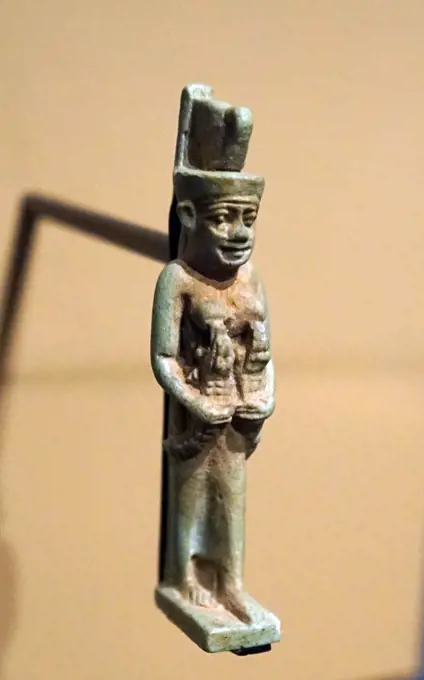
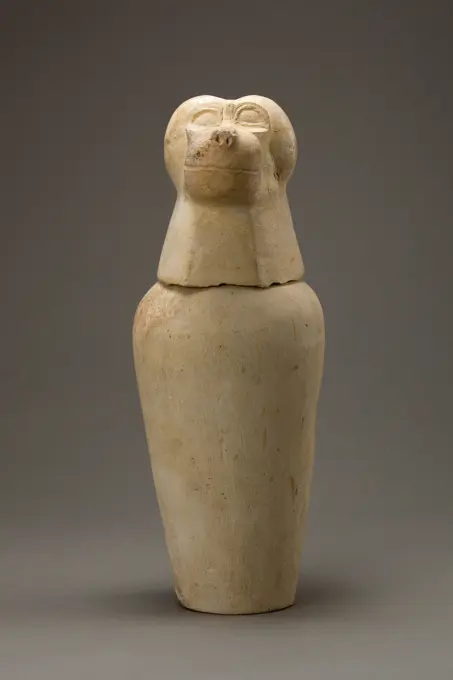
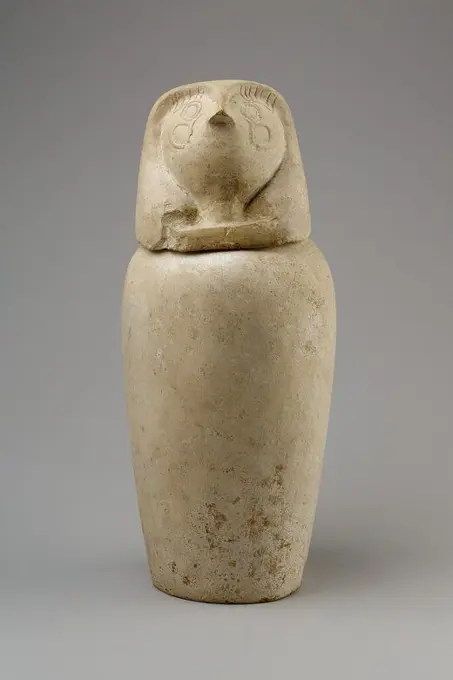
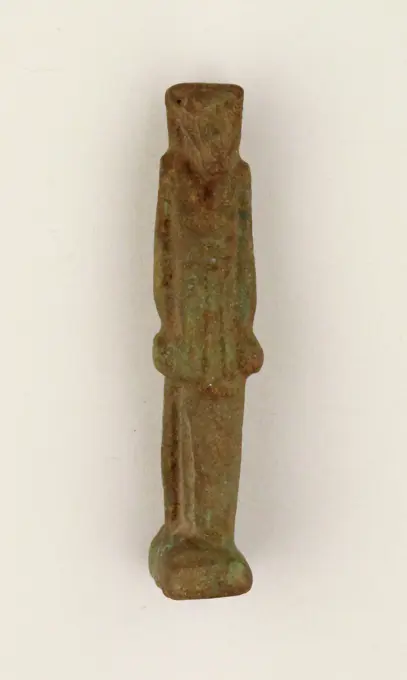
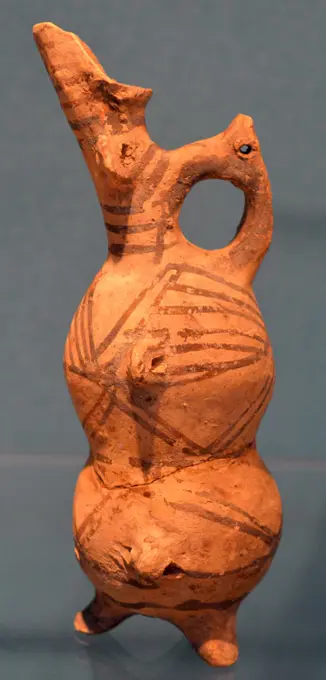
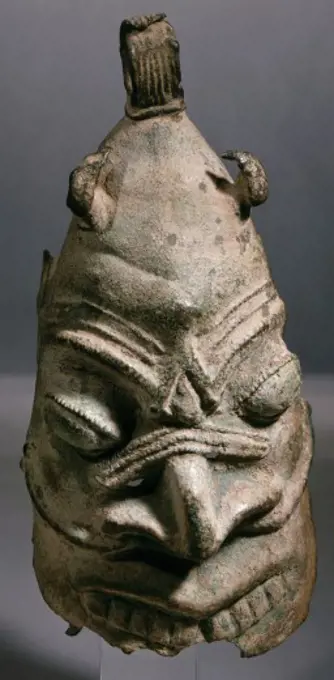
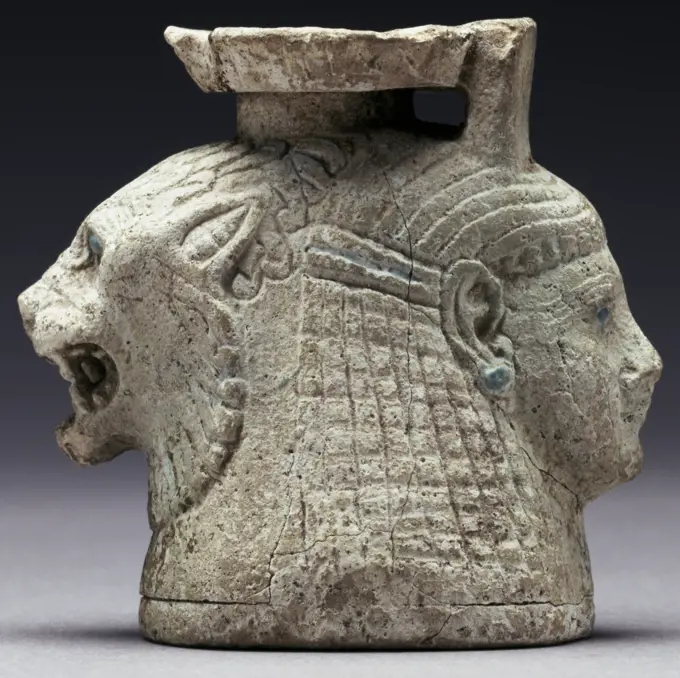
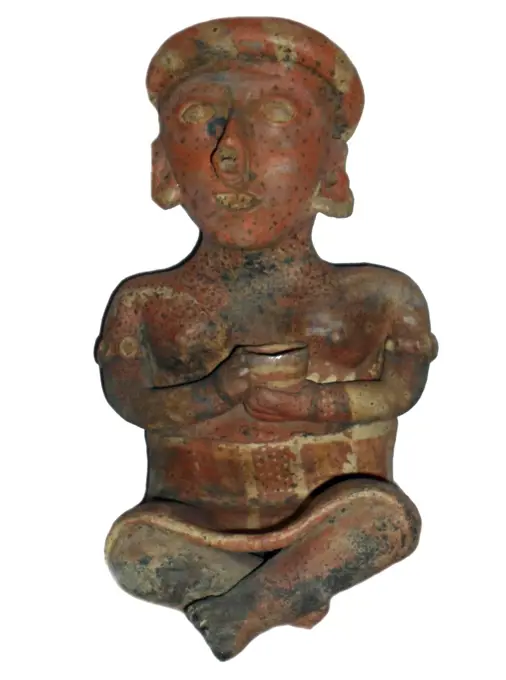
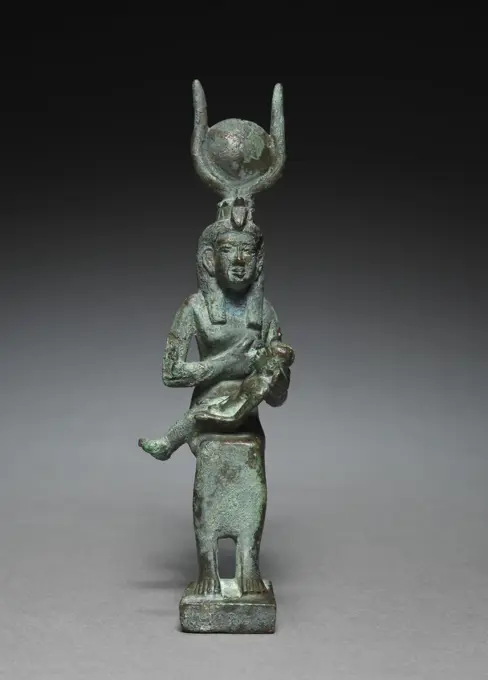
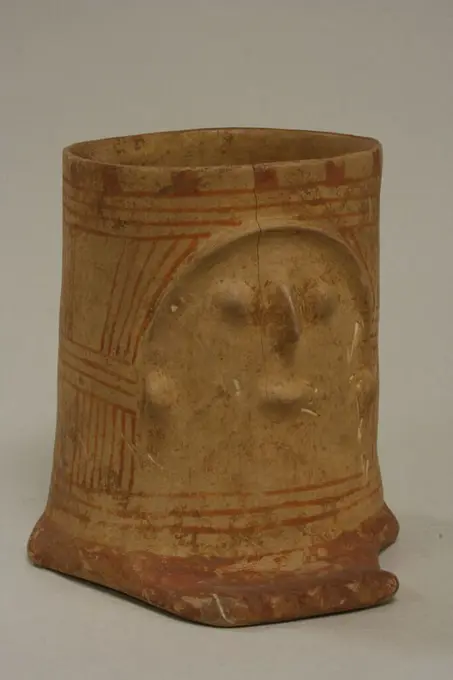
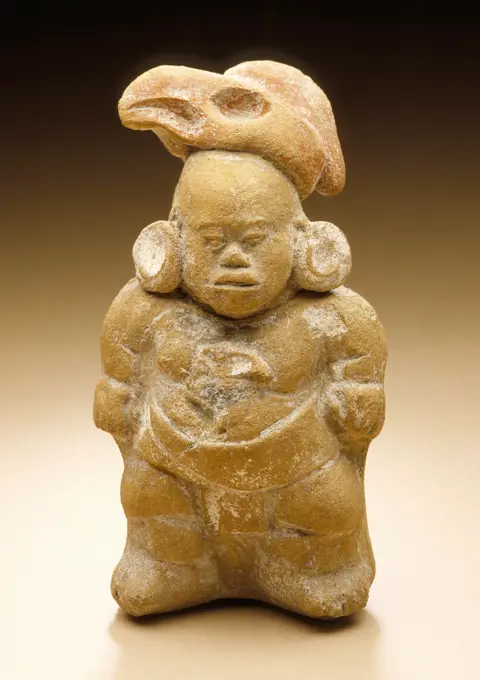
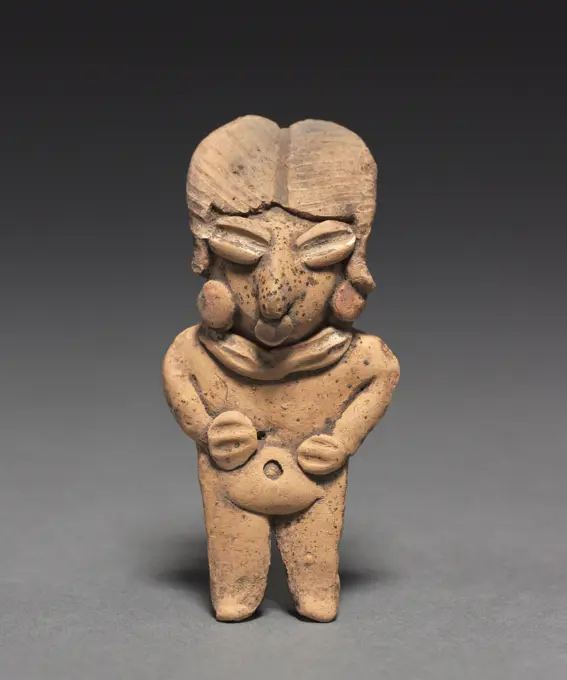
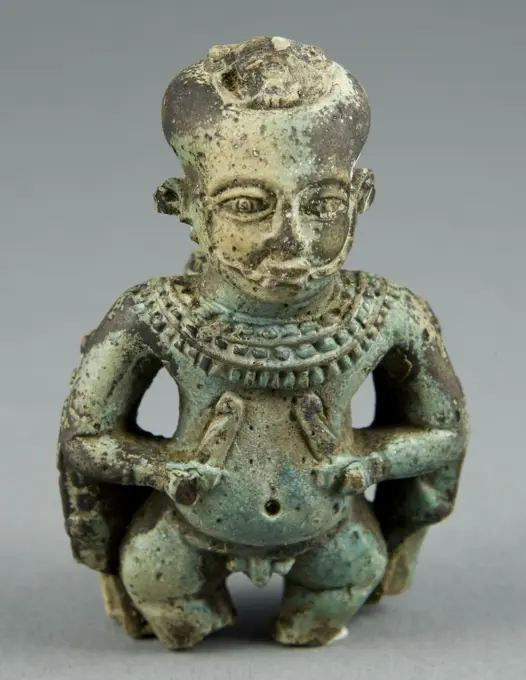
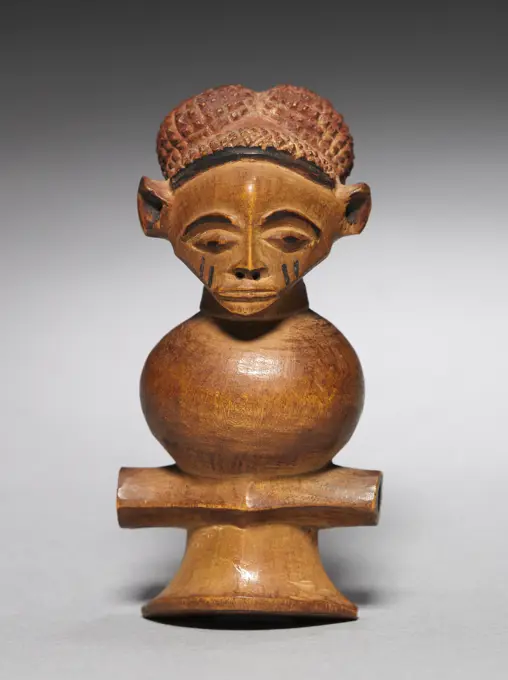
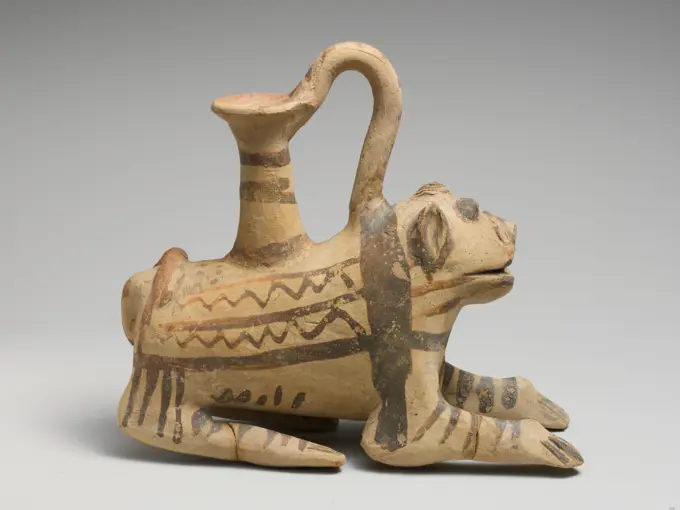
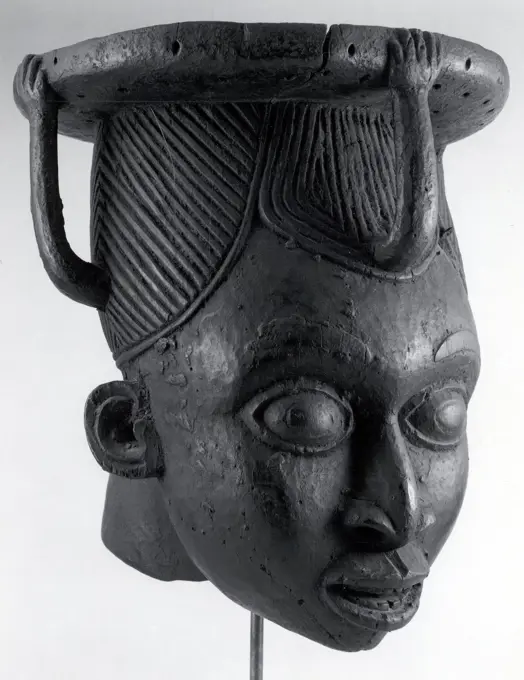
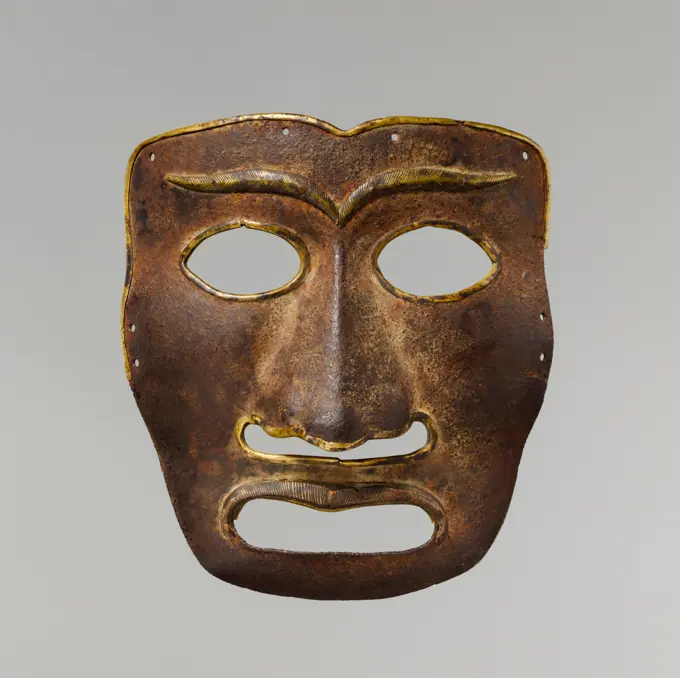
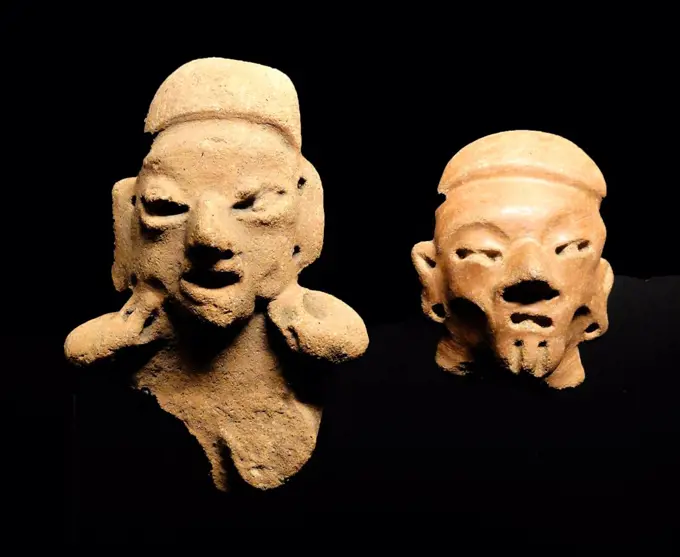
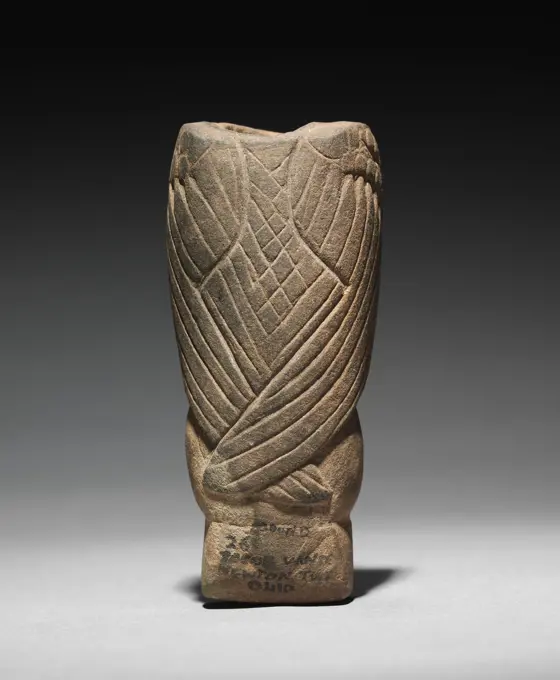
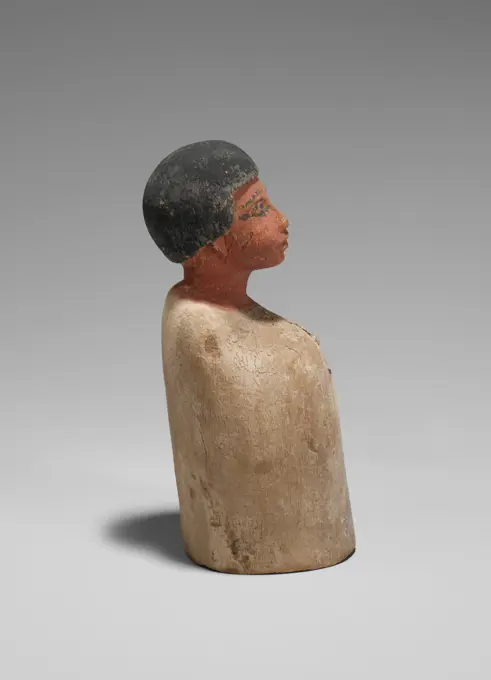
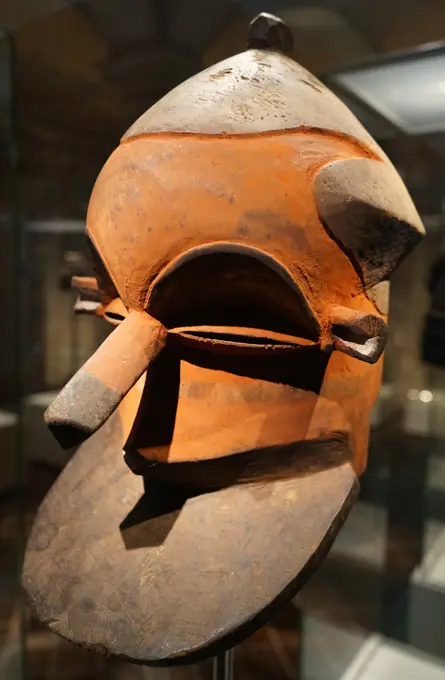
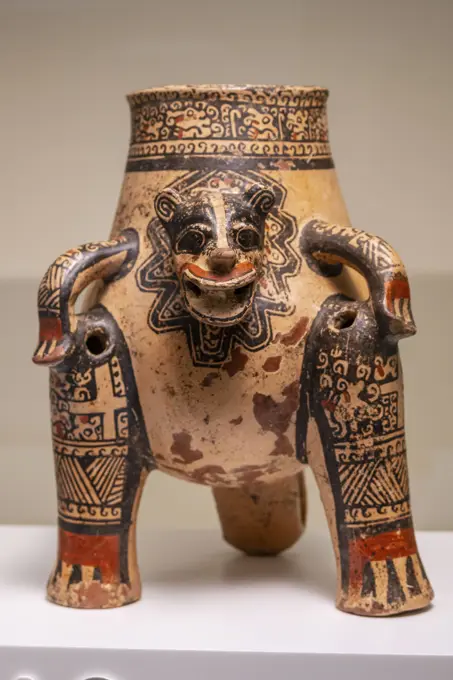
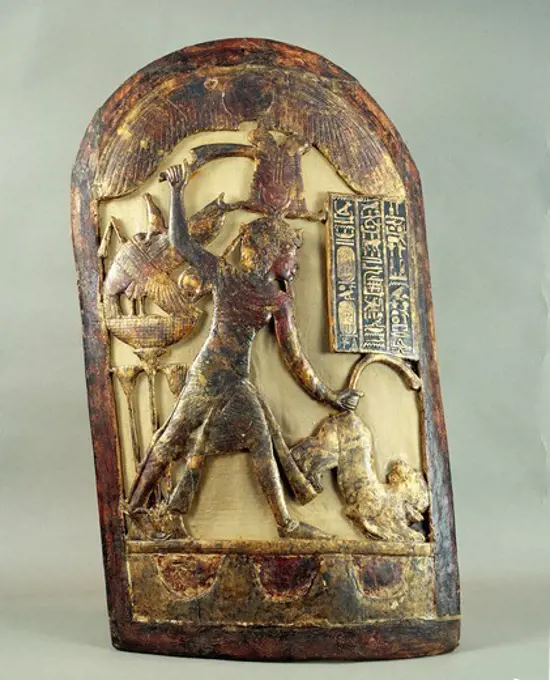
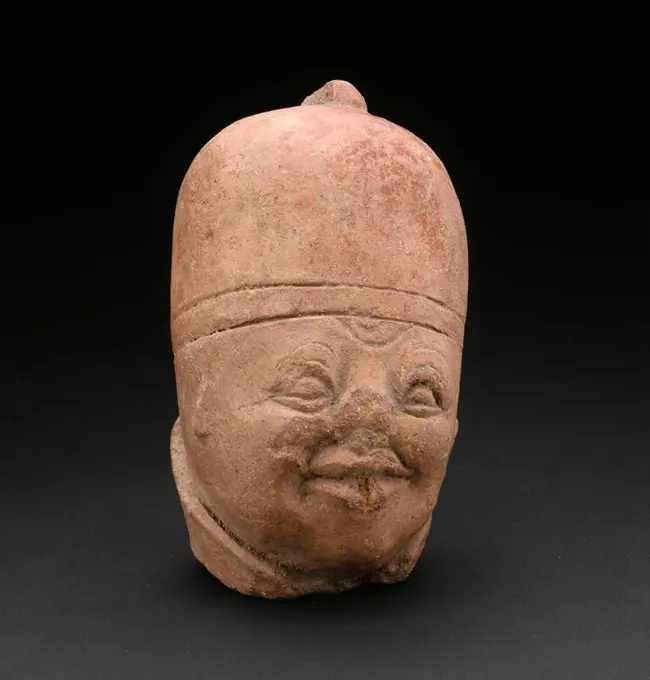
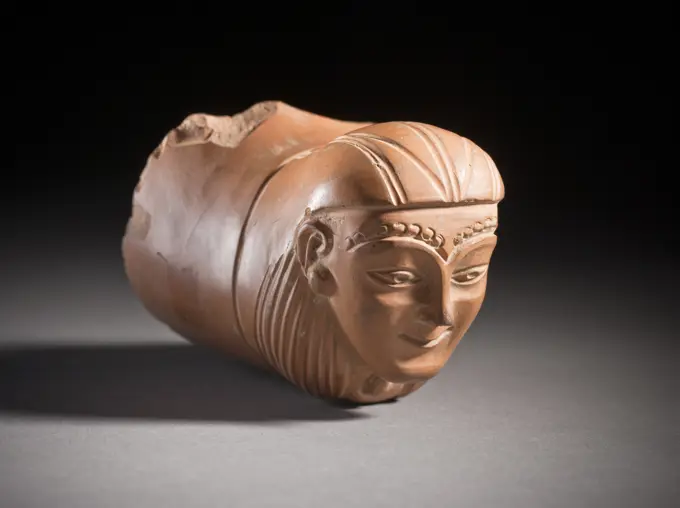
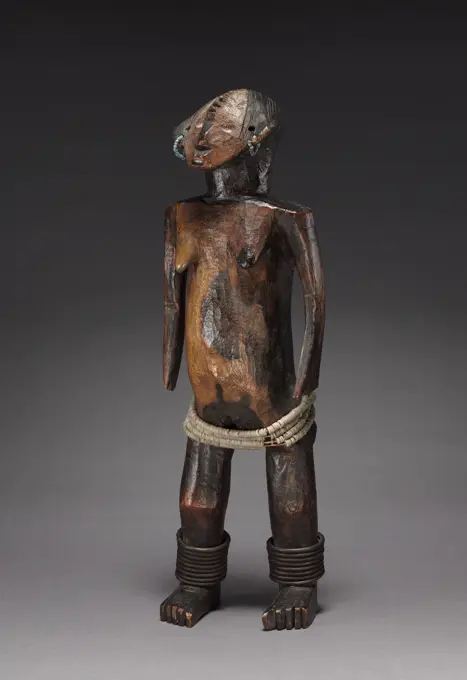
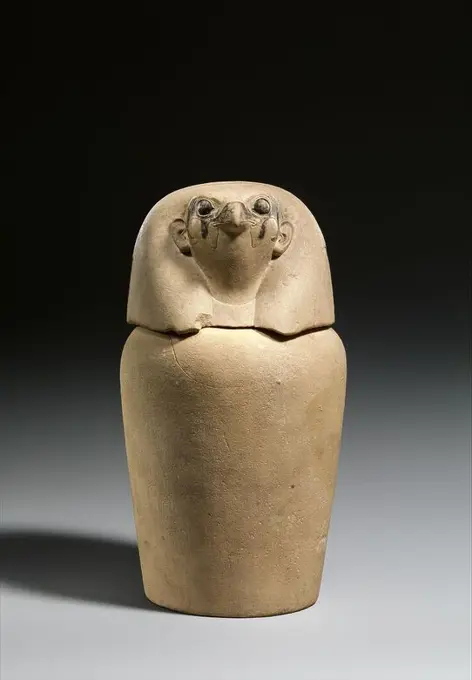
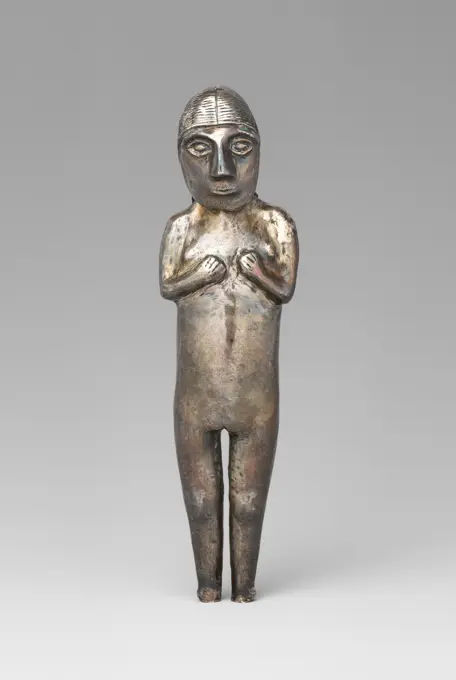
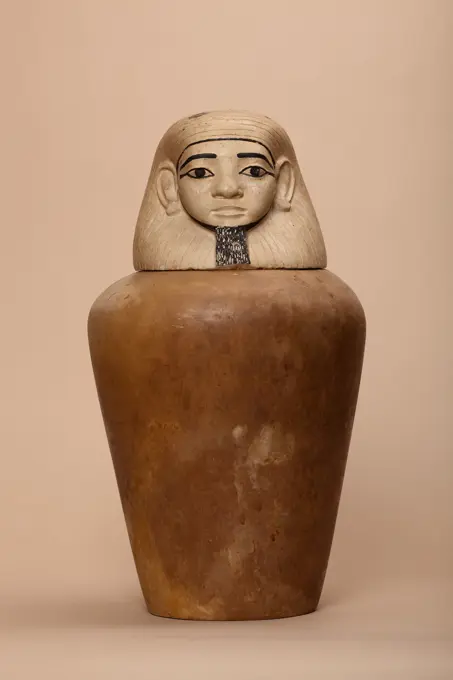
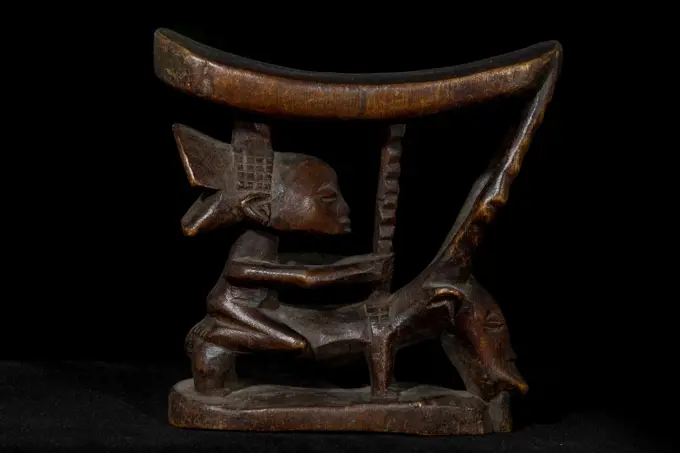
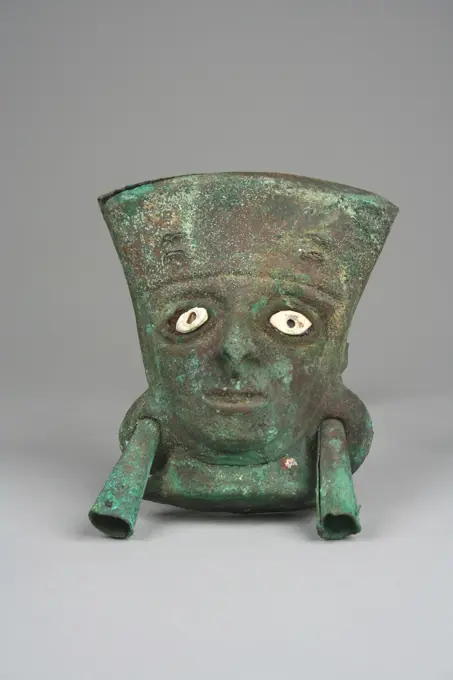
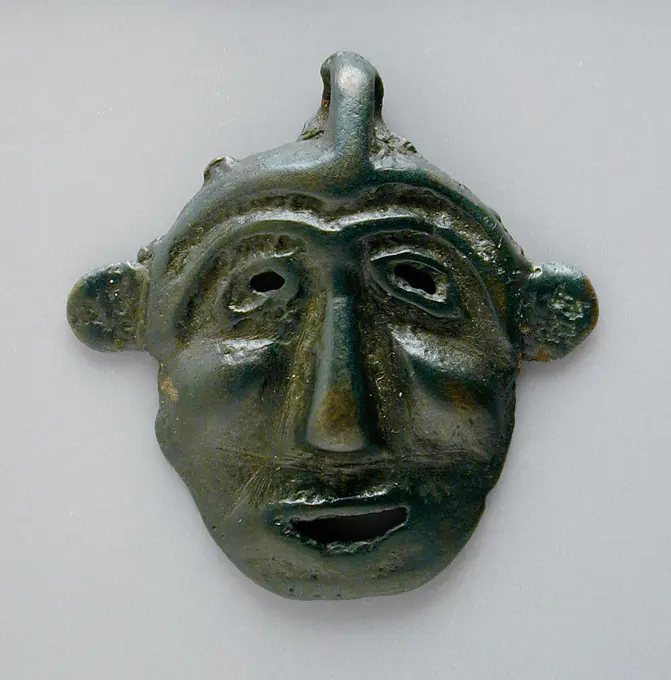
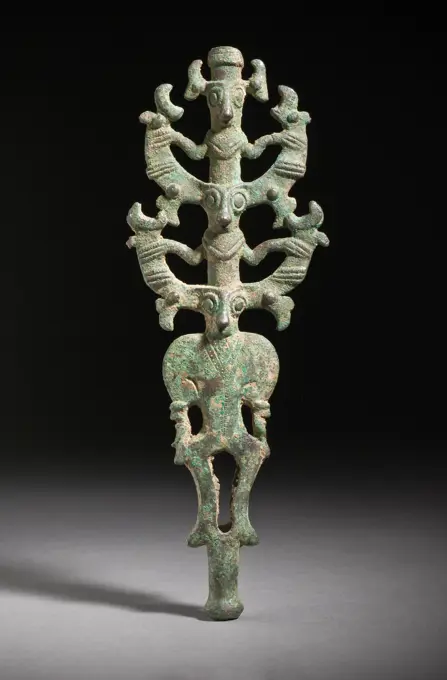
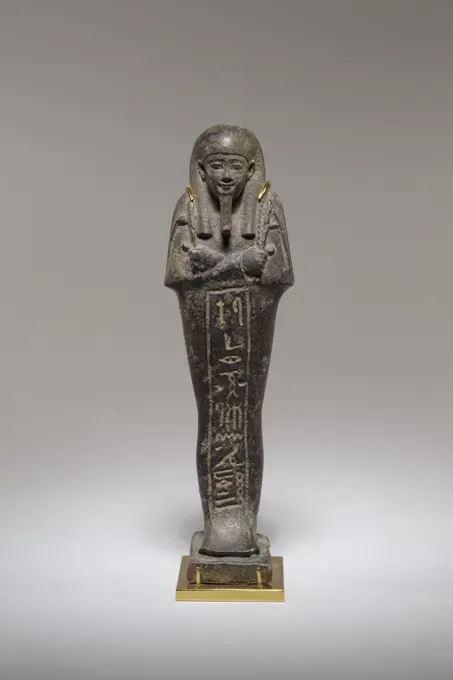
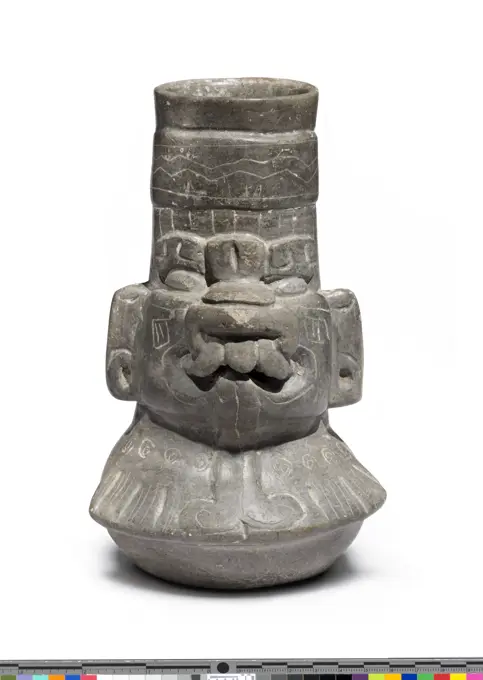
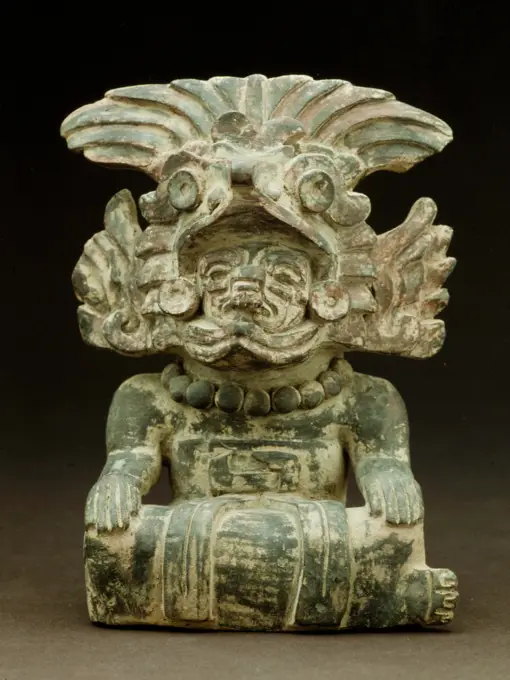
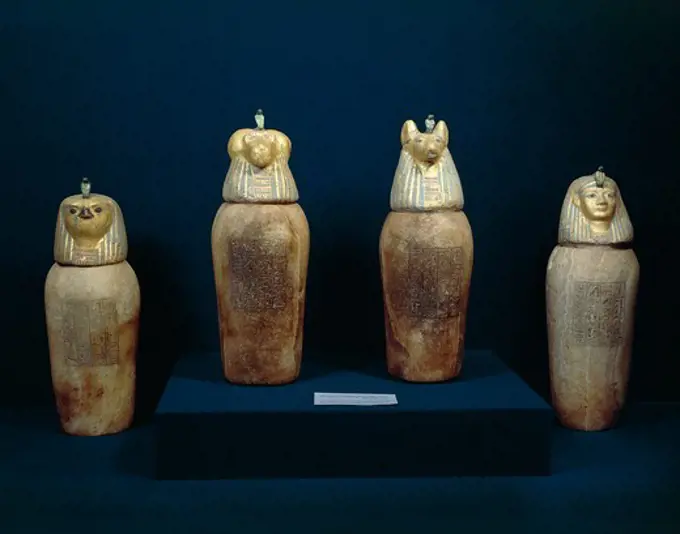
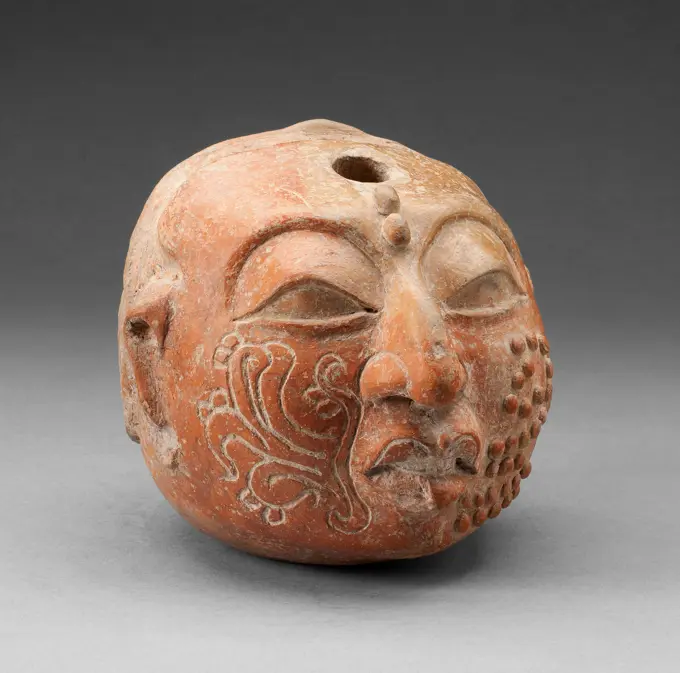
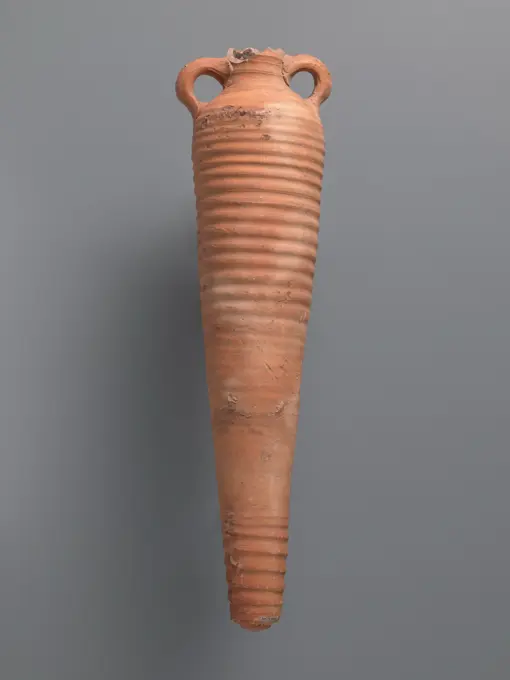
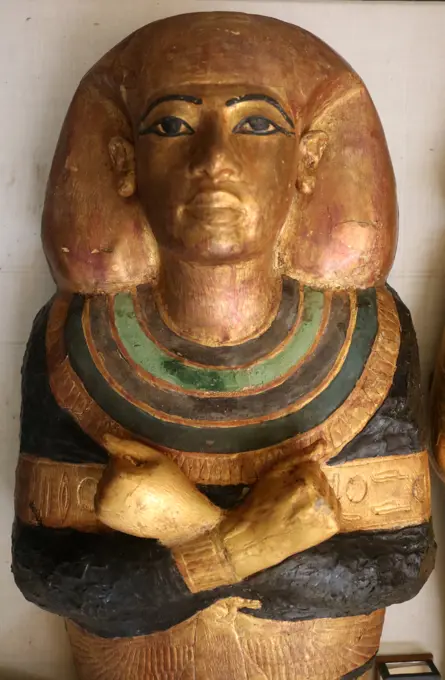
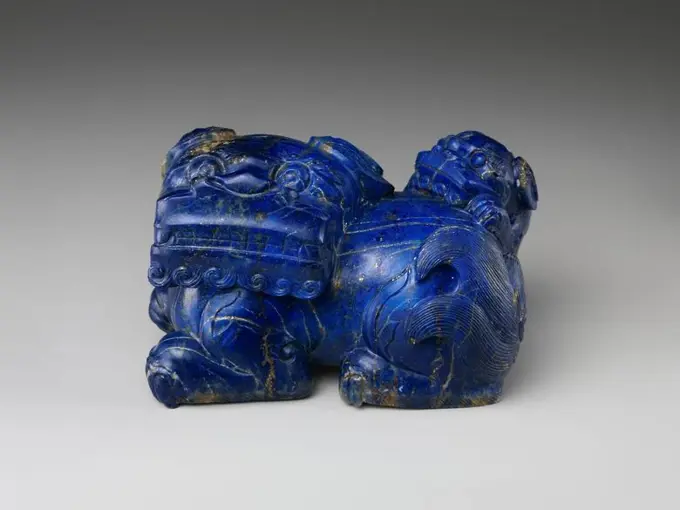
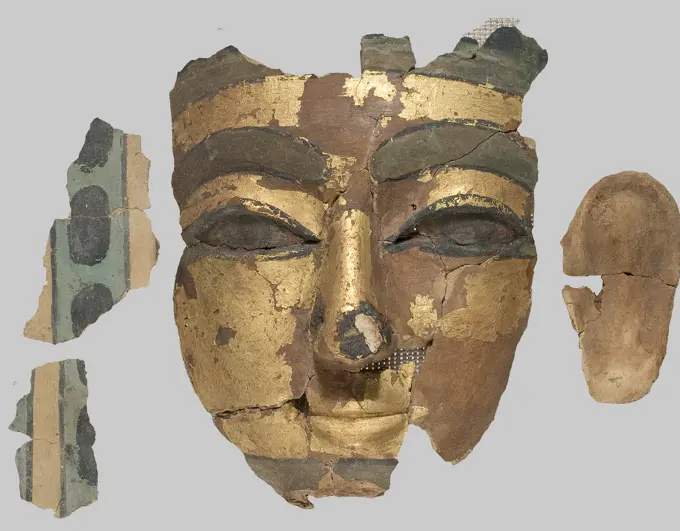
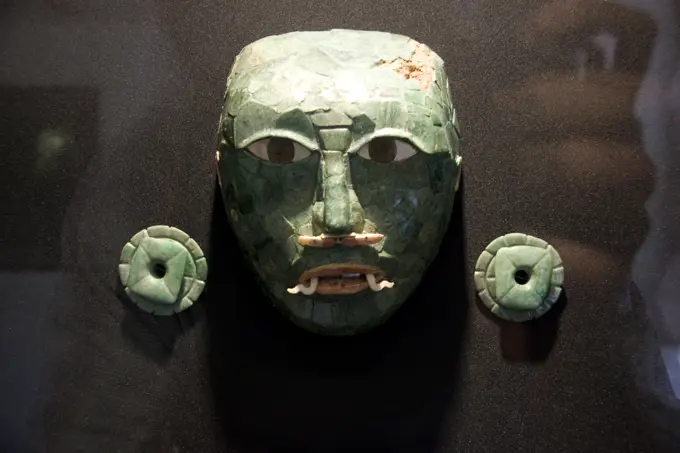
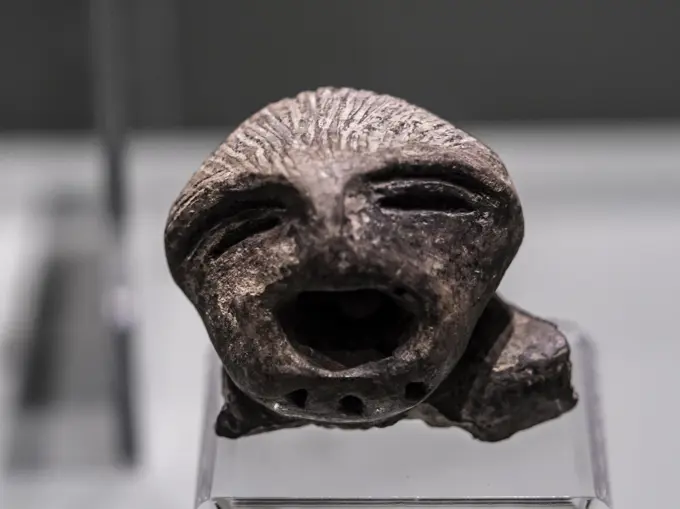
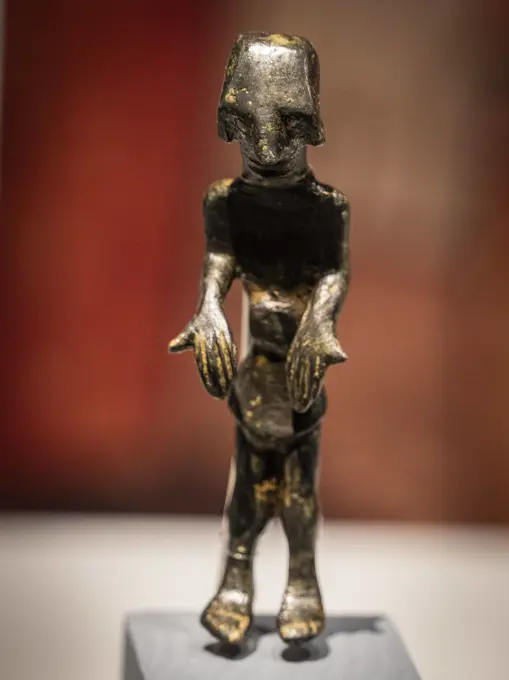
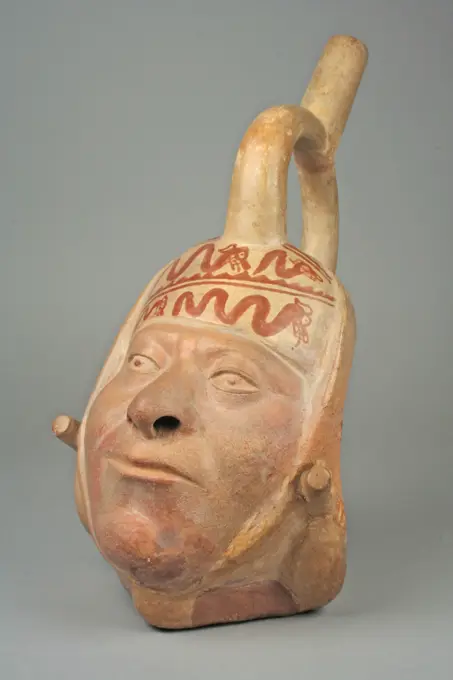
Stirrup Spout Bottle with Modeled Head 3rd-5th century Moche. Stirrup Spout Bottle with Modeled Head 308528Amulet - Toeris;  664-332 BC ; Half period (-664-00-00--332-00-00);Egyptian deitiesOsiris. Dimensions: H. 9.7 cm (3 13/16 in.); W. 3.5 cm (1 3/8 in.); D. 3 cm (1 3/16 in.)H. (with tang): 11.5 cm (4 1/2 in.). Date: 664-30 BC.Osiris, foremost of the Egyptian funerary gods and ruler of the underworld, stands upright and wears one of the most elaborate versions of his atef crown, complete with a uraeus on either side of the feathers and ram horns. Further uraei (two pairs) hang beneath the horns on each side. The beard is attached with a chin strap. The god is dressed in a close-fitting enveloping garment that conforms to his arms and shoulders. He holds the royal crook and flail with his hands poised symmetrically with the fists touching. The area around the hands is roughly carved, but the details of the crown, beard, broad collar and streamer, attributes, and bracelets are well defined.Osiris statuettes such as this one were some of the most abundant temple offerings in Egypt by the first millennium B.C., reflecting both the god's importance and changing cult practFragment maski sarkofagu. unknown, authorHead from a Figurine of a Female 1301-1500 Eastern Java. Terracotta .Terracotta head-shaped flask ca. 80-1 B.C. Greek, probably Cypriot The glossy red pigment covering the surface of this handle flask identifies it as an example of Magenta ware. The combination of the mold-made face, wheel-thrown neck, and hand-formed back and base, is also characteristic of this class of pottery. Although Magenta ware was made throughout the Mediterranean world, handled flasks in the shape of human heads have been most commonly found on Cyprus.. Terracotta head-shaped flask 240128Granite mask. Aztec. 13-15th cent.Sarcophagus. Egypt, circa 500 BCE. Furnishings; Accessories. WoodRain God Mask 13th-14th century Mixtec Many peoples in ancient Mexico made masks of different types and in a variety of materials. Some depict idealized human faces, others animals or supernatural beings. How the masks functioned is not always clear. Only a few have been discovered in archaeological contexts and life-uses are hard to make out. Face-size examples with holes for eyes and mouth were presumably worn in processions or on ceremonial occasions. Masks with no such openings may have been laid upon the dead; or they might have been tied to statuary or deity bundles, as the holes on the sides of the forehead of this mask suggest. Still others are small enough to be worn as pendants or as part of headdresses. This mask, carved from a light green serpentine, depicts the rain god Tlaloc with the characteristic ringed eyes, prominent teeth, and a mouth with an upper lip-moustache that curls on each side. He also wears a nose bar in the nasal septum.. Rain God Mask. Mixtec. 13th-14th TrophySkull.  Artist: UnknownShabti of Mose ca. 1279-1213 B.C. New Kingdom, Ramesside This shabti is inscribed for a woman named Mose, a relation of Sennedjem. Other objects in the collection that were discovered in the same tomb can be viewed here.. Shabti of Mose 551125Anthropomorphic vase. ca.  800. Mixtec art. Terra-cotta. MEXICO. FEDERAL DISTRICT. Mexico City. National Museum of Anthropology.Standing Male FigureSouth America, Peru, Ancash, Chavin de Huantar. A Chavin head on display in the Chavin National MuseumAncient Egyptian funerary urn or Canopic jar 26th Dynasty, 664-525 BCHead and neck of a marble figure 2700-2300 B.C. Cycladic Little is known about the role and meaning of these figures in Cycladic culture. Although they have been found almost exclusively in graves and placed on their backs, it is not clear whether they were made specifically for burials. Examples found in settlements and sanctuaries may have been held upright in social or religious activities, such as processions. As the majority of these figures are female, they are probably linked with the idea of fertility and reproduction.. Head and neck of a marble figure 330001Male figure, probably 1800s. Africa, West Africa, Nigeria, Benue River Valley, Unidentified maker. Copper alloy; height: 44.7 cm (17 5/8 in.). Realized in a very distinctive style using the lost-wax method, this figures cultural origin and function is limited because it was removed from Nigeria during that countrys turbulent civil war of the late 1960s. Perhaps it was once part of an altar or shrine dedicated to a guardian or tutelary spirit. Connotations of prestige and wealth may explain why copper-alloy objects were diffused across vast territory and inherited over many generations.Mask, 332 BC-AD395. Egypt, probably Greco-Roman Period. Wax; overall: 10.7 x 6.7 x 3.5 cm (4 3/16 x 2 5/8 x 1 3/8 in.).Head Fragment from a Cycladic Figure (Spedos Variety); Cyclades, Greece; about 2800 - 2200 B.C; Marble; 8.9 cm (3 1,2 in.)Amulet - the main Soko in Koluczne;  332-30 BC ; Ptolemean period (-332-00-00--30-00-00);The art collection of ancient Egypt, Tyszkiewicz, Michał (1828-1897) - collections, Zachęta, Dar, Kolumienka (Amulet), Sokół (Amulet)Amulet of Min. Dimensions: H. 4.1 cm (1 5/8 in.); W. 1.2 cm 1/2 in.); D. 1 cm (3/8 in.). Date: 664-30 B.C.. Museum: Metropolitan Museum of Art, New York, USA.Amulet of the goddess Neith, the mother goddess, also known as 'Nurse of Crocodiles' from Egypt. Dated 7th Century BCFigure of baboon on a basket and with a pillar, the shebet offering 664-332 B.C. Late Period. Figure of baboon on a basket and with a pillar, the shebet offering 550937Canopic jar ca. 712-664 B.C. Third Intermediate Period A set of four canopic jars was an important element of the burial in most periods of Ancient Egyptian history. Canopic jars were containers in which the separately mummified organs would be placed. The best known versions of these jars have lids in the shape of the heads of protective deities called the four Sons of Horus. The human-headed Imsety was the guardian of the liver; the baboon-headed Hapy looked after the lungs; the jackal-headed Duamutef was responsible for the stomach; and the falcon-headed Qebehsenuef cared for the intestines.The lid of the jar here is removable, but the cavity is not large enough to hold an organ. The "dummy" jar dates to a period during which the internal organs were mummified and then placed back into the mummy, but canopic jars continued to be included as part of the burial equipment in order to ensure the protection of the four Sons of Horus.Canopic jars from two different burials were found in tFigure, 4 1/2 x 1 15/16 x 1 3/8 in. (11.43 x 4.92 x 3.49 cm), Stone, Sierra LeoneCanopic jar with falcon head (Qebehsenuef). Dimensions: Jar: H. 25.5 cm (10 1/16 in.); d. 17.3 cm (6 13/16 in.); diam. of mouth 8 cm (3 1/8 in.); diam. of base 10.5 cm (4 1/8 in.); circ. 47 cm (18 1/2 in); Lid: H. 13 cm (5 1/8 in.); diam. 12.4 cm (4 7/8 in.); diam. of foot 6.5 cm (2 9/16 in.); Jar with Lid: H. 35.5 cm (14 in.); diam. 14.7 cm (5 13/16 in.). Date: ca. 800-650 BC.This canopic is part of a set (13.180.1--.4) found in a Ptolemaic cemetery at Thebes. Use of canopics had gone out of fashion at that period, however, so these are certainly reused. Their style suggests they were originally created in the late Third Intermediate Period. Museum: Metropolitan Museum of Art, New York, USA.Drum Element: Head 19th century Bamileke peoples, Bansoa. Drum Element: Head 312520Palma in the Shape of aQuetzal. Artist: UnknownAmulet, Khnum. Amulet, Khnum. Clay, glazed. Gold and SilverBronze age red pottery from Cyprus, circa 1900-1600 BCSacrificer, 400-1000. Bolivia, Peru or Chile, Southern Highlands, early Tiwanaku style, 400-1000. Carved bone; overall: 5.1 cm (2 in.).Head with HeaddressMask, 11 x 7 7/8 x 4 1/2 in. (27.9 x 20 x 11.4 cm), Wood, pigment, brass tacks, Democratic Republic of the CongoAmulet of the God Harpocrates (Squatting) 332 BCE-395 CE Egypt. Glazed steatite . Ancient Egyptianfine arts, Africa, Benin, sculpture, part of a head, bronze, 16th century, Stolper Galleries, Munich,Headless Anthropomorphic Pendant 4th-7th century Central Region. Headless Anthropomorphic Pendant. Central Region. 4th-7th century. Jadeite. Costa Rica, Central RegionHead of a Buddha image, anonymous, 1600 - 1699 Fragment (head) of Buddha with crown. Thailand bronze (metal) Fragment (head) of Buddha with crown. Thailand bronze (metal)Oil Container with the Heads of a Lion and a Woman; Rhodes, Greece; mid-6th century B.C; Faience; 5.6 × 6 × 4 cm (2 3,16 × 2 3,8 × 1 9,16 in.)Clay figurine used as a grave gift. Buried with the dead according to status to accompany the final journey. Clay, Nayarit Culture, Mexico, 100-900 ADStatuette of Isis and Horus, 305-30 BC. Egypt, Greco-Roman Period, probably Ptolemaic Dynasty. Bronze, solid cast; overall: 4.8 x 10.3 cm (1 7/8 x 4 1/16 in.); with tang: 19.2 cm (7 9/16 in.); without tang: 17 cm (6 11/16 in.).Ceramic Foot Vessel. Culture: Mexico (). Dimensions: H. 4 15/16 x W. 4 5/16 x D. 5 11/16 in. (12.6 x 11 x 14.4 cm). Date: before 16th century. Museum: Metropolitan Museum of Art, New York, USA.Dwarf Figurine Whistle. Mexico, Yucatan Peninsula, Campeche, probably Jaina Island, Maya, 600-800 CE. Ceramics. Ceramic with red and white pigmentMale Figurine, 400-100 BC. Mexico, Guanajuato, Chupícuaro. Pottery with white and red pigment; overall: 8.9 x 4.2 x 2 cm (3 1/2 x 1 5/8 x 13/16 in.).Beaker 5th-7th century Nasca. Beaker 308574Native Indian carved anthropomorphic object; Bone. decorated, Eskimo, (Inuit). Canada 1909Amulet of Pataikos 1069 BCE-664 BCE Egypt. Faience . Ancient EgyptianWhistle (kasengosengo), before 1915. Central Africa, Democratic Republic of the Congo, Pende, early 20th century. Wood; overall: 9.6 x 4.8 cm (3 3/4 x 1 7/8 in.).Standing Stone Figure 5th century B.C.-A.D. 4th century Bahia. Standing Stone Figure 313561Face Mask Ornament 6th-7th century Moche (Loma Negra). Face Mask Ornament 314341Terracotta askos (vessel) in the form of a lion 1200-1050 B.C. Cypriot Animal-shaped vase in the form of a lion with a spout and handle.. Terracotta askos (vessel) in the form of a lion. Cypriot. 1200-1050 B.C.. Terracotta. Late Cypriot IIIB. VasesHelmet Mask 1830-55 Kom kingdom, Laiko. Helmet Mask 310248War Mask 12th-14th century Mongolian or Tibetan Masks for use in ritual dances and other ceremonies are well known in Tibet and Mongolia, and were made from papier-mché, leather, or gilt copper. This mask is exceptionally rare, however, because it was made of iron for use in battle, and is one of only two known masks of this type with distinctly Mongolian or Tibetan features. Bronze and silver war masks were used during the Roman Empire and in the Ancient Near East. Iron war masks dating from the 10th to 13th century are known from southern Ukraine and Russia, from Iran during the 13th century to the 16th century, and Japan, where they were worn by Samurai warriors from the 15th to the 19th century. This example provides a unique Central Asian link in the use of war masks from the western steppes of Europe to the eastern edges of Asia.. War Mask. Mongolian or Tibetan. 12th-14th century. Iron, copper alloy. Armor Parts-MasksOlmec figurines, made from terracotta. From Mexico or Guatemala. 1500-600 BCBird Effigy Pipe, c 500 bc. America, North American Indian, Adena Mound, Ohio Mound Builders, Pre-Contact. Sandstone; overall: 6.6 x 2.5 x 2.5 cm (2 5/8 x 1 x 1 in.).Figure from a model boat ca. 1981-1640 B.C. Middle Kingdom. Figure from a model boat 546320Wood and Kaolinite Royal mask from Qaasuitsup municipality in north-western Greenland. Dated 19th CenturyKipoko Helmet mask, Democratic Republic of Congo;Dreibeinige Vase mit moderater Katze Tripod vase with moderate feline, great Nicoya, polychrome Pataki style, Nicaragua 11400 AD, polychrome ceramic, MuEC, Barcelona, Catalonia, Spain LicenseRF Copyright: xZoonar.com/Tolox 23171291Ceremonial shield with scene of feline hunting, from Treasure of TutankhamenApotropaic mask from Tharros, Sardinia Region, Italy, 6th century B.C.Head from a Figurine of a Chinese Dignitary. Indonesia; Eastern Java. Date: 1301-1500. Dimensions: 10.7 × 6.3 × 8 cm (4 3/16 × 2 1/2 × 3 1/8 in.). Terracotta. Origin: Eastern Java. Museum: The Chicago Art Institute, Chicago, USA.Fragment of a Female Head. Eastern Mediterranean, circa 1000-500 B.C.. Sculpture. CeramicFemale Figure of a Pair, late 1800s-early 1900s. Africa, Central Africa, Democratic Republic of Congo, probably Ngbandi-style carver. Wood, iron alloy, glass beads, plant fiber, and cloth; overall: 41 x 13 x 11.5 cm (16 1/8 x 5 1/8 x 4 1/2 in.).Shabti of Djedhor Late Period-Ptolemaic Period ca. 360-300 BC View more. Shabti of Djedhor. ca. 360-300 BC. Faience. Late Period-Ptolemaic Period. From Egypt, Northern Upper Egypt, Abydos, Cemetery G, Petrie Tomb 50 (Djedhor), Egypt Exploration Fund excavations. Dynasty 30 or laterescultura antropomorfa, museo de la plaza central, Chichicastenango ,municipio del departamento de El Quiché, Guatemala, Central America.Waterbird Vessel. Mexico, Colima, 200 BCE-500 CE. Ceramics. Slip-painted ceramicMask (murua). Papua New Guinea, New Ireland, circa 1890. Jewelry and Adornments; masks. Wood, sea sponge, snail opercula, and pigmentMask 1st century B.C.-A.D. 7th century Moche. Mask 310691Pre-Inca era. Valdivia culture. Ecuador 3500-1800 BC. Ceramic female figurine. Museum of Cultures of the World. Spain.Canopic Jar Representing the Deity Qebehsenuef. Dimensions: H. 26.5 cm (10 7/16 in); Diam. 14.5 cm (5 11/16 in). Dynasty: Dynasty 18-20. Date: ca. 1550-1070 B.C..Canopic jars were made to hold the internal organs that were removed during mummification. This canopic jar, with its falcon-headed lid, probably held the intestines and was under the protection of the god Qebehsenuef, one of the Four Sons of Horus. The other three jars of the set are 12.183.1a, b,d. Museum: Metropolitan Museum of Art, New York, USA.Calcite sculpture of an Ocelot as an offering vessel. Teotihuacan culture 150-750 AD. Mexico. Pre-Columbian Mesoamerican MythologyFemale Figurine 1400-1533 Inca This figurine is hollow and originally was comprised of five pieces of relatively pure silver sheet joined by metallurgical means. Similar to other Inca female figurines in terms of its appearance and design, it depicts a standing woman with hair pulled back and arms drawn to the chest. The figurine was likely deposited as an Inca offering, and may have been dressed in textiles fastened with tupus (pins), whether as part of the ritual practice of capac hucha, or as another form of Inca dedication of/to huacas, sacred beings that included points in the natural landscape (Bray 2009; Cruz 2007). These female anthropomorphic figurines may be fabricated in metal or in the shell Spondylus spp. One such figurine of Spondylus princeps was deposited in an Inca offering in Unit 16, Platform 1 of the Moche site of Huaca de la Luna, where it was wrapped in three separate textiles, an aksu, lliclla, and faja, tied with tupus, two of which are threaded on a cord from wStatuette of Imenytirry in long kilt ca. 1802-1640 B.C. Middle Kingdom. Statuette of Imenytirry in long kilt. ca. 1802-1640 B.C.. Serpentinite. Middle Kingdom. From Egypt, Memphite Region, Lisht North, cemetery south of pyramid south of House A1:4, Pit 898, MMA excavations, 1920-21. Dynasty 12-13Canopic jar of Nephthys ca. 1981-1802 B.C. Middle Kingdom This Middle Kingdom canopic jar belongs to a set of four (11.150.17b-e), which were used to contain the viscera removed from the body during mummification. These four jars belong very probably to the burial of a mayors daughter called Nephthys (for her mummy, see 11.150.15c, and for her two coffins, see 11.150.15a, b). In earlier periods, canopic jars had simple disc-shaped or hemispherical lids. In the late First Intermediate Period to early Middle Kingdom, however, lids in the form of human heads were introduced.. Canopic jar of Nephthys. ca. 1981-1802 B.C.. Indurated limestone, paint, linen. Middle Kingdom. From Egypt, Middle Egypt, Meir, Khashaba excavations, 1910-11. Dynasty 12Mask (tapuanu). Caroline Islands, Nomoi Islands (Mortlock Islands), Satoan Atoll (Satawan Atoll), circa 1885. Jewelry and Adornments; masks. Wood and pigmentAfrica,  Democratic Republic of the Congo, tribal art, anthropomorphic headrest, Luba peopleFace Mask Ornament 6th-7th century Moche (Loma Negra). Face Mask Ornament. Moche (Loma Negra). 6th-7th century. Gilded copper, shell. Peru. Metal-OrnamentsPendant. Inner Mongolia and southern Siberia, 5th-1st century B.C.. Jewelry and Adornments; pendants. Bronze, castStandard Finial. Iran, Luristan, Luristan bronzes, circa 1000-650 B.C.. Architecture; Architectural Elements. Bronze, castShabti of Wahibre, whose mother was Tahetret 664-525 B.C. Late Period Shabtis of Wahibre whose mother was Tahetret are known in numerous collections, The fine features and elements of their representation belong to a type that has been ascribed to a particular shabti workshop, although that workshop has not been localized.. Shabti of Wahibre, whose mother was Tahetret. 664-525 B.C.. Faience. Late Period. From Egypt; Said to be from Memphite Region, Memphis (Mit Rahina). Dynasty 26Pendant Plaque, c. 500-700. Mexico, Oaxaca, Zapotec, 6th-8th Century. Jade; overall: 15.1 x 7.3 x 0.7 cm (5 15/16 x 2 7/8 x 1/4 in.).Bottle with Cocijo (Rain Deity) Mask. Mexico, Monte Albán or vicinity, Zapotec, 200 BCE-100 CE. Ceramics. Slip-painted ceramicanthropomorphic head, classic, Santa María Nebaj, Museo de antropologia, departamento de El Quiché, Guatemala, Central America.Male head wearing a helmet. Culture: Cypriot. Dimensions: H. 5 13/16 in. (14.8 cm). Date: ca. 600 B.C..The head is handmade and hollow. He has a long, hooked and pointed nose, a prominent beard and prominently ridged eyebrows. He wears a high conical headdress with a pointed top. Museum: Metropolitan Museum of Art, New York, USA.Seated female figurine ca. 600-480 B.C. Cypriot The figurine is handmade and solid. The face is mold-made. The rudimentary chair has a high back.. Seated female figurine 241119Handle Spout Vessel in the Form of a Seated Man Carrying a Bag Made 100 BCE-500 CE North Coast. Ceramic and pigment . MochePortrait head jar, 11 1/2 x 5 7/8 x 4 1/2 in. (29.2 x 14.92 x 11.43 cm), Earthenware, PeruFunerary urn, 600-900, 7 3/4 x 5 1/2 in. (19.7 x 14.0 cm), Earthenware, pigment, Mexico, 7th-10th centuryTreasure of Tanis, four canopic jars of Psusennes I made of painted alabasterRitual Vessel in the Form of a Head 600 CE-900 CE Mexico. Ceramic . MayaVessel, amphora; Unknown ASUA SKI workshop; VI-VII century (501-00-00-700-00-00);Italy, Trentino-Alto Adige region, Engraved bone toolSmall gold statuette of the king wrapped in a piece of linen. Tutankhamun, commonly referred to as King Tut, was an ancient Egyptian pharaoh who was the last of his royal family to rule during the end of the 18th Dynasty during the New Kingdom of Egyptian historyLion and cub. Culture: China. Dimensions: H. 2 3/8 in. (6 cm); W. 3 7/8 in. (9.8 cm). Date: 18th century. Museum: Metropolitan Museum of Art, New York, USA.Mask ca. 1550-1295 B.C. New Kingdom. Mask. ca. 1550-1295 B.C.. Pottery, gold leaf. New Kingdom. From Egypt, Upper Egypt, Thebes, Dra Abu el-Naga, Carnarvon/Carter excavations, 1906-11. Dynasty 18An ancient mask displayed at a museum in Chiapas Mexico. The Campeche Regional Museum displays prehispanic antiquities.anthropomorphe Figur anthropomorphe Figur Copyright: xZoonar.com/TOLOxBALAGUERx 22682499Tunjos (Votive Offering Figurine), c. 900-1550. Colombia, Muisca style, 10th-16th century. Cast gold; overall: 10.3 x 2.7 x 0.8 cm (4 1/16 x 1 1/16 x 5/16 in.). Unlike the other gold ornaments made in the isthmian region, tunjos were not worn; instead, they served as offerings that were deposited in sacred places such as lagoons and caves. They often depict humans who hold something.bronze votive offering bronze votive offering, 4th-3rd centuries BC, archaeological museum of Seville, Andalusia, Spain Copyright: xZoonar.com/Tolox 21720805Eskimo wooden masks, Nuuk Museum, Greenland