Ancient Artifacts

A range of ancient artifacts including a Moche stirrup spout bottle, Egyptian deities, and terracotta figurines, showcasing historical craftsmanship.

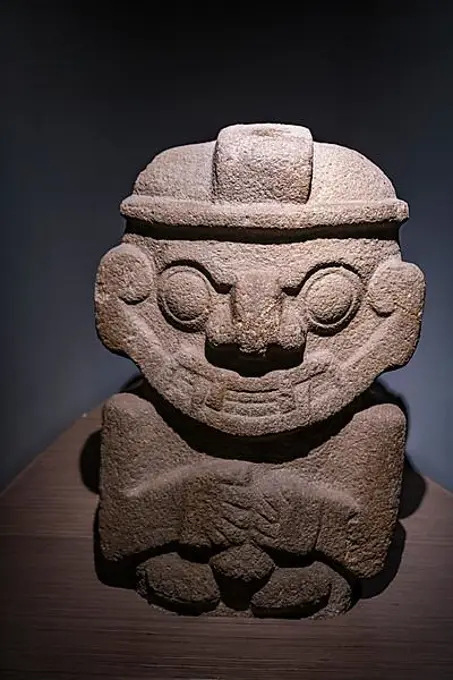
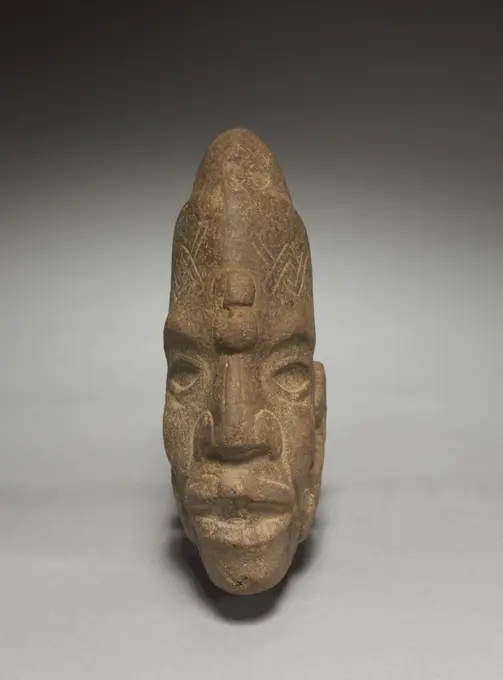
Granite mask. Aztec. 13-15th cent.
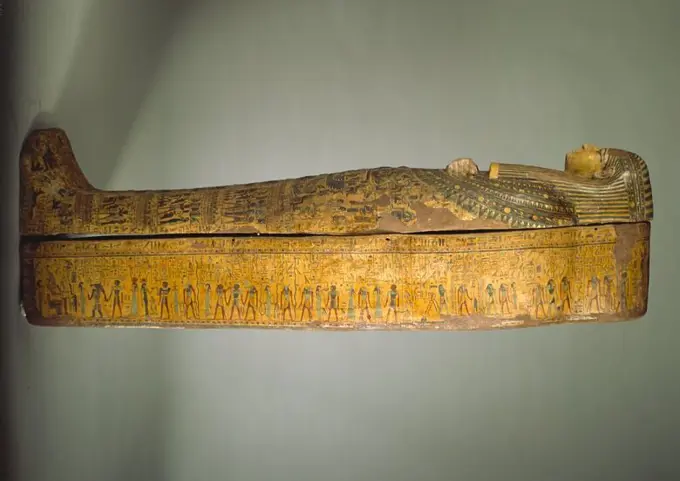
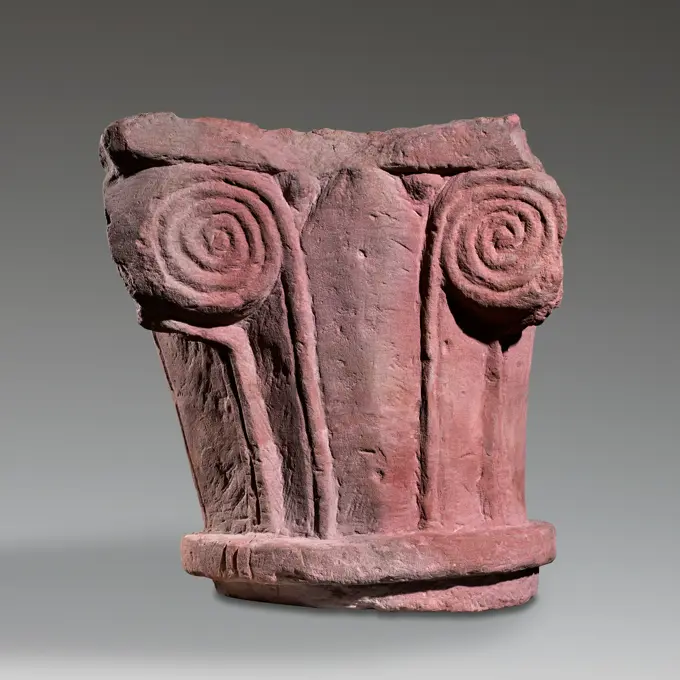
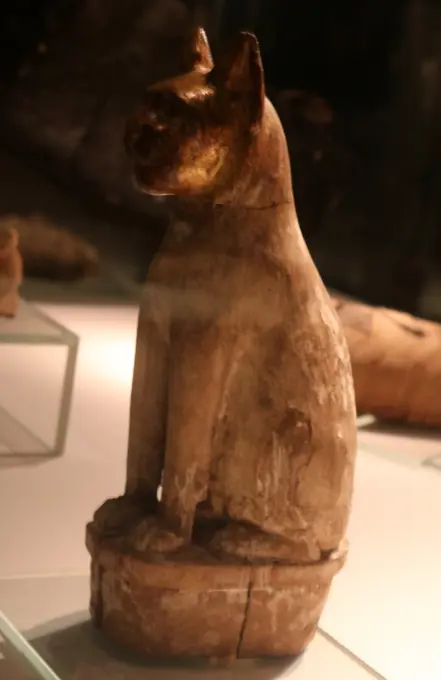
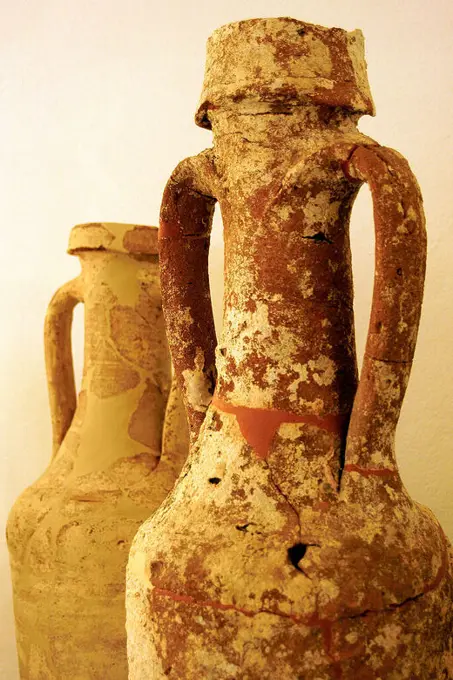
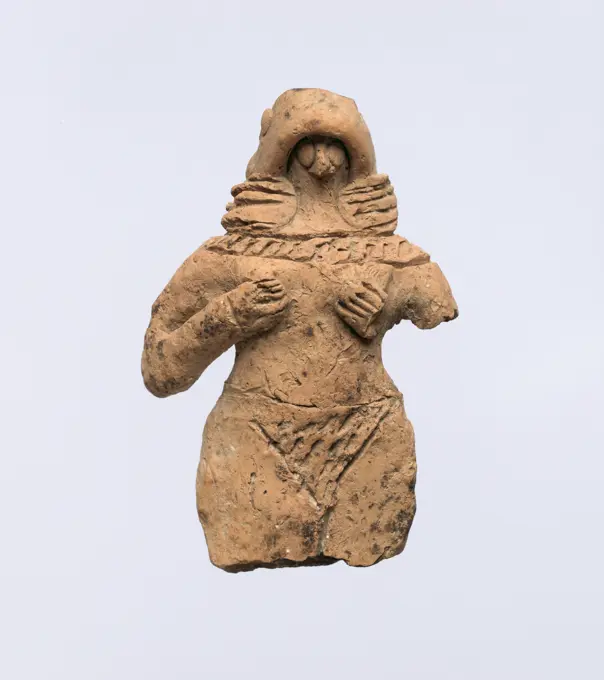
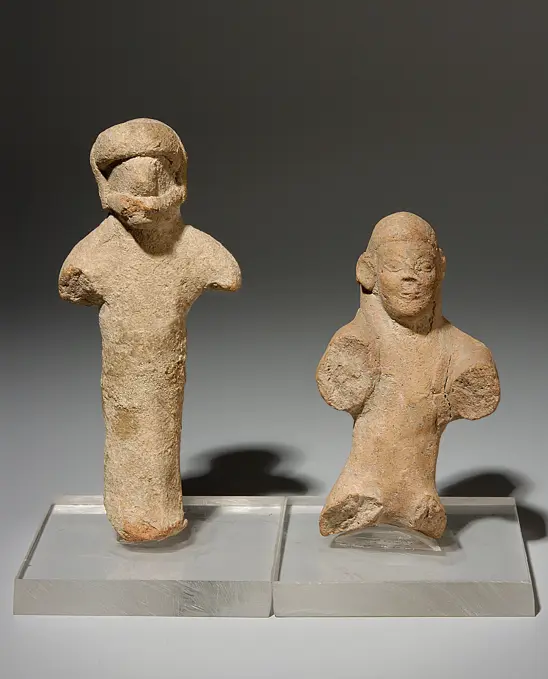
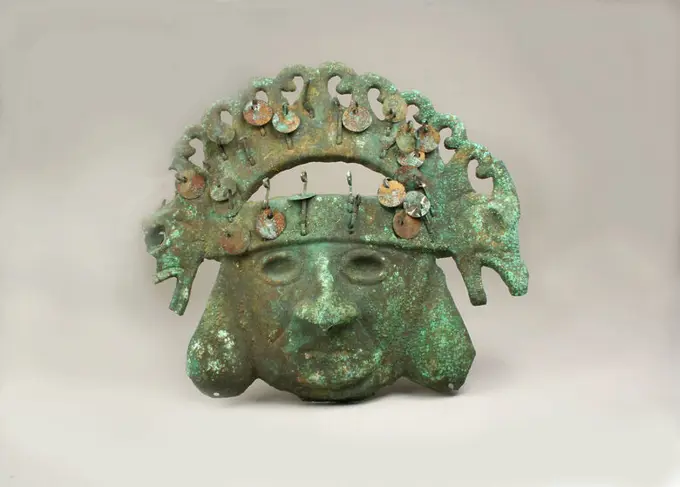
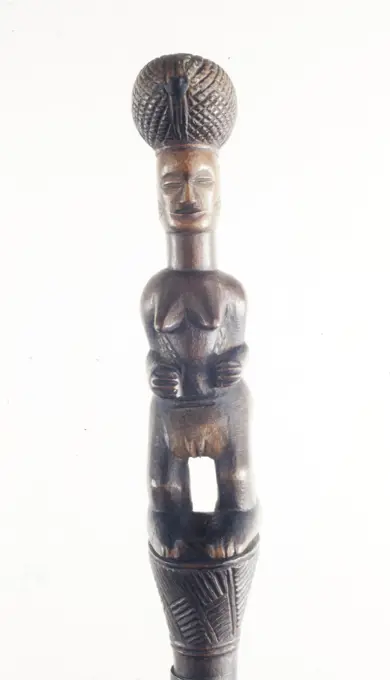
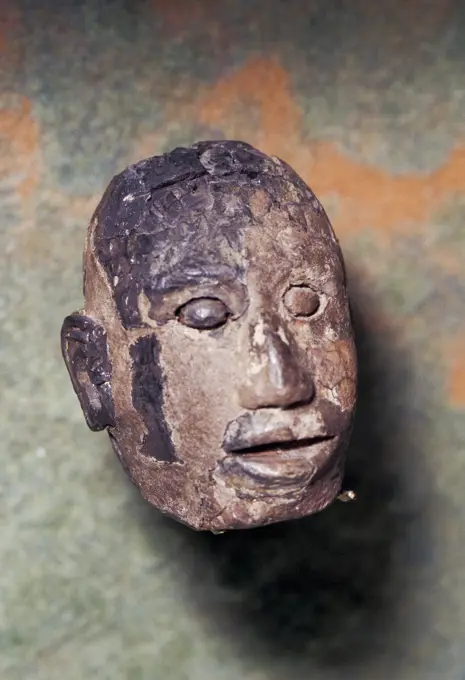
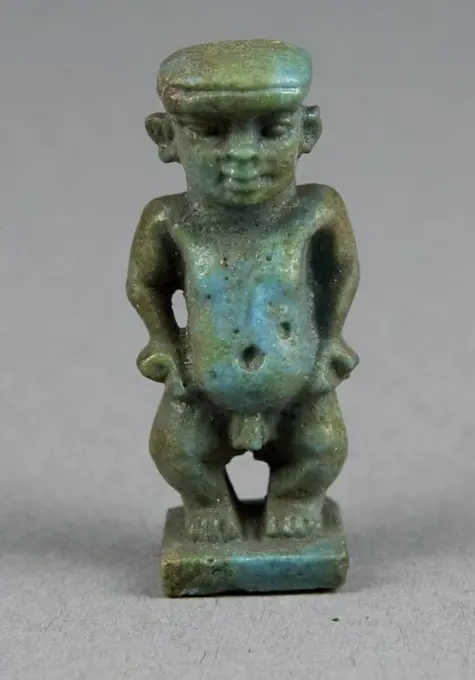
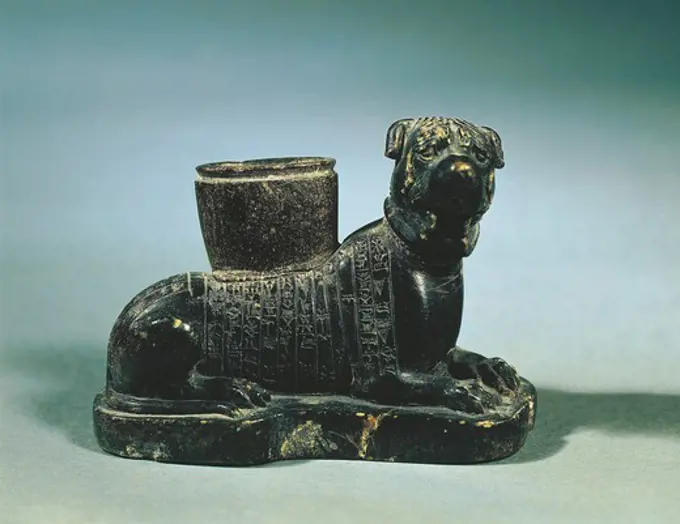
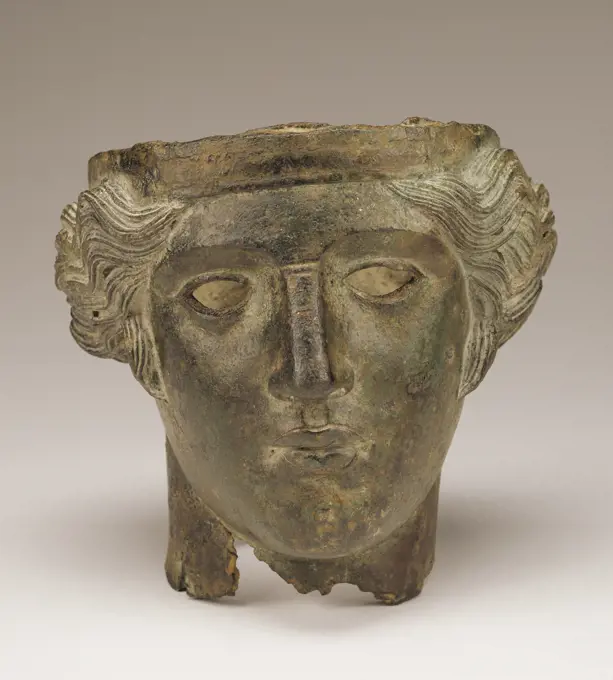
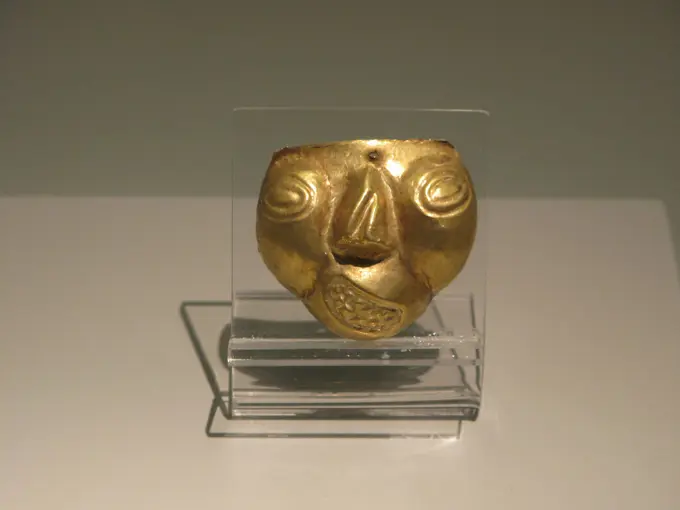
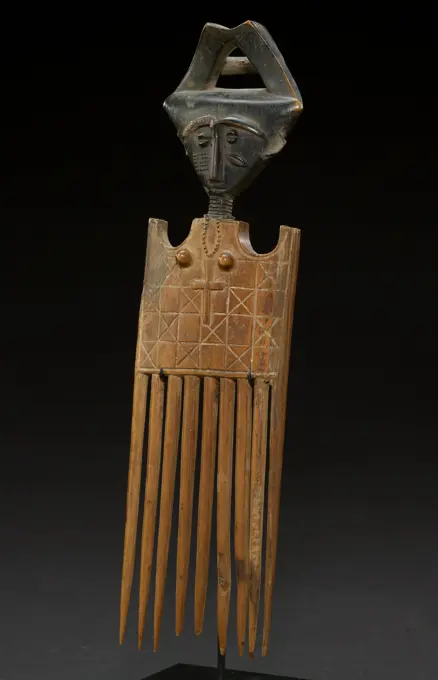
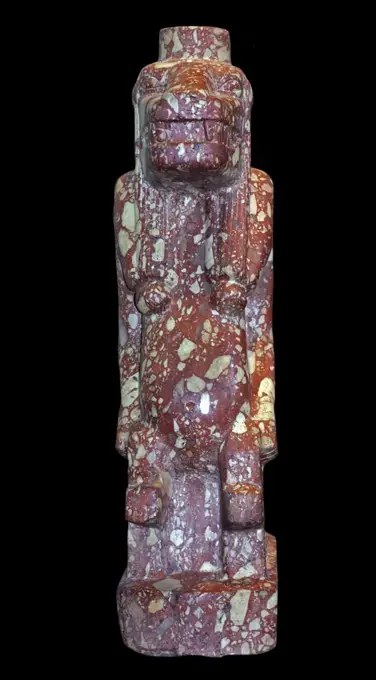
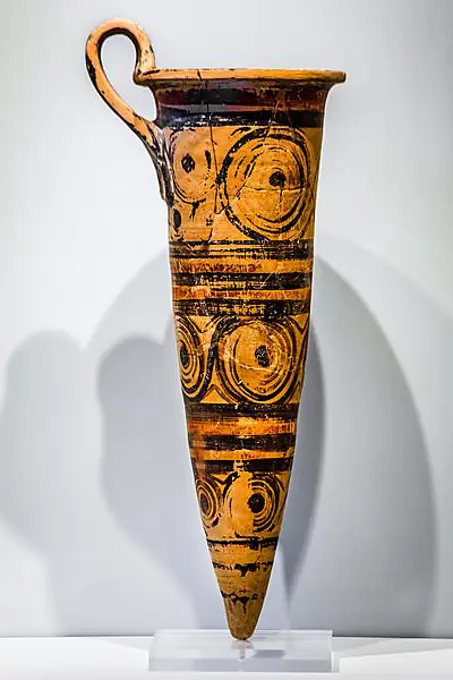
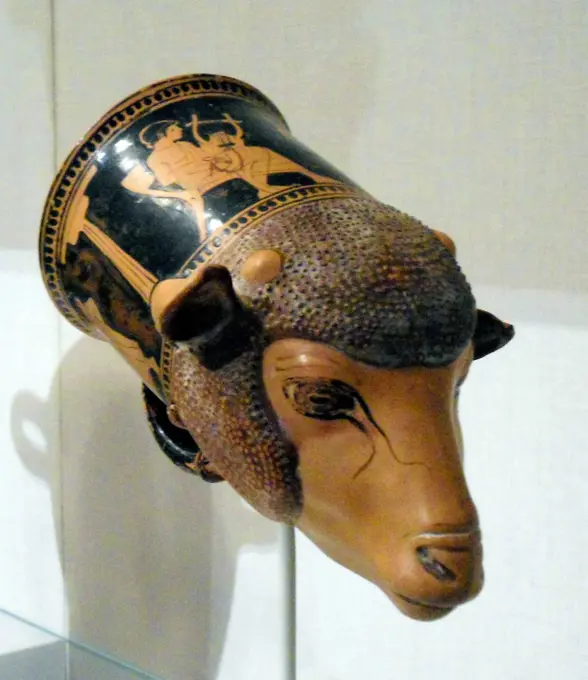
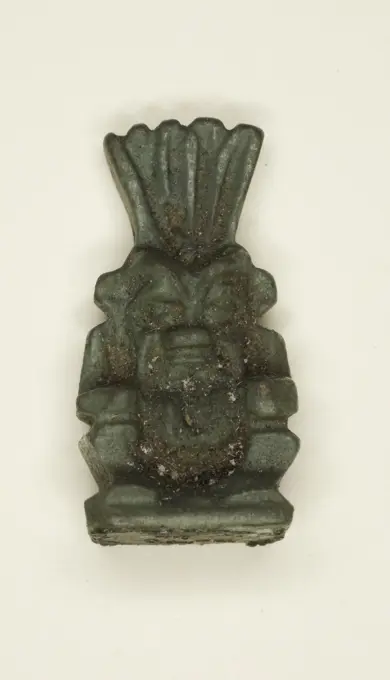
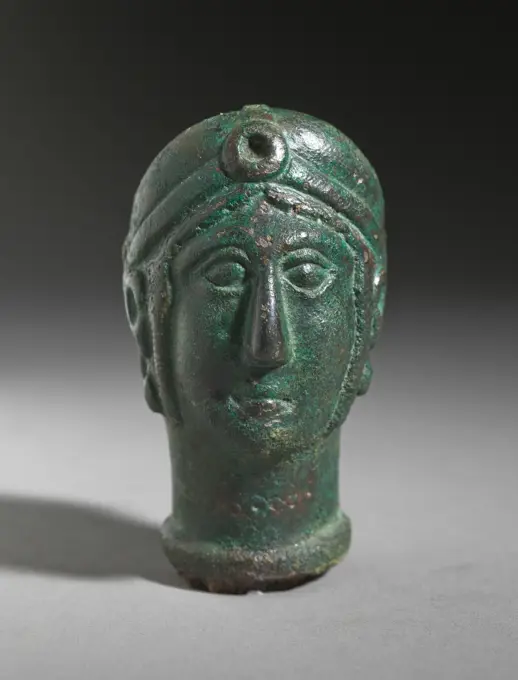
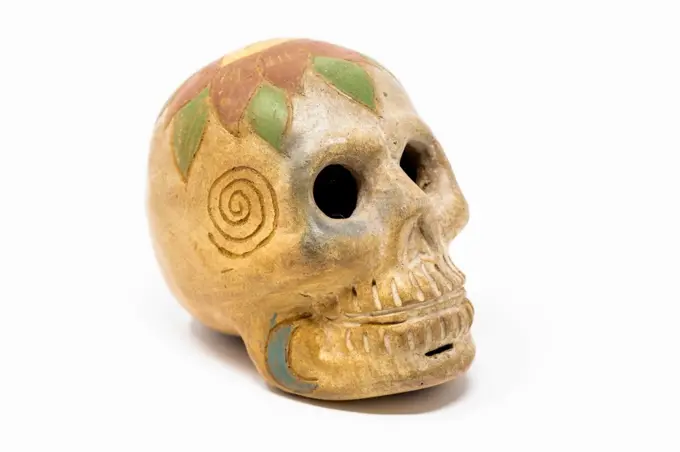
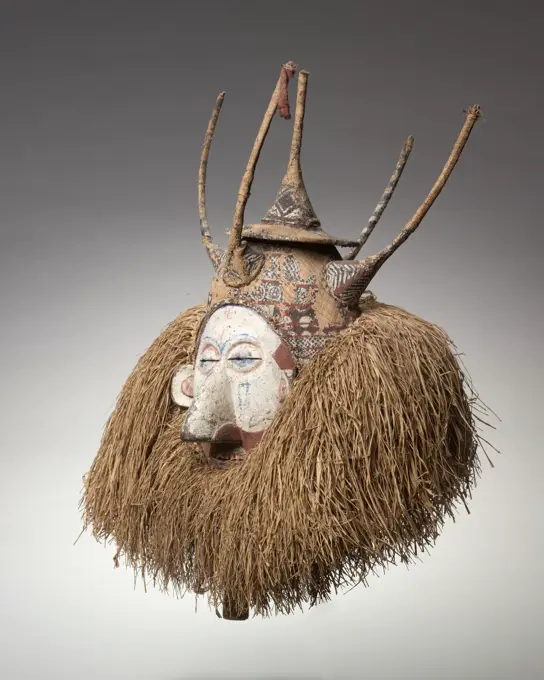
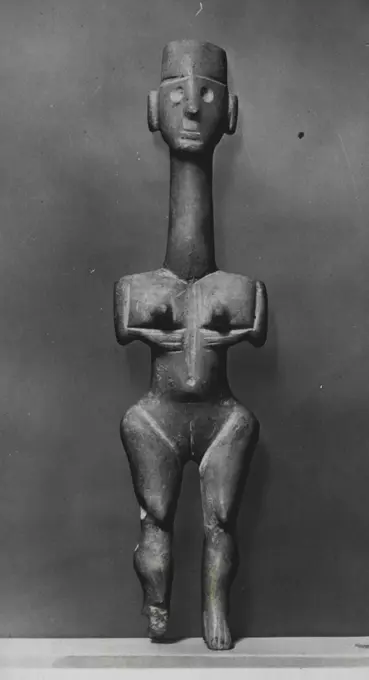
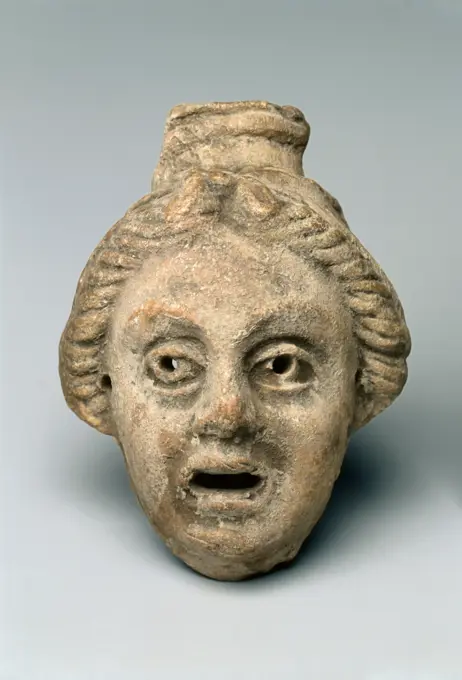
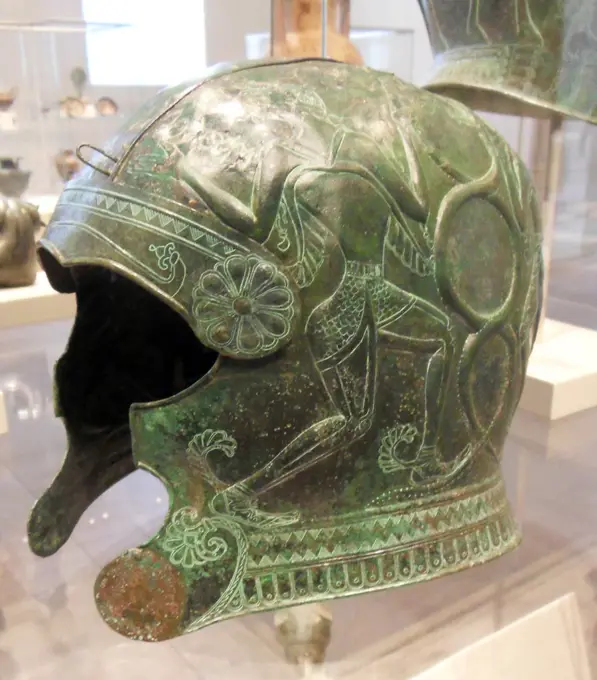
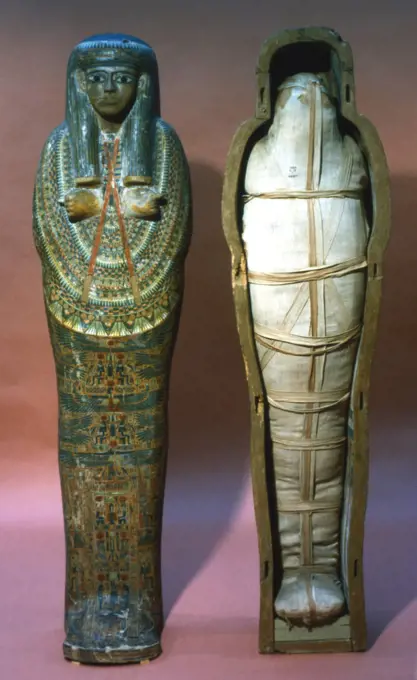
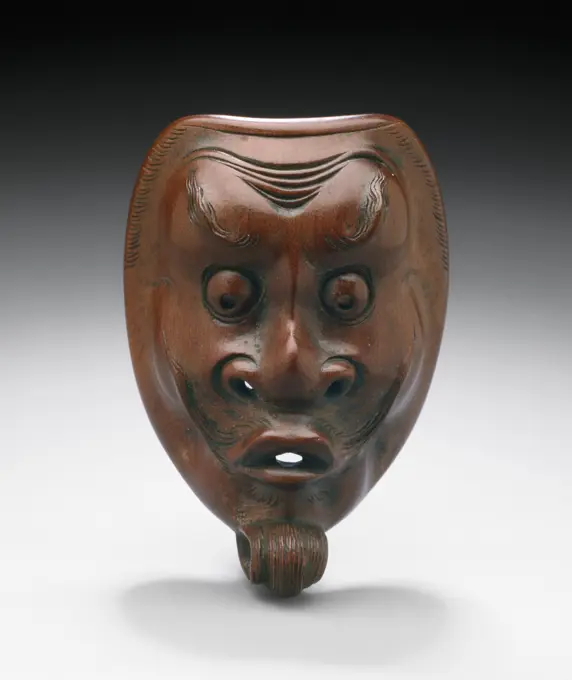
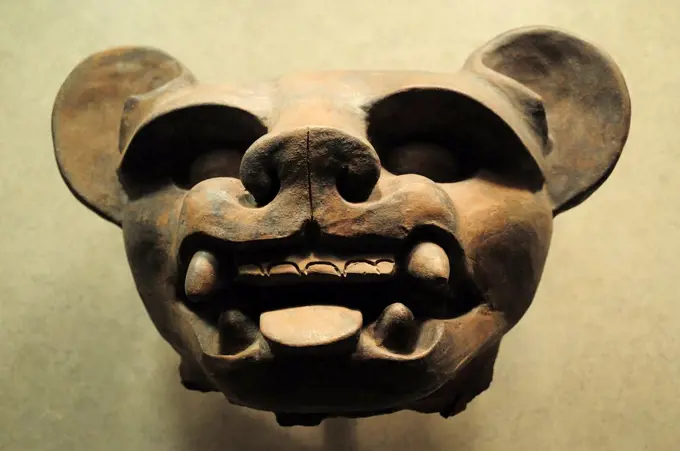
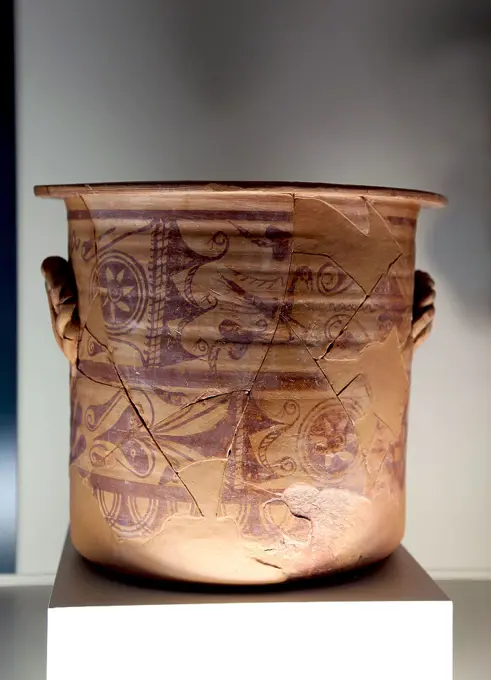
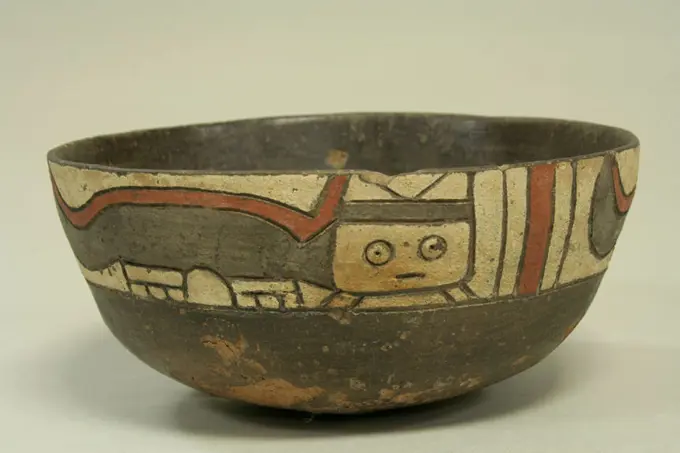
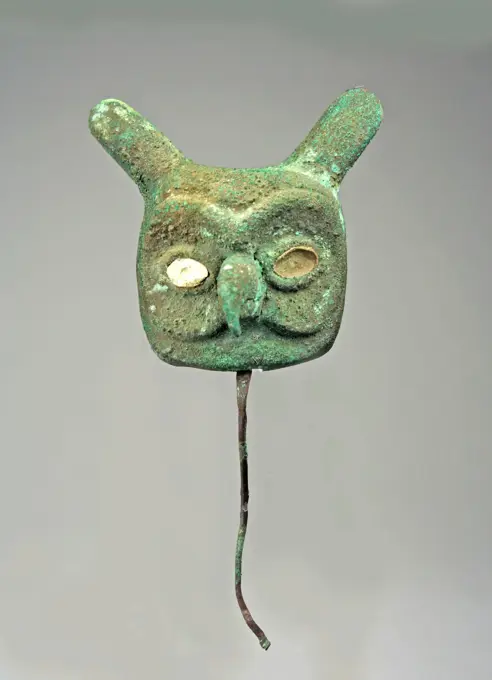
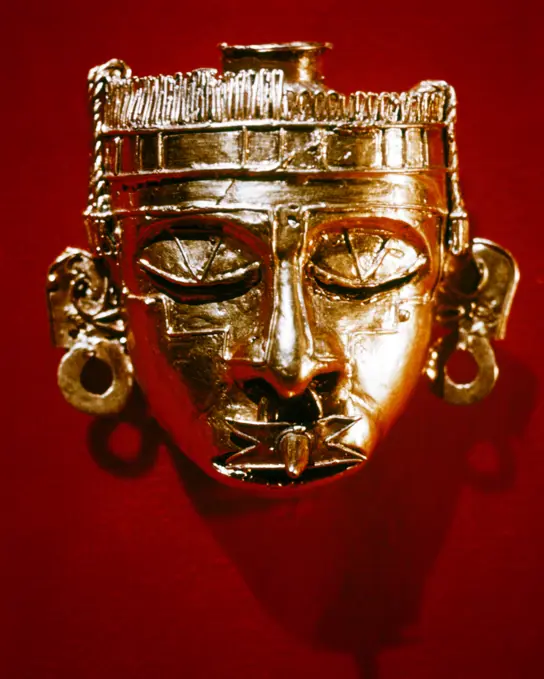
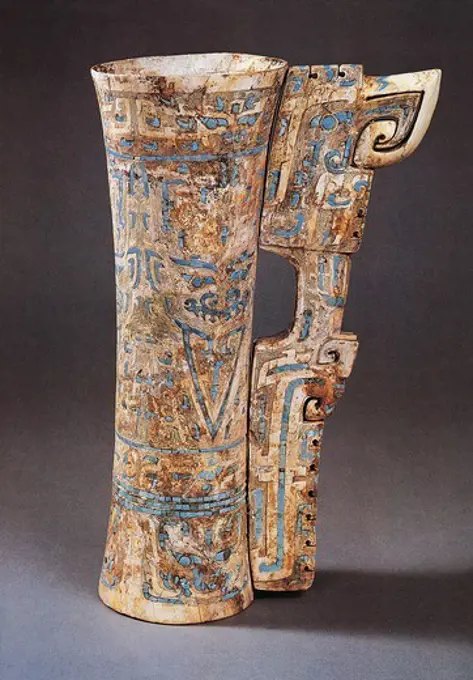
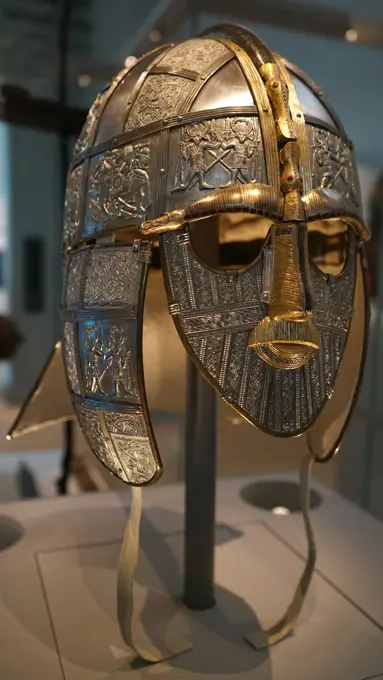
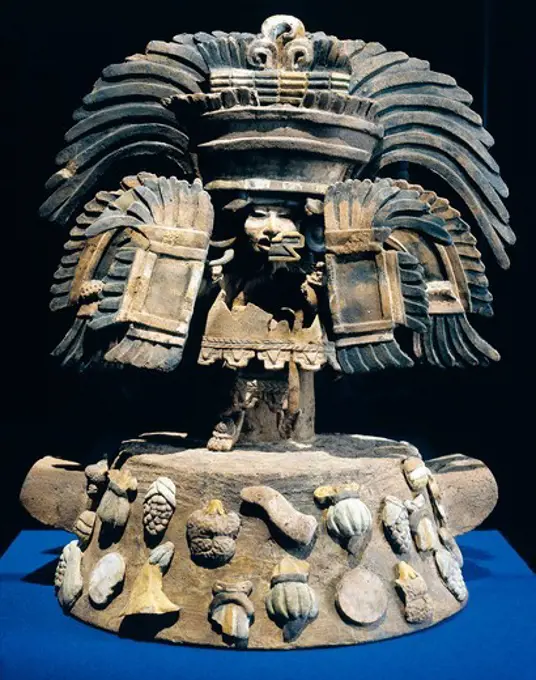
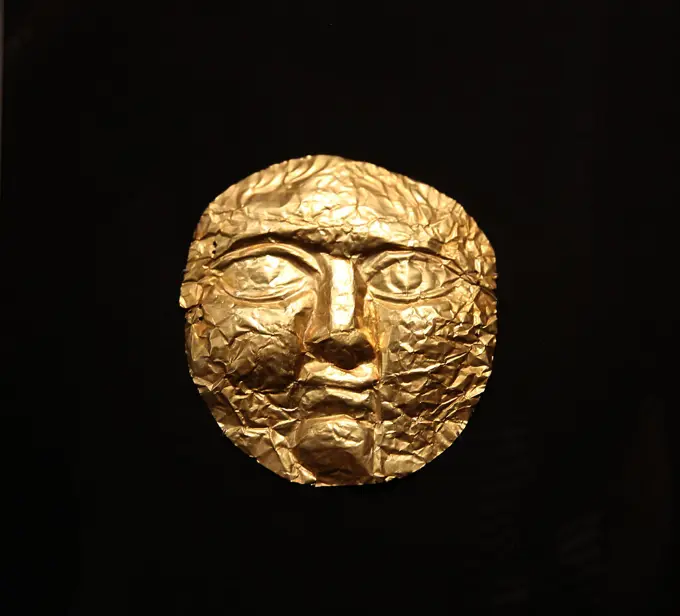
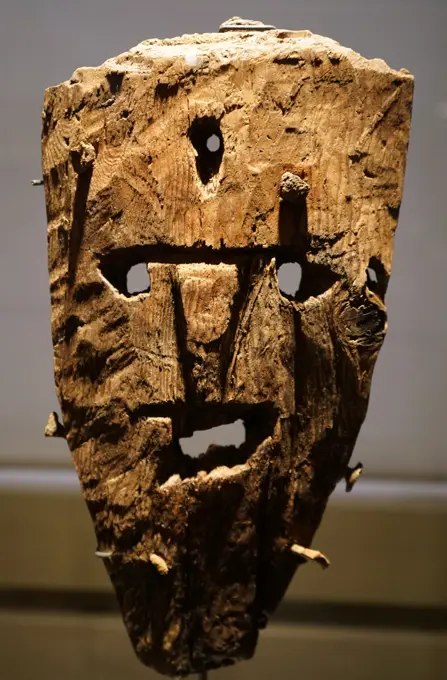
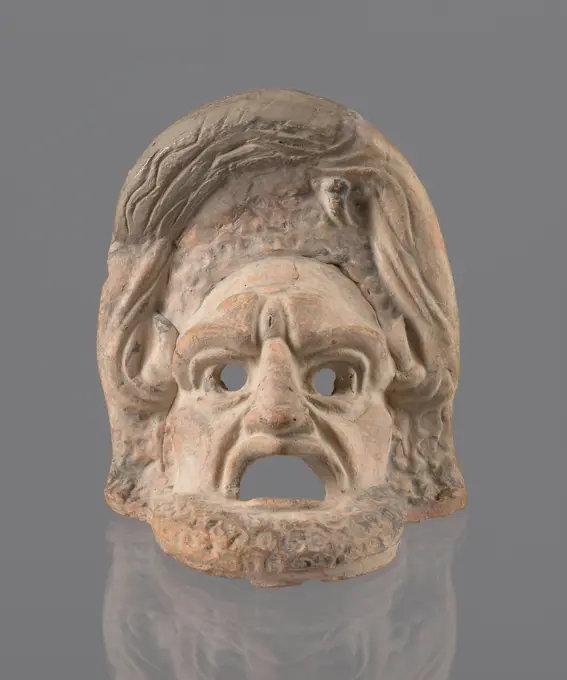
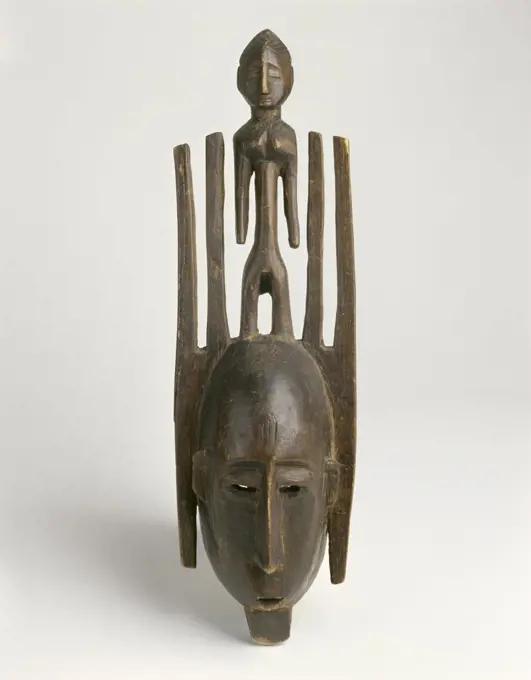
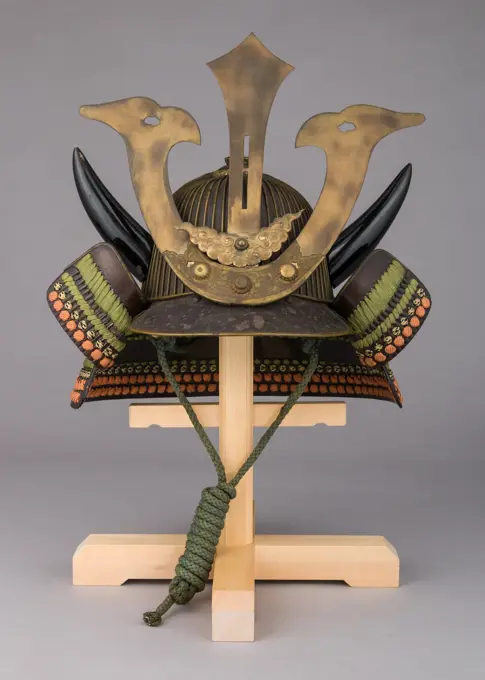
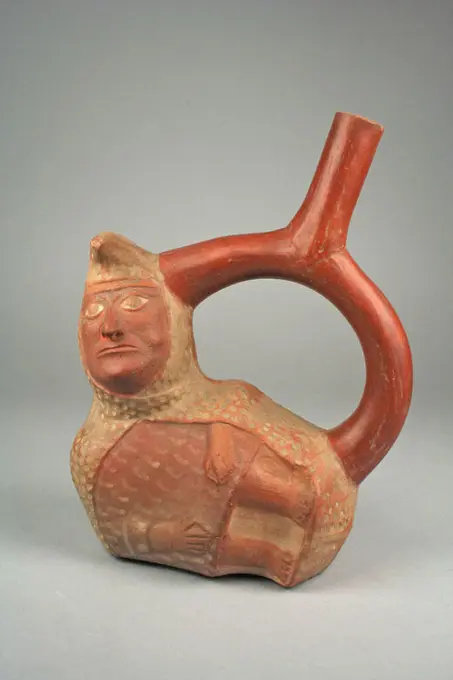
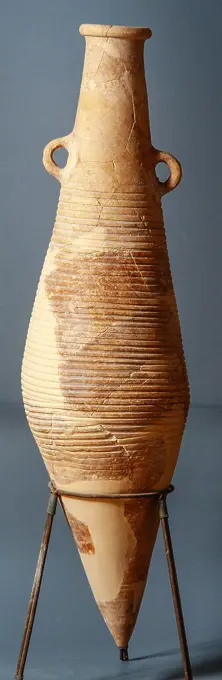
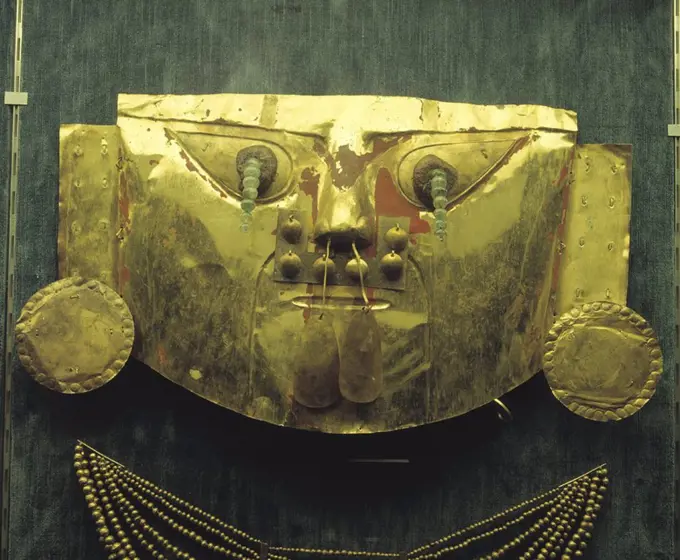
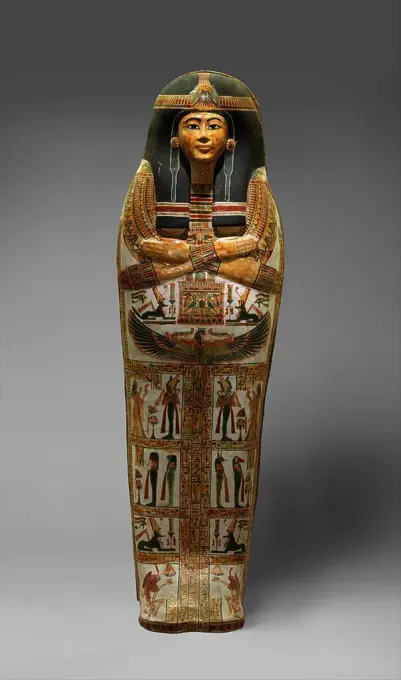
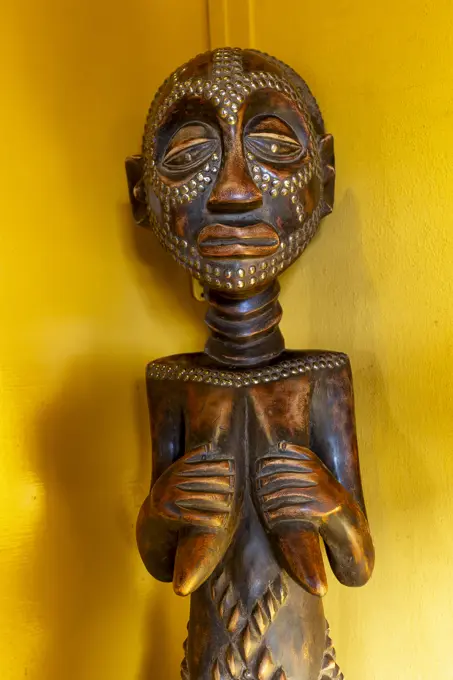
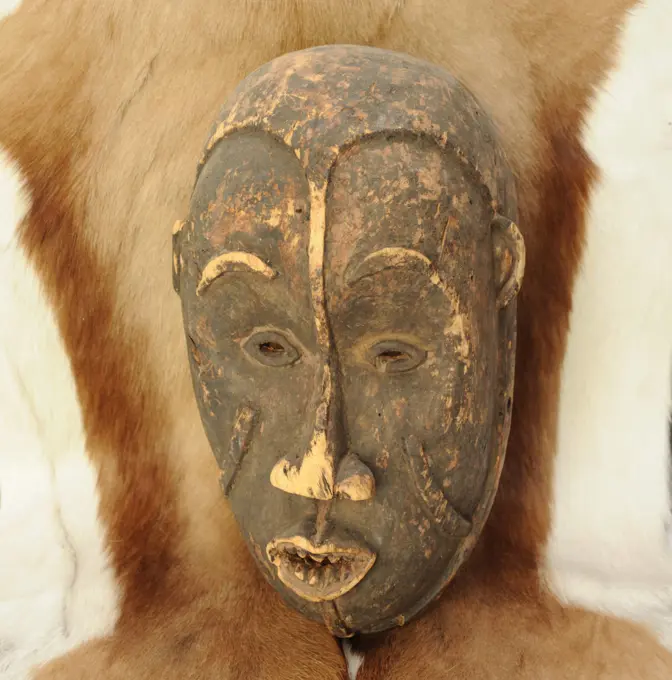
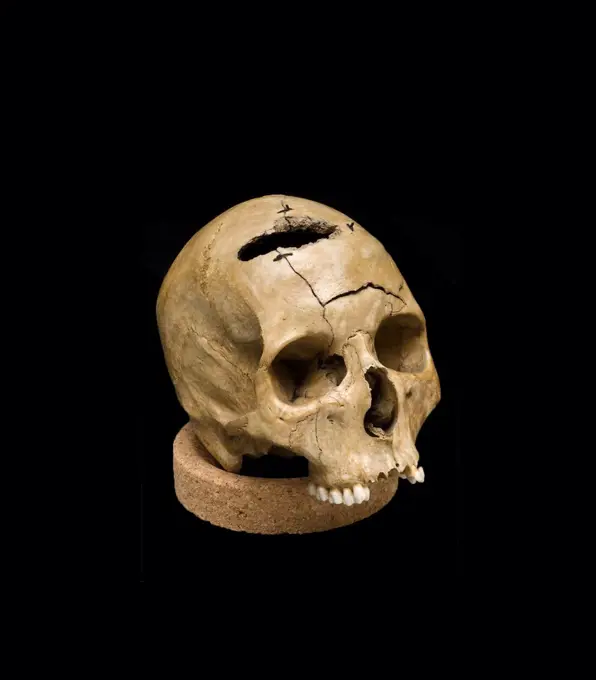
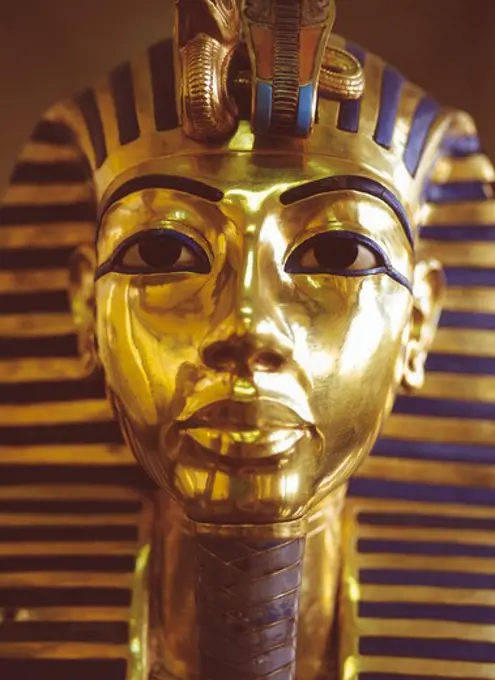
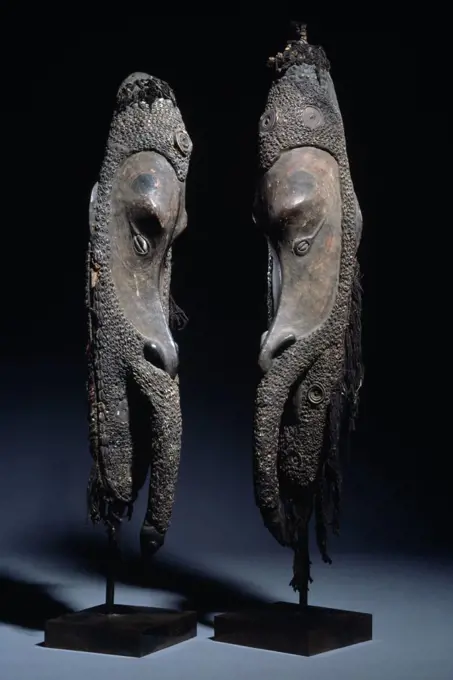
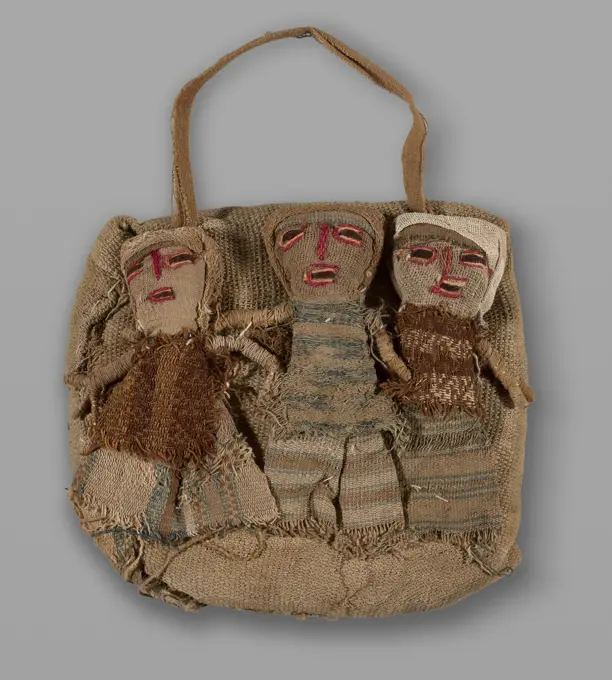
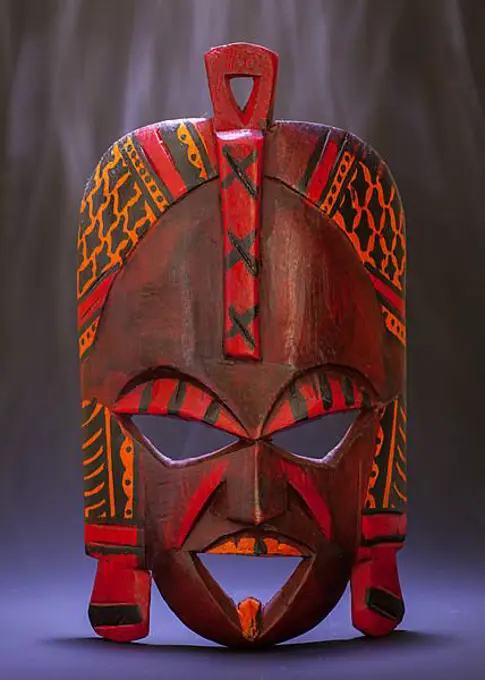
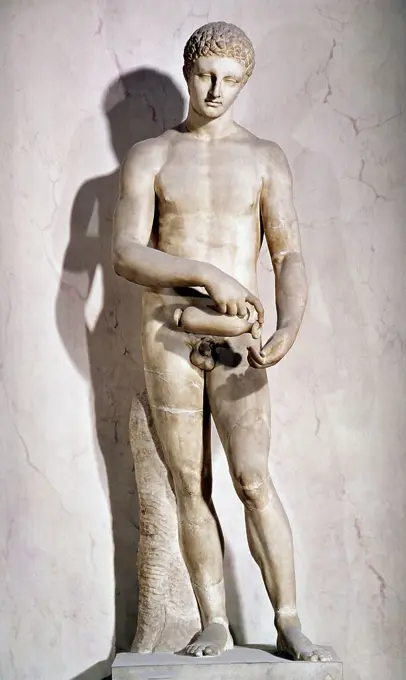
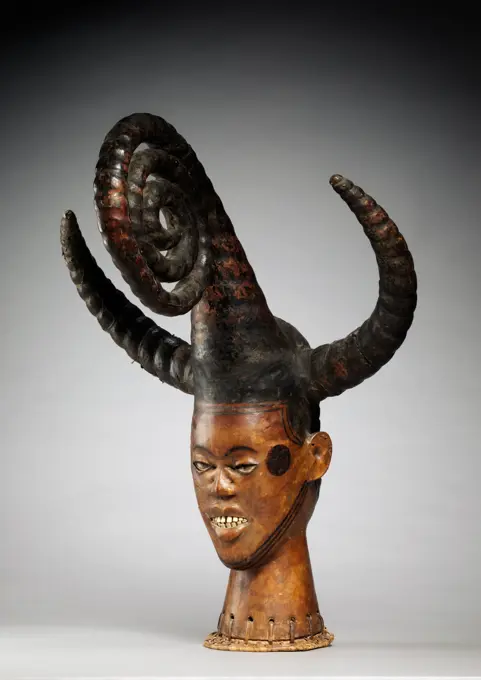
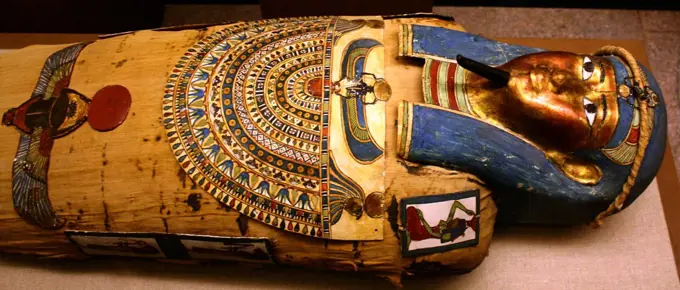
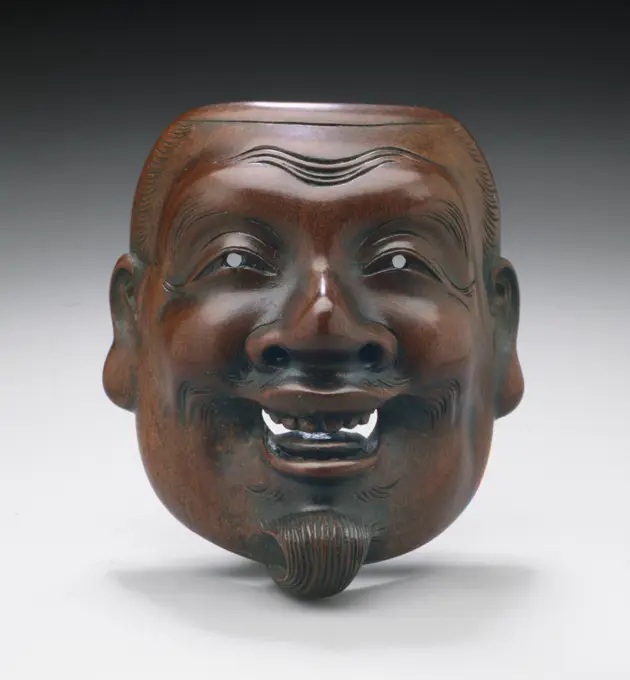
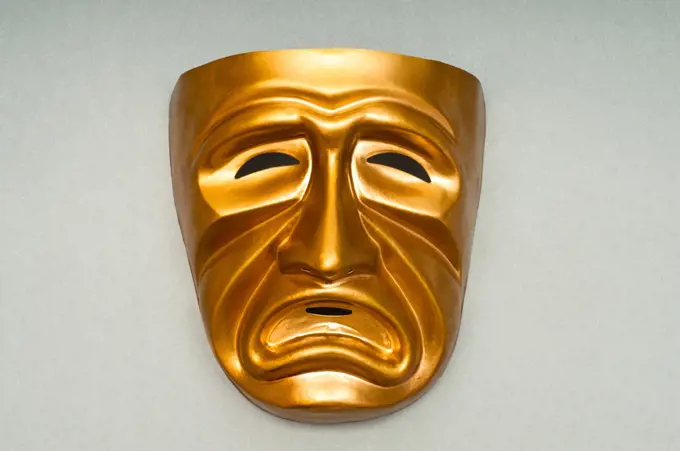
Komokwa Mask 1880-90 Kwakwakawakw (Kwakiutl). Komokwa Mask 319095Volume capital; Unknown Nubian workshop; VII century (601-00-00-700-00-00);Faras (Sudan), architectural elements, capitals, Nubian art, Polish excavations in Faras (Sudan)gilded wooden statue of the cat goddess, Bastet from Gurna in Egypt. Late period circa 400 BCPre-Inca era. Valdivia culture. Ecuador 3500-1800 BC. Ceramic female figurine. Museum of Cutures of the World. Spain.Anforas italicas (IIaC.).Museo de Menorca. Maó.Baleares.España.Figurine ca. 2100-2000 B.C. Neo-Sumerian. Figurine. Neo-Sumerian. ca. 2100-2000 B.C.. Ceramic. Ur III. Mesopotamia, NippurFigurine of the Major;  VII/VI century BC (-610-00-00--590-00-00), Kon. VI century BC (-600-00-00--590-00-00);Cyprus, Cyprus, PartageMask. Culture: Moche (Loma Negra). Dimensions: H. 7 1/16 x W. 7 3/4 x D. 1 5/16 in. (18 x 19.7 x 3.3 cm). Date: 390-450. Museum: Metropolitan Museum of Art, New York, USA.Staff, 19th-20th century, 38 x 1 1/2 x 2 1/2 in. (96.5 x 3.8 x 6.4 cm), Wood, metal, Angola, 19th-20th centuryMiniaturowy sarkofag antropoidalny. unknown, authorPre-history Shawnee effigy of a human faceShabti of the Divine Consort Mutemhat Mehytenweskhet Third Intermediate Period ca. 945-924 B.C. View more. Shabti of the Divine Consort Mutemhat Mehytenweskhet. ca. 945-924 B.C.. Faience. Third Intermediate Period. From Egypt, Upper Egypt, Thebes, Valleys south of Deir el-Bahri, Meketre Valley, Pit 1103, MMA excavations, 1920-22. Dynasty 22Amulet of the God Pataikos. Egyptian. Date: 664 BC-332 BC. Dimensions: 3.5 × 1.6 × 1.3 cm (1 3/8 × 5/8 × 1/2 in.). Faience. Origin: Egypt. Museum: The Chicago Art Institute, Chicago, USA. Author: Ancient Egyptian.Sculpted Bat from Temple 20 in The Acropolis and Emblem of Copán, Archeological Museum, Village of Copan Ruinas, Honduras, Central AmericaStatuette representing a dog offered by a priest, from Larsa, bronzeHead of Bacchus; Italy; 1st century; Bronze; copper lips; 12.7 × 14.3 × 13.4 cm (5 × 5 5,8 × 5 1,4 in.)Artefacts in the gold museum, Bogota, Colombia, South AmericaMASCARILLA MOSTRANDO MUTILACIONES FACIALES - ORO - CULTURA MOCHICA - PERIODO INTERMEDIO TEMPRANO - 100 AC-700 DC - PERU - NUM INV 7468. Location: MUSEO DE AMERICA-COLECCION. MADRID. SPAIN.Feline Stone Head On Display In The Site Museum Of Chavin De Huantar, Ancash, PeruComb, c. 1900, 10 1/4 × 2 3/4 × 1 1/4 in. (26.04 × 6.99 × 3.18 cm), Wood, Ghana, 20th centuryRed breccia figure of the goddess Taweret. Late Period, 644-343. The name Taweret means she who is great or simply great one.Cult vessels from various domestic shrines (1600-1450 BC), Archaeological Museum with most important finds of the Minoan culture, Heraklion, Crete, Heraklion, Crete, Greece, EuropeVenus figurine from Dolni Vestonice, baked clay, Moravia, 24, 800 BC. CZECH REPUBLIC.Terracotta Rhyton vase, Greek, Attic, circa 460BCAmulet of the God Bes 1070 BCE-656 BCE Egypt. Faience . Ancient EgyptianSword Pommel. Culture: British. Dimensions: H. 2 1/4 in. (5.7 cm); Wt. 6 oz. (162 g). Date: ca. 1630. Museum: Metropolitan Museum of Art, New York, USA.Plaque (Mountain Goat). Southern Siberia, 6th-5th century B.C.. Sculpture; plaques. BronzeFragment of a Buddha image, Anonymous, 1500 - 1700 Buddha head with spit seat-selling headdress. Thailand bronze (metal) Buddha head with spit seat-selling headdress. Thailand bronze (metal)Limestone head of a beardless male with a diadem first half the the 6th century B.C. Cypriot Head wearing frontlet and earrings.. Limestone head of a beardless male with a diadem 242095Traditional Mexican Patterned Ceramic Day of the Dead Skull Sculpture. Traditional Mexican Patterned Ceramic Day of the Dead SkullEgypt, Thebes, Luxor, Valley of the Kings, Tomb of Tutankhamon, royal diadem representing protectors of Upper and Lower Egypt, from 18th dynastyAmulet of the God Horus as a Falcon 664 BCE-30 BCE Egypt. This falcon, a representation of Horus, is finely detailed with the feathers and the scales on the legs. The falcon probably originally wore a double crown, which symbolized his rule over Northern and Southern Egypt.. Faience . Ancient EgyptianMask (ndeemba), early 1900s. Africa, Central Africa, Democratic Republic of Congo, Yaka carver. Wood, raffia, paint, and cotton; overall: 47 cm (18 1/2 in.).Masks from the Arctic used to reveal inner truth of the wearer, used by Shamans. Dated 19th CenturyStatuette of a woman, 3000-2000 BC. May 10, 1949.Mask, AD 1-100. Italy, Roman (). Terracotta; overall: 12.7 x 9 cm (5 x 3 9/16 in.).Ceremonial Axe-Head, 600-1100. Mexico, Classic Veracruz (Totonac or Tajin). Stone; overall: 20 x 6.8 x 14.3 cm (7 7/8 x 2 11/16 x 5 5/8 in.).Madrid, M.A.N. 18256 Arte Egipcio. Sarcófago antropoide policromado del sacerdote "Uab" de Amón, con procesión de genios funerarios a los lados. Madera (alt.188, anch.60). 1080-946 a.c. XXI Dinastia. Procedencia: Tebas, segunda cachette de Deir el Bahari. Egipto. Donación gobierno egipcio (1893).bronze helmet from Crete, Greece. Late 7th century BCMummy and mummy case of a princess. 21st Dynasty. Thebes. British Museum, LondonUsofuki. Kimura Ryūmin (Japan, active mid- to late 19th century). Japan, mid- to late 19th century. Costumes; Accessories. WoodTerracotta container from Colombia. Dated 15th CenturyMexico, Federal District, Mexico City, Museo Nacional de Antropologia Vase 200 BC-500 AD in the form of an animal head.Iberian painted ware vase Kalathos (3rd. century BC) Wheel-made pottery, El Tossal dels Tenalles. Sidamon, Lleida, Spain.Bowl 6th-4th century B.C. Paracas. Bowl. Paracas. 6th-4th century B.C.. Ceramic. Peru. Ceramics-ContainersOwl Head 6th-7th century Moche (Loma Negra). Owl Head 3151061400s GOLD MASK PRE-COLUMBIAN TREASURE FROM RUINS AT MONTE ALBAN ARCHAEOLOGICAL SITE IN OAXACA CULTURES MUSEUM MEXICO Ivory vase decorated with inlaid colored stones from Anyang, China, Shang Dynasty, Chinese civilization, 1300-1028 B.C.Pipe in the form of a human head, 20th century, 4 1/2 x 3 1/4 x 4 1/2 in. (11.43 x 8.26 x 11.43 cm), Ceramic, Cameroon, 20th centuryWhetstone in the form of a stag ca. early 1st millennium B.C.. Whetstone in the form of a stag. ca. early 1st millennium B.C.. Bronze, stone. Iron Age. TranscaucasiaSmall coffin ensemble for memorabilia, Tutankhamun's tomb treasures, archaeological world sensation, replicas, Valley of the Kings, most famous burial site in the world, Luxor, Thebes West, Egypt, Luxor, Thebes, West, Egypt, Africabronze votive offering, 4th-3rd centuries BC, archaeological museum of Seville, Andalusia, Spain.Ciabatta Bread in Paper BagReconstructed Sutton Hoo Helmet, which was part of the Staffordshire Hoard is the largest hoard of Anglo-Saxon gold and silver metalwork. Dated 5th CenturyMexico, anthropomorphic brazier with fruit and vegetable base decorationsGolden Mortuory mask. Jerusalem. Roman period. 1st-2nd century. Middle East. Exposition The Human Image. Organised by British Museum and "La Caixa" Foundation. Barcelona. Spain.Roughly carved wooden mask from Iceland. Dated 17th CenturyTragic mask;  IV/III century BC (-400-00-00-00--201-00-00);Wooden Carving after a Bambara n'Tomo Mask African Art Collection of The Museum of Contemporary Art, Jacksonville, FloridaHelmet (Suji-Kabuto) 18th century Japanese This type of ridged helmet, called a suji-kabuto, was worn by upper-class samurai beginning in the Muromachi period (1392-1573). Bulbous at the back and dipping downward around the central opening at the top of the bowl, its overall shape is known as akoda-nari due to its resemblance to the akoda, a squash-like fruit. The ridges are covered with brass, a relatively uncommon embellishment.. Helmet (Suji-Kabuto). Japanese. 18th century. Iron, copper, gold, lacquer, silk, wood. HelmetsStirrup Spout Bottle with Peanut Figure. Culture: Moche. Dimensions: Overall: 8 x 6 1/8 in. (20.32 x 15.54 cm)Other: 6 1/8 in. (15.54 cm). Date: 5th-7th century. Museum: Metropolitan Museum of Art, New York, USA.Tomb of Tutankhamen, Treasure of TutankhamenEgypt, Gebelein, Bread preparation, plastered wooden model from Ini tombAncient finds in Mycenae, Greek archaeological site, Peloponnese, Greece, EuropeUshabti of Pindjem I, faience, Dynasty XXI, 1069-1032 BC, tomb DB 320, Dehir el-Bahari, Thebes, Egypt, collection of the British Museum.Egyptian Mummy Head Cover, Roman Period, (1st century B. C. ) Cartonnage (gum, linen, papyrus), gold leaf, pigmentÁnfora romana de cerámica. Can Serra Museu de Mataró.Tutankhamun's Mask EGYPT.Throne, Gold, wood, gems, 14th century BC, Egypt, Cairo, The Egyptian Museum,ARTE PRECOLOMBINO. PERU. MASCARA FUNERARIA DE ORO. ARTE CHIMU. MUSEO ORO DEL PERU. LIMA.Outer Coffin of the Singer of Amun-Re, Henettawy. Dimensions: L. 203 cm (79 15/16 in). Dynasty: late Dynasty 21. Date: ca. 1000-945 B.C..The Mistress of the House, Singer of Amun-Re, Henettawy died at the young age of twenty-one. She was buried in a plundered tomb, which had originally been the resting place of Minmose, an official of Hatshepsut. The burial was a modest one, including a set of coffins and personal jewelry. Henettawy's body was not embalmed but simply wrapped in layers of linen bandages.Aside from her rather simple personal jewelry, Henettawy's main burial equipment consisted of two splendid coffins (25.3.182a, b; 25.3.183a, b) and a mummy board (25.3.184), fitting one into the other like parts of a Russian doll. Both coffins and the innermost lid are shaped like wrapped mummies with elaborate masks fastened over the heads.The outer coffin lid, intended to resemble a wrapped mummy, wears an elaborate pectoral in the shape of a small shrine within which are two winged weStatuette of a falcon, the animal manifestation of Horus, the divine king. From 1st century.Congolese mask in Bukavu, DRCHead Vessel 2nd-6th century Moche. Head Vessel 310524Selma Sandler, Dancing Doll, c 1940 Dancing DollAfrican Mask. Handmade Antique African Mask on a Fur of Wild African Animal. Copyright: xZoonar.com/gkunax 1267395Skull showing keyhole gunshot trauma, about 1861-1865Arfican Head Sculpture at Museum Arfican head sculpture isolated on white background photo Copyright: xZoonar.com/DanielxFerreira-LeitesxCiccarinox 16524460Egypt, Cairo Museum, Tutankhamun Death MaskRare pair of Iatmui masks, Mai male and female, England, London, Christie's Images, Primitive ArtDolls Made 1950-1984 Peru. Contemporary assemblage of materials from a variety of past cultures. Cotton, variety of eaves, embroidered with cotton and wool in tunning and satin stitches; couching; cotton wrapped twigs . ChancayTradional mask from Kenya (made of wood) with smoke effect useful for conceptsPeru, Lima, Gold Museum, part of diademHelmet from a suit of armour belonging to a Japanese Samurai warrior, circa 1560. This suit of armour was made during the Edo period, during which, samurai wore armour only on ceremonial occasions. lacquered metal joined by silk cords.JOVEN ATLETA GRIEGO. Location: MUSEO DEL LOUVRE-ESCULTURAS. France.Cairo, Egypt, Egyptian Antiquities Museum, Golden death mask of Tutankhamen (King Tut)Thunderbird Transformation Mask, 19th century. MEDIUM Cedar, pigment, leather, nails, metal plate. British Columbia, Canada. The Thunderbird is believed to be an Ancestral Sky Being of the Namgis clan of the Kwakwakawakw, who say that when this bird ruffles its feathers, it causes thunder and when it blinks its eyes, lightning flashes.Headdress, early 1900s. Africa, West Africa, Nigeria, Ejagham-style maker. Wood, rawhide, cane, paint, bone or ivory, natural fiber, and metal; overall: 67.3 x 43.2 x 43.2 cm (26 1/2 x 17 x 17 in.).Coffin and Mummy of Irti-Rutja, Ptolemaic Period, 305-30 BC. Said to be from Akhmim. Painted, gessoed and gilded wood; linen; painted and gilded cartonnage.Ebisu. Kimura Ryūmin (Japan, active mid- to late 19th century). Japan, mid- to late 19th century. Costumes; Accessories. WoodDisplay of Human Remains with Jewelry Ornaments attached to the Bones, National History Museum, Hanoi, VietnamThe Willendorf Venus, 23rd century BC Artist: UnknownMasks with the theatre conceptAncient Egypt papyrus scroll with wooden rods cartoon vector. Ancient paper with hieroglyphs and Egyptian culture religious symbols, ancient gods, sacred bird, isolated manuscript on white background. Ancient Egypt papyrus scroll cartoon vector