Ancient Artifacts

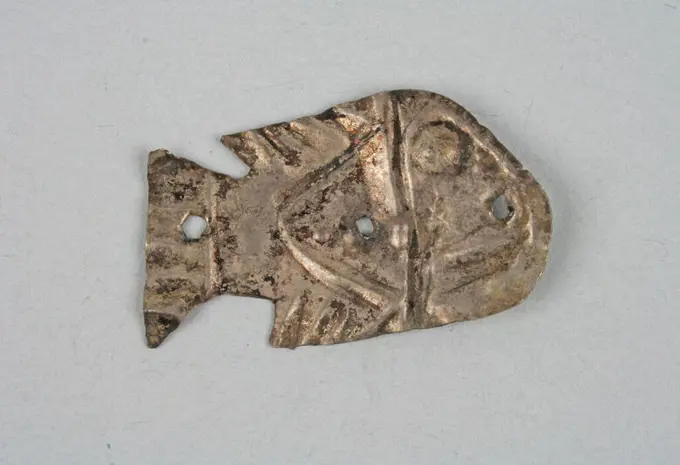
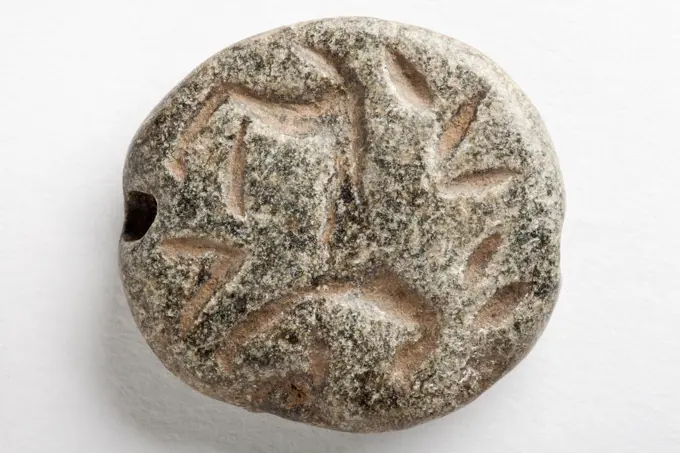
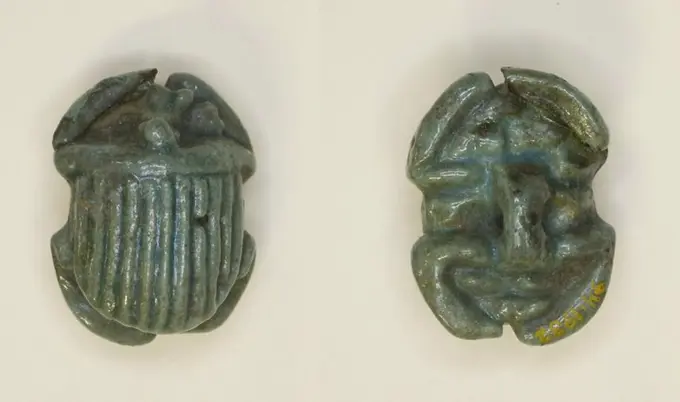
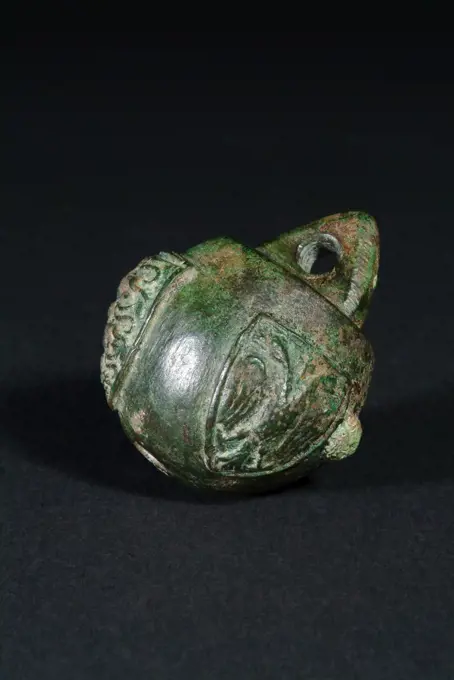
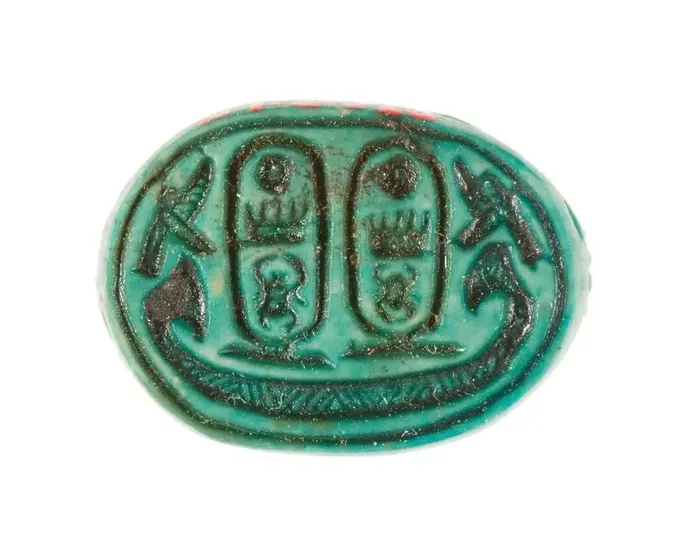
A collection of historical fragments and artifacts, including Egyptian faience, scarabs, and medieval stoneware, showcasing intricate designs and ancient craftsmanship.

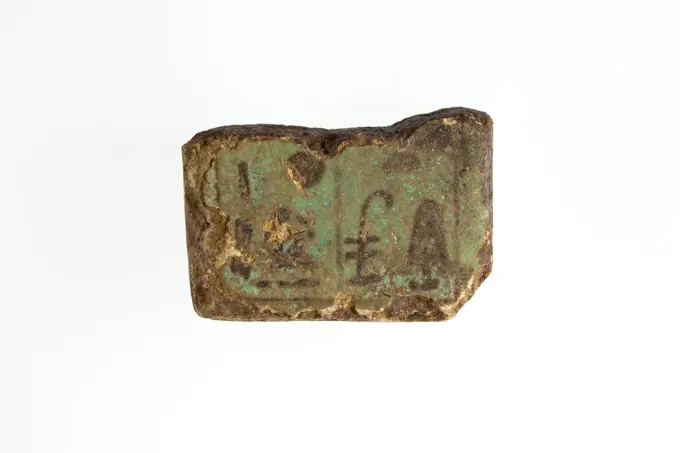
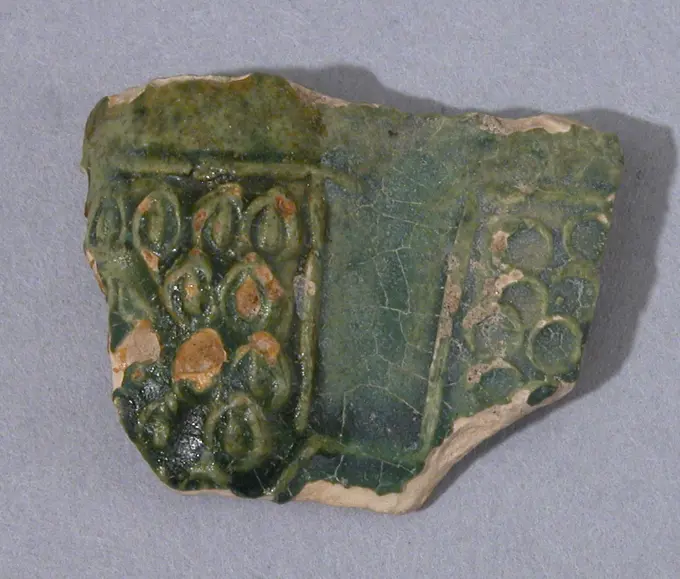
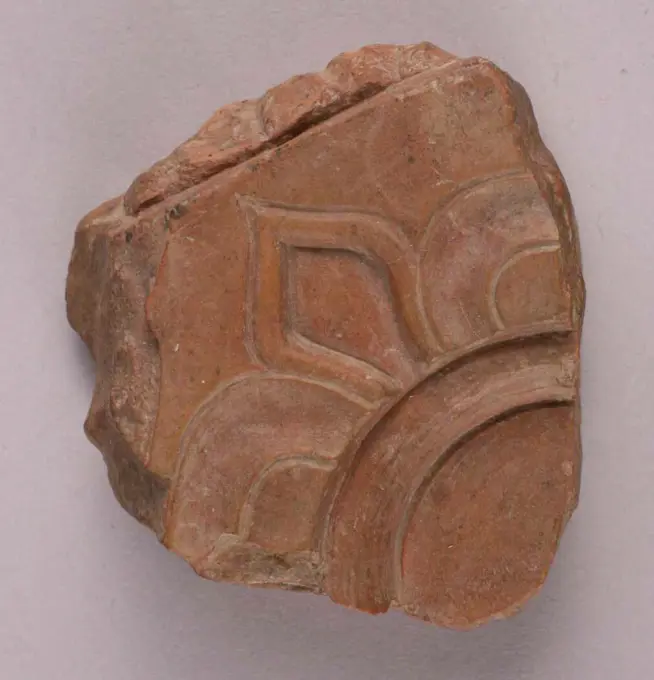
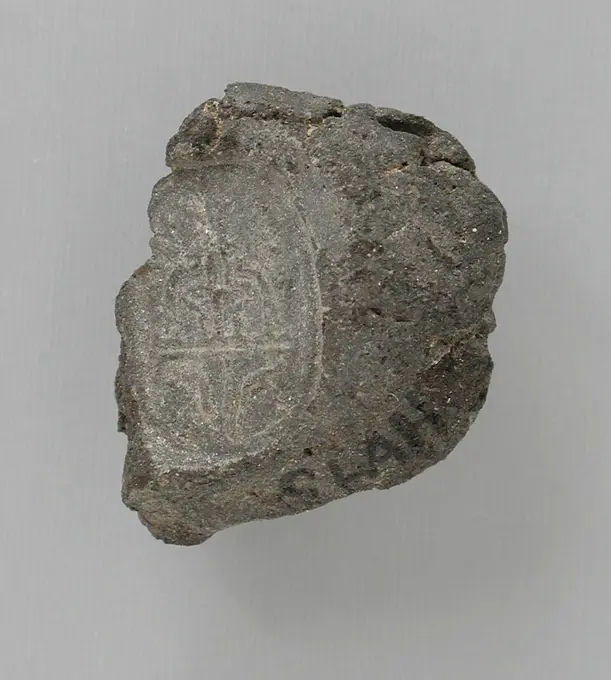
Fragment of a Utrecht Socle Type, with Ornamental Rosettes on the Plinth, anonymous, anonymous, c. 1425 - c. 1550  Northern Netherlands pipe clay  Northern Netherlands pipe clay
Fragment of a Utrecht Socle Type, with Ornamental Rosettes on the Plinth, anonymous, anonymous, c. 1425 - c. 1550 Northern Netherlands pipe clay Northern Netherlands pipe clay
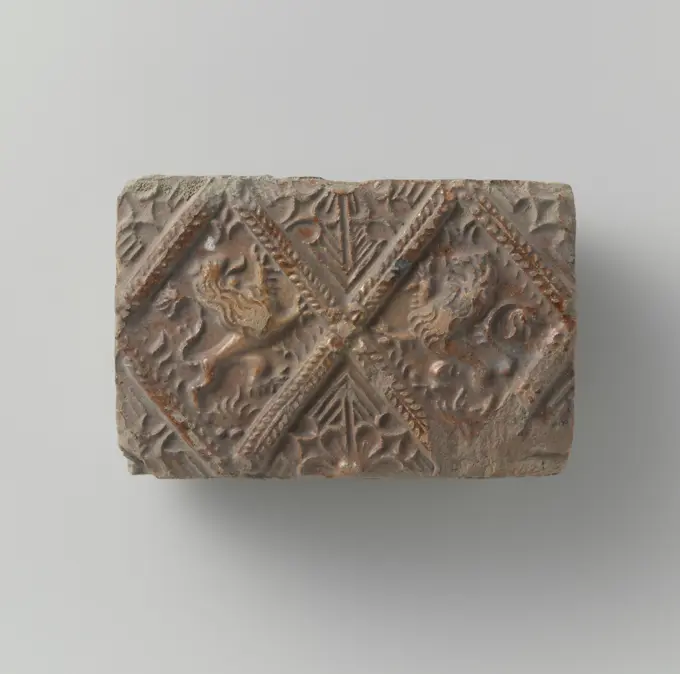
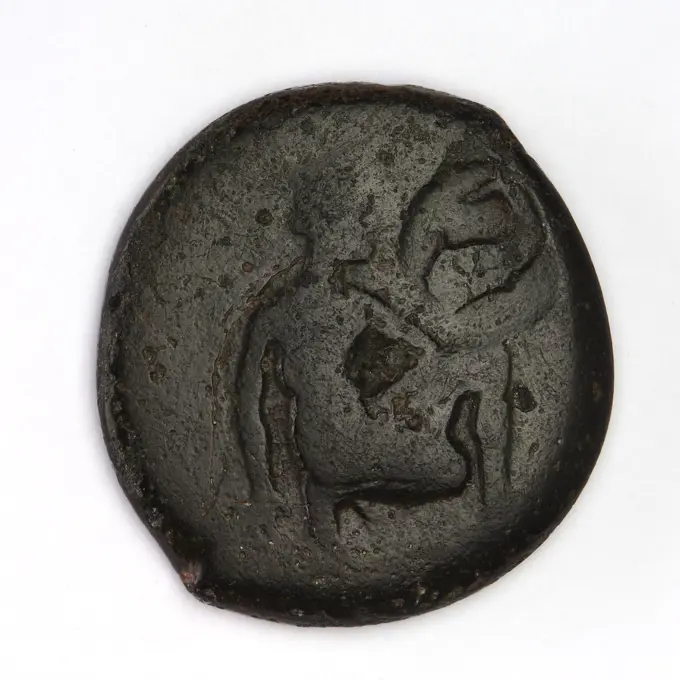
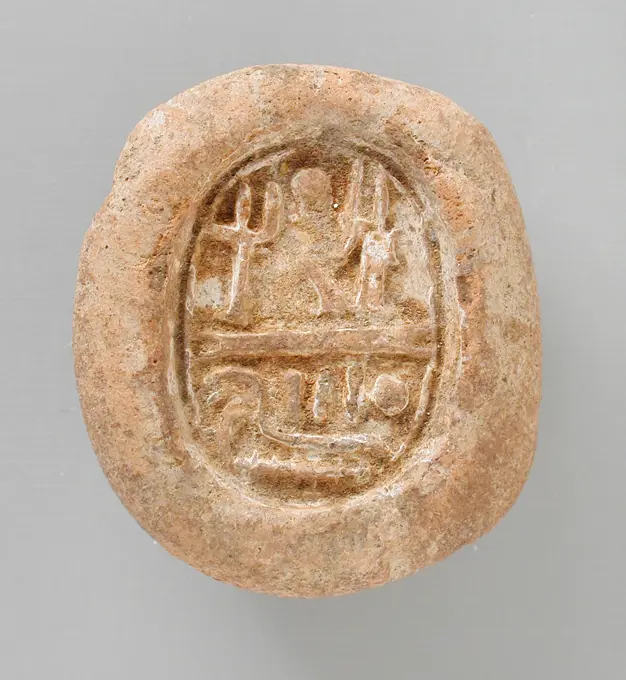
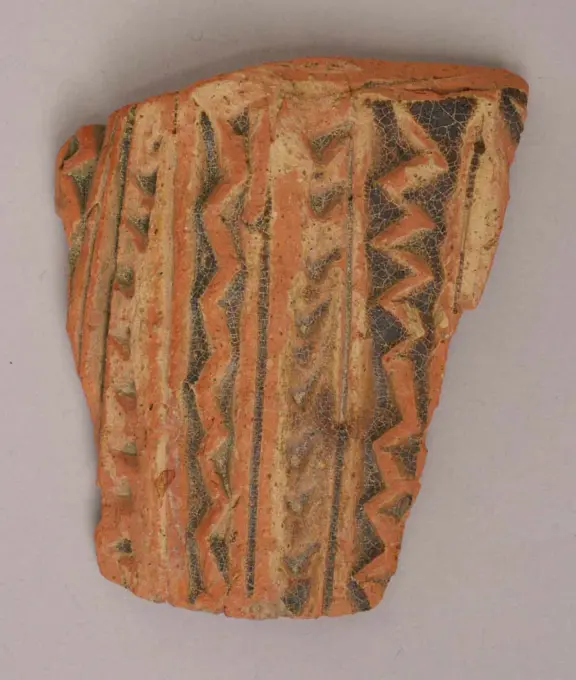
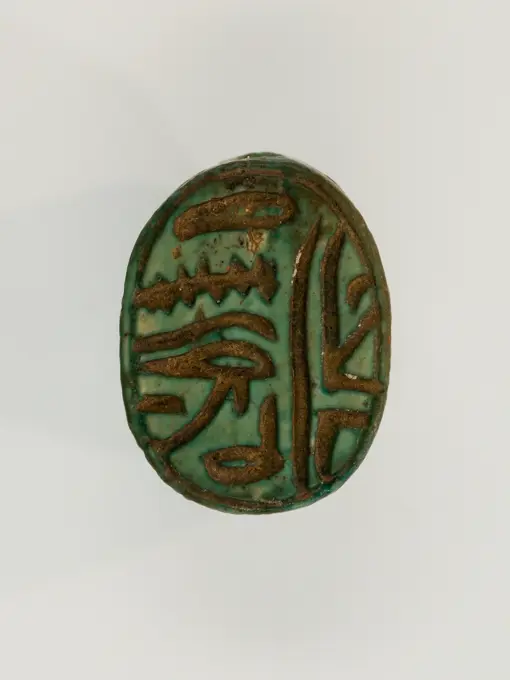
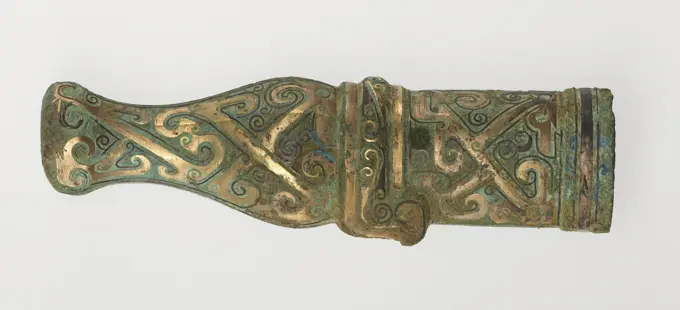
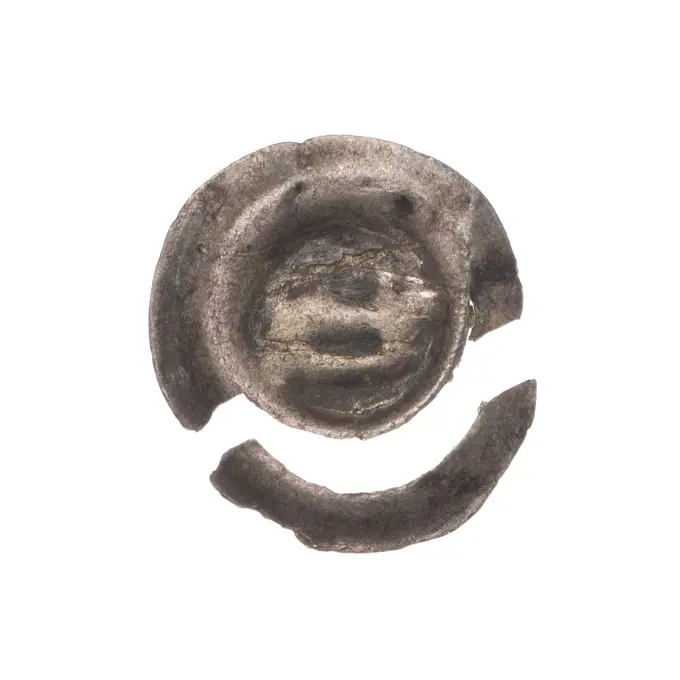
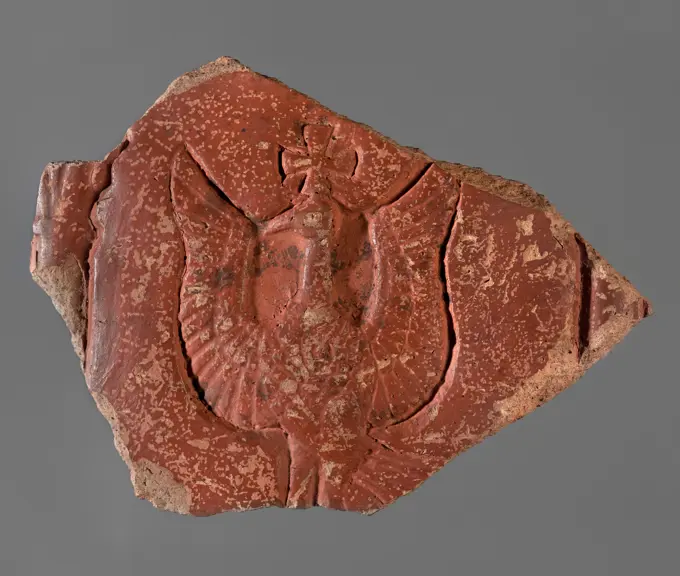
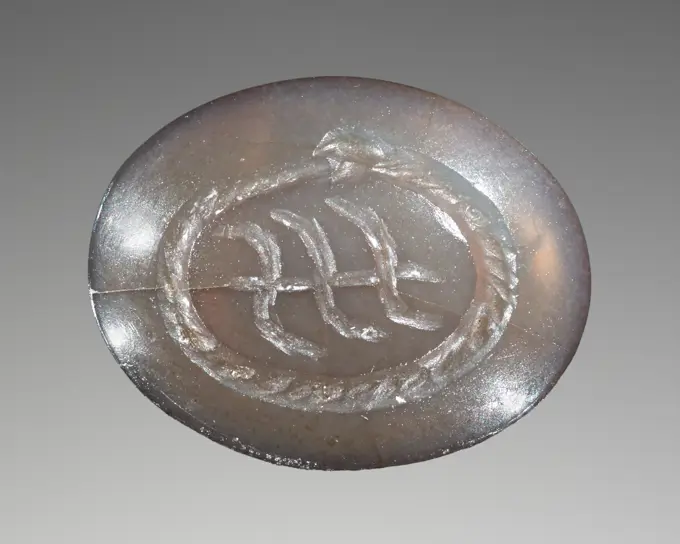
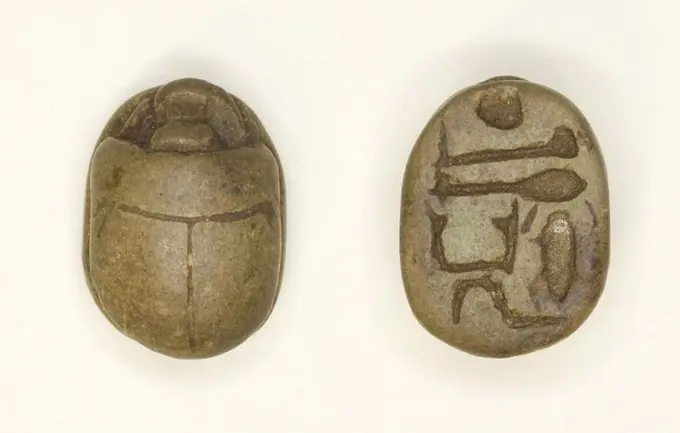
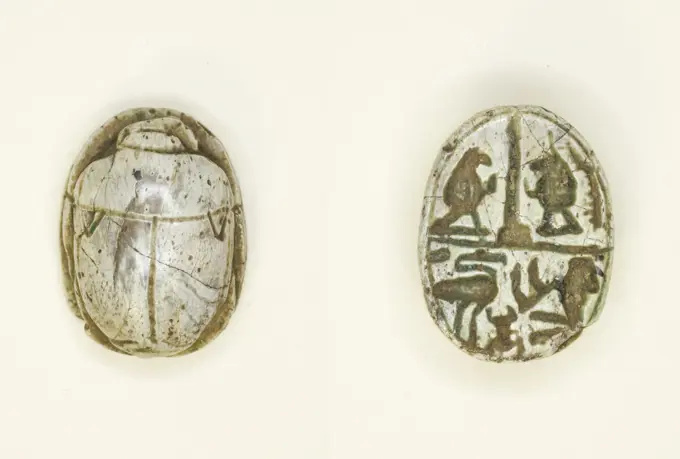
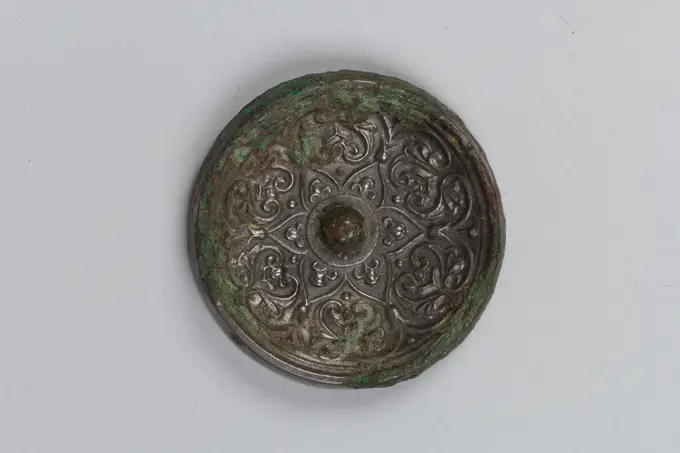
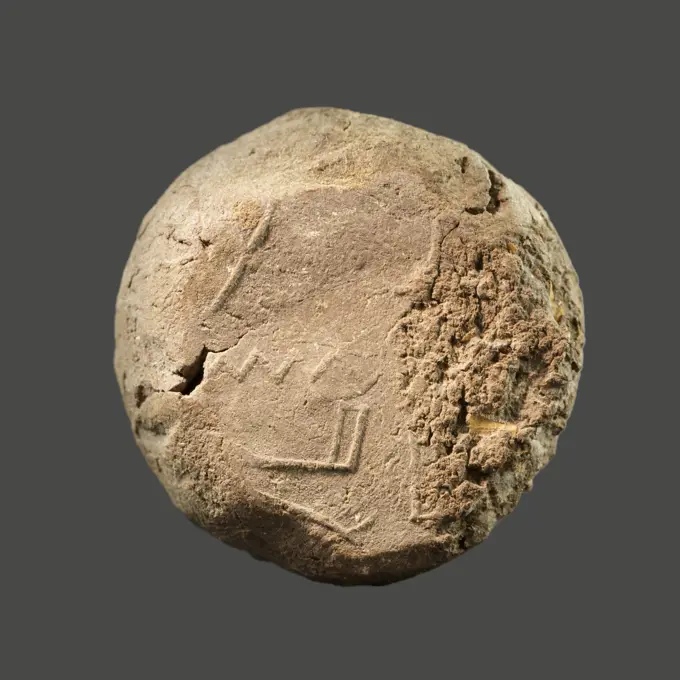
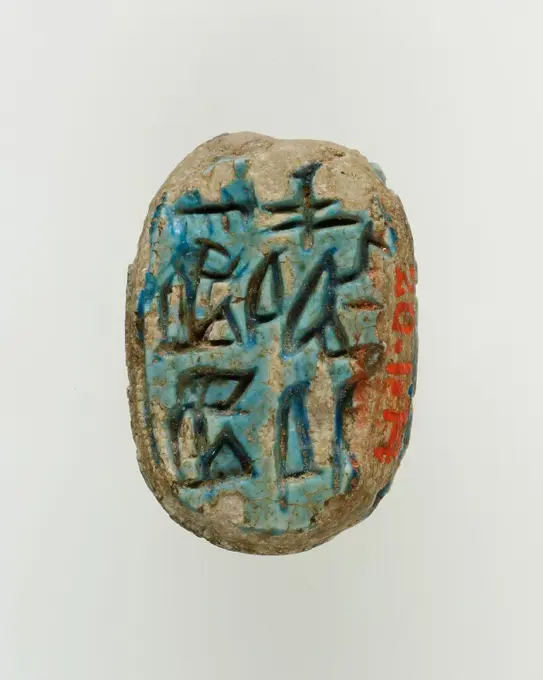
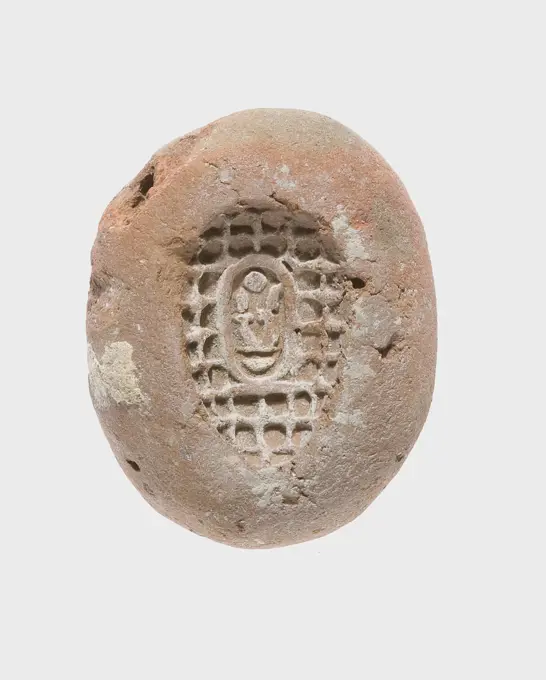
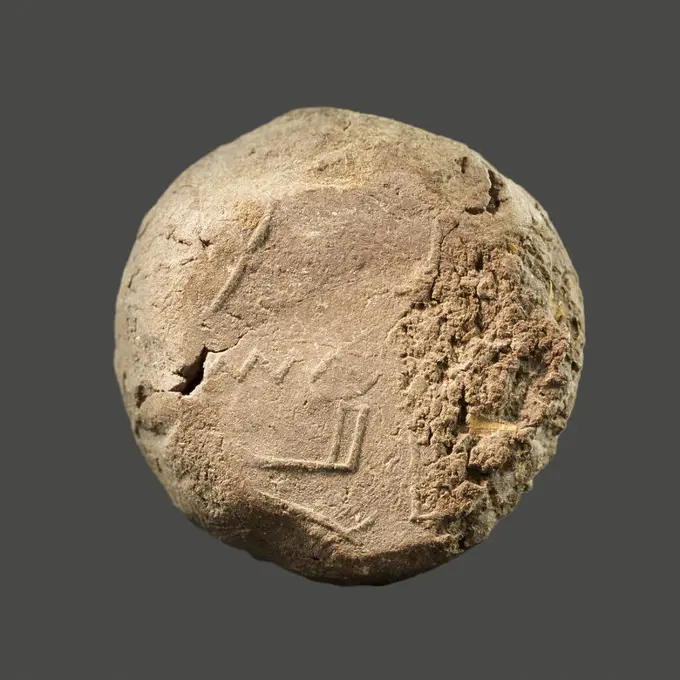
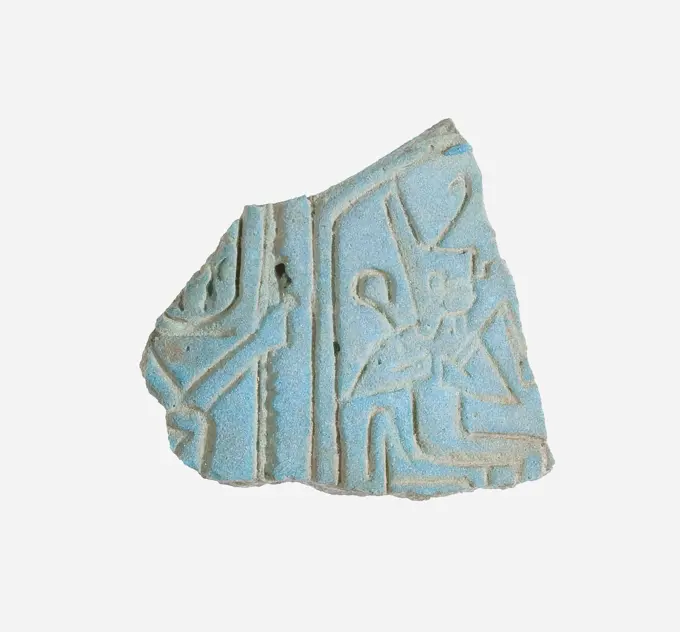
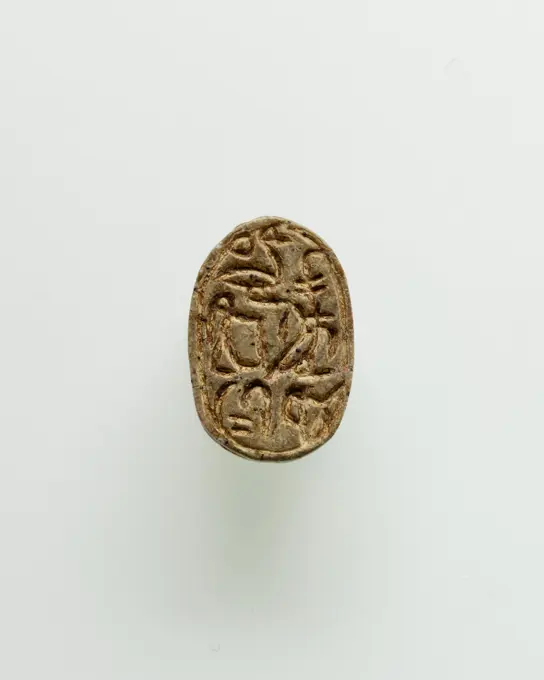
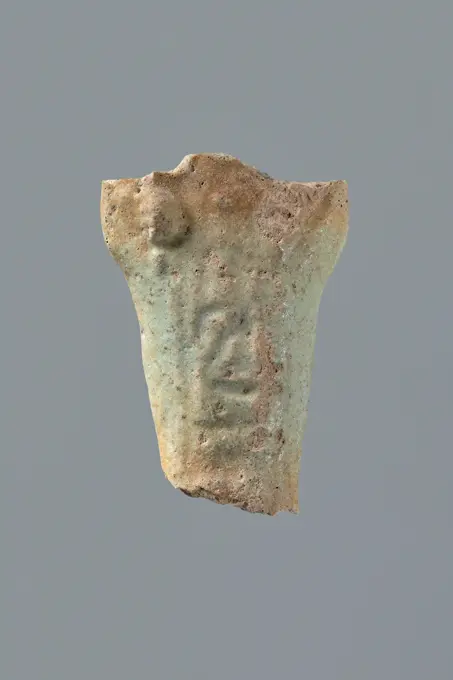
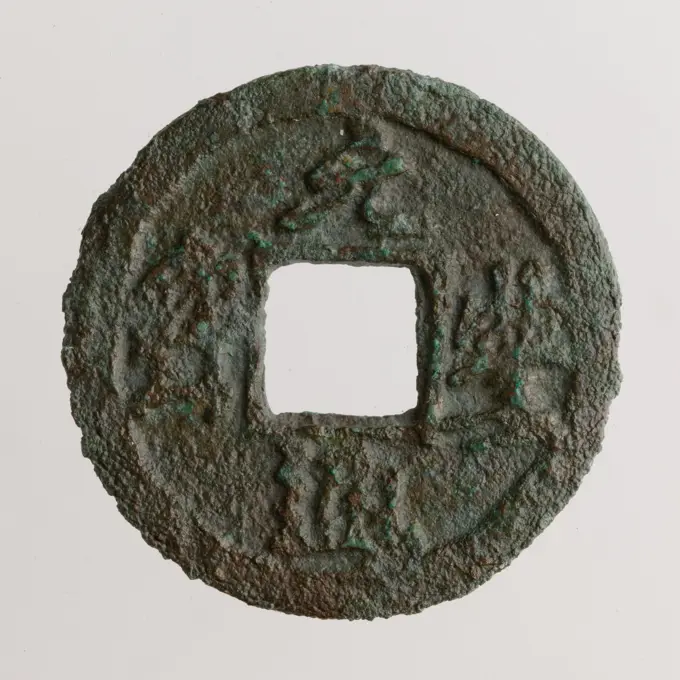
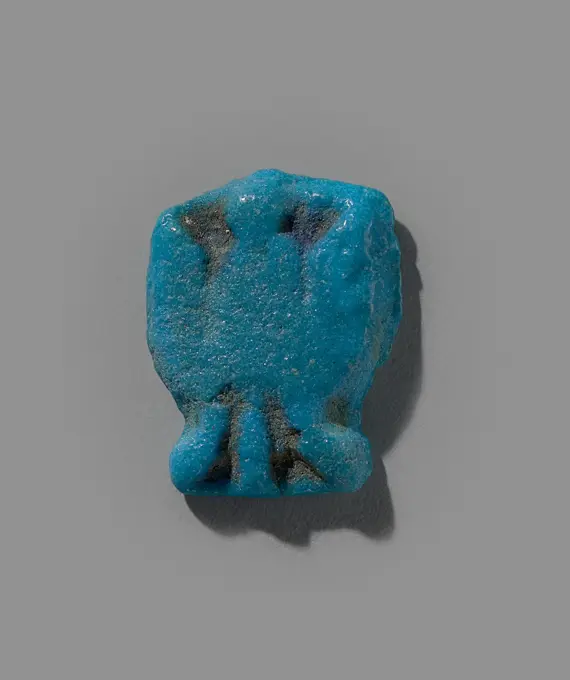
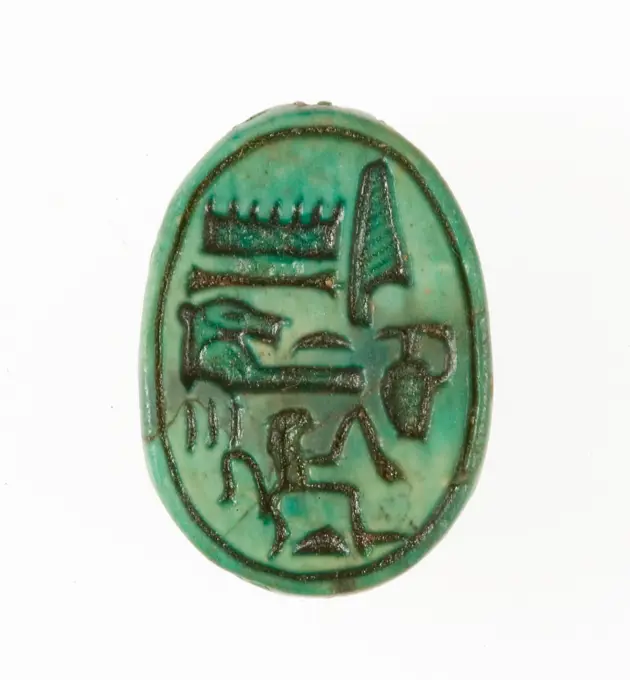
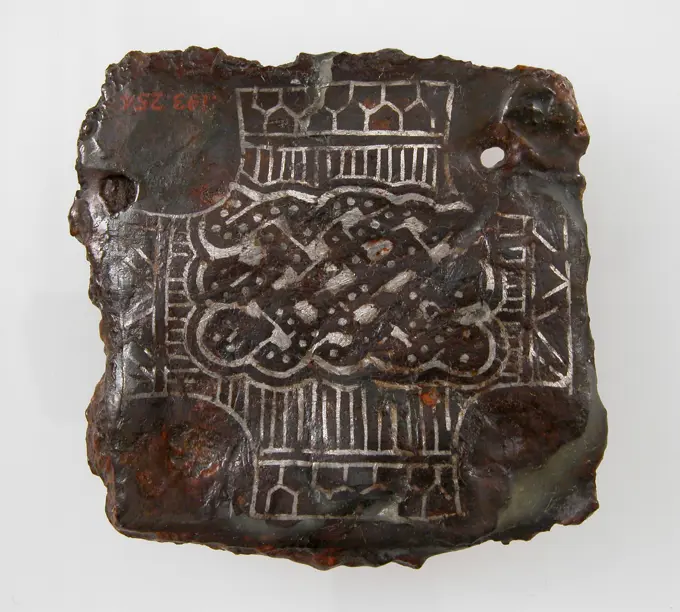
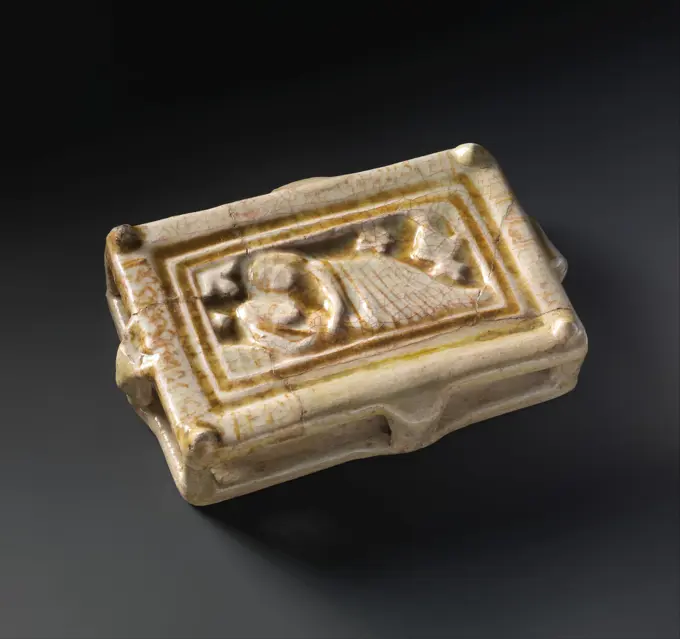
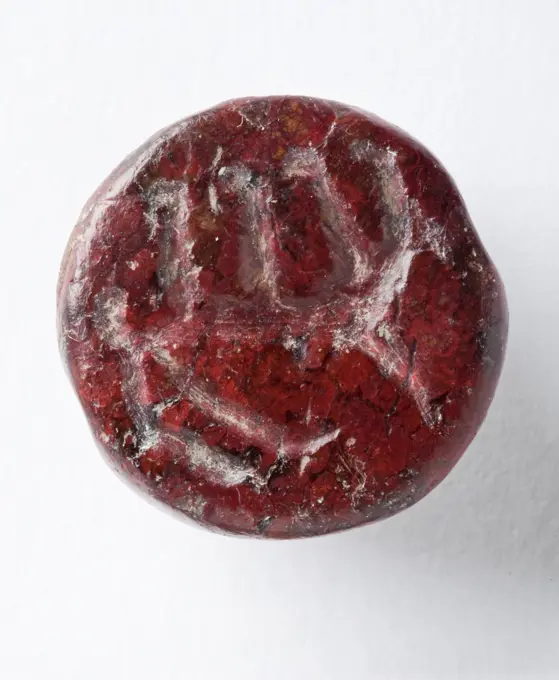
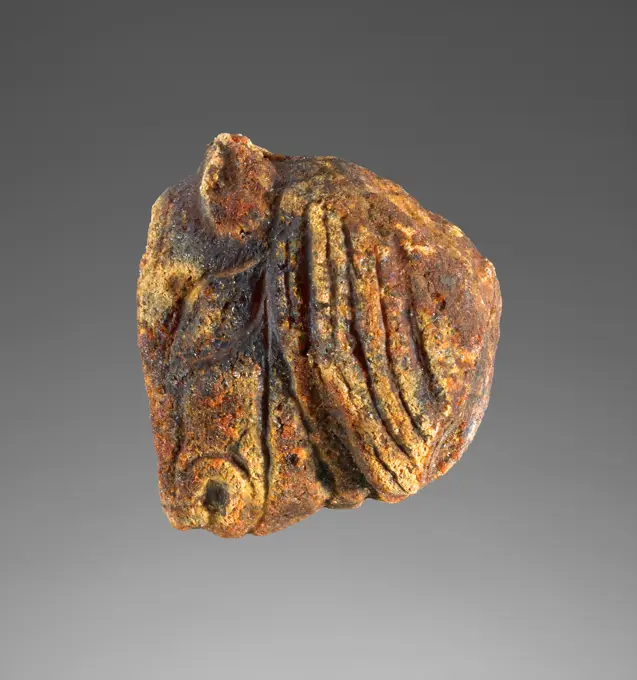
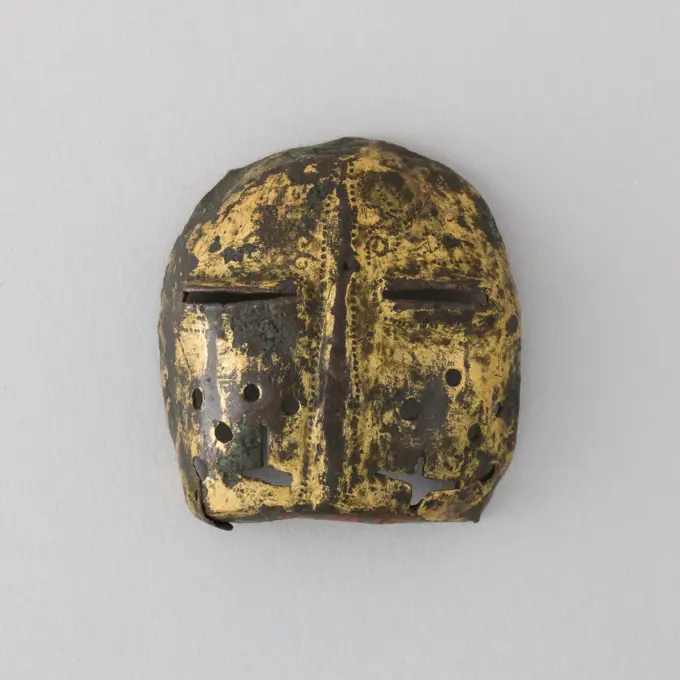
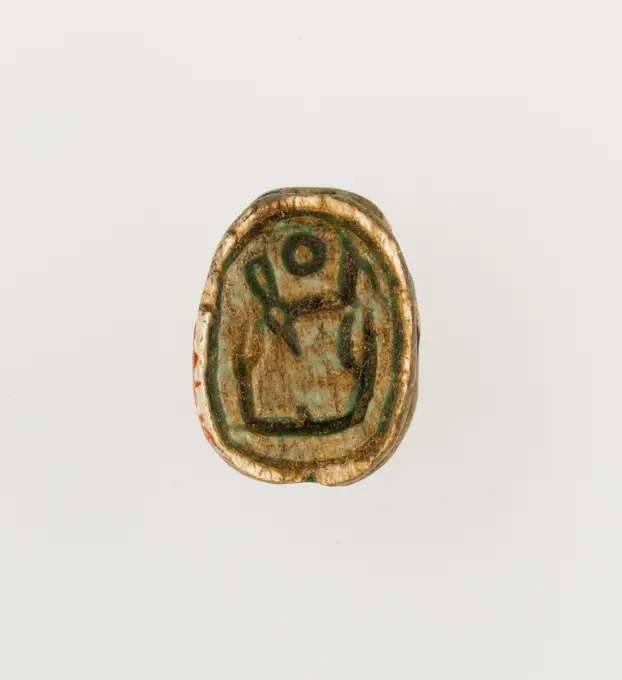
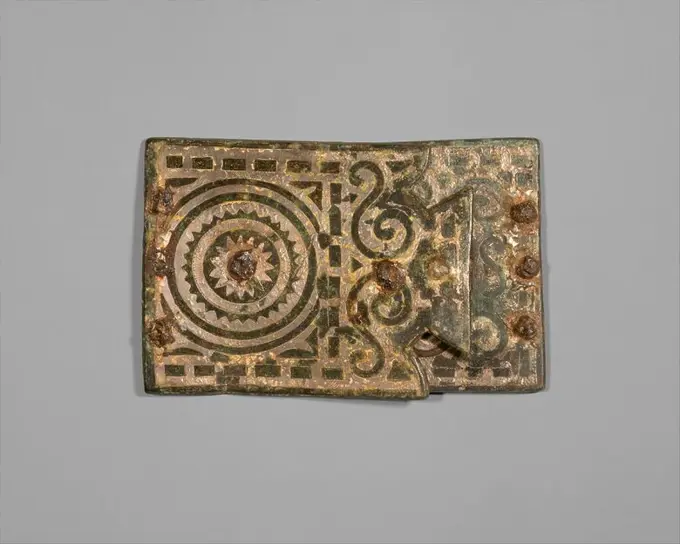
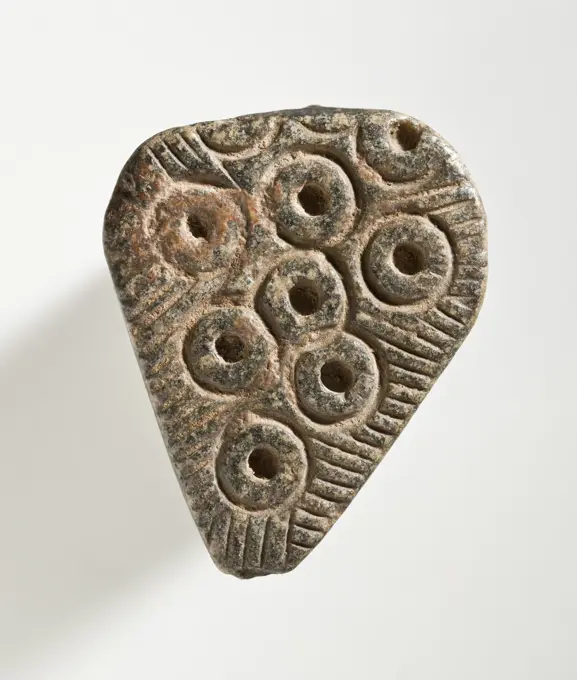
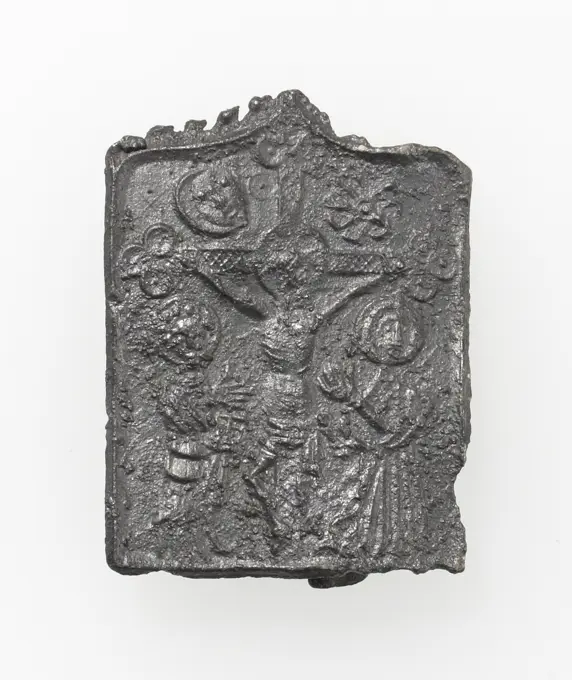
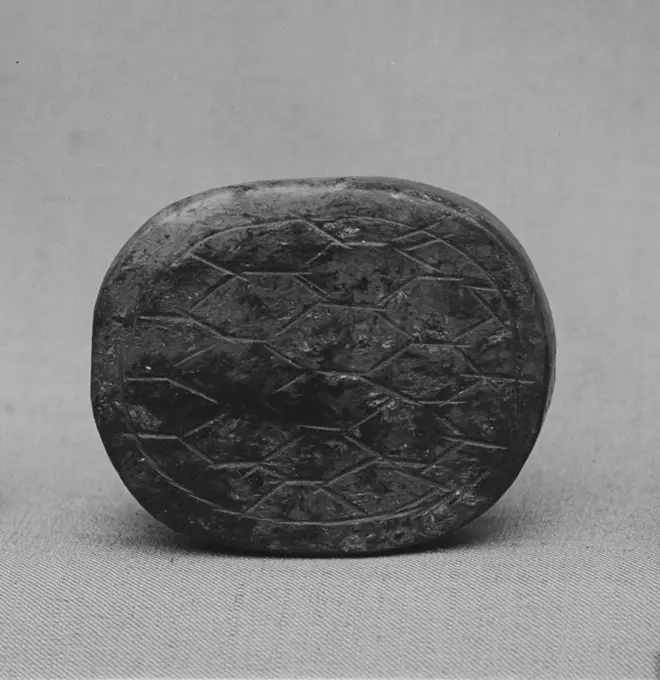
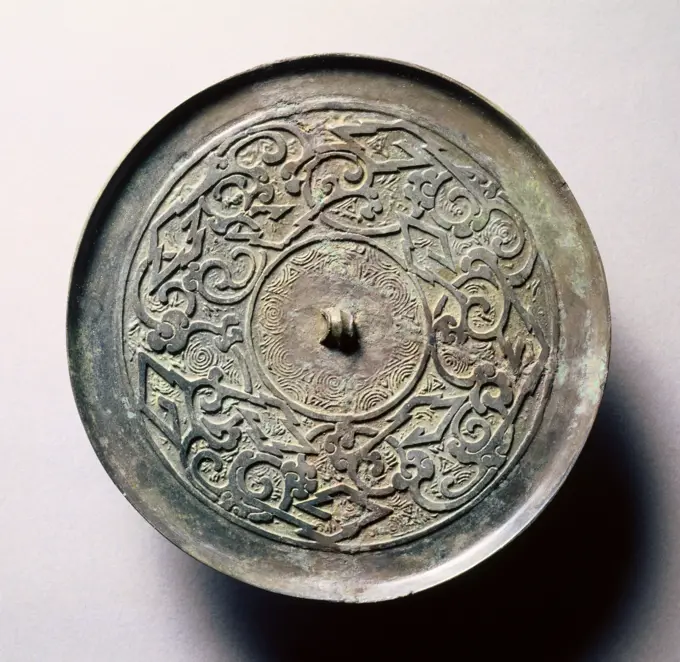
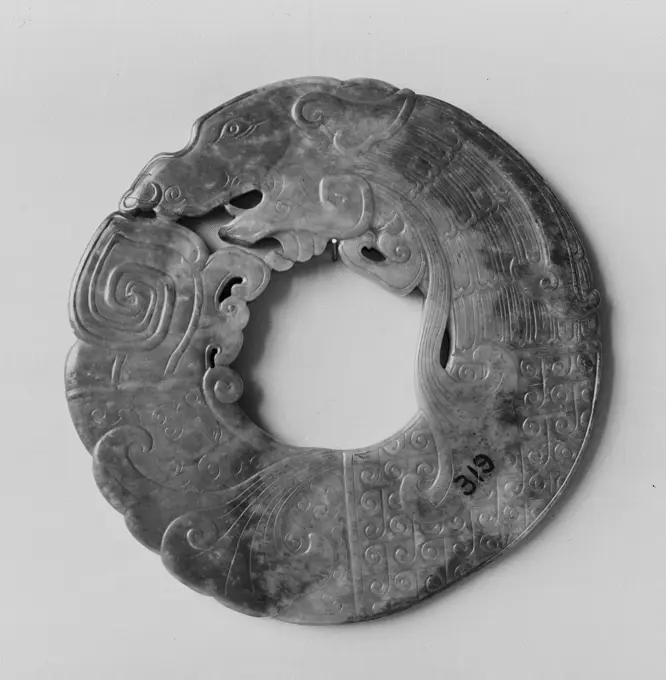
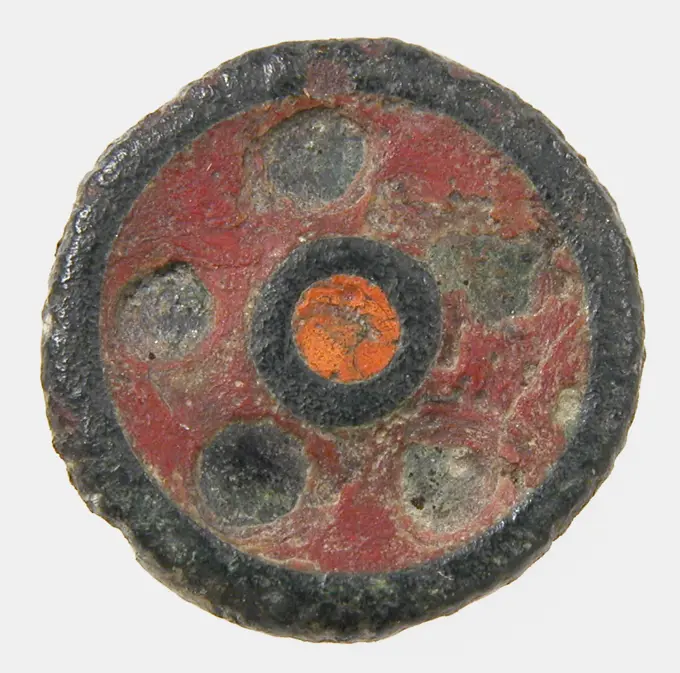
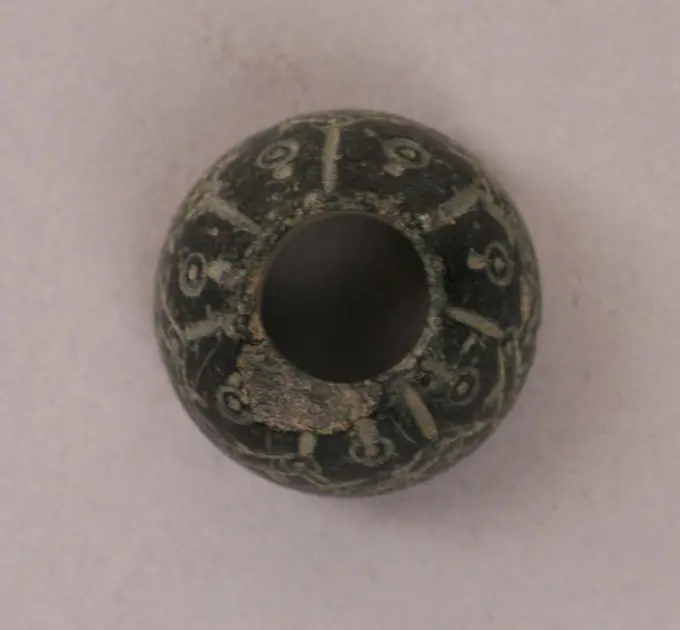
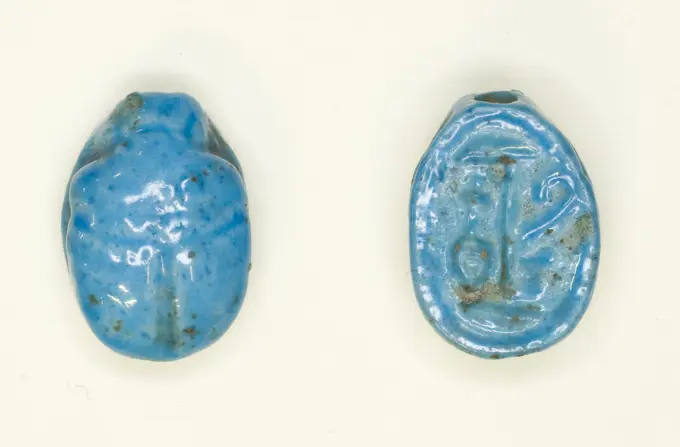
Tile fragment ca. 1981-1640 B.C. Middle Kingdom. Tile fragment. ca. 1981-1640 B.C.. Blue faience. Middle Kingdom. From Egypt, Memphite Region, Lisht North, Cemetery, MMA excavations, 1920-22. Dynasty 12-13Scarab Nebmaatra (Amenhotep III) 1390 BCE-1352 BCE Egypt. Faience . Ancient EgyptianFragment of a jug (Bartmann jug), anonymous, c. 1600 - c. 1699 Fragment of the neck of a jug (beard fancier) of stoneware, covered with a brown Engobe. A bearded man on the shard. Frechten. Cheek stoneware. glaze. engobe vitrification Fragment of the neck of a jug (beard fancier) of stoneware, covered with a brown Engobe. A bearded man on the shard. Frechten. Cheek stoneware. glaze. engobe vitrificationHardstone, blame, anonymousous, 1575 - 1625 Glazed fireplace with two climbing lions, placed in two diamonds with bay leaf motif. The half and quarter windows on the top and bottom are filled with a flower pattern. Southern Netherlands earthenware Glazed fireplace with two climbing lions, placed in two diamonds with bay leaf motif. The half and quarter windows on the top and bottom are filled with a flower pattern. Southern Netherlands earthenwareBrown coin; Chersonez; 320-310 BC (320-00-00-310-00-00);Artemida (mitol.), Kneeling artemida (iconogr.), Artemis with a bow and an arrow (iconogr.), Chynowski, Józef (1833-ca 1915), Chynowski, Józef (1833-Ca 1915)-collections, Nadczarzyorze, Society of Zachęta Sztuki Pięknej (Warsaw - 1860-1940) - collection, dolphins, griffins, counterattacks (numism.)Hearing stone with men's head and the letters V i in Lauwerkrans, c. 1575 - c. 1625 Hearing stone with men's head and the letters V i in Lauwerkrans, placed in profiled window. A double -headed eagle in the half windows on the sides. The half windows on the top and bottom are filled with half medallions with star motif. Southern Netherlands earthenware Hearing stone with men's head and the letters V i in Lauwerkrans, placed in profiled window. A double -headed eagle in the half windows on the sides. The half windows on the top and bottom are filled with half medallions with star motif. Southern Netherlands earthenwareVase fragment Minoan. Vase fragment 247823Mold with Throne Name of Ramses VII. Egypt, New Kingdom, 20th Dynasty, reign of Ramses VII (1149 - 1141 BCE). Tools and Equipment; molds. ClayFragment probably 11th century. Fragment 451604Fragment of a Utrecht Socle Type, with Ornamental Rosettes on the Plinth, anonymous, anonymous, c. 1425 - c. 1550  Northern Netherlands pipe clay  Northern Netherlands pipe clayCostume Ornament. Culture: Peru; central coast (). Dimensions: Overall: 1 3/8 in. (3.49 cm). Date: 11th-12th century. Museum: Metropolitan Museum of Art, New York, USA.Stamp Seal. Northern Mesopotamia, circa 4th millennium B.C.. Tools and Equipment; seals. White-mottled black serpentineScarab. Egyptian. Date: 664 BC-610 BC. Dimensions: 1.9 × 1.4 × 1 cm (3/4 × 9/16 × 3/8 in.). Faience. Origin: Egypt. Museum: The Chicago Art Institute, Chicago, USA. Author: Ancient Egyptian.Steelyard Weight with heraldic decoration Used on a steelyard balance, a counterweight for a straight-beam balance with arms of unequal length. The counterweight slides along the longer arm to counterbalance the load and indicate its weight. Also known as a Roman steelyard or Roman balance. Found at Weoley Castle, Birmingham, Birmingham historyScarab Inscribed for the God's Wife Nefertari ca. 1550-1525 B.C. New Kingdom. Scarab Inscribed for the God's Wife Nefertari 554711Mirror. Afghanistan, 12th-13th century. Metal. BronzeScarab ca. 1295-1070 B.C. New Kingdom, Ramesside. Scarab 569602Fireplace with presentation of two climbing lions, placed in two windows. Fireplace with presentation of two climbing lions, placed in two windows.Fragment imadła amfory transportowej ze stemplem z wizerunkiem Ateny oraz inskrypcją grecką "(Wykonane) kiedy astynomem był Posios, syn Stratonika". unknown, potter's workshopSeal Impression Mentioning a Northern Manifestation of Horus. Egypt, Late Period - Ptolemaic Period (714 - 30 BCE). Tools and Equipment; seals. Grayish-black semi-baked clayButt cap for spear haft, 5th-4th century BCE, 5 1/4 × 1 9/16 × 1 in., 0.4 lb. (13.34 × 3.97 × 2.54 cm, 0.2 kg)1 5/16 × 1 in. (3.33 × 2.54 cm) (object part, open end), Bronze inlaid with gold, China, 5th-4th century BCEBrakedate Halter; 15th century (1401-00-00-1500-00-00);Potocki, Andrzej (1861-1908), Destruct, Dzik's head (iconogr.), Unilateral coins, city coinsFragment of a vase; Unknown Nubian workshop; 2. PO. VII-3. In. 10th century; early Christian period (651-00-00-975-00-00);Faras (Sudan), Nubian ceramics, figural decorations, crosses, nubian vessels, vases, images of birds, Polish excavations in Faras (Sudan)Lames (eight) of a Left Gauntlet Made 1540-1570 Italy. Steel, brass, and leather .Greece, Party, Mithradates III (57 54), Bronze, Chalkus (AE) Mithradates III (57 54)Engraved Gem. UnknownScarab: Aakheperkara (Thutmose I). Egyptian. Date: 1504 BC-1492 BC. Dimensions: 1.6 × 1 × 0.6 cm (5/8 × 3/8 × 1/4 in.). Faience. Origin: Egypt. Museum: The Chicago Art Institute, Chicago, USA. Author: Ancient Egyptian.Tile, Anonymous, 1500 - 1600 Tile decorated with voluten diagonally placed. France earthenware. lead glaze. inlay (process) Tile decorated with voluten diagonally placed. France earthenware. lead glaze. inlay (process)Scarab of Ramesses VII. Dimensions: L. 3 cm (1 3/16 in.). Dynasty: Dynasty 18-20. Date: ca. 1550-1070 B.C.. Museum: Metropolitan Museum of Art, New York, USA.Scarab Gods and Hieroglyphs 1550 BCE-525 BCE Egypt. Glazed steatite . Ancient EgyptianFragments of Molded Glazed Ceramics 9th century. Fragments of Molded Glazed Ceramics. 9th century. Earthenware; molded and glazed. Found/excavated Iraq, Samarra. CeramicsFragment 9th century. Fragment. 9th century. Earthenware; molded decoration, glazed. Found Saudi Arabia, Dhahran. CeramicsScaraboid: Hippopotamus. Egyptian. Date: 1550 BC-1069 BC. Dimensions: 1.6 × 0.8 × 1.1 cm (5/8 × 5/16 × 7/16 in.). Glazed steatite. Origin: Egypt. Museum: The Chicago Art Institute, Chicago, USA. Author: Ancient Egyptian.Rolling Mold FormBliżej Kultury PergamonMirror Pendant 2nd-7th century Recuay. Mirror Pendant 318521Mirror with floral patterns China 8th century View more. Mirror with floral patterns. China. 8th century. Bronze. Tang dynasty (618-907). MirrorsFragment of the bowl on the foot; Unknown Nubian workshop; 2. PO. IX-1. after. 10th century; Classic Christian period (851-00-00-950-00-00);Nubian ceramics, floral decorations, geometric decorations, bowls on the foot, nubian vessels, painted nubian vessels, rosettes (ornament)Reference sealing ca. 1961-1954 B.C. Middle Kingdom Small lumps of clay were often used to seal goods or documents. They are called sealings. On one side they often bear an impression of the seal used, while another side can show an impression of the object itself or of its closing mechanism (such as a string). This lump of clay bears a seal impression, but its conical shape suggests that it was never attached to an object. It can therefore be identified as a reference sealing, which was used to verify the authenticity of sealings that were attached to documents or goods. Or it could have been used as proof of authorization for certain dealings. This reference seal was found together with two others (25.3.267a, c) and a third one (26.3.282) was discovered in another area of the same tomb. The reference sealing here shows an impression from the same seal as 26.3.282 that reads "Storehouse of Hathor.". Reference sealing. ca. 1961-1954 B.C.. Mud. Middle Kingdom. From Egypt, Upper Egypt, TScarab of an Official. Dimensions: L. 2 × W. 1.9 × H. 0.9 cm (13/16 × 3/4 × 3/8 in.). Dynasty: Dynasty 12-18. Date: ca. 1981-1550 B.C.. Museum: Metropolitan Museum of Art, New York, USA.Mold: Grapes with Cartouche ca. 1390-1353 B.C. New Kingdom. Mold: Grapes with Cartouche. ca. 1390-1353 B.C.. Pottery. New Kingdom. From Egypt, Upper Egypt, Thebes, Malqata, various, MMA excavations, probably 1910-11. Dynasty 18Stamp seal (hoof with loop handle) with divine being ca. 8th-7th century B.C. Urartian. Stamp seal (hoof with loop handle) with divine being. Urartian. ca. 8th-7th century B.C.. Copper/bronze alloy. Iron Age II. UrartuReference sealing. Dimensions: L. 3 cm (1 3/16 in.). Dynasty: Dynasty 12. Reign: early reign of Senwosret I. Date: ca. 1961-1954 B.C..Small lumps of clay were often used to seal goods or documents. They are called sealings. On one side they often bear an impression of the seal used, while another side can show an impression of the object itself or of its closing mechanism (such as a string). This lump of clay bears a seal impression, but its conical shape suggests that it was never attached to an object. It can therefore be identified as a reference sealing, which was used to verify the authenticity of sealings that were attached to documents or goods. Or it could have been used as proof of authorization for certain dealings. This reference seal was found together with two others (25.3.267a, c) and a third one (26.3.282) was discovered in another area of the same tomb. The reference sealing here shows an impression from the same seal as 26.3.282 that reads "Storehouse of Hathor.". MusFragment of Goblet ca. 1390-1353 B.C. New Kingdom. Fragment of Goblet. ca. 1390-1353 B.C.. Faience. New Kingdom. From Egypt, Upper Egypt, Thebes, Malqata, Palace of Amenhotep III, MMA excavations, 1910-12. Dynasty 18Fragment 8th-9th century. Fragment 448892Scarab of "the King's Eldest Son Nehesy" ca. 17th century B.C. Second Intermediate Period. Scarab of "the King's Eldest Son Nehesy". ca. 17th century B.C.. Stone. Second Intermediate Period. From Egypt. Dynasty 13-14Mirror Korea. Mirror. Korea. Bronze. Goryeo dynasty (918-1392). MirrorsFragment of Statesbti;  332-30 BC ; Ptolemean period (-332-00-00--30-00-00);Scarab ca. 1479-1458 B.C. New Kingdom. Scarab. ca. 1479-1458 B.C.. Faience. New Kingdom. From Egypt, Upper Egypt, Thebes, Deir el-Bahri, Hatshepsut Hole, Hathor Shrine, MMA excavations, 1922-23. Dynasty 18Cylinder seal 2nd millennium B.C. Syrian. Cylinder seal 325655Cash. Copper alloy, China, Song dynasty. Paris, Cernuschi museum. Amulet, Asian art, Chinese art, circle, Asian civilization, Chinese civilization, belief, disc, Song dynasty, currencyHearing stone with representation of two climbing lions and a coat of arms, 1610 Hearing stone with representation of two climbing lions and the year 1610, placed in profiled window. The half windows at the top and bottom are filled with a weapon, a crown and star motif. Southern Netherlands earthenware Hearing stone with representation of two climbing lions and the year 1610, placed in profiled window. The half windows at the top and bottom are filled with a weapon, a crown and star motif. Southern Netherlands earthenwareFood Model Amulet: Brace of Duck, 1295-1069 BC. Egypt, New Kingdom, Dynasties 19-20. Faience; overall: 2.6 cm (1 in.).Scarab Menkheperra (Thutmose III) 1479 BCE-1425 BCE Egypt. Glazed steatite . Ancient EgyptianSeal Impression with Hieroglyph for Uniting the Two Lands. Egypt, Middle Kingdom - Second Intermediate Period (1991 - 1600 BCE). Tools and Equipment; seals. Baked clay with scorchingScarabs from Hatshepsut Foundation Deposits ca. 1479-1458 B.C. New Kingdom During the 1926-1927 excavation season, the Museum's Egyptian Expedition uncovered three foundation deposits along the eastern enclosure wall of Hatshepsut's funerary temple at Deir el-Bahri in Western Thebes. Among the contents were 299 scarabs and stamp-seals. Sixty-five of these are now in the Egyptian Museum, Cairo, and the rest were acquired by the Museum in the division of finds.Among the inscriptions on the bases of these scarabs and seals are examples of every title Hatshepsut held, from the time she was "king's daughter" during the reign of her father, Thutmose I; through the time she was queen of her half-brother, Thutmose II; and during her co-reign with her nephew/step-son, Thutmose III.Thirteen of the scarabs (27.3.199 to 27.3.212) are inscribed with various writings of the extended form of Hatshepsuts personal name, Hatshepsut-united-with-Amun, which sometimes appears, enclosed in a cartouche, as tBackplate of a Belt Buckle 6th-7th century Frankish. Backplate of a Belt Buckle 465579 Frankish, Backplate of a Belt Buckle, 6th7th century, Iron, silver inlay, Overall: 2 1/8 x 2 1/16 x 1/2 in. (5.4 x 5.3 x 1.3 cm). The Metropolitan Museum of Art, New York. Gift of J. Pierpont Morgan, 1917 (17.193.254)Plaque. Central Asia, 6th century B.C.. Sculpture; plaques. Bronze, cast. Rounded rectangular tsuba with a man with a horse at a hut looking at a dragon in the clouds in relief and Iroe-Taka-Zogan; At the rear a mountain landscape with a waterfall and pine trees.Shawabty of Ditamenpaankh, 715-656 BC. Egypt, Late Period, Dynasty 25. Terracotta; overall: 2.8 x 1.7 x 1.1 cm (1 1/8 x 11/16 x 7/16 in.).Model of a House with Amorous Couple 12th-early 13th century Ceramic house models may have been wedding gifts. The erotic imagery on the rooftop of the luster house model, complemented by inscribed good wishes, relates the object to marriage. The turquoise models open courtyard with pierced balustrade and corner roof projections suggests a vernacular building. A festive occasion is depicted, with seated personages holding cups and a couple dancing with raised arms. The role of the turbaned, bearded man on a high stepped stool—a figure who bears the conventional traits of older, wise, educated, or religious men—remains enigmatic.. Model of a House with Amorous Couple. 12th-early 13th century. Stonepaste; molded, glazed in opaque white, luster-painted. Made in Iran. CeramicsEngraved Gem. UnknownStamp Seal, Hemispheriod. Northern Syria or southeast Anatolia, about 6th-4th millennium B.C.. Tools and Equipment; seals. Red jasperPendant: Horse's Head in Profile. UnknownMold for Making Ceramics late 9th-early 10th century. Mold for Making Ceramics 449858Costume Ornament 11th-12th century Central coast (). Costume Ornament 308778Vase fragment East Greek/Sardis, Lydian Rim fragment with basket pattern.. Vase fragment 252689 East Greek/Sardis, Lydian, Vase fragment, Terracotta, Overall: 2 3/4 x 2 3/16in. (7 x 5.6cm). The Metropolitan Museum of Art, New York. Gift of The American Society for the Excavation of Sardis, 1926 (26.199.121)Scarab with a King Shooting a Bow and Arrow. Egypt, New Kingdom, 18th-19th dynasties (1569-1201 BCE). Sculpture. Dark brown steatiteScarab Menkheperra (Thutmose III) 1479 BCE-1425 BCE Egypt. Glazed steatite . Ancient EgyptianVisor of a Miniature Helm end of 13th century French. Visor of a Miniature Helm 33289Plumbing and leader guild, Anonymous, c. 1550 - c. 1750  One -sided lead sign in the form of coat of arms. Front: crowned coat of arms between plumbing hammer and knife or hammer. Reverse: Blanco.  lead (metal) casting  NetherlandsLamp 5th-6th century Small earthenware lamps, made from double molds, were the most commonly used source of light in daily Coptic life. A wick produced from plant fiber or linen fabric was placed in a reservoir filled with oil, generally castor or sesame oil, and illuminated. This red earthenware lamp displays the image of a cock, enclosed by a border of leaves, vases, rosettes, quatrefoils, and cross-hatched squares.. Lamp 447990Denar - Brakteat; 2 after. XIII century (1233-00-00-1299-00-00);39 keys from the collection of Emmanuel Vita Israël, anonymous Sliding key whose handle consists of a down-desired C-Volute, crowned by square eye. The beard that is attached to the handle with a side connection runs into a leaf.  bronze (metal) Sliding key whose handle consists of a down-desired C-Volute, crowned by square eye. The beard that is attached to the handle with a side connection runs into a leaf.  bronze (metal)Leopard-Head Seal Inscribed with the Throne Name of Amenhotep I ca. 1525-1504 B.C. New Kingdom. Leopard-Head Seal Inscribed with the Throne Name of Amenhotep I. ca. 1525-1504 B.C.. Steatite, glazed. New Kingdom. From Egypt. Dynasty 18Belt Clasp. Culture: Celtic. Dimensions: Overall (together): 2 9/16 x 5 1/8 x 1/4 in. (6.5 x 13 x 0.6 cm)Overall (a): 2 9/16 x 2 13/16 x 1/4 in. (6.5 x 7.1 x 0.6 cm)Overall (b): 2 9/16 x 3 3/8 x 1/4 in. (6.5 x 8.5 x 0.6 cm). Date: 2nd century B.C..This bronze and silver buckle is unusual in that both its top and bottom plaque are preserved, along with remains of the iron rivets used to attach it to a leather belt. Small figurines show warriors wearing similar clasps, suggesting this was designed for use by a soldier. It is typical of a type of buckle produced in the central plain region of the Iberian Peninsula, where silver is found in the Sierra Morena mountains. In design it is closely related to engraved examples of artwork in Andalusia in the southwest of Spain, a province that strongly influenced the artistic development of the rest of Iberia. Opposing spirals were a popular motif in Celtic art and were often combined with concentric circles on buckles such as this one. The deStamp Seal. Northern Syria or Southeast Anatolia, circa 6th-4th millennium B.C.. Tools and Equipment; seals. Gray serpentinePilgrim's Badge 14th-16th century French. Pilgrim's Badge. French. 14th-16th century. Lead. Metalwork-LeadLion Head Figurine. Egypt, Roman Period (100 - 395 CE) or later. Sculpture. BronzeCoin Weight 13th-16th century. Coin Weight 442877Possibly a Palette probably 8th-12th century. Possibly a Palette 450086Girdle pendant China. Girdle pendant 43184Coin Weight 10th-11th century. Coin Weight 453523Mirror with Serpentine Interlaces and Angular Meanders, early 5th-late 3rd century BC. China, Eastern Zhou dynasty (771-256 BC), Warring States period (475-221 BC). Bronze; diameter: 11.7 cm (4 5/8 in.); overall: 0.6 cm (1/4 in.); rim: 0.5 cm (3/16 in.).Hearing stone with presentation of Christ on the cross with the three Mary's, c. 1525 - c. 1550 Highstone with the representation of Christ on the cross with the three Maria's. Southern Netherlands earthenware Highstone with the representation of Christ on the cross with the three Maria's. Southern Netherlands earthenwareFragment 11th-12th century. Fragment 445624Circular Pierced Tablet China. Circular Pierced Tablet. China. Nephrite. Han dynasty (206 B.C.-A.D. 220). JadeCoQ medal, s. d. (Dummy title) Medal. CoQ Medal. TIN.Hearing stone with representation of two climbing lions, placed in two windows, Anonymous, c. 1575 - c. 1625 Hearing stone with representation of two climbing lions, placed in two windows. The half windows at the top and bottom are filled with diamond-shaped flowers. Southern Netherlands (possibly) earthenware Hearing stone with representation of two climbing lions, placed in two windows. The half windows at the top and bottom are filled with diamond-shaped flowers. Southern Netherlands (possibly) earthenwareInlay ca. 18th century B.C. Old Assyrian Trading Colony. Inlay 323603Seal Impression with Motif of Uniting the Two Lands. Egypt, Middle Kingdom - Late Period (1991 - 333 BCE). Tools and Equipment; seals. Blackened clayOrnamental fittings for a belt, decorated the top with two phoenixes in relief ,, c. 907 - c. 1125 Ornamental fittings for a belt. The top decorated with two phoenixes in relief. Elongated side-by-style lobed side. Hollow with a riveted bottom plate. Inside textile residues. China bronze (metal). gilding (material) casting / gilding Ornamental fittings for a belt. The top decorated with two phoenixes in relief. Elongated side-by-style lobed side. Hollow with a riveted bottom plate. Inside textile residues. China bronze (metal). gilding (material) casting / gildingScarab Inscribed with the Throne Name of Thutmose III. Dimensions: L. 2 cm (13/16 in); w. 1.3 cm (1/2 in); h. 0.9 cm (3/8 in). Dynasty: Dynasty 18, early. Reign: Joint reign of Hatshepsut and Thutmose III. Date: ca. 1479-1458 B.C.. Museum: Metropolitan Museum of Art, New York, USA.Terracotta jug fragment. Culture: Roman. Dimensions: width 3 5/8in. (9.2cm). Date: 1st half of 2nd century A.D..Applied medallion from a jug; Hermes riding on a ram. Museum: Metropolitan Museum of Art, New York, USA.Chest fragment with Aten cartouche ca. 1353-1336 B.C. New Kingdom, Amarna Period. Chest fragment with Aten cartouche 549767Flat Button 2nd-3rd century Roman. Flat Button 464908 Roman, Flat Button, 2nd3rd century, Champlev enamel, copper alloy, Overall: 9/16 x 1/8 in. (1.4 x 0.3 cm). The Metropolitan Museum of Art, New York. Gift of J. Pierpont Morgan, 1917 (17.191.208)Button or Bead or Spindle Whorl 8th-10th century The dot-in-circle motif recalls designs presumed to be of magical significance, most likely an abstract eye to ward off the evil-eye, which serves an apotropaic function. Easily reproduced with a tool and visible in many cultures and times, this symbol may have lost its meaning, and become simply a decorative pattern, or may have one that we have not yet discovered.. Button or Bead or Spindle Whorl 450061Coin. UnknownFeature with image, Anonymous, 1621 Hearing stone with windows (Losanges) in which two deer and Ten tuished to each other and the year 1621. Southern Netherlands earthenware Hearing stone with windows (Losanges) in which two deer and Ten tuished to each other and the year 1621. Southern Netherlands earthenwareScarab Hieroglyphs (Red Crown, nfr- and nb-Signs Trigramme of Amun) 1550 BCE-1186 BCE Egypt. Faience . Ancient Egyptian