Ancient Artifacts

A collection of historical fragments and artifacts, including Egyptian faience, scarabs, and medieval stoneware, showcasing intricate designs and ancient craftsmanship.

Fragment of a Utrecht Socle Type, with Ornamental Rosettes on the Plinth, anonymous, anonymous, c. 1425 - c. 1550  Northern Netherlands pipe clay  Northern Netherlands pipe clay
Fragment of a Utrecht Socle Type, with Ornamental Rosettes on the Plinth, anonymous, anonymous, c. 1425 - c. 1550 Northern Netherlands pipe clay Northern Netherlands pipe clay
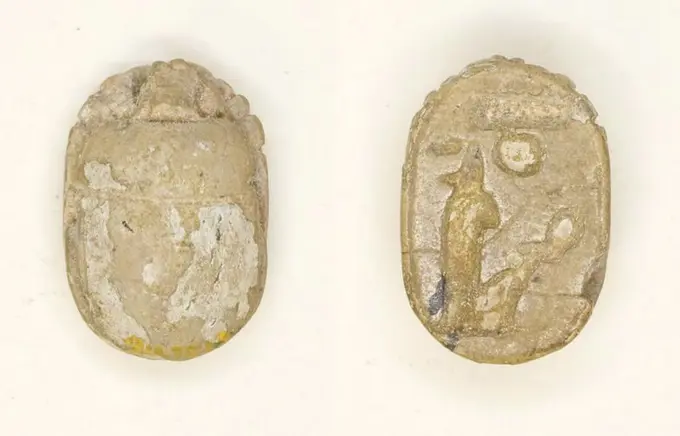
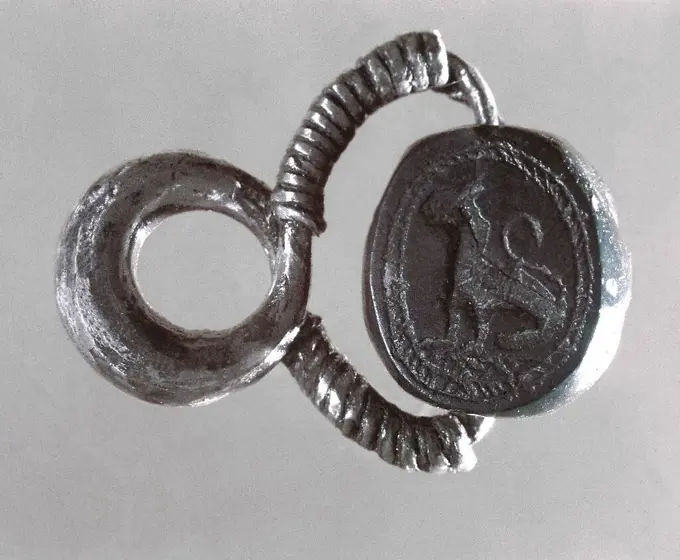
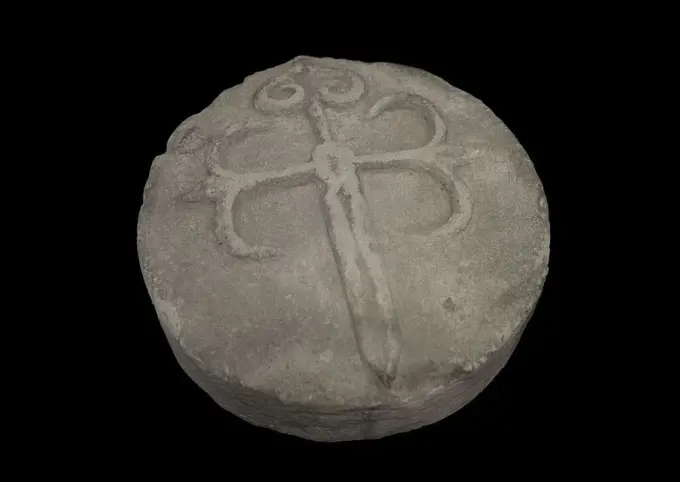
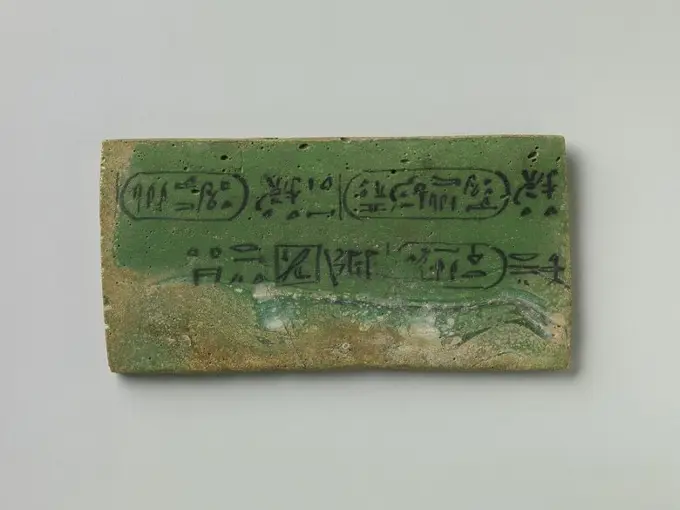
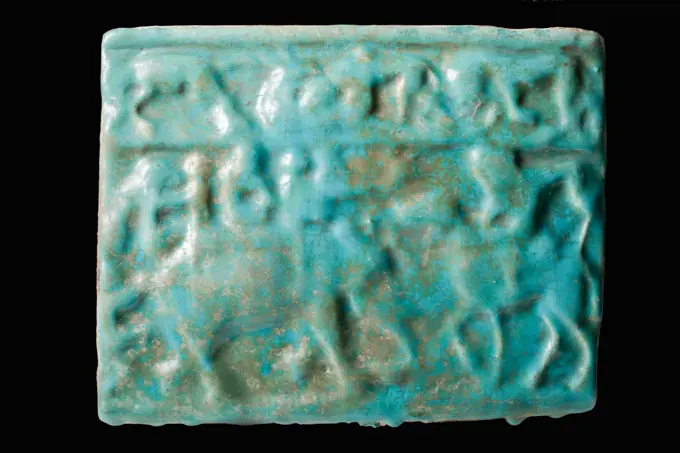
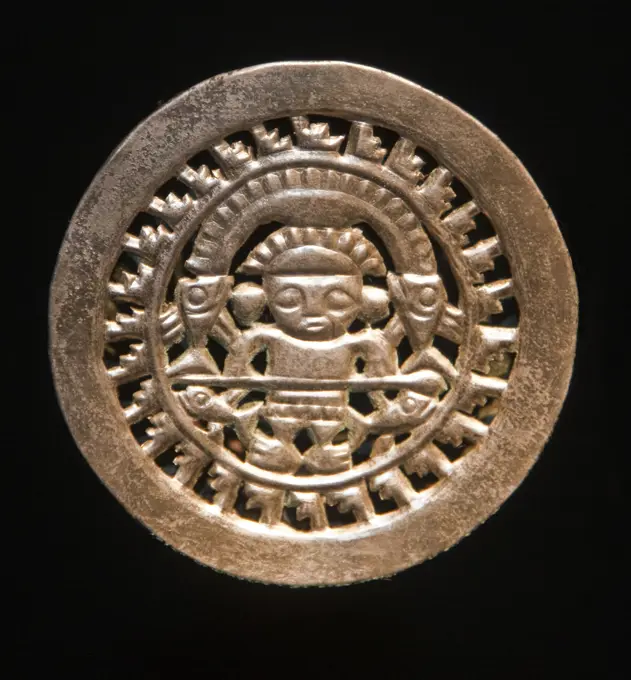
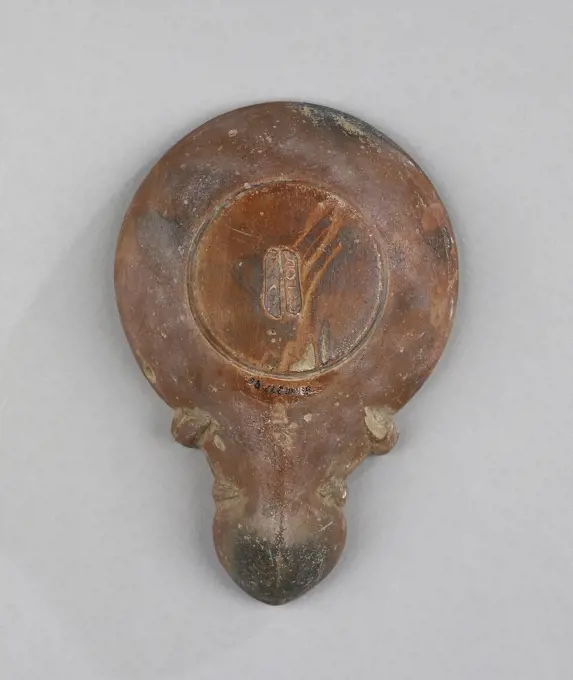
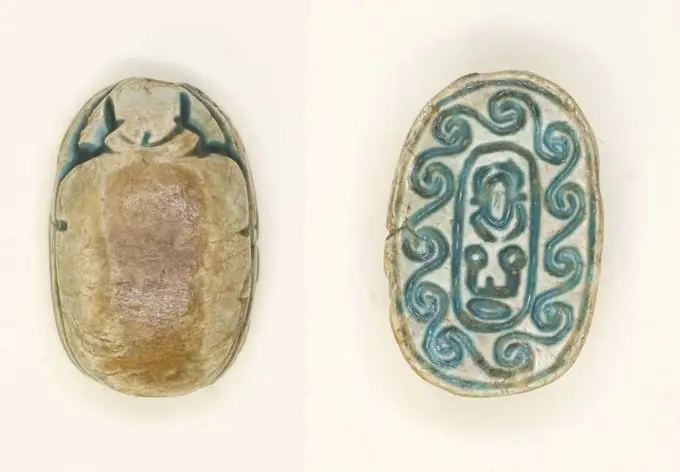
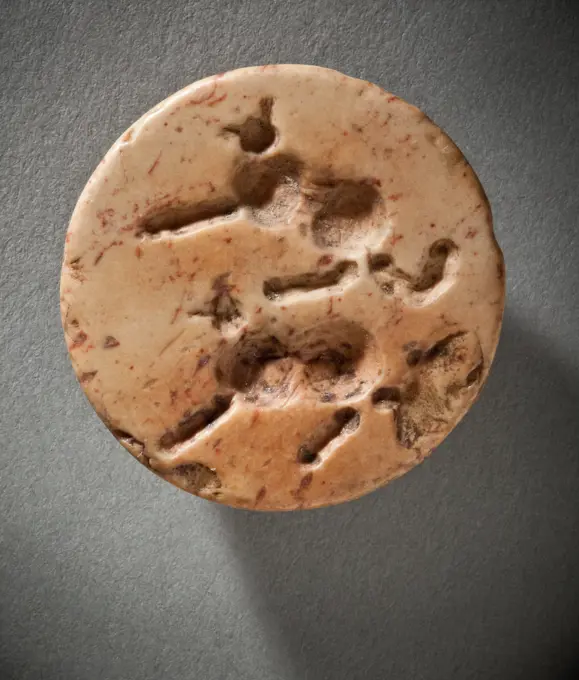
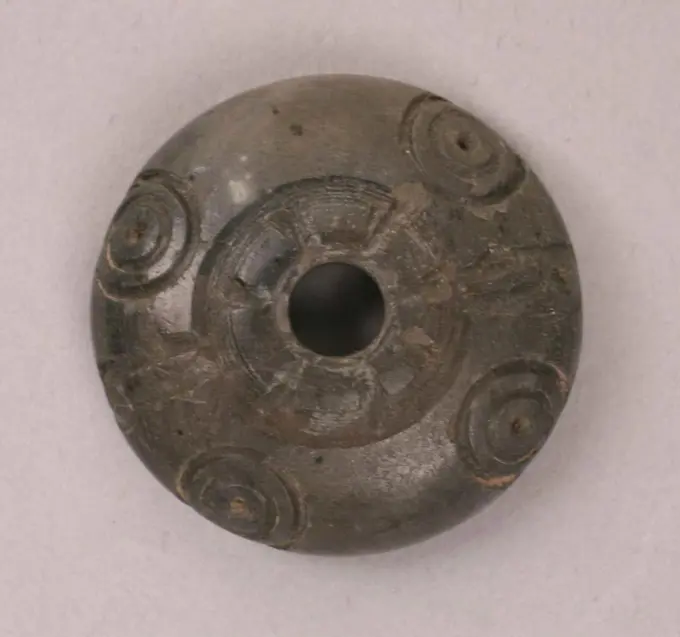
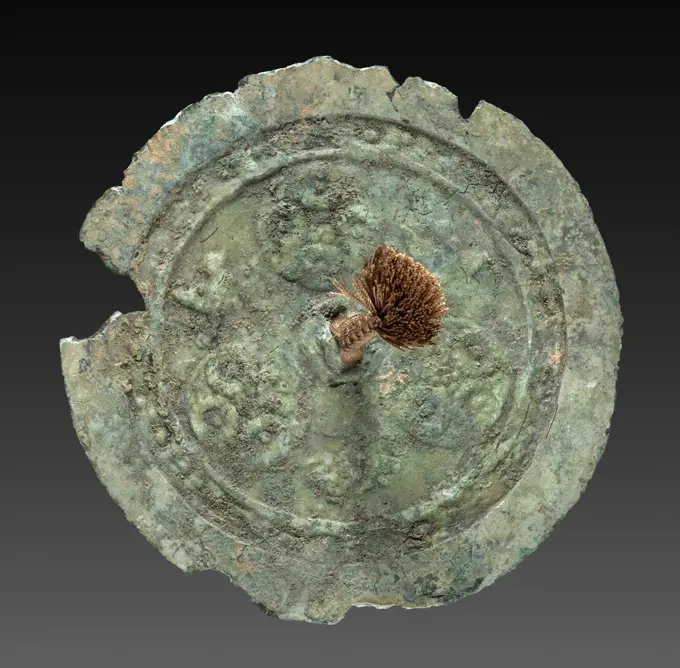
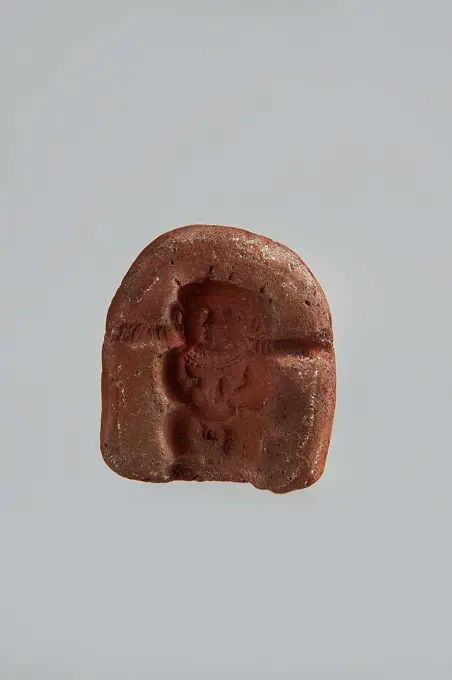
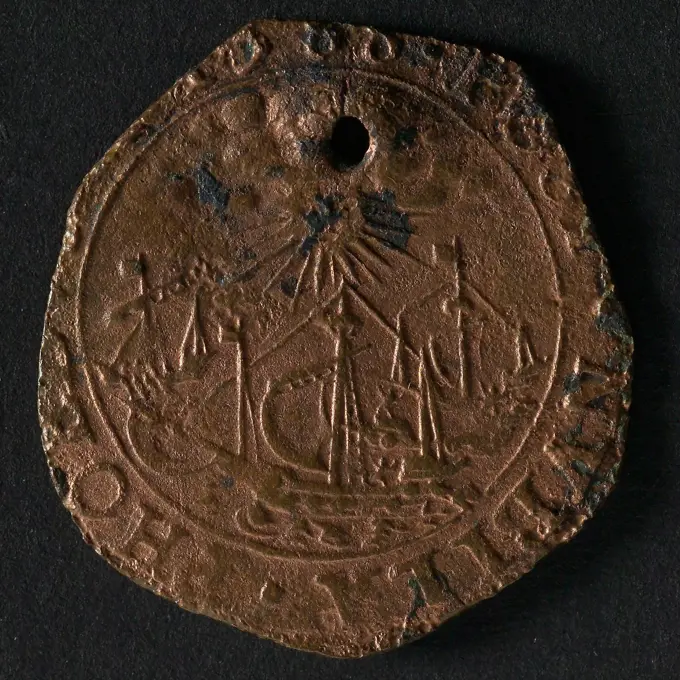
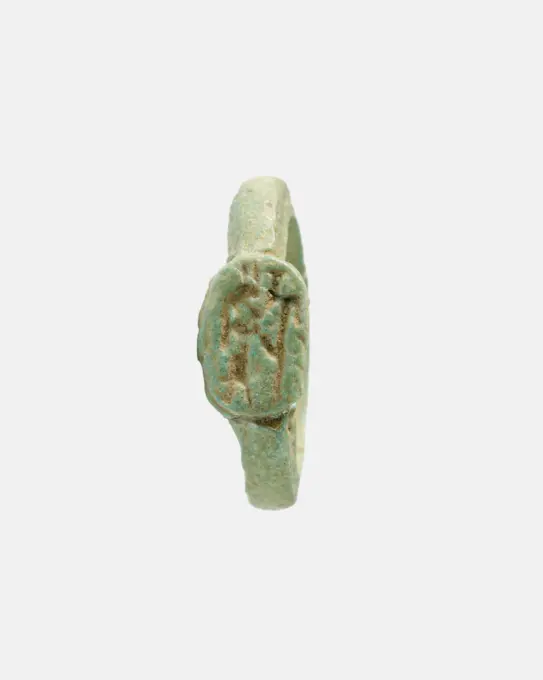
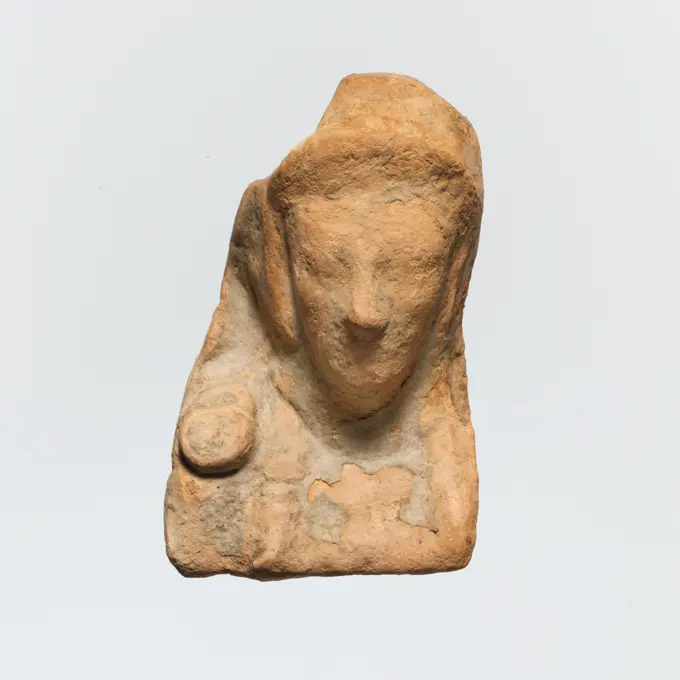
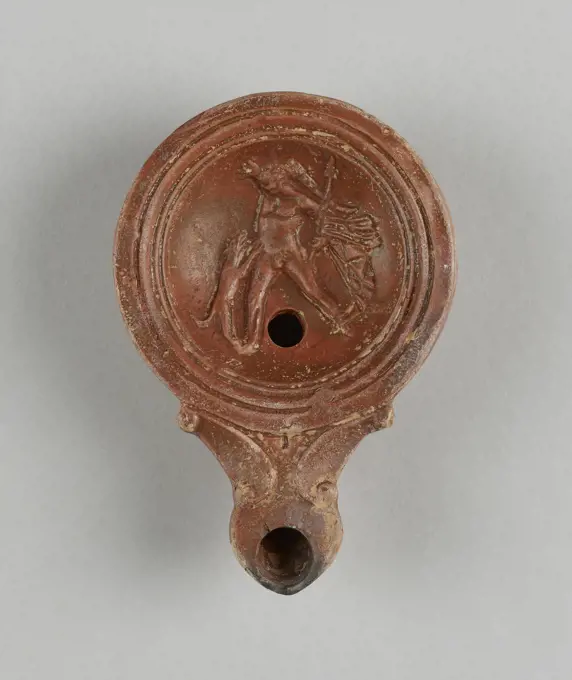
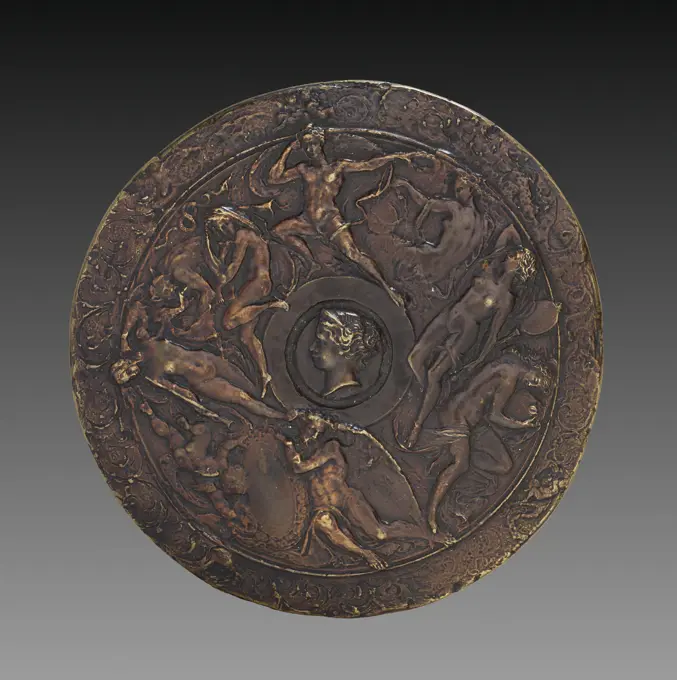
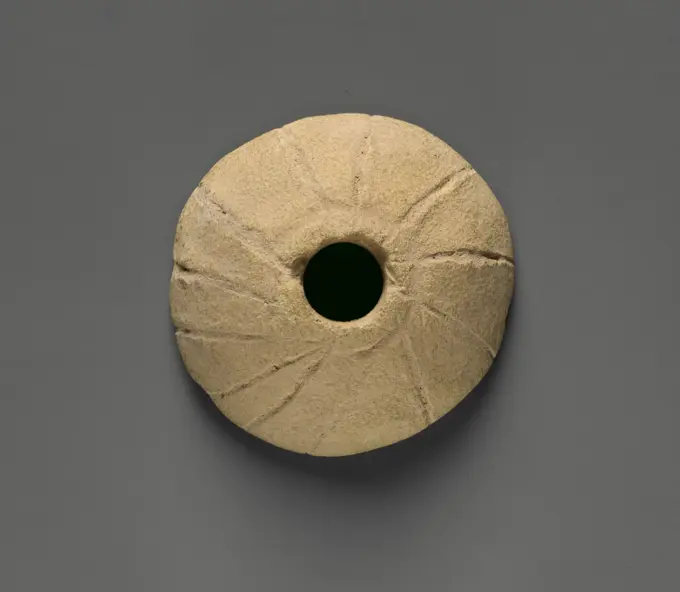
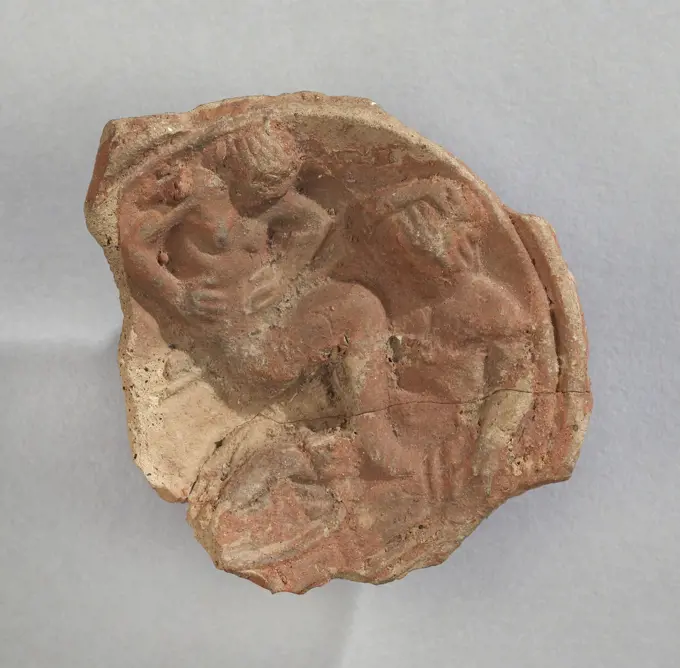
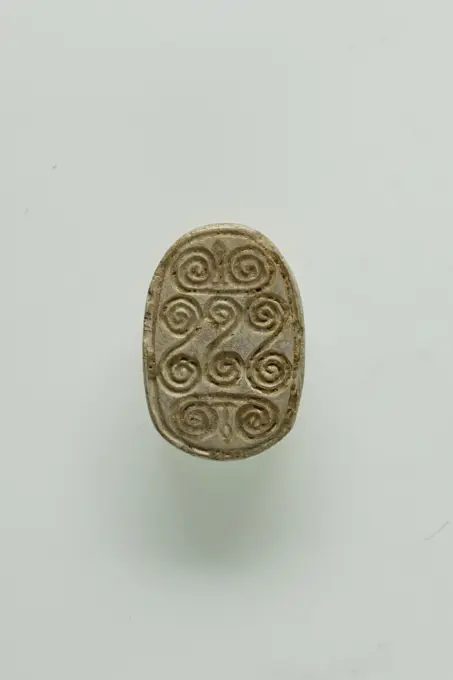
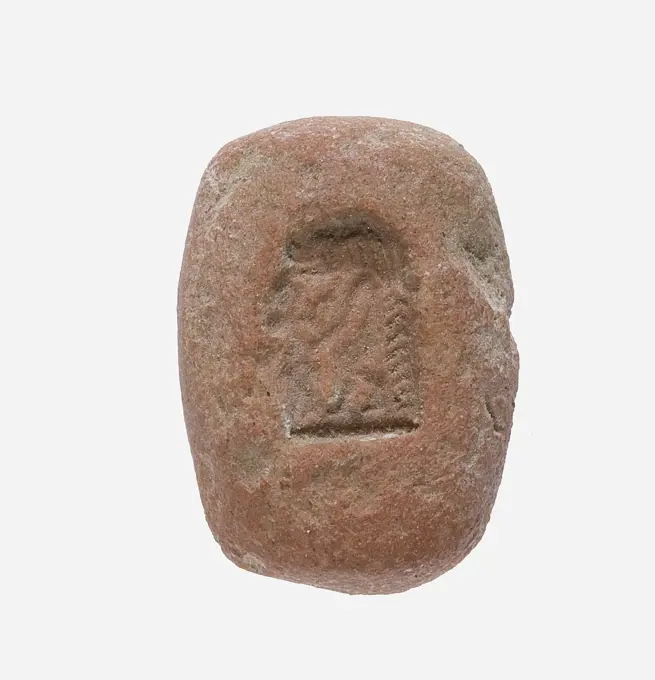
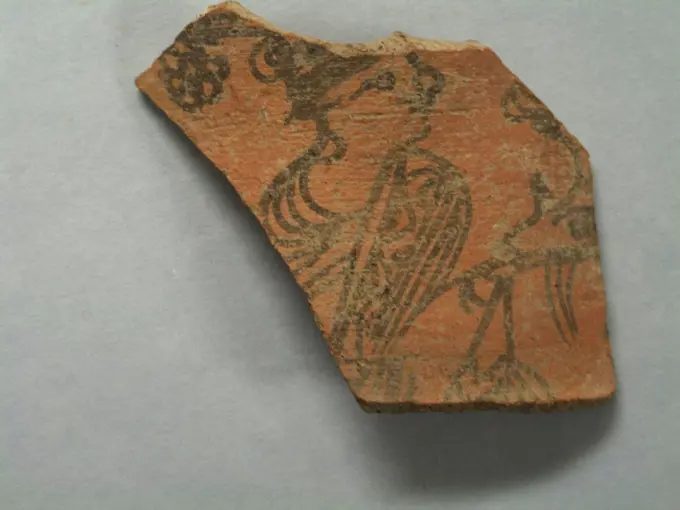
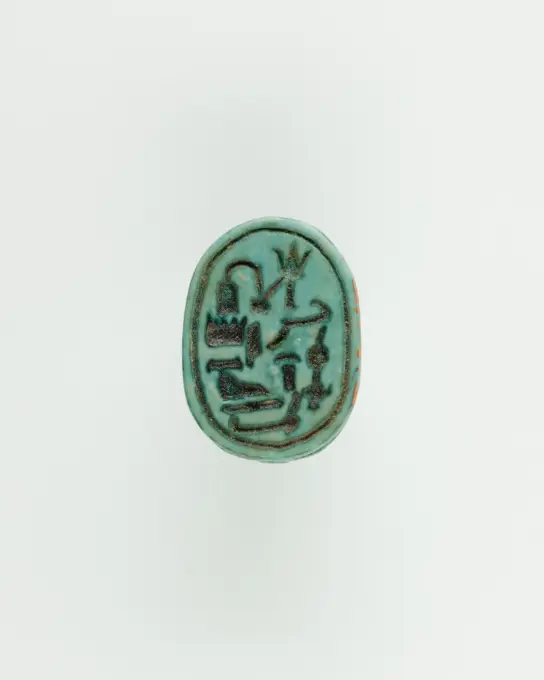
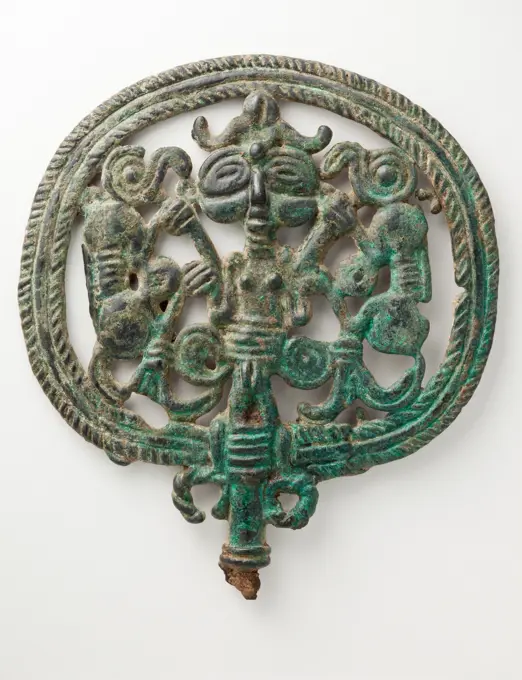
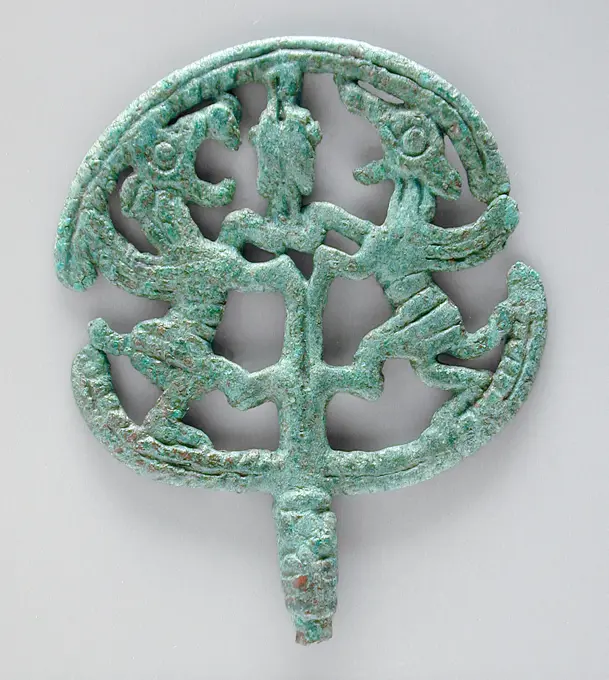
Buckle. Afghanistan, 12th-early 13th century. Metal. Bronze, castTile fragment with a turquoise and blue glaze, anonymous, c. 1350 - c. 1499 Fragment of a tile of hard baked red earth, covered on one side with a turquoise and blue colored glaze. The ornament, consisting of blue tires on a light green soil, cannot be reconstructed from this excerpt. The tile has a ridge of earthenware at the rear. Coming from the Mosque of Erivan on the Sauga, District Erivan, on the Turkish-Perzian border. Iran earthenware. glaze painting / vitrification Fragment of a tile of hard baked red earth, covered on one side with a turquoise and blue colored glaze. The ornament, consisting of blue tires on a light green soil, cannot be reconstructed from this excerpt. The tile has a ridge of earthenware at the rear. Coming from the Mosque of Erivan on the Sauga, District Erivan, on the Turkish-Perzian border. Iran earthenware. glaze painting / vitrificationPlaque. Egypt, Amarna, New Kingdom (circa 1569 - 1081 BCE). Sculpture. FaienceScaraboid Calf ( ) 1550 BCE-1069 BCE Egypt. Glazed steatite . Ancient EgyptianSaksonia , Denar of the Cross, between 1080 and 1100 unknownScarab: Menmaatra (Sety I). Egyptian. Date: 1294 BC-1279 BC. Dimensions: 1.3 × 0.8 × 0.6 cm (1/2 × 5/16 × 1/4 in.). Steatite. Origin: Egypt. Museum: The Chicago Art Institute, Chicago, USA. Author: Ancient Egyptian.Ring, Prenomen of Amenhotep III ca. 1390-1353 B.C. New Kingdom. Ring, Prenomen of Amenhotep III. ca. 1390-1353 B.C.. Copper. New Kingdom. From Egypt, Upper Egypt, Thebes, Malqata, Palace of Amenhotep III, House 2.w, MMA excavations, 1911-12. Dynasty 18Hearing stone with a performance of a free pair, seated on a couch in a departure, c. 1550 - c. 1575 Hearing stone with a performance of a liberating pair, seated on a couch in a departure. Very worn. Southern Netherlands earthenware vitrification Hearing stone with a performance of a liberating pair, seated on a couch in a departure. Very worn. Southern Netherlands earthenware vitrificationFragment 14th century. Fragment 445323Fragment of sitle. Bronze. Cernuschi Museum, Asia Museum of Asia in the city of Paris.ESCARABEO DE JASPE CON MONTURA DE PLATA- S V A C. Location: MUSEO ARQUEOLOGICO / MUSEO DE PUIG DES MOLINS. IBIZA. SPANIEN.Stamp, Gabled with Rounded Back. Northern Syria or southeast Anatolia, circa 3500 - 3100 B.C.. Tools and Equipment; stamps. Black serpentineLamp. UnknownBowl 9th century. Bowl 449793Plate Fragment of a Belt Buckle 4th-7th century Frankish. Plate Fragment of a Belt Buckle 469784Cast Pendant; Greece; about 14th century B.C; Glass; 2.5 cm (1 in.)Funerary Cones ca. 1550-1295 B.C. New Kingdom. Funerary Cones. ca. 1550-1295 B.C.. Pottery. New Kingdom. From Egypt, Upper Egypt, Thebes. Dynasty 18AS; Kommodus (161-192; Roman emperor 177-192);  (164-00-00-169-00-00);Belt Plaque in the Shape of a Standing Carnivore 4th century B.C. Northwest China. Belt Plaque in the Shape of a Standing Carnivore 59502Game Piece with a Bird ca.1050 French. Game Piece with a Bird 469713Scarab Inscribed for the King's Principal Wife Ahmose ca. 1504-1492 B.C. New Kingdom. Scarab Inscribed for the King's Principal Wife Ahmose. ca. 1504-1492 B.C.. Steatite, glazed. New Kingdom. From Egypt. Dynasty 18Vase Fragment mid-2nd century A.D. Roman, Gaul Nude man (Herakles) holding snakes, flanked to his left by Eros.. Vase Fragment. Roman, Gaul. mid-2nd century A.D.. Terracottaworkshop. VasesKeystone with the Cross of Saint James. 16th-17th centuries. Carved limestone. Museum of Pilgrimage and Santiago. Santiago de Compostela, Galicia, Spain.Scaraboid Fish 1550 BCE-1186 BCE Egypt. Glazed steatite . Ancient EgyptianMultiple Eye of Horus Amulet. Egypt, 724 - 31 BCE. Jewelry and Adornments; amulets. FaienceFoundation plaque for a temple dedicated to Hathor / Aphrodite at Cusae. Dimensions: H. 5.3 cm (2 1/16 in.); W. 0.4 cm (3/16 in.); L. 10.6 cm (4 3/16 in.). Dynasty: Ptolemaic Dynasty. Reign: reign of Ptolemy IV Philopator. Date: 222-204 B.C..This tablet and one or possibly two others in different materials are known from the dedication of a shrine to Aphrodite Urania, in Egyptian "Hathor Who-is-in-Heaven," at Cusae by Ptolemy IV. Museum: Metropolitan Museum of Art, New York, USA.Molded Faience Plaque with birth throne of Ramses II. Egypt, New Kingdom, 19th Dynasty, reign of Ramses II (1304 - 1237 BCE) or after. Sculpture; plaques. FaienceTile. Iran, 13th century. Ceramics. Fritware, glazedPeru. Rafael Larco Herrera Museum is an unforgettable experience. A fine example of an exquisite gold ear ornament.Mold with Birth Name of Tutankhamen. Egypt, New Kingdom, 18th Dynasty, reign of Tutankhamen (1355 - 1346 BCE), after change to Amen religion. Tools and Equipment; molds. TerracottaBelt Buckle, 600s. Frankish, Migration period, 7th century. Iron with silver overlay; overall: 10.2 x 5.9 cm (4 x 2 5/16 in.).Roof Tile End. Culture: China. Dimensions: Diam. 7 in. (17.8 cm).These two roof tiles (with 18.56.31) are decorated with animals that symbolize two of the four cardinal directions: the White Tiger of the West and the Red Bird of the South. Museum: Metropolitan Museum of Art, New York, USA.Stone Temple Model 1st-8th century Mezcala. Stone Temple Model 317543Wedjat eye amulet ca. 1070-664 B.C. Third Intermediate Period-Kushite Period. Wedjat eye amulet. ca. 1070-664 B.C.. Faience. Third Intermediate Period-Kushite Period. From Egypt. Dynasty 21-25Lamp, Egypt; 1st - 4th century; Terracotta; 3 x 7.7 x 11.2 cm (1 3,16 x 3 1,16 x 4 7,16 in.)Scarab Seal of Sesostris I. Egyptian. Date: 1991 BC-1784 BC. Dimensions: 1.3 × 1 × 0.6 cm (1/2 × 3/8 × 1/4 in.). Ceramic. Origin: Egypt. Museum: The Chicago Art Institute, Chicago, USA. Author: Ancient Egyptian.Stamp Seal, Hemispheroid. Iran or Mesopotamia, about 3000 B.C.. Tools and Equipment; seals. Buff marbleButton or Bead 9th-10th century This object was excavated at Nishapur.Nishapur was a vital city in the early and middle Islamic periods, located along one of the main trajectories that connected Iran and West Asia Islamic lands with Central Asia and China. These itineraries are often referred to by the term Silk routes’ but were in fact crucial to the movement of constellations of materials and objects, as well as people and ideas. The diverse population of Nishapur and its surroundings, from the better-researched elite groups of merchants, land-owning aristocracy, and literates, to the less-known artisans, farmers, miners, and servants, were instrumental in adapting global cultural trends to create their own distinctive visual languages. This is seen in the material remains of everyday life in medieval Nishapur - from pots and pans to lighting devices, inkwells, textiles and trimmings, jewelry, games and toys, talismanic devices, weapons, coins, and architectural fragments.Nishapur lHyksos Scarab with Foreign King's Name. Egypt, 13th - 16th Dynasties (1786 - 1569 B.C.). Sculpture. SteatiteMirror, 794-1185. Japan, Heian period (794-1185). Bronze; diameter: 10.2 cm (4 in.).Forma do figurki Ptaha-karła. unknown, authorAmulet Case 11th century. Amulet Case 452861Amulet Plaque with Throne Name of Queen Tawosret. Egypt, New Kingdom, 19th Dynasty, reign of Tawosret (1209 - 1201 BCE). Jewelry and Adornments; amulets. FaienceButton or Bead 9th-10th century The dot-in-circle motif recalls designs presumed to be of magical significance, most likely an abstract eye to ward off the evil-eye, which serves an apotropaic function. Easily reproduced with a tool and visible in many cultures and times, this symbol may have lost its meaning, and become simply a decorative pattern, or may have one that we have not yet discovered.. Button or Bead 449247Engraved Gem with Anubis and Osiris; 100 - 250; Green Jasper; 1.4 × 1.1 × 0.3 cm (9,16 × 7,16 × 1,8 in.)Roman oil lamps. Terracotte. Octopus decoration. From Catalonia. Episcopal Museum of Vic. Spain.Hearing Coverstone With The Wapen Of Prince Maurits Of Orange Nassau, Anonymous, 1567 - 1625 Semi -round hairstone with weapon of Prince Maurits; upstairs shield crown and .6 .., on either side lions - left with letter g between front legs, right with m between front legs - and plant motifs, simple border in relief; Rand very worn and pieces out, from shield, very worn, black brackled, remnant cement, white attack, left side with fault line, white paint splashes. Netherlands earthenware Semi -round hairstone with weapon of Prince Maurits; upstairs shield crown and .6 .., on either side lions - left with letter g between front legs, right with m between front legs - and plant motifs, simple border in relief; Rand very worn and pieces out, from shield, very worn, black brackled, remnant cement, white attack, left side with fault line, white paint splashes. Netherlands earthenwareBoss and Nail 15th-16th century European. Boss and Nail. European. 15th-16th century. Iron. Metalwork-IronButton 8th-9th century The dot-in-circle motif recalls designs presumed to be of magical significance, most likely an abstract eye to ward off the evil-eye, which serves an apotropaic function. Easily reproduced with a tool and visible in many cultures and times, this symbol may have lost its meaning, and become simply a decorative pattern, or may have one that we have not yet discovered.. Button 449302Fragment of a Bowl 14th-15th century. Fragment of a Bowl 445424Stone Object with Relief Figures before 16th century Ecuador. Stone Object with Relief Figures 314188Medal on the downfall of the Invincible Fleet, jeton utility medal medal exchange copper, Obverse: heavily damaged ships under radiant sun Omschrift, omschrift POST NVBILA PHOEBVS 1588 Armada invincible fleet Zeelandic voiced cities Middelburg Zierikzee Tholen Goes Reimerswaal Vlissingen VeereFragment of a Bowl or Cup 13th-16th century. Fragment of a Bowl or Cup 452449Costume Ornament. Culture: Peru; central coast (). Dimensions: Overall: 1 1/2 in. (3.81 cm). Date: 11th-12th century. Museum: Metropolitan Museum of Art, New York, USA.Openwork Belt Fitting 7th century Frankish Openwork plaques were hung from a belt by a strap. Such useful objects as combs, keys, or amulets would then be suspended from the plaque by chains or strings. The patterns on these belt fittings ranged from architectural motifs to human figures to abstract designs.. Openwork Belt Fitting 465223 Frankish, Openwork Belt Fitting, 7th century, Cast copper alloy - tinned surface, engraved decoration; two integral posts on reverse; iron tongues, Overall: 3 1/8 x 4 1/8 x 3 1/8 x 5/16 in. (8 x 10.5 x 8 x 0.8 cm). The Metropolitan Museum of Art, New York. Gift of J. Pierpont Morgan, 1917 (17.192.163)Daric. UnknownSpindle Whorl A.D.1-500 Peruvian; north coast (). Spindle Whorl 308855Ring, god figure ca. 1295-1070 B.C. New Kingdom, Ramesside. Ring, god figure. ca. 1295-1070 B.C.. Faience. New Kingdom, Ramesside. From Egypt; Probably from Northern Upper Egypt, Deir el-Ballas. Dynasty 19-20Signet Ring 7th century Frankish. Signet Ring 465450 Frankish, Signet Ring, 7th century, Copper alloy, Overall: 13/16 x 9/16 in. (2.1 x 1.4 cm) bezel: 9/16 in. (1.4 cm). The Metropolitan Museum of Art, New York. Gift of J. Pierpont Morgan, 1917 (17.193.14)Coin Weight 11th century. Coin Weight 443179Amulet of a Hathor Cow. Egyptian. Date: 1070 BC-656 BC. Dimensions: 1.5 × 2 × 0.75 cm ( 9/16 × 3/4 × 1/4 in.). Faience. Origin: Egypt. Museum: The Chicago Art Institute, Chicago, USA. Author: Ancient Egyptian.Terracotta bust of a female figure 7th-6th century B.C. Greek, Cretan Woman wearing a headdress with lappets and an ornament on her proper right shoulderThe statuette may represent an Oriental goddess.. Terracotta bust of a female figure 254756 Greek, Cretan, Terracotta bust of a female figure, 7th6th century B.C., Terracotta, 4 in. x 2 1/2 in. (10.1 cm x 6.5 cm). The Metropolitan Museum of Art, New York. Gift of the Archaeological Institute of America, 1953 (53.5.31)Lamp, Egypt; 1st - 4th century; Terracotta; 3 x 7.2 x 10.7 cm (1 3,16 x 2 13,16 x 4 3,16 in.)Circular Plaquette with Frieze of Mannerist Figures, c. 1900. Italy, early 20th Century. Bronze; diameter: 14 cm (5 1/2 in.).Scarab ca. 1295-1070 B.C. New Kingdom, Ramesside. Scarab. ca. 1295-1070 B.C.. Glazed steatite. New Kingdom, Ramesside. From Egypt. Dynasty 19-20Spindle whorl ca. 2900-2600 B.C. Sumerian. Spindle whorl. Sumerian. ca. 2900-2600 B.C.. Ceramic. Early Dynastic I-II. Mesopotamia, NippurAnonymous. "Colombe and Lamb Pascal". Emerald green glee, gold leaf cut between two glass strips, raised brush. Museum of Fine Arts of the City of Paris, Petit Palais. 99932-29 Antiquity, gold leaf, 4th 4th 4th century, Rehas with a brush, Green Green Glass, ancientBowl with an Arabic Inscription Reading God is Perfect”Fragment 12th century. Fragment 445605Sword Guard (Tsuba) 18th century Japanese A tsuba is a sword guard and part of a sword mounting. It is mounted between the swords blade and grip to protect the users hands.. Sword Guard (Tsuba) 34924Eye of Horus (Wedjat) Amulet 1550 BCE-664 BCE Egypt. Faience . Ancient EgyptianLamp (comprised of 2 Joined Fragments); Athens, Greece; 3rd century; Terracotta; 5.7 x 4.9 cm (2 1,4 x 1 15,16 in.)Sugar Earth ,, 1600 - 1699 An octagonal sugar box made of forged iron. Leaves and flowers decorated with ajour, in which pieces of cut crystal are placed with ajour. Leaf work citized on the sides. France iron (metal). crystal (lead glass) forging An octagonal sugar box made of forged iron. Leaves and flowers decorated with ajour, in which pieces of cut crystal are placed with ajour. Leaf work citized on the sides. France iron (metal). crystal (lead glass) forgingScarab Incised with Hieroglyphs and Scrolls ca. 1850-1640 B.C. Middle Kingdom The majority of design scarabs of the late Middle Kingdom (late Dynasty 12-Dynasty 13, ca. 1850-1640 B.C.) are incised with symmetric compositions of protective hieroglyphs and/or scrolls. This scarab shows the sign for good and beautiful (nefer) and a decorative pattern of scrolls, making the scarabs underside highly decorative.. Scarab Incised with Hieroglyphs and Scrolls. ca. 1850-1640 B.C.. Glazed steatite. Middle Kingdom. From Egypt, Memphite Region, Lisht North, cemetery south of pyramid below House A2:2, Pit 499, MMA excavations, 1913-14. late Dynasty 12-Dynasty 13Bliżej Kultury unknownFlat Ornament 7th century () Frankish. Flat Ornament. Frankish. 7th century (). Copper alloy, "tinned" surface. Made in France. Metalwork-Copper alloybracteate denarius. Zakon krzyżacki (1190-), issuerMold with Cartouche of Ramses II. Egypt, New Kingdom, 19th Dynasty, reign of Ramses II (1304 - 1237 BCE) or after (1304 - 1081 BCE). Tools and Equipment; molds. TerracottaImpression Of Seal Cylinder; 1902-20-43Cylinder seal ca. 19th-16th century B.C. Babylonian. Cylinder seal 324953Carnavalet Museum, Medals CollectionStamp seal (two-tiered bell with loop handle) with monster ca. 8th-7th century B.C. Urartian. Stamp seal (two-tiered bell with loop handle) with monster. Urartian. ca. 8th-7th century B.C.. Copper/bronze alloy. Iron Age II. UrartuZither String Anchor 3rd-2nd century B.C. North China. Zither String Anchor 59546Mold for a Taweret Amulet ca. 1390-1353 B.C. New Kingdom. Mold for a Taweret Amulet. ca. 1390-1353 B.C.. Pottery. New Kingdom. From Egypt, Upper Egypt, Thebes, Malqata, Khor west of camp or E. side of S. Village, MMA excavations, probably 1911-12. Dynasty 18Spindle Whorl, 700s - 900s. Iran, early Islamic period, 8th - 10th century. Bone, incised; overall: 0.5 x 1.8 x 1.8 cm (3/16 x 11/16 x 11/16 in.).Shard: Offerer with Flower ca. 4th-5th century Pakistan. Shard: Offerer with Flower 51191Scarab with the Name of the Overseer of Craftsmen and Carpenters, Qenamun ca. 1479-1458 B.C. New Kingdom. Scarab with the Name of the Overseer of Craftsmen and Carpenters, Qenamun. ca. 1479-1458 B.C.. Steatite, glazed. New Kingdom. From Egypt, Upper Egypt, Thebes. Dynasty 18Button or Spindle Whorl 3rd-7th century The dot-in-circle motif recalls designs presumed to be of magical significance, most likely an abstract eye to ward off the evil-eye, which serves an apotropaic function. Easily reproduced with a tool and visible in many cultures and times, this symbol may have lost its meaning, and become simply a decorative pattern, or may have one that we have not yet discovered. Button or Spindle Whorl 446077Scarab of the Hyksos Period. Egypt, Second Intermediate Period, 15th-16th dynasties (1664-1600 BCE). Sculpture. Steatite with modern brown colorSeal China. Seal 41051Openwork Pinhead. Iran, Luristan, Luristan bronzes, circa 1000-650 B.C.. Jewelry and Adornments; pins. BronzeSeal Amulet, 2123-2040 BC. Egypt, First Intermediate Period, 2123-2040 BC. Bone; diameter: 1.7 cm (11/16 in.).Grahal-Manzara. Carnavalet 2013-2016 collection sites. Numismatics. Coin Coin Coaste. Women's bust, helmet surmounted by a rooster.Openwork Pinhead. Iran, Luristan, Luristan bronzes, circa 1000-650 B.C.. Jewelry and Adornments; pins. Bronze, castAnonymous. "Victor Hugo". Plaster. Paris, Carnavalet museum.Fireplace with a representation of two men's heads in windows. Fireplace with a representation of two man's heads in windowsBelt buckle. Marty with pin.Mask, 1-900. Mexico, Guerrero. Jadeite; overall: 6.8 x 5.6 cm (2 11/16 x 2 3/16 in.).Planets-manager. Cornalet Collection Sites 2013-2016. Numismatic.Fragment of a jug with a portrait, anonymous, c. 1580 - c. 1640 Fragment of a jug, covered with a brown engobe. On the shard in relief a printed and imposed medallion with a portrait and profil. Frechten. Frechen (possibly) stoneware. glaze. engobe vitrification Fragment of a jug, covered with a brown engobe. On the shard in relief a printed and imposed medallion with a portrait and profil. Frechten. Frechen (possibly) stoneware. glaze. engobe vitrification