Ancient Artifacts

A collection of historical fragments and artifacts, including Egyptian faience, scarabs, and medieval stoneware, showcasing intricate designs and ancient craftsmanship.

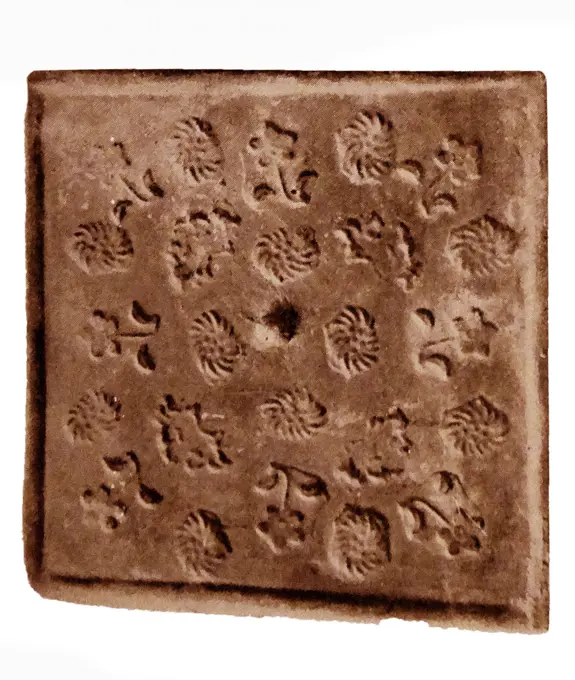
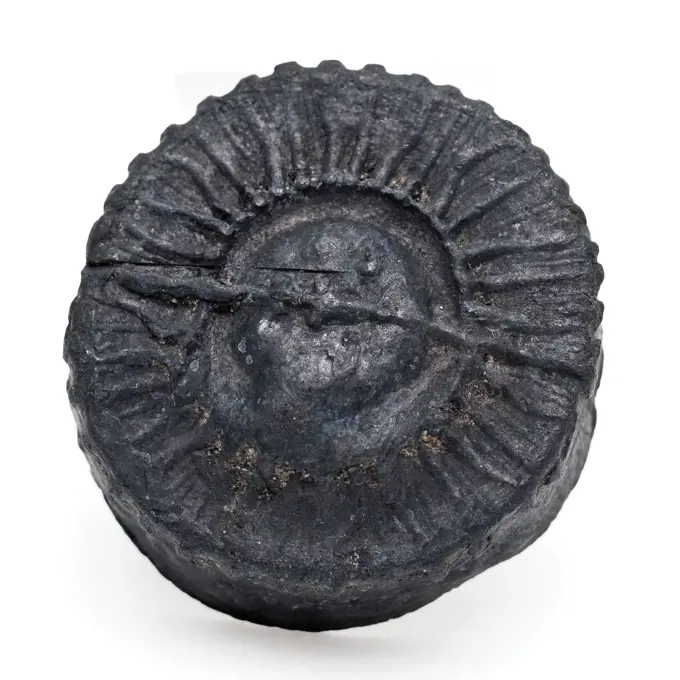
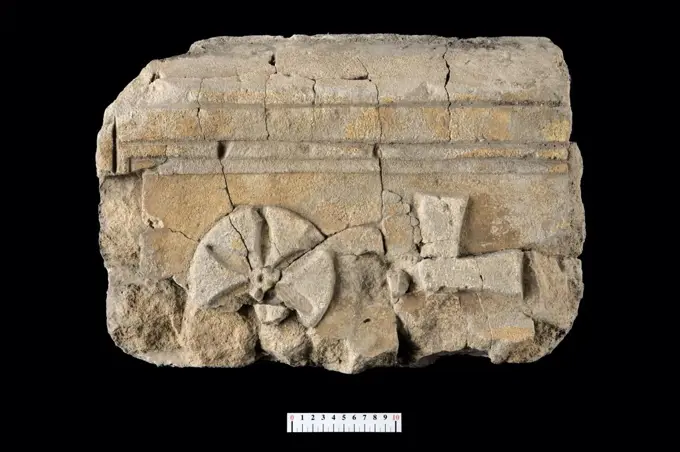
Fragment of a Utrecht Socle Type, with Ornamental Rosettes on the Plinth, anonymous, anonymous, c. 1425 - c. 1550  Northern Netherlands pipe clay  Northern Netherlands pipe clay
Fragment of a Utrecht Socle Type, with Ornamental Rosettes on the Plinth, anonymous, anonymous, c. 1425 - c. 1550 Northern Netherlands pipe clay Northern Netherlands pipe clay
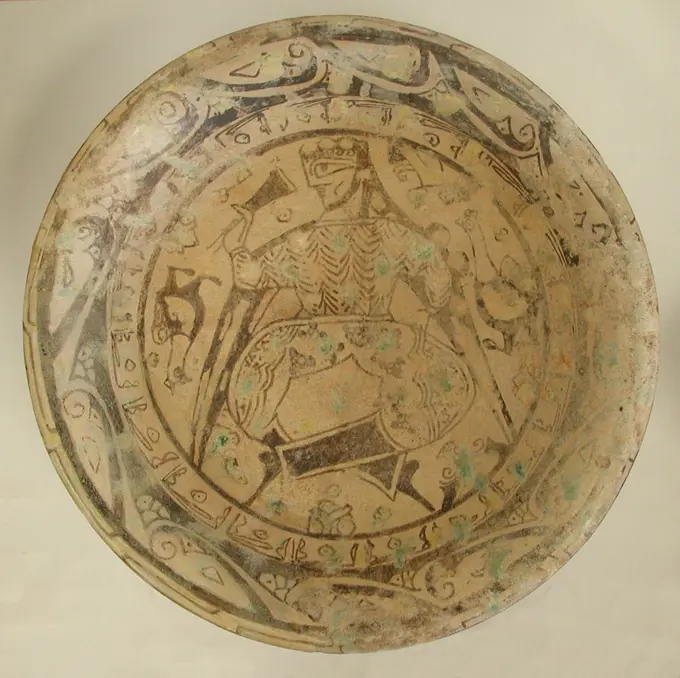
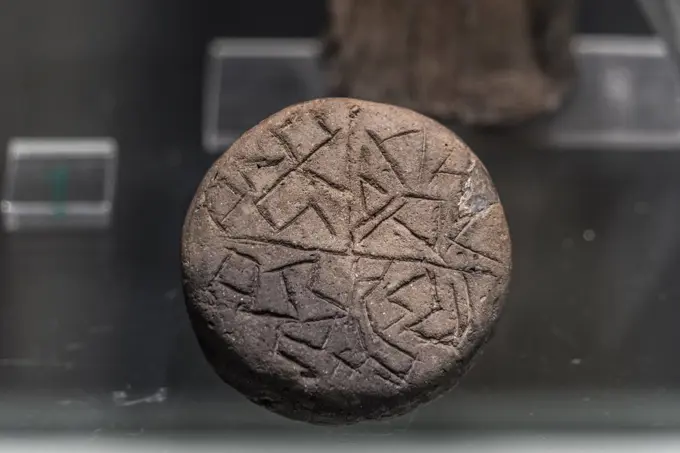
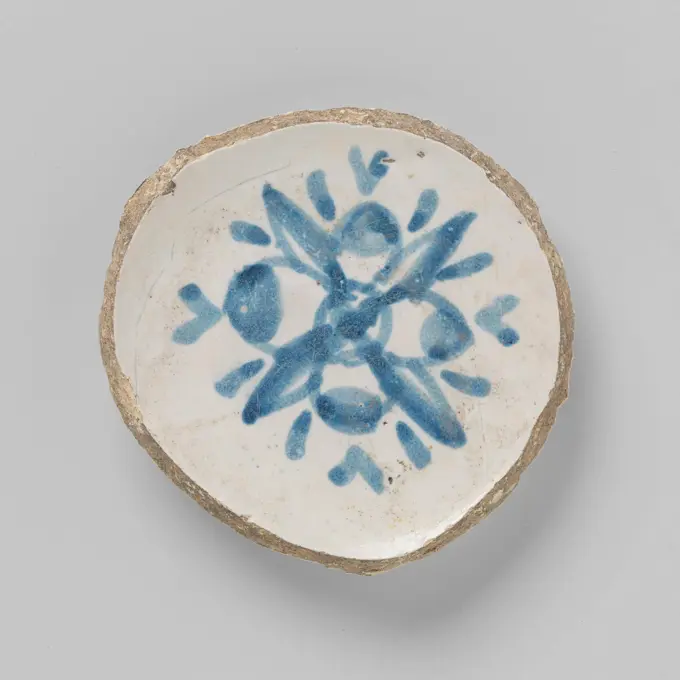
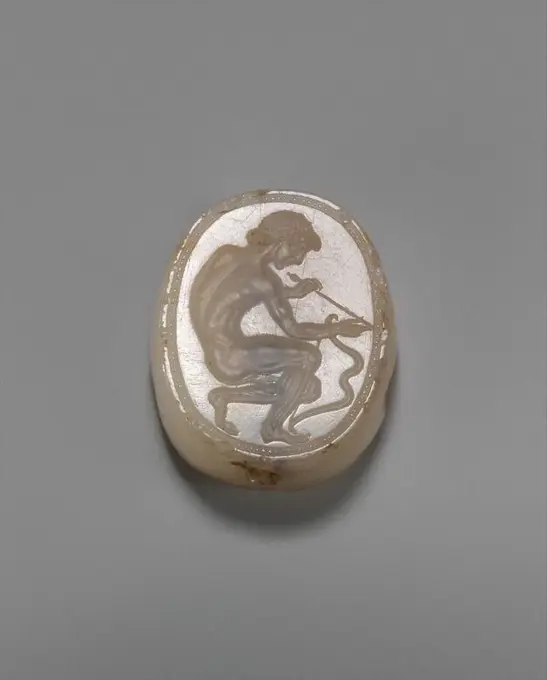
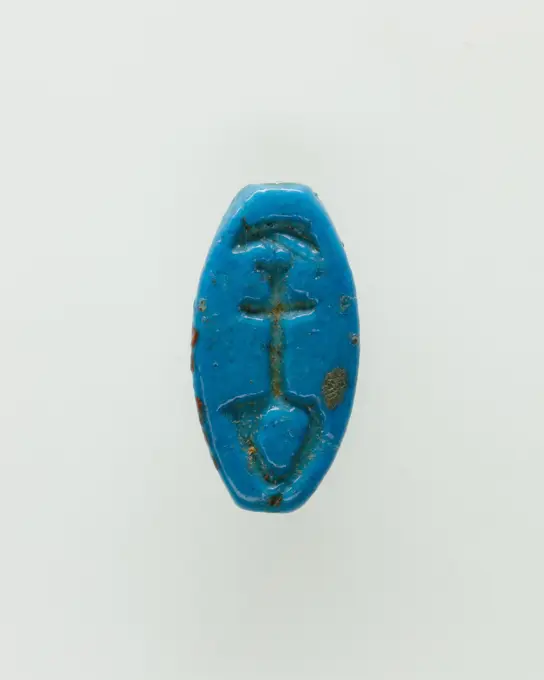
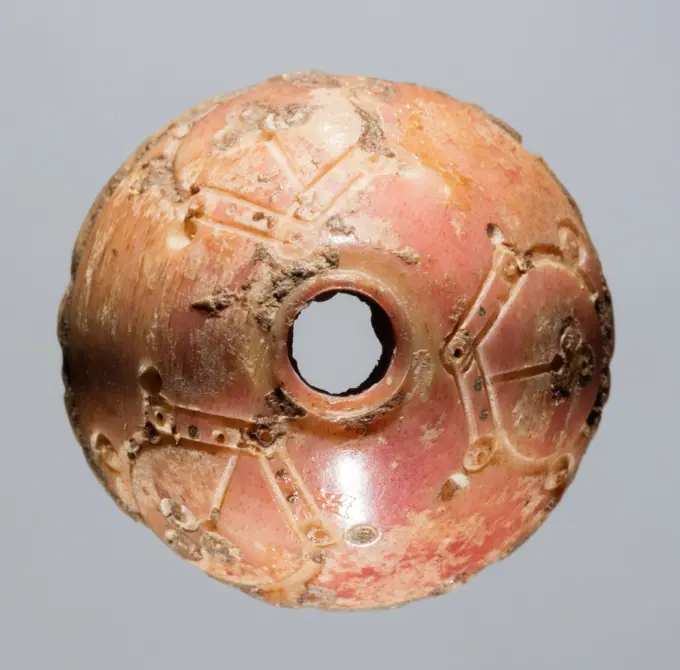
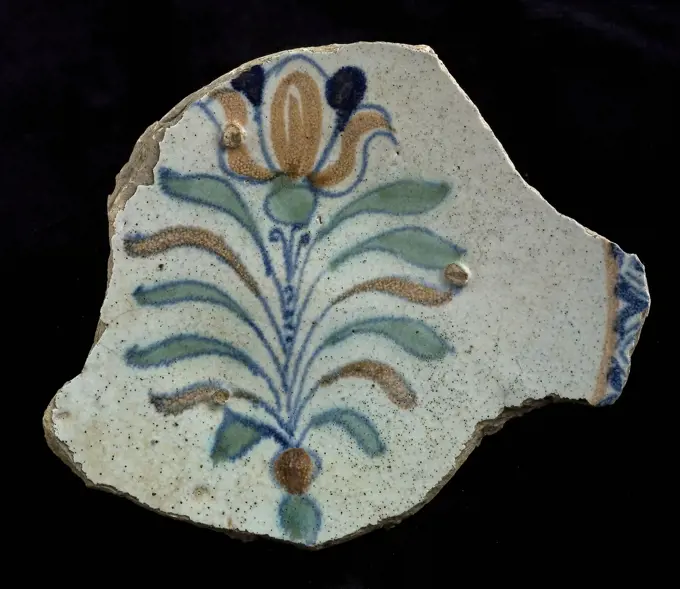
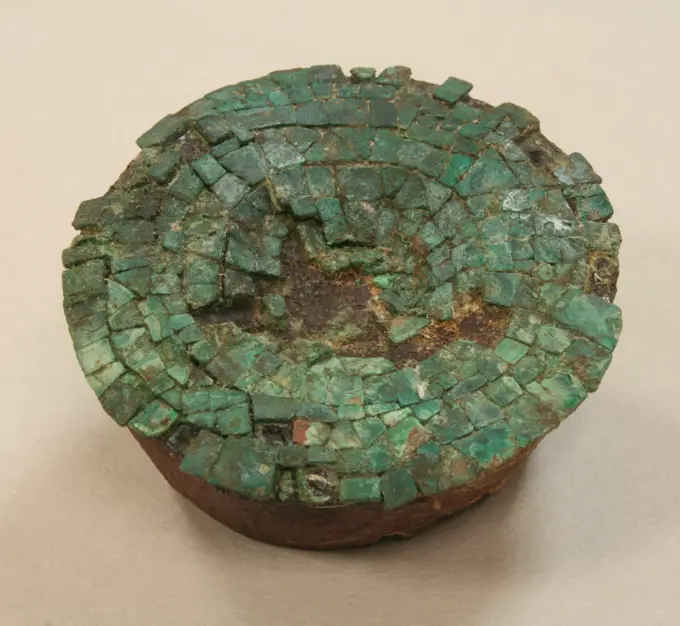
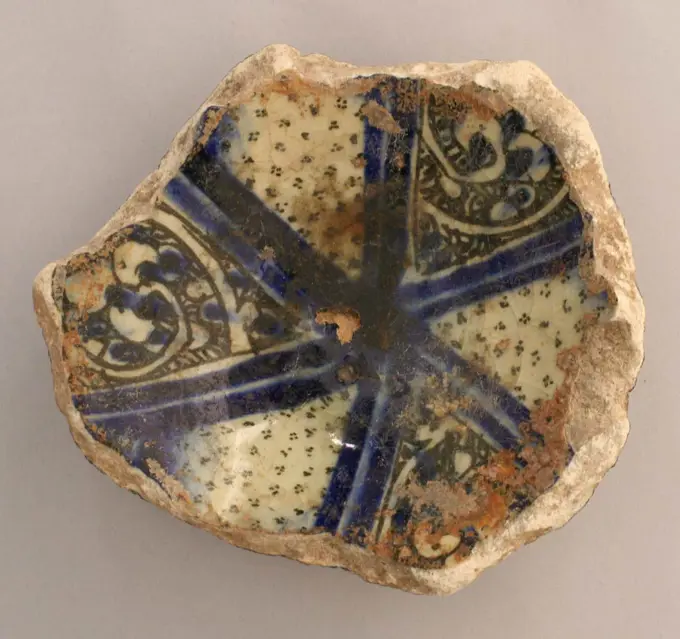
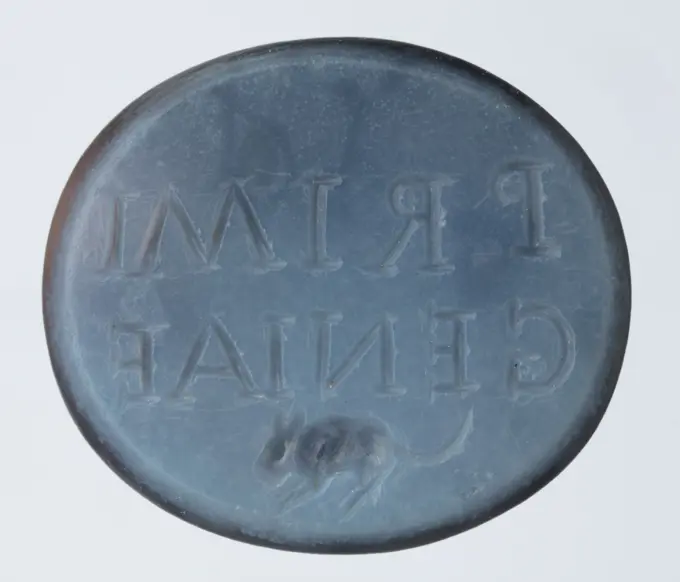
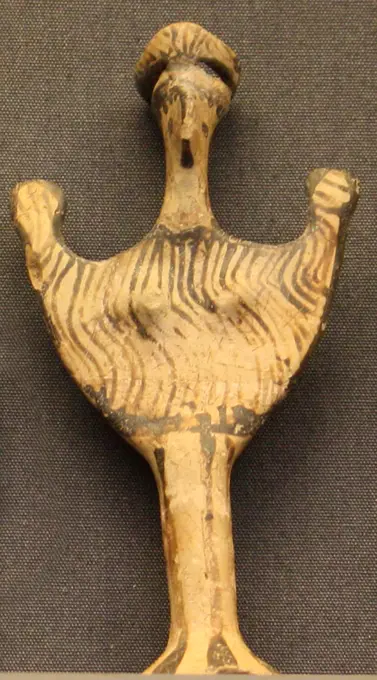
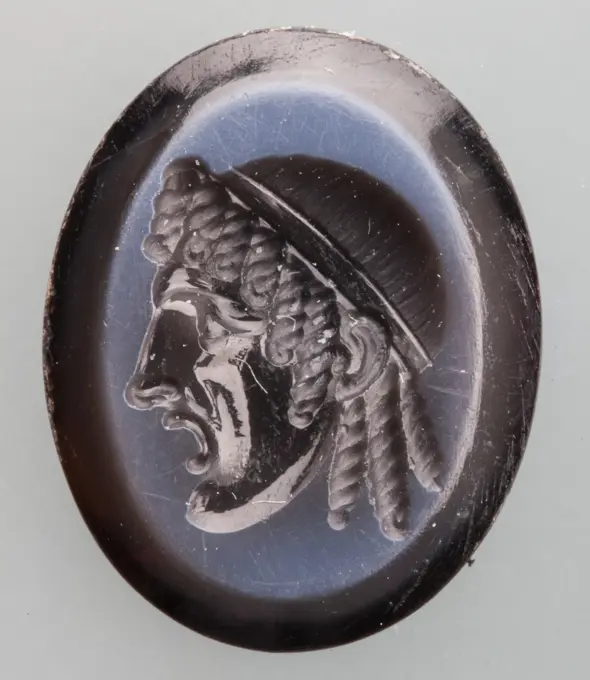
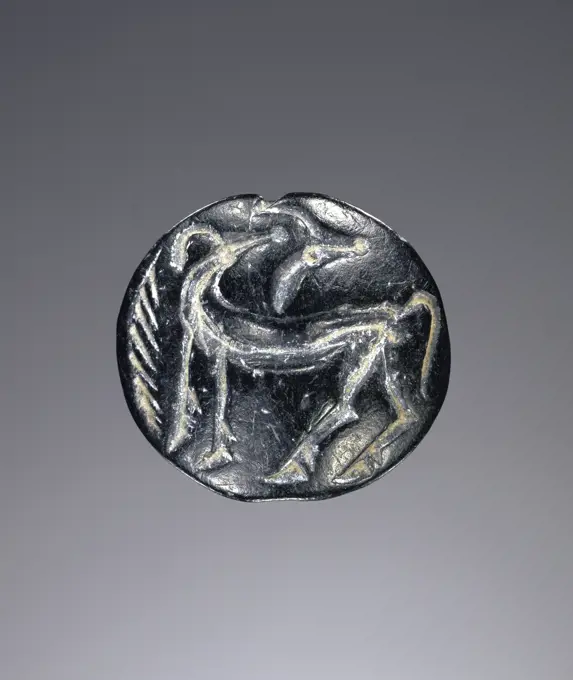
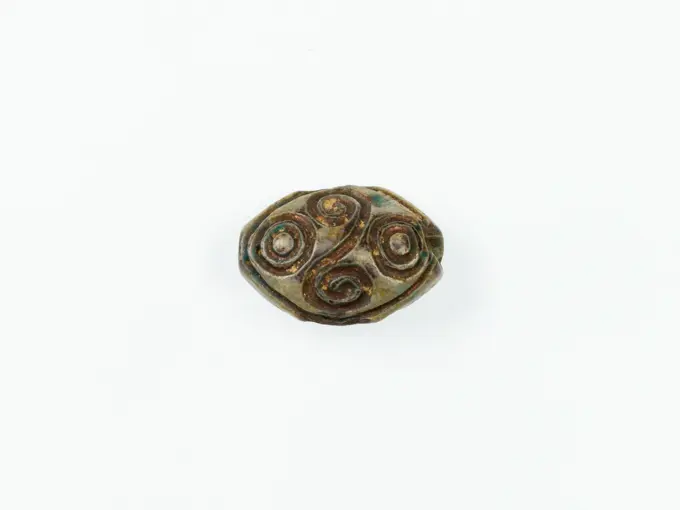
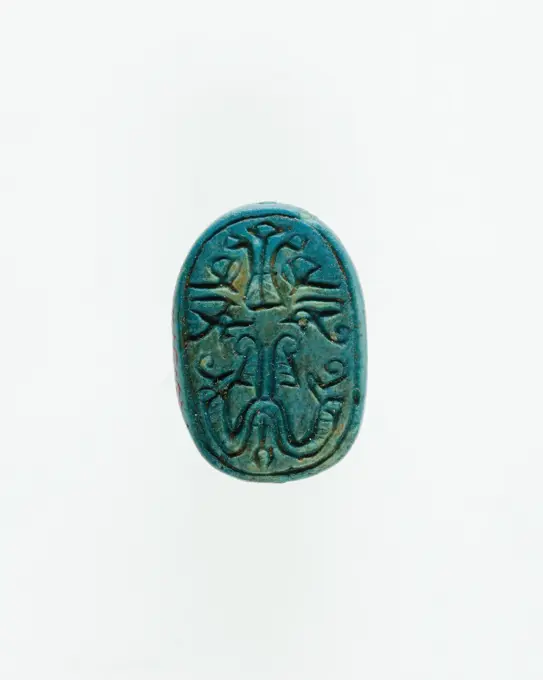
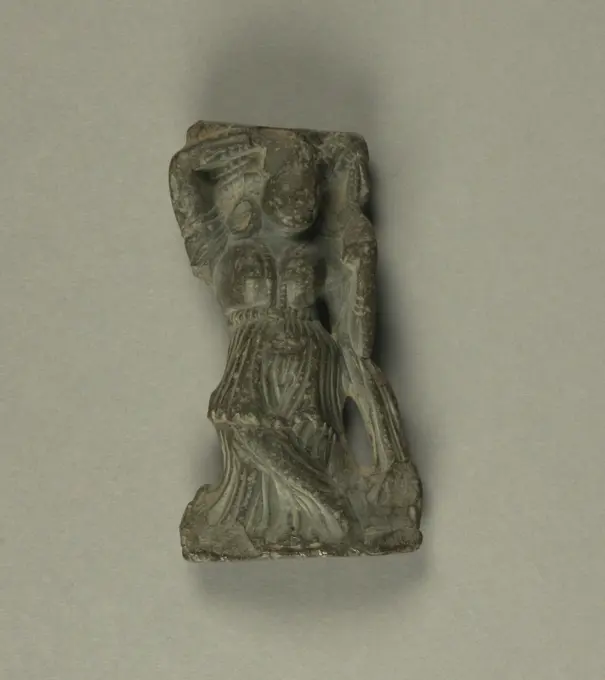
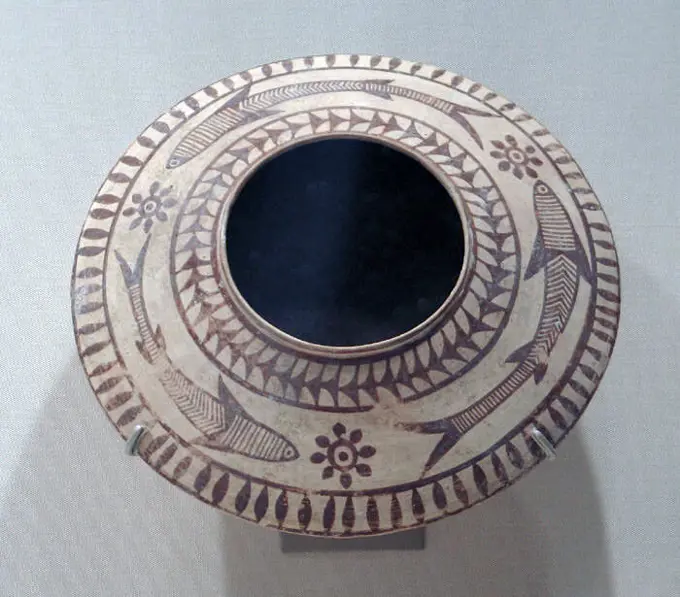
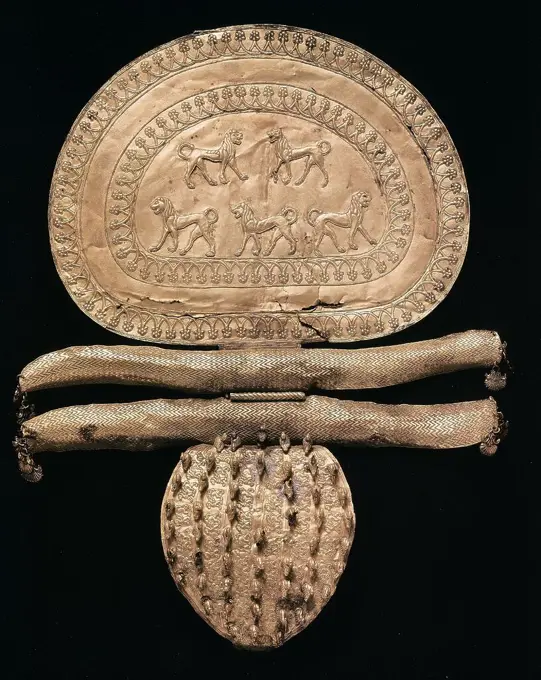
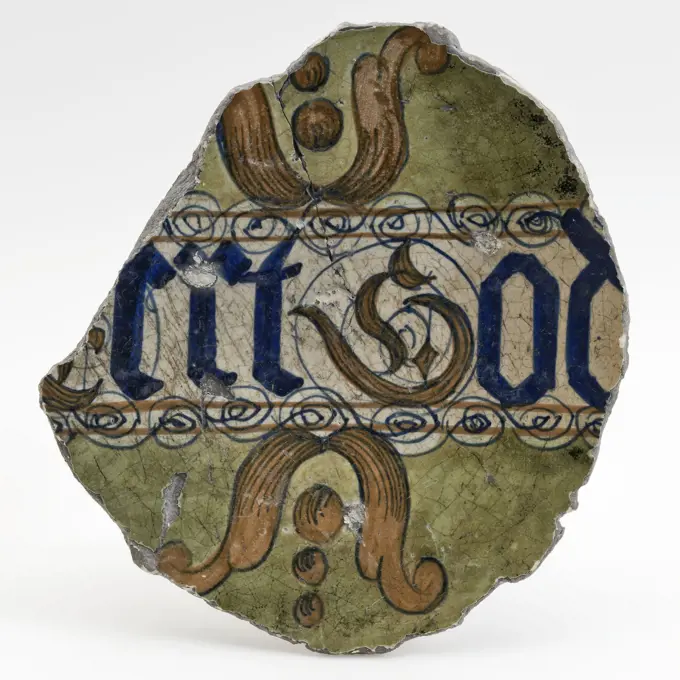
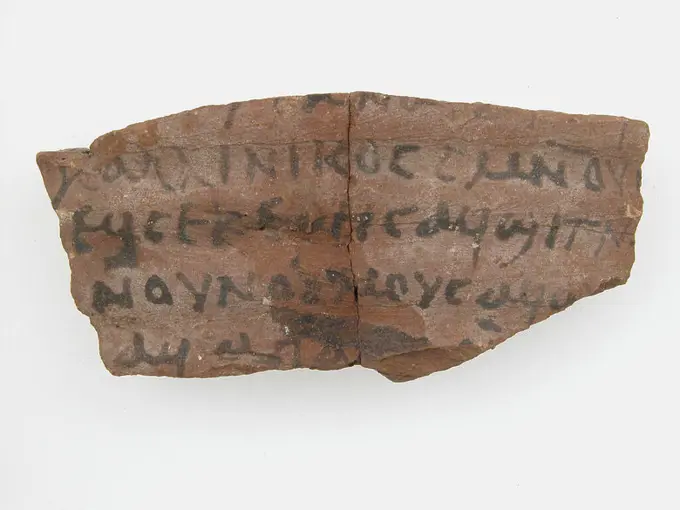
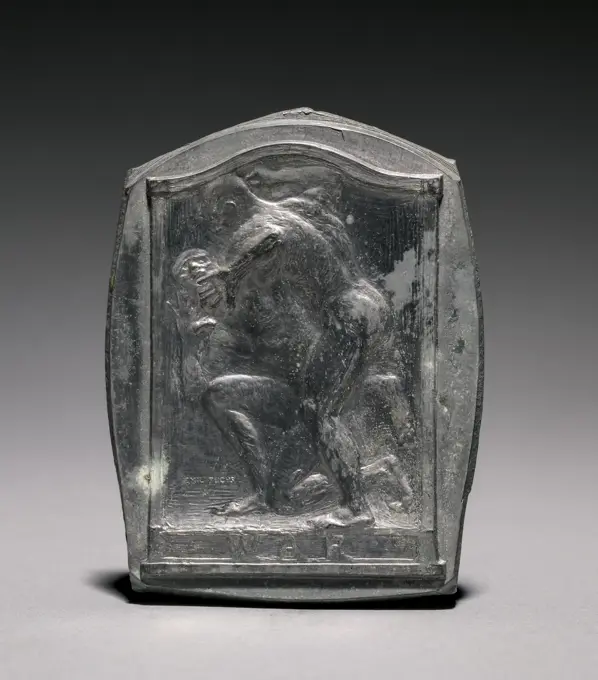
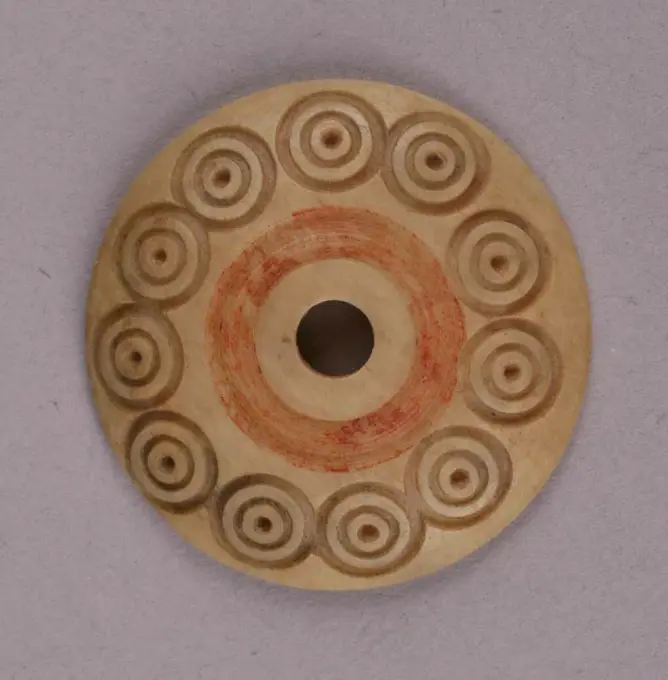
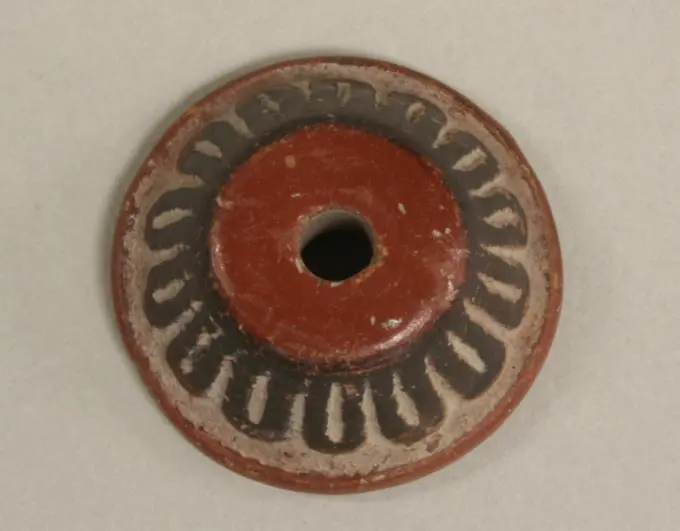
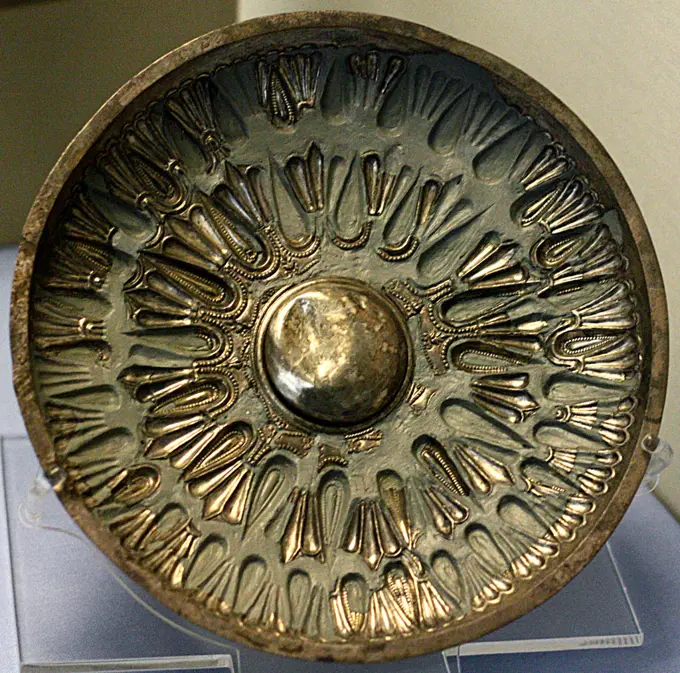
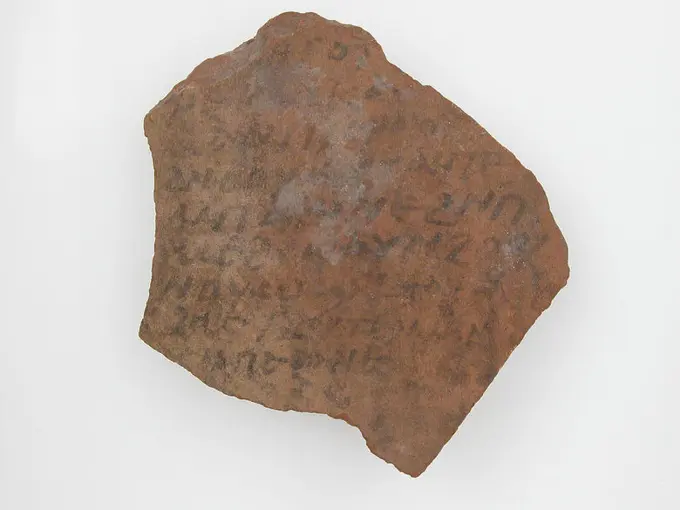
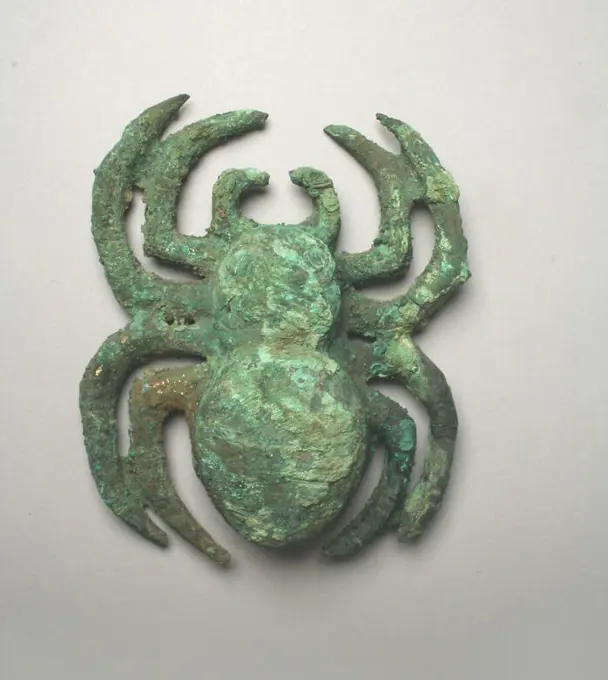
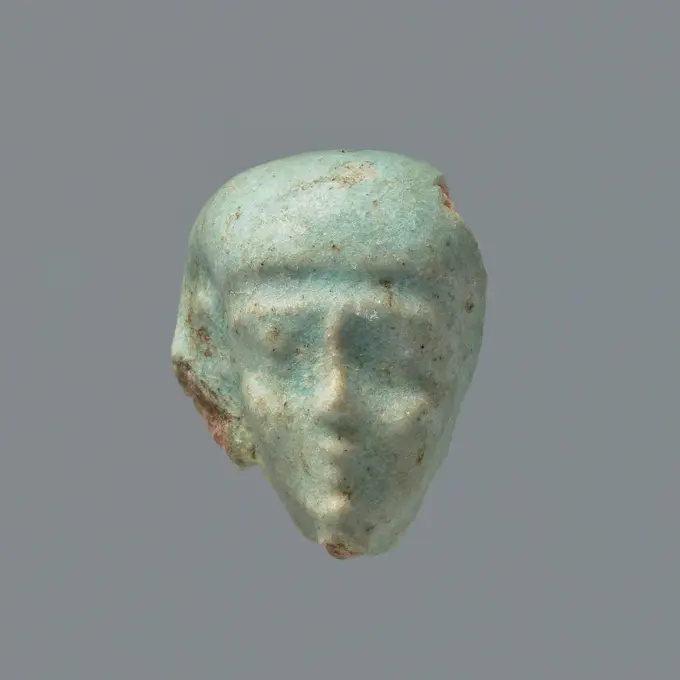
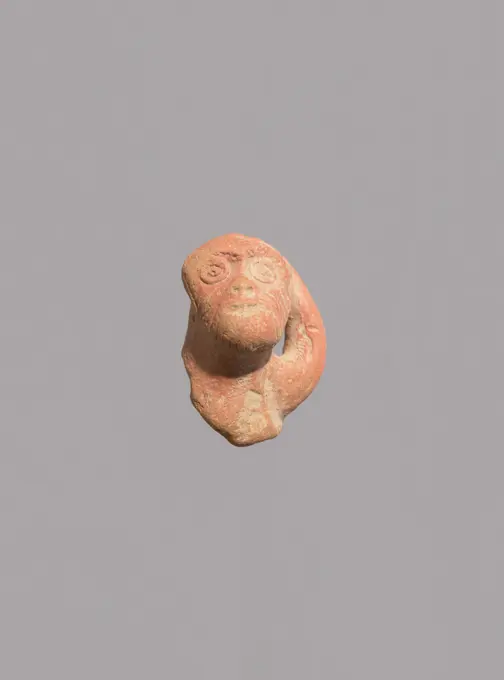
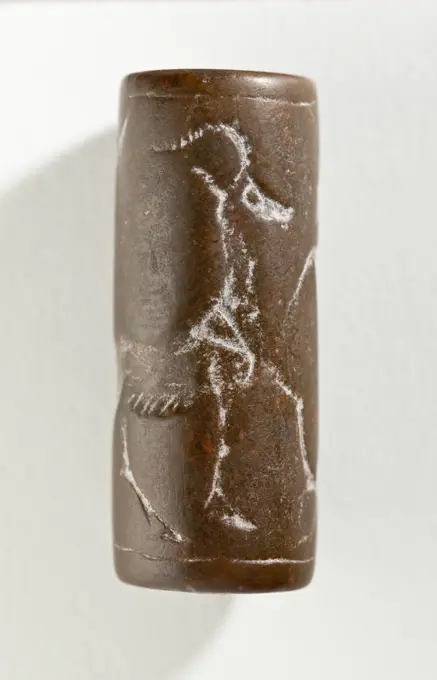
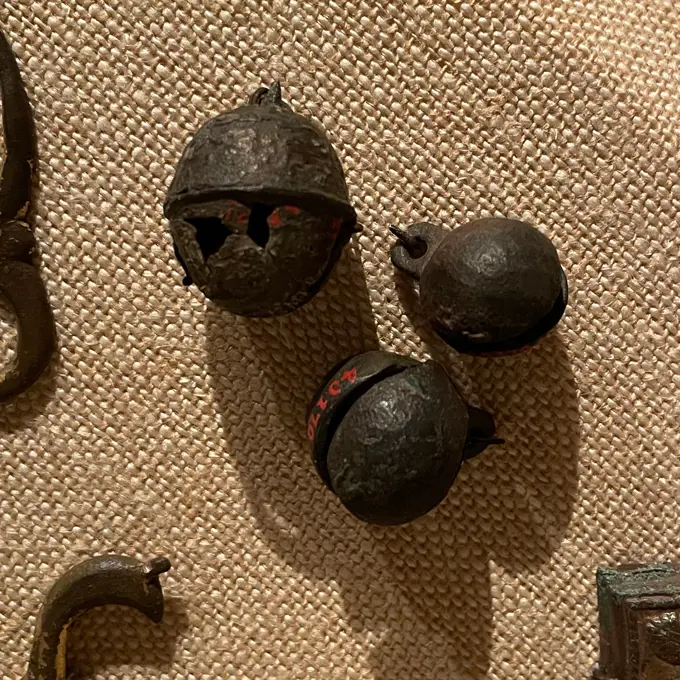
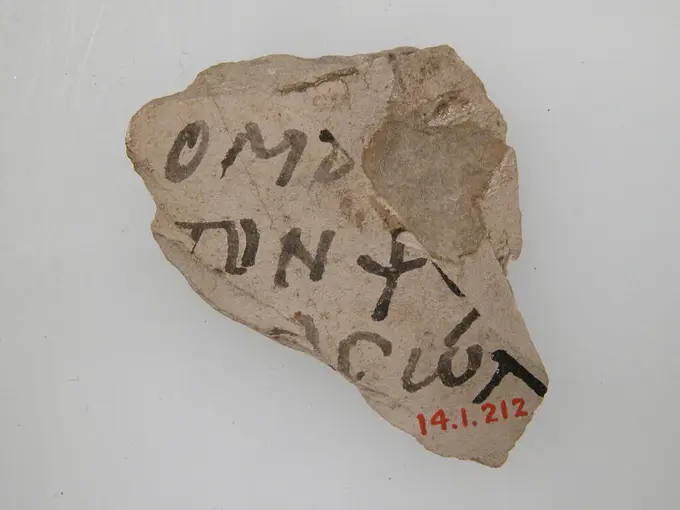
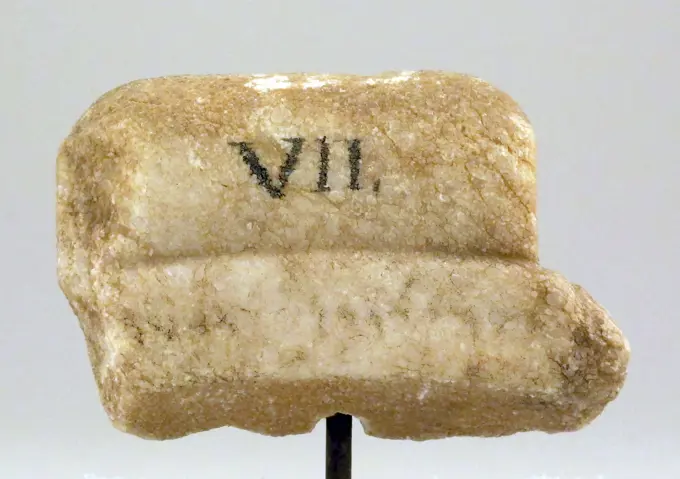
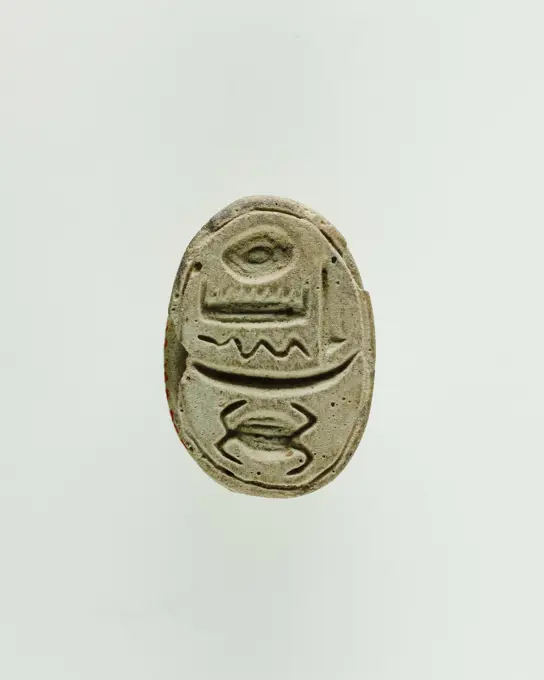
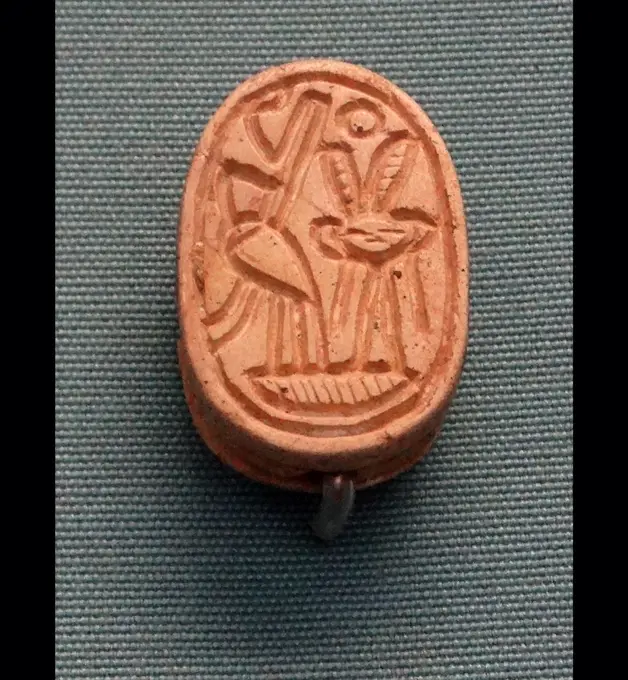
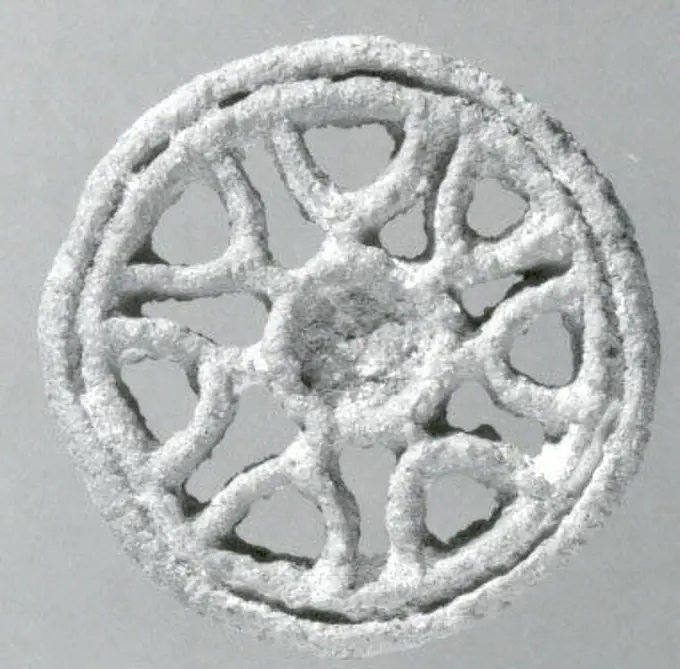
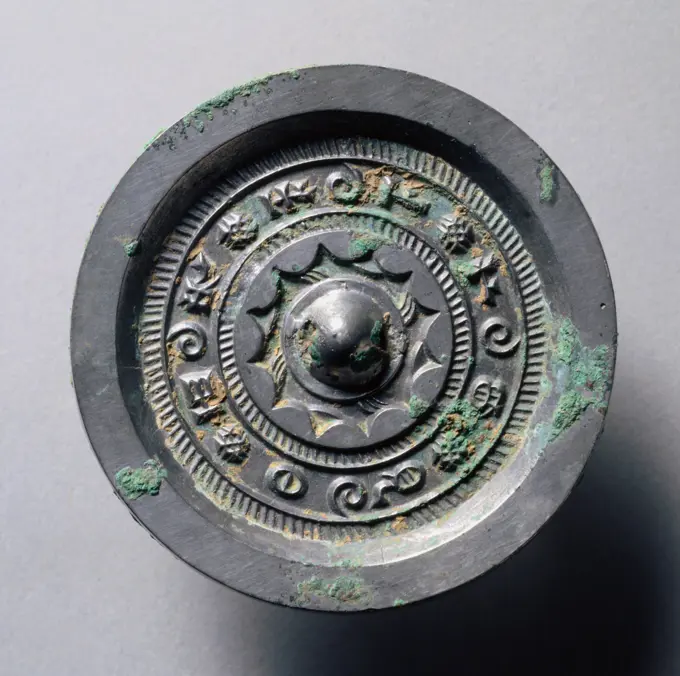
Sealing pistonScarab Inscribed for Hatshepsut ca. 1479-1458 B.C. New Kingdom This scarab was found in one of the foundation deposits located along the front wall of the lower court of Hatshepsut's funerary temple at Deir el-Bahri. The inscription on the base records Hatshepsut's personal name (Hatshepsut). Two other scarabs from this group have variations of the same inscription that show a very similar style (27.3.167, 27.3.173). The backs of these three scarabs are also quite similar.. Scarab Inscribed for Hatshepsut. ca. 1479-1458 B.C.. Steatite (glazed). New Kingdom. From Egypt, Upper Egypt, Thebes, Deir el-Bahri, Temple of Hatshepsut, Foundation Deposit 7 (G), MMA excavations, 1926-27. Dynasty 18, earlyBowl late 8th-9th century. Bowl. late 8th-9th century. Earthenware; underglaze painted in polychrome pigments under transparent glaze (buff ware). Excavated in Iran, Nishapur. Attributed to Iran, Nishapur. CeramicsKaranovo-Siegel Karanovo-Siegel Copyright: xZoonar.com/TOLOxBALAGUERx 22682551Joan Miró / "Galet plat" (flat pebble), 1956, Stoneware, 5.5 x 7 cm.Crusher of earthenware decorated with geometric ornaments. Fragment of blue painted faience. A geometric ornament is painted on the fragment. Dug up in London.Scarab Inscribed with a Geometric Pattern ca. 1479-1458 B.C. New Kingdom. Scarab Inscribed with a Geometric Pattern. ca. 1479-1458 B.C.. Steatite (glazed). New Kingdom. From Egypt, Upper Egypt, Thebes, Deir el-Bahri, Temple of Hatshepsut, Foundation Deposit 7 (G), MMA excavations, 1926-27. Dynasty 18, earlySpindle Whorl, 700s - 900s. Iran, early Islamic period, 8th - 10th century. Bone, incised; overall: 0.7 x 1.8 x 1.8 cm (1/4 x 11/16 x 11/16 in.).Fragment of a terracotta relief vase Greek, Sicilian 6th century BCE The decoration included chariots and sphinxes. View more. Fragment of a terracotta relief vase. Greek, Sicilian. 6th century BCE. Terracotta. Archaic. VasesChalcedony scaraboid. Culture: Greek. Dimensions: 5/8 × 1/2 × 11/16 in. (1.5 × 1.3 × 1.7 cm). Date: ca. 500 B.C..Archer testing arrowEpimenes signed his name on a gem now in the Museum of Fine Arts, Boston. He was probably trained on one of the Aegean islands. Museum: Metropolitan Museum of Art, New York, USA.Good resultsCowroid Inscribed with a Nefer Hieroglyph ca. 1492-1473 B.C. New Kingdom This cowrie-shaped amulet is inscribed on the base with a nefer hieroglyph, which represents the word "good," or "beautiful." It was found inside a kohl jar which had been placed in the coffin of an unnamed woman that was discovered in the tomb of Hatnefer (see 36.3.1). Five other cowroids were found in the kohl pot including one with the same inscription that is now in the Egyptian Museum, Cairo. Three of the other amulets are in the Metropolitan Museum's collection (26.3.20, .21, .24). A number of other objects had also been placed in the coffin including two mirrors (36.3.12, .13), three faience bowls (36.3.8-.10) , a circular wood box (36.3.11a, b).. Cowroid Inscribed with a Nefer Hieroglyph 548969Spindle Whorl, 700s - 900s. Iran, early Islamic period, 8th - 10th century. Bone, incised; overall: 1 x 2.1 x 2.1 cm (3/8 x 13/16 x 13/16 in.).Roman lamp, from the Roman city of Iluro. Museum: MUSEO DE MATARÓ.Coin Weight 10th-12th century. Coin Weight 453517Seal, late 19th century, 9/16 x 13/16 x 5/8in. (1.4 x 2.1 x 1.6cm), Peach pit, China, 19th centurySeal ring and modern impression: horned animal ca. 8th-7th century B.C.. Seal ring and modern impression: horned animal 322888Loom-Weight. UnknownSeal. Culture: Minoan, Crete. Dimensions: Other: 5/8 x 1/4 in. (1.5 x 0.7 cm). Museum: Metropolitan Museum of Art, New York, USA.Animal-shaped Amulet Inscribed with a Blessing Related to Re ca. 1850-1640 B.C. Middle Kingdom. Animal-shaped Amulet Inscribed with a Blessing Related to Re 557086Fragment majolica dish, polychrome, tulip with fan blades, plate crockery holder soil find ceramic earthenware enamel, baked underside covered with lead glaze. Polychrome archeology Rotterdam Stadscentrum Stadsdriehoek Haringvliet Nieuwehaven tulip tuliprasernie decorate serving food New Haven Haringvliet 1941.Earflare Disk 15th-16th century Aztec or Mixtec. Earflare Disk. Aztec or Mixtec. 15th-16th century. Wood, turquoise. Mexico, Mesoamerica. Wood-OrnamentsAmulet in the form of a face ca. 2150-1950 B.C. Late Old Kingdom-Early Middle Kingdom. Amulet in the form of a face 552061Fragment of a Frieze. Dimensions: H. 9 1/2 in. (24.1 cm)W. 17 5/8 in. (44.8 cm)D. 2 3/4 in. (7 cm)Wt. 26 lbs. (11.8 kg). Date: 11th century. Museum: Metropolitan Museum of Art, New York, USA.Fragment of a Bowl 14th century. Fragment of a Bowl. 14th century. Stonepaste; polychrome painted under transparent glaze. Attributed to Syria. CeramicsBread Stamp 500-900 Byzantine When pressed into a loaf of uncooked bread, the stamp would have left the mark Jesus Christ Victorious.” Bread identified by such stamps was used for the consecrated bread in the Divine Liturgy (Eucharist).. Bread Stamp 472765StampTerracotta female figures wearing a long skirt and a flat head-dress (polos). Made during various times between 1350-1200 BC. Found in Athens and Melos.Tragic maskLentoid engraved seal; Greece; about 1350 B.C. - 1100 B.C; Steatite; 1.7 × 1.8 × 0.9 cm (11,16 × 11,16 × 3,8 in.)Bead ca. 1981-1295 B.C. Middle Kingdom-Early New Kingdom. Bead 557112Spindle Whorl 10th-early 16th century Mexican. Spindle Whorl 307691Square Mirror from Koryo (Goreyo) (Goreyo) dynasty. Bronze. Koryo (Goreyo) (Goreyo) dynasty (918-1392).Engraved Gem with Chnoubis. UnknownHedgehog ca. 1550-1450 B.C. New Kingdom This spherical object represents a hedgehog tightly curled in self-defence. The head, feet, and tail are shown in relief. The animal's spines are indicated by black dots. The eyes and the rims of the large ears are also highlighted in black. Before firing, two holes were pierced through the surface at equal distances above and below the relief, but not quite on the axis of the sphere. The holes were probably made simultaneously by one instrument as they are exactly aligned. The hollow ball was most likely formed in two halves, as suggested by the hairline crack along part of the circumference.. Hedgehog 544054Scarab Inscribed with Hieroglyphs ca. 1850-1640 B.C. Middle Kingdom The majority of design scarabs of the late Middle Kingdom (late Dynasty 12-Dynasty 13, ca. 1850 -1640 B.C.) are decorated with symmetric compositions of hieroglyphs and/or scrolls. These signs are not meant to form words but are chosen for their positive, protective meaning. This scarab shows pairs of wedjat-eyes and the foreparts of a lion, signs that are frequently used to form symmetric compositions. The other signs and symbols, such as the papyrus, the crowned uraei (aroused cobras) and the hieroglyph for good and beautiful (nefer) reinforce the positive message of the design.. Scarab Inscribed with Hieroglyphs. ca. 1850-1640 B.C.. Dark blue glazed faience. Middle Kingdom. From Egypt, Memphite Region, Lisht North, cemetery south of pyramid below House A2:3, Pit 497, MMA excavations, 1913-14. late Dynasty 12-13Mirror Handle 6th-8th century India (Jammu & Kashmir, ancient kingdom of Kashmir). Mirror Handle. India (Jammu & Kashmir, ancient kingdom of Kashmir). 6th-8th century. Chloritic phyllite. SculptureMirror with Concentric Circles and Linked Arcs, late 200s-9 BC. China, Western Han dynasty (202 BC-AD 9). Bronze; diameter: 8.1 cm (3 3/16 in.); overall: 0.9 cm (3/8 in.); rim: 0.5 cm (3/16 in.).Scarab Inscribed with the Throne Name of Amenhotep I ca. 1525-1504 B.C. New Kingdom. Scarab Inscribed with the Throne Name of Amenhotep I. ca. 1525-1504 B.C.. Steatite, glazed. New Kingdom. From Egypt. Dynasty 18Vessel ca. 3000-2500 B.C. Pakistan (Baluchistan). Vessel. Pakistan (Baluchistan). ca. 3000-2500 B.C.. Pottery. Indus Civilization, Mehrgarh style. CeramicsScaraboid with Sacred Eye of Horus and Prayer for Life. Egyptian. Date: 1550 BC-664 BC. Dimensions: 1.3 × 0.8 × 0.3 cm (1/2 × 5/16 × 1/8 in.). Faience. Origin: Egypt. Museum: The Chicago Art Institute, Chicago, USA. Author: Ancient Egyptian.Roof tile fragment China. Roof tile fragment 49228Belt Buckle. Turkey or Iran, 1000-1250. Metal. Bronze, castPewter or lead cap with moon face in halo and text, lid closure holder soil find souvenir tin lead metal, die-cast Cap with raised edge Decorated with moon view inside halo. Along the edge with cast text Probably cap of reliquary text on the edge: ORVIBTANO *** O DI ROMA archeology Rotterdam rail tunnel packaging store souvenir Soil discovery: trajectory rail tunnel Rotterdam.Ostrakon. Culture: Coptic. Dimensions: 2 9/16 x 2 1/2 in. (6.5 x 6.3 cm). Date: 580-640. Museum: Metropolitan Museum of Art, New York, USA.Fragment of a Bowl 10th century This object was excavated at the site of Qanat Tepe in Nishapur. Nishapur was a vital city in the early and middle Islamic periods, located along one of the main trajectories that connected Iran and West Asia Islamic lands with Central Asia and China. The term "Silk routes" often refers to these itineraries, but these were, in fact, crucial to the movement of constellations of materials and objects, as well as people and ideas. The diverse population of Nishapur and its surroundings, from the better-researched elite groups of merchants, land-owning aristocracy, and literates, to the lesser-known artisans, farmers, miners, and servants, were instrumental to adapting global cultural trends that led to the creation of a distinctive visual language. This is seen in the material remains of everyday life in medieval Nishapur - from pots and pans to lighting devices, inkwells, textiles and trimmings, jewelry, games and toys, talismanic devices, weapons, coins, Bowl with a Medallion Depicting Dionysos and Ariadne. UnknownFIBULA CON DISCO DE ORO ESTILO ORIENTAL DE CAERE - ORFEBRERIA ETRUSCA - SIGLO VII AC. Location: MUSEOS VATICANOS-MUSEO GREGORIANO ETRUSCO. VATICANO.Fragment of a Bowl 13th-14th century. Fragment of a Bowl 445189Fragment majolica dish with Honor God, dish crockery holder soil find ceramic earthenware glaze tin glaze lead glaze, hand-turned baked 2x majolica Fragment of majolica dish covers part of the mirror cream-colored shard polychrome prints back lead glaze stand ring with hanging hole Text tape with Honor God in Gothic letters archeology serve religionCross. It features an incised cross on both sides. Limestone. 7th century. From Tamajón (province of Guadalajara, Spain). Museum of Visigoth Councils and Culture. Toledo, Castile-La Mancha, Spain.Ostrakon with a Letter. Culture: Coptic. Dimensions: 3 9/16 x 1 9/16 in. (9 x 4 cm). Date: 600. Museum: Metropolitan Museum of Art, New York, USA.Lead Casting of Reverse Side of Peace and War Plaquette: War, 1913. Emil Fuchs (American, 1866-1929). Lead; overall: 7 x 4.8 cm (2 3/4 x 1 7/8 in.).Button or Bead or Spindle Whorl 3rd-12th century The dot-in-circle motif recalls designs presumed to be of magical significance, most likely an abstract eye to ward off the evil-eye, which serves an apotropaic function. Easily reproduced with a tool and visible in many cultures and times, this symbol may have lost its meaning, and become simply a decorative pattern, or may have one that we have not yet discovered. Button or Bead or Spindle Whorl 446092Button or Bead 9th-10th century The dot-in-circle motif recalls designs presumed to be of magical significance, most likely an abstract eye to ward off the evil-eye, which serves an apotropaic function. Easily reproduced with a tool and visible in many cultures and times, this symbol may have lost its meaning, and become simply a decorative pattern, or may have one that we have not yet discovered.. Button or Bead 450037Spindle Whorl 9th-15th century Mexican. Spindle Whorl 315829Hoop Earring with Chased Geometric Design. Egypt, Roman Period (30 BCE - 395 CE) or later into the Islamic Period. Jewelry and Adornments; earrings. Silverestela funeraria con cruz latina, siglo IX, Retortillo, . Museum of prehistory and archeology (MUPAC), Santander, Cantabria, Spain.Cross 3rd-12th century. Cross. 3rd-12th century. Bronze. Attributed to Egypt. MetalDisk Brooch 2nd-3rd century Roman. Disk Brooch 466275Sheet gold pendant showing a Cretan nature god, The figure wears a Minoan kilt, a tall head-dress, bracelets and earrings. He stands in the attitude of the 'Master of Animales'. In which a central figure flanked by animals demonstrates control over them. The curved, ridged elements surrounding the birds derive from stylised bulls' horns. Egyptian influence is seen in the lotus flowers among which he standsOstrakon. Culture: Coptic. Dimensions: 3 7/16 x 3 3/8 in. (8.8 x 8.5 cm). Date: 7th century. Museum: Metropolitan Museum of Art, New York, USA.Spider. Culture: Moche (Loma Negra). Dimensions: Length 3-15/16 in. (10 cm). Date: 390-450. Museum: Metropolitan Museum of Art, New York, USA.SANTIAGO MATAMOROS -INSIGNIA DE PEREGRINO EN AZABACHE. Location: INSTITUTO VALENCIA DE DON JUAN-COLECCION. MADRID. SPAIN. Apóstol Santiago el Mayor. APOSTOL SANTIAGO EN CLAVIJO. APOSTOL SANTIAGO-SANTIAGO MATAMOROS.Amulet of a Cross 301 CE-600 CE Egypt. Glass . ByzantineEngraved Gem with Nemesis. UnknownFragment of Statesbti;  332-30 BC ; Ptolemean period (-332-00-00--30-00-00);Tile Fragment 1334-1434. Tile Fragment 450543Head of Shiva() ca. 15th century Indonesia (Java). Head of Shiva(). Indonesia (Java). ca. 15th century. Gold. Majapahit period (1296-1520). SculptureFragment of monkey figurine. unknown, craftsmanbracteate denarius. Zakon krzyżacki (1190-), issuerEngraved Ring with a Sow. UnknownModel ax-head. Dimensions: H. 6.8 cm (2 11/16 in.); W. 7.3 cm (2 7/8 in.). Dynasty: Dynasty 2. Reign: reign of Khasekhemui. Date: ca. 2650 B.C.. Museum: Metropolitan Museum of Art, New York, USA.Cylinder Seal. Iran, circa 700-639 B.C.. Tools and Equipment; seals. Brown marbleSARCOFAGO PALEOCRISTIANO DE POZA DE LA SAL. DEPOSITO: MUSEO PROVINCIAL DE BURGOS.Fragments of Romanesque decorative stuccoes, after restoration, recto, basilica of Santa Maria Maggiore, Lomello, Lombardy. Italy, 11th century.Coin Weight 12th century. Coin Weight. 12th century. Glass. Attributed to Egypt. GlassBell 9th-11th century. Bell. 9th-11th century. Bronze. Excavated in Iran, Nishapur. MetalBowl with a Medallion Depicting Dionysos and Ariadne; Unknown; Asia Minor; late 2nd century B.C.; Silver with gilding; Object: H: 2.7 x Diam.: 16.2 cm (1 1/16 x 6 3/8 in.), Object (tondo): Diam.: 10.4 cm (4 1/8 in.)Ostrakon with a Trisagion. Culture: Coptic. Dimensions: 1 5/16 x 1 5/8 in. (3.4 x 4.2 cm). Date: 580-640. Museum: Metropolitan Museum of Art, New York, USA.Nose Ornament 2nd-6th century Vicús. Nose Ornament. Vicús. 2nd-6th century. Gold. Peru. Metal-OrnamentsEarly Christian. Roman sarcophagi. Rural scene. Cabin. Unknown. 3rd- 4th C. AD.Marble bowl fragment with Phoenician inscription ca. 389 B.C. Cypriot. Marble bowl fragment with Phoenician inscription. Cypriot. ca. 389 B.C.. Marble, white. Classical. Cesnola InscriptionsScarab Inscribed with the Names of Amun-Re and Neith ca. 1295-1070 B.C. New Kingdom This scarab dates to the late New Kingdoms Ramesside Period (Dynasty 19-20, ca. 1295-1070 B.C.) based on its morphology. The upper part of the scarabs base is inscribed with the name of the sun god Amun-Re. Below is a narrow, concave line for the hieroglyph meaning lord. Numerous scarabs of the New Kingdom bear the name Amun-Re accompanied by this sign, suggesting a reading ‘the lord Amun-Re or 'Amun-Re is (my) lord'. The motif at the bottom is the symbol of the goddess Neith, a warrior and mother goddess whose cult gained importance under the Ramesside dynasties, when she was also closely associated with the sun god.. Scarab Inscribed with the Names of Amun-Re and Neith. ca. 1295-1070 B.C.. Light green faience. New Kingdom. From Egypt, Memphite Region, Lisht North, Cemetery, debris, MMA excavations. Dynasty 19-20Broyc (Brójce) town seal. Brojce, signatoryScarab Incised with Hieroglyphs in Scroll Border ca. 1850-1640 B.C. Middle Kingdom. Scarab Incised with Hieroglyphs in Scroll Border. ca. 1850-1640 B.C.. Steatite. Middle Kingdom. From Egypt, Memphite Region, Lisht North, cemetery south of pyramid below House A1:1, Pit 885, MMA excavations, 1920-21. late Dynasty 12-Dynasty 13Ink Cake, 1800s-early 1900s. China, Qing dynasty (1644-1911). Ink cake; overall: 3.8 cm (1 1/2 in.).Square Tile early 13th century This tile belongs to a unique group of monochrome glazed, molded relief tiles excavated from a palace at Ghazni, in modern Afghanistan. The decoration on this group consists of animals in heraldic poses (as seen here), as well as vegetal scrolls and calligraphy, often surrounded by beaded borders. The excavation stratigraphy dates them to the early thirteenth century, the period of the citys Ghurid rule. They were probably manufactured in Ghazni especially for the palace.. Square Tile 452768Scarab from Lachish (1750-1550 BC). Based on the dung-beetle, scarabs were first produced in Egypt in the 21st century as amuletic seals.Tel Lachish, also Tell ed-Duweir, is the site of an ancient Near East city, now an archaeological site and an Israeli national park.Compartmented stamp seal ca. late 3rd-early 2nd millennium B.C. Bactria-Margiana Archaeological Complex. Compartmented stamp seal 326809Coin Weight 12th century. Coin Weight 445377