Ancient Artifacts

Images of ancient artifacts including figurines and flutes, showcasing historical cultural items with unique shapes and materials.

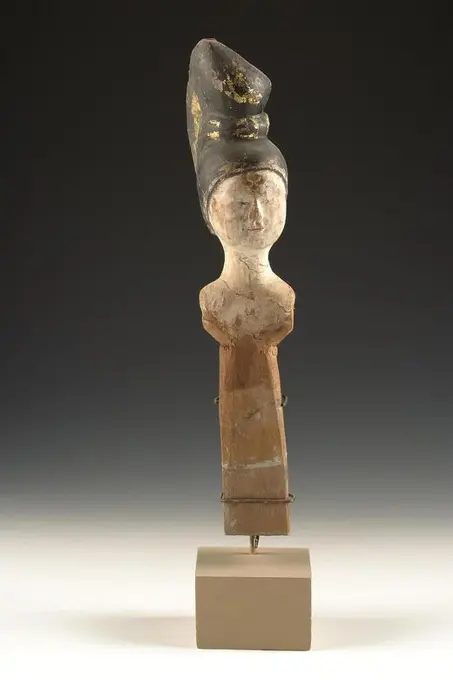
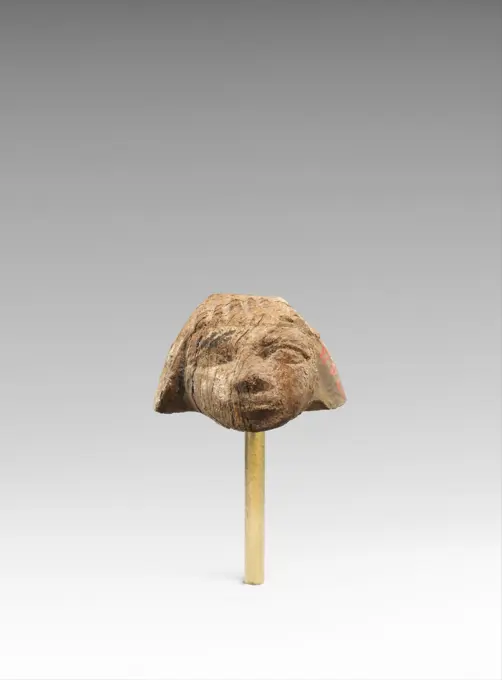
Womans head - figurine fragment. unknown, craftsman
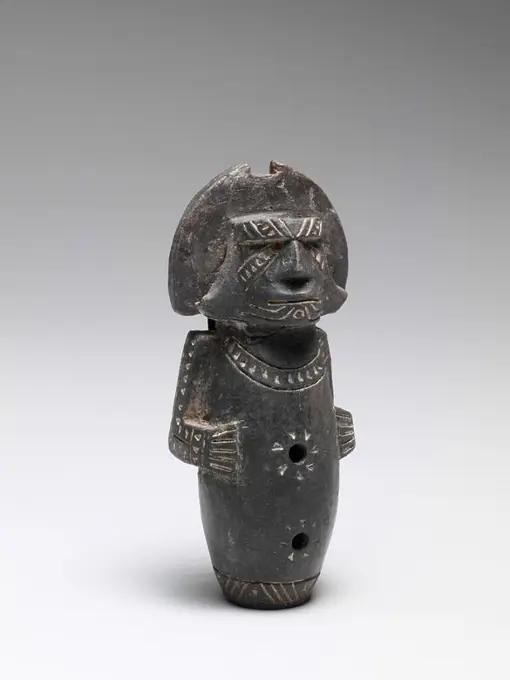
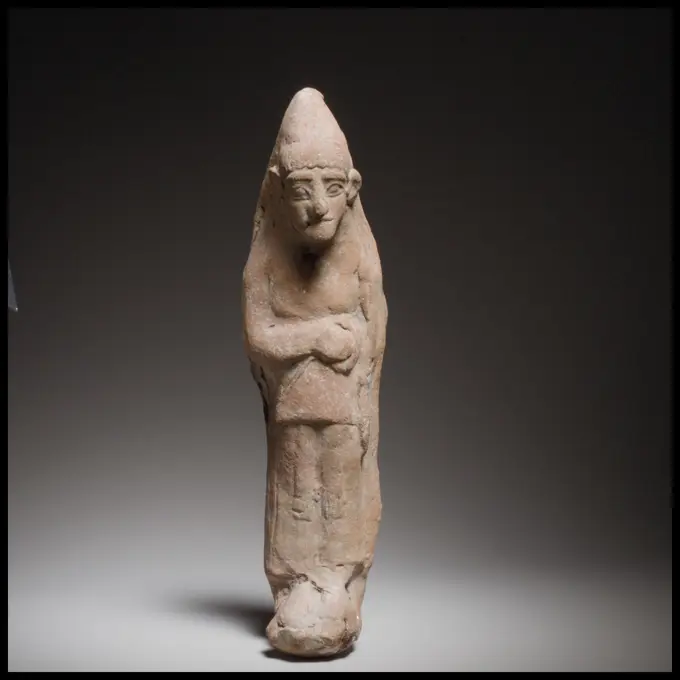
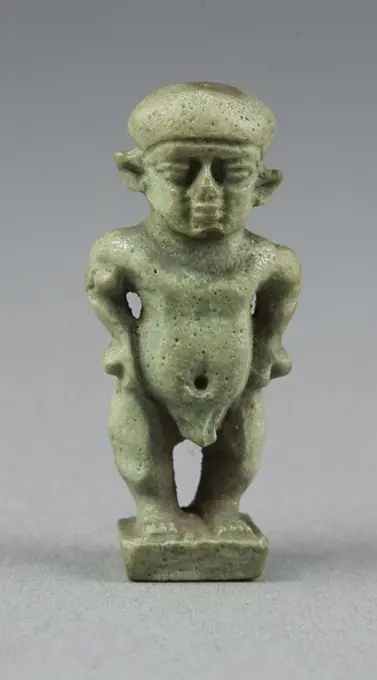
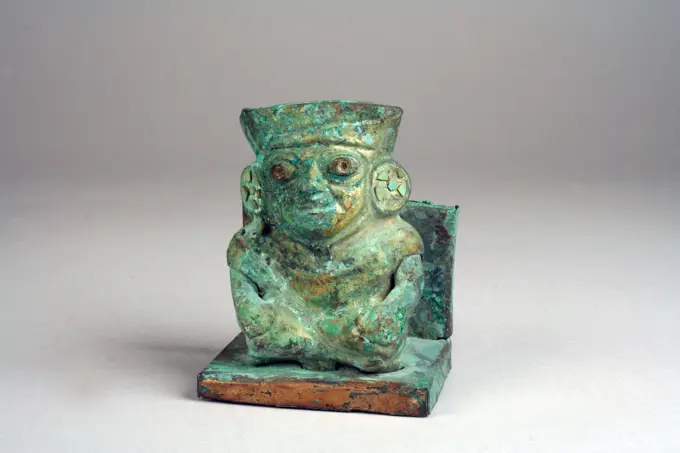
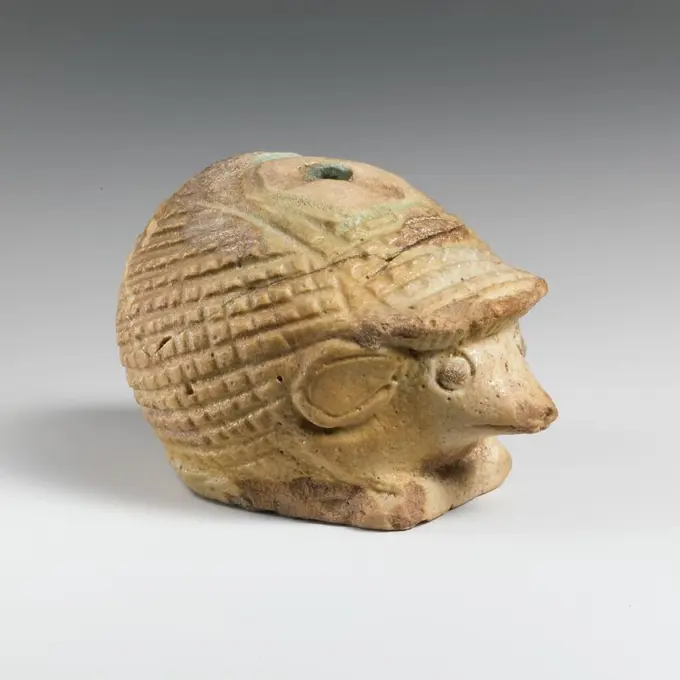
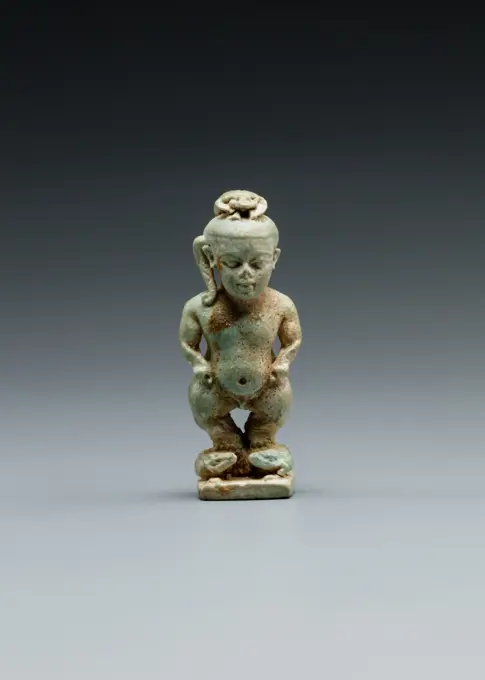
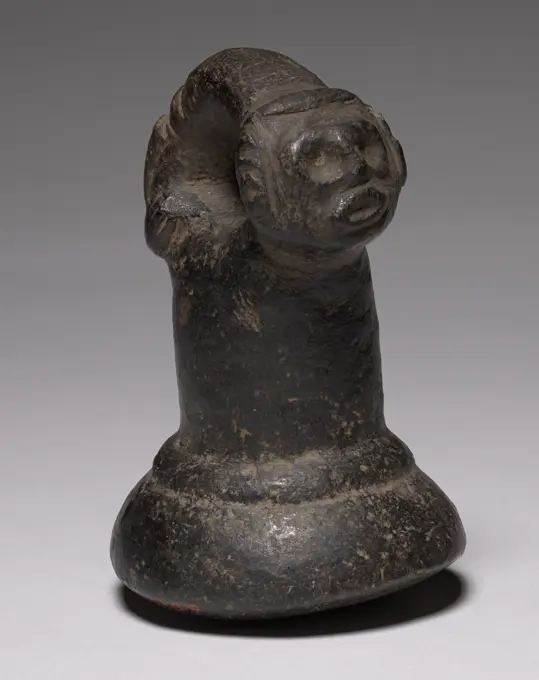
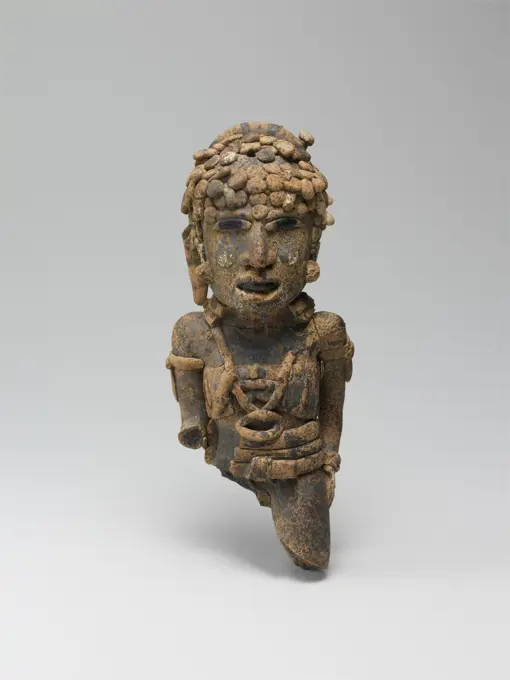
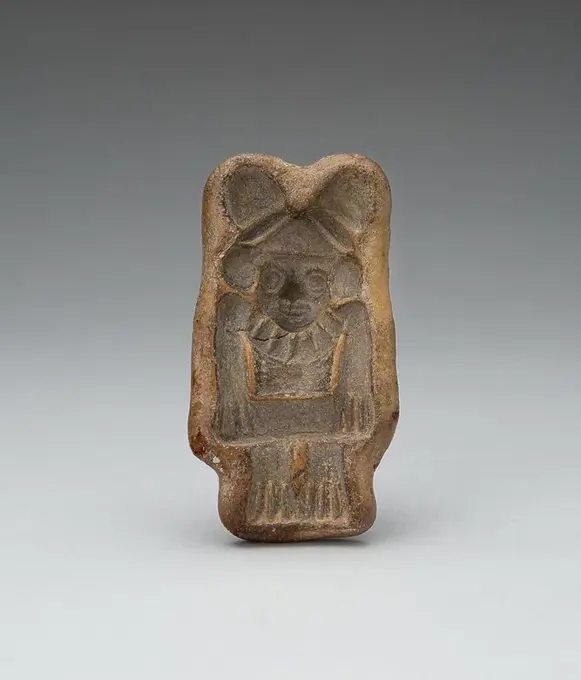
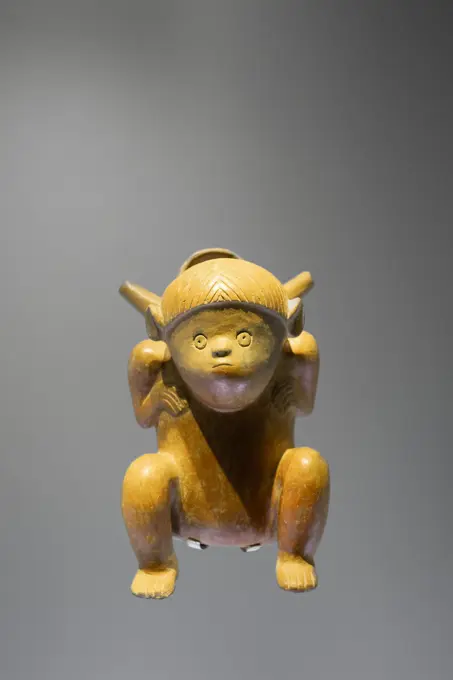
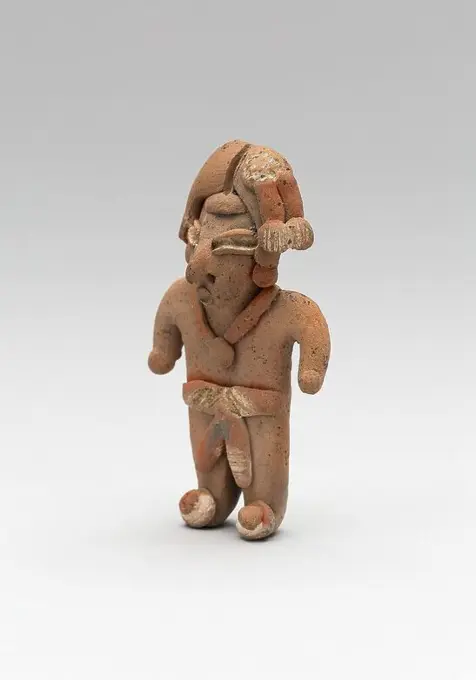
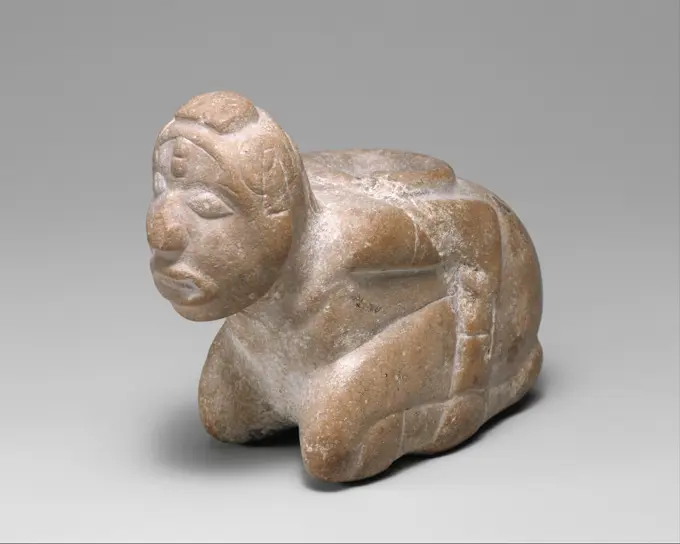
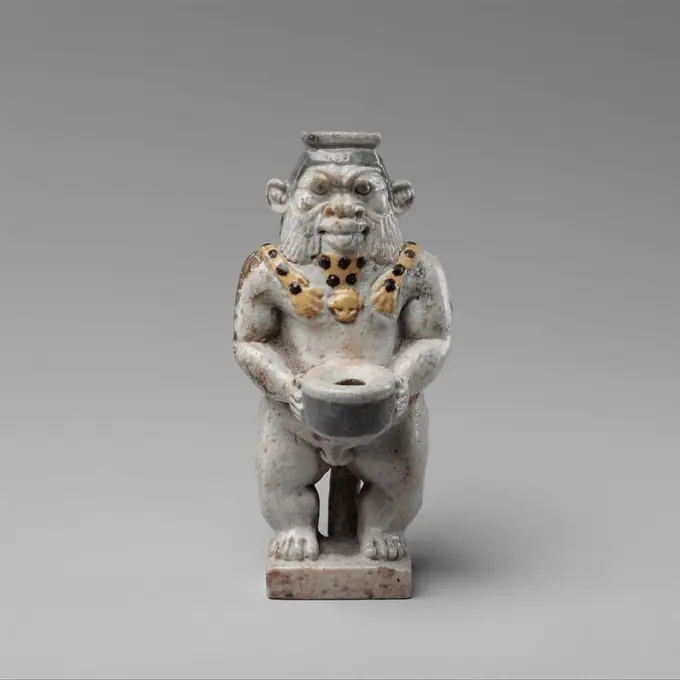
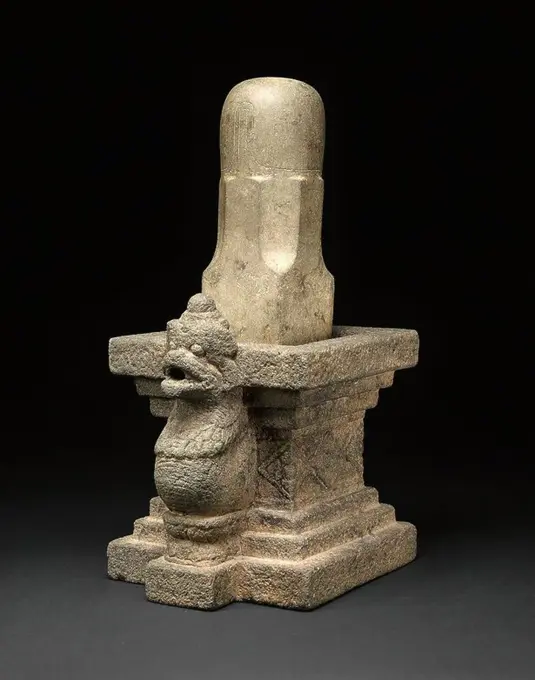
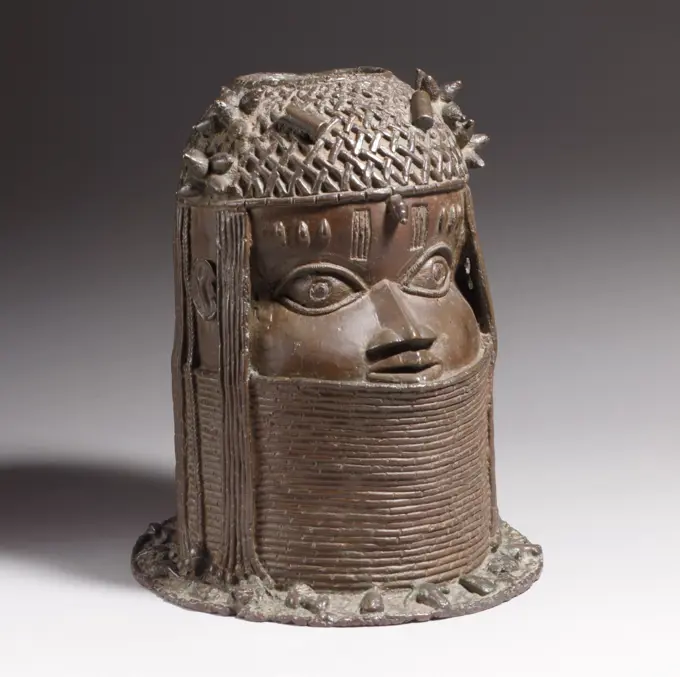
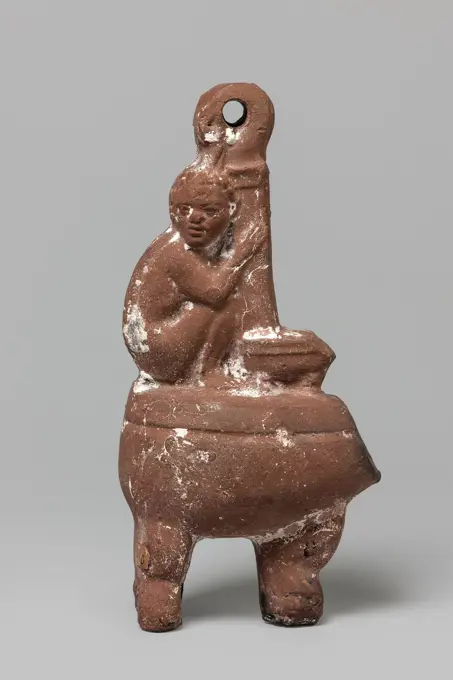
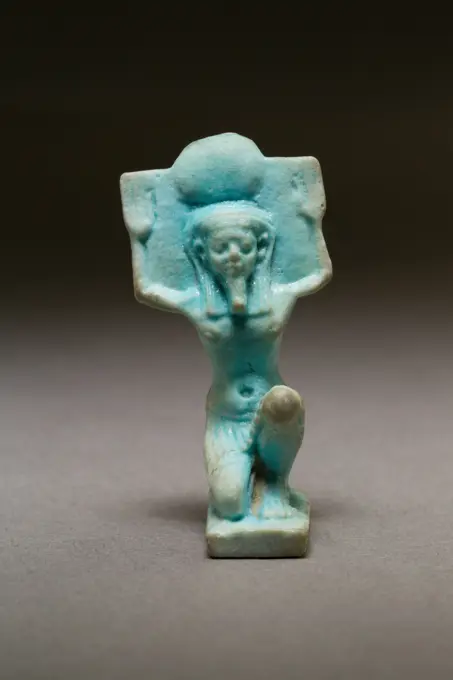
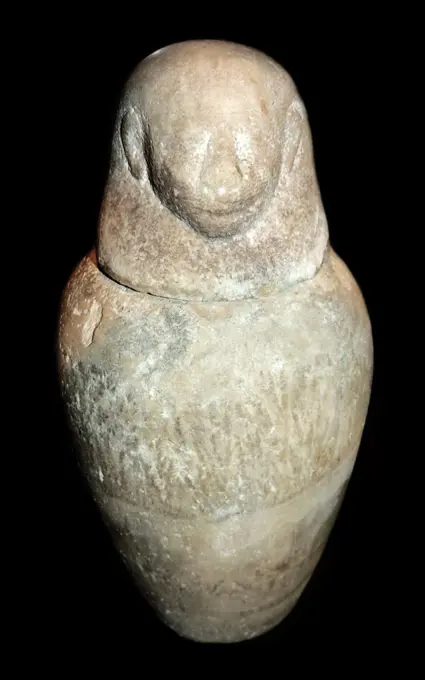
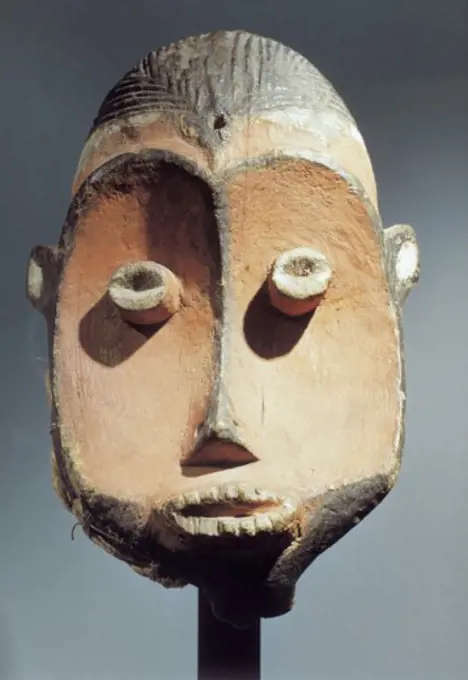
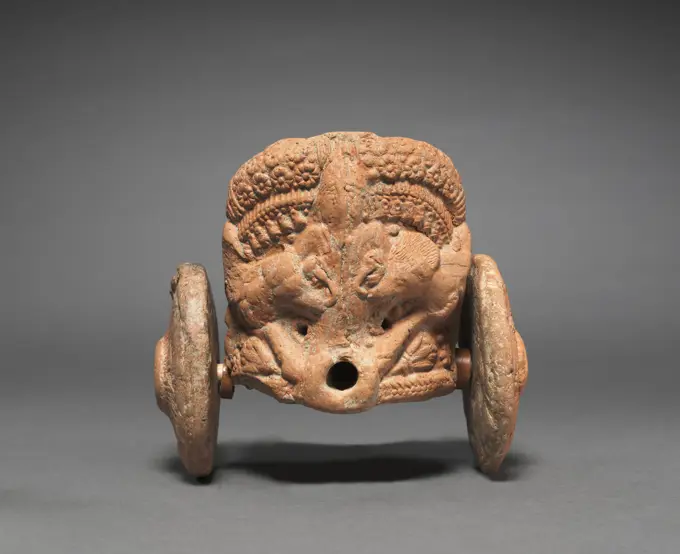
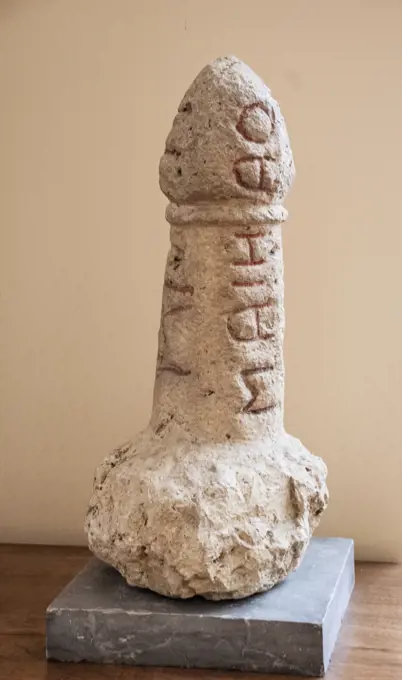
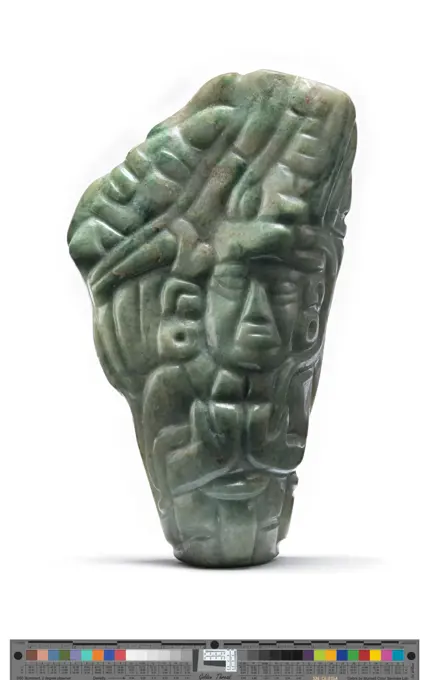
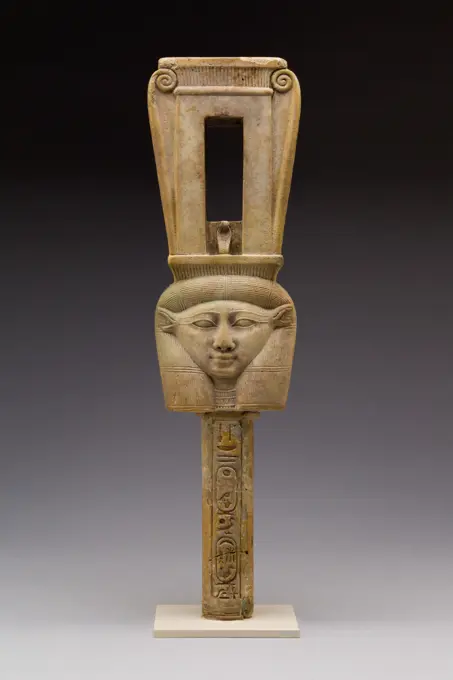
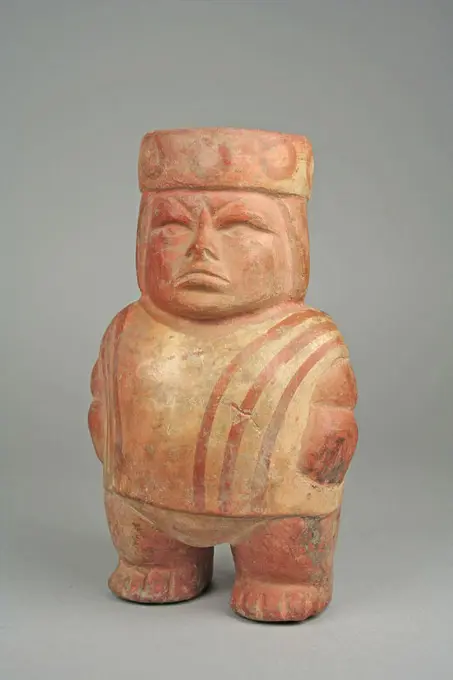
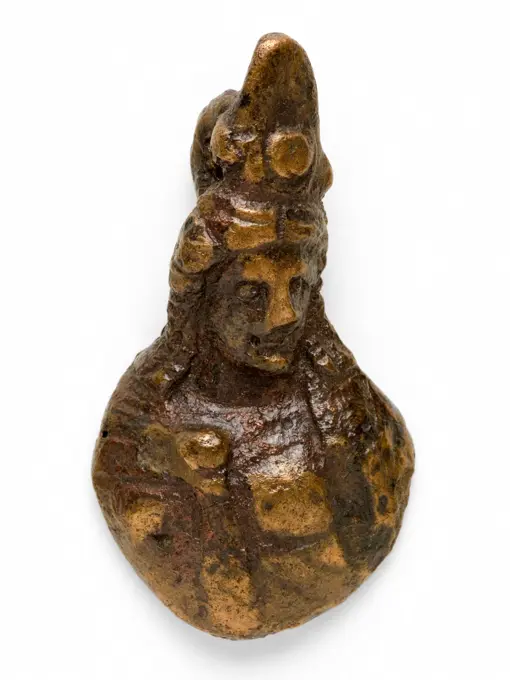
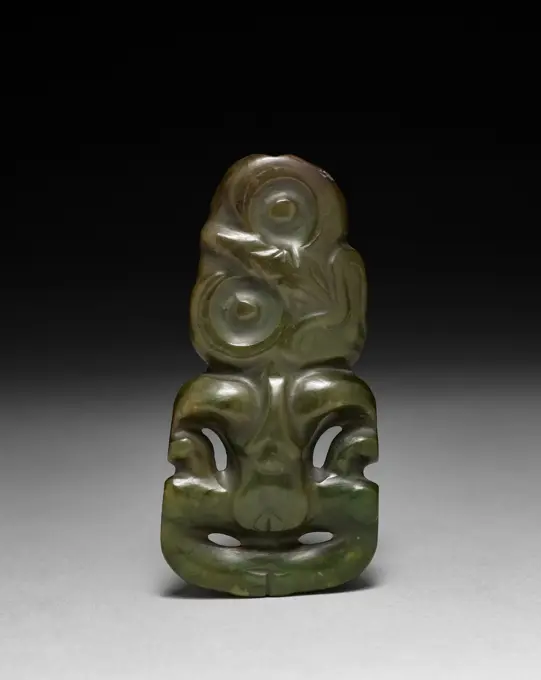
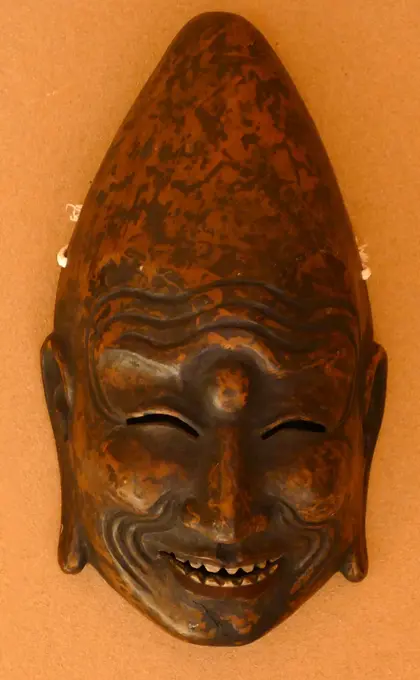
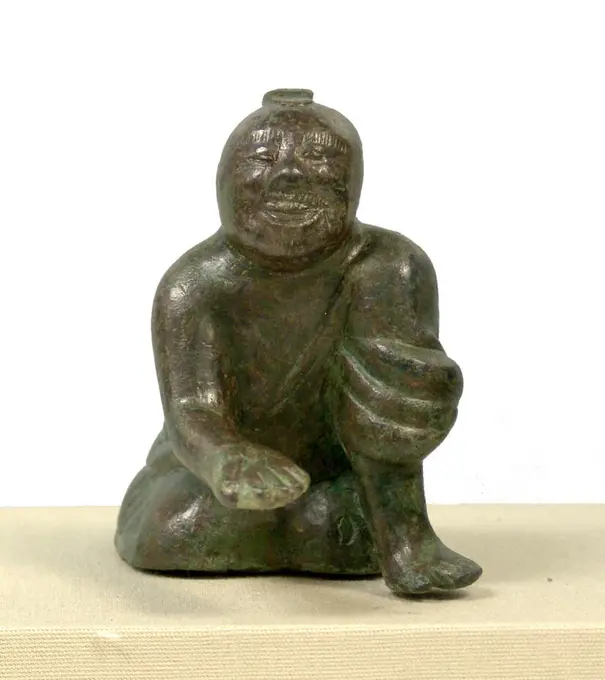
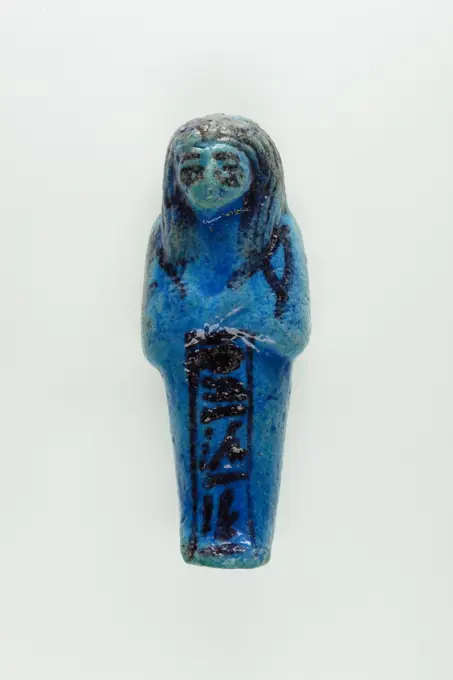
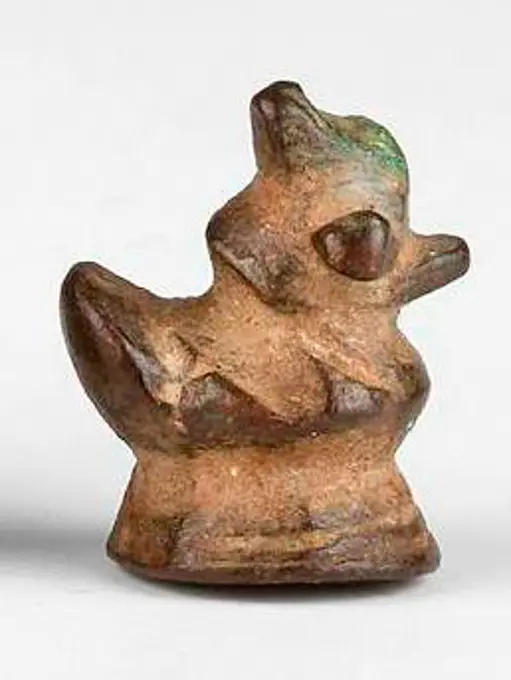
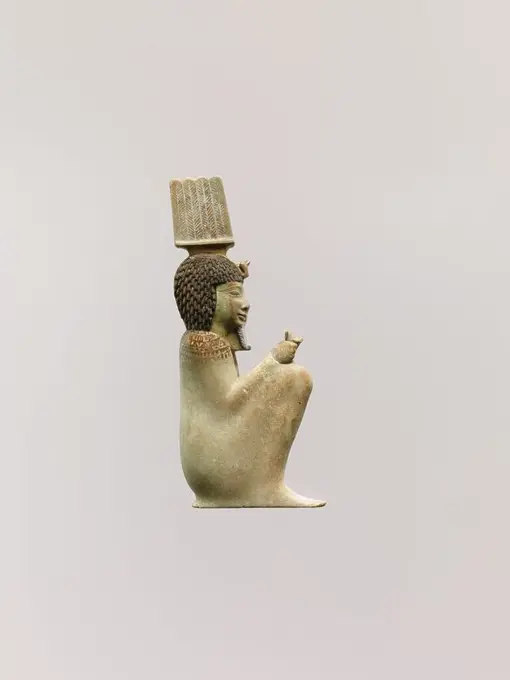
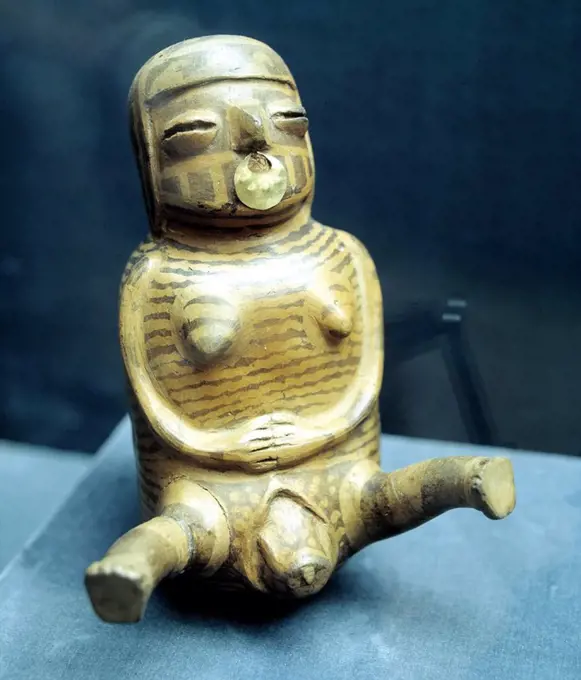
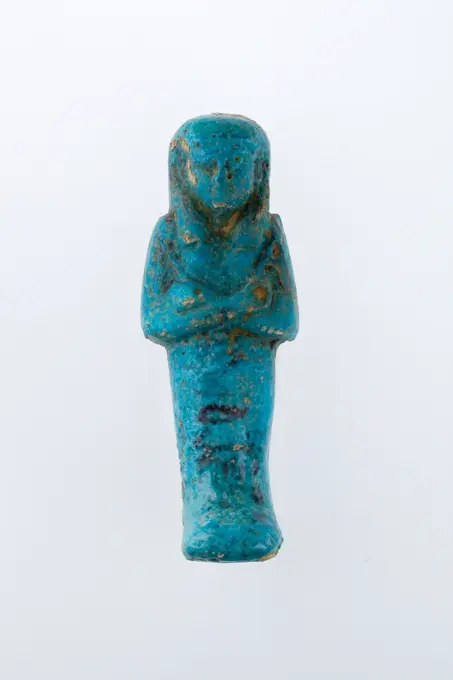
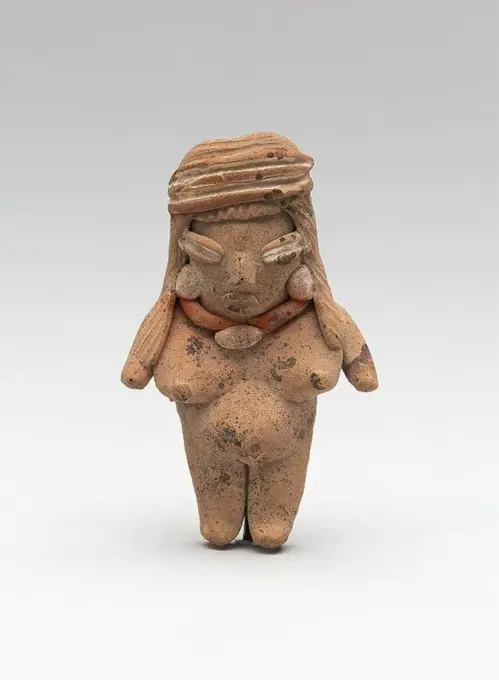
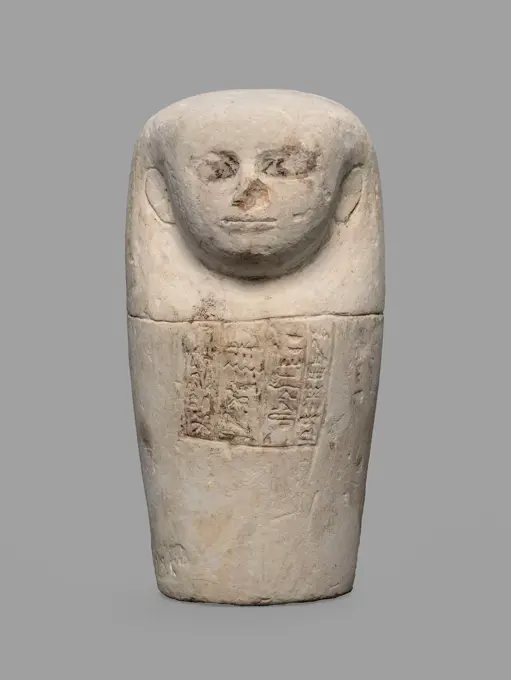
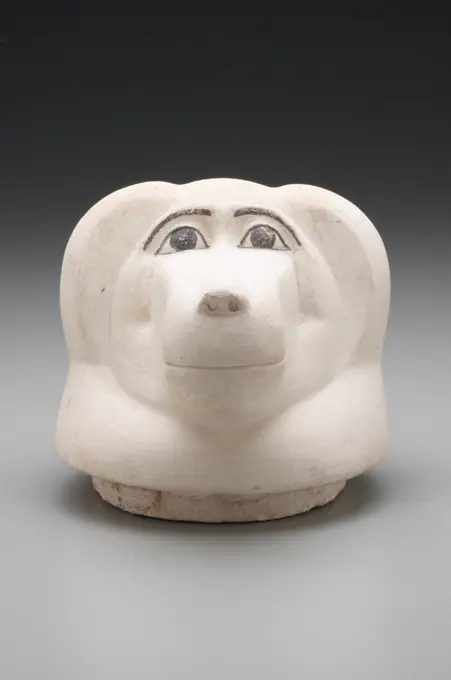
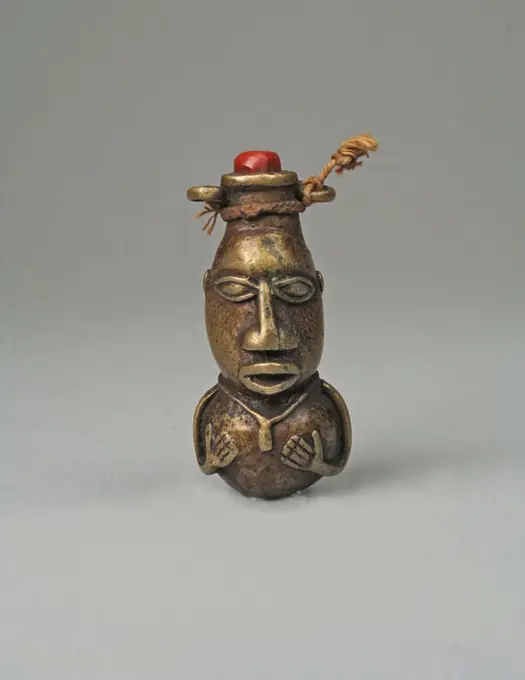
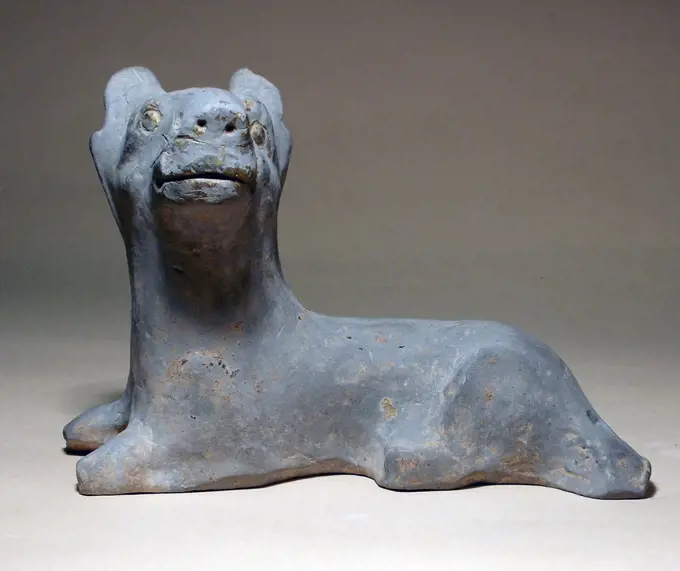
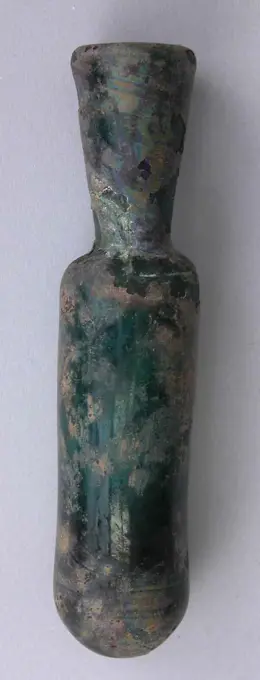
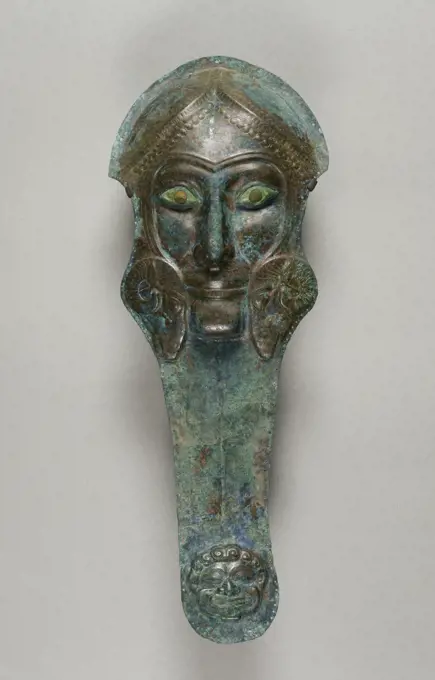
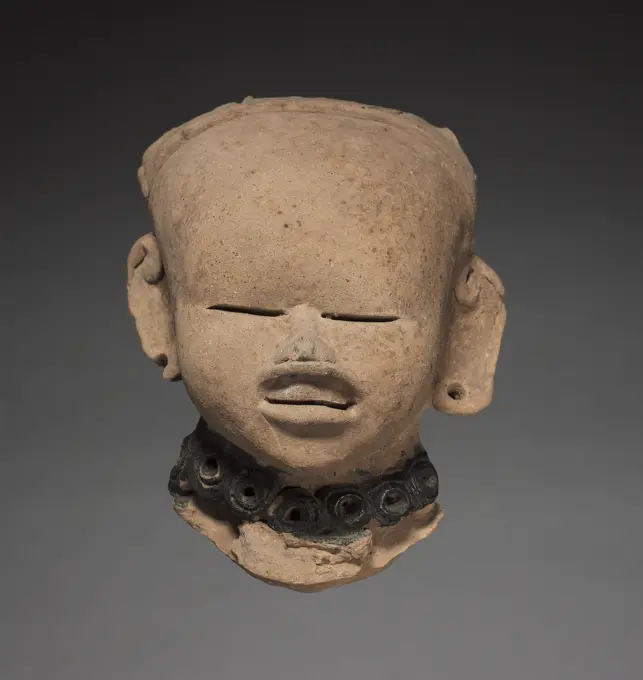
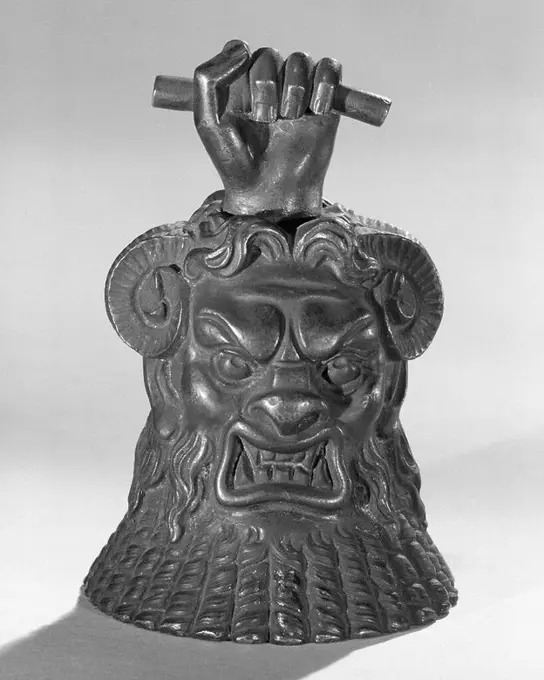
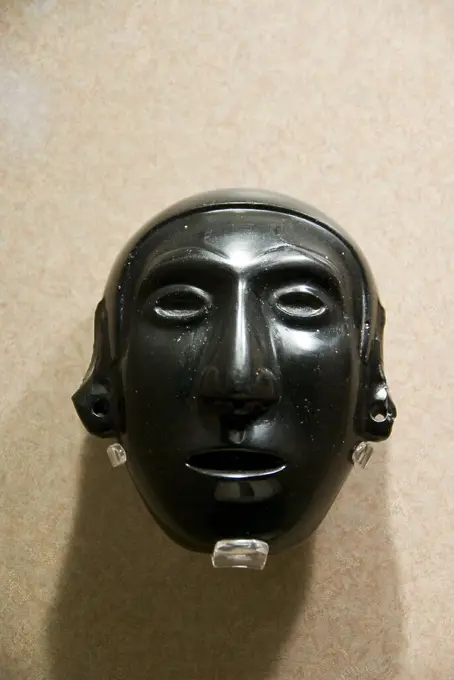
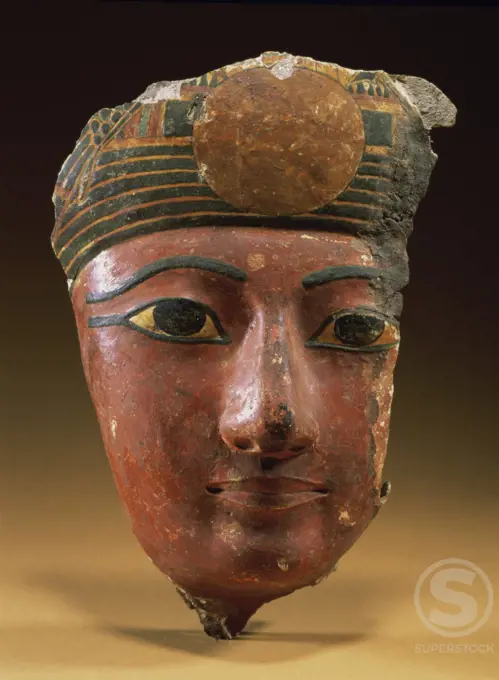
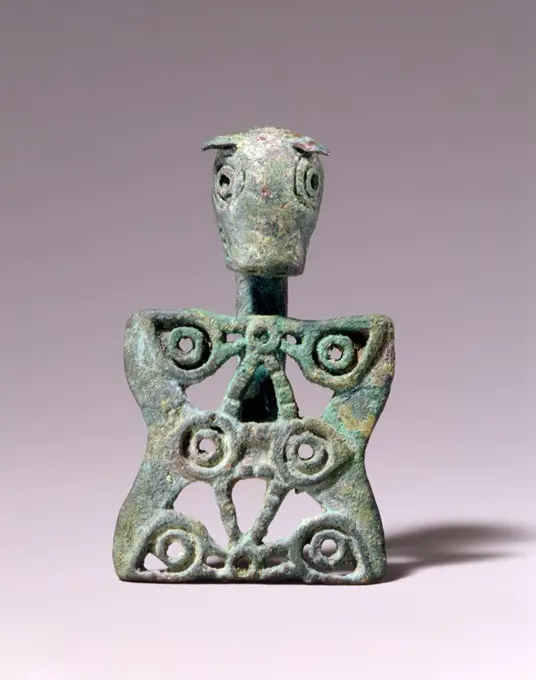
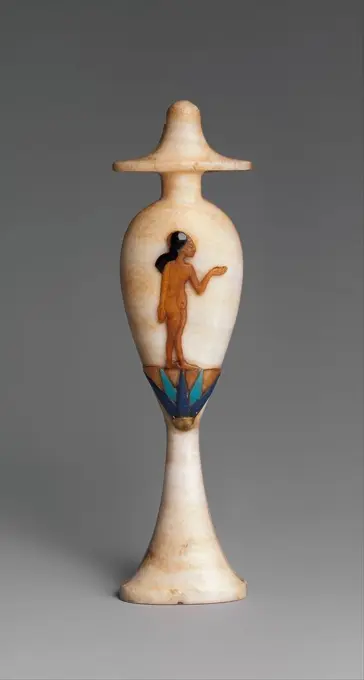
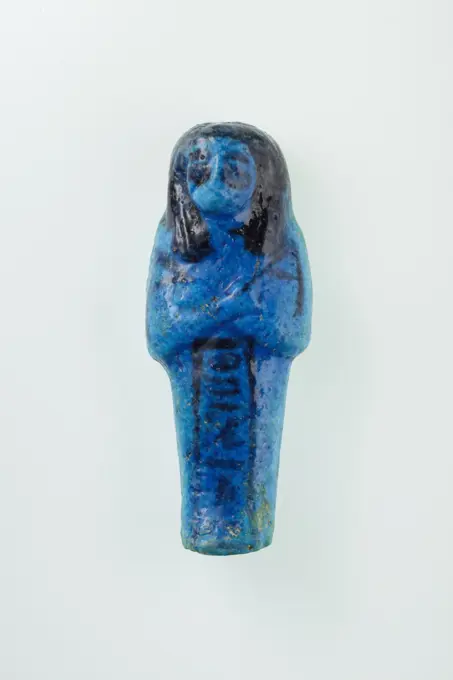
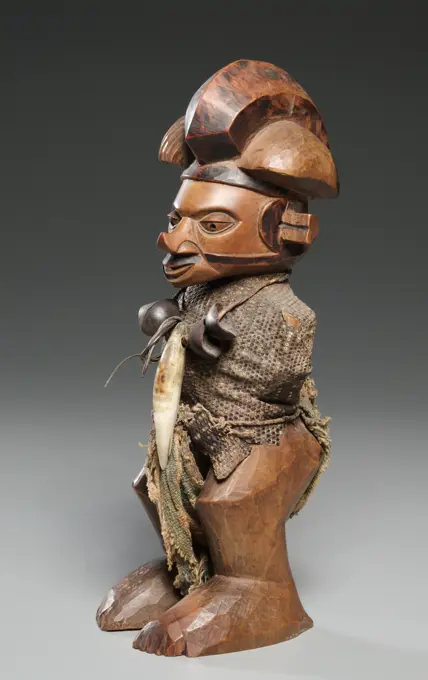
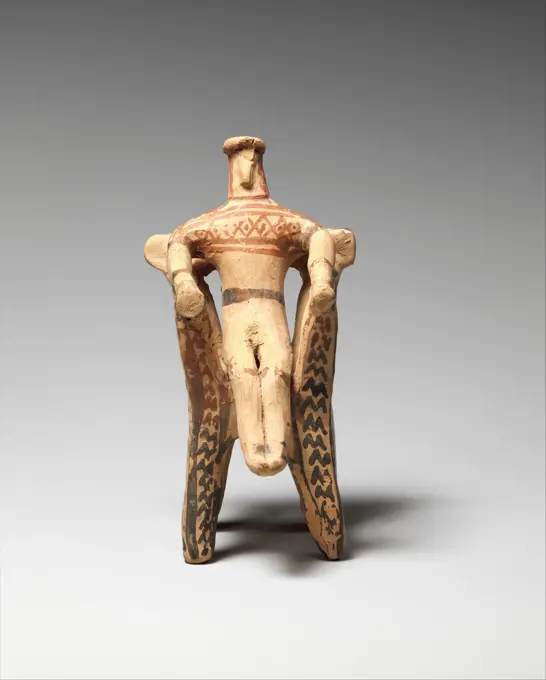
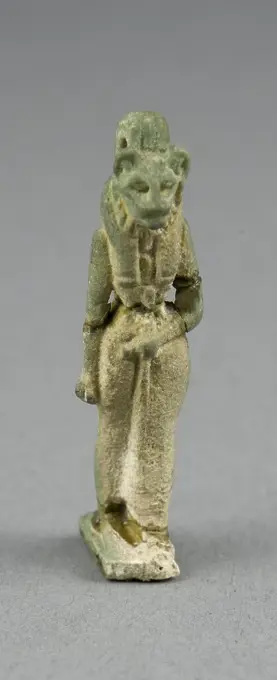
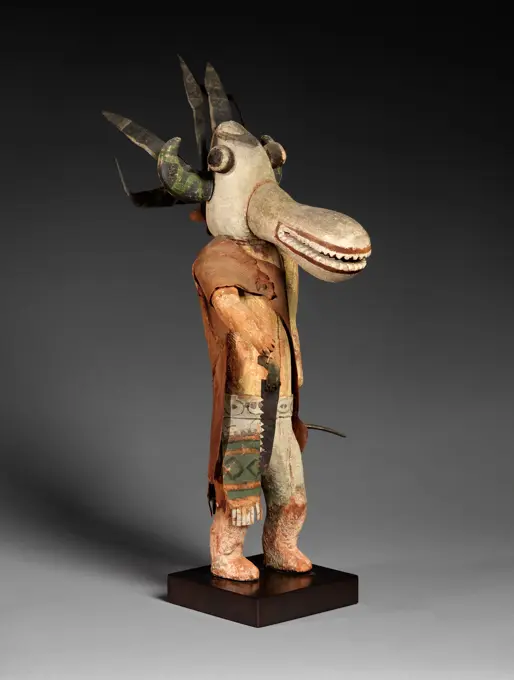
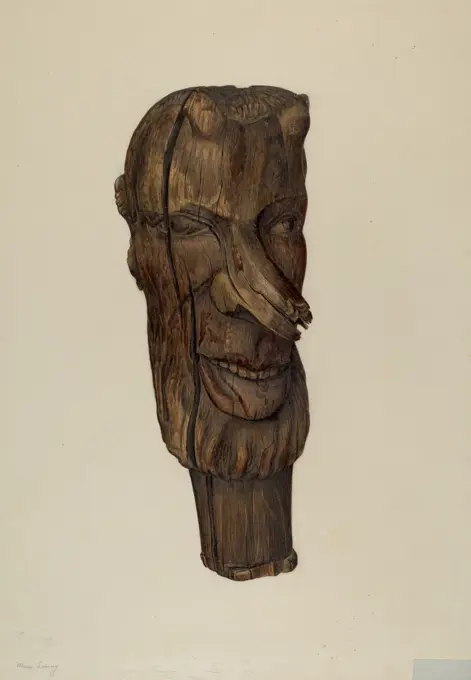
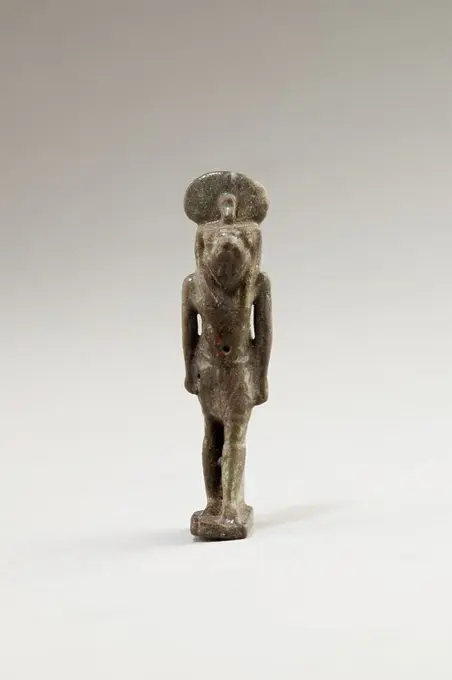
Amulet. Dimensions: H. 4.3 cm (1 11/16 in.); W. 1 cm (3/8 in.); D. 1.7 cm (11/16 in.). Dynasty: Dynasty 26-30. Date: 664-30 B.C.. Museum: Metropolitan Museum of Art, New York, USA.Flute. Culture: Tairona People; Gayraca style. Dimensions: Height: 3 5/16 in. (8.4 cm)Diameter: 1 7/16 in. (3.6 cm). Date: 1300-1500. Museum: Metropolitan Museum of Art, New York, USA.Stirrup Spout Bottle with Figure 5th-7th century Moche. Stirrup Spout Bottle with Figure 309324Standing female figurine ca. 600-480 B.C. Cypriot The figurine is mold-made and solid. The back was hollowed and reworked by hand.. Standing female figurine 241269Amulet of Pataikos. Egyptian. Date: 1069 BC-332 BC. Dimensions: 4.5 × 2 × 1.5 cm (1 1/4 × 3/4 × 9/16 in.). Faience. Origin: Egypt. Museum: The Chicago Art Institute, Chicago, USA. Author: Ancient Egyptian.Seated Figure 6th-7th century Moche (Loma Negra). Seated Figure 313439Womans head - figurine fragment. unknown, craftsman'Funeral Figurine (fragment)'. China, 8th century. Dimensions: h. 27,5 cm. Museum: State Hermitage, St. Petersburg.Faience aryballos (oil flask) in the form of a hedgehog. Culture: East Greek. Dimensions: 1 1/2 × 1 1/2 × 2 3/16 in. (3.8 × 3.8 × 5.5 cm). Date: 6th century B.C..Hedgehogs are among the most common forms of faience oil flasks. The center of production of these vases has traditionally been identified as Naucratis, a Greek trading colony on the Nile Delta, in Egypt. Museum: Metropolitan Museum of Art, New York, USA.CharmAmulet: Pataikos astride crocodiles and with a scarab on his head 664-332 B.C. Late Period. Amulet: Pataikos astride crocodiles and with a scarab on his head. 664-332 B.C.. Faience. Late Period. From Egypt. Dynasty 26-29Finial (Ram). Western Inner Mongolia, 5th-3rd century B.C.. Architecture; Architectural Elements. BronzePestle, 1400s. West Indies, Arawak (), 15th century. Stone; overall: 14.4 cm (5 11/16 in.); diameter of base: 9.3 cm (3 11/16 in.).Figure 7th-10th century Veracruz. Figure 320207Mold for Male Figurine wearing Jewelry and Lobed Headdress. Probably Moche; Probably north coast, Peru. Date: 100 AD-600 AD. Dimensions: 8.3 x 4.5 cm (3 1/4 x 1 3/4 in.). Ceramic. Origin: Peru. Museum: The Chicago Art Institute, Chicago, USA.Khonsu amulet Late Period-Ptolemaic Period 664-30 B.C. View more. Khonsu amulet. 664-30 B.C.. Faience. Late Period-Ptolemaic Period. From EgyptPre-Columbian gold artifact - statuette in the Museo del Oro - Gold Museum located in Bogota, Colombia. Pre-Columbian gold artifact - statuette in the Museo del Oro. Golden artifact from South American natives civilization. Famous Gold Museum, Bogota, Colombia. Copyright: xZoonar.com/www.artushfoto.eux 21638048Standing Male Figurine Wearing a Necklace and Breechcloth. Chupícuaro; Guanajuato or Michoacán, Mexico. Date: 500 BC-300 BC. Dimensions: H. 7.6 cm (3 in.). Ceramic and pigment. Origin: Chupícuaro. Museum: The Chicago Art Institute, Chicago, USA.Prisoner Pipe 13th-14th century Mississippian. Prisoner Pipe 319182Faience amulet of Isis and Horus 664-30 B.C. Egyptian Amulet, Isis.. Faience amulet of Isis and Horus. Egyptian. 664-30 B.C.. Clay, glazed. Late Dynastic or Hellenistic. Gold and SilverPrehistory, Hungary, Neolithic. Tisza culture. Anthropomorphic terracotta vase. From Szegvar-Tuzkoves.Cosmetic Container in the Form of a Bes-image. Dimensions: h. 9.2 cm (3 5/8 in); w. 4.4 cm (1 3/4 in); d. 3.9 cm (1 9/16 in). Dynasty: Dynasty 27. Date: 525-404 B.C..This squat human form with leonine features is commonly identified as the god Bes, but several other minor Egyptian gods were also represented by this image. These were protective deities, so they appear frequently as apotropaic figures in the decoration of furniture and personal belongings. Here, the god stands holding the cap of a kohl container, which has a small round hole in the top for insertion of an applicator. The container, which is now missing, was detachable so that it could be refilled easily. Museum: Metropolitan Museum of Art, New York, USA.Prehistory, Sweden, Bronze Age. Two-handled helmet in the shape of a bird's head, from Glasbacka.Leg from a bed or chair ca. 3100-2650 B.C. Early Dynastic Period. Leg from a bed or chair 547404Standing female figure, 250 BCE - 400 CE, 3 3/4 x 2 x 1 in. (9.5 x 5.1 x 2.5 cm), Earthenware, Mexico, 3rd century BCE - 5th century CEFigure Bottle 7th century Nasca (). Figure Bottle 309380Emblem of the God Shiva (Linga) with Serpent Base. Indonesia; Eastern Java. Date: 1101-1300. Dimensions: 42.5 × 19 × 23 cm (16 3/4 × 7 1/2 × 9 1/16 in.)Base: 9 3/4 × 9 × 7 1/2 in. (24.7 × 22.9 × 19 cm)Linga: 9 3/4 × 3 1/8 × 3 1/4 in. (24.7 × 7.9 × 8.3 cm). Sandstone and andesite. Origin: Eastern Java. Museum: The Chicago Art Institute, Chicago, USA.Terracotta aryballos in the form of a helmeted head ca. 600-575 B.C. East Greek A helmeted warriors head makes up the body of this small mold-made terracotta aryballos, likely used to hold perfumed oil. The painted and incised surface is very well preserved, including a prominent gorgoneion on the metopon of the Ionian helmet. The warriors wide eyes and dark beard are visible through the gaps in the helmet.. Terracotta aryballos in the form of a helmeted head. East Greek. ca. 600-575 B.C.. Terracotta. Archaic. VasesStanding female figurine ca. 600-480 B.C. Cypriot The solid figurine was made of reddish clay from a worn mold. The back is smooth and flat. Her body stands in high relief against a wide background.. Standing female figurine 241116Head of an Oba 19th century Edo peoples The leaders of the kingdom of Benin in present-day Nigeria trace their origins to a ruling dynasty that began in the fourteenth century. The title of "oba," or king, is passed on to the firstborn son of each successive king of Benin at the time of his death. The first obligation of each new king during this transfer of rule is to commemorate his father with a portrait cast in bronze and placed on an altar at the palace. The altar constitutes an important site of palace ritual and is understood to be a means of incorporating the ongoing influence of past kings in the affairs of their descendents.In honoring the royal ancestors, the cast-brass heads refer to the special role of the head in directing not only the body but also a person's success in life. Taken further, the welfare of the entire kingdom depends upon the king's head, which is itself the object of worship. The placement of brass heads on the ancestral altar is a vivid reminder of the oA lamp with a figure I want;  I-III century (1-00-00-300-00-00);Negroes, figurines, columns, figural lampsShu amulet 664-30 B.C. Late Period-Ptolemaic Period The amulets 44.4.23-44.4.28 have a uniformity of size and detailing that constitutes a stylistic relationship. Possibly they were made in related workshops.. Shu amulet. 664-30 B.C.. Faience. Late Period-Ptolemaic Period. From EgyptCanopic jars were used by the ancient Egyptians during the mummification process to store the and preserve the viscera of their owner for the afterlife. They were either carved from limestone or made from pottery.Kiavia Mask, Mambila, Cameroon/Nigeria African Art  Wood Private Collection, Geneva, SwitzerlandKohl Tube. Western Iran, modern. Tools and Equipment; containers. BronzeModel Chariot, 1st-2nd Century BC. India, Shunga Period (c. 187-78 BC). Terracotta; overall: 11.5 x 12.5 cm (4 1/2 x 4 15/16 in.).Lion's-Head Ornament; Crete, Greece; about 650 B.C; Terracotta; 7 × 7.6 cm (2 3,4 × 3 in.)Drum, early 20th century, 53 1/2 x 26 1/2 x 24 in. (135.89 x 67.31 x 60.96 cm), Wood, animal hide, plant fibers, pigments, Guinea, 20th century, Carved from a single piece of wood, its massive body supported by an elegant horse, this large drum was closely associated with male identity and authority. Played by men of high ritual standing, it resounded during male initiation ceremonies and the celebration of male ancestors. The horse wears a double necklace with what appear to be Islamic amulets, a possible reference to contact with Muslim traders, who introduced horses to this West African region.Figurine, late 1800s-early 1900s. Central Africa, Republic of the Congo, Kongo people. Wood, metalized glass, organic materials (including resin), feathers, plant fibers, iron, and copper alloy; overall: 34 x 9.5 x 25 cm (13 3/8 x 3 3/4 x 9 13/16 in.).Europe, Italy, Campania, Naples, National Archaeological MuseumSatyr Head Furniture Element. Egypt, Roman Period (30 BCE - 395 CE) or later. Sculpture. BronzeSeated ChildMongolian Archer. Yoshimura Shūzan (follower of) (Japan, late 18th century). Japan, late 18th century. Costumes; Accessories. Soft wood with pigmentsPendant with Standing Figure and Ancestor. Guatemala, Honduras, or Mexico, Maya, 300-600 CE. Stone. Jadeite with pigmentBronze statuette of a reclining satyr late 6th century B.C. Etruscan This delightful pair of satyrs, one playing the Pan pipes while reclining on a wineskin and the other holding a drinking horn, probably once decorated the rim of a large bronze vessel. These devotees of Dionysos, god of wine, are appropriate subjects on a vase used to serve that drink. Their style suggests a workshop in one of the major cities of Northern Etruria, perhaps Chiusi.. Bronze statuette of a reclining satyr. Etruscan. late 6th century B.C.. Bronze. Archaic. BronzesSistrum with the Name of King Amasis 570-526 B.C. Late Period, Saite Sistra are cultic musical instruments, which when shaken produced a rattling sound that was thought to be soothing and pacifying. These cultic instruments are closely connected to the goddess Hathor and they most commonly include the Hathor emblem, which contains a womans head with cows ears. The top of the piece here is in the shape of a naos between two volutes and thus belongs to a type of sistrum called "naos sistrum." This top part originally held three cross bars, as is evident from the three holes on the sides of the piece. Small sounding plates were presumably originally inserted onto these now missing bars in order to produce a rattling sound. Many sistra made out of faience are known. They might have been meant as gifts to a deity rather than as instruments that were played often, as the material would be too fragile for frequent use. The handle of the piece has two inscriptions that each give two of the nJar, Fat Figure. Culture: Moche. Dimensions: H. 8 x W. 4 3/4 in. (20.3 x 12.1 cm). Date: 3rd-6th century. Museum: Metropolitan Museum of Art, New York, USA.Catalan wood terminal, cut from the end of a medieval house beam. Spain.Amulet of a Composite Falcon and Human Dwarf Figure Surmounted by a Scarab Beetle. Egypt, Late Period - Ptolemaic Period (724 - 31 BCE). Jewelry and Adornments; amulets. Faience blueFigure Ornament 6th-7th century Moche (Loma Negra). Figure Ornament 315208Bust of Isis. Copper alloy. Gallo-Roman time. Paris, Carnavalet museum. BUSTE D'ISIS Copper alloy, antiquity, bust, Egyptian divinity, Gallo-Roman, ancient timePendant (Hei-tiki), 1800s. Polynesia, New Zealand, Maori people, 19th century. Nephrite (greenstone); overall: 11.2 x 5.5 cm (4 7/16 x 2 3/16 in.). Among the Mori, leaders are hereditary and imbued with mana, power and prestige that can be embodied and passed down in the artworks associated with them. Hei-tiki are among these treasured, mana-charged heirlooms, which connect the living to ancestors of the islands’ pre-European past. They may represent Hine-te-Iwaiwa, a legendary ancestress who is the exemplar of Mori womanhood and the patron of childbirth.Standing Figure, 1644-1911. China, Qing dynasty (1644-1911). Jade; overall: 10.7 cm (4 3/16 in.).Hunchback Figure Vessel 2nd-3rd century Colima. Hunchback Figure Vessel 312577Pottery tripod incense burner Aztec AD 900-1521,Mask17th century Japanese wooden maskWeight in the Shape of Liubo Game Player China A popular game in the Han dynasty, liubo involves two players who gamble by using dice, counters, gaming pieces, and a marked board. The bronze figures exhibited in this casetwo players and two spectatorswere used as weights to hold the floor mat in place. These figures, which capture a dramatic moment in a heated game, represent leisure activities in ancient China.. Weight in the Shape of Liubo Game Player. China. Bronze with lead core. Han dynasty (206 B.C.-A.D. 220). MetalworkMiniature Mask, early 20th century, 2 1/2 x 1 1/2 x 3/4 in. (6.4 x 3.8 x 1.9 cm), Ivory, Democratic Republic of Congo, 20th centuryHead of a comic figurine. Culture: Greek, Attic . Dimensions: H. 1 3/8 in. (3.5 cm). Date: Late 4th-3rd century B.C..The masked head is mold-made and solid. The back is flattened. Museum: Metropolitan Museum of Art, New York, USA.Worker Shabti of Nany ca. 1050 B.C. Third Intermediate Period See 30.3.26.1a, b. Worker Shabti of Nany 625738Face Mask Ornament 6th-7th century Moche (Loma Negra). Face Mask Ornament. Moche (Loma Negra). 6th-7th century. Gilded copper, shell. Peru. Metal-OrnamentsHintha bird weight, 1 Tikal. unknown, craftsmanInlay of the squatting god Anhur (Onuris). Dimensions: H. 8.8 cm (3 7/16 in.); W. 3.7 cm (1 7/16 in.); D. 1.5 cm (9/16 in.). Date: 4th century B.C..This small crouching figure is the god Onuris. He is distinguished by his crown of four upright feathers.Originally he held a scepter in the fist on his knee. The king Nectanebo II incorporated into his royal names epithets relating him to the god Onuris. Museum: Metropolitan Museum of Art, New York, USA.Attendant 3rd-2nd century B.C. China. Attendant 61733Doll, 20th century, 8 3/4 × 2 1/2 × 3 1/2 in. (22.23 × 6.35 × 8.89 cm) ((with base)), Wood, Nigeria, 20th centuryPRE-COLUMBIAN ART. PERU. "FEMALE CHARACTER ON A CHILDBIRTH SCENE". ART VIRU. MUSEUM OF THE GOLD OF PERU. LIME. BIRTH.Girl in Victorian Chair' mechanical bank, c. 1880, W. S. Reed Toy Company ; or; Manufacturer: J. & E. Stevens Company, Cromwell, Connecticut, 1843-1950s, W. S. Reed Toy Company, Leominster, Massachusetts, 1875-1897, 4 x 2 1/16 x 2 3/16 in. (10.16 x 5.22 x 5.56 cm), Iron, pigment, 19th centuryWorker Shabti of Henettawy (C), Daughter of Isetemkheb ca. 990-970 B.C. Third Intermediate Period See 25.3.19.. Worker Shabti of Henettawy (C), Daughter of Isetemkheb 591115Standing Female Figurine. Chupícuaro; Guanajuato or Michoacán, Mexico. Date: 500 BC-300 BC. Dimensions: H. 7.6 cm (3 in.). Ceramic and pigment. Origin: Guanajuato state. Museum: The Chicago Art Institute, Chicago, USA.Figurine of LunaImitation of the Canopian urn;  664-332 BC ; Half period (-664-00-00--332-00-00);Scen.gal.eg., Urny KanopskieCanopic Jar Lid in Form of BaboonHeadMedicine Vessel: Figure. Culture: Edo peoples. Dimensions: H. 2 1/2 × W. 1 1/8 × D. 7/8 in. (6.4 × 2.8 × 2.2 cm). Date: 18th-19th century. Museum: Metropolitan Museum of Art, New York, USA.Male Figurine, c. 1900, 7 x 1-3/4 x 1-3/4 in. (17.8 x 4.4 x 4.4 cm), Wood, pigment, white earth, Democratic Republic of the Congo, 19th-20th centuryAncient China: Reclining guard-dog, grey pottery, Eastern Han Dynasty, 24 - 220 AD.Bottle 9th-10th century. Bottle 442916Paduan 16th Century, Small Vase in the Form of a Monkey, early 16th century Small Vase in the Form of a MonkeyHorse Armor; South Italy; about 480 B.C; Bronze, amber, ivory; 45 x 17.2 cm (17 11,16 x 6 3,4 in.)Tripod Vessel with Anthropomorphic SupportsTerracotta aryballos (perfume vase) in the form of a monkey 1st quarter of the 6th century B.C. Rhodian Small figural vases found great favor in the East Greek world. This vase in the form of a monkey is seated in a thoroughly human way with an acute though somewhat melancholy glance.. Terracotta aryballos (perfume vase) in the form of a monkey 256066Statuette of a Banqueter. UnknownSmiling Head, 600-1100. Mexico, Classic Veracruz (Totonac or Tajin). Terracotta; overall: 17.2 x 13.1 x 10.6 cm (6 3/4 x 5 3/16 x 4 3/16 in.).Hand Bell. Culture: European. Dimensions: Height 8.5 cm, Weight 354 g, Diam. 6.0 cm. Date: 19th century.In the 19th century, interest in ancient Egypt swept Europe following Napoleon's campaigns (1798-1801). This highly stylized clapper bell features the face of the Egyptian deity Bes, along with attributes not normally associated with him including rams horns and the 'Wand of Horus' (fist grasping a small rod). Museum: Metropolitan Museum of Art, New York, USA.Amulet of Ma'at, seated, without the ostrich feather on her head, from the 7th-5th century.Mexico.Mexico city.National Museum of AntHropology.Mexica-Aztec culture. Obsidian mask.A Gesso-Painted Fragmentary Funerary Mask  1550-1070 B.C.  Egyptian Art Limestone statuette of a temple boy 4th century B.C. Cypriot Seated figure wearing a pointed cap and holding a bird.. Limestone statuette of a temple boy 242316Harness Jingle with Animal's Head 7th-6th century B.C. Northeast China. Harness Jingle with Animal's Head 59460Perfume bottle in the shape of a hes-vase inlaid with the figure of a princess. Dimensions: H. 10.8 cm (4 1/4 in.); W. 3 cm (1 3/16 in.); D. 1.9 cm (3/4 in.). Dynasty: Dynasty 18. Reign: reign of Akhenaten. Date: ca. 1353-1336 B.C..The shape of this perfume bottle imitates that of a ritual vessel used for water libations. Inlaid on its side is a marvel of lapidary skill-a little Amarna princess standing on a blossom of the blue lotus, a species that opens anew each morning with the rising sun. For an Egyptian, the child and the flower would have been a powerful image of rebirth and rejuvenation. Museum: Metropolitan Museum of Art, New York, USA.Worker Shabti of Nany ca. 1050 B.C. Third Intermediate Period See 30.3.27.1a, b. Worker Shabti of Nany. ca. 1050 B.C.. Faience. Third Intermediate Period. From Egypt, Upper Egypt, Thebes, Deir el-Bahri, Tomb of Meritamun (TT 358, MMA 65), first corridor, burial of Nany, MMA excavations, 1928-29. Dynasty 21Figure (kiteki), late 1800s-mid 1900s. Africa, Central Africa, Democratic Republic of Congo, Yaka-style carver. Wood, lizard skin, leopard tooth, pods, cloth, and natural fiber; overall: 23 cm (9 1/16 in.).Terracotta figure in an armchair 8th century B.C. Greek, Attic This piece forms a noteworthy counterpart to the Mycenaean representation of the same subject (74.51.1711) exhibited in an adjoining case. Of particular note in this example is the diminutive figure incorporated into the back of the chair.. Terracotta figure in an armchair 253346 Greek, Attic, Terracotta figure in an armchair, 8th century B.C., Terracotta, H. 4 7/8 in. (12.5 cm). The Metropolitan Museum of Art, New York. Fletcher Fund, 1931 (31.11.8)Amulet of the Goddess Bastet. Egyptian. Date: 1070 BC-656 BC. Dimensions: 4.4 × 1.3 × 1.3 cm (1 3/4 × 1/2 × 1/2 in.). Faience. Origin: Egypt. Museum: The Chicago Art Institute, USA. Author: Ancient Egyptian.White Ogre Tihu (Katsina Figure) Hopi, Native American ca. 1900 A katsina is a spirit being who serves as a cultural guide in Hopi and Zuni communities. Young girls often receive a tihu, or katsina doll, as a cherished gift. This tihu takes the form of the ogre Nataaska, who visits Hopi villages to discourage bad behavior and to remind children of their responsibilities to their community. This figure carries a bone-cutting saw and is dressed in traditional regalia, including a wraparound kilt, a concha belt, and a brocaded hip sash. In the 1920s, Hopi and Zuni carvers began to carve katsina dolls to sell to tourists, as demand for Native American souvenirs grew steadily at the turn of the century. The movable arms and added, rather than painted, garments suggest this figure was likely made for such a market. View more. White Ogre Tihu (Katsina Figure). Hopi, Native American. ca. 1900. Cottonwood, pigment, cotton cloth, tanned leather, and metal. Made in Arizona, United StatesFemale statuette from Quimbaya culture, terracottaHead of a man ca. 2900-2650 B.C. Early Dynastic Period. Head of a man 547491Double-sided Bes amulet Third Intermediate Period ca. 1070-712 B.C. View more. Double-sided Bes amulet. ca. 1070-712 B.C.. Faience. Third Intermediate Period. From EgyptAnatolian female idol, third millennium BC, showing highly stylized, simplified form.Mina Lowry, Hitching Post Finial, c 1940 Hitching Post Finial