Ancient Artifacts

Images of ancient artifacts including figurines and flutes, showcasing historical cultural items with unique shapes and materials.

Womans head - figurine fragment. unknown, craftsman
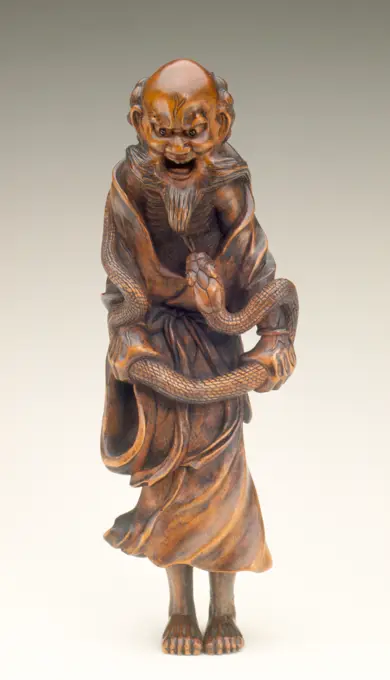
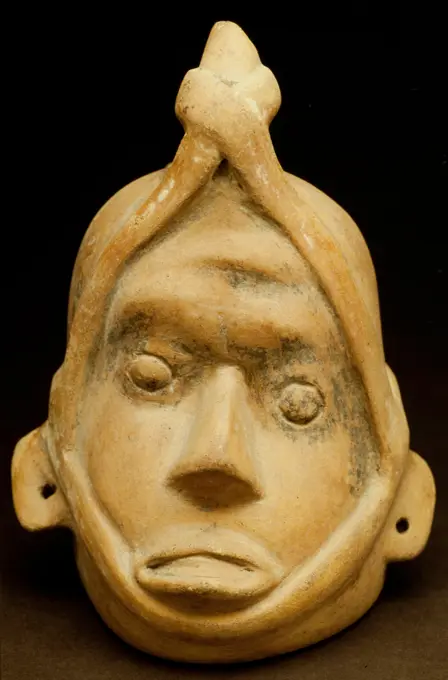
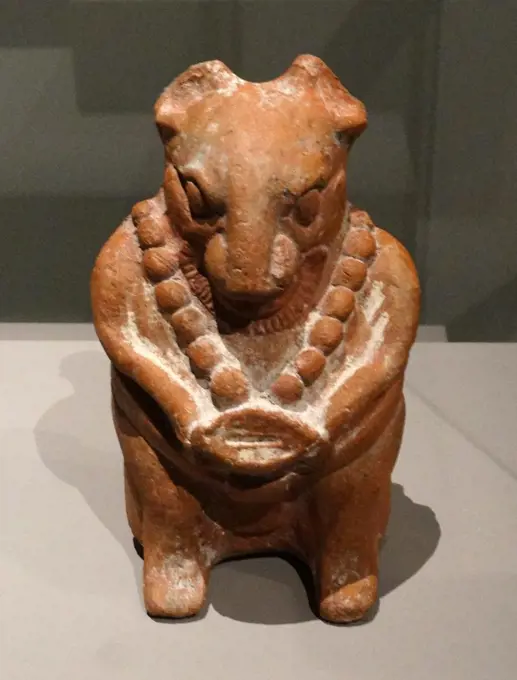
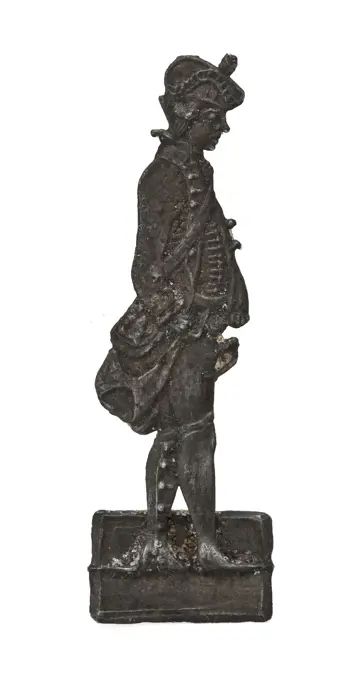
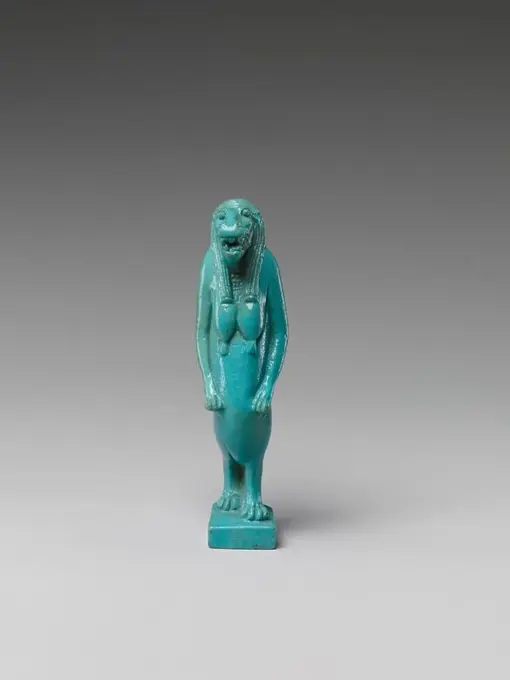
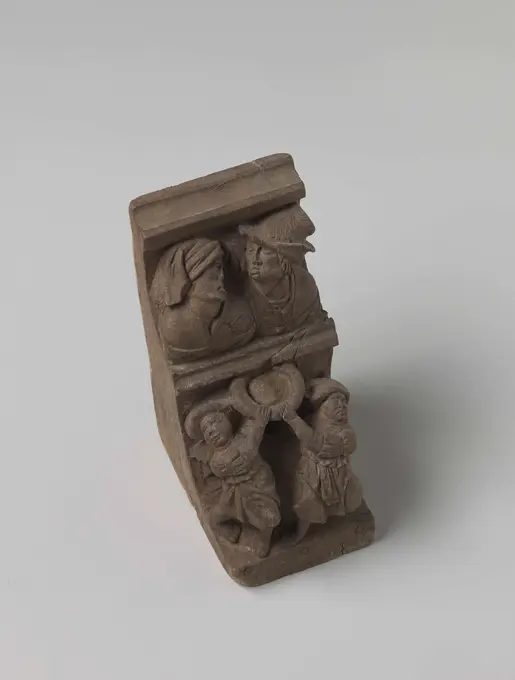
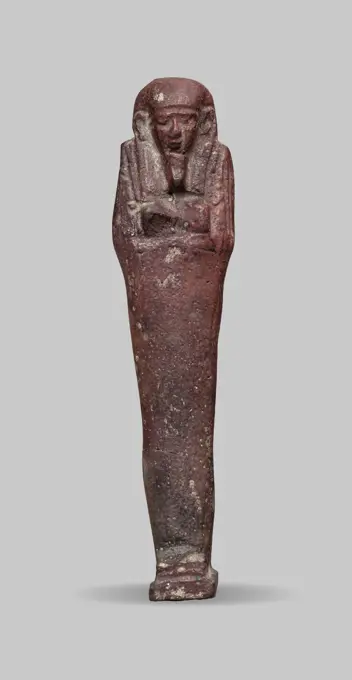
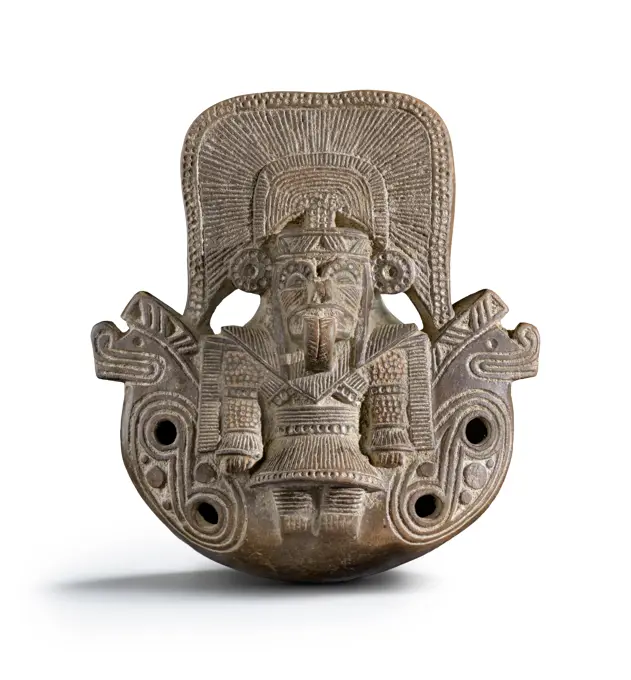
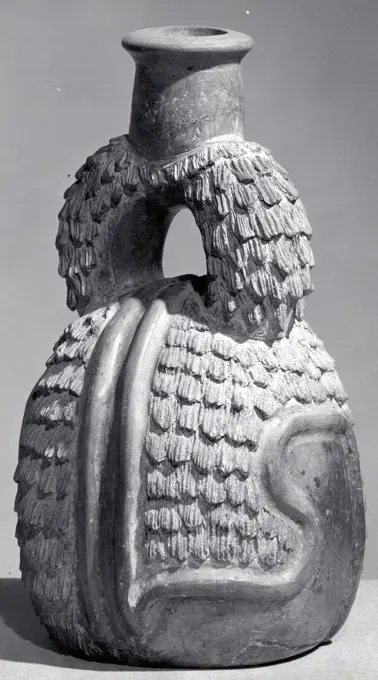
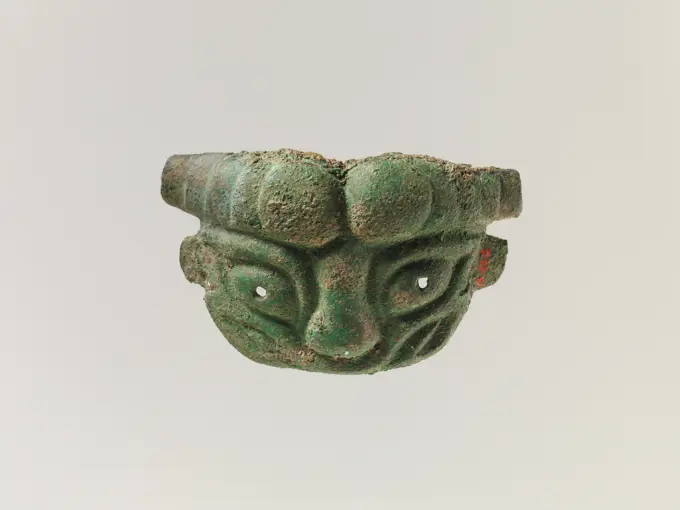
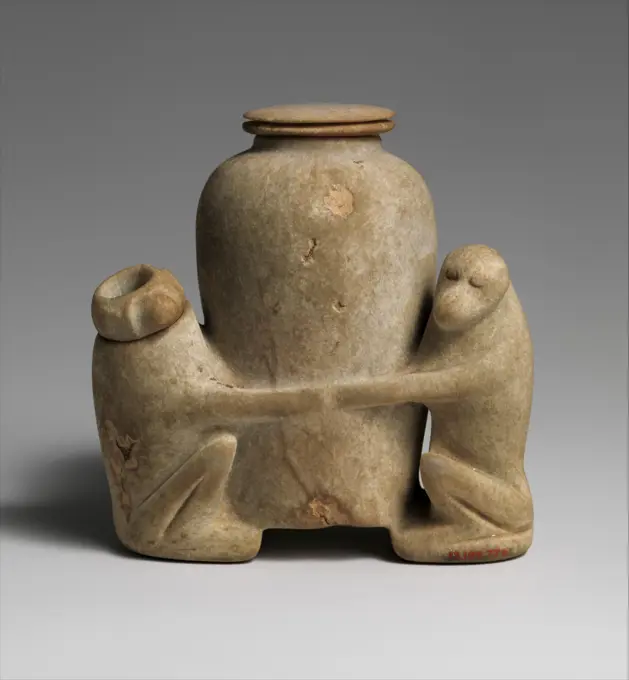
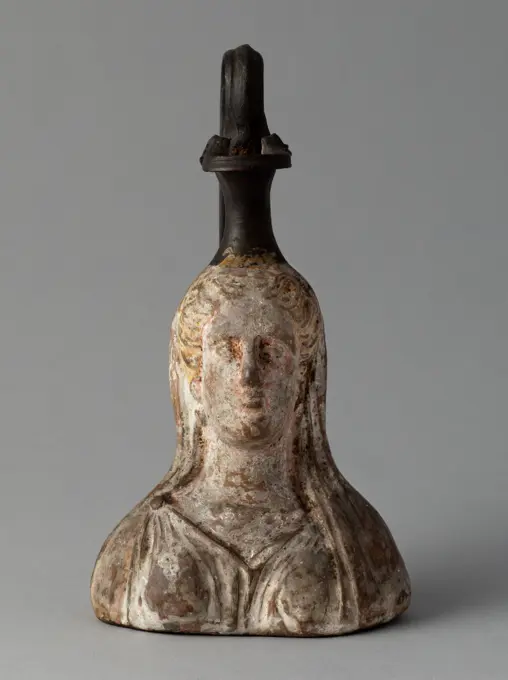
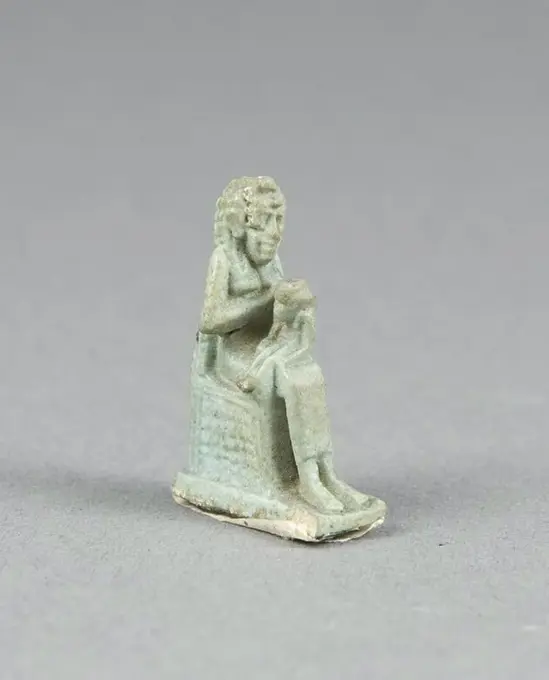
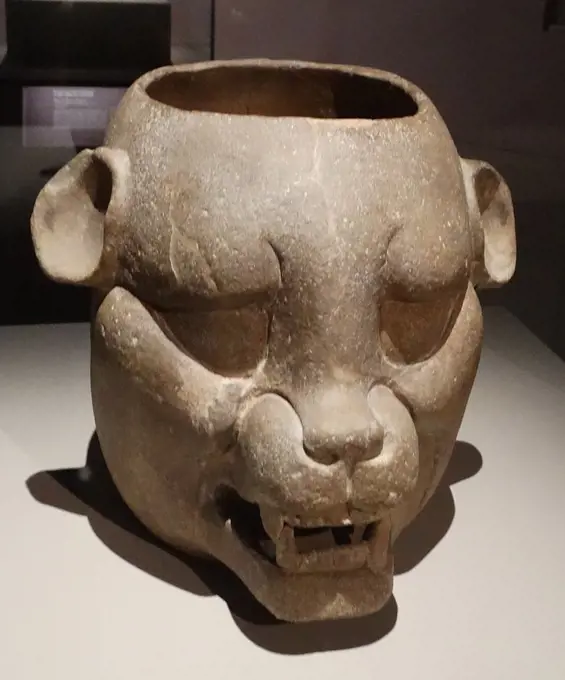
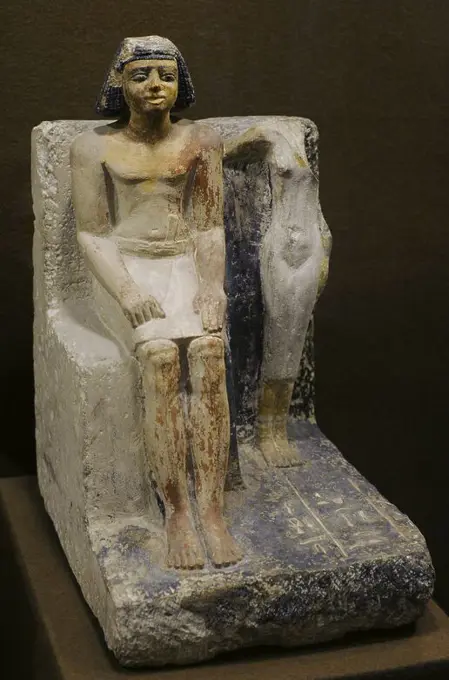
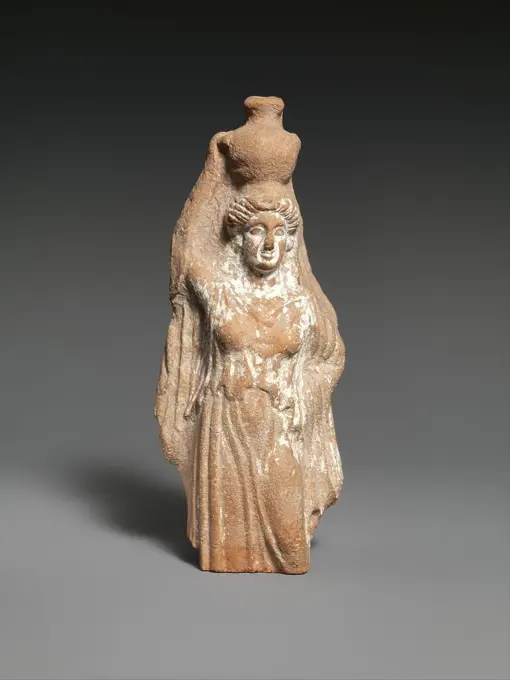
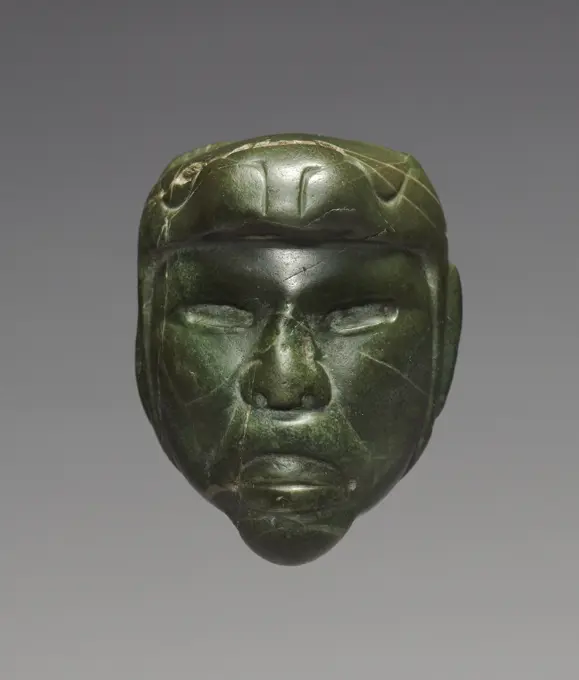
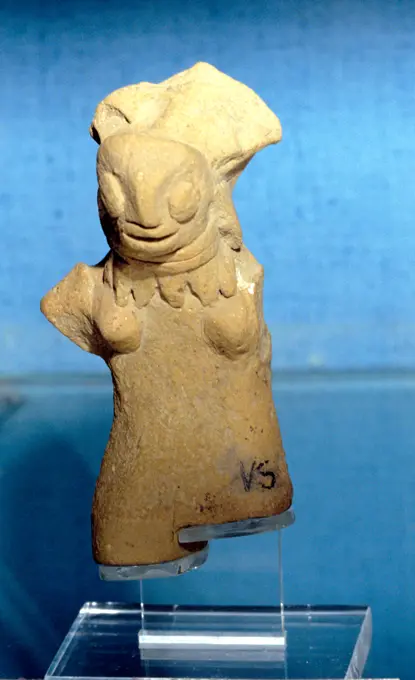
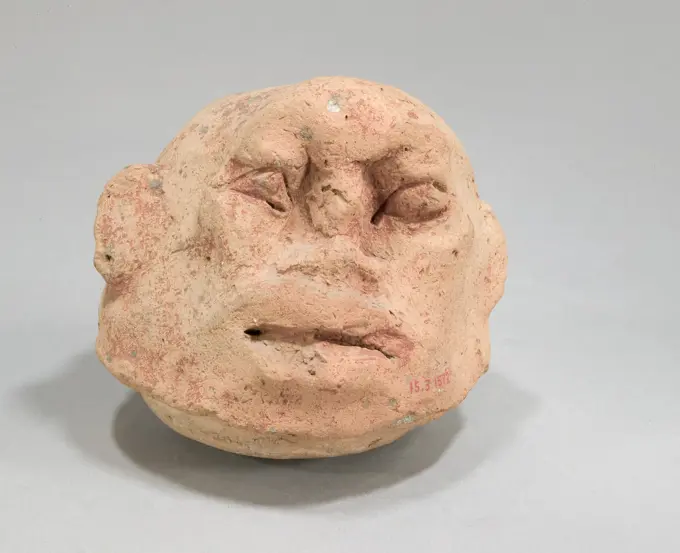
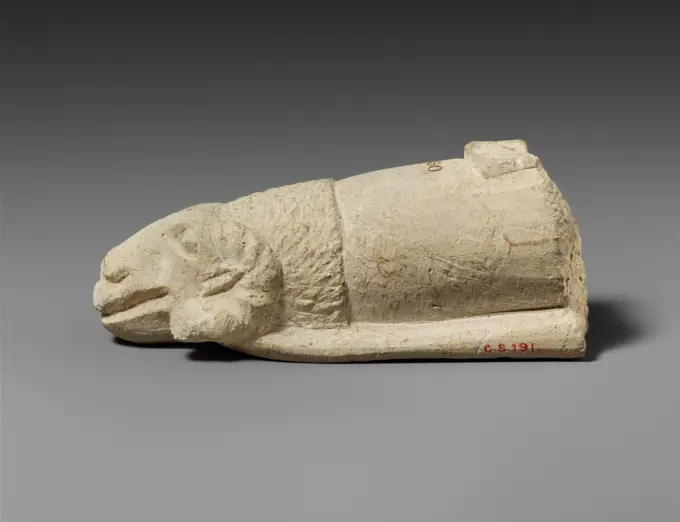
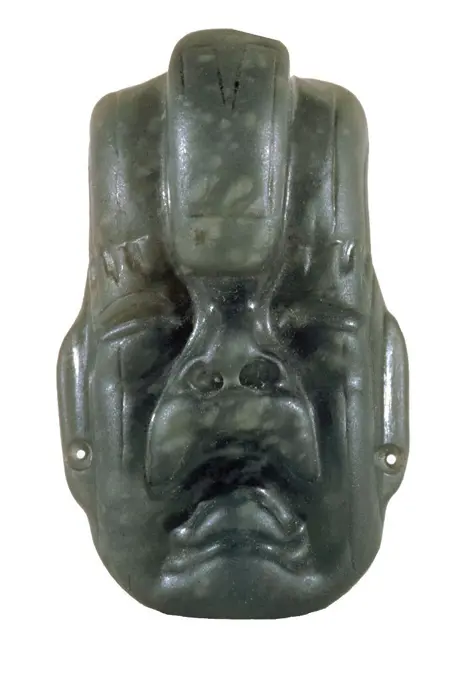
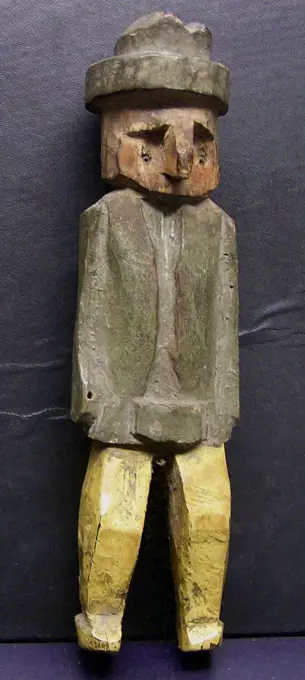
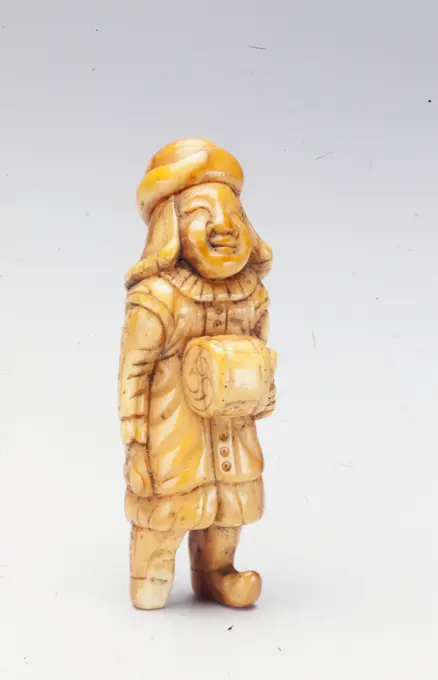
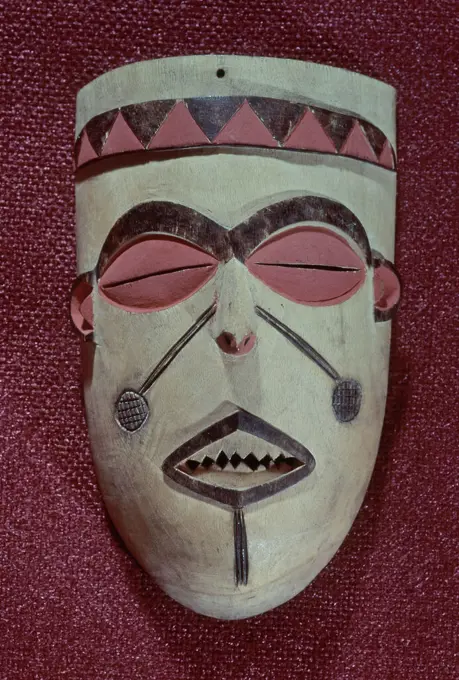
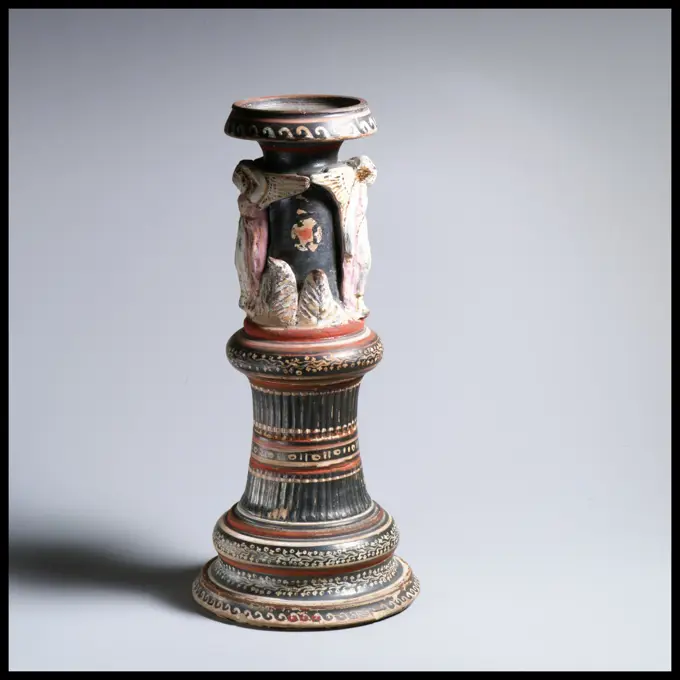
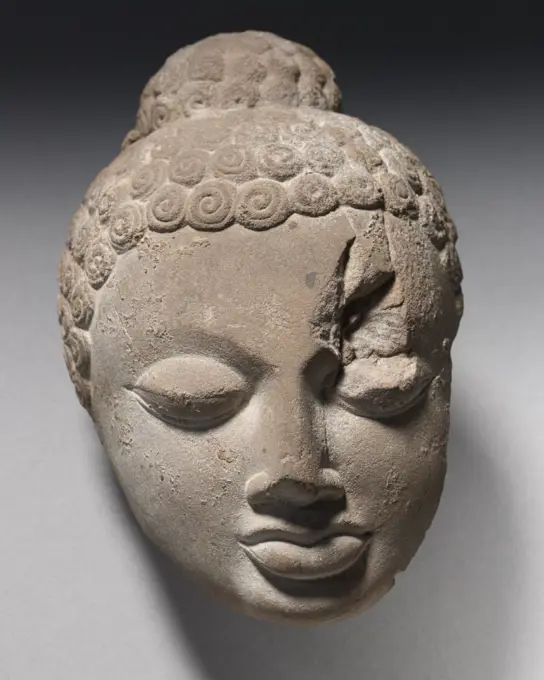
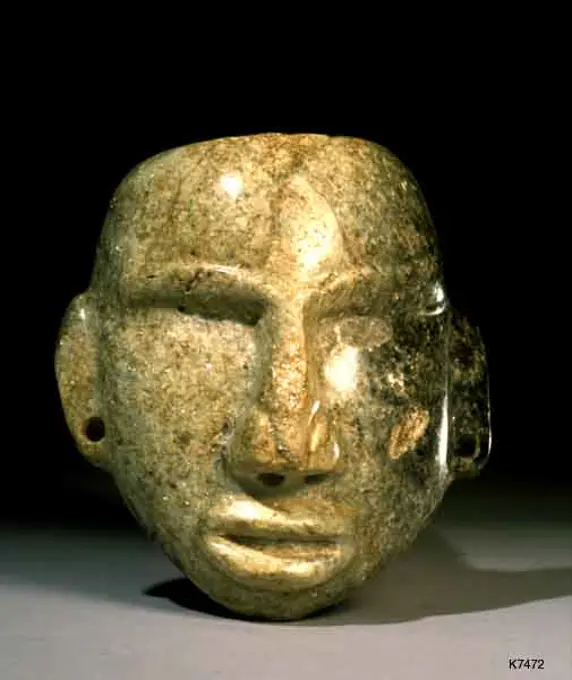
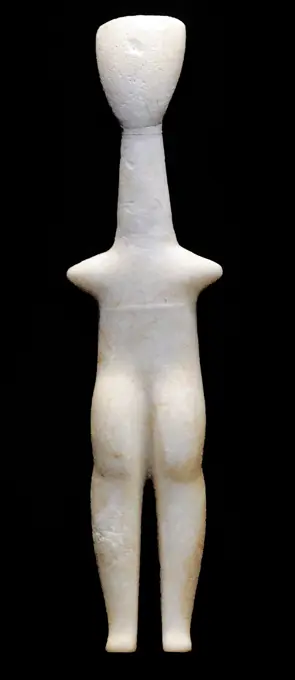
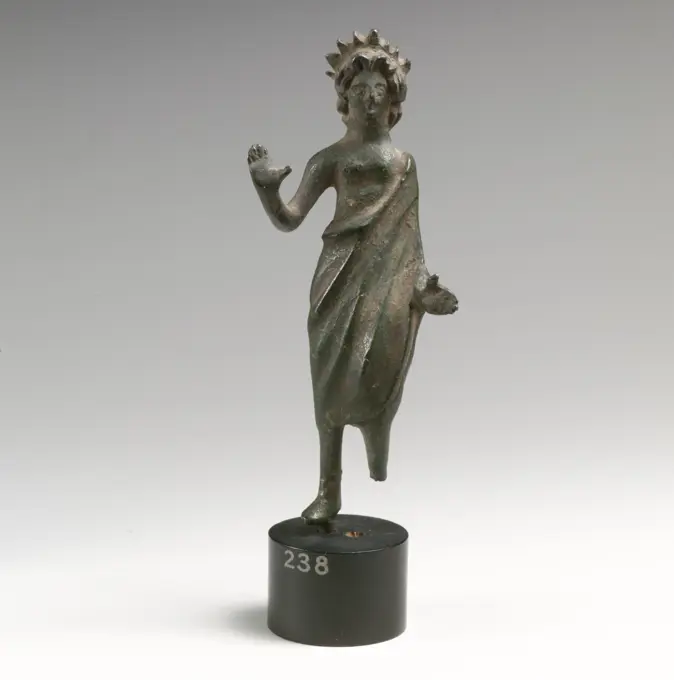
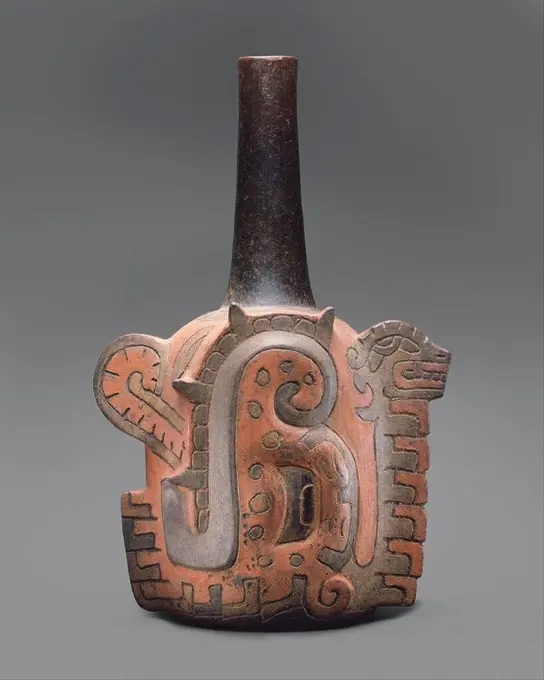
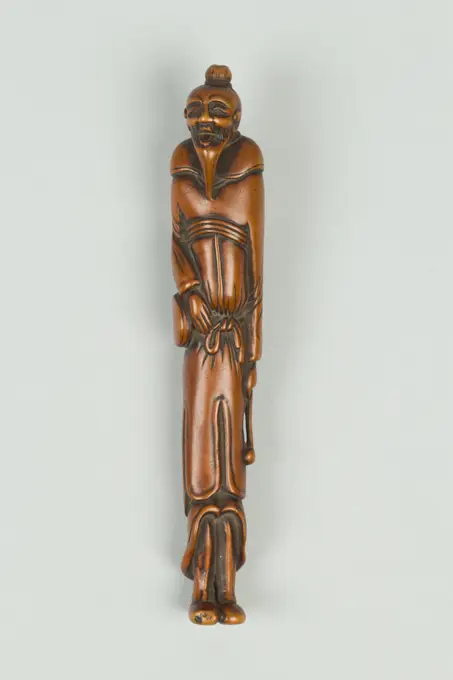
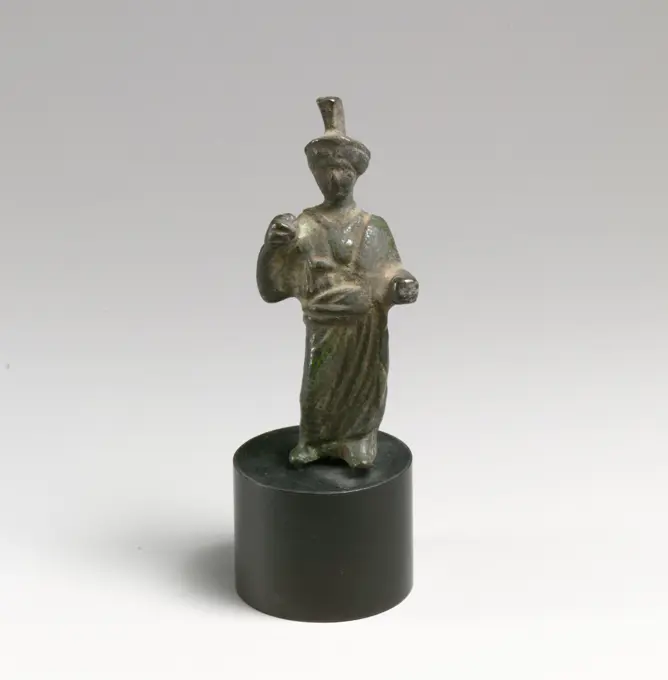
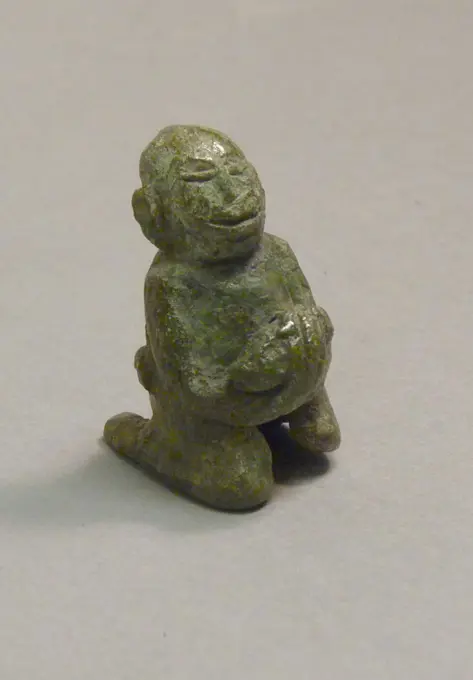
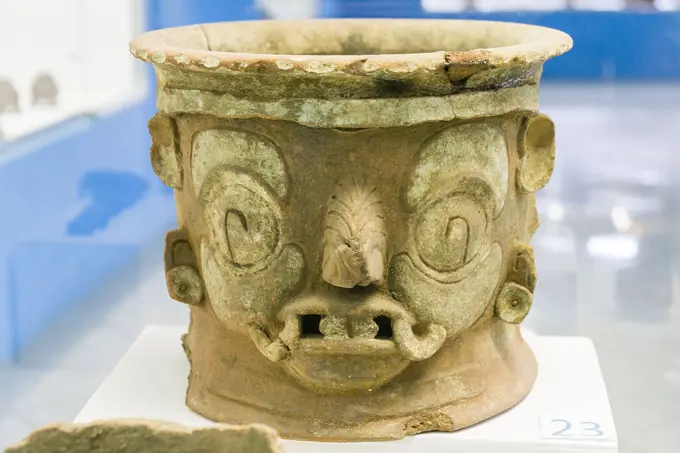
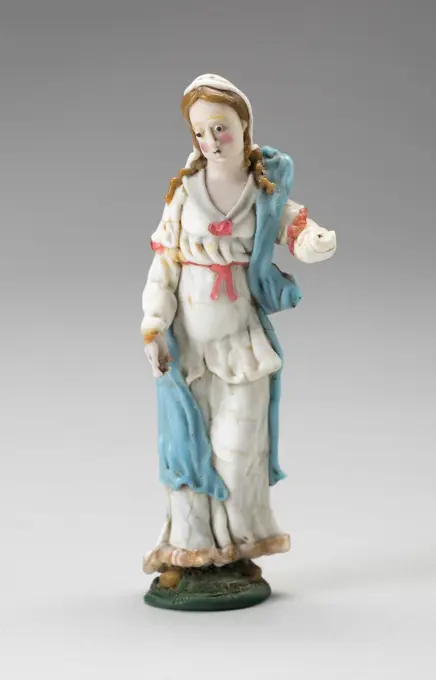
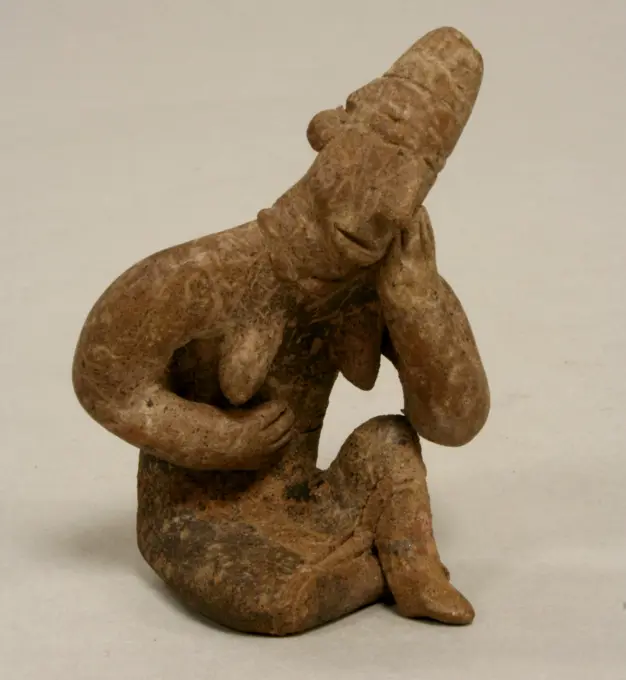
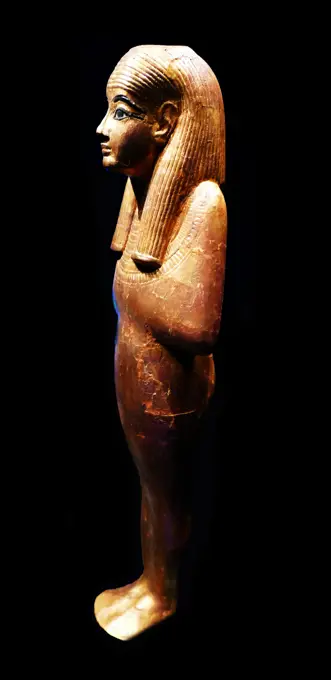
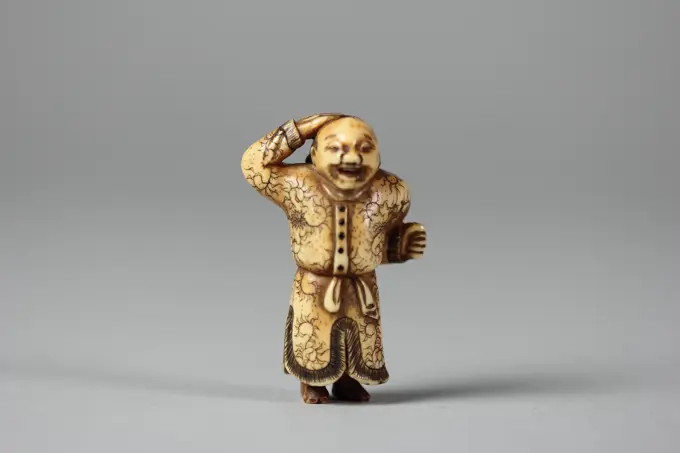
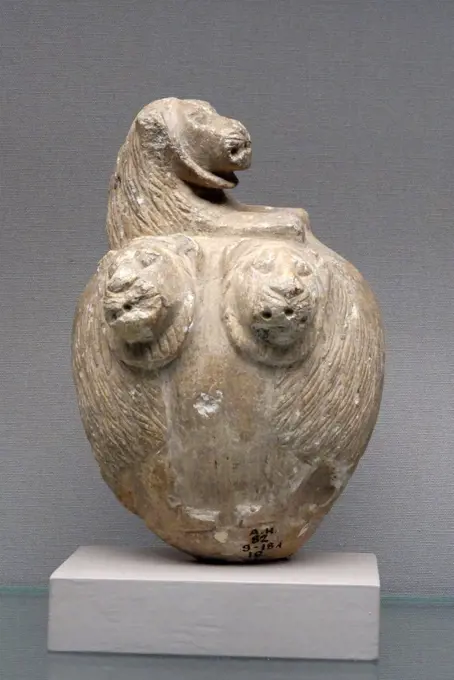
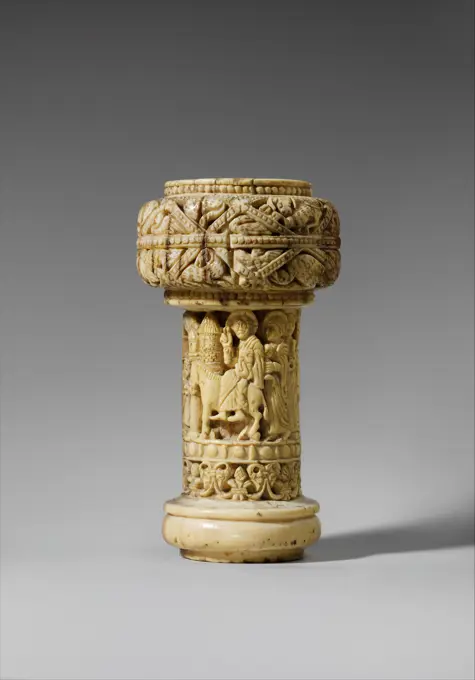
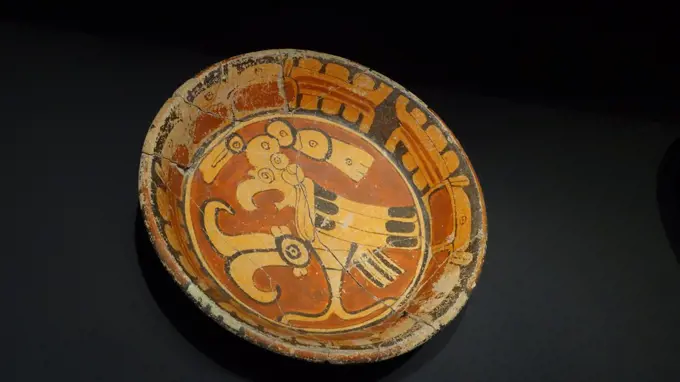
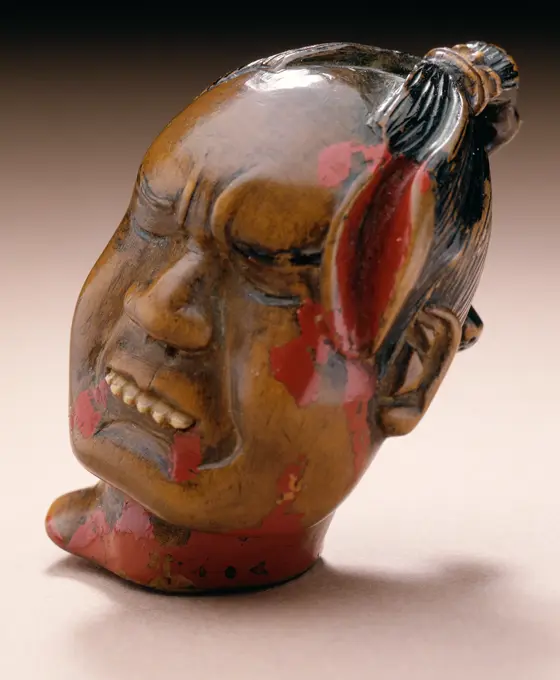
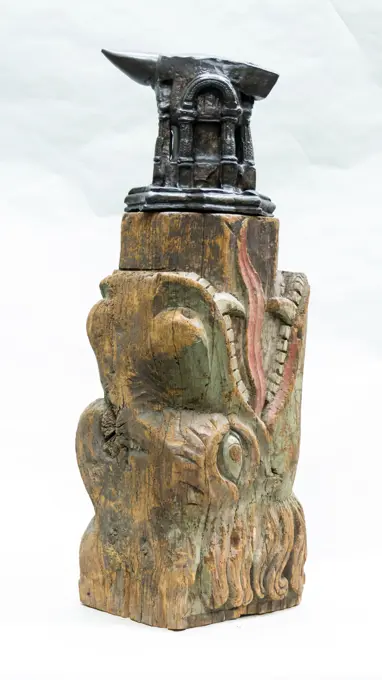
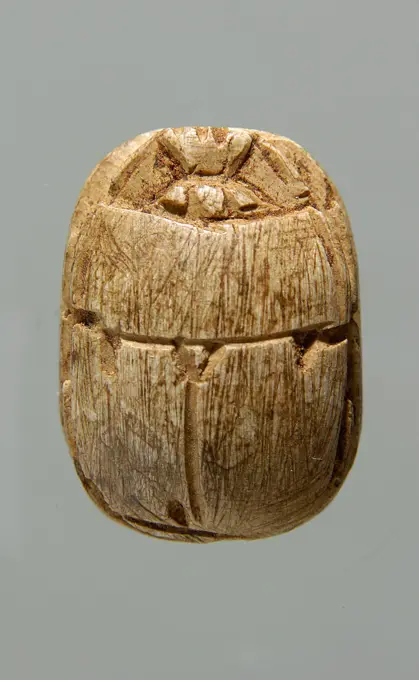
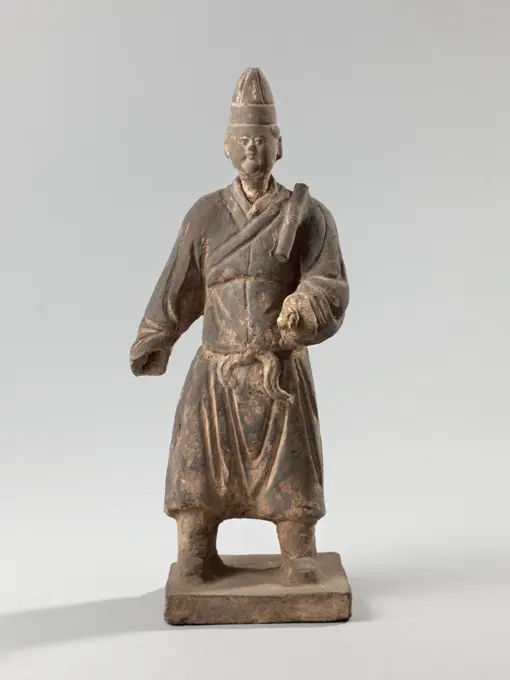
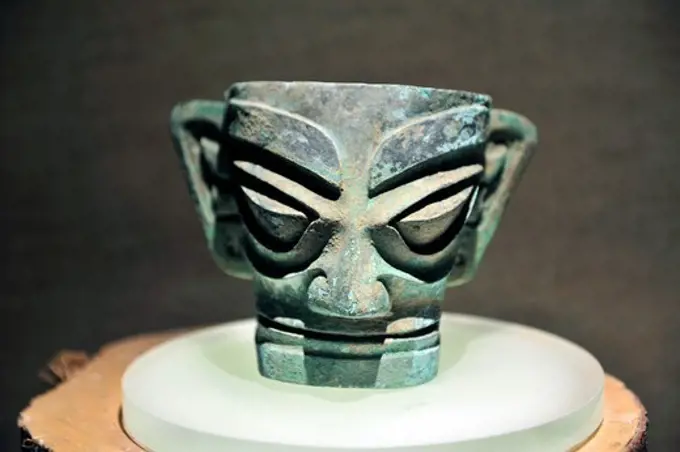
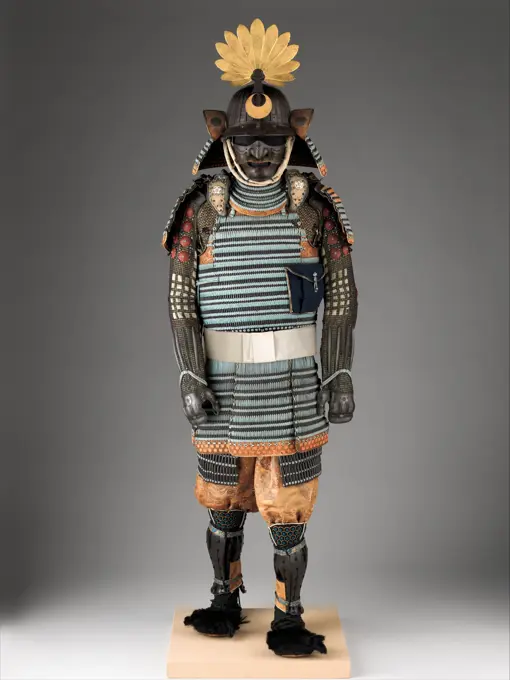
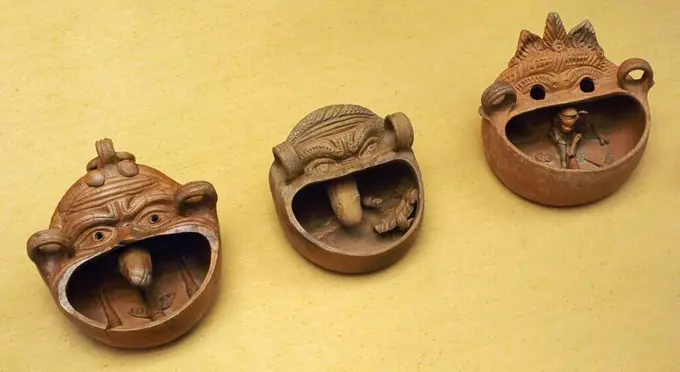
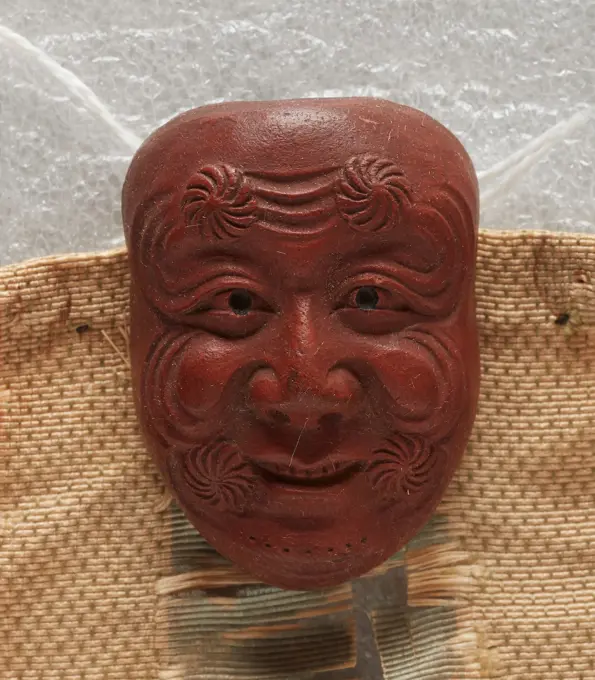
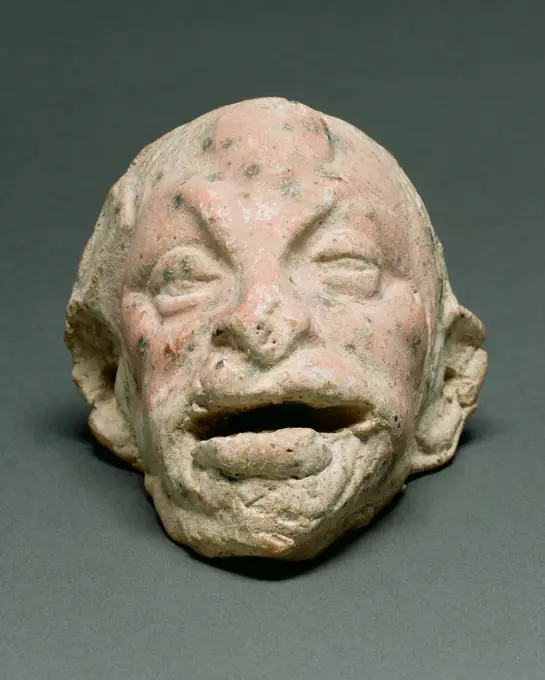
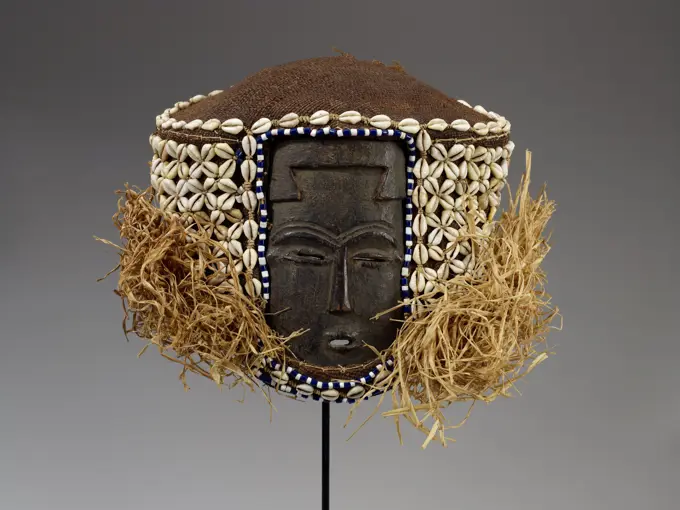
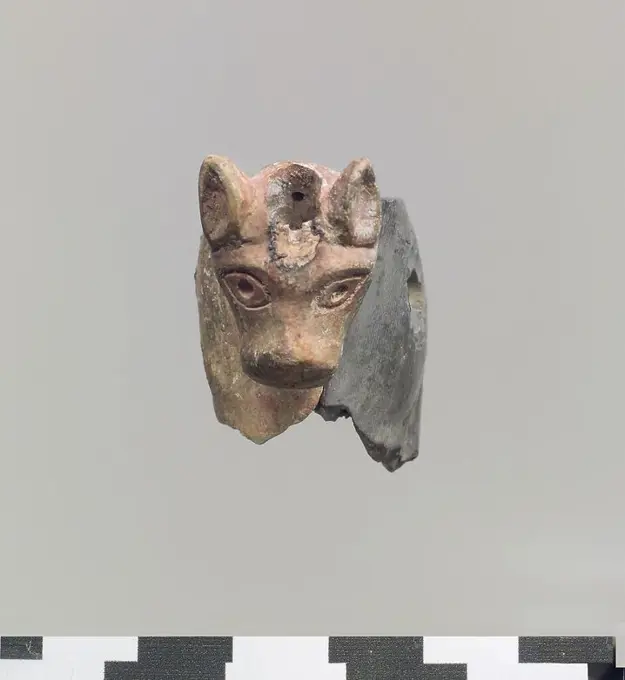
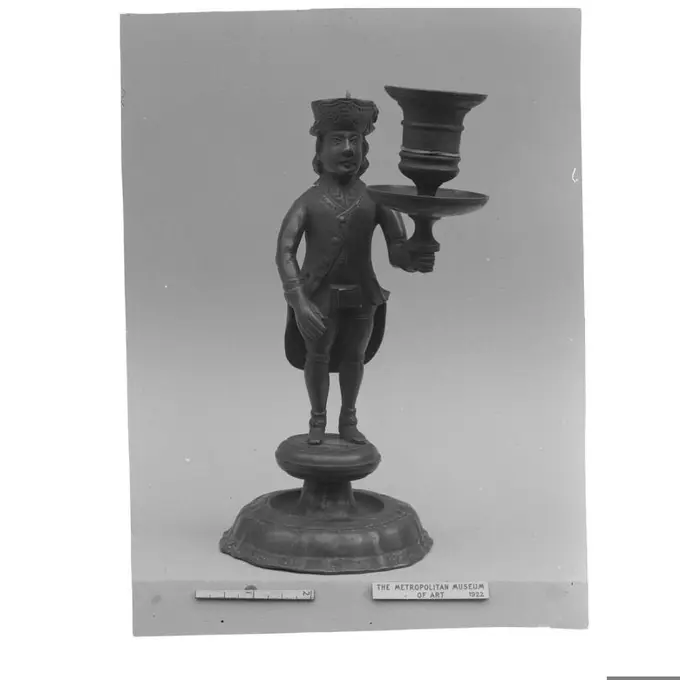
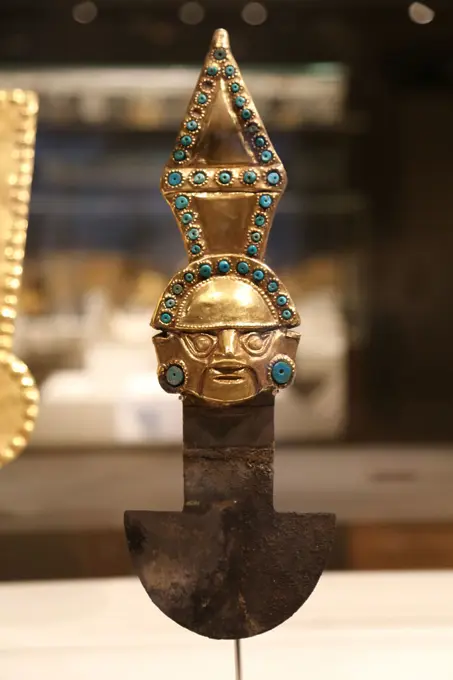
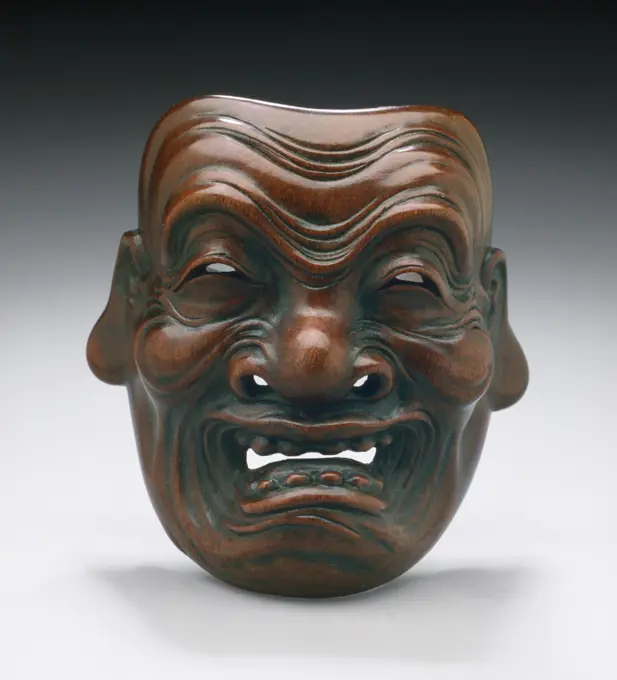
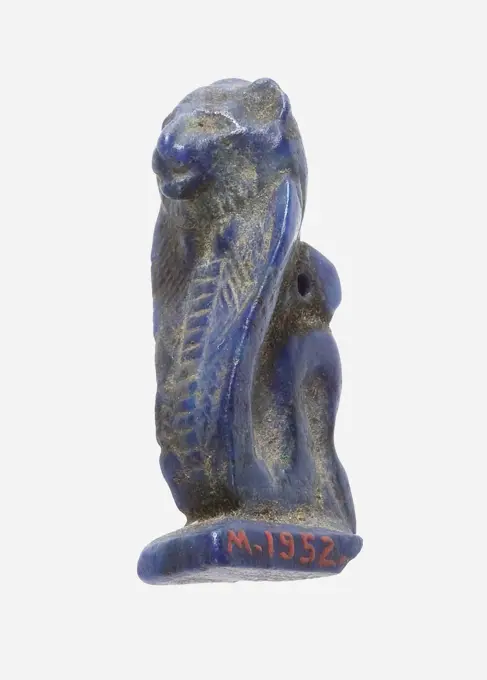
Uraeus Amulet 664-332 B.C. Late Period. Uraeus Amulet. 664-332 B.C.. Lapis lazuli. Late Period. From Egypt. Dynasty 26-30Immortal with Snake. Japan, 19th century. Costumes; Accessories. WoodFeline Mortar and Pestle, 700-1 BC. Peru, North Highlands, Pacopampa(), Chavín style (1000-200 BC). Stone, pigment; overall: 5.8 x 11 cm (2 5/16 x 4 5/16 in.).Egypt, Asyut, Statuette representing a cook trying to roast a duck, coloured plastered woodFlat base bowl, 3rd-7th century, 8 3/8 x 6 x 7 in. (21.3 x 15.24 x 17.78 cm), Earthenware, Mexico, 3rd-7th centuryFigurine. UnknownTobacco can Conrath & HauptmannAnthropozoomorphe Mayan figurine Provenance unknown. (600-900 AD.) Ceramic. anthropomorphized rodent adorned with a necklace. As a symbolic representation, the rodent has been associated with shamanic transformations of men into animals.Statue of Trophy of arms with parade armor of Roman officer, from Rhodes, Greece, 1st century B.C.Maska brodatego Dionizosa w wieńcu. unknown, authorOrnament Figure or Pin Top () 6th-7th century Moche (Loma Negra). Ornament Figure or Pin Top () 313502Uszebti z koszyczkami na plecach. unknown, authorCeramics, England 18th century. Small pipe. Staffordshire production.Pewter soldier in uniform with musket, toys, very thin, soldier toy recreation tool miniature soil find tin metal, w 1.9 cast pewter soldier. Toys Thin performance of soldier in uniform with unbuttoned skirts of his coat Hat with plume Wears musket in the left hand. Small pedestal archeology Rotterdam Hillegersberg-Schiebroek Terwegge Stoopweg railway tunnel indigenous tin child game play child's play war archaeological find in the soil Rotterdam found on the Stoopweg in the dump from the route of the railway tunnel.Taweret. Dimensions: H. 7.3 cm (2 7/8 in.); W. 1.8 cm (11/16 in.); D. 2.3 cm (7/8 in.). Date: 332-30 B.C..This figure depicts the goddess Taweret. She is a hippopotamus with the breasts and belly of a pregnant woman, the paws of a lion, and a crocodile tail hanging behind her head. Often she holds a protection sign beneath her paws, but in this case it is absent. Museum: Metropolitan Museum of Art, New York, USA.Construction clip. Balcony key with carving, which shows two portraits and two angels holding a wreath.Boat;  664-332 BC ; Half period (-664-00-00--332-00-00);Scen.Gal.Eg.Standing Doll. Hō (Japan, active 19th century). Japan, 19th century. Costumes; Accessories. Carved red lacquerOcarina of Seated Chief with Extended Tongue. Colombia, Sierra Nevada de Santa Marta (Tairona Period), Tairona, 900-1600 CE. Ceramics. CeramicComic mask;  Hellenistic period or Roman period (-200-00-00-100-00-00);Chynowski, Józef (1833 -Ca 1915) - collection, return from the State Archaeological MuseumStirrup-Spout Bottle 12th-5th century B.C. Cupisnique. Stirrup-Spout Bottle. Cupisnique. 12th-5th century B.C.. Ceramic. Peru. Ceramics-ContainersBronze mount from a "Shawabty Bundle": Head, c. 1336-1256 BC. Egypt, Thebes, Wadi Qubbanet el-Qirud, New Kingdom, late Dynasty 18 (1540-1296 BC) or early Dynasty 19 (1295-1186 BC). Head; bronze face, black copper wig, with traces of gilding; overall: 3.6 x 3.2 x 2.7 cm (1 7/16 x 1 1/4 x 1 1/16 in.).Melanesian gourd object for ceremonial use. Papua New Guinea 1900Fitting China. Fitting 61087Ointment vessel in the shape of two baboons holding a jar ca. 1800-1550 B.C. Middle Kingdom-Second Intermediate Period The monkey on the left is hollowed out to serve as a second vase. Its head is separate, and the lid is missing. Analyses have shown the presence of conifer resin as an admixture to the ointment in both parts of the vase. In the right vase traces of juniper or cypress resin were also detected, and the left jar contained beeswax in addition to the resin.. Ointment vessel in the shape of two baboons holding a jar 544036Oenochoé in the form of a woman's bust. Molded terracotta. Apulie, first half of the 4th century BC. 58798-14 Boisson, ceramic, jug, woman, large Greece, 4th 4th 4th 4th 4th century AV.JC, molding, oenochoe, ancient period, character, pitcher, container, terracotta, wineAmulet of Isis Holding Horus. Egyptian. Date: 700 BC-1 BC. Dimensions: 2.7 × 1.9 × 1 cm (1 1/16 × 3/4 × 3/8 in.). Faience. Origin: Egypt. Museum: The Chicago Art Institute, Chicago, USA. Author: Ancient Egyptian.Aquamanile in the Form of a Knight onHorseback ca. 1350 German, Lower Saxony (). Aquamanile in the Form of a Knight onHorseback. German, Lower Saxony (). ca. 1350. Bronze; Quaternary copper alloy with a high content of zinc (approx. 73% copper, approx. 15% zinc, approx. 7% lead, approx. 3% tin) with natural patina, hollow cast; remnants of the clay coreand iron armature in the legs. Metalwork-BronzeFigure Bottle 3rd-5th century Moche. Figure Bottle 308548VASIJA CERAMICA ANTROPOMORFA - ARTE PERUANO PRECOLOMBINO. Location: MUSEO DE AMERICA-COLECCION. MADRID. SPAIN.Zoomorphic Mayan pot from Tabasco, Mexico. (600-900 AD). The feline images are very frequent in the Mayan sculpture.Egypt. Ankhudjes and Iynefretef. Limestone. Sculptural group shows a civil servant of average rank, Ankhujdes with his wife. 5th-6th Dynasties (24th century BC). Old Kigdom. Saqqara Necropolis. The State Hermitage Museum. Saint Petersburg. Russia.Anthropomorphic receptacle artifact at the National Museum of Archaeology, Anthropology and History of Peru, Lima, PeruPair of Architectural Brackets in the Form of Rampant Leonine Creatures (yali or vyala), From a Processional Mandapa. India, Tamil Nadu, Madurai, 17th century. Architecture; Architectural Elements. Ivory with traces of paintLamp in the form of an Africans headTerracotta statuette of a female votary carrying a hydria. Culture: Cypriot. Dimensions: H. 6 in. (15.2 cm). Date: late 5th-4th century B.C..The standing female figurine, carrying a hydria on her head, is mold-made and solid. The back is handmade, flat at the top, and concave from the level of the chest to the broken bottom edge. Museum: Metropolitan Museum of Art, New York, USA.Head with Animal Headdress, 900-300 BC. Mexico, Puebla, Matamoros region(), Olmec, 1200-300 BC. Serpentine; overall: 4.9 x 3.7 x 3 cm (1 15/16 x 1 7/16 x 1 3/16 in.).Figurine from Mohenjo Daro. 2500 BC.Lid of vessel ca. 1981-1640 B.C. Middle Kingdom. Lid of vessel. ca. 1981-1640 B.C.. Pottery. Middle Kingdom. From Egypt, Memphite Region, Lisht North, Cemetery, MMA excavations, 1906-07. Dynasty 12-13Republic of Colombia, Bogota, exhibits in the gold museum, gold mask, Museo de Oro, Colombia, South AmericaLimestone handle of a patera or a fire shovel ending in a rams head 5th century B.C. ? Cypriot Handle ending in a ram's head.. Limestone handle of a patera or a fire shovel ending in a rams head 244031CABEZA DE JADE DE LA CULTURA OLMECA - DIOS VIEJO O DEL FUEGO - MEXICO - 1200-400 AC. Location: MUSEO DE AMERICA-COLECCION, MADRID, SPAIN.Kuna Indian Nuchu figure, to protect owner from evil spirits. From the San Blas Archipelago, Panama.Netsuke Dutch boy with drum, 18th century, Unknown Japanese, 1 1/2 x 7/8 x 1in. (3.8 x 2.2 x 2.5cm), Orca tooth, Japan, 18th centuryMasker, anonymous, c. 1700 - c. 1800 Topeng mask, roll: Gunung Sari, Prince of Kediri, decorated with precious stones and glass. Java wood (plant material). dye. precious stone (material). glass Topeng mask, roll: Gunung Sari, Prince of Kediri, decorated with precious stones and glass. Java wood (plant material). dye. precious stone (material). glassClothing Fastener (Button) with Kinnara Second half of the 8th-second half of the 10th century Indonesia (Java). Clothing Fastener (Button) with Kinnara 49756MASCARA DE DANZA EN MADERA (ANGOLA). Location: PRIVATE COLLECTION. MADRID. SPAIN.Case for knife and sharpener with represntation of the Three Graces 1574 French. Case for knife and sharpener with represntation of the Three Graces. French. 1574. Ivory. Natural Substances-IvoryNaga Finial, 1100s. Cambodia, Angkor Wat Period, 12th century. Bronze; overall: 29.2 x 15.2 x 15.2 cm (11 1/2 x 6 x 6 in.).Terracotta thymiaterion (incense burner) ca. 350-325 B.C. Greek, South Italian, Apulian, Gnathian Two Nikai (personifications of Victory)The early phase of Gnathian pottery is distinguished by a wide range of colors, well represented by this piece. At the top of the shaft, between leaves in relief, appear the Nikai, also in relief, with pink drapery and various tonalities of yellow on their hair and feathers.. Terracotta thymiaterion (incense burner) 252538 Greek, South Italian, Apulian, Gnathian, Terracotta thymiaterion (incense burner), ca. 350325 B.C., Terracotta, H. 10 11/16 in. (27.1 cm). The Metropolitan Museum of Art, New York. Fletcher Fund, 1926 (26.60.74)Fragment of Head of Buddha, AD 400s. India, Sarnath, Gupta Period (320-647). Sandstone; overall: 16 cm (6 5/16 in.).Maskette with Flanged EarsCycladic 'Apeiranthos style' figurine, from Naxos, Greece, Early Cycladic culture evolved in three phases, between c. 3300 - 2000 BCE, when it was increasingly swamped in the rising influence of Minoan CreteStatuette of a man  3rd-1st century B.C. Etruscan With hands held open.. Statuette of a man  246307Feline-Head Bottle. Culture: Tembladera. Dimensions: H. 12 3/4 x W. 8 1/16 x D. 5 1/4 in. (32.4 x 20.5 x 13.3 cm). Date: 9th-5th century B.C..Ceramic vessels made up a large percentage of mortuary offerings in ancient Peru. Early fine examples were fired to create muted, matte tones of gray, black, and tan, with highly polished or incised surfaces. This tall bottle, with its well-preserved surface paint, is said to come from the area known as Tembladera in the Jequetepeque Valley of northern Peru. A modeled, stylized feline head in profile is worked on the front. The head is upended, and the long, conventionalized snout has teeth that continue almost to the top of the "nose." A looped-over tongue projects from the mouth. A smaller feline profile appears on the opposite side of the bottle. The feline associations are probably those of the jaguar, the most impressive wild cat of the Americas and one long revered in ancient times for its prowess. Museum: Metropolitan Museum of Art, New YNetsuke 18th century Japan. Netsuke. Japan. 18th century. Wood. Edo period (1615-1868). NetsukeOko (side-blown horn) Benin culture 19th century A side-blown bronze ceremonial horn, richly ornamented with figures of deities, lizards, and serpents (fragment).Bronze statuette of Minerva 1st-3rd century A.D. Roman Standing with her weight on her left leg, the right leg slightly drawn back. Her right hand is brought up to the shoulder and grasps a round object; the left arm is extended to hold a spear, now lost.. Bronze statuette of Minerva 246299Squatting Figure 500 B.C.-A.D. 300 Indonesia. Squatting Figure. Indonesia. 500 B.C.-A.D. 300. Bronze. Bronze and Iron Age period. MetalworkFan Case 19th century China. Fan Case. China. 19th century. Silk. Qing dynasty (1644-1911). Textiles-Embroideredsoporte de pedestal, clásico tardio, Santa María Nebaj,museo de antropologia Maya, departamento de El Quiché, Guatemala, Central America.Young Woman 1700-1799 France. Glass; lampwork (verre de Nevers), metal armature .Female Figure 2nd century B.C.-A.D. 3rd century Colima. Female Figure 313214Gilded wooden statuette of Sened (protective god and guardian of King Tutankhamun). Reign of Tutankhamun 1336-1326 BC.Netsuke of Man 19th century Japan. Netsuke of Man 59984Stone mace head with lions. Maces, symbols of authority, commonly dedicated to the gods. Sippar, Iraq. Dated 2500 BCPart of an Ivory Crozier with the Entry into Jerusalem ca. 1200 British or North French Shaped like a shepherds crook, the crozier is emblematic of a bishops or abbots role as the shepherd of the faithful. This ivory crozier shaft reflects a tendency to outfit important symbols of ecclesiastical office with rich decoration.. Part of an Ivory Crozier with the Entry into Jerusalem 463641Mayan ceramic plate decorated with a mythological bird. Mexico 600-900 ADHead of Nitta Yoshisada. Japan, 19th century. Costumes; Accessories. Wood with pigment, inlayAnvil 16th century Italian. Anvil. Italian. 16th century. Iron. MiscellaneousLong-nosed Mask. Japan, circa 18th century. Jewelry and Adornments; masks. Wood, lacquer, pigment, hemp palm fiberScarab;The collection of ancient EgyptCUCHILLO ANTROPOMORFO DE ORO INCA CON TURQUESAS. Location: MUSEO DEL ORO COL MUJICA. Lima. PERU.Egyptian statuette of Iris and Horus, 7th century BC Artist: UnknownMale character mingqi. Terracotta and traces of polychromy. Paris, Cernuschi museum. 78843-5 Beyond, belief, figurine, mingqi, funeral object, male character, model character, funeral rite, statuetteHacha with Openwork, 600-1000. Mexico, Veracruz, El Tajín. Gray volcanic stone with red pigment; overall: 37.5 x 24 x 22.5 cm (14 3/4 x 9 7/16 x 8 7/8 in.).Stone sculptureMask of a woman with corkscrew locks and ball earrings A.D. 50-100 Roman Period. Mask of a woman with corkscrew locks and ball earrings 547852Time animal with a monkey head (common name). Cernuschi Museum, Asia Museum of Asia in the city of Paris.Lug ca. 4th-5th century Pakistan. Lug 50762Armor (Gusoku) 18th century Japanese A gusoku is a "complete set" of armor, and is the common name for an armor style developed in the late Muromachi period (1392-1573).. Armor (Gusoku). Japanese. 18th century. Iron, lacquer, silk, textile, copper, silver, leather, bear fur. Armor for ManRoman art. Clay cup in mask form with mobile phallus. Piece from Pompeii, 1st century AD. Glass of clay in the form of mask with mobile phallus, coming from the area of the port of Botarro, 1st century AD. Clay vase in mask form, Santangelo collection, 1st century AD. National Archaeological Museum. Naples. Italy.Chinese Bell - Bell without clapper, designed to hang from a frame and be rung by a pivoted beam;cast in bronze (the suspension-loops cast separately) with relief inscriptions: Chinese from Ciqi in Zhejiang Province, dated in accordance with 1738.Netsuke, 19th century, Unknown Japanese, 2 × 1 7/16 × 1 in. (5.08 × 3.65 × 2.54 cm), Stoneware, Japan, 19th centuryHead of the Pharaoh, France, Paris, Musee du LouvreAnthropomorphic wooden bowl carved in the Tami Islands, Papua New Gone, Oceania circa 1910Funerary Mask of a woman A.D. 1st-4th century Roman Period. Funerary Mask of a woman 547847Face Mask, early 1900s. Africa, West Africa, Côte d'Ivoire or Liberia, Wè-style carver. Wood, boar tusks, pelt, cloth, human hair, probably aluminum, reeds, iron alloy, copper alloy, plant fiber, and paint; overall: 38.1 cm (15 in.).Two Miniature Theatrical Masks. UnknownBakuba Mask, 20th century, 11-1/2 x 10-7/8 x 8-5/8 in. (29.2 x 27.6 x 21.9 cm), Wood, vegetable fiber cloth, raffia, shells, beads, Democratic Republic of the Congo, 20th centuryChinese, Pair of Mortuary Statuettes, terra cotta.Furniture element. Culture: Old Assyrian Trading Colony. Dimensions: 1.22 x 0.75 in. (3.1 x 1.91 cm). Date: ca. 18th century B.C.. Museum: Metropolitan Museum of Art, New York, USA.Pair of candlesticks. Culture: possibly German. Dimensions: Height (each): 9 1/4 in. (23.5 cm). Date: 18th century. Museum: Metropolitan Museum of Art, New York, USA.Ceremonial Knife. Peru. Sican (Lambayeque culture). 9th-11th century. Hammered gold and silver turquoise inlay. Metropolitan Museum of Art. Ny. Usa.Fipple Flute ca. 600-900 Mexican (Veracruz). Fipple Flute 503541Clock ornament. Culture: French. Dimensions: Overall (confirmed): 4 5/8 x 3 x 1 5/8 in. (11.7 x 7.6 x 4.1 cm). Date: second quarter 18th century. Museum: Metropolitan Museum of Art, New York, USA.Ōji. Kimura Ryūmin (Japan, active mid- to late 19th century). Japan, mid- to late 19th century. Costumes; Accessories. WoodStanding boy with a goose 3rd century B.C. Cypriot The figurine is mold-made and solid. The back is handmade and flattened. The boy holds a small goose. He cups the bird's beak in his right hand, as if feeding it.. Standing boy with a goose 241303Fragment of an Amulet - BaboonThe Luzira Head, together with fragments of other figures, was first discovered in 1929 by a gang of prisoners levelling ground within Luzira prison on the northern shores of the Victoria Nyanza near Kampala, Uganda.