Ancient Artifacts

Images of ancient artifacts including figurines and flutes, showcasing historical cultural items with unique shapes and materials.

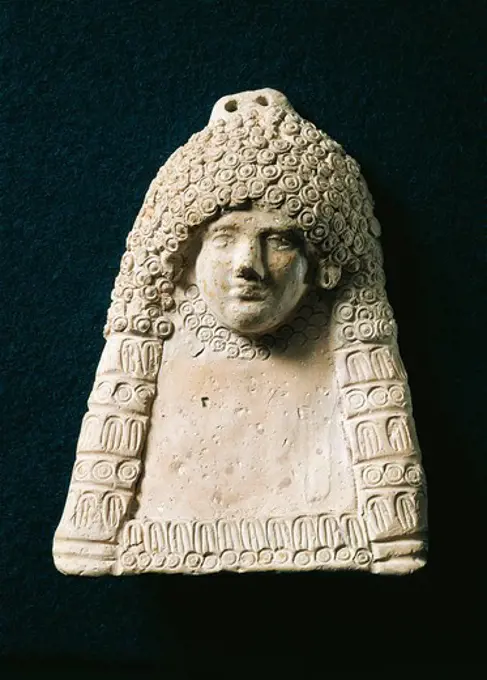
Womans head - figurine fragment. unknown, craftsman
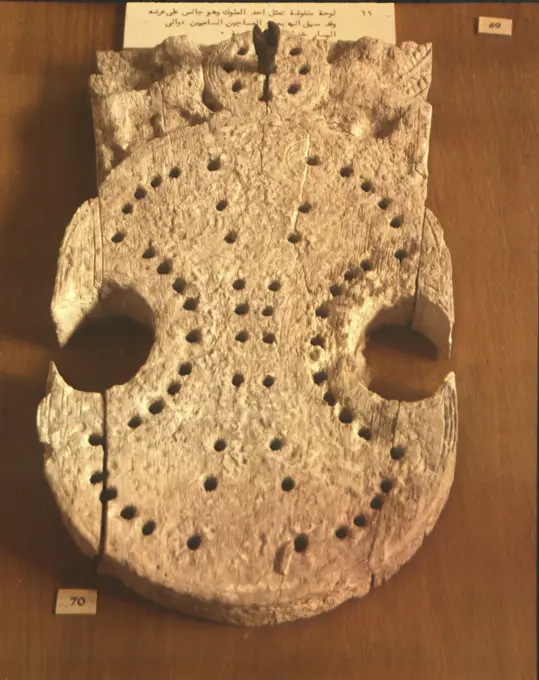
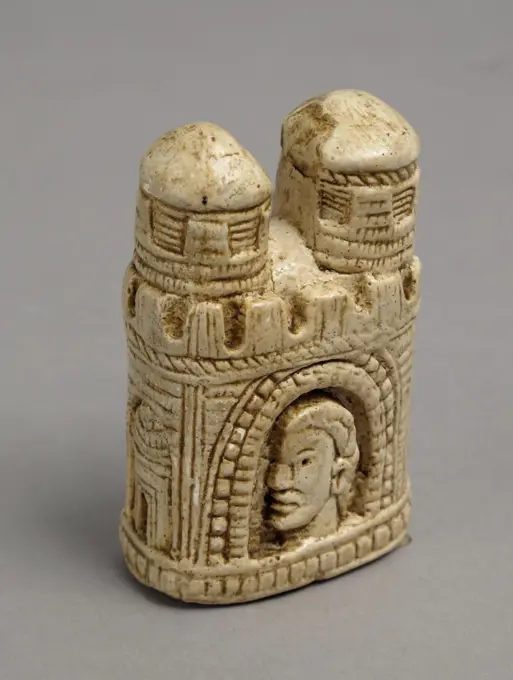
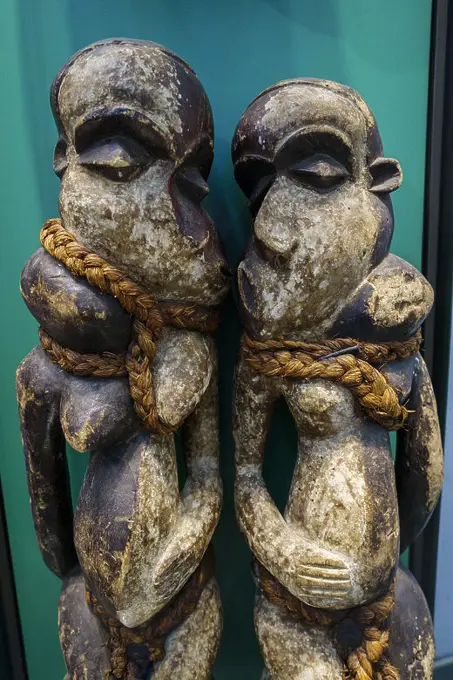
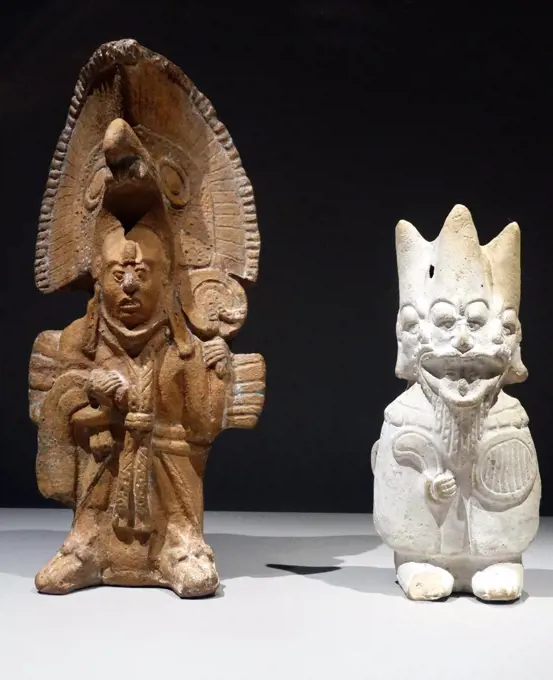
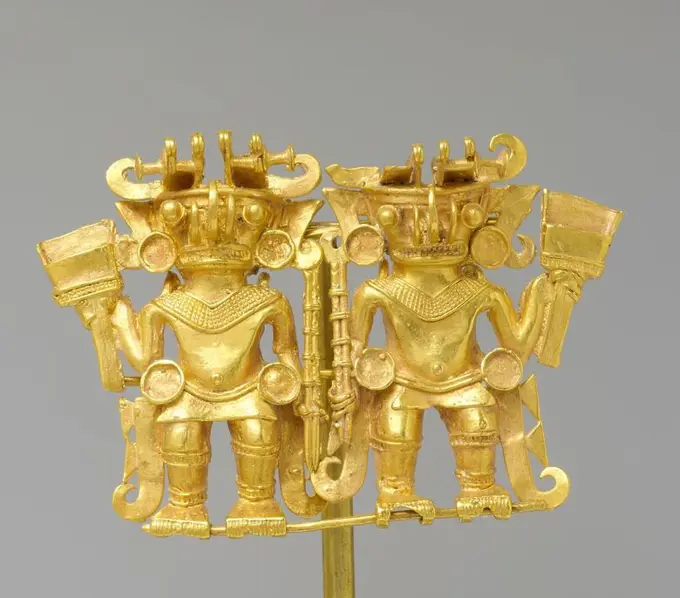
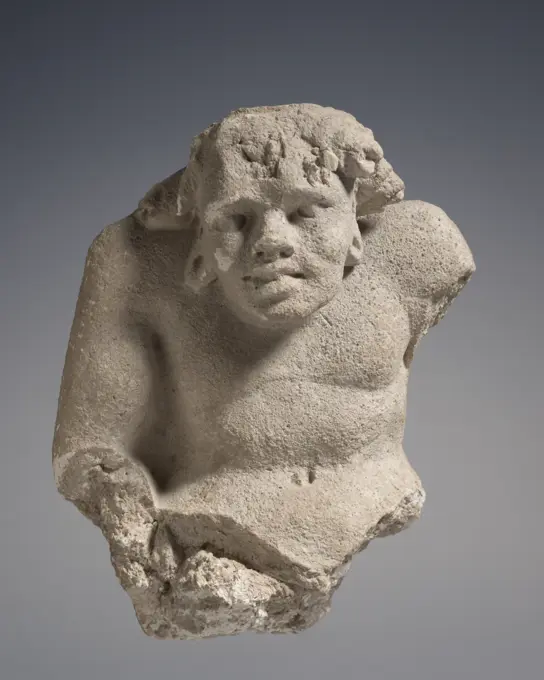
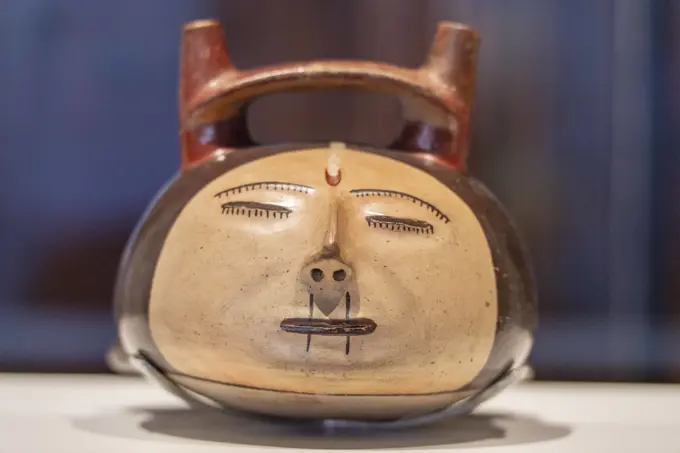
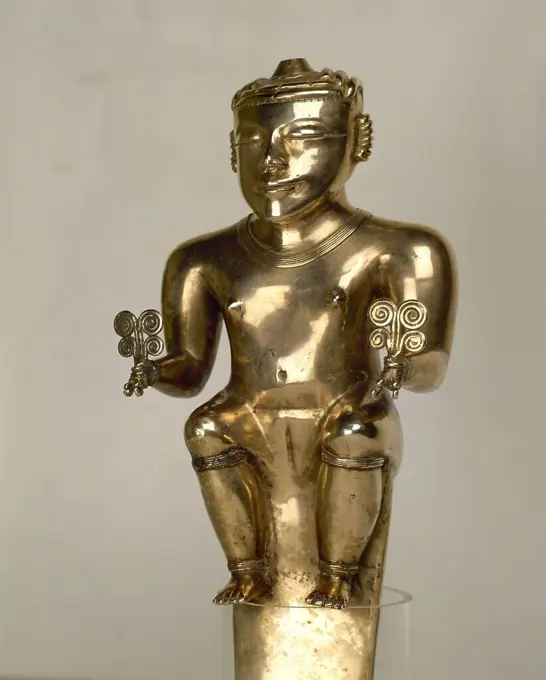
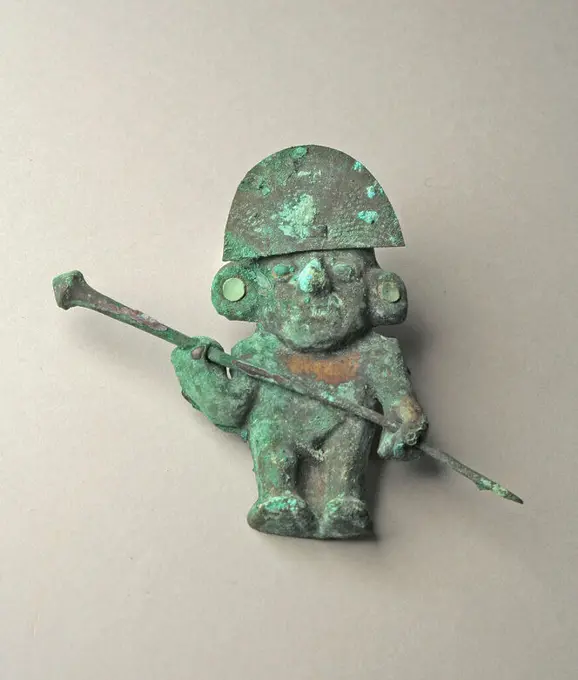
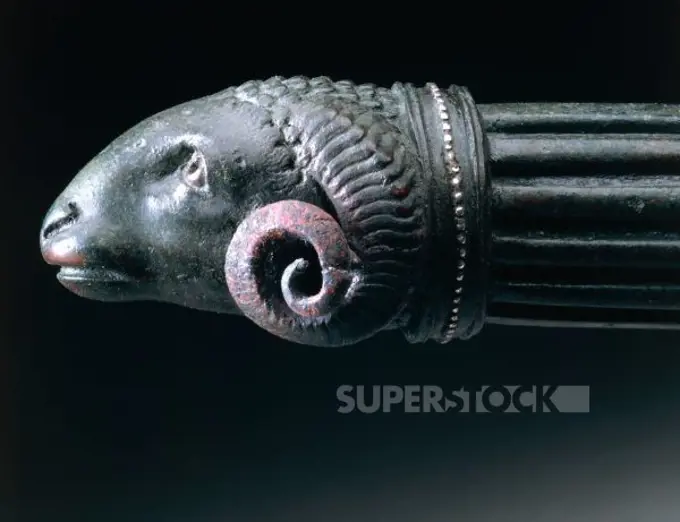
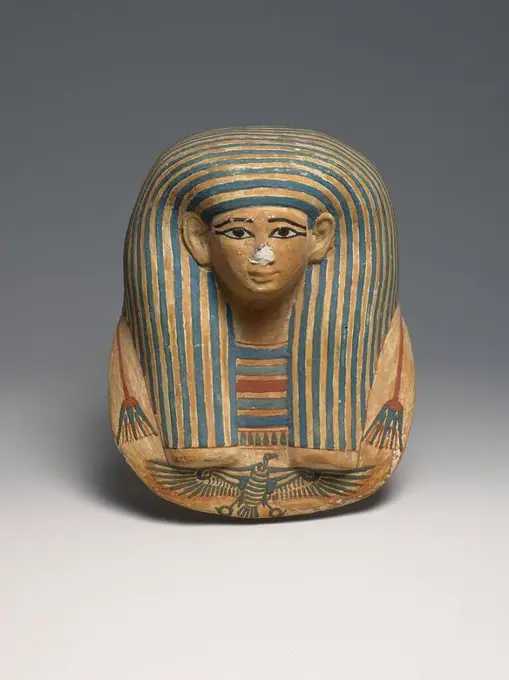
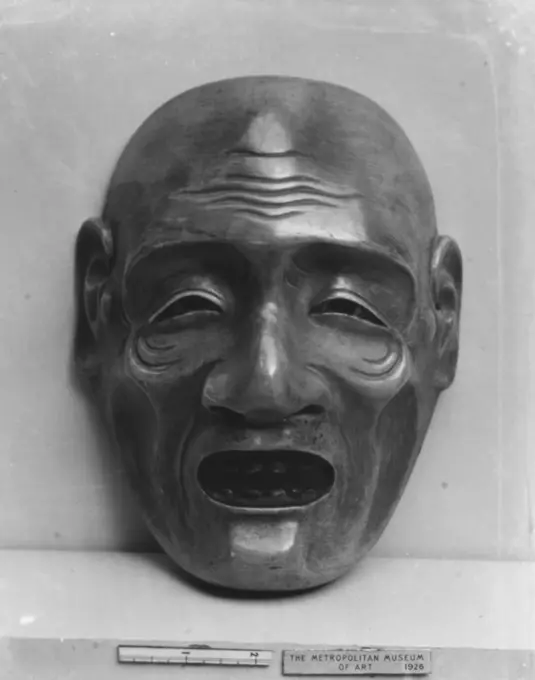
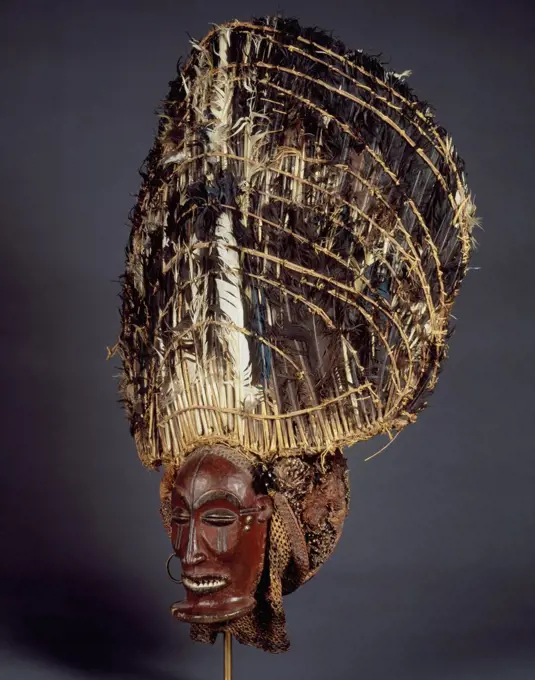
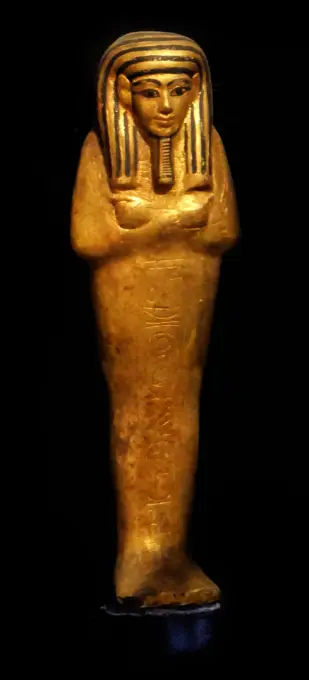
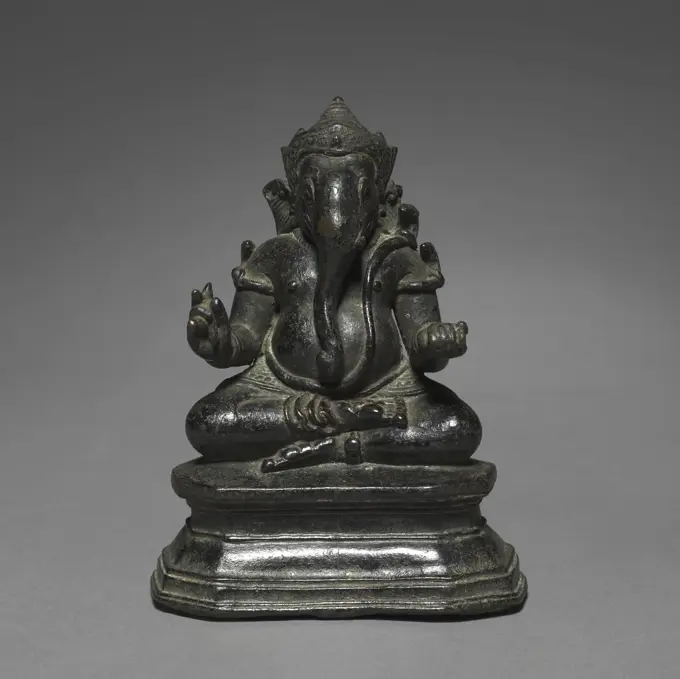
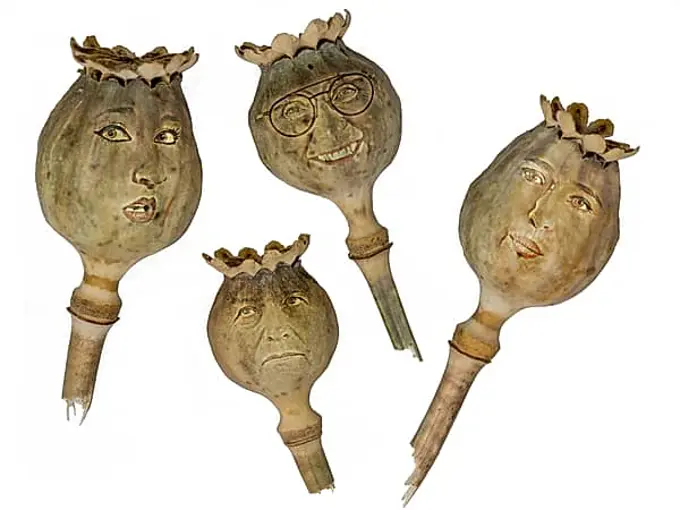
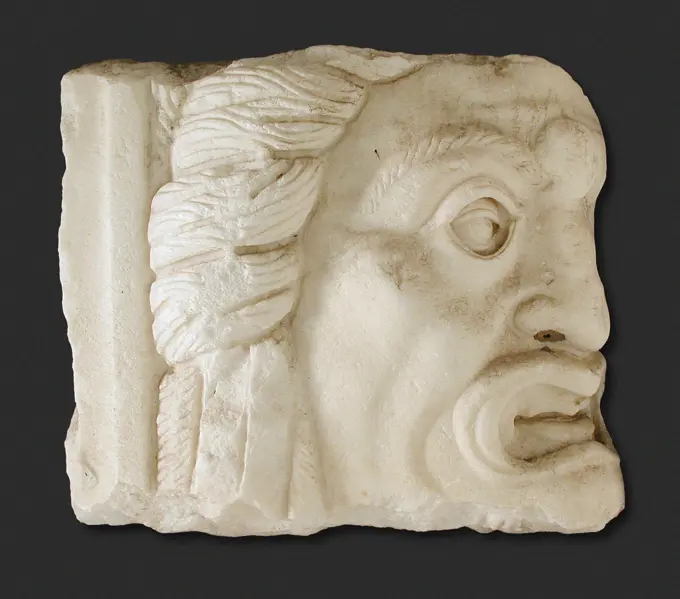
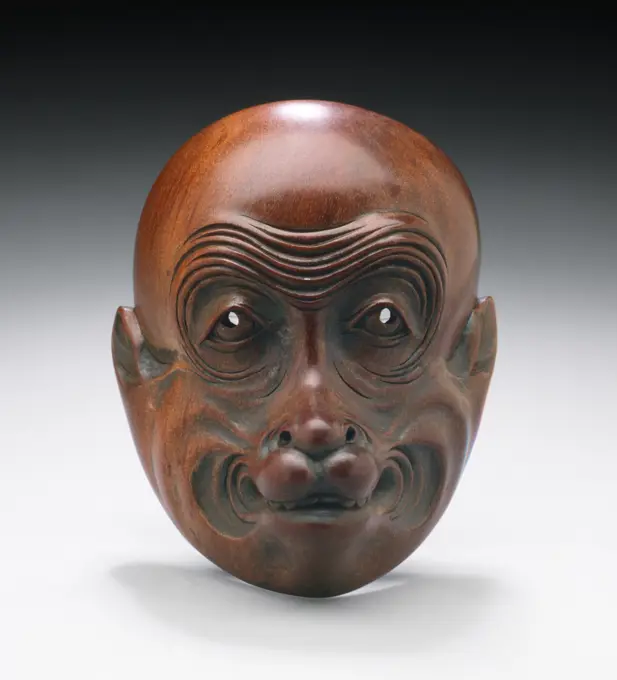
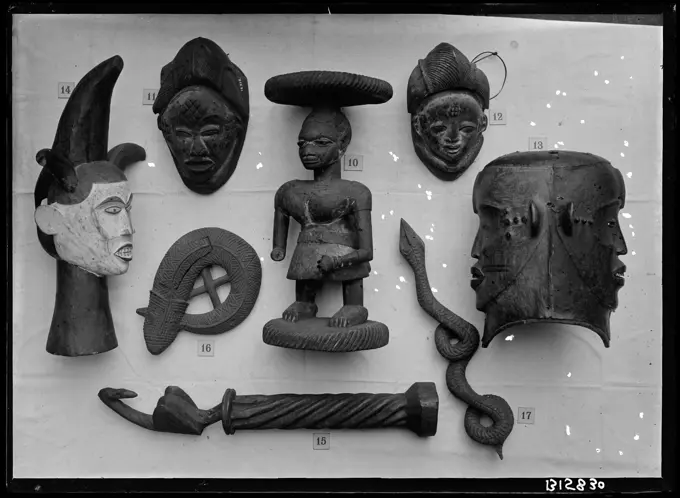
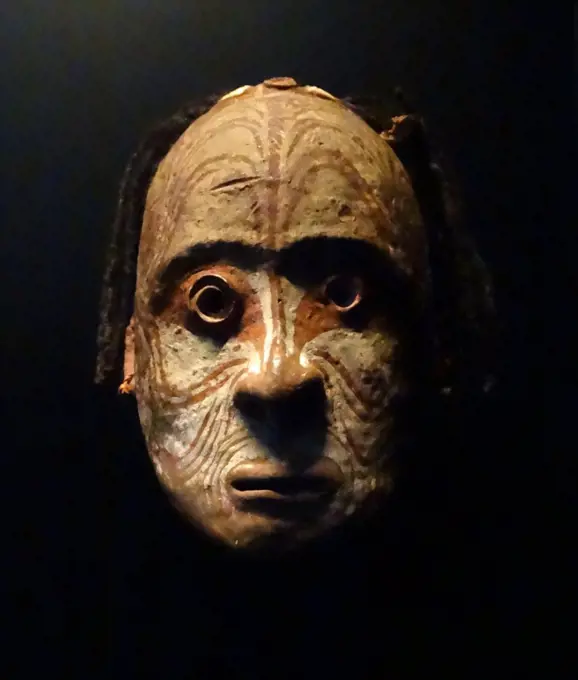
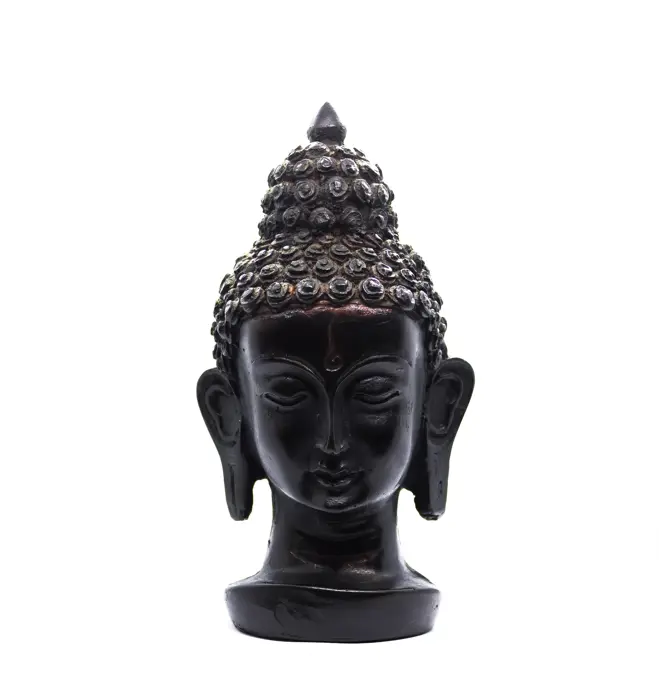
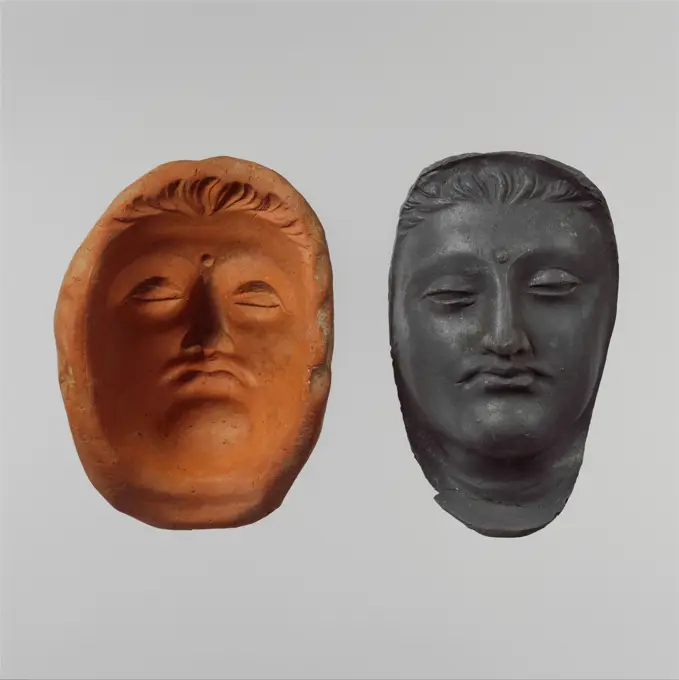
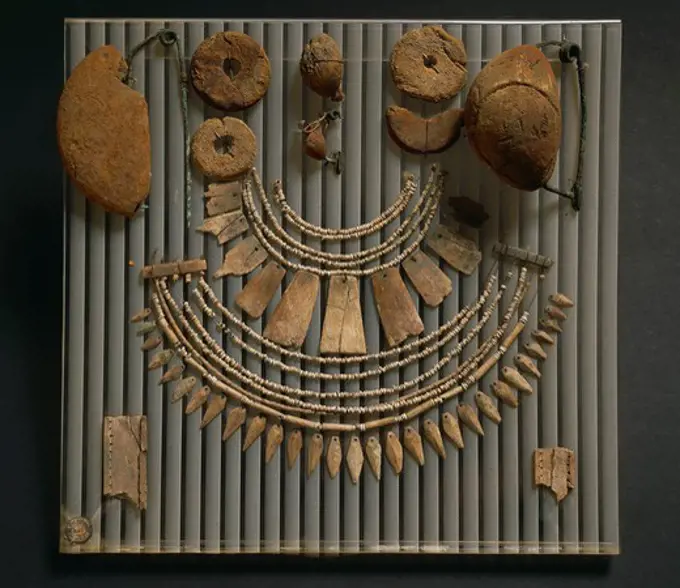
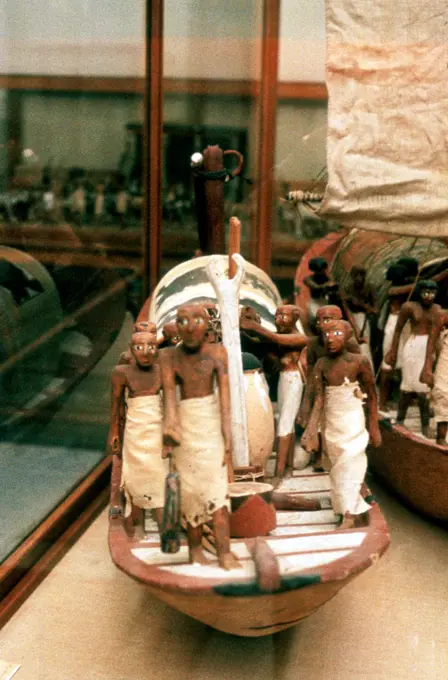
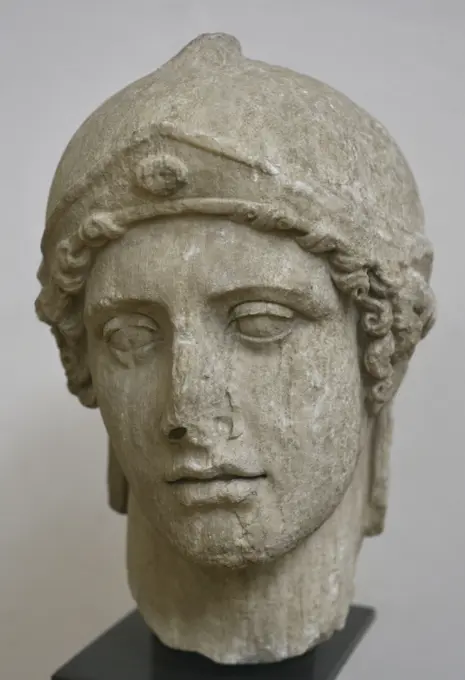
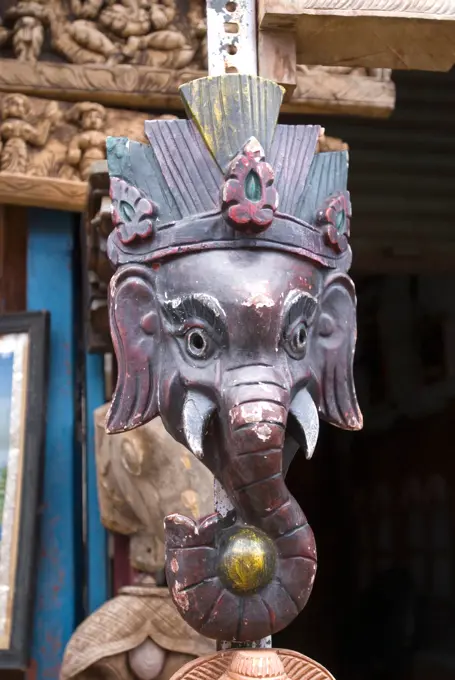
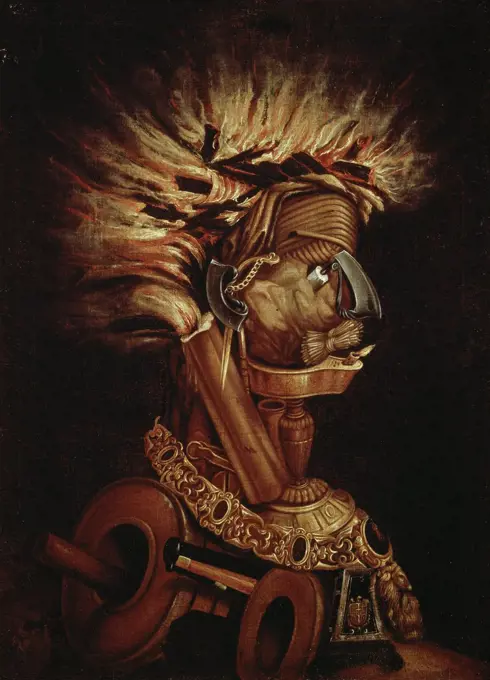
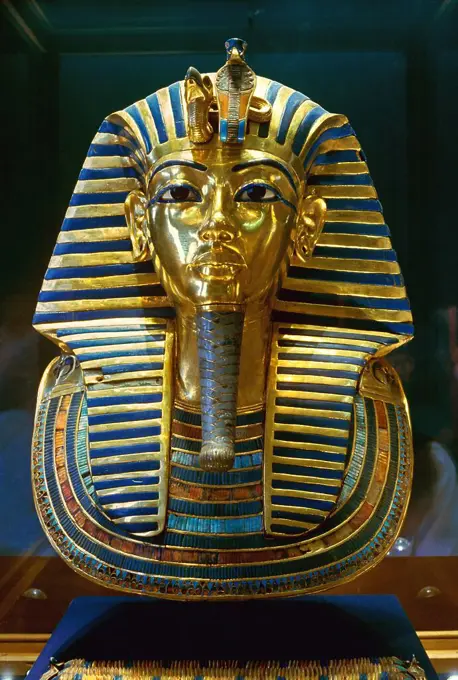
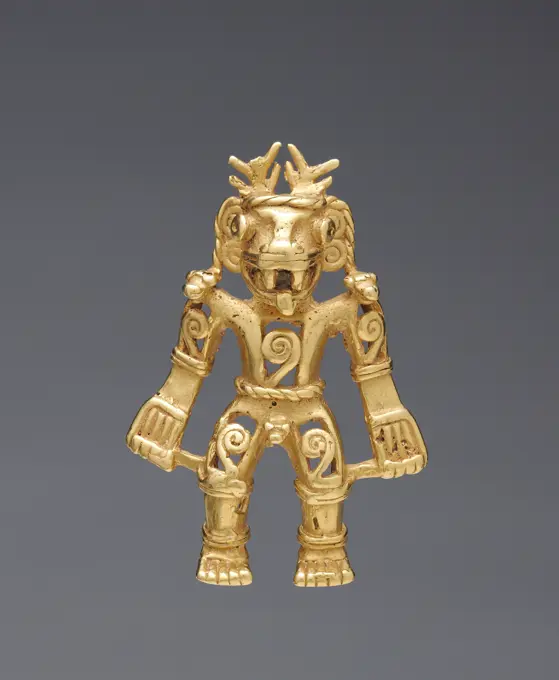
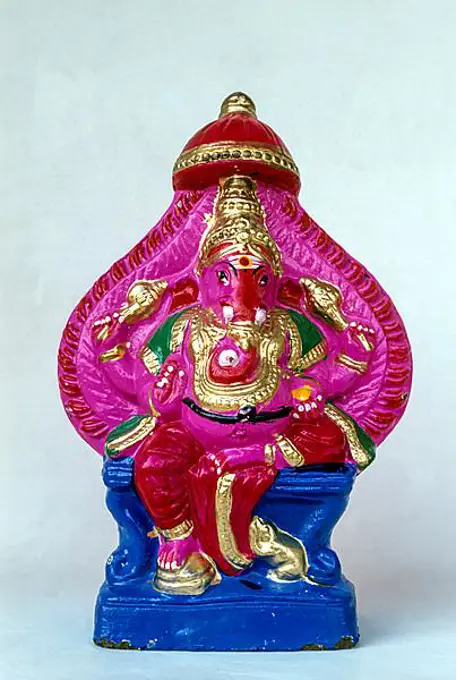
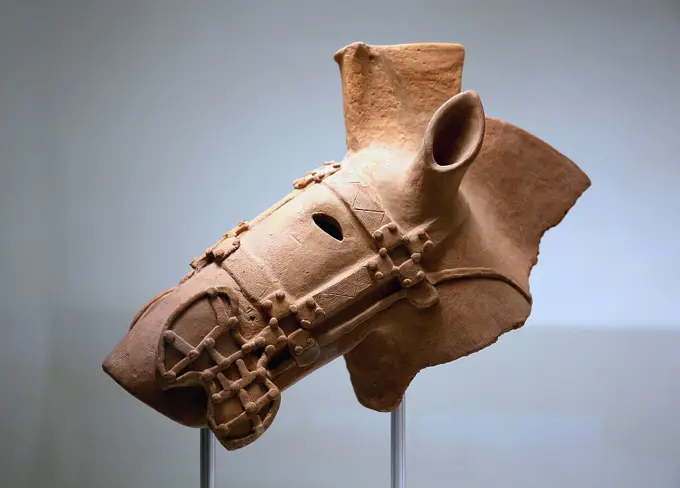
Terracotta horse head, Haniwa. 5th-6th centuries AD. Japan. Yamato Period. Museum of World Cultures, Barcelona. Catalonia, Spain.Gaming board, ivory of Megido, 12th cent. BC.Chessman (King) ca. 1870 Elkington & Co. British. Chessman (King) 201563Shivalinga with Four Faces and Accessorysick African couple mask, Congo, 20th century,. polychrome wood, Sa Bassa Blanca Museum (msbb). Yannick Vu and Ben Jakober , Alcudia, Majorca, Spain.Spain, Punic style figurines, terracottaMasks from the Arctic used to reveal inner truth of the wearer, used by Shamans. Dated 19th CenturyMayan ceramic figurine of a Lord And of a Warrior, from Jaina, Campeche, Mexico. 600-900ADTwo Ceramic Figures Seated on a Bench 6th-9th century Remojadas. Two Ceramic Figures Seated on a Bench 312597Amulet of Ma'at, seated, without the ostrich feather on her head, from the 7th-5th century.Model Male figure from funerary barque ca. 1900-1850 B.C. Middle Kingdom. Model Male figure from funerary barque 545949Double Bat-Nosed Figure Pendant. Culture: Parita. Dimensions: H. 3 1/8 in. (7.9 cm). Date: 12th-14th century. Museum: Metropolitan Museum of Art, New York, USA.Male Atlantean Figure, AD 300s. Afghanistan, possibly Hadda, Kushan period (c. 80-320). Stucco; overall: 19.4 cm (7 5/8 in.).The Lewis Chess Set 12th Century A.D. A group of 78 12th-century chess pieces, most of which are carved in walrus ivoryGlas mit doppeltem Ausguss und Brückengriff, der einen Trophäenkopf darstellt glass with double spout and bridge handle representing a trophy head, Nazca, southern coast of Peru, 200 BC to 800 AD, polychrome ceramic, MuEC, Barcelona, Catalonia, Spain LicenseRF Copyright: xZoonar.com/TOLOxBALAGUERx 23171242MASCARA DE BARRO. Location: MUSEO DE LA VENTA. VILLAHERMOSA. CIUDAD DE MEXICO.Green backgroundTESORO DE LOS QUIMBAYAS - FIGURA MASCULINA SEDENTE DE ORO - COLOMBIA - 200-1000 DC. Location: MUSEO DE AMERICA-COLECCION. MADRID. SPAIN.Warrior Figure. Culture: Moche (Loma Negra). Dimensions: Height 2-15/16 in. (7.4 cm). Date: 390-450. Museum: Metropolitan Museum of Art, New York, USA.Statuette of Mamu. Gilded wood. Thebes, Valley of the Kings, Tomb of Tutankhamen. 1323 BC. 18th dynasty, New KingdomMortuary figure. Reliquary deceased ancestor ('Bieri'). Fang peoples. Wood and iron. 19th century. Equatorial Guinea, Africa. Museum of the Americas. Madrid, Spain. Canopic vase of Padiuf, priest of Amon, Qebehsenuef in form of falcon, painted woodTobacconist's Figure - Turk, 1750-1850. Pinto Collection - Purchased from Edward H Pinto, 1965.. This figure was made to sit on the counter of a tobacconist shop (originally holding a pipe, but this is missing). It was used to advertise Turkish tobacco which became popular in the UK in the mid nineteenth century, as a result of the Crimean war. Sadly, most shop figures are unsigned, but it is widely believed that the craftsmen who made figures like these, were also responsible for large sculptural work such as ships' figureheads and fairground animals.Bronze Patera, detail of the slotted tubular handle, finishing with a ram's head, House of Caio Giulio Polibio, Pompeii, Campania. Roman civilisation, 1st century AD.Pre-Colombian ceramic art in Larco Museum, Lima, Peru.Miniature Mask for a Canopic bundle. Dimensions: H. 15 cm (5 7/8 in); w. 12.5 cm (4 15/16 in). Dynasty: Dynasty 18. Reign: reign of Amenhotep II. Date: ca. 1427-1400 B.C..Small masks like this one were sometimes placed over the mummified canopic bundles containing the four internal organs that were removed during mummification. Museum: Metropolitan Museum of Art, New York, USA.Bronze shepherd 2nd half of 6th century B.C. Greek, Arcadian The shepherd's cloak is fastened with a large pin. An inscription on the base reads: "Phauleas dedicated it to Pan.". Bronze shepherd 248079Seated Figure. Culture: Moche (Loma Negra). Dimensions: H. 3 5/8 x W. 3 1/4 x D. 1 11/16 in. (9.2 x 8.3 x 4.3 cm). Date: 390-450. Museum: Metropolitan Museum of Art, New York, USA.Kyogen mask 19th century Japan. Kyogen mask 60225Chokwe Mask, Mikishi Wa Chihongo Primitive Art Christie's London wooden woman from thai culture isolated on whiteStatuette Base. UnknownShawabti figures in the form of King TutankhamenMold for Female Figure. Culture: Toltec (). Dimensions: Overall: 6 1/4 x 3 7/8 x 1 in. (15.88 x 9.8 x 2.49 cm)Other: 3 7/8 x 1 in. (9.8 x 2.49 cm). Date: 10th-13th century. Museum: Metropolitan Museum of Art, New York, USA.Faience Swimming Girl 600 B.C. Derived from a type of Egyptian SpoonMask from the Chambri (previously spelled Tchambuli) are an ethnic group in the Chambri Lakes region in the East Sepik province of Papua New GuineaNetsuke of Noh Mask: Kimbo Tobide 18th century Japan. Netsuke of Noh Mask: Kimbo Tobide. Japan. 18th century. Lacquered wood. Edo period (1615-1868). NetsukeChinese Style Antique Lion Sculpture Isolated Mythologic chinese stone lion sculpture head isolated on white background Copyright: xZoonar.com/DanielxFerreira-LeitesxCiccarinox 13564210Buaku Mask. Japan, 18th-19th century. Costumes; Accessories. Ivory with staining, sumiDisk Figure 6th-7th century Moche (Loma Negra). Disk Figure 313073Pendant: head of a woman 5th century B.C. Etrusco-Campanian Elongated female head with soft features, wavy hair wearing a diadem.. Pendant: head of a woman. Etrusco-Campanian. 5th century B.C.. Amber. Classical. Miscellaneous-AmberSeated Two-armed Ganesa, late 12th-early 13th Century. Cambodia, Angkor Wat Period. Bronze; overall: 17.2 x 12.1 cm (6 3/4 x 4 3/4 in.).Kachina dolls, Hopi culture, southwestern United States, 1900-1940, cottonwood, natural pigments and wool, Anthropology National Museum, Madrid, Spain.Teahouse Mistress. Japan, 19th century. Costumes; Accessories. Wood with pigmentsCAPITEL ARABE. Location: MUSEO ARQUEOLOGICO-COLECCION. CORDOBA. SPANIEN.Wooden Royal Statue from Cameroon, Republic of Cameroon, Africa. Dated 19th CenturyRipe, dry poppy seed pods with human faces cropped on whiteFresco from the tomb of Nebamun, Fragment of a polychrome tomb-painting showing a banquet scene. Thebes, Egypt 18th Dynasty, around 1350 BCOld metal door knocker, antique, antique, Ayvalik, Cunda, Balikesir, Turkey, AsiaCarved wooden face roof porch of church at Thwaite, Suffolk, England, UKHopi Manawgya Kachina doll, E3800 Museum of Northern Arizona, Flagstaff, ArizonaTobacconist's Figure - Turk, 1750-1850. Pinto Collection - Purchased from Edward H Pinto, 1965.. This figure was made to sit on the counter of a tobacconist shop (originally holding a pipe, but this is missing). It was used to advertise Turkish tobacco which became popular in the UK in the mid nineteenth century, as a result of the Crimean war. Sadly, most shop figures are unsigned, but it is widely believed that the craftsmen who made figures like these, were also responsible for large sculptural work such as ships' figureheads and fairground animals.Statuette of a Man. UnknownMask to Hut 1046806524Mask. Eastern Mediterranean, Roman, 2nd-3rd century A.D.. Jewelry and Adornments; masks. MarbleVasudhara. Vasudhara, six arms. Bronze with traces of polychromy. On base.jaguar mask, market of the historical center, Chichicastenango, municipality of the department of El Quiché, Guatemala, Central America.Monkey Mask for the Kyōgen Play "Hakuzōsu". Kimura Ryūmin (Japan, active mid- to late 19th century). Japan, mid- to late 19th century. Costumes; Accessories. WoodOldman collection pieces : Carvings and masks gelatin dry plate negatives, black-and-white negativesVotive Plaque (Tsha Tsha). Tibet or China, 18th century. Sculpture. Terracotta with gilt and paintOver modelled skull from the Latmul tribe. The Iatmul are an large ethnic group inhabiting some two-dozen politically autonomous villages along the middle Sepik River in Papua New Guinea 1910An abstract art containing close up of Black Buddha sculpture against white background An abstract art containing close up of Black Buddha sculpture against white background Copyright: xZoonar.com/Arpanx 15889333Mold for a Buddha's Head ca. 3rd century Pakistan (ancient region of Gandhara). Mold for a Buddha's Head. Pakistan (ancient region of Gandhara). ca. 3rd century. Terracotta. SculptureClay tomb guardian on display at the Kharkhorin Museum, Kharkhorin (Karakorum), Övörkhangai Province, MongoliaItalic civilizations, Piceni, 9th century b.C. Funerary objects from the tomb of a woman, with colored glass and bone necklaces, amber brooches. From the necropolis of Novilara, province of Pesaro-Urbino.Model boat, Ancient Egyptian, 14th century BC. Artist: UnknownAthena. Head of a marble statue. 2nd century AD. From the ancient city of Philippi, Greece. National Archaeological Museum. Sofia. Bulgaria.Africa, Mozambique, Maputo. Historical object in the Museum of Natural History.Bronze and brass sculptures at jew street, Cochin Kochi , Kerala, India Copyright: xMxAmirtham/DinodiaxPhotoxObjects, BritishMuseum. Artist: W. A. Mansell & Co., British, founded 1860sGold mask of Tutankhamun on his mummy-case. Artist: UnknownThe Fire 1560 Giuseppe Arcimboldi (1527-1593/Italian) Dreyfus Bank Collection, Basel, SwitzerlandThe gold funerary Mask of Tutankhamun, Egyptian Museum of Antiquities, Cairo, Egypt, Africa.Female Figurines Found Across Europe and Russia B.C.Wooden figurine on a pub, Wernigerode town, Saxony-Anhalt, Germany, EuropeFigure with Deer Antlers Pendant, 400-700. Panama, Darién or Venado Beach region, Openwork style, 5th-8th Century. Cast gold; overall: 7.8 x 5.3 x 2.3 cm (3 1/16 x 2 1/16 x 7/8 in.). This emphatically male figure combines a human body with a composite animal head. The antlers are the stag's; the snout, perhaps a snarling feline's; and the hair is formed of braided serpents whose heads hiss from the figure's shoulders. The extended tongue may convey aggression or perhaps death because dying animals are depicted with lolling tongues. Either condition is in keeping with the creature's ferocity.'Statue of Athena'. Roman copy of the Greek originals of the 5th-4th centuries BC. Ancient Rome, 2nd century. Dimensions: 205 cm. Museum: State Hermitage, St. Petersburg.epiphany day treasure chest with raisins magusKachina dolls Heard Museum Phoenix, ArizonaGanesha, paper mache kolu toys, Tamil Nadu, South India, India, AsiaAncient Egypt papyrus or stone column with ram head cartoon vector illustration. Ancient paper with hieroglyphs for storing information, Egyptian culture religious symbol, isolated on white background. Ancient Egypt papyrus or stone column illustration