Ancient Artifacts

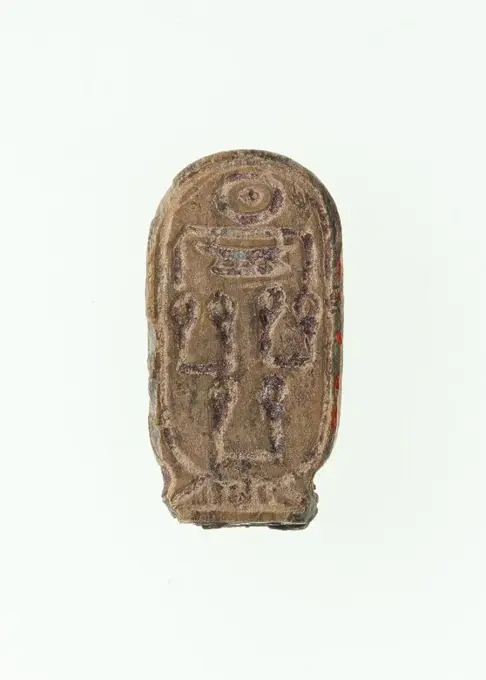
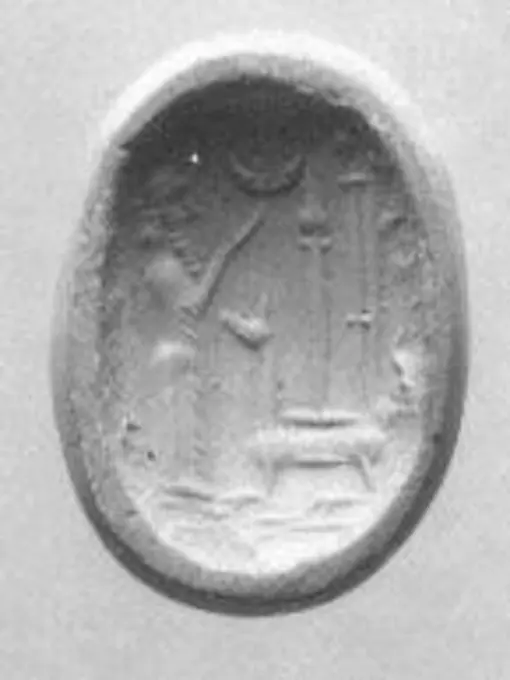
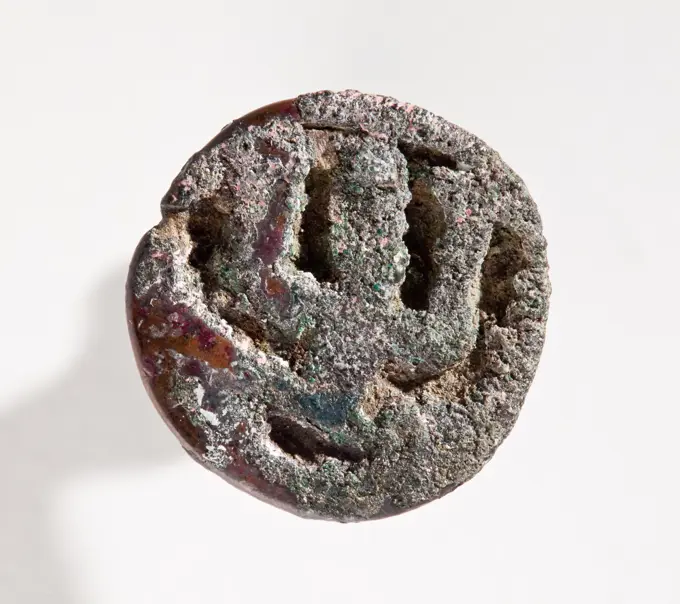
Collection of ancient objects including seals, coins, and fragments, showcasing intricate designs from various historical periods, primarily Egyptian.

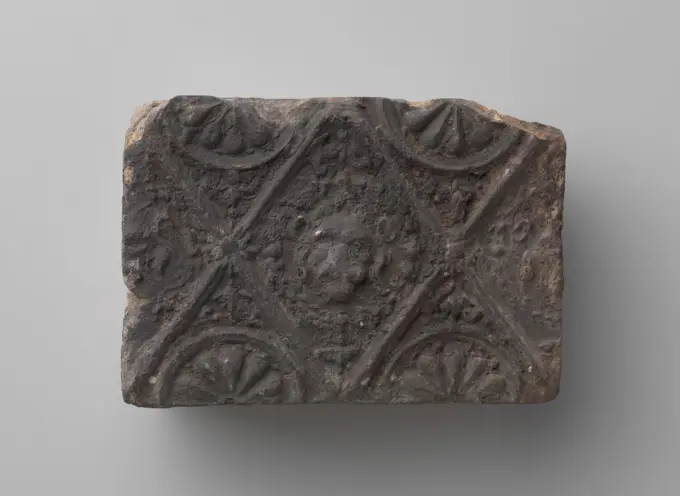
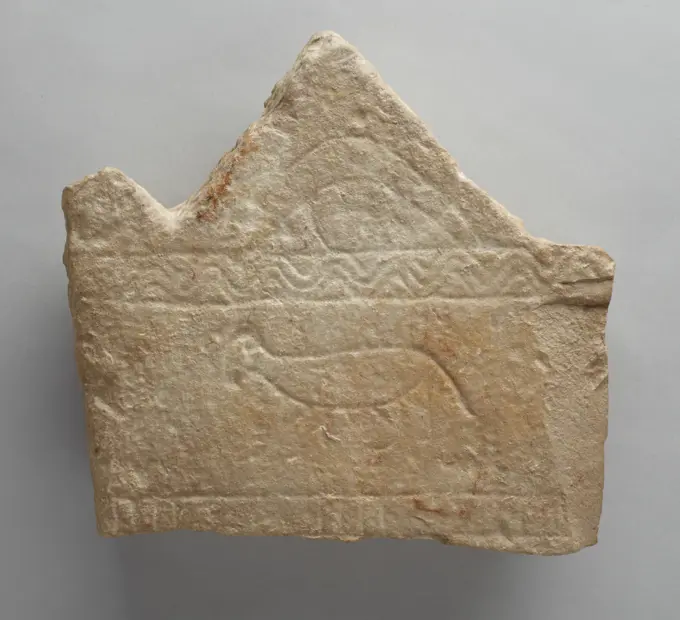
Hearing stone with lion's head in profiled diamond, c. 1575 - c. 1625 Hearing stone with a representation of Leeuwenkop in Lauwerkrans, placed in profiled diamond, which motif repeated itself in the half windows on the sides. The Hale windows at the top and bottom are filled with half medallions with star motif. Southern Netherlands earthenware Hearing stone with a representation of Leeuwenkop in Lauwerkrans, placed in profiled diamond, which motif repeated itself in the half windows on the sides. The Hale windows at the top and bottom are filled with half medallions with star motif. Southern Netherlands earthenware
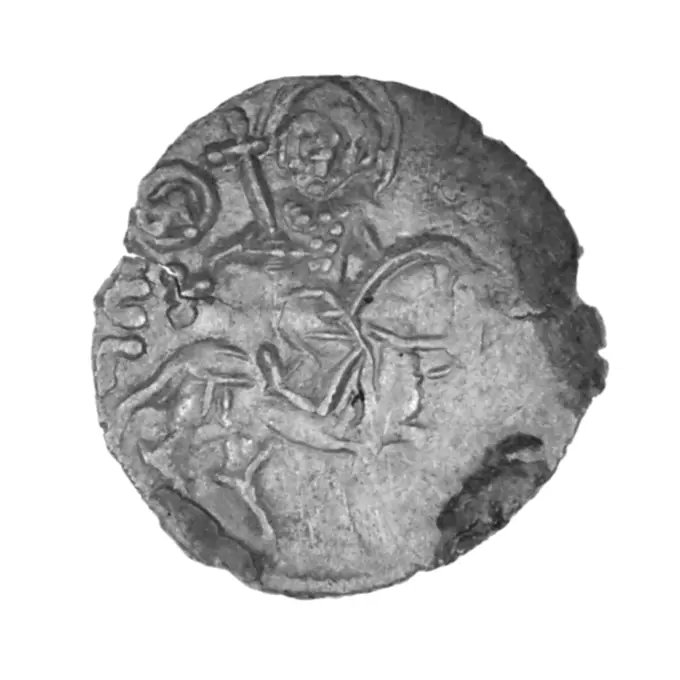
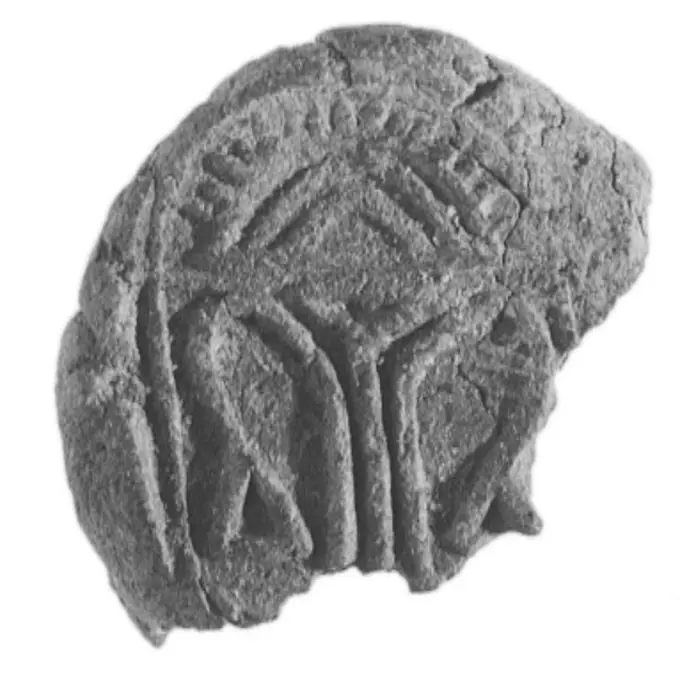
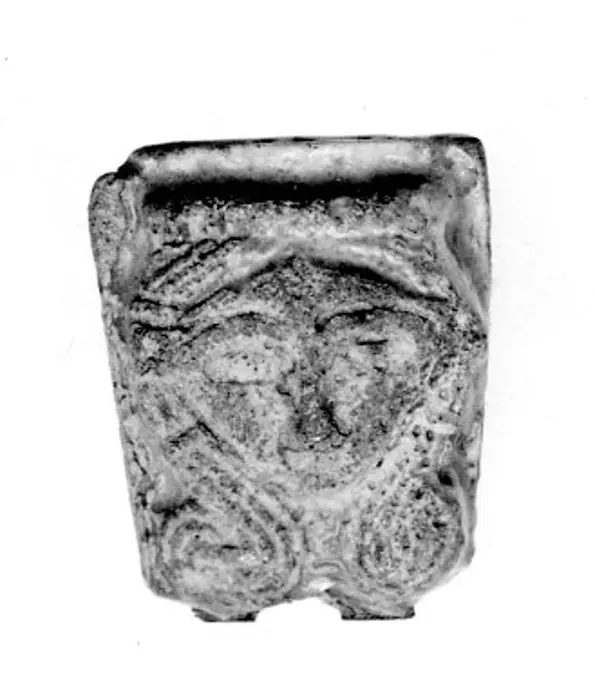
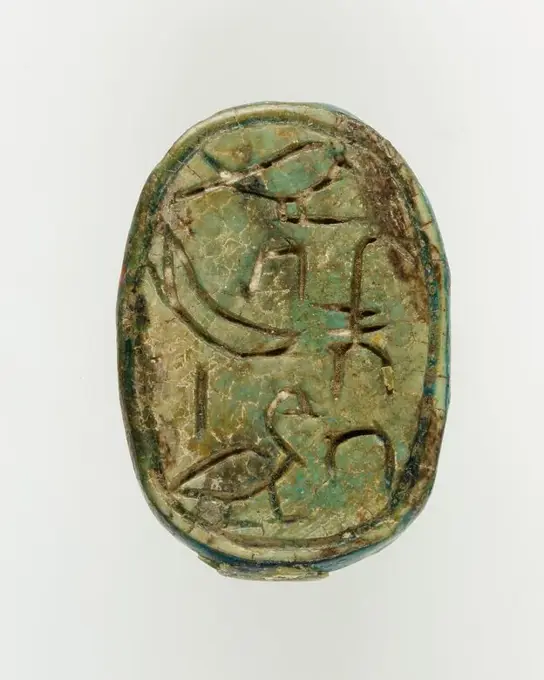
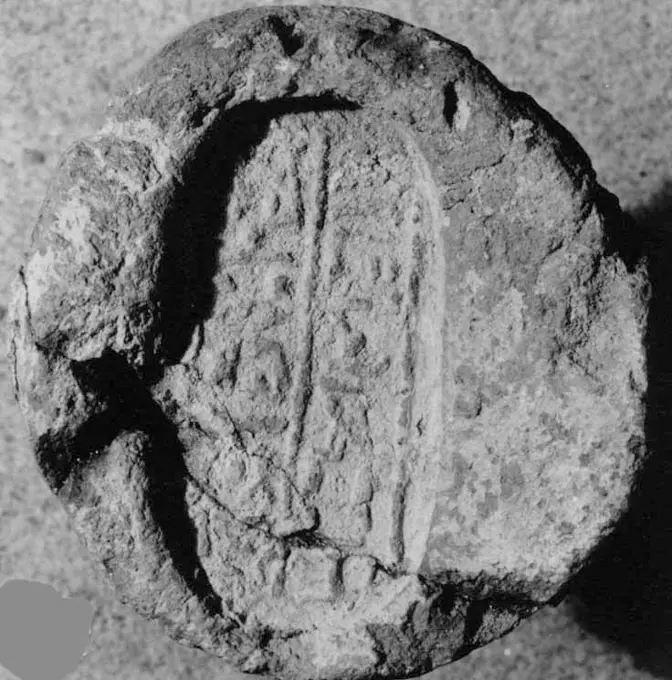
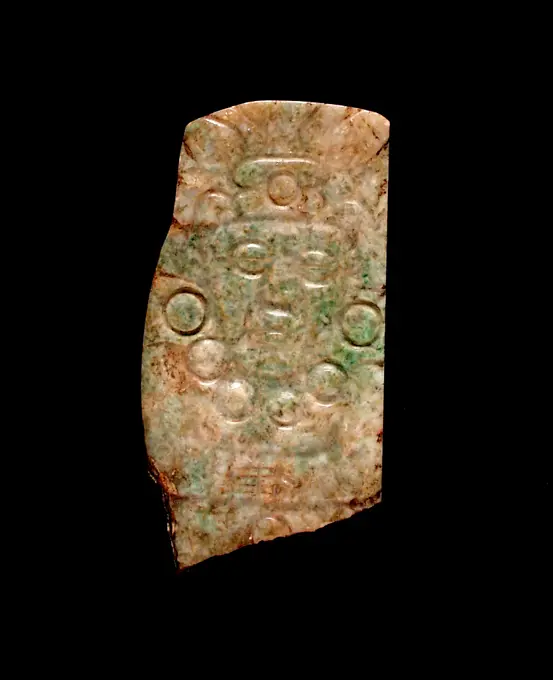
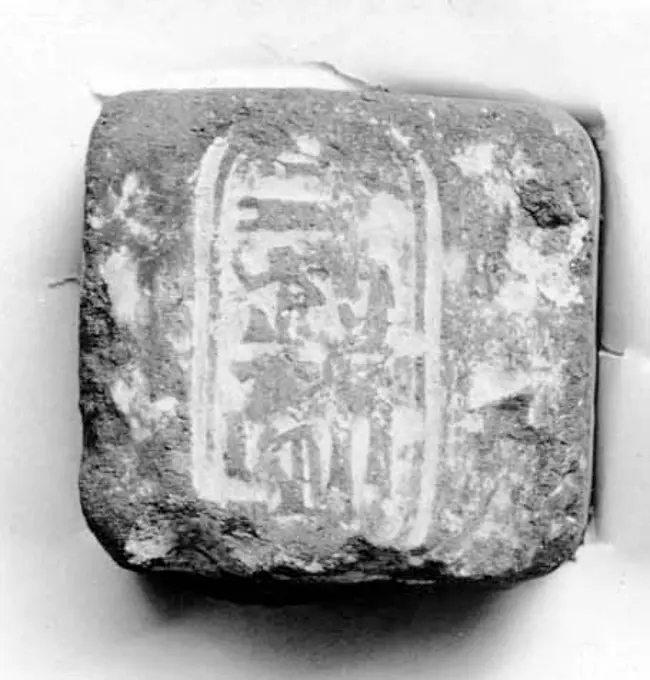
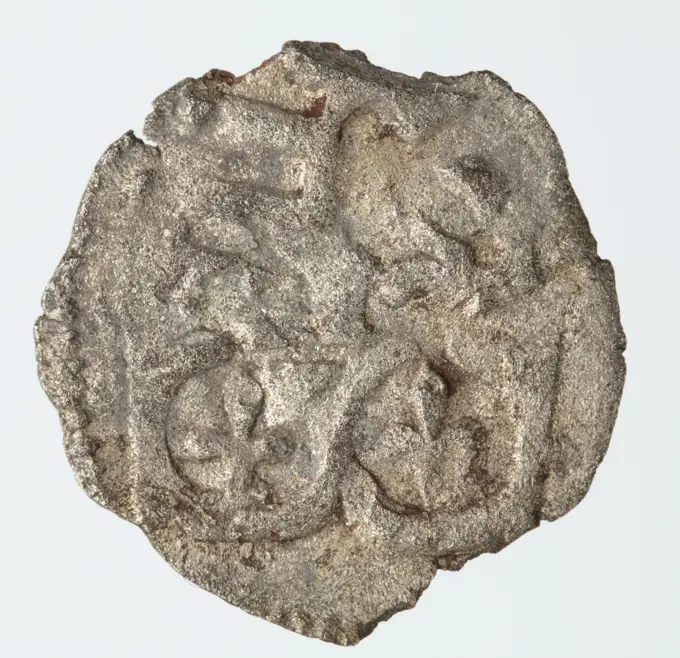
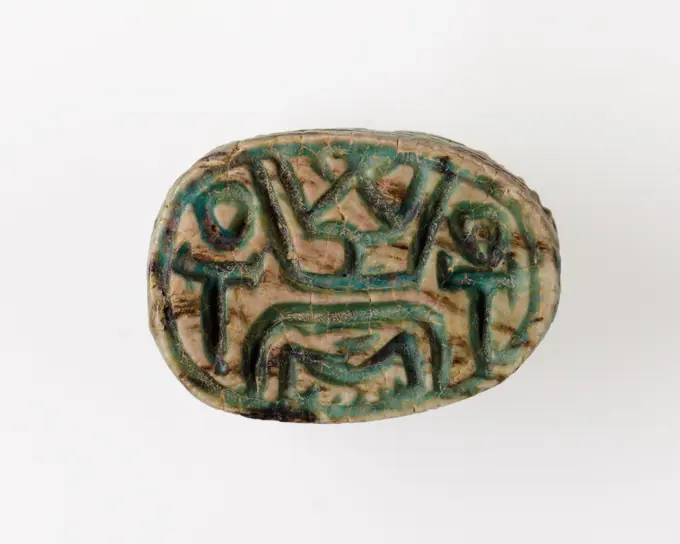
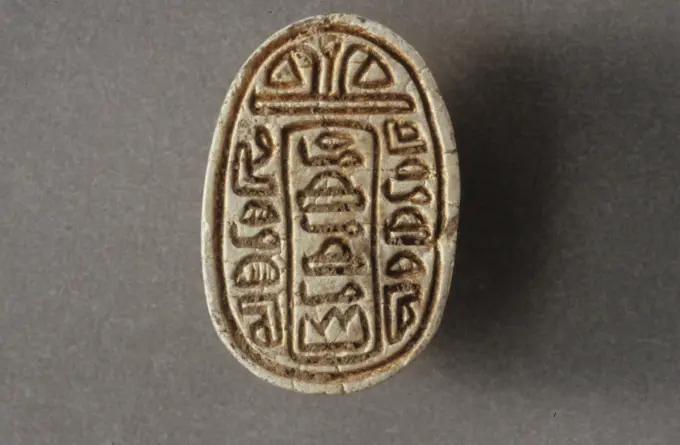
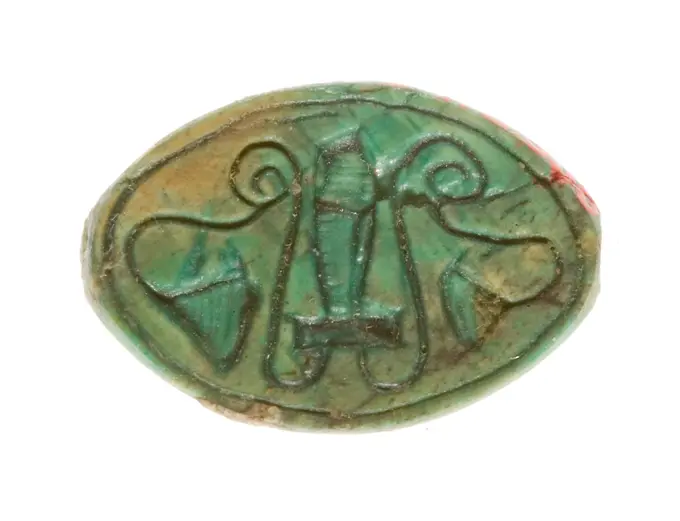
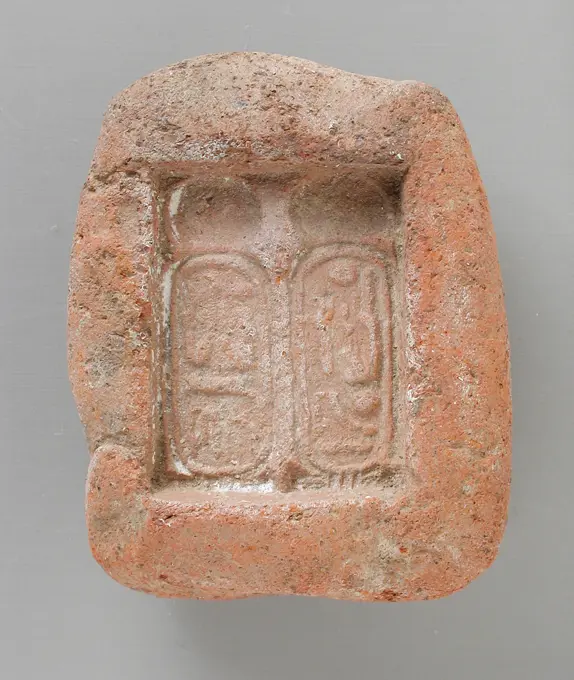
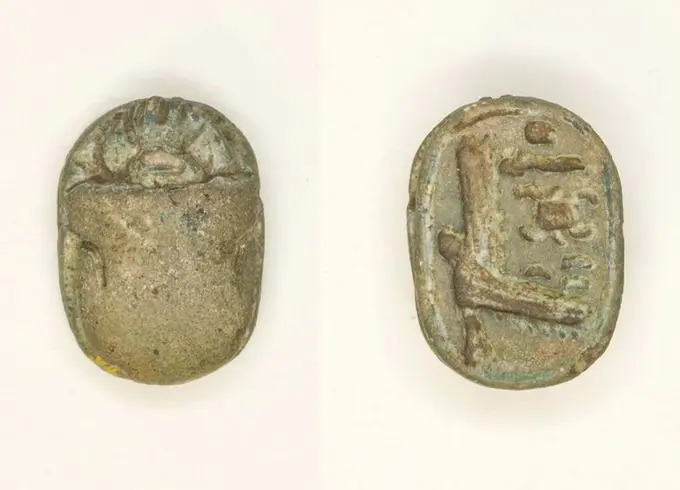
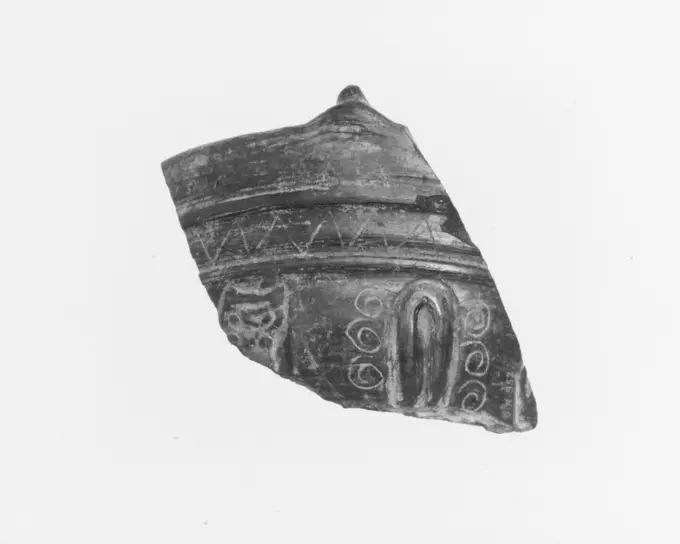
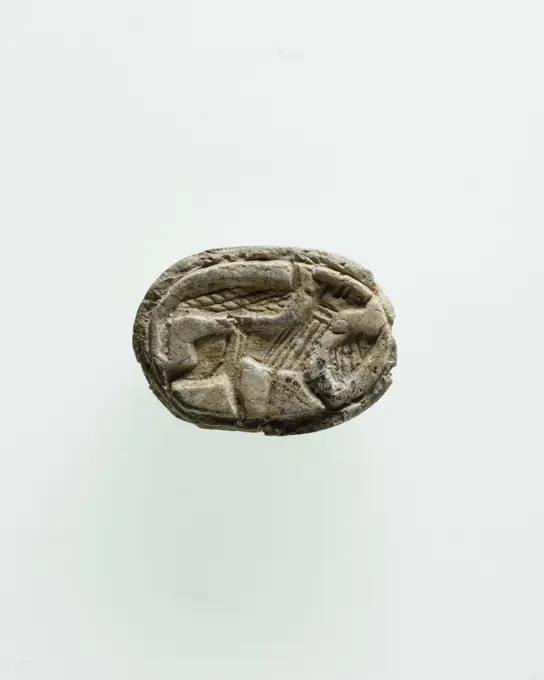
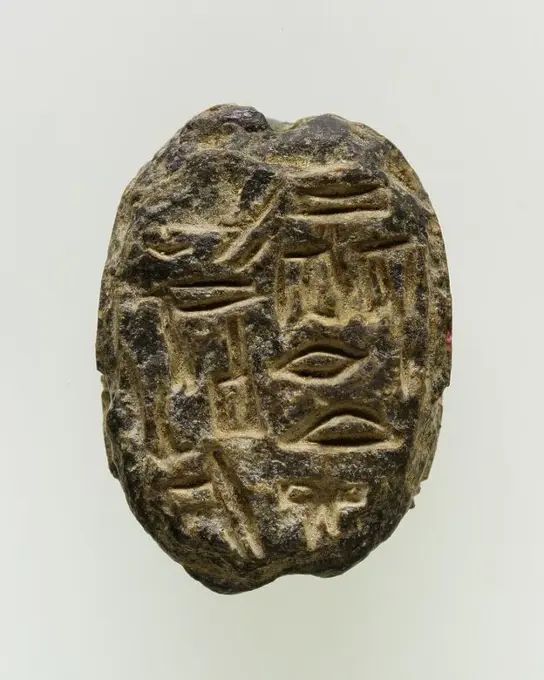
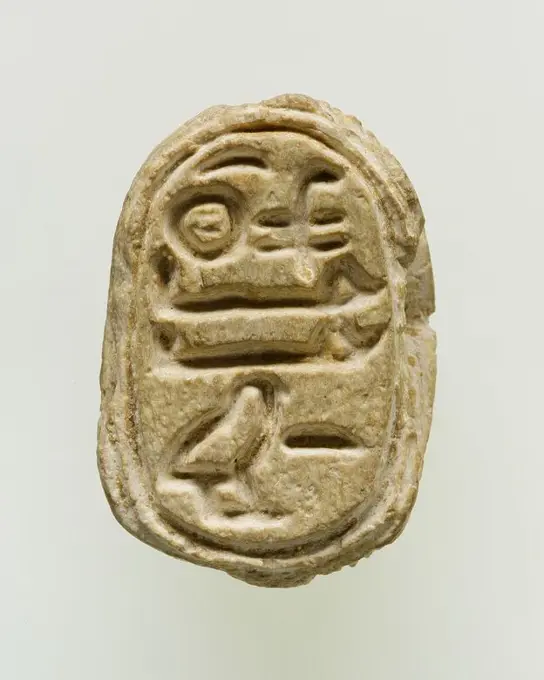
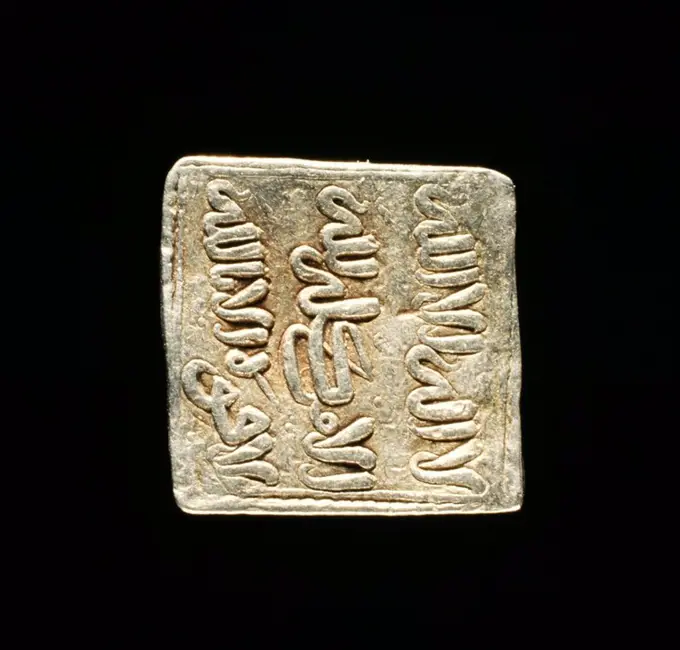
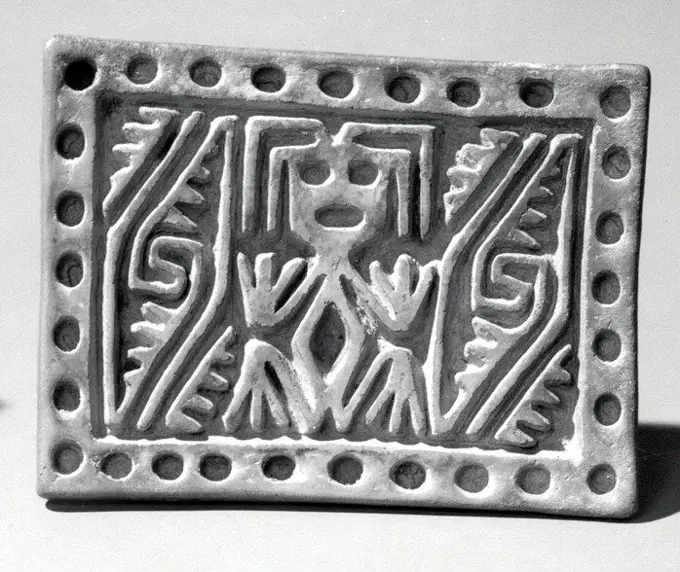
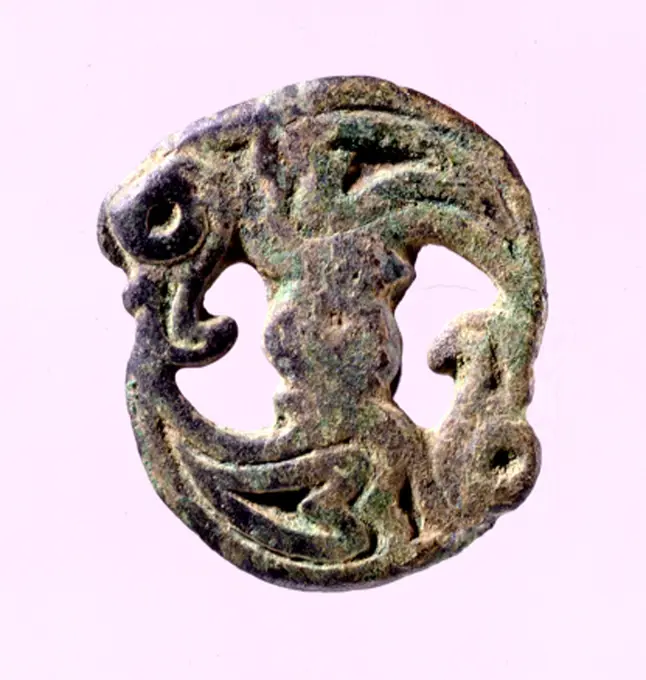
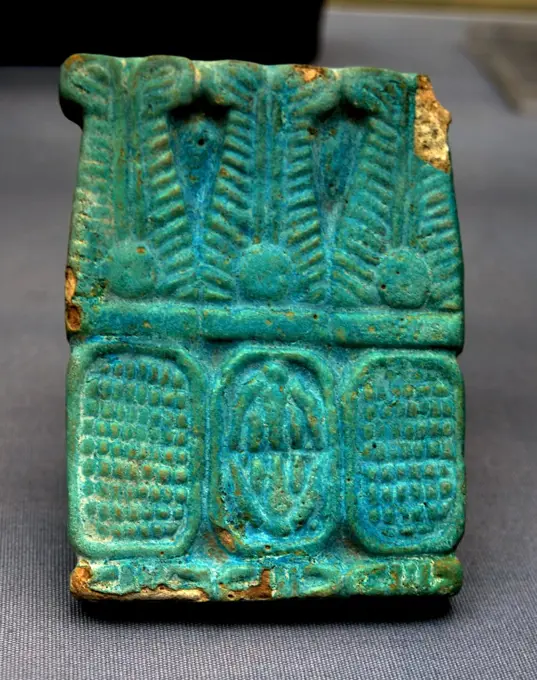
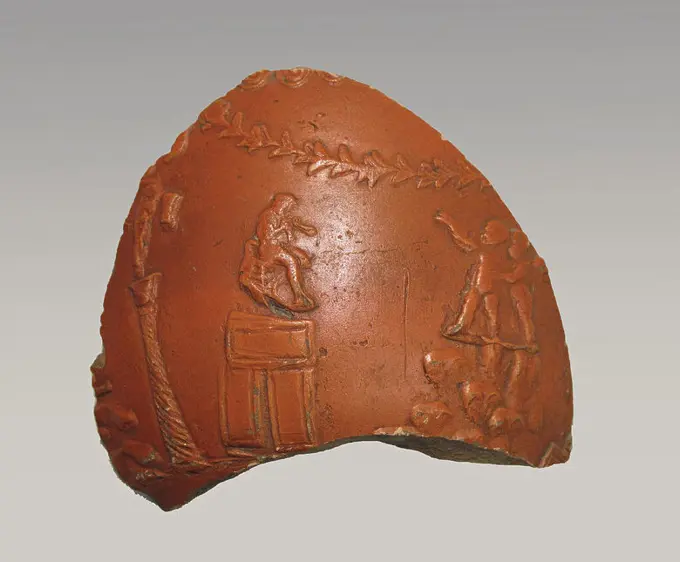
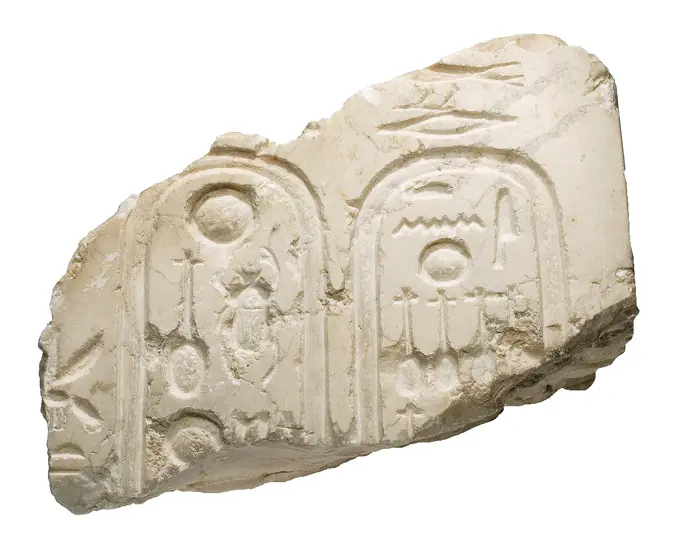
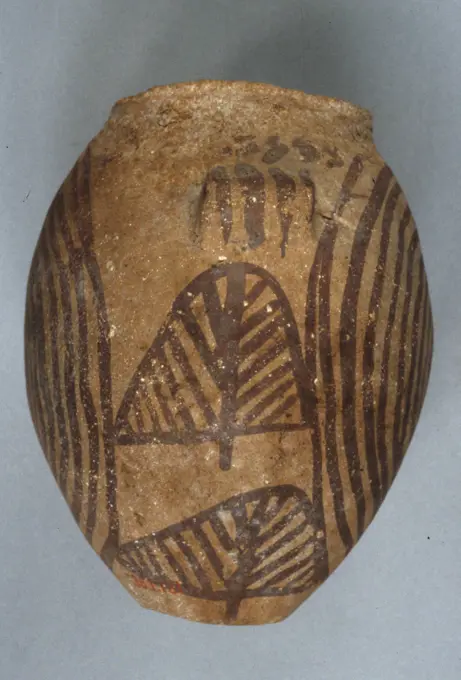
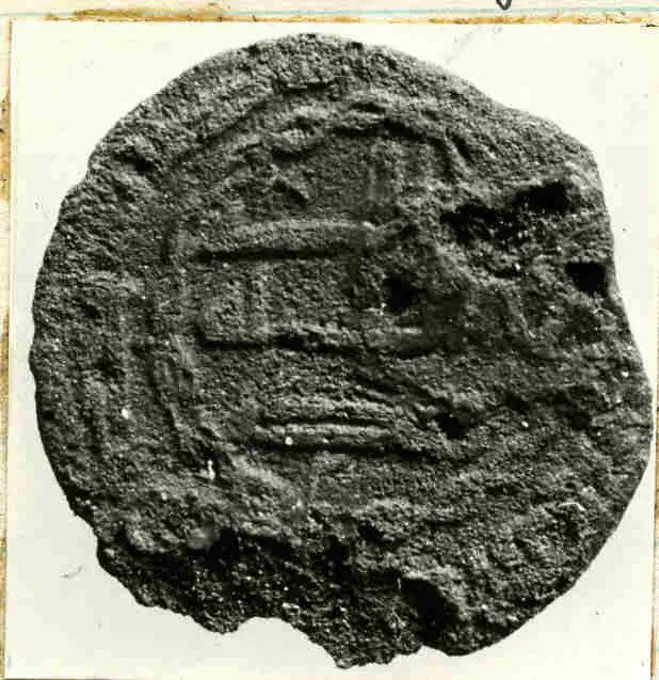
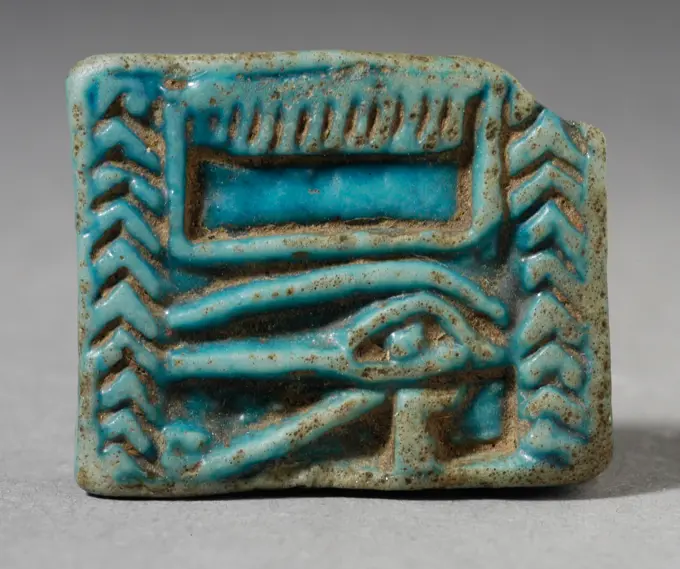
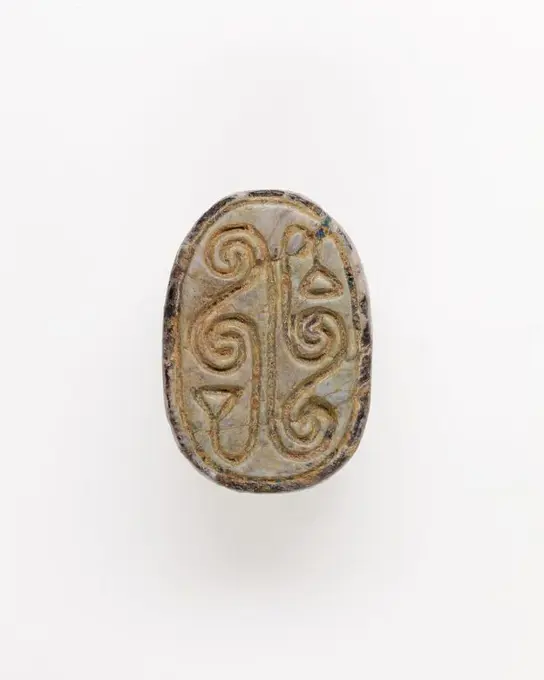
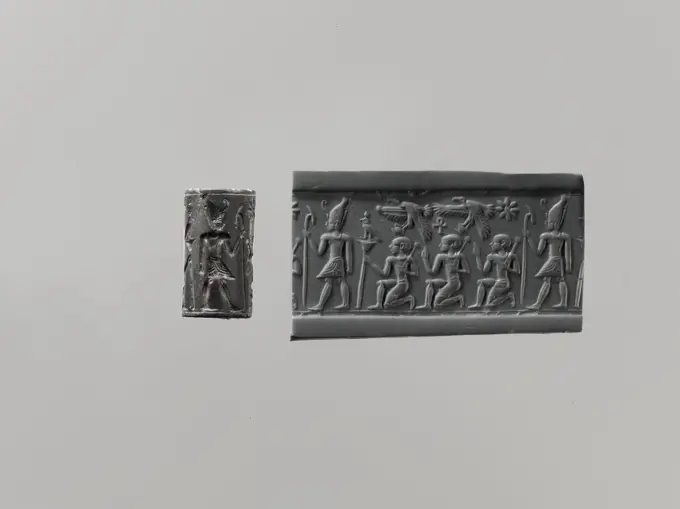
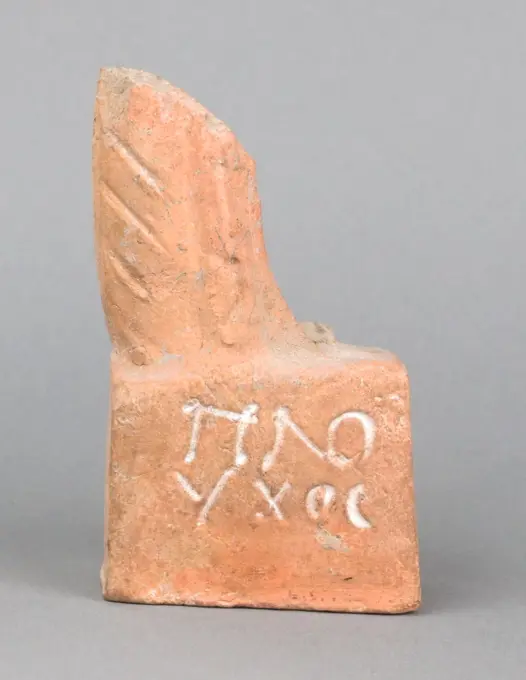
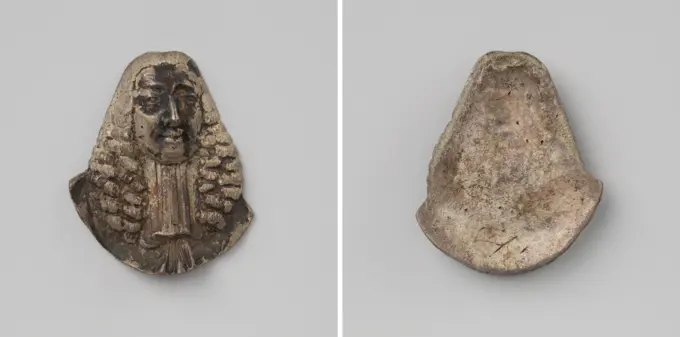
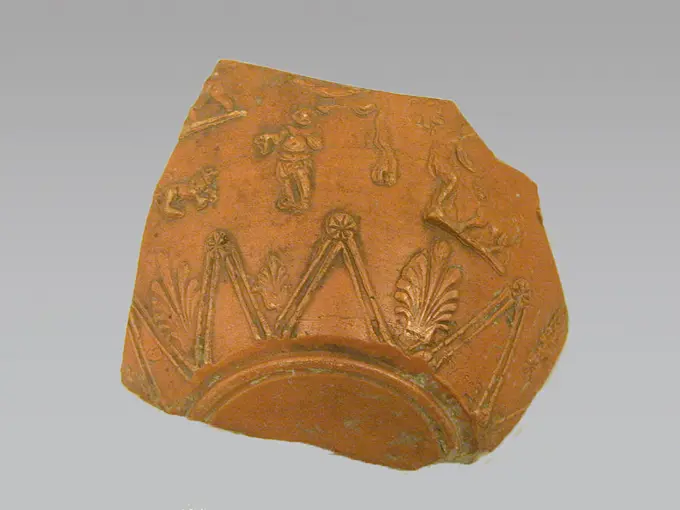
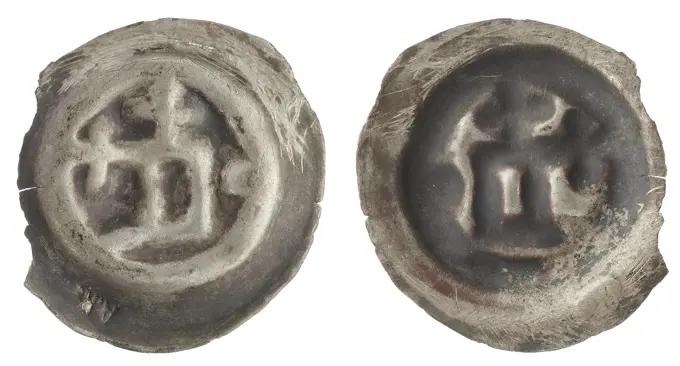
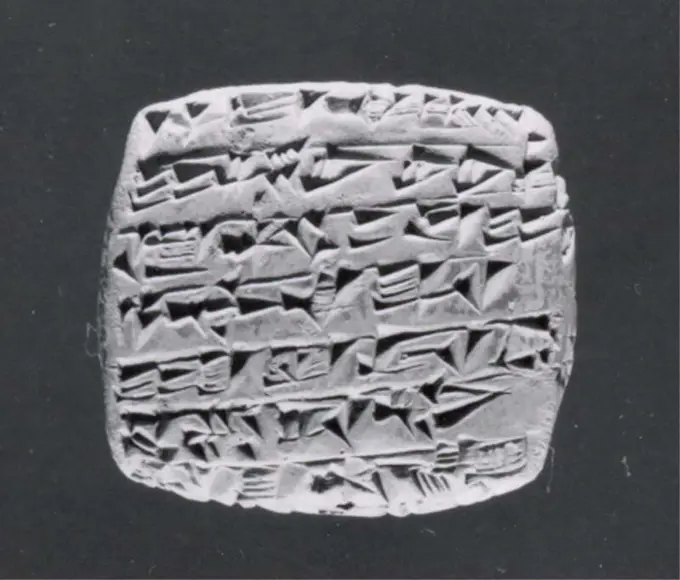
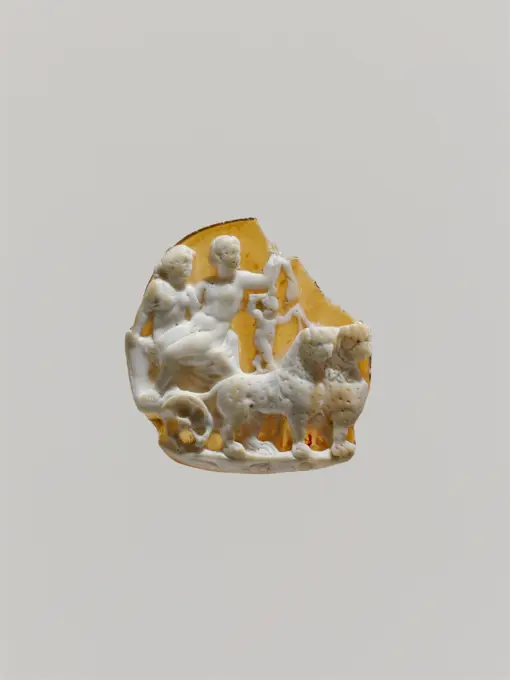
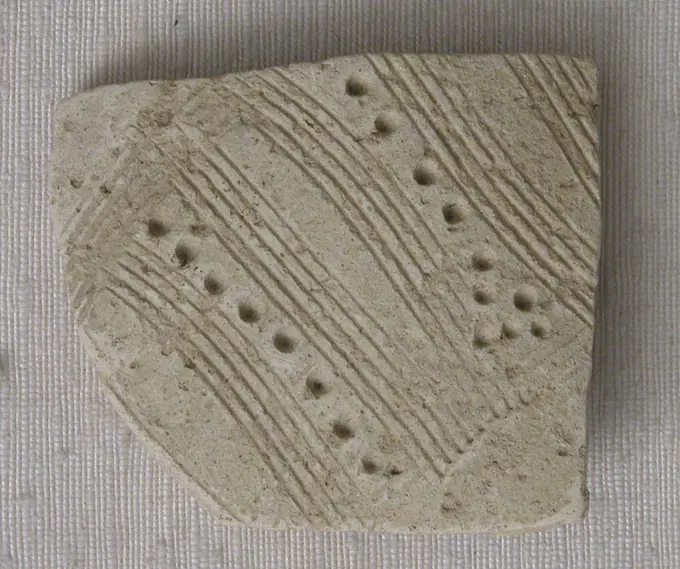
Sealing ca. 2030-1640 B.C. Middle Kingdom. Sealing 546522Unattributed Trebizond Coin. UnknownBalustrade fragment with cartouche of Nefertiti ca. 1352-1336 B.C. New Kingdom, Amarna Period. Balustrade fragment with cartouche of Nefertiti 567606Document Sealing ca. 1390-1353 B.C. New Kingdom. Document Sealing. ca. 1390-1353 B.C.. Mud. New Kingdom. From Egypt, Upper Egypt, Thebes, Malqata, King's Palace, East slope, MMA excavations, 1910-12. Dynasty 18Winged Scarab 306-30 B.C. Ptolemaic Period. Winged Scarab. 306-30 B.C.. Faience. Ptolemaic Period. From EgyptUnattributed Trebizond Coin. UnknownSealing ca. 2030-1640 B.C. Middle Kingdom. Sealing. ca. 2030-1640 B.C.. Clay (unfired). Middle Kingdom. From Egypt, Memphite Region, Lisht South, Pyramid complex of Senwosret I, north temple gateway, MMA excavations, 1913-14. Dynasty 12-13Funerary Cone of the Scribe Anen ca. 1550-1352 B.C. New Kingdom See 09.185.10. Funerary Cone of the Scribe Anen. ca. 1550-1352 B.C.. Pottery. New Kingdom. From Egypt, Upper Egypt, Thebes. Dynasty 18Sealing ca. 1981-1640 B.C. Middle Kingdom. Sealing 560354Hearing stone with lion's head in profiled diamond, c. 1575 - c. 1625 Hearing stone with a representation of Leeuwenkop in Lauwerkrans, placed in profiled diamond, which motif repeated itself in the half windows on the sides. The Hale windows at the top and bottom are filled with half medallions with star motif. Southern Netherlands earthenware Hearing stone with a representation of Leeuwenkop in Lauwerkrans, placed in profiled diamond, which motif repeated itself in the half windows on the sides. The Hale windows at the top and bottom are filled with half medallions with star motif. Southern Netherlands earthenwareHathor Head from a Sistrum Handle ca. 1550-1295 B.C. New Kingdom. Hathor Head from a Sistrum Handle 554615Funerary Cone ca. 1550-1295 B.C. New Kingdom. Funerary Cone. ca. 1550-1295 B.C.. Pottery. New Kingdom. From Egypt, Upper Egypt, Thebes. Dynasty 18Hearing stone with representation of two climbing lions, placed in two windows, Anonymous, After 1575 - Before 1625 Hearing stone with representation of two climbing lions, placed in two windows and accompanied by the year 16 ... the half and quarter windows on the top and bottom are filled with a diamond-shaped flower. Damaged. Southern Netherlands (possibly) earthenware Hearing stone with representation of two climbing lions, placed in two windows and accompanied by the year 16 ... the half and quarter windows on the top and bottom are filled with a diamond-shaped flower. Damaged. Southern Netherlands (possibly) earthenwareScarab of an Official. Dimensions: L. 2.3 cm (7/8 in). Dynasty: Dynasty 12-18. Date: ca. 1981-1550 B.C.. Museum: Metropolitan Museum of Art, New York, USA.Funerary Cone of the Chief of the Merchants Tjay ca. 1550-1295 B.C. New Kingdom See 30.6.14. Funerary Cone of the Chief of the Merchants Tjay. ca. 1550-1295 B.C.. Pottery. New Kingdom. From Egypt, Upper Egypt, Thebes. Dynasty 18Bliżej Kultury Aleksander III Wielki (356 323 BC)Sealing ca. 2030-1640 B.C. Middle Kingdom. Sealing 546521PlaqueFunerary Cone of the Chief of the Servants of Amun Aye ca. 1550-1295 B.C. New Kingdom This cone has the impression of a stamp seal inscribed for a man named Aye who was chief of the servants of the god Amun. For a drawing of this impression see http://www.funerarycones.com/, number 334.. Funerary Cone of the Chief of the Servants of Amun Aye Funerary Cone of the Chief of the Servants of Amun Aye ca. 1550-1295 B.C. New Kingdom This cone has the impression of a stamp seal inscribed for a man named Aye who was chief of the servants of the god Amun. For a drawing of this impression see http://www.funerarycones.com/, number 334.. Funerary Cone of the Chief of the Servants of Amun Aye. ca. 1550-1295 B.C.. Pottery. New Kingdom. From Egypt, Upper Egypt, Thebes. Dynasty 18Hearing stone with a mascaron between two fruiting sines, anonymous, c. 1575 - c. 1600 Hearing stone with a mascaron between two fruiting sines, the whole surrounded by a fruit festival. Southern Netherlands (possibly) earthenware Hearing stone with a mascaron between two fruiting sines, the whole surrounded by a fruit festival. Southern Netherlands (possibly) earthenwareSealing ca. 1981-1640 B.C. Middle Kingdom. Sealing 560315Hearing stone with lion's head in profiled diamond, c. 1575 - c. 1625 Hearing stone with a representation of Leeuwenkop in Lauwerkrans, placed in profiled diamond, which motif repeated itself in the half windows on the sides. The Hale windows at the top and bottom are filled with half medallions with star motif. Southern Netherlands earthenware Hearing stone with a representation of Leeuwenkop in Lauwerkrans, placed in profiled diamond, which motif repeated itself in the half windows on the sides. The Hale windows at the top and bottom are filled with half medallions with star motif. Southern Netherlands earthenwareFragment of a Votive SteleCoin probably 13th-14th century. Coin 457357Seal Impression Depicting the Goddess Hera. Egypt, Roman Period (30 BCE - 395 CE). Tools and Equipment; seals. Semi-baked clay of black scorched colorBliżej Kultury Władysław Jagiełło (CA 1351 1434), Mint of KrakówScarab Inscribed with Hieroglyphs ca. 1850-1640 B.C. Middle Kingdom The majority of design scarabs of the late Middle Kingdom (late Dynasty 12-Dynasty 13, ca. 1850 -1640 B.C.) are decorated with symmetric compositions of hieroglyphs and/or scrolls. These signs are not meant to form words but are chosen for their positive, protective meaning. This scarab shows the hieroglyph for gold (nub) and signs placed above it, in pairs to form a balanced composition.. Scarab Inscribed with Hieroglyphs 557124Sealing ca. 2030-1640 B.C. Middle Kingdom. Sealing. ca. 2030-1640 B.C.. Clay (unfired). Middle Kingdom. From Egypt, Memphite Region, Lisht South, Pyramid complex of Senwosret I, north temple gateway, MMA excavations, 1913-14. Dynasty 12-13Spindle Whorl, 700s - 900s. Iran, early Islamic period, 8th - 10th century. Bone, incised; overall: 0.5 x 2.3 x 2.3 cm (3/16 x 7/8 x 7/8 in.).Hearing stone with the presentation of a climbing lion flanked by two French lilies, 1564 Hearing stone with representation of a climbing lion to the right (heraldic) flanked by two French lilies and accompanied of the year 1564. Remains of green glaze. Left side damaged. Southern Netherlands earthenware vitrification Hearing stone with representation of a climbing lion to the right (heraldic) flanked by two French lilies and accompanied of the year 1564. Remains of green glaze. Left side damaged. Southern Netherlands earthenware vitrificationMold bearing a Scribe's Titles and Name. Egypt, New Kingdom - Late Period (1569 - 343 BCE). Tools and Equipment; molds. TerracottaFragment of a terracotta plaque. Culture: Greek. Dimensions: 3 1/8 in. x 2 1/2 in. (7.9 cm x 6.3 cm). Date: late 5th century B.C..Legs and feet of a dancing womanThe subject of the plaque was a kalathiskos dancer ( see 53.5.39). Museum: Metropolitan Museum of Art, New York, USA.Canaanite Scarab ca. 1648-1540 B.C. Second Intermediate Period. Canaanite Scarab. ca. 1648-1540 B.C.. Steatite. Second Intermediate Period. From Egypt; Possibly from Eastern Delta. Dynasty 15Cowroid Seal Amulet Inscribed with a Plant Motif ca. 1479-1458 B.C. New Kingdom. Cowroid Seal Amulet Inscribed with a Plant Motif. ca. 1479-1458 B.C.. Steatite (glazed). New Kingdom. From Egypt, Upper Egypt, Thebes, Deir el-Bahri, Temple of Hatshepsut, Foundation Deposit 9 (I), MMA excavations, 1926-27. Dynasty 18, earlyMold with Cartouches of Ramses II. Egypt, New Kingdom, 19th Dyn, reign of Ramses II (1304-1237 BCE) or later Ramesside period (up to 1081 BCE). Tools and Equipment; molds. TerracottaFunerary Cone of Sapair ca. 1550-1295 B.C. New Kingdom This funerary cone is stamped with the impression of a seal inscribed for a man named Sapair (Sa-pa-ir) who was a wab-priest of the god Amun. Funerary cones seem to have been used as architectural decoration, arranged in rows along the upper edge of private tomb facades at Thebes. The round end of each cone was stamped with the name and titles of the tomb owner. For a drawing of this impression see http://www.funerarycones.com/, number 155.. Funerary Cone of Sapair Funerary Cone of Sapair ca. 1550-1295 B.C. New Kingdom This funerary cone is stamped with the impression of a seal inscribed for a man named Sapair (Sa-pa-ir) who was a wab-priest of the god Amun. Funerary cones seem to have been used as architectural decoration, arranged in rows along the upper edge of private tomb facades at Thebes. The round end of each cone was stamped with the name and titles of the tomb owner. For a drawing of this impression see http://www.funerarMold with Birth Name of Seti I or Seti II. Egypt, New Kingdom, 19th Dynasty, reigns of Seti I (1314 - 1304 BCE) or Seti II (1221 - 1215 BCE). Tools and Equipment; molds. TerracottaStamp seal ca. 3rd-7th century A.D. Sasanian. Stamp seal. Sasanian. ca. 3rd-7th century A.D.. Bronze. Sasanian. IranBelt Buckle. UnknownScarab: Aakheperura (Amenhotep II). Egyptian. Date: 1427 BC-1400 BC. Dimensions: 1.3 × 1 × 0.6 cm (1/2 × 3/8 × 1/4 in.). Glazed steatite. Origin: Egypt. Museum: The Chicago Art Institute, Chicago, USA. Author: Ancient Egyptian.Stamp seal ca. 664-525 B.C. Egyptian. Stamp seal. Egyptian. ca. 664-525 B.C.. Carnelian. Late Period. EgyptVase fragment 2nd half of the 6th century B.C. Etruscan Showing the head of an animal and conventional design in relief.. Vase fragment 246236Fragmentary marble inscription 4th-3rd century B.C. Greek, Attic Inscribed fragment of an Attic decree.. Fragmentary marble inscription. Greek, Attic. 4th-3rd century B.C.. Marble. Late Classical. Stone SculptureScarab with Antelope and Uraei ca. 1640-1500 B.C. (late Middle Bronze Age IIB-IIC) Second Intermediate Period Canaanite scarabs of the late Middle Bronze Age (ca. 1640-1500 B.C.) frequently show scenes with a wild animal such as a lion, ibex, antelope or crocodile, or to a lesser extent with a donkey or hippo, only a few examples depict bulls. Except for the donkey and bull, these animals live in the wild and were feared as well as respected. During this period, Canaanite seal carvers decorated the interior of animals with parallel lines, or short strokes to represent their fur. It has been suggested that compositions with wild animals symbolize the successful dominance over nature and control over chaos. The animal represented on this scarab is a species of antelope with short horns. Cobras lie at its forelegs and above its back. Scarab with Antelope and Uraei. ca. 1640-1500 B.C. (late Middle Bronze Age IIB-IIC). Glazed steatite. Second Intermediate Period. From Egypt, Memphite RegionScarab of an Official. Dimensions: l. 2.2 cm (7/8 in). Dynasty: Dynasty 12-18. Date: ca. 1981-1550 B.C.. Museum: Metropolitan Museum of Art, New York, USA.Scarab. Dimensions: l. 2 cm (13/16 in). Dynasty: Dynasty 12-18. Date: ca. 1981-1550 B.C.. Museum: Metropolitan Museum of Art, New York, USA.Scarab ca. 1550-1458 B.C. New Kingdom. Scarab. ca. 1550-1458 B.C.. Glazed steatite. New Kingdom. From Egypt, Upper Egypt, Thebes, Asasif, Courtyard CC 41, Pit 3, Burial E 1, On body, MMA excavations, 1915-16. Dynasty 18, earlyNUMISMATICA. MONEDA. DIRHAM ALMOHADE. REVERSO. Nº INV. 3.113.161. MUSULMAN. (EXPOSICION: ARTE ISLAMICO ESPAÑOL) (DEPOSITO: MUSEO ARQUEOLOGICO NACIONAL).Oracle bone fragment China. Oracle bone fragment. China. Inscribed bone. Shang dynasty (ca. 1600-1046 B.C.). BoneLentoid engraved seal. UnknownBrick Stamped with a Circular Seal ca. 1550-1295 B.C. New Kingdom. Brick Stamped with a Circular Seal. ca. 1550-1295 B.C.. Pottery. New Kingdom. From Egypt, Upper Egypt, Thebes, Sheikh Abd el-Qurna, Tombs TT 65 and TT 66, forecourt, MMA excavations, 1914. Dynasty 18Funerary Cone of the High Priest Ahmose ca. 1479-1425 B.C. New Kingdom See 15.10.8. Funerary Cone of the High Priest Ahmose. ca. 1479-1425 B.C.. Pottery. New Kingdom. From Egypt, Upper Egypt, Thebes, Sheikh Abd el-Qurna, Tomb of Ahmose (TT 121), MMA excavations, 1930-31. Dynasty 18Flat Stamp 12th-15th century Central Highlands. Flat Stamp 312930Sistrum z głową bogini Hathor. unknown, authorFinger Ring. Western Iran, circa 550-330 B.C.. Jewelry and Adornments; rings. Bronze, castGarment Plaque with Two Raptors 6th-5th century B.C. Kazakhstan. Garment Plaque with Two Raptors 59568Faience Plaque with the Cartouche of Malenaqen 555 B.C.Vase fragment. Culture: Roman. Dimensions: 3 1/4 × 3 5/8 × 5/16 in. (8.2 × 9.3 × 0.8 cm). Date: 1st century B.C.-1st century A.D..Priapus, fluteplayer, Erotes. Museum: Metropolitan Museum of Art, New York, USA.Loudsten, soto sigon in the temple, anonymous, c. 1400 - c. In 1950 Highstone on which Simeon in the temple. Mirror image of BK-NM-9642. From fine baked earth. Southern Netherlands earthenware Highstone on which Simeon in the temple. Mirror image of BK-NM-9642. From fine baked earth. Southern Netherlands earthenwareCoin A.H. 141-51/ A.D. 758-68. Coin 457646Funerary Cone of the King's Son of Kush Merymose ca. 1550-1295 B.C. New Kingdom. Funerary Cone of the King's Son of Kush Merymose. ca. 1550-1295 B.C.. Pottery. New Kingdom. From Egypt, Upper Egypt, Thebes; Probably from Asasif. Dynasty 18Inscribed fragment, Akhenaten, Nefetiti, Aten cartouches ca. 1353-1336 B.C. New Kingdom, Amarna Period. Inscribed fragment, Akhenaten, Nefetiti, Aten cartouches 549857Ring with Engraved Bezel; Roman Empire; 2nd - 4th century; Metal alloy; 2.6 cm (1 in.)Inscribed Stamp in Shape of a Foot. UnknownEngraved Scarab; 500 - 450 B.C; Green jasper; 1.5 × 1.1 × 0.9 cm (9,16 × 7,16 × 5,16 in.)Stamp seal (octagonal pyramid) with cultic scene 7th - 6th century B.C. Assyro-Babylonian. Stamp seal (octagonal pyramid) with cultic scene. Assyro-Babylonian. 7th - 6th century B.C.. Flawed neutral Chalcedony (Quartz). Neo-Assyrian / Neo-Babylonian. MesopotamiaDecorated ware jar ca. 3500 B.C. Predynastic, Naqada II. Decorated ware jar. ca. 3500 B.C.. Pottery, paint. Predynastic, Naqada II. From Egypt, Southern Upper Egypt, Hierakonpolis (Nekhen), Fort Cemetery (Hk 27), Tomb 6, MMA excavations, 1934-35Coin A.H. 141-50/ A.D. 758-68. Coin 457619Mint from Bactriana van Koning Ames, -15 - 15, -15 - 15 coin Bronze, rectangular mint. Front: the king with lance on horseback to the right. Greek change, downside: boggelde bull. Dischanging in Pali.  copper (metal) striking (metalworking)Mold for a Bes Amulet New Kingdom ca. 1390-1352 B.C. View more. Mold for a Bes Amulet. ca. 1390-1352 B.C.. Pottery. New Kingdom. From Egypt, Upper Egypt, Thebes, Malqata, Khor west of camp or E. side of S. Village, MMA excavations, probably 1911-12. Dynasty 18Hippopotamus-Head Design Amulet Inscribed With Four Linked Ibex Heads. ca. 2150-2040 B.C. First Intermediate Period. Hippopotamus-Head Design Amulet Inscribed With Four Linked Ibex Heads. 544409Eye of Horus Amulet. Egypt, Late Period - Ptolemaic Period (724 - 31 BCE). Jewelry and Adornments; amulets. FaienceScaraboid Face Motif on Top, Floral Designs on Base 1650 BCE-1550 BCE Egypt. Glazed steatite . Ancient EgyptianScarab. Dimensions: L. 1.4 cm (9/16 in). Dynasty: Dynasty 12-18. Date: ca. 1981-1295 B.C.. Museum: Metropolitan Museum of Art, New York, USA.Reliquary depicting Christ wrapped up in a palm crown, terracottaCylinder seal and modern impression: pharaoh wearing Double Crown, kneeling figures below vultures holding shn symbols; ankh ca. 1720-1650 B.C.. Cylinder seal and modern impression: pharaoh wearing Double Crown, kneeling figures below vultures holding shn symbols; ankh. ca. 1720-1650 B.C.. Hematite. Old Syrian. SyriaScarab Falcon Deity 1186 BCE-945 BCE Egypt. Steatite . Ancient EgyptianTerracotta figurine fragment with base Cypriot  Pedestal of a statuette, inscribed in Greek on back with the maker's name ():  / C.. Terracotta figurine fragment with base. Cypriot . Terracotta. Cesnola InscriptionsCoin mid-8th century. Coin. mid-8th century. Copper. Excavated in Iran, Nishapur. CoinsMaskThap sitle fragment. Cernuschi Museum, Asia Museum of Asia in the city of Paris.Fragment of a Relief 7th-8th century Central Asia. Fragment of a Relief 39911Quasi-pyramidal seal ca. 12th-11th century B.C. Cypriot. Quasi-pyramidal seal. Cypriot. ca. 12th-11th century B.C.. Steatite, gray brown. Late Cypriot III. Cyprus ()Hendrik Danielsz. Hooft, mayor of Amsterdam, Anonymous, 1787 - 1795  One -sided silver carrying sign in the form of men's bust. Front: breastpiece man. Reverse: Blanco Netherlands silver (metal)   AmsterdamBill for one fat ox ,Vase fragment 1st century B.C.-1st century A.D. Roman Youths playing with lions.. Vase fragment. Roman. 1st century B.C.-1st century A.D.. Terracotta. Vasesbracteate denarius. Zakon krzyżacki (1190-), issuerCuneiform tablet: loan of silver ca. 20th-19th century B.C. Old Assyrian Trading Colony. Cuneiform tablet: loan of silver 325855Commemorative badge of Lviv release from the Russian occupation in 1915Cicada late 19th to early 20th century China. Cicada 43014Sardonyx cameo with Dionysus and Ariadne 1st century B.C.-1st century A.D. Greek or Roman Dionysos and Ariadne in a chariot drawn by two panthers.. Sardonyx cameo with Dionysus and Ariadne. Greek or Roman. 1st century B.C.-1st century A.D.. Sardonyx. Hellenistic or Early Imperial. GemsFragment 8th-9th century. Fragment 448864Plaque The Good God, Lord of the Two Lands, Menkheperure (Thutmose IV)/lion with round sign 1400 BCE-1390 BCE Egypt. Ceramic . Ancient EgyptianPlaque of Amenemhat II. Dimensions: l. 2 cm (13/16 in). Dynasty: Dynasty 12. Reign: reign of Amenemhat II. Date: ca. 1919-1885 B.C.. Museum: Metropolitan Museum of Art, New York, USA.Cylinder seal ca. 15th-13th century B.C. Cypriot. Cylinder seal. Cypriot. ca. 15th-13th century B.C.. Steatite. Late Cypriot. CyprusCity of Amsterdam, District 34, a lead that gave ride on rye bread at a price of eight and a half penny, Anonymous, 1662  Almost diamond -shaped. Front: in round stamp: crowned coat of arms, flanked by two lions in the round of pearl edge. Reverse: in round stamp: number 34 above letter W in round pearl edge Amsterdam lead (metal) casting  AmsterdamPilgrim flask for the shrine of St Menas, 6th century. Artist: UnknownBull Head Amulet. Egypt, New Kingdom (circa 1569 - 1081 BCE). Jewelry and Adornments; amulets. FaienceStamp seal (octagonal pyramid) with cultic scene 7th - 6th century B.C. Assyro-Babylonian. Stamp seal (octagonal pyramid) with cultic scene. Assyro-Babylonian. 7th - 6th century B.C.. Flawed neutral Chalcedony (Quartz), possibly etched to produce mottling. Neo-Assyrian / Neo-Babylonian. MesopotamiaStamp Seal. Iran, Bactria or Mesopotamia, about 2nd millennium B.C.. Tools and Equipment; seals. Bronze