Ancient Artifacts

Collection of ancient objects including seals, coins, and fragments, showcasing intricate designs from various historical periods, primarily Egyptian.

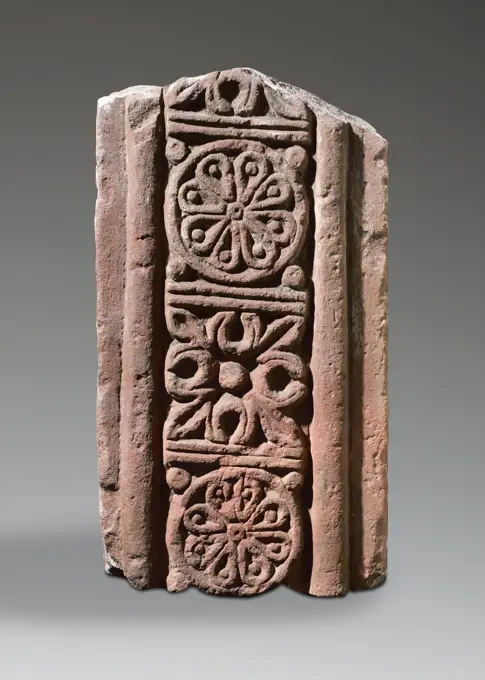
Hearing stone with lion's head in profiled diamond, c. 1575 - c. 1625 Hearing stone with a representation of Leeuwenkop in Lauwerkrans, placed in profiled diamond, which motif repeated itself in the half windows on the sides. The Hale windows at the top and bottom are filled with half medallions with star motif. Southern Netherlands earthenware Hearing stone with a representation of Leeuwenkop in Lauwerkrans, placed in profiled diamond, which motif repeated itself in the half windows on the sides. The Hale windows at the top and bottom are filled with half medallions with star motif. Southern Netherlands earthenware
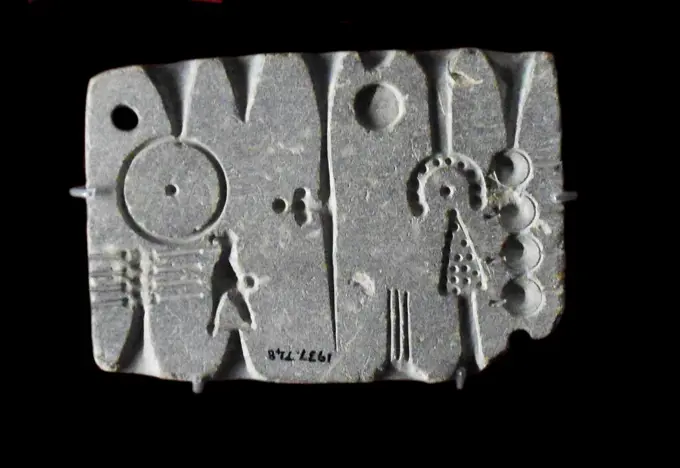
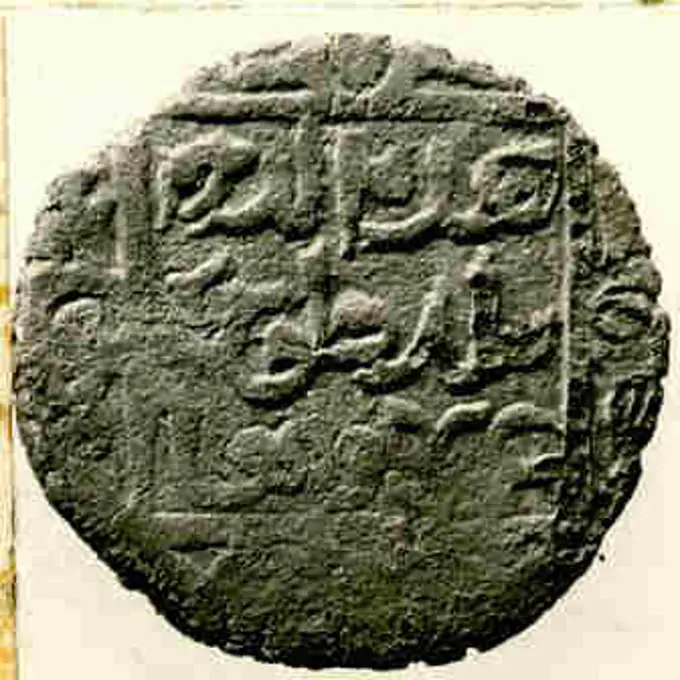
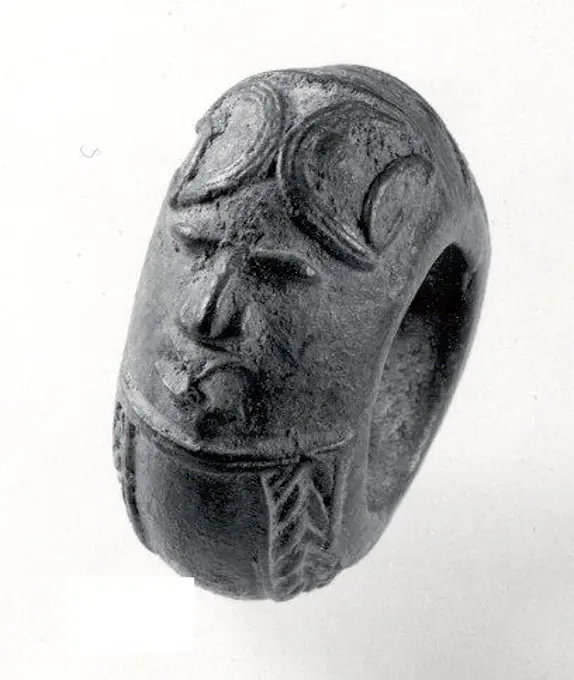
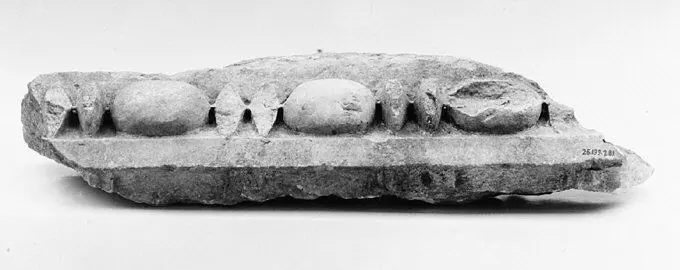
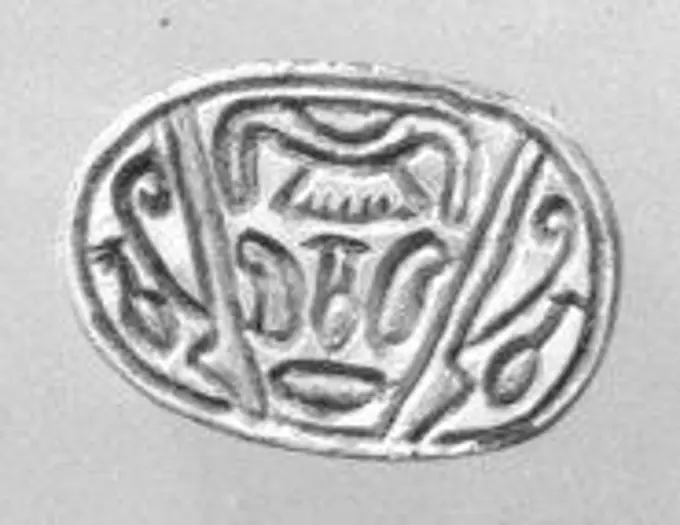
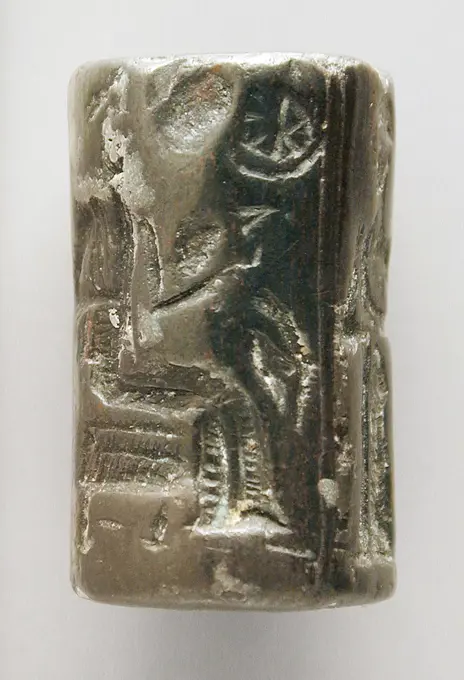
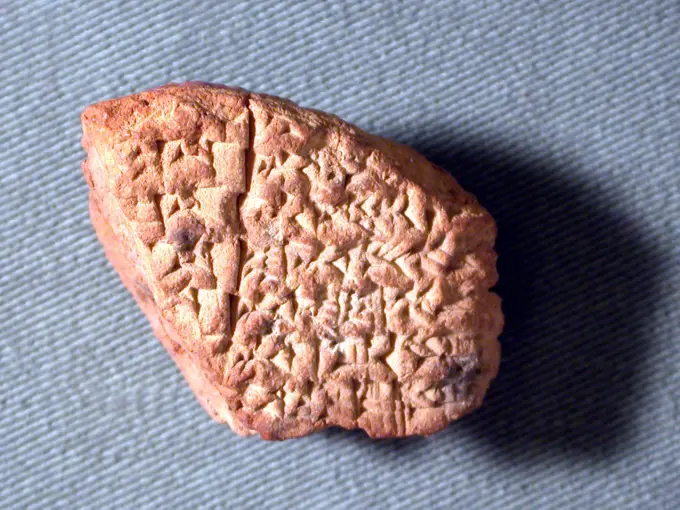
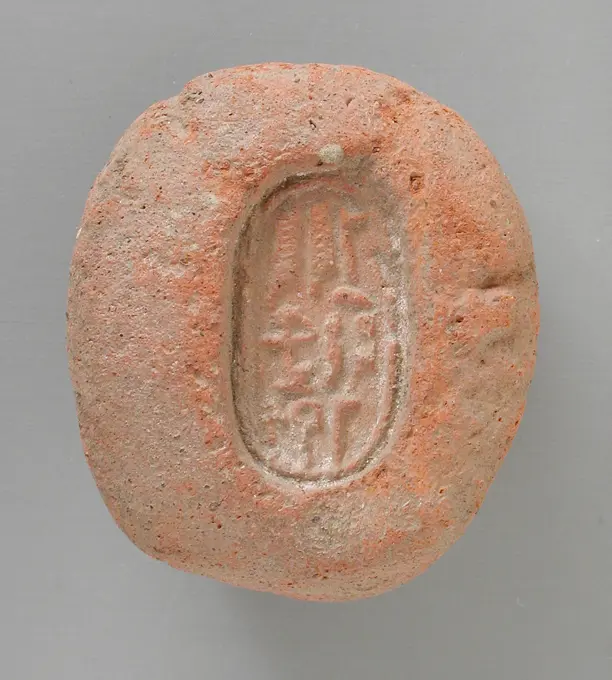
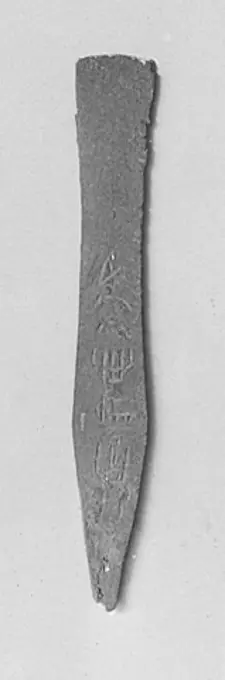
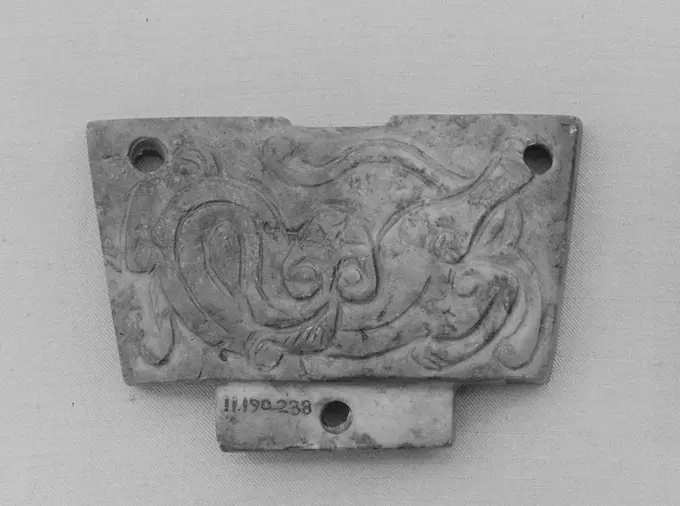
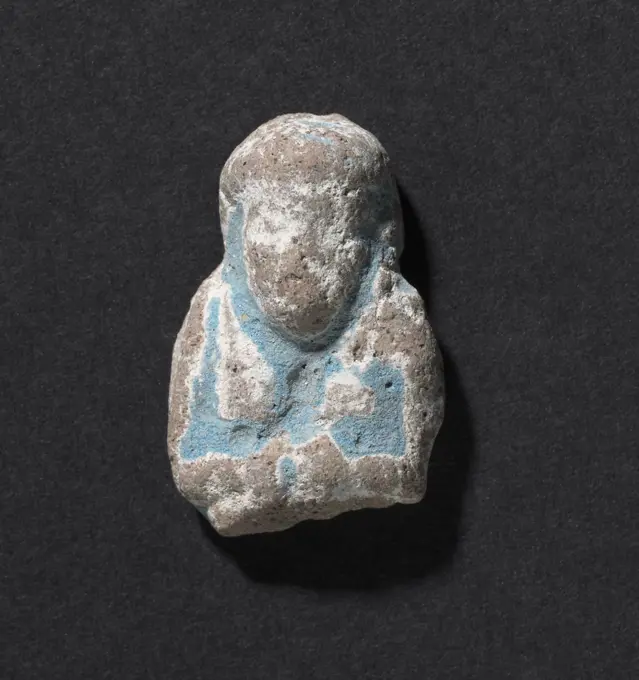
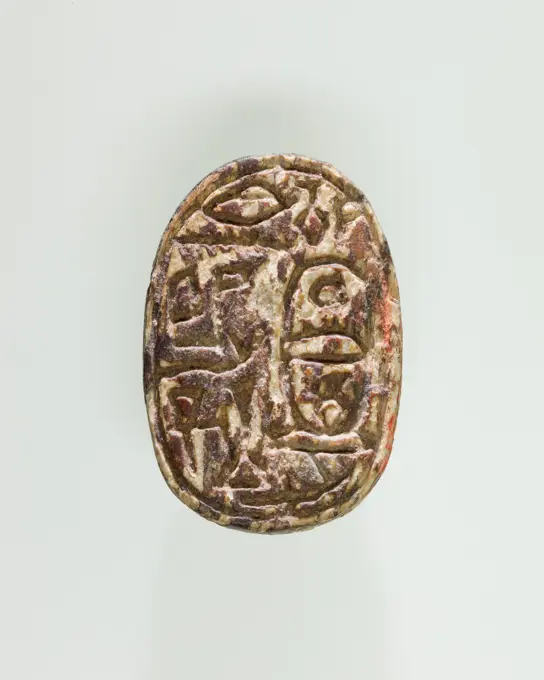
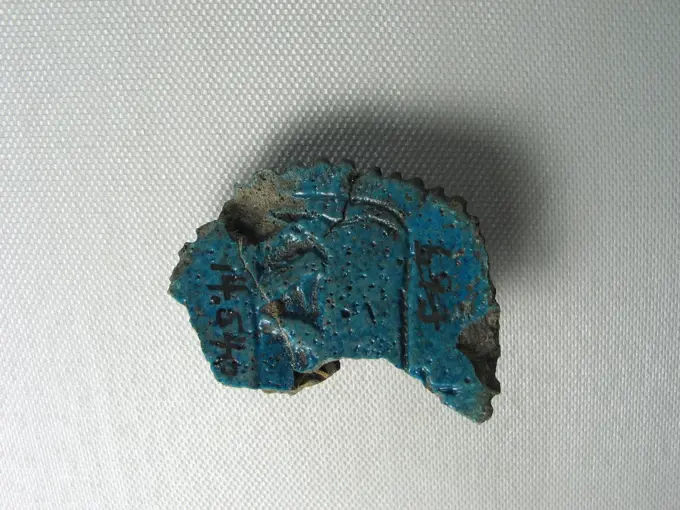
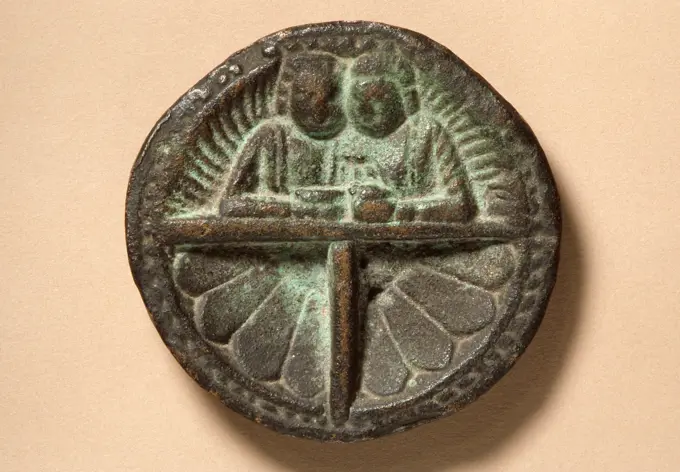
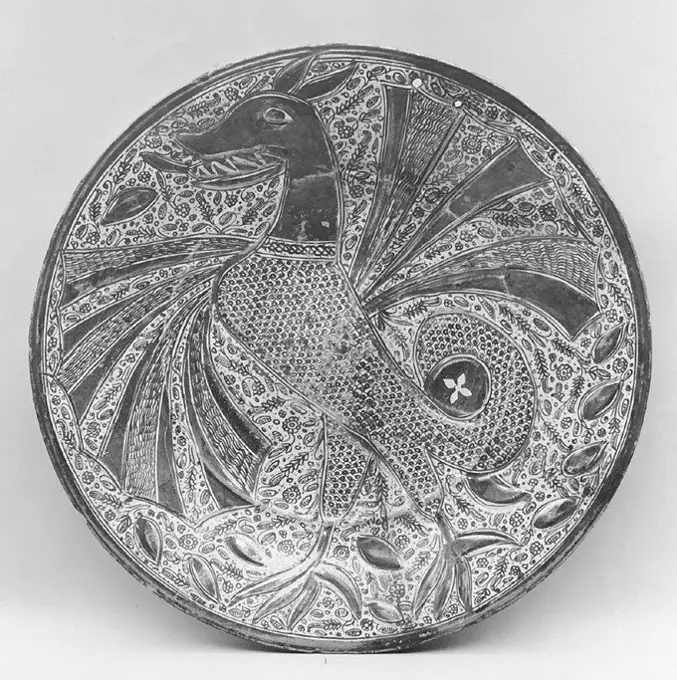
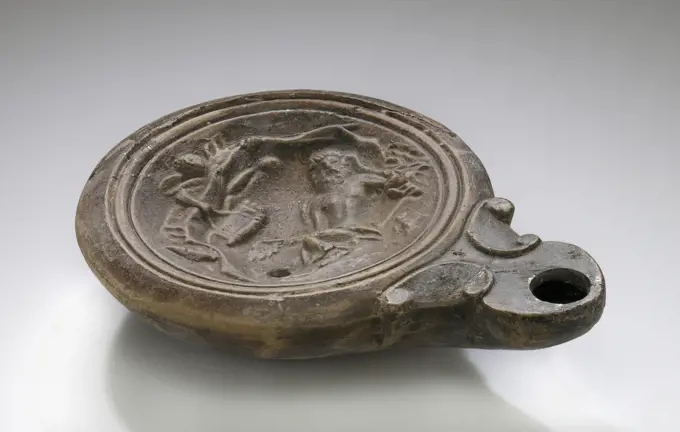
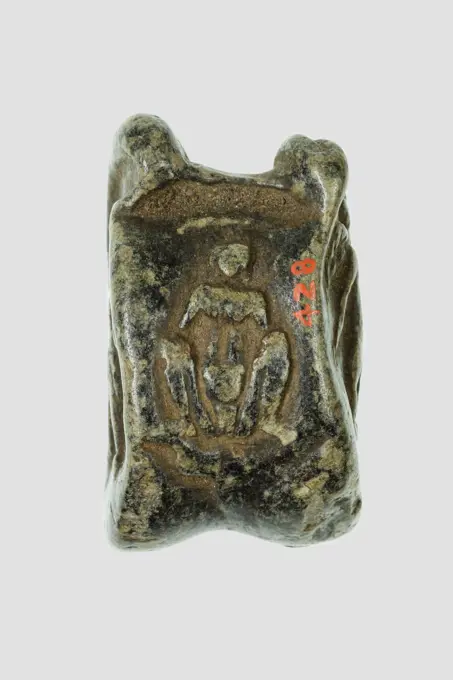
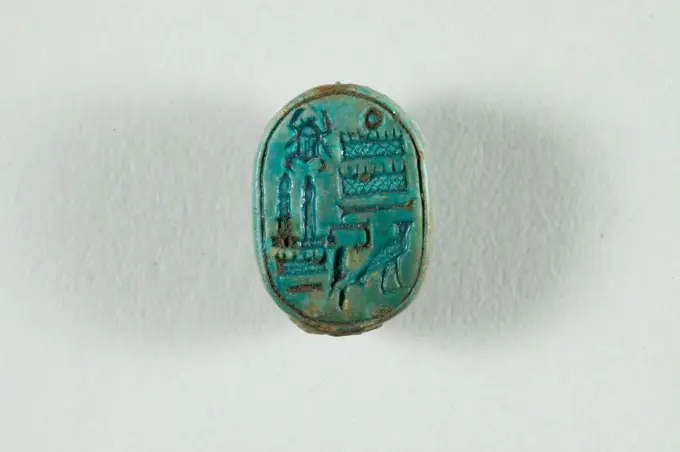
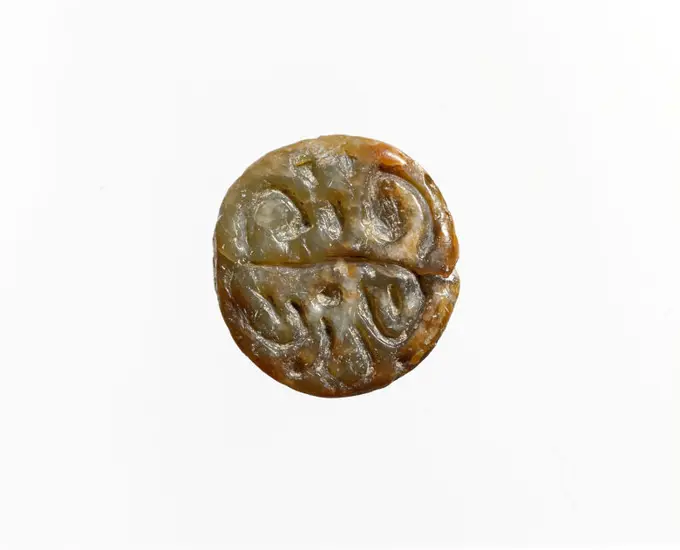
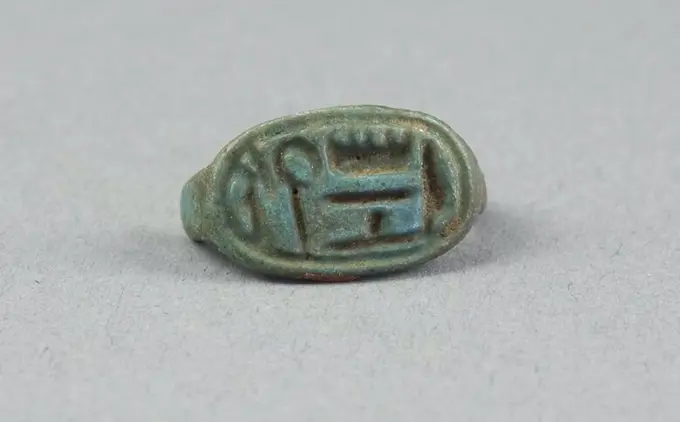
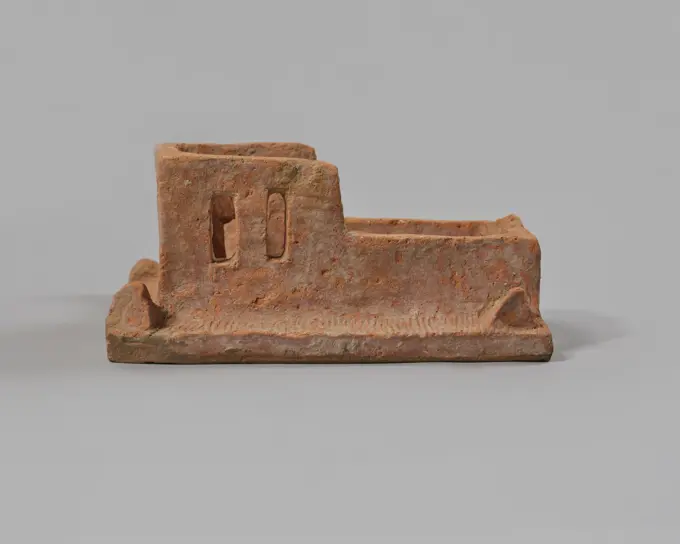
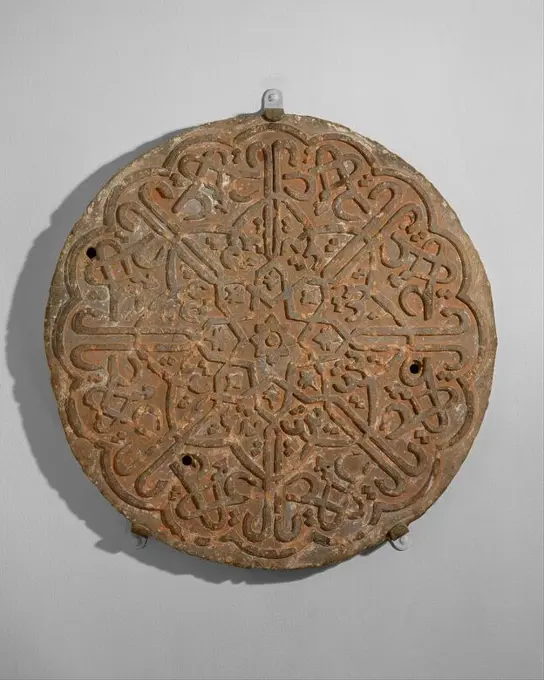
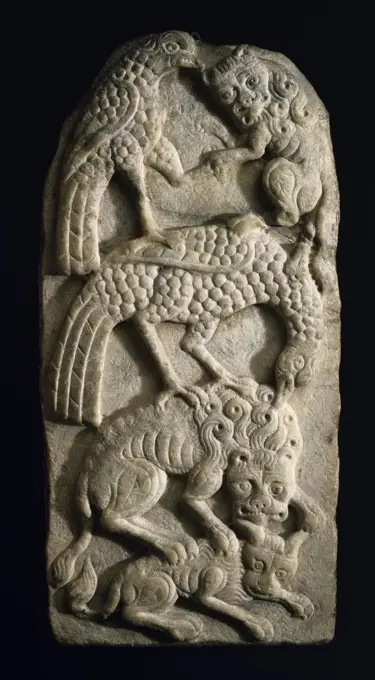
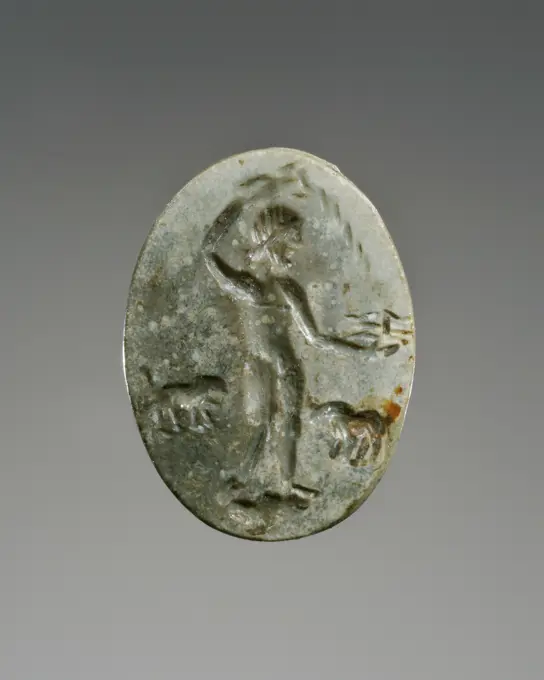
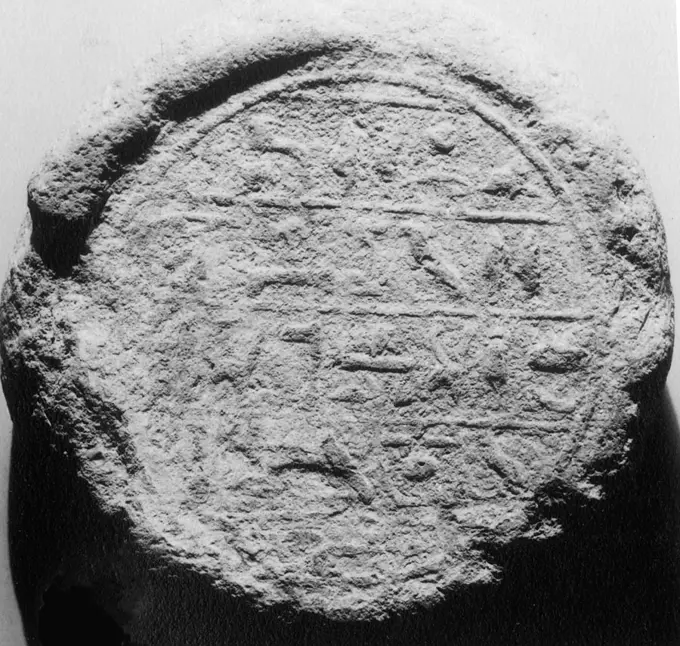
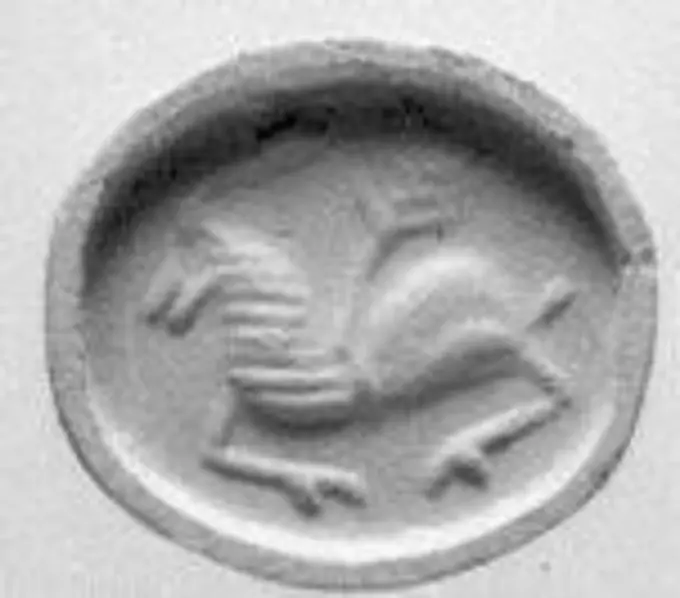
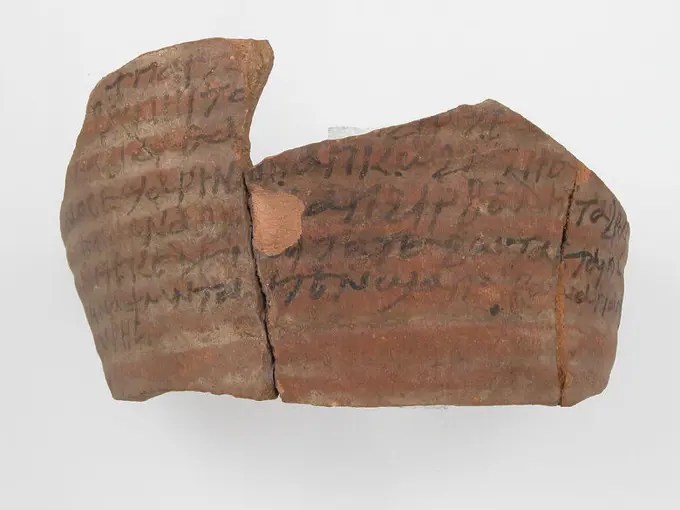
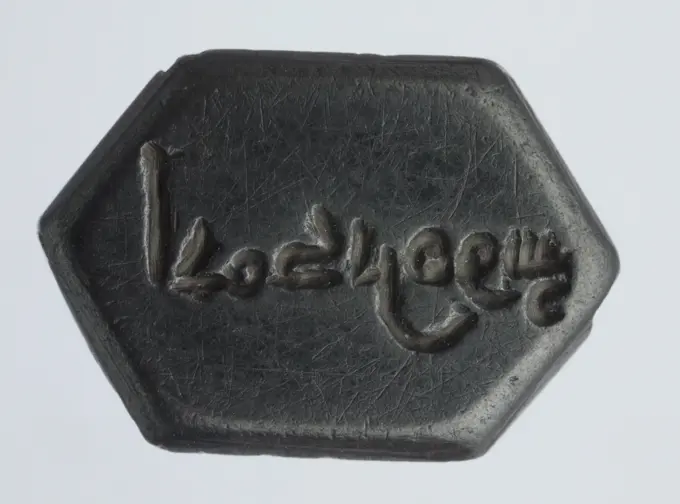
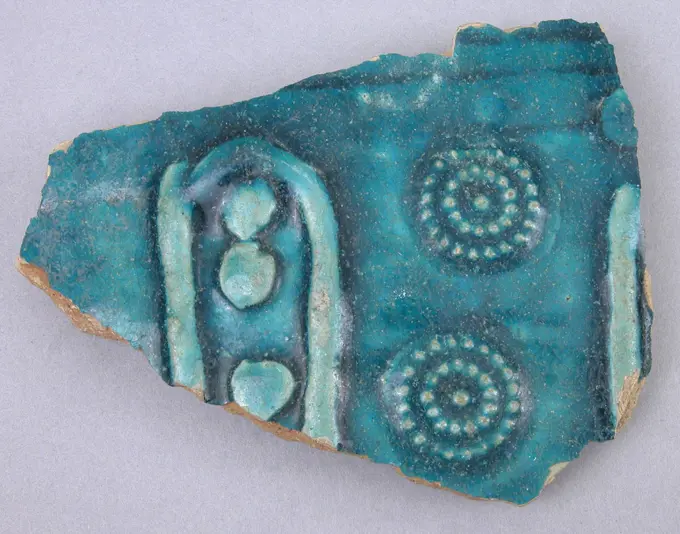
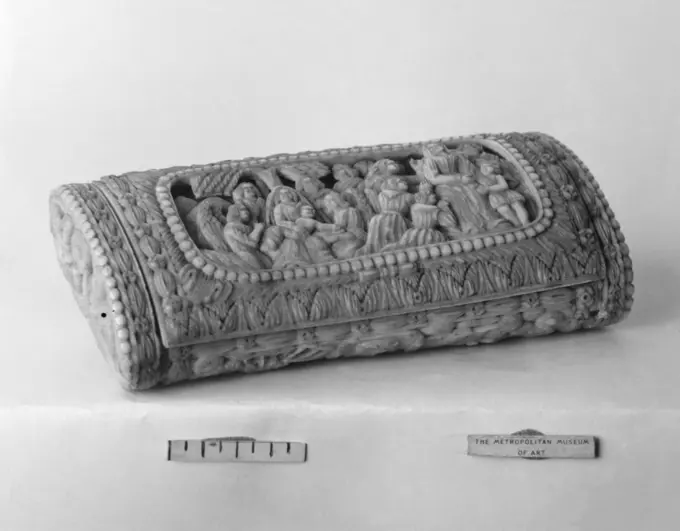
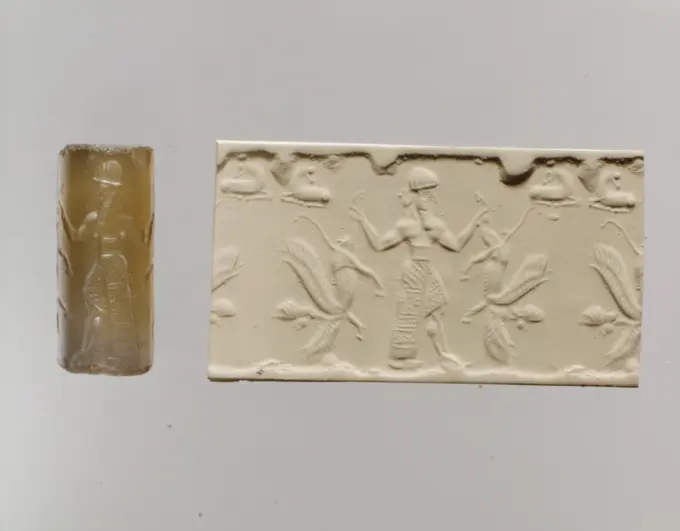
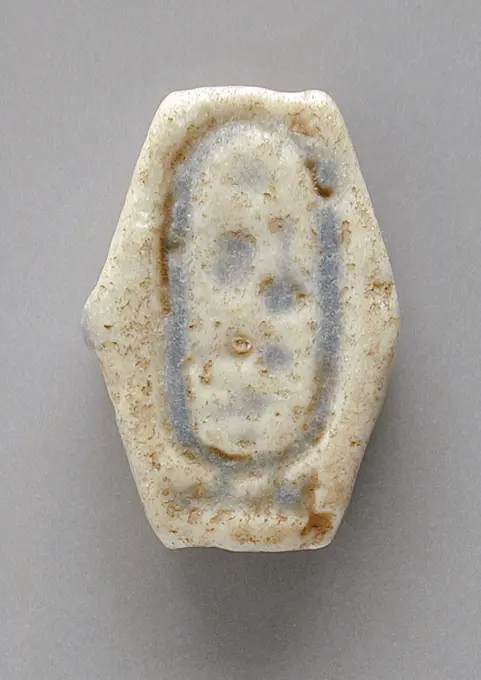
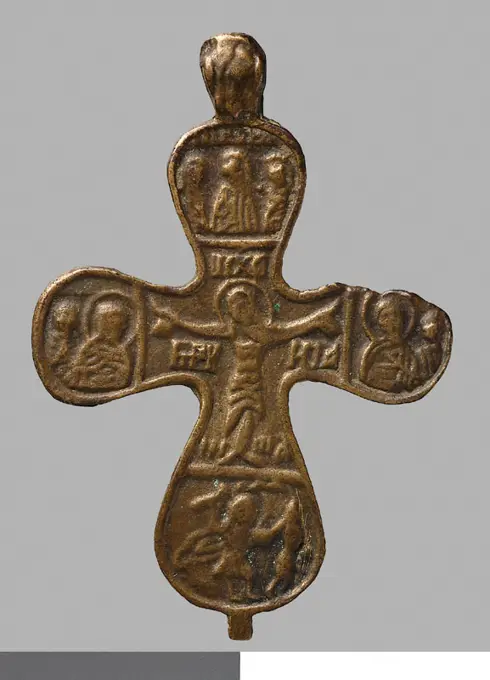
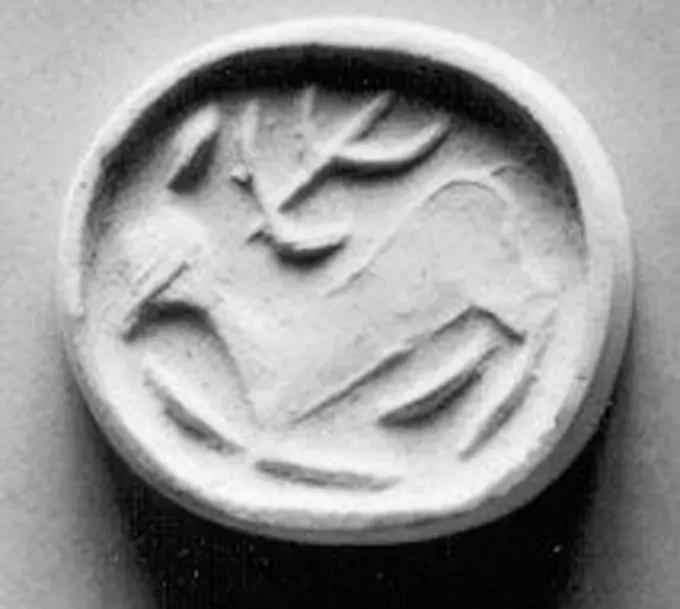
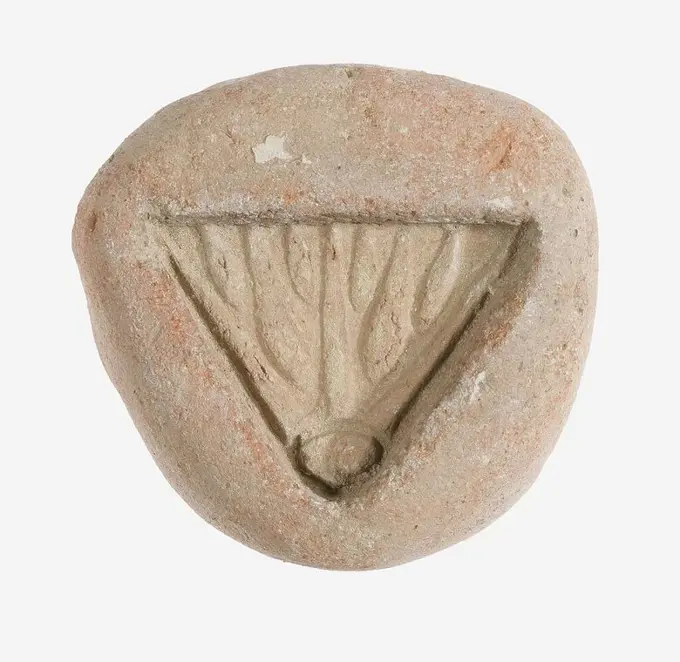
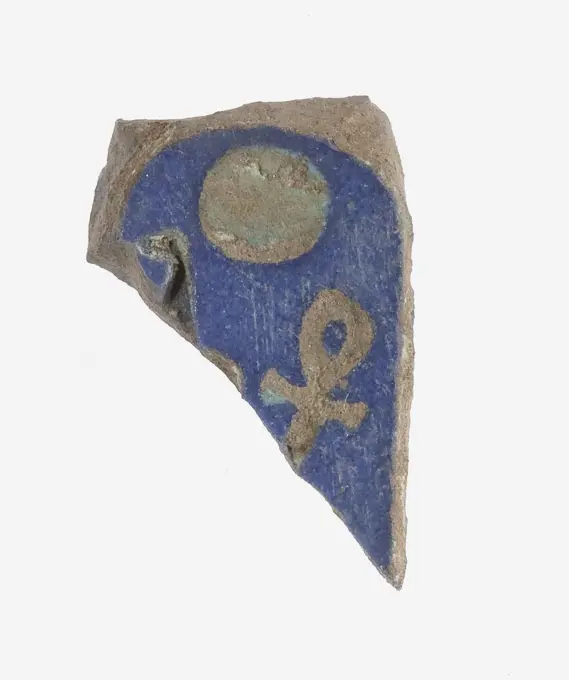
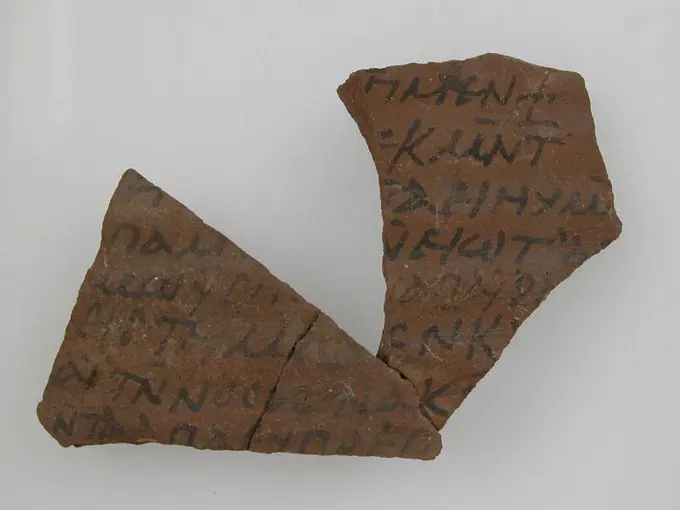
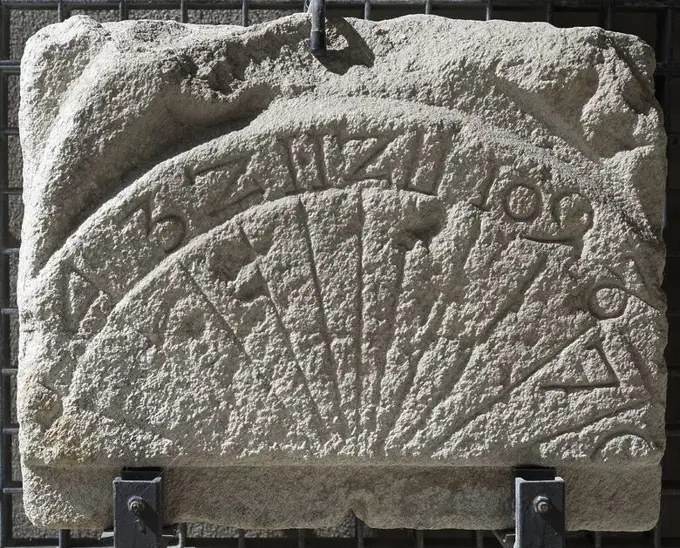
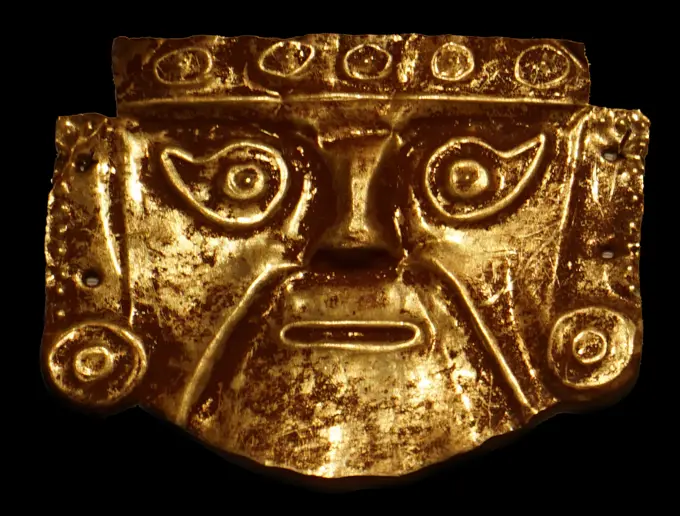
Funerary goods found at a gravesite in Peru, South America. Dated 10th CenturyScarab Inscribed King of Upper and Lower Egypt, Sobek Crocodile. Dynasty: Dynasty 18, early. Reign: Joint reign of Hatshepsut and Thutmose III. Date: ca. 1479-1458 B.C.. Museum: Metropolitan Museum of Art, New York, USA.Steatite Mould 725 B.C. Used to create Phoenician style jewellery.Plaque in the Shape of an Animal Head. Culture: China. Dimensions: H. 1 1/4 in. (3.2 cm); W. 1 1/4 in. (3.2 cm). Date: 11th-10th century B.C.. Museum: Metropolitan Museum of Art, New York, USA.Weight: 20 debens ca. 1981-1640 B.C. Middle Kingdom. Weight: 20 debens. ca. 1981-1640 B.C.. Pink flaky stone. Middle Kingdom. From Egypt, Memphite Region, Lisht North, Cemetery, MMA excavations, 1920-22. Dynasty 12-13Arch North Italian probably 19th century (9th-10th century style)Coin probably 13th century. Coin. probably 13th century. Copper. Excavated in Iran, Nishapur. Mint Balad-i Tus. CoinsCoin A.H. 603-24/ A.D. 1206-24. Coin. A.H. 603-24/ A.D. 1206-24. Copper. Excavated in Iran, Nishapur. CoinsRing: Face 15th-19th century Yoruba peoples (). Ring: Face 314525Marble architectural fragment from the Temple of Artemis at Sardis ca. 300 B.C.-early 2nd century A.D. Greek or Roman This fragment is likely from an anta capital resembling the one (26.199.277) displayed nearby.. Marble architectural fragment from the Temple of Artemis at Sardis 252844 Greek or Roman, Marble architectural fragment from the Temple of Artemis at Sardis, ca. 300 B.C.early 2nd century A.D., Marble, Other: 17 3/8 in. (44.1 cm). The Metropolitan Museum of Art, New York. Gift of The American Society for the Excavation of Sardis, 1926 (26.199.281)Scarab seal ca. 1700-1560 B.C.. Scarab seal. ca. 1700-1560 B.C.. Steatite, white. Dynasty 15-17, 2nd Intermediate Period, Hyksos. Levant, Lachish (modern Tell ed-Duweir)Cylinder Seal. Iran, Mesopotamia or Syria, Old Babylonian period (circa 2000-1600 B.C.). Tools and Equipment; seals. HematiteCoin A.H. 596-616/ A.D. 1199-1219. Coin 457656Cylinder seal early 2nd millennium B.C. Old Assyrian Trading Colony. Cylinder seal 322551Tile China. Tile 51980Head from a Double-Headed Herm. UnknownCuneiform tablet: account of silver expenditures, Ebabbar archive ca. 605-562 B.C. Babylonian. Cuneiform tablet: account of silver expenditures, Ebabbar archive 322051Fireplace with image. Fireplace with an image of two royal busts; A man and a woman and the year 1587.Button. Culture: Sasanian or Islamic. Dimensions: Diam. 2.8 cm x D.5 cm. Date: ca. 6th-8th century A.D.. Museum: Metropolitan Museum of Art, New York, USA.Sealing with stamp seal impression: rosette ca. 18th century B.C. Old Assyrian Trading Colony. Sealing with stamp seal impression: rosette 323551Coin dated A.H. 367/ A.D. 977-78. Coin 457188Mold with Birth Name of Ay. Egypt, New Kingdom, 18th Dynasty, reign of Ay (1346 - 1343 BCE). Tools and Equipment; molds. TerracottaInscribed Chisel From Foundation Deposit 2 of Hatshepsut's Valley Temple ca. 1479-1458 B.C. New Kingdom. Inscribed Chisel From Foundation Deposit 2 of Hatshepsut's Valley Temple. ca. 1479-1458 B.C.. Bronze or copper alloy. New Kingdom. From Egypt, Upper Egypt, Thebes, Asasif, Hatshepsut Valley Temple, Foundation Deposit 5AFD2, MMA excavations, 1915-16. Dynasty 18Girdle ornament China. Girdle ornament 43042Stamp seal (scarab) with animal 9th - 7th century B.C. Phoenician (). Stamp seal (scarab) with animal. Phoenician (). 9th - 7th century B.C.. Hematite. Iron Age II. Northern Syria or southeastern AnatoliaPainted glass fragment ca. 8th-7th century B.C. Assyrian. Painted glass fragment 324384Engraved Gem. UnknownScarab: Scarab Beetle with Sun Disc. Egyptian. Date: 1650 BC-1550 BC. Dimensions: 1.3 × 1 × 0.6 cm (1/2 × 3/8 × 1/4 in.). Faience. Origin: Egypt. Museum: The Chicago Art Institute, Chicago, USA. Author: Ancient Egyptian.Shawabty of Ditamenpaankh, 715-656 BC. Egypt, Late Period, Dynasty 25. Terracotta; overall: 2.6 x 1.7 x 1 cm (1 x 11/16 x 3/8 in.).Fragment of a solid clay barrel cylinder inscribed with an unidentified hymn ca. mid-1st millennium B.C.. Fragment of a solid clay barrel cylinder inscribed with an unidentified hymn 322035Scarab of Sebekhotep IV ca. 1731-1719 B.C. Middle Kingdom This scarab is inscribed with the royal title and prenomen of pharaoh Sebekhotep IV (Dynasty 13, ca. 1731-1719 B.C.). His genealogy is specified by mentioning his father, Haankhef.. Scarab of Sebekhotep IV. ca. 1731-1719 B.C.. Steatite, traces of green glaze. Middle Kingdom. From Egypt, Memphite Region, Lisht North, Cemetery, debris, MMA excavations, 1920-22. Dynasty 13Armored Belt Fragment. UnknownFaience Fragment Faience Fragment. Faience, 14.540: 1 3/4 x 2 1/4 x 11/16 in. (4.4 x 5.7 x 1.8 cm).   Egyptian, Classical, Ancient Near Eastern ArtCoin dated A.H. 375/ A.D. 985. Coin 457167bake  customs chamber in Krakow; Customs chamber; 1586 (1586-00-00-1586-00-00);Ritual Tray with a Dionysiac Couple. Pakistan, Taxila area (), Gandhara region, 1st century. Furnishings; Serviceware. Copper alloyCity of Amsterdam, District 20, Penning that gave ride on rye bread at a price of eight and a half penny, Anonymous, 1662  diamond -shaped lead. Front: in round stamp: crowned coat of arms, flanked by two lions in the round of pearl edge. Reverse: in round stamp: number 20 above letter W in round pearl edge Amsterdam lead (metal) casting  Amsterdambracteate denarius. Zakon krzyżacki (1190-), issuerVirgin lamps 1898, Middle EastDish second quarter 16th century Spanish Tin-glazed earthenware, of which lusterware is one type, was developed in the Middle East in the ninth and tenth centuries to imitate the porcelains produced in China. The opaque white glaze concealed the clay body, which could range from pale buff to brick red, allowing for brilliant effects created by painting the white surface with metal oxides that fired to a range of colors. This technique, as well as the use of metallic lusteran iridescent, coppery painted glazespread throughout the Muslim world, arriving among the potters of Valencia in the thirteenth century. The so-called Hispano-Moresque lusterware, with its fusion of Islamic and Gothic styles and motifs, often in shaped imitating those of metal vessels, was treasured by the elite in Spain during the fifteenth century and exported to the courts of Europe. The Valencian industry declined in the late sixteenth century, as colorful Italian Renaissance maiolica gained in popularity amongFigurine ca. 6th-5th century B.C. Achaemenid. Figurine. Achaemenid. ca. 6th-5th century B.C.. Ceramic. Achaemenid. Mesopotamia, NippurMirror with parrots and flowers 8th-9th century China. Mirror with parrots and flowers. China. 8th-9th century. Bronze. Tang dynasty (618-907). MirrorsFireplace with image. Fireplace. "A Griffin".Weights pharmacy balance from the wreck of the East Indians Hollandia, Anonymous, 1700 - in Or Before 1743 weight Tools and instruments, medical, apothecaries' weight; drachms and scruples; fragm, broken corroded. Netherlands copper (metal)   SecondBoat;  around 1069 715 BC ; 3rd transition period, 21-23 dynasty (-1069-00-00--715-00-00);Fragment of Gara; Unknown Nubian workshop; 2. PO. VI century (551-00-00-600-00-00);Faras (Sudan), relief decorations, architectural elements, Nubian art, rosettes (ornament), Nubian crafts, Polish excavations in Faras (Sudan), HungaryMani stones found between Muktinath and Kagbeni, Lower Mustang, Nepal November 2004Lamp, Anatolia; 1st - 4th century; Terracotta; 2.9 x 9.3 x 12.5 cm (1 1,8 x 3 11,16 x 4 15,16 in.)Coin A.D. 684-685/65 A.H. Islamic. Coin 323501Knuckle bone (astragal) with image of Omphale 304-30 B.C. Ptolemaic Period. Knuckle bone (astragal) with image of Omphale. 304-30 B.C.. Gabbro. Ptolemaic Period. From EgyptTextile Fragment 5th century. Textile Fragment. 5th century. Wool, linen; plain weave, tapestry weave. Attributed to Egypt. TextilesFragment of a Bowl 14th-15th century. Fragment of a Bowl 445330Stone Roundel 4th-7th century Coptic. Stone Roundel 478723Hearthstone, Luiks, from Luik, Liege Belgium, with wide frame, with male and female head, hearth fireplace part ceramic brick, baked hearth of the Liège type with wide frame with representation of male and female head separated from the side by flowering plant building history heatingPrinting Block 15th-16th century. Printing Block 448508Scarab Commemorating Two Obelisks of Thutmose III ca. 1479-1425 B.C. New Kingdom By the end of his reign, Thutmose III had erected five obelisks in the Temple of Amun at Karnak; two pairs and one that stood alone. The inscription on this scarab, "Menkheperre, whose two obelisks endure in the temple of Amun," seems likely to commemorate the placement of the first pair, but no date for this event is given.. Scarab Commemorating Two Obelisks of Thutmose III. ca. 1479-1425 B.C.. Glazed steatite. New Kingdom. From Egypt. Dynasty 18Seal. Culture: Minoan. Dimensions: Other: 7/8 x 3/8 in. (2.2 x 1 cm). Museum: Metropolitan Museum of Art, New York, USA.Miniature figurine, 1500 BCE, 2 in. (5.1 cm), Earthenware, Mexico, Pre-ClassicRing: Amenhotep (III), Ruler of Thebes. Egyptian. Date: 1390 BC-1352 BC. Dimensions: H. 1.1 cm (7/16 in.); diam. 2.2 cm ( 7/8 in.). Faience. Origin: Egypt. Museum: The Chicago Art Institute, Chicago, USA. Author: Ancient Egyptian.Reduced housing model: pavilions and walls of the left angle. Terracotta. Cernuschi Museum, Asia Museum of Asia in the city of Paris.Calligraphic Roundel, inscribed "Ya Aziz" (Oh Mighty). Dimensions: Diam. 18 1/2 in. (47 cm)D. 1 3/16 in. (3 cm)Wt. 10 lbs. (4.5 kg). Date: late 16th-early 17th century.Decorative roundels are found in the spandrels of arches on many buildings in the Deccan, but those with calligraphic decoration only appear in mosques and tombs. The inscription on this roundel reads "Ya 'Aziz" (O Mighty), one of the ninety-nine names of God in the Islamic tradition. Each phrase is first written vertically and then in mirror image to form a decorative unit that is repeated eight times around the roundel. Museum: Metropolitan Museum of Art, New York, USA.Battle of Animals  Greek Art  Musee du Louvre, Paris Engraved Gem. UnknownSmiling Figurine 1000 BCE-300 BCE Japan. Figurines from the JÙmon period have been found in greater numbers than figural representations from Neolithic China or Korea, pointing toward Japanís rich ritual life, within which these figurines played an important role.Though roughly executed, this figurine exudes human expression. Its features were made with a stick (the V-shaped mouth), by pinching clay between the artistís fingers (the nose, brow, and ears), and by pressing the artistís nails into the clay (the eyes). Although this sculpture is missing most of its arms and legs, a line indicating some sort of clothing worn at the waist is visible. Next to one eye is a natural stone inclusion in the clay, and red pigment was painted in the incisions. On the back is a spiral design, as well as a modern label that indicates that the figure was unearthed in the Tama ward area of western Tokyo.. Earthenware .Funerary Cone New Kingdom ca. 1550-1295 B.C. View more. Funerary Cone. ca. 1550-1295 B.C.. Pottery. New Kingdom. From Egypt, Upper Egypt, Thebes. Dynasty 18Stamp seal (scaraboid) with animal 12th - 7th century B.C. Syro-Anatolian-Levantine. Stamp seal (scaraboid) with animal. Syro-Anatolian-Levantine. 12th - 7th century B.C.. Limestone, olive gray. Iron Age I-II. Cyprus or Syria ()Relief fragment from the tomb of Meketre ca. 1981-1975 B.C. Middle Kingdom. Relief fragment from the tomb of Meketre 669022Ostrakon. Culture: Coptic. Dimensions: Overall: 3 9/16 x 6 7/16 x 3 1/4 in. (9.1 x 16.3 x 8.2 cm). Date: 7th century. Museum: Metropolitan Museum of Art, New York, USA.Stamp seal ca. 5th-6th century A.D. Sasanian. Stamp seal. Sasanian. ca. 5th-6th century A.D.. Quartz, chalcedony. Sasanian. IranSealing pistonSteatite seals. Bulls. 2500- 2000 BC. Mohenjo Daro. Indus Valley civilization.Candy shape of pear wood in the shape of a lion. Candy shape of pear wood in the shape of a lion.Funerary Cone of the Steward Pentjebu ca. 1550-1295 B.C. New Kingdom This cone has the impression of a stamp seal inscribed for a steward named Pentjebu. For a drawing of this impression see http://www.funerarycones.com/, number 509.. Funerary Cone of the Steward Pentjebu Funerary Cone of the Steward Pentjebu ca. 1550-1295 B.C. New Kingdom This cone has the impression of a stamp seal inscribed for a steward named Pentjebu. For a drawing of this impression see http://www.funerarycones.com/, number 509.. Funerary Cone of the Steward Pentjebu. ca. 1550-1295 B.C.. Pottery. New Kingdom. From Egypt, Upper Egypt, Thebes. Dynasty 18Gold ring 3rd quarter of the 5th century B.C. Greek Seated woman with Eros and bird. Gold ring. Greek. 3rd quarter of the 5th century B.C.. Gold. Classical. GemsDrinking vessel in the form of a ram's head ca. 7th century B.C. Assyrian. Drinking vessel in the form of a ram's head. Assyrian. ca. 7th century B.C.. Ceramic. Neo-Assyrian. Mesopotamia, Nimrud (ancient Kalhu)Fragment of a Closed Vessel probably 7th-9th century This ceramic fragment was excavated in Ctesiphon, the Sasanian metropolis and administrative capital conquered by Arab Muslim armies in 637. The city was known in Arabic as al-Madain, or "the cities", for its extended area. Arab historians indulge in describing al-Madain/Ctesiphons grand monuments, which obsessed Muslim rulers and may have acquired a symbolic meaning related to its imperial past. This was the case of the Taq-i Kisra, an impressively-sized ivan (a vaulted hall with one side open) partially dismantled to reuse its bricks in caliphal buildings in the new capital Baghdad. This fragment belongs to a long-standing tradition of turquoise-glazed ceramics made in Mesopotamia since the Parthian period, of which it represents a late Sasanian or Early Islamic evolution.. Fragment of a Closed Vessel 448753Wooden panel with a lock decorated with a bird and a coat of arms, possibly a cupboard door, c. 1875 - c. 1900 photograph   photographic support  door. ornamental birds. coat of arms (as symbol of the state, etc.)Impression Of Seal Cylinder; 1902-20-44Animal Ornament 6th-7th century Moche (Loma Negra). Animal Ornament. Moche (Loma Negra). 6th-7th century. Gilded copper. Peru. Metal-OrnamentsCap ca. 1830 American. Cap 157725Box 18th century Indo-Portuguese The hinged case is primitively carved with a profusion of religious images, pierced so that the metallic foil beneath shows through. One side depicts the Rest on the Flight into Egypt and the youthful Christ adored by angels and kneeling women. The other side shows the Assumption of the Virgin.. Box. Indo-Portuguese. 18th century. Bone or ivory. Natural Substances-IvoryPectoral Amulet of the Goddess Bastet. Egyptian. Date: 664 BC-343 BC. Dimensions: 4.13 × 3.81 × .64 cm (1 5/8 × 1 1/2 × 1/4 in.). Faience. Origin: Egypt. Museum: The Chicago Art Institute, USA. Author: Ancient Egyptian.Cylinder seal with three-figure contest scene late 8th century B.C. Babylonian Although engraved stones had been used as early as the seventh millennium B.C. to stamp impressions in clay, the invention in the fourth millennium B.C. of carved cylinders that could be rolled over clay allowed the development of more complex seal designs. These cylinder seals, first used in Mesopotamia, served as a mark of ownership or identification. Seals were either impressed on lumps of clay that were used to close jars, doors, and baskets, or they were rolled onto clay tablets that recorded information about commercial or legal transactions. The seals were often made of precious stones. Protective properties may have been ascribed to both the material itself and the carved designs. Seals are important to the study of ancient Near Eastern art because many examples survive from every period and can, therefore, help to define chronological phases. Often preserving imagery no longer extant in any other meStamp seal (scaraboid) with geometric design 9th - 7th century B.C. Syro-Levantine. Stamp seal (scaraboid) with geometric design. Syro-Levantine. 9th - 7th century B.C.. Fossiliferous limestone. Iron Age II. Levant, TawilanPaleo-Assyrian apotropaic stone idol, from Kanesh (ancient Kultepe), TurkeyRam amulet 664-332 B.C. Late Period. Ram amulet. 664-332 B.C.. Faience. Late Period. From Egypt. Dynasty 26-30Plates with a solar shield and panopli  Zygmuntów chapel, Wawel Cathedral, KrakowAmulet with Illegible Cartouche. Egypt, New Kingdom (1569 - 1081 BCE). Jewelry and Adornments; amulets. FaienceCoin dated A.H. 210/ A.D. 825. Coin 457691Krzyż. Nieznany warsztat ruski, factoryHemispheroid seal ca. 3500-2900 B.C.. Hemispheroid seal. ca. 3500-2900 B.C.. Steatite, green black. Late Uruk-Jemdet Nasr. MesopotamiaMold: Lotus Terminal. Dimensions: various. Dynasty: Dynasty 18. Reign: reign of Amenhotep III. Date: ca. 1390-1353 B.C.. Museum: Metropolitan Museum of Art, New York, USA.Fragment of Toilet Dish ca. 1390-1353 B.C. New Kingdom. Fragment of Toilet Dish. ca. 1390-1353 B.C.. Faience. New Kingdom. From Egypt, Upper Egypt, Thebes, Malqata, Palace of Amenhotep III, MMA excavations, 1910-12. Dynasty 18Ostrakon with a Letter. Culture: Coptic. Dimensions: a) 2 7/16 x 1 3/16 in. (6.2 x 3 cm)b) 1 7/8 x 2 1/2 in. (4.8 x 6.3 cm). Date: 600. Museum: Metropolitan Museum of Art, New York, USA.Unknown photographer, decorated door frame in Baalbek (without dat.): Detail. Photo, 16.9 x 22.7 cm (including scan edges) unbek. Fotograf : Verzierter Türrahmen in Baalbek (ohne Dat.)Stamp seal (oval conoid) with cultic scene 7th - 6th century B.C. Assyro-Babylonian. Stamp seal (oval conoid) with cultic scene. Assyro-Babylonian. 7th - 6th century B.C.. Flawed neutral Chalcedony (Quartz). Neo-Assyrian / Neo-Babylonian. MesopotamiaPasadn sundial, 1678. Taboadela (Ourense province, Galicia, Spain). Archaeological and History Museum (San Anton Castle). A Coru–a, Galicia, Spain.Stamp seal (scaraboid) with cartouche 9th - 7th century B.C. or later Phoenician. Stamp seal (scaraboid) with cartouche. Phoenician. 9th - 7th century B.C. or later. Limestone. Iron Age II or later. Levant or SyriaEngraved Gem, Roman Empire; 2nd - 4th century; Rock; 1.7 x 1.3 cm (11,16 x 1,2 in.)Ichi Bu Gin = Silver Ichi BU from the Empire Japan, from the Tenpo era ,, 1837 coin Silver rectangular mint. Front: Inside rectangle four under and next to each other placed characters. Above that. Championship: Inside rectangle eight and next to each other placed characters, including value designation., Between which value designation: ichi = one, indicated by a lying line on the right and on the left the charit for BU with the sign for the Tenpo era.  silver (metal) striking (metalworking)