Ancient Artifacts

Collection of ancient objects including seals, coins, and fragments, showcasing intricate designs from various historical periods, primarily Egyptian.

Hearing stone with lion's head in profiled diamond, c. 1575 - c. 1625 Hearing stone with a representation of Leeuwenkop in Lauwerkrans, placed in profiled diamond, which motif repeated itself in the half windows on the sides. The Hale windows at the top and bottom are filled with half medallions with star motif. Southern Netherlands earthenware Hearing stone with a representation of Leeuwenkop in Lauwerkrans, placed in profiled diamond, which motif repeated itself in the half windows on the sides. The Hale windows at the top and bottom are filled with half medallions with star motif. Southern Netherlands earthenware
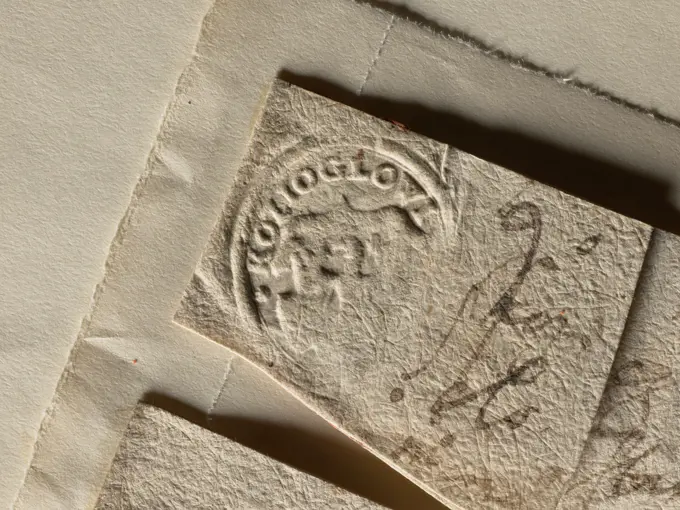
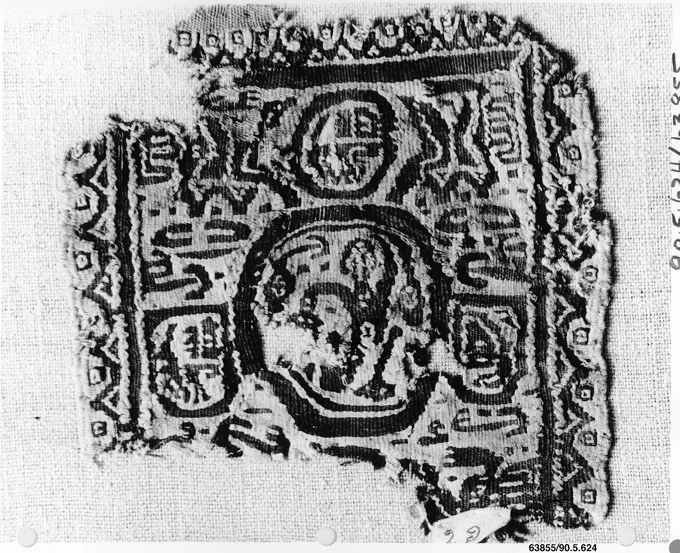
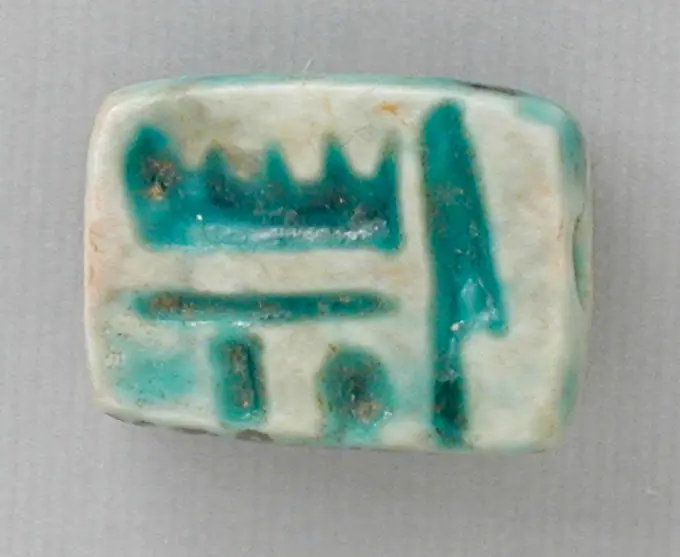
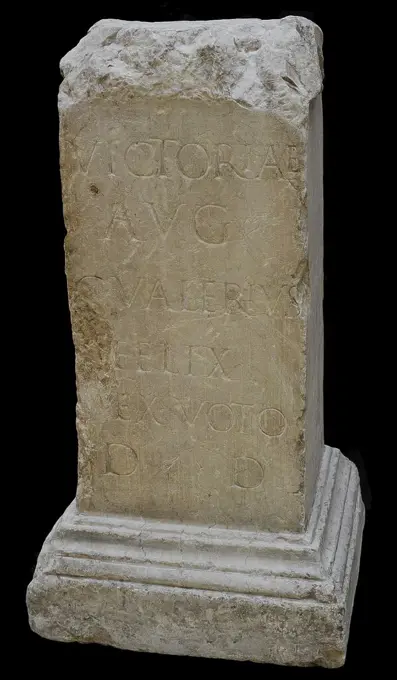
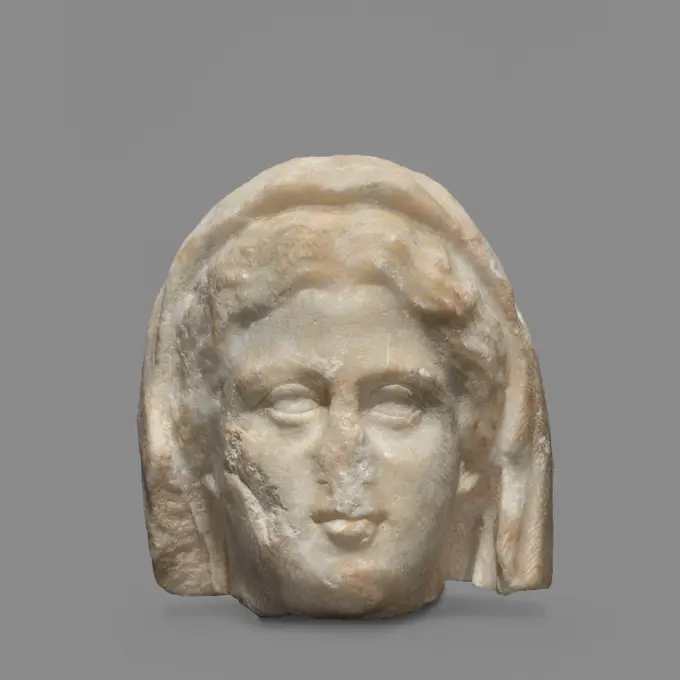
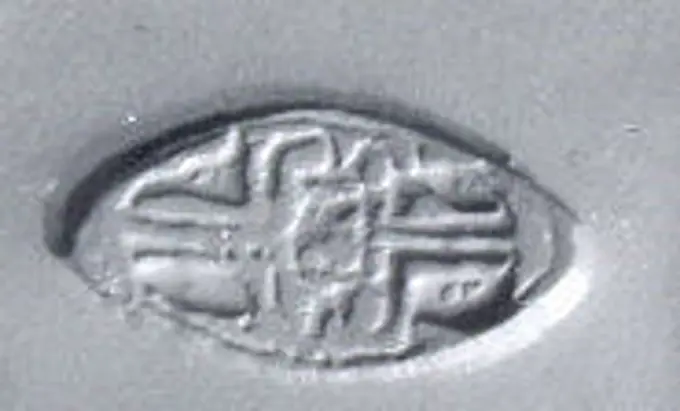
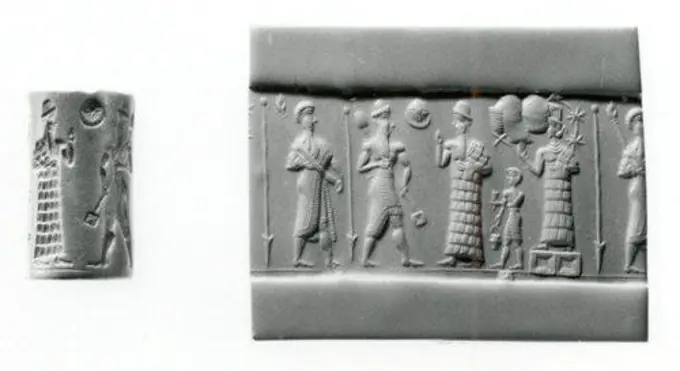
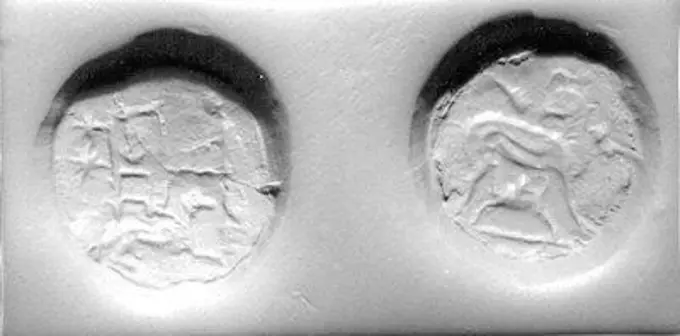
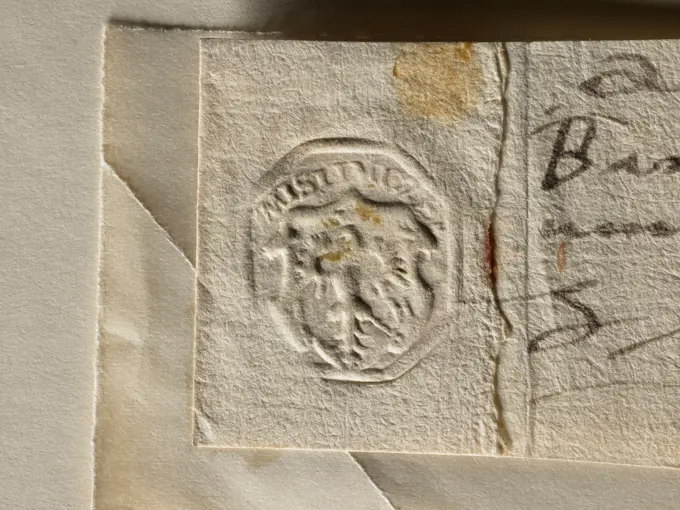
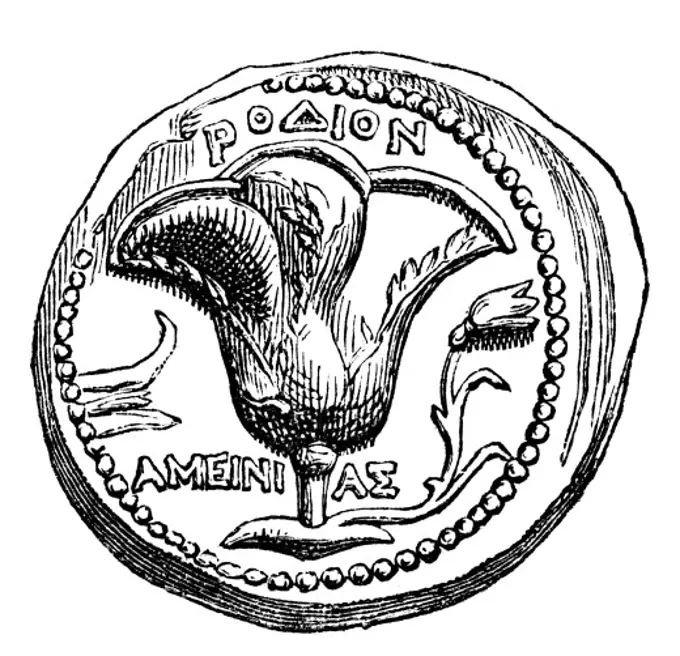
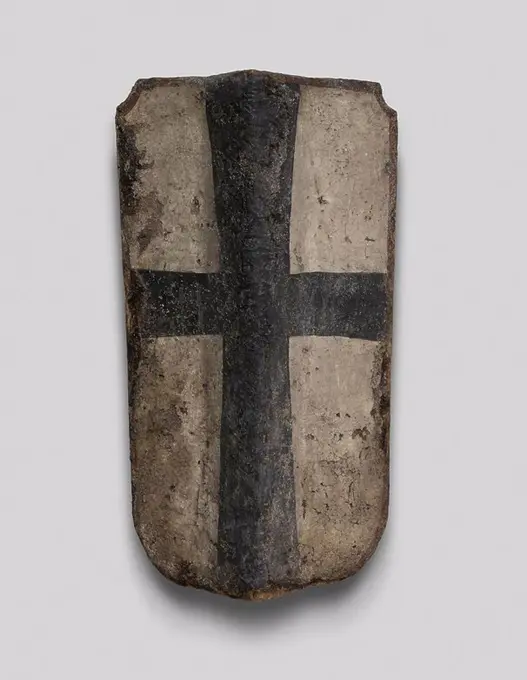
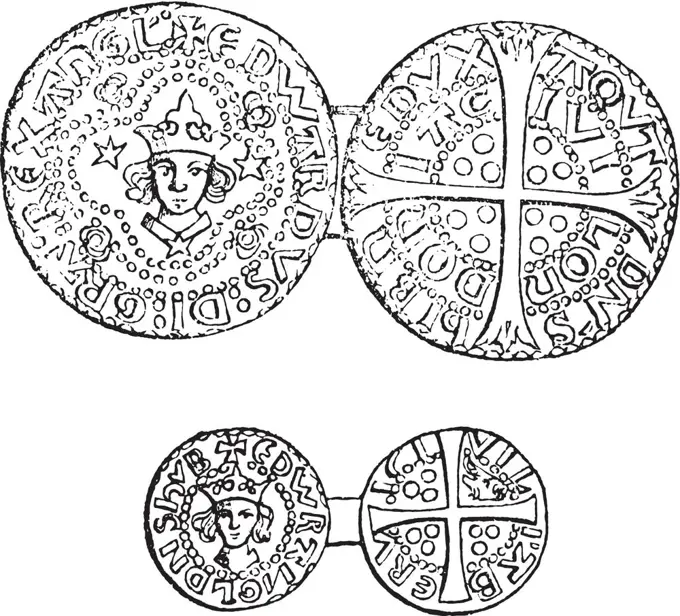
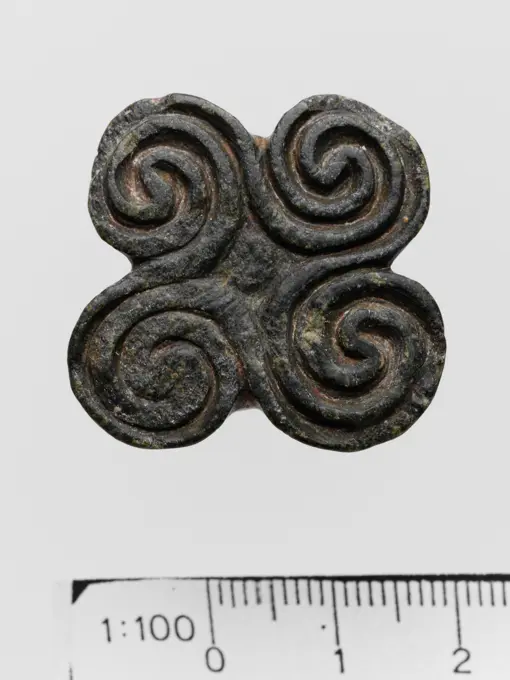
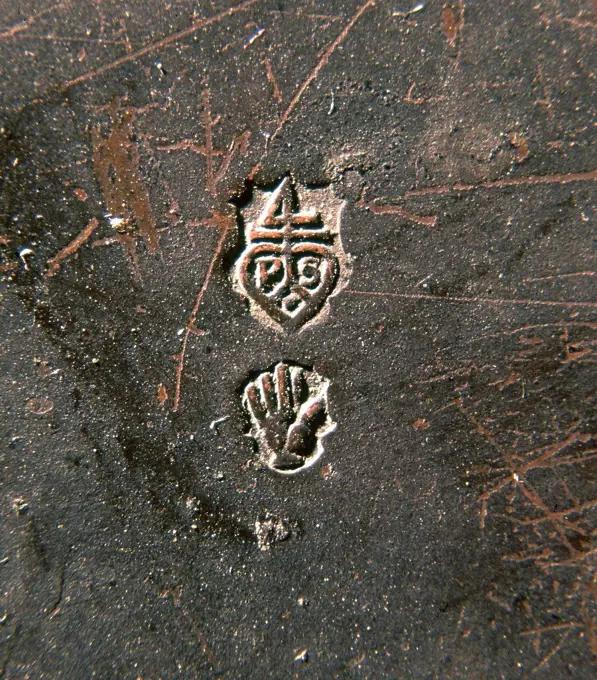
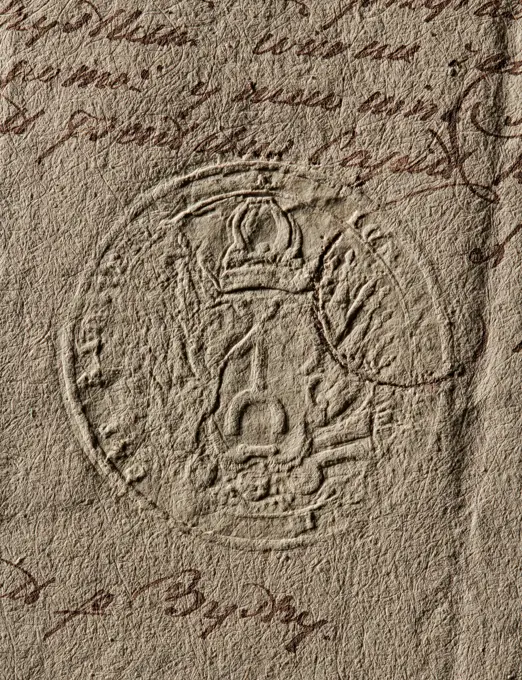
seal of Starost of Radziejów. starosta radziejowski (ca 1791), signatoryTwo-Colored Tile with Arms of the Beauchamp Family 14th-15th century British. Two-Colored Tile with Arms of the Beauchamp Family. British. 14th-15th century. Fired earthenware, with slip decoration and lead glaze. Made in probably Derbyshire, Midlands, England. Ceramics-Tilesseal of the customs house. komora celna, signatoryRattle with Animals ca. 1st century India. Rattle with Animals 37625Stamp seal (scarab) with animal or monster 9th - 7th century B.C. or later Phoenician. Stamp seal (scarab) with animal or monster. Phoenician. 9th - 7th century B.C. or later. Steatite, black. Iron Age II or later. CyprusTextile Fragment 4th-5th century. Textile Fragment 444103Faience amulet with name of Amen-Re. Egypt, Third Intermediate Period, 22nd Dynasty, reign of Osorkon I (910 - 896 BCE). Jewelry and Adornments; amulets. Faienceseal of the customs house. komora celna, signatoryShabti. Dimensions: h. 5.9 cm (2 5/16 in). Dynasty: Dynasty 19. Date: ca. 1295-1070 B.C.. Museum: Metropolitan Museum of Art, New York, USA.Altar stone dedicated to Victoria Augusta. 2nd century AD. Jasper. From Carthago Nova (Cartagena, Region of Murcia, Spain). National Archaeological Museum. Madrid. Spain.Green women with a veil;  1. PO. 4th century BC (-400-00-00--351-00-00);Bliżej Kultury Mint of Kraków, Władysław Warneńczyk (King of Poland, 1434 1444)Fragment 9th century. Fragment 450193Idol from the excavation on the site of Poblado de la Hoya . Laguardia. Province of Alava, Spain. Location: POBLADO DE LA HOYA. Laguardia. ALAVA. SPAIN.Vase fragment late 1st century A.D. Roman, Gaul Bestiarius with shield and sword fighting a bull.. Vase fragment. Roman, Gaul. late 1st century A.D.. Terracotta. Early Imperial. VasesCowroid seal ca. 1700-1520 B.C.. Cowroid seal. ca. 1700-1520 B.C.. Stone, brown. Dynasty 17-18 (), New Kingdom, Hyksos (). Egypt or LevantArc-shaped Pendant (huang) 600 BCE-400 BCE China. Jade .Cylinder seal ca. 1820-1730 B.C.. Cylinder seal. ca. 1820-1730 B.C.. Hematite. Old Syrian. SyriaScallop shell, traditional emblem of James, blaze of El Camino de Santiago, St. James' Way, Avila, Castilla y Leon or Castile and Leon, Spain, EuropeSeal, 1100s. Korea, Goryeo period (918-1392). Bronze; overall: 1.3 cm (1/2 in.); bottom: 1.3 x 1.3 cm (1/2 x 1/2 in.).Stamp seal (bifacial disk) with cultic scene and monsters late 8th-7th century B.C. Assyrian. Stamp seal (bifacial disk) with cultic scene and monsters. Assyrian. late 8th-7th century B.C.. Limestone (). Neo-Assyrian. Mesopotamiabake  Customs chamber. My Limce; Customs chamber; 1586 (1586-00-00-1586-00-00);TobaccoBoxmoney / finances, coins, ancient world, Greece, tetradrachm, reverse, rose, Rhodes, 304 - 189 BC, wood engraving, from: ""Le Magasin Pittoresque"", Paris, 1865,Hand Pavise with the Coat of Arms of the Teutonic Order. German. Date: 1440-1460. Dimensions: 63.5 × 34.9 cm (25 × 18 3/4 in.)Wt. 5 lb. 8 oz. Fir, iron, hemp fiber, gesso, and pigment. Origin: Germany. Museum: The Chicago Art Institute, Chicago, USA.Roman civilization, boundary stone which marked allotments assigned by Gracchi's lawsItaly, Umbria, Perugia, Red-figure calyx krater (vase used to mix wine and water) depicting fighting warriors, painted by the Vulci School, 330/300 B.C.Sixteen Belt Ornaments 4th century B.C. Northwest China. Sixteen Belt Ornaments. Northwest China. 4th century B.C.. Tinned bronze. MetalworkEdward I coins, vintage engraved illustration. Colorful History of England, 1837.Cassel Cup Fragment. UnknownSteatite seal with bridge handle ca. 2900-2200 B.C. Minoan S-spirals in quadrilateral formation.. Steatite seal with bridge handle. Minoan. ca. 2900-2200 B.C.. Steatite. Early Minoan II-III. GemsPoll photo collection. Israel 1964-1965: Bet Shearim, Archeology. At the ruins of the synagogue, the remains of an olive press with two indicators for wooden items. January 1, 1964. Bet Shearim, IsraelPUNZON GREMIAL DE PINTURA SOBRE UN COBRE.Retro look Coin picture Vintage looking Vintage German coin isolated over a white background Copyright: xZoonar.com/ClaudioxDiviziax 5786534