Ancient Artifacts

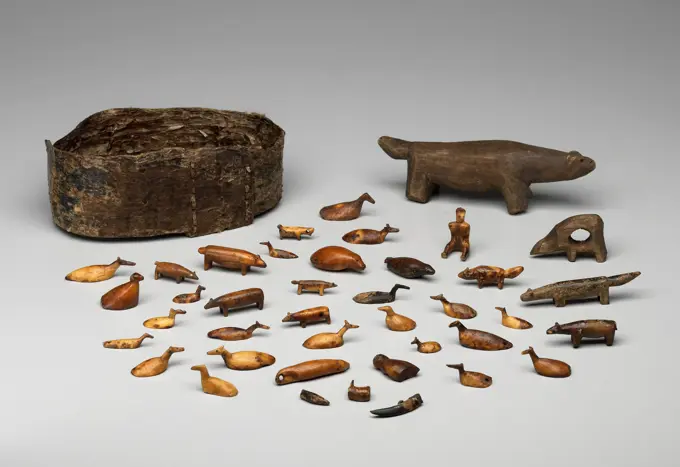
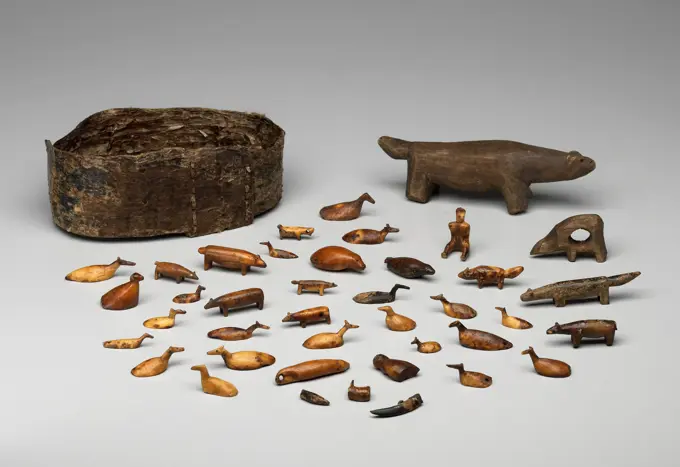
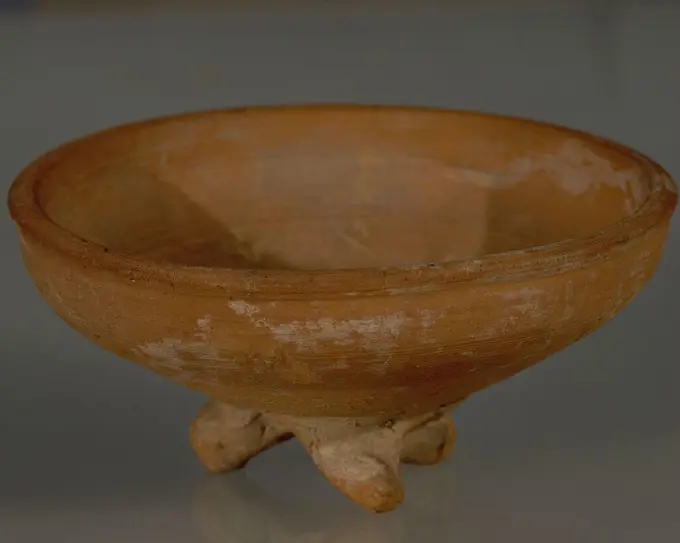
A variety of ancient objects including lamps, pottery, and figurines that reflect historical significance and craftsmanship from different eras.
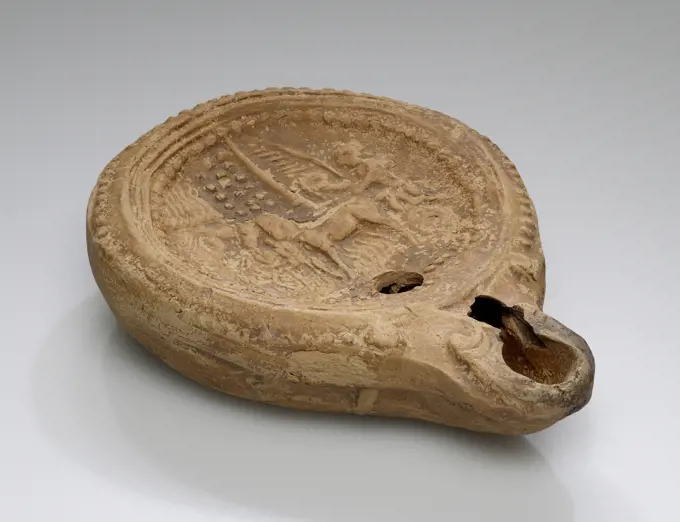
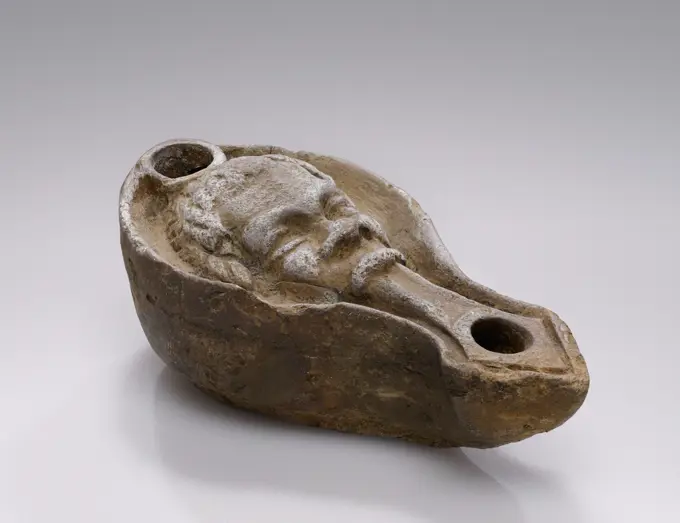
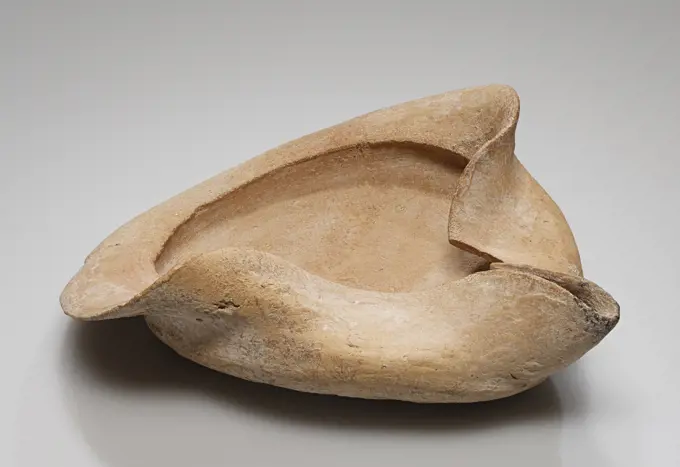
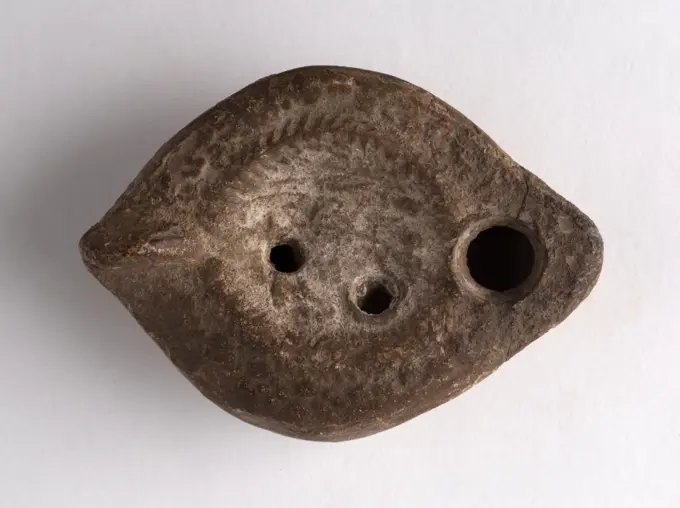
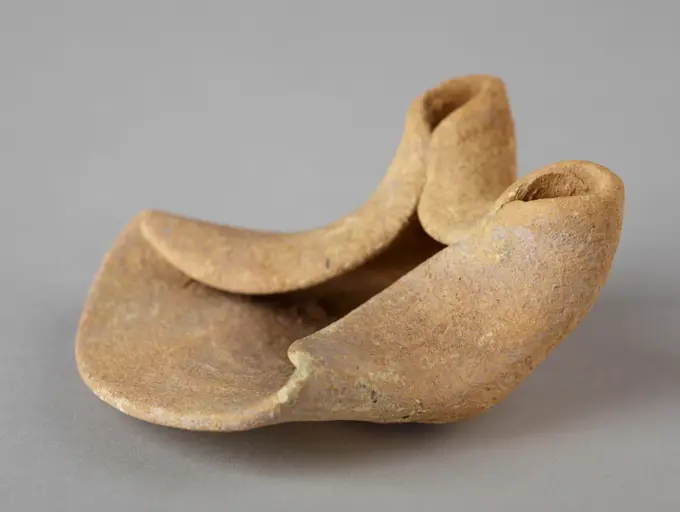
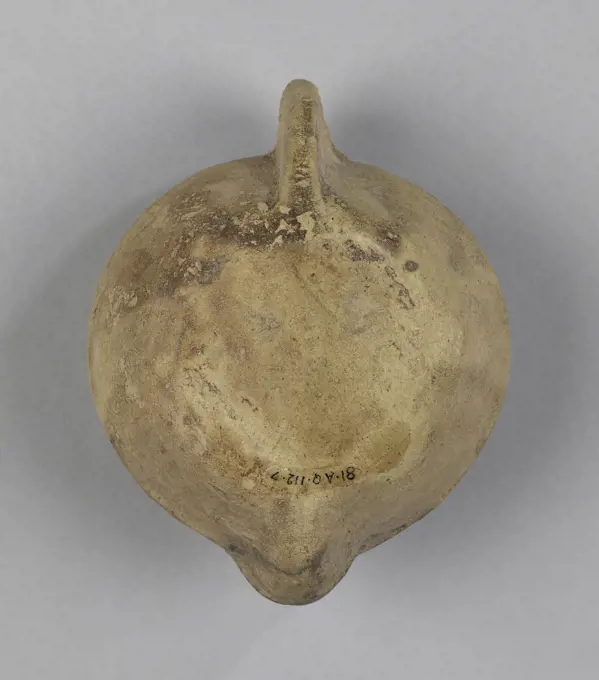
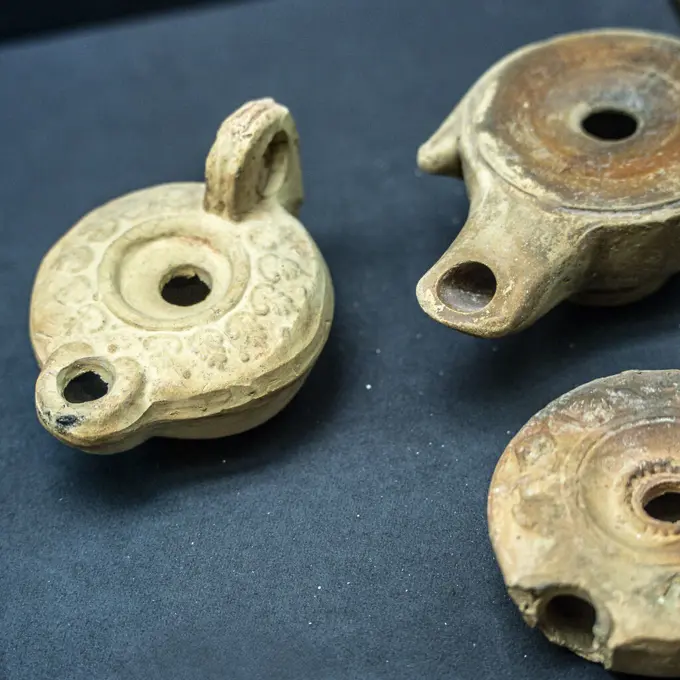
Lamp, Anatolia; 1st - 4th century; Terracotta; 2.5 x 8 x 10.5 cm (1 x 3 1,8 x 4 1,8 in.)
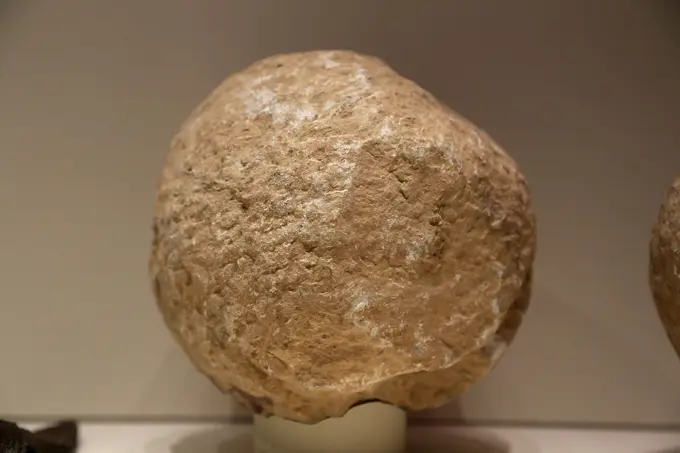
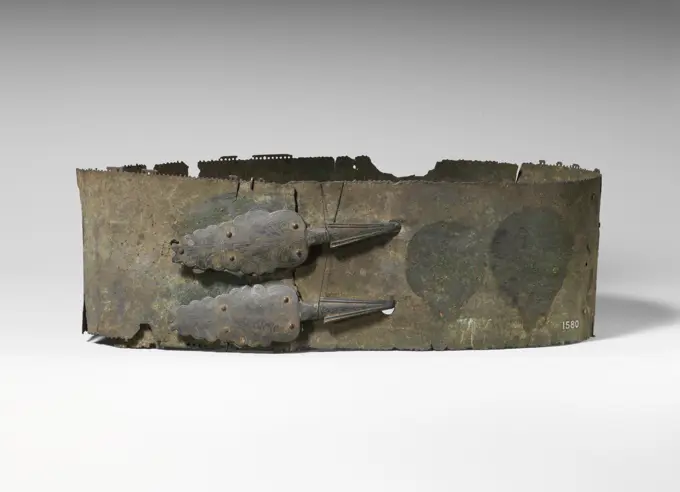
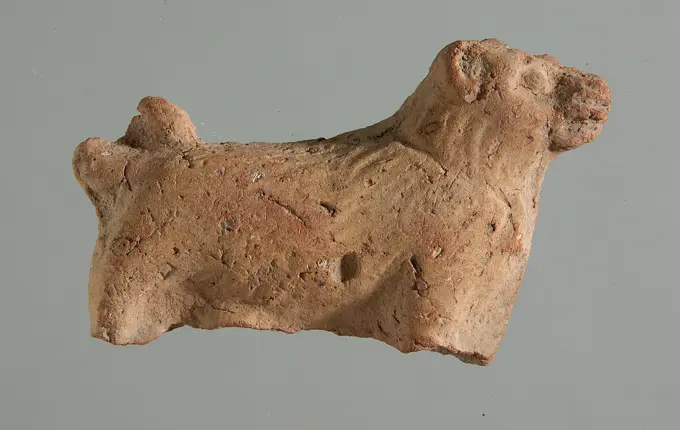
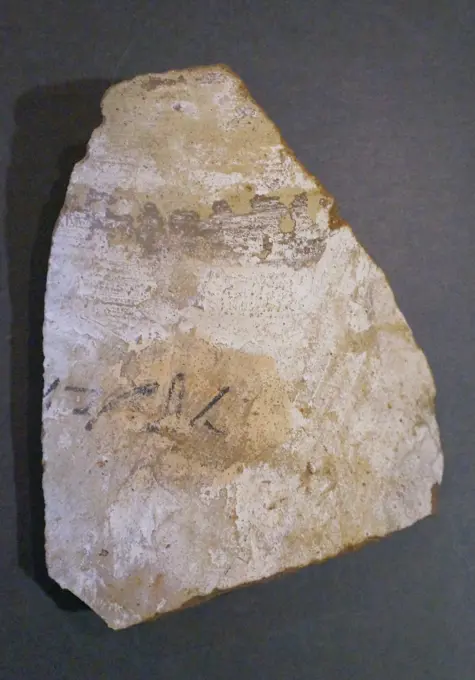
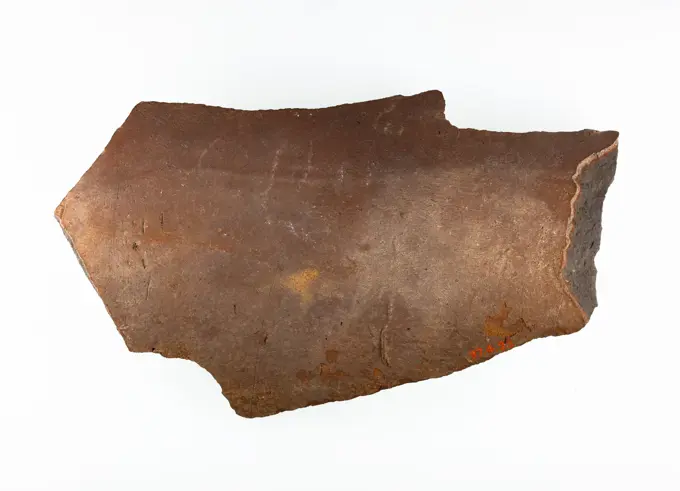
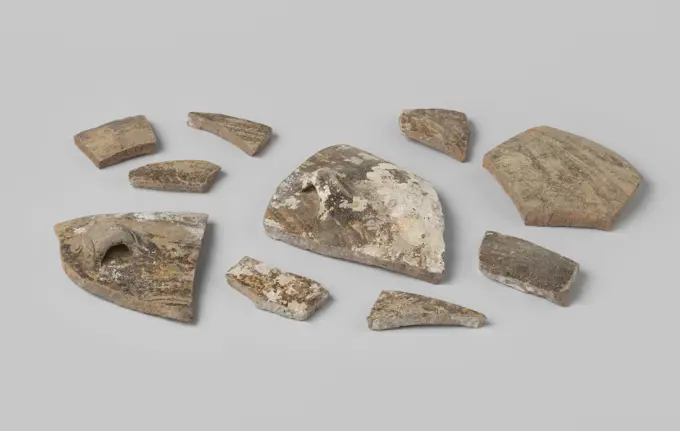
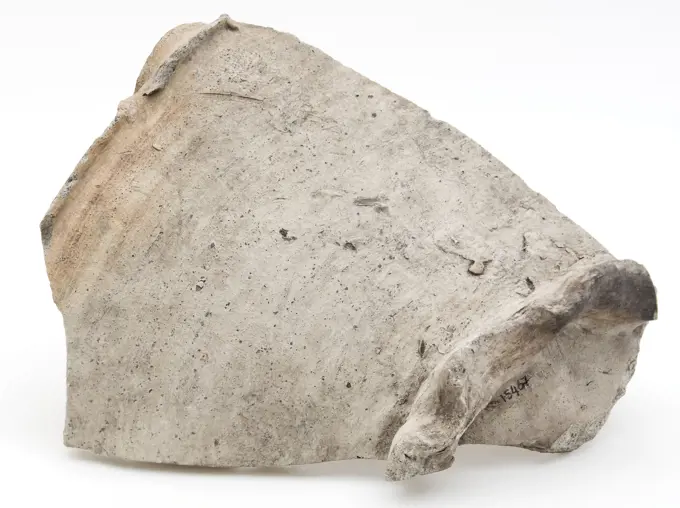
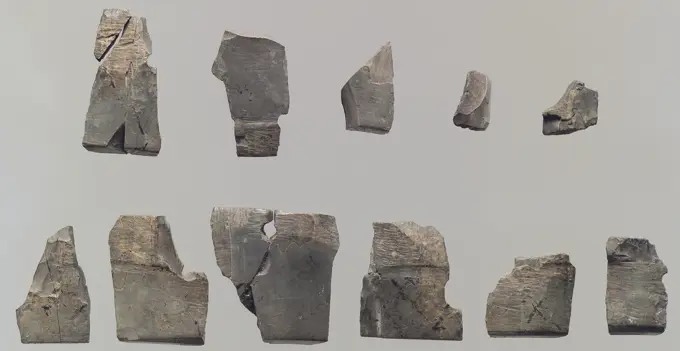
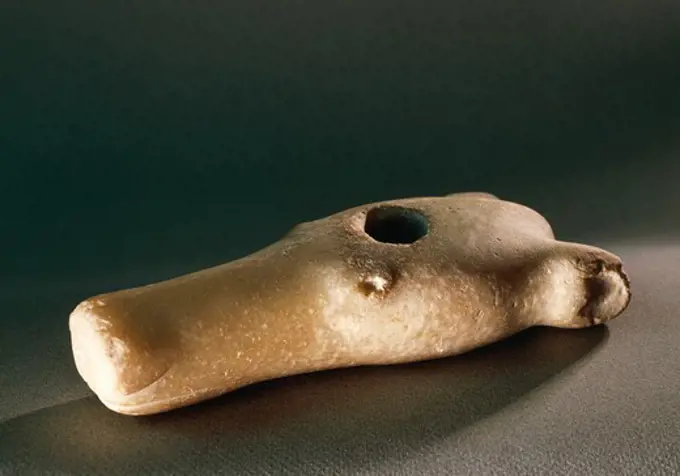
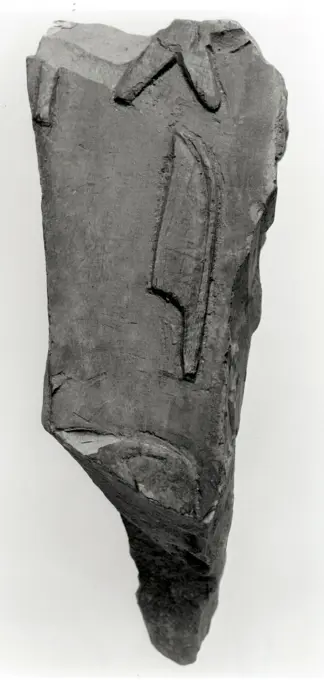
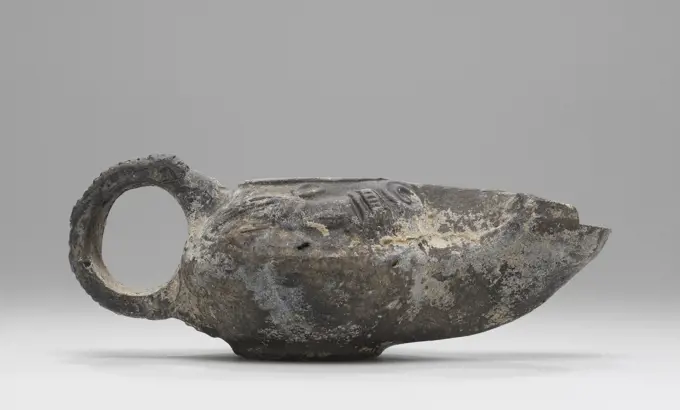
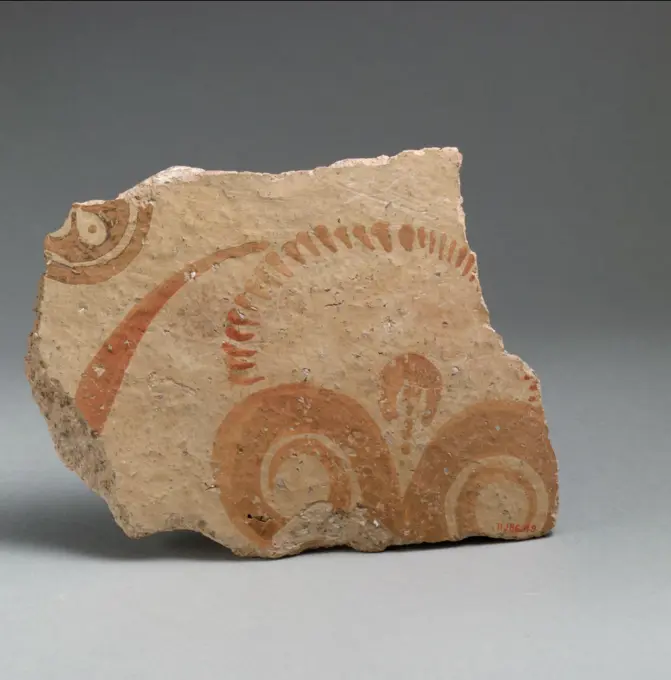
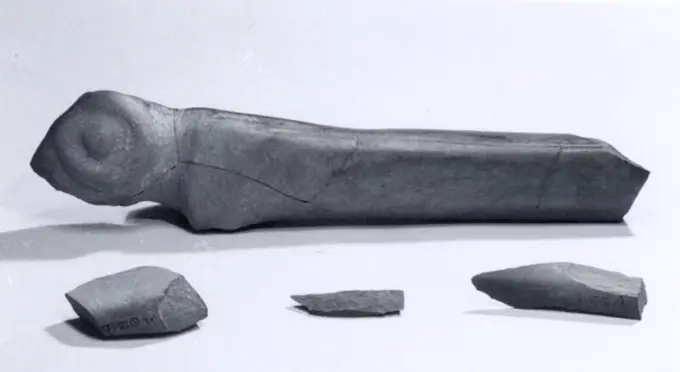
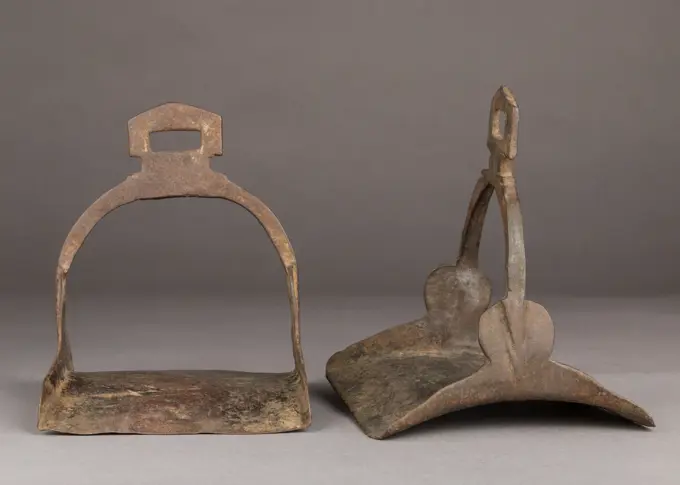
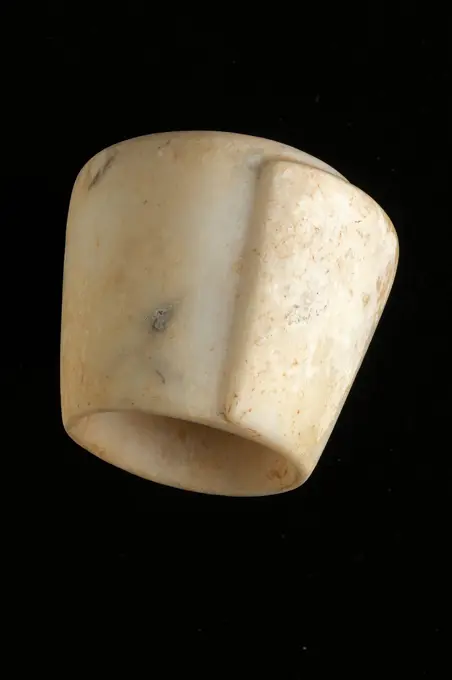
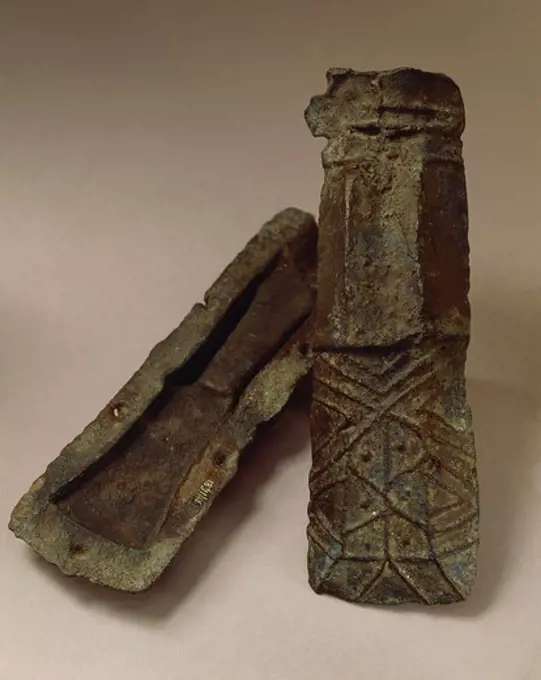
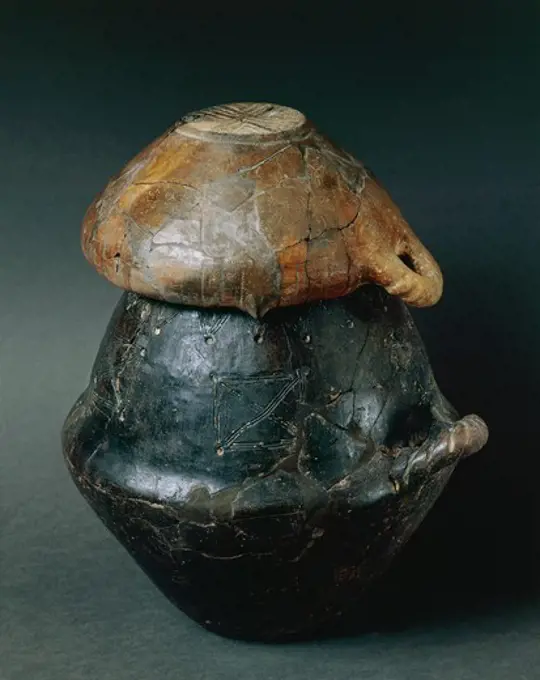
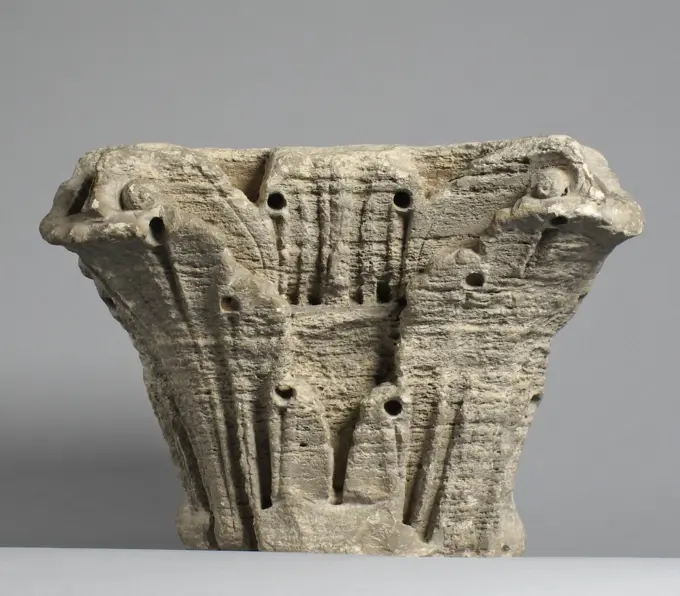
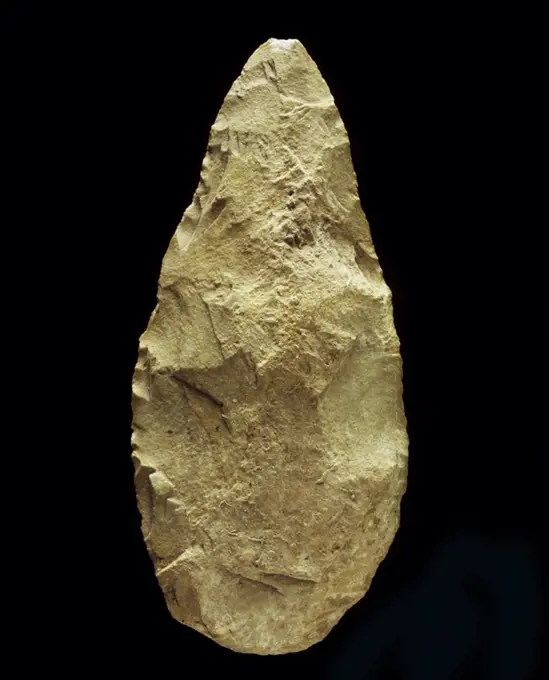
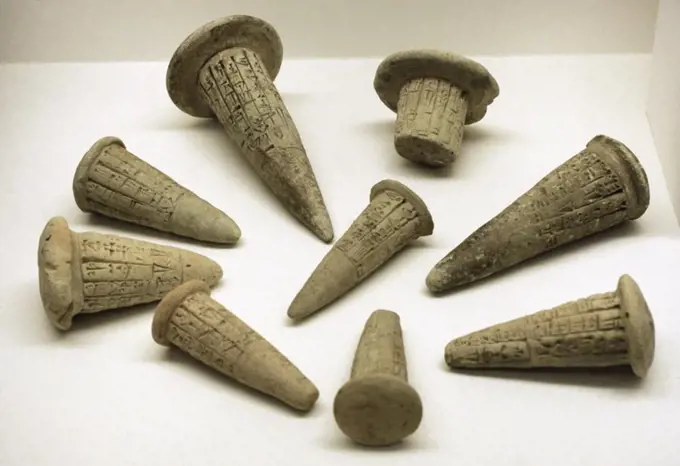
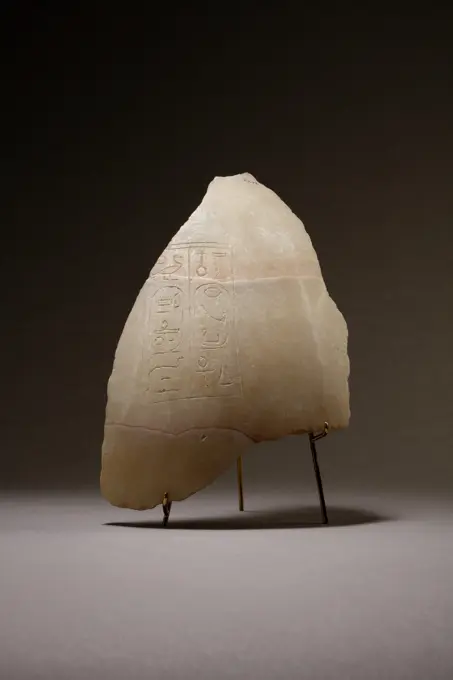
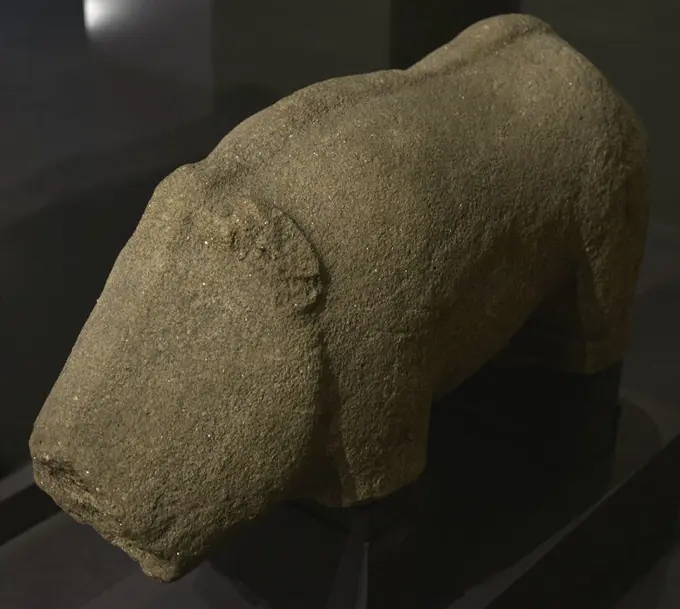
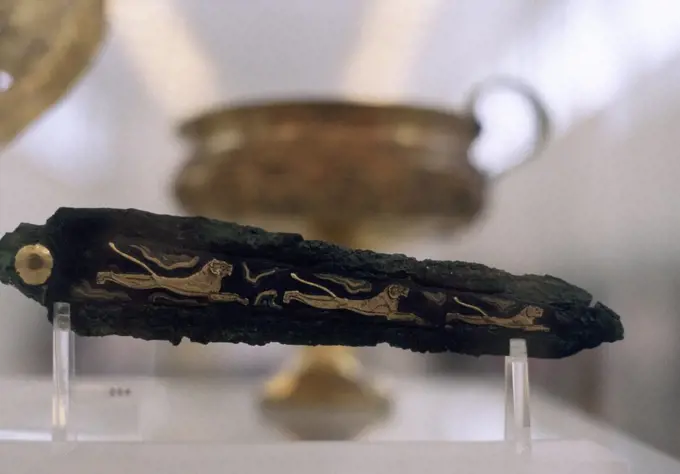
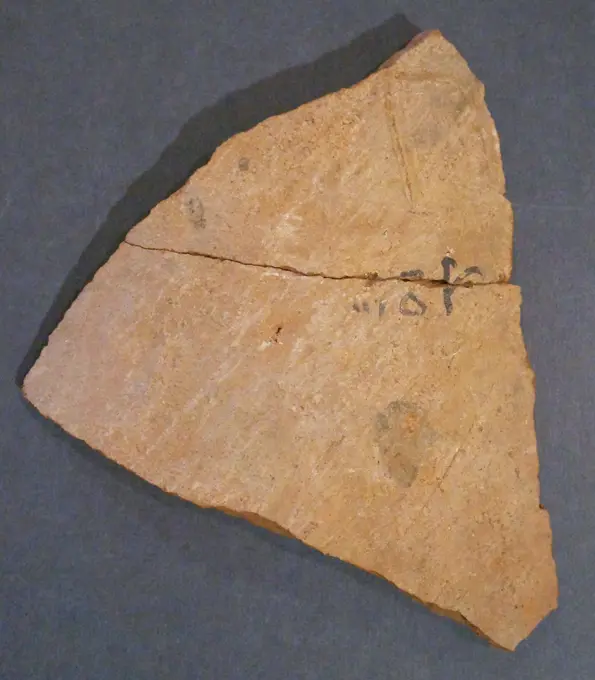
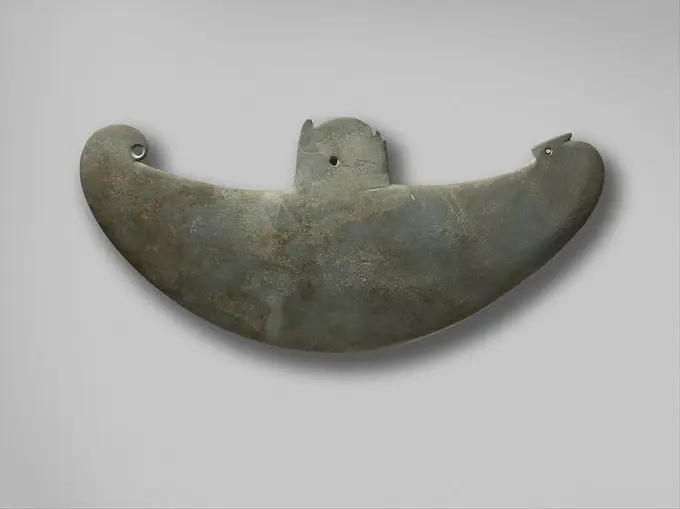
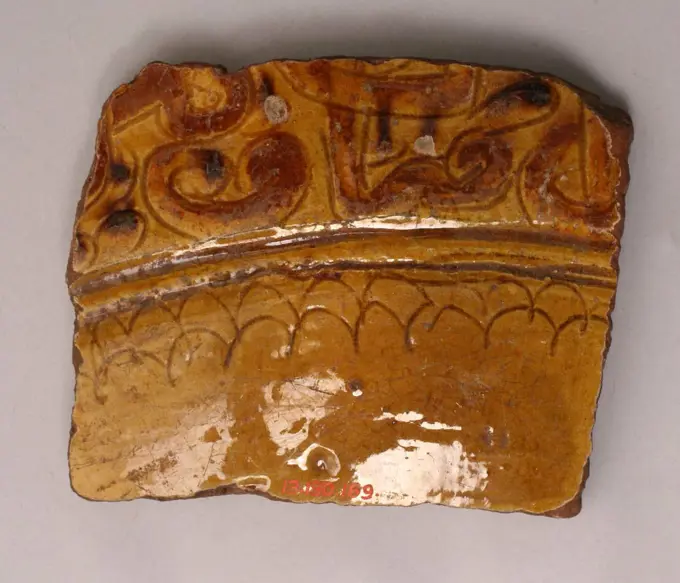
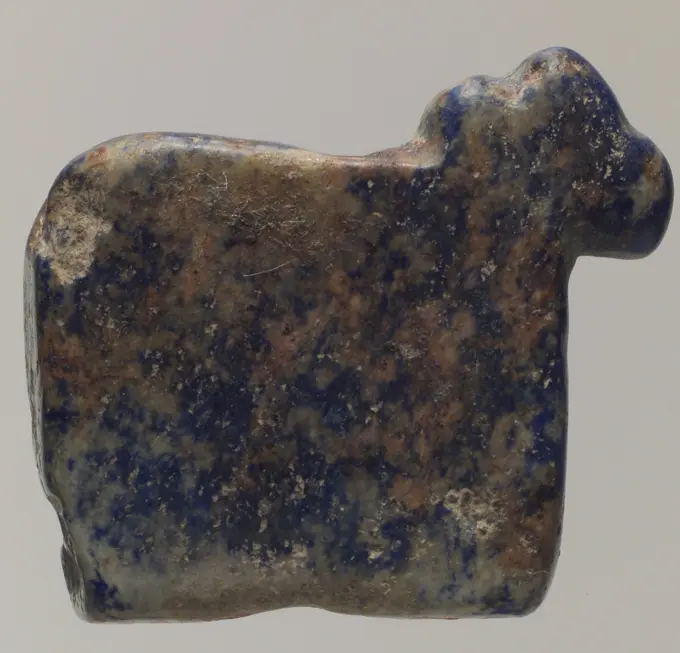
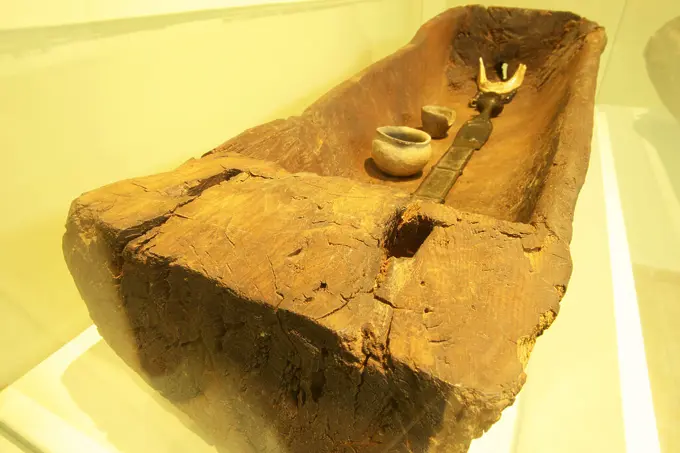
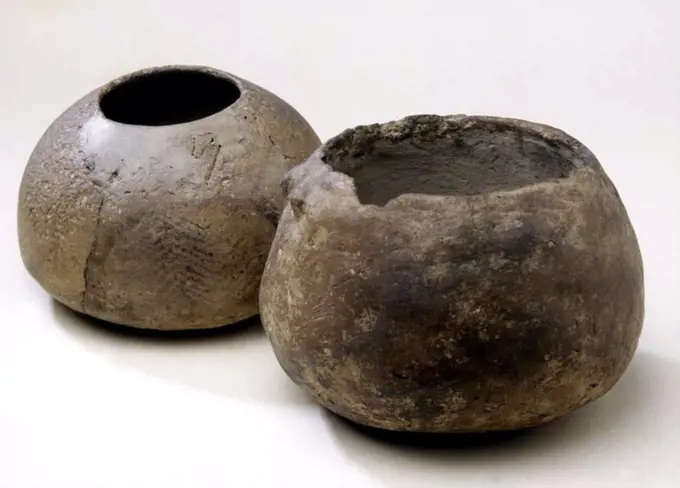
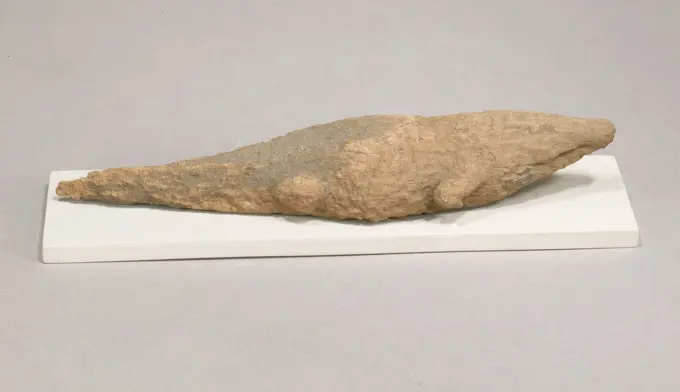
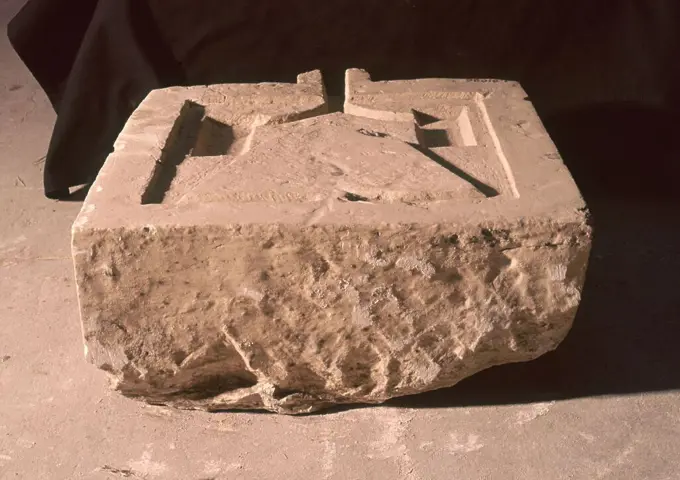
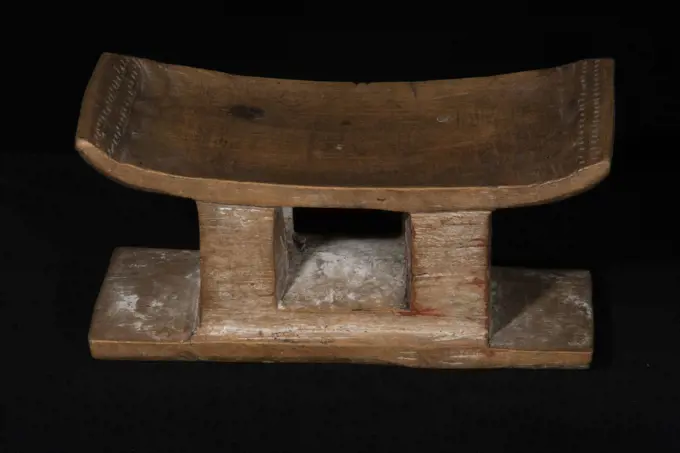
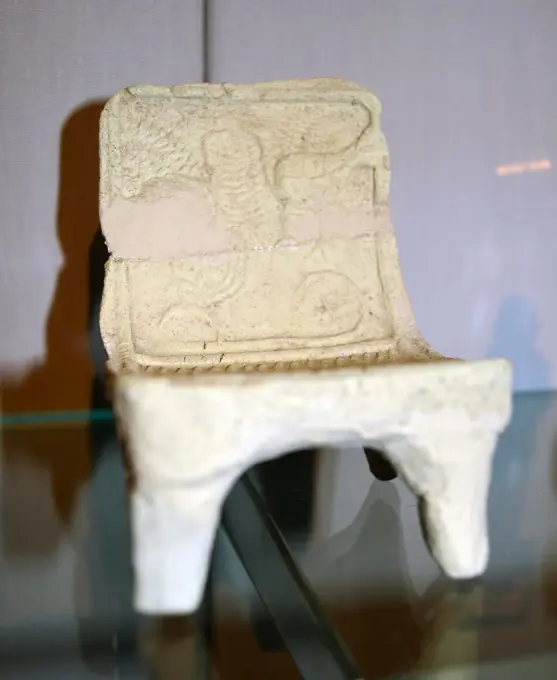
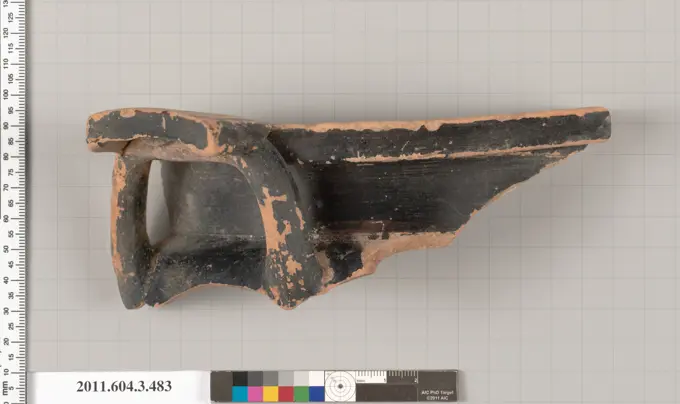
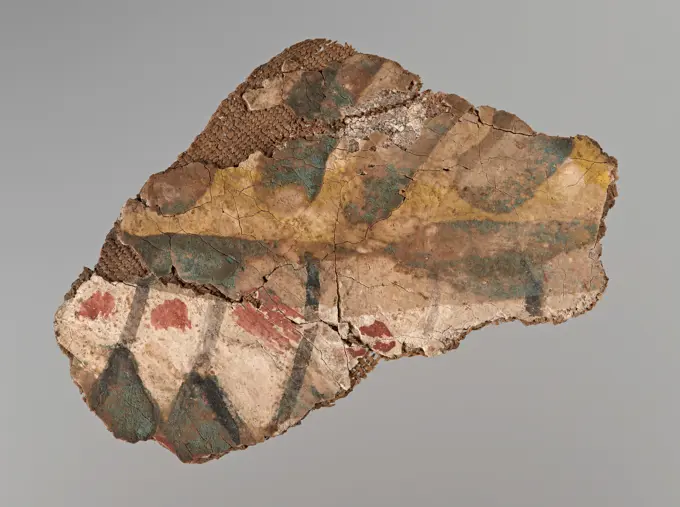
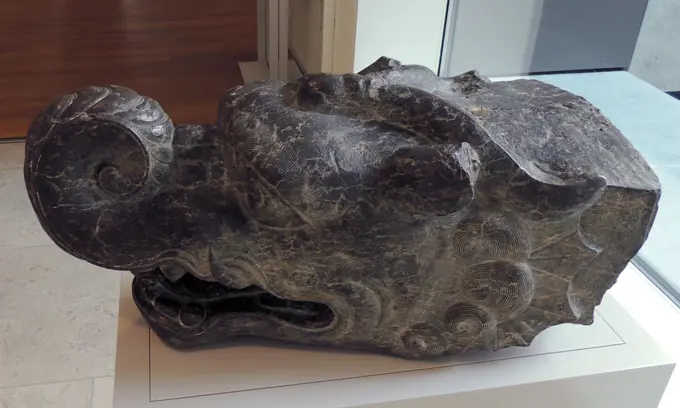
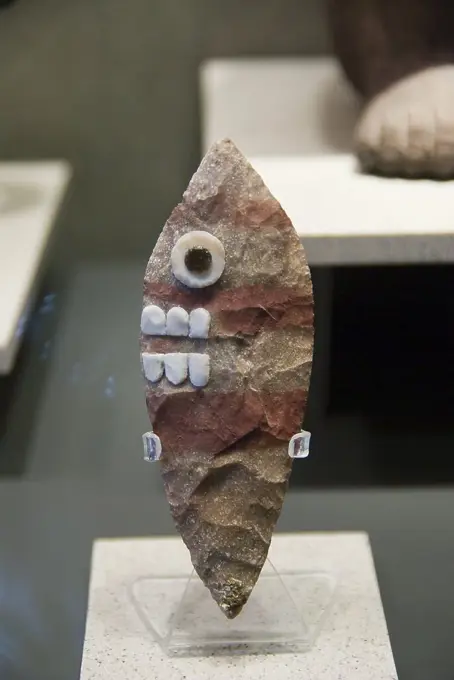
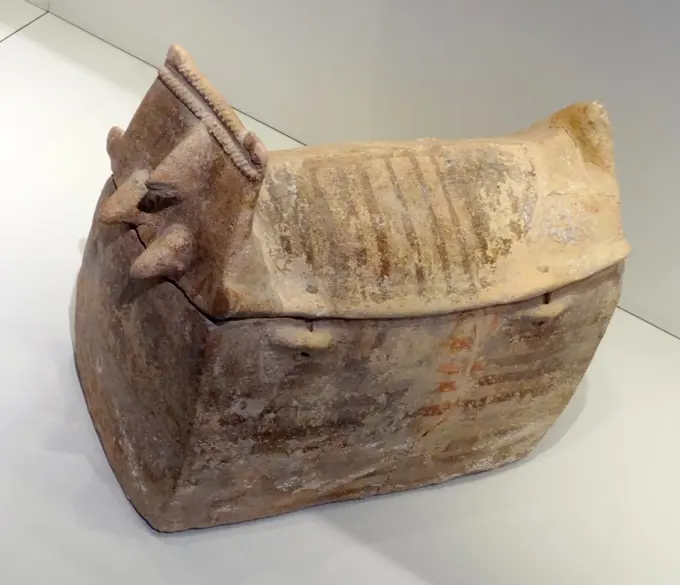
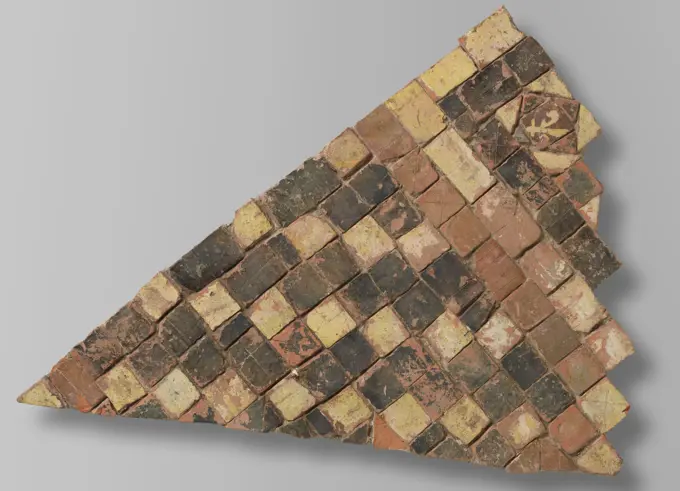
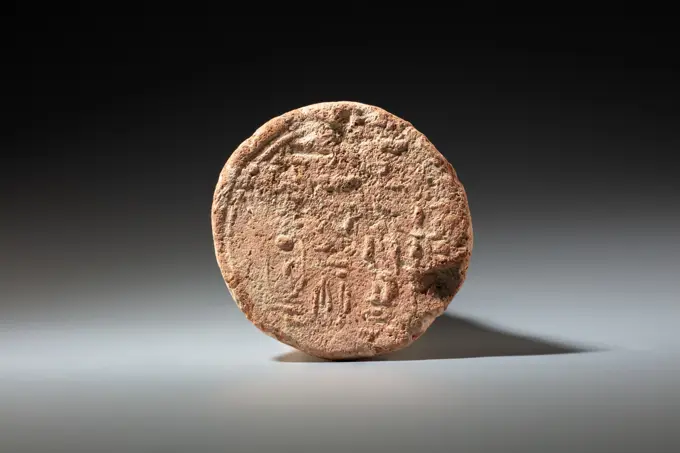
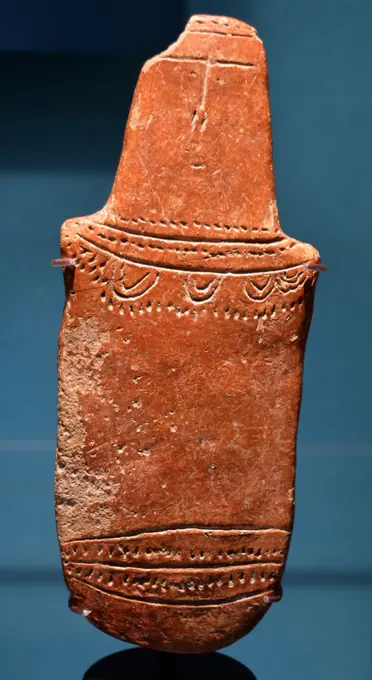
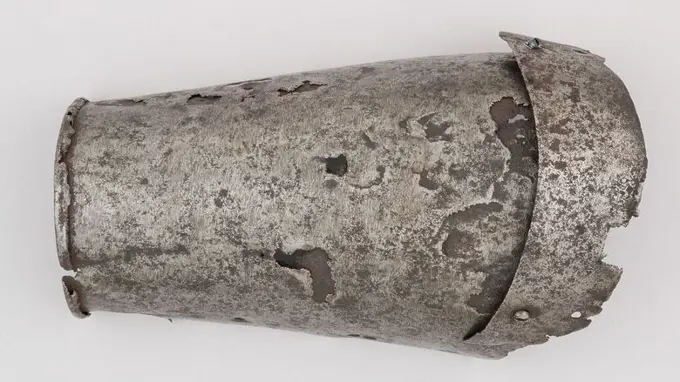
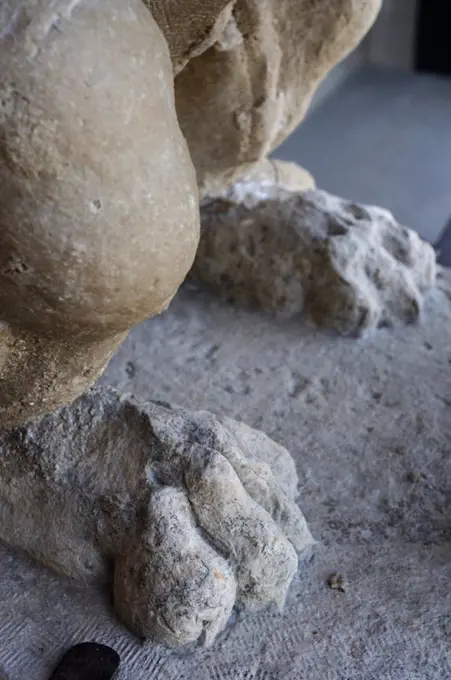
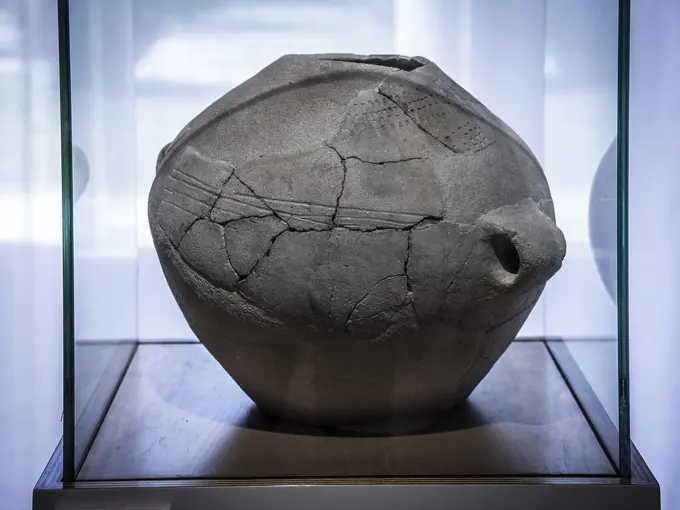
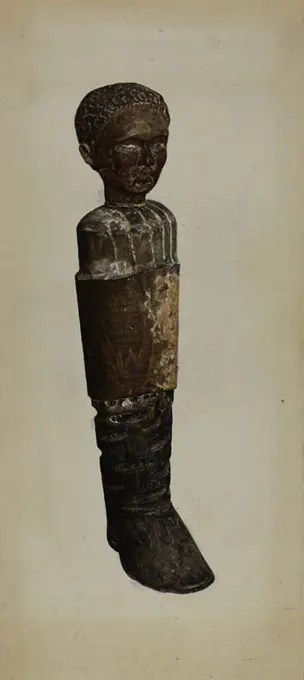
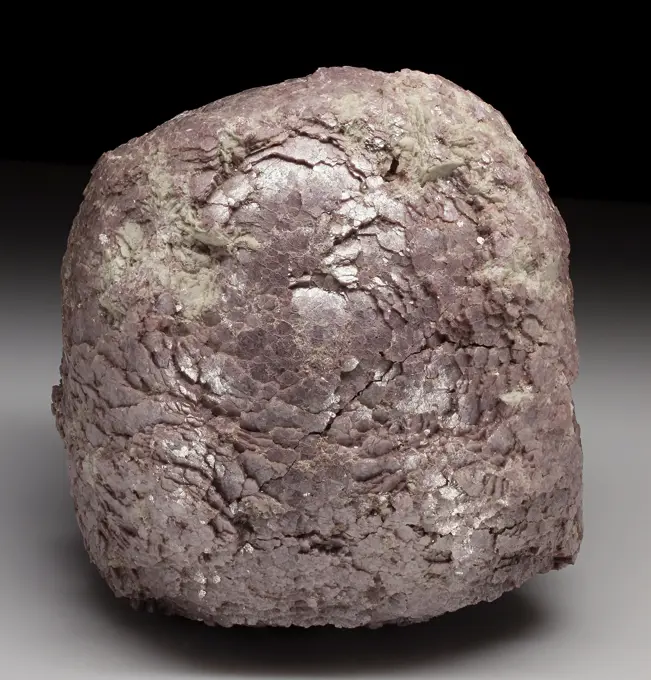
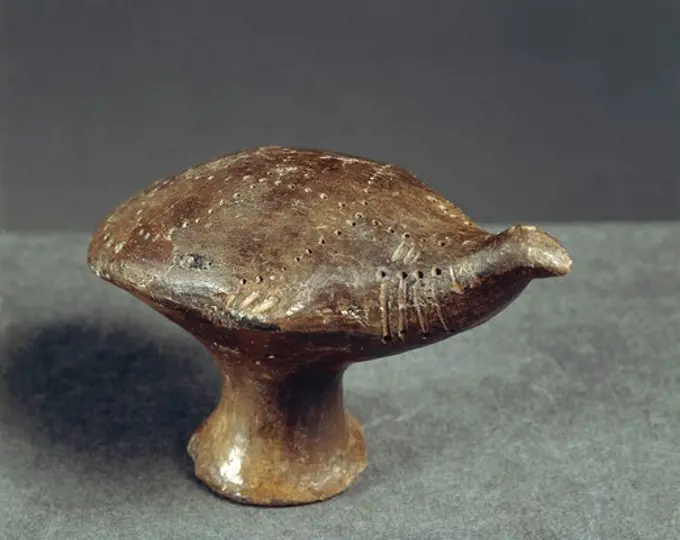
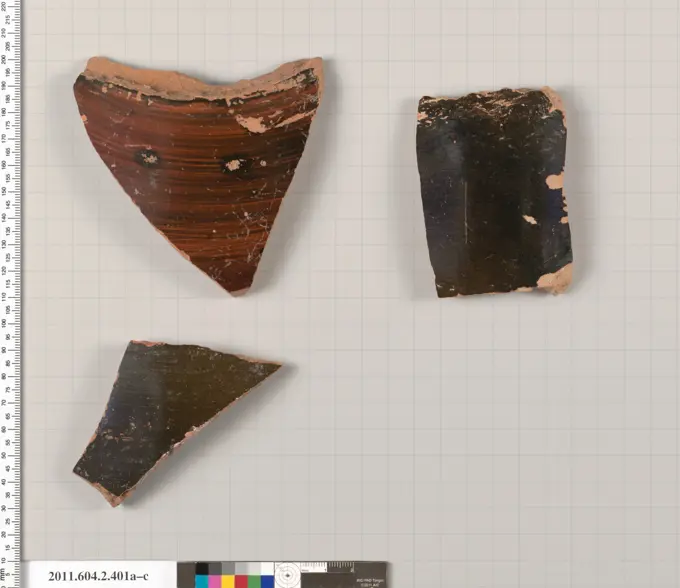
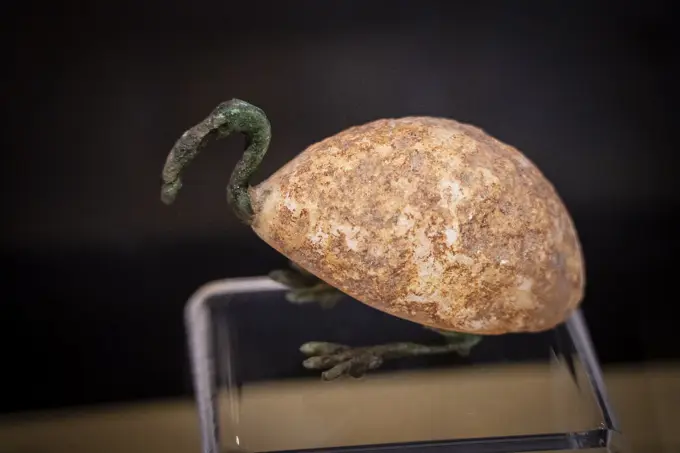
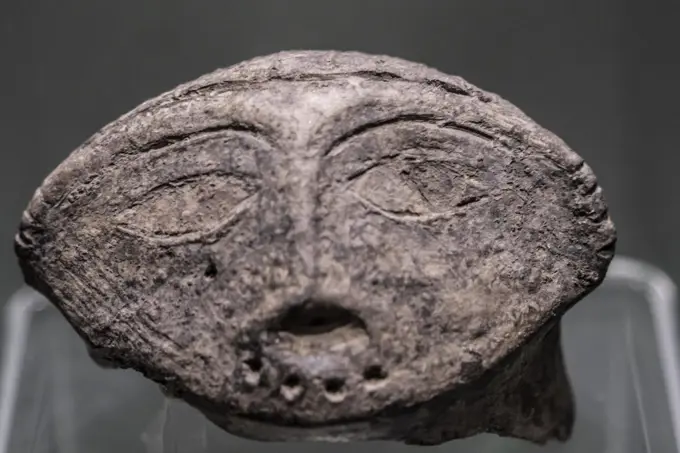
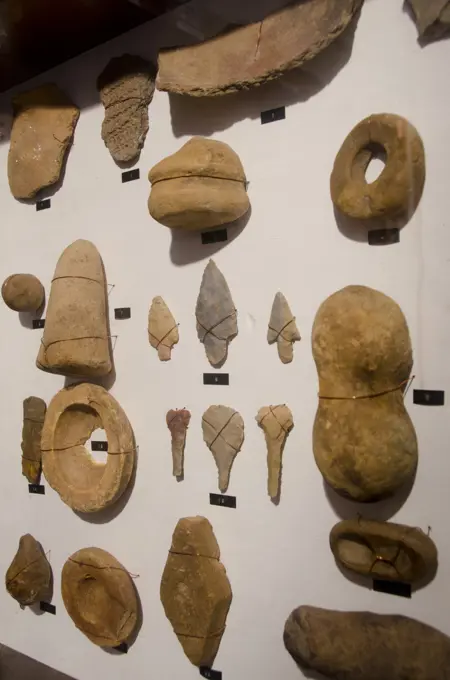
Lamp, Anatolia; 1st - 4th century; Terracotta; 2.5 x 8 x 10.5 cm (1 x 3 1,8 x 4 1,8 in.)Ostrakon 600 Coptic. Ostrakon 474844Roman siege engines: projectiles. Stone balls. Limestone. 2nd-1st century BC. Cabezo de Alcala (Azaila, Teruel). National Archaeological Museum, Madrid. Spain.Bronze belt and clasps late 5th-early 4th century B.C. Italic, Samnite Wide bronze belts with several clasps, often in the shape of palmettes, are well known from finds, especially in the regions of Apulia, Lucania, and Daunia, and from representations in Campanian and Lucanian painting. The term Samnite applies to one of the indigenous peoples of Southern Italy whose language was Oscanthus, for instance, the Oscan warriors on Apulian vases. The belts are connected with warriors and often occur in graves with other military equipment.. Bronze belt and clasps. Italic, Samnite. late 5th-early 4th century B.C.. Bronze. Late Classical. BronzesFragment of a dog figurine;Polish excavations in Tell ATRIB (Egypt)Lamp. UnknownInscribed Pot Fragment ca. 1580-1479 B.C. Second Intermediate Period-Early New Kingdom. Inscribed Pot Fragment. ca. 1580-1479 B.C.. Pottery, whitewash, ink. Second Intermediate Period-Early New Kingdom. From Egypt, Upper Egypt, Thebes, Southern Asasif, unfinished temple area, Pit MMA 1017, embalming cache, MMA excavations, 1920-22. Dynasty 17-18Pot Fragment 4th-7th century Coptic. Pot Fragment 478742Lamp, North Africa (); 6th - 5th century B.C; Terracotta; 5.5 x 14 x 16 cm (2 3,16 x 5 1,2 x 6 5,16 in.)Ostracon with chalk inscription 30 B.C.-A.D. 364 Roman Period. Ostracon with chalk inscription. 30 B.C.-A.D. 364. Pottery, chalk. Roman Period. From Egypt, Middle Egypt, Oxyrhynchus (Bahnasa), EEF excavations 1896-97Oil lamp. Toulouze collection (Anc. Dr Martin), acquisition 1889. Terracotta. High Empire. Paris, Carnavalet museum. 50035-3 Toulouze collection, high-Empire, oil lamp, terracottaShards of Martavanen from V.O.C. ship De 'Witte Leeuw', Before 1613  Shards of Martavanen from V.O.C. ship De 'Witte Leeuw'.  earthenware   Sint-HelenaFragment stoneware dish with pouring clip on squeeze foot, bowl crockery holder soil find ceramic stoneware, hand-turned fried Fragment of large stoneware (wax) bowl white shard unglazed pouring clip on pinched foot archeology indigenous pottery import food kitchenFurniture element ca. 18th century B.C. Old Assyrian Trading Colony. Furniture element 329704Shards of Martavanen from V.O.C. ship De 'Witte Leeuw', Anonymous, Before 1613  Shards of Martavanen from V.O.C. ship De 'Witte Leeuw'. southeast Asia stoneware. porcelain   Sint-HelenaPunic Oil LampPrehistory, Sweden, Neolithic. Stone club in the shape of a bear's head. From Ostergotland County.Raised relief fragment 664-610 B.C. Late Period, Saite see 23.3.468. Raised relief fragment. 664-610 B.C.. Limestone, varnish. Late Period, Saite. From Egypt, Upper Egypt, Thebes, Deir el-Bahri, Tomb of Nespekashuty (TT 312, MMA 509), 1st chamber E. wall; N. section, MMA excavations, 1922-23. Dynasty 26Lamp, North Anatolia, Anatolia; 1st century B.C. - 1st century A.D; Terracotta; 4 x 5.9 x 11.2 cm (1 9,16 x 2 5,16 x 4 7,16 in.)Plate or lid with inscription IAI 1734 from the wreck of the East Indies' t Vliegend Hart ,, 1700 - 1735 in 1735 plate (dishes). lid Round deformed plate with holes with inscription IAI 1734. This sign is also known as a lead lid. Middelburg tin (metal)   MiddelburgTerracotta vessel fragment with conventionalized lily ca. 1450-1400 B.C. Minoan From Knossos, CreteLarge fragment with conventionalized lily; dark-on-light ware.. Terracotta vessel fragment with conventionalized lily 248550Vase fragment ca. 4000-3000 B.C. Neolithic, Thessaly. Vase fragment 253241 Neolithic, Thessaly, Vase fragment, ca. 40003000 B.C., Terracotta, length 3 3/4in. (9.5cm). The Metropolitan Museum of Art, New York. Anonymous Gift, 1930 (30.119.36)Iberian head Iberian head, Limestone. 5th-4th centuries BC Iberian oppidum from Úbeda la Vieja, Iberian culture, Archeological Museum. Úbeda, Jaén province, Andalusia, Spain Copyright: xZoonar.com/BartomeuxBalaguerxRotgerx 21702727Whetstone ca. 9th century B.C. Iran. Whetstone 325136Belt Buckle Loop 4th-7th century Frankish. Belt Buckle Loop 469793Falcon Head Steering Oar Butt, 2040-1648 BC. Egypt, Middle Kingdom, 2040-1648 BC. Wood; overall: 3 x 1.9 x 2.3 cm (1 3/16 x 3/4 x 7/8 in.); without tang: 2 cm (13/16 in.).Two Stirrups 19th century Syrian or Armenian This shape of stirrup, with its long rectangular footplate and wide flaring sides, is found in most of the Islamic world. Arab equestrian equipment spread in Africa and in the Near East alongside the spread of Islam itself, and was then adopted by local populations and adapted in their own styles.. Two Stirrups. Syrian or Armenian. 19th century. Iron. Equestrian Equipment-StirrupsBracelet in the Shape of a Conch, c. 6th-2nd century BCE, 3-1/8 x 3-13/16 x 3-11/16 in. (7.9 x 9.7 x 9.4 cm), Marble, Thailand, 7th-1st century BCE, This marble bracelet vaguely imitates the shape of a conch shell. Archaeology in the Lopburi-Pa Sak river basins in central Thailand has verified the importance of shell ornaments to early bronze age inhabitants. Conch shells, large enough for bracelets had to be imported from coastal settlements into this region making them relatively precious objects. It is likely for this reason that the more common white marble, despite the difficulty in carving it, was fashioned in the form of a conch bracelet suggesting a more prestigious material.Gaming Piece 8th-11th century. Gaming Piece 449469Prehistory, Italy. Model or casting mold for an ax. From Emilia Romagna Region.Czarka. nieznany warsztat północno mezopotamski (ca 2600-ca 2350 a.C.), workshopLamp, Asia Minor; 1st century B.C. - 4th century A.D; Terracotta; 2.3 x 9 x 14 cm (7,8 x 3 9,16 x 5 1,2 in.)Italic civilizations, Piceni, 8th century b.C. Cinerary urn with lid. From Fermo.Sarcofago funerario en madera de encina. Museo del Monasterio de Lluc. Escorca. Sierra de Tramuntana. Mallorca. Baleares. España.Capital late 12th century French. Capital. French. late 12th century. Stone. Sculpture-ArchitecturalChiton Fragment. UnknownAJUAR PALEOLITICO: BIFAZ LANCEOLADO DE SILEX, DEL CERRO DE SAN ISIDRO (DEPOSITO: MUSEO ARQUEOLOGICO NACIONAL).Vase fragment East Greek/Sardis, Lydian Black and white lines.. Vase fragment 252706 East Greek/Sardis, Lydian, Vase fragment, Terracotta, Overall: 4 13/16 x 5 1/8in. (12.3 x 13cm). The Metropolitan Museum of Art, New York. Gift of The American Society for the Excavation of Sardis, 1926 (26.199.138)Fragment stoneware jug on pinched foot with slightly curved body and cylindrical neck, pot jug jug crockery holder fragment soil found ceramic stoneware, hand turned fired Fragment of stoneware jug on pinched foot Lightly curled body and cylindrical neck. Turning loops over the lower half of the belly smoothly finished under the ledge. Narrow ridge over the shoulder Darts around the neck archeology House te Woude Slikkerveer Ridderkerk uitheems pottery import drink wine beer water Soil discovery: Huis te Woude Slikkerveer 1969.Sumer. Mesopotamia. Clay nails. Cone-shaped and inscribed with cuneiform writing. The state Hermitage Museum. Saint Petersburg. Russia.Jar fragment, Amenhotep I New Kingdom ca. 1525-1504 B.C. View more. Jar fragment, Amenhotep I. ca. 1525-1504 B.C.. Travertine (Egyptian alabaster). New Kingdom. From Egypt, Upper Egypt, Thebes, Tomb AN-B, Dra Abu el-Naga, Carnarvon/Carter excavations. Dynasty 18Offering Table. Egypt, Old Kingdom, 5th Dynasty (circa 2513 - 2374 BCE). Furnishings; Furniture. LimestoneSmall statue of a boar. Ca. the 1st and 2nd centuries. Olival dos Berroes. Moncorvo. District of Bragança, Portugal. National Archaeology Museum. Lisbon, Portugal.Chess Piece, Probably a Pawn 8th-11th century. Chess Piece, Probably a Pawn 452356Fragment 8th-9th century. Fragment 448757Vase fragment Minoan. Vase fragment 247663Fragment; (possibly) belonging to the retable of Soest, c. 1475 - c. 1499   wood (plant material)   wood (plant material)Mycenean dagger with lion decoration. c1450-c1100 BCARTE PREHISTORICO. PALEOLITICO. FRANCIA. EL HOMBRE DE TAUTAVEL. HACHA DE MANO, utilizada para cortar ramas y carne de animales. PALEOLITICO INFERIOR (1000000-90000 a. C.). Museo de Tautavel.Inscribed Pot Fragment ca. 1580-1479 B.C. Second Intermediate Period-Early New Kingdom. Inscribed Pot Fragment. ca. 1580-1479 B.C.. Pottery, ink. Second Intermediate Period-Early New Kingdom. From Egypt, Upper Egypt, Thebes, Southern Asasif, unfinished temple area, Pit MMA 1017, embalming cache, MMA excavations, 1920-22. Dynasty 17-18Lamella. UnknownFragment of a Bowl 15th century. Fragment of a Bowl 445395Boat-shaped palette. Dimensions: L. 25.3 x H. 11.4 x Th. 1.4 cm (9 15/16 x 4 1/2 x 9/16 in.). Date: ca. 3900-3500 B.C.. Museum: Metropolitan Museum of Art, New York, USA.Fragment 14th-15th century. Fragment 446446Cow amulet ca. 2900-2350 B.C. Sumerian. Cow amulet 324875Bottom fragment Werra plate, mirror design with three intertwined fishes, pale yellow and green glaze, plate crockery holder earth discovery ceramic earthenware glaze, Red earthenware with drawing in light yellow and green glaze archeologySarcofago funerario en madera de encina.Museo del Monasterio de Lluc.Escorca.Sierra de Tramuntana.Mallorca.Baleares.España.VASO CON DECORACION PINTADA DE LA SEPULTURA Nº 1 DE LOS MILLARES. CALCOLITICO CERAMICA. (DEPOSITO: MUSEO ARQUEOLOGICO NACIONAL).. Handle of a comb with sliced decoration of leaf motifs and parrot.Figure of crocodile ca. 1981-1640 B.C. Middle Kingdom. Figure of crocodile. ca. 1981-1640 B.C.. Wood. Middle Kingdom. From Egypt, Memphite Region, Lisht North, Cemetery, MMA excavations, 1906-07. Dynasty 12-13MESA DE OFRENDA CALCAREA. PROCEDE DE HERAKLEOPOLIS MAGNA. PRIMER PERIODO INTERMEDIO 2170-2002 AC. Location: EGYPTIAN MUSEUM. KAIRO. EGYPT.Africa, Mali, tribal art, headrestModel Chair from Ur 1800 B.C.Fragment; silk; Warp x Weft: 34.5 x 21 cm (13 9/16 x 8 1/4 in.); 1961-119-3-cTerracotta fragment of a column-krater (bowl for mixing wine and water) first quarter of the sixth century B.C. Greek, Attic On the handle plate, a swan; on the top side of the rim, a band of rays; below, a complete handle and part of the neck of a column-krater. Terracotta fragment of a column-krater (bowl for mixing wine and water). Greek, Attic. first quarter of the sixth century B.C.. Terracotta; black-figure. Archaic. VasesKimberlite (Yellow Ground), volcanic rock, from Transvaal, South Africa.Fragment kartonażu. unknown, authorItaly, Emilia Romagna region, Mould for casting spear pointsLamp; Greece (Corinth); early 2nd century; Terracotta; 4.2 x 7.1 x 9 cm (1 5,8 x 2 13,16 x 3 9,16 in.)Bowl of Fat ca. 1479-1458 B.C. New Kingdom. Bowl of Fat. ca. 1479-1458 B.C.. Pottery, fat. New Kingdom. From Egypt, Upper Egypt, Thebes, Deir el-Bahri, Temple of Hatshepsut, Foundation Deposit 5 (E), MMA excavations, 1923-24. Dynasty 18Otazu stele, trapezoidal stele, late middle ages, Vitoria-Gasteiz Museum of Sacred Art, María Inmaculada Cathedral, Álava, SpainBrass button from V.O.C. ship De 'Witte Leeuw', 1613 fragment Brass button, unknown of what kind of object. Possibly from a lid or a candle crown.  brass (alloy)Dragon, China, 16th-17th century, limestone. In China there are many different kinds of dragons. This example with a fish in its mouth is probably a chiwen, a type of dragon known for its love of water and swallowing things. It is often used as an architectural element on the side of a roof, where it symbolically serves to devour evil influences and ward off fire.Mexico.Mexico city.National Museum of AntHropology.Mexica-Aztec culture. Stone knife.Item from a selection of ossuary's, burial containers and incense burners from a burial cave from Peking over 6,500-5,500 years ago. Made from painted pottery.Part of tile floor from the Dutch Reformed Church in Heukelum ,, 1325 - 1375 tile Triangular part of floor consisting of glazed tiles in the colors black, red, yellow and green. The whole is stuck on a thick plate. Utrecht . vitrification  HeukelumFunerary Cone of the Steward Bak ca. 1504-1492 B.C. New Kingdom This cone has the impression of a stamp seal inscribed for a chief steward of Aakheperkare (Thutmose I) named Bak whose mother was the housemistress Nay and whose father was the dignitary (sab) Aye. For a drawing of this impression see http://www.funerarycones.com/, number 85. For the reverse impression see 30.6.161.. Funerary Cone of the Steward Bak Funerary Cone of the Steward Bak ca. 1504-1492 B.C. New Kingdom This cone has the impression of a stamp seal inscribed for a chief steward of Aakheperkare (Thutmose I) named Bak whose mother was the housemistress Nay and whose father was the dignitary (sab) Aye. For a drawing of this impression see http://www.funerarycones.com/, number 85. For the reverse impression see 30.6.161.. Funerary Cone of the Steward Bak. ca. 1504-1492 B.C.. Pottery. New Kingdom. From Egypt, Upper Egypt, Thebes. Dynasty 18Plank shaped female figurine with incised facial features. Red polished clay 2000-1900 BC AnatolianPart of a Forearm Defense (Vambrace). Culture: Italian. Dimensions: H. 7 3/4 in. (19.7 cm); W. 2 3/4 in. (7 cm); D. 5 in. (12.7 cm); Wt. 9.6 oz. (272.2 g). Date: ca. 1450-70. Museum: Metropolitan Museum of Art, New York, USA.Shards of Martavanen from V.O.C. ship De 'Witte Leeuw', Anonymous, Before 1613  Shards of Martavanen from V.O.C. ship De 'Witte Leeuw'. southeast Asia porcelain. stoneware   Sint-HelenaChimera feet . Renaissance ( Plateresque ) " Weapons Court - ARCHBISHOPS PALACE " belonging to the ANTIQUARIUM - Wall of ALCALA DE HENARES ( 13 th ). Community of Madrid .SPAIN.LEGONES. (TRIANGULAR TRIPS). (INV-LI-IN-33; INV-LI-IN-36; IN-LI-IN-37). (EXHIBITION THE SCIENTIFIC LEGACY OF AL-ANDALUS) (LOCATION: LIETOR PARISH MUSEUM).Usón, a settlement in Torreón, Middle Neolithic, Huesca museum, Aragon community, Spain.Saint-Germain-en-Laye, France , 1921 - Seine -et -Oise - Auguste Léon - (June) (French - Saint-Germain-en-Laye , France). Horse, museum, animal represented , fantastic animal, archaeological vestige, sculpture, accessory, prehistory, sculpted decor, Animal, habitat , architecture, art, clothing, France, St Germain-en-Laye, La Madeleine-Objet Phallique with reindeer head 56879. Small horse head 56883Pa. German Toy Ninepin. Dated: c. 1937. Dimensions: overall: 33.7 x 15.4 cm (13 1/4 x 6 1/16 in.) Original IAD Object: 10 1/4" high. Medium: watercolor and graphite on paper. Museum: National Gallery of Art, Washington DC. Author: Harold Lehman.Lepidolite. minerals. Africa; MozambiquePrehistory, France, Paleolithic. Stone with engraved figure of man. From La Madeleine.Panel 9th century. Panel. 9th century. Wood; polychrome painted. Attributed to Egypt. Woodluminary, Roman Hispania, Valladolid Museum, Community of Castile and Leon, Spain.Prehistory, Poland, Bronze Age. Lusatian culture. Bird-shaped terracotta figure. From Zakrzewo.Terracotta fragments of column-kraters (bowls for mixing wine and water) 5th century Greek, Attic Three black glaze fragments from column-kraters. Terracotta fragments of column-kraters (bowls for mixing wine and water). Greek, Attic. 5th century. Terracotta; red-figure. Archaic/Classical. VasesVotive statuette of an ibis, bronze and alabaster stone, late Egyptian period, Huesca museum, Aragon community, Spain.anthropomorpher Deckel aus Ton anthropomorpher Deckel aus Ton Copyright: xZoonar.com/TOLOxBALAGUERx 22682464USA, Kentucky, Old Eddyville. Rose Hill Museum (aka Lyon County Museum) National Register of Historic Places. Indian artifacts.Goldweight Root, 19th-20th century, 1 13/16 x 3/4 in. (4.6 x 1.91 cm), Brass, Ghana, 19th-20th centuryBowl with a spout;  2000-1800 BC ; Early Cypryan period III-"Rodkowo-Cypryski I (-2000-00-00--1800-00-00);Quadruped, before 1500, 1/2 x 1 1/2 x 7/16 in. (1.27 x 3.81 x 1.11 cm), Ivory, United States, 15th centuryBird, before 1500, 7/8 x 1 3/4 x 7/8 in. (2.22 x 4.45 x 2.22 cm), Ivory, United States, 15th centuryBird, before 1500, 9/16 x 1 11/16 x 5/8 in. (1.43 x 4.29 x 1.59 cm), Ivory, United States, 15th centuryJUGUETE ROMANO-AJUAR MUNECA-NECROP PALENCIA:CERAMICA. Location: MUSEO ARQUEOLOGICO NACIONAL-COLECCION. MADRID. SPAIN.