Ancient Artifacts

Depictions of ancient vessels, ceremonial axes, and adze heads from historical eras, showcasing intricate designs and materials like jade and stone.

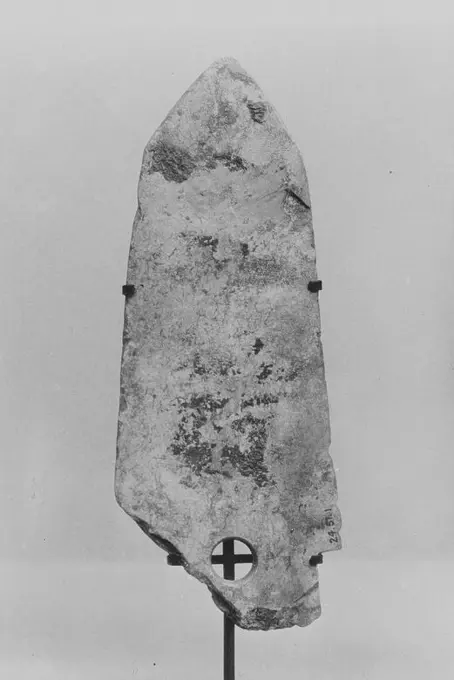
Ceremonial dagger-ax China. Ceremonial dagger-ax. China. Jade (nephrite). Shang dynasty (ca. 1600-1046 B.C.). Jade
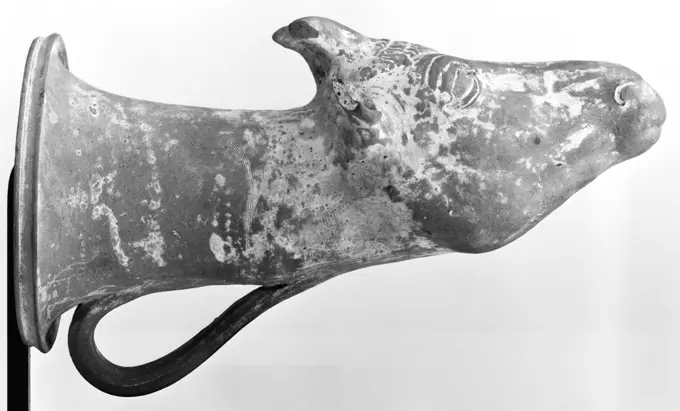
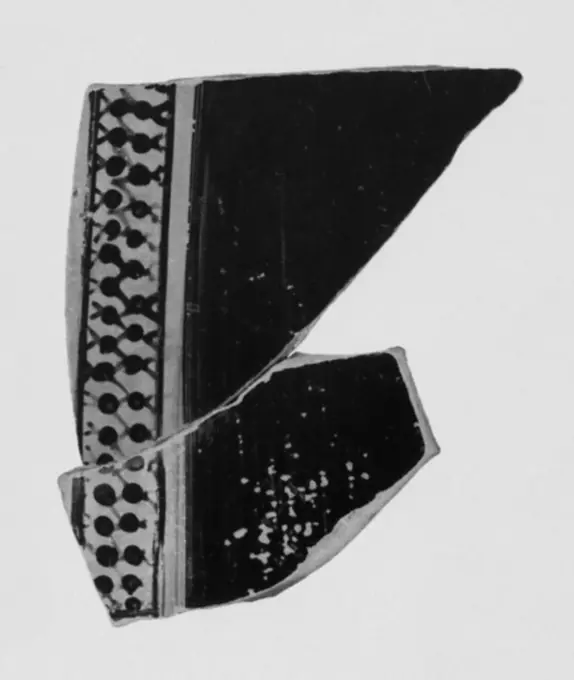
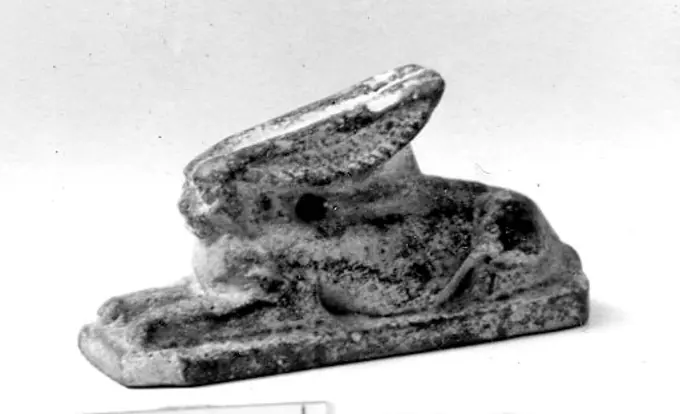
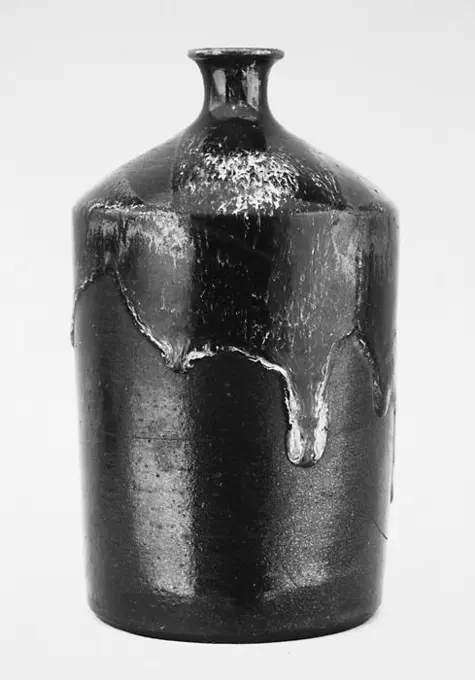
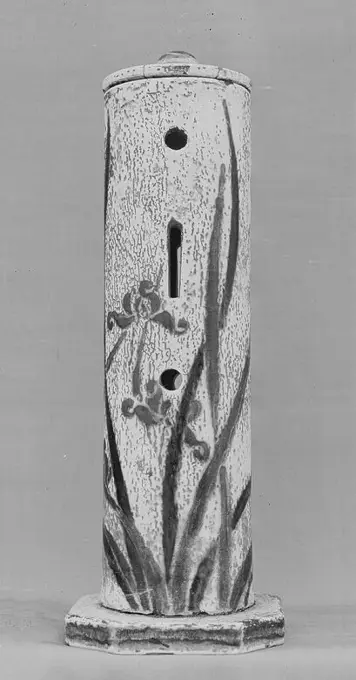
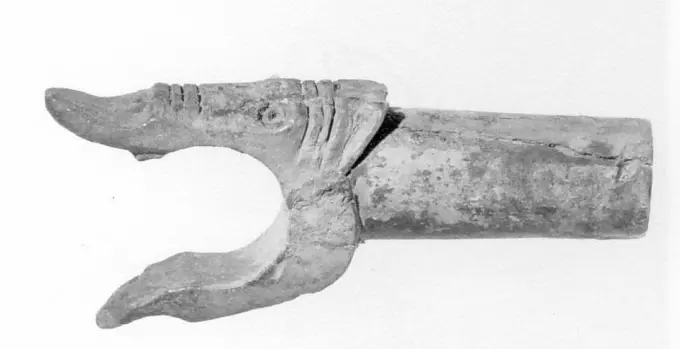
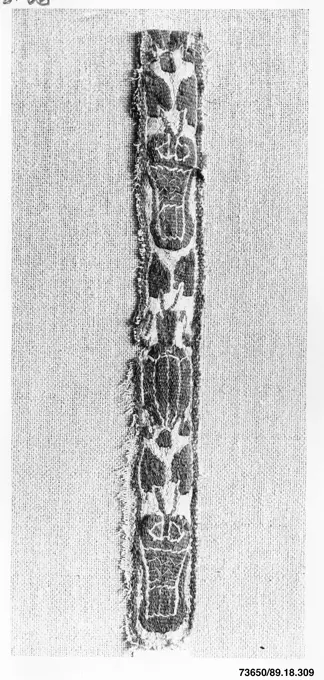
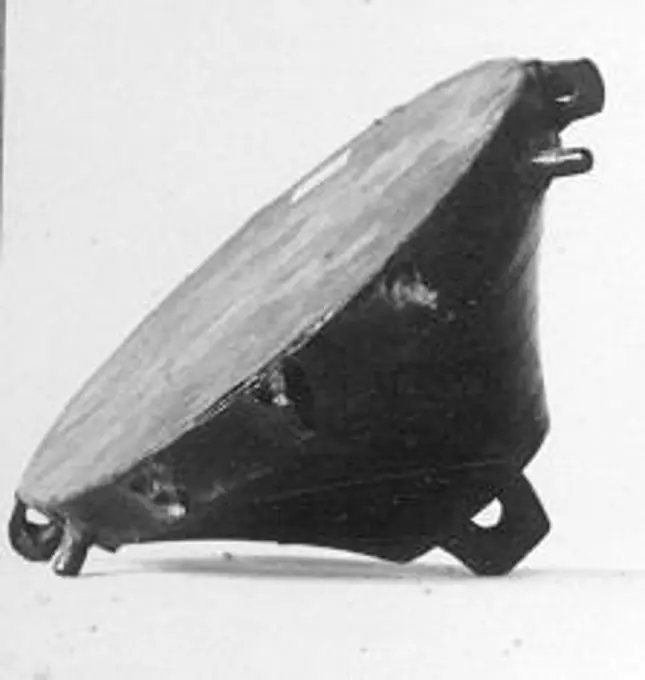
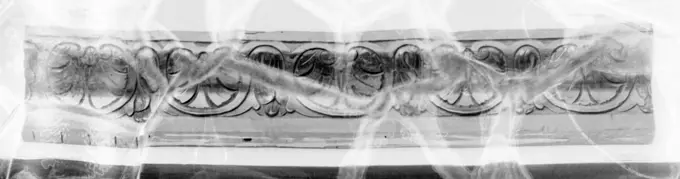
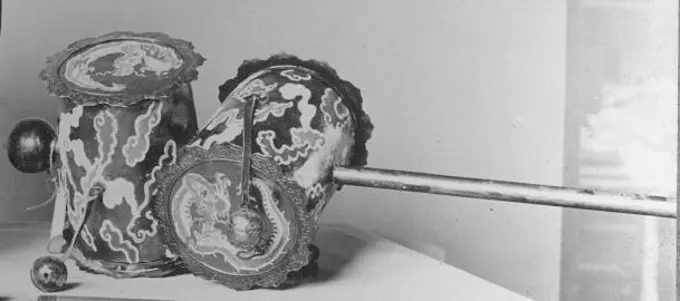
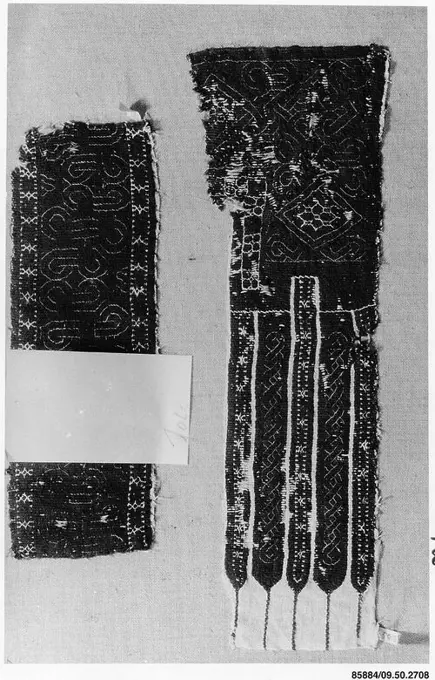
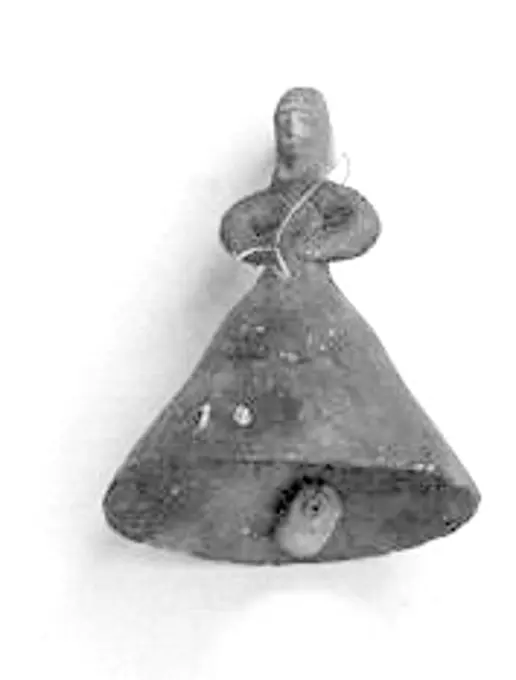
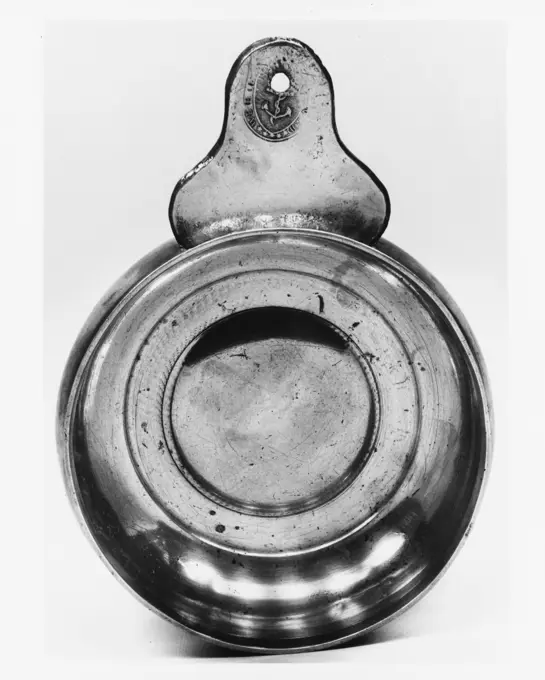
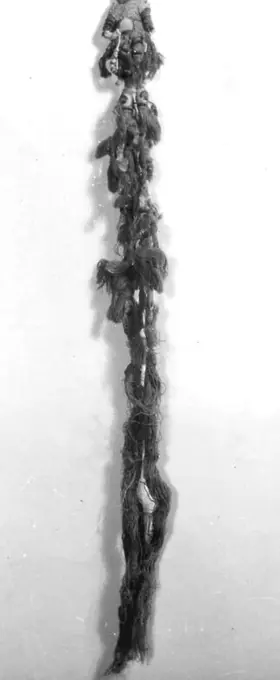
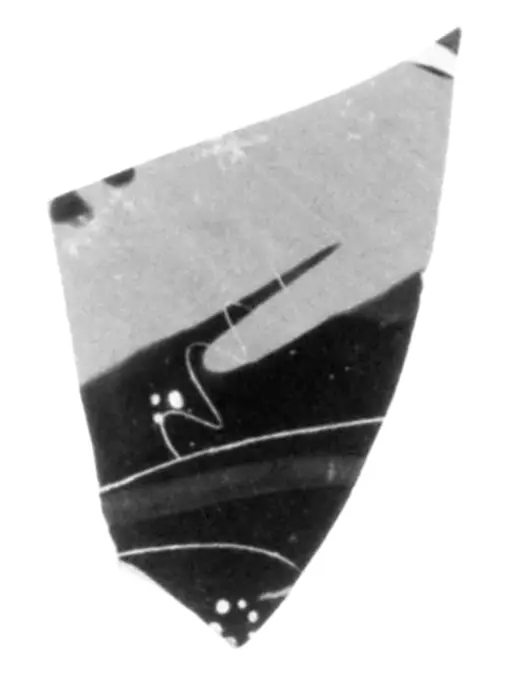
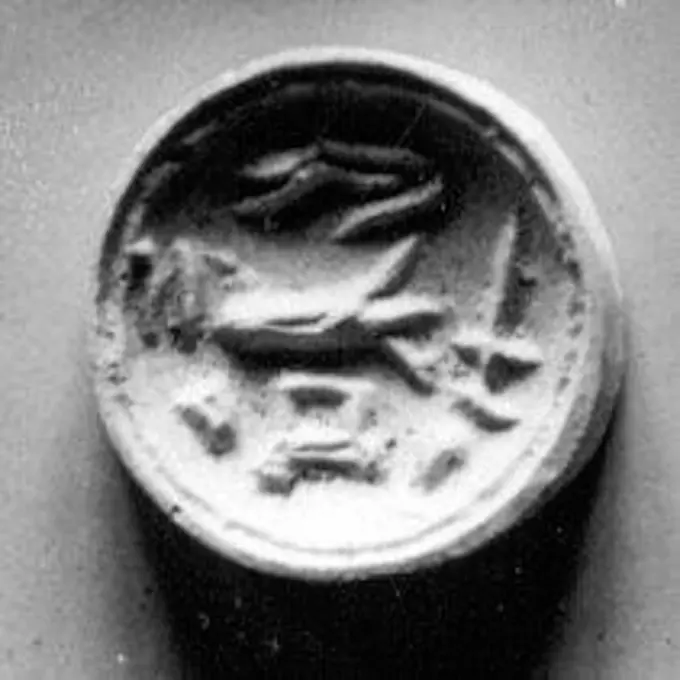
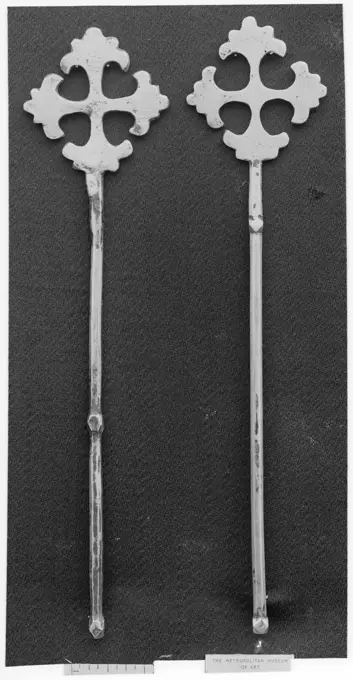
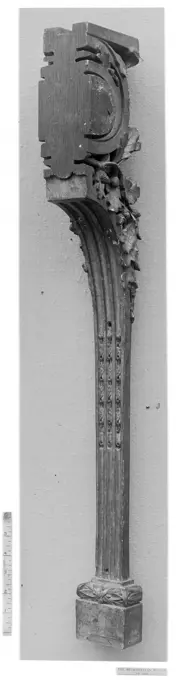
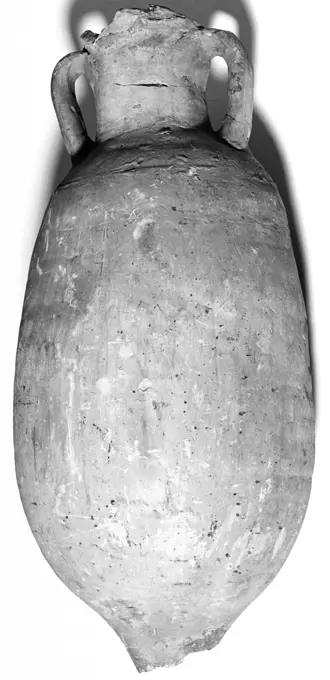
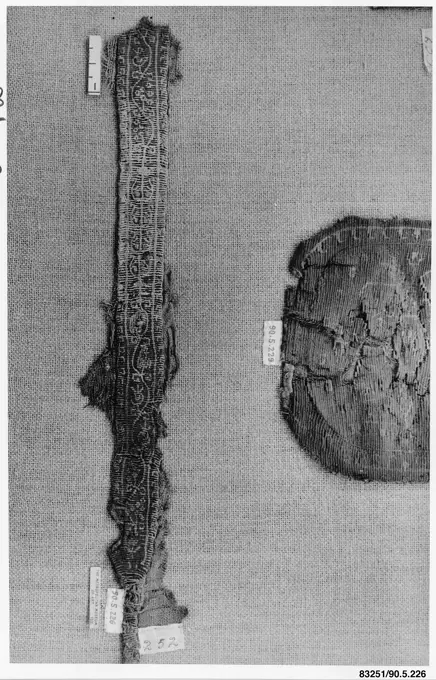
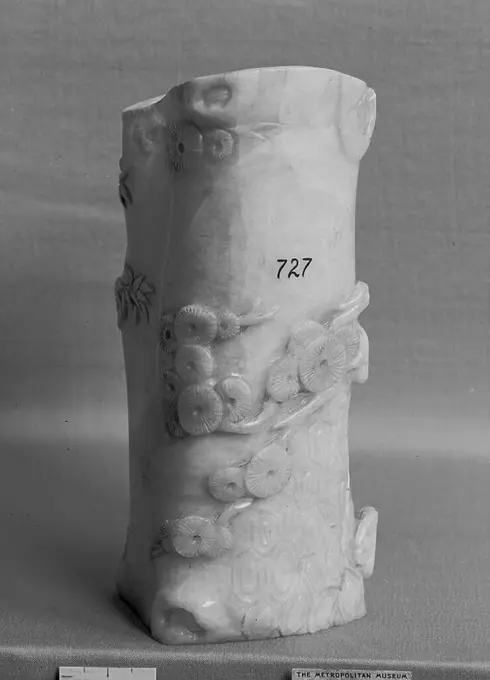
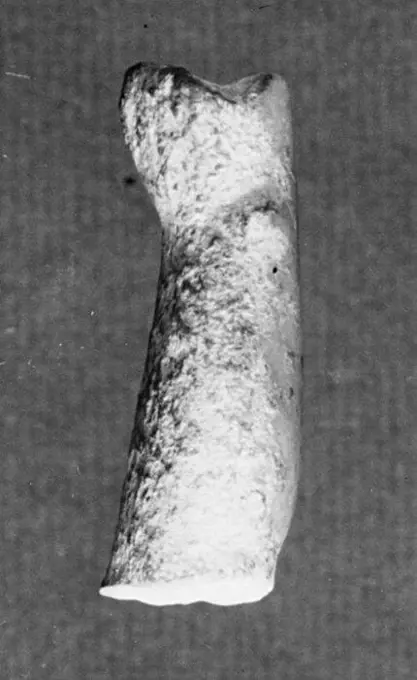
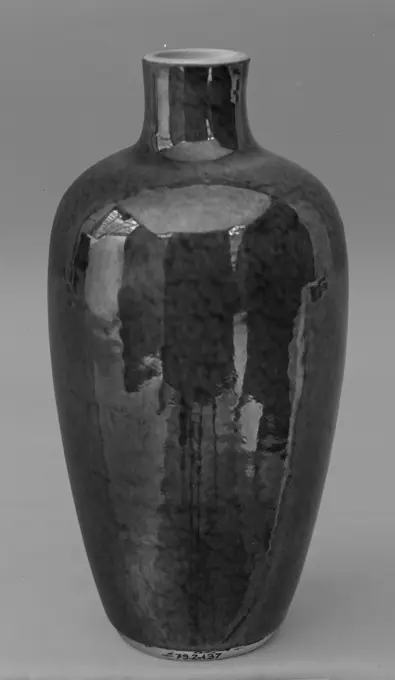
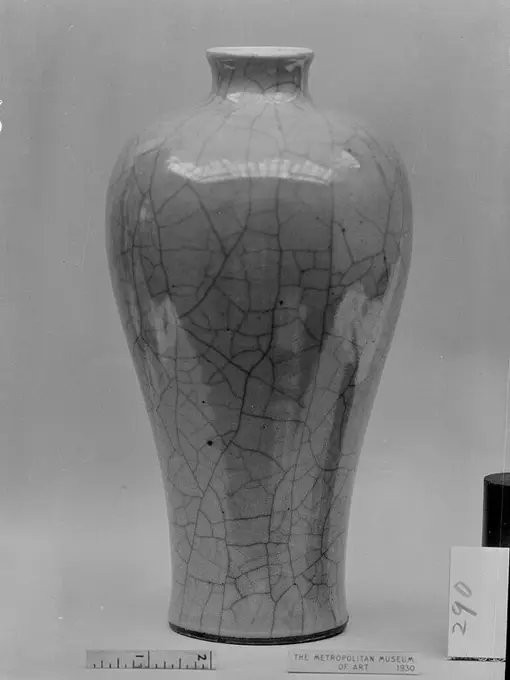
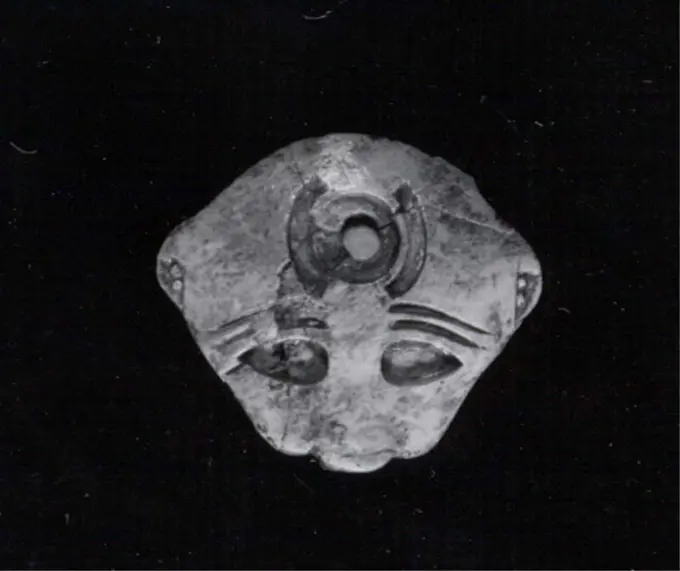
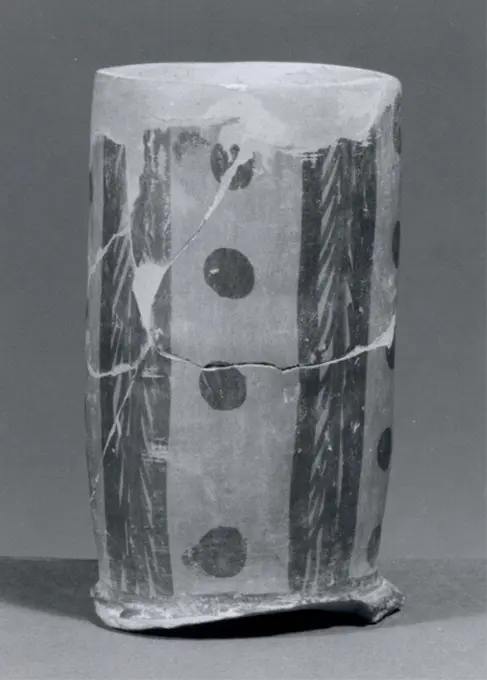
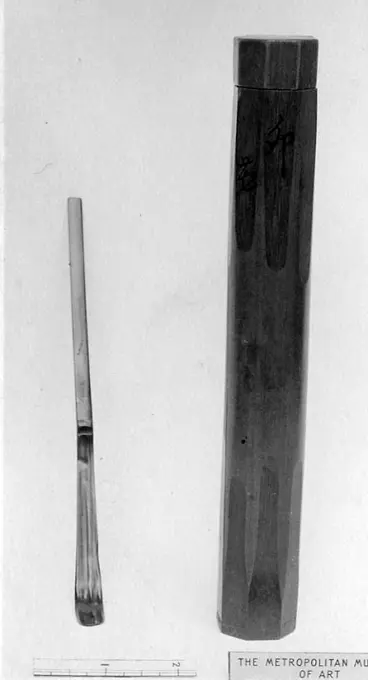
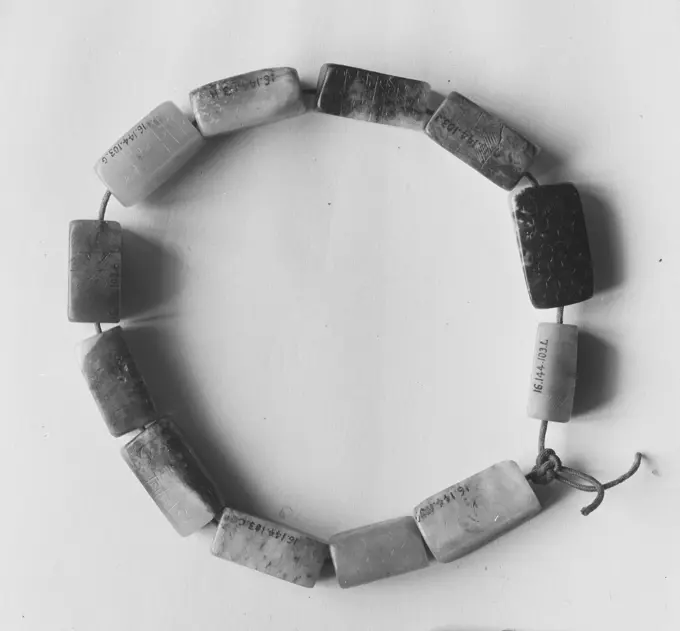
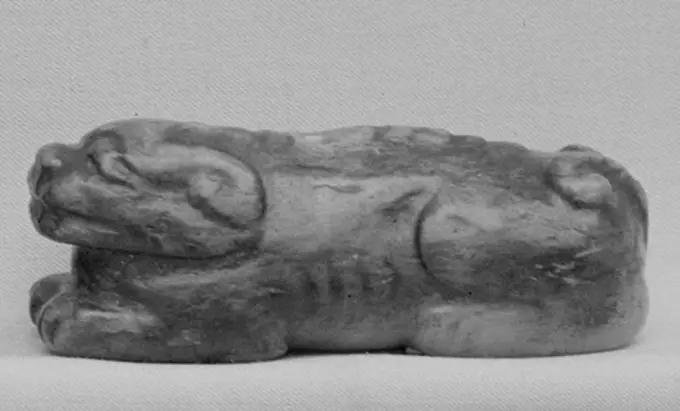
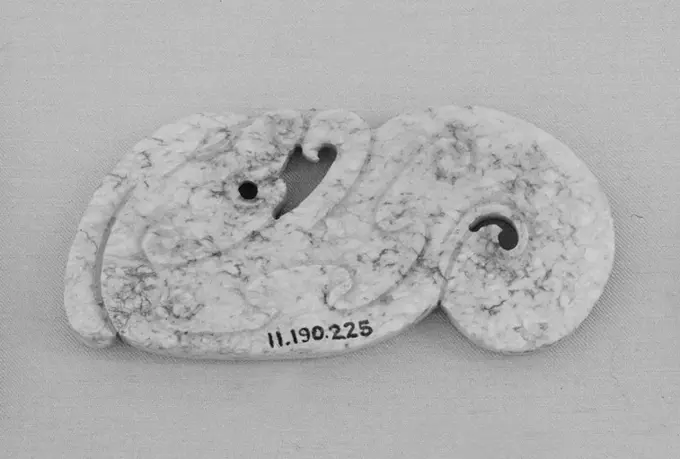
Vessel mid 3rd-mid 2nd century B.C. Seleucid. Vessel 324649Ceremonial Ax 13th-11th century B.C. China. Ceremonial Ax. China. 13th-11th century B.C.. Jade (nephrite). Shang dynasty (ca. 1600-1046 B.C.). JadeAdze head ca. 2300-2000 B.C. Hattian. Adze head 324474Ceremonial dagger-ax China. Ceremonial dagger-ax. China. Jade (nephrite). Shang dynasty (ca. 1600-1046 B.C.). JadeAttachment. UnknownCanosan Goat Head Rhyton. UnknownBead in the Shape of a Signet China. Bead in the Shape of a Signet 43105Attic Panathenaic Amphora Fragment (comprised of 3 Joined Fragments). UnknownMortuary figure China. Mortuary figure 43196Undecorated Base Fragment. UnknownEarring or bonnet-pendant China. Earring or bonnet-pendant 42966Fragment of a Tunic 4th-5th century. Fragment of a Tunic 444026Bead in the Shape of a Signet China. Bead in the Shape of a Signet 43102Attic Red-Figure Pelike Fragment.Hare amulet 664-332 B.C. Late Period. Hare amulet 553737Wine Bottle 19th century Japan. Wine Bottle 47810Mosquito Smoker. Artist: Minzan. Culture: Japan. Dimensions: H. 11 1/8 in. (28.3 cm); Diam. 3 in. (7.6 cm); W. of base 4 1/4 in. (7.6 cm). Date: 19th century. Museum: Metropolitan Museum of Art, New York, USA.Bead China. Bead 43142Dragon-Head Finial China. Dragon-Head Finial. China. Bone. Western Han dynasty (206 B.C.-A.D. 9). BoneSpear point. Culture: China. Dimensions: H. 2 1/4 in. (5.7 cm); W. 6 in. (15.2 cm). Date: ca. 500 B.C.. Museum: Metropolitan Museum of Art, New York, USA.Cymbala. UnknownDeep Bowl ca. 1780 Japan. Deep Bowl 62605Bottle. Culture: China. Dimensions: H. 12 in. (30.5 cm). Museum: Metropolitan Museum of Art, New York, USA.Nail or Stud. UnknownRing. UnknownFragment China (possibly Turkestan). Fragment 43502Attic Black-Figure Neck Amphora Fragment. UnknownTextile Fragment 4th century. Textile Fragment 443522Textile Fragment 10th century. Textile Fragment. 10th century. Linen and silk; tapestry weave. Attributed to Egypt. Textiles-WovenTabl-i baz late 19th century Turkish. Tabl-i baz. Turkish. late 19th century. Brass, parchment. Turkey. Membranophone-single-headed / kettle drumMolding 16th century French. Molding. French. 16th century. Carved walnut. WoodworkSquared Food Vessel with Stem ca. 1610-1630s Japan These piece from a set of five dishes would be used during the kaiseki stage of the tea ceremony to hold a small portion of food.. Squared Food Vessel with Stem 45516Hinge 1700-1800 American. Hinge 4306Furi Tsuzumi 19th century Japanese. Furi Tsuzumi 502056Attic Black-Figure Skyphos Fragment. UnknownChisel China. Chisel 42762Shoulder Band Fragment. Dimensions: H. 16 1/2 in. (41.9 cm)W. 5 1/4 in. (13.3 cm). Date: 4th-5th century. Museum: Metropolitan Museum of Art, New York, USA.Emilia-Romagna Ferrara Ferrara Museo Civico di Schifanoia74. Hutzel, Max 1960-1990 General Notes: INCOMPLETE RECORD--NEGATIVES PROCESSED, PRINTS FILED German-born photographer and scholar Max Hutzel (1911-1988) photographed in Italy from the early 1960s until his death. The result of this project, referred to by Hutzel as Foto Arte Minore, is thorough documentation of art historical development in Italy up to the 18th century, including objects of the Etruscans and the Romans, as well as early Medieval, Romanesque, Gothic, Renaissance and Baroque monuments. Images are organized by geographic region in Italy, then by province, city, site complex and monument.Bell before 1889 Zapotec (). Bell. Zapotec (). before 1889. clay. Mexico. Idiophone-Struck-bell-clapperCovered Box. Culture: China. Dimensions: Diam. 2 1/8 in. (5.4 cm). Date: 19th century. Museum: Metropolitan Museum of Art, New York, USA.Two-Piece Cast Gem Set Into a Fragmentary Ring. UnknownPorringer 1793-1800 Samuel Melville. Porringer 6701Attic Black-Figure Vase Fragment. UnknownStrip 18th century British, Northamptonshire. Strip 213000Applique. UnknownTea jar ca. 1480 Shino Ienobu Japanese. Tea jar 63088Shoe Made 1501-1600 England. Leather .Attic Kylix Fragment. UnknownTassel. Peru, Possibly central coast. Date: 1000-1476. Dimensions: 48.3 cm (19 in.). Origin: Peru. Museum: The Chicago Art Institute, Chicago, USA.Attic Black-Figure Neck Amphora Rim Fragment. UnknownTea Jar 1700 Japan. Tea Jar 62805Vase 16th century Takakazu. Vase. Takakazu. Japan. 16th century. Cast iron. MetalworkAttic Black-Figure Oinochoe Fragment. UnknownLazio Roma Rome SS. Giovanni e Paolo, Museum37. Hutzel, Max 1960-1990 Medieval: Ceramic fragments, sculptural fragments, fresco fragments, inscribed tomb markers. Houses one of the best collections of Malagan medieval ceramics for casting wall monuments, copies of which are housed in campanile. Specific Location: Museum Antiquities: Ceramic fragments, sculptural fragments, architectural fragments Object Notes: Basilica has separate record and is filed separately. German-born photographer and scholar Max Hutzel (1911-1988) photographed in Italy from the early 1960s until his death. The result of this project, referred to by Hutzel as Foto Arte Minore, is thorough documentation of art historical development in Italy up to the 18th century, including objects of the Etruscans and the Romans, as well as early Medieval, Romanesque, Gothic, Renaissance and Baroque monuments. Images are organized by geographic region in Italy, then by province, city, site complex and monument.Key. UnknownBottle. Culture: China. Dimensions: H. 5 in. (12.7 cm). Museum: Metropolitan Museum of Art, New York, USA.Cylindrical Container. UnknownDouble convex discoid (bulla) seal engraved on two faces ca. 1400-1200 B.C. Hittite. Double convex discoid (bulla) seal engraved on two faces. Hittite. ca. 1400-1200 B.C.. Red steatite. Hittite Empire. Syria or AnatoliaSpoon 18th century Swedish. Spoon 188224 Swedish, Spoon, 18th century, Silver, parcel gilt, 5 3/4 in. (14.6 cm). The Metropolitan Museum of Art, New York. Gift of Mrs. Samuel P. Avery, 1897 (97.2.200)Crosses 5th-6th century. Crosses. 5th-6th century. Silver. Attributed to Egypt. MetalSeal China. Seal 40978Piece 18th century French. Piece 214128Double convex discoid (bulla) seal engraved on two faces ca. 1400-1200 B.C. Hittite. Double convex discoid (bulla) seal engraved on two faces. Hittite. ca. 1400-1200 B.C.. Yellow steatite. Hittite Empire. Syria or AnatoliaTable leg 18th century French. Table leg. French. 18th century. Wood, gilt. WoodworkPrunus Vase China. Prunus Vase. China. Porcelain. Qing dynasty (1644-1911), Yongzheng period (1723-35). CeramicsTransport Amphora. UnknownTextile Fragment 5th century. Textile Fragment 443712Textile Fragment 6th-7th century. Textile Fragment 443695Neck of a Flask (part of 79.AF.184.39). UnknownTool () ca. 1295-1070 B.C. New Kingdom, Ramesside. Tool (). ca. 1295-1070 B.C.. Flint. New Kingdom, Ramesside. From Egypt, Memphite Region, Lisht North, MMA excavations. Dynasty 19-20Textile Fragment 3rd-4th century. Textile Fragment 443557Fragment of a Shoulder Band 3rd century. Fragment of a Shoulder Band 443879Flower vase. Culture: China. Dimensions: H. 5 7/8 in. (15 cm); W. 2 3/4 in. (7 cm); D. 2 1/2 in. (6.4 cm). Date: 1796-1875. Museum: Metropolitan Museum of Art, New York, USA.Marble leg from a statuette 3200-2200 B.C. Cycladic. Marble leg from a statuette 255055 Cycladic, Marble leg from a statuette, 32002200 B.C., Marble, H. 1 1/4 in. (3.2 cm). The Metropolitan Museum of Art, New York. Gift of Ernest Brummer, 1959 (59.48.35)Jan Stanisławskis painter box. Stanisławski, Jan (1860-1907), painterAttic Red-Figure Calyx Krater Fragment. Pezzino GroupParapet Block. Culture: French. Date: ca. 1130-40. Museum: Metropolitan Museum of Art, New York, USA.Attic Black-Figure Droop Cup Fragment (comprised of 2 Joining Fragments). UnknownVase 18th century China. Vase. China. 18th century. Porcelain with blue glaze (Jingdezhen ware). Qing dynasty (1644-1911). CeramicsVase. Culture: China. Dimensions: H. 10 in. (25.4 cm); Diam. 5 in. (12.7 cm). Museum: Metropolitan Museum of Art, New York, USA.Vase. Culture: China. Dimensions: H. 15 1/2 in. (39.4 cm). Date: 19th century. Museum: Metropolitan Museum of Art, New York, USA.Textile Fragment 5th century. Textile Fragment 443944Disk: Emblem of Heaven China. Disk: Emblem of Heaven 42823Unknown photographer, St. Godehard, Hildesheim. Relics container (27.02.1962): View of the container (found during the renovation) from a chapter of the northern central aisle sarcades, with a yardstick. Photo, 18.4 x 13.5 cm (including scan edges) unbek. Fotograf : St. Godehard, Hildesheim. Reliquienbehälter (27.02.1962)Fragment 8th century Japan. Fragment 69608Flageolet in F 19th century () Millet possibly French. Flageolet in F. French. 19th century (). Wood, ivory. France. Aerophone-Whistle Flute-flageoletLioness head ca. 8th-7th century B.C. Assyrian This flat piece of ivory was found in a storage room in Fort Shalmaneser, a royal building at Nimrud that was used to store booty and tribute collected by the Assyrians while on military campaign. It depicts a stylized lioness head, seen from above, with a central disc on the forehead framed by two symmetrical curved vertical lines. The ears and nose are small and the focus is on the large eyes, emphasized by a pair of curved eyebrows. Carved ivory pieces such as this were widely used in the production of elite furniture during the early first millennium B.C. They were often inlaid into a wooden frame using joinery techniques and glue, and could be overlaid with gold foil or inlaid to create a dazzling effect of gleaming surfaces and bright colors. This piece is one of many elaborately carved ivories with motifs adapted from Egyptian art that have been attributed to Phoenician workshops, as Phoenician art shows strong Egyptian influence. Stem of pedestal vase ca. 3100 B.C. Iran This ceramic tube is the pedestal of a goblet or stemmed bowl. It is made of red clay and decorated with black paint. It was excavated at Yarim Tepe in northeastern Iran, six miles south of the modern town of Gonbad-e Kavus. Yarim Tepe was a small settlement, inhabited from the Neolithic to the Parthian period, with many interruptions. Pedestal vessels have been discovered at other sites in the region, such as Shah Tepe, Tureng Tepe and Tepe Hissar, dating to the late Chalcolithic period. This pedestal probably dates to the same period, when this region served as an important link between the emerging cities of Mesopotamia and Afghanistan, one of the few sources of both tin and lapis lazuli in the ancient Near East.. Stem of pedestal vase 325602Attic Red-Figure Statuette Kantharos Fragment (comprised of 5 joined fragments). Attributed to Onesimos (Greek (Attic), active 500 - 480 B.C.)Tea Scoop (chashaku) probably early 17th century Traditionally attributed to Sen no Rikyū Japanese. Tea Scoop (chashaku). Traditionally attributed to Sen no Rikyū (Japanese, 1522-1591). Japan. probably early 17th century. Wood. Edo period (1615-1868). WoodworkSeal China. Seal 40975Fragment of a Bowl 14th-15th century. Fragment of a Bowl. 14th-15th century. Stonepaste; painted under transparent glaze. Attributed to Egypt. CeramicsString of Twelve Beads China. String of Twelve Beads. China. Jade. Han dynasty (206 B.C.-A.D. 220). JadeCoin 718-814. Coin. 718-814. Copper. Excavated in Iran, Nishapur. CoinsArrowhead 2nd-1st millennium B.C. Iran. Arrowhead 325369Tiger: emblem of the West China. Tiger: emblem of the West. China. Jade. Han dynasty (206 B.C.-A.D. 220). JadeHelmet 5th century Mesopotamian or Iranian Surviving examples of Sasanian armor are extremely rare, particularly in such stunning condition as this helmet. It consists of a bronze band forming a rim and supporting two arched bands that cross over the top. Between these arched bands there are triangular plates of iron that are overlaid with sheets of silver worked in scale patterns. While the underlying iron is badly corroded, the bronze and silver are amazingly well preserved. Sasanian silversmiths were renowned for their craftsmanship, which can be seen in large silver plates embossed in low relief with royal hunts (for example, a plate in the Met, accession number 1994.402). The Sasanian heavy cavalry was famous for its prowess in battle. These attributes, of artistic and military achievement, are uniquely combined in this remarkable helmet.. Helmet 27399Abruzzo Chieti Chieti Museo Nazionale di Antichita1. Hutzel, Max 1960-1990 Exterior views of part of the former Villa Frigeri, which along with a neighboring palazzo, houses the Museo Nazionale di Antichita. Views also of the gardens, fountain (17th century) and the restored interior. The so-called "Capestrano Warrior" (5th century B.C.) is found in the Antiquities core collection under Men, Youths, Warriors--Stone--Etruscan, Italic. Hutzel views include statues, funerary monuments, portrait busts and mosaics, many of which were excavated from Alba Fucens. Hutzel paid particular attention to the colossal statue of Hercules (late Hellenistic); the funerary temple reliefs of Lucius Storax; various nudes, torsos and heads, including the portrait bust of Agrippina Minore and the sepulchral portrait relief of Lucius Poditius (1st century A.D.); gravestones with inscriptions and bas-reliefs; Roman coins; bronze figurines (mainly warriors); and bronze vessels, utensils, helmets and ornaments.Necklace of beads and amulets ca. 1550-1458 B.C. New Kingdom. Necklace of beads and amulets 546917Girdle ornament China. Girdle ornament 43097