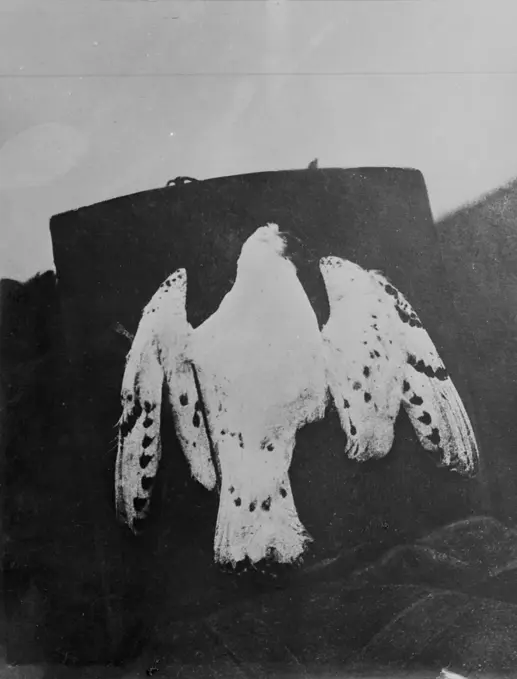
Ancient Artifacts

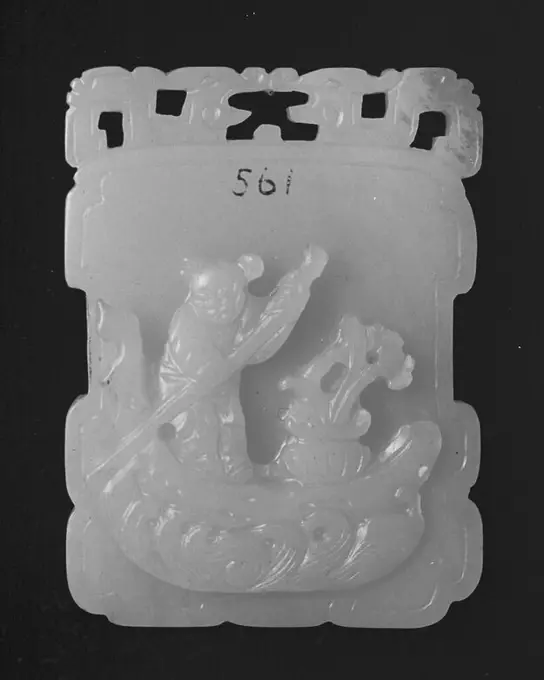
Depictions of ancient vessels, ceremonial axes, and adze heads from historical eras, showcasing intricate designs and materials like jade and stone.

Ceremonial dagger-ax China. Ceremonial dagger-ax. China. Jade (nephrite). Shang dynasty (ca. 1600-1046 B.C.). Jade
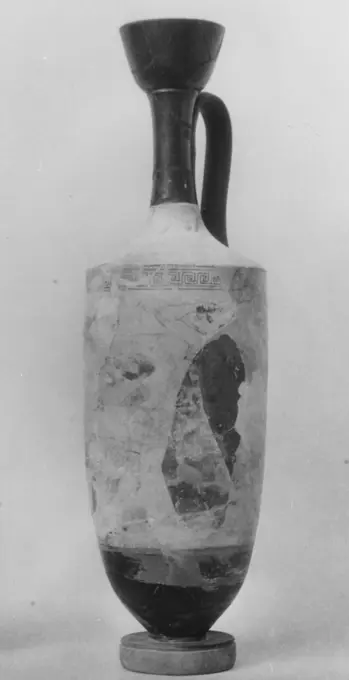
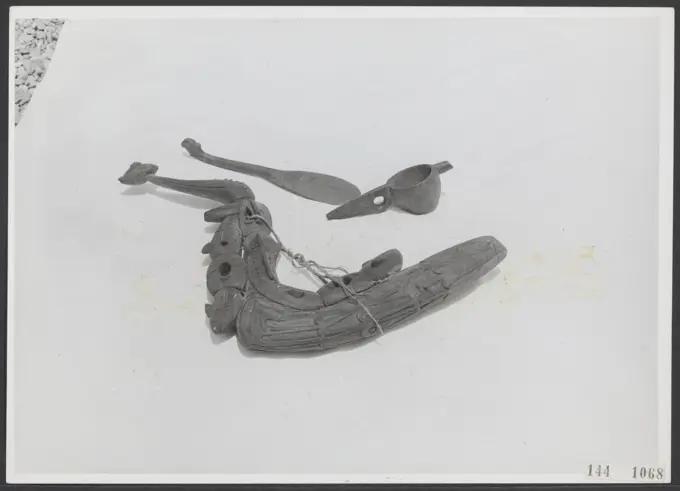
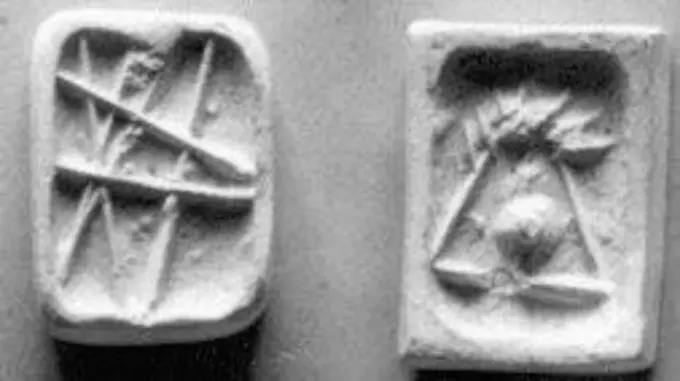
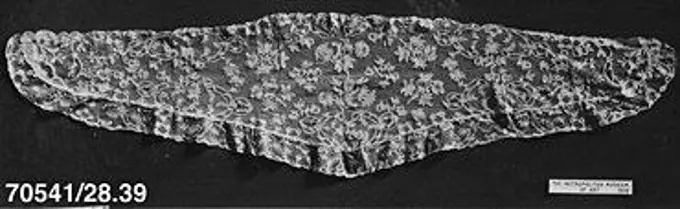
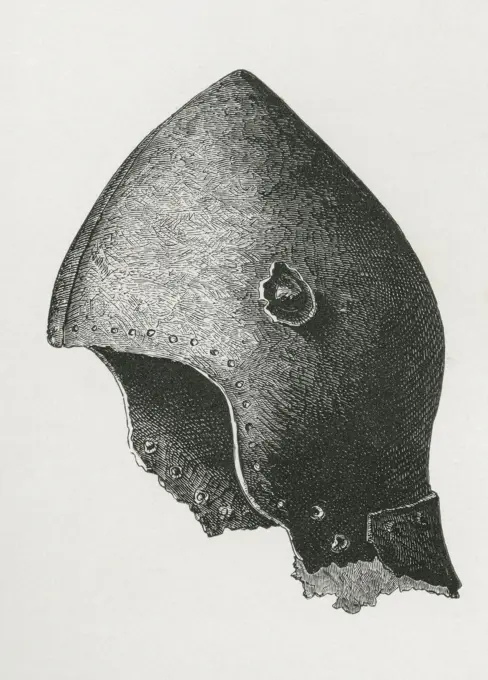
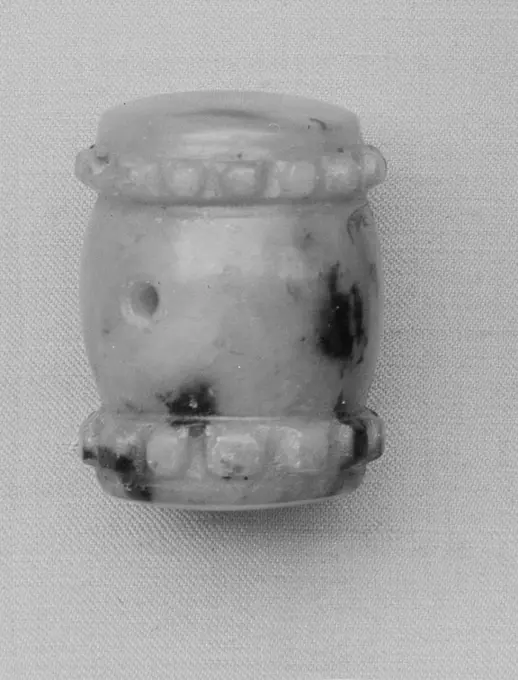
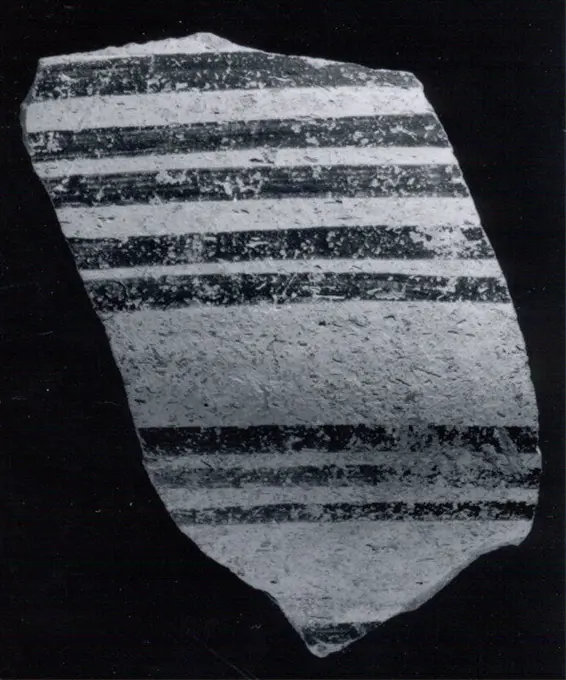
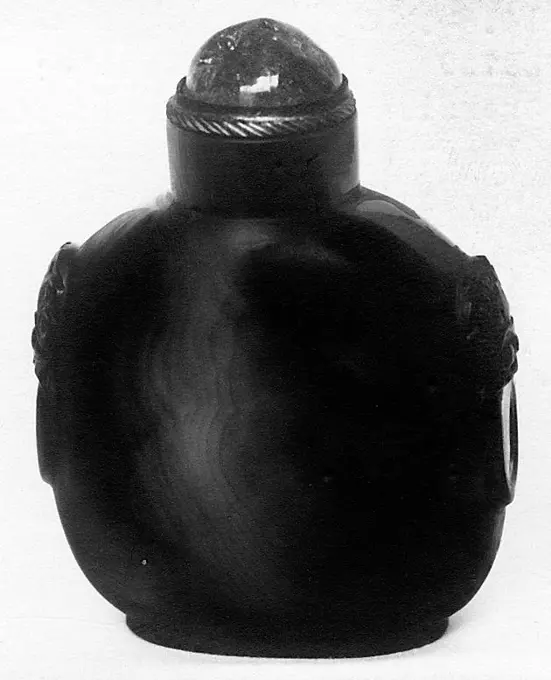
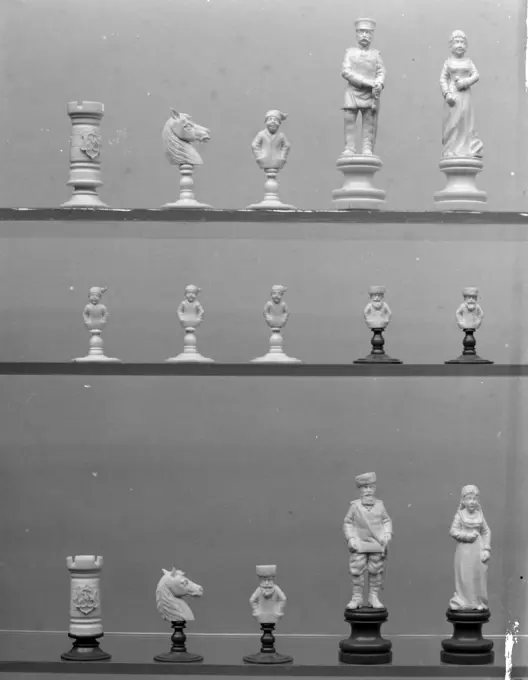
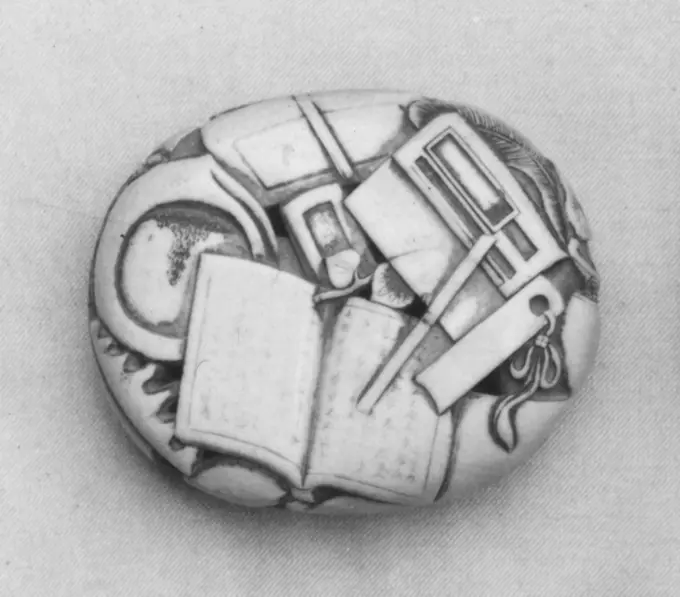
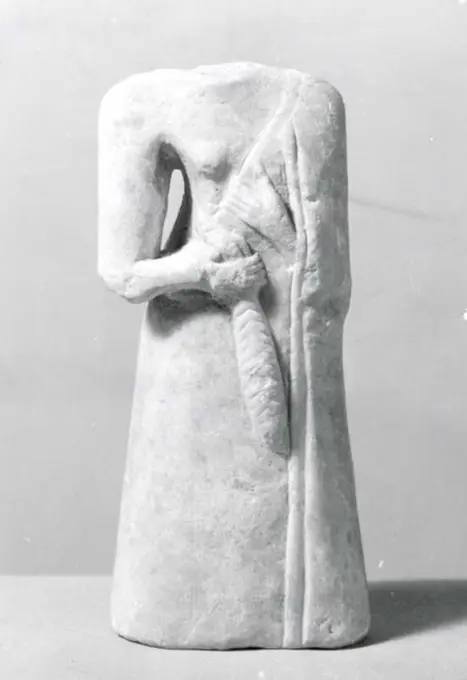
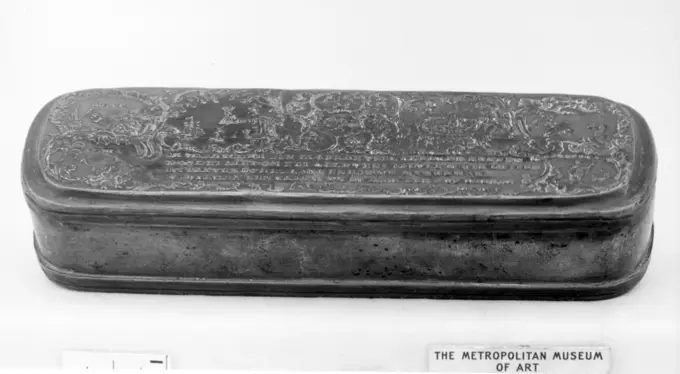
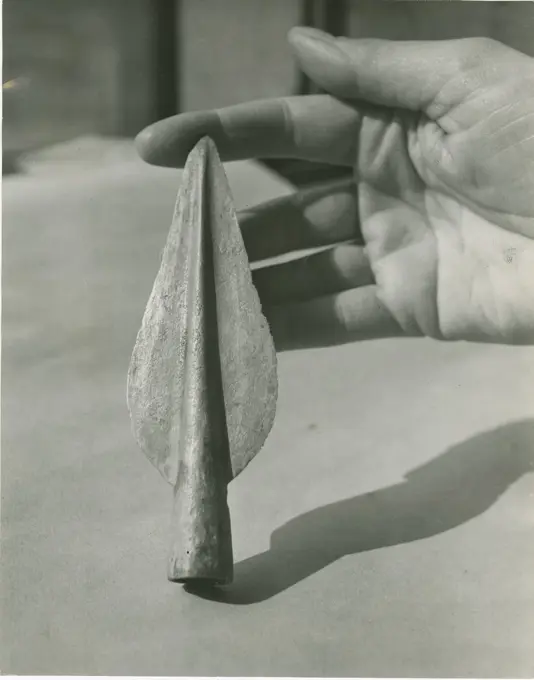
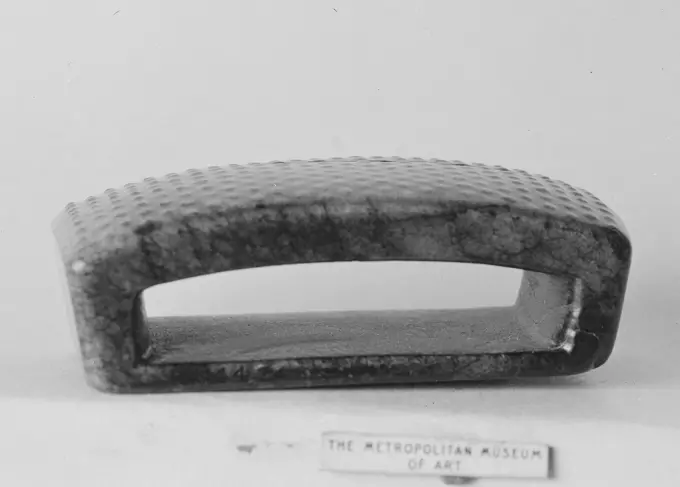
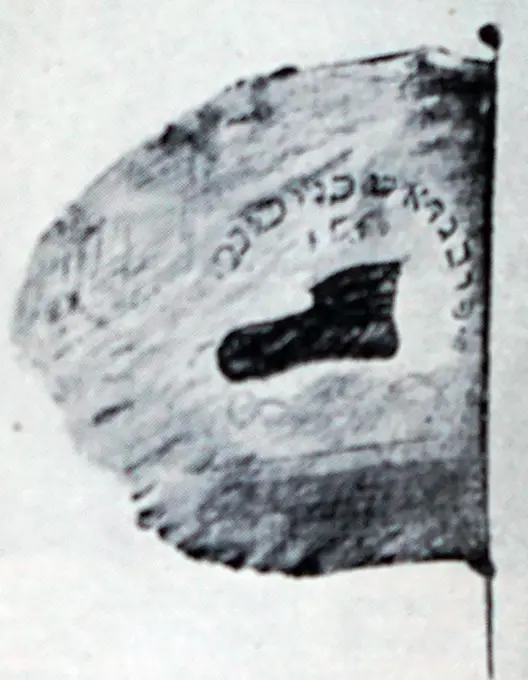
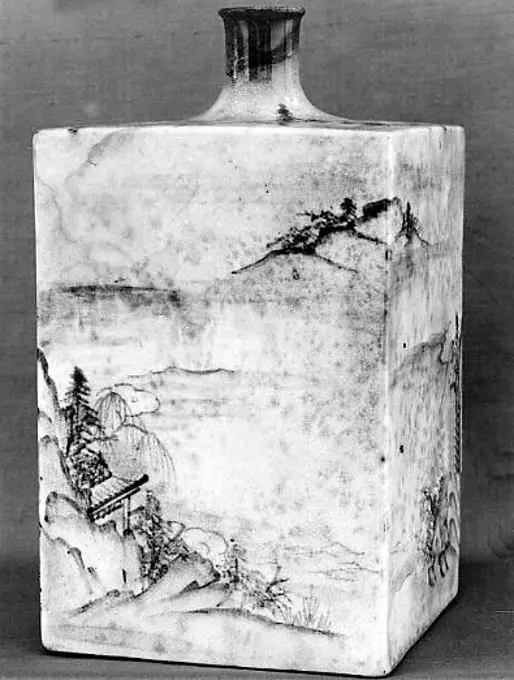
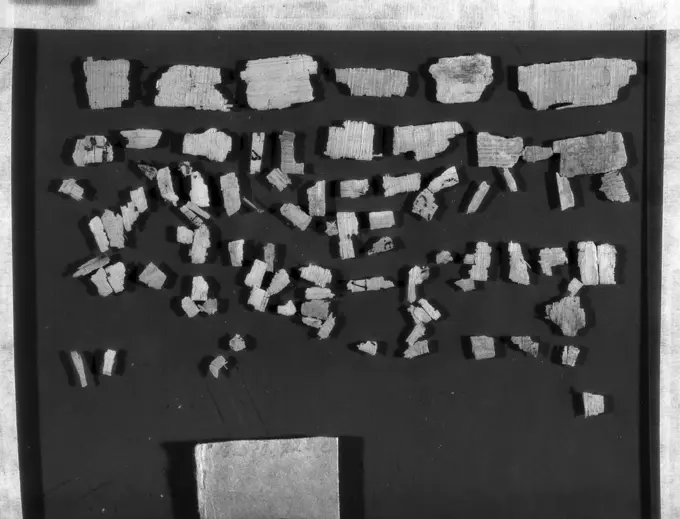
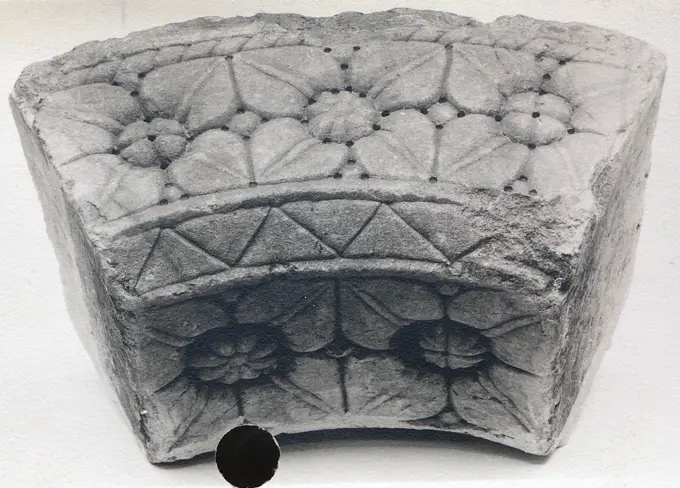
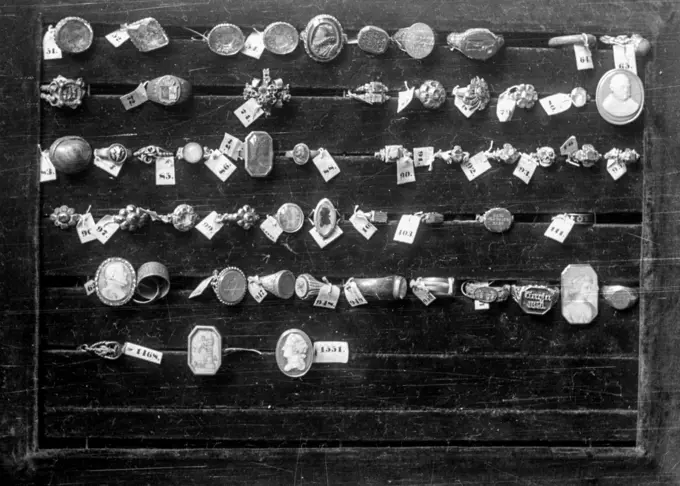
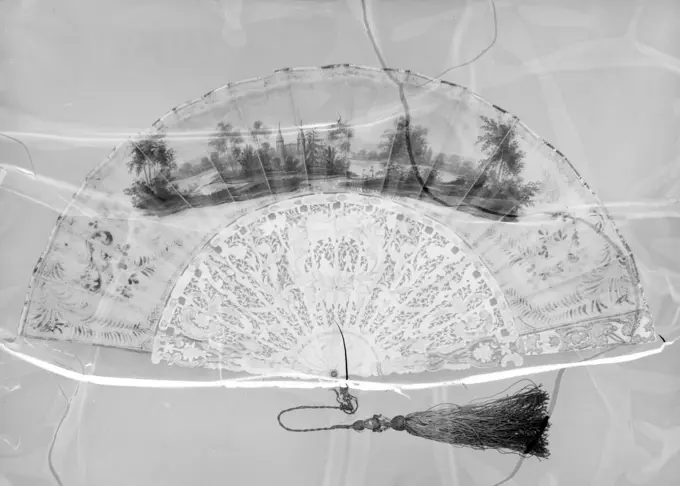
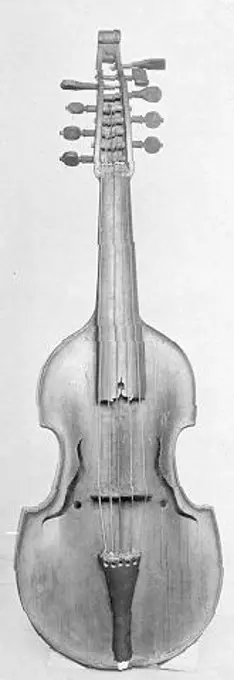
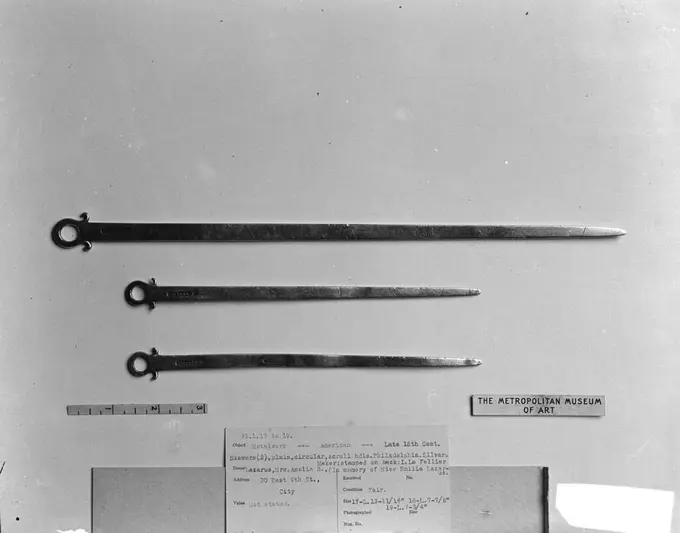
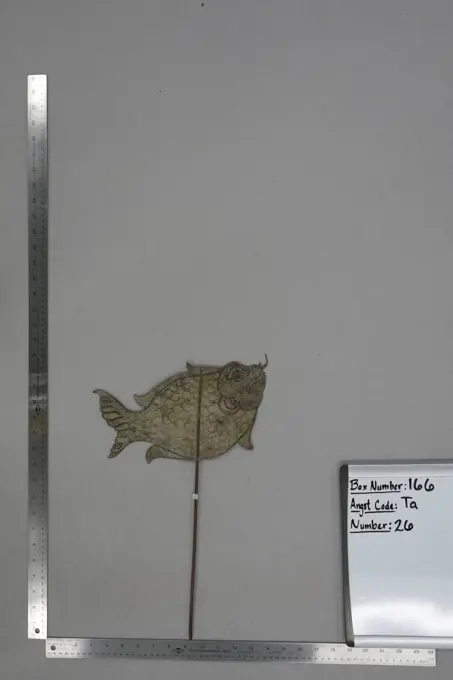
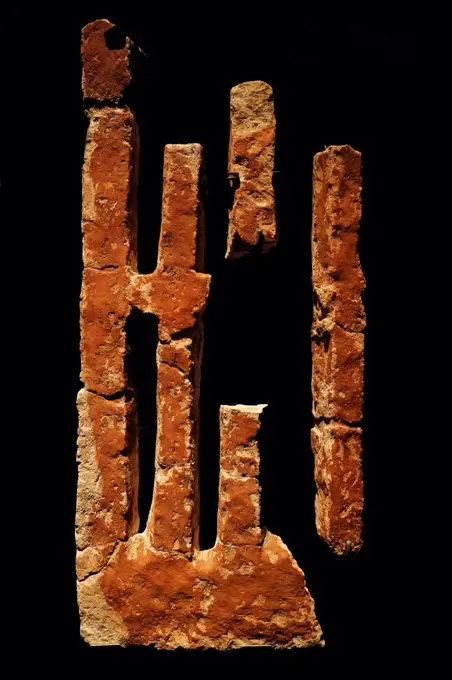
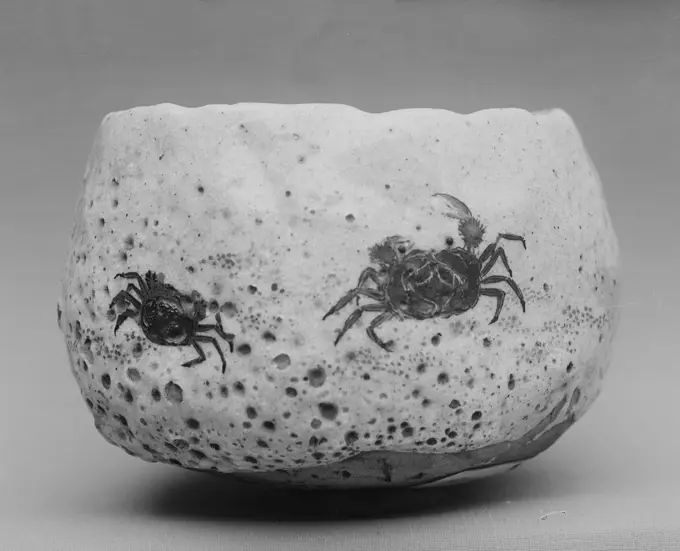
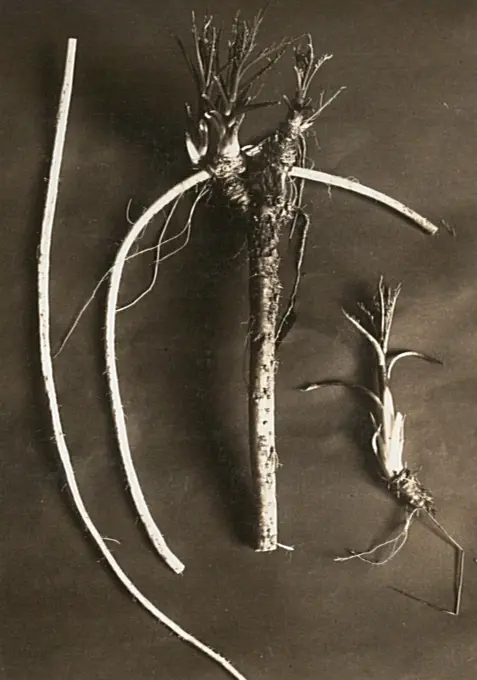
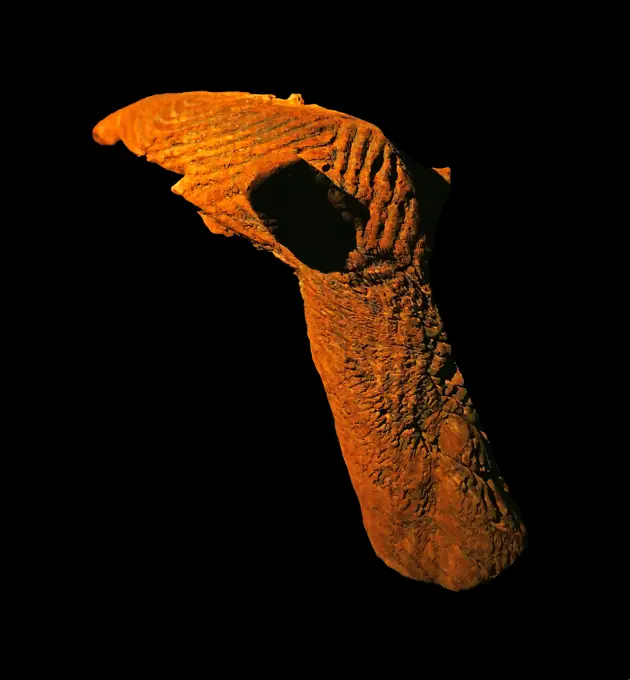
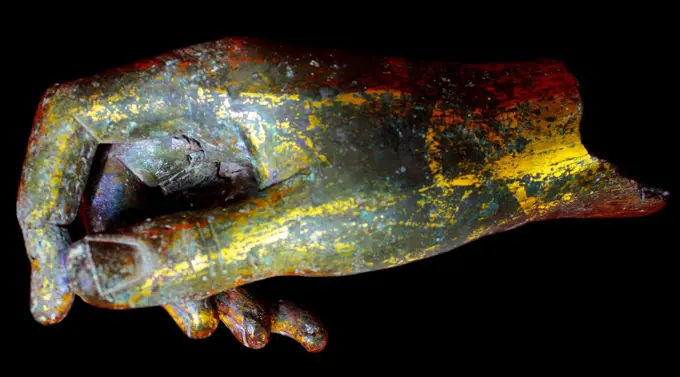
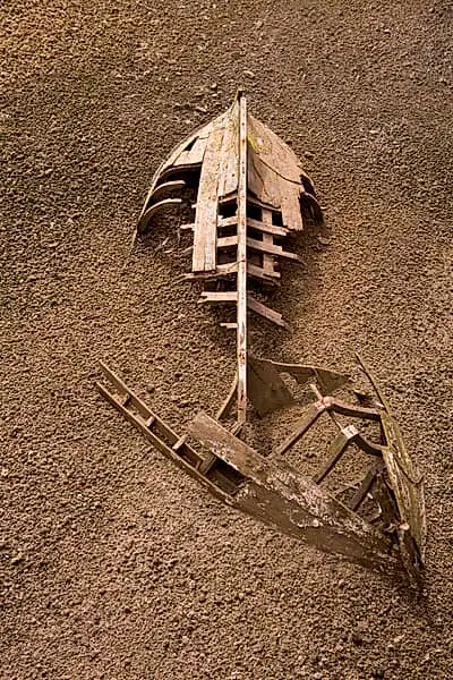
Basket with handles ca. 1550-1295 B.C. New Kingdom . Basket with handles. ca. 1550-1295 B.C.. Fiber. New Kingdom . From Egypt, Upper Egypt, Thebes, Deir el-Bahri, Roman Burial XLLekythos ca. 440-430 B.C. Attributed to the Painter of the New York Hypnos. Lekythos. Greek, Attic. ca. 440-430 B.C.. Terracotta; red-figure, white-ground. Classical. VasesInformation office and radio broadcaster Dutch New Guinea. For: wooden preserves decoration of a prawn, carving with fish (near North Coast New Guinea). Rear right: wooden pioneer for Sagero (palm wine) from the Ajamaroe area. Rear left: Wooden spatula. October 1957. New GuineaStamp seal (tabloid) with geometric designs 13th - 7th century B.C. Syro-Anatolian-Levantine. Stamp seal (tabloid) with geometric designs. Syro-Anatolian-Levantine. 13th - 7th century B.C.. Mottled Greenstone. Late Bronze Age - Early Iron Age. Cyprus or SyriaFlint saw, vintage engraved illustration. From Natural Creation and Living Beings.Hat ornament 13th-16th century Colombia. Hat ornament. Colombia. 13th-16th century. Gold. Colombia. Metal-OrnamentsFragment of a Pendant China. Fragment of a Pendant 43452Fichu 18th century Flemish. Fichu. Flemish. 18th century. Bobbin lace, point d'Angleterre. Textiles-LacesBassinet with screw cap for the ventail. said to have belonged to Guy Earl of Warwick. around 1460. from the book The British Army. 1868. Historical. digitally restored reproduction from a 19th-century originalArmlet 1897 France. Armlet. France. 1897. Nephrite. JadeTriangular prism with three oval seal faces ca. 18th century B.C. Minoan. Triangular prism with three oval seal faces. Minoan. ca. 18th century B.C.. Chlorite or steatite, black. Middle Minoan II. CreteSnuff Bottle. Culture: China. Dimensions: H. 2 3/16 in. (5.6 cm). Date: 18th-19th century. Museum: Metropolitan Museum of Art, New York, USA.Bead China. Bead 43114Plate ca. 1800 British. Plate. British. ca. 1800. Earthenware, lusterware. Made in EnglandArrow Shaft Straightener 14th century Columbia River. Arrow Shaft Straightener. Columbia River. 14th century. Granite. United States, Oregon, Columbia River region. Stone-ImplementsHeaddress Made 1801-1900 Austria. Embroidered band of gold .Engraved Gem. UnknownJar sherd ca. early 2nd millennium B.C.. Jar sherd 326090Textile Fragment 3rd-4th century. Textile Fragment 444280Earring 7th century or earlier Japan. Earring. Japan. 7th century or earlier. Gold plated. Kofun period (ca. 300-710). JewelrySpade-shaped schematic female () figure ca. 3000-2800 B.C.. Spade-shaped schematic female () figure 325246Snuff Bottle 19th century China. Snuff Bottle. China. 19th century. Agate with glass stopper. Qing dynasty (1644-1911). Snuff BottlesPendant. Culture: China. Dimensions: H. 2 5/16 in. (5.9 cm); W. 1 3/4 in. (4.4 cm); D. 3/8 in. (1 cm). Museum: Metropolitan Museum of Art, New York, USA.Long Housewife Made 1801-1900 England. Silk, plain weave; embroidered with silk; appliquÈd .Chessmen (32) late 19th century German The two kings resemble Kaiser Wilhelm of Germany and Czar Alexander III of Russia, and resemblances to the Empress Augusta and Czarina Maria Feodorovna may be intended in the queens. The reigns of the Kaiser and Alexander III overlapped from 1887 to 1894. This period may thus be taken as the probable time in which the set was made. The initials J S in monogram within a shaped shield on the four rooks are probably those of the original owner.. Chessmen (32). German. late 19th century. Ivory. Chess SetsFan ca. 1840-50 French. Fan 209529Collection Dutch Heidematschappij. Axe. undatedSection of a spoon handle 1775-76 French, Paris. Section of a spoon handle 198395Poll photo collection. Product photos; silverware. Spoon with flowers of the fa. Gerritsen & Van Kempen in Zeist. January 1, 1930. Utrecht (province), ZeistBase, Engaged. Culture: French. Date: ca. 1130-40. Museum: Metropolitan Museum of Art, New York, USA.Poll photo collection. Advertising photography. Three drated pastilles Droste's B chocolate. 1932Writing Utensils mid-19th century Ryūsen Japanese Writing utensils, such as ink stones, brushes, and open books were depicted in Japanese lacquer and textile art and also became favored netsuke subjects.. Writing Utensils 59824Standing female figure ca. 2700-2600 B.C.. Standing female figure 324117Tobacco box ca. 1760 Johann Heinrich Giese. Tobacco box. German, Iserlohn. ca. 1760. Copper, brass. Metalwork-CopperBronze spearhead dating back to 1200-1000 B.C. found at the prehistoric settlement of Isolone del Mincio near Volta Mantovana.Scabbard ornament China. Scabbard ornament. China. Jade. Han dynasty (206 B.C.-A.D. 220). JadeGuildbanner of the Jewish shoe-makers of Berne, Switzerland. Dated 16th CenturyStamp icon set - sketch line artSnuff Bottle 19th century China. Snuff Bottle 41307Square Bottle 18th century Japan. Square Bottle. Japan. 18th century. Pottery decorated in blue under the glaze (Satsuma ware). Edo period (1615-1868). CeramicsDish (one of a pair) China. Dish (one of a pair) 40877Unidentified motifs.Blue Sleeve Fragment 6th-9th century The combination of colored and undyed bands against the dark blue ground of this sleeve is striking. A pattern of diamonds and rosettes decorates the green and red cuff band. The use of colored wools and undyed linen for ground fabric became increasingly popular in the sixth and seventh centuries, the same period in which applied weft-pattern fabrics came into fashion.. Blue Sleeve Fragment 443746Papyrus Fragments Inscribed in Greek or Demotic Greek. Papyrus Fragments Inscribed in Greek or Demotic, 30 B.C.E-395 C.E. Papyrus, ink, a: Glass: 7 15/16 x 9 15/16 in. (20.2 x 25.3 cm).   Egyptian, Classical, Ancient Near Eastern Art 30 B.C.E-395 C.E.Stamp seal ca. late 3rd-early 2nd millennium B.C. Bactria-Margiana Archaeological Complex. Stamp seal 327470Collar. Culture: British. Date: first quarter 19th century. Museum: Metropolitan Museum of Art, New York, USA.Voussoir ca. 1130-40 Catalan. Voussoir. Catalan. ca. 1130-40. Marble. Made in present-day France. Sculpture-ArchitecturalFringe probably European 19th centuryRails.Square Pen with Six Rams 1st-early 3rd century China Pottery models of houses and farm structures were commonly included in Eastern Han burials to provide for the afterlife.. Square Pen with Six Rams 44324Headpiece for girdle ornament China. Headpiece for girdle ornament 43074Head piece for girdle pendant China. Head piece for girdle pendant 43071A mooring set at the tent. Likely it specimens, as Andrée shot on August 22. Production of the pictures was made by Associate Professor John Hertzberg in 1930 in photography, Technical College. Photography, KTH.Disk ornament 13th-16th century Colombia. Disk ornament. Colombia. 13th-16th century. Gold. Colombia. Metal-OrnamentsA mooring set at the tent. Likely it specimens, as Andrée shot on August 22. Production of the pictures was made by Associate Professor John Hertzberg in 1930 in photography, Technical College. Photography, KTH.STRATY WOJENNE MNKSTRATY WOJENNE MNKSTRATY WOJENNE MNKKohl stick ca. 1640-1550 B.C. Second Intermediate Period. Kohl stick 545643Wooden Spindle. Culture: Peruvian. Dimensions: Overall: 8 1/2 x 1/4 in. (21.59 x 0.64 cm)Other: 1/4 in. (0.64 cm). Date: 10th-16th century (). Museum: Metropolitan Museum of Art, New York, USA.Fan mid-19th century French or Italian. Fan. French or Italian. mid-19th century. Paper, mother-of-pearl, gilt. FansStamp seal (oval conoid) with deity () ca. 7th-6th century B.C. Assyro-Babylonian. Stamp seal (oval conoid) with deity (). Assyro-Babylonian. ca. 7th-6th century B.C.. Neutral Chalcedony (Quartz). Neo-Assyrian / Neo-Babylonian. MesopotamiaViola d'Amore 1733 Austrian The viola d'amore, or viola "of love," is a bowed stringed instrument which gained great popularity in the eighteenth century. Much of its history, including the derivation of its name, is unknown. It has many characteristics of the viol family such as a flat back, ribs that are flush with the top and back, and a rosette in addition to soundholes. Yet, like a violin, it is unfretted and held under the chin while played. Violas d'amore typically have seven playing strings, though instruments with other numbers of strings are not unusual. Perhaps the most distinguishable characteristic of the viola d'amore is the presence of sympathetic strings, which are not played but located behind the bowed strings and vibrate "in sympathy." The sympathetic strings contribute to produce a tone that is clear, and often described as "silvery." The sympathetic strings also contribute to creating a more resonant sound with a longer decay. Sympathetic strings are found on severSkewer. Culture: American. Dimensions: L. 7 7/8 in. (20 cm). Maker: John Letelier Sr. (ca. 1740-1798). Date: 1775-1800. Museum: Metropolitan Museum of Art, New York, USA.Woman's Shoes Made 1701-1800 England. Pale blue damask .Dish. Culture: China. Dimensions: H. 5 in. (12.7 cm); W. 5 3/4 in. (14.6 cm). Date: 18th century. Museum: Metropolitan Museum of Art, New York, USA.El Puerto de Santa María (Cádiz), January 1971. Homemade utensils used by El Lute to escape from prison. In the image, the braided pieces of savannah with which a belt was made to be able to descend.Bonny paper doll accessory , Hats. Phyllis Tyler Paper Doll CollectionThule (depicted - name).Thule (depicted - name)Shadow Puppet (Wayang Kulit) ofIkanBonny paper doll accessory , Hats. Phyllis Tyler Paper Doll CollectionColuzea spiralis Adams (Gastropoda) black-and-white negatives, gelatin dry plate negativesGrunge post Stamps Collection, Circles. Banners, Insignias , Logos, Icons, LabelsFragments of sun-dried mudbrick used in ancient Egypt. Dated 12th Century BCTeabowl 1800 Japan. Teabowl. Japan. 1800. Clay covered with a frothy white glaze and decorated with gold and black (Mino ware, Shino type). Edo period (1615-1868). CeramicsEurope. Meerrettich (rustic armoracy)Tassels. Peru, Possibly central coast. Date: 1000-1476. Dimensions: 32.4 × 10.8 cm (12 3/4 × 4 1/4 in.). Origin: Peru. Museum: The Chicago Art Institute, Chicago, USA.The oldest wooden sculpture that has ever been found in Liavela River, Angola, Africa. This animal head was discovered by chance in 1928 in Angola, at the bottom of a pit which had been bored to investigate whether mining was possible there. According to estimates the wood dates from the period between 750 and 850 AD, it is possible that the actual carving was carried out at a later date. Geometric decorations have been applied to the entire surface area.Gilt bronze arm from a statue. Roman, 2nd or 3rd Century AD Found in a Roman well at Clairmarais near Rheims, France, in 1876. Small rectangles of gold leaf were glued in place and were further secured by burnishing. In several places the overlapping of the sheets is visible.Incense Burner in Shape of Quail 19th century Japan. Incense Burner in Shape of Quail 52170Boat ship skeleton grunge half buried in brown sandRaoulia cushions, circa 1922, by Dr Leonard Cockayne F.R.S.Glass Panel 1763-74 Stiegel's Elizabeth Furnace. Glass Panel. American. 1763-74. Free-blown glass. Made in Manheim, Pennsylvania, United States