Ancient Artifacts

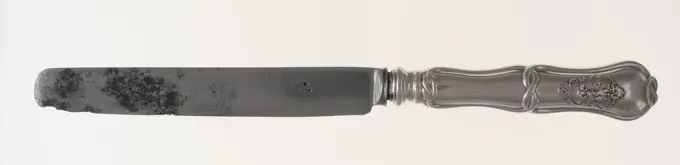
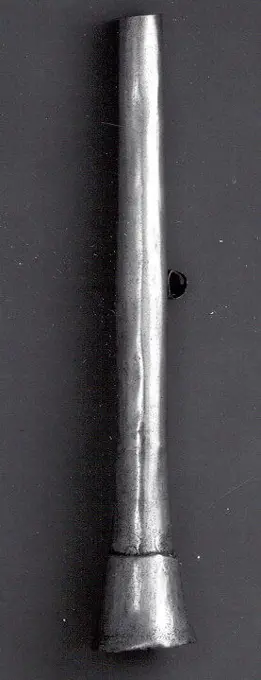
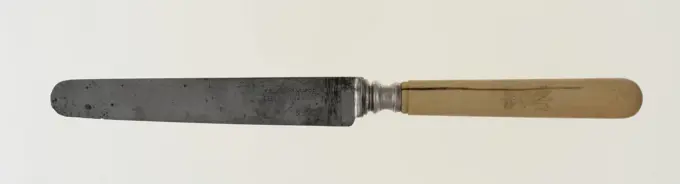
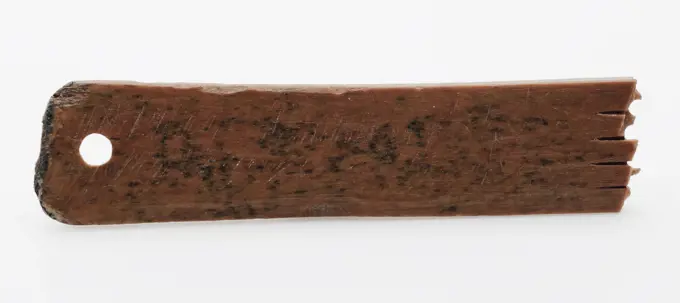
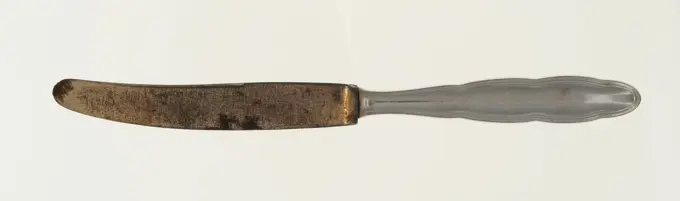
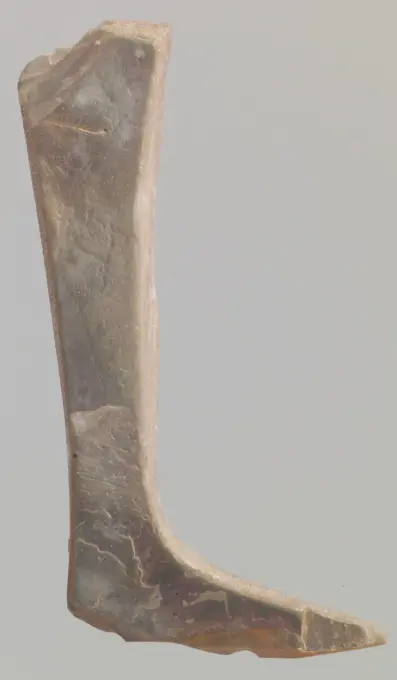
Depictions of historical artifacts such as hunting knives and ancient hairpins, illustrating craftsmanship and materials from the past.
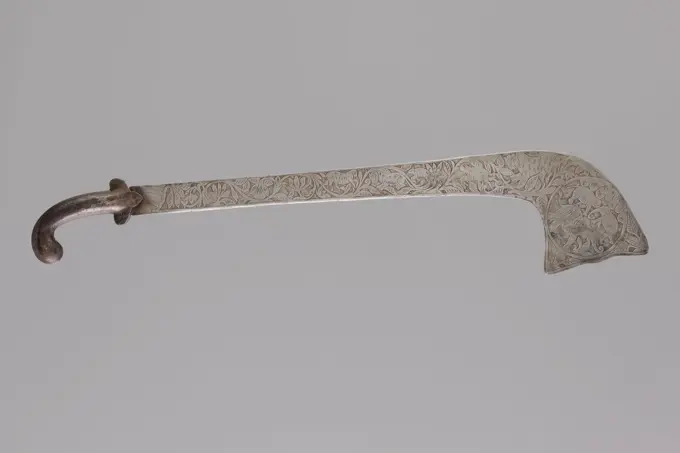
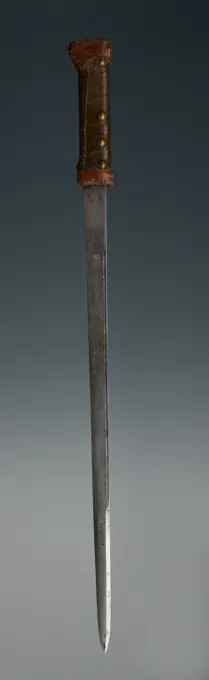
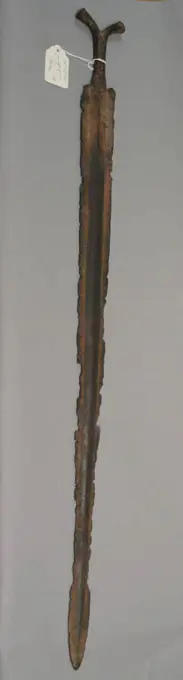
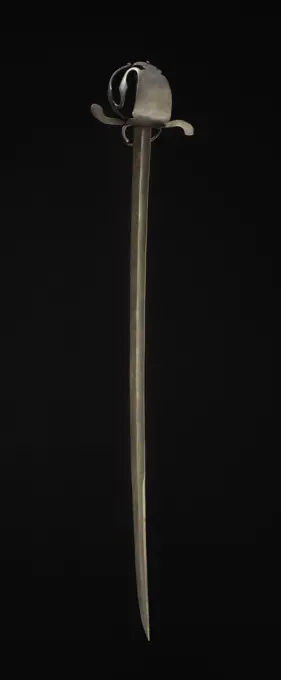
Bark" saber;  20th century (1901-00-00-1940-00-00);
Bark" saber; 20th century (1901-00-00-1940-00-00);
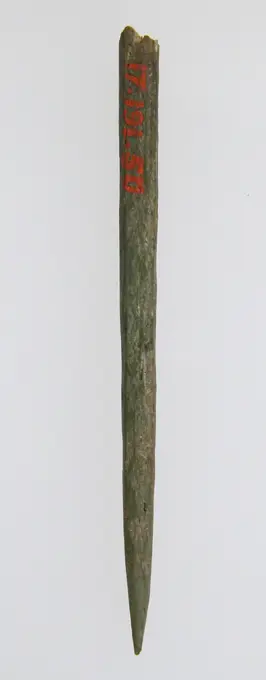
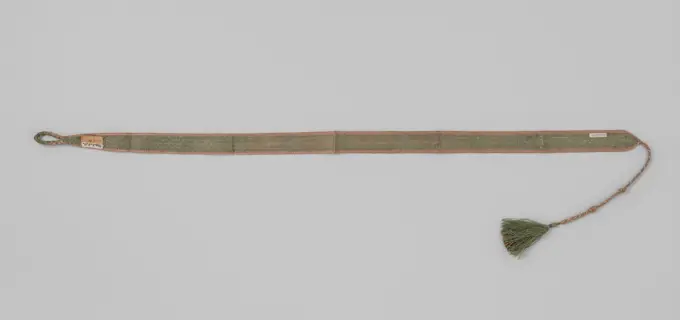
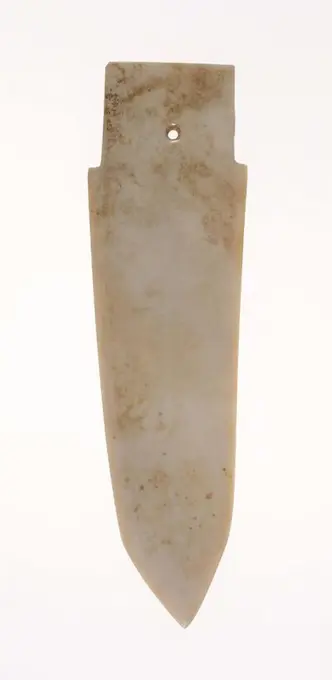
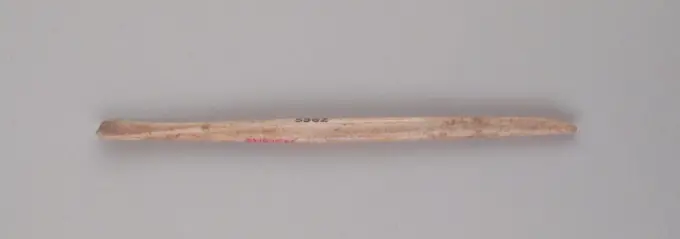
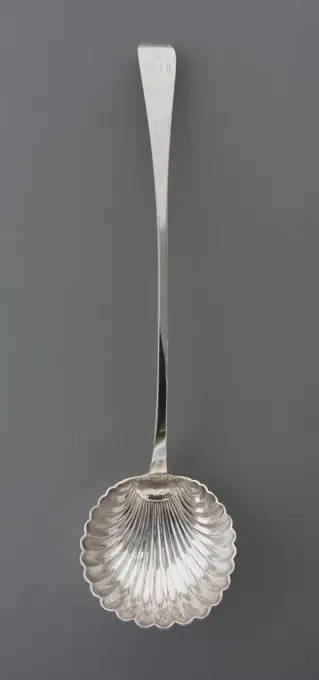
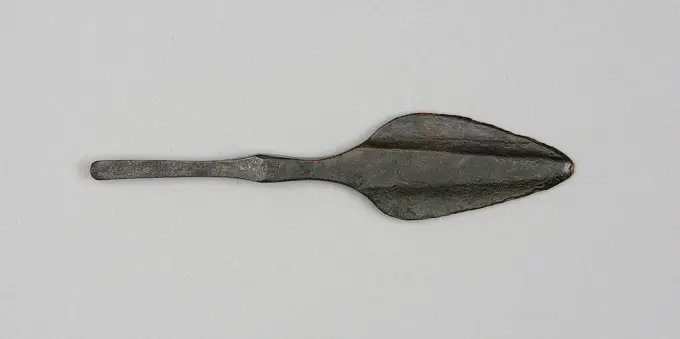
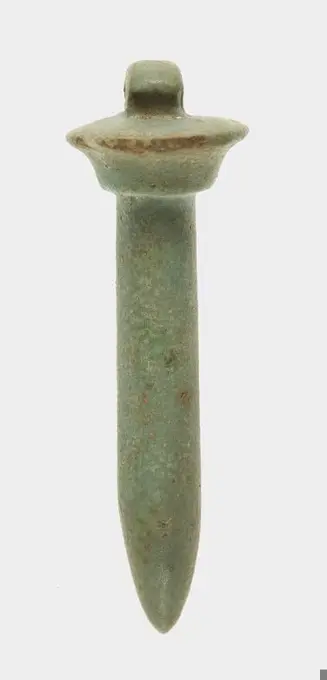
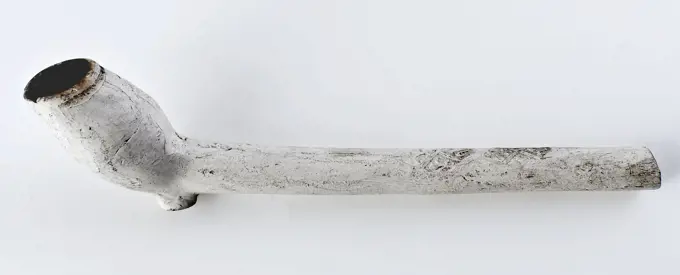
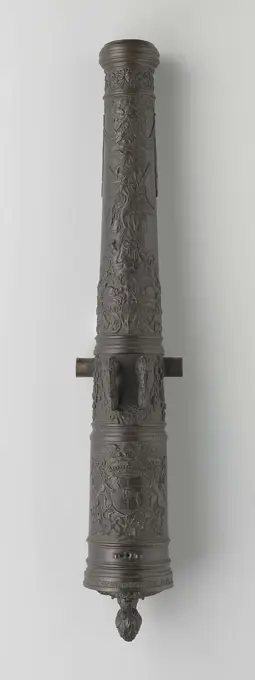
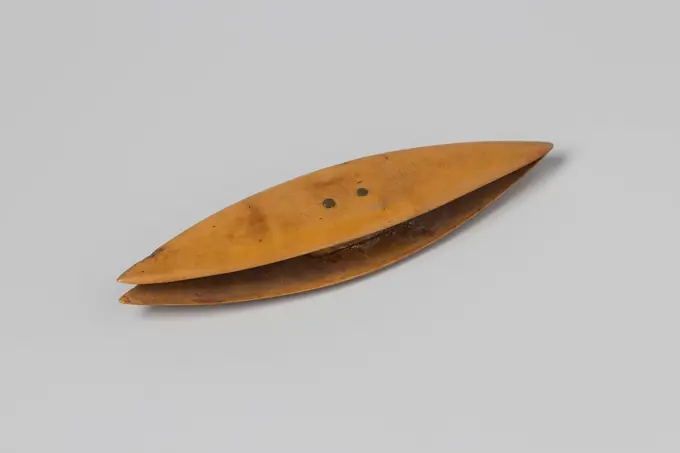
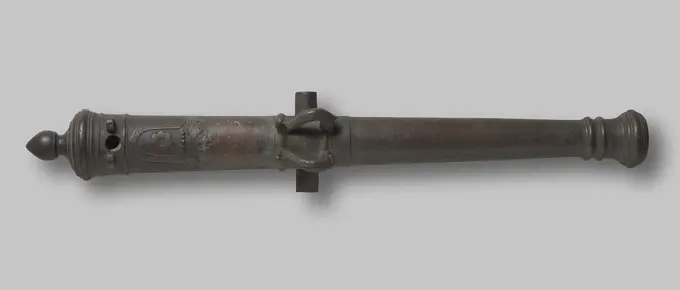
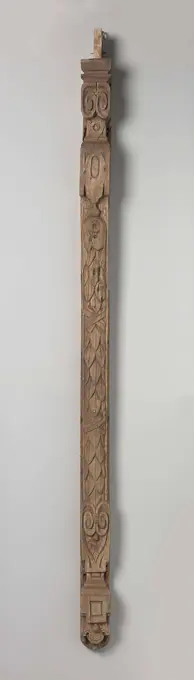
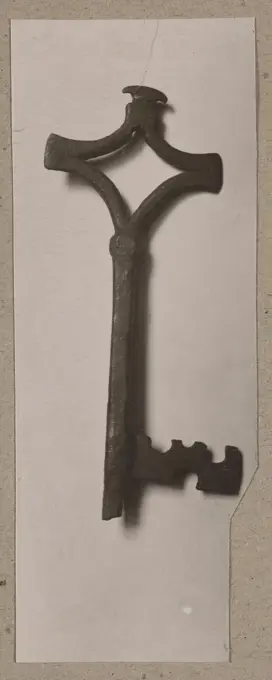
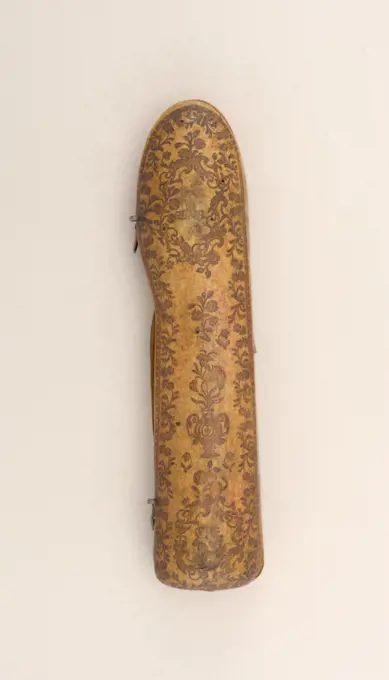
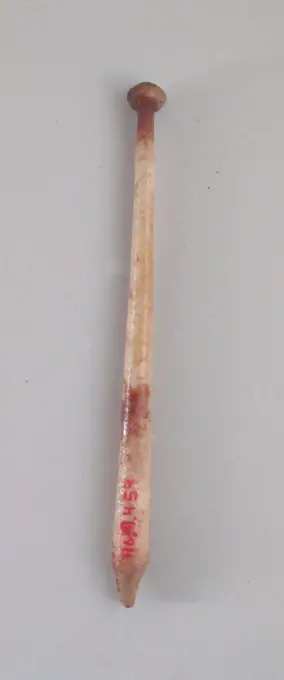
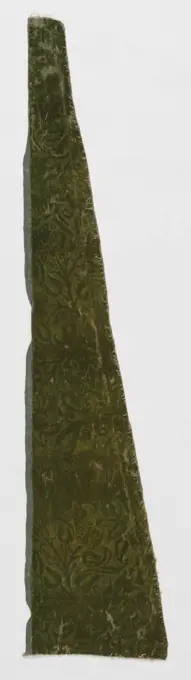
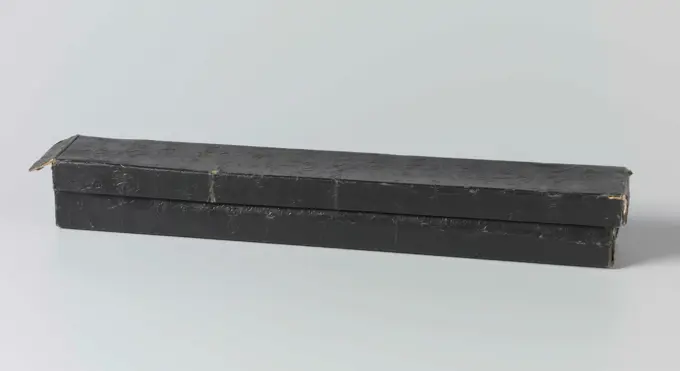
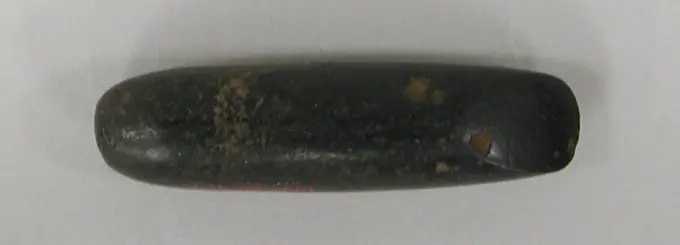
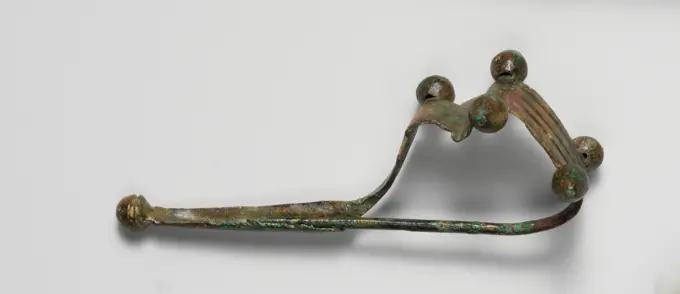
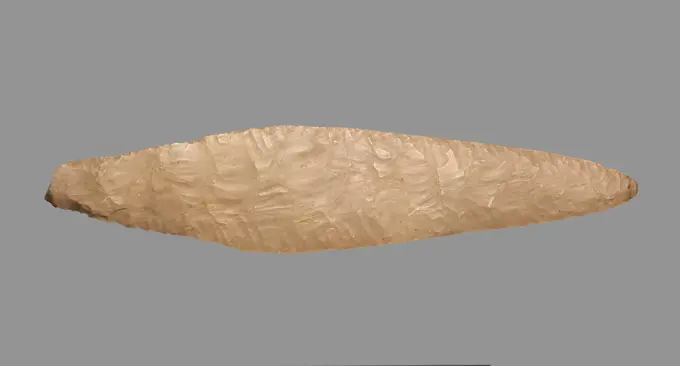
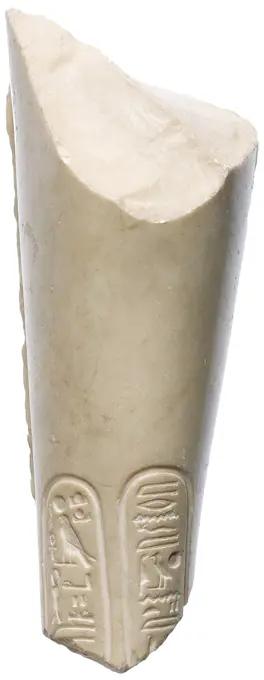
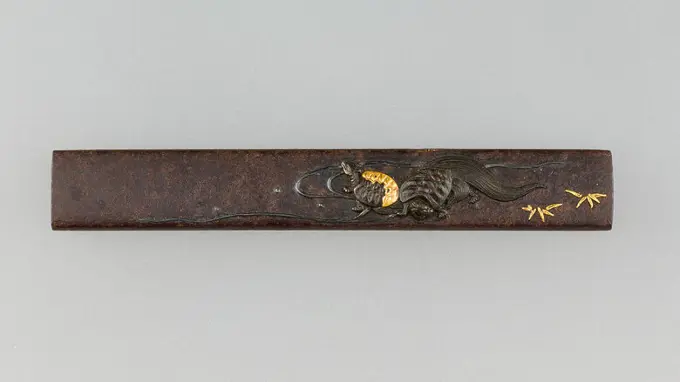
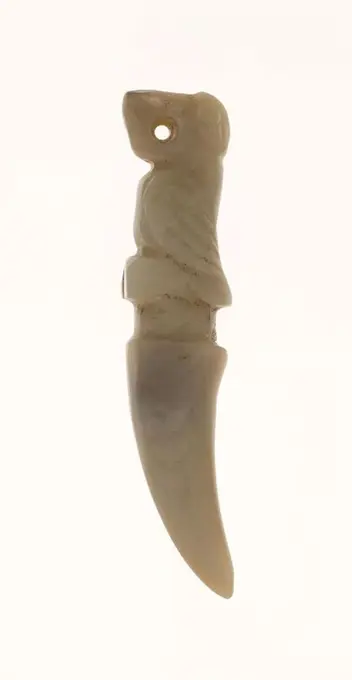
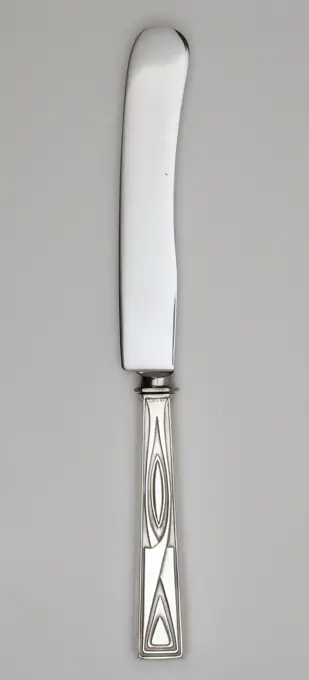
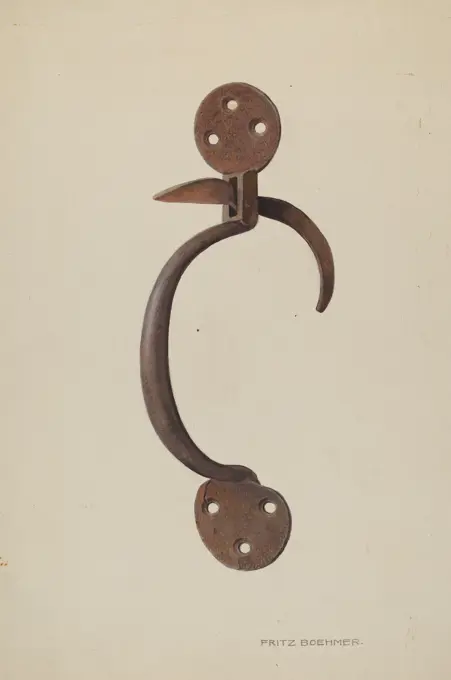
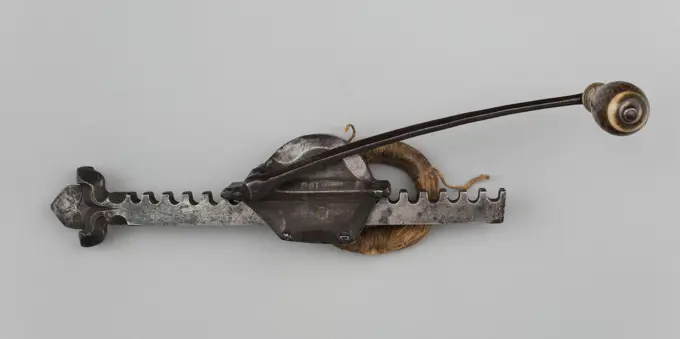
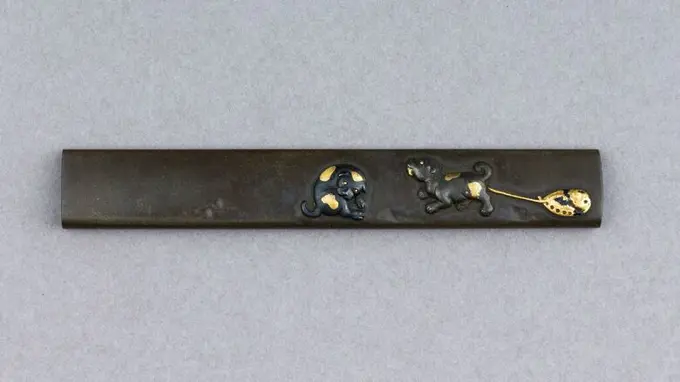
Hunting cordlasHairpin Point 1st-4th century Roman. Hairpin Point 465098 Roman, Hairpin Point, 1st4th century, Bone, Overall: 1 9/16 x 1/16 in. (4 x 0.2 cm). The Metropolitan Museum of Art, New York. Gift of J. Pierpont Morgan, 1917 (17.191.50)Garter or cingulum, green with gold brochure; With the text Sara Maria Hattevier Jerusalem, Anonymous, c. 1677 - c. 1700 Garter or cingulum, green with gold brochure. The text Sara Maria Hattevier Jerusalem can be read in golden letters against a green background. Two red/ pink stripes run along the edges. One end of the band has a loop, the other a braided cord on which a brush. Jerusalem whole: Silk. braiding Garter or cingulum, green with gold brochure. The text Sara Maria Hattevier Jerusalem can be read in golden letters against a green background. Two red/ pink stripes run along the edges. One end of the band has a loop, the other a braided cord on which a brush. Jerusalem whole: Silk. braidingHandle of black plastic with ribbed surface and cut spines, for an umbrella or umbrella, Gustav Schnitzler, c. 1910 - c. 1920 Handle of dull -black plastic for an umbrella or parasol. The surface is ribbed and has cut spines. Possibly for the mourning. Nijmegen . Handle of dull -black plastic for an umbrella or parasol. The surface is ribbed and has cut spines. Possibly for the mourning. Nijmegen .Bark" saber;  20th century (1901-00-00-1940-00-00);Wooden Loom Bar before 16th century Peruvian. Wooden Loom Bar 309276Hammered Silver Miniature Flute 8th-mid-16th century Peru; north coast (). Hammered Silver Miniature Flute 309166Dagger-Blade (ge). China. Date: 1300 BC-1000 BC. Dimensions: 6 1/4 × 1 13/16 × 1/8 in. Jade. Origin: China. Museum: The Chicago Art Institute, Chicago, USA.Fork, Charles Victor Gibert, French, Silver, Handle in the form of a fish skewered on tines., ca. 1890, cutlery, Decorative Arts, ForkCannon of the Reygersberg family, Johannes Burgerhuys, 1678 cannon Richly decorated cannon of cast bronze. For the Zundgat on the bottom piece the coat of arms of the Van Reygersberg family with two lions as shield holders; Among them four swimming swans and above that an eagle. The ears in the form of dolphins surrounded by flowers; The Langeveld provided with large hanging trophy of dead herons and hunting gear, including a cartouche formed by four hunting dogs, deer and a boar head in which: Semper idem. At the head a band of Arabetien. The grape is richly decorated. Middelburg bronze (metal) castingHairpin 200-500 Roman. Hairpin 464918 Roman, Hairpin, 200500, Copper alloy, Overall: 3 9/16 x 1/4 in. (9.1 x 0.7 cm). The Metropolitan Museum of Art, New York. Gift of J. Pierpont Morgan, 1917 (17.191.217)BracketEar pick. Ear pick. BoneDagger-Blade (ge) Made 1200 BCE-771 BCE China. Jade .Philip Syng Jr., Ladle, before 1772, silver.Arrowhead; Unknown Middle Eastern workshop; IX - VI century BC ; period of Iron (-900-00-00--501-00-00);Weapons, Luristan browns, arrowheads, iron period (approx. 1300-ok. 600 BC), purchase (provenance)Papyrus Column Amulet. Dimensions: H. 4.6 × Dia. 1.3 cm (1 13/16 × 1/2 in.). Dynasty: Dynasty 26-30. Date: 664-30 B.C.. Museum: Metropolitan Museum of Art, New York, USA.2000 A2.106.1. Iron Hammer, Mediaeval. Found at Weoley CastleWhite clay pipe, unnoticed, with smooth handle, clay pipe smoking equipment smoke floor pottery ceramics pottery, hand-formed baked White clay pipe unnoticed with smooth handle. Base of the heel is almost equal to the underside of the stem archeology smoking tobaccoWood pipe foud with brass hinges, with pipe ,, 1791 Wood pipe fow with brass hinges. There in an earthenware pipe. Netherlands (possibly) maple (wood). brass (alloy). clay Wood pipe fow with brass hinges. There in an earthenware pipe. Netherlands (possibly) maple (wood). brass (alloy). clayCandlestick 15th century European. Candlestick. European. 15th century. Metalwork- Iron. Metalwork-IronPart of modified bronze horseshoe, horseshoe soil found bronze copper metal, w 1,3 cast sawn riveted Part of bronze horseshoe U-shaped arch. Button-like projection with groove for the seat of the wheel or track Processed end with holes for attachment to the riding boot archeology Rotterdam City triangle Pakkenbrug Newport horse riding horse rider transport Soil discovery New Haven strikes between the piles of the northern bridgehead of the Pakkenbrug.Hook with bent peak and lowering point, towing hook soil found iron metal, Two towing hooks with an up bent and downward bent pin archeology Rotterdam rail tunnel ship sailor Soil discovery: rail tunnel Rotterdam.SchiavonaWhite clay pipe, unnoticed, decorated with fleur de lis stamps, clay pipe smoking equipment smoke floor pottery ceramic pottery, hand-formed baked White clay pipe unnoticed with fleur de lis stamps decorated handle Pipe is roughly finished. Stamp consists of block of four diamond-shaped fleur de lis images in one piece of archeology smoking tobaccoTalon ax (title awarded). Bronze. Carnavalet museum, history of Paris.Goldweight Cluster of Sticks, 19th-20th century, 1 7/8 x 7/8 in. (4.76 x 2.22 cm), Brass, Ghana, 19th-20th centuryChair leg, Walnut, Right front leg of a chair; scroll foot, cabochon on knee. Split and repaired; shaft and foot are modern replacements., France, ca. 1725, woodwork, Decorative Arts, Chair legRang scissors of a horse bit, anonymous, c. 1650 The two cast and accompanying objects each consist of five parts: the rod, the two sounded mounting pieces of both sides of the place where the actual bit was mounted, the rosette and this rod section mounted rosette and the Eye, which was applied to the opening at the end of the loop. At A there is a ring on it, to which the rein was attached, as well as the mounting switch for the now missing switch chain, which connected the two rod shells. This link is placed in the opening in the loop surrounded by two cruel ends. There is another hole in the long part of the rod, in which the second now missing switch chain was mounted. The slightly larger opening in the part where the rod makes a sharper corner may have served for the short rein (trens). The two large holes masked by the rosette have either for one chain or rod and for the belt under the chin of the horse. The kidney -shaped hole on the bar end above this section was the mounting Kanon van familie Reygersberg.Richly decorated cannon of cast bronze. For the Zundgat on the groundpiece The arm of the Reygersberg family with two lions as shield holders; Below four swimming swans and an eagle above. The ears in the form of dolphins surrounded by flowers; The Langeveld provided with large lowering trophy from Dead Herons and hunting gland, including a cartouche formed by four hunting dogs, deer and a hoggace in which: Semper Ditt. At the head a band of Alabetien. The grape is richly decorated.Antennae Sword 1500-1000 B.C. India These anthropomorphic figures, harpoons, ax blades (celts), and antennae swords were cast and hammered from unalloyed copper. They may be dated to 1500 to 1000 B.C. Given that pure copper is a relatively soft metal and most of the objects show little or no signs of wear, it seems likely that their function was largely dedicatory. Hoards of such objects have been found across north India, the greatest concentration being in Uttar Pradesh. The findspots suggest they were ritually deposited in rivers or marshes, though several related antennae swords were recorded in late Indus Valley civilization (ca. 1500 B.C.) burials at Sanauli.. Antennae Sword 50610Ice strainer -Ice strainer -Scepter. Egypt, Predynastic Period (5500 - 3100 BCE) (). Jewelry and Adornments; scepters. Ivory and woodYeah one hundred; Malcz, Karol (1797-1867), Gerlach (Warsaw; 1760-), Silver Products Factory K.F. Malcza (Warsaw; Sreber label; 1828-1864); 1825-52 (1852-00-00-1852-00-00);Tubular Stone Bead before 16th century Costa Rica (). Tubular Stone Bead 317362Statement with place for four barrels. A statement of linden wood, with place for four barrels.Horn 13th-15th century Chimú or Chancay. Horn 315705Yeah one hundred; Tauron-Parisot (couples; Factory; 1839-); 1. PO. 19th century (1850-00-00-1850-00-00);Handle of legs brush, brush soil found leg w 1.9, cut sawn drilled Elongated handle with round hole in handle broken off at the place where the first four holes have been drilled to tie the hair. On the other side there are four grooves to sink the binding in archeology Rotterdam Kralingen-Crooswijk Kralingen East Honingerdijk bone work brushing care sweeping personal care Soil discovery: Honingerdijk Rotterdam.Yeah dessert; Würtembergische metallwarefabrik - WMF (Germany; Wytwónia Z Otnarz; 1880-1914); after 1880 (1880-00-00-1905-00-00);Inlay ca. 2600-2500 B.C. Sumerian. Inlay. Sumerian. ca. 2600-2500 B.C.. Shell. Early Dynastic IIIa. Mesopotamia, NippurCarpenter's Chisel from a Foundation Deposit for Hatshepsut's Temple ca. 1479-1458 B.C. New Kingdom This chisel is one of many full-size carpenter's tools found in the foundation deposits connected with the temple of Hatshepsut at Deir el-Bahri, many of which were inscribed with her throne name, Maatkare (see 22.3.247 and 96.4.7).. Carpenter's Chisel from a Foundation Deposit for Hatshepsut's Temple. ca. 1479-1458 B.C.. Wood, Copper alloy. New Kingdom. From Egypt, Upper Egypt, Thebes, Deir el-Bahri, Temple of Hatshepsut, Foundation Deposit 2b (B), MMA excavations, 1921-22. Dynasty 18Yeah one hundred; Tauron-Parisot (couples; Factory; 1839-); 1. PO. 19th century (1850-00-00-1850-00-00);Finial for the end of a dagger-axe, 5th-4th century BCE, 5 9/16 × 1 1/8 in., 0.4 lb. (14.13 × 2.86 cm, 0.2 kg), Bronze with inlaid silver, China, 5th-4th century BCEBang of wood for frivolité, with a wooden block between the two discs, held together by copper pins. Bang of wood for frivolité, with a wooden block between the two discs, held together by copper pins.Draaibas of lilla met vork.Turning bass or lilla with fork. Four fractions. Round grape grasping pointy (fig-shaped). Ears in the form of stylized dolphins between second and third break. Large round zund hole with cams with hole on either side. For the Zundgat a coat of arms on which a seven-spectant flower (Roset) with open heart and crowned five pearls. Mouth with multiple rings collar (concentric circles, equal to the basic: rear room). Two smooth tapping. Mouth is closed.Curettes  Roman. Curettes  250537 Roman, Curettes , Bronze, Other (.90): 5 7/8 in. (14.9 cm) Other (.91): 5 1/4 in. (13.3 cm) Other (.92): 5 3/4 in. (14.6 cm). The Metropolitan Museum of Art, New York. Rogers Fund, 1917 (17.230.90.92)Fragment of Border 14th century. Fragment of Border 451037Key; 1907-26-1Palmette, HalfBallastlood from the East Indians Hollandia, 1700 - in Or Before 1743  Ballastlood from the East Indians Hollandia. (Ingot).  lead (metal)Gebeeldhouwde stijl van eikenhout, afkomstig uit het z.g. Huis van Alva, Warmoestraat te Amsterdam.Sculpted oak style without finish, from the Z.G. House of Alva, Warmoestraat in Amsterdam. In total it concerns two consoles, three wide and three narrow styles (BK kog-755-a to g). See also BK-KOG-754-1 to 7, these are 6 painted styles that come from the same house.Hinge, c. 1400 - c. 1950   iron (metal)   iron (metal)Dagger-Blade (ge) Made 1200 BCE-771 BCE China. Jade .Scissors 1733 Gabriel de la Vega Well-known for its daggers, Albacete also had a flourishing trade in domestic cutlery.. Scissors. Spanish, Albacete. 1733. Steel. Metalwork-SteelThe key, under the application from the fortress, i.e. the Krasnostaw Castle - in the collection of the Archaeological Cabinet at the University of Warsaw in 1916, in the collections of the National Museum in Warsaw from 1917, war loss;  Not after 13.05.1922 (1914-00-00-1922-00-00);Sinclair saberOrnament. Culture: Sumerian. Dimensions: 2.2 x 0.71 x 0.31 in. (5.59 x 1.8 x 0.79 cm). Date: ca. 2900-2350 B.C.. Museum: Metropolitan Museum of Art, New York, USA.Case, wood, leather, silver, Box for three implements, follows the shape of a spoon. Lid attached to bottom, two hooks and hinges on the front. Top of lid decorated with stamped floral motif. Two cartouches with illegible monograms, a vase with a flower in the centre of the top. Traces of gold. Inside of box covered with suede., possibly France, ca. 1790, cutlery, Decorative Arts, CaseLock And Key; 1909-2-233-a,bSpearhead unknown possibly Japanese Although this bronze spearhead was acquired in Southwestern Japan, it does not match the form of examples excavated in Japan and is thus likely to have originally made elsewhere. The lobe on the socket, which is not pierced to be tied to a shaft, and the blunt edges of the head indicate that the object was probably intended for ritual or votive purposes.. Spearhead. possibly Japanese. unknown. Bronze. Shafted WeaponsLA ESPADA TIZONA DEL CID CAMPEADOR - SIGLO XI. Location: ALCAZAR / MUSEO DEL EJERCITO-COLECCIÓN. Toledo. SPAIN.Bobbin ca. 1840 British. Bobbin. British. ca. 1840. Wood. Textiles-Methods and MaterialsRoman glass ungentary, 1st century. Museum: MUSEO DE MATARÓ.Stylus. Stylus. Ivory or boneYeah; Tauron-Parisot (couples; Factory; 1839-); XIX-XX century (1901-00-00-2000-00-00);Mat From Foundation Deposit C, Hatshepsut's Temple. Dimensions: L. 61 cm (24 in); diam. 5 cm (1 15/16 in). Dynasty: Dynasty 18. Reign: Joint reign of Hatshepsut and Thutmose III. Date: ca. 1479-1458 B.C.. Museum: Metropolitan Museum of Art, New York, USA.Fragment, Medium: wool Technique: stamped velvet, Stamped velvet with green wool pile., Northern Europe, 16th century, woven textiles, FragmentAdriaen van der Mey, Pewter spoon with oval bowl with D.L. and two notches at the handle end, spoon cutlery soil find tin metal, cast Pewter spoon with light oval shovel and flat handle. Stem in the tray with the initials of the owner tin mark on the stem on the back tin mark: crowned coat of arms of Rotterdam in the crown the letters: AVM archeology Rotterdam Heliport grounds Soil discovery: Heliport terrain Rotterdam June 1978.. Waongoos box of which the outside has been placed with black floral paper. Loose lid.Hand-forged point for pushing or pushing ships, four fixing holes for handle, towing ground founding iron metal, archeology Rotterdam City Triangle Oostplein underground pit transport Soil discovery Rotterdam underground pit Oostplein found 15061976.Celt before 16th century Maya () Greenstone axe heads, commonly known as “celts,” were some of the most important works of art across ancient Mesoamerica and Central America. Created from jadeite mined from the Motagua River Valley of southern Guatemala, or using local green stones from highland Mexico, celts were first created by the Olmec peoples of the Gulf Coast after 1000 B.C. The Olmec conceived of green celts as sprouts of maize and thus “planted” celts in dedicatory offerings, activating ceremonial spaces and perpetuating agricultural fertility. For the later Maya peoples, celts also served as dedicatory materials, but more so as adornments for the royal bodies of kings and queens. Often the celts would be thinned into celt-shaped plaques, strung together in pairs and triads in order to create belt assemblages that would have clinked with the sound of jades striking one another. Tombs from the Classic Period (ca. A.D. 250-900) contain celts of jadeite and various greenstones fBronze dragon-type fibula (safety pin) 7th-early 6th century B.C. Italic These three pieces are excellent examples of a type of dragon fibula with elongated clasp and bow embellished by pairs of bronze bud-like knobs. Normally, only three or four pairs of knobs are used, but on two of the examples shown here (1991.171.17, .18), there are eight, no doubt a reflection of the original owner's high status. The type appears to have been confined to the ancient regions of Campania and Samnium in South-central Italy.. Bronze dragon-type fibula (safety pin). Italic. 7th-early 6th century B.C.. Bronze. Archaic. BronzesRhomboidal Knife, 4500-3500 BC. Egypt, Predynastic Period, Naqada Ia-b period. Light brown flint; overall: 4 cm (1 9/16 in.).Forearm with Aten cartouche ca. 1353-1336 B.C. New Kingdom, Amarna Period. Forearm with Aten cartouche 549839Knife Handle (Kozuka). Culture: Japanese. Dimensions: L. 3 13/16 in. (9.7 cm); W. 9/16 in. (1.4 cm); thickness 1/4 in. (0.6 cm); Wt. 1 oz. (28.3 g). Date: late 18th-early 19th century. Museum: Metropolitan Museum of Art, New York, USA.Belt element. Silver and gold. 4th century BC. From Lovets, Stara Zaragoza region, Bulgaria. National Archaeological Museum. Sofia. Bulgaria.Lead object, hollow point, artifact foundations lead metal, cast Three lead points (-C): hollow and tapered archaeology Rotterdam railroad tunnel flagpole boat hook weight Soil discovery: trajectory Rotterdam rail tunnel.Bird Pointed Pendant. China. Date: 1300 BC-900 BC. Dimensions: 7.1 × 1.5 × 0.9 cm (2 13/16 × 9/16 × 3/8 in.). Jade. Origin: China. Museum: The Chicago Art Institute, Chicago, USA.Knife, agate, silver, steel, Sabre-shaped blade with curved upper edge. Plain bolster, silver engraved ferrule with scalloped border. Flaring, faceted agate handle, silver conical mount on top., possibly Scotland, n.d., cutlery, Decorative Arts, KnifeDinner Knife. Peter Behrens (Germany, 1868-1940)Rückert, M.J. (Germany, Mainz). Germany, 1901. Furnishings; Serviceware. Silver and gilt silverPull, Foliagevery old iron hatchet for cutting meat or vegetables on brown wooden board, close upContainer from a set of manicure accessoriesYeah one hundred; Malcz, Karol (1797-1867), Gerlach (Warsaw; 1760-), Silver Products Factory K.F. Malcza (Warsaw; Sreber label; 1828-1864); 1825-52 (1852-00-00-1852-00-00);Yeah one hundred; Tauron-Parisot (couples; Factory; 1839-); 1. PO. 19th century (1850-00-00-1850-00-00);Fritz Boehmer, Door Latch, c 1939 Door LatchCranequin (Winder) for a Sporting Crossbow 1550-1600 Germany. Iron, wood, ivory, and cord .PanelIndian hatchetPin 15th-16th century Inca. Pin 315283Figurenorwegian Bronze Age braceletScorpione ca. 1525 Italian. Scorpione 23046Bailiffs Staff van Ebenhout, Cornelis van, Heer van Loenen and Meinerswijk Gent (attributed to), 1757 stamp Ebbenhouten staff with a cachet with monogram 'RMS' in pearl edge on one side. On the other hand, the Wapen van Amsterdam in Silver in Relief. Amsterdam silver (metal). ebony (wood)Tower cross from Zeeland., Anonymous, c. 1400 - c. 1950 Tower cross of wrought iron, executed in late Gothic style. Coming from Zeeland. unknown iron (metal) forging Tower cross of wrought iron, executed in late Gothic style. Coming from Zeeland. unknown iron (metal) forgingKnife Handle (Kozuka). Culture: Japanese. Dimensions: L. 3 13/16 in. (9.7 cm); W. 9/16 in. (1.4 cm); thickness 1/4 in. (0.6 cm); Wt. 1.1 oz. (31.2 g). Date: ca. 1615-1868. Museum: Metropolitan Museum of Art, New York, USA.Right Leg Guard. Culture: Turkish. Dimensions: H. 15 in. (38.1 cm); W. 7 1/2 in. (19.1 cm); Wt. 1 lb. 0.6 oz. (470.6 g). Date: 16th century. Museum: Metropolitan Museum of Art, New York, USA.