Ancient Artifacts

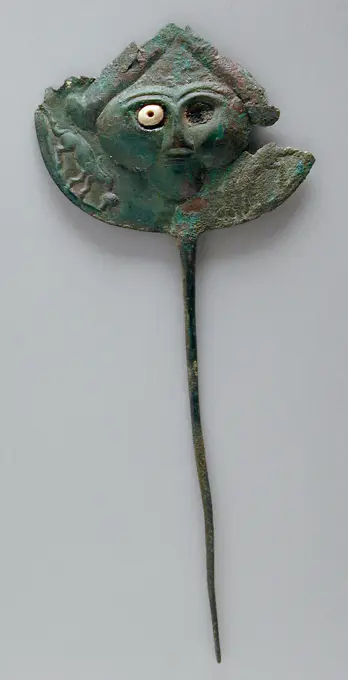
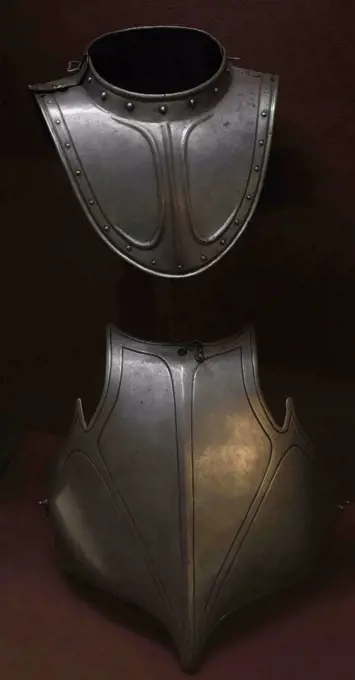
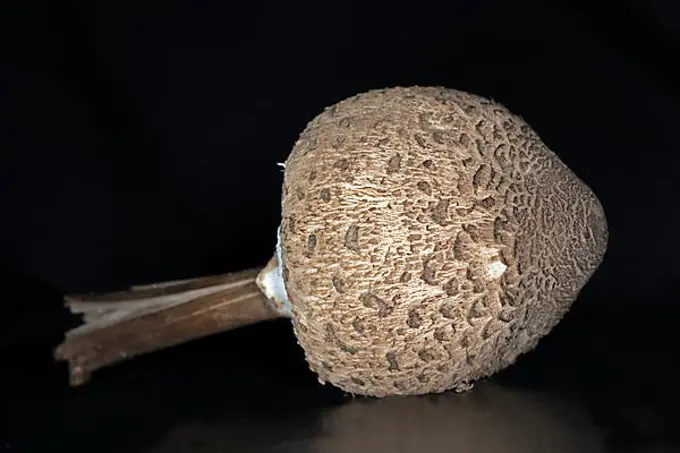
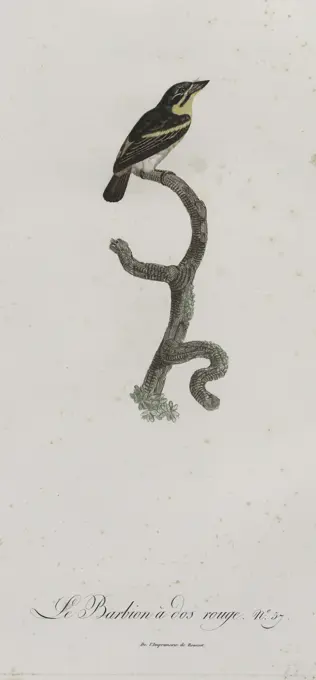
Depictions of historical artifacts such as hunting knives and ancient hairpins, illustrating craftsmanship and materials from the past.
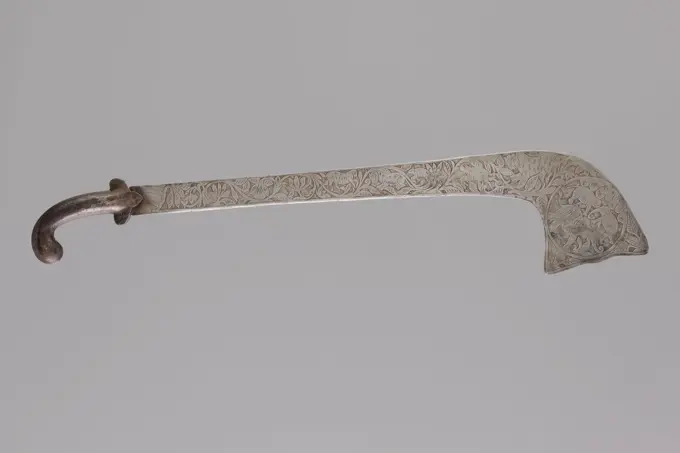
Bark" saber;  20th century (1901-00-00-1940-00-00);
Bark" saber; 20th century (1901-00-00-1940-00-00);
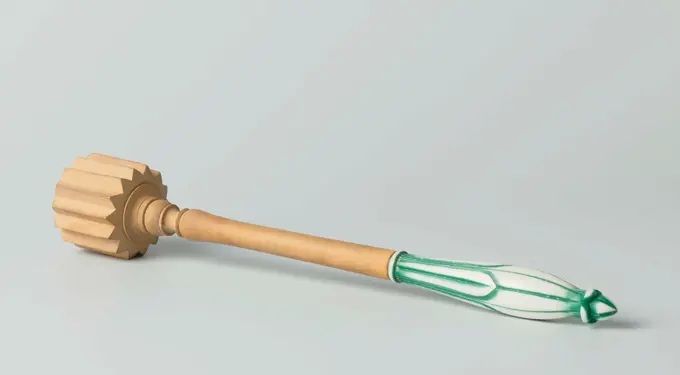
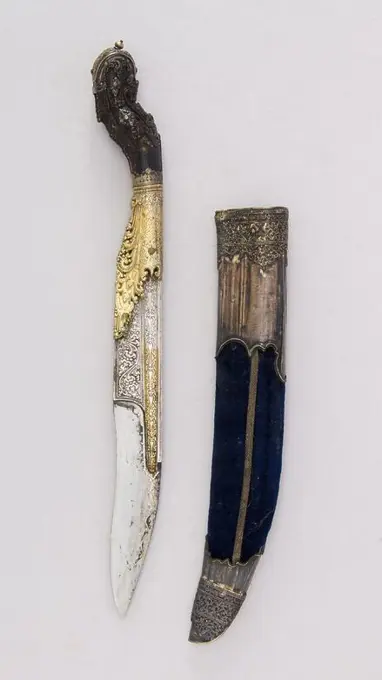
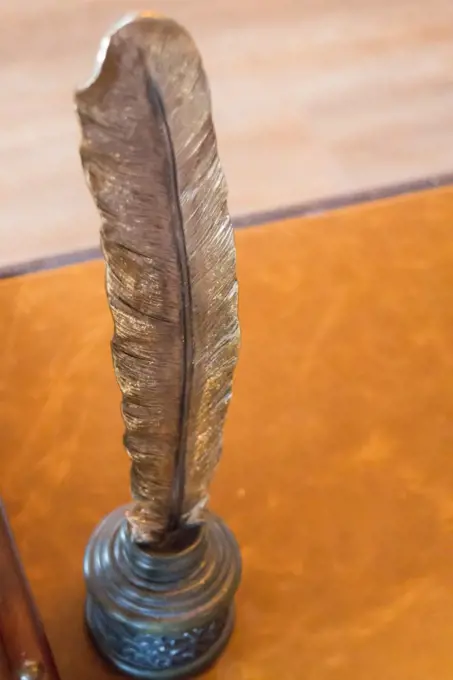
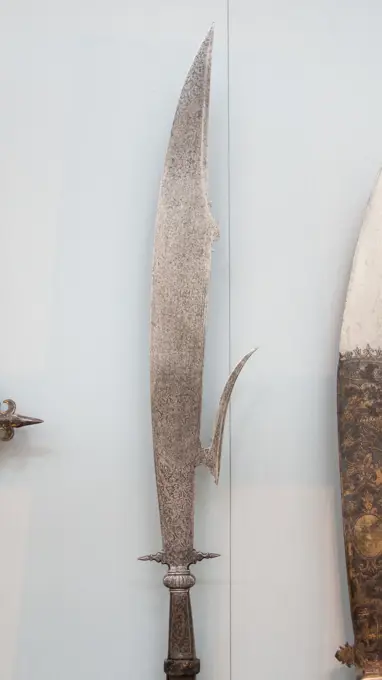
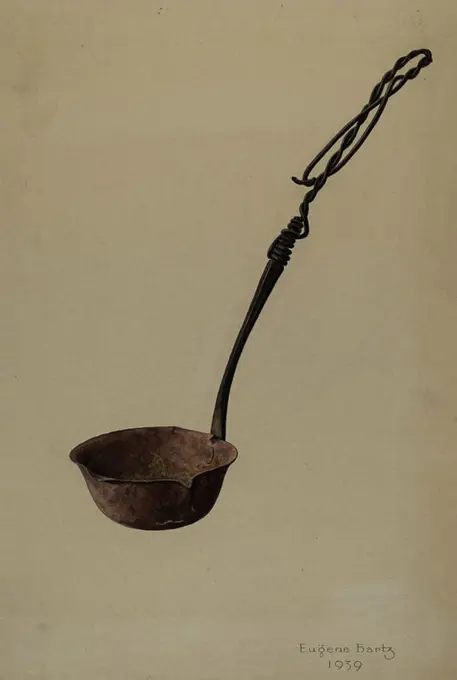
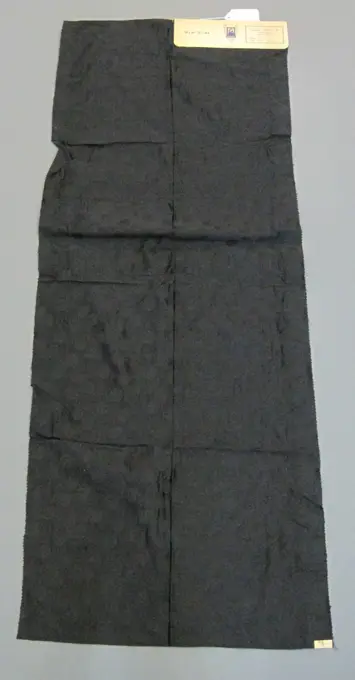
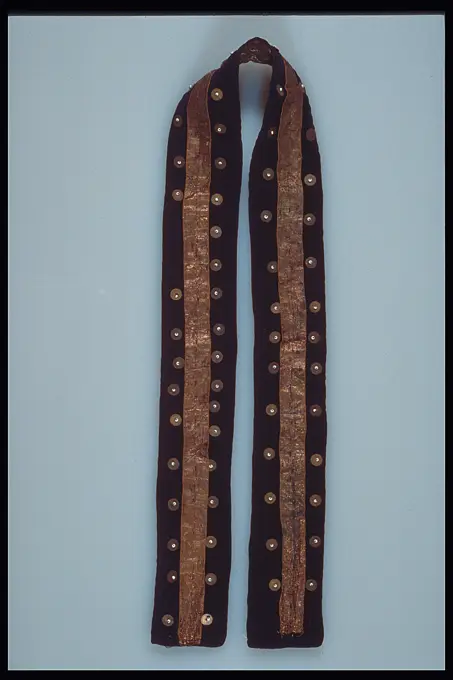
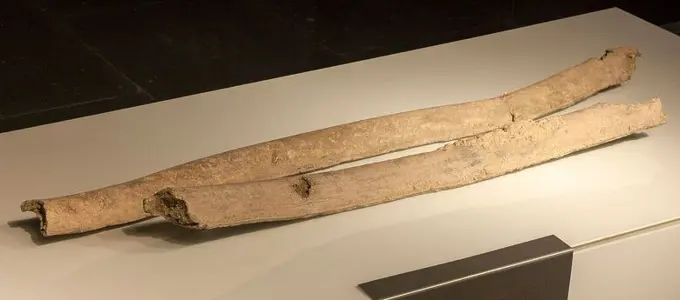
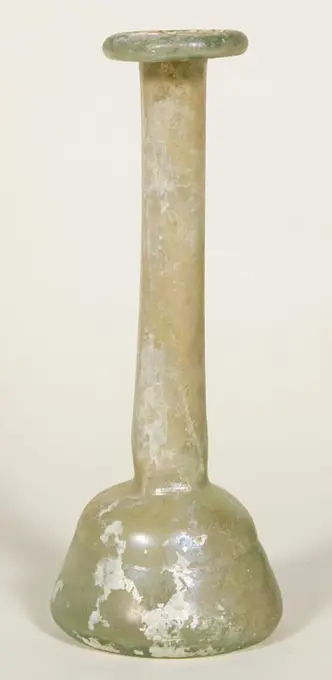
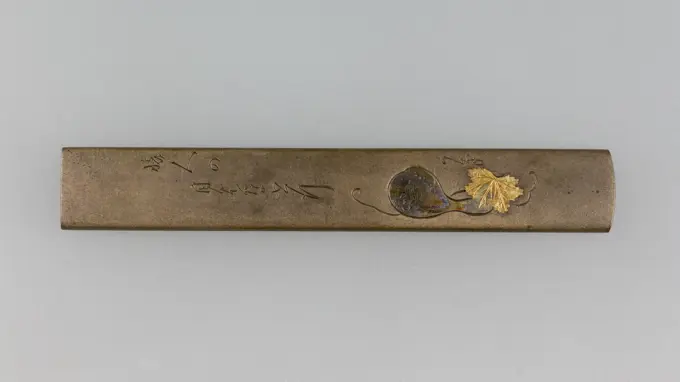
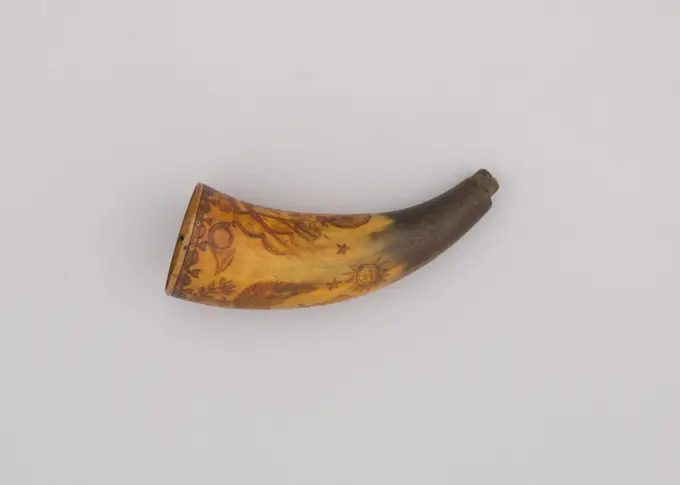
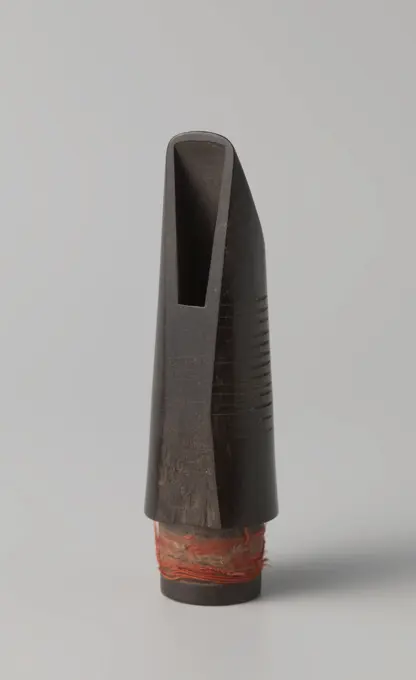
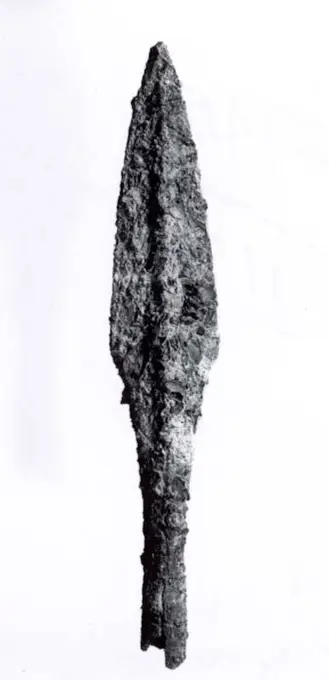
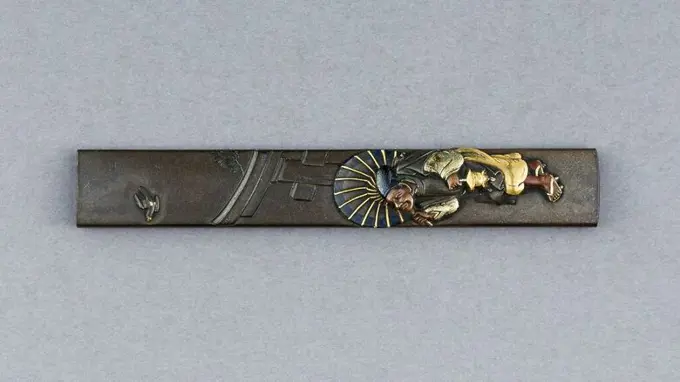
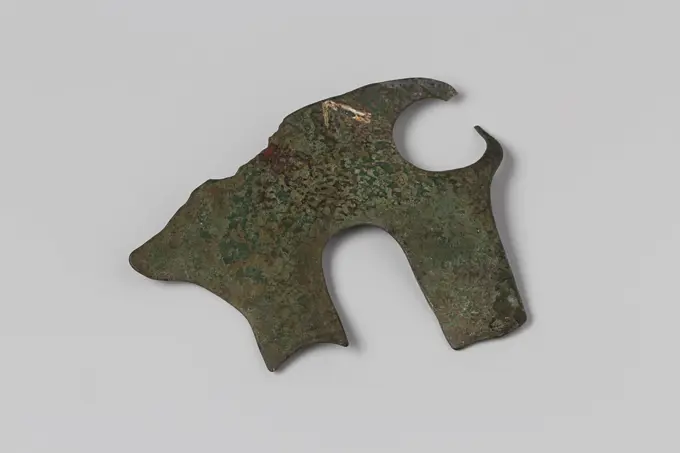
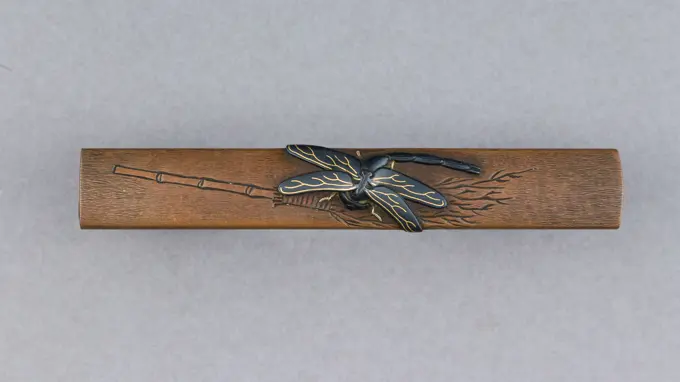
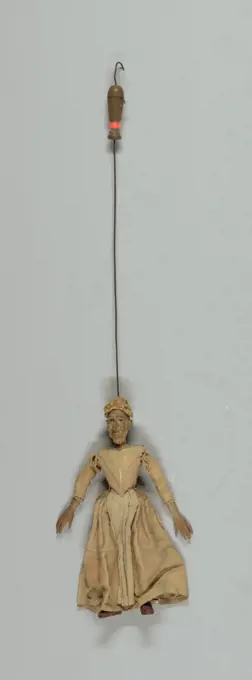
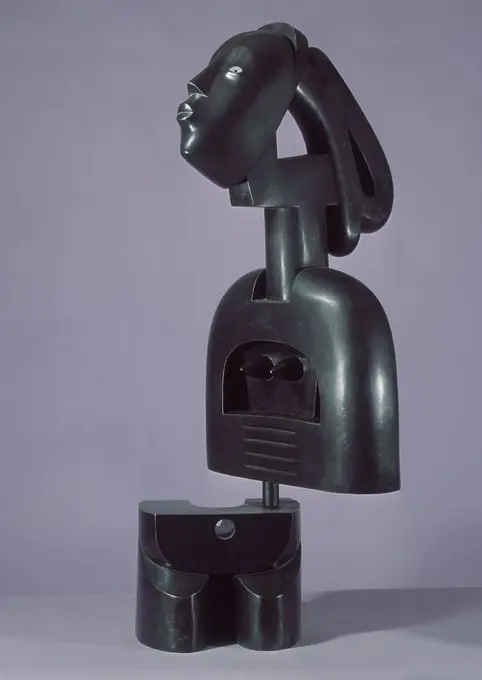
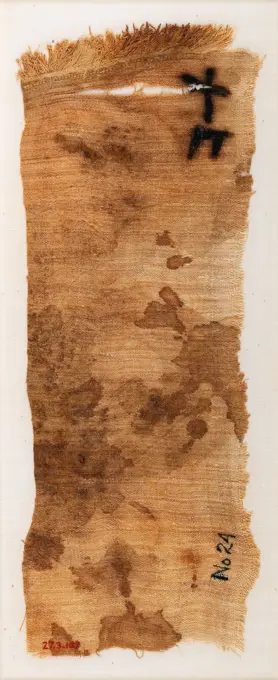
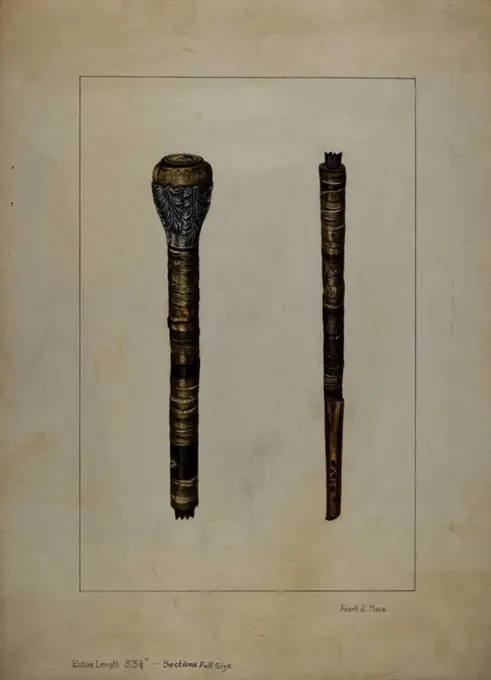
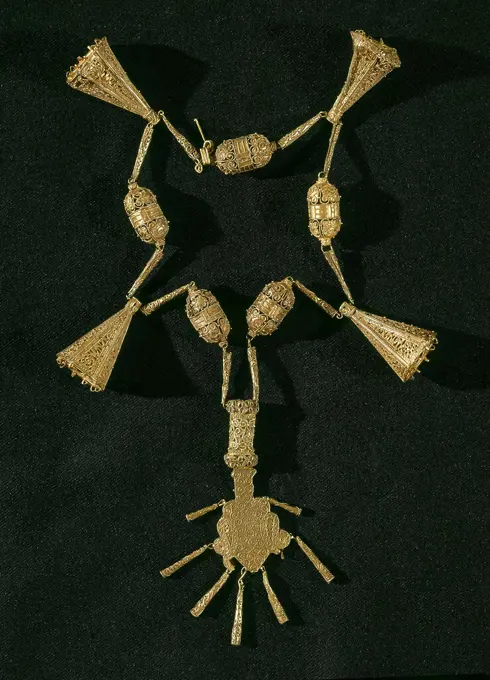
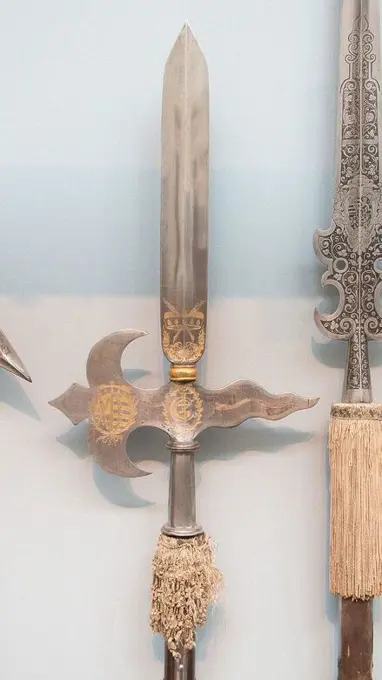
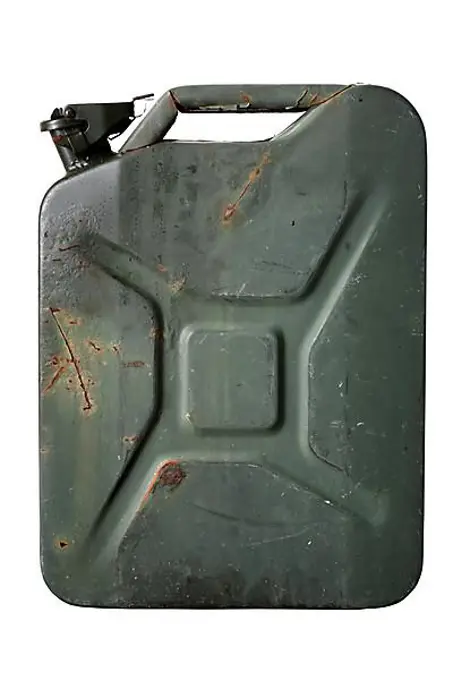
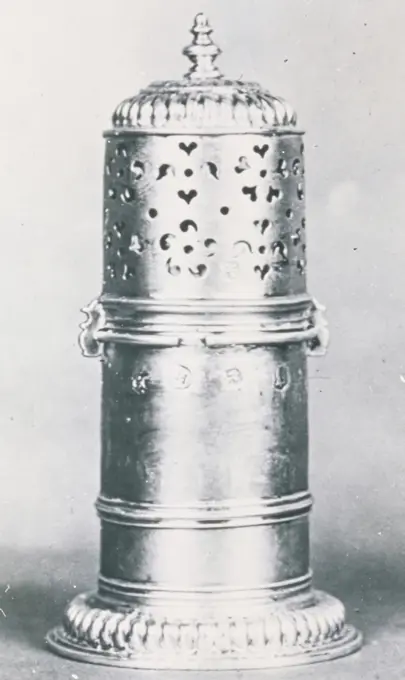
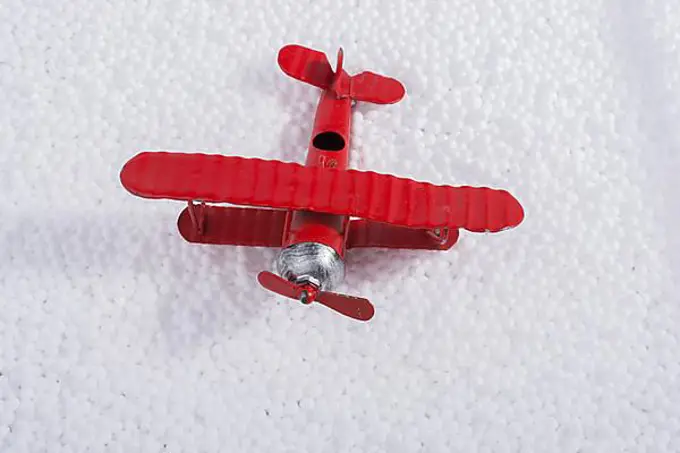
Tube with one hole in the wall and decorated with three ring tires, anonymous, c. 1590 - c. 1596 case Small size tube with one hole in the wall and decorated with three ring bands that are applied in the material. There are red paint traces on the inside of the tube. Possibly it is a handle of paint brush or sail maker tools  wood (plant material) cutting  Nova Zembla. Saving HuysDrill wrap without drill. Drill wrap without drill, with the grape.Oak construction fragment, with rounded ends and with two rectangular holes, building component soil found oak wood, w 5.0 cut sawn planed chiseled Oak construction fragment long narrow piece of wood with rounded ends and provided with two rectangular holes of approximately 4 by 5 centimeters archeology Capelle aan den IJssel House in Capelle castle construction architect master builder wood working carpenter building Soil discovery: castle Capelle Capelle aan den IJssel.Tassel French 18th-19th century. The firm of Ernest Cardeilhac produced an accessible form of Art Nouveau silver. The designs are characterized by a combination of motifs based on nature in a repetitive pattern, in this case stylized thistles. The molinet (stirring rod) was used to stir and make the cocoa frothy.Knife (Piha Kaetta) with Sheath. Culture: Sri Lankan. Dimensions: H. with sheath 11 5/8 in. (29.5 cm); H. without sheath 11 1/4 in. (28.6 cm); W. 1 3/8 in. (3.5 cm); Wt. 7.2 oz. (204.1 g); Wt. of sheath 2.2 oz. (62.4 g). Date: 18th-19th century. Museum: Metropolitan Museum of Art, New York, USA.Arm Guard. Culture: Indian. Dimensions: L. 19 1/2 in. (49.5 cm); W. 3 3/4 in. (9.5 cm); Wt. 1 lb. 14.1 oz. (853.3 g). Date: 18th-19th century. Museum: Metropolitan Museum of Art, New York, USA.Metal bird feather on leather background, stock photoGlaive of the Bodyguard of Giovanni Battista Bourbon del Monte (1541-1614) ca. 1590-1600 Italian, Brescia. Glaive of the Bodyguard of Giovanni Battista Bourbon del Monte (1541-1614). Italian, Brescia. ca. 1590-1600. Steel, wood, brass, gold, textile. Brescia. Shafted WeaponsMelting Ladle. Dated: 1939. Dimensions: overall: 38.3 x 30.7 cm (15 1/16 x 12 1/16 in.). Medium: watercolor and graphite on paperboard. Museum: National Gallery of Art, Washington DC. Author: Eugene Bartz.Anthropomorphic lime spatula 500 B.C.-A.D. 300 Indonesia (Java, Lumajang, Pasiran). Anthropomorphic lime spatula. Indonesia (Java, Lumajang, Pasiran). 500 B.C.-A.D. 300. Bronze. Bronze and Iron Age period. MetalworkSe ( ) Fanfu Lou (Seal of Zha Youci) Chinese 19th century Said to represent friendship and love when played together with the qin, the se, with its movable bridges, is plucked with both hands. This technique, unusual for Asian zithers, permits the player to sound the strings in octaves. Twenty-five multicolored silk strings reflect Chinese cosmology: five are blue, for Heaven, the Azure Dragon of the East; five are red, the luckiest color, associated with the South; four are yellow, for the Earth; the bridgeless white string is not played and symbolizes the West, space, and mourning; five are purple, an imperial color; and five are black, for the North. Se, such as this one from a Taoist temple, were used in rituals and at state ceremonies. Here, inscriptions indicate both the maker, Fanfu Lou, and the owner: "Treasure collection [of Monk Xinzhu."Cap streamer, Medium: linen Technique: bobbin lace, Brussels style, Cap streamer with a design of floral and foliated branches., Belgium, 1700-1750, lace, Cap streamerJack Straws. Dated: 1935/1942. Dimensions: overall: 34.3 x 51.1 cm (13 1/2 x 20 1/8 in.) Original IAD Object: 5 3/4" long (average). Medium: watercolor and graphite on paperboard. Museum: National Gallery of Art, Washington DC. Author: Hester Duany.Textile Swatches Onondaga Silk Company, Inc. (1925-1981). , 1948-1959. Silk, 47 x 17 3/4 in. (119.4 x 45.1 cm).    1948-1959Sash -Stocking knitted from plain white silk with a wide cotton board, anonymous, c. 1910 - c. 1920 Stocking, from a pair of white silk. Model: with seam. Cotton board. Square heel. Printed under the foot: 'Silk Lisle'. On the toe: '8 1/2'. Lille whole: Silk. board: Cotton (textile) knitting / printing Stocking, from a pair of white silk. Model: with seam. Cotton board. Square heel. Printed under the foot: 'Silk Lisle'. On the toe: '8 1/2'. Lille whole: Silk. board: Cotton (textile) knitting / printingAnonymous / "Lead pipes", Centuries II-III.Knife Handle (Kozuka) 19th century Japanese A kozuka is a handle of a by-knife that is part of a sword mounting. It is kept in a slot on the reverse of a katana scabbard, often with a matching kōgai (hairdressing tool).. Knife Handle (Kozuka) 33367MUSEO-LAMPARITA DE ACEITE- ARTE CALIFAL- S X-XI. Location: MEDINA AZAHARA / MADINAT AL-ZAHRA-MUSEO-CERAMICA. PROVINCIA. CORDOBA. SPAIN.GRAN PERSONAJE DE PIE - 1934 - HIERRO - 133x65x18 cm. Author: Julio Gonzalez. Location: FUNDACION JUAN MARCH COLECCIÓN. MADRID. SPAIN.Copper Lime Spoon with Bird Top 15th-16th century Inca. Copper Lime Spoon with Bird Top 315254ApplyPipe head, white baking clay, pipe head soil found ceramic pipe earth h 3.5 (approx.) Mold pressed through pierced Pipes heads of whitewashing clay different size and age various specimens have heel marks or markings on the boiler heel mark: crowned figure archeology Rotterdam City Center Stadsdriehoek Oudehaven indigenous pottery smoking tobacco room archaeological find in the soil Oude Haven Rotterdam 1980.Bottle. Roman. Date: 101 AD-300 AD. Dimensions: 16.5 × 6.4 × 6.4 cm (6 1/2 × 2 1/2 × 2 1/2 in.). Glass, blown technique. Origin: Syria. Museum: The Chicago Art Institute, Chicago, USA. Author: ANCIENT ROMAN.Wooden Spindle with Ceramic Whorls Made 1000-1476 Peru. Wood, polychrome ceramic, and wool .Fork, steel, brass, agate, Three curved tines, curved shoulders, baluster-shaped neck flaring in the middle. Octagonal brass ferrule, faceted agate handle with rounded top., England, ca. 1700-1800, cutlery, Decorative Arts, ForkKnife Handle (Kozuka) 1789-1876 Japanese A kozuka is a handle of a by-knife that is part of a sword mounting. It is kept in a slot on the reverse of a katana scabbard, often with a matching kōgai (hairdressing tool).. Knife Handle (Kozuka) 29792HACHA DE PIEDRA. Location: MUSEO ARQUEOLOGICO-COLECCION. Oviedo. ASTURIAS. SPAIN.Powder Horn late 18th century American. Powder Horn 29582FRAGMENTO DE PLAQUITA DE NERJA. Location: ARCHAEOLOGICAL MUSEUM. Malaga. SPAIN.Legs pointed with three barbs, pointed harpoon soil found leg, sawn cut ground Late stone age archeology Maglemose culture Rotterdam Maasvlakte prehistoric stone age late stone age fish fishing catch feeding hunt Ground discovery Maasvlakte Maglemose culture.Water bottle. Silver. From Potosi, Bolivia, South America. It was part of the Viceroyalty of Peru. 1600-1622. Shipwreck of the galleon "Nuestra Seora de Atocha" (Our Lady of Atocha), Florida Keys, Florida, United States. Museum of the Americas. Madrid, Spain.Clarinet mouthpiece, anonymous, 1840 - 1860 Mouthpiece of a clarinet made of rosewood  rosewood (wood) Mouthpiece of a clarinet made of rosewood  rosewood (wood)Spearhead ca. 9th century B.C. Iran. Spearhead 325191Knife Handle (Kozuka). Culture: Japanese. Dimensions: L. 3 13/16 in. (9.7 cm); W. 9/16 in. (1.4 cm); thickness 1/4 in. (0.6 cm); Wt. 1.2 oz. (34 g). Date: ca. 1615-1868. Museum: Metropolitan Museum of Art, New York, USA.Pin ca. 7th century B.C. Iran. Pin 324143Before (part) musical instrument. Leather case for (part) musical instrument, with rope to closedFragment sheet metal from the buyer from the wreck of the East Indiesman Hollandia.parts or artifacts; eroded fragments: Materials; Copper.Woman's Belt (faja), 20th century, 97 x 3 3/8 in. (246.4 x 8.6 cm) including fringe, Cotton, wool, silk; discontinuous supplementary weft patterning with warp floats, Guatemala, 20th centuryKnife Handle (Kozuka). Culture: Japanese. Dimensions: L. 3 13/16 in. (9.7 cm); W. 9/16 in. (1.4 cm); thickness 5/16 in. (0.8 cm); Wt. 1.2 oz. (34 g). Date: ca. 1615-1868. Museum: Metropolitan Museum of Art, New York, USA.Smelter's Crucible ca. 1479-1458 B.C. New Kingdom. Smelter's Crucible. ca. 1479-1458 B.C.. Pottery. New Kingdom. From Egypt, Upper Egypt, Thebes, Deir el-Bahri, Tomb of Senenmut (TT 353), Foundation deposit, scattered, MMA excavations, 1926-27. Dynasty 18Coat hook or coat closure with triangular eye and bent hook, closure clothing accessory clothing soil find copper metal, cast archeology rugs closeRibbon of the Amsterdam municipal administration, Anonymous, 2000 ribbon (material) 2 ribbons of the Amsterdam municipality, laid on 4 May 2000 at the National Monument on Dam Square. Both ribbons are divided into two horizontal jobs. A golden print in the middle. Both bound on one side with iron wire around a wooden round baton for confirmation in a wreath. Other end with a cartel edge. A-1: top red, underside black. A-2: top black, bottom red (stick runs out in a point).  textile materials. wood (plant material). gold leaf printing  AmsterdamSickle. Dated: c. 1936. Dimensions: overall: 24.4 x 35 cm (9 5/8 x 13 3/4 in.) Original IAD Object: 30" long. Medium: watercolor, graphite, pen and ink, and gouache on paper. Museum: National Gallery of Art, Washington DC. Author: James M. Lawson.Baluster late 17th-early 18th century British. Baluster. British. late 17th-early 18th century. Walnut. WoodworkCarnelian Jar. Egypt, New Kingdom (1569 - 1081 BCE). Furnishings; Serviceware. CarnelianEarthenware Drain Tile. Dated: c. 1937. Dimensions: overall: 22.9 x 28 cm (9 x 11 in.) Original IAD Object: 5" Dia. 28 1/2" Long. Medium: watercolor, graphite, colored pencil, and pen and ink on paper. Museum: National Gallery of Art, Washington DC. Author: Annie B. Johnston.Jar, model ca. 2960-2770 B.C. Early Dynastic Period. Jar, model. ca. 2960-2770 B.C.. Ivory. Early Dynastic Period. From Egypt. Dynasty 1Lazio Viterbo Viterbo Museo Civico18. Hutzel, Max 1960-1990 Views of paintings (Middle Ages through 18th c.), frescoes, a tabernacle, coffin, sculpture reliefs, portal fragments, busts, sculpture, tapestry found in the Pinacoteca, Second floor gallery and Second floor cloister sequences. Antiquities: Many views of Etruscan and Roman fragments, sculpture, sarcophagi, pottery, masks, jewelry and other objects found in the Storeroom sequence (inventory numbers on back of prints), and the Cloister, Second floor Cloister, Valle Giulia, Sala Romana and Sala Etrusca sequences. General Notes: There are eight separate numerical sequences for this location. The cloister as an architectural structure, rather than museum site, is documented in the record and file for S. Maria della Verita, Cloister, all views of which are stored in Medieval core collection. Five views from the Museo Civico Second floor cloister sequence are stored in Medieval. German-born photographer and scholar Max Hutzel (1911-Powder Horn. Culture: American. Dimensions: L. 11 5/8 in. (29.5 cm); Diam. 3 1/4 in. (8.3 cm); Wt. 9.3 oz. (263.7 g). Date: 18th century.This powder horn is engraved with maps of the Atlantic coast and the Hudson, Mohawk, and St. Lawrence rivers. It is decorated with the royal coat of arms of Great Britain, a peacock and a compass. Museum: Metropolitan Museum of Art, New York, USA.In the Image, Gloves from 1926.Shield hanging on a wallPedestal. Artist: After Augustin Pajou (French, Paris 1730-1809 Paris). Culture: French. Dimensions: Overall (wt. confirmed): 48 1/4 × 17 × 17 × 11 3/4 in., 623lb. (122.6 × 43.2 × 43.2 × 29.8 cm, 282.5909kg). Date: 19th century. Museum: Metropolitan Museum of Art, New York, USA.Wilbur M Rice, Wooden Wine Bottle, c 1938 Wooden Wine BottleKnife Handle (Kozuka) 18th century Japanese A kozuka is a handle of a by-knife that is part of a sword mounting. It is kept in a slot on the reverse of a katana scabbard, often with a matching kōgai (hairdressing tool).. Knife Handle (Kozuka) 35039Shadow player 19th century China. Shadow player 73277Disc - headed Pin. Iran, Luristan, Luristan bronzes, circa 1000-650 B.C.. Jewelry and Adornments; pins. Bronze, hammeredCuirassier Armour. 17th century. Grandmaster Palace. Valletta, Malta.A Pair of Chopsticks, 918-1392. Korea, Goryeo period (918-1392). Bronze; overall: 26.3 cm (10 3/8 in.). In Korea, chopsticks made of metal such as brass, silver, and gold were excavated from ancient tombs and ruins dated to the 6th century at the earliest. Burial goods often include utilitarian objects such as table wares and utensils because the dead were believed to need them in the afterlife.this Cecylia; Staggi, Pietro (1754-1814); around 1795 (1760-00-00-1795-00-00);Giant umbrella mushroom (Macrolepiota), studio photography with black backgroundHat-rack. Dated: c. 1941. Dimensions: overall: 22.8 x 27.8 cm (9 x 10 15/16 in.) Original IAD Object: 2'long; 1'6"wide. Medium: watercolor, colored pencil, and graphite on paper. Museum: National Gallery of Art, Washington DC. Author: Pearl Davis.Le Barbion à dos rouge, 1806, by Jacques Barraband (1767-1809). Published in Paris by Chez Denne le jeune. Features birds of paradise. Chromolithographs, 51 x 33 cmGoldweight Dagger, 19th-20th century, 1 3/4 x 1/2 x 3/16 in. (4.45 x 1.27 x 0.48 cm), Brass, Ghana, 19th-20th centuryLa Cuisiassa, Carved and painted wood, glass and woven cloth, Set of Commedia dellarte marionettes, each with facial masks and costume of stock character. La Cuisiassa shown as an old woman with hooked nose, hair tied in ribbons atop her head. Cream colored gown with white apron. Wooden hands sewn into sleeves., Italy, 18th century, theater, Decorative Arts, Puppet, PuppetCDK unknownSlippers 1840s French. Slippers 112717Binocular telescope by Father Cherubin d'Orleans, 1681. Cherubin d'Orleans (1613-1697) was a French scientific instrument maker.caliper measuring tool calliper to measure diametre of an object Copyright: xZoonar.com/ClaudioxDiviziax 10598848ESCULTURA. Author: LEANDRO MBOMIO (1938-).walking a tightrope feet walking a tightrope Copyright: xZoonar.com/GoneWithTheWindx 9959829Kitchen knifeMummy of a two year old boy from Fayum; Egypt 100 AD Roman periodNecklace, 1800s. Bulgaria, 19th century. Silver gilt; average: 21 cm (8 1/4 in.).Pottery Picture Frame. Dated: c. 1939. Dimensions: overall: 35.2 x 24.6 cm (13 7/8 x 9 11/16 in.) Original IAD Object: Rend is actual size of obj.. Medium: watercolor, colored pencil, graphite, and heightening on paper. Museum: National Gallery of Art, Washington DC. Author: Fritz Boehmer.box door jamb from New Caledonia (French: Nouvelle-Calédonie) a special collectivity of France located in the southwest Pacific OceanForm of a handle from concretion from the wreck of the East Indians' t Vliegend Hart, 1700 - 1735  The concretion probably once formed around a handle. Semi -round shape, (secondary) filled with rubber.  rubber (material). concretionary stoneShadow Puppet (Wayang Kulit) of Wenara or Monyet membawa buahsemangkaLinen mark (Type XI) ca. 1961-1917 B.C. Middle Kingdom. Linen mark (Type XI). ca. 1961-1917 B.C.. Linen. Middle Kingdom. From Egypt, Upper Egypt, Thebes, Deir el-Bahri, Tomb MMA 507 (The Slain Soldiers), from body no. 24, MMA excavations, 1926-27. Dynasty 12Drohiczyn seal. unknown, managerA Single Deer Antler on a Brown Leather BackgroundMountCowhorn Cane. Dated: 1935/1942. Dimensions: overall: 31.7 x 23 cm (12 1/2 x 9 1/16 in.) Original IAD Object: 33 1/4" high. Medium: watercolor and graphite on paper. Museum: National Gallery of Art, Washington DC. Author: Frank J. Mace.COLLAR DE ORO HISPANOMUSULMAN -TESORO DE BENTARIQUE -ALMERIA -. Location: MUSEO ARQUEOLOGICO NACIONAL-COLECCION. MADRID. SPAIN.Wooden mallet on wood boardScratcher. Nieokreślona manufaktura, factoryHalberd of the Swiss Guard of Johann Georg II of Saxony (reigned 1656-80). Culture: German. Dimensions: L. 88 in. (223.52 cm). Date: dated 1680.This staff weapon was carried by the bodyguards of the Prince-Electors of Saxony. Museum: Metropolitan Museum of Art, New York, USA.Alabastron with feathers decoration; Egyptian workshop; VI-IV century BC () (-600-00-00--301-00-00);Knife (France); steel, porcelain, brass; L x W: 20.5 x 1.9 cm (8 1/16 x 3/4 in.); The Robert L. Metzenberg Collection, gift of Eleanor L. Metzenberg; 1985-103-185Green jerrycan isolated on whiteAncient Ring Close-up of an antique ring for tying horses Copyright: xZoonar.com/NicolaxBernierix 9497957Caster, c. 1694-1695, attributed to George Garthorne, active 1680-1730, 5 1/2 x 2 1/2 in. (14 x 6.35 cm), Silver, England, William and MaryToy airplane on little white polystyrene foam balls001029-N-6967M-103. Country: UnknownStibnite. minerals. Asia; China; Hunan ProvinceMEZQUITA DE CORDOBA. MEZQUITA DE ABDERRAMAN I. CORDOBA, ESPAÑA.