Ancient Artifacts

Historical artifacts including carved knives and decorative pendants from ancient civilizations, showcasing intricate details and heritage.

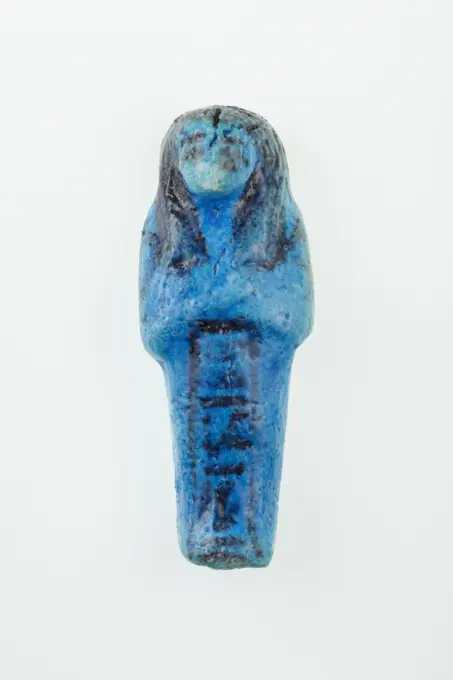
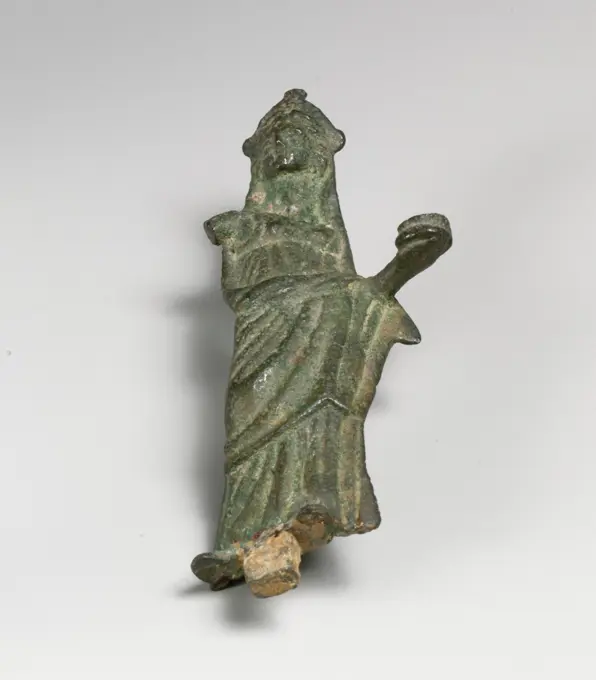
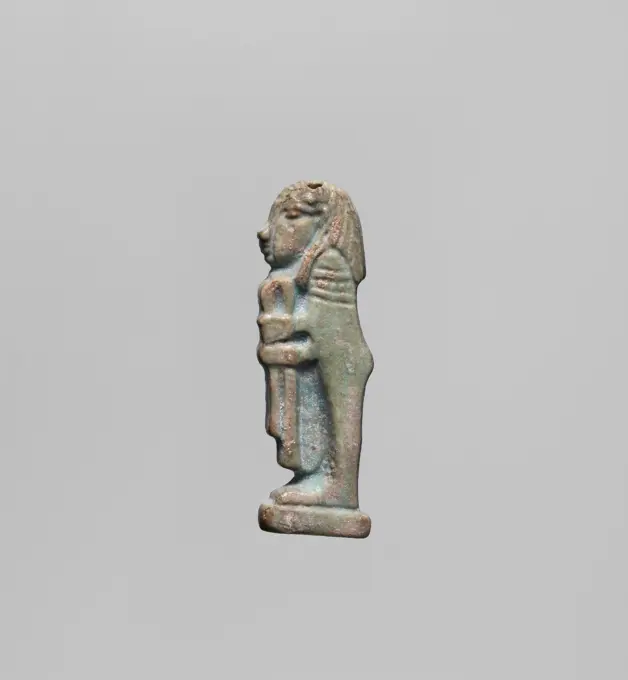
Shabti of Psusennes I Third Intermediate Period ca. 1040-992 B.C. View more. Shabti of Psusennes I. ca. 1040-992 B.C.. Bronze or copper alloy. Third Intermediate Period. From Egypt; Presumably from Egypt, Eastern Delta, Tanis (San el-Hagar), Royal Tombs, NRT III (Psusennes), Montet excavations. Dynasty 21
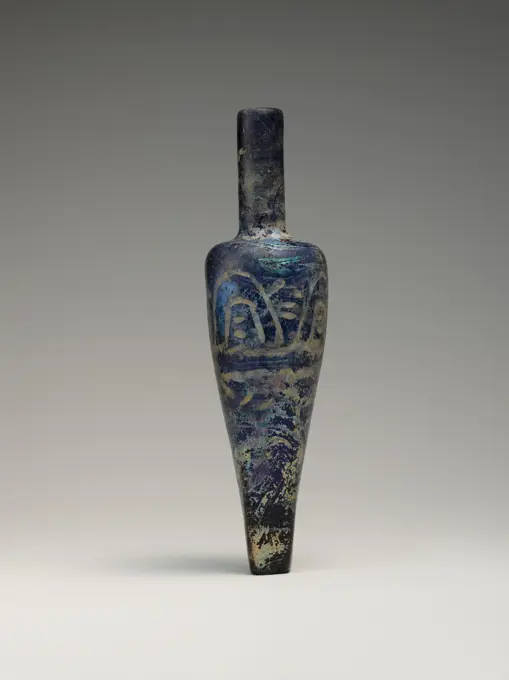
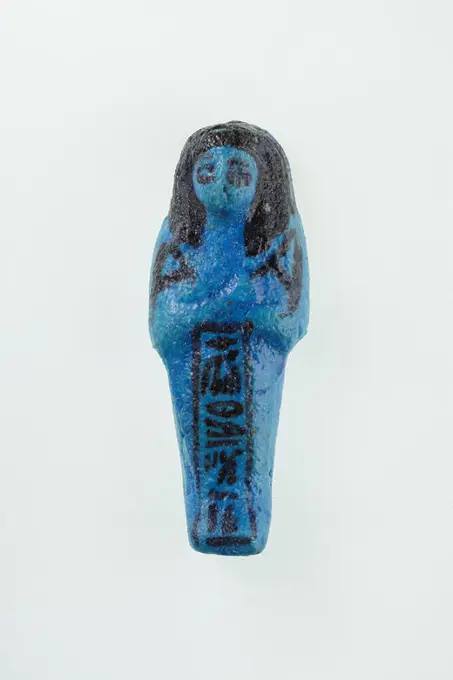
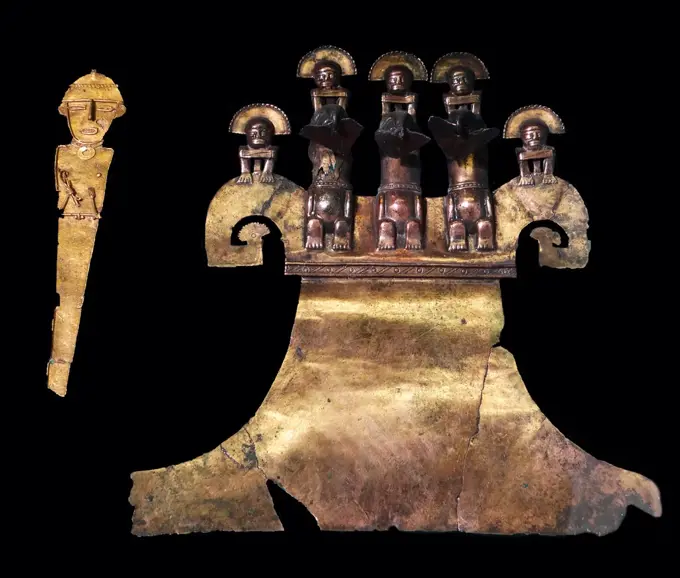
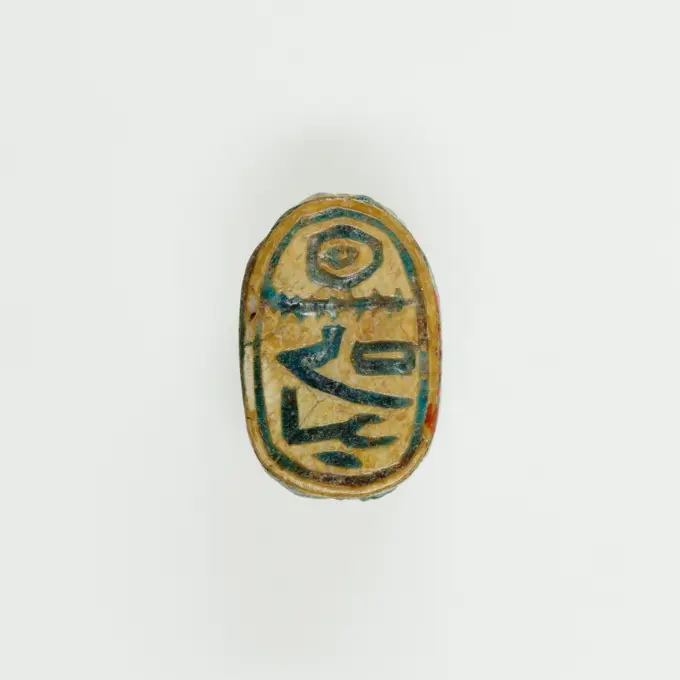
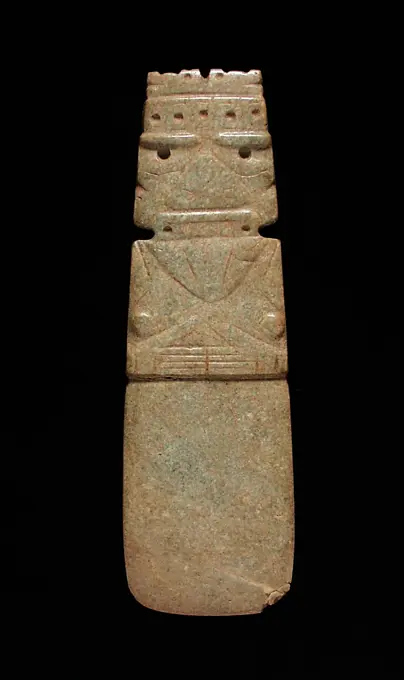
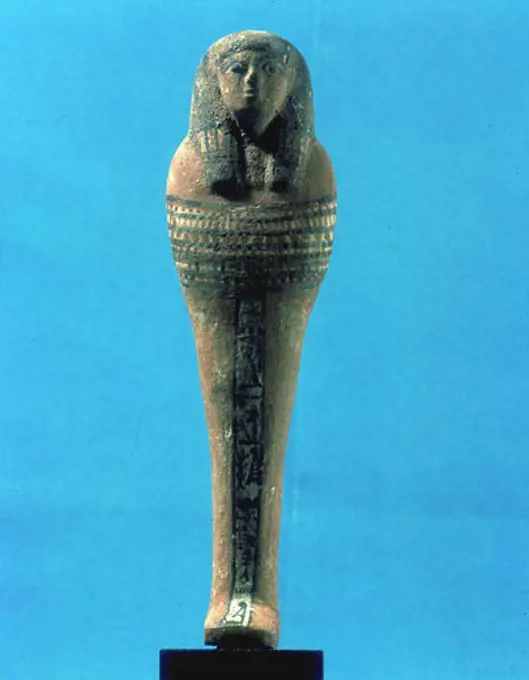
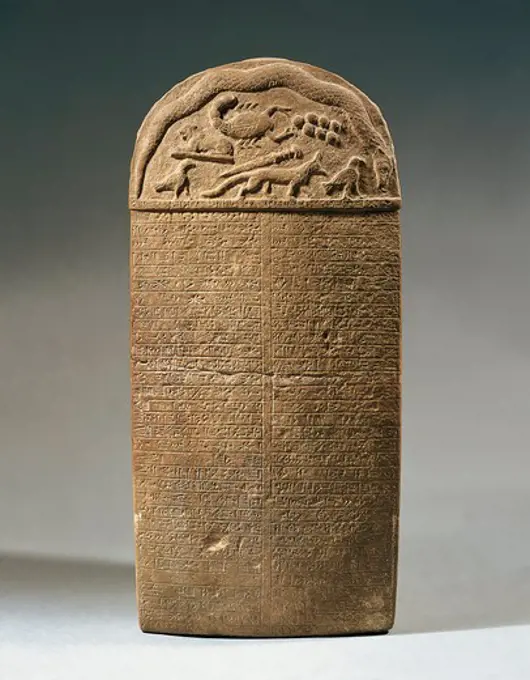
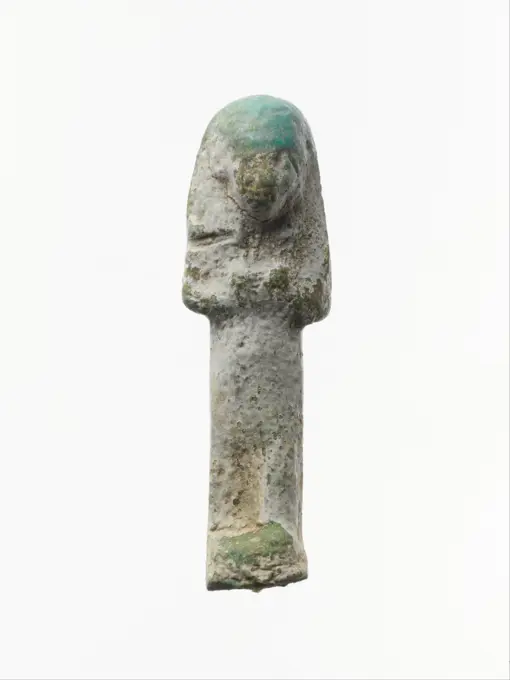
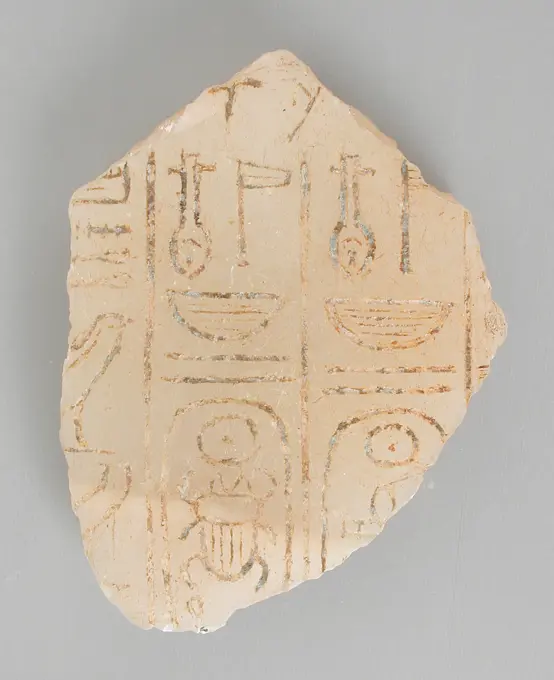
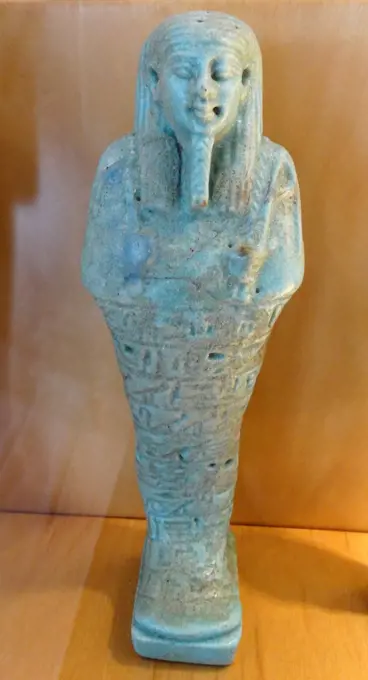
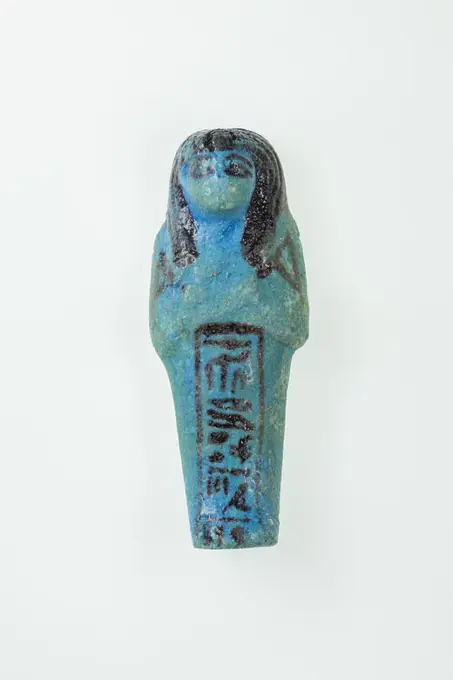
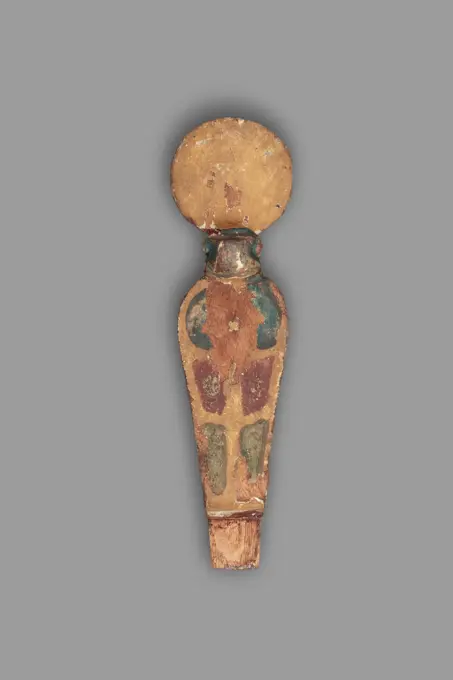
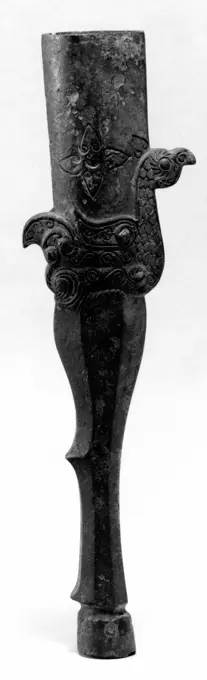
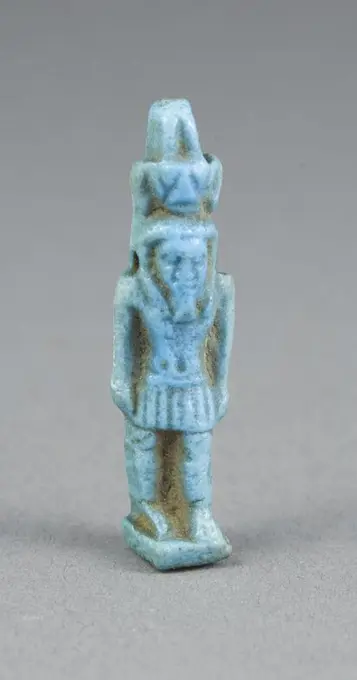
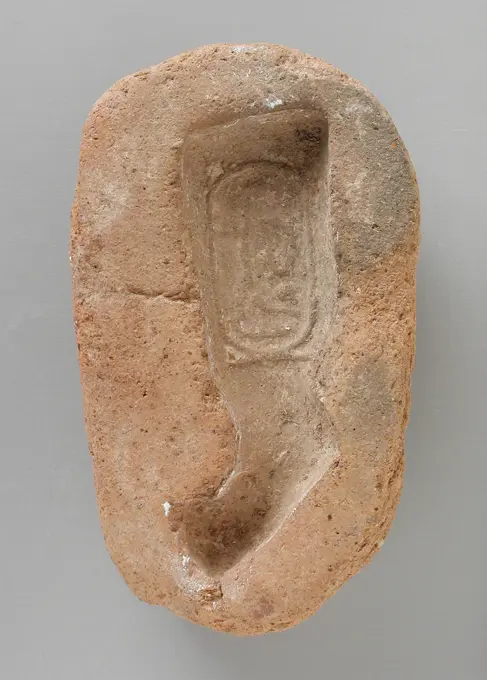
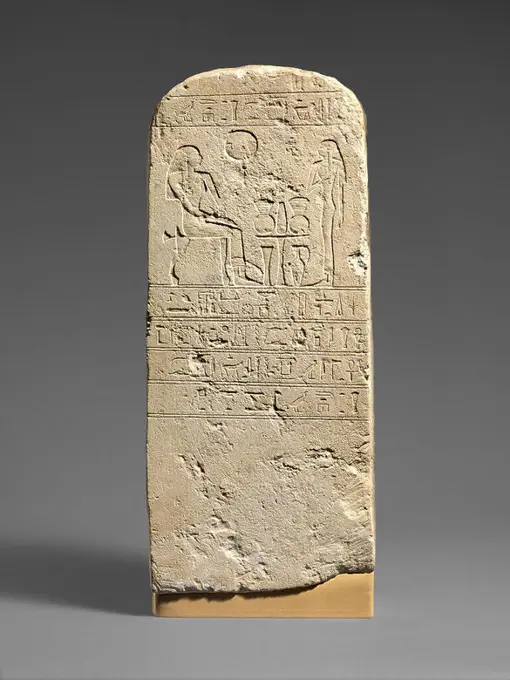
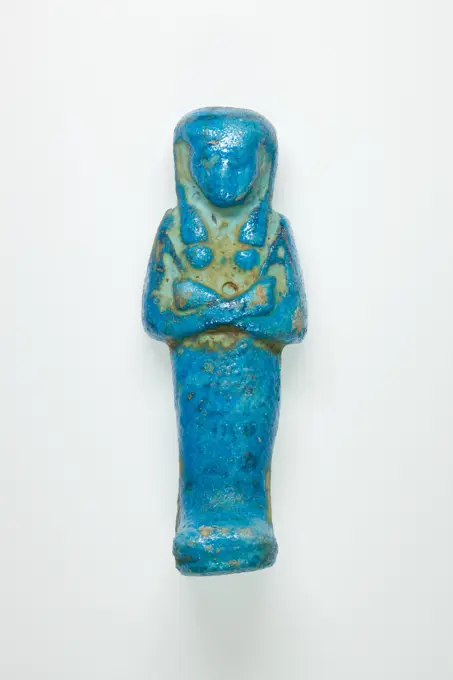
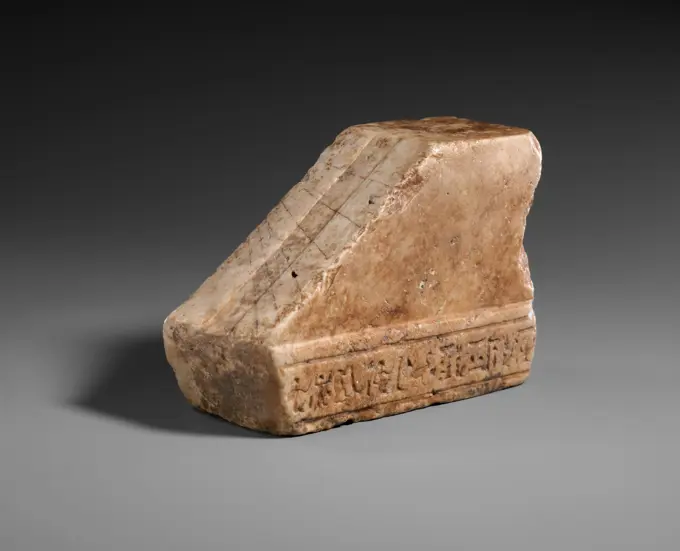
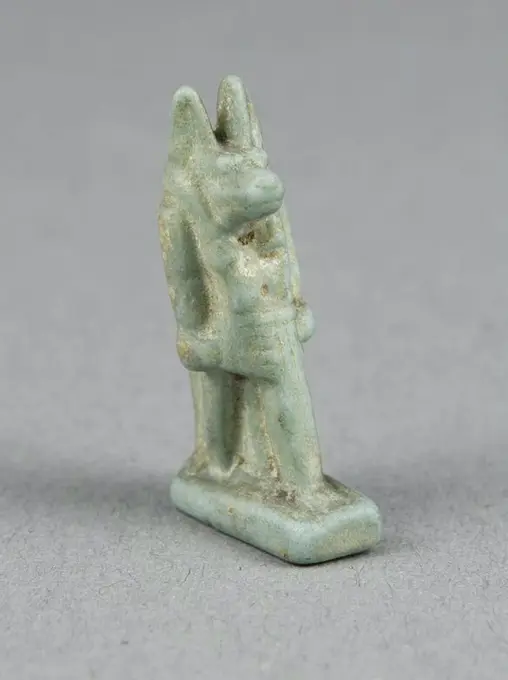
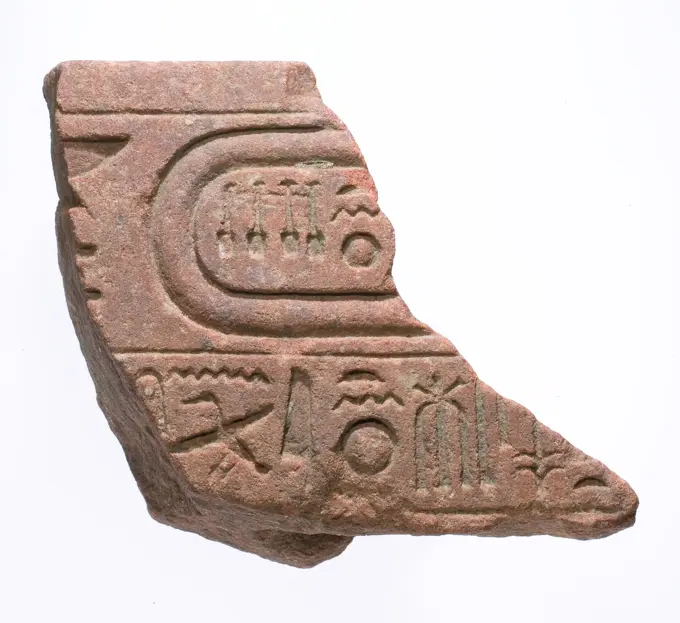
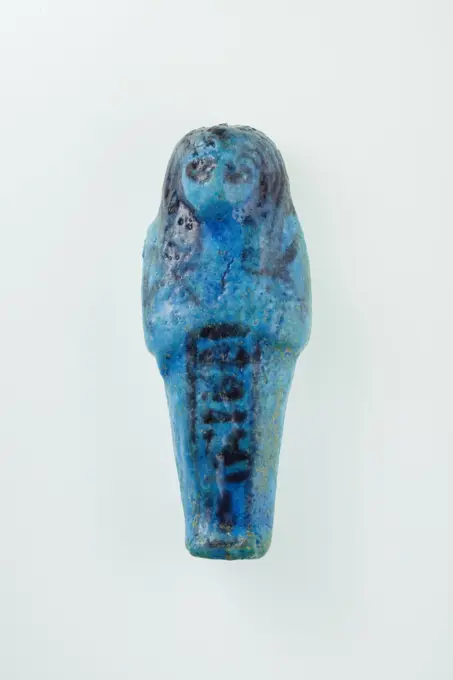
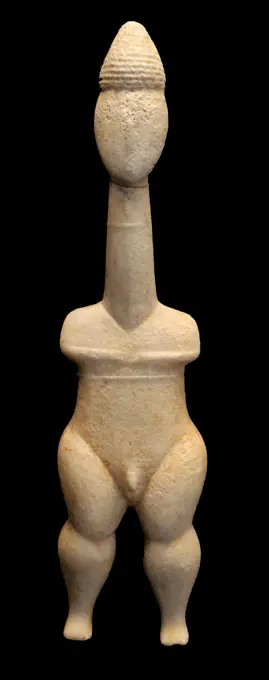
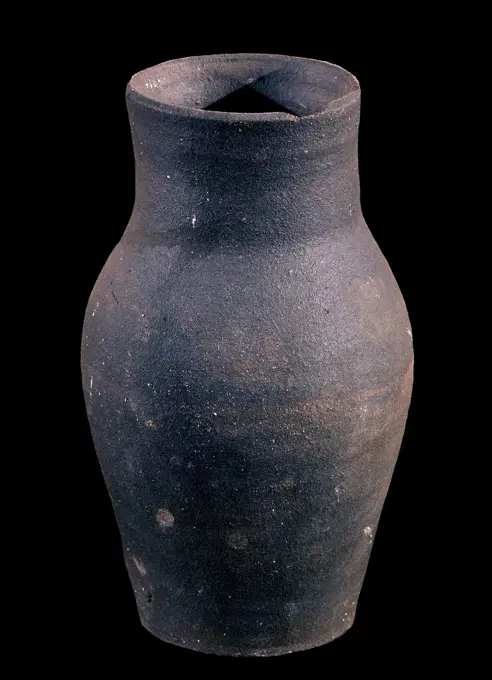
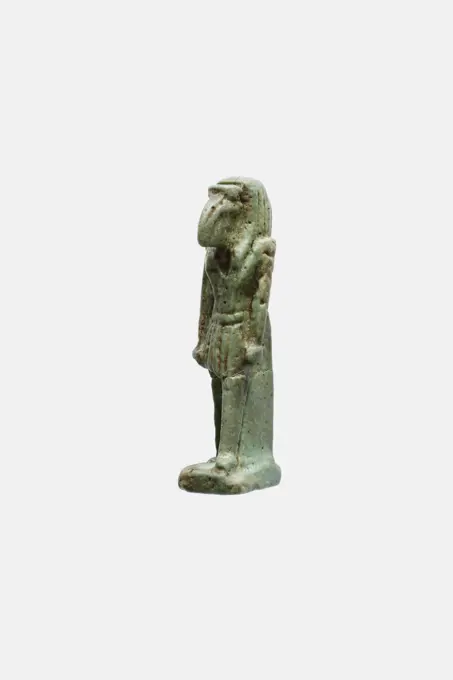
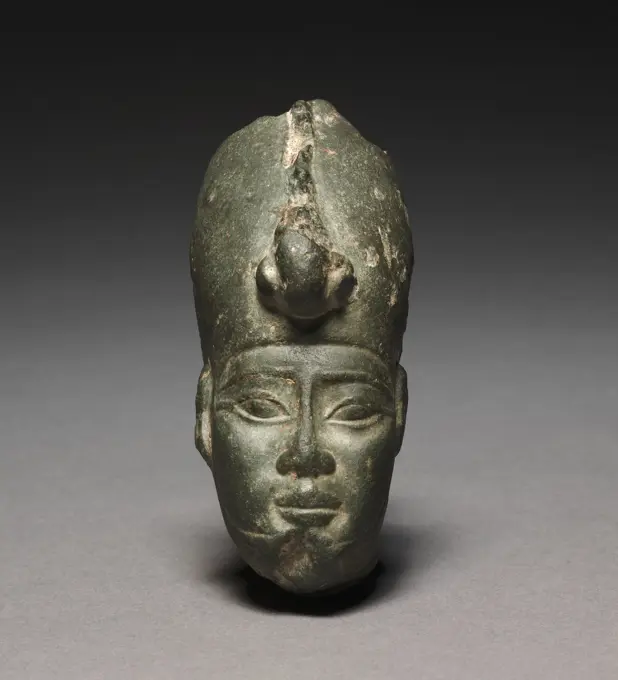
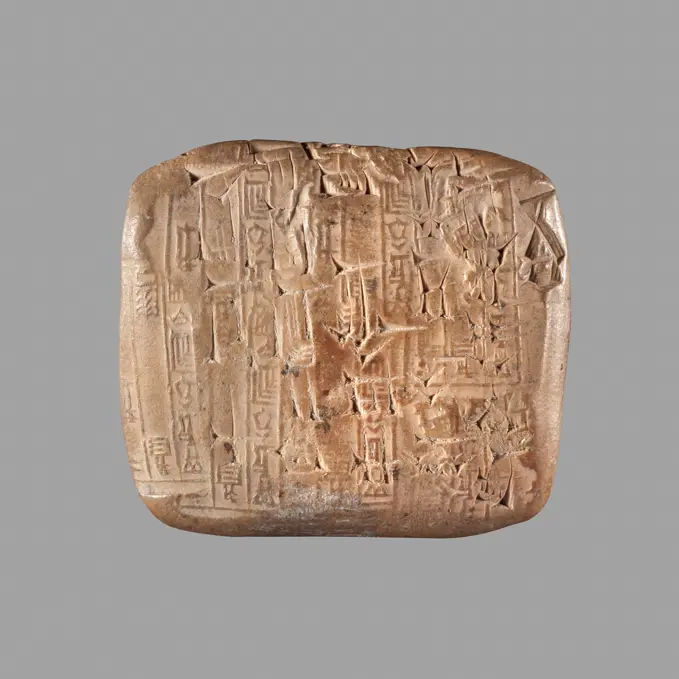
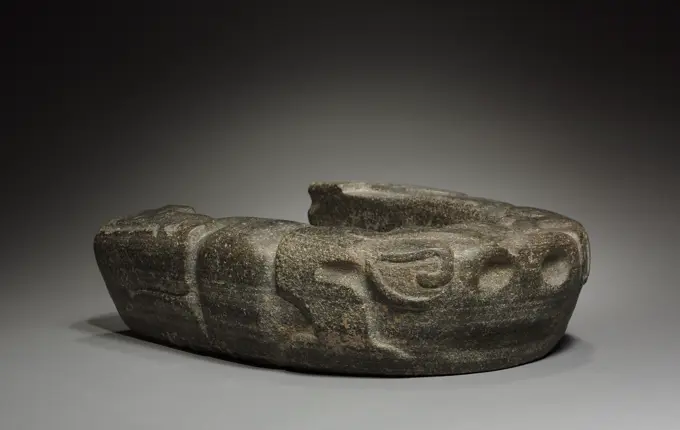
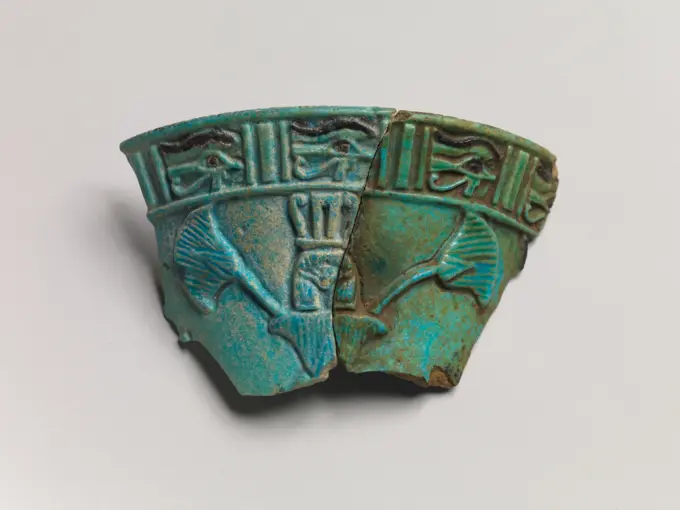
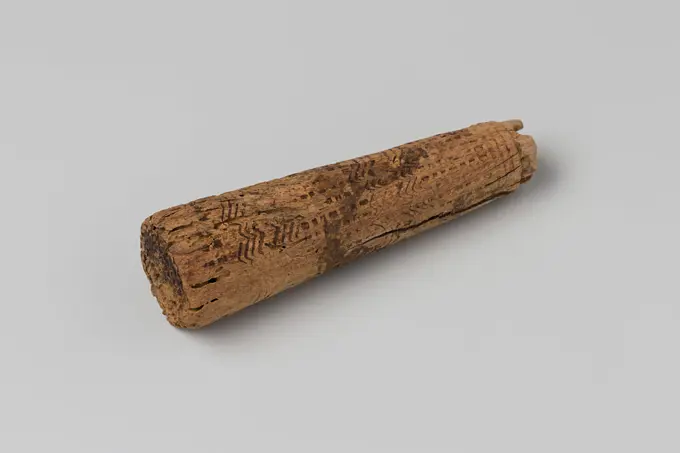
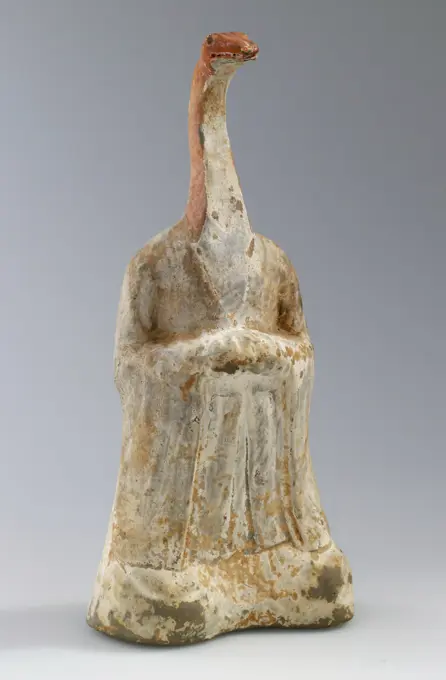
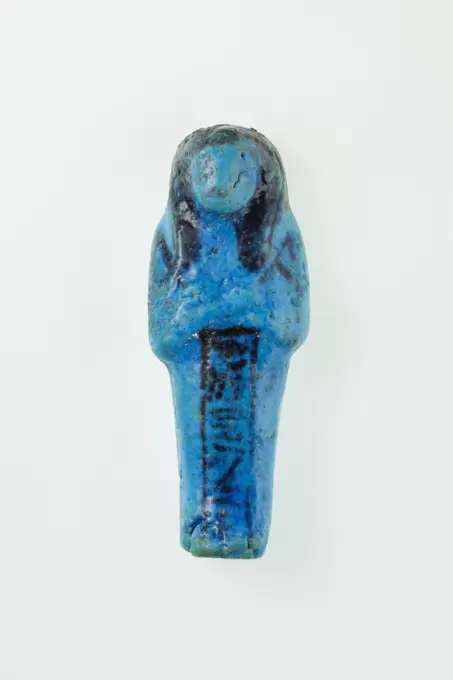
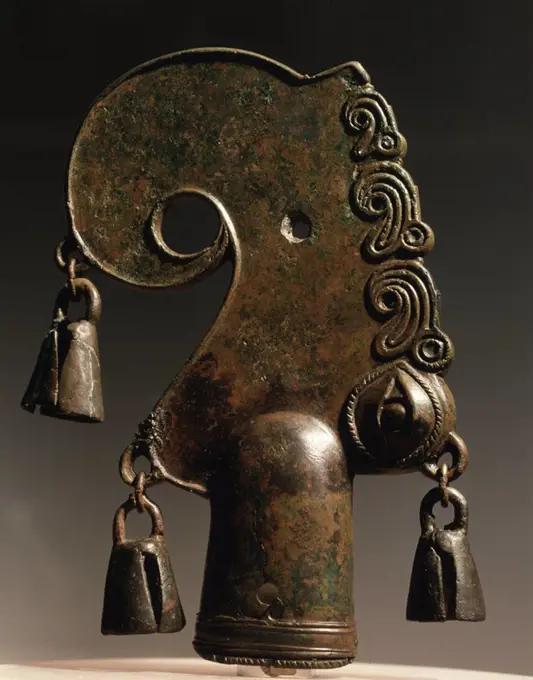
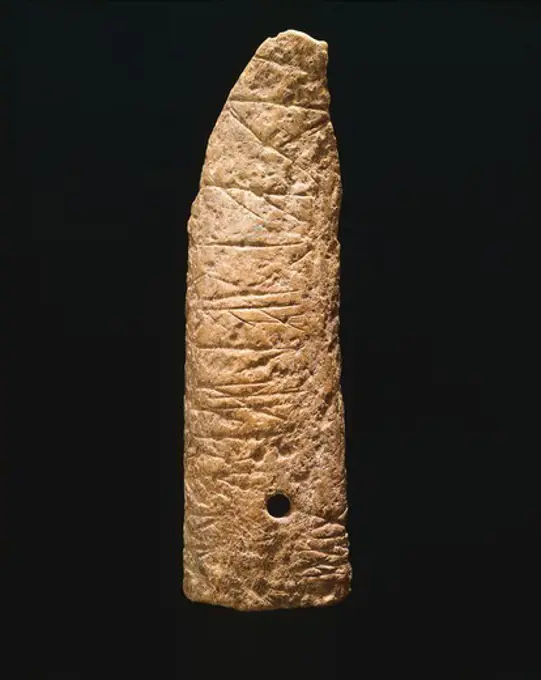
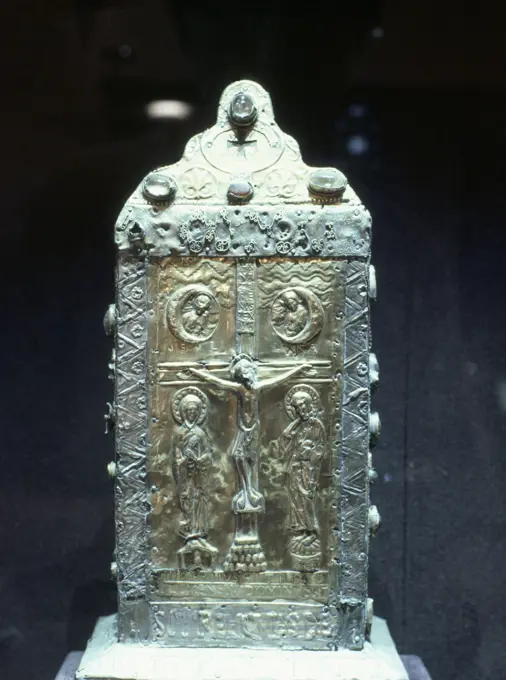
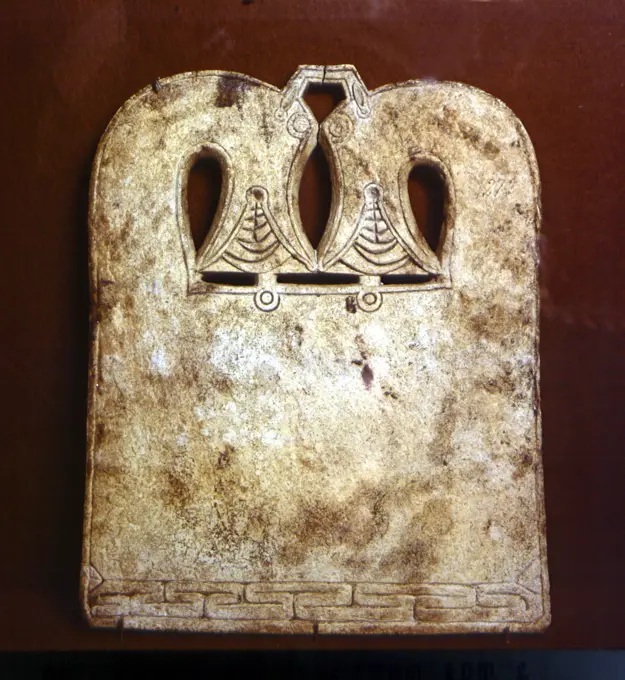
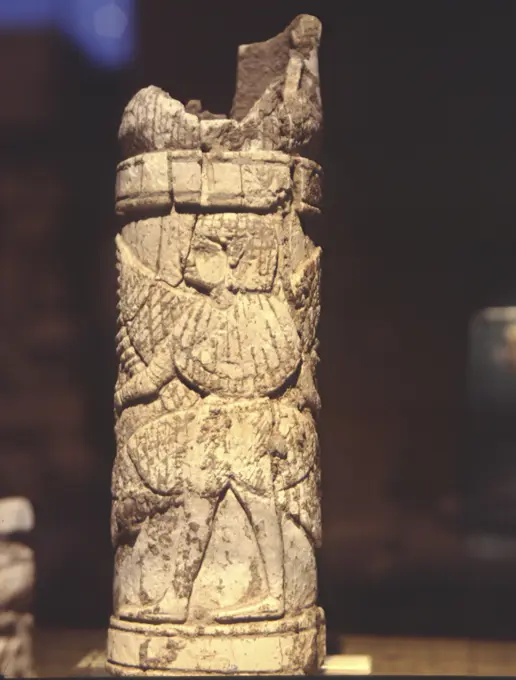
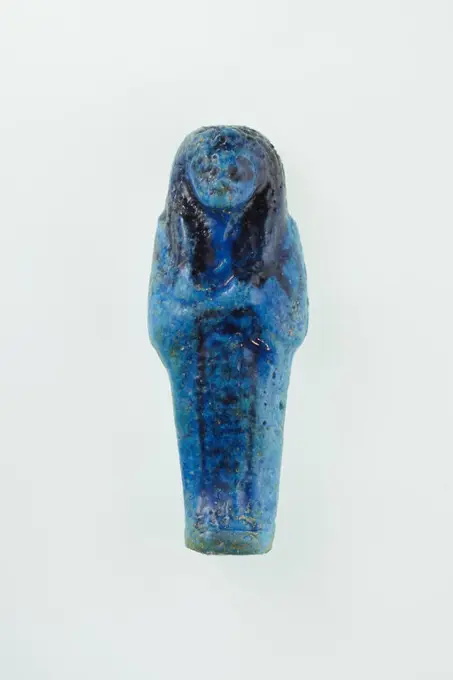
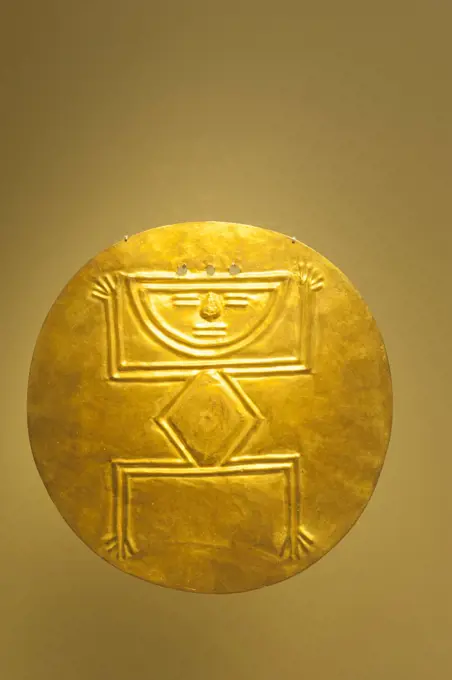
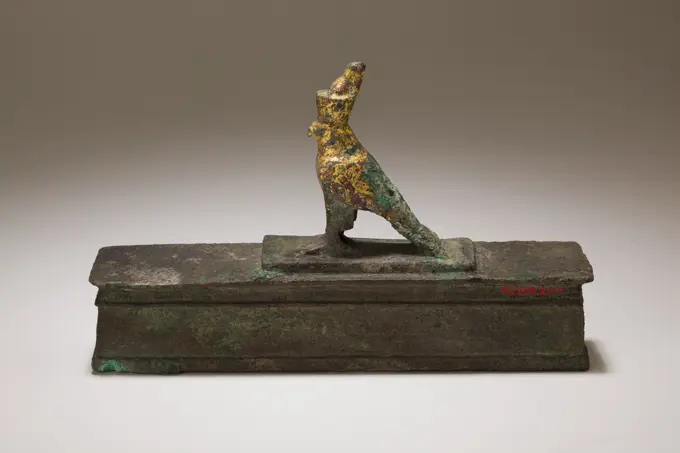
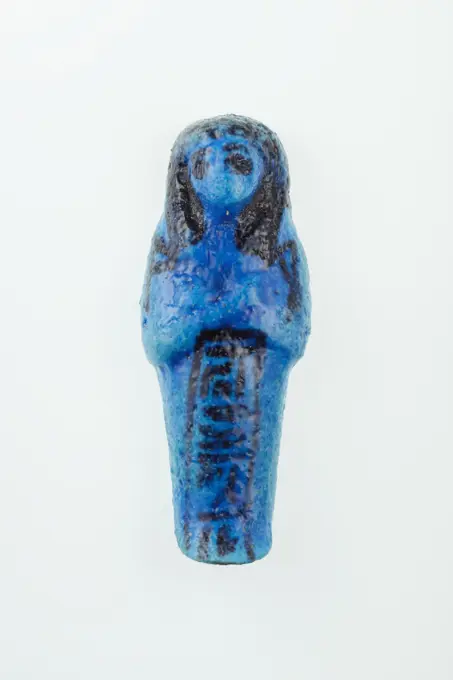
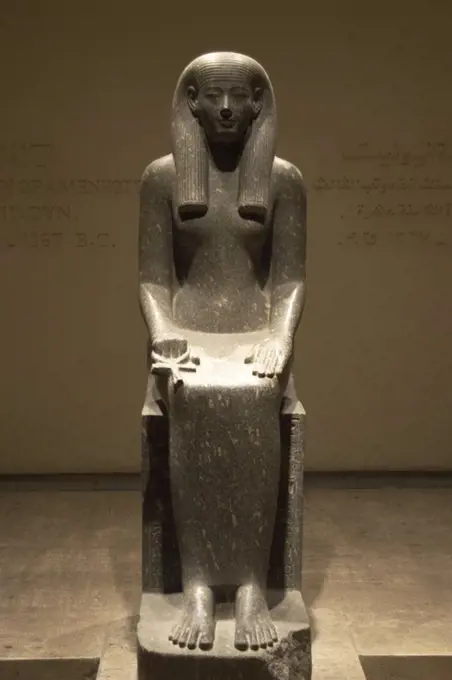
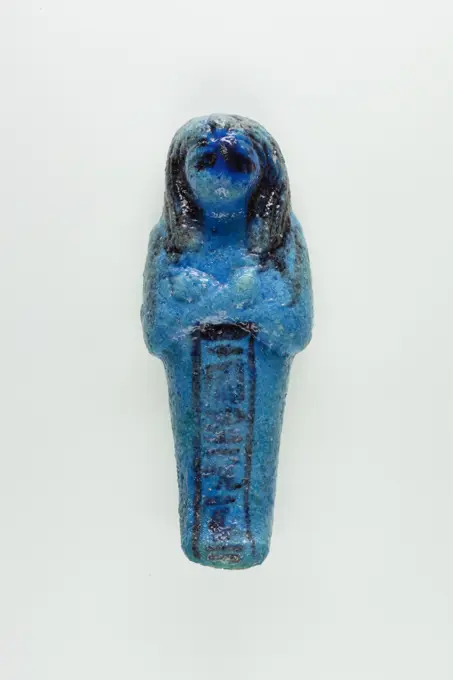
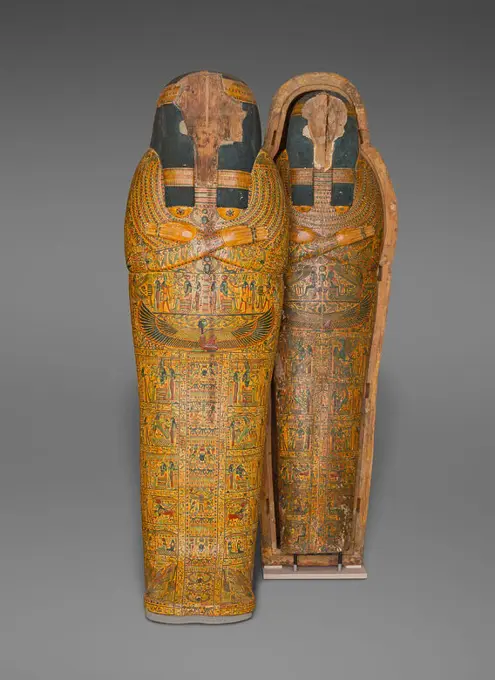
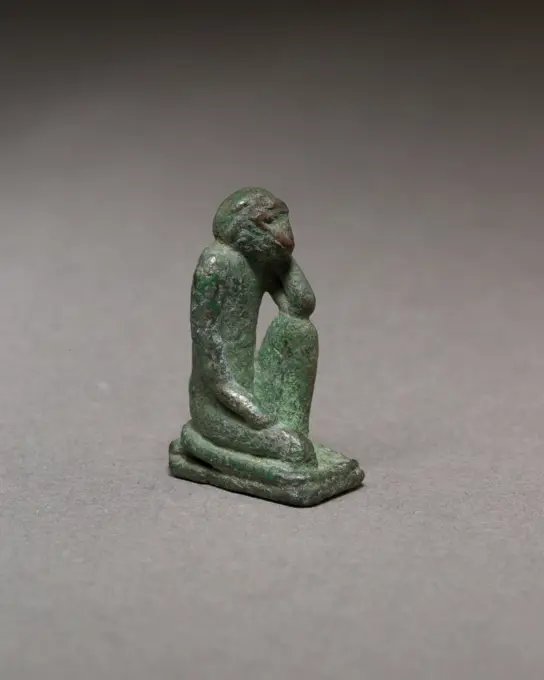
Gebel el-Arak Knife handle, carved with land battle and sea battle scenes, late Predynastic periodAx-God PendantShawabty of Ditamenpaankh, 715-656 BC. Egypt, Late Period, Dynasty 25. Terracotta; overall: 6.1 x 2.2 x 1.9 cm (2 3/8 x 7/8 x 3/4 in.).OSIRIS Egyptian gold. Son of Nut, brother of Set, husband of Isis, father of Horus. Wooden statue with polychrome decoration.Back of the kudurru (boundary stone) for Ritti-Marduk, white limestoneFaience Overseer Ushabti ca. 1090-900 B.C. Egyptian Ushabti were buried in large numbers in Egyptian graves believed to ensure the resurrection of the body with which they were placed.. Faience Overseer Ushabti 243764Fragment of a Vessel with Throne Names of Senwosret I and Amenemhat I. Egypt, Middle Kingdom, 12th Dynasty, co-regency of Amenemhat and Senwosret, during reign of Senwosret I. Furnishings; Serviceware. CalciteShabti of Psusennes I Third Intermediate Period ca. 1040-992 B.C. View more. Shabti of Psusennes I. ca. 1040-992 B.C.. Bronze or copper alloy. Third Intermediate Period. From Egypt; Presumably from Egypt, Eastern Delta, Tanis (San el-Hagar), Royal Tombs, NRT III (Psusennes), Montet excavations. Dynasty 21Amulet  HatchesShawabty of Ditamenpaankh, 715-656 BC. Egypt, Late Period, Dynasty 25. Terracotta; overall: 5.7 x 1.6 x 1.6 cm (2 1/4 x 5/8 x 5/8 in.).Cobra hood with Aten cartouche ca. 1353-1336 B.C. New Kingdom, Amarna Period. Cobra hood with Aten cartouche 549681Statuette of Taweret with Sa Amulet of Protection. Egypt, New Kingdom, 19th or 20th Dynasty (1315 - 1081 BCE). Jewelry and Adornments; amulets. SchistEgyptian Ushabti or Ushabti. The Ushabti also called Ushabti or shawabti, was an Ancient Egyptian funerary figurineWorker Shabti of Nany. Dimensions: H. 8.7 × W. 3.3 × D.1.9 cm (3 7/16 × 1 5/16 × 3/4 in.). Dynasty: Dynasty 21. Reign: reign of Psusennes I. Date: ca. 1050 B.C..See 30.3.27.1a, b. Museum: Metropolitan Museum of Art, New York, USA.Statuette of Osiris, 664-525 BC. Egypt, Late Period, Dynasty 26 or later. Black copper (), hollow cast; overall: 6.8 x 4.7 cm (2 11/16 x 1 7/8 in.); with tang: 30.6 cm (12 1/16 in.); without tang: 28 cm (11 in.).Shawabty of Ditamenpaankh, 715-656 BC. Egypt, Late Period, Dynasty 25. Terracotta; overall: 5.9 x 1.7 x 1.4 cm (2 5/16 x 11/16 x 9/16 in.).Male Figurine. Culture: Inca. Dimensions: H. 2 7/16 in. (6.2 cm). Date: 1400-1533.This hollow figurine is comprised of eight pieces of metal sheet that have been joined together. It depicts a man standing upright, dressed only in a llautu, a braided headdress that was worn by the Inca ruler and nobles; otherwise, he is shown naked. The details of his eyes, nose, and mouth, along with extended earlobes that suggest they could have accommodated spools, and pose with arms and hands tucked into the chest, are all standard among Inca human male figurines made of metal. Furthermore, there is a quid of coca represented as a small, raised, circular region to the proper left of the mouth. The presence of this feature and its location is consistent among Inca male figurines in metal. Coca chewing and blowing is a process through which Andean peoples strengthened relationships with the natural environment and among themselves (Allen 2002). These figurines are considered sacred beings, or huacasStanding Ceramic Figure 3rd-5th century Moche. Standing Ceramic Figure 309318Ureusz. unknown, authorFerrule 4th-3rd century B.C. China. Ferrule 49501Scribe tools, imprints, Egyptian civilizationAmulet of the God Nefertem. Egyptian. Date: 1069 BC-664 BC. Dimensions: 4.8 × 1 × 1.3 cm (1 7/8 × 3/8 × 1/2 in.). Faience. Origin: Egypt. Museum: The Chicago Art Institute, Chicago, USA. Author: Ancient Egyptian.Boat;  3rd passing period (-1069-00-00--747-00-00);Deposit of the University of Warsaw from 1937-1939, French excavations in Deir El-Medina (Egypt)Mold for a Foreleg Amulet with Cartouche bearing the Throne Name of Ramses II. Egypt, New Kingdom, 19th Dynasty, reign of Ramses II (1304 - 1237 BCE). Tools and Equipment; molds. TerracottaStela of the Singer in the Interior of Amun, Djedbastetemtehou, from Mefkat. Dimensions: H. 49.5 × W. 21.5 × Th. 10.5 cm (19 1/2 × 8 7/16 × 4 1/8 in.). Dynasty: Dynasty 25-early Dynasty 26. Date: ca. 690-650 BC.Djedbastetemtehou is shown seated in the lunette of this stela, raising a large mirror and receiving offerings from a smaller standing woman, Irtirw. A line of inscription at the top gives Djedbastetemtehou's title as Singer in the Interior of Amun, an important office in the temple of Amun in the city of Thebes. Lines of inscription below cite the goddess Hathor in the town of Mefkat in the West Delta, a town newly prominent at this time, on behalf of Djedbastetemtehou. Apparently she traveled from a home in Mefkat about four hundred miles to the south to serve as a religious singer at Thebes, probably sent by her father to receive this honor.The stela is graphically striking with the beautiful linear slimness and round strong visages of the women, the large mirror disk, and elFragment bloku z kartuszami Totmesa III. unknown, authorAmulet: Nehebkau (snake deity) 664-332 B.C. Late Period. Amulet: Nehebkau (snake deity). 664-332 B.C.. Hard Limestone. Late Period. From Egypt. Dynasty 26-29Fragment 14th-15th century. Fragment 445597Inlaid Bronze Cobra Element. Egypt, Late Period - Ptolemaic Period (664 - 30 BCE). Sculpture. BronzeWorker Shabti of Nany ca. 1050 B.C. Third Intermediate Period See 30.3.28.1a, b. Worker Shabti of Nany. ca. 1050 B.C.. Faience. Third Intermediate Period. From Egypt, Upper Egypt, Thebes, Deir el-Bahri, Tomb of Meritamun (TT 358, MMA 65), first corridor, burial of Nany, MMA excavations, 1928-29. Dynasty 21Appliqué for a funeral couch. UnknownVase China. Vase. China. Moss agate. Qing dynasty (1644-1911), Qianlong period (1736-95). HardstoneGoltland runic (unknown town). Historic museum. Stockholm. Sweden.Worker Shabti of Henettawy (C), Daughter of Isetemkheb ca. 990-970 B.C. Third Intermediate Period. Worker Shabti of Henettawy (C), Daughter of Isetemkheb 623253Shadow Clock 306-30 B.C. Ptolemaic Period One of a handful of portable timepieces known from ancient Egypt, this fragment is from the type that told time by measuring the length of the sun's shadow. Preserved here is the block with a sloping face with a series of parallel and oblique lines engraved on its face to mark off the time. The original piece would also have had a perpendicular block set up in front of the sloping face to serve as a gnomon and cast a shadow.. Shadow Clock. 306-30 B.C.. Marble. Ptolemaic Period. From Egypt, Upper Egypt, Thebes, Dra Abu el-Naga, Carnarvon/Carter excavationsAmulet of the God Anubis. Egyptian. Date: 664 BC-30 BC. Dimensions: 2.7 x 1 x 1.3 cm (1 1/16 x 3/8 x 1/2 in.). Faience. Origin: Egypt. Museum: The Chicago Art Institute, Chicago, USA. Author: Ancient Egyptian.Base fragment with the names of Nefertiti and Ankhesenpaaten ca. 1353-1336 B.C. New Kingdom, Amarna Period. Base fragment with the names of Nefertiti and Ankhesenpaaten. ca. 1353-1336 B.C.. Red quartzite. New Kingdom, Amarna Period. From Egypt, Middle Egypt, Amarna (Akhetaten), Great Temple of the Aten, pit outside southern wall, Petrie/Carter excavations, 1891-92. Dynasty 18Bottle 10th century. Bottle. 10th century. Glass; cut. Attributed to Egypt. GlassWorker Shabti of Nany. Dimensions: H. 8.9 × W. 3.4 × D.1.9 cm (3 1/2 × 1 5/16 × 3/4 in.). Dynasty: Dynasty 21. Reign: reign of Psusennes I. Date: ca. 1050 B.C..See 30.3.27.1a, b. Museum: Metropolitan Museum of Art, New York, USA.Female figurine, Base Ring Ware, Late Bronze Age, 1650 to 1050 BC, from Cyprus.Cast Brass Figure before 16th century Peruvian. Cast Brass Figure 309284Decorated Wooden Post. Egypt, 2nd or 3rd century CE. Architecture; Architectural Elements. WoodCosmetic Applicator or Pin. Afghanistan, 3rd century. Jewelry and Adornments; pins. IvoryClay jar sealing ca. 3100-2649 B.C. Early Dynastic Period. Clay jar sealing 545781Worker Shabti of Nany ca. 1050 B.C. Third Intermediate Period See 30.3.27.1a, b. Worker Shabti of Nany. ca. 1050 B.C.. Faience. Third Intermediate Period. From Egypt, Upper Egypt, Thebes, Deir el-Bahri, Tomb of Meritamun (TT 358, MMA 65), first corridor, burial of Nany, MMA excavations, 1928-29. Dynasty 21Cycladic figurine, from Naxos, Greece, Early Cycladic culture evolved in three phases, between c. 3300 - 2000 BCE, when it was increasingly swamped in the rising influence of Minoan CretePendant in the Shape of a Ruler orLord. Artist: UnknownJARRA DE CERAMICA NEGRA-PROCEDE DE FARO-OVIEDO (ASTURIAS). Location: MUSEO DEL PUEBLO ESPAÑOL. MADRID. SPAIN.Iberian head Iberian head, Limestone. 5th-4th centuries BC Iberian oppidum from Úbeda la Vieja, Iberian culture, Archeological Museum. Úbeda, Jaén province, Andalusia, Spain Copyright: xZoonar.com/BartomeuxBalaguerxRotgerx 21702725Amulet of Thoth 522-343 B.C. Late Period. Amulet of Thoth. 522-343 B.C.. Faience. Late Period. From Egypt. Dynasty 26-30Head of a King or Osiris, 1900-1915. Egypt, Modern forgery. Graywacke; overall: 9.8 x 4.2 x 8.4 cm (3 7/8 x 1 5/8 x 3 5/16 in.).Amulet of the Goddess Bastet 1070 BCE-656 BCE Egypt. Faience . Ancient EgyptianAquamarine, variety of beryl, silicate.Limestone plinth with the feet of a female statuette () late 4th-2nd century B.C. Cypriot  Two sculpted toes stand on the proper left edge of a fragmentary plinth with a Cypro-Syllabic inscription.. Limestone plinth with the feet of a female statuette () 241857Model terracotta chair from Ur with relief design of two birds. Artist: UnknownV -plate with a baking impression of the device; Akalla (A-Kal-la) son Uree (UR-E11-E); around 2045 BC (-2050-00-00--2040-00-00);III dynasty with UR (around 2113-OK. 2005 BC), SUMER, UMMA, A-KAL-LA Son UR-E11-E, writer, wedge signsAmulet - Knot of IsisUnfinished Yoke, 600-900. Mexico, Central Veracruz, Classsic Veracruz style. Gray stone; overall: 39.5 x 35 x 12.5 cm (15 9/16 x 13 3/4 x 4 15/16 in.).Inscribed Relief, c. 2311-2281 BC. Egypt, Saqqara, Old Kingdom, Early Dynasty 6, 2311-2140 BC. Painted limestone; overall: 44.8 x 21.9 cm (17 5/8 x 8 5/8 in.).Relief chalice rim fragment with a wedjat frieze and below that a Hathor sistrum head emerging from papyrus plants ca. 1070-712 B.C. Third Intermediate Period The fragment has been joined to 2010.9.. Relief chalice rim fragment with a wedjat frieze and below that a Hathor sistrum head emerging from papyrus plants 587761Knife lift from the wreck of the East Indiesman Hollandia.knife, Handle, Cylindrical: tapering; ID. NG 1979-403H.Snake from Set of Zodiac Figures, 618-907, H.10 in., Earthenware with white slip and traces of pigment, China, 7th-10th century, The appearance of certain animals played an important role in ancient beliefs regarding omens and portents, and a complex system of thought that spanned the Han (206 BCE-220 CE), the Six Dynasties, and Tang period (618-906). The earliest appearance of the twelve animals of the Chinese zodiac is in funerary sculpture like these found in northern Chinese tombs dating to the Northern Wei dynasty (386-535).Bird Pendant 1st century B.C.-A.D. 1st century Guanacaste-Nicoya The jade pendants and other ornaments made in the Central American region that is now the country of Costa Rica are among the area's most individual art forms. Archaeological evidence suggests that jade bird-form pendants were made and treasured as early as 500 B.C. and remained favorites for hundreds of years. Bird imagery is pervasive throughout this long period, as was the preference for fashioning ornaments out of green-colored stones. Jadeite, which was principally used in Costa Rica, came in many green tonalities, from pale blue-greenas seen hereto intense, almost black greens. This engaging fat bird with a long straight beak is worked almost in profile. Made to be viewed from both sides and suspended through a hole in its neck, it may also have had an additional ornament suspended from its own beak. The pendant is reported to be from Guanacaste Province in northwestern Costa Rica.. Bird Pendant 316777Worker Shabti of Nauny ca. 1050 B.C. Third Intermediate Period See 30.3.27.1a, b. Worker Shabti of Nauny. ca. 1050 B.C.. Faience. Third Intermediate Period. From Egypt, Upper Egypt, Thebes, Deir el-Bahri, Tomb of Meritamun (TT 358, MMA 65), first corridor, burial of Nauny, MMA excavations, 1928-29. Dynasty 21Fragment węgara. warsztat nubijski, workshopCylinder Seal. Mesopotamia, 2370-2230 B.C.. Tools and Equipment; seals. Stone, alabasterAmulet of the God Thoth 664 BCE-332 BCE Egypt. Lapis Lazuli . Ancient EgyptianHeaddress of asta bronze from Kuban 6-5th century BC. Museum: HERMITAGE, SAN PETERSBURGO, RUSSIA.Antler fragment with an inscription in the Raetic language, from Val Venosta, South Tyrol, Italy.Flask. UnknownSon of Horus (Duamutef) from Bead Net Third Intermediate Period-Late Period ca. 1070-525 B.C. View more. Son of Horus (Duamutef) from Bead Net. ca. 1070-525 B.C.. Faience. Third Intermediate Period-Late Period. From Egypt, Upper Egypt, Thebes, Khokha, Tomb of Roma (TT MMA 835), MMA excavations. Dynasty 21-26Reliquary of Pope Pascale II, made from silver, dating from 1100 AD, Treasury of Ste. Foy, Conques, Midi_Pyrenees, France, EuropeStone stool with rabbit carving, MexicoWhalebone plaque, Norway. VIKING.Winged Cupid Figurine on a Pyramidial Base. Eastern Mediterranean, Roman Period (30 BCE - 395 CE) or later. Sculpture. BronzeIvory pyxis, vase or box from Megido 12th. c BC, Israel.Worker Shabti of Nany. Dimensions: H. 8.9 × W. 3.3 × D. 2.2 cm (3 1/2 × 1 5/16 × 7/8 in.). Dynasty: Dynasty 21. Reign: reign of Psusennes I. Date: ca. 1050 B.C..See 30.3.27.1a, b. Museum: Metropolitan Museum of Art, New York, USA.Golden Artifact From Tardio Tribe In The Gold Museum In La Candelaria, The Old Town Of Bogota, ColombiaWooden Comb Depicting a Lion (). Egypt, 4th - 8th century CE. Tools and Equipment; combs. WoodFalcon in double crown surmounting a shrine shaped box for an animal mummy 664-30 B.C. Late Period-Ptolemaic Period The falcon god Horus stands with his wings swept back. He wears the double crown of Egypt, a royal crown that symbolizes the union of Lower and Upper Egypt, and highlights Horus role as the legitimate ruler of the entire land. The crowns elements are distinct and well made: the red crown of Lower Egypt, lacking only its curling spiral at the front, and the white crown of Upper Egypt. The falcon wears the double crown because Horus and the concept of kingship were closely tied, as early as the Predynastic Period. The falcon is gilded and the bright gold color communicates its shining, luminous divine nature. Cupreous metal statuettes of gods were frequently gilded, but the gilding easily wears over time. This rare survival is representative of a much larger category of material, and shows how donors invested in costly materials even for small-scale statuettes.The falcon Belt Hook. UnknownFragment 11th century. Fragment 445409Votive Tablet China. Votive Tablet 61597Statuette of a woman wearing a mantle over head 3rd-1st century B.C. Etruscan Underneath is a tang for insertion in a base.. Statuette of a woman wearing a mantle over head 246412Ferret 6th-7th century Frankish. Ferret 465666 Frankish, Ferret, 6th7th century, Copper alloy, Overall: 1 5/8 x 1/2 x 3/16 in. (4.2 x 1.3 x 0.5 cm). The Metropolitan Museum of Art, New York. Gift of J. Pierpont Morgan, 1917 (17.193.33)Italy, Calabria, Sarcophagus in the shape of a feet wearing a buskin, terracottaWorker Shabti of Nany ca. 1050 B.C. Third Intermediate Period See 30.3.29.1a, b. Worker Shabti of Nany. ca. 1050 B.C.. Faience. Third Intermediate Period. From Egypt, Upper Egypt, Thebes, Deir el-Bahri, Tomb of Meritamun (TT 358, MMA 65), first corridor, burial of Nany, MMA excavations, 1928-29. Dynasty 21Kohl tube ca. 1353-1295 B.C. New Kingdom This tube was intended to hold kohl, an eye cosmetic frequently used by the Egyptians. The tube was carved in the shape of a palm capital and decorated with floral motifs. The wide band in the center depicts a group of musicians and dancers. The decoration was lightly incised and filled with colored paste.. Kohl tube 544851Boat;  525-343 BC ; Half period, 27-30 dynasty (-525-00-00--343-00-00);Incense holder. Culture: China. Dimensions: H. 21 7/8 in. ( (55.6 cm); Diam. 2 7/8 in. (7.3 cm). Date: 18th century. Museum: Metropolitan Museum of Art, New York, USA.Egyptian Art. Statue of Iwnit. Reign of Pharaoh Amenophis III. 18th Dynasty. Between 1405 - 1367 BC. New Kingdom. Luxor Museum. Egypt.Funerary Equipment Belonging to Three Foreign Wives of Thutmose III, Metropolitan Museum of Art, Manhattan, New York City, USA, North AmericaMonolithic Pillar, 600s-700s. Northern India, Mathura, early medieval period, 7th-8th century. Red sandstone; overall: 109.9 x 25.4 cm (43 1/4 x 10 in.).Worker Shabti of Nauny ca. 1050 B.C. Third Intermediate Period See 30.3.26.1a, b. Worker Shabti of Nauny 625698Mummy Board of the Singer of Amun Nany. Dimensions: l. 177 cm (69 11/16 in); w. 48 cm (18 7/8 in). Dynasty: Dynasty 21. Reign: reign of Psusennes I. Date: ca. 1050 B.C..Nany was buried in a nested pair of anthropoid (human-shaped) coffins. The set included what appears to be a third lid, but is actually a slightly curving cover often called a "mummy board." This was placed directly over the mummy. Nany's mummy board has decoration similar to her coffin lids as was customary in Dynasty 21. For a different style of mummy board, see 86.1.5c. Museum: Metropolitan Museum of Art, New York, USA.Pendant: Ram's Head. UnknownAmulet - Imset. unknown, authorSelection of Colombian gold work. Dated 12th CenturyScarab of Amenemhat III ca. 1859-1813 B.C. Middle Kingdom This scarab is inscribed with the prenomen of pharaoh Amenemhat III (Dynasty 12, ca. 1859-1813 B.C.), Nimaatre. Scarab of Amenemhat III. ca. 1859-1813 B.C.. Bright green glazed steatite. Middle Kingdom. From Egypt, Memphite Region, Lisht North, Cemetery, MMA excavations. Dynasty 12Monkey kneeling and resting its head in a hand 500-100 BC Late Period-Ptolemaic Period Monkeys are popular subjects throughout Egyptian history, their playfulness and close mimicry being very compelling. This monkey seems to imitate the sorts of poses used for servants who crouch and rest while waiting. See 26.7.1411 for an Egyptian example and 74.51.1701 for a Greek example.. Monkey kneeling and resting its head in a hand. 500-100 BC. Bronze. Late Period-Ptolemaic Period. From Egypt