Ancient Artifacts

Historical artifacts including carved knives and decorative pendants from ancient civilizations, showcasing intricate details and heritage.

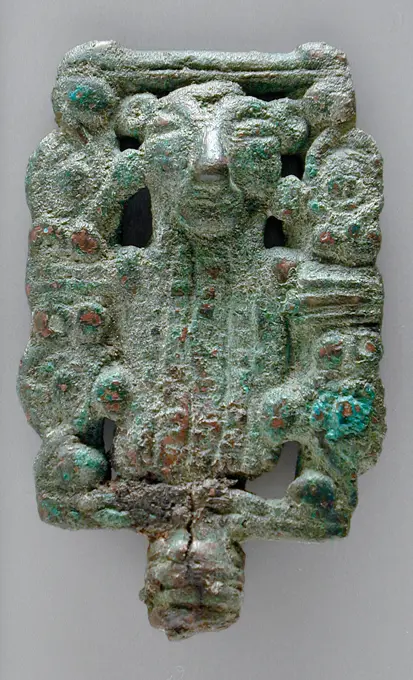
Shabti of Psusennes I Third Intermediate Period ca. 1040-992 B.C. View more. Shabti of Psusennes I. ca. 1040-992 B.C.. Bronze or copper alloy. Third Intermediate Period. From Egypt; Presumably from Egypt, Eastern Delta, Tanis (San el-Hagar), Royal Tombs, NRT III (Psusennes), Montet excavations. Dynasty 21
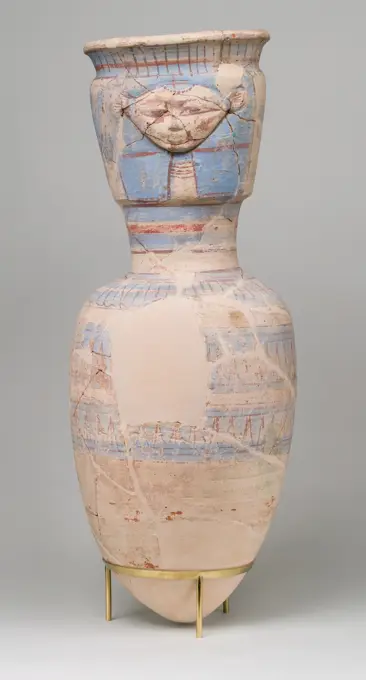
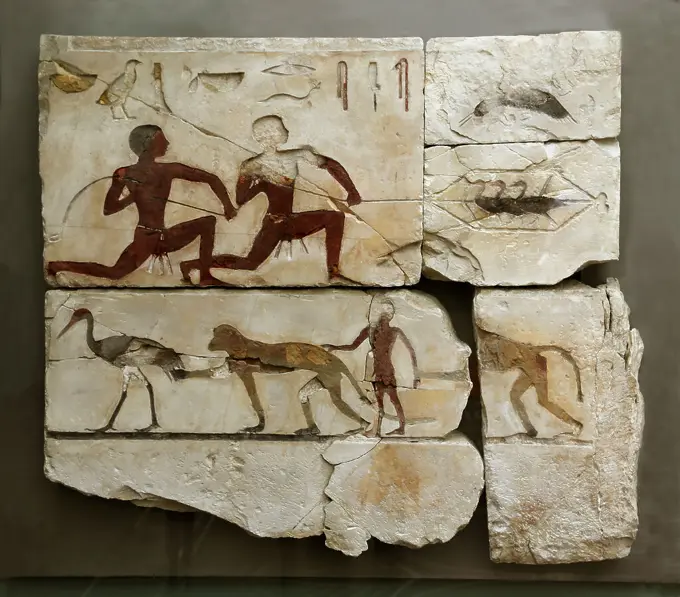
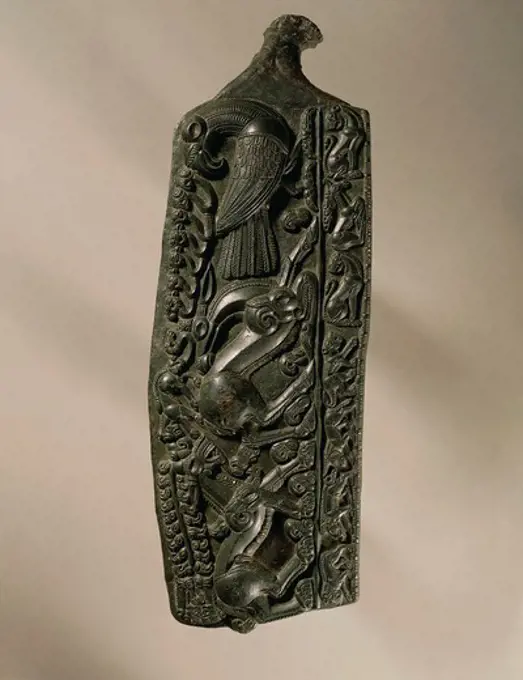
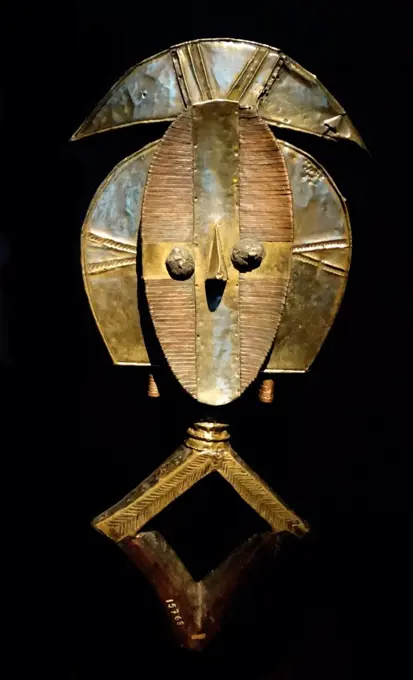
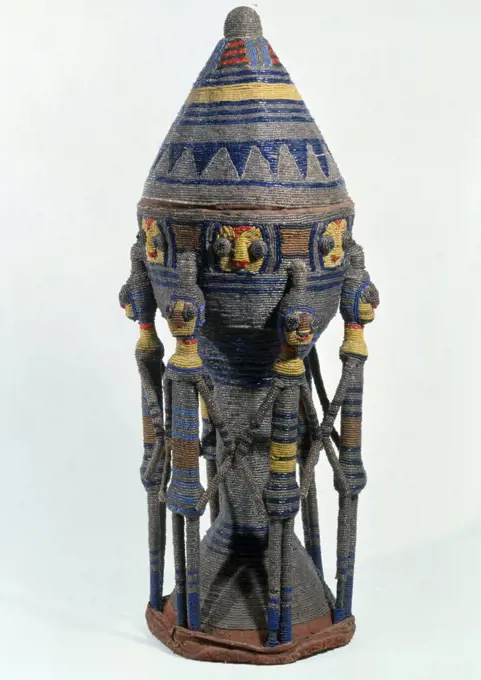
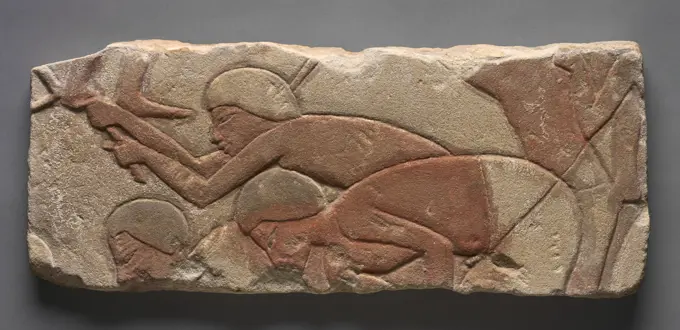
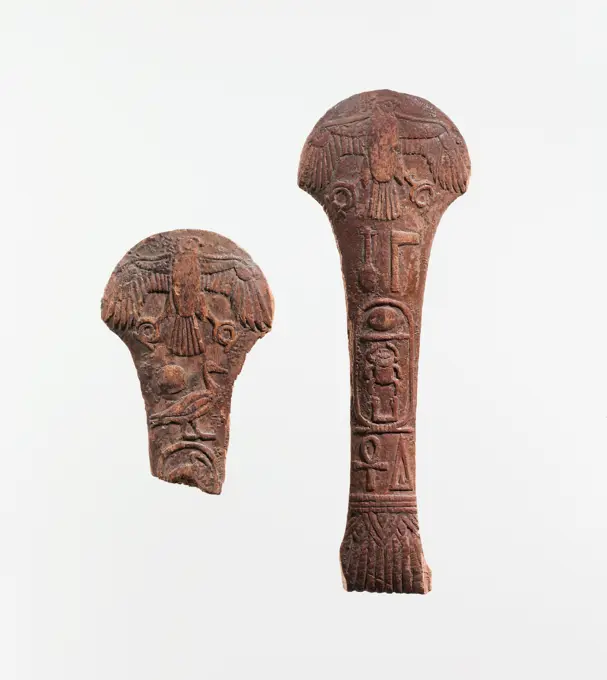
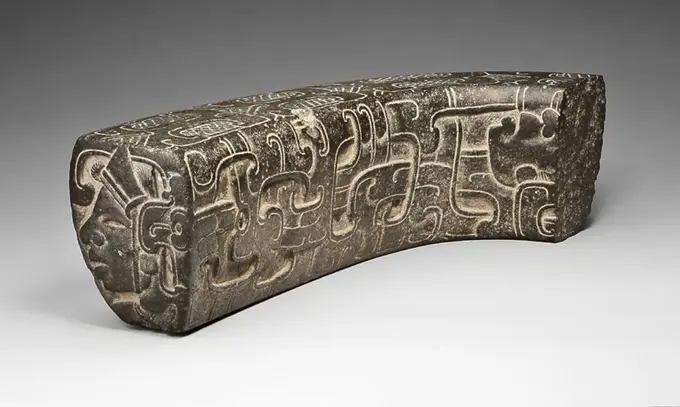
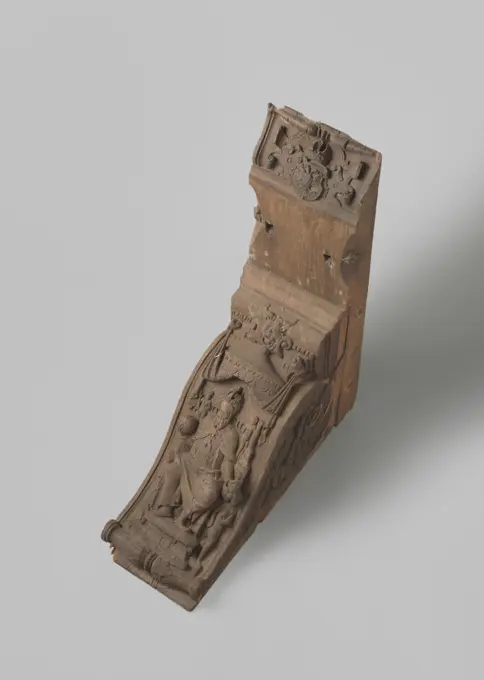
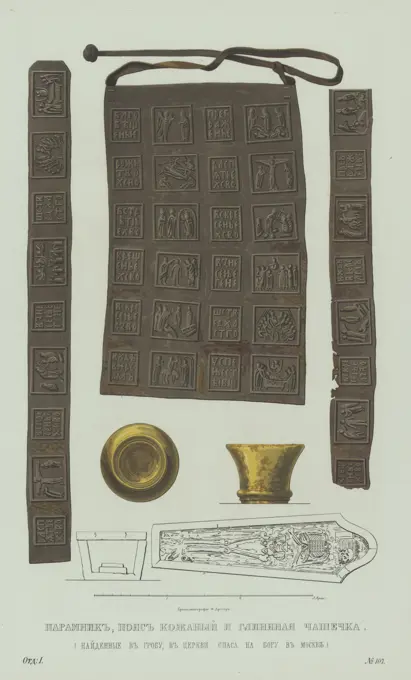
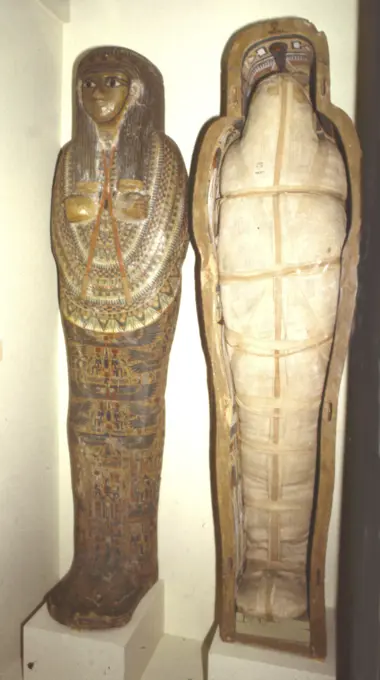
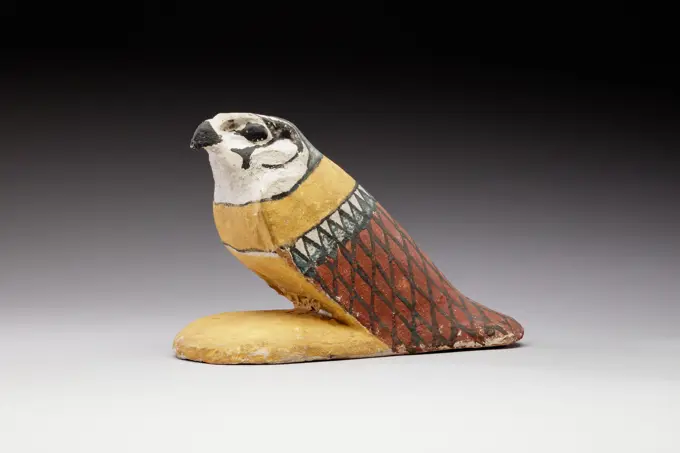
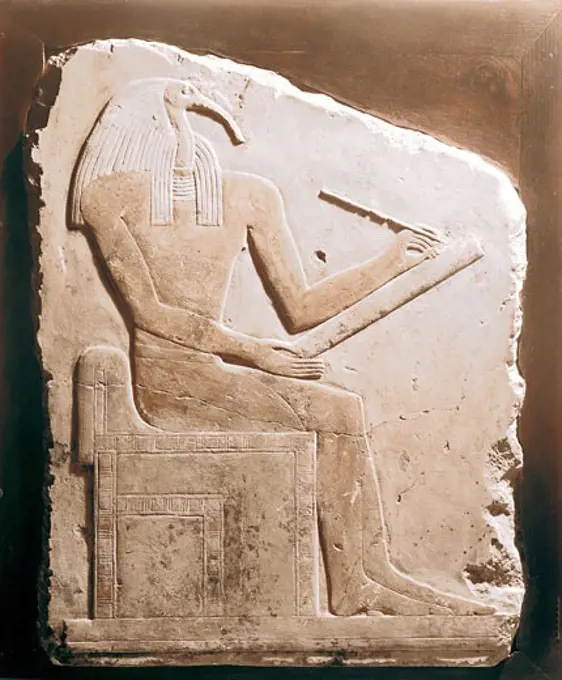
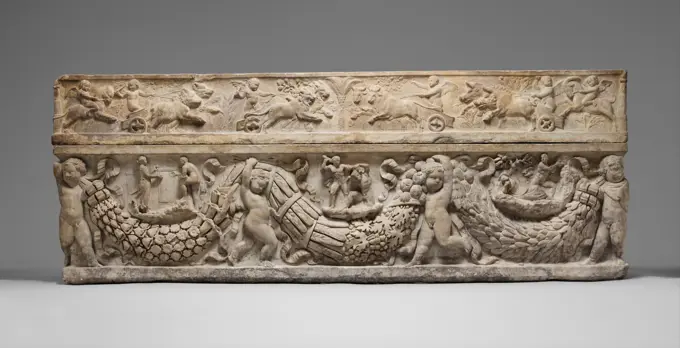
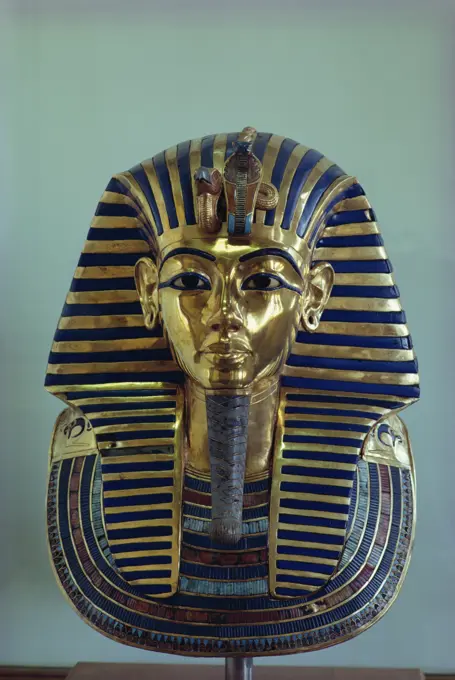
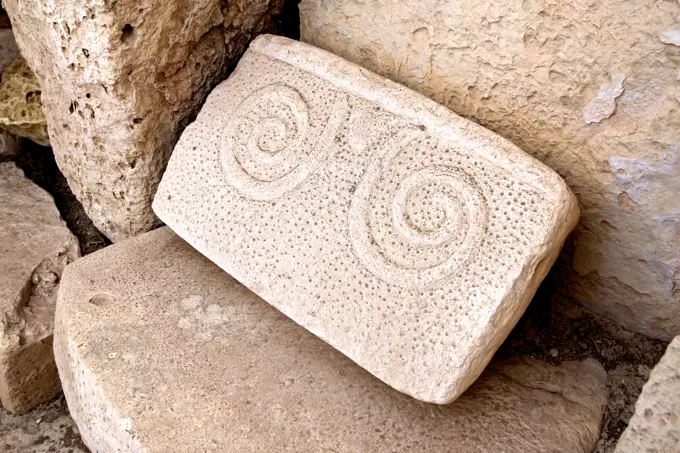
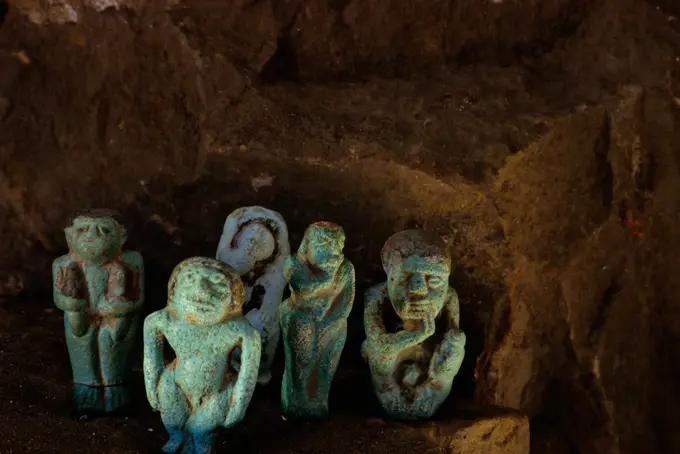
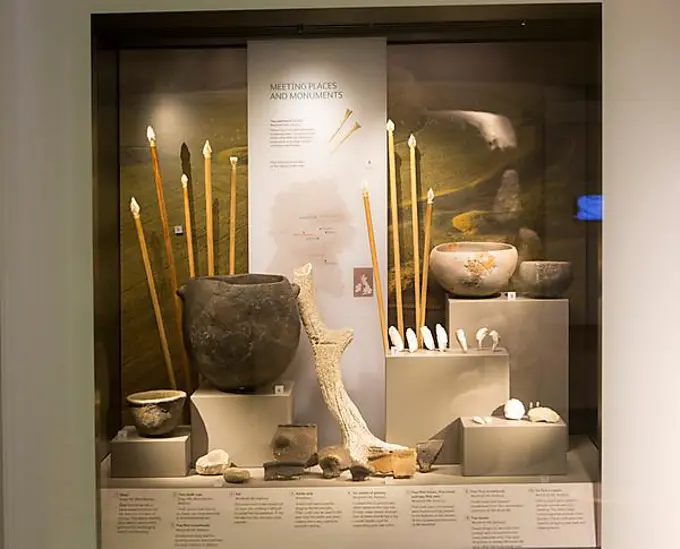
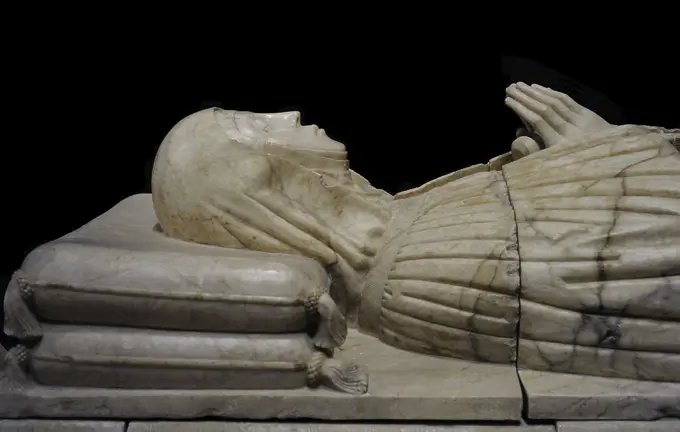
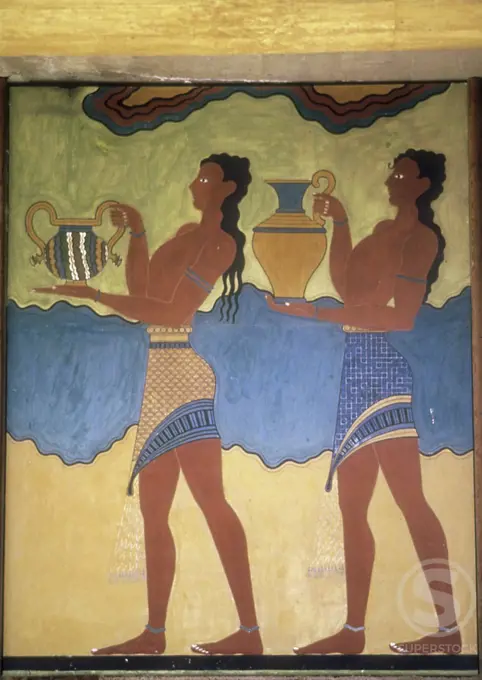
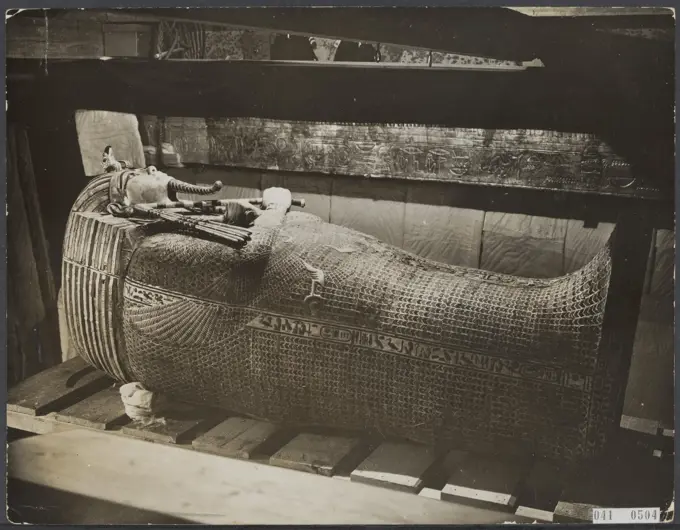
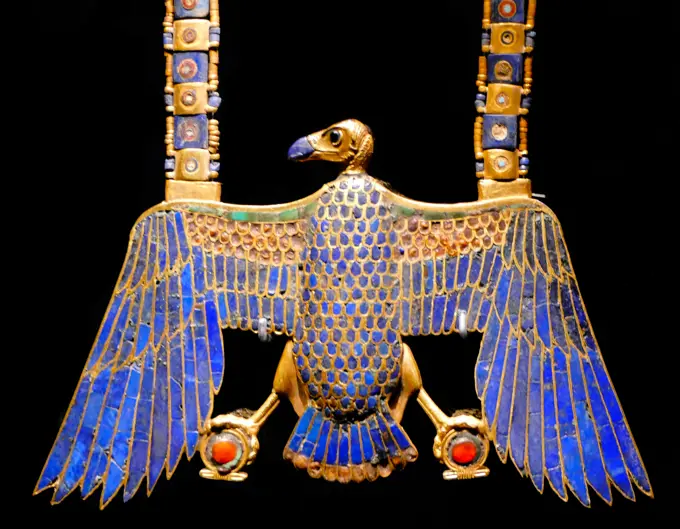
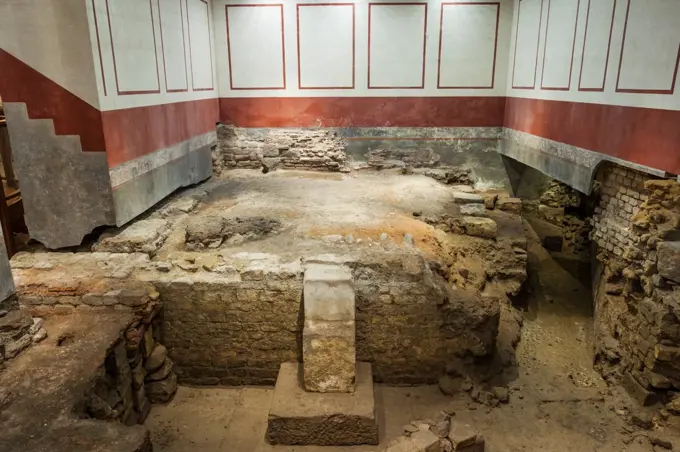
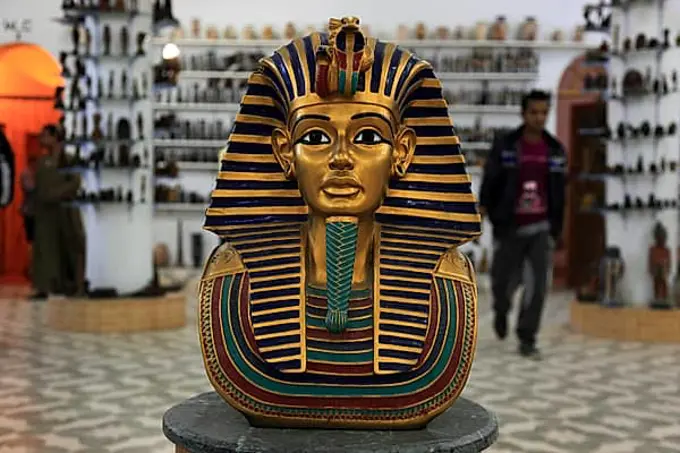
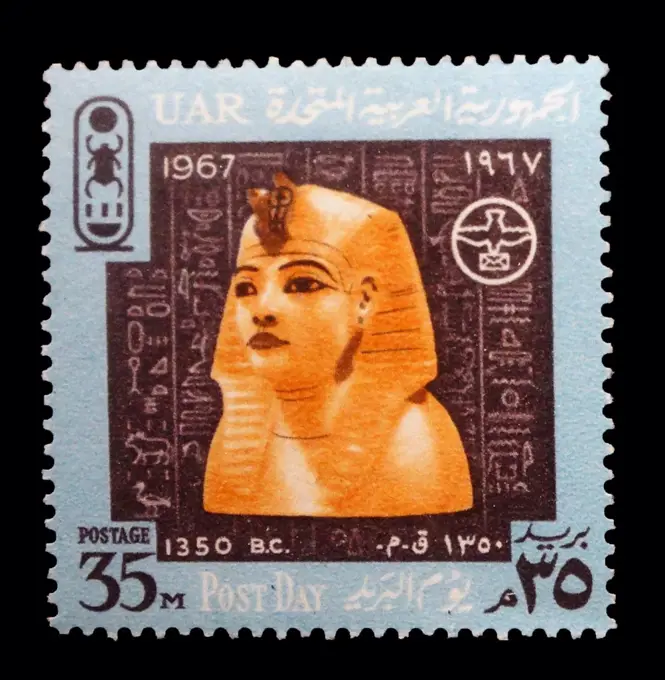
Grave Marker 3rd-11th century Bura peoples. Grave Marker 317898Openwork Pinhead. Iran, Luristan, Luristan bronzes, circa 1000-650 B.C.. Jewelry and Adornments; pins. Bronze, castStorage Jar Embossed with the Hathor Emblem ca. 1390-1353 B.C. New Kingdom. Storage Jar Embossed with the Hathor Emblem. ca. 1390-1353 B.C.. Pottery, slip, paint. New Kingdom. From Egypt, Upper Egypt, Thebes, Malqata, Palace of Amenhotep III, MMA excavations, 1911-12. Dynasty 18Relief fragments with two men catching birds and boy playing with baboons. 2550 BC. Tomb of Atet and Nefermaat Limestone. Meidum.Ivory Fragment with Figures 4th-7th century Coptic. Ivory Fragment with Figures 478759Prehistory, Bulgaria, Iron Age. Getae and Thracian civilization. Bronze matrix to mold glasses. From Gurchinovo.Amulet of a Lion-Headed Goddess 1069 BCE-664 BCE Egypt. Faience . Ancient EgyptianTriad of rawer made of quarzite, from GizaFragment of a Vase ca. 4th-5th century Pakistan. Fragment of a Vase 50751Figure from reliquaries ensemble. Don Attilio Pecile et Jacques Savorgnan de Brazza. Made from wood, copper and brass. From Gabon.Amulet - bóg Bes. unknown, authorYoruba beaded container and cover, England, London, Christie's Images, Primitive ArtAfrica, Egypt, Luxor. Karnak Temple, hieroglyphic offeringsRight foot ca. 600-480 B.C. Cypriot Hollow, mold-made right foot wearing a sandal, from a figure of approximately two-thirds life size or a little less.. Right foot 241020Small coffin ensemble for memorabilia, Tutankhamun's tomb treasures, archaeological world sensation, replicas, Valley of the Kings, most famous burial site in the world, Luxor, Thebes West, Egypt, Luxor, Thebes, West, Egypt, AfricaBronze left leg and foot 1st or 2nd century A.D. Roman Foot and left leg.. Bronze left leg and foot 251365 Roman, Bronze left leg and foot, 1st or 2nd century A.D., Bronze, H.: 15 11/16 in. (39.9 cm). The Metropolitan Museum of Art, New York. Rogers Fund, 1923 (23.160.21)Talatat: Men Hoeing the Earth, c. 1353-1347 BC. Egypt, Karnak, New Kingdom, Dynasty 18, reign of Amenhotep IV, 1353-1337 BC. Painted sandstone; overall: 21.4 x 53.3 cm (8 7/16 x 21 in.).Dagger handle (with 22.3.75b) ca. 1580-1479 B.C. Second Intermediate Period-Early New Kingdom Inscribed for Hatshepsut's father, Thutmose I, these two wooden grips were fixed to either side of the handle of a dagger. The end of each grip is decorated with a falcon, its wings bent to fit the curve of the pommel, and shen hieroglyphs, signifying eternity. Since the falcon represents Horus, a god personified by the king on earth, he may be seen as holding eternity and perhaps also extending it to the king named below.. Dagger handle (with 22.3.75b) 566485Ushabti of the Nubian king Senkamanisken, serpentine, Napata period, 643-623 BC, tomb of Senkamanisken, Nuri, Sudan, collection of the British Museum.Lamella. UnknownFragment of a Ceremonial Ballgame Yoke. Totonac; El Tajín and vicinity, northern Veracruz, Mexico. Date: 700 AD-800 AD. Dimensions: 11.43 × 38.6 cm (4 1/2 × 15 1/5 in.). Stone. Origin: El Tajín. Museum: The Chicago Art Institute, Chicago, USA. Author: Classic Veracruz.Plaques with winged creatures approaching stylized trees. Gold, from Northwestern Iran, 8th-7th century B.C.Korbeel and key piece with cut for the German emperor, anonymous, c. 1550 - c. 1600 Korbeel of oak wood with sliced representation of the German emperor, sitting on a throne under a canopy. His weapon is on the key. Coming from the broken house Warmoesstraat 145 in Amsterdam. Northern Netherlands oak (wood) Korbeel of oak wood with sliced representation of the German emperor, sitting on a throne under a canopy. His weapon is on the key. Coming from the broken house Warmoesstraat 145 in Amsterdam. Northern Netherlands oak (wood)Leather belt and little earthenware cup, found in a coffin in the church of the Savior on the Bor in Moscow. Chromolithography by F. Dreher, 1849 - 1853, published by Tip. A. SemenaDecorative padded rolls (pulvinare) placed on both sides of the sacrificial or offerings surface of an altar. Found in Cologne, Germany. Roman-Germanic Museum. Cologne. Germany.Mummy of a priestess and coffin. Thebes. 1050 BC EGYPT.Santiago mussels as a decoration for the chimney Santiago mussels as a decoration for the fireplaceFalcon figurine from a coffin or box ca. 664-332 B.C Probably Late Period In addition to its association with sky gods such as Re, the falcon was a symbol of the funerary god Sokar, an ancient deity originally linked to the site of the great pyramids and later merged with Osiris. During the Sokar festival, the mummified god was imagined to be reborn as the solar falcon.Figures of Sokar as a mummified bird such as this one are often found surmounting coffins or funerary boxes from the later periods of Egyptian history.. Falcon figurine from a coffin or box. ca. 664-332 B.C. Wood, gesso, paint. Probably Late Period. From EgyptFigurine of a Lion Throne. Egypt, Late Period (711 - 332 BCE) or later. Sculpture. BronzeEarly medieval brooch of Santa María de Hito, X century, Valderredible. Museum of prehistory and archeology (MUPAC), Santander, Cantabria, SpainPlaque Fragment with a Fish. UnknownAmuletBeltUSA, Alaska, Carved ivory seal, foxes, birds including a loon, rabbit and human Eskimo artifacts from St. Lawrence IslandClavus Band; warp; s-spun, two ply z-twist linen. wefts; z-spun linen, s-spun woolsAtlantes Figures dating from 1000-1250 AD, from Chichen Itaza, Yucatan, National Museum of Anthropology, Mexico City, Mexico, North AmericaNikon 5400 Digital CaptureKooauau early 19th century Maori Flutes appear in most parts of Oceania. They are predominantly made of bamboo and can be side-blown, like Western flutes, or end-blown. The kōauau flutes of Aotearoa (New Zealand) were often beautifully and intricately carved and suspended from the neck as personal adornment when not being played.. Kooauau 505086Thoth, Ibis-headed god of the Moon, patron of scribes and magicians, secretary of the gods. Limestone relief, 5th-6th DynastySuspenders 1840-49 Portuguese. Suspenders 157383Curly-Tailed Animal Pendant 1st-5th century Initial Style. Curly-Tailed Animal Pendant 316679Life-like gold ram head forming a drinking-cup. Iraian theme enriched by Mannaean craftsmanship. Found at Ghaflantou near Ziwiye. Dated B.C.,Wooden chest, Tutankhamun's Treasure. Tut fights the Asiatics in his chariot. EGYPT.Plaque ca. 1550-1295 B.C. New Kingdom This oval plaque probably performed the same function as a heart scarab as it is inscribed with chapter 30A from the Book of the Dead.. Plaque. ca. 1550-1295 B.C.. Serpentinite. New Kingdom. From EgyptHunting gazelle. Assyrian, about 645-635 BC From Nineveh, North Palace. A herd of gazelle, grazing peacefully, is disturbed by a huntsman waving a whip on the right. One of them looks round,Marble sarcophagus with garlands and the myth of Theseus and Ariadne ca. A.D. 130-150 Roman On the lid, shown in delicate low relief, winged erotes drive chariots drawn by animals associated with the four seasons: bears with spring, lions with summer, bulls with fall, and boars with winter. On the front, four erotes bear seasonal garlands composed of flowers, wheat, grapes, pomegranates, and laurel. Between the swags are three episodes from the myth of the Greek hero Theseus. With the help of the Cretan princess Ariadne, Theseus slew the Minotaur, a part-bull and part-human monster who was caged in a labyrinth, where he consumed Athenian boys and girls sent as annual tribute. Depicted from left to right are: Ariadne giving a thread to Theseus at the entrance to the labyrinth, Theseus slaying the Minotaur, and the sleeping Ariadne abandoned on the island of Naxos, where she will be awakened by the god Dionysos to become his immortal bride. Listen to experts illuminate this artwork's stoTutankhamun, Egypt, North Africa, AfricaBronze figure of seated cat, from SaqqaraGroup of ceramic amulets. Placed in the grave to protect the deceased. 700-600 BC. 25th and 26th dynasties. Late Initial Period. British Museum. London. England. United Kingdom.A scroll carving on a stone at Hagar Qim temple, Malta.Seated Woman at Rest  Greek Art Egypt, Old Kingdom, Glasslike faience figurines, 1st dynasty, found at ElephantineDisplay of objects found deposited at Neolithic meeting places and monuments in Wiltshire. With permission of Wiltshire Museum, Devizes, England, UKEgypt Luxor Egyption PotteryAltar of Sacrifice, Museum of Underwater Archaeology, Bodrum Fortress, Mugla, Turkey, Museum of Underwater Archaeology, Underwater Museum, AsiaConstanza of Castile (ca. 1405-1478). Castilian lady, granddaughter of King Peter of Castile and prioress of the Monastery of Santo Domingo el Real in Madrid. Tomb of Constanza of Castile. Painted and gilded alabaster. Gothic, 1478. From the former Monastery of Santo Domingo el Real in Madrid. Detail. National Archaeological Museum. Madrid. Spain.Procession  Fresco  Artist Unknown (Greek)  Knossos, Crete Elsevier photo collection. Graftombe Pharaoh Tutankhamun. sarcophag released difficulties outer tightly enclosing coffin, lowering latter using pulleys ropes. 1925. EgyptGold Pectoral in the Form of a Vulture with Spread Wings Inlaid with Lapis, Carnelian, Glass, Gold, Silver, Turquoise, Lapis Lazuli, Obsidian. from the tomb of King Tutankhamen 1336 - 1326 B.C. Cairo, Egypt, Africa Funeral Objects at the Egyptian Museum , 1914 - Egypt - Auguste Léon - (January -February) (French - Le Caire , Egypte , Afrique Objets funéraires au musée égyptien). Museum, sculpture, object of worship, Egyptian polytheism, antiquity, Art , Religion, Egypt, Cairo Museum, showcase of Menus Objects (1st Floor B)Marble stonbes on the ground in Side, Turkey              UK, England, Somerset, Bath, Roman Baths, The East Baths, Changing Rooms and SaunaTutankhamun's death mask replica in an alabaster factory in Luxor, West Luxor, Africa, Egypt, Africa1967 Egyptian postage stamps with artefact from the Tomb of Tutankhamun, Egyptian pharaoh of the 18th dynasty (ruled ca. 1332ñ1323 BC).Relief portraying round bag with inscription 'Viator ad Aerarium' used by Viatores (employees) of National Treasury.