Ancient Artifacts and Coins

A collection of ancient artifacts including limestone fragments and coins from Trebizond and Egypt, showcasing historical craftsmanship and archaeological significance.

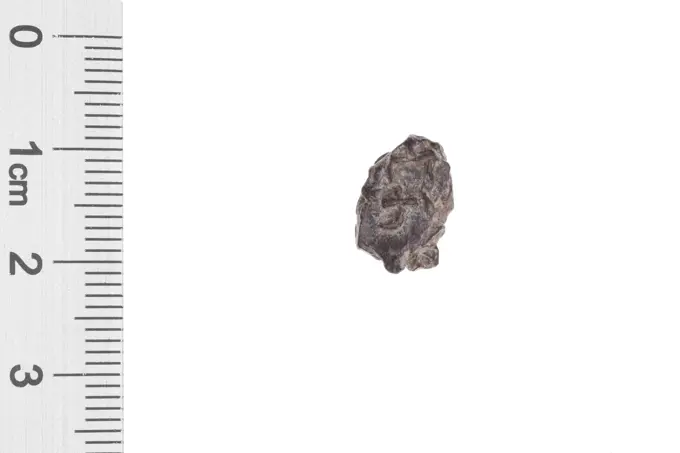
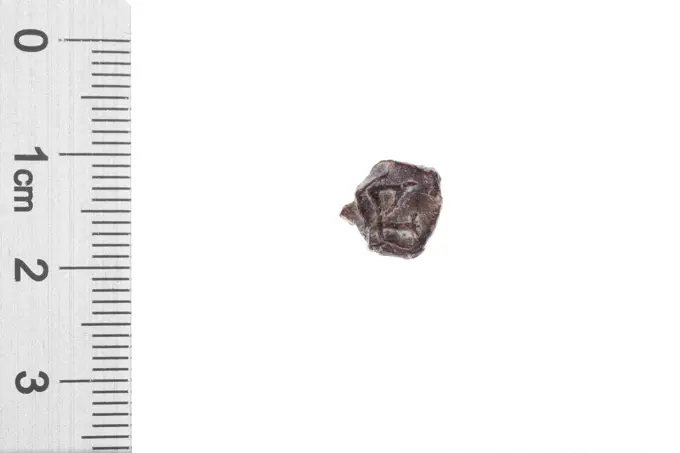
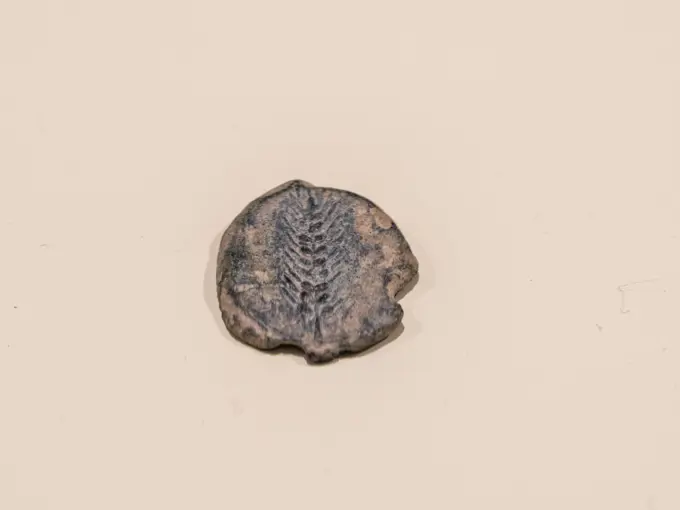
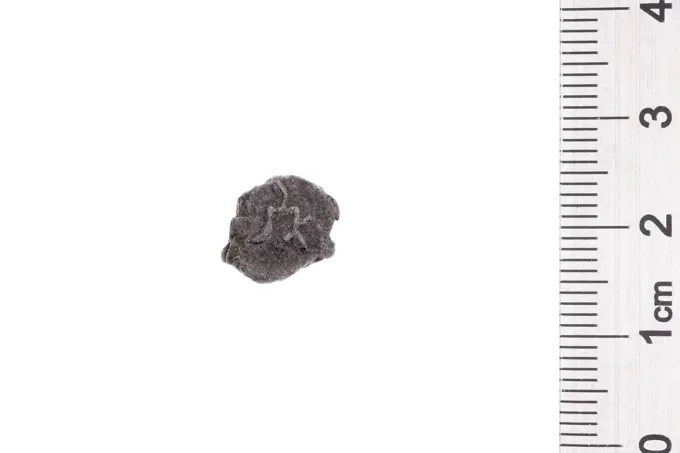
Unattributed Trebizond Coin. Unknown
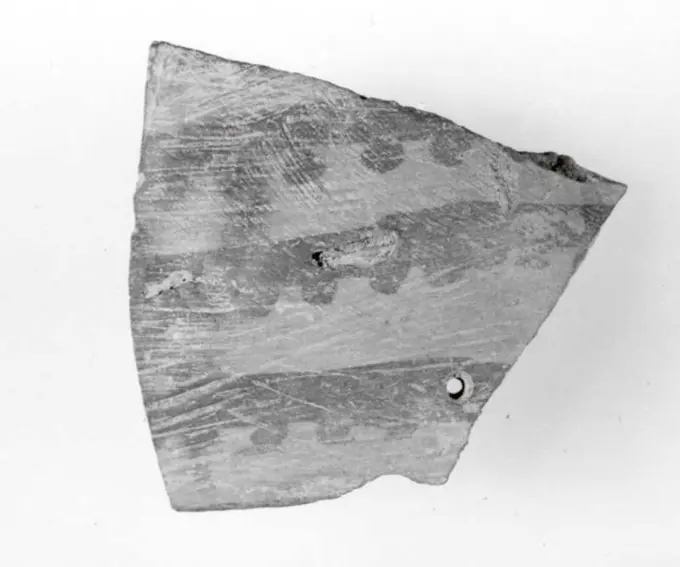
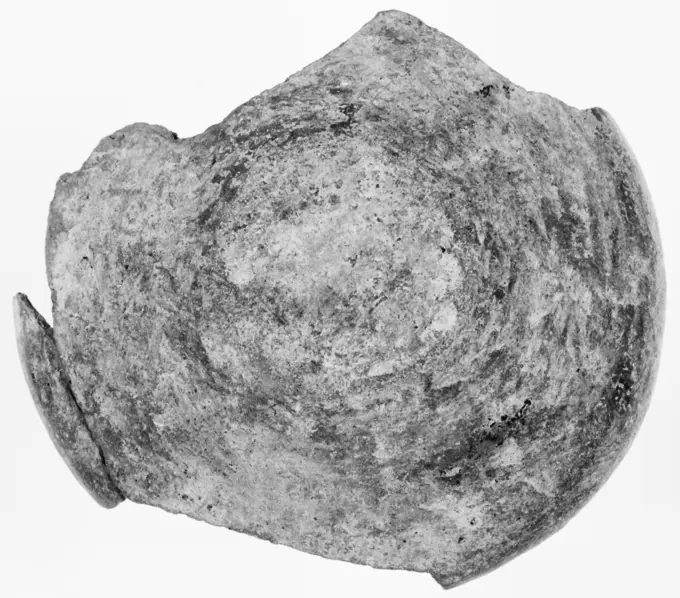
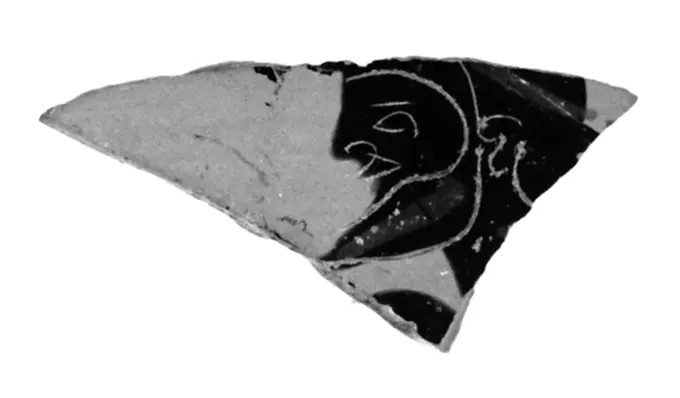
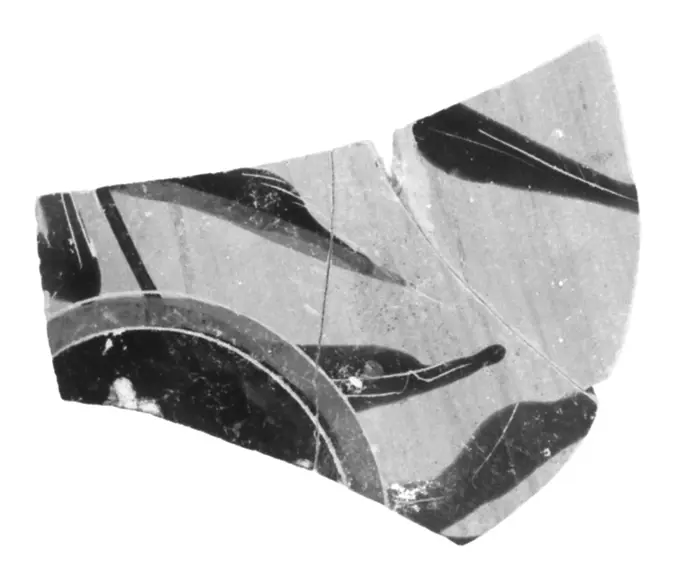
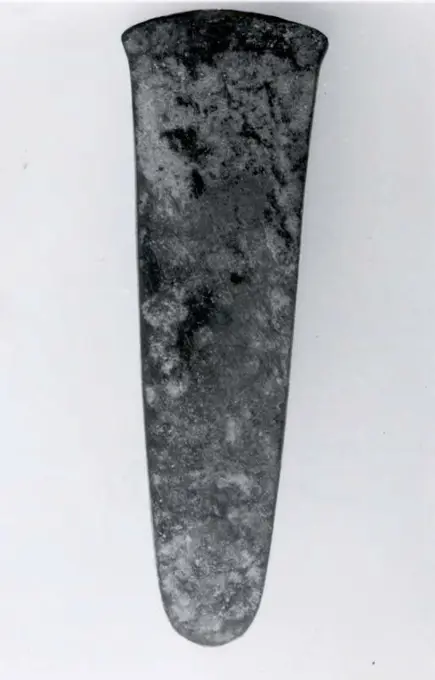
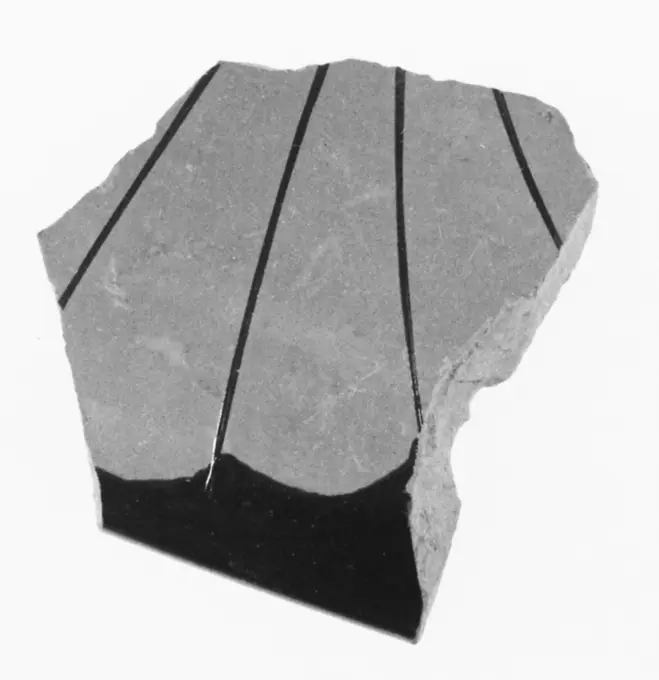
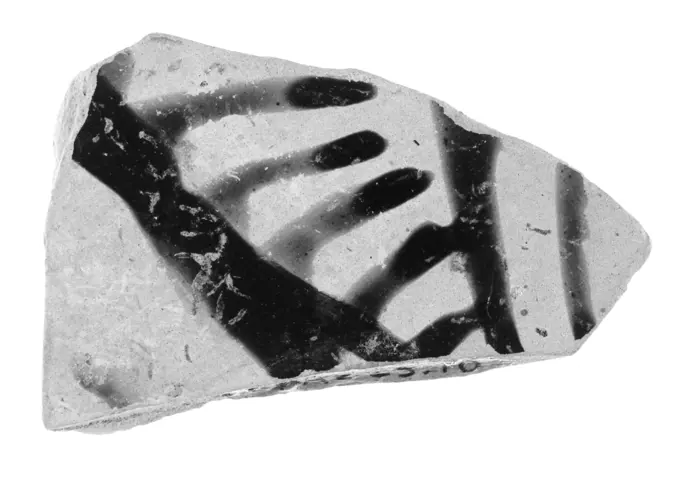
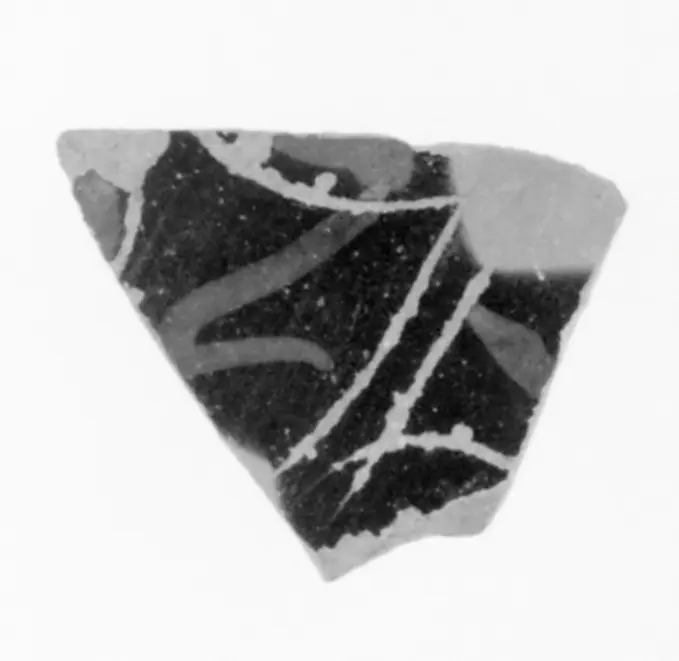
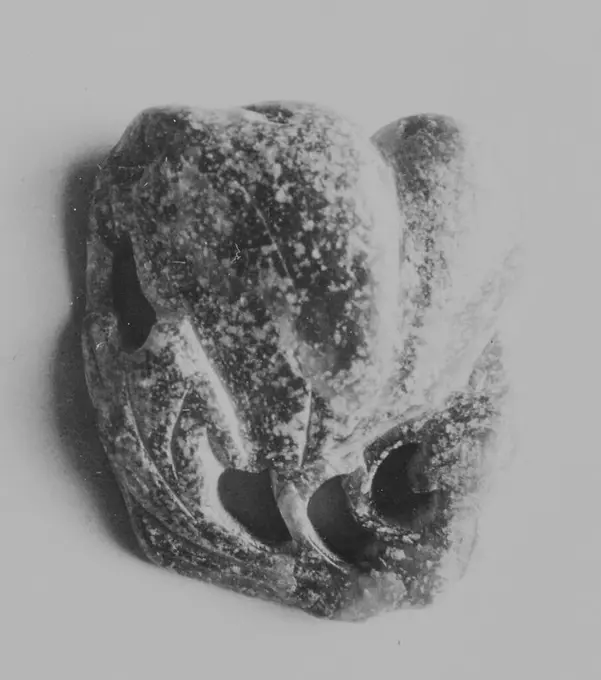
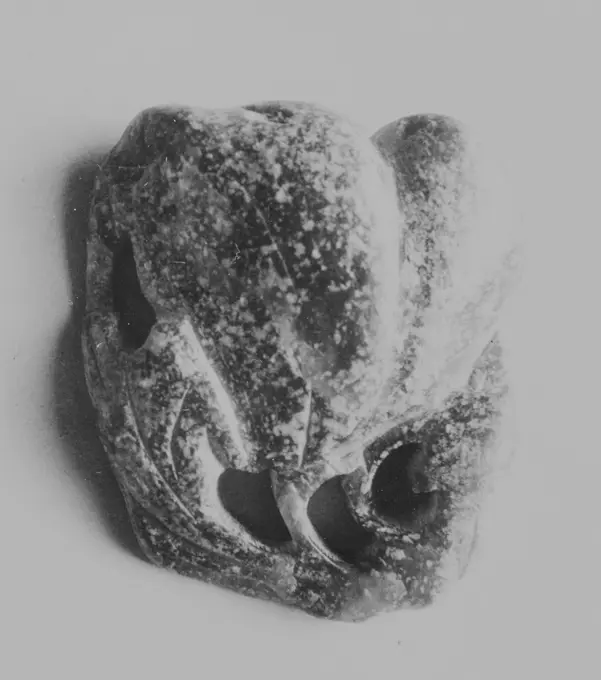
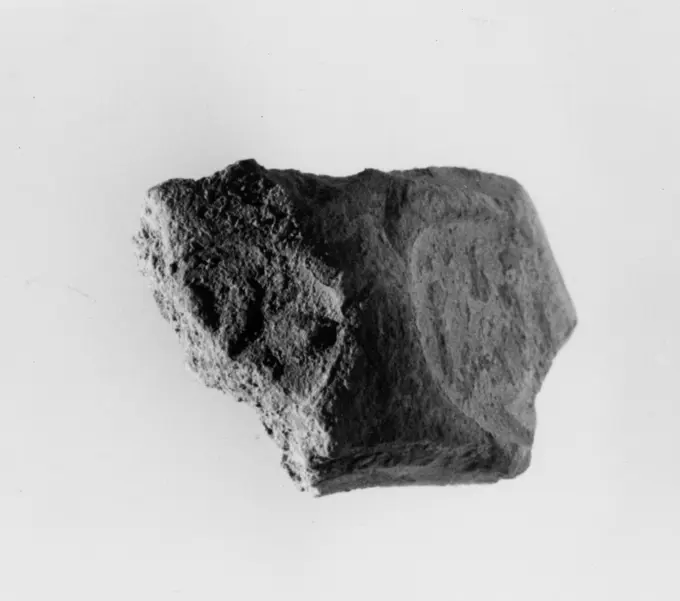
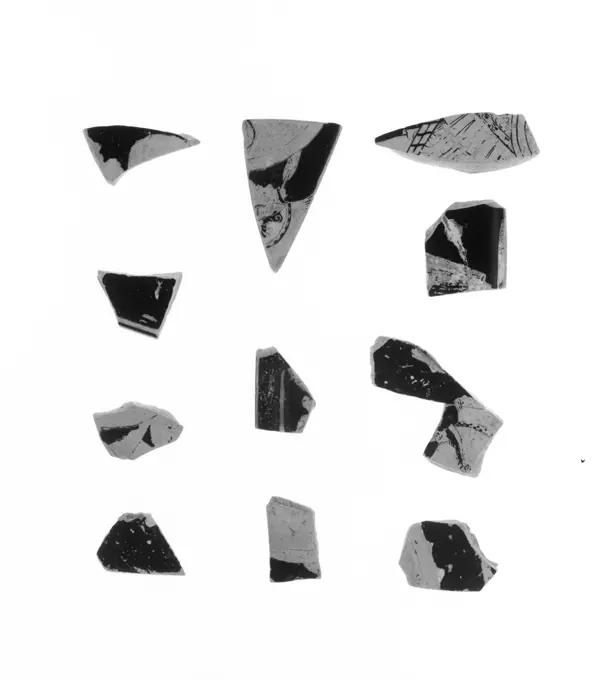
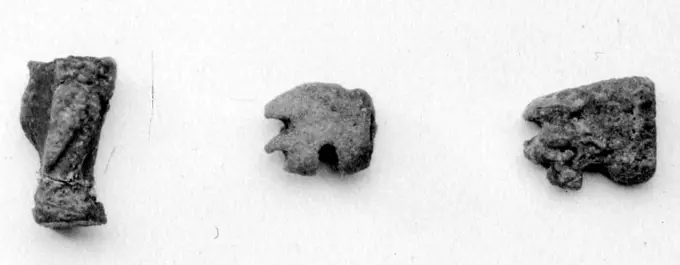
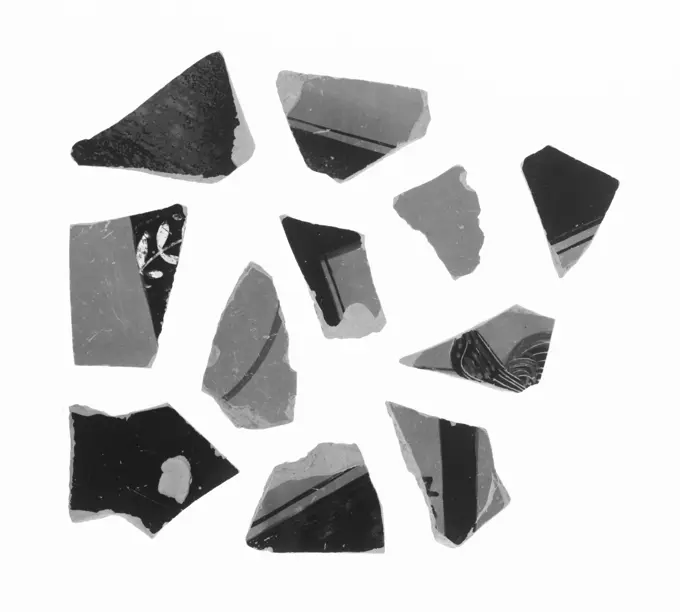
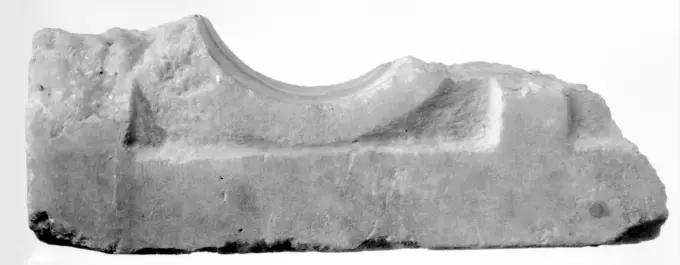
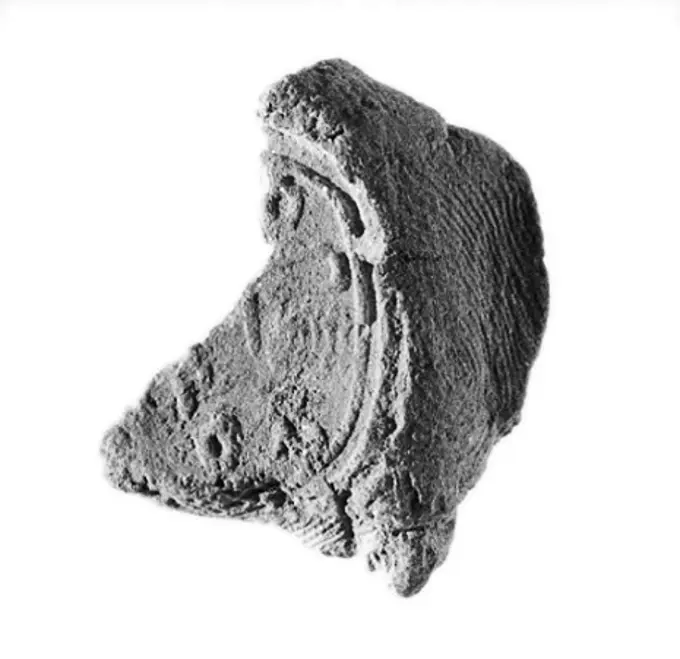
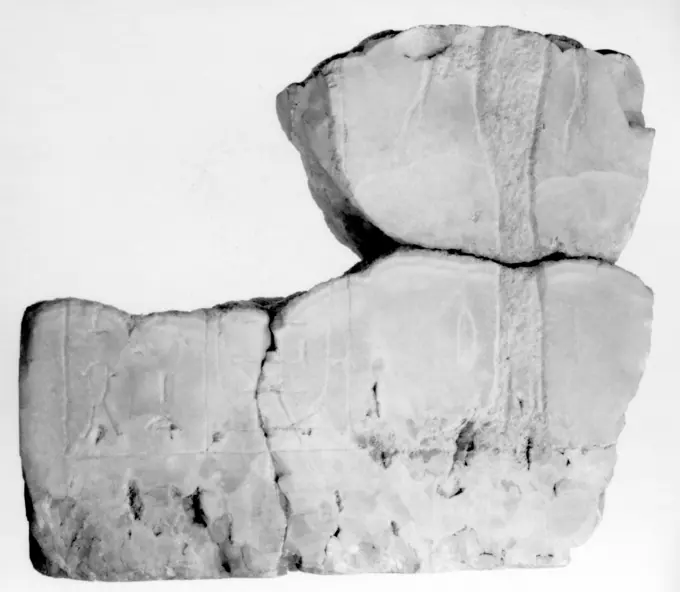
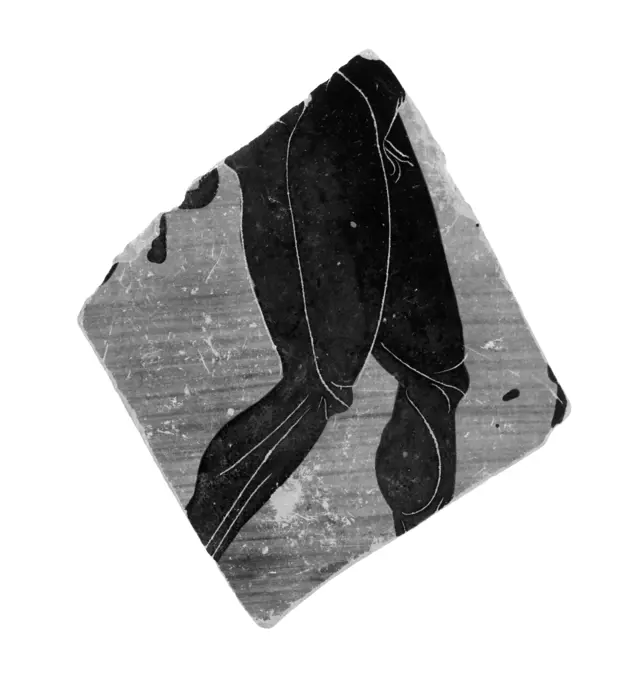
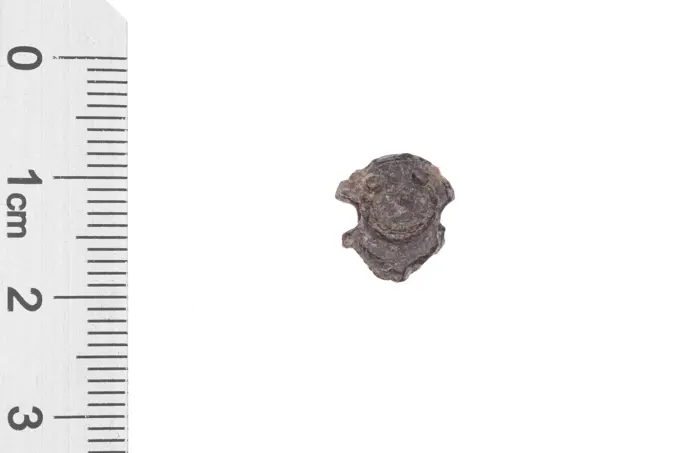
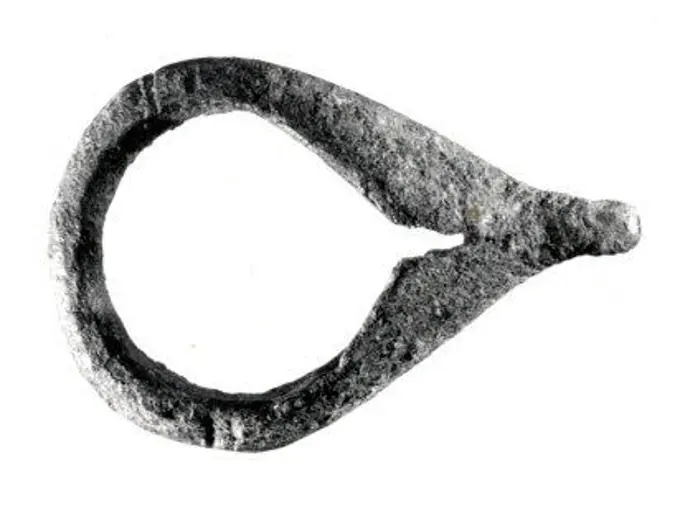
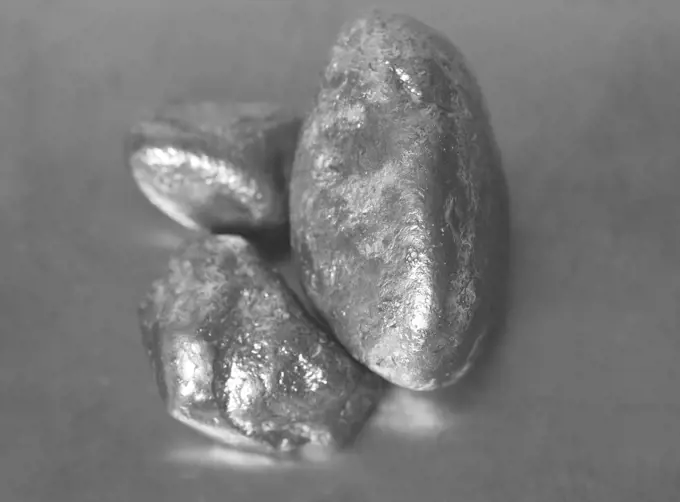
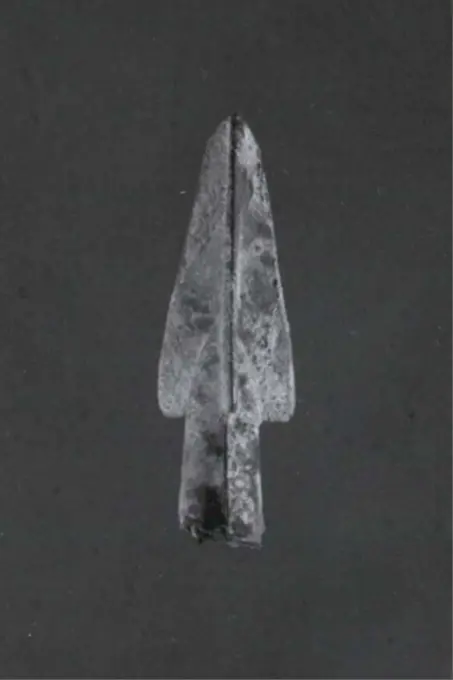
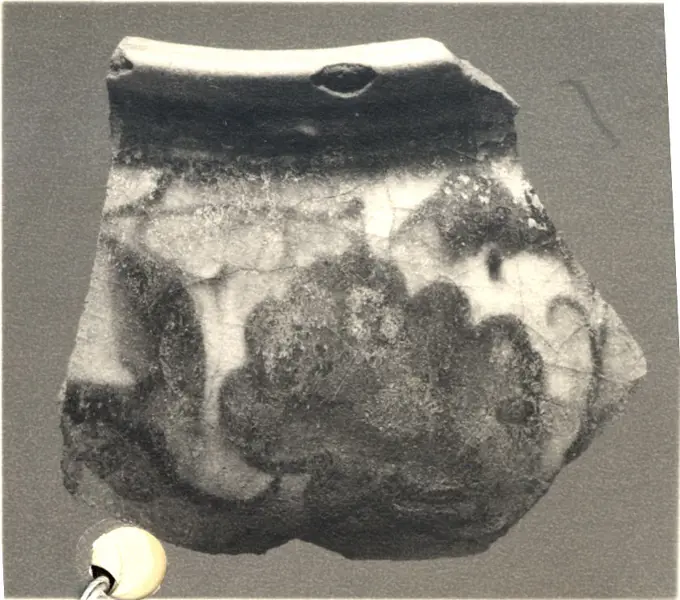
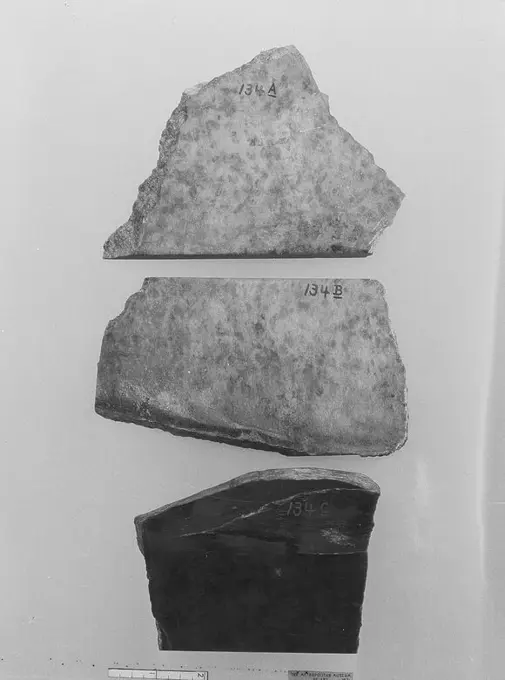
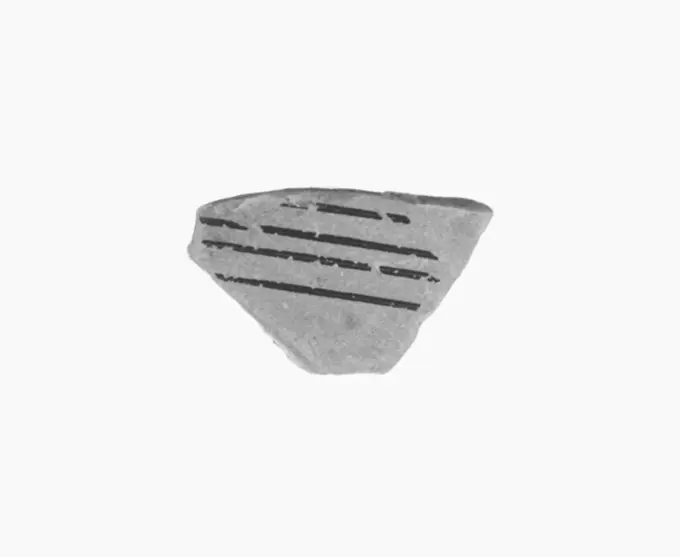
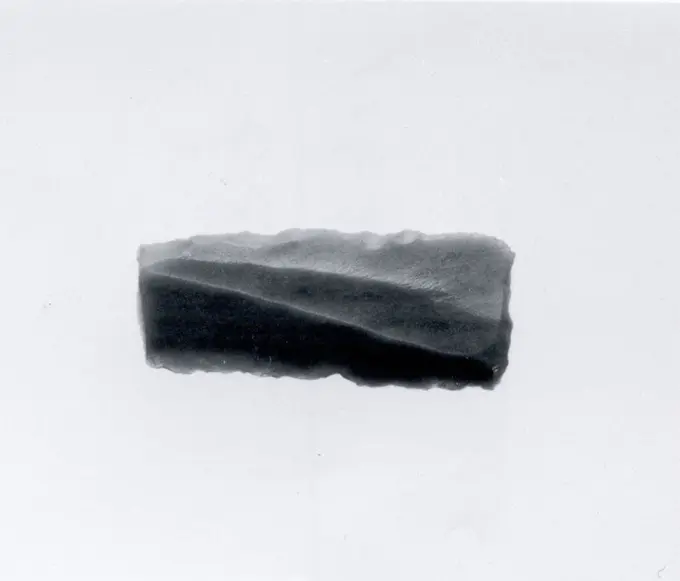
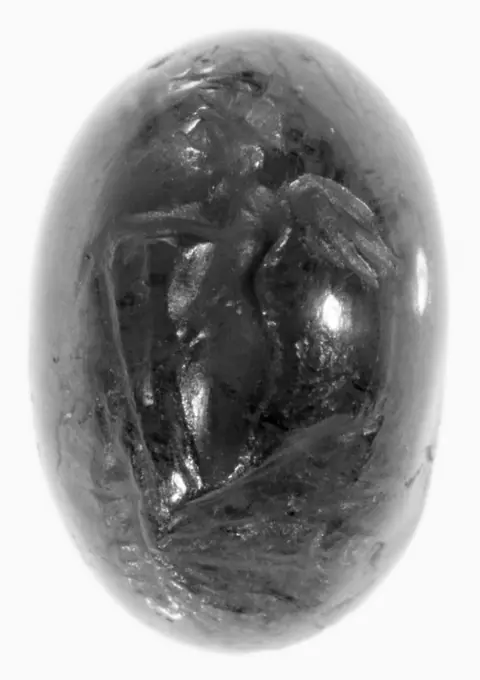
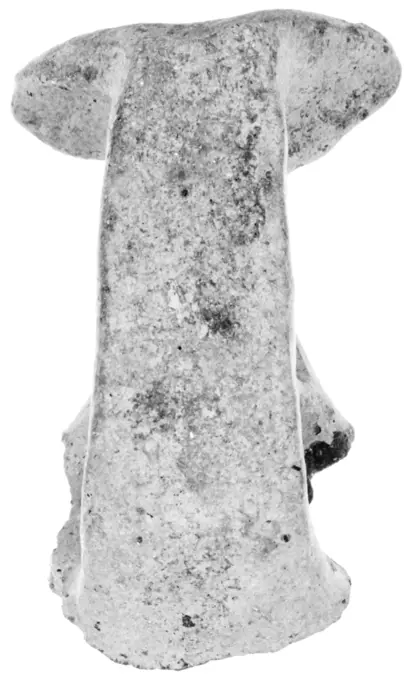
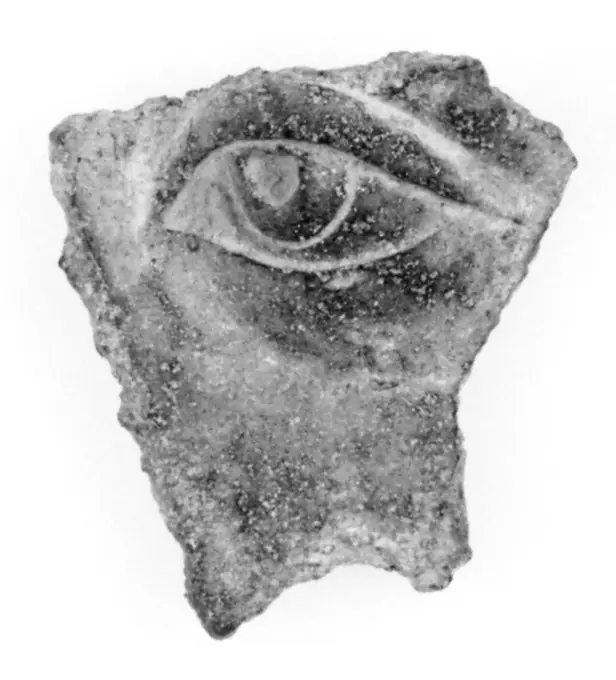
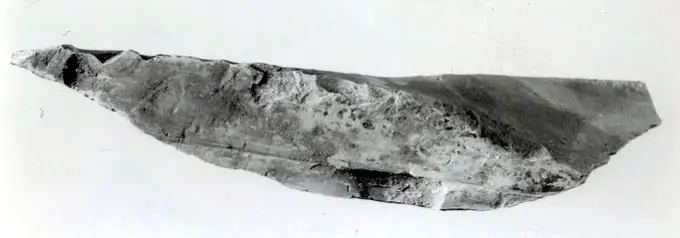
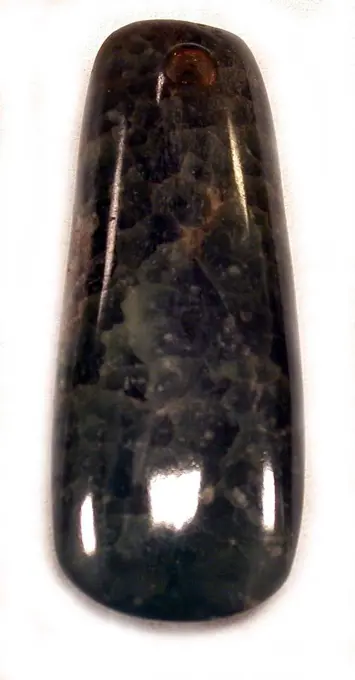
Raised relief fragment 664-610 B.C. Late Period, Saite see 23.3.468. Raised relief fragment. 664-610 B.C.. Limestone. Late Period, Saite. From Egypt, Upper Egypt, Thebes, Deir el-Bahri, Tomb of Nespekashuty (TT 312, MMA 509), Undetermined, MMA excavations, 1922-23. Dynasty 26Unattributed Trebizond Coin. UnknownUnattributed Trebizond Coin. UnknownSealing ca. 2030-1640 B.C. Middle Kingdom. Sealing. ca. 2030-1640 B.C.. Clay (unfired). Middle Kingdom. From Egypt, Memphite Region, Lisht South, Pyramid complex of Senwosret I, north temple gateway, MMA excavations, 1913-14. Dynasty 12-13Unattributed Trebizond Coin. UnknownSherd ca. 4000-3500 B.C. Iran This sherd is made of a pale red clay, with black painted decoration. It is typical of Namazga I ceramics from Turkmenistan, dating to ca. 4000-3500 B.C. It was excavated in 1937 at a prehistoric site in the vicinity of Nishapur in northeastern Iran. While Nishapur itself was founded by the Sasanian king Shapur I (reigned ca. A.D. 241-272), this sherd shows that human habitation there goes back to the prehistoric period. Furthermore, the prehistoric pottery from Nishapur has close affinities with ceramic materials from Central Asia rather than with contemporary sites in Iran, meaning that in this period its inhabitants were likely culturally linked to their neighbors to the east. At the same time, Nishapurs location on what later became known as the Great Khorasan Road suggests that it was part of the trade network that facilitated the import of precious stones such as lapis lazuli, carnelian and turquoise from Central Asia to Mesopotamia.. Sherd 323623Attic Black-Figure Eye Cup Fragment. UnknownUnattributed Trebizond Coin. UnknownAttic Red-Figure Kalpis Fragment. UnknownBurned Plate or Dish Fragment. UnknownAttic Black-Figure Hydria Fragment. UnknownAttic Cup Fragment. UnknownFragment of a Small Bowl. UnknownSkyphos Fragment. UnknownAttic Black-Figure Neck Amphora Fragment (comprised of 3 Joined Fragments). UnknownAdze head ca. 2300-2000 B.C. Hattian. Adze head. Hattian. ca. 2300-2000 B.C.. Bronze. Early Bronze Age III. Central AnatoliaAttic Red-Figure Vase Fragment. UnknownAttic Panathenaic Amphora Fragment. Attributed to the Euphiletos Painter (active about 530 - 510 B.C.)Attic Red-Figure Rhyton or Kantharos Fragment. Attributed to Euthymides (Greek (Attic), active 515 - 490 B.C.)Etruscan Black-Figure Vase Fragment. UnknownAttic Red-Figure Vase Fragment. UnknownAttic Black-Figure Skyphos Fragment. UnknownSealing ca. 2030-1640 B.C. Middle Kingdom. Sealing 565329Ornament. Culture: China. Dimensions: H. 2 in. (5.1 cm); W. 1 3/4 in. (4.4 cm). Museum: Metropolitan Museum of Art, New York, USA.Drohiczyn seal. unknown, managerDrohiczyn seal. unknown, managerOrnament China. Ornament. China. Jade (). Tang dynasty (618-907). JadeDocument Sealing With Multiple Seal Impressions ca. 1390-1353 B.C. New Kingdom. Document Sealing With Multiple Seal Impressions. ca. 1390-1353 B.C.. Mud. New Kingdom. From Egypt, Upper Egypt, Thebes, Malqata, No exact find spot determined, MMA excavations, 1910-12. Dynasty 18Drohiczyn seal. unknown, managerAttic Black-Figure Band Cup Fragment. Painter N (Greek (Attic), active 540 - 520 B.C.)Emilia-Romagna Ferrara Ferrara Museo Civico di Schifanoia49. Hutzel, Max 1960-1990 General Notes: INCOMPLETE RECORD--NEGATIVES PROCESSED, PRINTS FILED German-born photographer and scholar Max Hutzel (1911-1988) photographed in Italy from the early 1960s until his death. The result of this project, referred to by Hutzel as Foto Arte Minore, is thorough documentation of art historical development in Italy up to the 18th century, including objects of the Etruscans and the Romans, as well as early Medieval, Romanesque, Gothic, Renaissance and Baroque monuments. Images are organized by geographic region in Italy, then by province, city, site complex and monument.Sealing ca. 2030-1640 B.C. Middle Kingdom. Sealing. ca. 2030-1640 B.C.. Clay (unfired). Middle Kingdom. From Egypt, Memphite Region, Lisht South, Pyramid complex of Senwosret I, north temple gateway, MMA excavations, 1913-14. Dynasty 12-13Attic Red-Figure Kylix Fragment. Attributed to Onesimos (Greek (Attic), active 500 - 480 B.C.)Ivory Fragment. UnknownDrohiczyn seal. unknown, managerFragment of a Sculpted Floral Element. UnknownDrohiczy seal;  XI-XIII century (1090-00-00-1110-00-00);guild seals, customs seals, touches, seals of customs chambers, official seals, seals with a cross, seal with the image of the faceDrohiczyn seal. unknown, managerAttic Red-Figure Kylix Fragment. Probably in the Manner of the Epeleios Painter (Greek (Attic))Drohiczyn seal. unknown, managerDrohiczy seal;  XI-XIII century (1090-00-00-1110-00-00);guild seals, customs seals, touches, seals of customs chambers, official seals, seals with a crossAttic Black-Figure Neck Amphora Fragment. Attributed to the Swing Painter (Greek (Attic), active about 550 - 525 B.C.)Finial. UnknownDrohiczyn seal. unknown, managerAttic Black-Figure Droop Cup Fragment. UnknownAmulet of Ba-bird 30 B.C.-A.D. 364 Roman Period. Amulet of Ba-bird. 30 B.C.-A.D. 364. Faience. Roman Period. From Egypt, Memphite Region, Lisht North, Old Kingdom Cemetery, MMA excavationsAttic Panathenaic Amphora Fragment. Unknown about 430 B.C. Ext: black (edge of a garment) decorated with laurel pattern in added white; int: black.Ring. Unknownbronze coin minted in Searo bronze coin minted in Searo, Quadrant, reverse with ear of wheat, Iberian Museum of Jaén, Andalusia, Spain Copyright: xZoonar.com/BartomeuxBalaguerxRotgerx 21714977Fragment of a Canopic Chest of Queen Tiya ca. 1427-1390 B.C. New Kingdom. Fragment of a Canopic Chest of Queen Tiya. ca. 1427-1390 B.C.. Travertine (Egyptian alabaster). New Kingdom. From Egypt, Upper Egypt, Thebes, Valley of the Kings, Tomb of Siptah (KV 47), Davis excavations, 1912. Dynasty 18Three Fragments. UnknownSealing ca. 1981-1640 B.C. Middle Kingdom. Sealing 560404Sealing ca. 2030-1640 B.C. Middle Kingdom. Sealing 546575Fragment of a Canopic Chest of Queen Tiya ca. 1427-1390 B.C. New Kingdom. Fragment of a Canopic Chest of Queen Tiya 577022Canosan Oinochoe Fragment. UnknownDrohiczyn seal. unknown, managerAttic Black-Figure Amphora Fragment. UnknownAttic Red-Figure Statuette Kantharos Fragment. Attributed to Onesimos (Greek (Attic), active 500 - 480 B.C.)Drohiczyn seal. unknown, managerDrohiczyn seal. unknown, managerOrnament 9th-17th century Mali. Ornament. Mali. 9th-17th century. Copper alloy. Mali, Inland Niger Delta region. Metal-OrnamentsSealing ca. 1981-1640 B.C. Middle Kingdom. Sealing. ca. 1981-1640 B.C.. Mud. Middle Kingdom. From Egypt, Memphite Region, Lisht North, Cemetery, MMA excavations, 1920-22. Dynasty 12-13Silver nuggets on a gray backgroundRibbon Made 1825-1850 England. .Arrowhead ca. 1st century B.C.-3rd century A.D. Parthian () This is a bronze socketed trilobate (i.e., ‘three-bladed’) arrowhead. It was discovered on the surface at Shahr-i Qumis in northern Iran, which has been identified as the ancient city of Hecatompylos, established by the Parthians as their capital by about 200 B.C. In Greek Hecatompylos means ‘a hundred gates,’ suggesting that the city was quite large. Indeed, the modern archaeological site includes several mounds, only a few of which have been excavated, and a vast area covered with potsherds. Trilobate arrowheads were once associated with the Scythians and Cimmerians, nomadic peoples from the Eurasian steppe who invaded the Near East in the 8th century B.C. However, this type of arrowhead appears far and wide in space and time, indicating it was widely used in the ancient Near East, doubtless on account of its efficacy at piercing armor. Since Shahr-i Qumis was the site of a Parthian city, this arrowhead is most likely of PaBead. UnknownFragment of a Jar 16th century. Fragment of a Jar 450290Fragments. Culture: Germany. Dimensions: a) H. 4 5/16 in. (11 cm); W. 6 1/4 in. (15.9 cm); Th. 1/2 in. (1.3 cm)b) H. 3 3/4 in. (9.5 cm); W. 6 1/2 in. (16.5 cm); Th. 1/2 in. (1.3 cm)c) H. 3 7/8 in. (9.8 cm); W. 5 1/16 in. (12.9 cm); Th. 1 1/4 in. (3.2 cm). Museum: Metropolitan Museum of Art, New York, USA.Attic Red-Figure Oinochoe Fragment. UnknownCoin 786-808. Coin. 786-808. Copper. Excavated in Iran, Nishapur. CoinsShoulder Fragment of a Yellow Vase ca. 1295-1070 B.C. New Kingdom, Ramesside. Shoulder Fragment of a Yellow Vase. ca. 1295-1070 B.C.. Glass. New Kingdom, Ramesside. From Egypt, Memphite Region, Lisht North, Cemetery, MMA excavations. Dynasty 19-20Drohiczyn seal. unknown, managerAttic Black-Figure Eye Cup Fragment (comprised of 2 Joined Fragments). UnknownRing. UnknownBlade ca. 4600-3600 B.C. Ghassulian. Blade 326541Child's Shoe. England. Date: 1501-1600. Dimensions: 15 × 6.5 × 3 cm (5 7/8 × 2 9/16 × 1 3/16 in. Leather. Origin: England. Museum: The Chicago Art Institute, Chicago, USA.Pestle before 18th century Columbia River. Pestle 310690Attic Red-Figure Vase Fragment. UnknownTrebizond Coin; about 13th century; Silver, Byzantine Coinage of the empire of TrebizondsRound Applique. UnknownDrohiczyn seal. unknown, managerFemale Head Fragment. UnknownDrohiczyn seal. unknown, managerDrohiczyn seal. unknown, managerEngraved Gem. UnknownCosmetic palette ca. 7th century B.C. Edomite. Cosmetic palette 326240Shoe. England, London. Date: 1501-1600. Dimensions: 24 × 10 × 5 cm (9 7/16 × 3 15/16 × 2 in.). Leather, slashed toe and strap. Origin: England. Museum: The Chicago Art Institute, Chicago, USA.Handle Fragment from a Small Vessel. UnknownVessel Foot. UnknownLife-Size Statue Fragment: Left Eye. UnknownAttic Black-Figure Cup Fragment. UnknownShoe. England. Date: 1501-1600. Dimensions: 23.5 × 10 × 4 cm (9 1/4 × 3 15/16 × 1 9/16 in.). Leather. Origin: England. Museum: The Chicago Art Institute, Chicago, USA.Attic Black-Figure Eye Cup Fragment. UnknownUnattributed Trebizond Coin; about 13th century; SilverRelief fragment, tomb of Meketre ca. 1981-1975 B.C. Middle Kingdom. Relief fragment, tomb of Meketre 562193Stepped pyramidal seal with loop handle ca. 18th century B.C. () Syrian. Stepped pyramidal seal with loop handle. Syrian. ca. 18th century B.C. (). Steatite, black. Middle Bronze Age (). Syria ()Glass Fragment 1280-1325 French. Glass Fragment. French. 1280-1325. Pot metal glass, vitreous paint. Glass-StainedCelt 10th-4th century B.C. Olmec. Celt 317299. A slot with engraved ornaments.Mosaic glass fragment. Through the small green glass fragment, amorphous white circles are pulling. The background changes between darker and lighter green tones. In Roman times, it used colored, ornamented glass for vessels, mosaics, wall decorations and furniture ornaments. For the production, different colored glasses were molded into tubes and rods. These were compressed and heated, causing a long bar. The glass sliced now had a wide variety of amorphous or floral patterns.