Ancient Artifacts and Coins

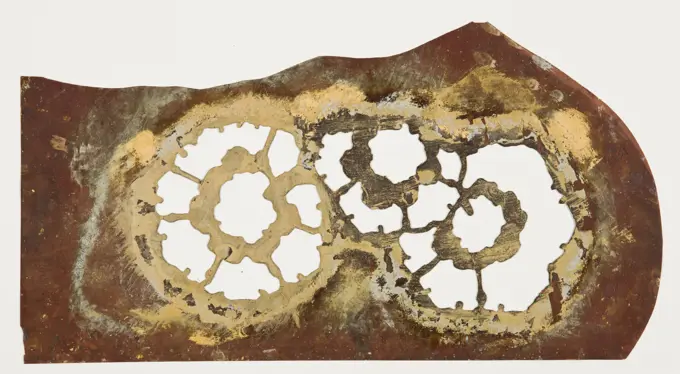
A collection of ancient artifacts including limestone fragments and coins from Trebizond and Egypt, showcasing historical craftsmanship and archaeological significance.

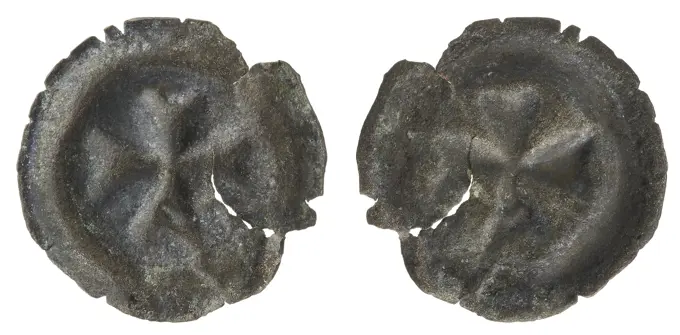
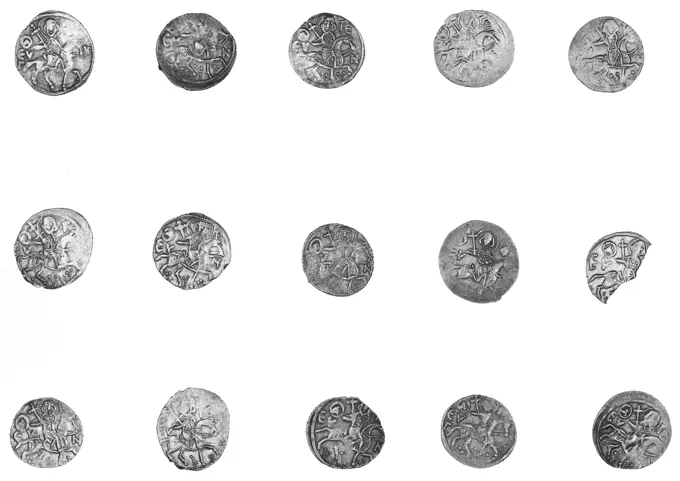
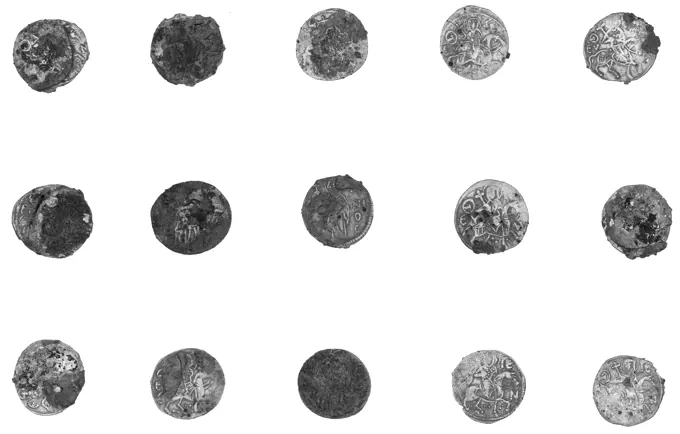
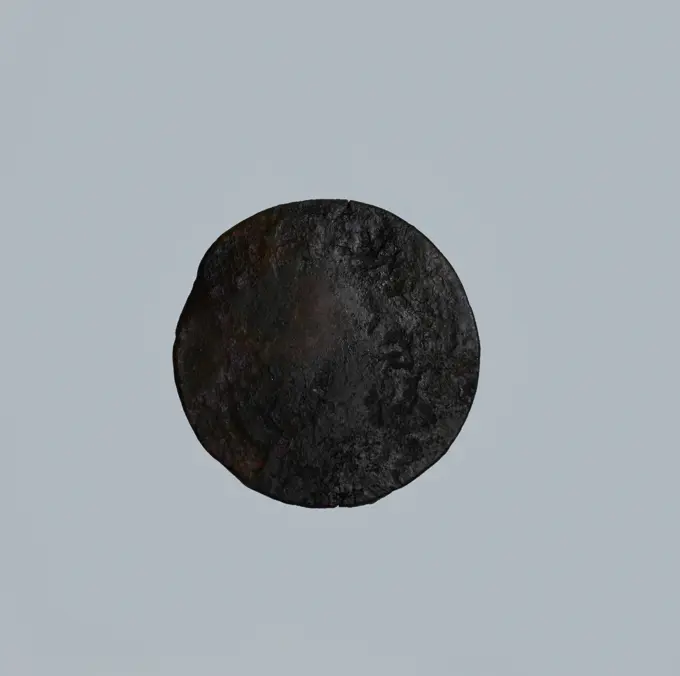
Unattributed Trebizond Coin. Unknown
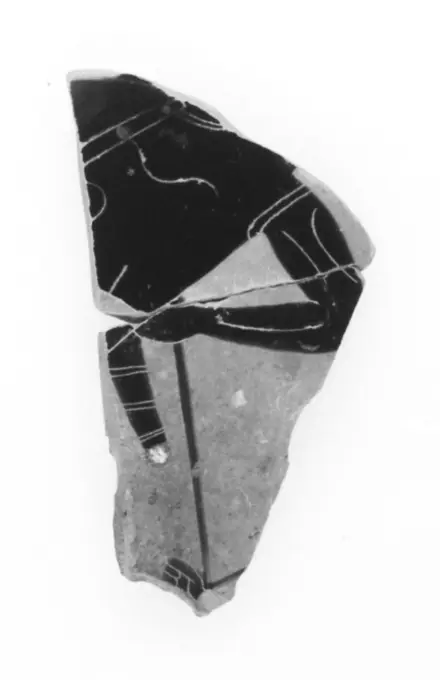
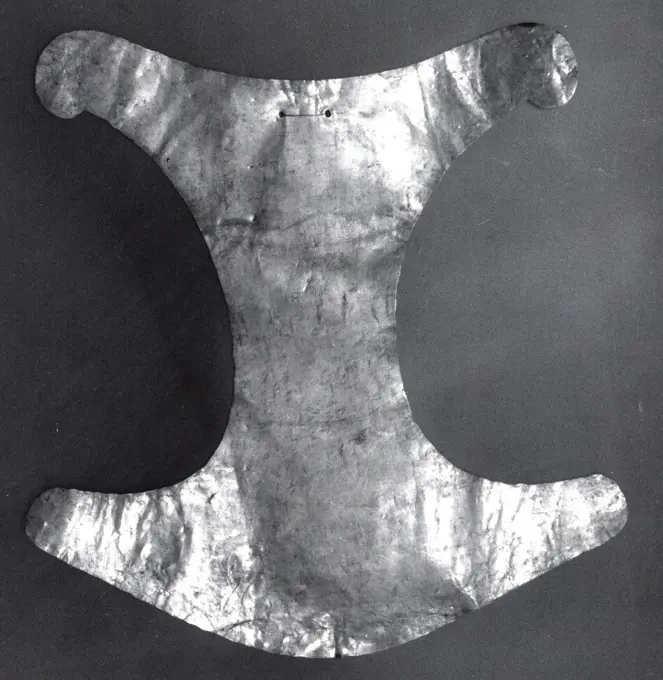
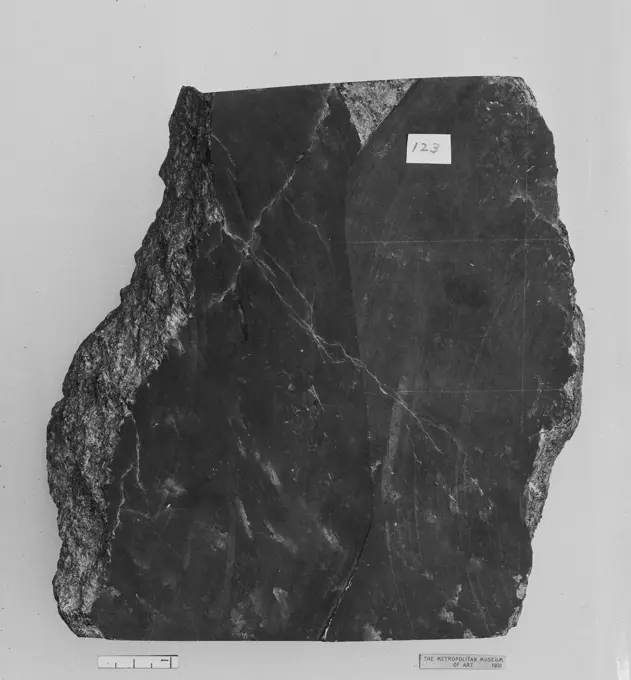
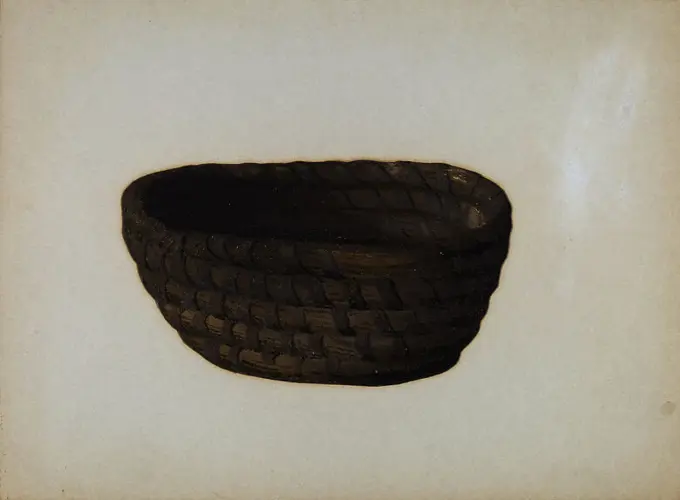
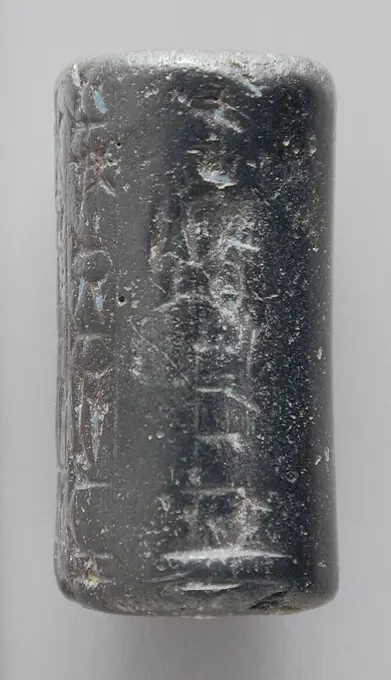
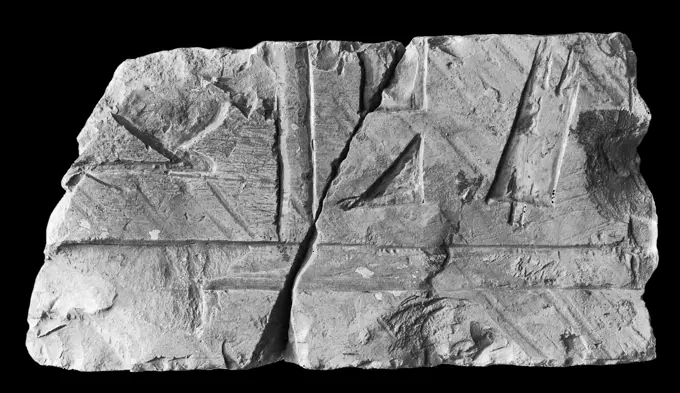
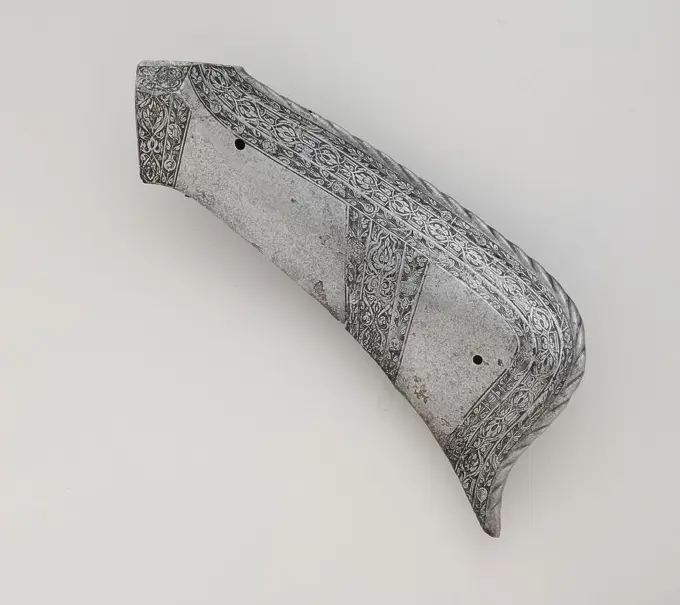
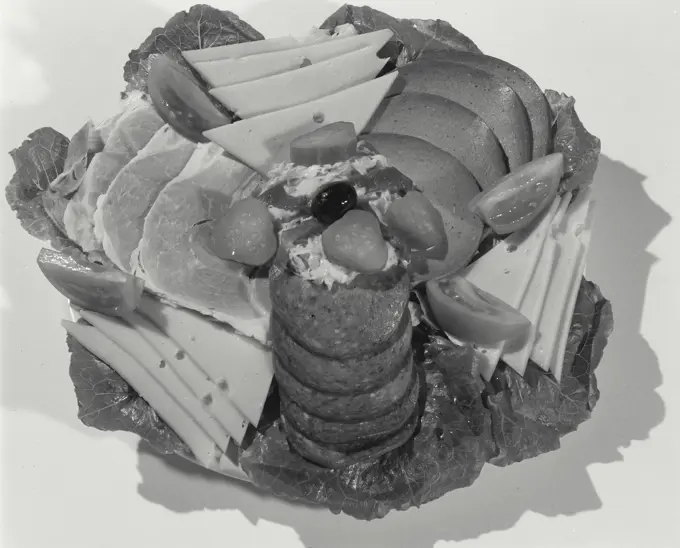
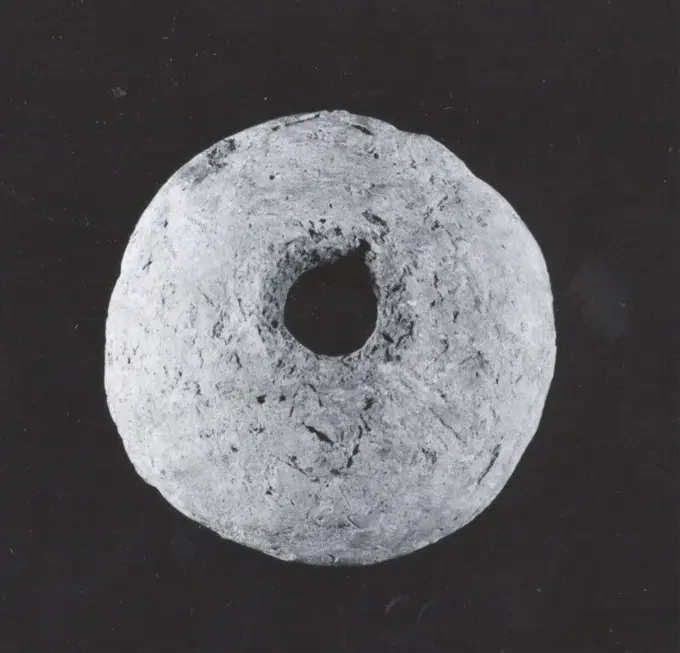
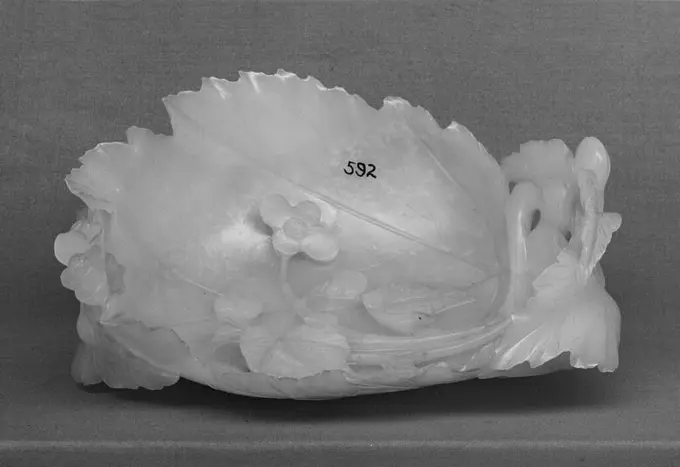
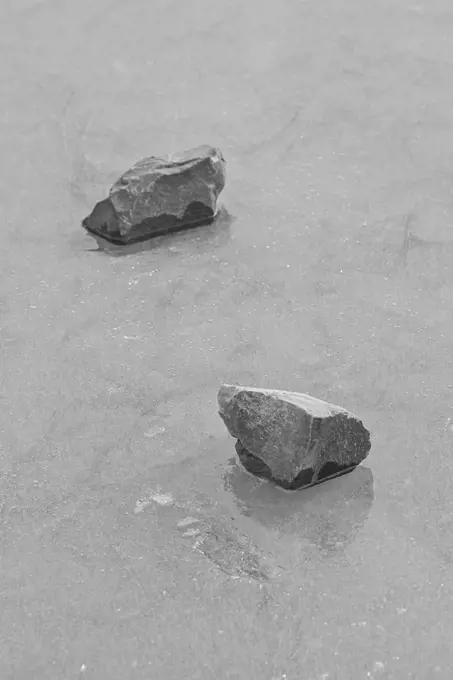
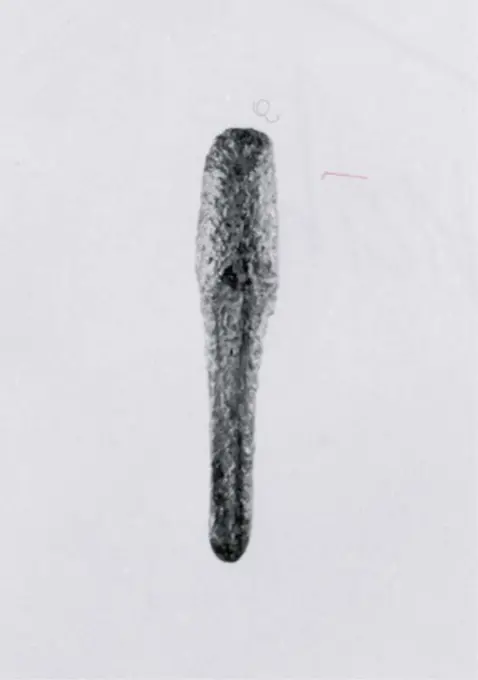
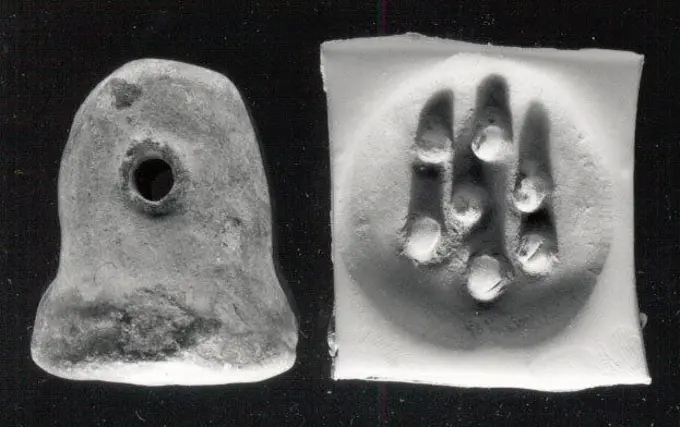
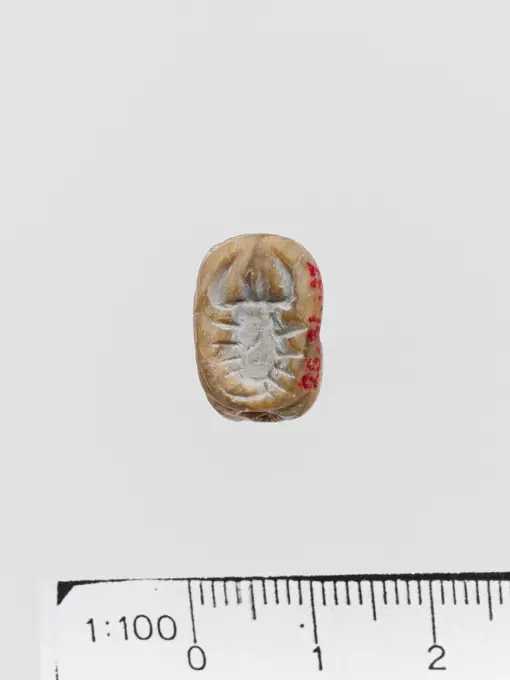
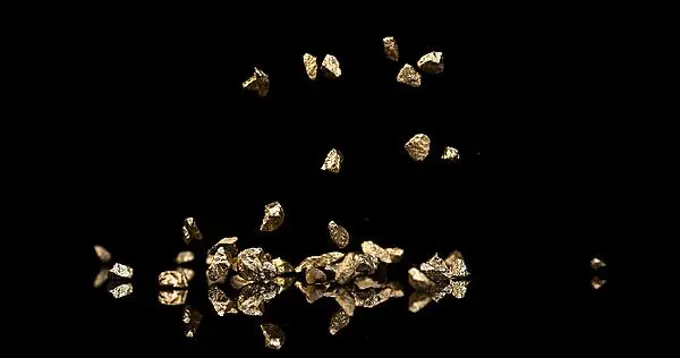
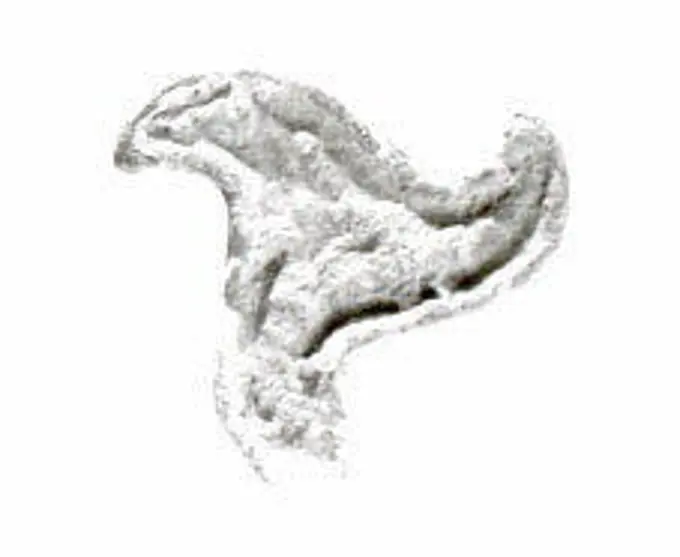
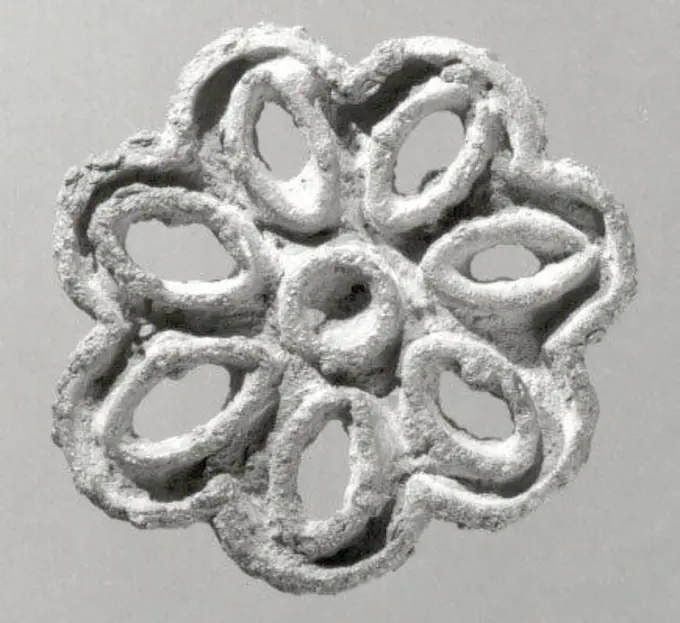
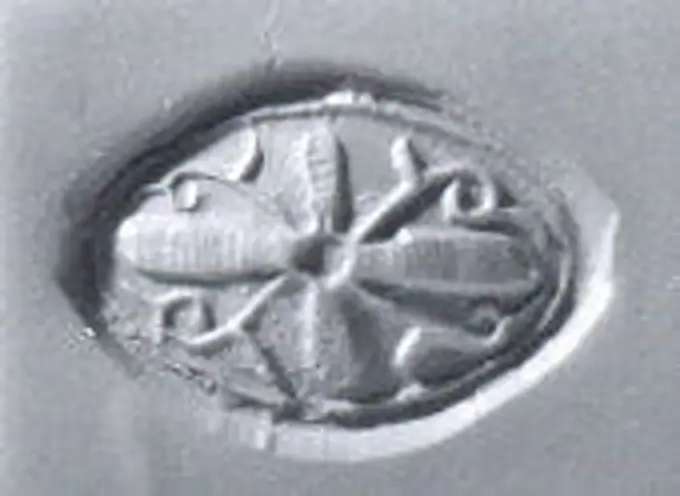
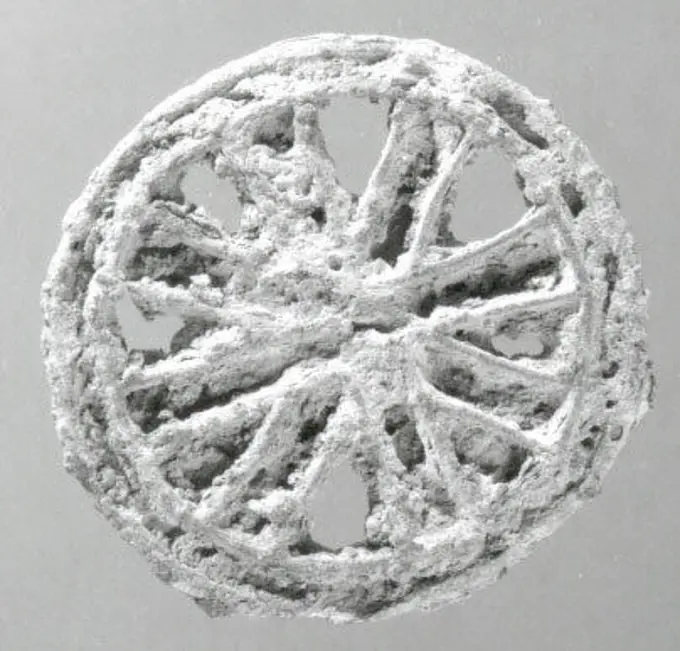
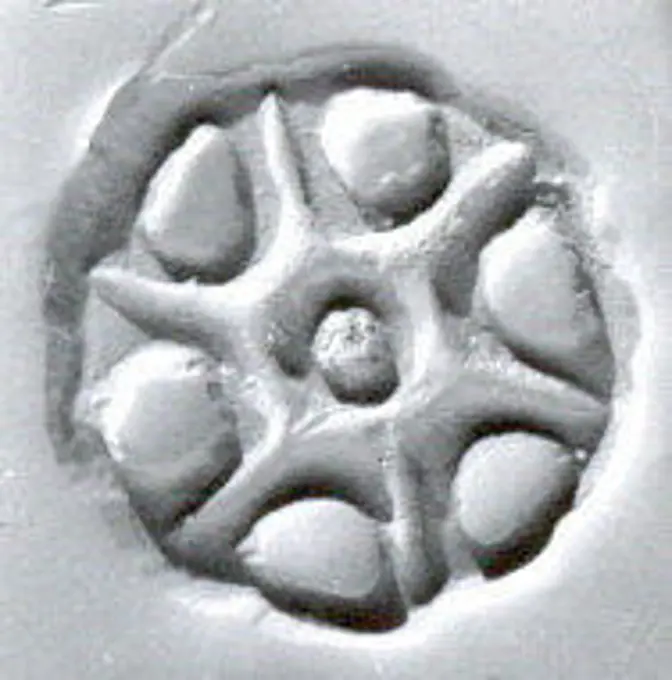
Fragment of painted ware ca. 1st century A.D. Nabataean. Fragment of painted ware 324245Attic Black-Figure Neck Amphora Fragment. UnknownDrohiczyn seal. unknown, managerbracteate denarius. Zakon krzyżacki (1190-), issuerPectoral 1st-7th century Calima (Yotoco). Pectoral. Calima (Yotoco). 1st-7th century. Gold. Colombia. Metal-OrnamentsFragment Russia (Siberia). Fragment. Russia (Siberia). Nephrite. JadeDrohiczyn seal. unknown, managerPendant 9th century. Pendant 446238Attic Black-Figure Band Cup Fragment. UnknownAcacia beads from girdle ca. 1850-1700 B.C. Late Middle Kingdom. Acacia beads from girdle. ca. 1850-1700 B.C.. Carnelian, lapis lazuli. Late Middle Kingdom. From Egypt, Memphite Region, Lisht North, cemetery south of pyramid below House A1:2, Pit 884, MMA excavations, 1920-21. Dynasty 12, late - 13 up to 1700Belt fragments ca. 9th century B.C. Iran. Belt fragments 325134Drohiczyn seal. unknown, managerShard 15th century Korea. Shard. Korea. 15th century. Pottery. Joseon dynasty (1392-1910). CeramicsBread Basket. Dated: c. 1936. Dimensions: overall: 21.9 x 29.6 cm (8 5/8 x 11 5/8 in.) Original IAD Object: 12" in diameter. Medium: oil paint on paper. Museum: National Gallery of Art, Washington DC. Author: J. Howard Iams.Cylinder Seal. Mesopotamia, Old Babylonian period, circa 2000-1600 B.C.. Tools and Equipment; seals. HematiteBead. Bead 243012Temple Model 1st-8th century Mezcala. Temple Model 315070Coin 8th century. Coin. 8th century. Copper. Excavated in Iran, Nishapur. CoinsPiece 1760-70 Spanish. Piece. Spanish. 1760-70. Silk and metal thread. Textiles-WovenHistorical photograph, Rough horsetail (Equisetum hyemale), from: Karl Blossfeldt, Art Forms in NatureFragment naszyjnika (). nieznany warsztat północno mezopotamski, workshopCampania Napoli Naples S. Lorenzo Maggiore36. Hutzel, Max 1960-1990 Medieval: Sculpture, architecture, architectural sculpture (including Roman spolia) 13-14th century Chapter house; sarcophagi, gravestones; wall painting. Fragment of mosaic; sculptural fragments in the Sala Capitolare. Post-medieval: Architecture, architectural sculpture, ceiling painting fresco cycle; prints depicting Venice c. 1845 (4), sculpture; life-size creche figures dressed in original Neapolitan costume Church restored in 1882, 1926, 1944; excavations under the transept undertaken between 1958-1962, and in the cloister in 1976, have revealed remains of a Roman macellum (market), street, and the paleochristian basilica of the 6th c. AD. Antiquities: Pottery: black-glazed, archaic banded, domestic wares, bucchero; architectural terracottas, statuettes, lamps, sculpture fragments Object Notes: 3 color negatives with no prints at the end. General Notes: Most objects/paintings/frescoes unidentified. Three batches Disk ornament 13th-16th century Colombia. Disk ornament. Colombia. 13th-16th century. Gold. Colombia. Metal-OrnamentsSunk relief fragment 664-610 B.C. Late Period, Saite see 23.3.468. Sunk relief fragment. 664-610 B.C.. Limestone, varnish. Late Period, Saite. From Egypt, Upper Egypt, Thebes, Deir el-Bahri, Tomb of Nespekashuty (TT 312, MMA 509), Lunette, 2nd chamber, MMA excavations, 1922-23. Dynasty 26Hamburger Bun RollTrebizond Coin; about 13th century; Silver, Byzantine Coinage of the empire of TrebizondsSection of a spoon handle 1780-82 P. B., Orleans. Section of a spoon handle 198405Glass Fragment 12th century French. Glass Fragment. French. 12th century. Pot metal glass. Made in Bourges (), France. Glass-StainedCoin 8th-9th century. Coin. 8th-9th century. Copper. Excavated in Iran, Nishapur. CoinsWall casing 664-610 B.C. Late Period, Saite see 23.3.468. Wall casing. 664-610 B.C.. Limestone. Late Period, Saite. From Egypt, Upper Egypt, Thebes, Deir el-Bahri, Tomb of Nespekashuty (TT 312, MMA 509), Undetermined, MMA excavations, 1922-23. Dynasty 26charcoal isolated on white backgroundFront Left Pommel Plate. Culture: German. Dimensions: L. 17 3/4 in. (45.1 cm); W. 6 1/8 in. (15.6 cm); Wt. 14 oz. (402 g.). Date: ca. 1545. Museum: Metropolitan Museum of Art, New York, USA.Attic Cup Fragment. UnknownNose Ornament 13th-16th century Colombian. Nose Ornament. Colombian. 13th-16th century. Gold. Colombia. Metal-OrnamentsKnob Fragment from Wah's Coffin ca. 1981-1975 B.C. Middle Kingdom. Knob Fragment from Wah's Coffin. ca. 1981-1975 B.C.. Coniferous wood (spruce, cedar), plaster. Middle Kingdom. From Egypt, Upper Egypt, Thebes, Southern Asasif, Tomb of Wah (MMA 1102), MMA excavations, 1920. Dynasty 12Vintage Photograph. A close-up of cold cut plates.Old rusty metal with rusty boltsTemple Model 1st-8th century Mezcala. Temple Model 315076Glass Fragment. Culture: British. Dimensions: Overall: 1 1/2 x 5 3/8 inches (3.8 x 13.7cm). Date: ca.1350. Museum: Metropolitan Museum of Art, New York, USA.Stamp seal ca. 6th-4th century B.C. Achaemenid. Stamp seal. Achaemenid. ca. 6th-4th century B.C.. Chalcedony, blue. Achaemenid. IranTrebizond Coin; about 13th century; Silver, Byzantine Coinage of the empire of TrebizondsCushion seal ca. 13th-12th century B.C. Cypriot. Cushion seal. Cypriot. ca. 13th-12th century B.C.. Steatite, gray. Late Cypriot IIB-III. CyprusFinger ring ca. 3rd-7th century A.D. Sasanian. Finger ring. Sasanian. ca. 3rd-7th century A.D.. Bronze. Sasanian. Iran, Qasr-i Abu NasrAthenian red-figure vase fragment showing two opposite facingheads.  Artist, attributed to: Florence Painter, Greek, Attic, active ca. 480-ca. 450 B.C.Attic Black-Figure Neck Amphora Fragment. UnknownAttic Red-Figure Vase Fragment. UnknownFalse coin, crown shilIIng, John II Casimir (1649 1668)Chisel 3rd millennium B.C.. Chisel 325641Attic Red-Figure Kylix Foot Fragment. Kleophrades (Greek (Attic), active about 490 B.C.)Duckling Krakowiaki. Patron for the polychrome of the House of the Medical Society in Krakow Wyspiały, Stanis Aw (1869 1907)Hand rail fragment 18th century British. Hand rail fragment 209455Spindle whorl 4th millennium BCEOne leaf-shaped appliques. UnknownArtist's dish. Culture: China. Dimensions: H. 2 13/16 in. (7.1 cm); W. 5 13/16 in. (14.7 cm); L. 4 13/16 in. (12.2 cm). Museum: Metropolitan Museum of Art, New York, USA.Variolite mineral gemstone isolated on white macro shooting of natural gemstone - Variolite mineral gem stone isolated on white background Copyright: xZoonar.com/ValeryxVoennyyx 8877073Fragment 18th century Danish. Fragment 215245Cameo Gem. UnknownLazio Latina Sezze Antiquarium Comunale22. Hutzel, Max 1960-1990 German-born photographer and scholar Max Hutzel (1911-1988) photographed in Italy from the early 1960s until his death. The result of this project, referred to by Hutzel as Foto Arte Minore, is thorough documentation of art historical development in Italy up to the 18th century, including objects of the Etruscans and the Romans, as well as early Medieval, Romanesque, Gothic, Renaissance and Baroque monuments. Images are organized by geographic region in Italy, then by province, city, site complex and monument.Coin 8th-9th century. Coin. 8th-9th century. Copper. Excavated in Iran, Nishapur. CoinsMosaic glass fragment. The small violet glass fragment combines several motifs of millefiority technology. Centrally flowers are a core - from the inside to the outside - blue, yellow and white to recognize the white lines are as leaves. In addition, there is a flower with a yellow core to form the scattered several white points the petals. At the edge, a trimmed yellow-green spiral can be seen. In Roman times, it used colored, ornamented glass for vessels, mosaics, wall decorations and furniture ornaments. For the production, different colored glasses were shaped to tubes and rods. These were compressed and heated, causing a long bar. The glass sliced now had a wide variety of amorphous or floral patterns.Engraved Gem. UnknownRetro cartoon with texture. Isolated on White.An abstract photo of two rocks laying on melting ice in Hauser, Idaho.Attic Black-Figure Eye Cup Fragment. UnknownGlass Fragment. Culture: French (). Dimensions: Overall: 4 1/2 x 4 3/8 in. (11.4 x 11.1 cm). Date: 13th-14th century. Museum: Metropolitan Museum of Art, New York, USA.TapBroken into pieces bitcoin lying on a pink fleece fabric background. The fall and collapse of the course of crypto currency. Bad news for cryptocurrency investors.. Fall and collapse of bitcoin crypto currency exchange rateArrowhead () ca. 3rd century B.C.-3rd century A.D. Parthian () This bronze arrowhead has a long tang and a blunt head rather than a point. It was discovered on the surface at Shahr-i Qumis in northern Iran, which has been identified as the ancient city of Hecatompylos, established by the Parthians as their capital by about 200 B.C. In Greek Hecatompylos means ‘a hundred gates,’ suggesting that the city was quite large. Indeed, the modern archaeological site includes several mounds, only a few of which have been excavated, and a vast area covered with potsherds. The Parthians were famed in antiquity as archers, and gave their name to the ‘Parthian shot,’ a tactic in which a mounted archer rides away from his enemy while firing arrows at him. This arrowhead, however, was probably not used on people but to hunt birds.. Arrowhead (). Parthian (). ca. 3rd century B.C.-3rd century A.D.. Bronze. Parthian (). Iran, Shahr-i Qumis (ancient Hecatompylos)Conoid stamp seal ca. early 2nd millennium B.C. (). Conoid stamp seal 325953Steatite triangular prism. Culture: Minoan. Dimensions: L. 1.45 cm; W. of each face 1 cm. Date: ca. 2200-1900 B.C..Scorpion; man; two insects. Museum: Metropolitan Museum of Art, New York, USA.StauroliteVarious disposable crumpled plastic trash isolated on a black background. Concept of recycling plastic and ecology. Plastic waste.. Various disposable crumpled plastic garbage isolated on a black background. Concept of recycling plastic and ecology.Drohiczyn seal. unknown, managerGold Nugget Falling on Black BackgroundStamp seal ca. late 3rd-early 2nd millennium B.C. Bactria-Margiana Archaeological Complex. Stamp seal. Bactria-Margiana Archaeological Complex. ca. late 3rd-early 2nd millennium B.C.. Copper alloy. Bronze Age. Bactria-MargianaEngaged Shaft. Culture: French. Date: ca. 1130-40. Museum: Metropolitan Museum of Art, New York, USA.Compartmented stamp seal ca. late 3rd-early 2nd millennium B.C. Bactria-Margiana Archaeological Complex. Compartmented stamp seal. Bactria-Margiana Archaeological Complex. ca. late 3rd-early 2nd millennium B.C.. Copper alloy. Bronze Age. Bactria-MargianaSuzki viewing stones, Tamil Nadu, South India, India, AsiaCowroid seal ca. 1700-1520 B.C.. Cowroid seal. ca. 1700-1520 B.C.. Stone. Dynasty 15-17, 2nd Intermediate Period, Hyksos. EgyptStamp seal ca. late 3rd-early 2nd millennium B.C. Bactria-Margiana Archaeological Complex. Stamp seal 326800Impression, hand, water, stonemetal self-tapping screw on black isolated backgroundCompartmented stamp seal ca. late 3rd-early 2nd millennium B.C. Bactria-Margiana Archaeological Complex. Compartmented stamp seal 326806Stamp seal ca. late 3rd-early 2nd millennium B.C. Bactria-Margiana Archaeological Complex. Stamp seal. Bactria-Margiana Archaeological Complex. ca. late 3rd-early 2nd millennium B.C.. Steatite. Bronze Age. Bactria-Margiana