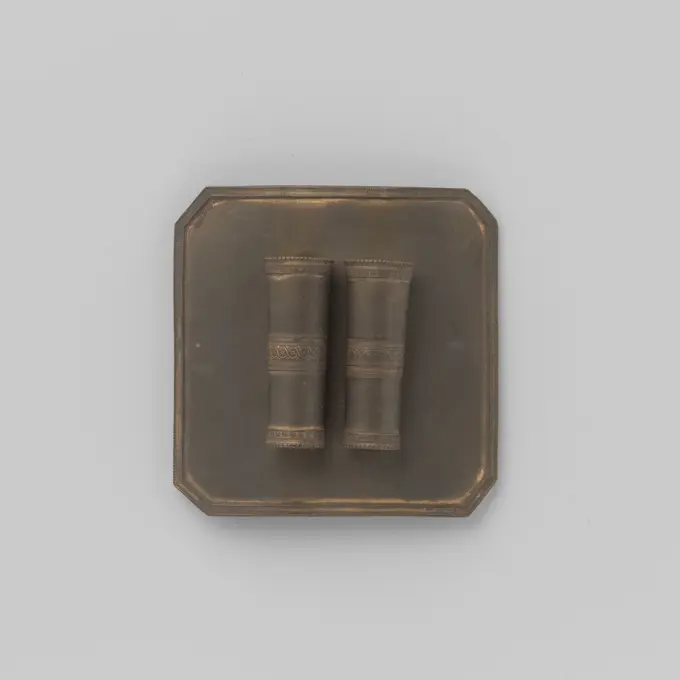
Ancient Artifacts and Coins

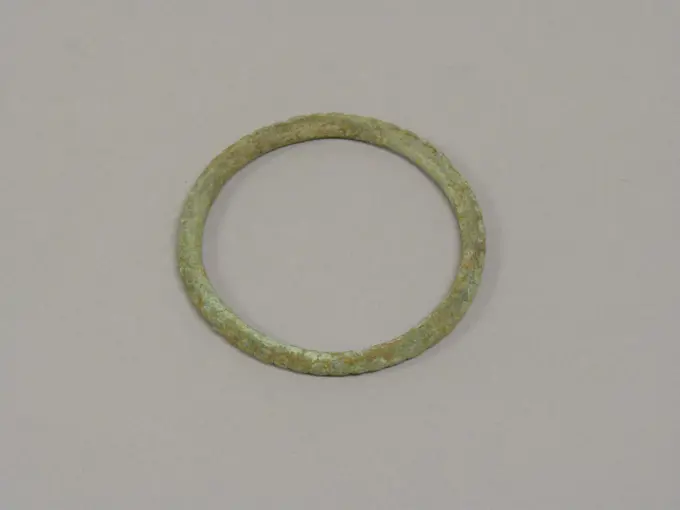
A collection of ancient artifacts including jade rings, metal brooches, and historical coins, showcasing diverse materials like jade and metal with intricate designs.

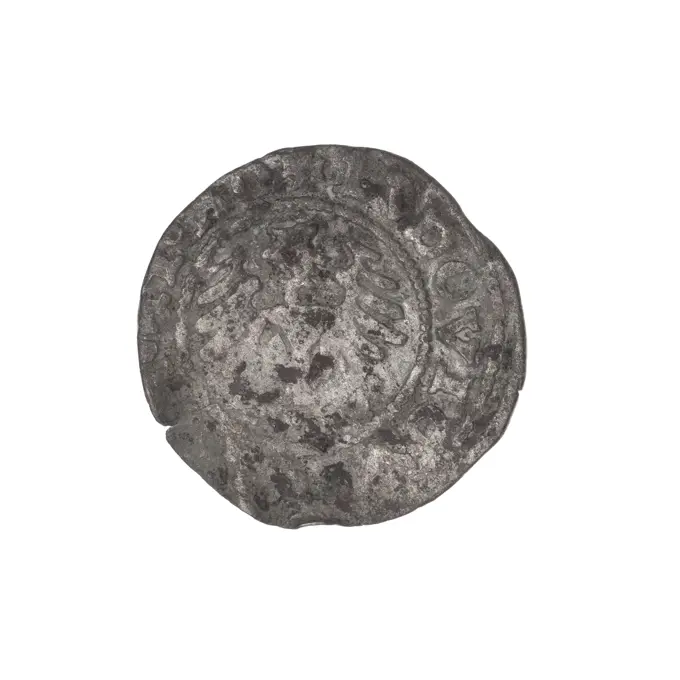
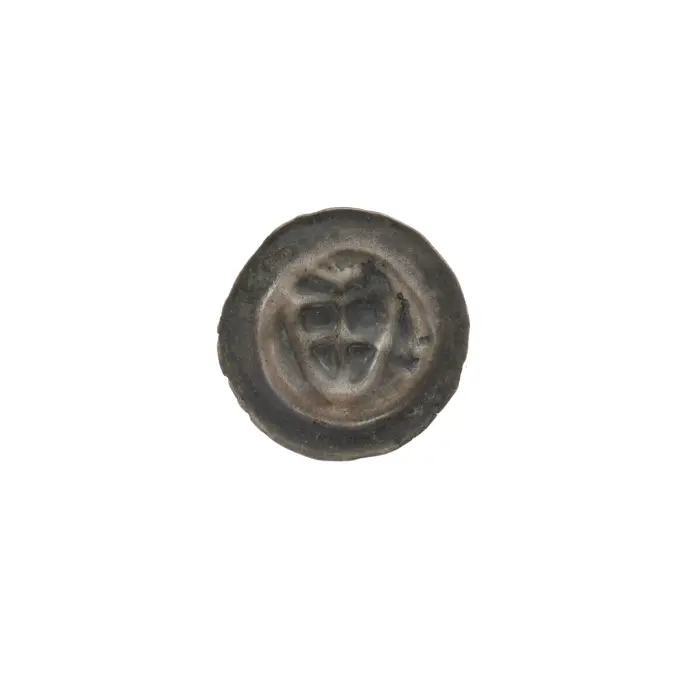
Trojak; Ernest Jan Biron (Ksi  Kurland and Semigalia; 1763-1769), Schröder, Justyn Karol (Mincmist Mitawa Mitawa 1763-1764) (Leave); 1764 (1764-00-00-1764-00-00);
Trojak; Ernest Jan Biron (Ksi Kurland and Semigalia; 1763-1769), Schröder, Justyn Karol (Mincmist Mitawa Mitawa 1763-1764) (Leave); 1764 (1764-00-00-1764-00-00);
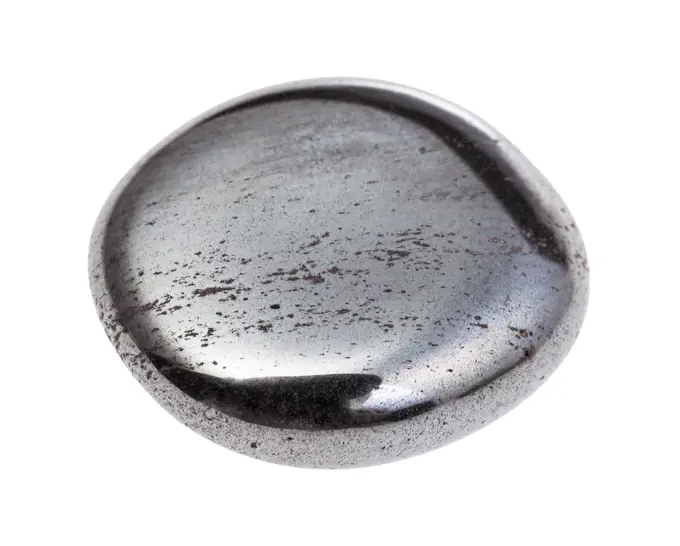
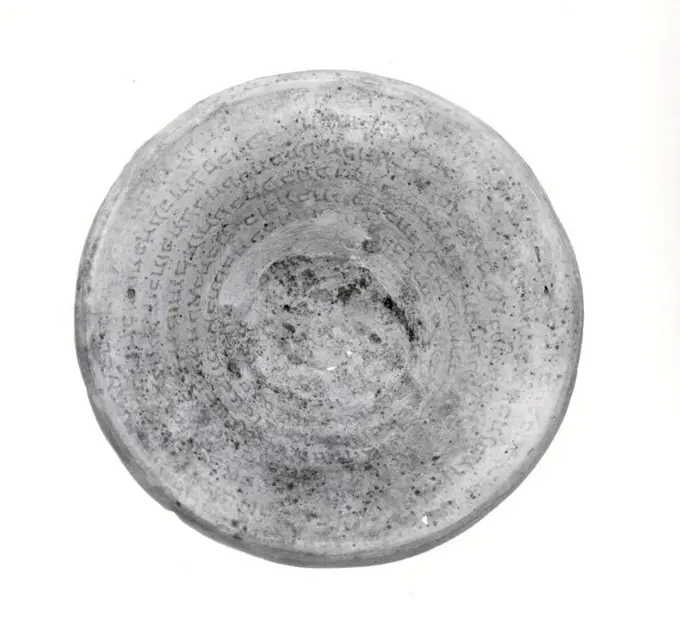
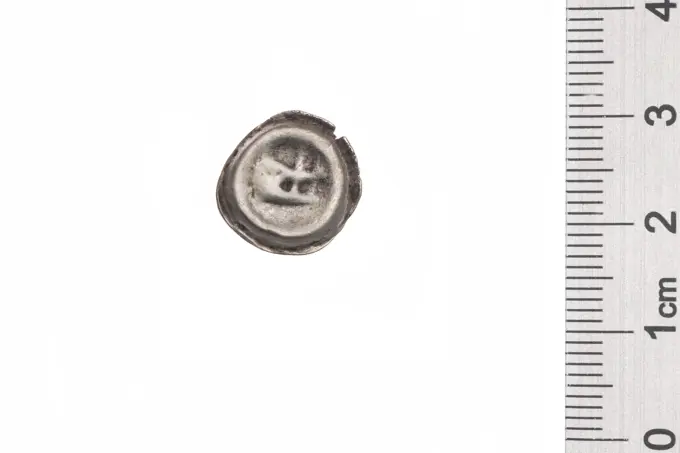
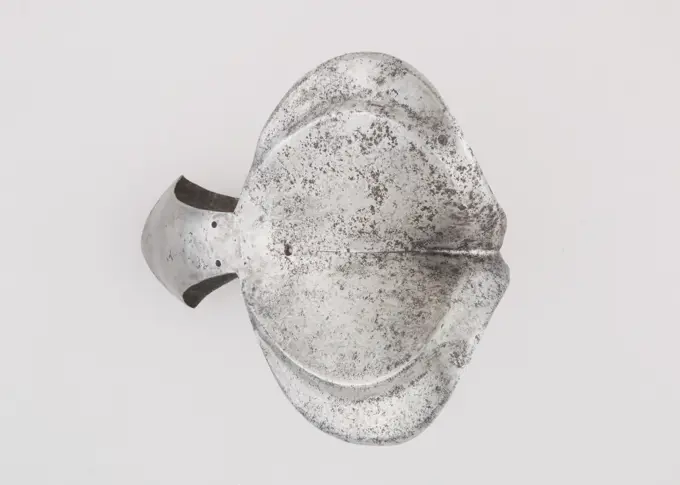
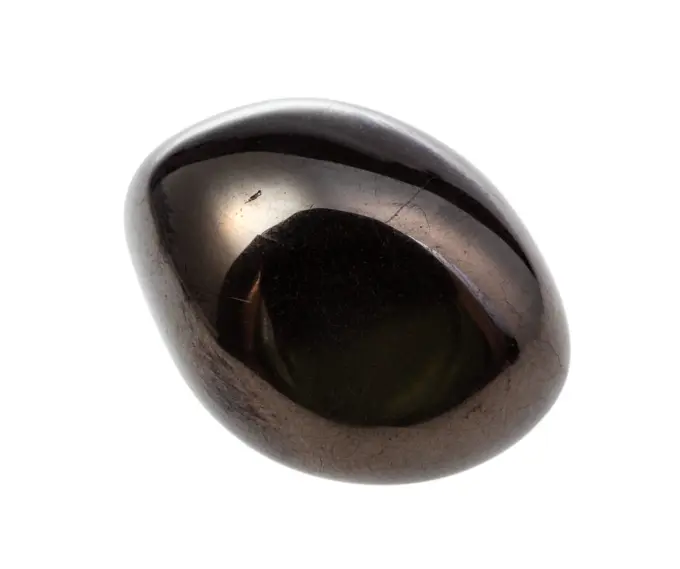
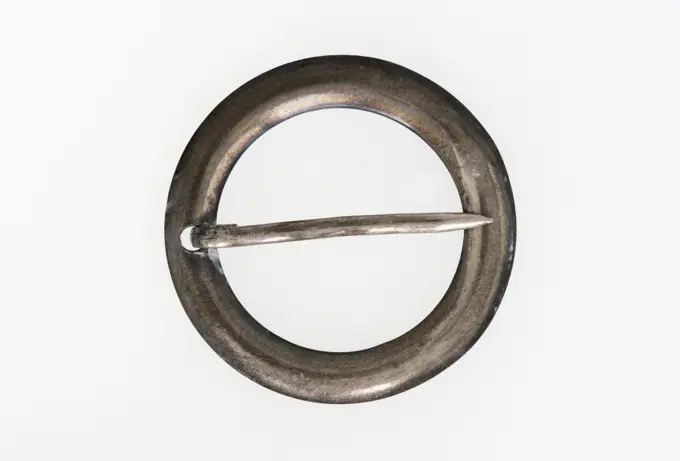
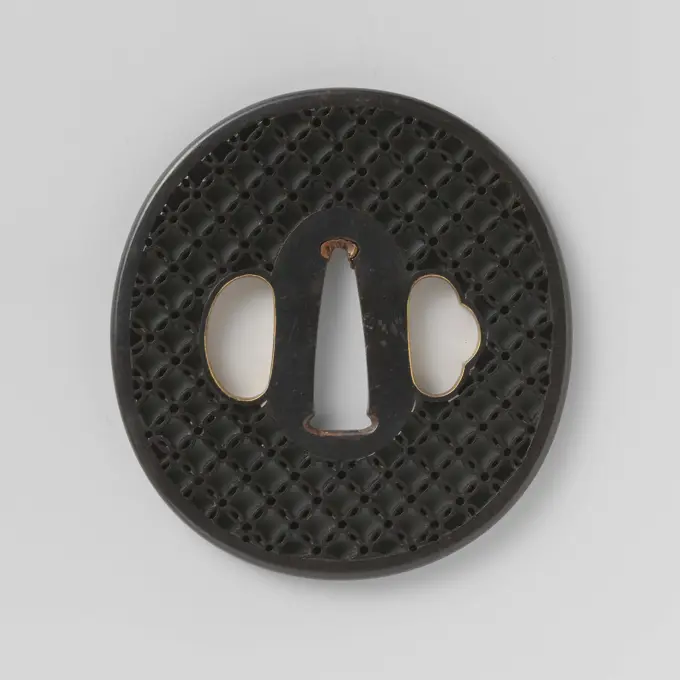
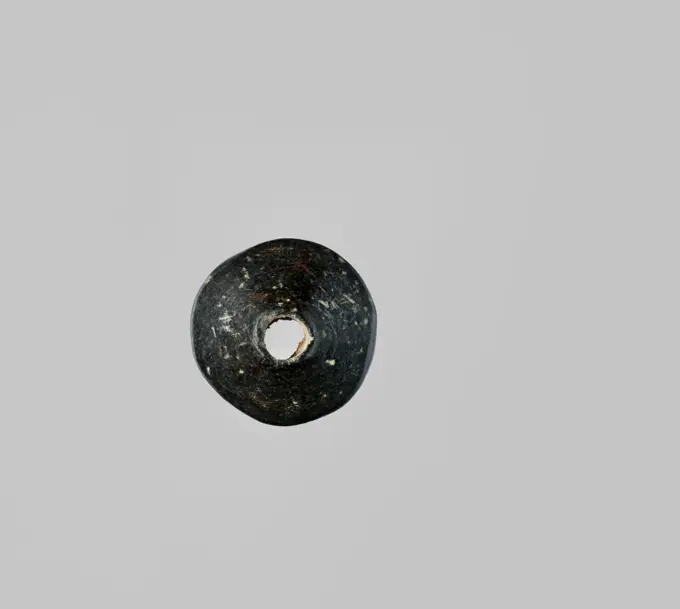
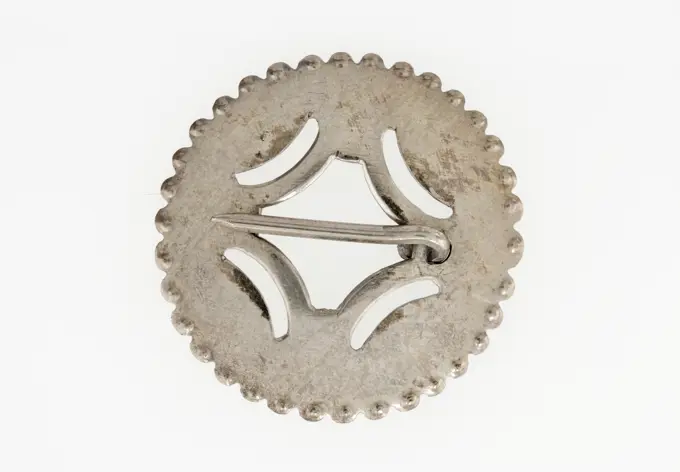
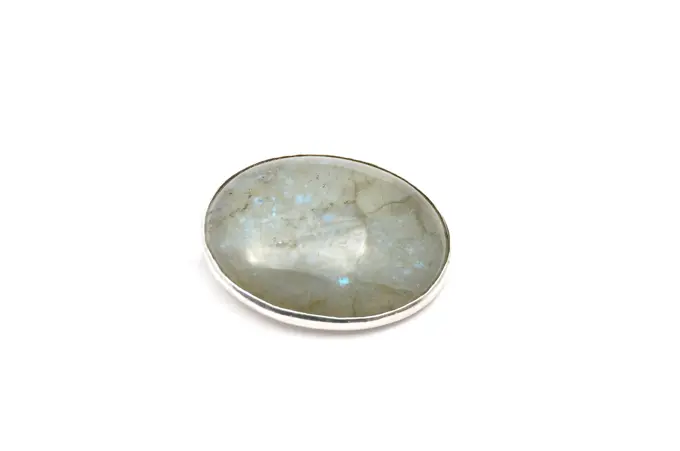
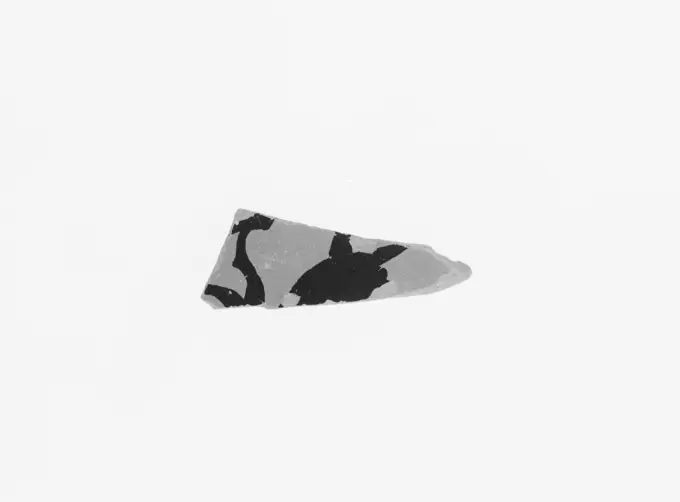
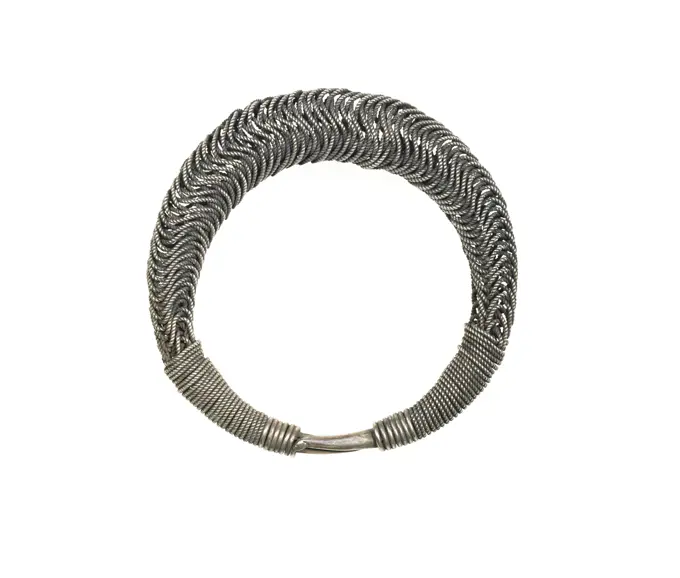
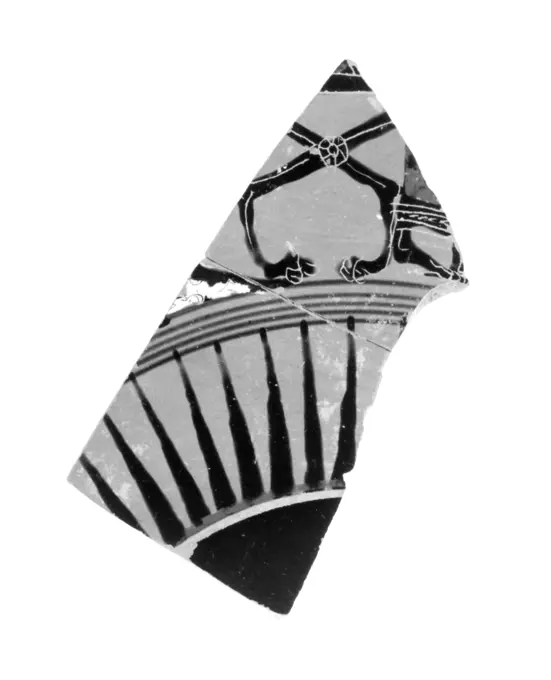
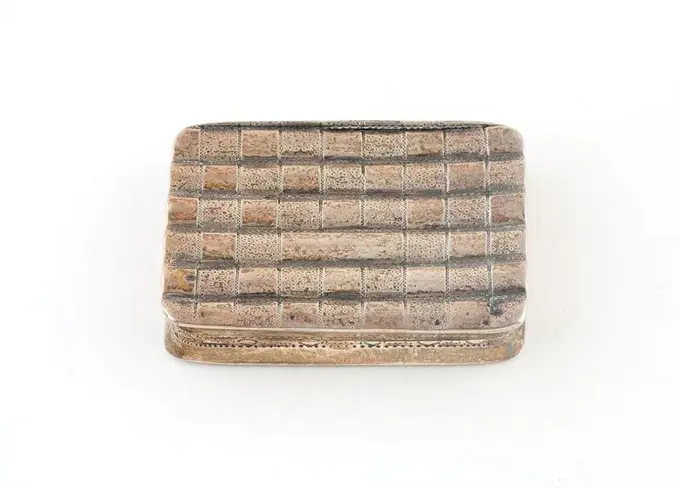
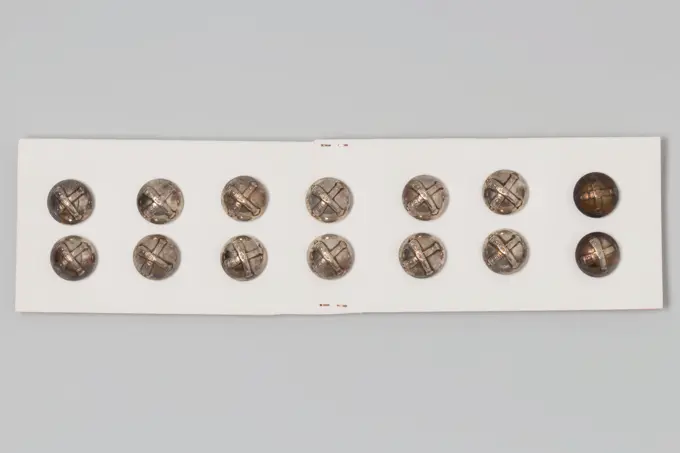
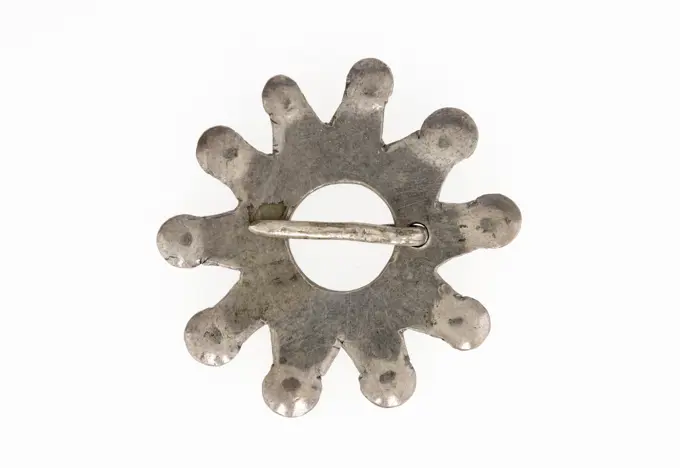
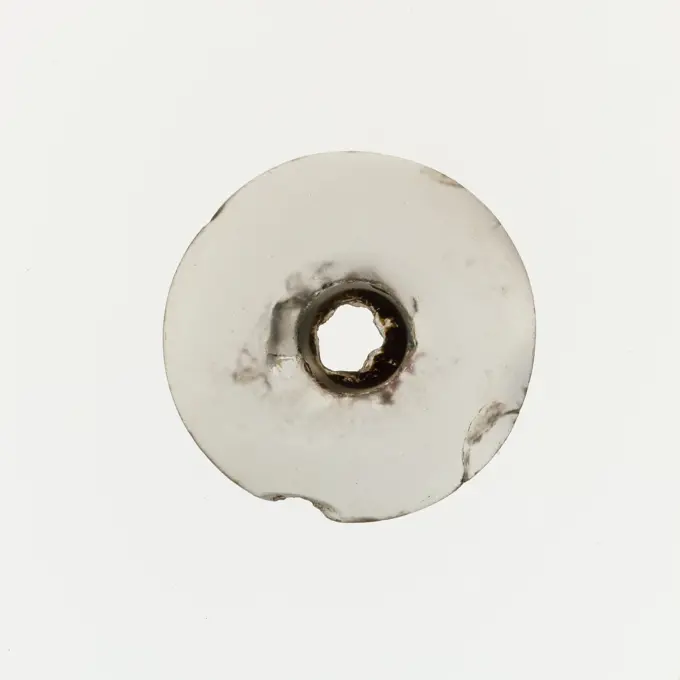
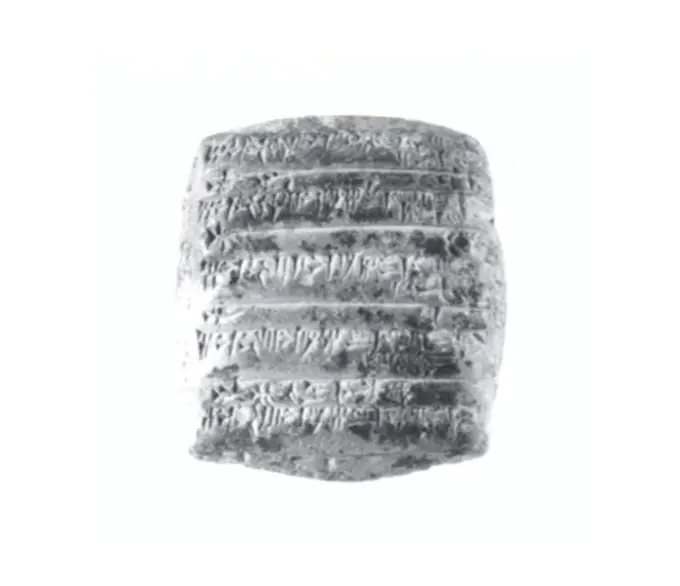
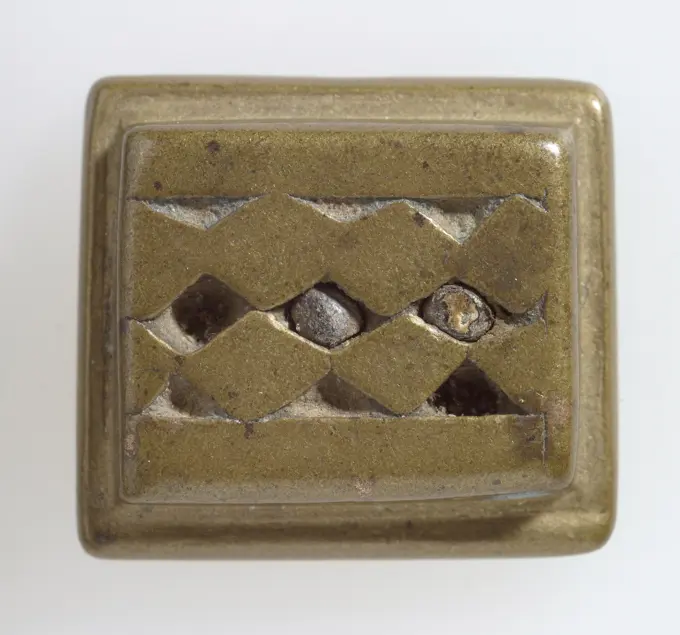
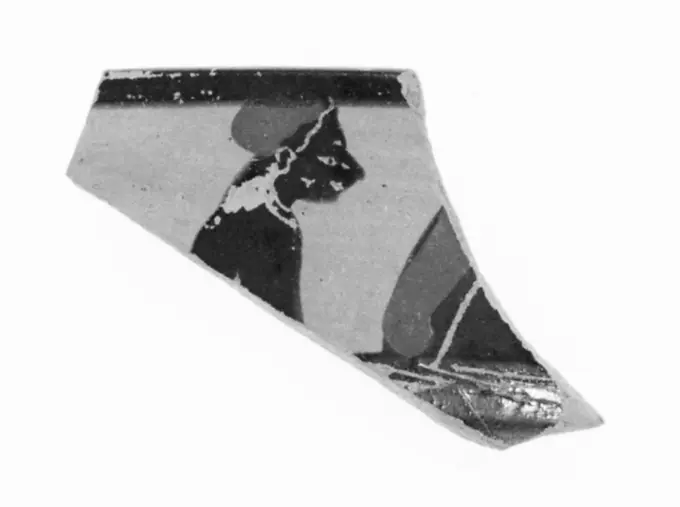
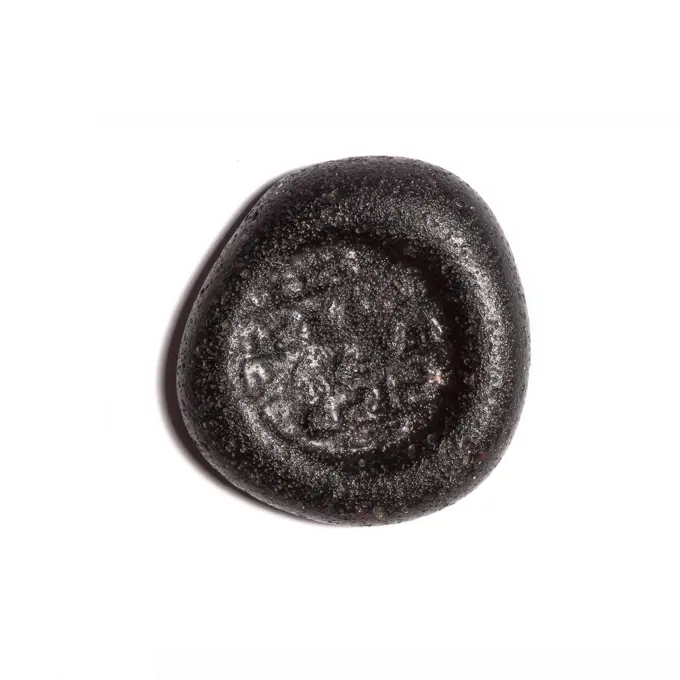
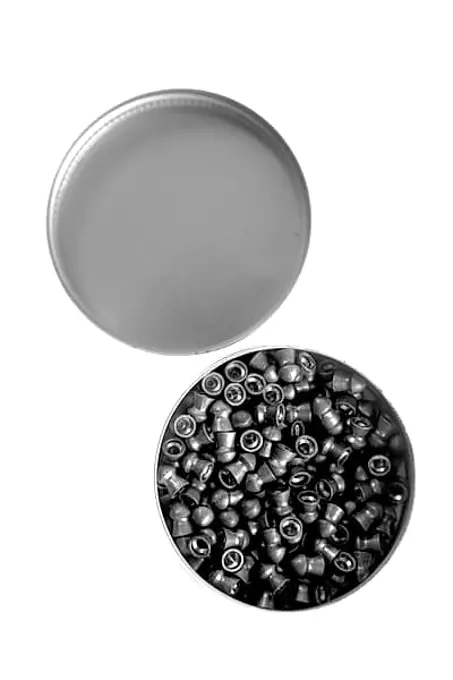
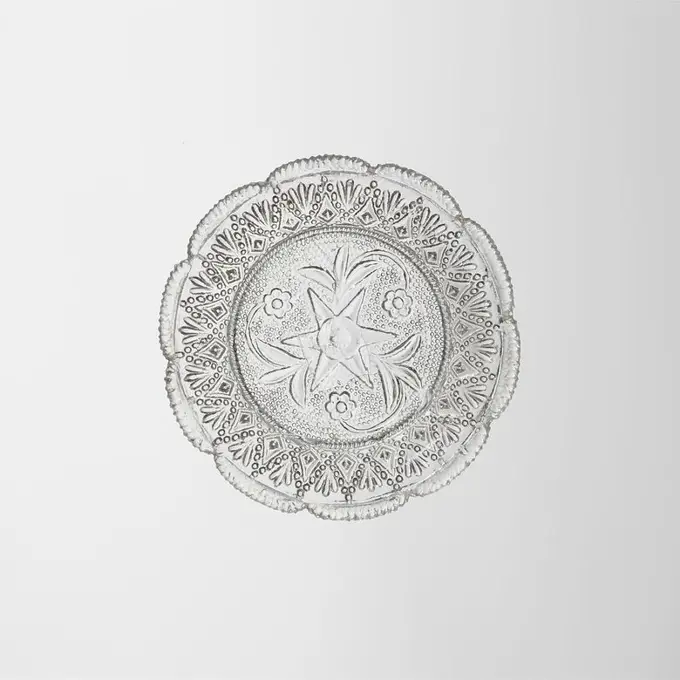
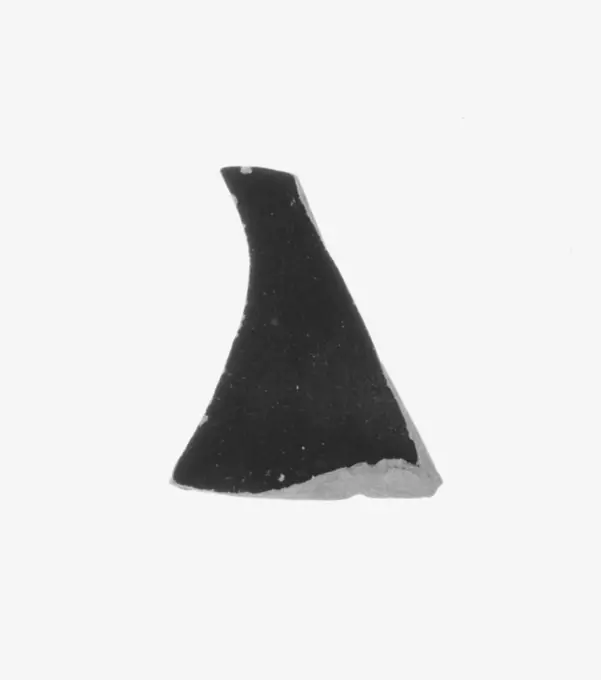
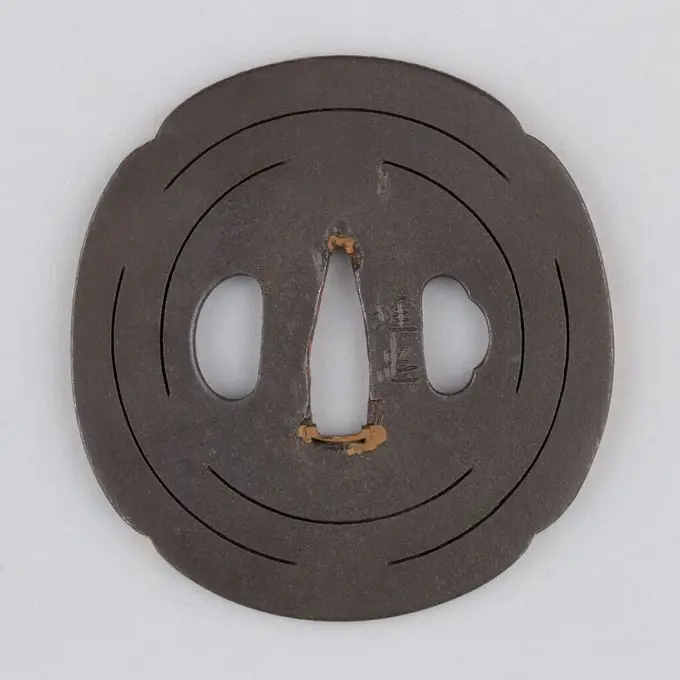
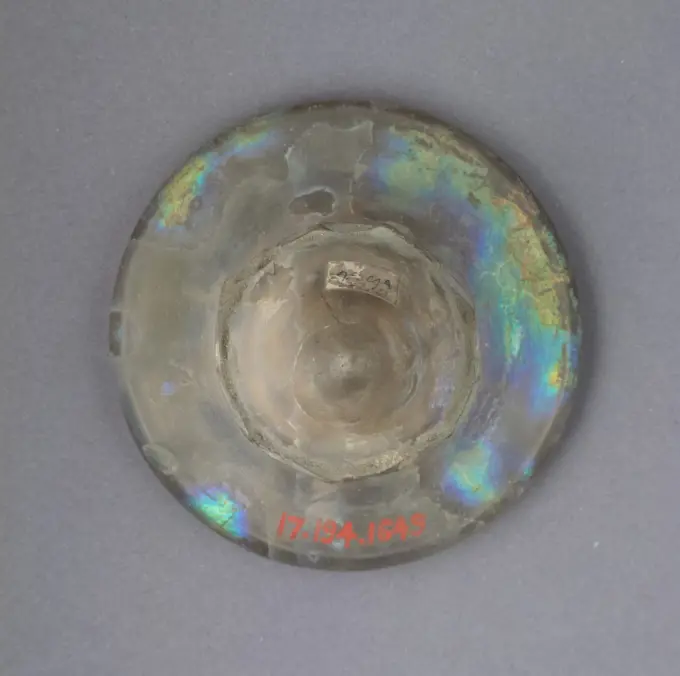
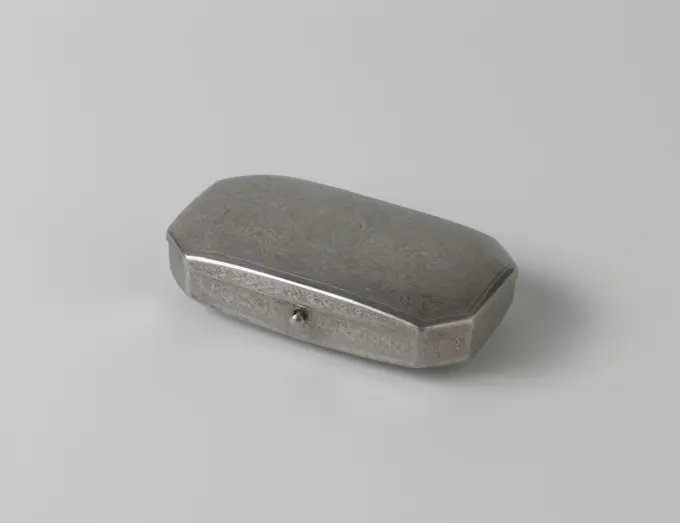
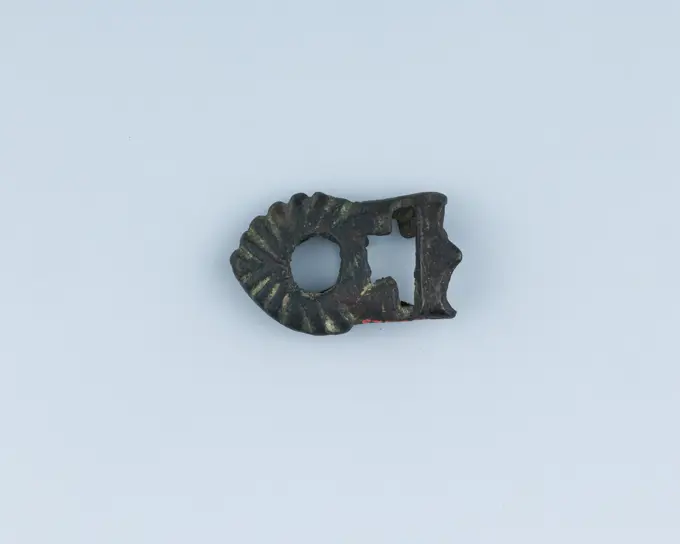
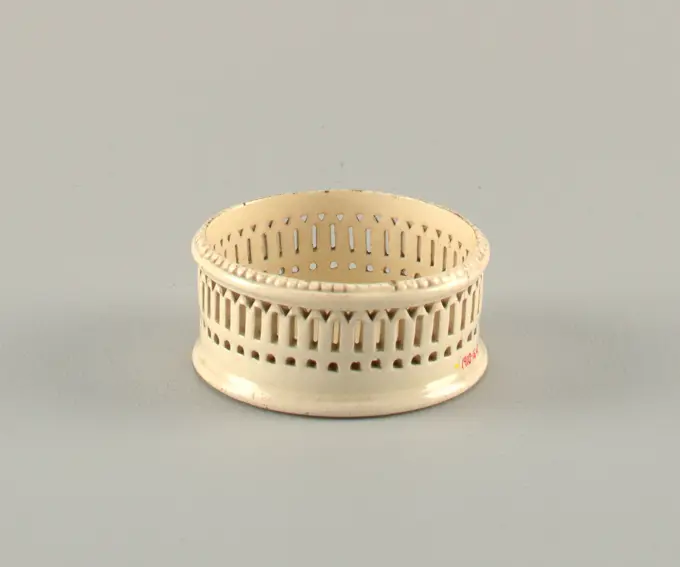
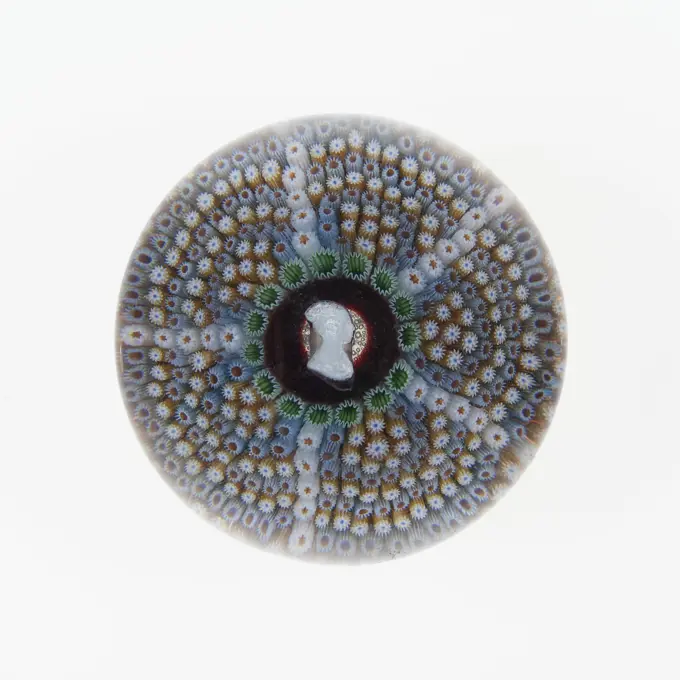
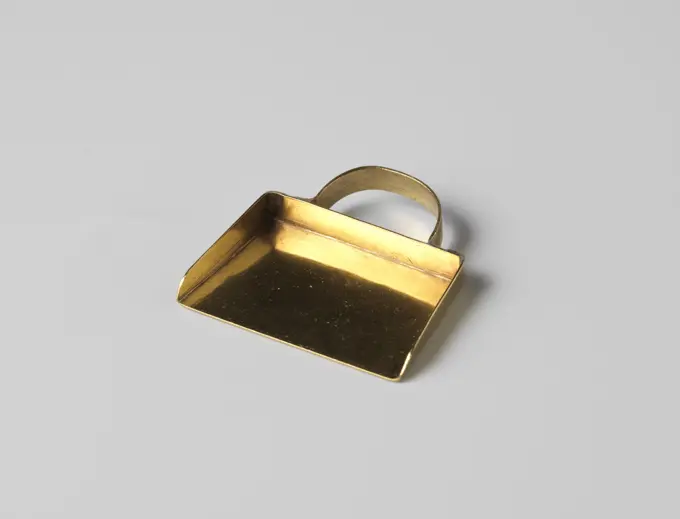
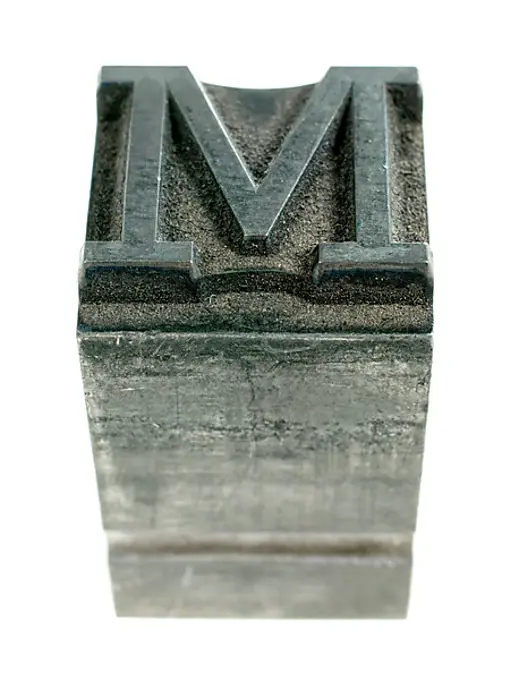
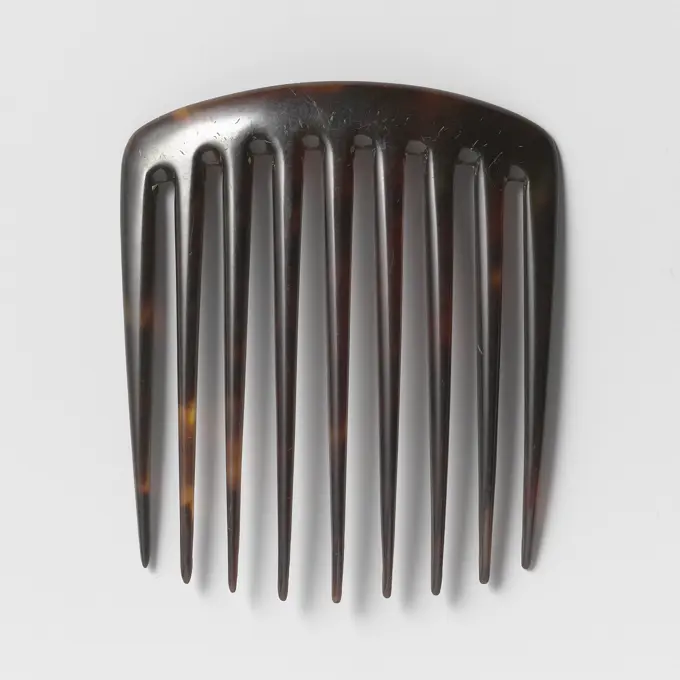
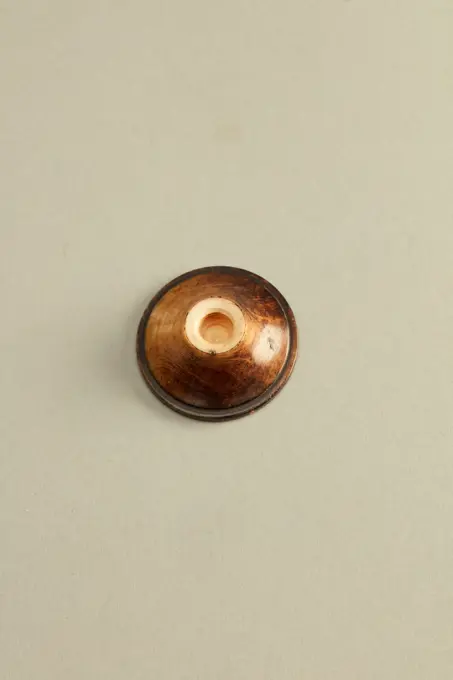
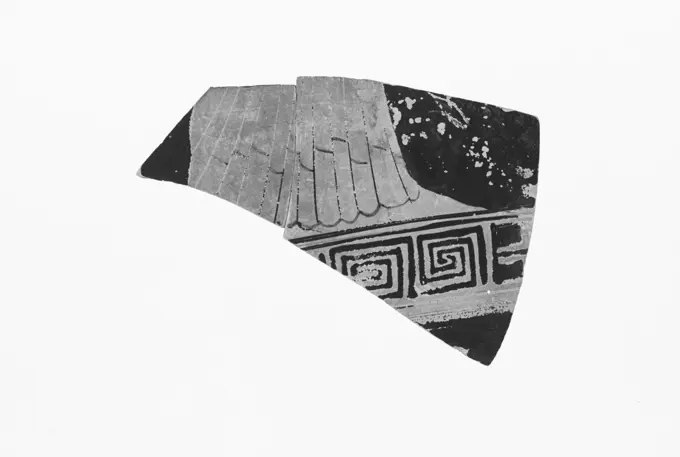
Slit Ring (jue). China. Date: 5000 BC-3000 BC. Dimensions: Diam. 1 13/16 in.; 1/8 in. average thickness. Jade. Origin: China. Museum: The Chicago Art Institute, Chicago, USA.Brooch -closeup of sample of natural mineral from geological collection - polished Hematite gem stone isolated on white background. polished Hematite gem stone isolated on whiteTrojak; Ernest Jan Biron (Ksi  Kurland and Semigalia; 1763-1769), Schröder, Justyn Karol (Mincmist Mitawa Mitawa 1763-1764) (Leave); 1764 (1764-00-00-1764-00-00);for a penny; Ludwik Jagiello Czyk (Czech king and W Gierski; 1516-1526), Sauerman von der Göltsch, Konrad (fl. 1523-1554), Witte, Heinrich von (Fl. 1525-1527); 1526 (1526-00-00-1526-00-00);Crowns, city coins, eagle in the Crown (iconogr.), Eagles, Półnoszek ŚwidnickiIncantation bowl with pseudo-Aramaic inscription ca. 5th-6th century A.D. Sasanian. Incantation bowl with pseudo-Aramaic inscription 321886Rosette dated 1550 Italian. Rosette. Italian. dated 1550. Brass. Miscellaneous-Buckles & Ornamentbracteate heller. Świdnica, issuerBrooch -Pair of Knee Defenses (Poleyns) ca. 1460 and later Italian This is part of a large find of medieval armor discovered in 1840 in the ruins of the fortress of Chalcis, on the Greek island of Euboea (then a Venetian colony called Negroponte). The fortress had been captured and destroyed by the Turks in 1470. Now divided largely between the Ethnological Museum, Athens, and The Metropolitan Museum of Art, the Chalcis hoard contains many rare and unusual elements of fourteenth- and fifteenth-century armor. Of particular importance are the variety of headpieces and the many fragments of brigandines (armor for the torso constructed of small plates riveted to layers of fabric), some of which retain portions of their original velvet covering. The Chalcis armor provides a unique picture of the armament used in the Aegean, one of the easternmost military outposts of the Venetian empire.. Pair of Knee Defenses (Poleyns) 23280polished jet gem stone isolated on white closeup of sample of natural mineral from geological collection - polished jet gem stone isolated on white background Copyright: xZoonar.com/ValeryxVoennyyx 14989735Brooch -Stone wall number 6 SIX 3D stone wall font number 6 SIX 3D copyright: xzoonar.com/milicxdjurovicx 22938036Attic Black-Figure Lekythos Foot. Gela Painter (Greek (Attic), active about 510 - 490 B.C.). Oval tsuba with openwork decoration in Ito Sukashi of the so-called "endless circles of the seven treasures" (Shippo tsunagi); Inside of the Ryo-Hitsu lined with gold; See also MAK 1037.Brooch -Attic Vase Fragment. UnknownAttic Red-Figure Stamnos Fragment. Kleophrades Painter (Greek (Attic), active 505 - 475 B.C.)Lead disk with a hole in the center 6th-5th century B.C. Greek, Laconian Small flat votive figurines of cast lead have been found in great quantities at the ancient sanctuaries of Laconia; over one hundred thousand, dating from the seventh century B.C. to the Classical period, were dedicated to the goddess Artemis Orthia in Sparta.. Lead disk with a hole in the center 251719 Greek, Laconian, Lead disk with a hole in the center, 6th5th century B.C., Lead, Diameter: 7/16 in. (1.1 cm). The Metropolitan Museum of Art, New York. Gift of A. J. B. Wace, 1924 (24.195.153)Lid of turtle with Hertekop of silver (series of 28 pieces A to BB), Anonymous, c. 1700 - c. 1799 Turtle of turtle with Hertekop of silver (series from 28 pieces A to BB), Indonesia, 18th century Indonesia silver (metal) Turtle of turtle with Hertekop of silver (series from 28 pieces A to BB), Indonesia, 18th century Indonesia silver (metal)heller; Jerzy I (Ksi  Brzesko-Legnicki; Ca 1481-1521), Fryderyk II (KSI  Brzesko-Legnicki; 1480-1547); 1495-1505 (1495-00-00-1505-00-00);Fryderyk II (Prince of Brest-Legnica-1480-1547), Jerzy I (Prince of Brest-Legnica-Ca. 1481-1521), Duchy of Brest (coat of arms), Duchy of Legnica (coat of arms), Silesian Orzeł (iconogr.), Eagles, ChessboardWeight. unknown, craftsmanPrzęślik. unknown, authorPlanets-manager. Cornalet Collection Sites 2013-2016. Numismatic.Bracelet ca. 2000-1785 B.C.. Bracelet 322523heller. Oleśnica, issuerRetro cartoon illustration. On plain white background.Brooch -Labradorit LabradoritManhole Cover for Water on whiteAttic Red-Figure Calyx Krater Fragment. Attributed to Syleus Painter (Greek (Attic), active 490 - 470 B.C.)Empty plate, wooden cutting board with salt and spices Empty plate, wooden cutting board with salt and spices on dark concrete background Copyright: xZoonar.com/TetianaxChernykovax 21140421Brooch -Bracelet, one of four-piece set, 3 3/8 x 3 5/8 x 5/8 in. (8.57 x 9.21 x 1.59 cm), Silver, ChinaAttic Black-Figure Siana Cup Fragment (comprised of 2 Joined Fragments). UnknownIsolated retro styled pocket watch on white backgroundVinaigrette. Joseph Willmore; Birmingham, England. Date: 1811-1822. Dimensions: 4.5 × 2.9 cm (1 3/4 × 1 1/8 in.). Silver and silver gilt. Origin: Birmingham. Museum: The Chicago Art Institute, Chicago, USA.3d rendering of an asian japanese teapot isolated in studio backgroud 3d rendering of an asian japanese teapot isolated in a studio backgroud Copyright: xZoonar.com/HugoxKurkx 14682534Shards of a bowl from V.O.C. ship De 'Witte Leeuw', Anonymous, Before 1613 bowl Shards of a bowl from V.O.C. ship De 'Witte Leeuw', 40 present. Shatou porcelain   Sint-HelenaDrumstick holder from a drummers belt plate, c. 1823 musical instrument. elements (of musical instruments). percussion instrument. stick plate Stokplaat from brass for Tamboer major Netherlands copper (metal)Spherical button of silver -plated copper, on which two crossed guns in relief; Part of an artillery uniform, P. Mansvelt & Zn, 1885 Marked as a margin: "P. Mansvelt & z. 'S Hage". The Hague copper (metal) Marked as a margin: "P. Mansvelt & z. 'S Hage". The Hague copper (metal)Brooch -Vinaigrette 1795-1806 London. Silver gilt . T. Phipps and E. Robinson (Maker)Rock crystal spindle whorl ca. 2200-1450 B.C. Minoan Spindle whorls aided in the making of cloth for garments and bedding. They were placed in tombs, perhaps so that the deceased could continue to spin wool in the afterlife.. Rock crystal spindle whorl 252330 Minoan, Rock crystal spindle whorl, ca. 22001450 B.C., Rock crystal, Diameter 3/4 in. (2 cm). The Metropolitan Museum of Art, New York. Bequest of Richard B. Seager, 1926 (26.31.402)Agate scarab. Culture: Etruscan. Dimensions: H.: 5/16 x 1/4 in. (0.8 x 0.6 cm). Date: 4th century B.C..Seated man reading a scroll before a herm. Museum: Metropolitan Museum of Art, New York, USA.Bumpy empty ceramic plate on a textured concrete background. Kitchen utensil itemGolden podium isolated on white background. Elegant podium for product, cosmetic presentation. Luxury mock up. Pedestal or platform for beauty products. Empty scene. 3D rendering. Golden podium isolated on white background. Elegant podium for product, cosmetic presentation. Luxury mock up. Pedestal or platform for beauty products. Empty scene. 3D rendering.Pair of Sword-Grip Ornaments (Menuki) 18th century Japanese Menuki are a pair of ornamental sword fittings attached to either side of a sword hilt.. Pair of Sword-Grip Ornaments (Menuki). Japanese. 18th century. Gold, possibly brass. Sword Furniture-MenukiSpherical knot of silver plated copper, on which two crossed guns are relieved; Part of a militia uniform. Signature as a peripheral: "P. Mansvelt & Z. 'S Hage". Salvaged in a box at a sash; Note in box: "W. Six 1859-1928 / 14 Knoops Schutterij Uniform / 1885".Concrete barrier with weathered surface isolated on a white background concrete barrier with a weathered surface isolated on white backgroundBrooch -Denar - Brakteat; approx. 1307/1308- 1317/1318 (1307-00-00-1318-00-00);Attic Black-Figure Cup Fragment. UnknownAttic Black-Figure Mastoid Cup Fragment. UnknownCuneiform tablet: messenger tablet ca. 2034 B.C. Neo-Sumerian. Cuneiform tablet: messenger tablet 324590Spare part of motorcycle,bolt nut screw for decorating and maintenance on white background with clipping pathGoldweight Geometric, 20th century, 7/8 x 1 in. (2.22 x 2.5 cm), Bronze, Ghana, 20th centuryAttic Black-Figure Siana Cup Fragment. UnknownGlass of red wine on white backgroundDeployment;  X-XII century (901-00-00-1200-00-00);Arabian (culture), Islam (culture), message (provenance)Ring. Ring 256677. Rectangular sulfur stick with lid. The high back of the container has rounded corners and a wearing eye. The sulfur sticker is labeled: STK. = Haarlem, jrl. = W (1707), mt. = Foot 88 and an ax.Air gun little bullets round metal box isolated over whiteAttic Vase Fragment. UnknownCup Plate. Dimensions: Dimensions unavailable. Date: 1825-60. Museum: Metropolitan Museum of Art, New York, USA.Belt buckle ca. 3rd-7th century A.D. Sasanian. Belt buckle 322425Chain of black wooden beads, decreasing in size. Chain of black wooden beads, in decreasing size. With an eye as a closure.Paperweight 1840-1865 France. The colorful geometric clusters embedded in this paperweight reflect the nineteenth-century European fascination with optical effects. Sir David Brewster invented the kaleidoscope in 1815, and its colorful and changing patterns brought great visual entertainment. Paperweights such as this example reformed this childlike pastime for a sophisticated adult audience. Depicted in glass were tiny glittering flowers, small black and blue cameos of figures, and even miniature bottlecaps. These were delicately arranged within the orb for the observant eye to discover.From the late 1840s to early 1860s, French manufacturers of fine glass and crystalósuch as Baccarat (Alsace), Clichy (Paris), and Saint-Louis (Lorraine)ócatered to the vast public enthusiasm for beautiful yet functional desk accessories. Paperweights, which were designed to secure loose papers against drafts, were among their most popular products.. Glass . Clichy GlasshouseTop view of single new empty black ceramic plate isolated on white background with clipping path.Pepper caster and salt shaker on silver tray, elevated viewAttic Red-Figure Oinochoe Fragment. UnknownSword Guard (Tsuba). Culture: Japanese. Dimensions: H. 3 1/8 in. (7.9 cm); W. 2 15/16 in. (7.5 cm); thickness 3/16 in. (0.5 cm); Wt. 5.4 oz. (153.1 g). Date: 17th century. Museum: Metropolitan Museum of Art, New York, USA.Bead with Spirals. China. Date: 1000 BC-700 BC. Dimensions: 1 × 5/8 × 9/16 in. Jade. Origin: China. Museum: The Chicago Art Institute, Chicago, USA.Retro cartoon with texture. Isolated on White.Glass base fragment ca. 4th century A.D. Roman Colorless.Integral, tubular base with rounded edge; horizontal upper side, then curving up and inward as short, broad pedestal to bottom edge of body; deep, conical kick at center of bottom, with pontil scar around apex.Complete base, broken off from body of vessel; pinprick and a few larger bubbles; dulling and iridescent weathering, with thicker creamy weathering inside kick.. Glass base fragment. Roman. ca. 4th century A.D.. Glass; blown. Late Imperial. GlassAttic Vase Fragment. Unknownchimney vector logo illustration designTobacco box, c. 1746 An oval iron tobacco box with beveled corners. On the lid etching, all around beautiful ornaments. On the bottom a female bust, also between ornaments. Such also on the sides.  iron (metal) etching An oval iron tobacco box with beveled corners. On the lid etching, all around beautiful ornaments. On the bottom a female bust, also between ornaments. Such also on the sides.  iron (metal) etchingMordant 15th-17th century European. Mordant. European. 15th-17th century. Bronze. Miscellaneous-Buckles & OrnamentDish with a radial lines decor in yellow and black on Crème Fond, N.V. Plateelbakkerij Ram, c. 1925 Dishes of earthenware with a radial lines decor in yellow and black on crème stock. Marked with circular stamp in black: Colenbrander "Ram" Arnhem-Holland around a Ramskop, 110. Arnhem earthenware Dishes of earthenware with a radial lines decor in yellow and black on crème stock. Marked with circular stamp in black: Colenbrander "Ram" Arnhem-Holland around a Ramskop, 110. Arnhem earthenwareCoaster; earthenwarePaperweight 1801-1900 Saint-Louis. Glass . Compagnie de Saint LouisCartoon illustrationDust can of yellow -buyer, anonymous, c. 1700 - c. 1799  Amsterdam (possibly) copper (metal)  Amsterdam (possibly) copper (metal)Printing letter, metal typeMacrophotograph of high purity cobaltCans the trash heap of rusty isolated on whiteRetro cartoon with texture. Isolated on White.Hair comb made of turtle with very snalle unadorned round back, anonymous, c. 1800 - c. 1900 Hair comb made of turtle with very snalle unadorned round back. Nine teeth. Netherlands (possibly) . sawing / filing / polishing Hair comb made of turtle with very snalle unadorned round back. Nine teeth. Netherlands (possibly) . sawing / filing / polishingA fragment of the chess figureDish, purple red fond with golden piping. Dish of porcelain, part of a coffee set, with purple red fond and golden piping along the edge a wide golden trim in which a engraved leaf drink. No brand.Circular Nose Ornament Incised with Concentric Bands 750 CE-1250 Venado Beach. Spondylus shell . CocléCartouche-Shaped Plaque Fragment ca. 1153-1147 B.C. New Kingdom, Ramesside Ramesses IV initiated several building projects and sent large expeditions to mining regions and quarries early on in his reign. His plans and ambitions were cut short by his death in the sixth year of his reign, but he had been able to complete and decorate his tomb in the Valley of the Kings. He also began work on a gigantic processional temple in Thebes, in which a number of intact foundation deposits were found with literally hundreds of plaques and other objects. Most of the plaques are made of faience, but this one, representing part of a cartouche, is made of glass.. Cartouche-Shaped Plaque Fragment. ca. 1153-1147 B.C.. Glass. New Kingdom, Ramesside. From Egypt, Upper Egypt, Thebes, Asasif, Temple of Ramesses IV, MMA excavations, 1915-16. Dynasty 20Attic Red-Figure Pelike Fragment.Silver wheelDetailed and colorful image of jasper mineralBrooch -Bangle with Circular Motifs ca. 2700 B.C.-A.D. 400 Thailand. Bangle with Circular Motifs 53281Kwispedoor, Anonymous, c. 1750 - c. 1800 Kwispedoor with a wide flat edge and standing on a stand ring. The flat, wide edge is sculpted. The kwispedoor is marked: stk. = Amsterdam, Mt. = Voet 430. The Kwispedoor is similar to Kwispedoor BK-NM-1177-130. Amsterdam silver (metal) Kwispedoor with a wide flat edge and standing on a stand ring. The flat, wide edge is sculpted. The kwispedoor is marked: stk. = Amsterdam, Mt. = Voet 430. The Kwispedoor is similar to Kwispedoor BK-NM-1177-130. Amsterdam silver (metal)Sugar-coated fondant ring to hang on a Christmas tree