Ancient Artifacts and Figurines

A collection of ancient figurines and amulets, showcasing diverse styles from Egyptian to Roman. The pieces include necklaces, heads, lamps, and seated figures, highlighting cultural significance.

Roman terracotta lamp in the shape of a water-organ. Artist: Unknown
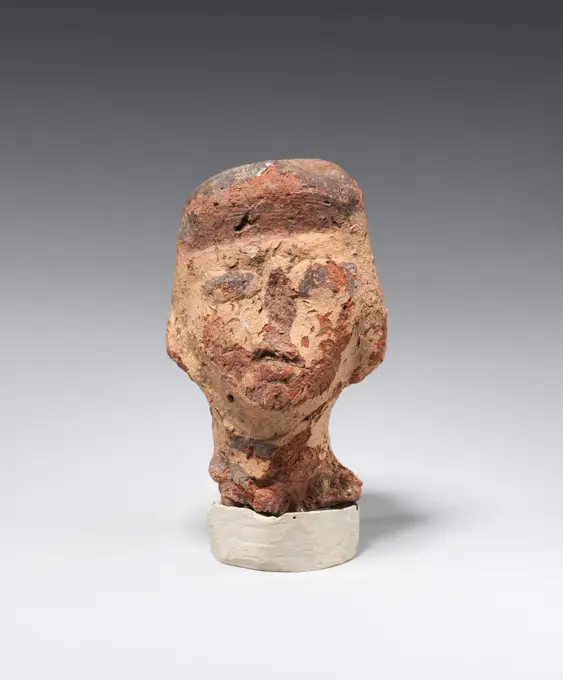
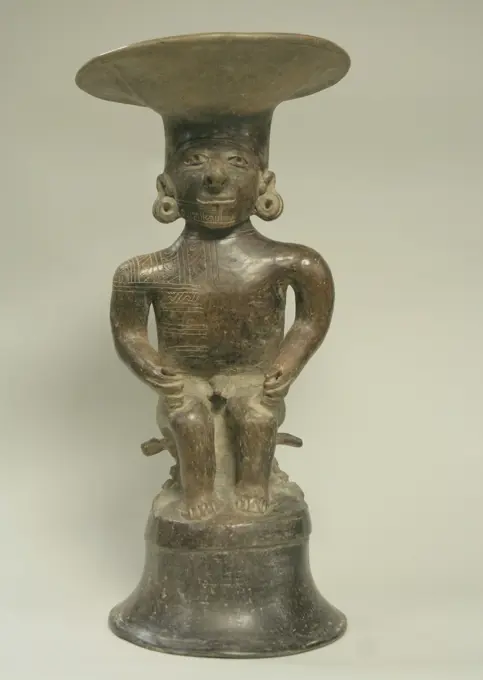
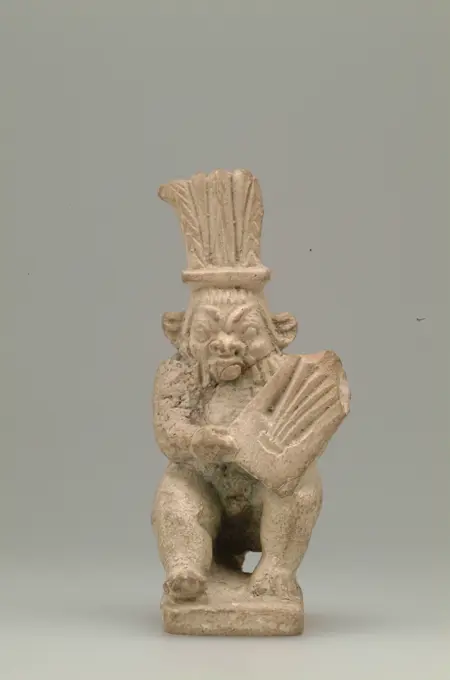
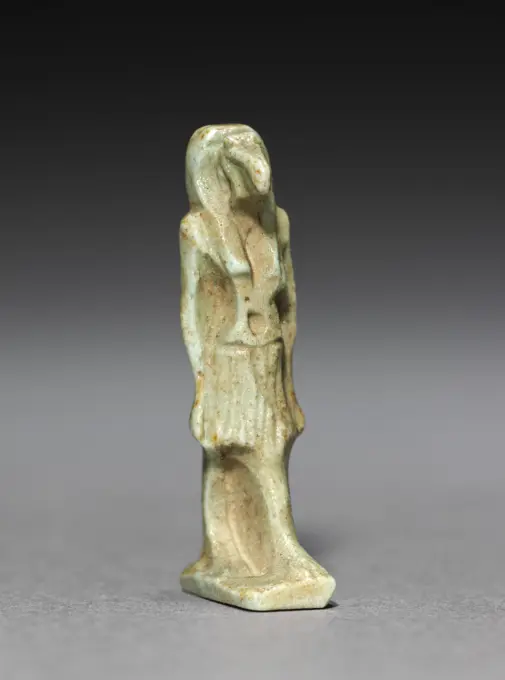
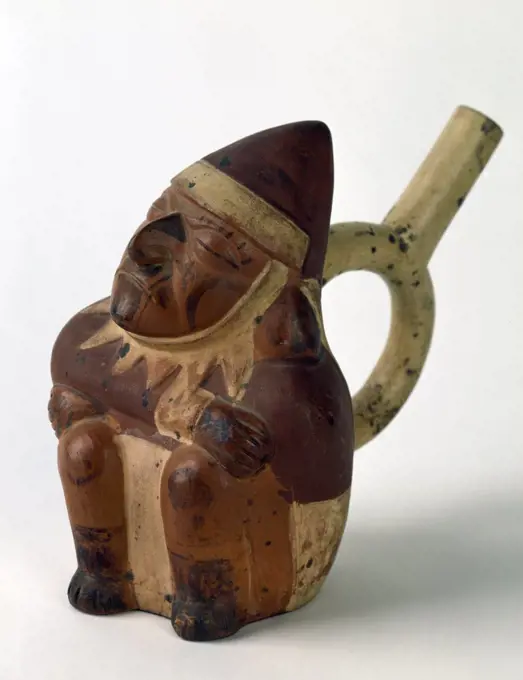
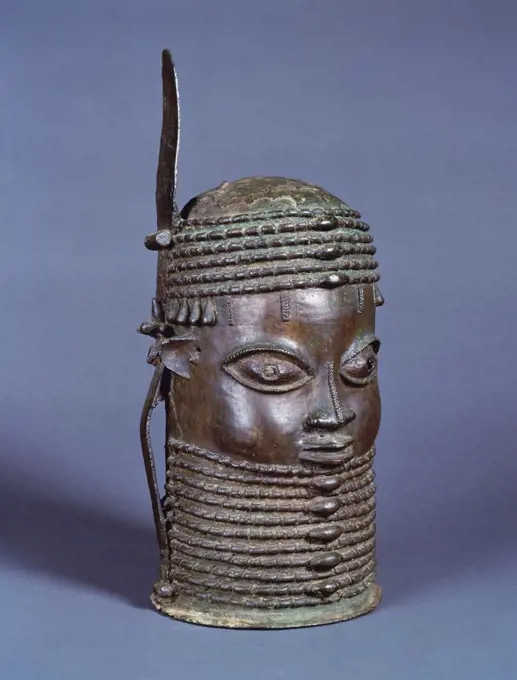
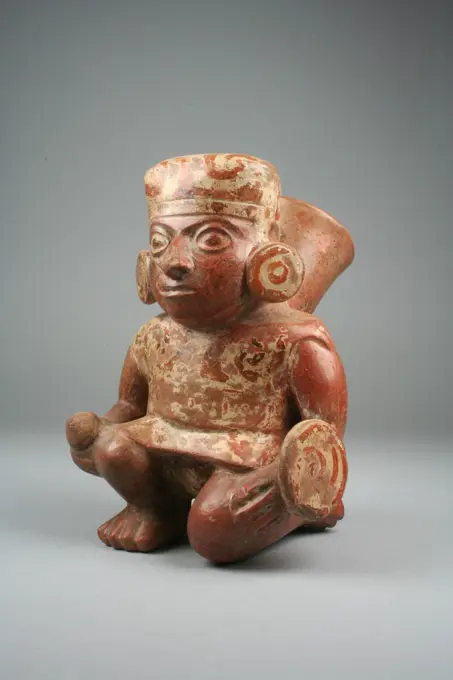
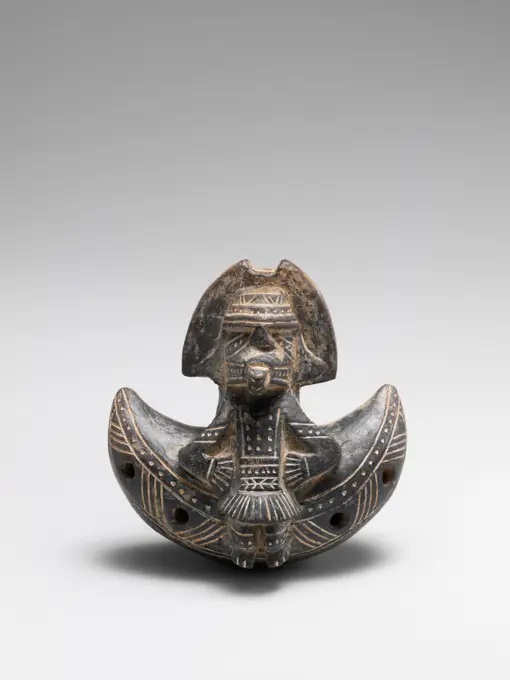
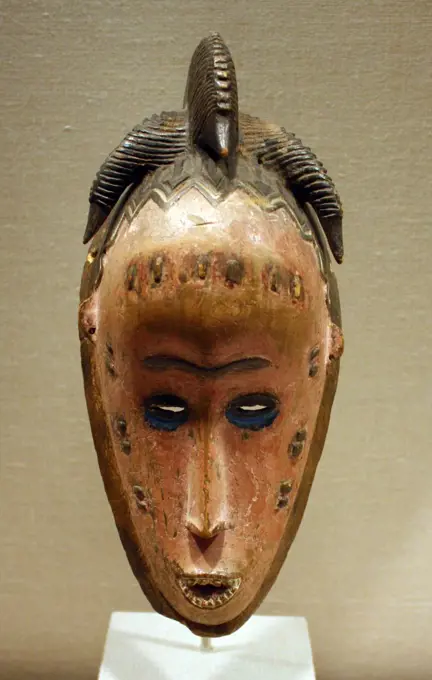
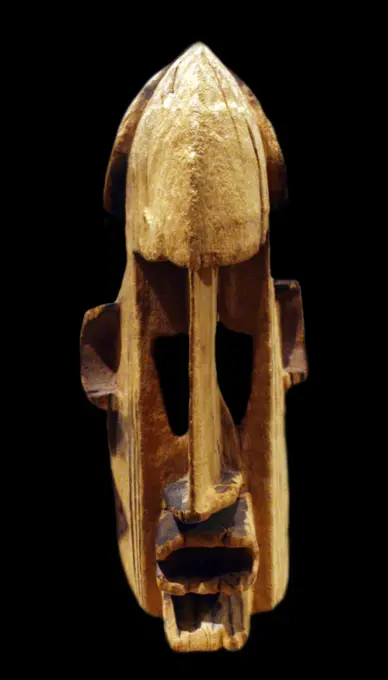
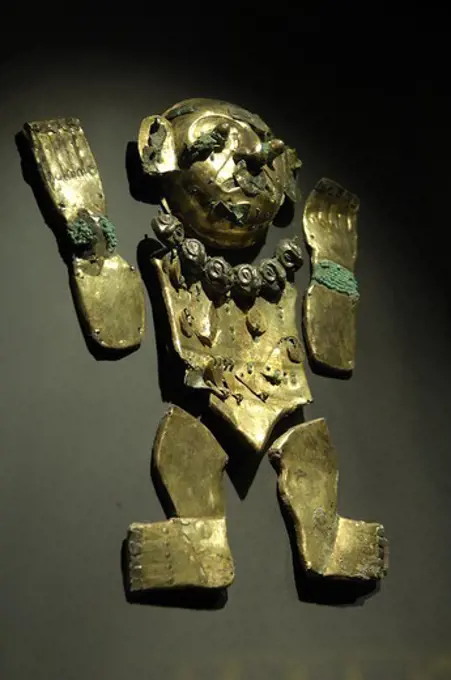
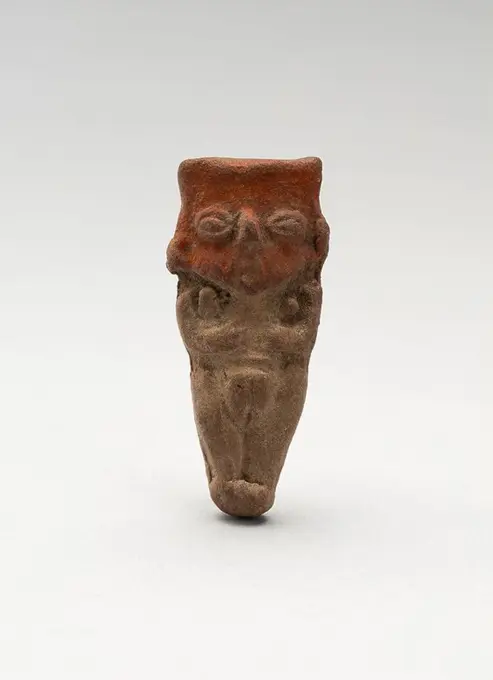
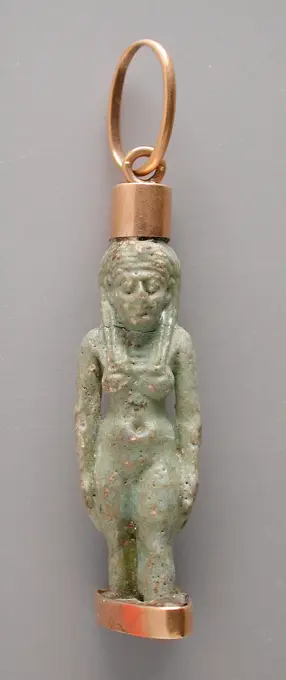
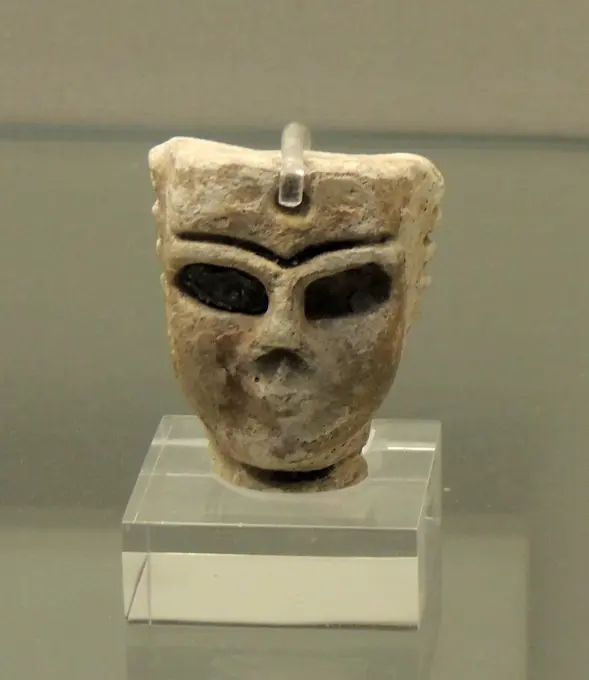
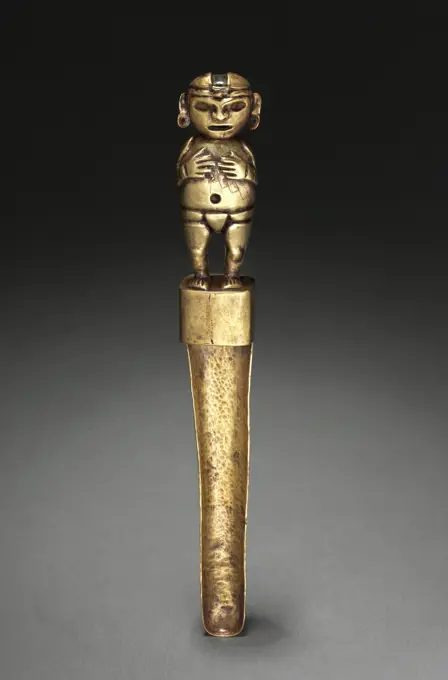
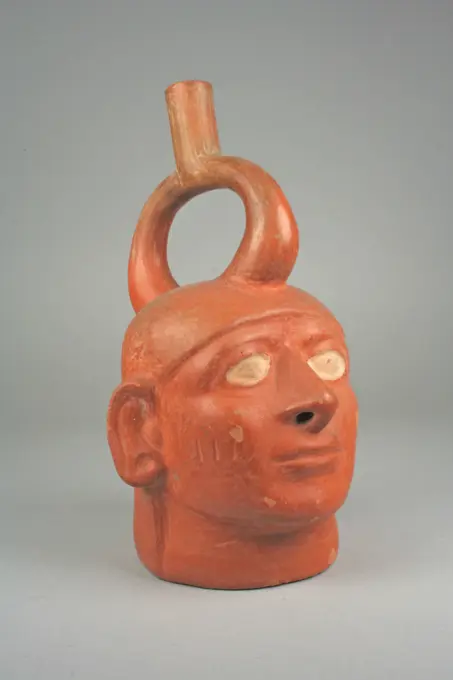
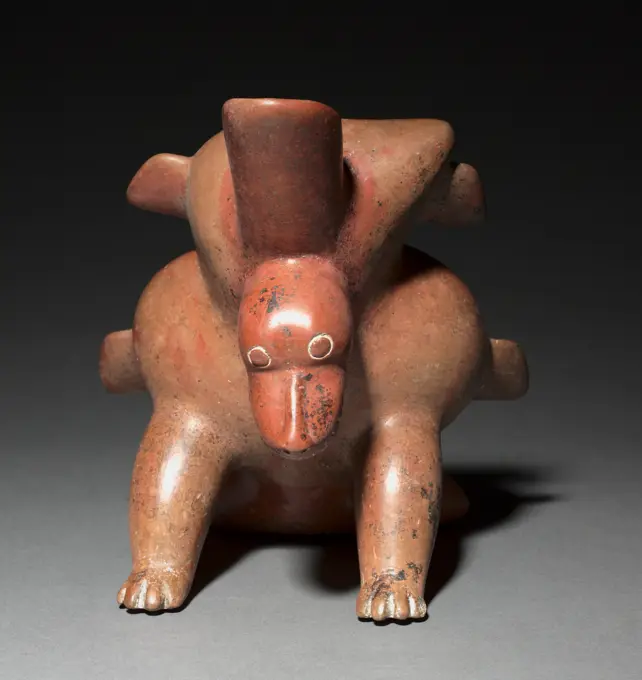
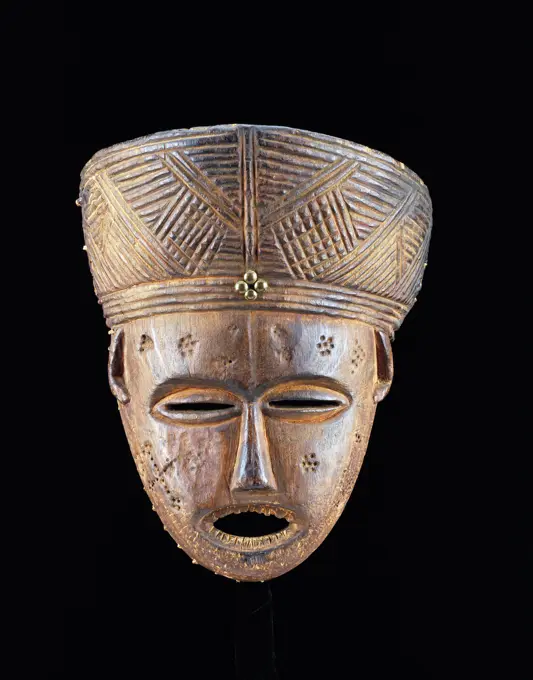
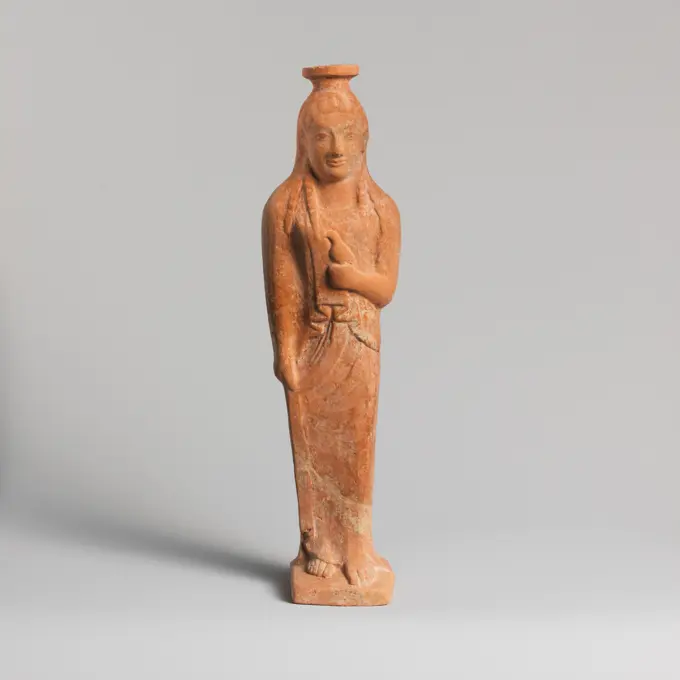
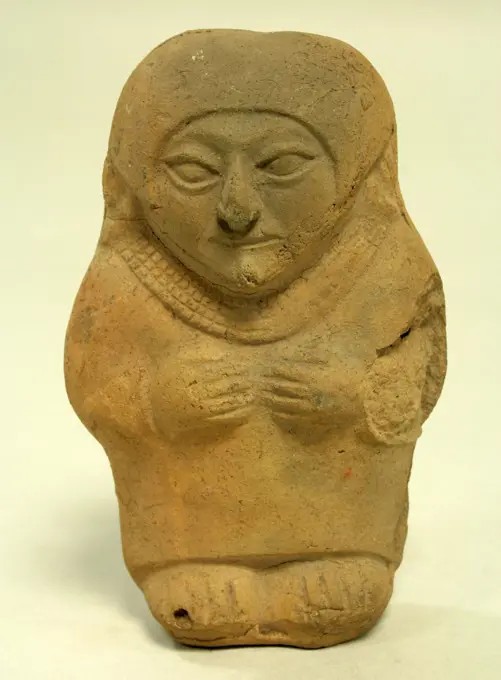
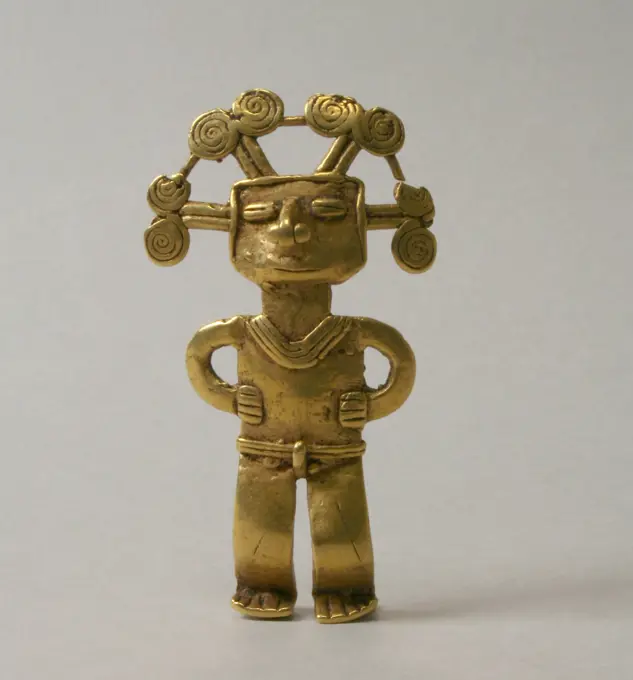
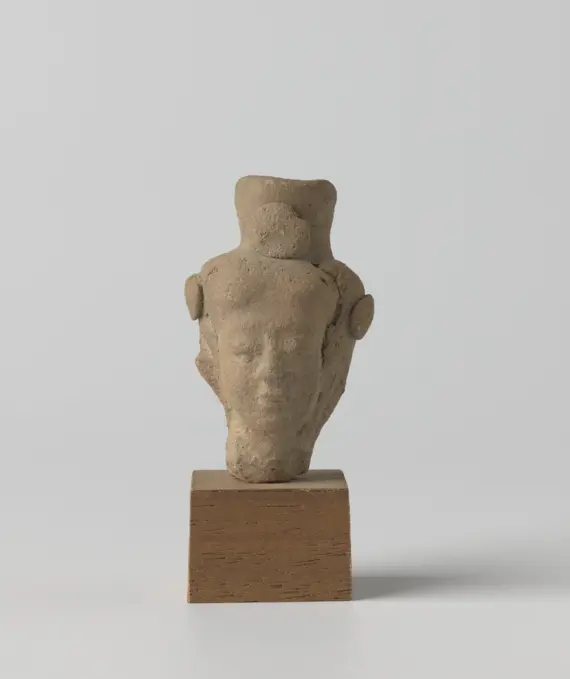
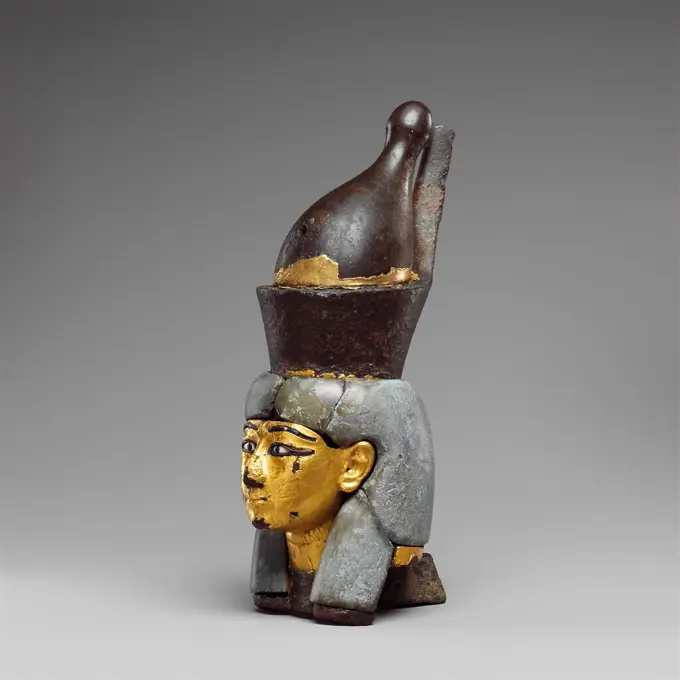
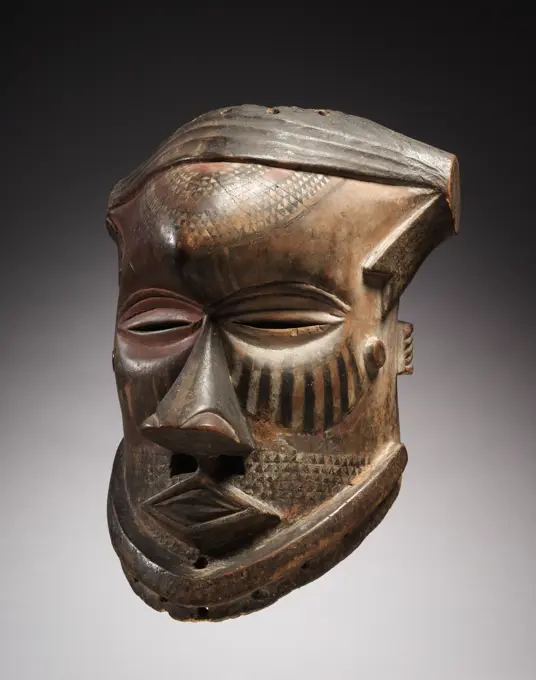
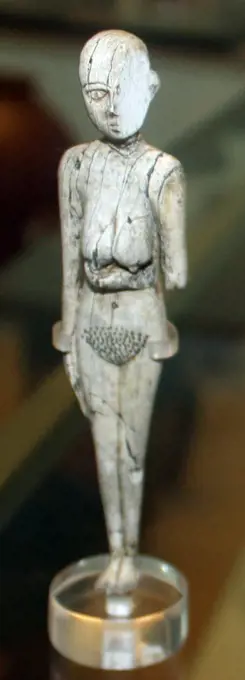
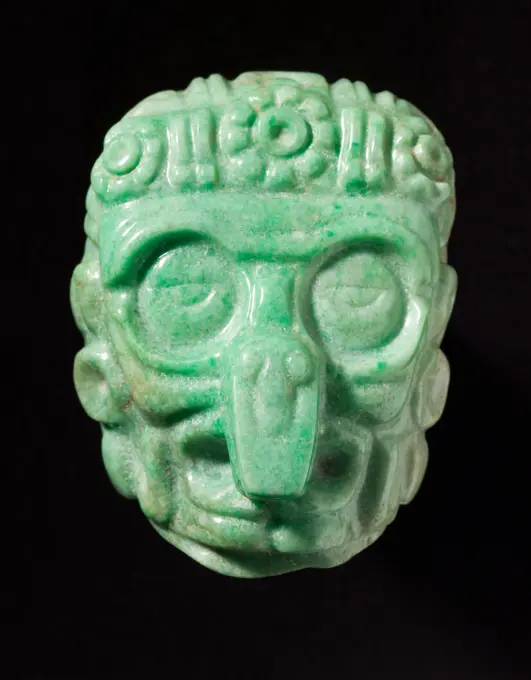
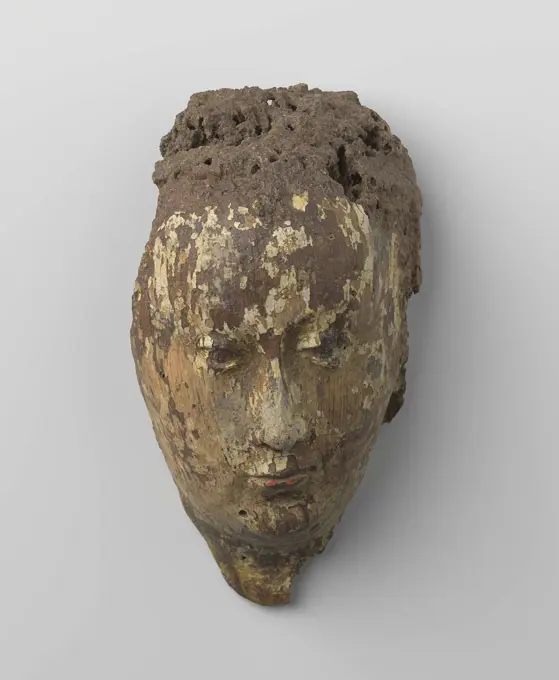
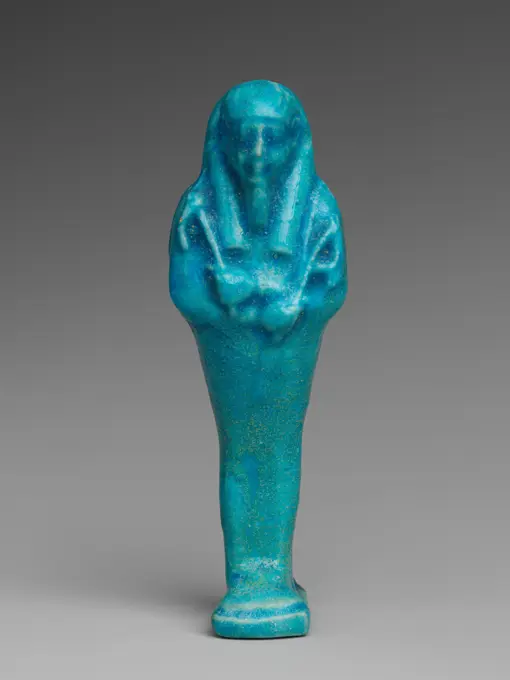
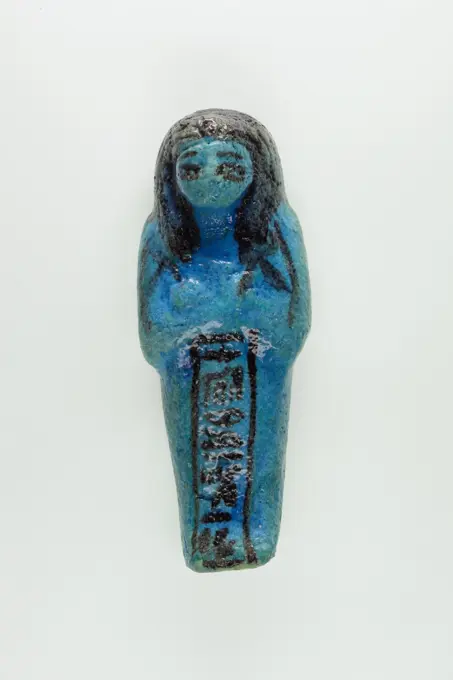
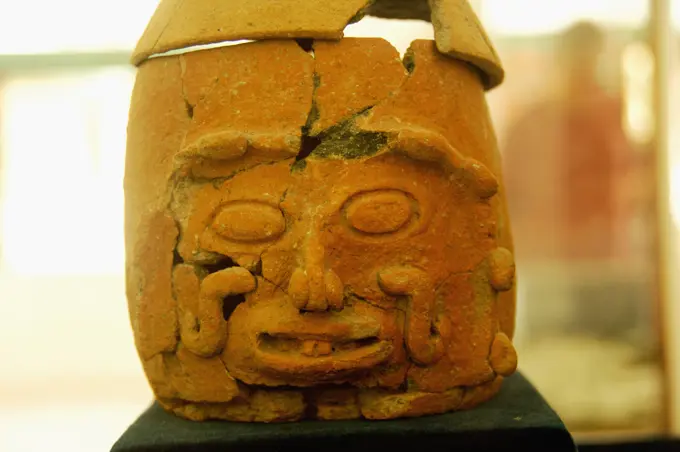
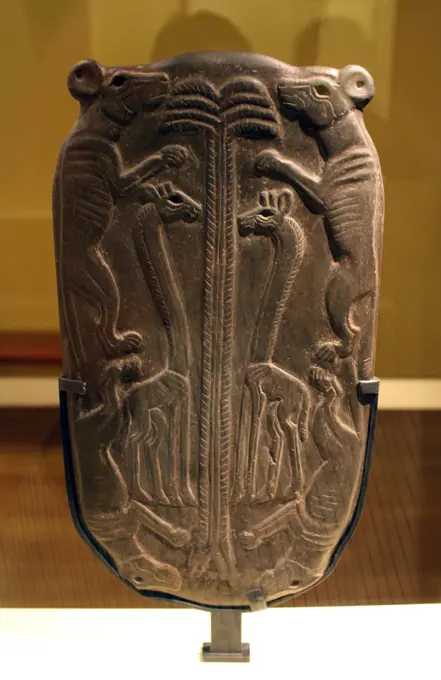
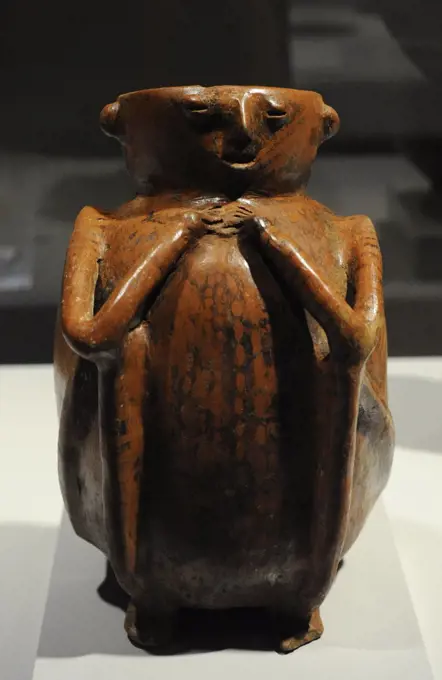
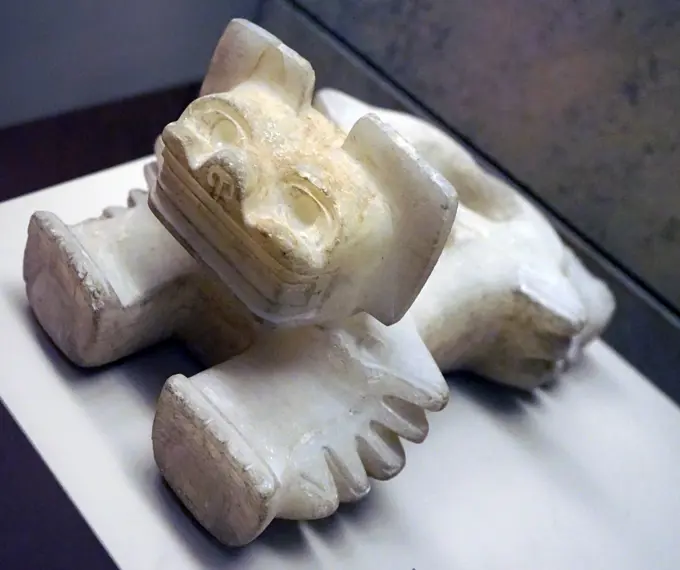
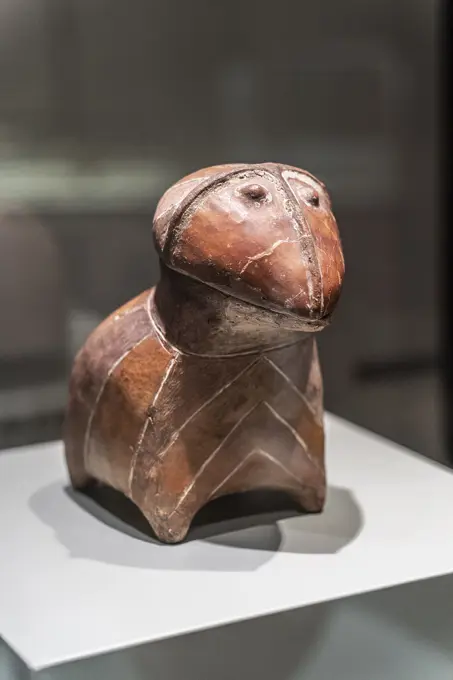
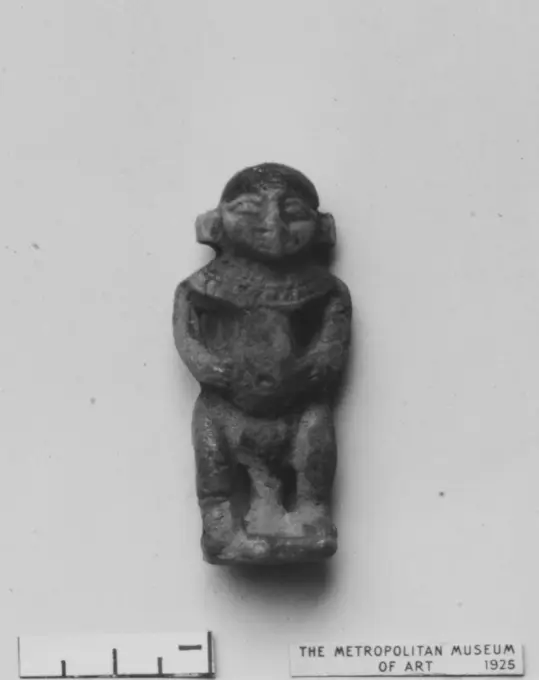
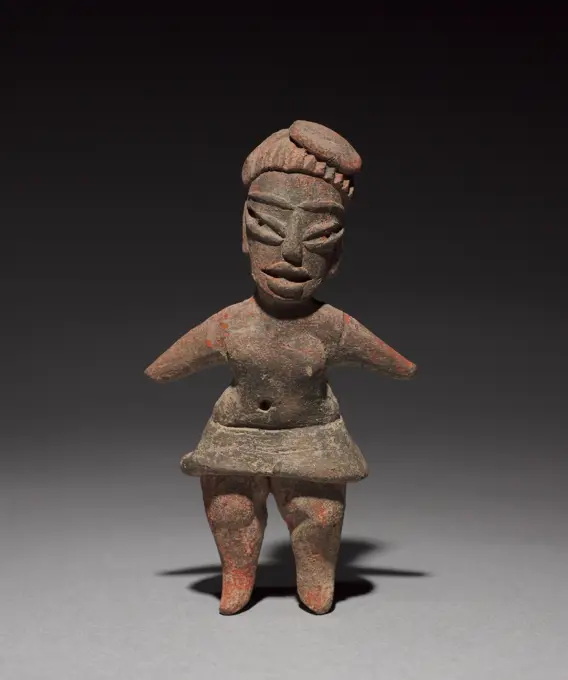
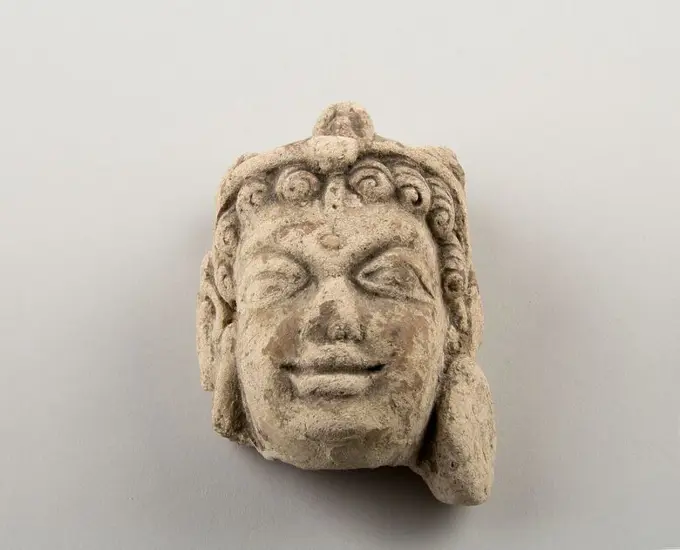
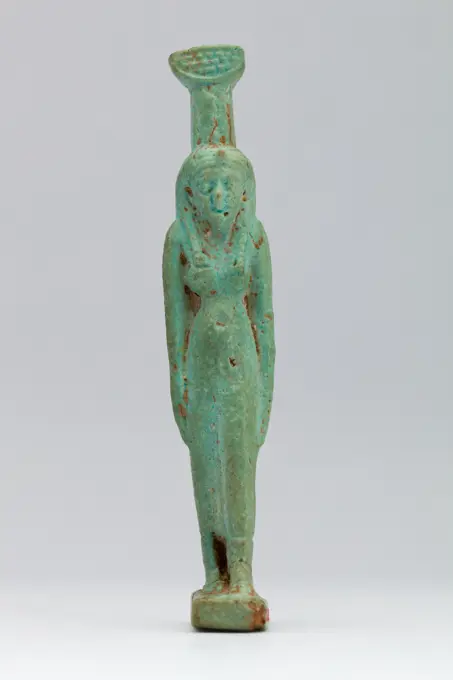
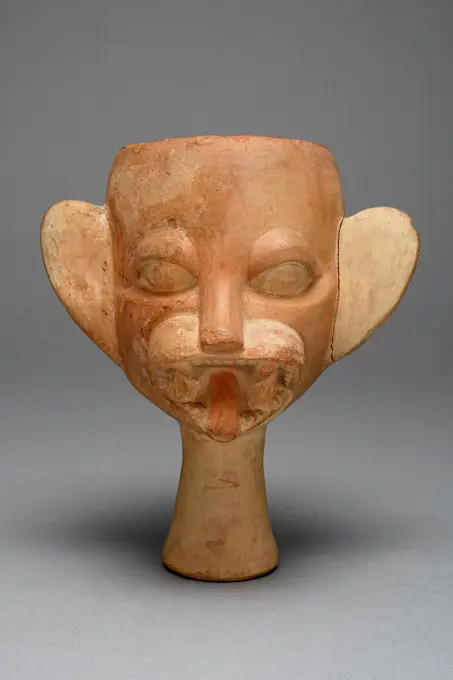
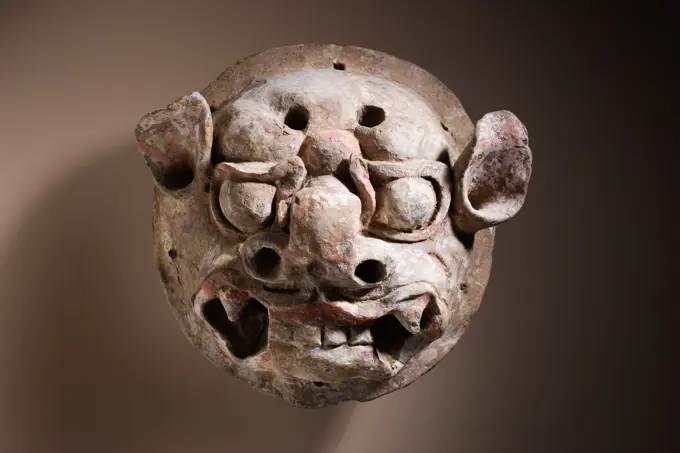
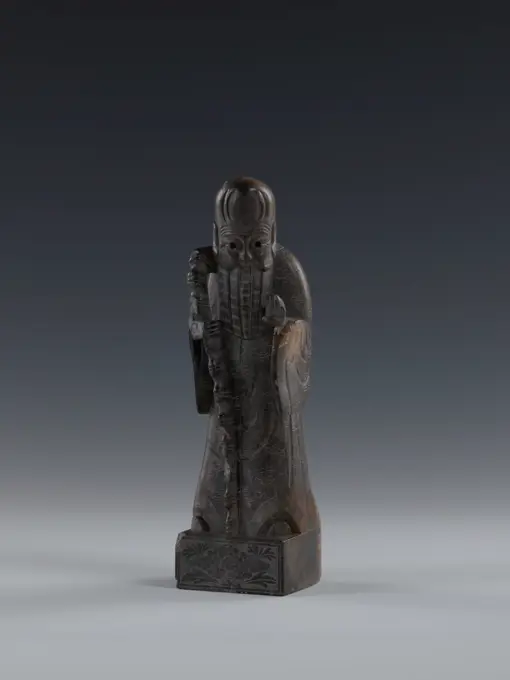
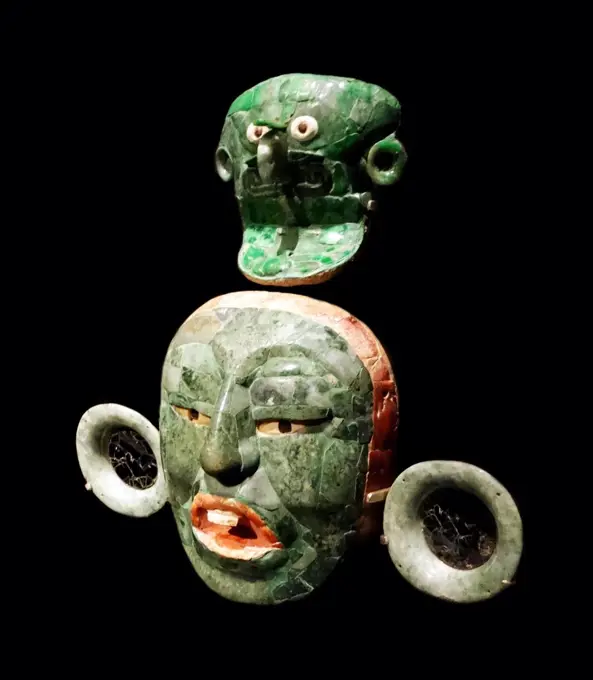
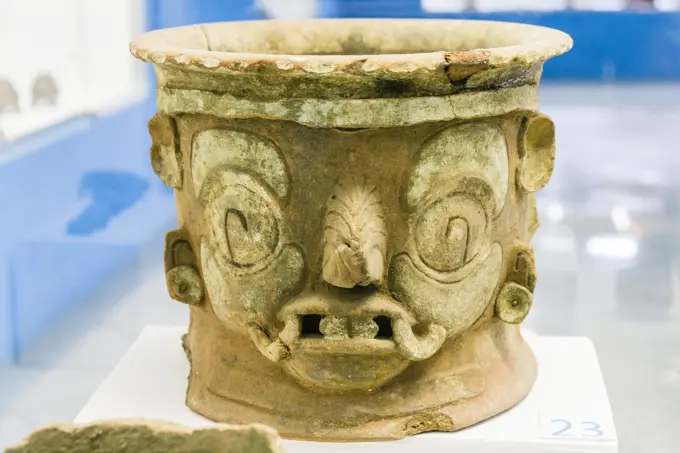
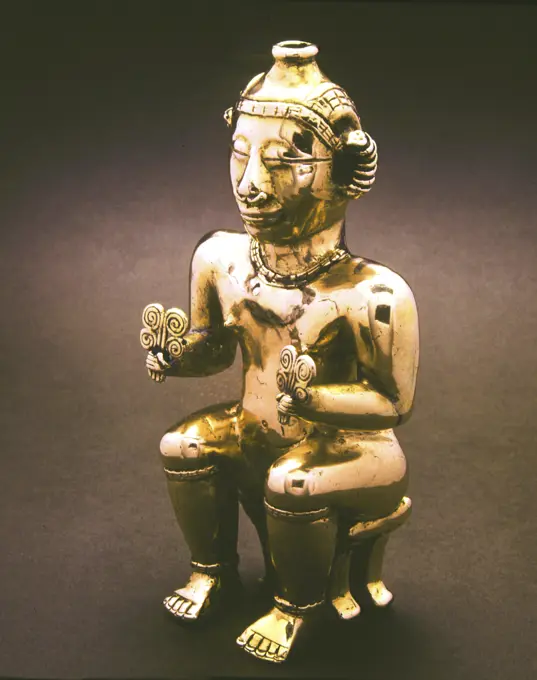
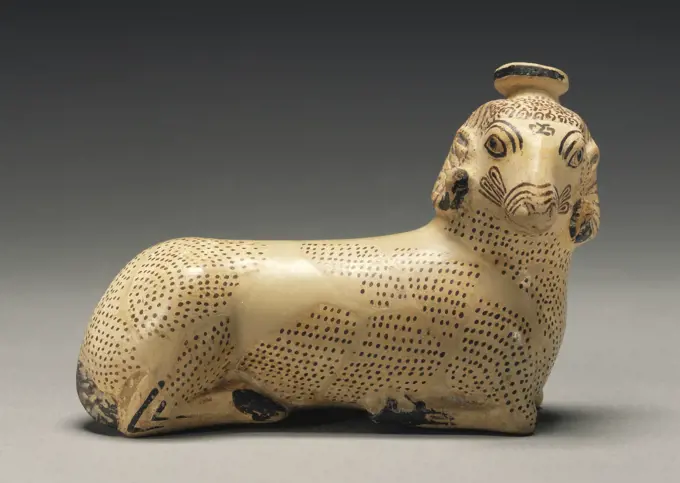
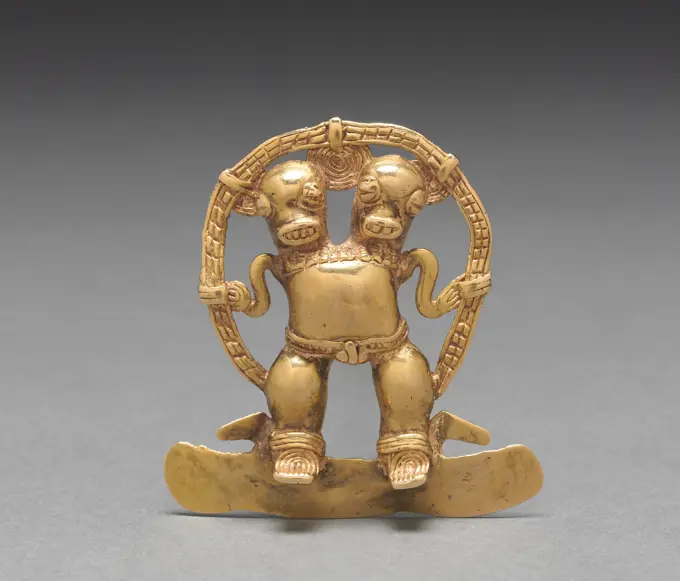
Menit necklace  664-332 BC; Half period (-664-00-00--332-00-00);Head from a figurine Ptolemaic Period 332-30 BC In the area of Ptolemaic brick vaulted tombs in the Lower Assasif at Thebes were found many terracottas. They are only very roughly datable to this period. Possibly the hairstyle of this head is meant to suggest an Egyptian short male hairstyle.The head has a buff slip overall and black marking hair and features. View more. Head from a figurine. 332-30 BC. Pottery, paint. Ptolemaic Period. From Egypt, Upper Egypt, Thebes, Asasif, foot of Hatshepsut Causeway, Lower Cemetery area (Birabi), MMA excavations, 1915-16Roman terracotta lamp in the shape of a water-organ. Artist: UnknownCeramic Seated Male with Headdress 6th-11th century Manteño. Ceramic Seated Male with Headdress 314177Bes Amulet 664-332 B.C. Late Period. Bes Amulet. 664-332 B.C.. Faience. Late Period. From Egypt. Dynasty 26-30Pre-Columbian art. Pre-Incan. Mantena Culture. 500-1500 AD. From Ecuador. 21 x 15 cm (diameter). Anthropomorphic ceramic vessel. Private collection.Male Head. Afghanistan, 4th century. Sculpture. Terracotta with paintAmulet of Thoth, 305-30 BC. Egypt, Dynasty 30 to Ptolemaic Dynasty. Gray green faience; overall: 3.1 cm (1 1/4 in.).Seated Figurine Wearing a Bracelet, 300 BC-AD 300. Mesoamerica, Guanajuato or Michoacán, Chupícuaro. Ceramic and pigment; overall: 7.2 x 4.4 cm (2 13/16 x 1 3/4 in.).Seated Chieftain Ai Apec,  from Moche IV,  Peru,  USA,  Florida,  Jacksonville,  The Museum of Contemporary Art,  Pre-Columbia Ceramic Collection,  circa 200-500 A.D.Stone female statuettes from the Mexican state of GuanajuatoVASO MOCHICA - PERU. Location: MUSEO DE AMERICA-COLECCION. MADRID. SPAIN.A Rare Owo Bronze Memorial Head Primitive Art Christie's, London Stirrup Spout Bottle with Warrior 6th-7th century Moche (Loma Negra) (). Stirrup Spout Bottle with Warrior 315176Ocarina 1300-1500 Tairona People; Gayraca style. Ocarina. Tairona People; Gayraca style. 1300-1500. Ceramic. Pre-Columbian. Sierra Nevada de Santa Marta, Colombia. Aerophone-Whistle Flute-vessel fluteMask. Cote d'Ivoire, Guro peoples, 19th-20th Century. Wood, paint.Figurine Head Fragment, 150-350. Central Mexico, Teotihuacán, Classic Period. Ceramic, pigment; diameter: 5.4 cm (2 1/8 in.); overall: 9.2 x 8.5 cm (3 5/8 x 3 3/8 in.).Foreign Warrior Mask (Samana) Mali, Dogon peoples 19th-20th century. Wood, pigment.Effigy vessel, 650-799, 11 1/8 x 7 3/4 x 10 1/2in. (28.3 x 19.7 x 26.7cm), Clay, pigments, Peru, 7th-8th centuryFigure (3rd c.). Moche or Mochica Art. PERU. LAMBAYEQUE. Sipn. Royal Tombs of Sipn Museum.Mold-Made Female Figurine. Possibly Moche; Possibly north coast, Peru. Date: 100 AD-600 AD. Dimensions: 5.4 x 2.5 cm (2 1/8 x 1 in.). Ceramic and pigment. Origin: Peru. Museum: The Chicago Art Institute, Chicago, USA.Amulet. Egypt, circa 332 B.C.-395 A.D. (with modern mount). Jewelry and Adornments; amulets. Faience and goldFemale Faience Mask 1350 B.C. Was most likely attached to a wooden statue. UrSpoon with Human Figure, c. 500-200 BC. Peru, North Highlands, Chavín de Huantar(), Chavín style (1000-200 BC). Hammered and cut gold; overall: 2.6 cm (1 in.).Bottle, Head 3rd-7th century Moche. Bottle, Head 310195Profile Warrior Face 6th-7th century Moche (Loma Negra). Profile Warrior Face 313431Recliner-shaped Vessel (Reclinatorio), 200 BC-300. West Mexico, Colima state, Comala style, Formative period (1600 BC-AD 200). Ceramic and slip; overall: 22 x 20 x 22 cm (8 11/16 x 7 7/8 x 8 11/16 in.).Po Mask, late 19th-early 20th century, 11 x 9 1/4 x 6 in. (27.9 x 23.5 x 15.2 cm), Wood, brass tacks, string, Democratic Republic of the Congo, 19th-20th centuryStanding Female FigureTerracotta vase in the form of a woman holding a bird 6th century B.C. East Greek It is interesting to note that this is a figural type that was used both as a statuette and as a vase.. Terracotta vase in the form of a woman holding a bird. East Greek. 6th century B.C.. Terracotta. Archaic. VasesPlastic vessel in the shape of the main Dionysus;  Hellenistic period (-300-00-00--101-00-00);Standing Ceramic Figure 3rd-5th century Moche. Standing Ceramic Figure 309311MaskClay Pot in Museum, Cloister San Francisco, Granada, Nicaragua, Central AmericaFigure Pendant 5th-10th century Colombia. Figure Pendant 309939Fante sculpture in Wood. Early 20th century. Fante refers to tiny states within 50 miles radius of Mankessim. The Fante subgroup is mainly gathered in the south-western coastal region of Ghana, with some also in Ivory Coast.Pottery head, Mixtec, Mexico, AD1300-1402Peg Figure, c. 2500 BCE, 10 1/2 x 2 in. (26.67 x 5.08 cm), Copper, Sumeria (Iraq), 26th-25th century BCEFaience amulet in the form of the dwarf god Pataikos ca. 1090-900 B.C. Egyptian Amulet, Ptah-seker.. Faience amulet in the form of the dwarf god Pataikos 243730BASTON DE MANDO O ANEPA (DET DEL PUÑO). Location: AYUNTAMIENTO. OROTAVA LA. TENERIFFA. SPAIN.Male Head, c. 1st millenium BC. South East Asia, Thailand, Ban Chiang, Neolithic period. Bronze; overall: 8.7 x 7 x 8.1 cm (3 7/16 x 2 3/4 x 3 3/16 in.).Mask 1840-60 Tlingit. Mask. Tlingit. 1840-60. Wood, copper, fur. United States, Alaska. Wood-SculptureLydenburg heads are the earliest known examples of African sculpture in southern Africa, South African National Museum off Table Mountain, Cape Town, South Africa, AfricaHead of a sculpture, anonymous, 1300 - 1500 Fragment (head) with diadem, hair from the rear combed high forward, with large ear jewelry. On a pedestal. Indonesia terracotta (clay material). sokkel: wood (plant material) Fragment (head) with diadem, hair from the rear combed high forward, with large ear jewelry. On a pedestal. Indonesia terracotta (clay material). sokkel: wood (plant material)Attachment in the form of the head of a goddess wearing the double crown. Dimensions: h. 16.5 cm (6 1/2 in); w. 6.0 cm (2 3/8 in); d. 8.6 cm (3 3/8 in). Date: ca. 1070-664 B.C..The attachment head of the goddess Mut, Amun's consort, wears a double crown. The lower element of the crown, traditionally red, is here covered in gold leaf, as the Egyptians associated gold with red. The crown's traditionally white upper element is covered with electrum leaf, paler in hue and presumably intended to signify white. Museum: Metropolitan Museum of Art, New York, USA.IDOLO ANTROPOMORFO. Location: MUSEO ARQUEOLOGICO-COLECCION. Sevilla. Seville. SPAIN.Kipoko Helmet mask, Democratic Republic of Congo;Mask (Bwoom), mid- to late 1800s. Africa, Central Africa, Democratic Republic of Congo, Kuba-style carver. Wood and paint; overall: 43.3 x 31.2 x 28.3 cm (17 1/16 x 12 5/16 x 11 1/8 in.).Figurines of bone and ivory. Predynastic, Naqada I. 4000-3600 BC. Ivory and bone figures of this type first appeared in the Naqada I period and continued into Naqada II. The inlaid eyes in one example are of lapis-lazuli may be a later addition.Avian Pendant with Flower Diadem. Guatemala, Southern Lowlands, Maya, 250-450 CE. Stone. JadeiteFragment of the head of a woman; (possibly) belonging to the Retable of Soest. .Boat;  around 1550 1069 BC ; New PAShabti of Petosiris, son of Djedhor Late Period-Ptolemaic Period ca. 360-300 BC View more. Shabti of Petosiris, son of Djedhor. ca. 360-300 BC. Faience. Late Period-Ptolemaic Period. From Egypt, Northern Upper Egypt, Abydos, Cemetery G, Petrie Tomb 50 (Djedhor), Egypt Exploration Fund excavations. Dynasty 30 or laterGlass head pendant 5th century B.C. Phoenician or Carthaginian Semi-opaque turquoise blue, with additions in opaque white and brownish red, and translucent cobalt blue.Cylindrical with large rod hole at bottom, flattened on back and indented on top; horizontal rounded edge at back, front projecting downwards; applied suspension loop on top of head.Applied row of small curls across forehead in cobalt blue; upper half of face in red, with long blue eyebrows and blue and white stratified eyes; forked beard in turquoise blue with lips and ears in red, and earrings above and below ear in white.Intact, but missing curls on proper right side of forehead and lower blob of right earring; dulling, slight pitting, and some encrustation.. Glass head pendant 245306Amulet of Anubis, 525-332 BC. Egypt, Late Period, Dynasty 27-Second Persian Period. Turquoise faience; overall: 2.7 cm (1 1/16 in.).Taweret amulet 332-30 B.C. Ptolemaic Period. Taweret amulet 571917Worker Shabti of Nany ca. 1050 B.C. Third Intermediate Period See 30.3.26.1a, b. Worker Shabti of Nany 625730Central America, Belize, Chiquibul Forest Reserve, Caracol. Caracol museum, pottery artifact. Ruins of Classic Period (300 to 900 A.D.) Mayan civilization. (Editorial Usage Only)Jar, Fat Figure 3rd-6th century Moche. Jar, Fat Figure 309495The Dogs Palette 1754. The palette displays a variety of four legged animals including hyenas and giraffes.Figurine. UnknownCeramic tripod rattle chocolate vessel from Costa Rica. Dated 6th CenturyNorth America, Mexico, Exhibit in the pre-Hispanic display of the Museum of Anthropology.Shawabty of Tanetosorkon, 1000-945 BC. Egypt, Third Intermediate Period, late Dynasty 21 (1069-945 BC). Turquoise faience with purple decoration; overall: 10.5 x 3.9 x 2.6 cm (4 1/8 x 1 9/16 x 1 in.).Calima culture. Pre-Columbia cultures from Cauca Valley, Colombia. Anthropomorphic vessel. Painted ceramic. Integration period (800-1500 AD). Museum of the Americas. Madrid, Spain. Ocelot offering vessel from Teotihuacan. Dated 300 ADPeru, Lima. Anthropomorphic Inca face receptacle artifact at the National Museum of Archeoligy, Anthropology and History of Peru.zoomorphic figure (vessel), Chalcolithic, fifth millennium BC, Bulgarian National Archaeological Museum, Sofia, Republic of Bulgaria, Europe.anthropomorphic figurine, Nevski, (Popovo) Razgrad region, Chalcolithic, fifth millennium BC, Bulgarian National Archaeological Museum, Sofia, Republic of Bulgaria, Europe.Boat;  around 1069 715 BC ; 3rd transition period, 21-23 dynasty (-1069-00-00--715-00-00);Pataikos Amulet ca. 1070-945 B.C. Third Intermediate Period Molded in faience, this small amuletic figure in the form of a naked dwarf can be identified as the protective deity Pataikos. The name comes from the description of similar Phoenician examples in the writings of Herodotus. Possibly linked to the craftsman god Ptah, these figures are closely related to figures of Horus-the-Savior seen on magical stelae known as cippi (see 50.85).. Pataikos Amulet 548274Terracotta statuette of a woman. Culture: Cypriot. Dimensions: H. 5 7/16 in. (13.8 cm). Date: ca. 600-480 B.C..Though simply executed, the figure is ornamented with ear caps, earrings, and two necklaces. In her left arm, now broken away, she may have held a lyre. Museum: Metropolitan Museum of Art, New York, USA.Terracotta head of a woman with a veil ca. 400-310 B.C. Cypriot One of several heads found on Cyprus made from the same mold, which had probably been imported from mainland Greece. They may belong to statuettes representing a veiled goddess seated on a throne.. Terracotta head of a woman with a veil 241037Head. UnknownArchaic Figurine, c. 1200-900 BC. Central Mexico, Tlatilco, 12th-9th century BC. Earthenware with pigment; overall: 8.8 cm (3 7/16 in.).Pendant: Female Head. UnknownMiniature Theatrical Mask. UnknownSamurai Armor. Japan, 19th century. Costumes; Accessories. Ivory with staining, sumi, thread, inlaysUszebti. unknown, authorMask from Israel. At over 9,000 years old it is considered to be one of the most ancient human portraits.Head of a Bodhisattva. Culture: India (Bihar, Nalanda). Dimensions: H. 4 3/4 in. (12.1 cm); W. 3 3/8 in. (8.6 cm); D. 2 9/16 in. (6.5 cm). Date: 7th-8th century. Museum: Metropolitan Museum of Art, New York, USA.Nephthys Amulet 664-30 B.C. Late Period-Ptolemaic Period. Nephthys Amulet 552664Korbeel with cut representation of a Elector, Anonymous, c. 1550 - c. 1600 Korbeel of oak wood with a sliced representation of a Elector under a canopy. Coming from the broken house Warmoesstraat 145 in Amsterdam. Northern Netherlands oak (wood) Korbeel of oak wood with a sliced representation of a Elector under a canopy. Coming from the broken house Warmoesstraat 145 in Amsterdam. Northern Netherlands oak (wood)Cup in the Form of a Feline Head Made 100 BCE-500 CE Moche Valley. Ceramic and pigment . MocheMask Handle (Huan). China, Tang dynasty, 618-906 A.D.. Jewelry and Adornments; masks. Molded, modeled, and applied earthenware with painted decorationBóstwo Długowieczności. unknown, craftsmanBell, early 1900s. Central Africa, Democratic Republic of the Congo, or Republic of the Congo, Kongo or Vili, early 20th century. Wood and plant fiber; overall: 24.7 cm (9 3/4 in.).Limestone statuette of a temple boy 4th century B.C. Cypriot Seated figure with chain of pendants over left shoulder and bracelets.. Limestone statuette of a temple boy 242318Jade funerary mask from Campeche, Mexico. Dated 600-900 AD.Mask 18th century European. Mask. European. 18th century. leatherpedestal stand pedestal stand, late classic, Santa María Nebaj,Museo de antropología Maya, department of El Quiché, Guatemala, Central America Copyright: xZoonar.com/ToloxBalaguerx 22071727Head of a Deva. Culture: Thailand. Dimensions: H. 6 3/4 in. (17.1 cm). Date: 13th-14th century. Museum: Metropolitan Museum of Art, New York, USA.Figure of a bird. Bronze; cast. Egypt. 6th-8th centuries. The State Hermitage Museum. Saint Petersburg. Russia.Lime Container. Gold. Seated woman. Quimbaya region. COLOMBIA.Ram; Greece (Corinth); 640 - 625 B.C; Terracotta; 9.1 x 2 x 14 cm (3 9,16 x 13,16 x 5 1,2 in.)Shawabty of Ditamenpaankh, 715-656 BC. Egypt, Late Period, Dynasty 25. Terracotta; overall: 6.9 x 2.6 x 1.6 cm (2 11/16 x 1 x 5/8 in.).Double-Headed Figure Pendant, c. 700-1550. Western Panama, or Diquís, Costa Rica, Veraguas-Gran Chiriquí or Diquís Style, 8th-16th Century. Cast and hammered gold; overall: 7.1 x 6.7 x 1.2 cm (2 13/16 x 2 5/8 x 1/2 in.).Female Figurine, late 1800s-early 1900s. Central Africa, Republic of the Congo, Beembe people. Wood, possibly ceramic, and copper alloy; overall: 17 x 5.8 x 4.2 cm (6 11/16 x 2 5/16 x 1 5/8 in.).Head of an Oba. Nigeria, Kingdom of Benin, Edo peoples, 19th century. Brass.Mortar(Pandudaan)