Ancient Artifacts and Figurines

A collection of ancient figurines and amulets, showcasing diverse styles from Egyptian to Roman. The pieces include necklaces, heads, lamps, and seated figures, highlighting cultural significance.

Roman terracotta lamp in the shape of a water-organ. Artist: Unknown
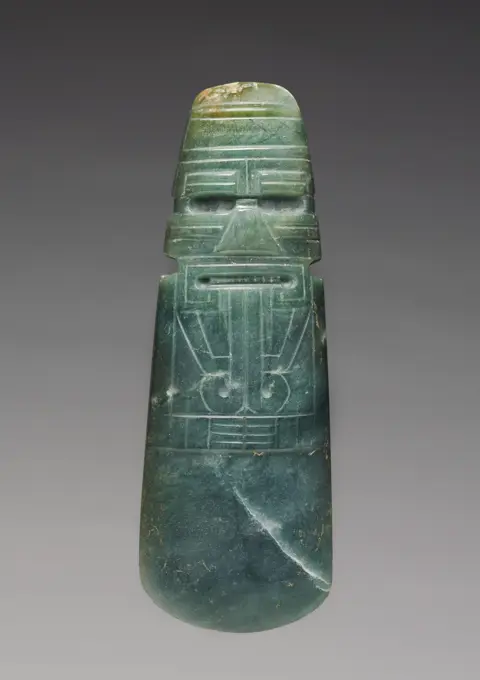
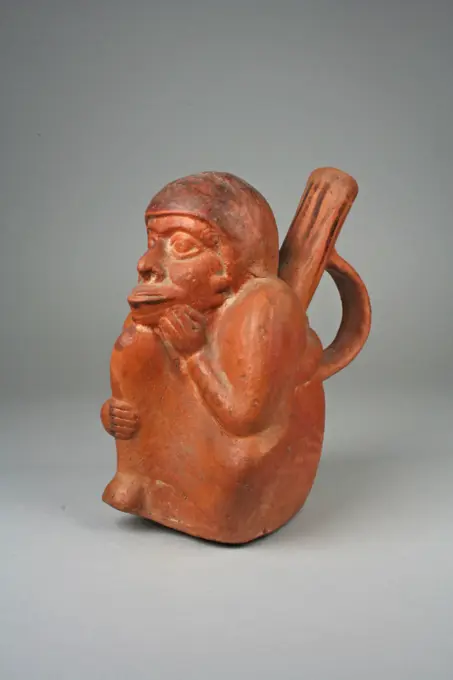
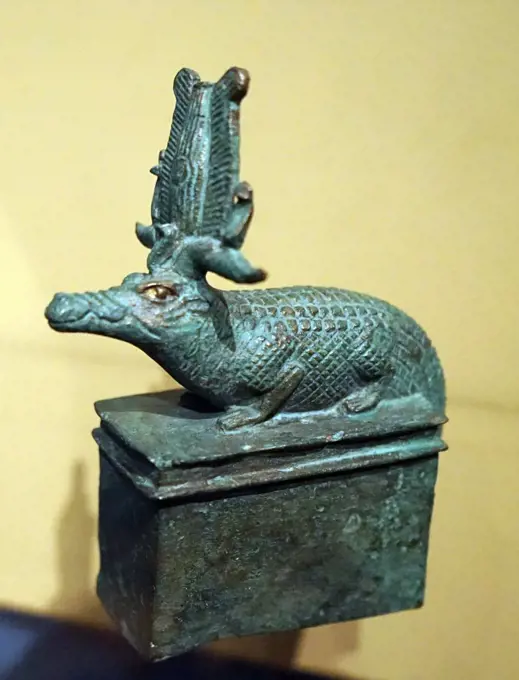
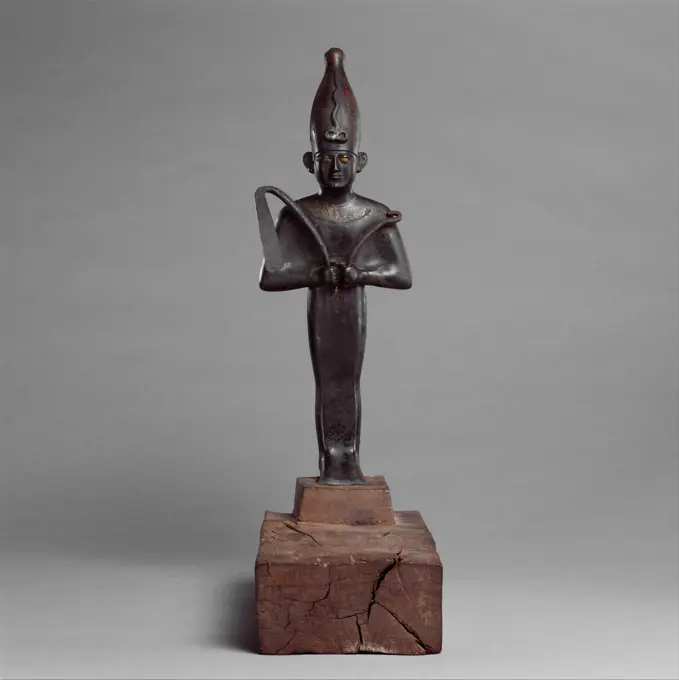
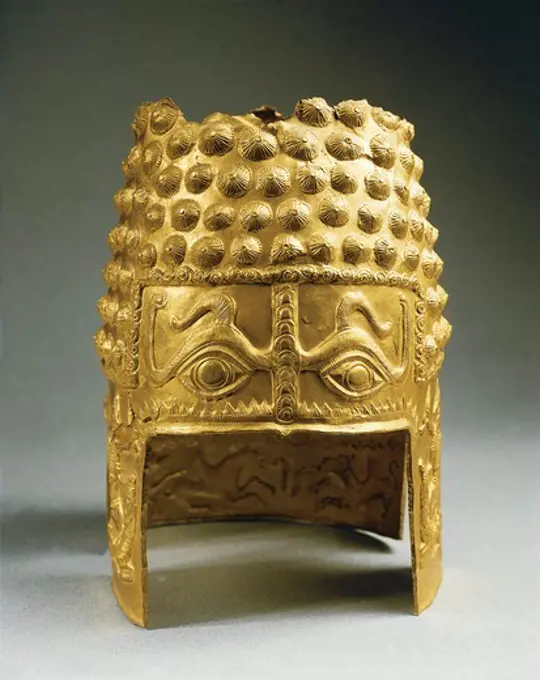
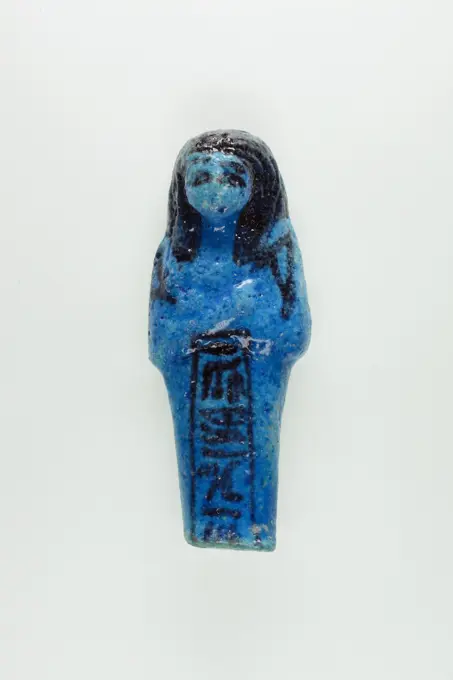
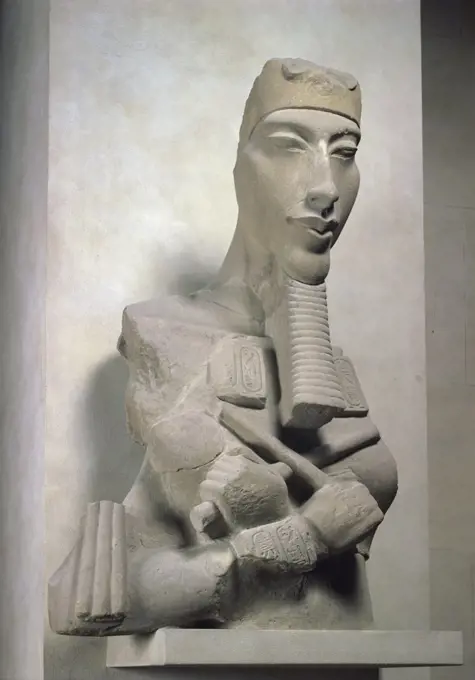
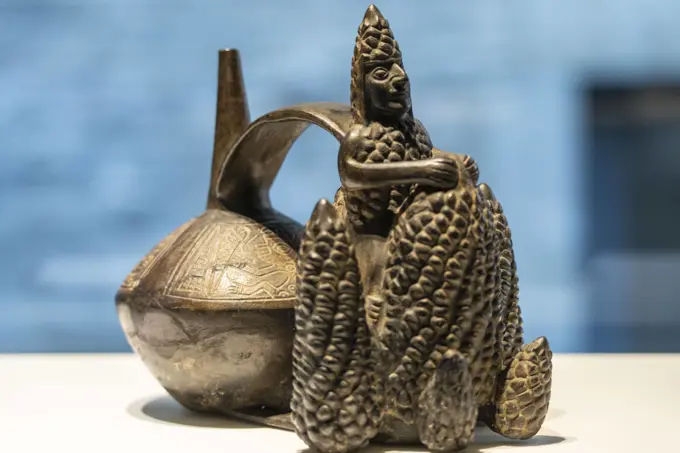
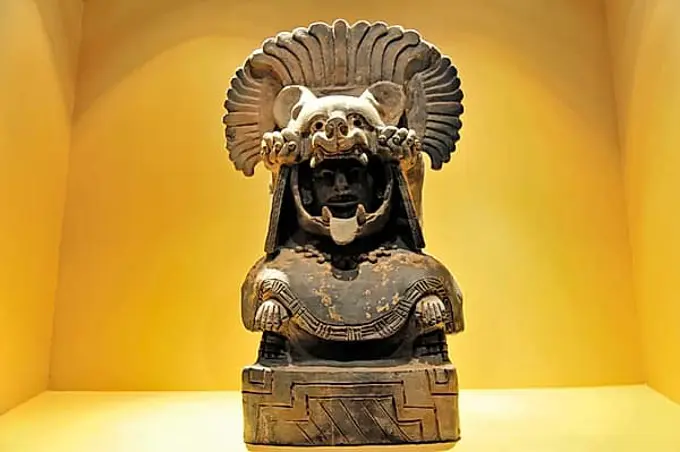
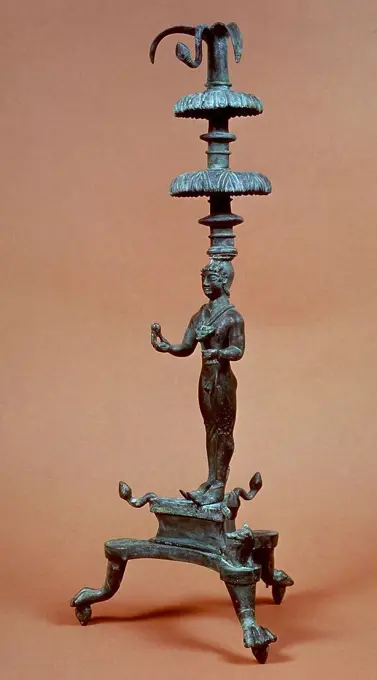
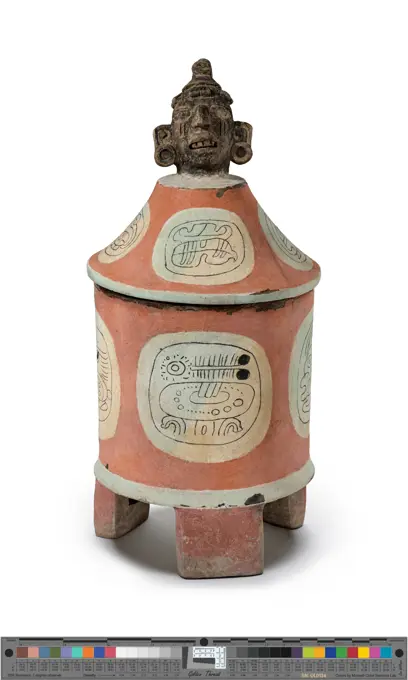
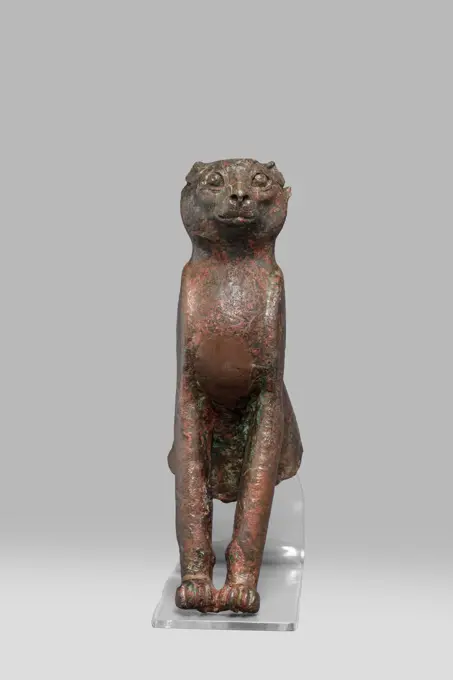
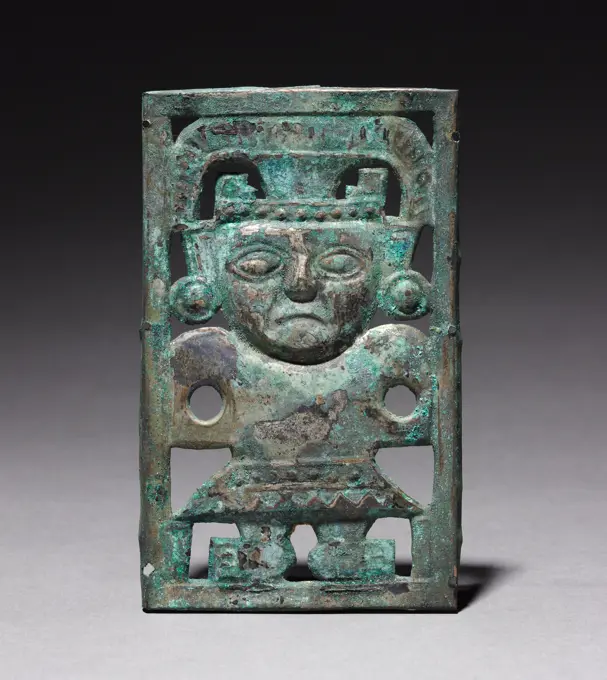
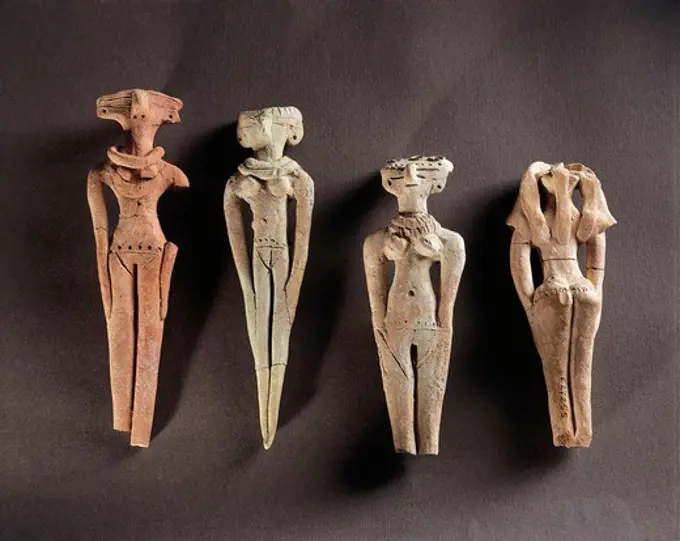
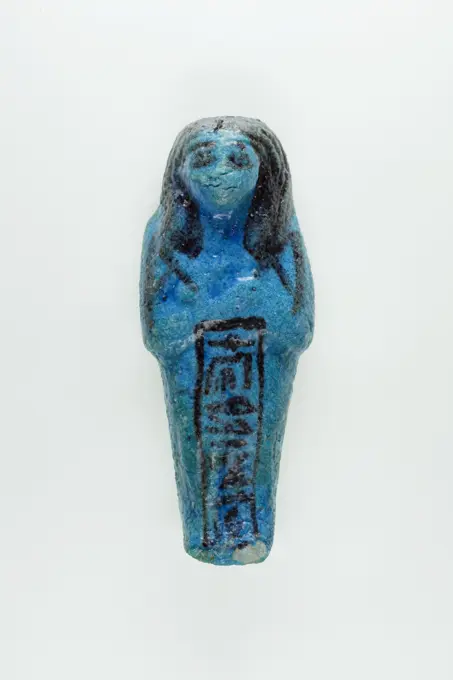
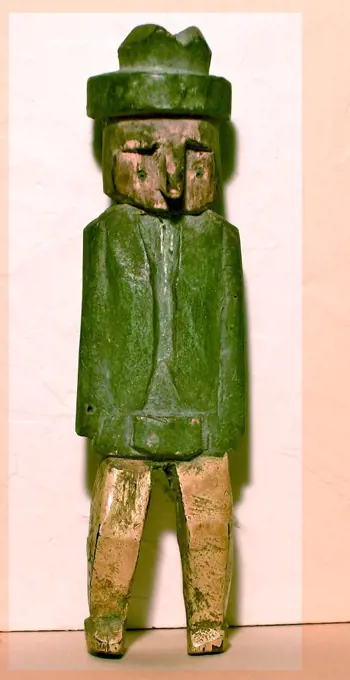
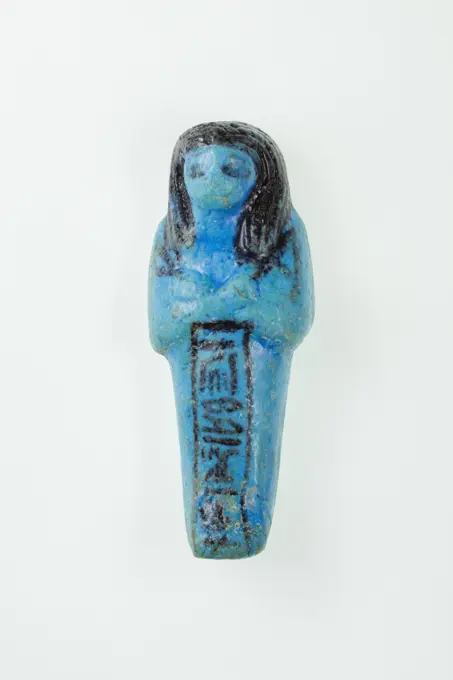
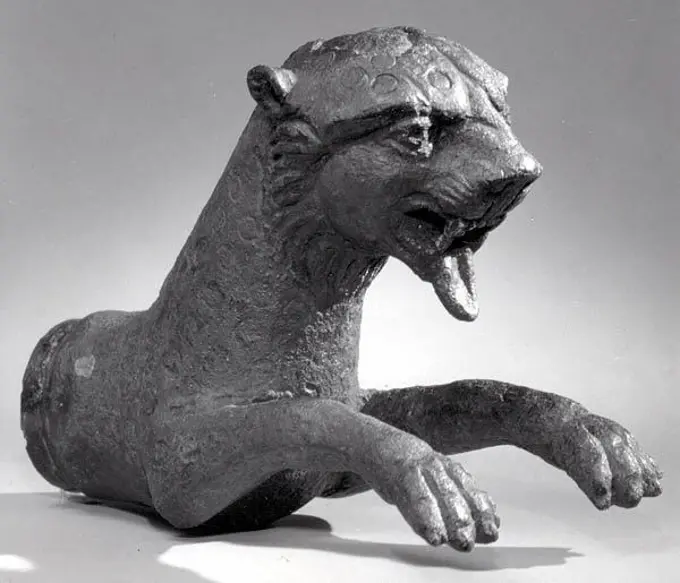
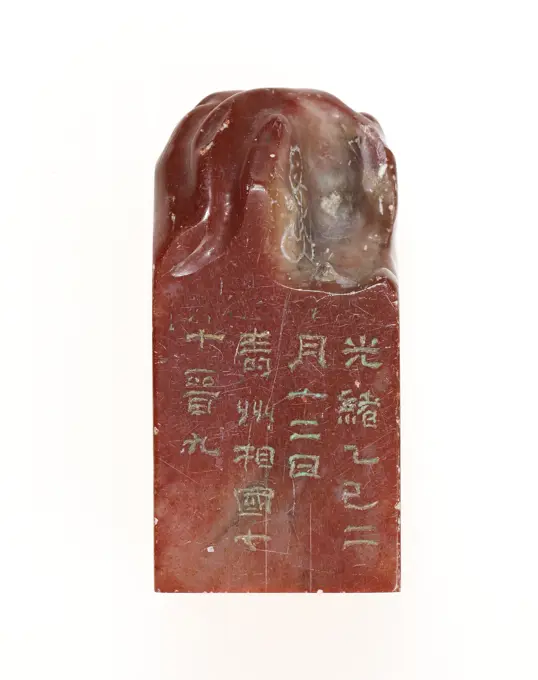
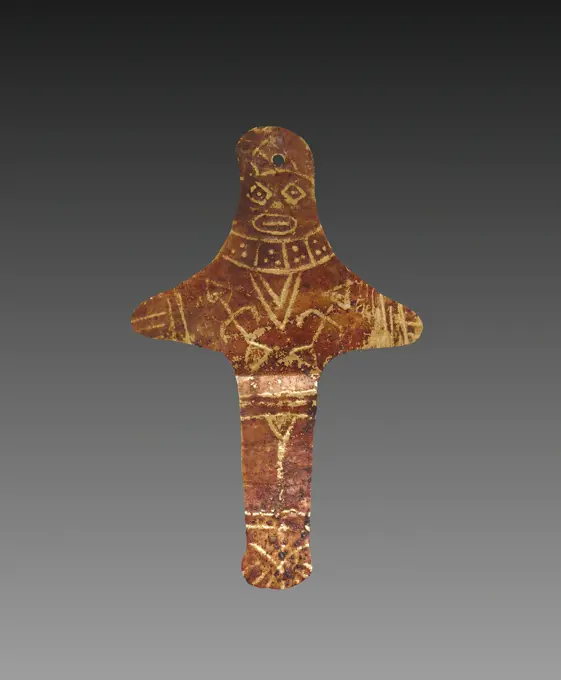
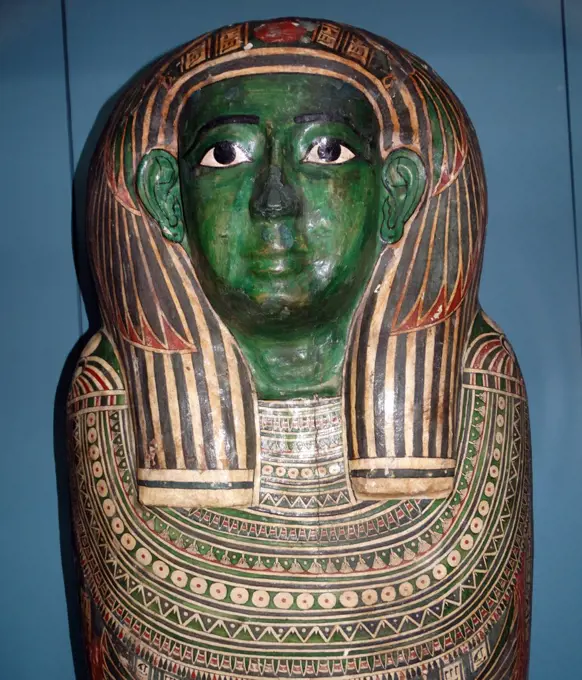
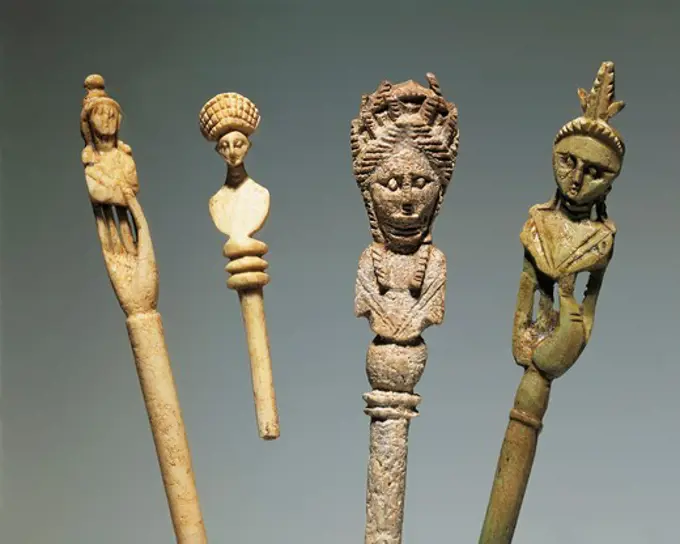
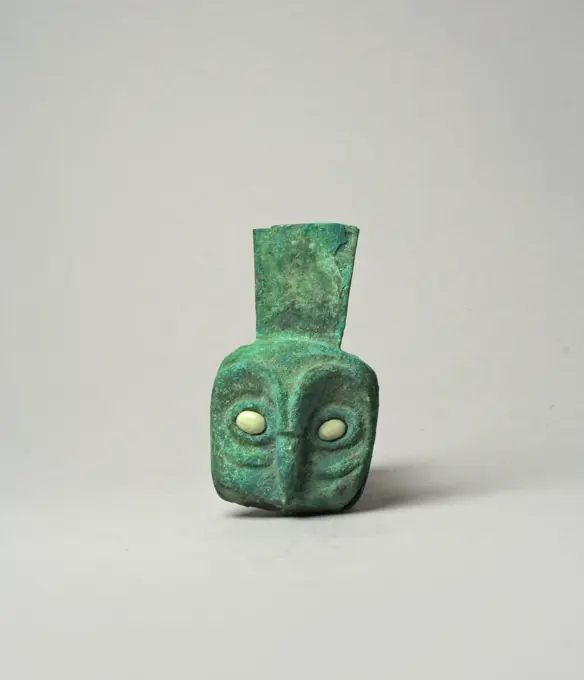
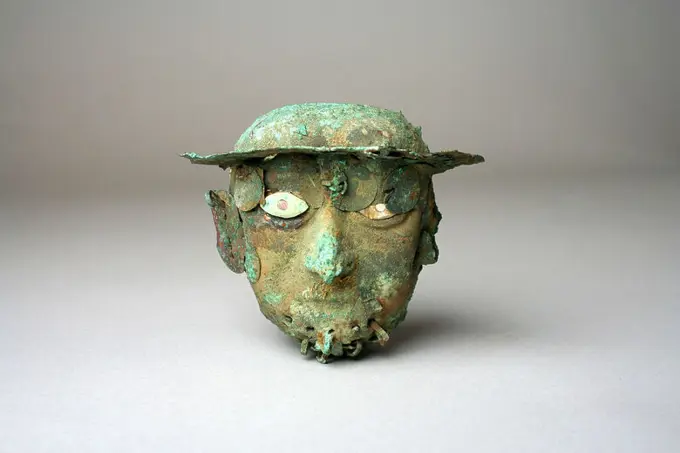
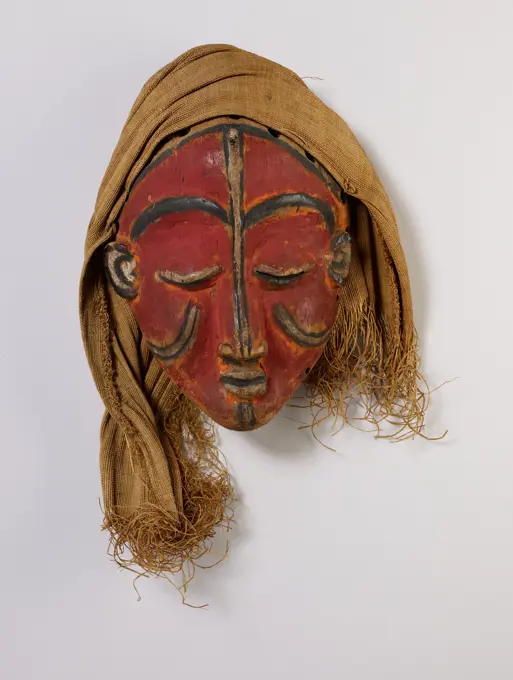
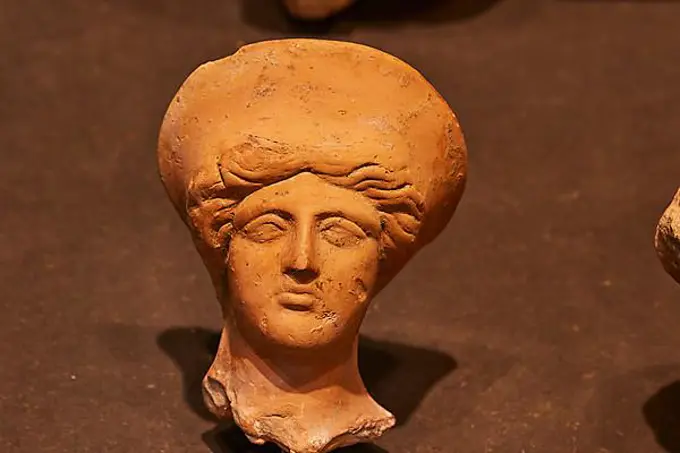
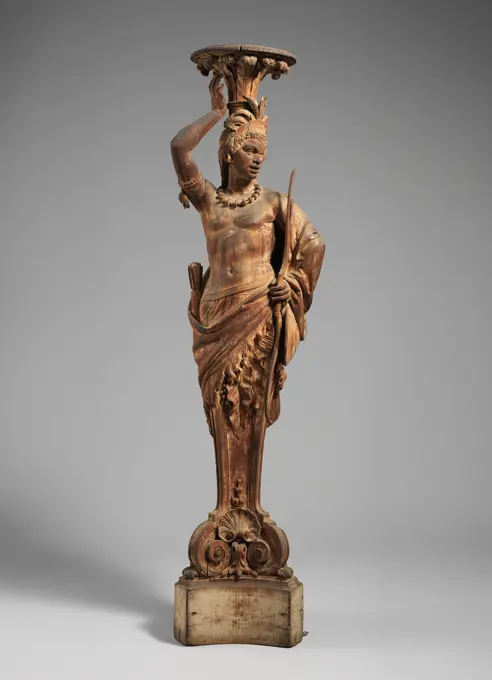
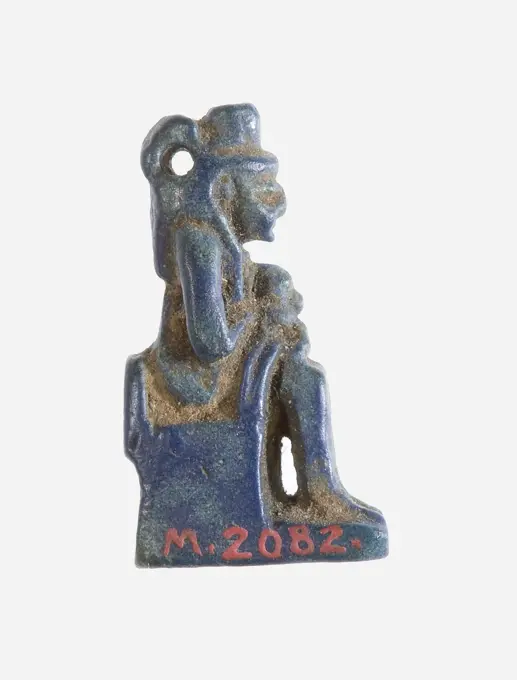
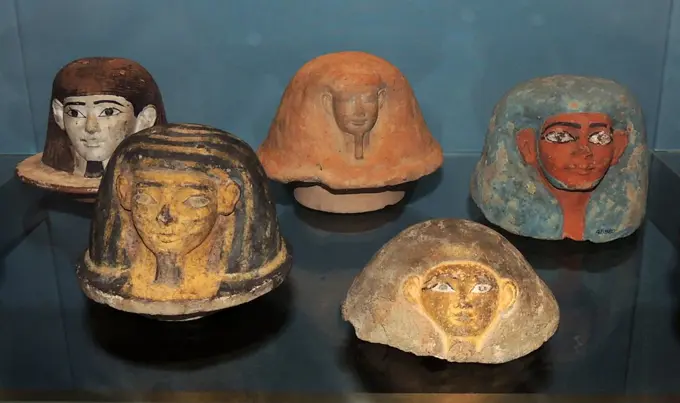
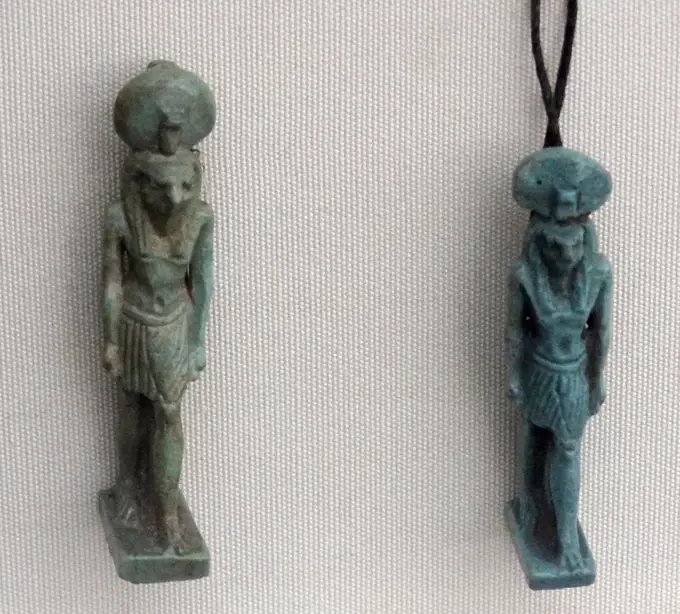
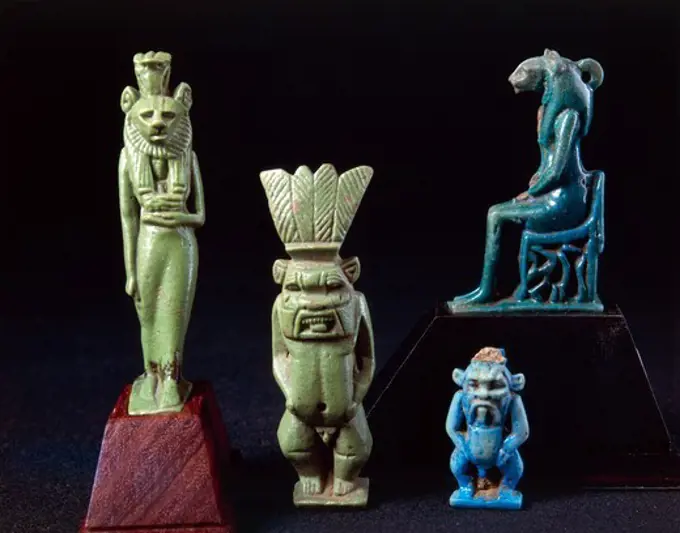
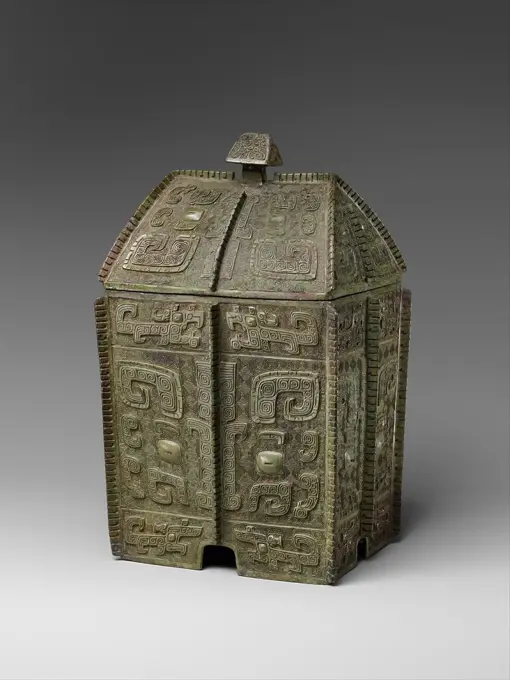
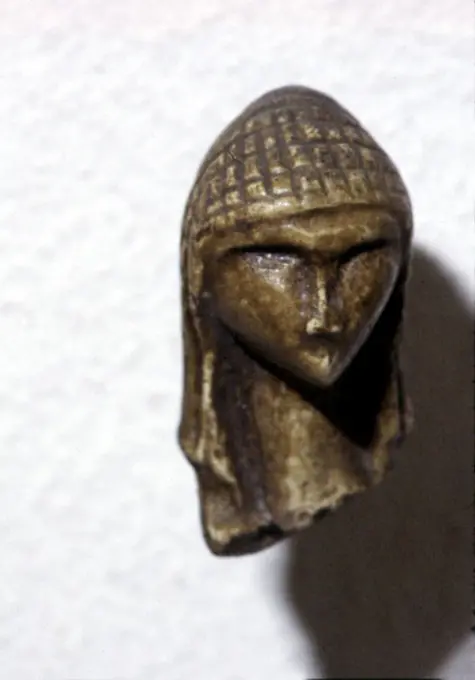
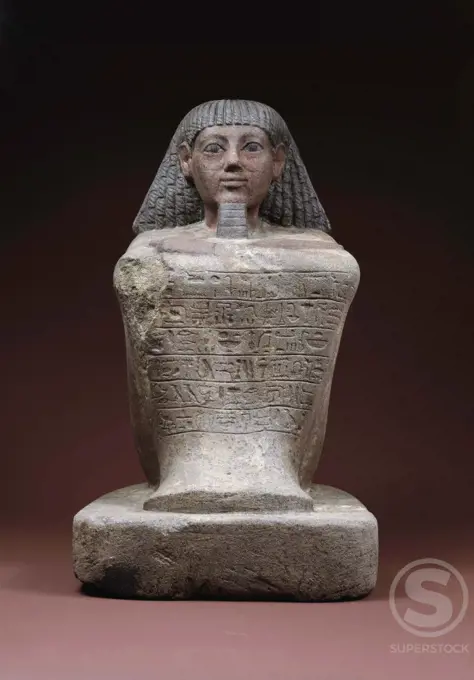
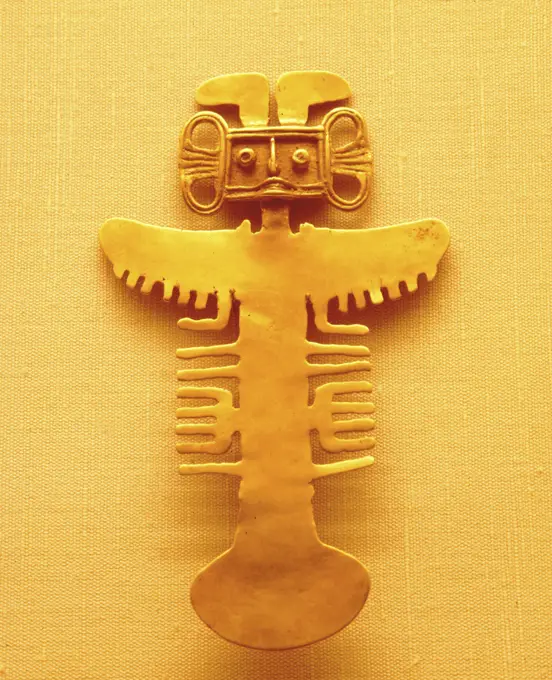
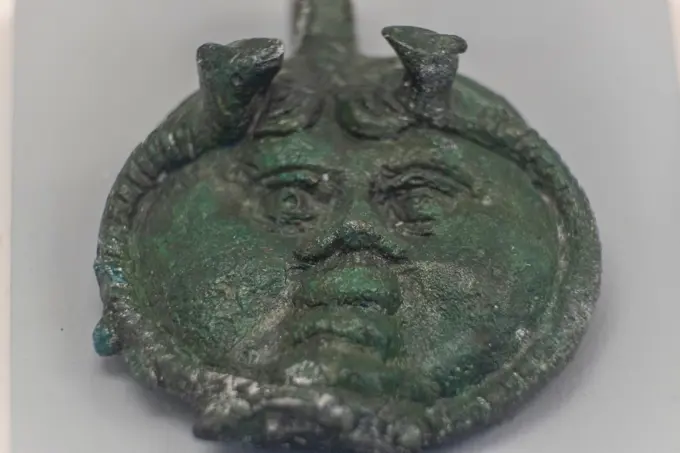
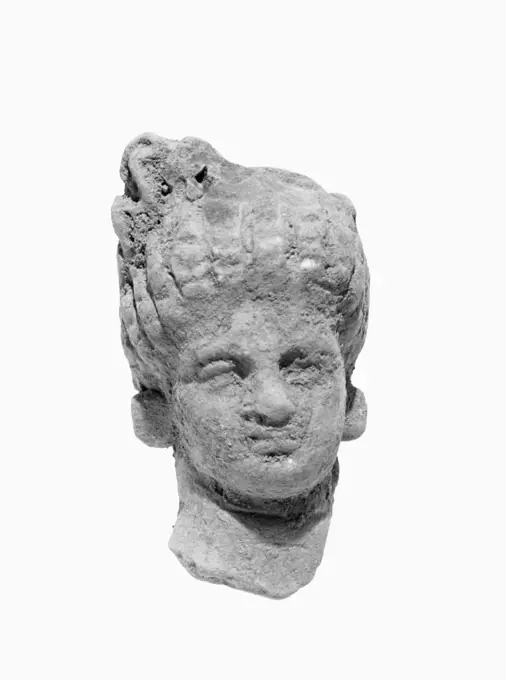
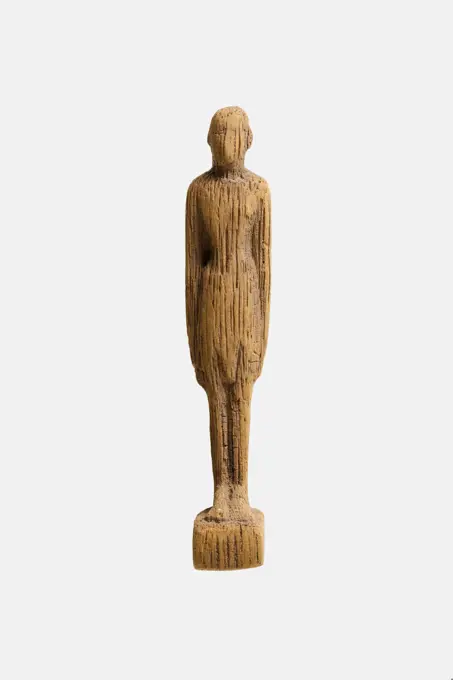
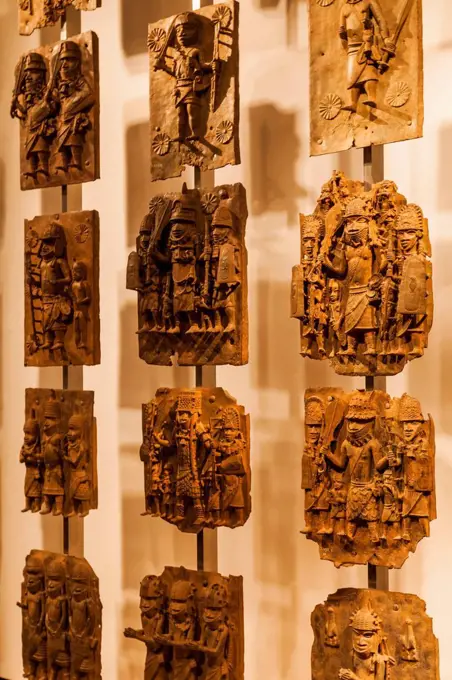
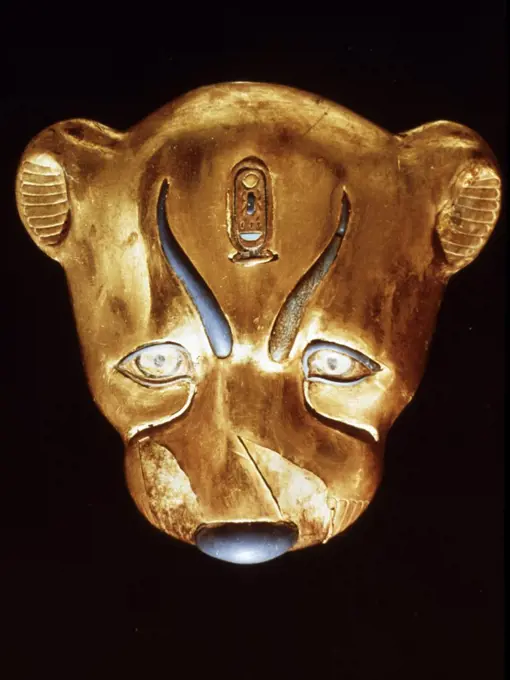
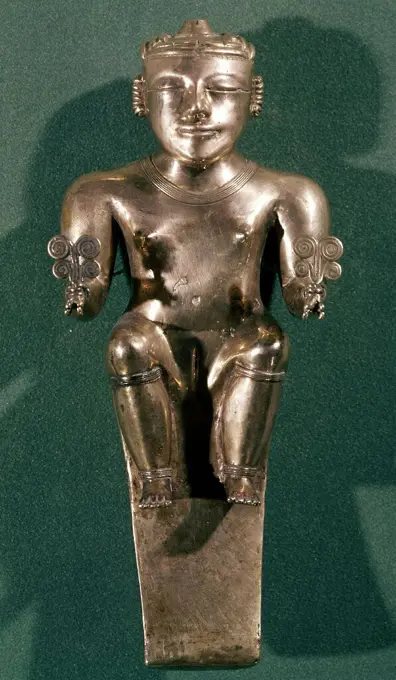
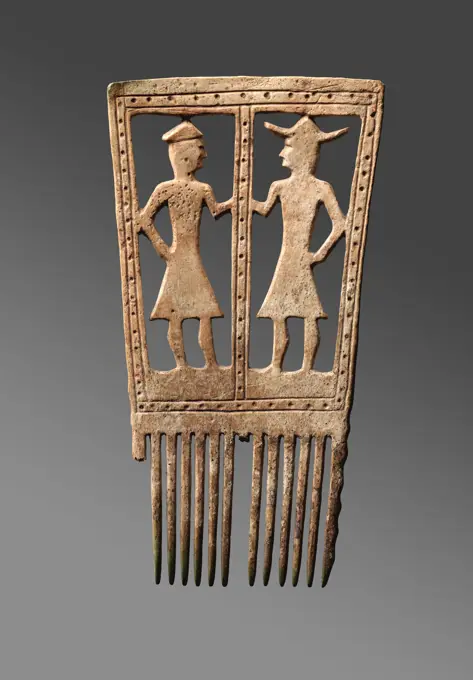
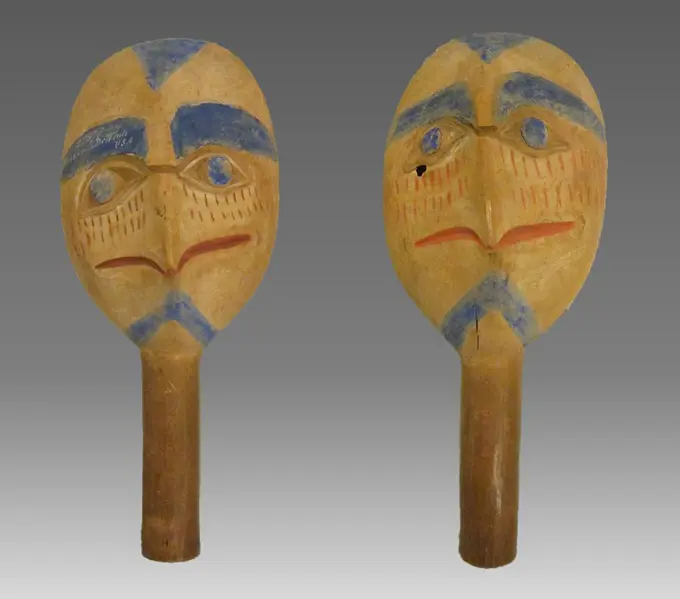
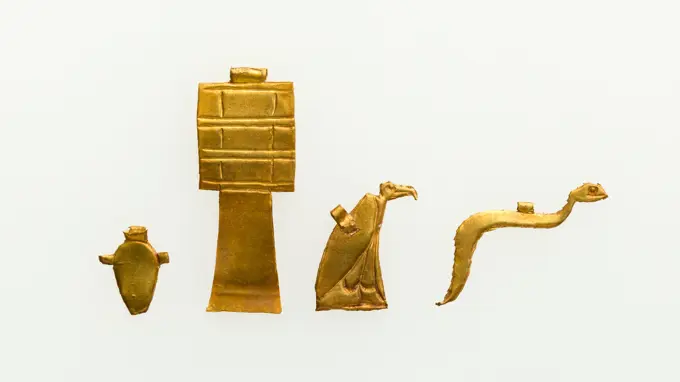
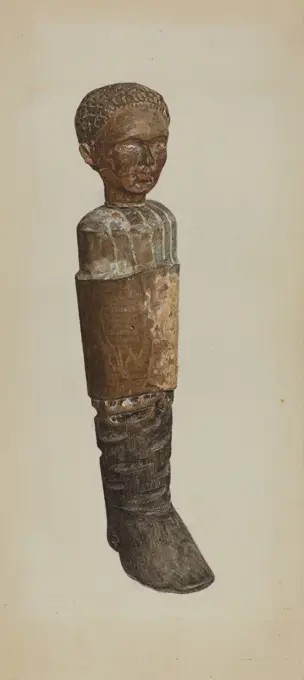
Harold Lehman, Pa German Toy Ninepin, c 1937 Pa. German Toy NinepinCelt-Shaped Pendant, c. 300 BC - AD 600. Costa Rica, Southern Nicoya region, c. 4th century BC - AD 7th century. Jadeite; overall: 15.2 x 5.4 cm (6 x 2 1/8 in.). Costa Rican jade pendants may imitate the shape of axe blades (celts) used for agriculture. The pendants often take the form of "axe gods," creatures with human, bird, or animal traits. Jade carving was common in Costa Rica before ad 500, but then declined in importance. Gold eventually replaced jade as the regions preferred luxury material.Single Spout Monkey Figure Bottle with Strap Handle 6th-7th century Moche. Single Spout Monkey Figure Bottle with Strap Handle. Moche. 6th-7th century. Ceramic, slip, pigment. Peru. Ceramics-ContainersBronze statuette of Sobek as a Crocodile, from Egypt. Dated 4th Century BCCylinder Vessel 8th century Maya. Cylinder Vessel 318628Osiris offered by the Astronomer of the House of Amun, Ibeb ca. 1070-712 B.C. Third Intermediate Period This statuette was excavated at Hiba (or Teudjoi), a fortress town south of Herakleopolis, in Middle Egypt, and an important outpost at the northern limits of the Theban controlled part of the country from the late New Kingdom through the Third Intermediate Period. The site has not been thoroughly examined archaeologically, but the Theban High Priests (and sometime kings) seem to have had a residence at El-Hiba, and King Sheshonq I (r. ca. 945-924 B.C.) built a temple of Amun there. The statue is preserved on its original wood base, which bears a hieroglyphic inscription recording the name of the donor: "the Astronomer of the House of Amun Ibeb (Ibi), Son of the Astronomer of the House of Amun Ankhpekhered." The current glossy black surface is an artificial patination applied in the 1930s.. Osiris offered by the Astronomer of the House of Amun, Ibeb 547898Anthropromorphic Gaming Piece, 14th-15th Century. Bone carved gaming piece, likely to be for chess, from Weoley Castle.Romania, Prahova, Poiana, Helmet in gilt silver repousse from the Peretu treasureViking helmet from Vendel, Uppland. Sweden. Dated to the 7th century. Boat grave. Vendel era. He was buried in a boat with his valuable possessions around him. Swedish History Museum. Stockholm.Worker Shabti of Nany ca. 1050 B.C. Third Intermediate Period See 30.3.26.1a, b. Worker Shabti of Nany 625726Roof tile, from the Korean, Unified Silla period, 700-800 AD Stoneware. Stoneware roof tiles were used in royal buildings, elite homes, and on Buddhist temples.Decorative African maskCrocodile-Head Figure Pendant. Culture: Diquís. Dimensions: H. 2 1/4 × W. 2 1/2 × D. 3/4 in. (5.7 × 6.4 × 1.9 cm). Date: A.D. 800-1519.This Diquís pendant shows a standing figure with a disembodied limb in its mouth, stretching a two-headed snake across its body. From the head and feet of the main character sprout stylized crocodile noses with spiraled eyes and curled snouts. The crocodile teeth are represented by the negative spaces between the thin gold wires.Este colgante Diquís presenta una figura erguida con una extremidad que no tiene cuerpo en su boca y a la vez estira una serpiente de dos cabezas en frente de su cuerpo. Se puede observar que de la cabeza y los pies del protagonista brotan narices de cocodrilo estilizadas con ojos en espiral y hocicos rizados. Los dientes de cocodrilo están representados por los espacios negativos entre los alambres finos de oro.<b>Further information</b>This pendant features a zoomorphic being stretching a bicephalic serpent across its body. ThBust of Akhenaton  Egyptian Art  Musee du Louvre, ParisAmulet of Bes 1070 BCE-656 BCE Egypt. Faience . Ancient EgyptianGlobular Jar of King Merneferre Aya ca. 1700-1676 B.C. Middle Kingdom. Globular Jar of King Merneferre Aya 545940Gefäß mit Brückenhenkel und Getreide-Gottheit Bridge-handled vessel with corn deity, Chimu, north coast of Peru, year 1470 to 1470 AD, ceramic, MuEC, Barcelona, Catalonia, Spain LicenseRF Copyright: xZoonar.com/TOLOxBALAGUERx 23171491Wooden Huehue mask from Mexico, worn during Carnival celebrations. Dated 20th CenturyJewellery from tomb no. 7 of Monte Alban, museum, church of the former Dominican monastery of Santo Domingo in Oaxaca de Juárez, Oaxaca, Mexico, Central America, Antique stone figure with striking mask against a yellow background, Central AmericaMask Ornament 6th-7th century Moche (Loma Negra). Mask Ornament 314543CANDELABRO ETRUSCO EN BRONCE. Location: MUSEOS VATICANOS-MUSEO GREGORIANO ETRUSCO. VATICANO.Head of a Figure 12th-13th century. Head of a Figure 451933Ceremonial Knife. Peru. Sican (Lambayeque culture). 9th-11th century. Hammered gold and silver turquoise inlay. Metropolitan Museum of Art. Ny. Usa.Lidded Tripod Cylinder Vessel with Head of Cacao Deity. Guatemala, Northern Peten, Naranjo or vicinity, Maya, early 5th century. Ceramics. Slip-painted ceramic with post-fire stucco and pigmentFragment of a cat figurine;  664-332 BC ; Late period (-664-00-00--332-00-00);Scenes.gal.eg., catsDiorite statue of King Cephren, builder of the second Pyramid at Giza, Egypt. Khafra, Khafre, Khefren or Cephren) was an ancient Egyptian king (pharaoh) of 4th dynasty during the Old KingdomSquatting Silen. UnknownPlaque, 1300s-1400s. Peru, North Coast, late Chimú Culture, 14th-15th century. Bronze; overall: 15.3 x 9.4 cm (6 x 3 11/16 in.).Netsuke Noh mask, 19th century, Deme Sukemitsu, Japanese, 2 5/16 x 1 3/16 x 5/8in. (5.9 x 3 x 1.6cm), Wood, Japan, 19th centuryA rare leather-laced Japanese armour, with silvered plates engraved with clouds. Circa 1860.Egypt, Gebel Zeit, Terracotta dollsWorker Shabti of Nany ca. 1050 B.C. Third Intermediate Period See 30.3.26.1a, b. Worker Shabti of Nany 625669Limestone statuette of a boy holding a bird 4th century B.C. Cypriot Standing figure holding dove and incense box.. Limestone statuette of a boy holding a bird 242253Crest Helmet ca. 1860 Haida. Crest Helmet 319096Stirrup Spout Bottle with Couple. Culture: Moche. Dimensions: H. 4 7/8 x W. 2 1/2 in. (12.4 x 6.4 cm). Date: 1st-7th century. Museum: Metropolitan Museum of Art, New York, USA.Two-part Figural Vessel with Monkey Holding Rope and GenitaliaRoman mask, Museo Archeologico Nazionale, Cagliari, Sardinia, Italy, EuropeHorse Armor; South Italy; about 480 B.C; Bronze, amber, ivory;The Kuna Nuchu, or medicine doll, cut from the branches of a sacred tree and kept in the house as a protection from evil spirits. From the Kuna Indians of the San Blas archipelago on thenorth coast of Panama.Worker Shabti of Nany ca. 1050 B.C. Third Intermediate Period See 30.3.27.1a, b. Worker Shabti of Nany. ca. 1050 B.C.. Faience. Third Intermediate Period. From Egypt, Upper Egypt, Thebes, Deir el-Bahri, Tomb of Meritamun (TT 358, MMA 65), first corridor, burial of Nany, MMA excavations, 1928-29. Dynasty 21SPAIN - Bagés (district) - Catalonia - Barcelona. Bages: Montserrat, museo del Oriente Bíblico; mascaras mortuorias egipciasBox -Mask from Israel. At over 9,000 years old it is considered to be one of the most ancient human portraits.Pair of Gaines (or Supports).Turkana fertiliy doll, worn by a young woman to encourage pregnancy. Called Ngikideeta, they are made from triple-nuts.Forepart of a leopard ca. 3rd century B.C.-3rd century A.D. Parthian. Forepart of a leopard 322135Schokoladentopf Chocolate pot, tripod rattle, Atlantic coast, Ticabán style, Costa Rica, 1 to 500 AD, ceramic, MuEC, Barcelona, Catalonia, Spain LicenseRF Copyright: xZoonar.com/Tolox 23171382Close up of antique maskMask from Java. Artist: UnknownSeal, 1905, 2 5/8 x 1 1/4 x 1 1/4 in. (6.67 x 3.18 x 3.18 cm), Stone, China, 20th centuryFragment of a Buddha image. Cup of Buddha with curly hair.Figurine Plaque, c. 300 BC-AD 200. Peru, South Coast, Paracas, 300 BC-AD 200 with modern etched enhancement. Hammered and embossed gold-copper alloy; overall: 6.8 x 4.2 cm (2 11/16 x 1 5/8 in.).Painted wooden coffin of Itineb, 26th Dynasty or later, after 664 BC From Saqqara, EgyptIvory hair stick, from graves in surroundings of Zadar, Croatia.Female Figure, 1900s. Democratic Republic of the Congo, Tabwa, late 19th or early 20th century. Wood, cloth, glass beads, and natural fiber; overall: 36.2 x 7.8 x 9 cm (14 1/4 x 3 1/16 x 3 9/16 in.).Tribal art: Ngil Mask of the Fang tribe, from Cameroon, West Africa. Ngil society masks, with elongated features, were worn when sentences were handed down by the society.Owl Tab Ornament 6th-7th century Moche (Loma Negra). Owl Tab Ornament 315185Ceramic pots of culture Lima 200 AD-700 AD.Huaca Pucllana. Miraflores district. Lima city. Peru.Archaeological site.Face Mask Ornament. Culture: Moche (Loma Negra). Dimensions: H x W: 2 15/16 x 3 3/8in. (7.5 x 8.5cm). Date: 390-450. Museum: Metropolitan Museum of Art, New York, USA.Inuit stone sculpture, Iqaluit, Frobisher Bay, Baffin Island, Nunavut, Canada, detail, object, North AmericaMask, 20th century, 14 x 8 x 4-7/16 in. (35.6 x 20.3 x 11.3 cm), Wood, pigment, vegetable fiber cloth, Democratic Republic of the Congo, 20th centuryBox -Mummy Mask. UnknownClay Figurine, Female Head with Hat, Hellenistic Period, Archaeological, Corfu Town, Corfu Island, Ionian Islands, Greece, EuropeCandlestand (Torchère) early 18th century possibly German, Dresden. Candlestand (Torchère) 208840Amulet, Isis, Horus 664-332 B.C. Late Period. Amulet, Isis, Horus. 664-332 B.C.. Lapis lazuli. Late Period. From Egypt. Dynasty 26-30Female Head (Fragment). UnknownBulgaria, Sofia, Zilenci, Head probably used for storing balms, bronzeDemon Mask. Japan, late Edo period (early 19th century). Jewelry and Adornments; masks. Wood, red and black lacquer, brass, pigmentCollection of Painted Canopic Jar Lids 1500 B.C. Egypt Figurine of Ra, God of the Sun. EgyptAmulets of deities Sekhmet and Bes, enamelled clayMasker, anonymous, 1800 - 1850 No-mask, representing Yamauba, the woman from the mountains. Japan wood (plant material) No-mask, representing Yamauba, the woman from the mountains. Japan wood (plant material)Ritual Wine Container (Fangyi). Culture: China. Dimensions: H. 10 in. (25.4 cm); W. 6 in. (15.2 cm); D. 4 1/2 in. (11.4 cm). Date: 12th century B.C..The form of this vessel recalls the architecture of Shang palace halls: rectangular structures with peaked roofs set on low earthen platforms. Museum: Metropolitan Museum of Art, New York, USA.Paleolithic head from Brassempouy, 22nd mill BC. Prehistoric Venus figurine.Little angel figurine with flute, made of iron, Germany, EuropeCeremonial Knife. Peru. Sican (Lambayeque culture). 9th-11th century. Hammered gold and turquoise inlay. Metropolitan Museum of Art. Ny. Usa.The Statue of Maamiamon Writer  15th Century B.C.,   Artist Unknown  Sculpture Egyptian Hermitage Museum, St. Petersburg Head and Shoulders of a Woman Worked for Insertion into a Statuette. UnknownGold Tolima pectoral. Pre-Columbian period. COLOMBIA.asa de lucerna con representacion de Gorgona, Museo-Centro de Interpretación del parque arqueológico de Segóbriga, Saelices, Cuenca, Castilla-La Manch...Selma Sandler, Whirligig, c 1939 WhirligigHead with Melon Coiffure and Wreath. UnknownStanding man Amulet Third Intermediate Period-Late Period ca. 1070-343 B.C. View more. Standing man Amulet. ca. 1070-343 B.C.. Wood. Third Intermediate Period-Late Period. From Egypt, Upper Egypt, Thebes, Deir el-Bahri, MMA excavations. Dynasty 21-30England, London, British Museum, African Room, Exhibit of 16th century Cast Brass Plaques from Benin City NigeriaTutankhamen: Leopard Head Egyptian Art Egyptian National Museum Cairo, Egypt TESORO DE LOS QUIMBAYAS - FIGURA MASCULINA SEDENTE DE ORO - COLOMBIA - 200-1000 DC. Location: MUSEO DE AMERICA-COLECCION. MADRID. SPAIN.Coyote statue, Aztec. 13th-15th cent. Mexico.Shabti Box, New Kingdom Period (c. 1539-1075 BC).. A shabti box was a funerary object personal to the deceased, containing divine statues. A figure of Anubis is represented on the central of three lids.. The painted decoration depicts the deceased before various gods. The box is inscribed for the scribe of the god's offerings of Amun, Ptah-hetep.Shadow Puppet Head, 20th century, 5 in. (12.7 cm), China, 20th centuryComb ca. 1680 Seneca or Susquehannock, Native American On this expertly carved comb, two animated figures wearing frock coatslikely a Native American and a Euro-Americanface one another. Each has one arm raised in greeting, perhaps marking a diplomatic exchange or treaty. Possibly created by a Seneca artist  the westernmost member of the Haudenosaunee Confederacy  metal and tipped tools were used to form the individual teeth, delicate dot and line borders, and cutout designs. Today, Haudenosaunee artists still produce antler, bone, and other combs featuring animals and human figures.. Comb. Seneca or Susquehannock, Native American. ca. 1680. Moose antler. Possibly made in New York, United States; Possibly made in Pennsylvania, United StatesStatue of a Collapsing Niobid. UnknownCapital ca. 1130-40 Catalan. Capital 470837Procession Mask. Japan, 19th century. Jewelry and Adornments; masks. Japanese cypress wood, pigments, red and black lacquer, brassK'el-hitaga'ngo 19th century Native American (Tlingit). K'el-hitaga'ngo. Native American (Tlingit). 19th century. wood, paint, pebbles. Alaska, United States. Idiophone-Shaken-rattleAngry Expression Head Antique Sculpture Isolated Photo Antique sculpture man head with angry expression isolated photo Copyright: xZoonar.com/DanielxFerreira-LeitesxCiccarinox 12031274Mexico, Oaxaca, San Bartolo Coyotepec. At the Museum of Popular Art in San Bartolo Coyotepeq samples of the finest artisan work is available year round, in exhibits or for sale in the gift shop. This is a sample of near life-sized pots of traditionally attired women, used for patio decorations.Ushabtis. Funerary servant figurines. Faience. Thrid Intermediate Period. 21st-22nd Dynasty (1076-746 BC). Thebes.Sri Lanka, Kandy, statue, antique, wood carving,Group of Four Amulets: Cobra, Vulture, Djed Pillar, and Heart ca. 1000-945 B.C. Third Intermediate Period Found strung around the neck of the Priestess of Amun Djedmutesankh, these four amulets may have served as a magical charm. From right to left, they might be read: "Mut (the vulture goddess) says, 'may her heart endure." It has been suggested that they also form a pun on her name, which can be translated as "Mut says, 'may she live.'" For other objects found in the burial of Djedmutesankh, see 25.3.1-.3; .24; .27; .154a-d; and .167-.170.. Group of Four Amulets: Cobra, Vulture, Djed Pillar, and Heart 551036