Ancient Artifacts and Figurines

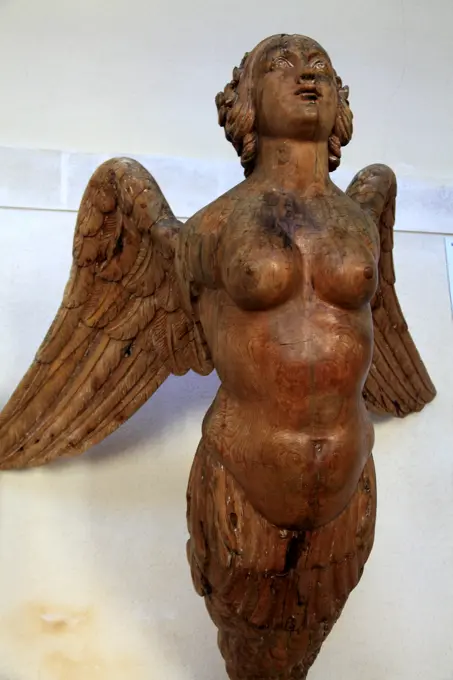
A collection of ancient figurines and amulets, showcasing diverse styles from Egyptian to Roman. The pieces include necklaces, heads, lamps, and seated figures, highlighting cultural significance.

Roman terracotta lamp in the shape of a water-organ. Artist: Unknown
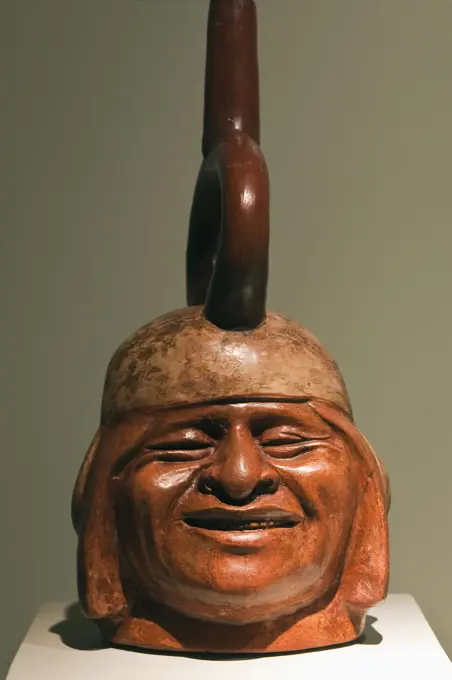
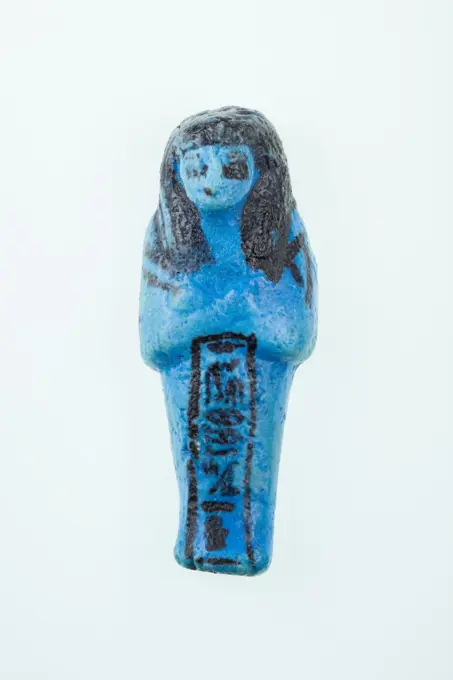
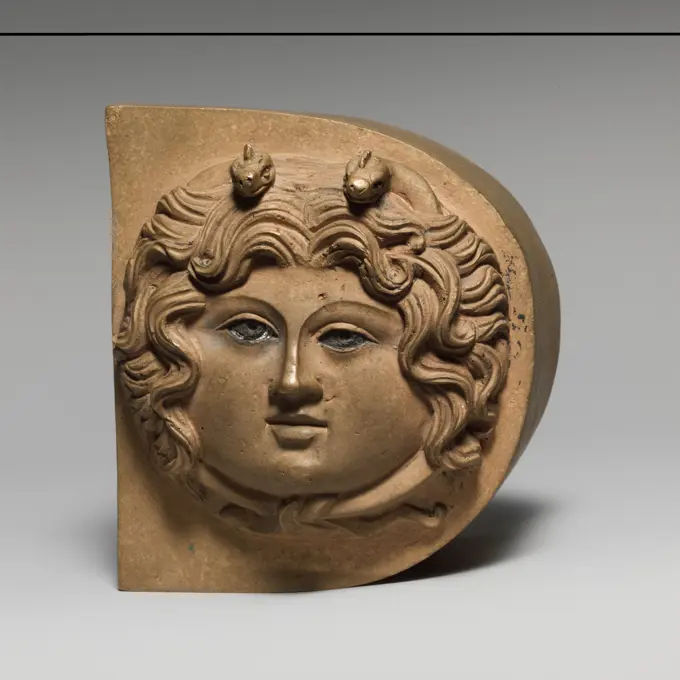
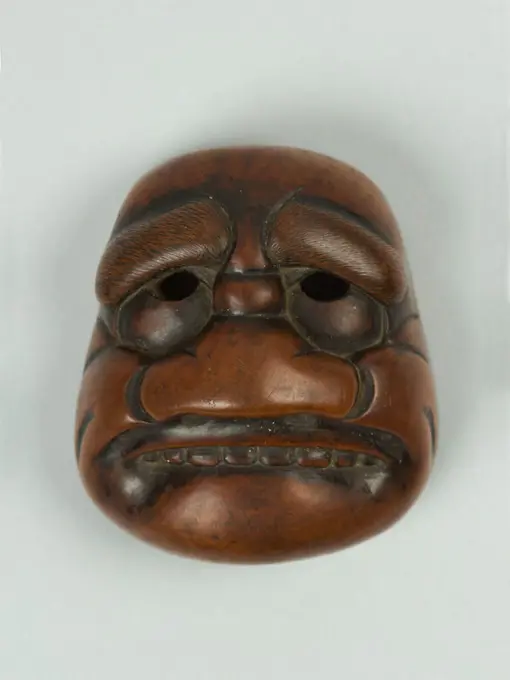
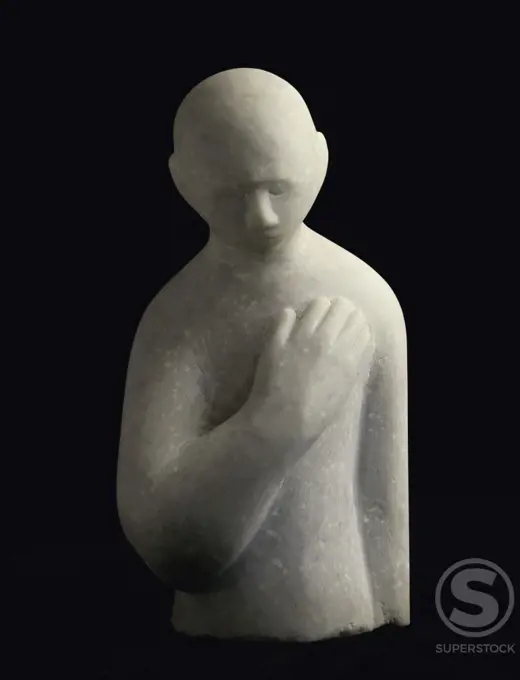
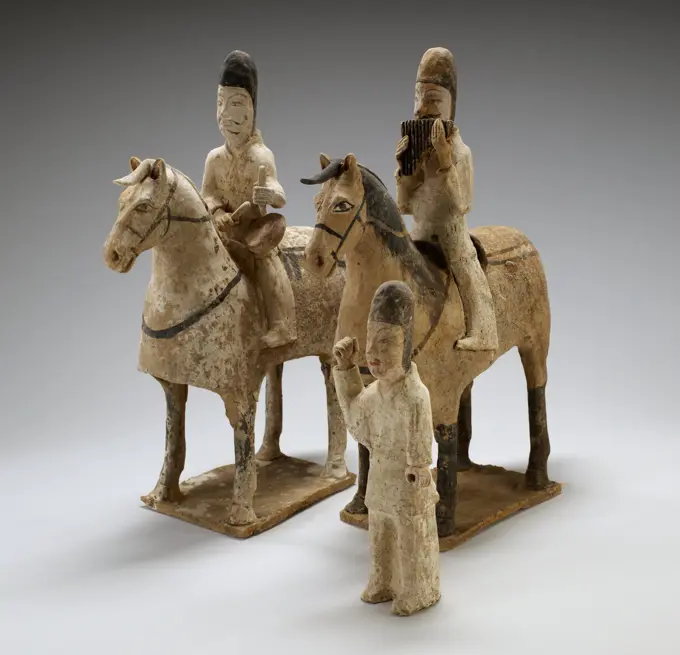
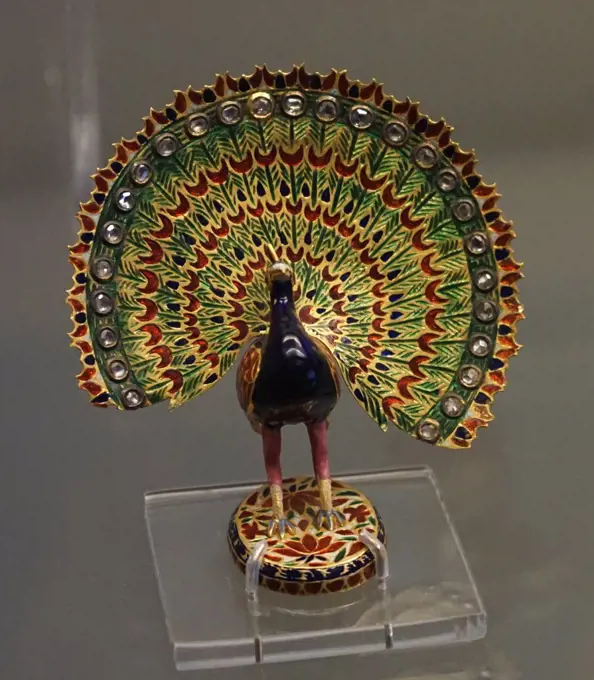
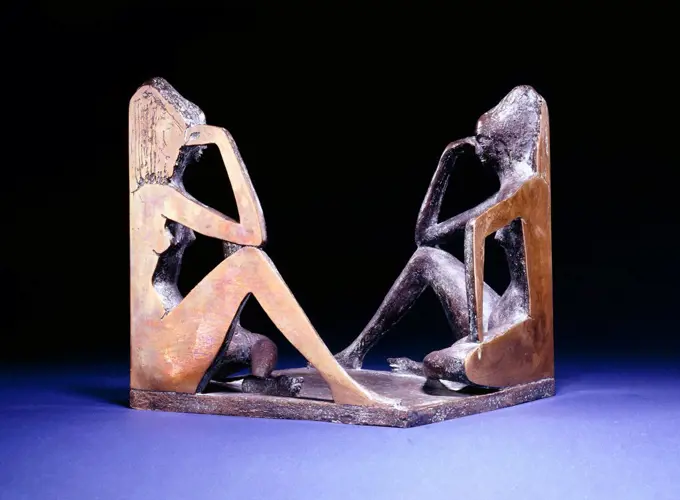
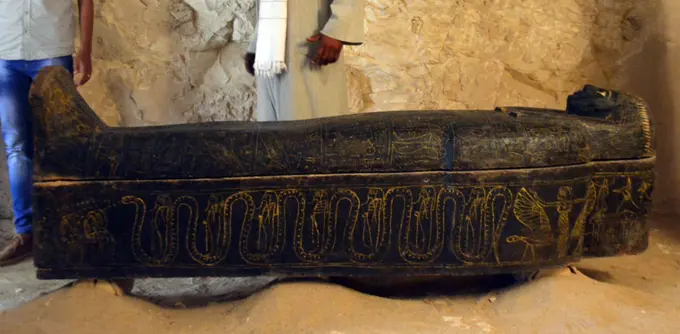
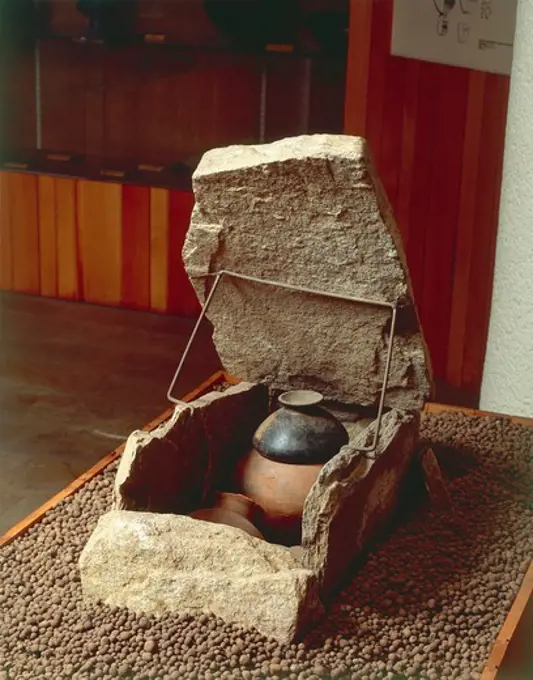
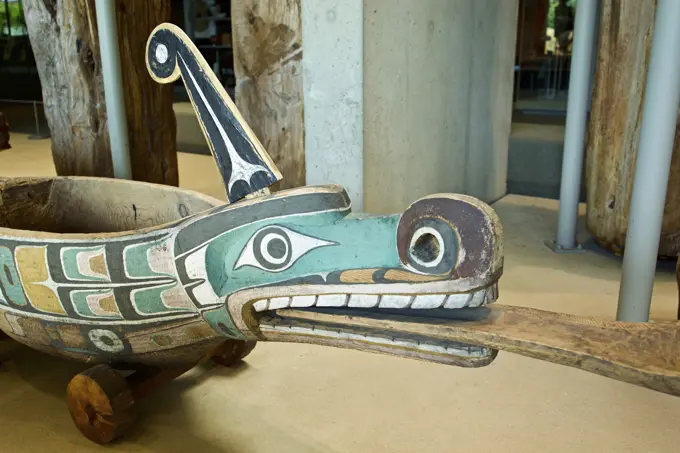
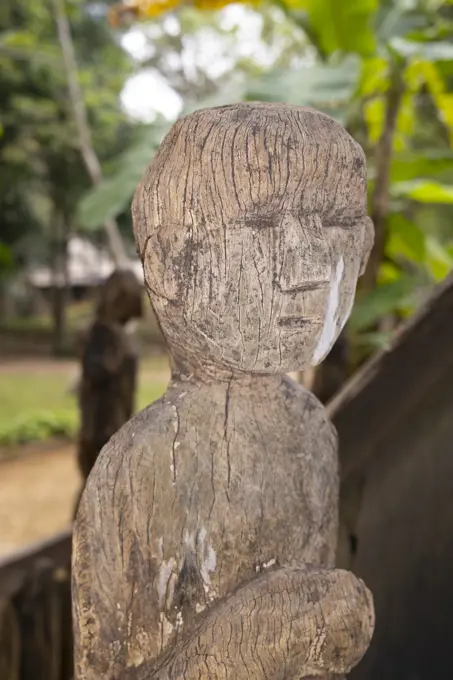
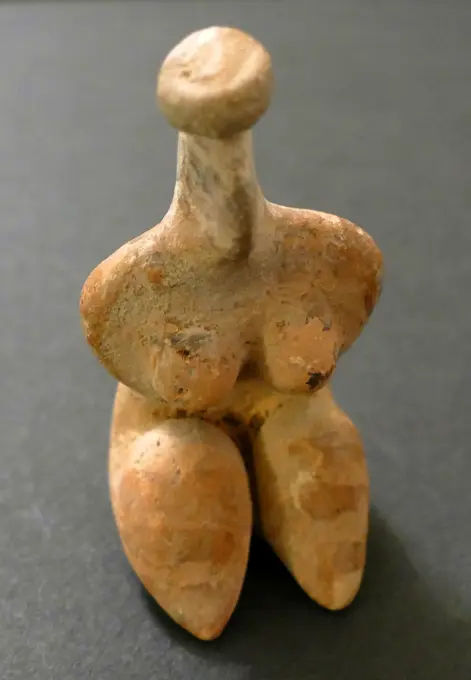
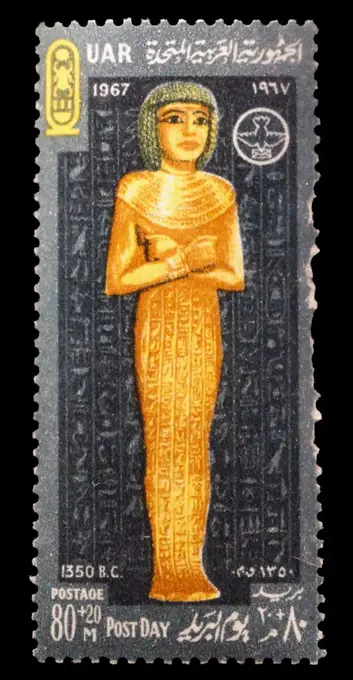
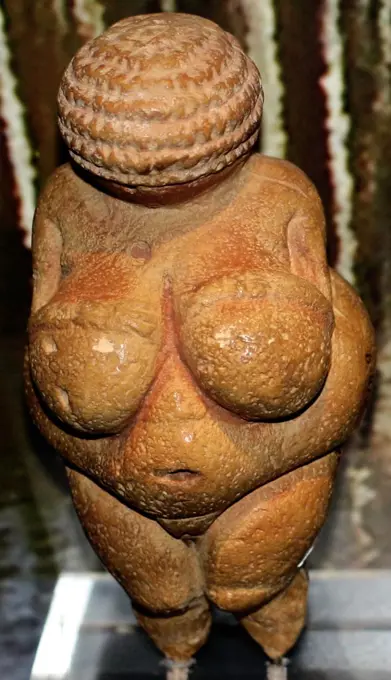
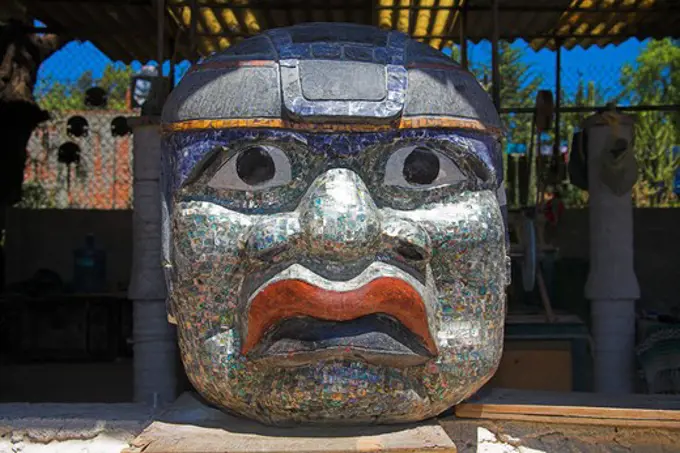
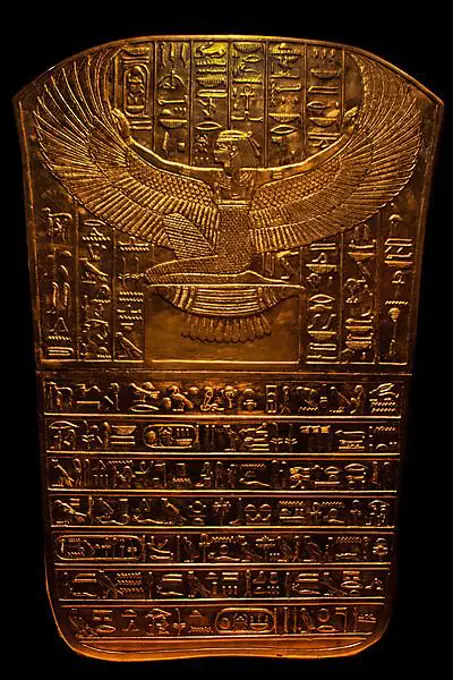
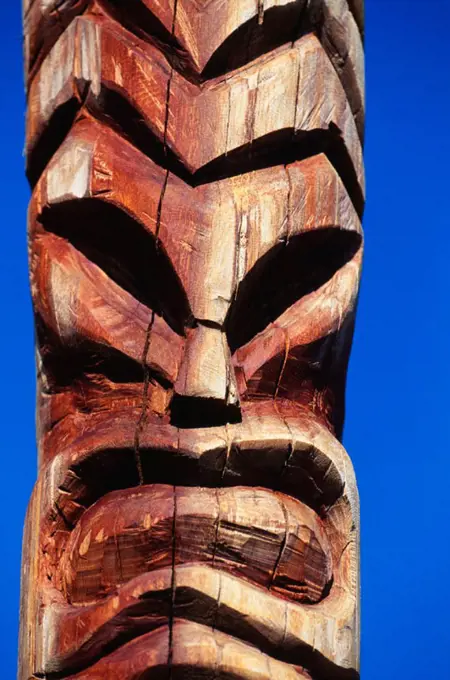
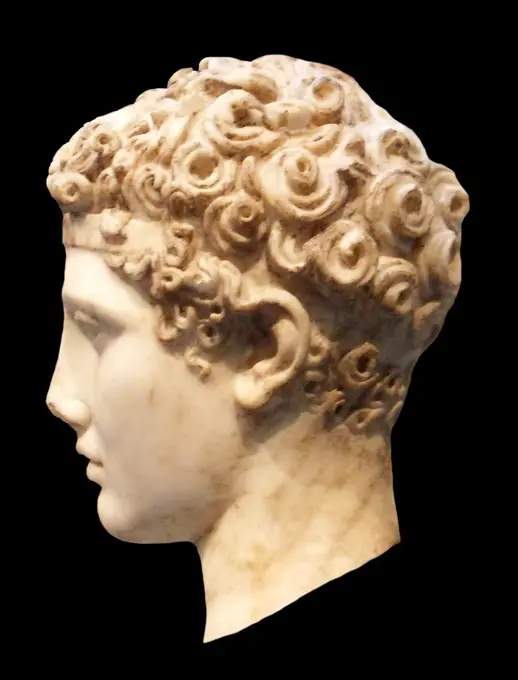
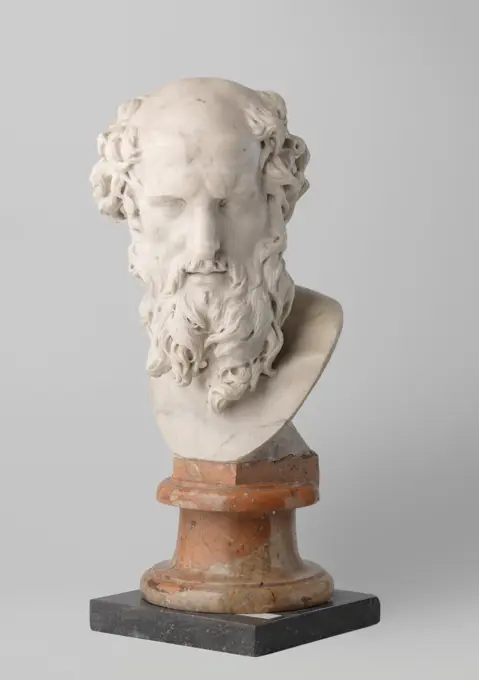
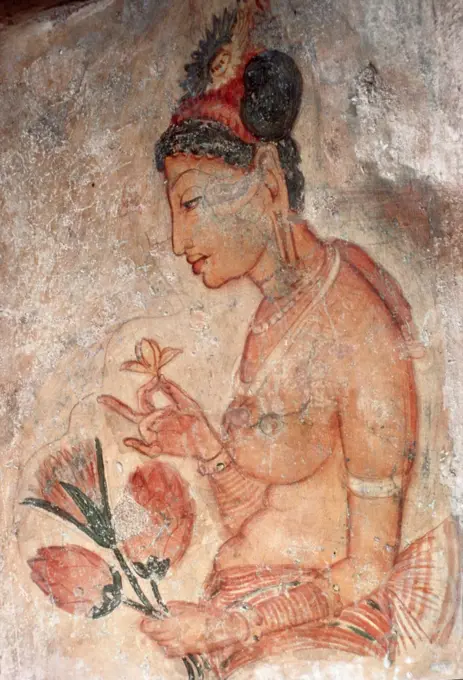
Decorative Mayan ceramic vase found at Emilio Zapata in Chiapas Mexico. 900-1250 ADPilgrim's Badge 15th century French. Pilgrim's Badge. French. 15th century. Lead. Metalwork-LeadMask of a Youth. UnknownInca portrait vase at the National Museum of Archaeology, Anthropology and History of Peru, Lima, PeruDecorative African masksWorker Shabti of Nauny ca. 1050 B.C. Third Intermediate Period See 30.3.29.1a, b. Worker Shabti of Nauny. ca. 1050 B.C.. Faience. Third Intermediate Period. From Egypt, Upper Egypt, Thebes, Deir el-Bahri, Tomb of Meritamun (TT 358, MMA 65), first corridor, burial of Nauny, MMA excavations, 1928-29. Dynasty 21African Wooden Figure on the Wooden BackgroundBronze finial with the head of Medusa 1st century A.D. Roman This heavy bronze finial originally encased a piece of timber, made of cedar wood. It probably comes from a ship.. Bronze finial with the head of Medusa. Roman. 1st century A.D.. Bronze, silver. BronzesNetsuke of Kyogen Mask: Buaku. Culture: Japan. Dimensions: H. 2 1/4 in. (5.7 cm); W. 1 7/8 in. (4.8 cm); D. 1 in. (2.5 cm). Date: 19th century. Museum: Metropolitan Museum of Art, New York, USA.Michael Riccitelli, Hitching Post, 1935 1942 Hitching PostStirrup Spout Bottle with Couple. Culture: Moche. Dimensions: H. 8 5/8 x W. 5 in. (21.9 x 12.7 cm). Date: 3rd-7th century. Museum: Metropolitan Museum of Art, New York, USA.Male Torso  1974 Pablo Rivera (b. 1936 /American) Sculpture   Private Collection Groomsman, from a three-piece group, 11 1/4 x 3 3/4 x 2 7/16 in. (28.58 x 9.53 x 6.19 cm), Ceramic, pigment, China, Han dynastyKyogen mask 18th century Japan. Kyogen mask 60224Enamelled peacock from Jaipur, India. Dated 19th CenturyARTE PRECOLOMBINO. PERU. MASCARA FUNERARIA DE ORO ANTROPOMORGA. PECTORAL. ARTE NAZCA. MUSEO ORO DEL PERU. LIMA.Model of with oarsmen. Wood. Middle Kingdom. Egypt. Egyptian Museum of Turin. Italy.Small Marble HeadBox Two. Frederick Edward McWilliam (1909-1992). Bronze with light brown patina. Conceived in 1969. 23.5cm high.Funerary urn with lid, National Archaeological Museum, Villa Cassis Faraone, UNESCO World Heritage Site, important city in the Roman Empire, Friuli, Italy, Aquileia, Friuli, Italy, EuropeA photograph taken within a tomb in the Draa Abul-Naga burial site for noblemen on the left bank of the Nile, near the Valley of the Kings. The tomb contains mummies believed to be a goldsmith called Amenemhat, who lived sometime between 1550 BC to 1292 BCIncineration tomb, from Lombardy Region, ItalyStele of Singer Amon  Artist Unknown (Egyptian) Polychrome Wood and Stucco  Musee du Louvre, Paris Canada, British Columbia, Vancouver. Museum of Anthropology at University of British Columbia, typical First Nations wooden artifactsVietnam: Wooden sculpture, Jarai tomb, Vietnam Museum of Ethnology, Hanoi.Cuff bracelet with eye 'oudjat' from the tomb of Sheshong II 930 BC. Egypt.Canada, Manitoba, Churchill, Eskimo Museum. Inuit/Frist Nations soapstone carving of woman carrying branches.Costume Bell 19th century Possibly French This bronze bell depicts a pilgrim to Santiago de Compostela dressed in the robe, hat and scallop shell collar. He carries a water gourd on his right arm and an unidentified object (scrip) in left hand. It sound C# when rung.. Costume Bell 501754Miniature canoe - War canoeTell Halaf, Clay Fertility Idol, circa 5,000 BC. Ancient Near East, Anatolia (central Turkey) and Northern Syria, Tell Halaf. The Halaf culture of Anatolia and ancient Syria came about in approximately 5000 BCE and created female figurines with particular fertility attributes that are displayed in this example. Note how the figure sits with upraised knees and legs extended, with both of her arms cradling and supporting her protruding breasts.Colour photograph of the gold coffin of Tutankhamen; Egyptian pharaoh of the 18th Dynasty. Dated 19301967 Egyptian postage stamps with artifact from the Tomb of Tutankhamun, Egyptian pharaoh of the 18th dynasty (ruled ca. 1332ñ1323 BC).France, Nouvelle Aquitaine, Charente Maritime (17) Rochefort, corderie royale, Arsenal des mers, National de la marine museumMould used to make Terracotta Warriors souvenirs in factory, Xian, ChinaThe Venus of Willendorf (replica), one of the early female figurines. Small female figurines are found across Europe from France to Russia about 28,000-20,000 years ago.Large ornamental head made from minerals and shell, Teotihuacan Archaeological Site, Mexico City, MexicoCanada, Manitoba, Churchill, Eskimo Museum. Inuit/Frist Nations soapstone carving of woman carrying branches.Altar, zoomorph N, turtle-like form, Quirigua, pre-Columbian Mayan city, Quirigua, Izabal, Guatemala, Central Americacollection of chola bronzes in the Rajaraja museum . The museum is part of the Nayaka Palace in Thanjavur,Tamil Nadu,South India,AsiaOuter coffin, foot part, tomb treasures of Tutankhamun, archaeological world sensation, replicas, Valley of the Kings, most famous burial site in the world, Luxor, Thebes West, Egypt, Luxor, Thebes, West, Egypt, AfricaAmulet from a collection of Algerian, Italian and Tunisian amulets. Amulets such as this would have been kept in the home or worn on the body in order to provide protection against evil spirits or in order to help cure ill health.Hawaii, Maui, Lahaina Center, Hale Kahiko, closeup of wooden handcarved tiki, blue sky backgroundMarble Head of Unknown Athlete 93 A.D. Copy of Greek bronze statue 450 B.C.Bliżej KulturyThe sarcophagus on a white background vector illustrationFlat square base from Belgian granite, belonging to Bust of Plato. Flat square base of polished limestone with mica, belonging to the 'bust of Plato'. The top contains a white dried adhesive and several arces, which means it is damaged. The bust was mounted directly on the base. There is a label with inscription on the top. The bottom is unpolished.Royal Maidens (Detail) ca. 400 Indian Art Fresco Sigiriya Caves, Sri LankaAntoninus Pius (86-161 AD). 15th emperor of Roman Empire. Nerva-Antonine Dynasty. Colossal head portrait. 2nd century. National Archaeological Museum. Naples. Italy.