Ancient Artifacts and Fragments

Features historical artifacts including armor scales and scarabs from ancient Egypt, showcasing intricate designs and materials from the New Kingdom.
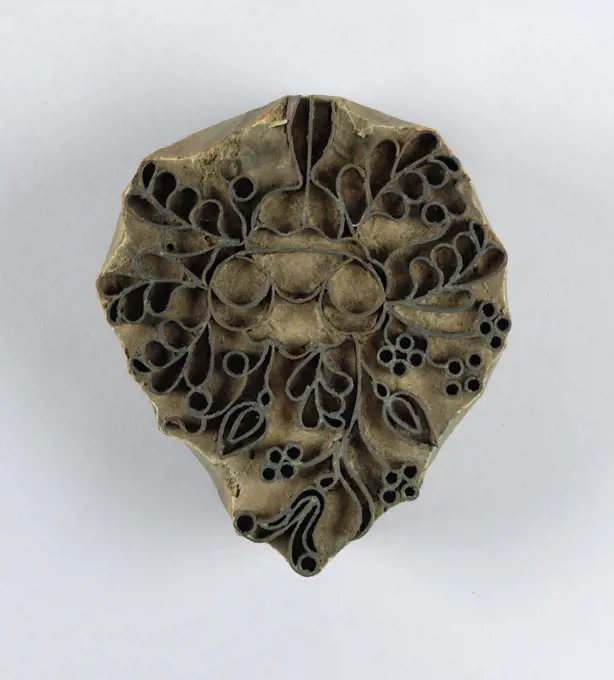
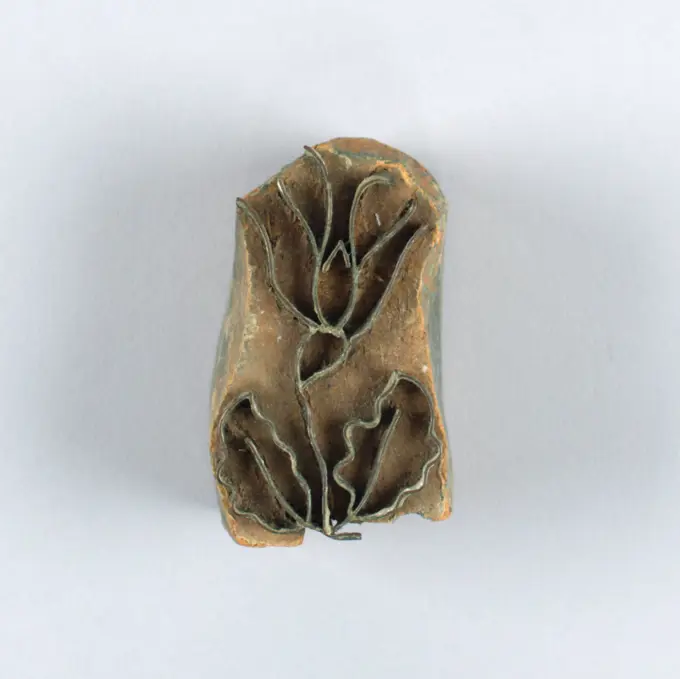
Printing block, Medium: wood, copper, brass, One of twenty-one wood blocks showing a different floral motif formed by metal strips set in wood., USA, 1825-50, appliances & tools, Printing block
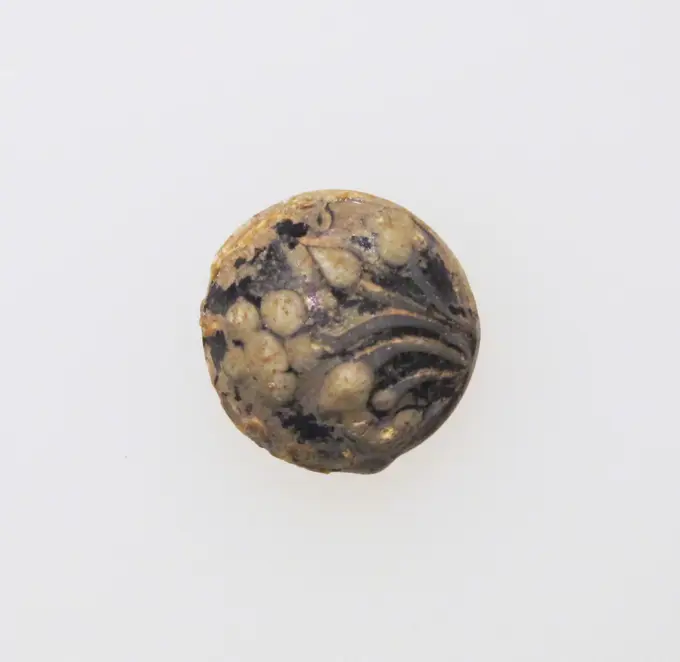
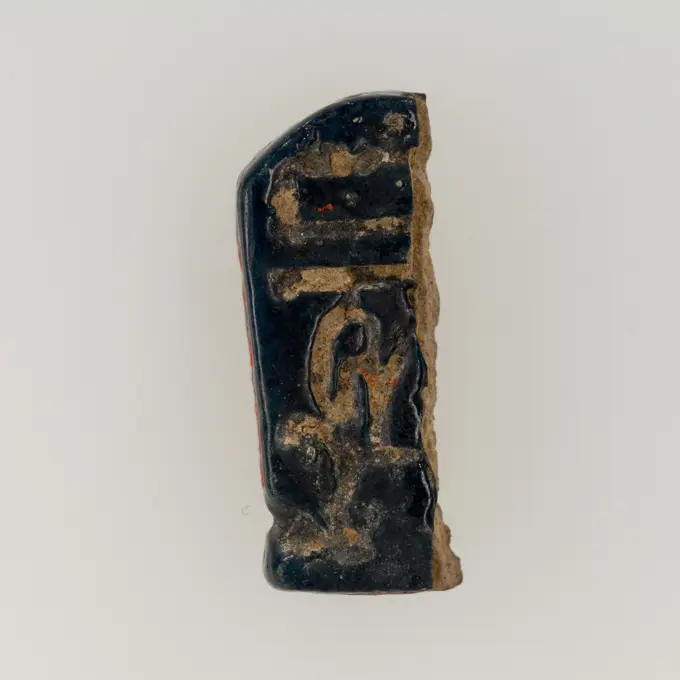
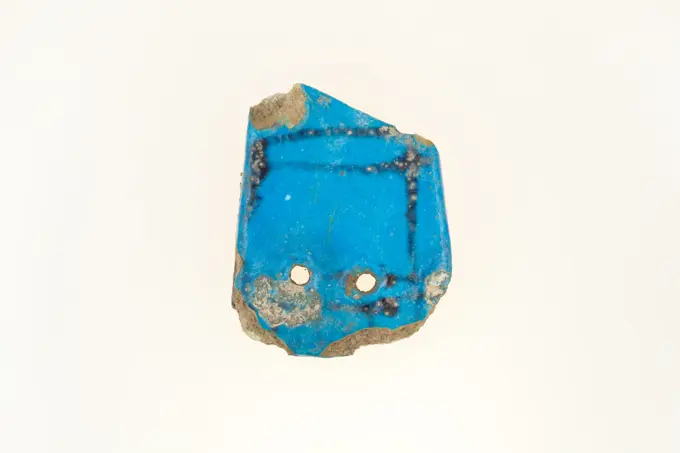
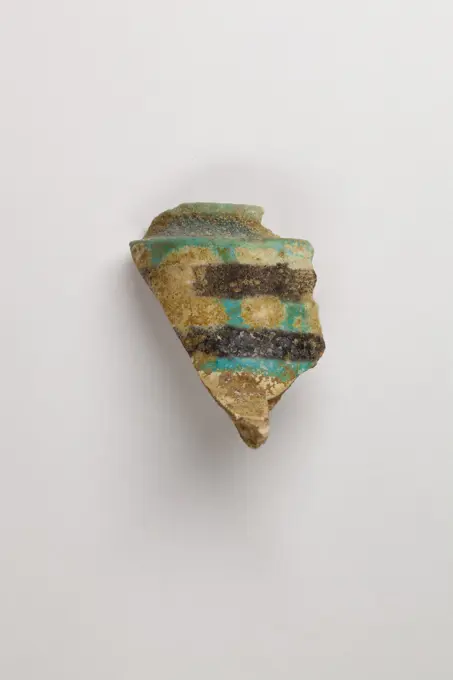
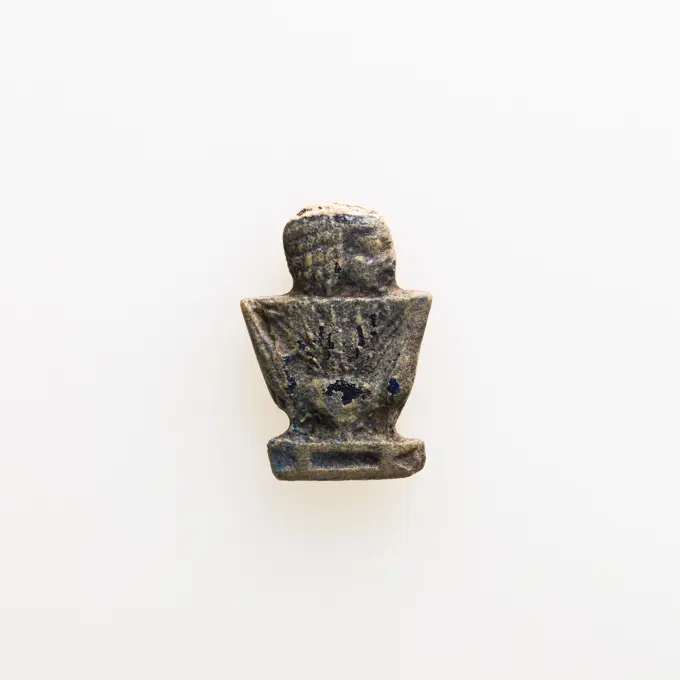
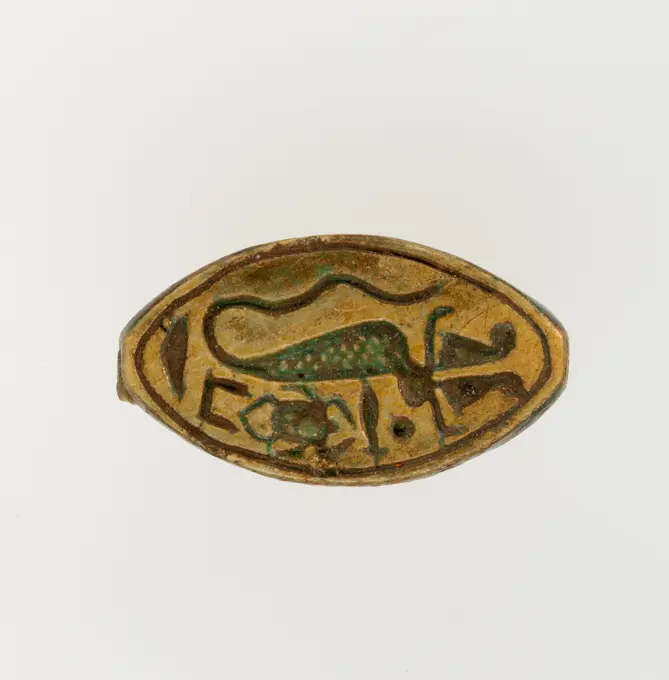
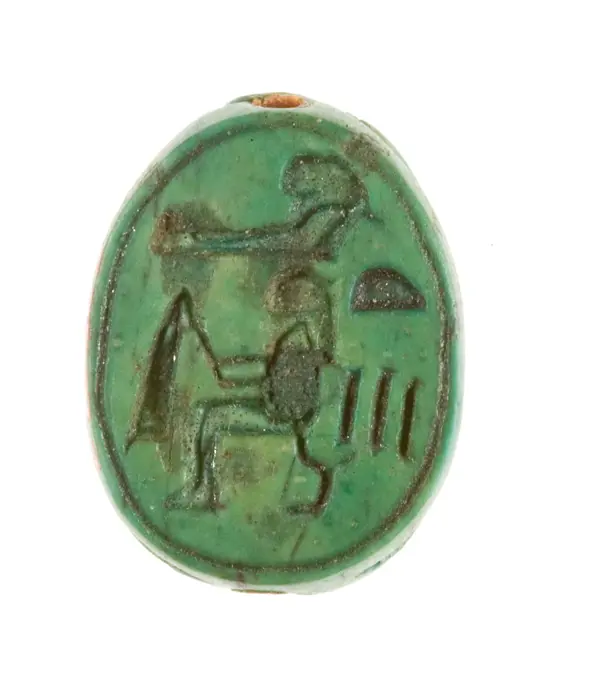
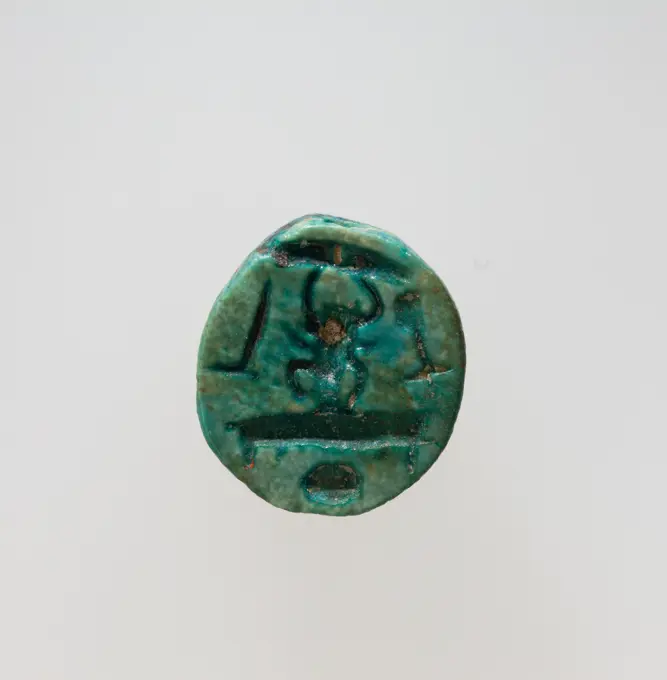
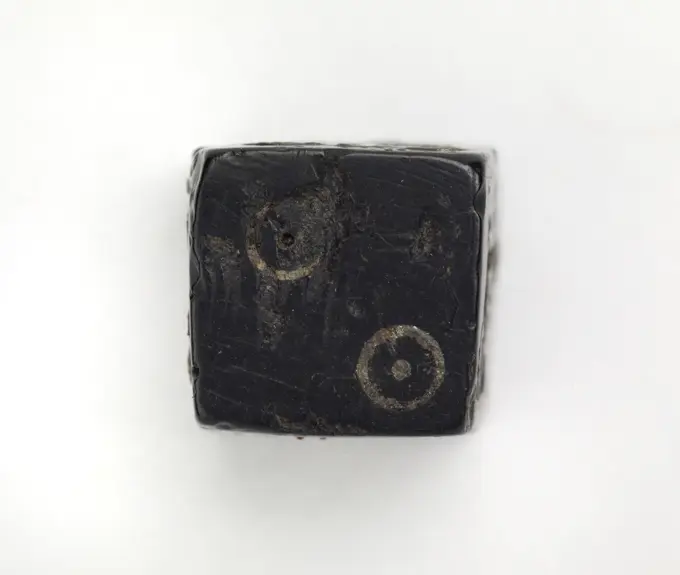
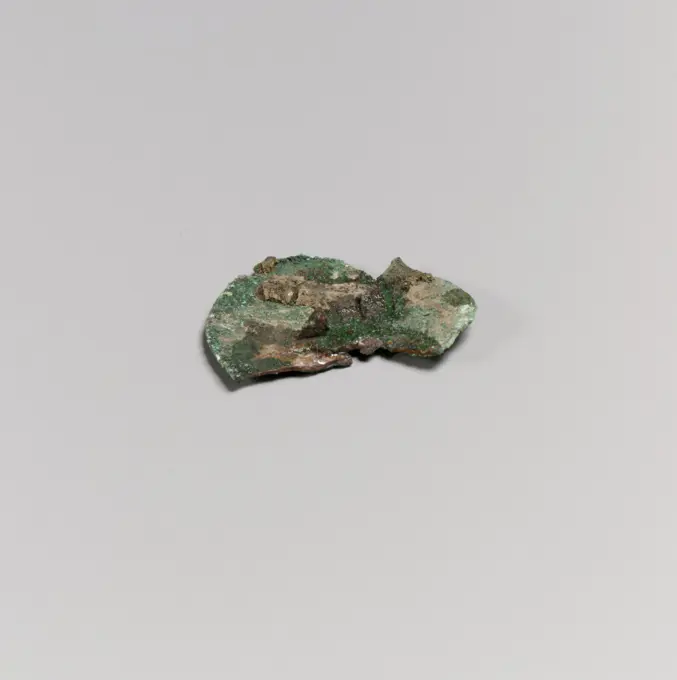
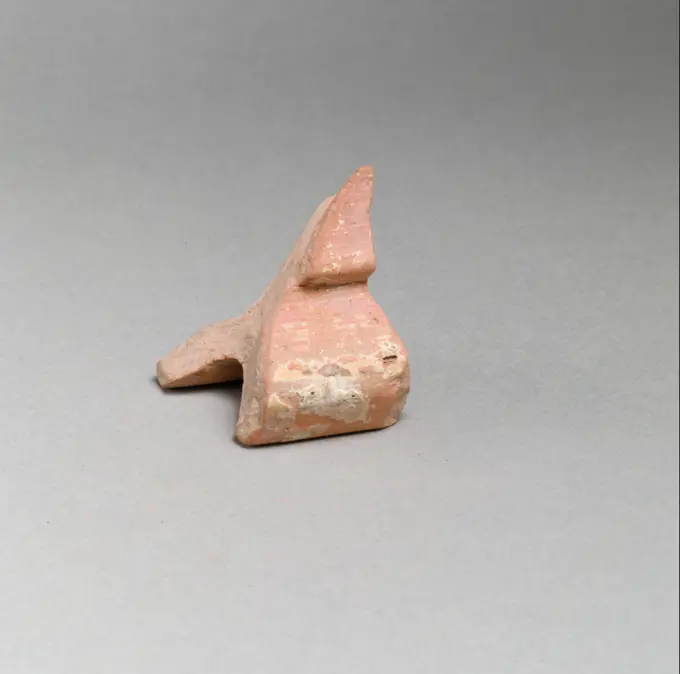
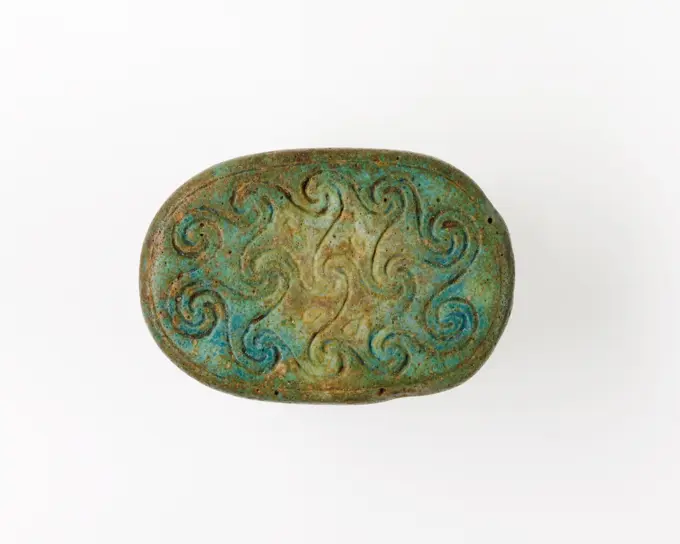
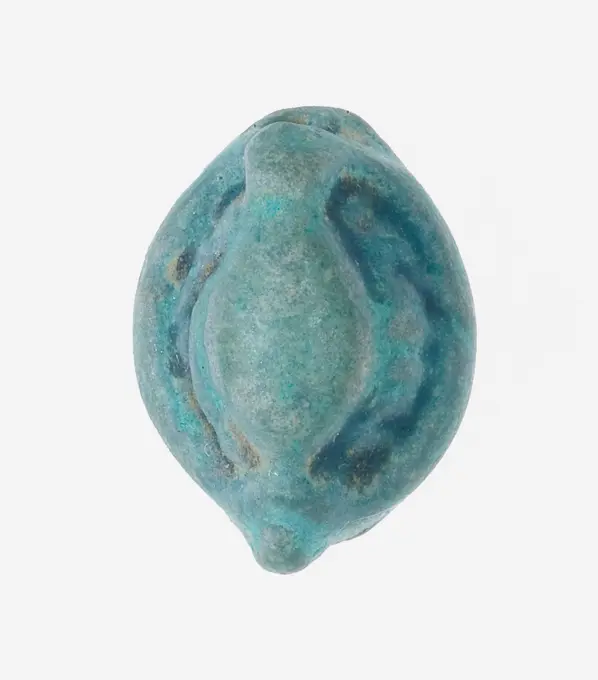
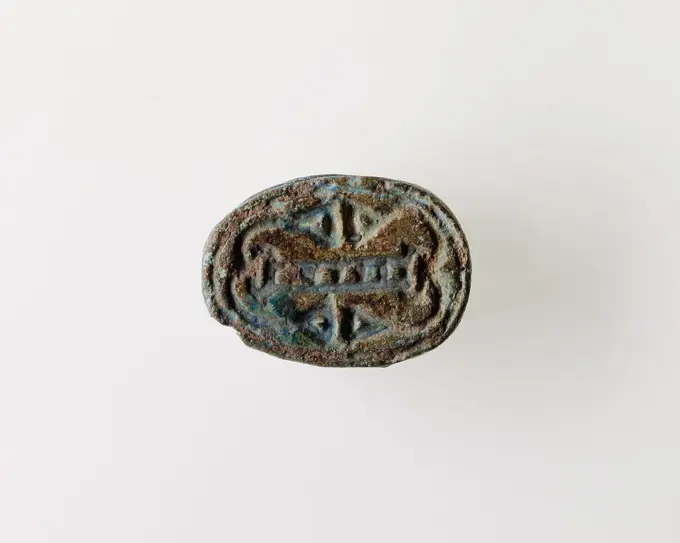
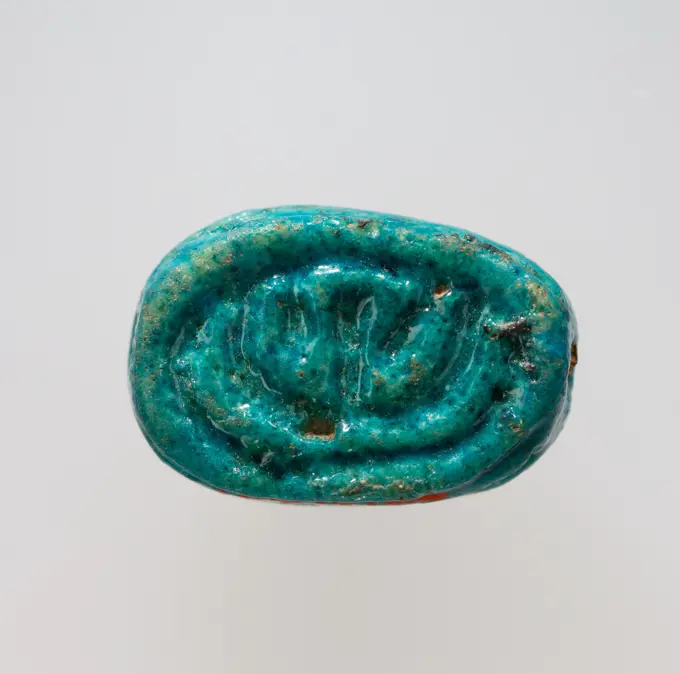
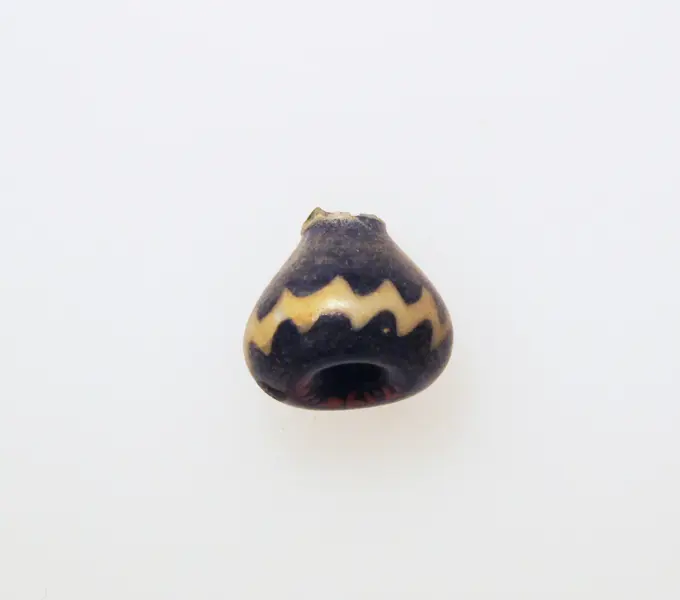
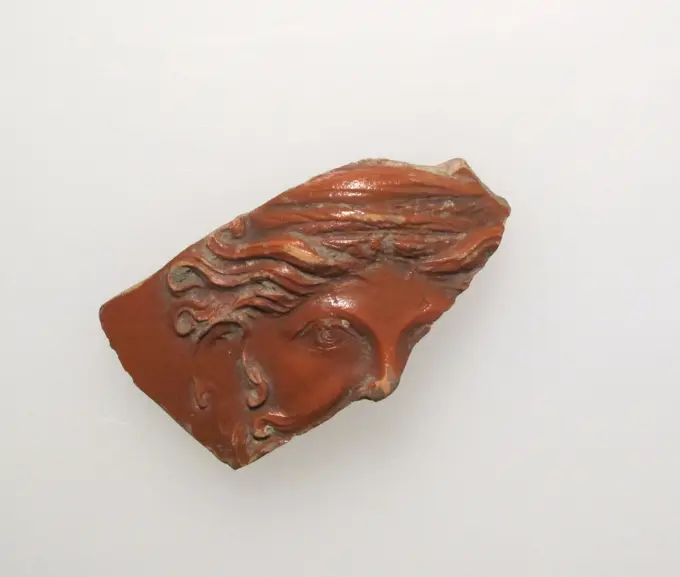
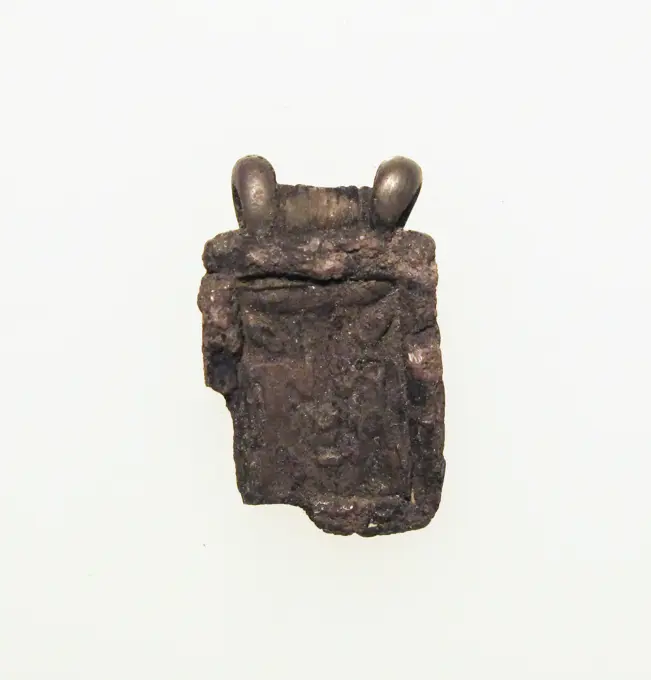
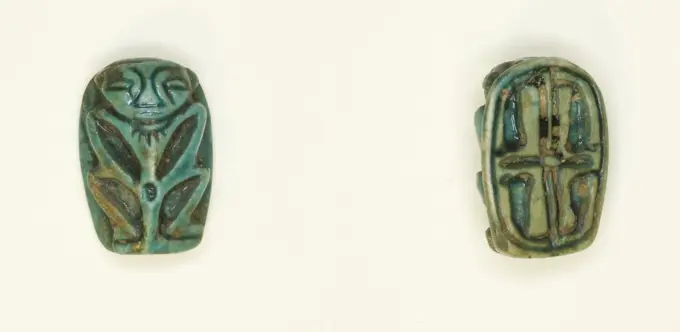
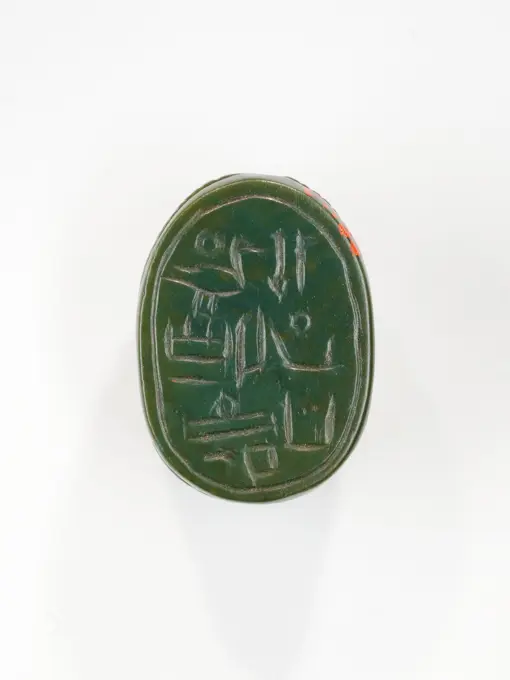
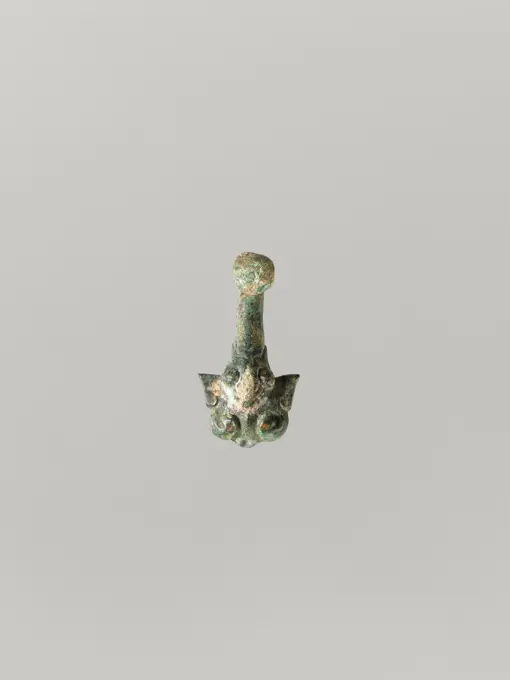
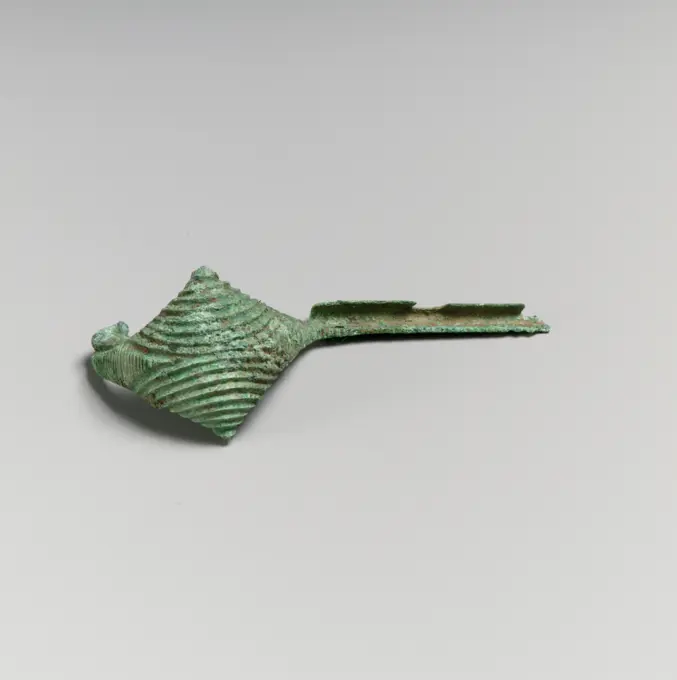
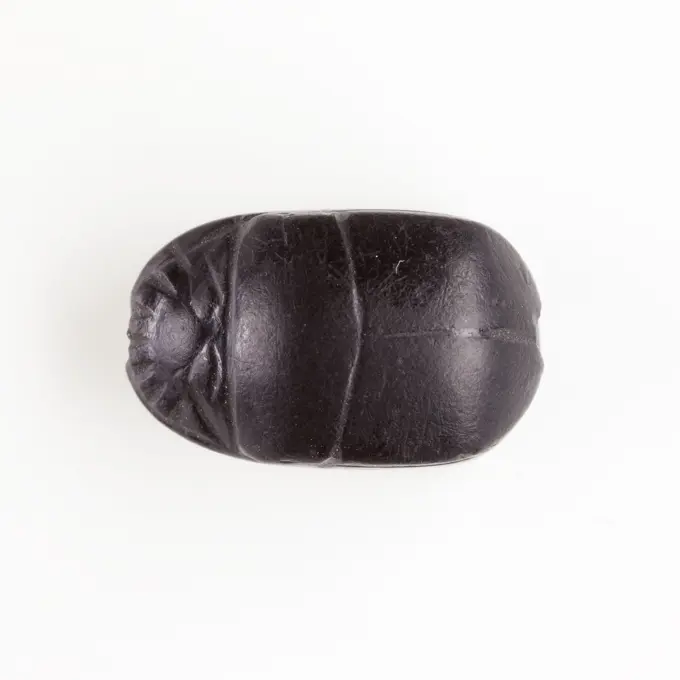
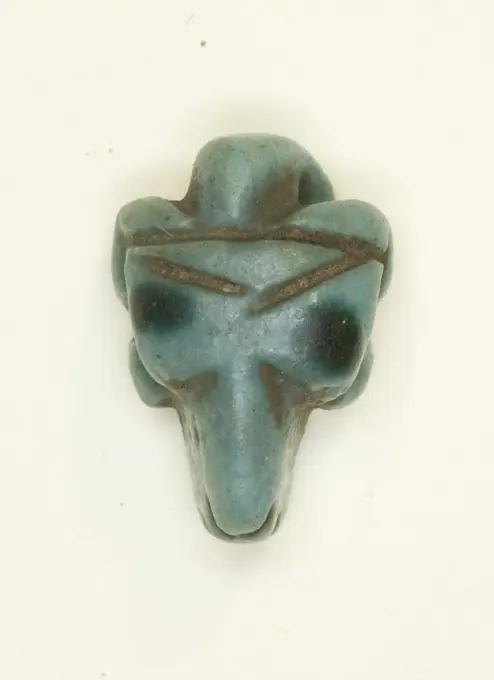
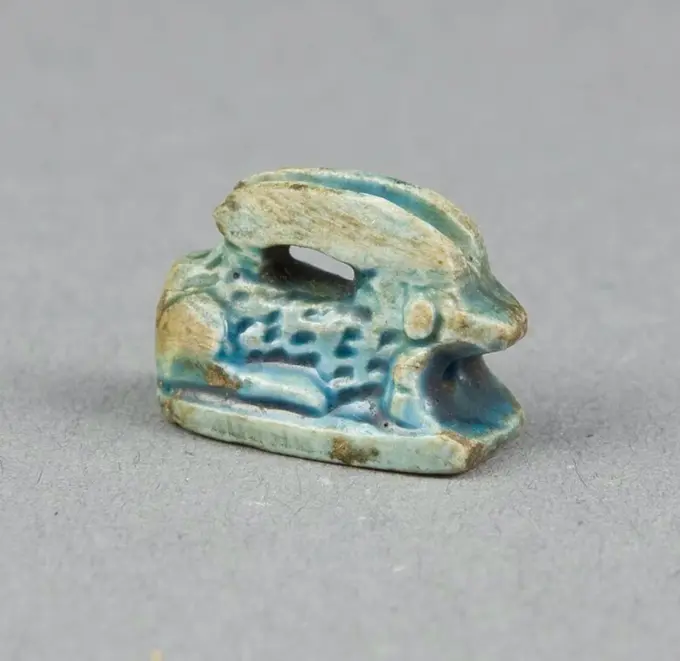
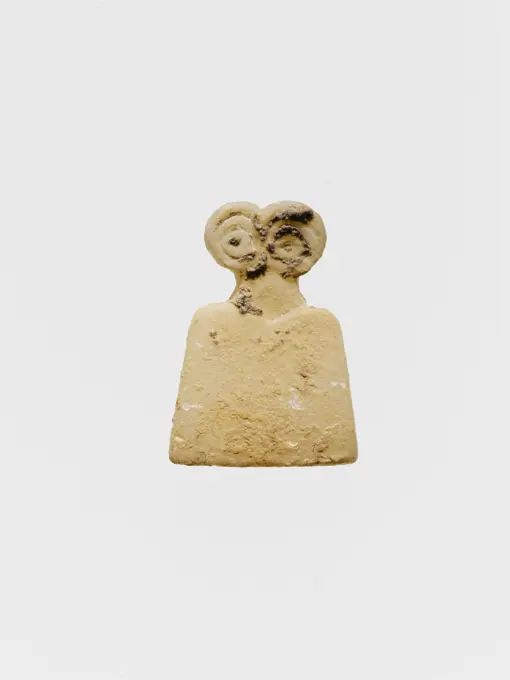
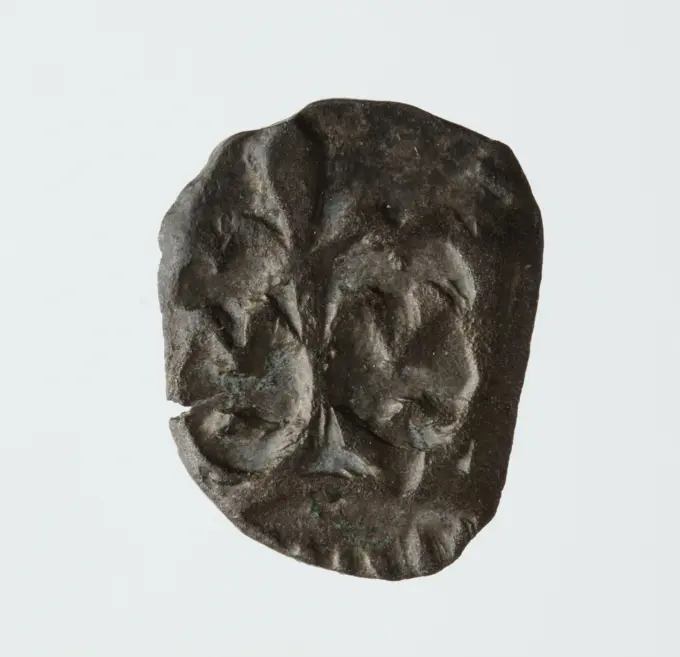
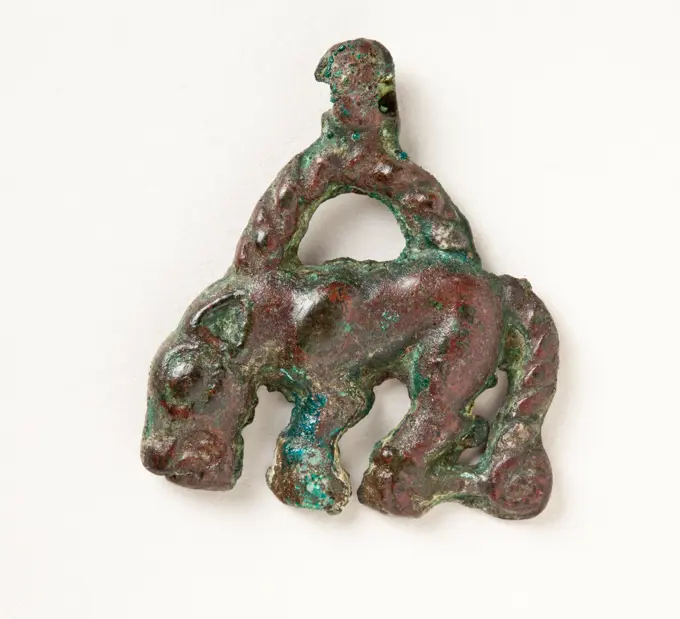
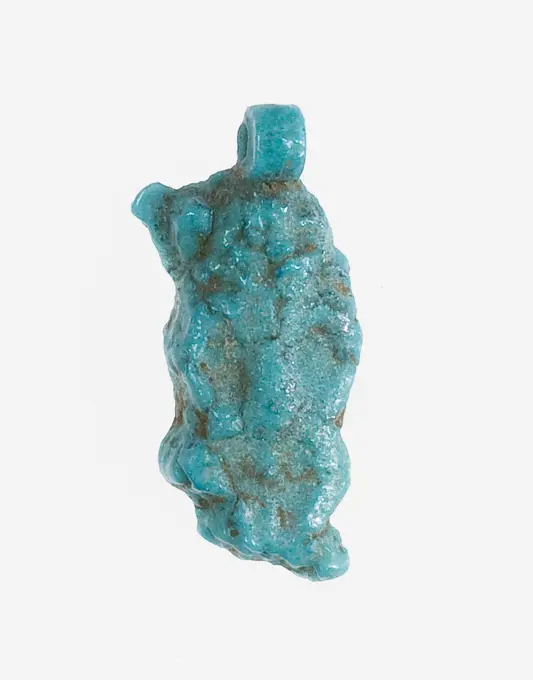
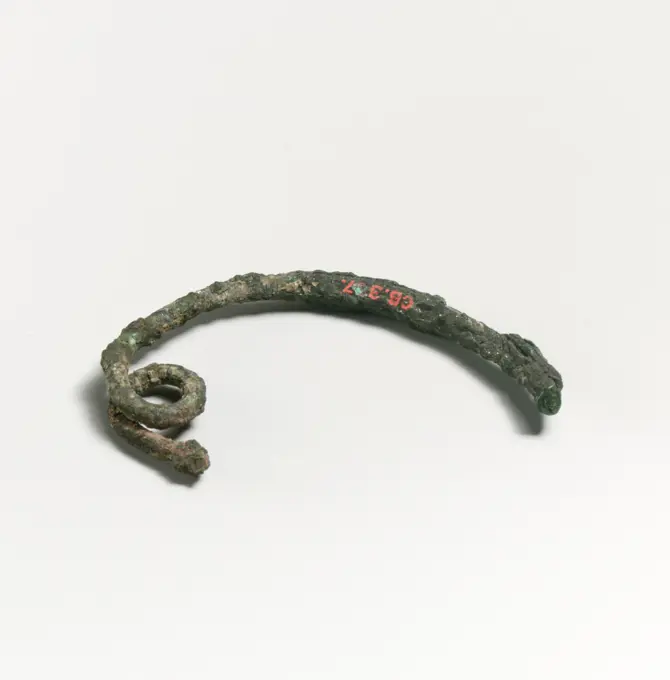
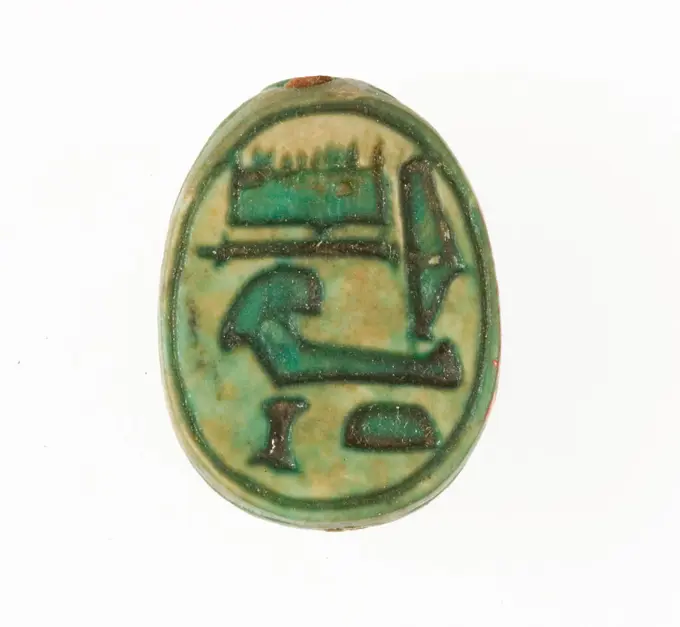
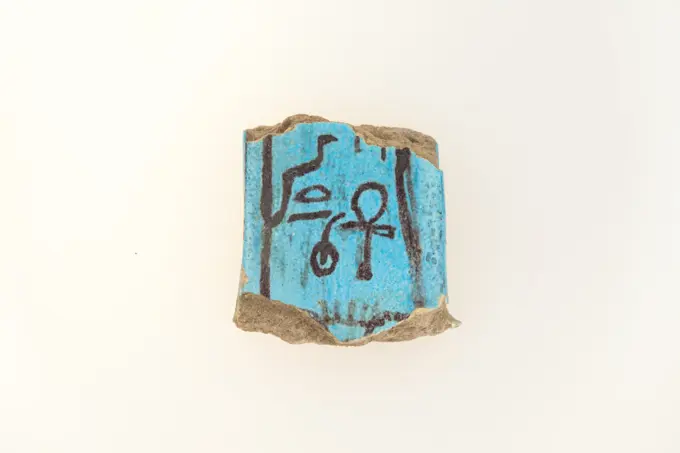
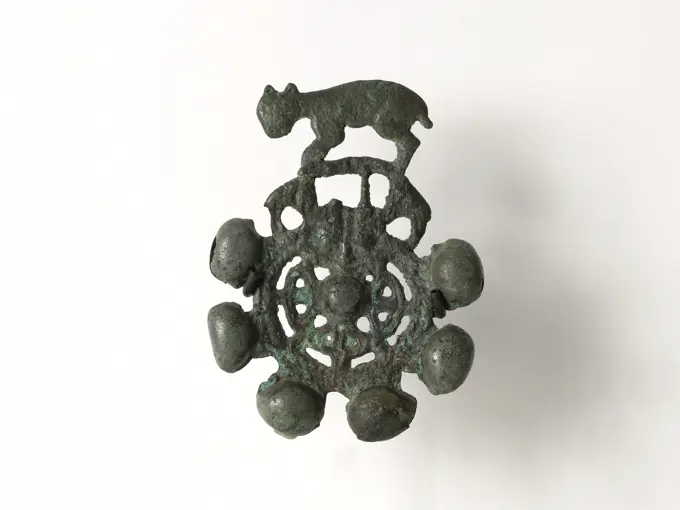
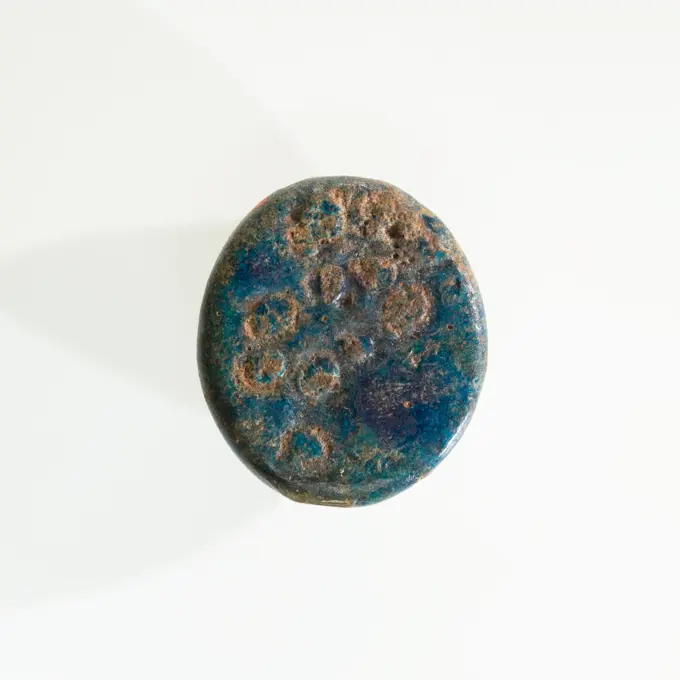
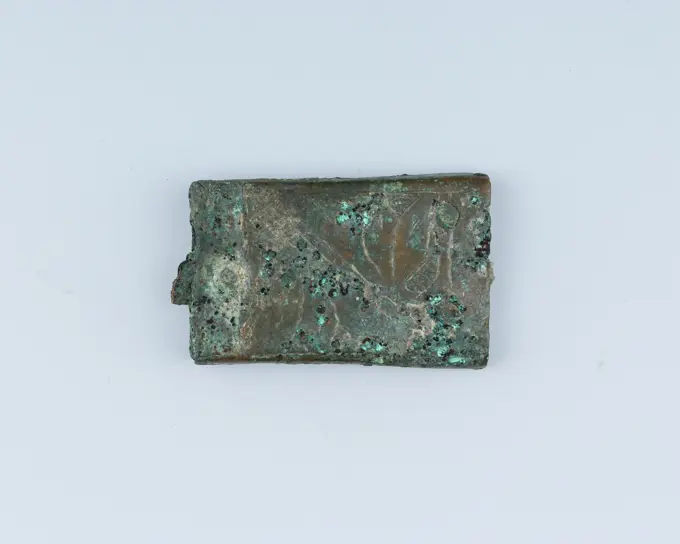
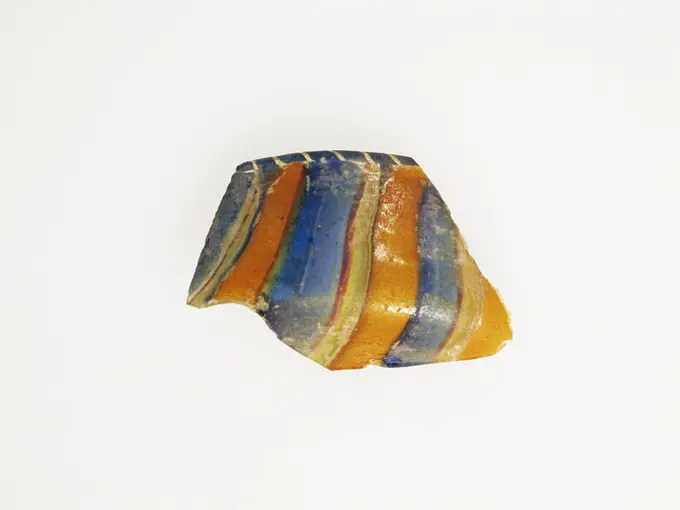
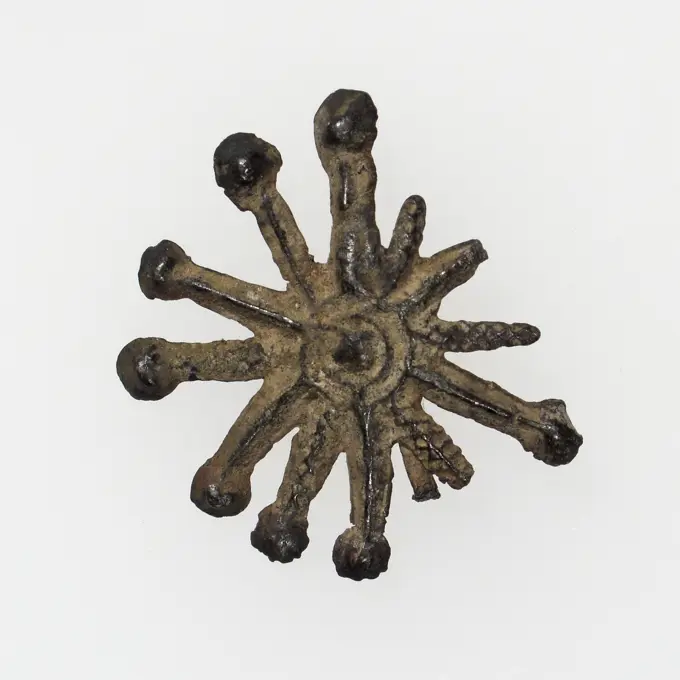
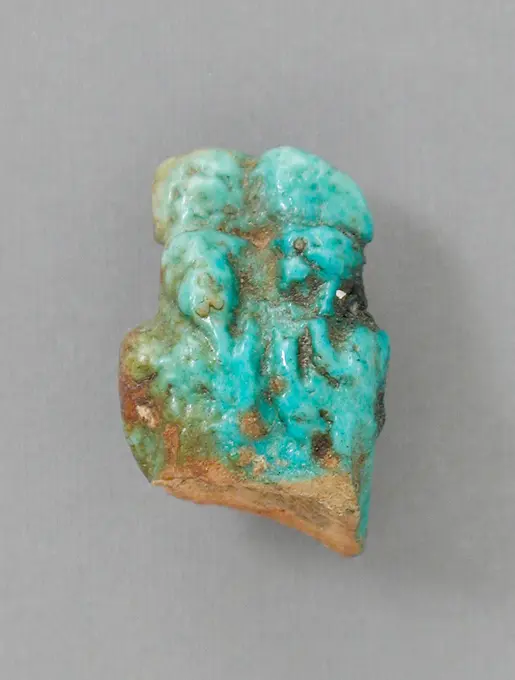
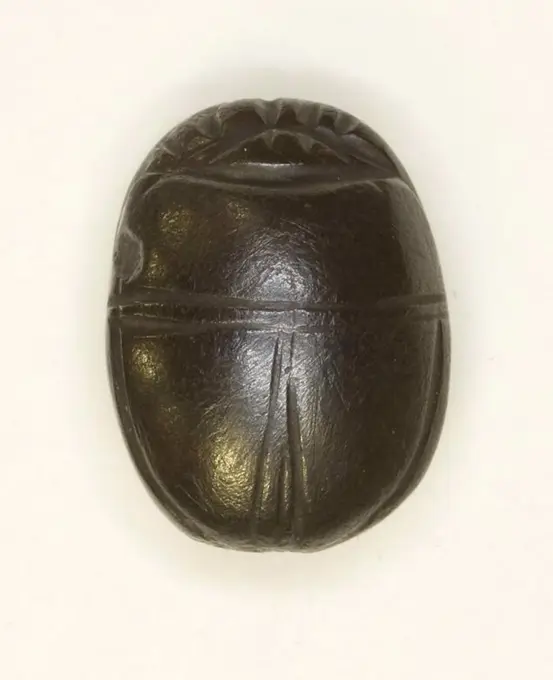
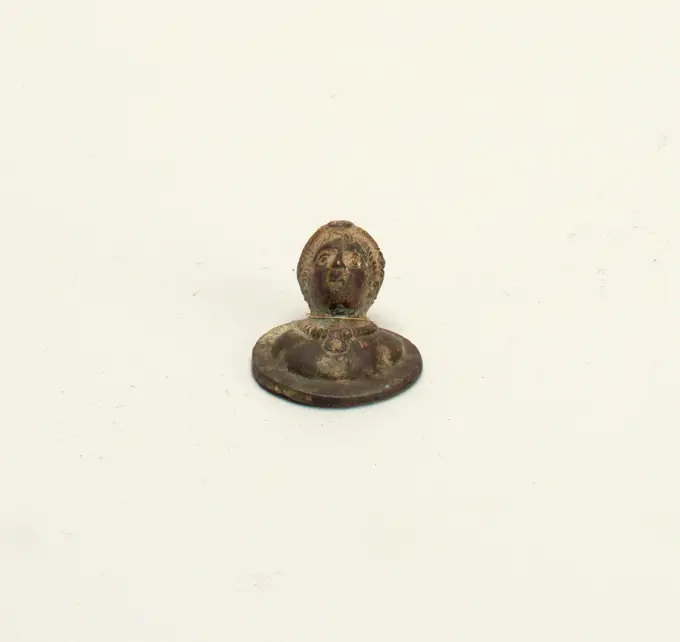
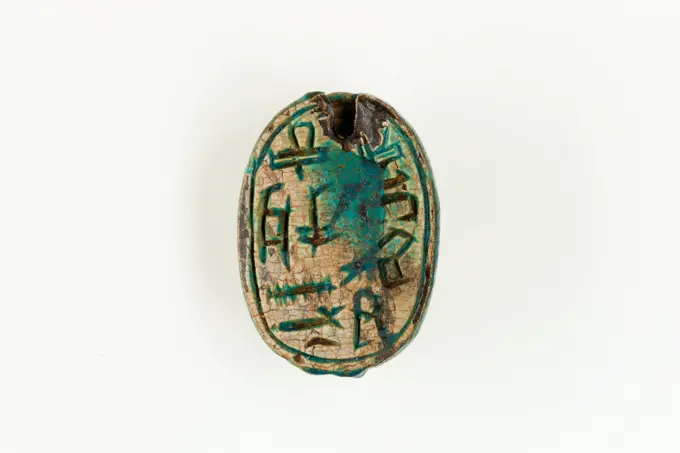
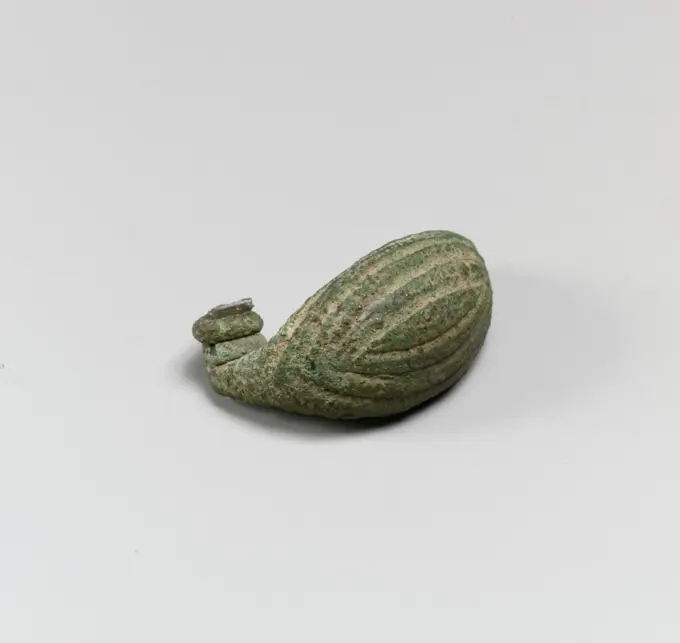
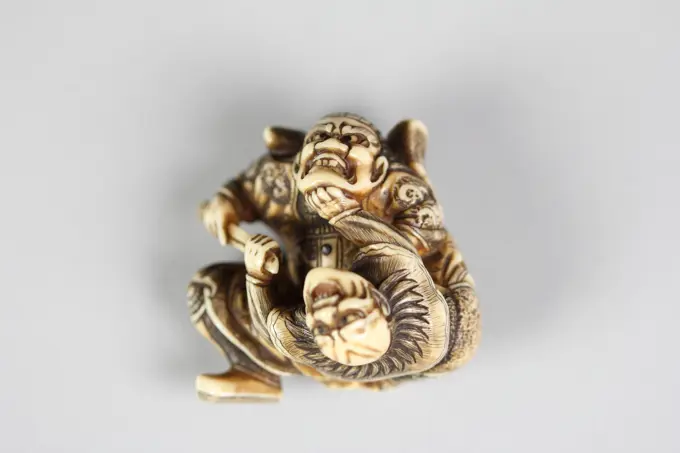
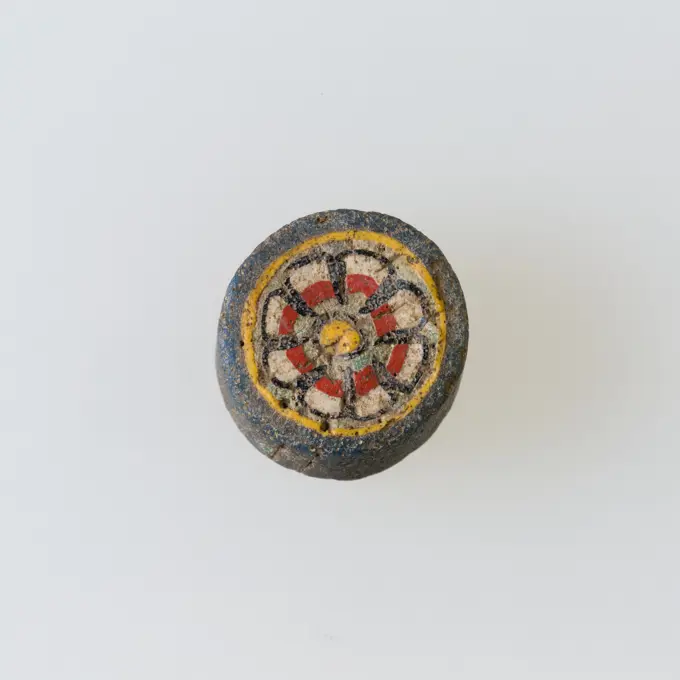
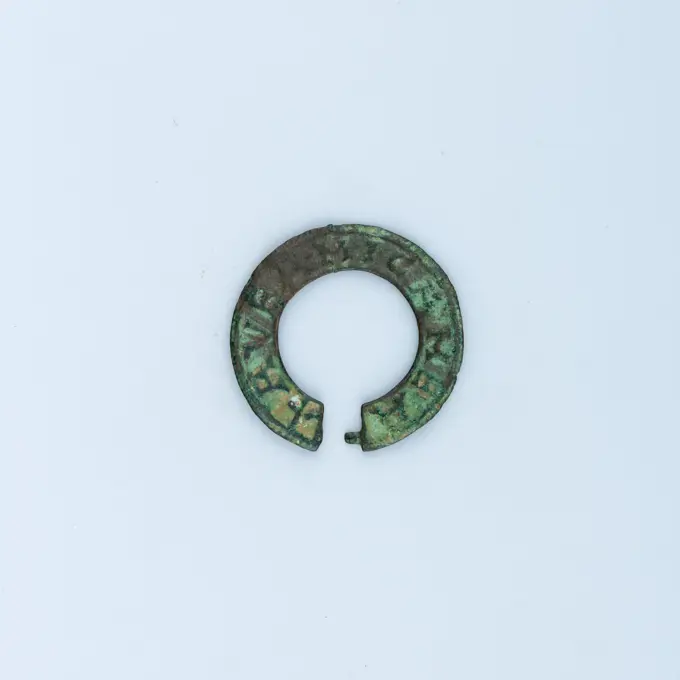
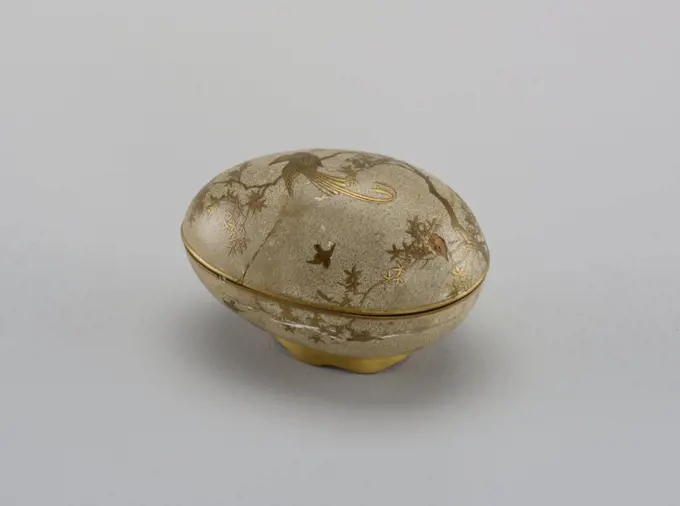
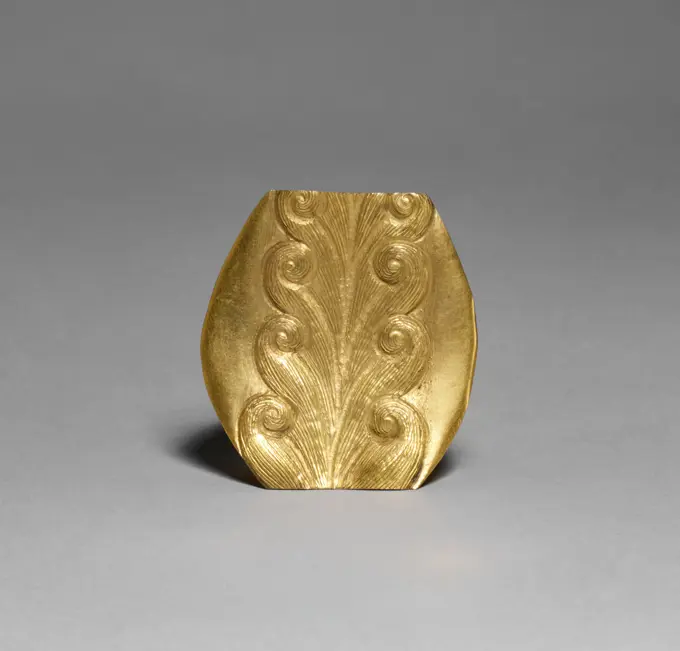
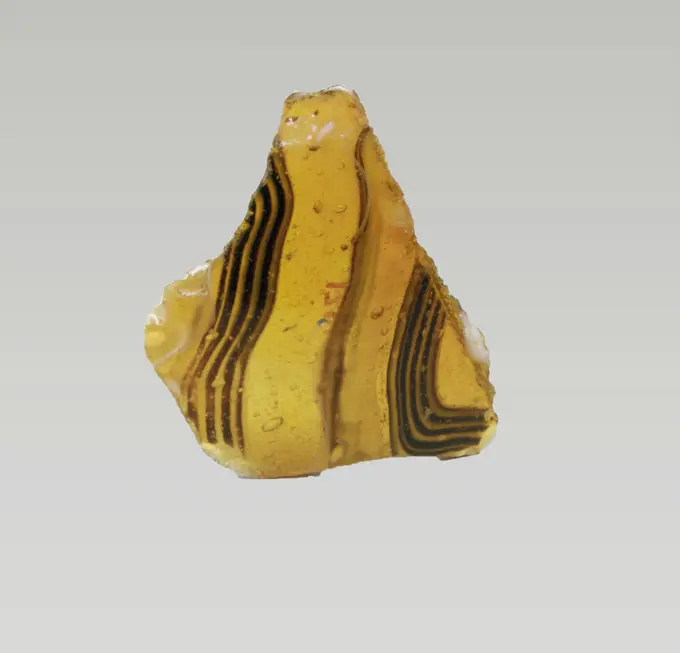
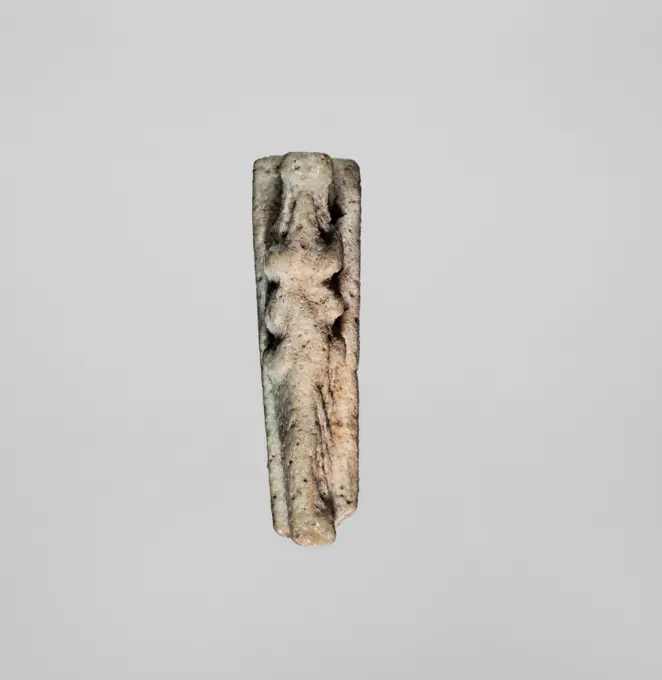
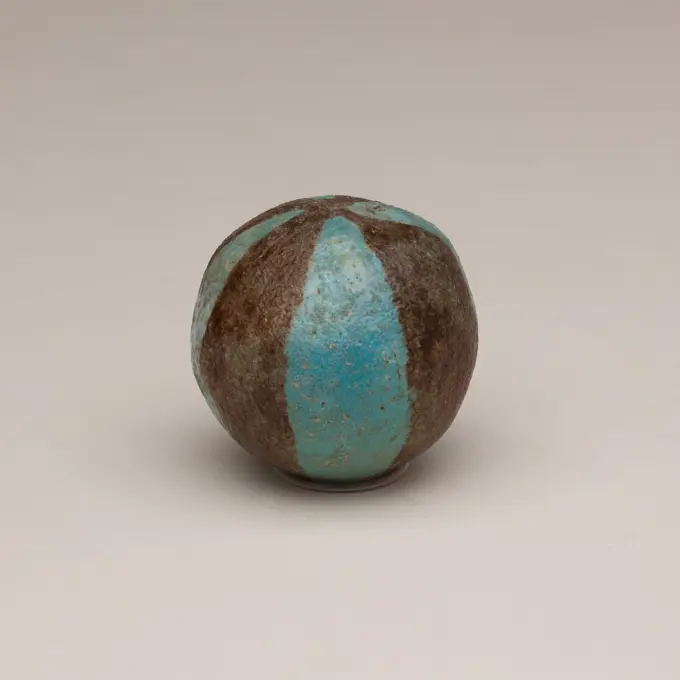
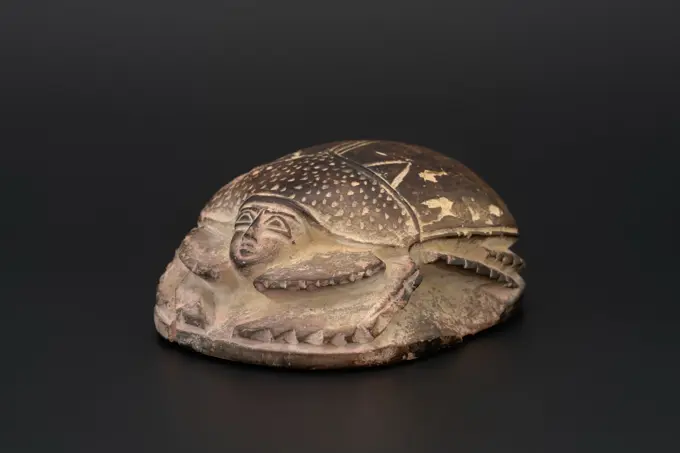
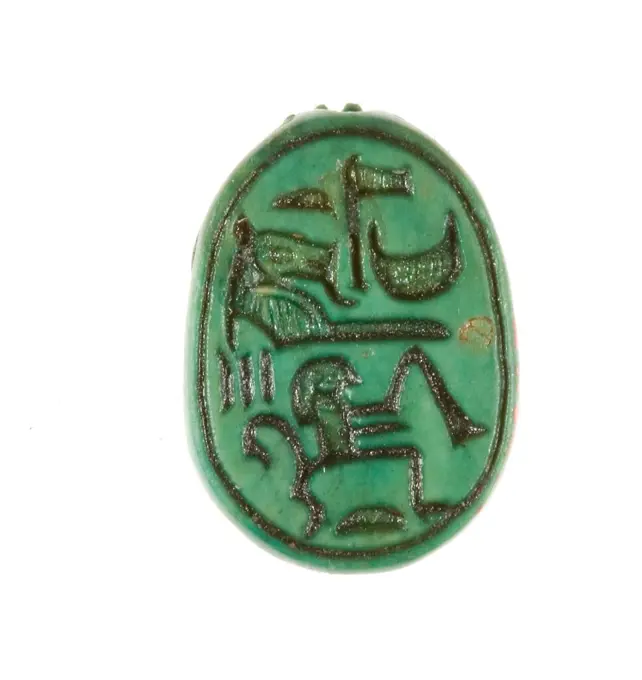
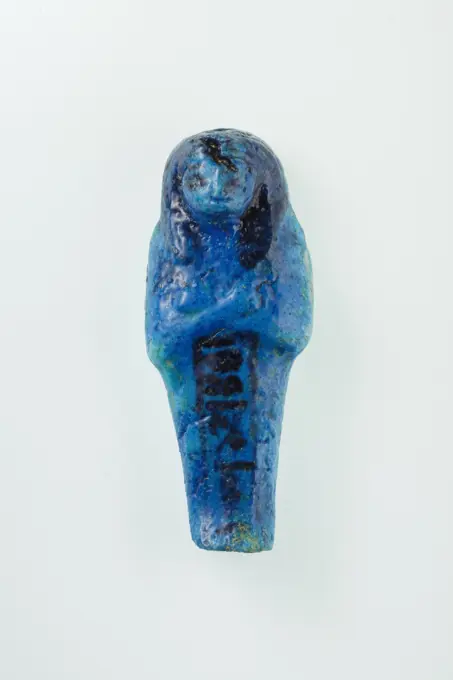
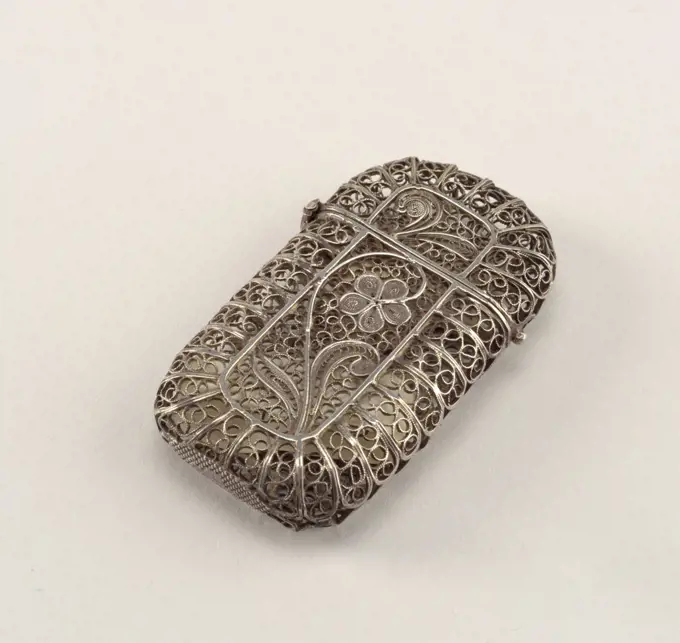
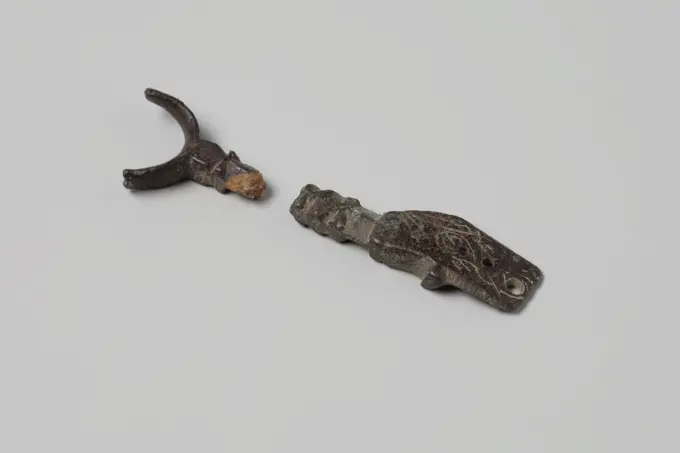
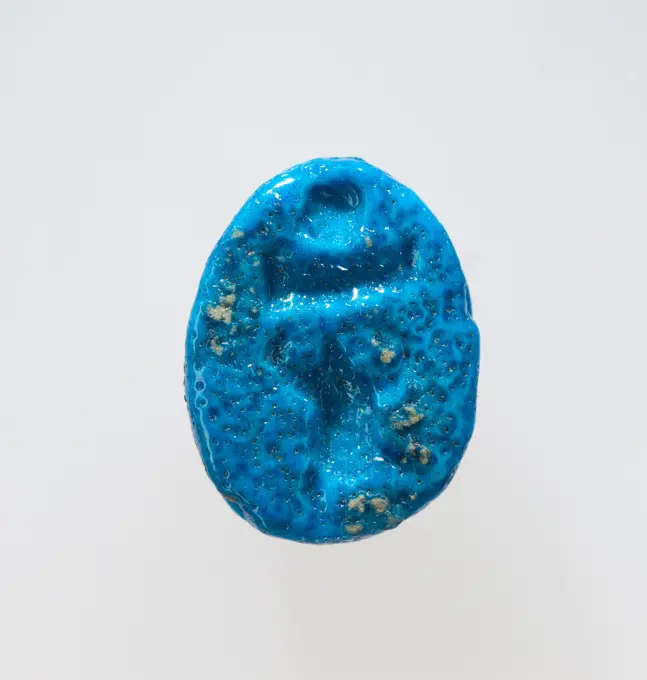
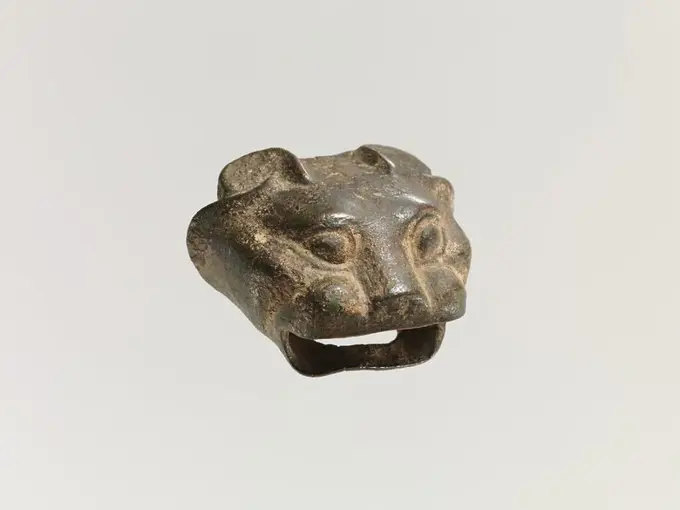
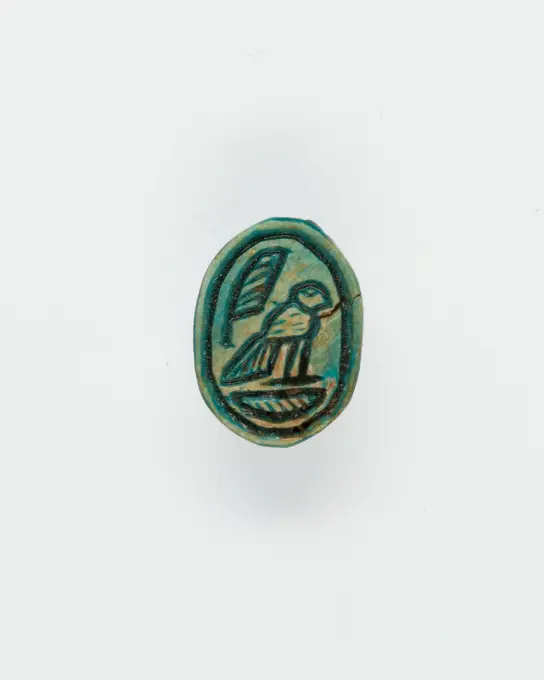
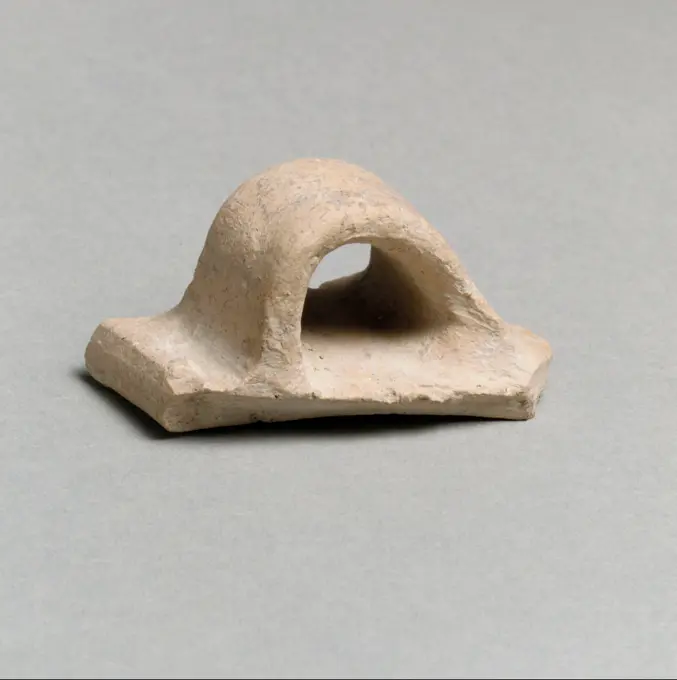
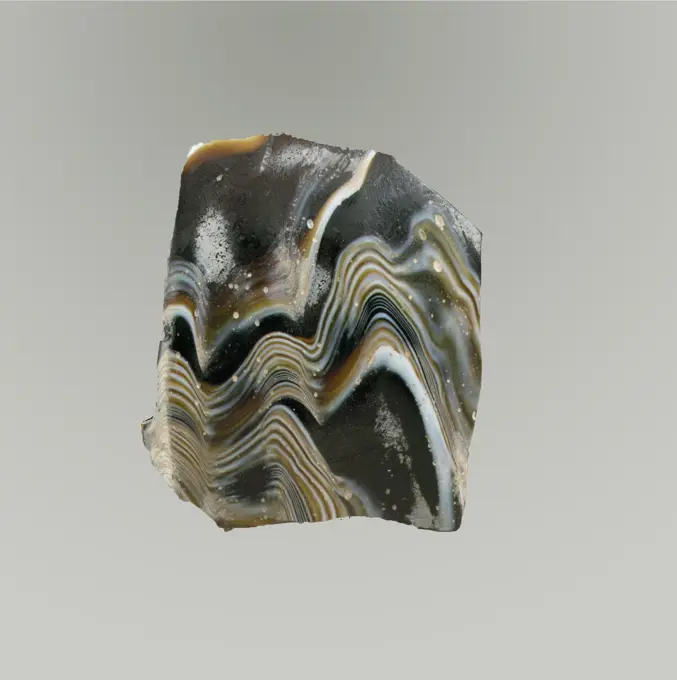
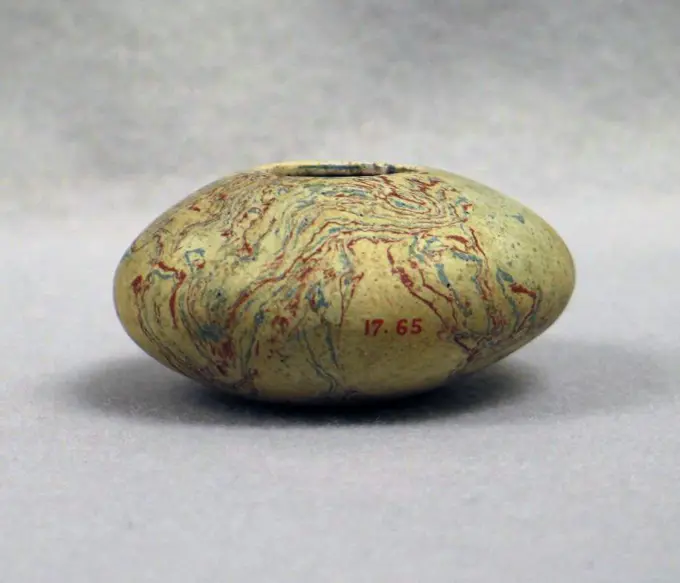
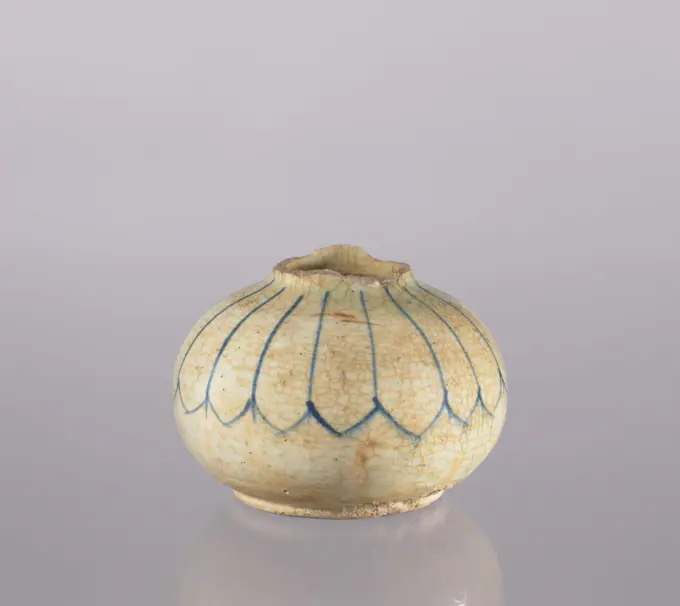
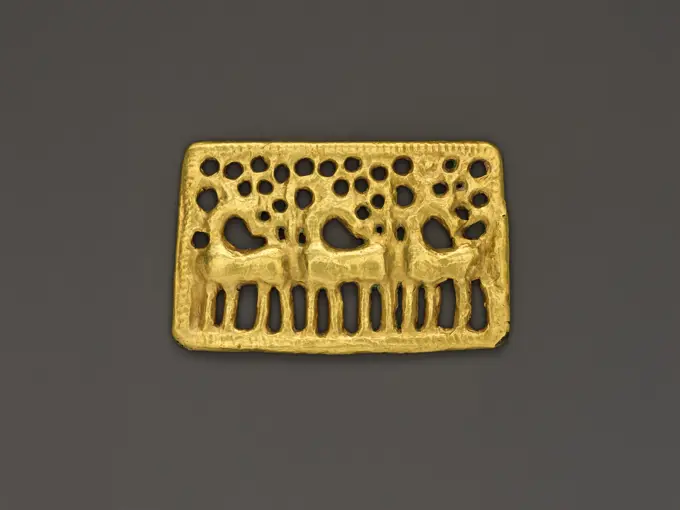
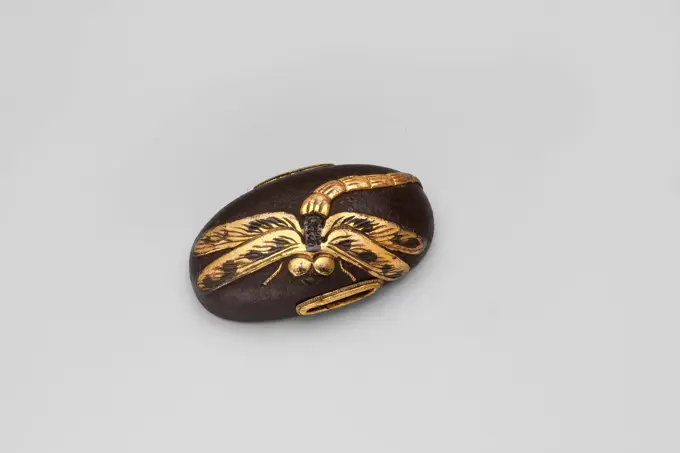
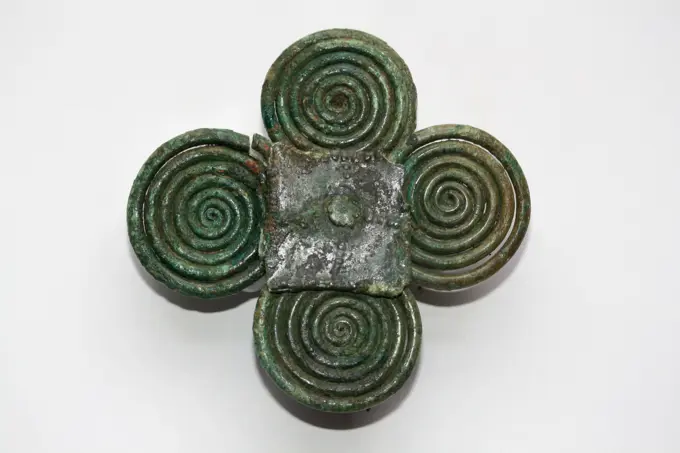
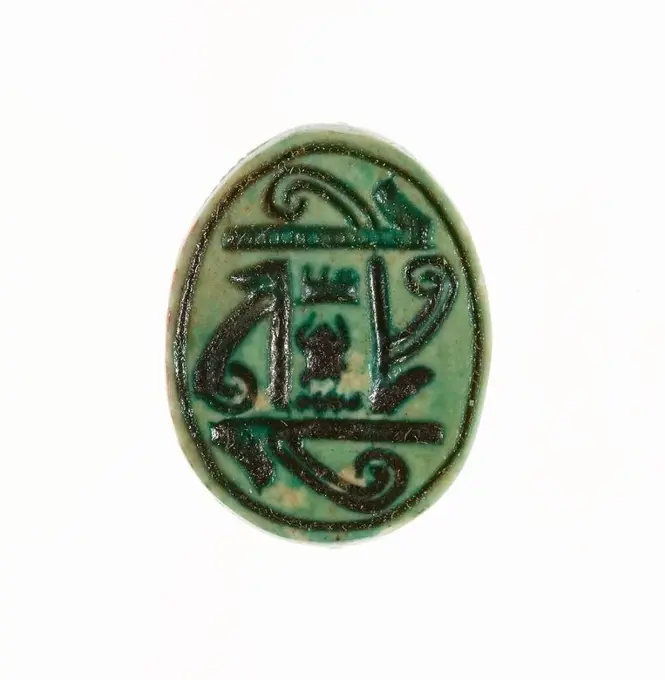
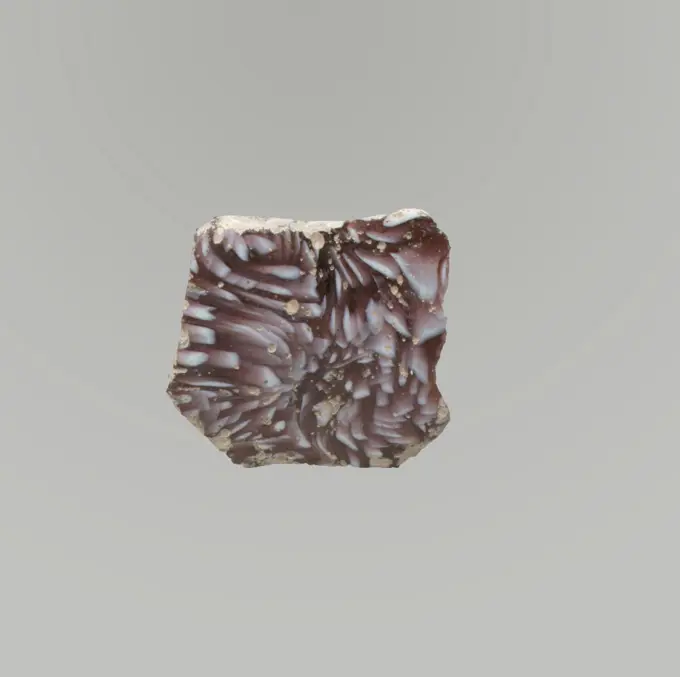
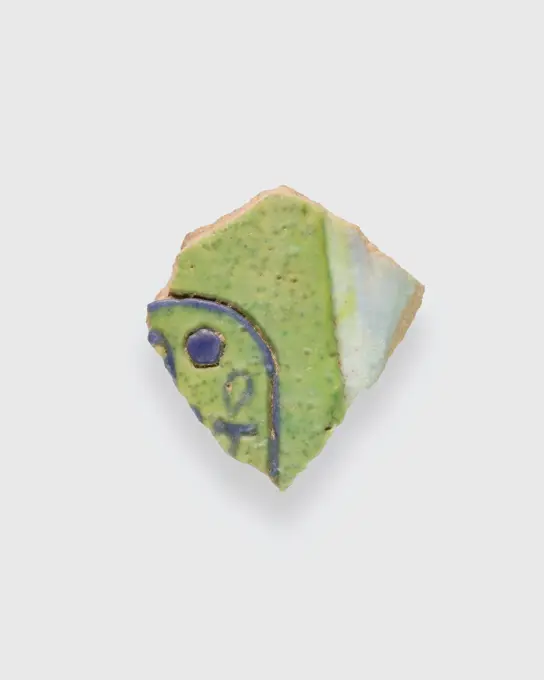
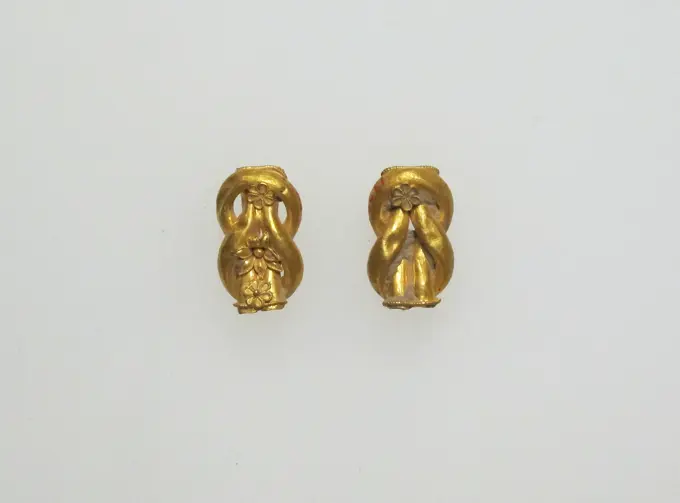
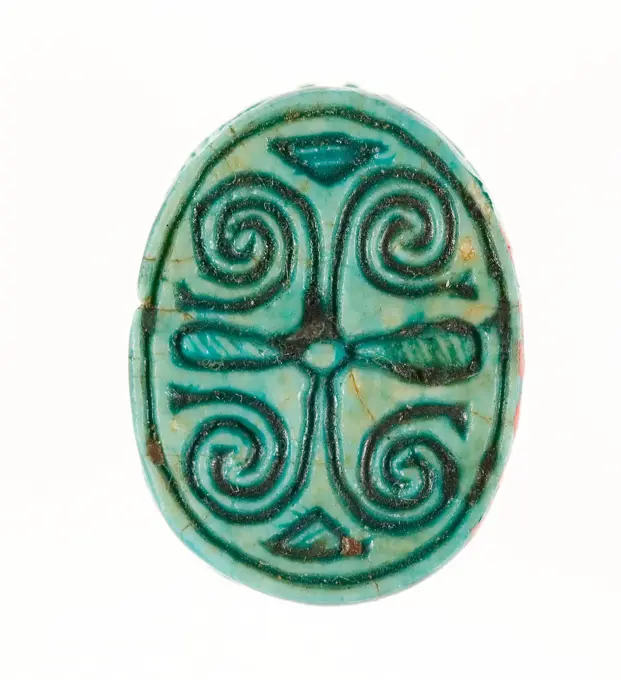
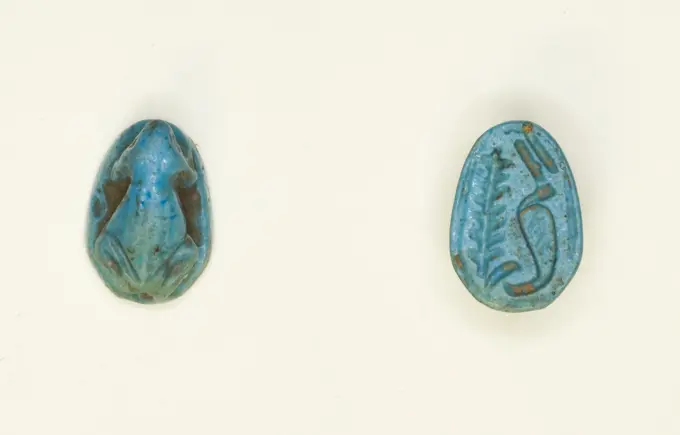
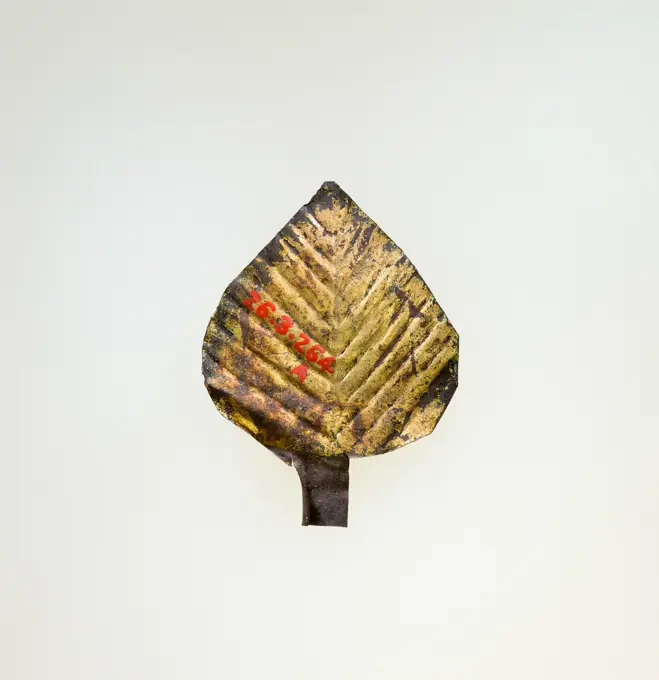
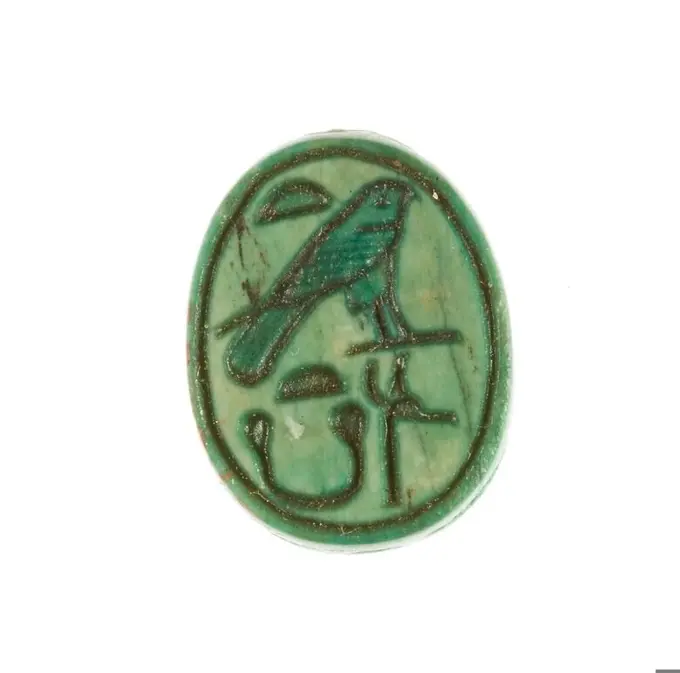
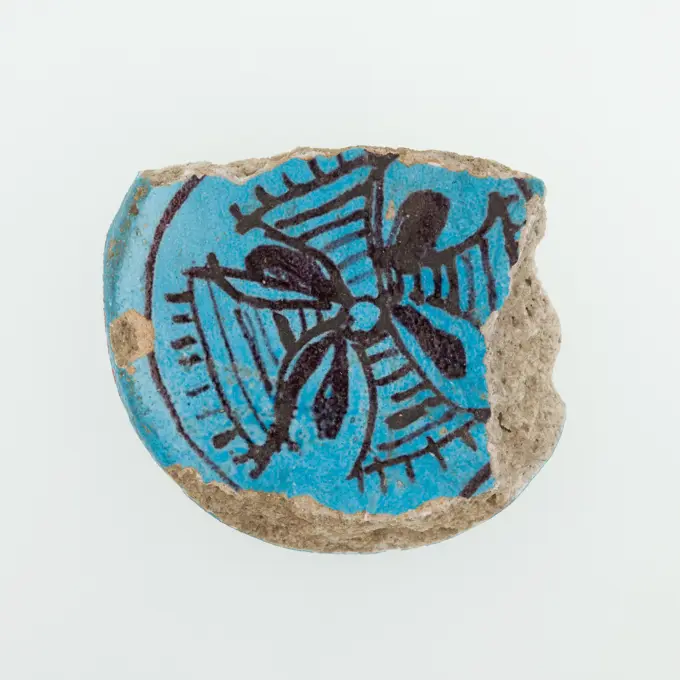
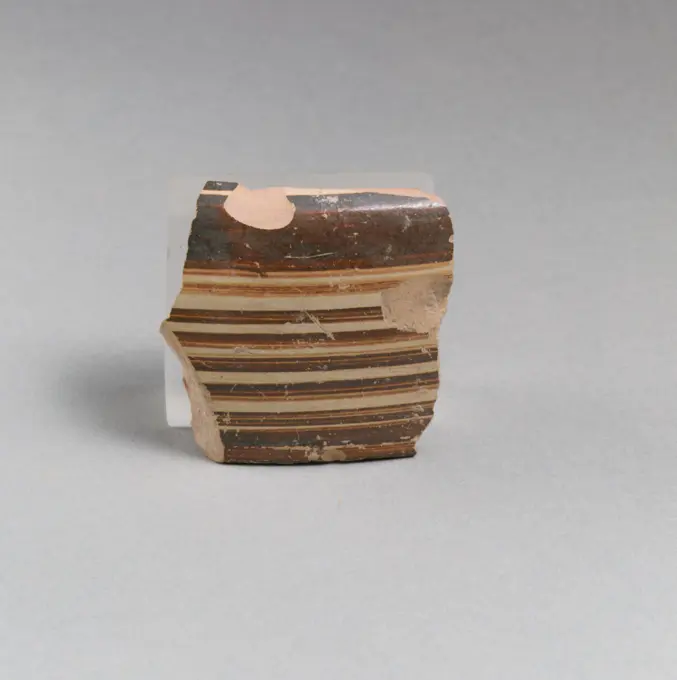
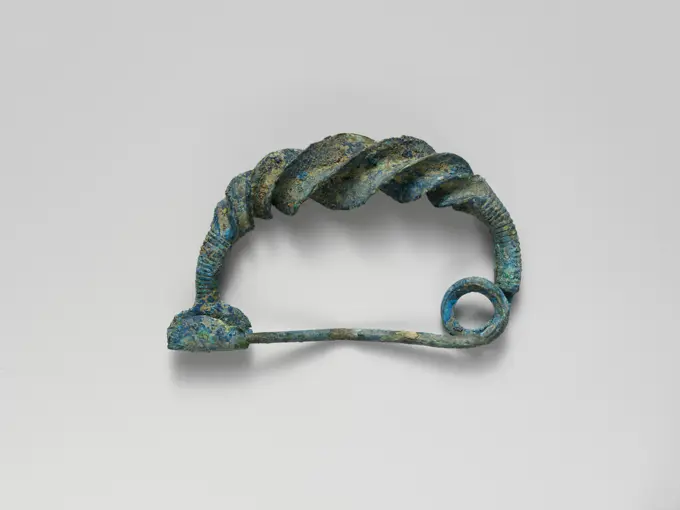
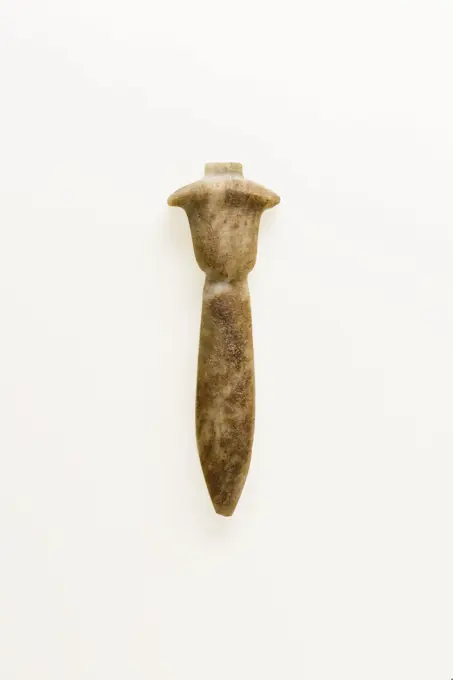
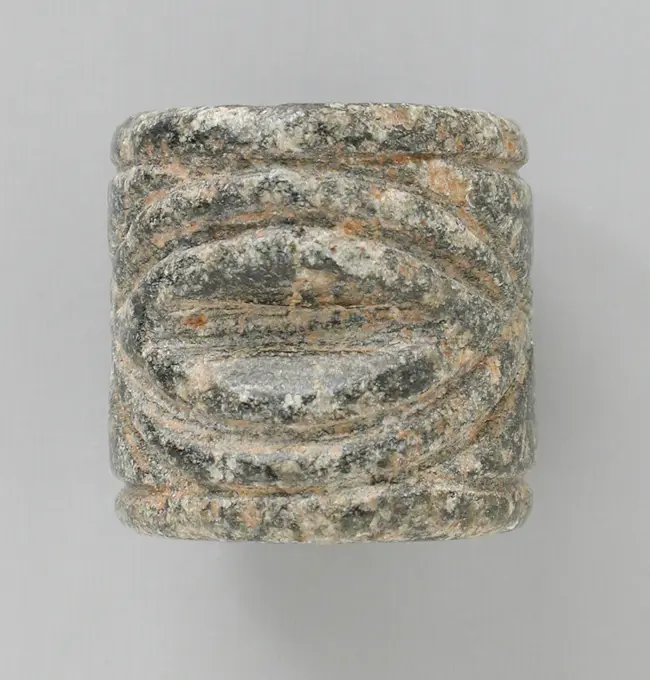
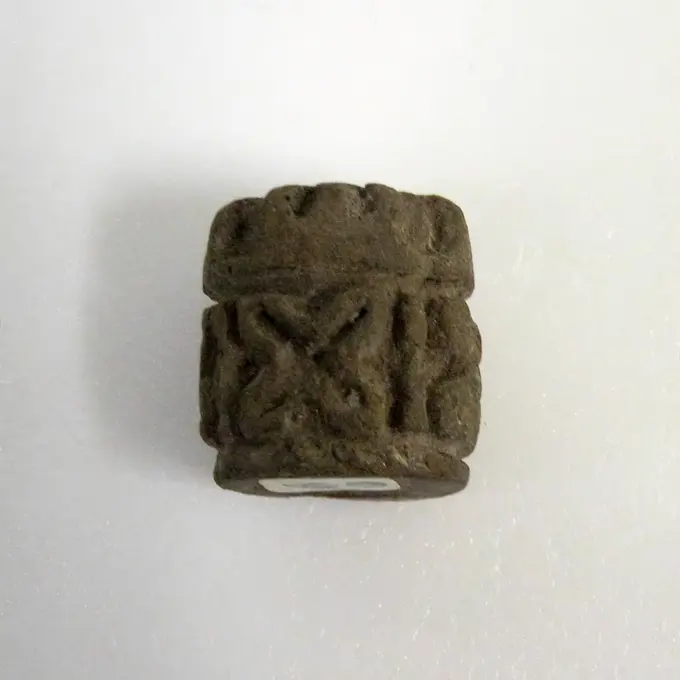
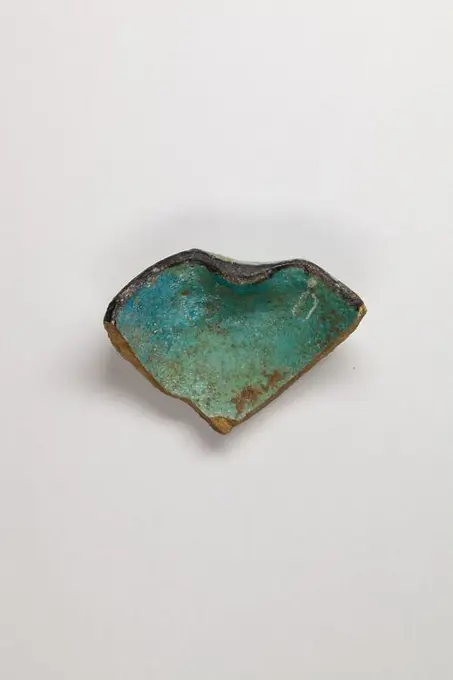
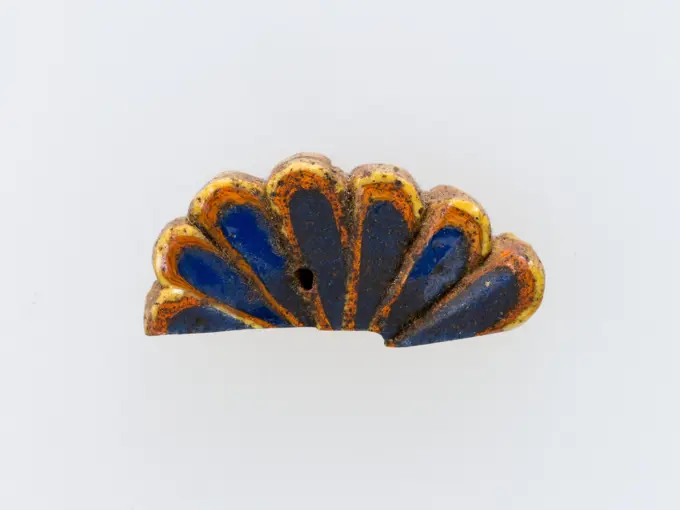
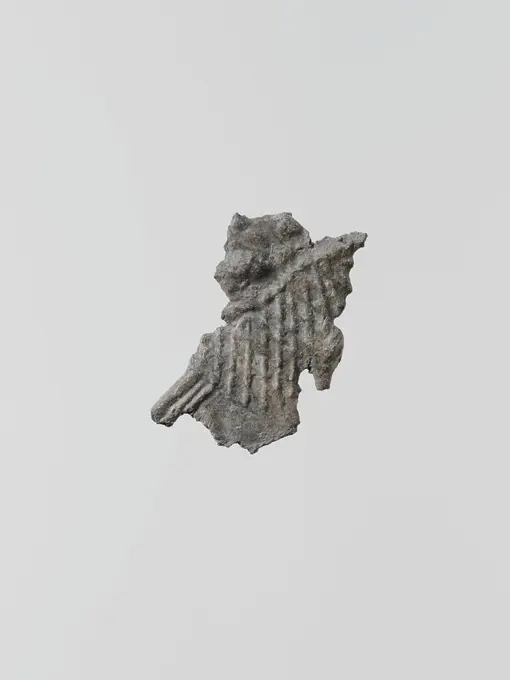
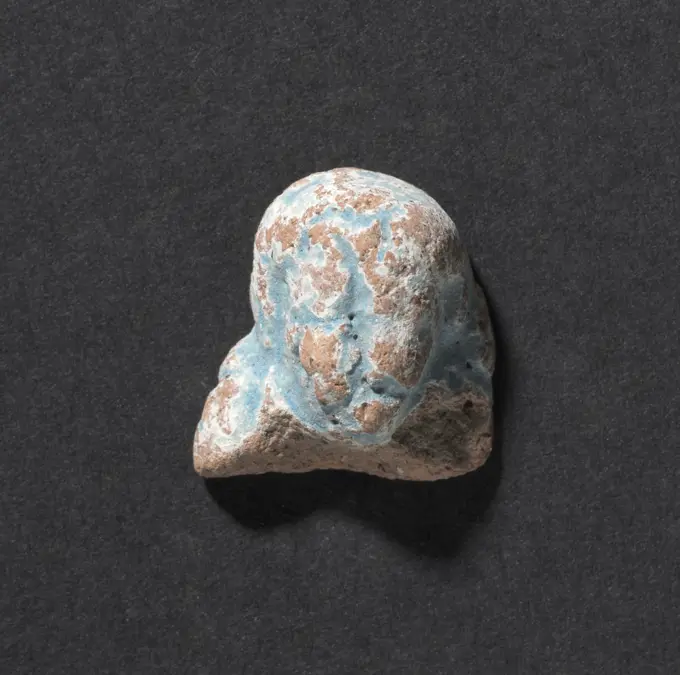
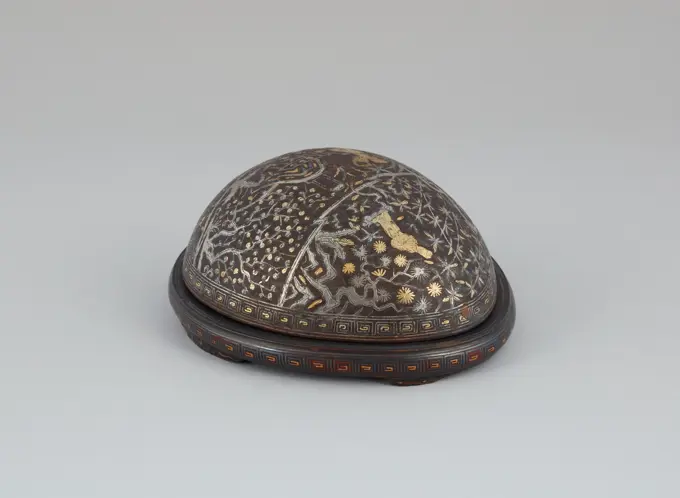
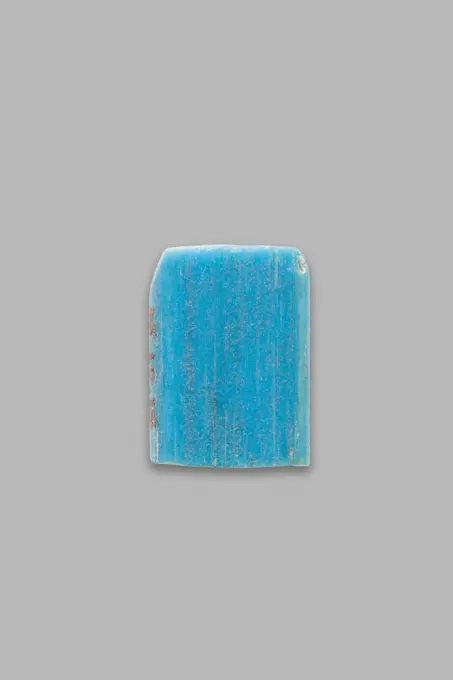
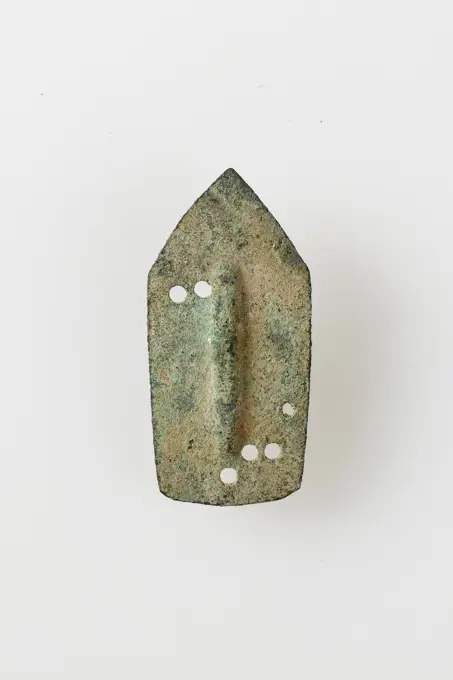
Armor scale Late Period 664-332 B.C. View more. Armor scale. 664-332 B.C.. Bronze. Late Period. From Egypt, Upper Egypt, Thebes, Southern Asasif, Tomb MMA 1151, MMA excavations, 1920-22. Dynasty 26-30Pinhead Roman Amethyst pinhead with gray, white and yellow flower pattern.. Pinhead. Roman. Glass. GlassScarab ca. 1479-1458 B.C. New Kingdom. Scarab. ca. 1479-1458 B.C.. Faience. New Kingdom. From Egypt, Upper Egypt, Thebes, Deir el-Bahri, Hatshepsut Hole, Hathor Shrine, MMA excavations, 1922-23. Dynasty 18Menat fragment ca. 1479-1458 B.C. New Kingdom. Menat fragment. ca. 1479-1458 B.C.. Faience. New Kingdom. From Egypt, Upper Egypt, Thebes, Deir el-Bahri, Hatshepsut Hole, Hathor Shrine, MMA excavations, 1922-23. Dynasty 18Printing block, Medium: wood, copper, brass, One of twenty-one wood blocks showing a different floral motif formed by metal strips set in wood., USA, 1825-50, appliances & tools, Printing blockVase fragment ca. 1981-1640 B.C. Middle Kingdom. Vase fragment 560589Amulet depicting human head emerging from lotus 525-30 BC Late Period-Ptolemaic Period Starting in the later Late Period and continuing through the Ptolemaic Period, a type of glass amulet cast by pressing the glass into a shallow open mold appears. The back was left rough, and the amulets may look ragged because glass overflowed the mold around the edges. The earlier amulets are monochrome, bi- or multicolor amulets supplement the repertoire during the Ptolemaic Period. Some of the amulets can be specifically tied to spells of the Book of the Dead: a human head rising out of a lotus, like this amulet, is associated with Book of the Dead chapter 81. And most are clearly funerary amulets, presumably meant to be wrapped between the bandages of the mummy where the presence of the amulet would do its job irrespective of its degree of finish.. Amulet depicting human head emerging from lotus. 525-30 BC. Glass. Late Period-Ptolemaic Period. From EgyptStamp Seal Inscribed with the Throne Name of Thutmose I ca. 1504-1492 B.C. New Kingdom. Stamp Seal Inscribed with the Throne Name of Thutmose I. ca. 1504-1492 B.C.. Faience. New Kingdom. From Egypt. Dynasty 18Scarab Inscribed for Hatshepsut ca. 1479-1458 B.C. New Kingdom This scarab was found in one of the foundation deposits placed along the front wall of the lower court of Hatshepsut's funerary temple at Deir el-Bahri. The inscription on the base records Hatshepsut's personal name (Hatshepsut), which means "foremost of noblewomen." Two other scarabs from the same foundation deposit have similar versions of the same inscription, though the style is not exactly the same (27.3.168, 27.3.172). The backs of the scarabs are also similar.. Scarab Inscribed for Hatshepsut. ca. 1479-1458 B.C.. Steatite (glazed). New Kingdom. From Egypt, Upper Egypt, Thebes, Deir el-Bahri, Temple of Hatshepsut, Foundation Deposit 7 (G), MMA excavations, 1926-27. Dynasty 18, earlyPrinting Block (USA); wood, copper, brass; 1941-87-1-rScarab ca. 1479-1458 B.C. New Kingdom. Scarab. ca. 1479-1458 B.C.. Faience. New Kingdom. From Egypt, Upper Egypt, Thebes, Deir el-Bahri, Hatshepsut Hole, Hathor Shrine, MMA excavations, 1922-23. Dynasty 18Jet Gaming Dice, 14th-15th Century. Gaming dice, hand-carved from jet, from Weoley Castle site.Fibula 9th-8th century B.C. Italic, Villanovan. Fibula 256018Vase fragment East Greek/Sardis, Lydian. Vase fragment 252732 East Greek/Sardis, Lydian, Vase fragment, Terracotta, Overall: 1 1/2 x 1 1/4in. (3.8 x 3.2cm). The Metropolitan Museum of Art, New York. Gift of The American Society for the Excavation of Sardis, 1926 (26.199.165)Scarab Incised with Nefer Signs and Scrolls ca. 1850-1640 B.C. Middle Kingdom The majority of design scarabs of the late Middle Kingdom (late Dynasty 12-Dynasty 13, ca. 1850 -1640 B.C.) are decorated with symmetric compositions of protective hieroglyphs and/or scrolls. This scarab shows the sign for good and beautiful (nefer) with a decorative scroll design.. Scarab Incised with Nefer Signs and Scrolls. ca. 1850-1640 B.C.. Green glazed faience. Middle Kingdom. From Egypt, Memphite Region, Lisht North, Cemetery, debris, MMA excavations, 1920-22. late Dynasty 12-13Seal Amulet in the Shape of a Cowry Shell ca. 1390-1353 B.C. New Kingdom This seal amulet has been carved in the form of a cowry shell. Inscribed on the base is the ostrich feather of the goddess Maat.. Seal Amulet in the Shape of a Cowry Shell. ca. 1390-1353 B.C.. Faience. New Kingdom. From Egypt, Upper Egypt, Thebes, Malqata, No exact location recorded, MMA excavations, 1910-11. Dynasty 18Scarab. Dimensions: L. 1.4 cm (9/16 in). Dynasty: Dynasty 12-18. Date: ca. 1981-1295 B.C.. Museum: Metropolitan Museum of Art, New York, USA.Scarab ca. 1479-1458 B.C. New Kingdom. Scarab. ca. 1479-1458 B.C.. Blue faience. New Kingdom. From Egypt, Upper Egypt, Thebes, Deir el-Bahri, Hatshepsut Hole, Hathor Shrine, MMA excavations, 1922-23. Dynasty 18Glass bead. Glass bead. Glass. GlassVase fragment 1st century B.C.-1st century A.D. Roman Mask of a bearded man.. Vase fragment 250394Pendant with figures Cypriot. Pendant with figures. Cypriot. Silver. Gold and SilverScaraboid Dwarf Figure 1295 BCE-1069 BCE Egypt. Glazed steatite . Ancient EgyptianScarab Inscribed With The Titulary of Amenhotep I ca. 1525-1504 B.C. New Kingdom Scarabs made from hard stone, which is difficult to carve, are not common in the New Kingdom. This one bears the prenomen and nomen of Amenhotep I.. Scarab Inscribed With The Titulary of Amenhotep I 547591Belt hook 5th-4th century B.C. China. Belt hook. China. 5th-4th century B.C.. Bronze. Eastern Zhou dynasty (770-256 B.C.). MetalworkBronze navicella-type fibula (safety pin) 9th-8th century B.C. Villanovan Navicella (little boat) fibulae have arched bows with open undersides.. Bronze navicella-type fibula (safety pin) 256016Scarab ca. 1981-1550 B.C. Middle Kingdom-Second Intermediate Period. Scarab 545248Amulet of a Ram's Head 1500 BCE-664 BCE Egypt. Glass . Ancient EgyptianScarab Inscribed for a Prince Intef ca. 1802-1575 B.C. Middle Kingdom-Second Intermediate Period. Scarab Inscribed for a Prince Intef. ca. 1802-1575 B.C.. Gray steatite. Middle Kingdom-Second Intermediate Period. From Egypt. Dynasty 13Amulet of a Hare. Egyptian. Date: 664 BC-332 BC. Dimensions: 1.1 × 1.6 × 0.8 cm (7/16 × 5/8 × 5/16 in.). Glazed steatite. Origin: Egypt. Museum: The Chicago Art Institute, Chicago, USA. Author: Ancient Egyptian.Eye idol ca. 3700-3500 B.C. This type of figurine known as an eye idol, made of stone and having incised eyes, has been excavated at Tell Brak, where thousands were found in a building now called the Eye Temple. They were probably dedicated there as offerings. Many are incised with multiple sets of eyes, others with jewelry, and still others with representations of "children"smaller eyes and body carved on the body of the larger idol. Wide eyes demonstrate attentiveness to the gods in much of Mesopotamian art.. Eye idol. ca. 3700-3500 B.C.. Gypsum alabaster. Middle Uruk. Syria, Tell BrakBliżej Kultury Mint of Kraków, Władysław Warneńczyk (King of Poland, 1434 1444)Pendant. Western Inner Mongolia, 4th-3rd century B.C.. Jewelry and Adornments; pendants. Bronze, castBes Amulet ca. 1390-1353 B.C. New Kingdom. Bes Amulet. ca. 1390-1353 B.C.. Faience. New Kingdom. From Egypt, Upper Egypt, Thebes, Malqata, Palace of Amenhotep III, MMA excavations, 1911-12. Dynasty 18Fibula Cypriot. Fibula 244432Scarab Inscribed with the Name Hatshepsut. Dimensions: L. 1.7 cm (11/16 in); w. 1.3 cm (1/2 in). Dynasty: Dynasty 18, early. Reign: Joint reign of Hatshepsut and Thutmose III. Date: ca. 1479-1458 B.C..During the 1926-1927 excavation season, the Museum's Egyptian Expedition uncovered three foundation deposits along the eastern enclosure wall of Hatshepsut's funerary temple at Deir el-Bahri in Western Thebes. Among the contents were 299 scarabs and stamp-seals. Sixty-five of these are now in the Egyptian Museum, Cairo, and the rest were acquired by the Museum in the division of finds.Among the inscriptions on the bases of these scarabs and seals are examples of every title Hatshepsut held, from the time she was "king's daughter" during the reign of her father, Thutmose I; through the time she was queen of her half-brother, Thutmose II; and during her co-reign with her nephew/step-son, Thutmose III.Thirteen of the scarabs (27.3.199 to 27.3.212) are inscribed with various writings of the epolished Tinguaite gemstone on white macro shooting of natural mineral rock specimen - polished Tinguaite gemstone on white marble background from Khibiny Mountains, Kola Peninsula, Russia Copyright: xZoonar.com/ValeryxVoennyyx 11951147Menat fragment ca. 1479-1458 B.C. New Kingdom. Menat fragment. ca. 1479-1458 B.C.. Faience. New Kingdom. From Egypt, Upper Egypt, Thebes, Deir el-Bahri, "Hatshepsut Hole" (depression east of temple of Thutmose III), Hathor Shrine, MMA excavations, 1922-23. Dynasty 18Ring fragment. Greal ornament. Bronze. Ordos. Vietnam. Paris, Cernuschi museum. 35406-1 Ring, bronze, fragment, bell, jade, ornament, animalSeal ca. 1981-1295 B.C. Middle Kingdom-Early New Kingdom. Seal 557084Buckle Shank 14th century French, Haute-Savoie. Buckle Shank. French, Haute-Savoie. 14th century. Bronze. Miscellaneous-Buckles & OrnamentGlass striped mosaic bowl fragment. Culture: Roman. Dimensions: 1 5/16 × 2 1/16 × 1/8 in. (3.4 × 5.2 × 0.3 cm)Estimated diameter 3 in. (7.6 cm). Date: late 1st century B.C.-early 1st century A.D..Rim and side of a shallow bowl.Translucent blue, purple, opaque honey yellow and white, and colorless.Vertical, rounded rim; almost vertical side, expanding slightly outward, then turned in sharply to sloping bottom.Striped pattern formed from lengths of different canes, repeated in parallel, almost vertical lines: one cane in yellow enclosing a white layer; another in colorless flanked to either side with a purple line; and a third in blue, partially layered with white and appearing pale semi-opaque blue; a blue network cane with a white spiral thread is attached as a rim.One large chip in exterior surface of bottom; dulling and patches of iridescent weathering on both surfaces and jagged edges. Irregular shallow horizontal tooling marks on exterior of side. Museum: Metropolitan Museum Seal ca. 1550-1295 B.C. New Kingdom. Seal. ca. 1550-1295 B.C.. Blue glazed steatite. New Kingdom. From Egypt, Upper Egypt, Thebes, Asasif, Courtyard CC 41, Tomb 64, Burial 6, Carnarvon excavations, 1913Pilgrim's Badge in the form of a solar disk 14th and 15th century French. Pilgrim's Badge in the form of a solar disk. French. 14th and 15th century. Lead. Made in Amiens (), France. Metalwork-LeadScarab from Rennefer's Burial ca. 1504-1447 B.C. New Kingdom. Scarab from Rennefer's Burial. ca. 1504-1447 B.C.. Faience. New Kingdom. From Egypt, Upper Egypt, Thebes, Asasif, Tomb of Neferkhawet (MMA 729), west chamber A, Burial of Rennefer (II), inside box 35.3.79, MMA excavations, 1934-35. Dynasty 18, earlyGlass bead. Glass bead. Glass. GlassDouble Figuration of the Horus Falcon. Egypt, Late Period - Ptolemaic Period (724 - 31 BCE). Sculpture. Faience, blue-green glazeFragment of majolica dish, polychrome three-tier or flower vase in the mirror, plate crockery holder soil find ceramic earthenware glaze tin glaze lead glaze, hand turned fried glazed painted fried Fragment of majolica dish Small size shallow. Pierced stand ring. Bottom largely covered with lead glaze In the mirror polychrome flower three-tier or flower pot. 'Rotterdam decor' along the flag; zigzag line with linearly decorated triangles Rope decor over the board edge. Archeology baked in prunes Rotterdam City center Stadsdriehoek Oostplein native earthenware decorate serving up food Soil discovery found during excavation work at the Oostplein site in Rotterdam 1976.Scarab: Uninscribed. Egyptian. Date: 1985 BC-525 BC. Dimensions: 0.6 × 1.4 × 1 cm (1/4 × 9/16 × 3/8 in.). Stone. Origin: Egypt. Museum: The Chicago Art Institute, Chicago, USA. Author: Ancient Egyptian.KnobScarab of an Official ca. 1760-1640 B.C. Middle Kingdom Administrative changes during Dynasty 12 lead to an increase in bureaucracy and, subsequently, in the production and use of seals. This is reflected in the beginning of the mass production of scarabs, the most popular shape for amulets, in late Dynasty 12 through Dynasty 13 (ca. 1850-1640 B.C.). Thousands of these late Middle Kingdom scarabs bear the names and titles of officials, who would wear them as amulets, but who could also use them to seal documents, containers or doors. However, the scarabs primary function remained that of a protective amulet. Several inscriptions add a funerary epithet to the owners name, indicating that the amulet was manufactured after the owner had passed away. This scarab is inscribed for a high-ranking official of the royal court, named Intef. He held several titles, which are enumerated on his scarab.. Scarab of an Official 557320Statuette of a woman 4th-3rd century B.C. Greek. Statuette of a woman 250957 Greek, Statuette of a woman, 4th3rd century B.C., Terracotta, H. 9 11/16 in. (24.6 cm). The Metropolitan Museum of Art, New York. Rogers Fund, 1920 (20.204)Netsuke 18th-19th century Japan. Netsuke 60159Inlay / bead blank, section of circular floral cane 100 BC-100 AD Ptolemaic Period-Roman Period A mosaic glass technique allowed multiples of an image to be created: a figural or design composition was made by bundling colored glass canes, which were then drawn out into a long bar. The bar was then sectioned at right angles, probably by striking the bar with appropriate tools, to produce small inlay tiles. The tile would then be smoothed and polished on the face intended to appear outwards.. Inlay / bead blank, section of circular floral cane. 100 BC-100 AD. Glass. Ptolemaic Period-Roman Period. From EgyptBuckle Loop 15th-17th century European. Buckle Loop. European. 15th-17th century. Bronze, patina. Miscellaneous-Buckles & OrnamentEgg-shaped box, lacquered wood, Egg-shaped, covered box; inside 'makiye' (aventurine) lacquer; outside cream and gold 'nashiji' ground decorated with swallows, maple leaves, and phoenix in gold, Japan, 19th century, Decorative Arts, Egg-shaped boxContainer in the Form of a Unicorn (lid), 1736-95. China, Qing dynasty (1644-1911), Qianlong mark and reign (1736-95). Gilt copper; overall: 16.1 x 25.2 cm (6 5/16 x 9 15/16 in.); lid: 0.9 x 5 cm (3/8 x 1 15/16 in.).Glass mosaic bowl fragment late 1st century B.C.-early 1st century A.D. Roman Thin-walled body fragment.Translucent honey brown, blue, purple, and opaque white.Convex curving side.Ribbon mosaic pattern formed from lengths of two or more canes in a brown ground with wavy white, blue, and purple threads in parallel lines.Pinprick bubbles; polished exterior; pitting of surface bubbles on exterior; dulling and creamy iridescent weathering on interior and jagged edges.. Glass mosaic bowl fragment. Roman. late 1st century B.C.-early 1st century A.D.. Glass; cast. Early Imperial. GlassLotus inlay. Dimensions: H. 4 x W. 3.6 x D. 0.5 cm (1 9/16 x 1 7/16 x 3/16 in.). Dynasty: Dynasty 18. Date: ca. 1400-1300 B.C.. Museum: Metropolitan Museum of Art, New York, USA.Amulet - krokodyl. unknown, authorLarge Ball bead ca. 1635-1458 B.C. Second Intermediate Period-Early New Kingdom. Large Ball bead 546966Scarabs Inscribed for the God's Wife Neferure ca. 1479-1458 B.C. New Kingdom. Scarabs Inscribed for the God's Wife Neferure. ca. 1479-1458 B.C.. Steatite (glazed). New Kingdom. From Egypt, Upper Egypt, Thebes, Deir el-Bahri, Temple of Hatshepsut, Foundation Deposit 7 (G), MMA excavations, 1926-27. Dynasty 18, earlyScarab;  XVIII/19th century (1790-00-00-1810-00-00);Scarab Inscribed for the God's Wife Hatshepsut. Dimensions: L. 1.8 cm (11/16 in); w. 1.2 cm (1/2 in); h. 0.7 cm (1/4 in). Dynasty: Dynasty 18, early. Reign: Joint reign of Hatshepsut and Thutmose III. Date: ca. 1479-1458 B.C..This scarab was found in a foundation deposit associated with Hatshepsut's funerary temple at Deir el-Bahri. The base is inscribed with her personal name, Hatshepsut ("foremost of noblewomen") linked with the title God's Wife. Hatshepsut inherited the title while she served as principal queen of her half-brother, Thutmose II. Later in her life, after taking on the titles of King, Hatshepsut passed the title to her daughter, Neferure (see scarab 27.3.326). Museum: Metropolitan Museum of Art, New York, USA.Worker Shabti of Nany ca. 1050 B.C. Third Intermediate Period See 30.3.27.1a, b. Worker Shabti of Nany. ca. 1050 B.C.. Faience. Third Intermediate Period. From Egypt, Upper Egypt, Thebes, Deir el-Bahri, Tomb of Meritamun (TT 358, MMA 65), first corridor, burial of Nany, MMA excavations, 1928-29. Dynasty 21Filigree Work, Silver, Oblong, curved sides and lid, structure of lacy, silver filigree work, featuring a central, vertical, rectangular area with a single, long-stemmed flower and leaves, identical on front and reverse. Lid, upper third of box, hinged on side, small knob-like thumb catch opposite. Small oval striker on bottom., probably Europe, late 19th century, containers, Decorative Arts, Matchsafe, MatchsafeFragments pins from the wreck of the East Indians Hollandia, Anonymous, 1700 - in Or Before 1743  Tools and instruments, sewing and sailmaking, pin; fragm, shaft with blade-mount and bow, id. NG 1980-27H3265. Netherlands copper (metal)   SecondScarab ca. 1479-1458 B.C. New Kingdom. Scarab. ca. 1479-1458 B.C.. Blue faience. New Kingdom. From Egypt, Upper Egypt, Thebes, Deir el-Bahri, Hatshepsut Hole, Hathor Shrine, MMA excavations, 1922-23. Dynasty 18Mask of a Tiger. Culture: China. Dimensions: H. 1 3/4 in. (4.4 cm); W. 2 1/8 in. (5.4 cm). Museum: Metropolitan Museum of Art, New York, USA.Scarab ca. 1492-1479 B.C. New Kingdom. Scarab 552447Vase fragment ca. 3000-2200 B.C.. Vase fragment 251309 Vase fragment, ca. 30002200 B.C., Terracotta, 2 1/4 x 1 7/16in. (5.6 x 3.6cm). The Metropolitan Museum of Art, New York. Gift of Gisela M. A. Richter, 1923 (23.121.9)Glass mosaic ribbed bowl fragment late 1st century B.C.-early 1st century A.D. Roman Body fragment, thin-walled.Translucent deep honey brown and opaque white.Convex curving side tapering downward to bottom.Ribbon mosaic pattern formed from sections of a single cane in brown ground with irregular wavy white threads in parallel lines; on exterior, three vertical shallow ribs, fairly widely spaced, with rounded outer edges and ending around bottom.Polished exterior; pitting of surface bubbles and small patches of creamy weathering on exterior; creamy iridescent weathering covering interior; some weathering on jagged edges.. Glass mosaic ribbed bowl fragment. Roman. late 1st century B.C.-early 1st century A.D.. Glass; cast and tooled. Early Imperial. GlassWater pot 11th-12th century China. Water pot. China. 11th-12th century. Stoneware with marbled clay. Song dynasty (960-1279). CeramicsSpherical vessel. unknown, craftsmanGarment Plaque with Three Stags 1st-2nd century Northeast China. Garment Plaque with Three Stags. Northeast China. 1st-2nd century. Bronze wrapped with gold sheet. MetalworkPommel (kashira). unknown, craftsmanBrooch 8th century B.C. European Bronze Age. Brooch 478182Scarab Inscribed with the Throne Name of Thutmose III. Dimensions: L. 1.5 cm (9/16 in); w. 1.2 cm (1/2 in); h. 0.8 cm (5/16 in). Dynasty: Dynasty 18, early. Reign: Joint reign of Hatshepsut and Thutmose III. Date: ca. 1479-1458 B.C.. Museum: Metropolitan Museum of Art, New York, USA.Glass mosaic bowl fragment late 1st century B.C.-early 1st century A.D. Roman Body fragment.Translucent purple and opaque white.Convex curving side.Body decorated with marbled mosaic pattern formed from irregular sections of a single cane in purple ground with white rods and streaks.Exterior polished, with pitting and weathering of surface bubbles; dulling, pitting, and creamy weathering on interior and jagged edges.. Glass mosaic bowl fragment. Roman. late 1st century B.C.-early 1st century A.D.. Glass; cast. Early Imperial. GlassFragments of Architectural Lotus Ornament ca. 1390-1353 B.C. New Kingdom. Fragments of Architectural Lotus Ornament. ca. 1390-1353 B.C.. Faience. New Kingdom. From Egypt, Upper Egypt, Thebes, Malqata, Palace of Amenhotep III, MMA excavations, 1910-12. Dynasty 18Necklace ornaments 3rd century B.C. Greek. Necklace ornaments. Greek. 3rd century B.C.. Gold. Hellenistic. Gold and SilverScarab Inscribed with a Geometric Pattern ca. 1479-1458 B.C. New Kingdom. Scarab Inscribed with a Geometric Pattern. ca. 1479-1458 B.C.. Steatite (glazed). New Kingdom. From Egypt, Upper Egypt, Thebes, Deir el-Bahri, Temple of Hatshepsut, Foundation Deposit 7 (G), MMA excavations, 1926-27. Dynasty 18, earlyScaraboid Frog 1550 BCE-1069 BCE Egypt. Faience . Ancient EgyptianThree gilded leaves from a wreath 30 B.C.-A.D. 364 Roman Period. Three gilded leaves from a wreath. 30 B.C.-A.D. 364. Copper alloy, gold. Roman Period. From Egypt, Upper Egypt, Thebes, Deir el-Bahri, Tomb MMA 514, MMA excavationsScarab Inscribed for the Female Horus Wosretkau (Hatshepsut). Dynasty: Dynasty 18, early. Reign: Joint reign of Hatshepsut and Thutmose III. Date: ca. 1479-1458 B.C.. Museum: Metropolitan Museum of Art, New York, USA.Menat fragment ca. 1479-1458 B.C. New Kingdom. Menat fragment. ca. 1479-1458 B.C.. Faience. New Kingdom. From Egypt, Upper Egypt, Thebes, Deir el-Bahri, Hatshepsut Hole, Hathor Shrine, MMA excavations, 1922-23. Dynasty 18Eros with a dog Rega, Filippo (1761 1833)Vase fragment ca. 3000-2200 B.C.. Vase fragment 251325 Vase fragment, ca. 30002200 B.C., Terracotta, 1 9/16  1 9/16  3/16 in. (3.9  4  0.5 cm). The Metropolitan Museum of Art, New York. Gift of Gisela M. A. Richter, 1923 (23.121.25)Bronze spiral-type fibula (safety pin) 9th century Villanovan Spiral fibulae are so-called because of their most characteristic feature. This type is almost always associated with female graves.. Bronze spiral-type fibula (safety pin) 251896 Villanovan, Bronze spiral-type fibula (safety pin), 9th century, Bronze, Other: 3 3/8 in. (8.6 cm). The Metropolitan Museum of Art, New York. Fletcher Fund, 1925 (25.78.116)BLIŻEJ KULTURY unknownPapyrus column (wadj) inlay Late Period 522-343 B.C. View more. Papyrus column (wadj) inlay. 522-343 B.C.. Serpentinite. Late Period. From Egypt, Upper Egypt, Thebes, Southern Asasif, Unfinished Temple Site, MMA excavations, 1920-22. Dynasty 26Cylinder Seal. Iran, Mesopotamia or Syria, about 3300-2900 B.C.. Tools and Equipment; seals. White-and-green-mottled black serpentineStamp, one of a group of three, 1 1/4 x 1 1/8 x 1 1/8 in. (3.18 x 2.86 x 2.86 cm), Earthenware, MexicoVase fragment. Dimensions: h. 4.1 cm (1 5/8 in); w. 2.9 cm (1 1/8 in). Dynasty: Dynasty 12-13. Date: ca. 1981-1640 B.C.. Museum: Metropolitan Museum of Art, New York, USA.Inlay fragment, rosette 200 BC-100 AD Ptolemaic Period-Roman Period A mosaic glass technique allowed multiples of an image to be created: a figural or design composition was made by bundling colored glass canes, which were then drawn out into a long bar (for example, 10.130.2729, 17.194.2463) that was sectioned at right angles to produce small inlay tiles. Such elements could also be used side by side to create repeating patterns for long borders (26.7.1228).. Inlay fragment, rosette. 200 BC-100 AD. Glass. Ptolemaic Period-Roman Period. From EgyptVase fragment East Greek/Sardis, LydianStatuette of a lion, 3. Culture: Greek, Laconian. Dimensions: Height: 1 1/16 in. (2.7 cm). Museum: Metropolitan Museum of Art, New York, USA.Shawabty of Ditamenpaankh, 715-656 BC. Egypt, Late Period, Dynasty 25. Terracotta; overall: 1.8 x 1.6 x 1 cm (11/16 x 5/8 x 3/8 in.).Eternity Amulet ca. 1390-1353 B.C. New Kingdom. Eternity Amulet. ca. 1390-1353 B.C.. Faience. New Kingdom. From Egypt, Upper Egypt, Thebes, Malqata, Palace of Amenhotep III, MMA excavations, 1910-11. Dynasty 18Anonymous. Bronze with gold and silver. Cernuschi Museum, Asia Museum of Asia in the city of Paris.Rectangular Plaque ca. 1153-1147 B.C. New Kingdom, Ramesside Ramesses IV initiated several building projects and sent large expeditions to mining regions and quarries early on in his reign. His plans and ambitions were cut short by his death in the sixth year of his reign, but he had been able to complete and decorate his tomb in the Valley of the Kings. He also began work on a gigantic processional temple in Thebes, in which a number of intact foundation deposit were found with literally hundreds of plaques and other objects, like this plaque here.. Rectangular Plaque. ca. 1153-1147 B.C.. Glass. New Kingdom, Ramesside. From Egypt, Upper Egypt, Thebes, Asasif, Temple of Ramesses IV, MMA excavations, 1915-16. Dynasty 20