Ancient Artifacts and Fragments

Features historical artifacts including armor scales and scarabs from ancient Egypt, showcasing intricate designs and materials from the New Kingdom.
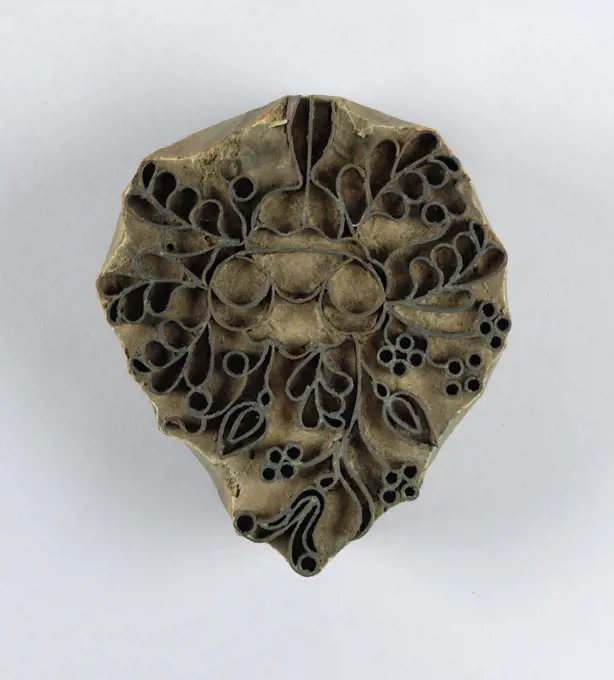
Printing block, Medium: wood, copper, brass, One of twenty-one wood blocks showing a different floral motif formed by metal strips set in wood., USA, 1825-50, appliances & tools, Printing block
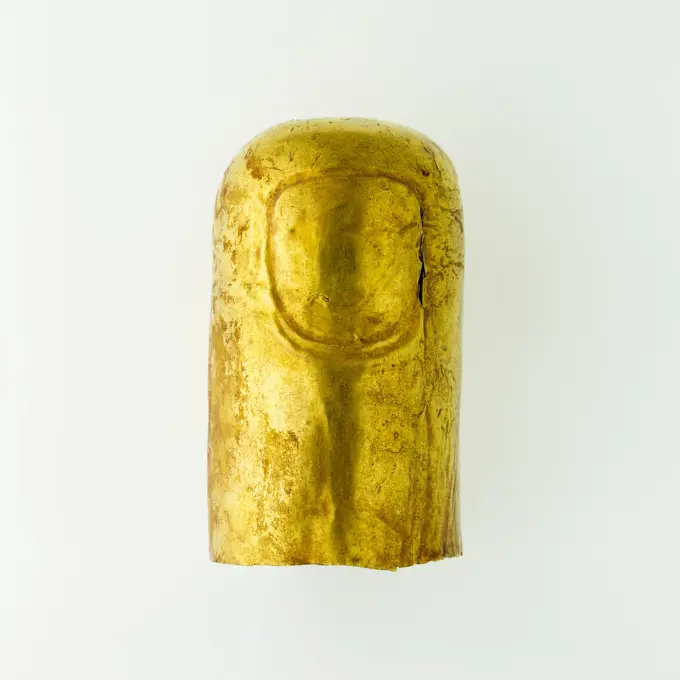
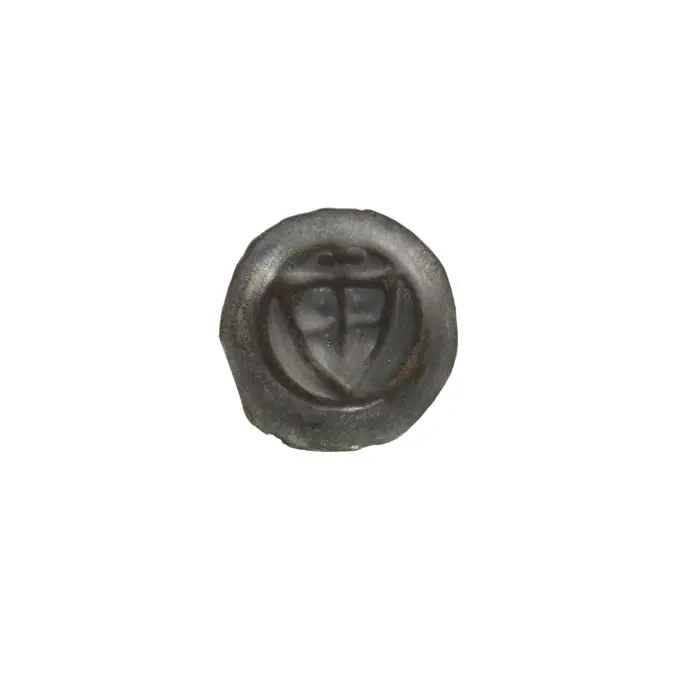
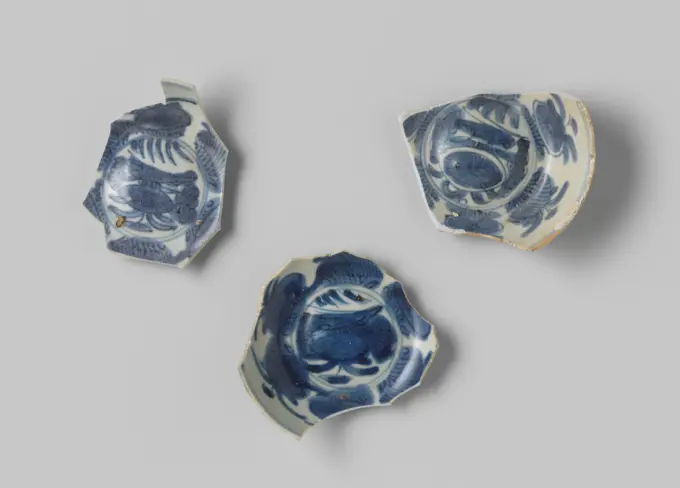
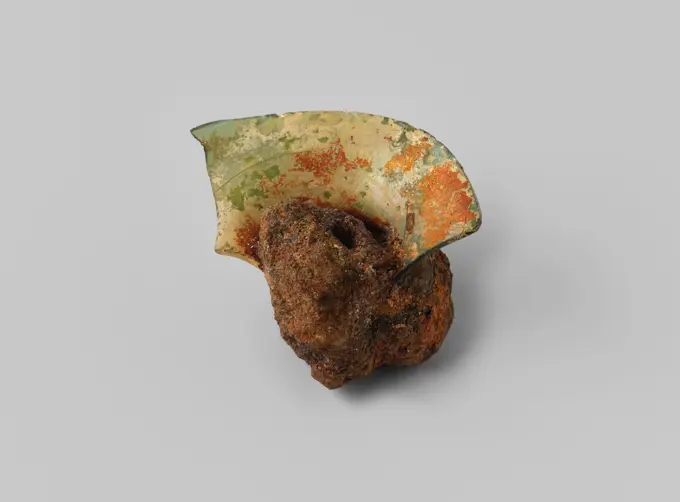
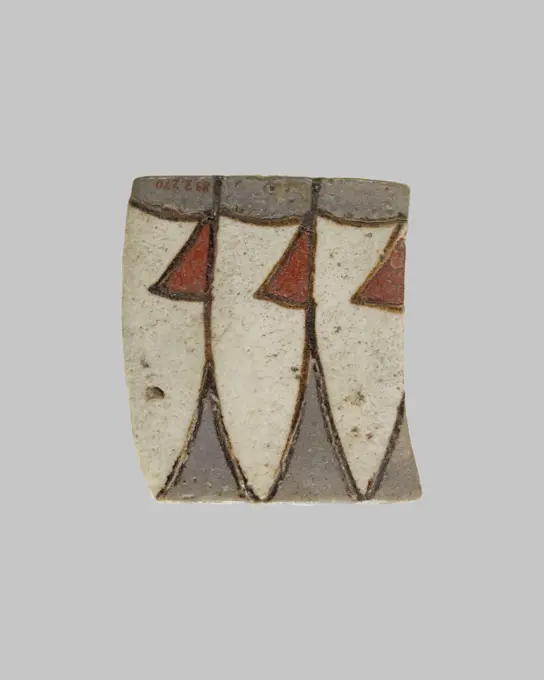
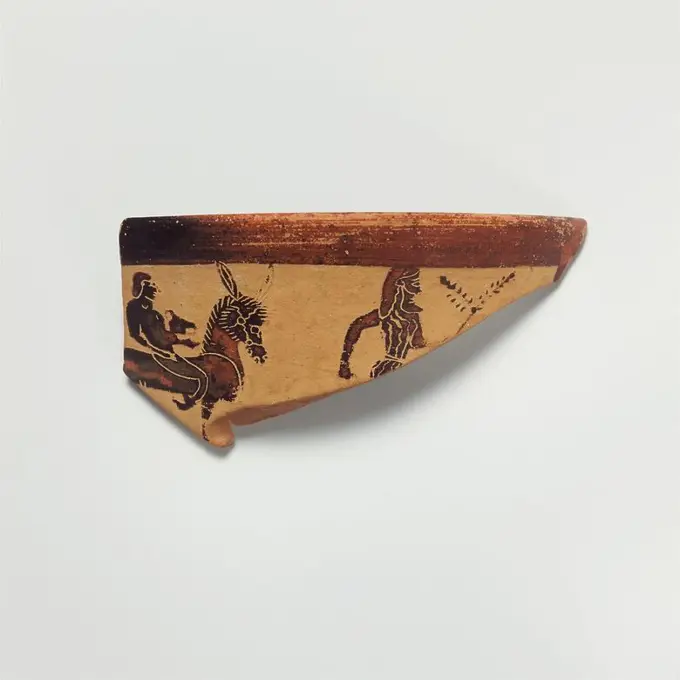
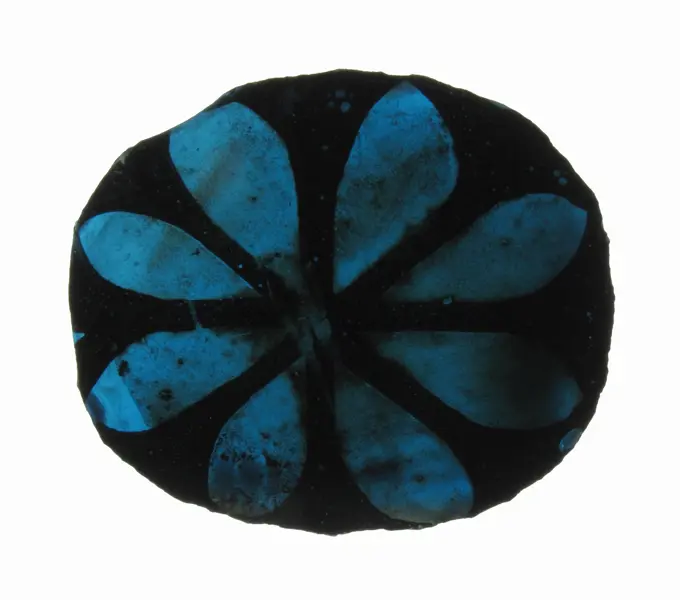
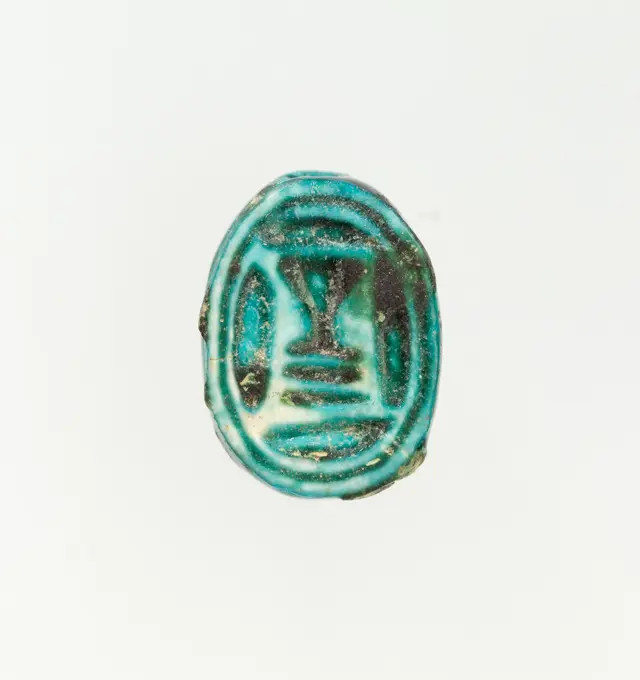
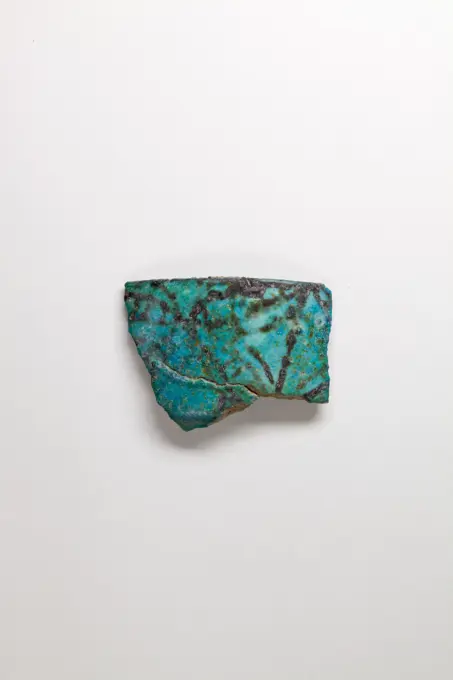
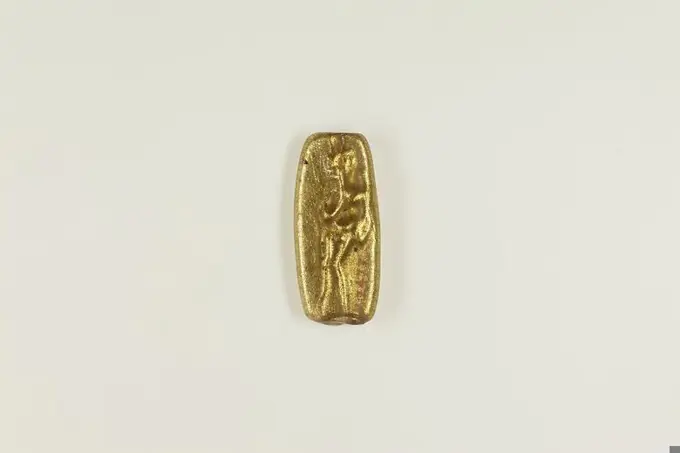
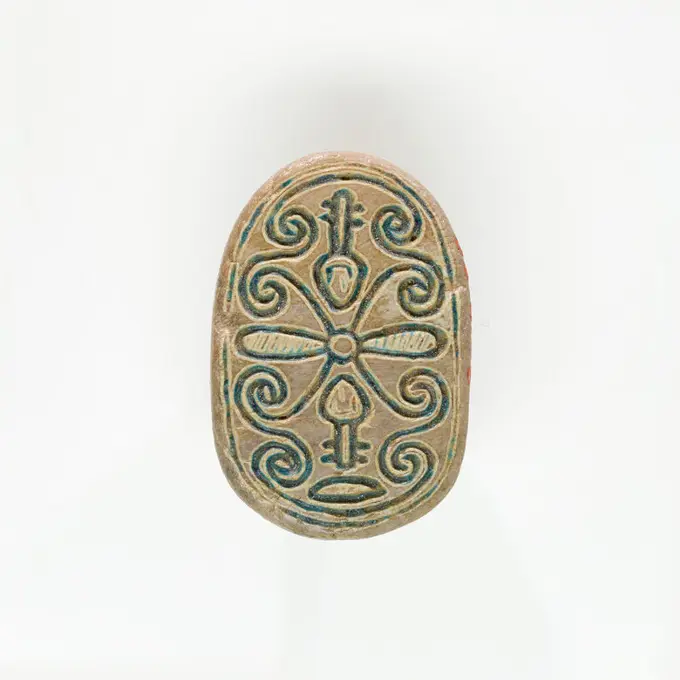
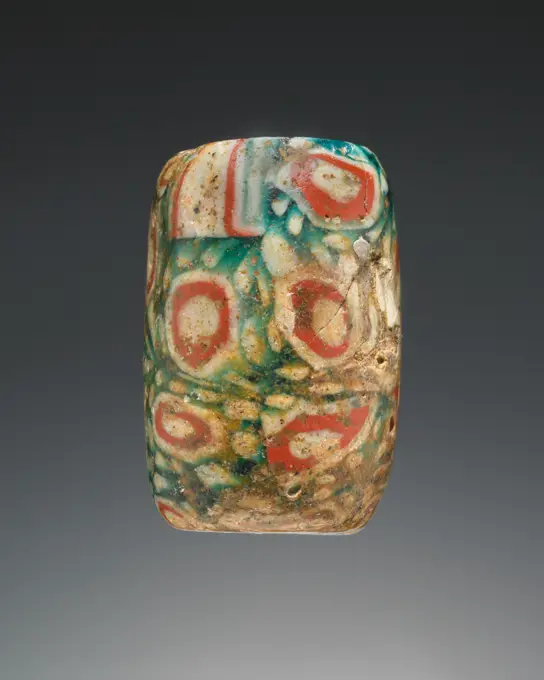
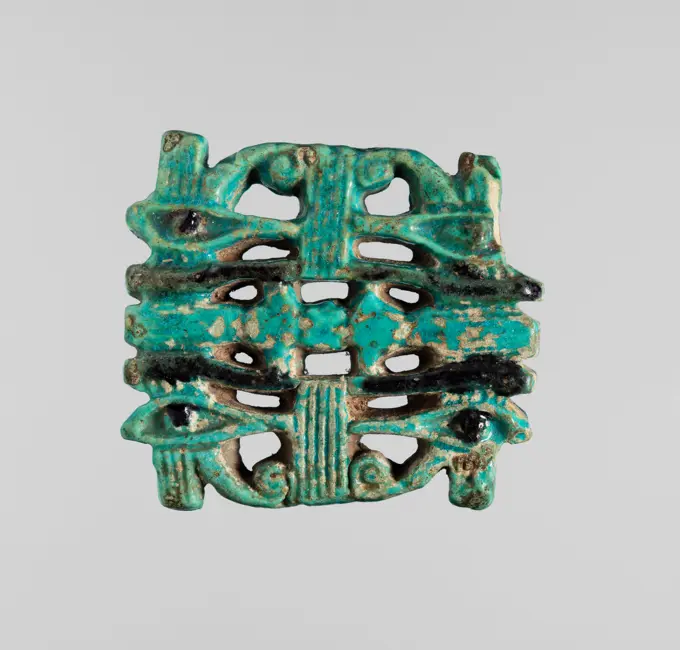
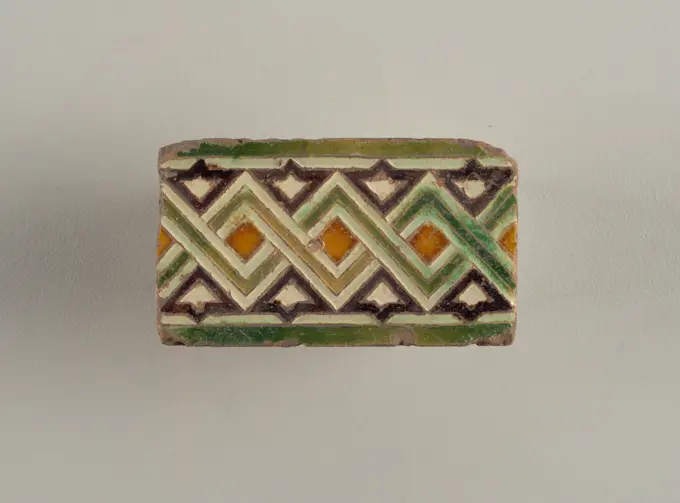
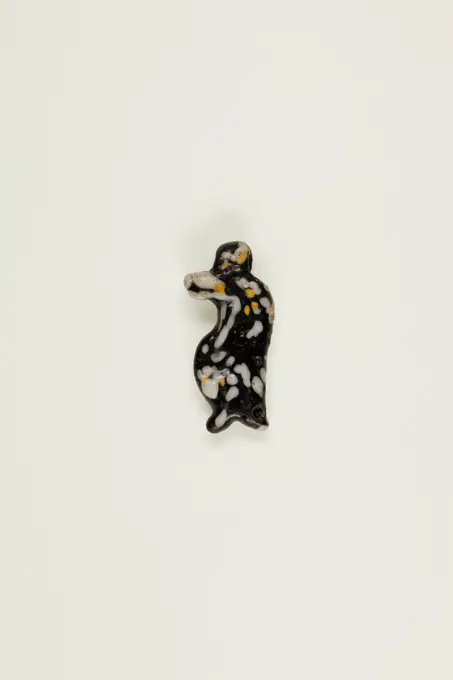
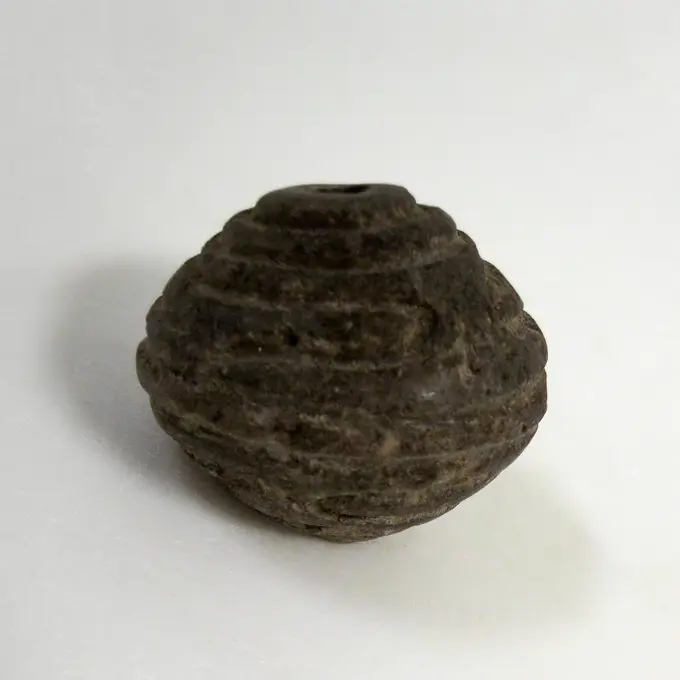
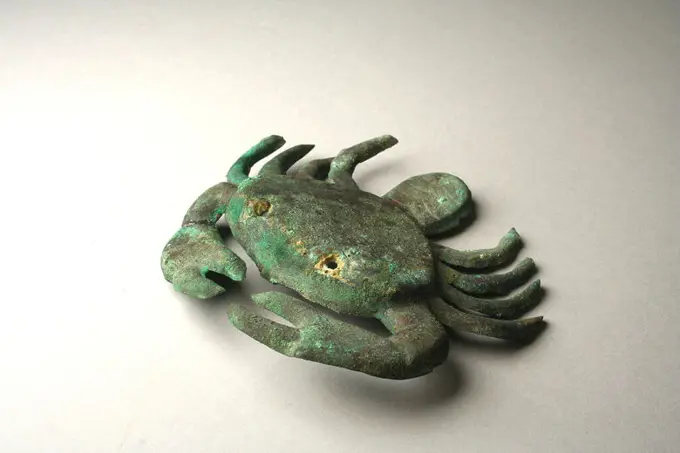
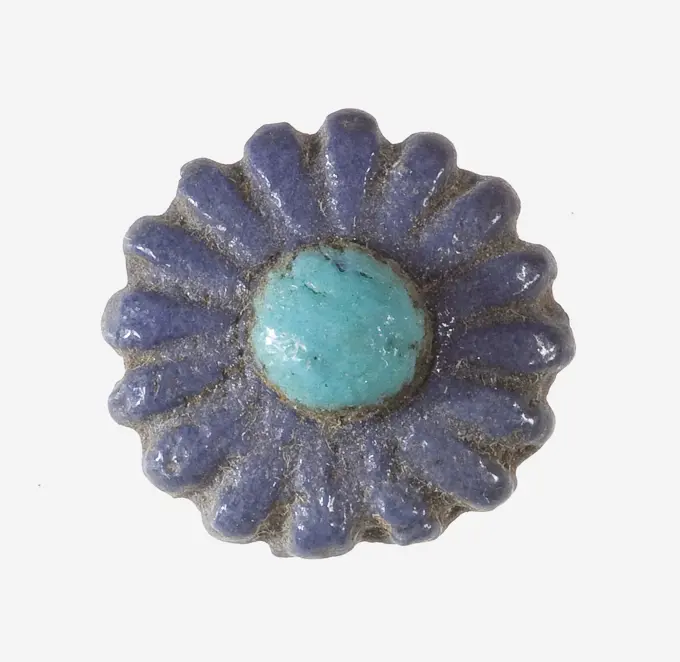
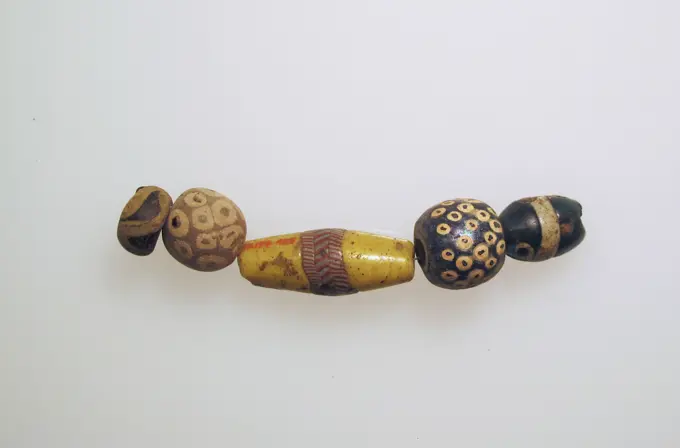
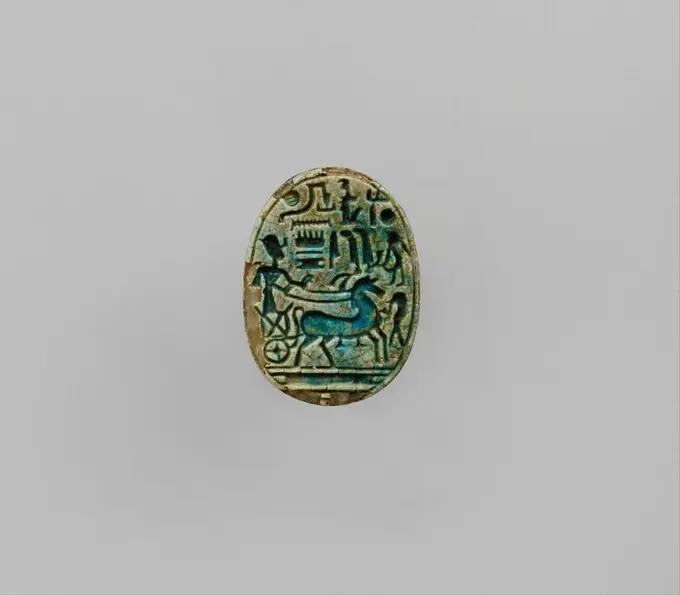
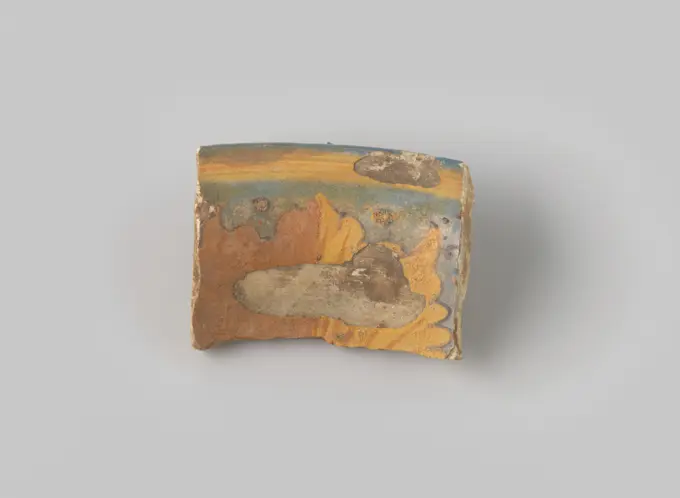
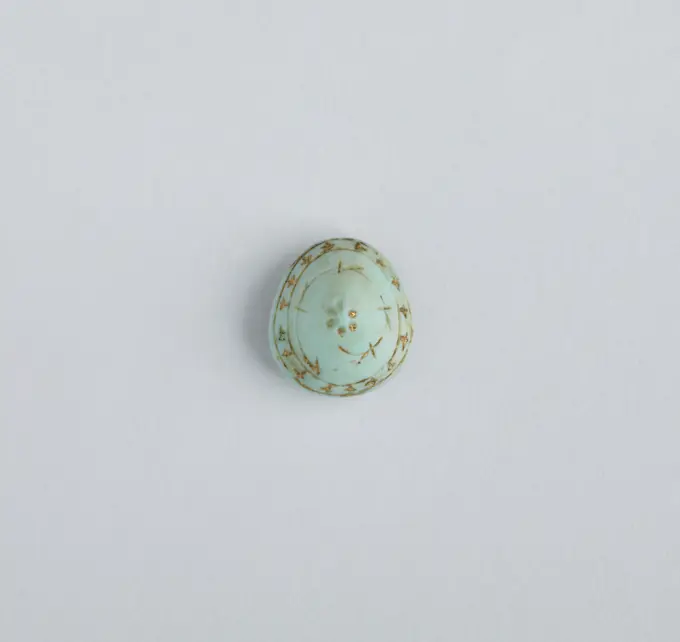
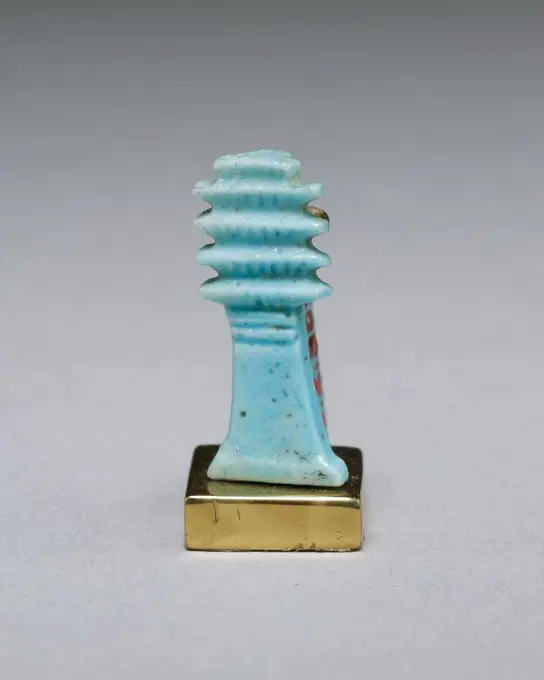
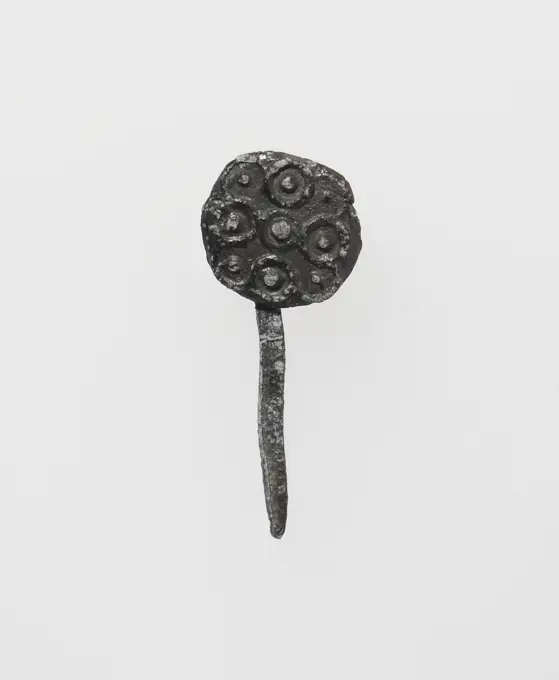
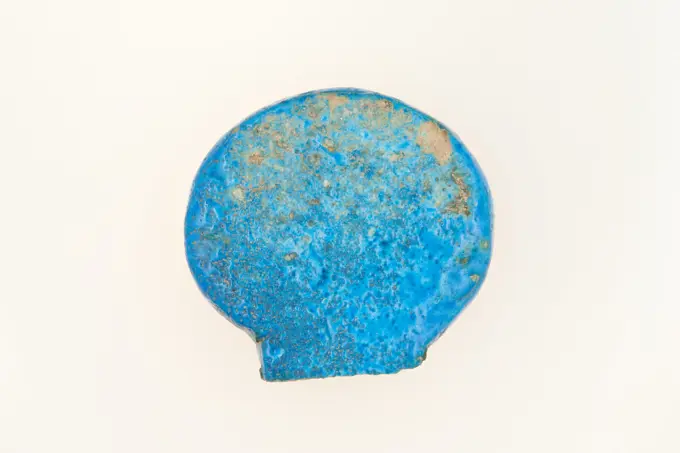
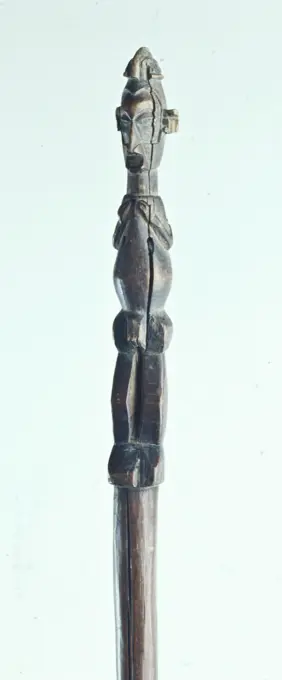
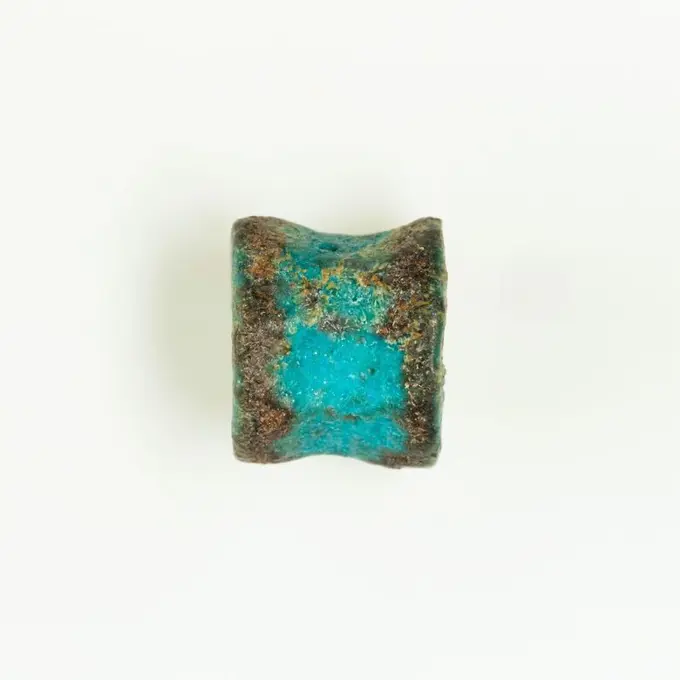
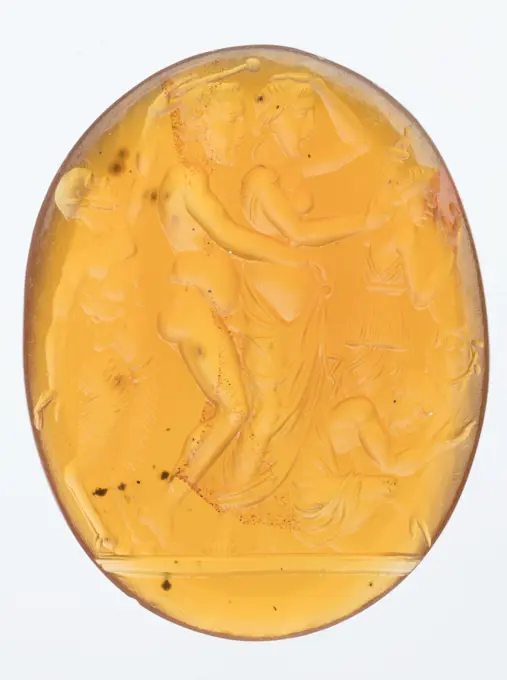
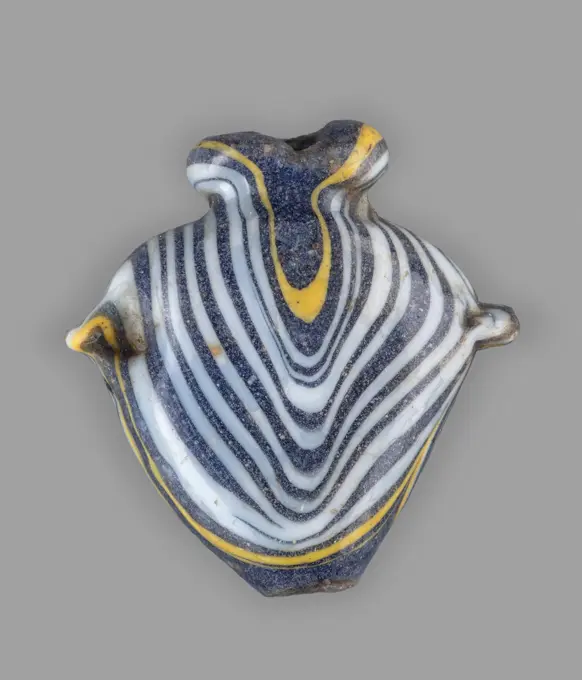
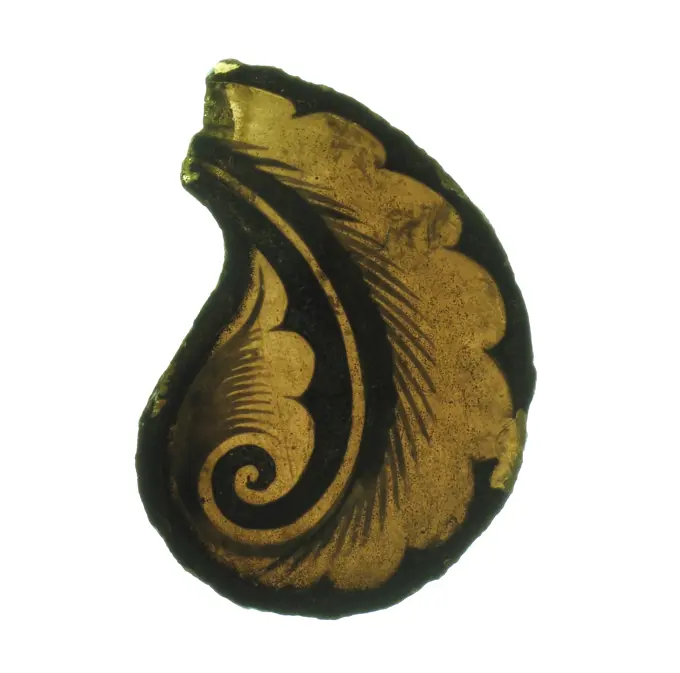
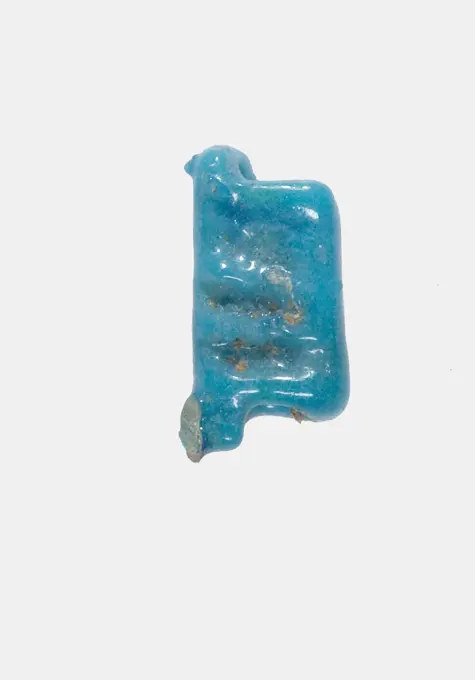
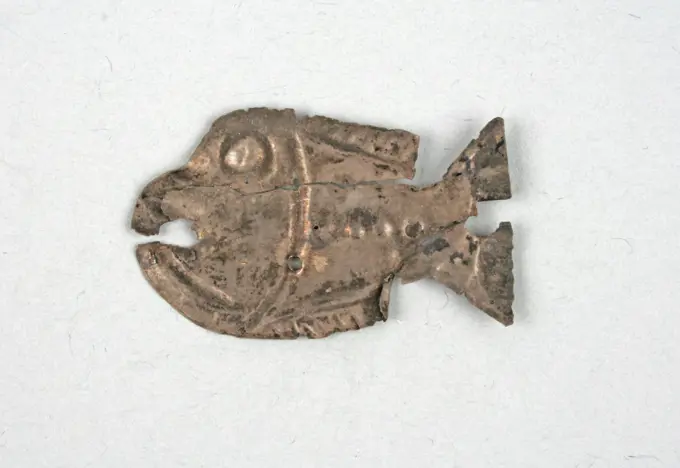
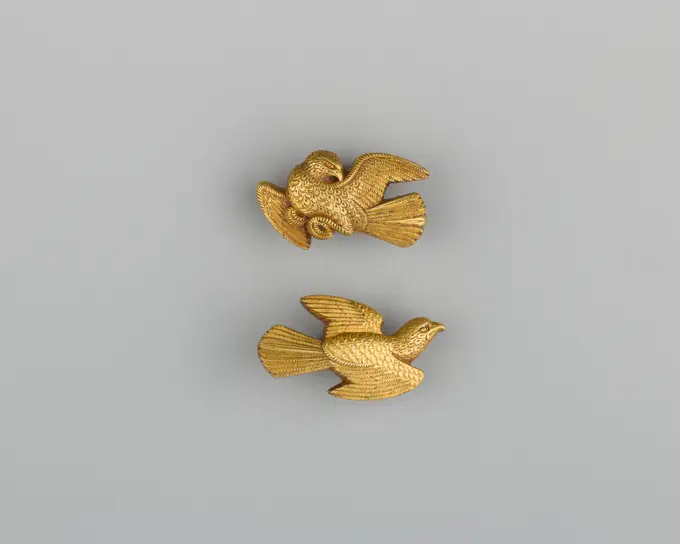
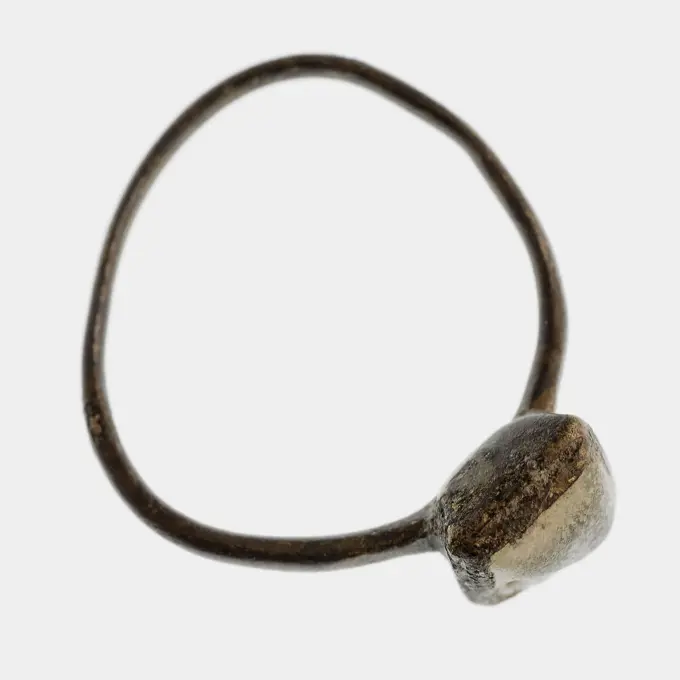
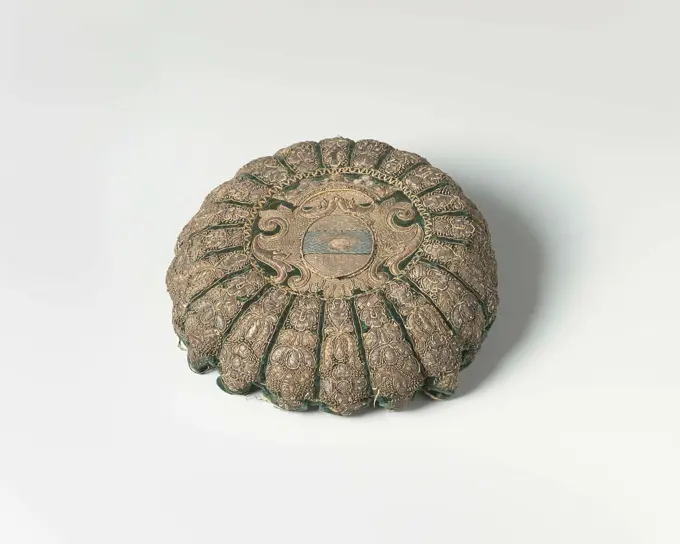
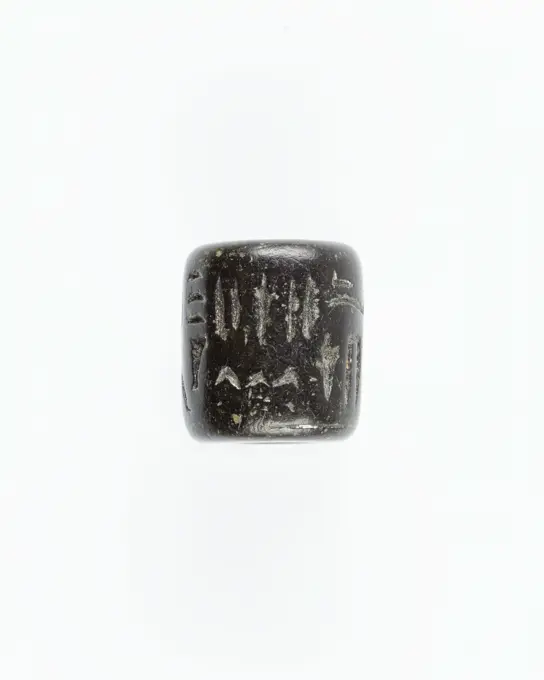
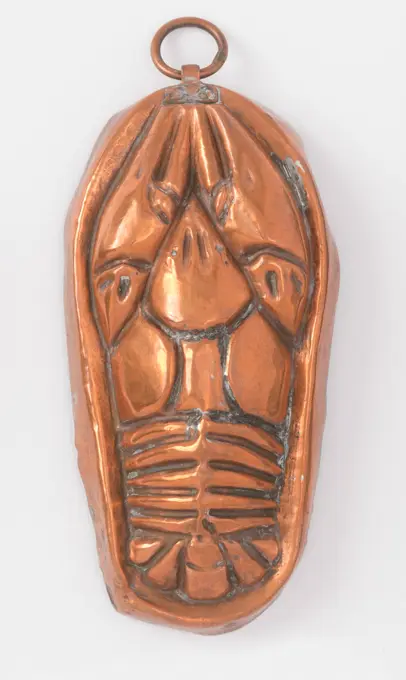
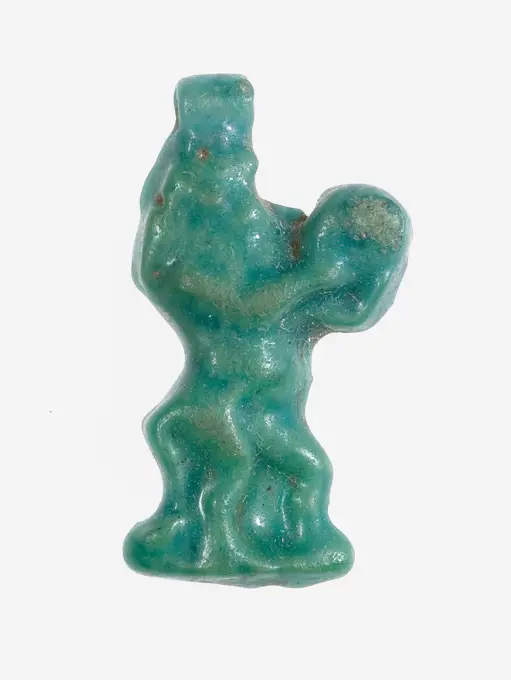
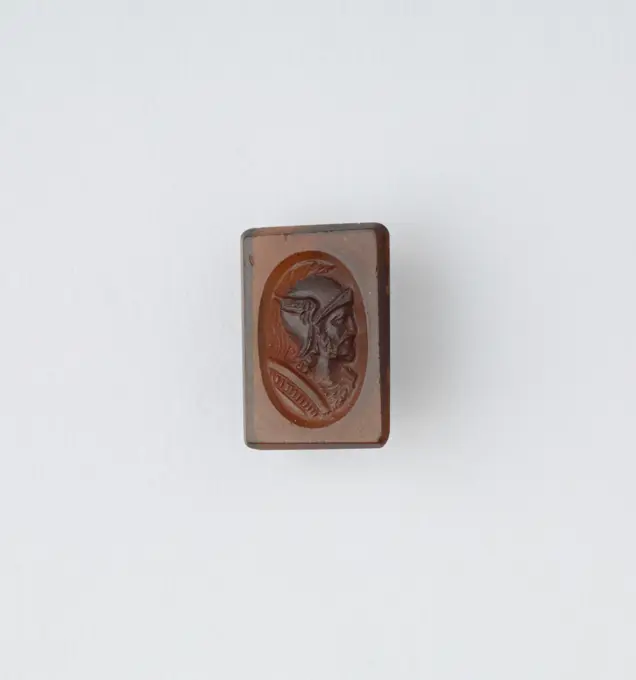
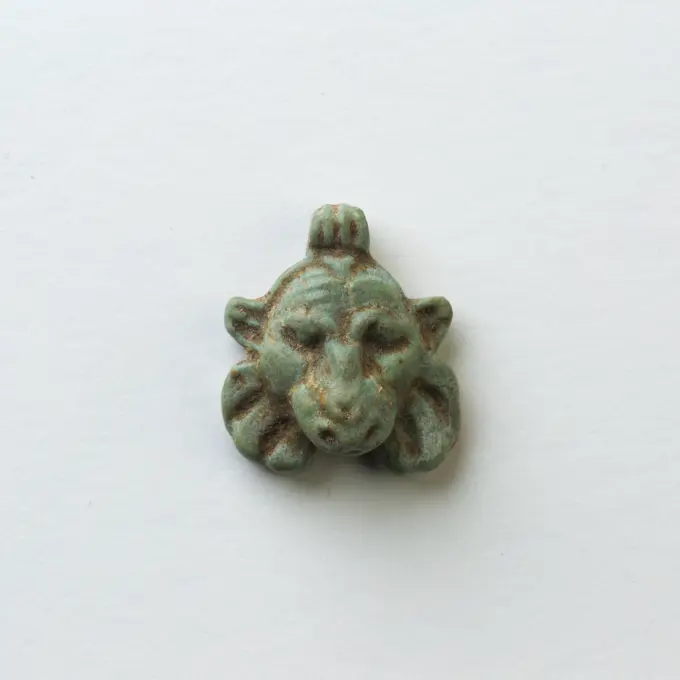
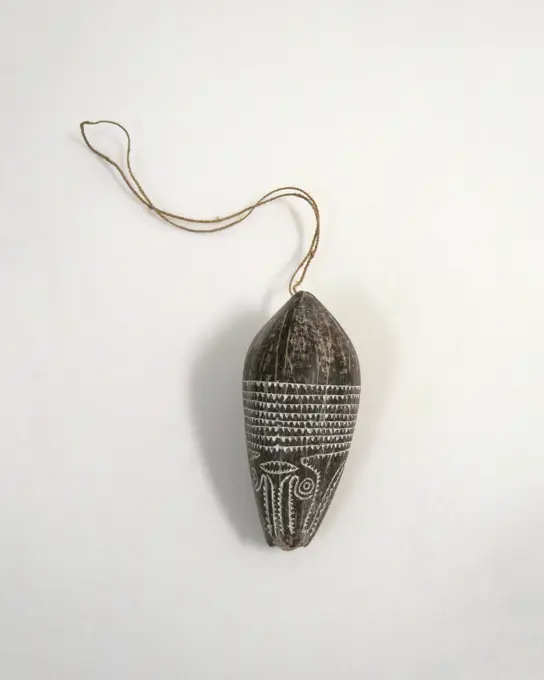
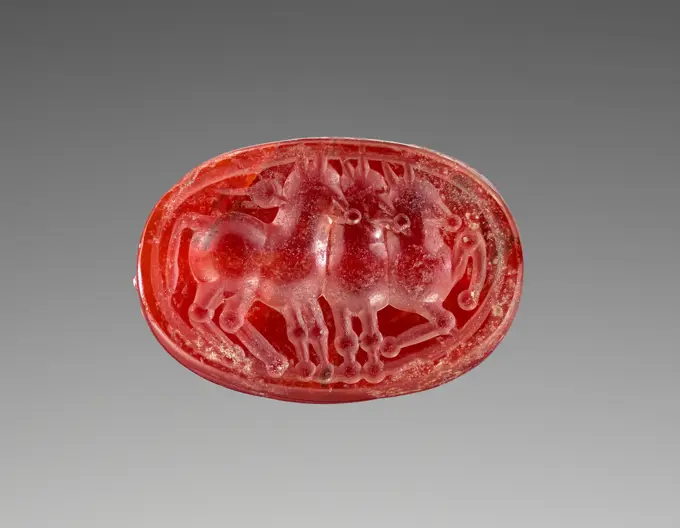
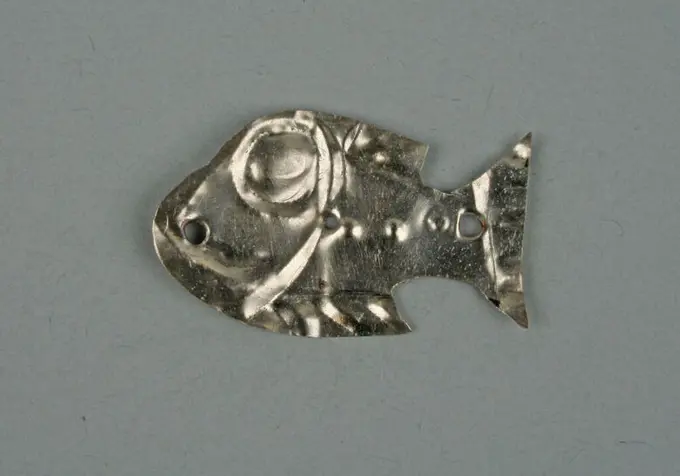
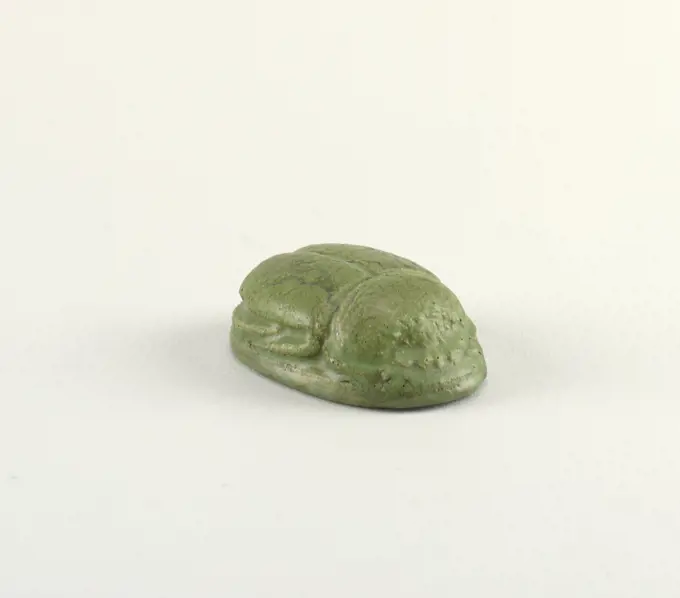
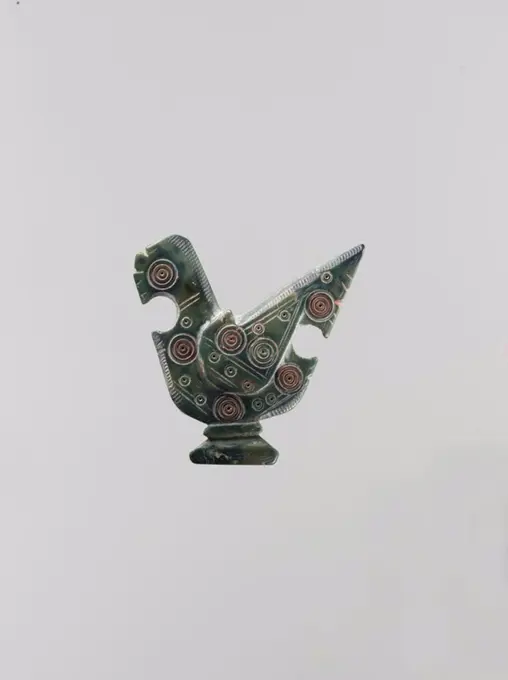
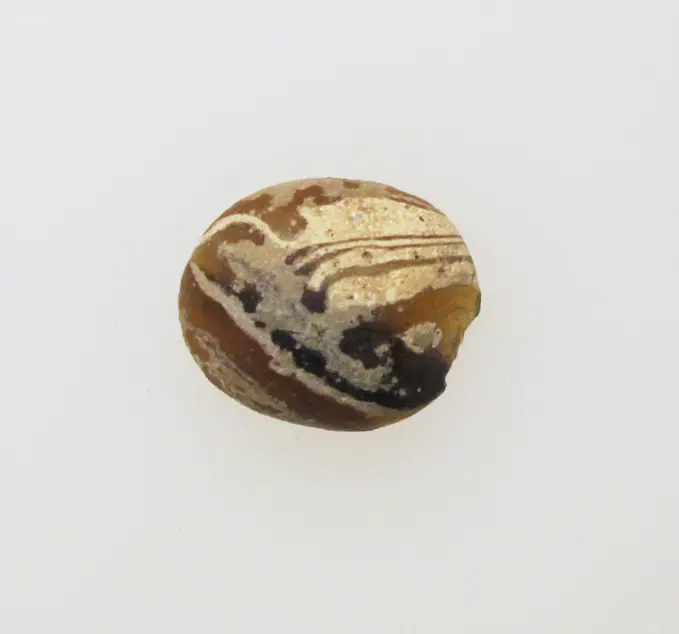
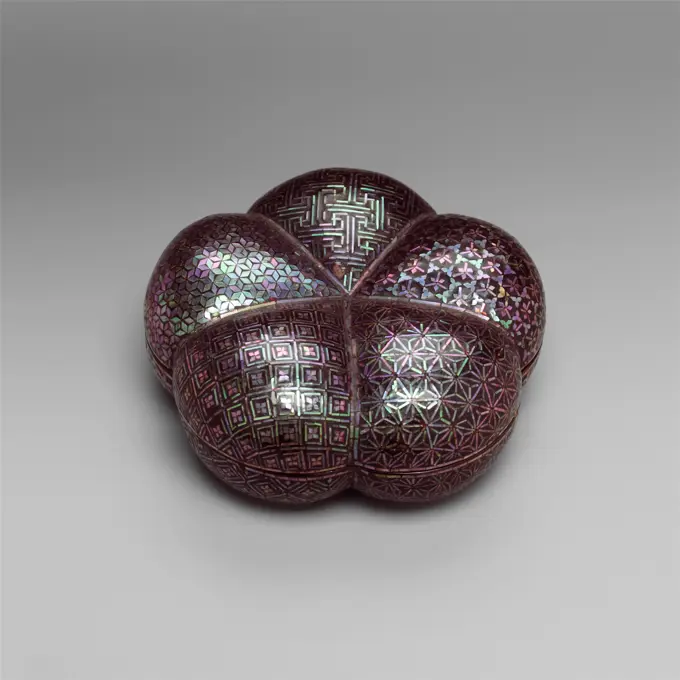
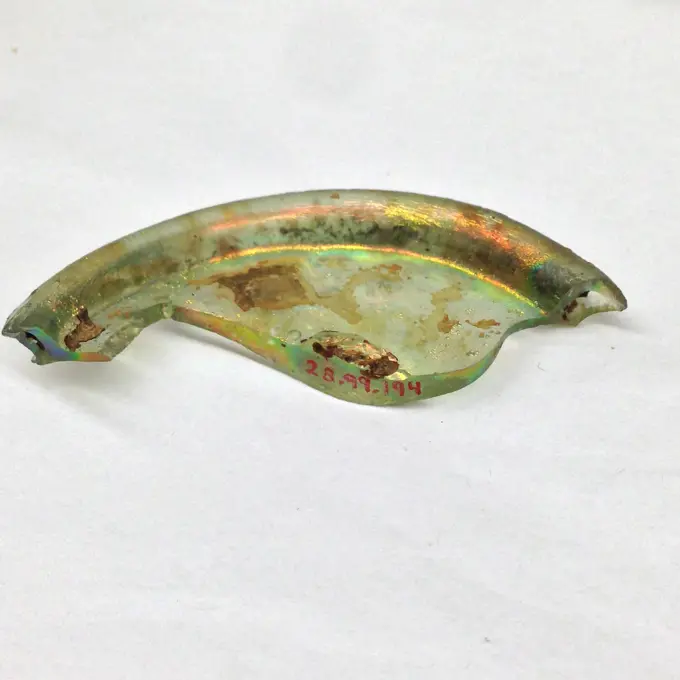
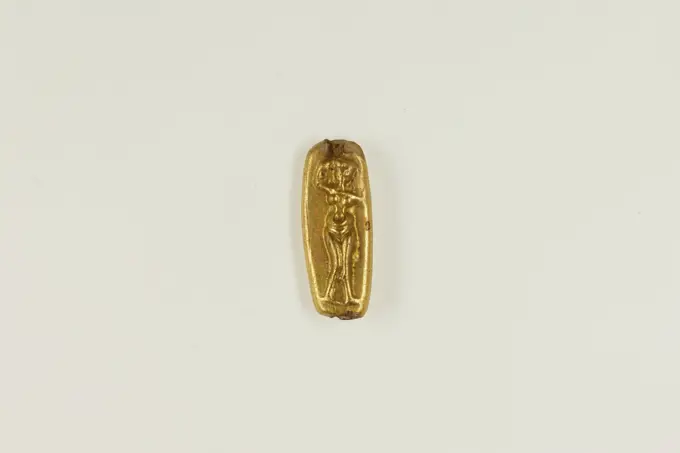
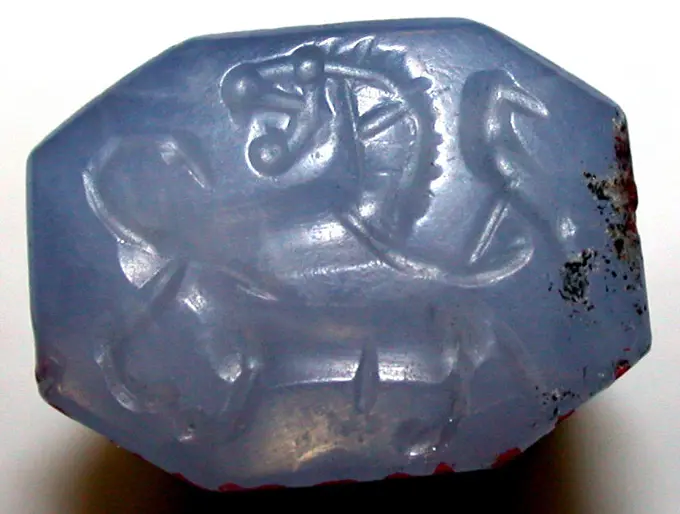
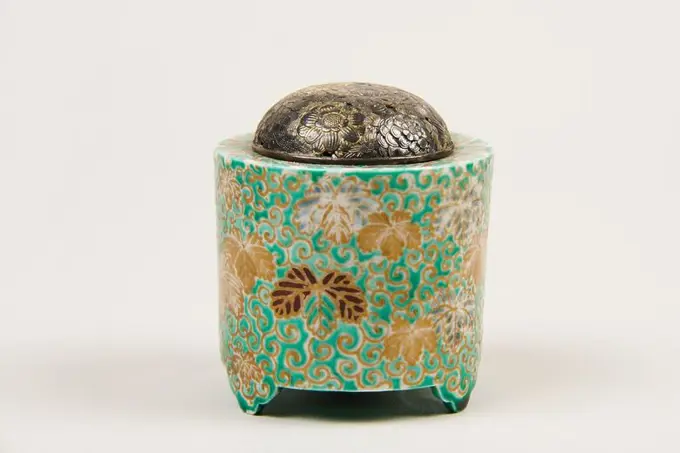
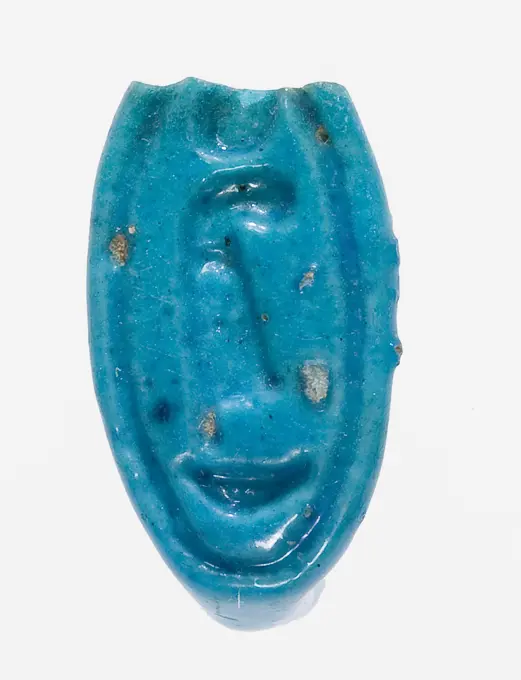
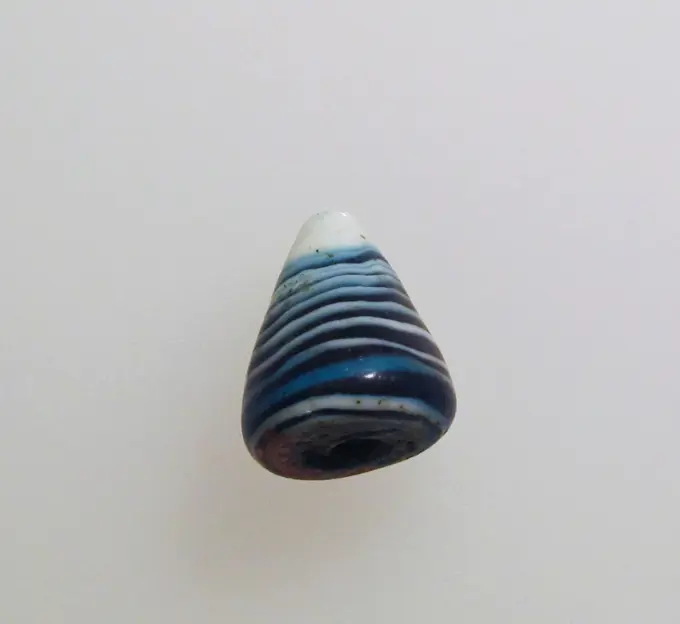
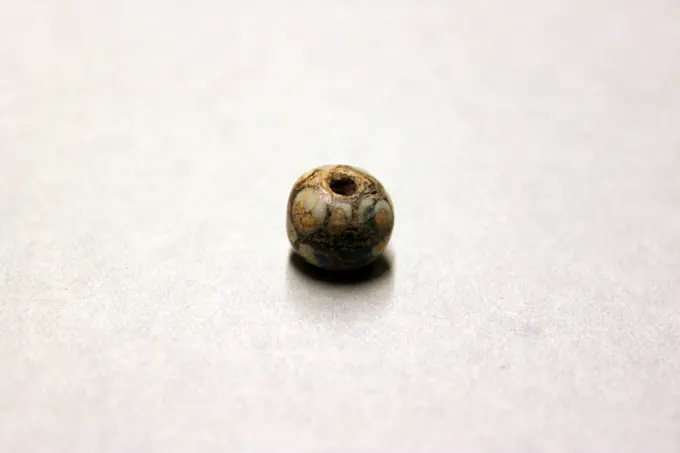
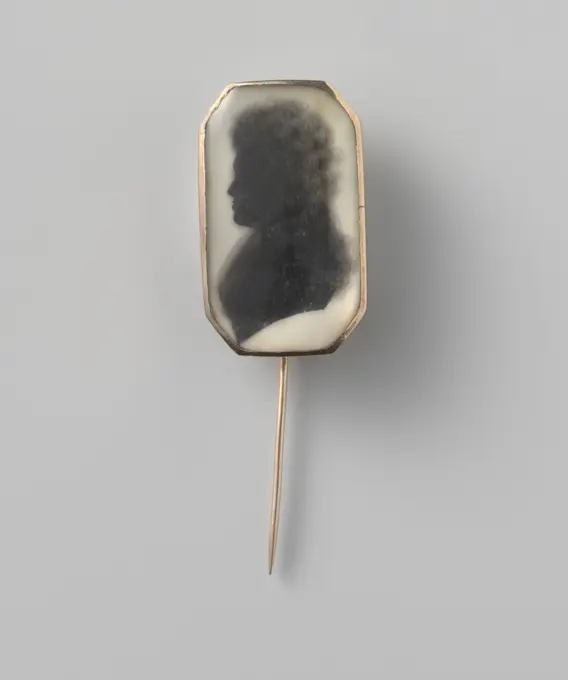
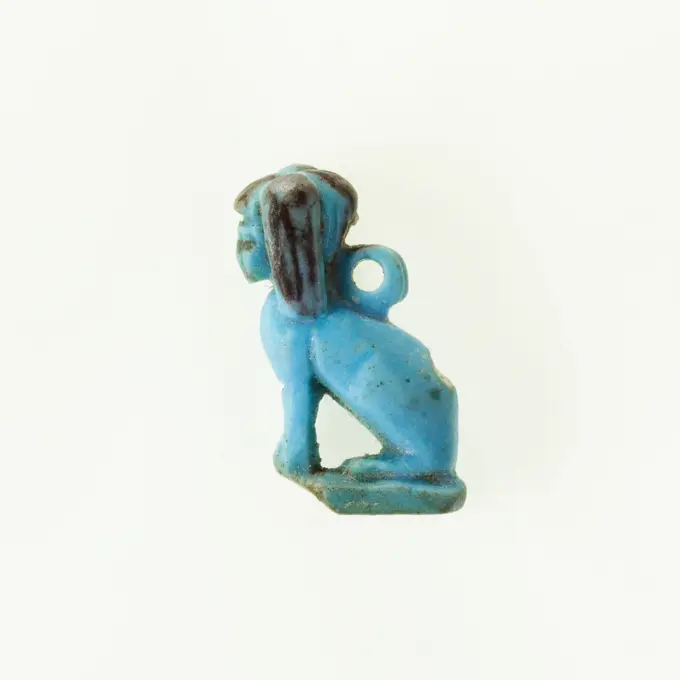
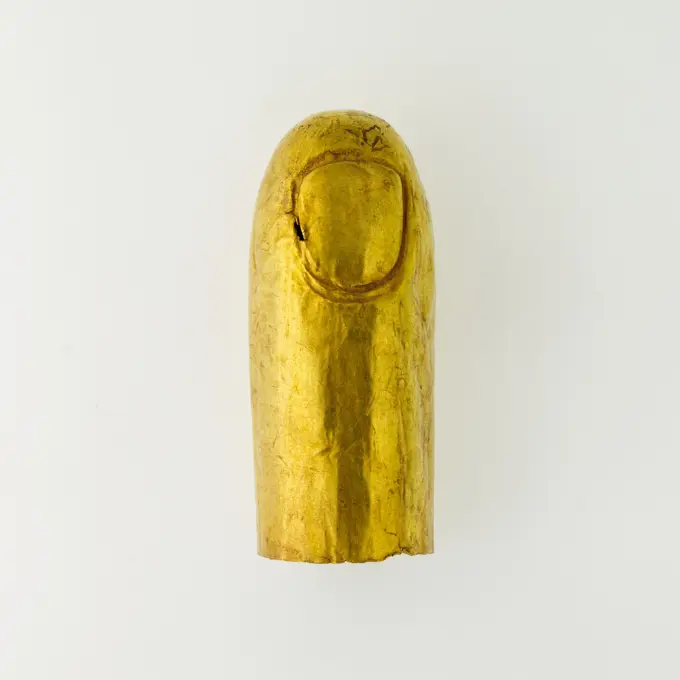
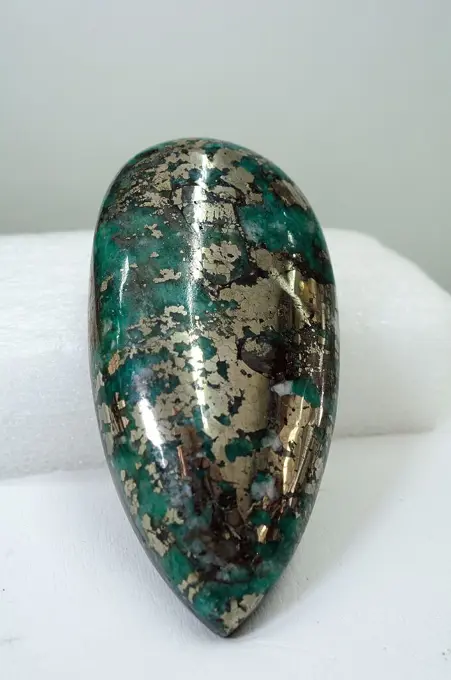
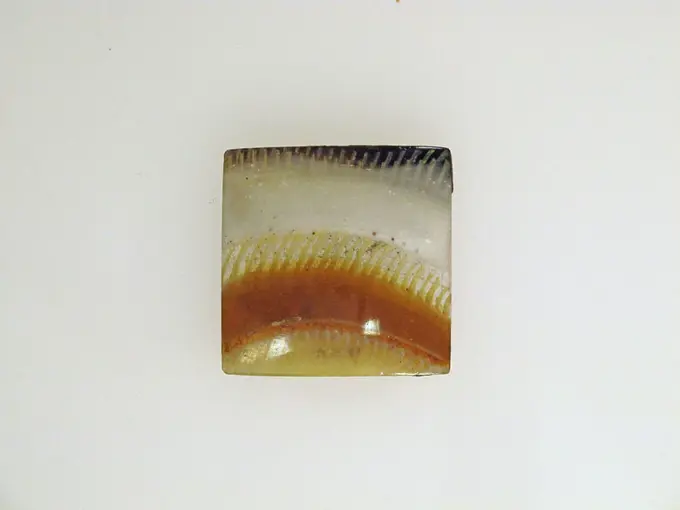
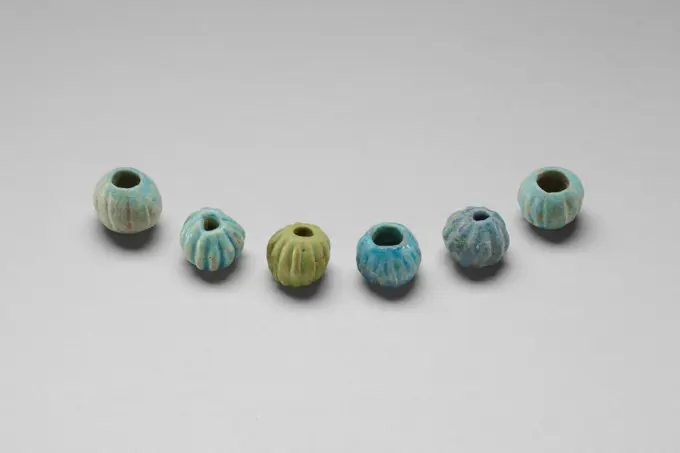
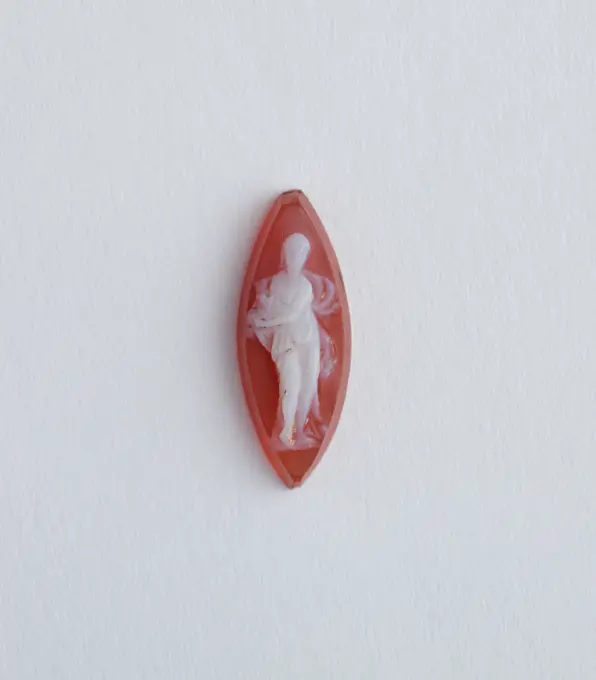
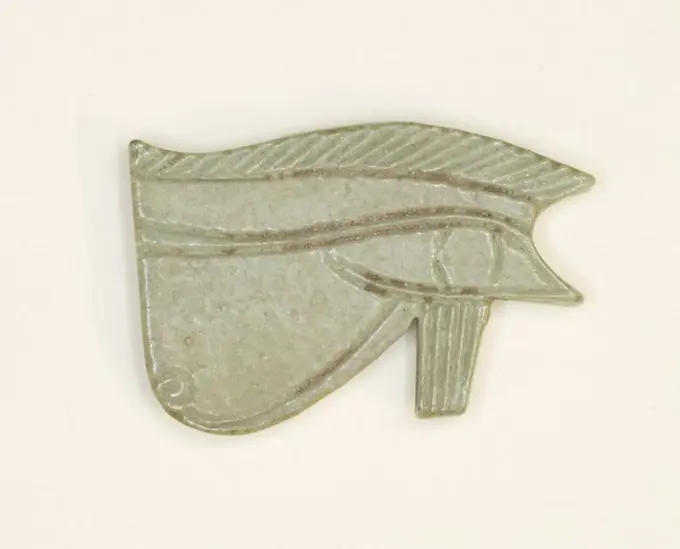
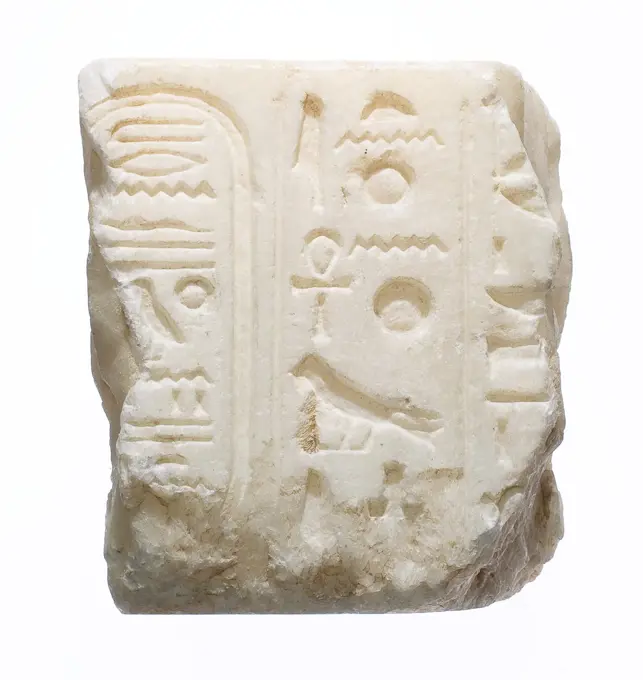
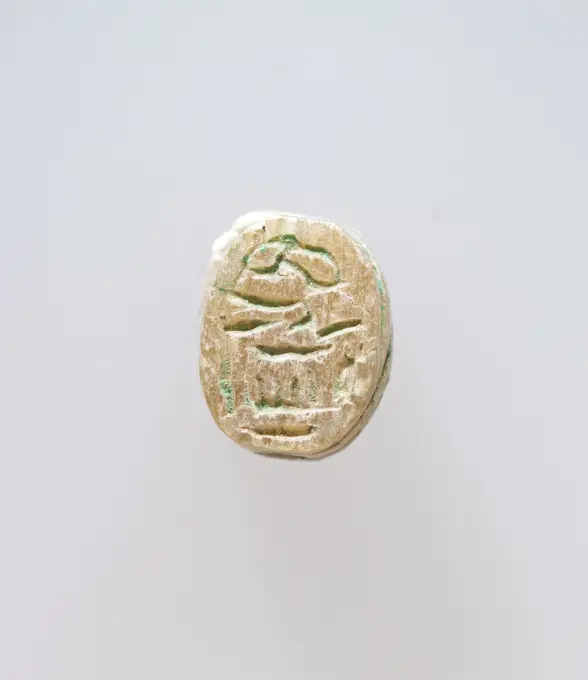
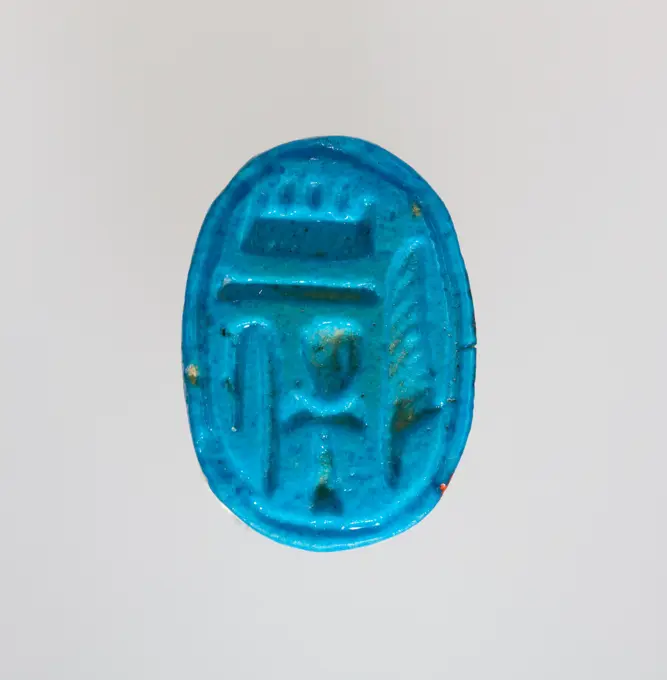
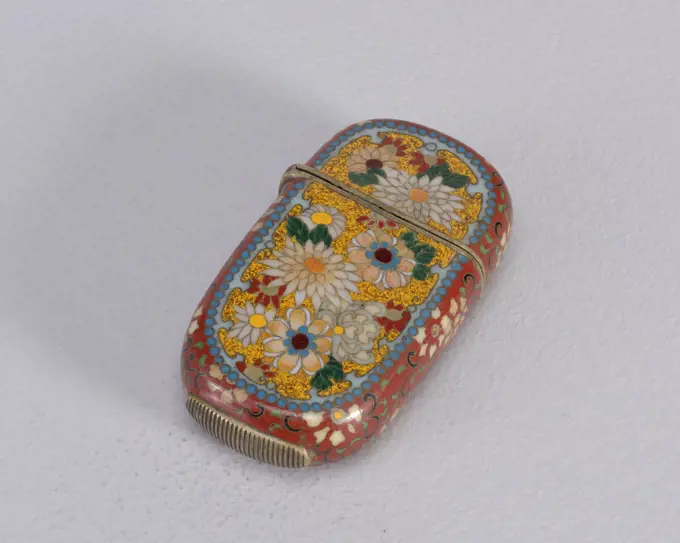
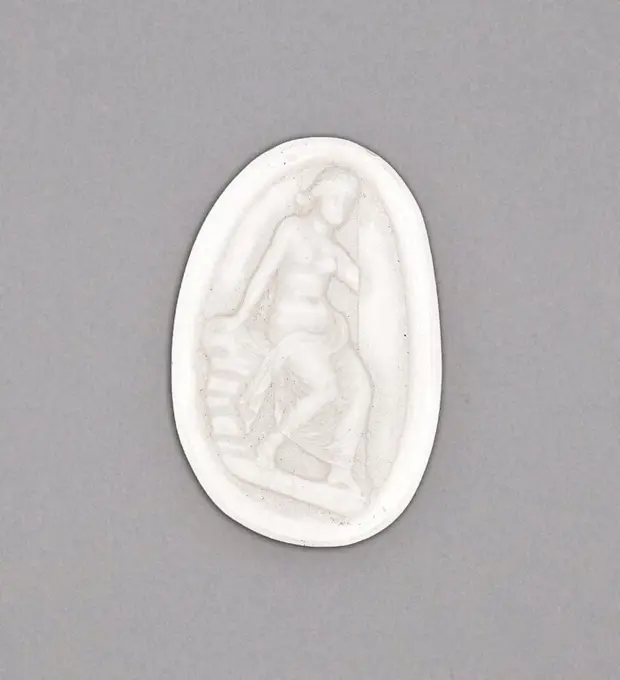
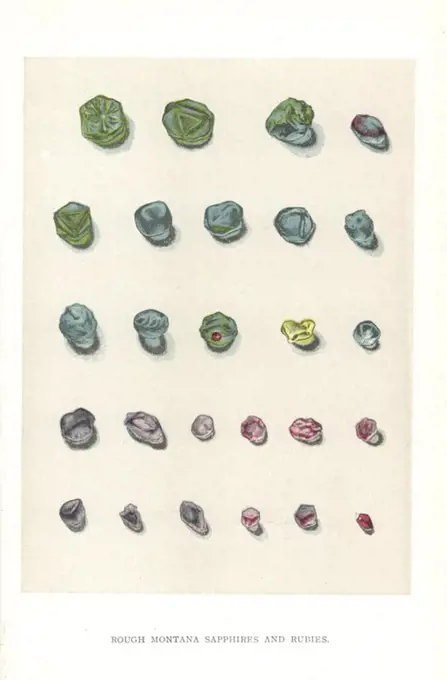
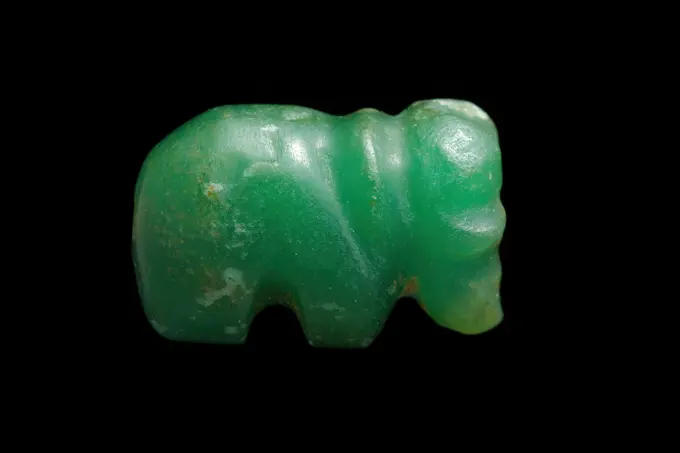
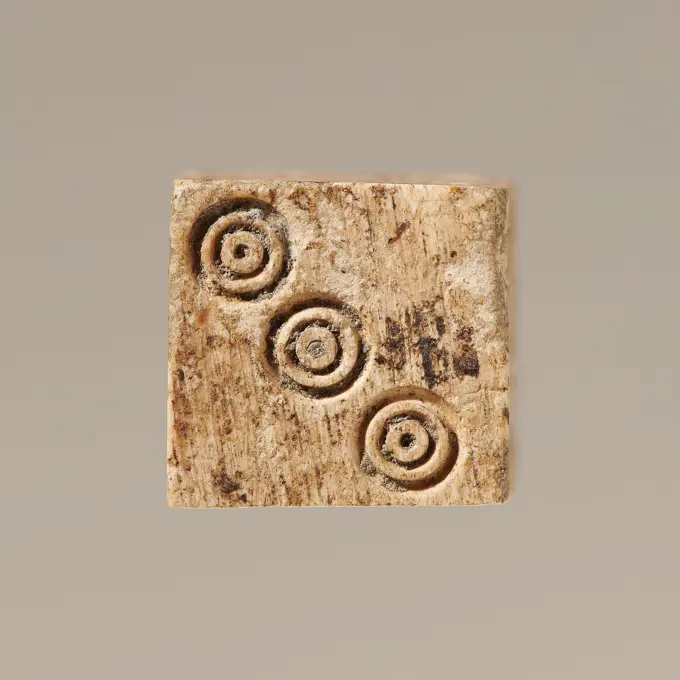
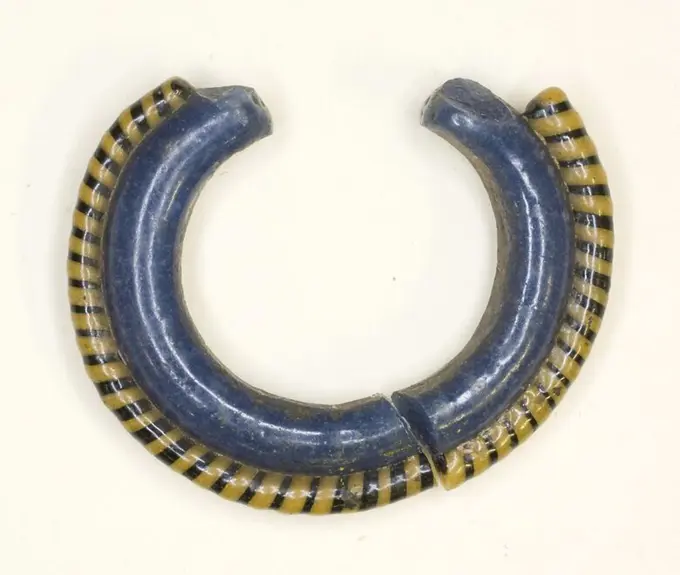
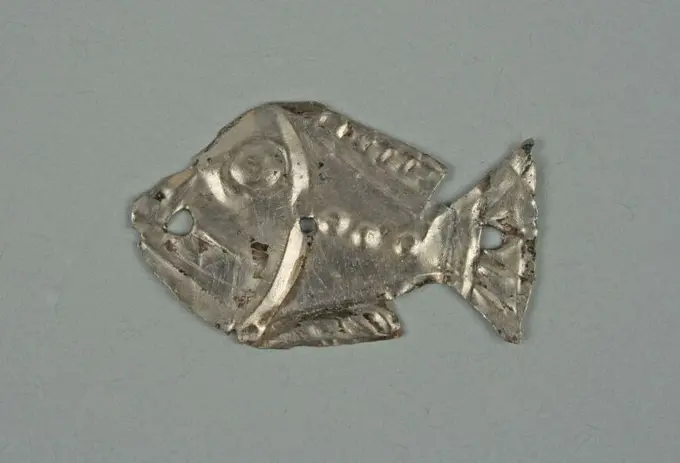
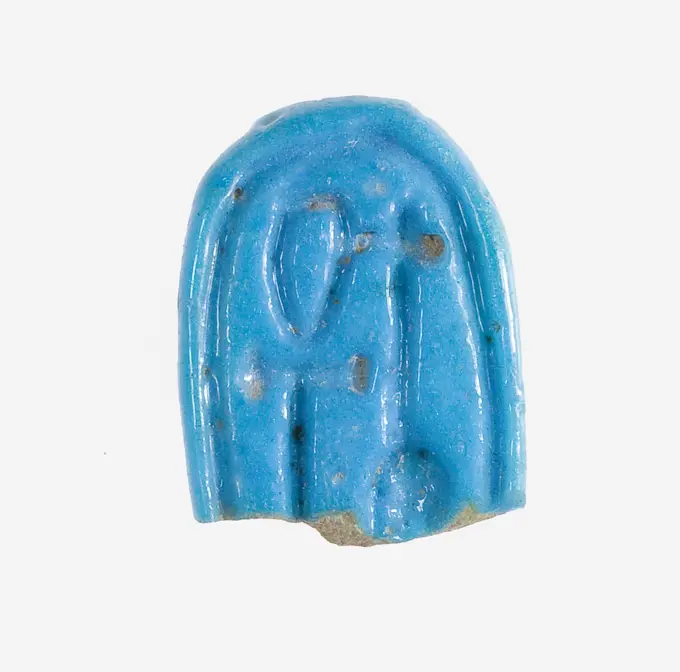
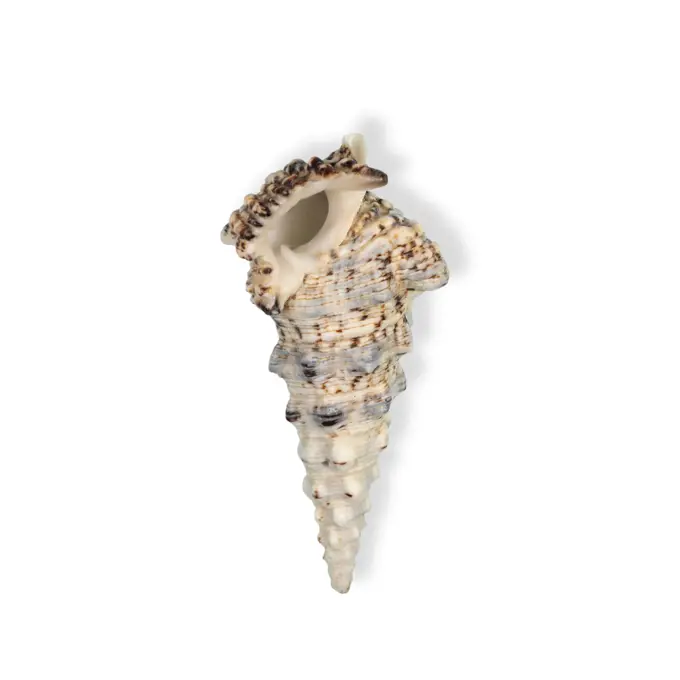
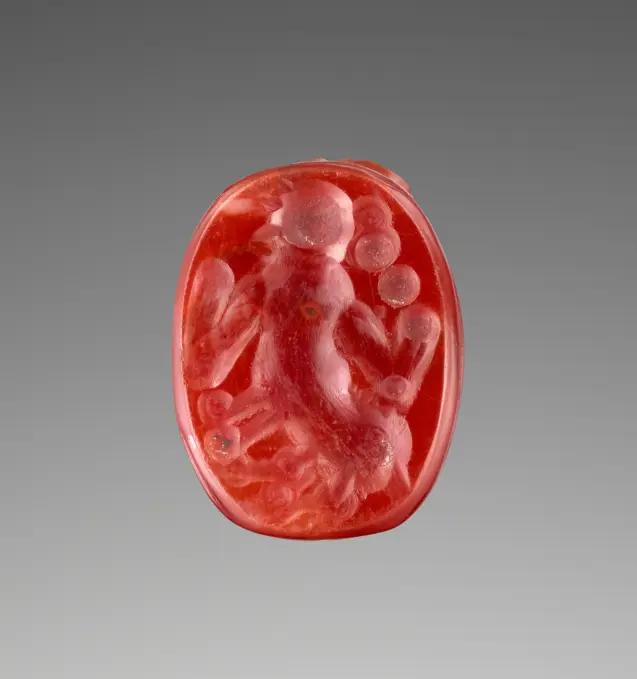
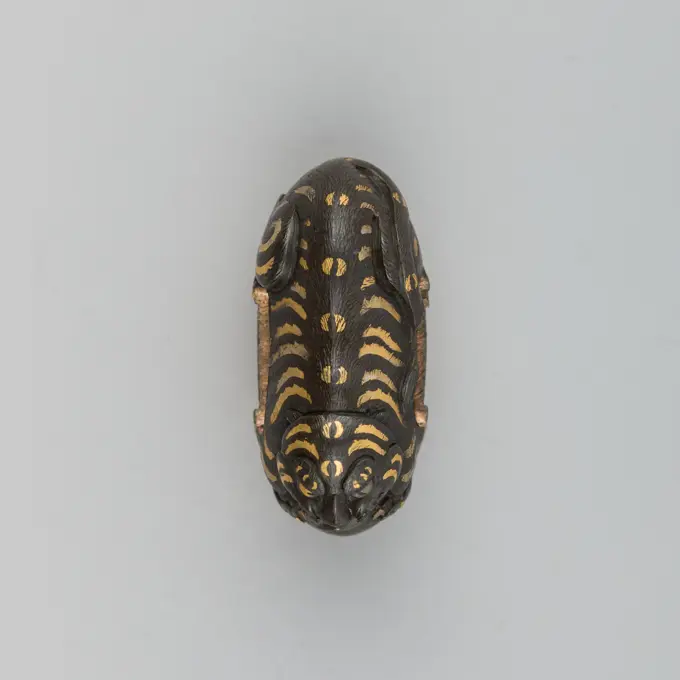
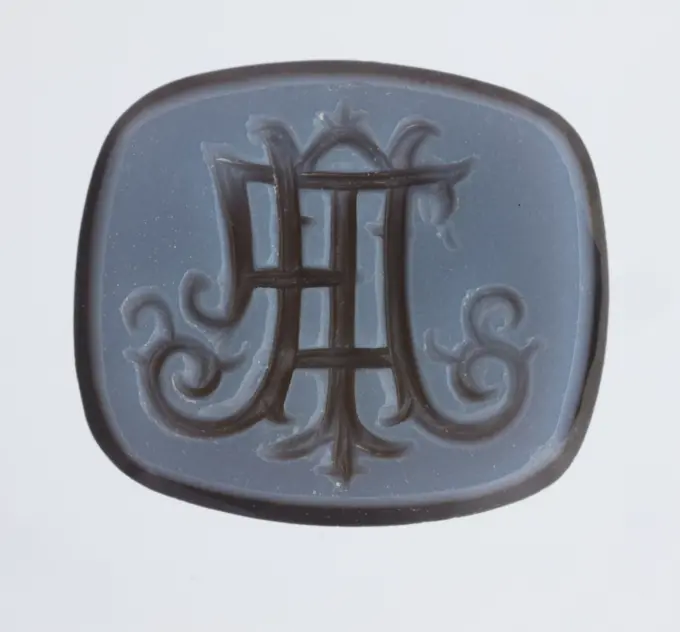
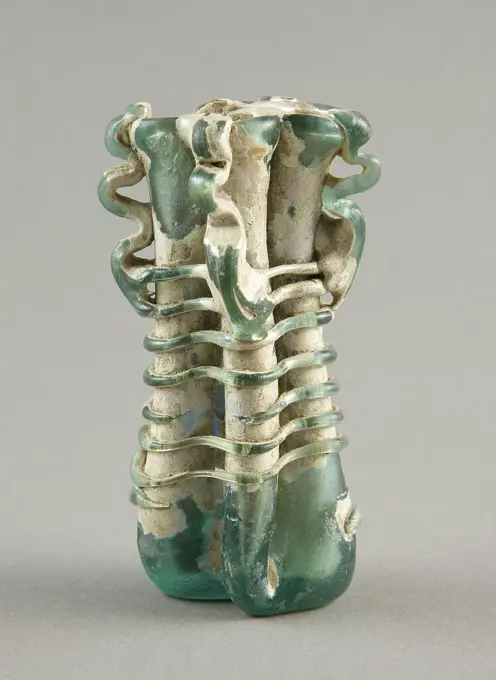
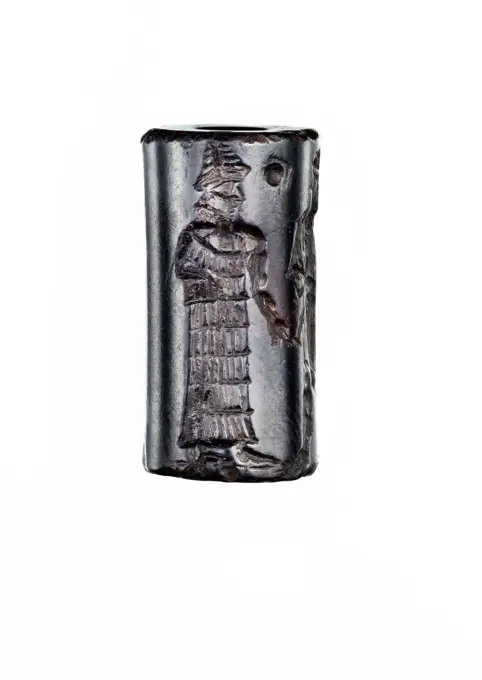
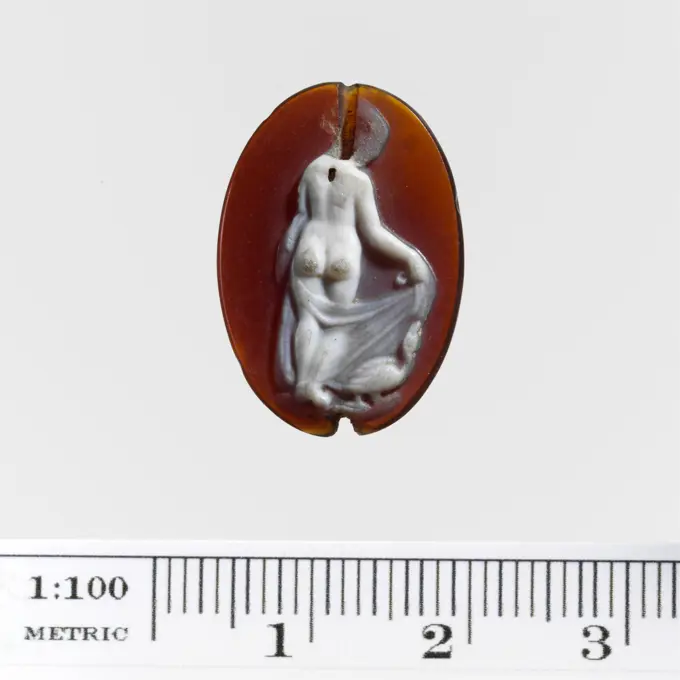
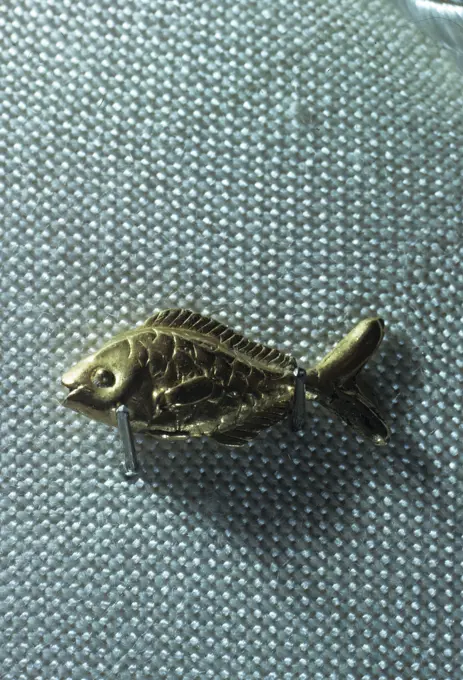
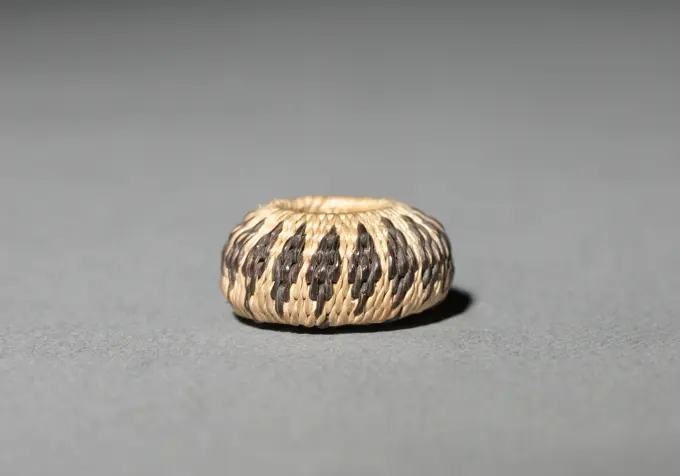
Miniature Round Basket, late 1800s-early 1900s. California, Pomo, late 19th-early 20th century. Plant materials; diameter: 1.7 cm (11/16 in.).Toe stall ca. 1479-1425 B.C. New Kingdom. Toe stall 576562Denar - Brakteat; approx. 1307/1308- 1317/1318 (1307-00-00-1318-00-00);Fragments of Dishes from V.O.C. ship De 'Witte Leeuw', Anonymous, Before 1613  Soil fragments of dishes from V.O.C. ship the 'Witte Leeuw'. Jingdezhen porcelain   Sint-HelenaScrew cap from the wreck of the East Indies Princesse Maria, Anonymous, 1670 - 1686 screwcap Round pewter screw cap (from a basement bottle) black corroded on a part of the neck and shoulder of a basement bottle of green glass. Screw Cap. Netherlands tin (metal). glassFaience Inlay ca. 1184-1153 B.C. New Kingdom, Ramesside This decorative tile may be associated with the ceramic art of the reign of Ramesses III. It was intended to fit together with similar tiles to form a horizontal pattern of petals.. Faience Inlay. ca. 1184-1153 B.C.. Faience. New Kingdom, Ramesside. From Egypt. Dynasty 20Fragment of a terracotta kantharos (drinking cup with high handles). Culture: Greek, Boeotian. Dimensions: greatest length 4 3/8 in. (11.1 cm); estimated diameter of lip 6 5/16 in. (16 cm). Date: early 5th century B.C..Return of Hephaistos. Museum: Metropolitan Museum of Art, New York, USA.Glass Fragment 12th-17th century () European. Glass Fragment. European. 12th-17th century (). Glass. Glass-StainedScarab ca. 1479-1458 B.C. New Kingdom. Scarab. ca. 1479-1458 B.C.. Faience. New Kingdom. From Egypt, Upper Egypt, Thebes, Deir el-Bahri, Hatshepsut Hole, Hathor Shrine, MMA excavations, 1922-23. Dynasty 18Vase fragment ca. 1981-1640 B.C. Middle Kingdom. Vase fragment 556919Bead with figure of Harpokrates. Dimensions: H. 2.8 × W. 1.3 cm (1 1/8 × 1/2 in.). Date: 100 BC-100 AD.Gold glass beads were a Hellenistic development. They were created by combining drawn tubes of colorless glass with gold foil. The earliest examples were finished bead by bead. These are all modern stringings; most ancient stringing patterns are lost as the string decays. Museum: Metropolitan Museum of Art, New York, USA.Decorative batter from the wreck of the East Indies Hollandia, Anonymous, 1700 - in or Before 1743  Fitting, decorative fitting or fragment; id. NG 1980-27H3353, squashed. Netherlands tin (metal)   SecondScarab from Ruiu's Burial. Dimensions: L. 2.2 cm (7/8 in.); W. 1.5 cm (9/16 in.); H. 0.9 cm (3/8 in.). Dynasty: Dynasty 18, early. Reign: reign of Thutmose I-early sole Thutmose III. Date: ca. 1504-1447 B.C..The burial of Ruiu was found in the tomb of her father, Neferkhawet, which was excavated by the Museum's Egyptian Expedition in 1935. Lying against the right side of the head end of Ruiu's coffin was a small basket that contained a wooden box and a metal razor. Inside the box were four scarabs and a cowroid seal-amulet made of steatite, two ebony kohl sticks, and a small metal spoon.This scarab is the finest of those found in the box. It originally had a bright blue glaze that has almost entirely worn off the smooth surfaces. The device on the base is a combination of running spirals enclosing two nefer-hieroglyphs. Museum: Metropolitan Museum of Art, New York, USA.Bead. UnknownAmulet - poczwórne oko udżat. unknown, authorTile/tile Fragment; glazed earthenwareTaweret amulet 100 BC-100 AD Ptolemaic or Roman Period. Taweret amulet 570508Spindle Whorl, one of sixteen, 15th century, 1 5/16 x 1 1/2 in. (3.33 x 3.81 cm), Stone, Mexico, 15th centuryCrab. Culture: Moche (Loma Negra). Dimensions: Length 3-13/16 in. (9.7 cm). Date: 390-450. Museum: Metropolitan Museum of Art, New York, USA.Carved amulet; Crete, Greece; about 2300 B.C. - 2000 B.C; Steatite; 1.2 × 0.9 × 3.8 cm (1,2 × 3,8 × 1 1,2 in.)Daisy Pendant ca. 1390-1353 B.C. New Kingdom. Daisy Pendant. ca. 1390-1353 B.C.. Faience. New Kingdom. From Egypt, Upper Egypt, Thebes, Malqata, Palace of Amenhotep III, MMA excavations, 1910-11. Dynasty 18Ogre Mask (Taotie), 475-221 BC. China, Eastern Zhou dynasty (771-256 BC), Warring States period (475-221 BC). Nephrite; overall: 2.1 x 1.4 cm (13/16 x 9/16 in.).Beads, 5 Roman Eye beads with wavy lines.. Beads, 5. Roman. Glass. GlassScarab Inscribed With the Prenomen of Ramesses II and depicting the king in his chariot trampling an enemy. Dimensions: L. 2.5 cm (1 in). Dynasty: Dynasty 19. Reign: reign of Ramesses II. Date: ca. 1279-1213 B.C..On the base, Ramesses II is shown driving a chariot. His Prenomen "Usermaatre-Setepenre, Beloved of Amun" is written above the scene. Museum: Metropolitan Museum of Art, New York, USA.Sharf of white -baking earthenware, with white glaze with a border and floral motifs in orange, yellow, blue and brown, anonymous, 1600 - 1650  Northern Netherlands earthenware. glaze majolica  Northern Netherlands earthenware. glaze majolicaDecorative elementDjed Pillar Amulet. Dimensions: h. 1.9 cm (3/4 in). Date: 664-30 B.C..The djed-pillar is a stylized representation of an early fetish that probably consisted of plant material. From the beginning of ancient Egyptian history, it was used as a symbol signifying permanence. Later it was associated with the god Osiris and identified as his backbone. The djed-pillar here was probably used as a funerary amulet to ensure permanence and to closely connect the deceased to Osiris, who was revived after death. Museum: Metropolitan Museum of Art, New York, USA.Pilgrim's Badge 14th-16th century French. Pilgrim's Badge. French. 14th-16th century. Lead. Metalwork-LeadVotive Menat fragments ca. 1479-1458 B.C. New Kingdom. Votive Menat fragments. ca. 1479-1458 B.C.. Faience. New Kingdom. From Egypt, Upper Egypt, Thebes, Deir el-Bahri, Hatshepsut Hole, Hathor Shrine, MMA excavations, 1922-23. Dynasty 18Staff, 19th-20th century, 43 3/8 x 1 x 1 1/2 in. (110.2 x 2.5 x 3.8 cm), Wood, Democratic Republic of the Congo, 19th-20th centurySpool-shaped bead. Dimensions: l. 0.8 cm (5/16 in); diam. 0.9 cm (3/8 in). Dynasty: Dynasty 12-13. Date: ca. 1850-1640 B.C.. Museum: Metropolitan Museum of Art, New York, USA.Bliżej KulturyFibula, boat-shaped type 8th-6th century B.C. Italic The bow is solid and plain.. Fibula, boat-shaped type 246321Axe 4000 BCE-3000 BCE China. Jade .Amulet - heart IB;  around 1550 1295 BC ; New PAString of 13 beads. Dimensions: L. 10 cm (3 15/16 in.). Date: 30 B.C.-A.D. 364. Museum: Metropolitan Museum of Art, New York, USA.Glass Fragment 12th-14th century French. Glass Fragment. French. 12th-14th century. Pot-metal glass, vitreous paint. Glass-StainedAmulet ca. 1802-1450 B.C. Late Middle Kingdom-Early New Kingdom. Amulet. ca. 1802-1450 B.C.. Faience. Late Middle Kingdom-Early New Kingdom. From Egypt, Memphite Region, Lisht North, Cemetery south of pyramid, House A1, so-called "faience factory", MMA excavations, 1920-22. Dynasty 13-18, earlyFish Ornament 11th-12th century Peru; central coast (). Fish Ornament 308798Pair of Sword-Grip Ornaments (Menuki) 18th century Japanese Menuki are a pair of ornamental sword fittings attached to either side of a sword hilt.. Pair of Sword-Grip Ornaments (Menuki). Japanese. 18th century. Gold. Sword Furniture-MenukiCopper ring with stone of uncolored glass, ring jewel clothing accessory clothing soil find glass copper metal d 0,2, cast cut Narrow copper ring with piece of glass Square setting bread shaped at the back archeology Rotterdam rail tunnel wear adorn prosperity status Soil discovery: Railway tunnel 1988-1993 .Griffeldoos van hout, 1714 Wooden sliced gravel box with secret closure. Marked: 1714  beech (wood) Wooden sliced gravel box with secret closure. Marked: 1714  beech (wood)Statuette of a woman votary ca. 625-425 B.C. Greek, Laconian. Statuette of a woman votary 251584 Greek, Laconian, Statuette of a woman votary, ca. 625425 B.C., Lead, Height: 1 3/8 in. (3.5 cm). The Metropolitan Museum of Art, New York. Gift of A. J. B. Wace, 1924 (24.195.18)Play fair of bottle green velvet embroidered with silver thread, decorated on the bottom with unidentified weapon in silver brocade and silk decassination. Play fair of bottle green velvet embroidered with silver thread, decorated on the bottom with unidentified weapon in silver brocade and silk decassination. Model: Flat round bottom where a wavy raised edge has a wavy border with holes, as a result of which a braided silk cord was drawn, which is now missing. Lining is missing. Decoration: The 20 bulges or 'ribs' are decorated with frameworks in which alternating stacked ornaments are embossed with sheet and floral motifs from silver thread. Along the top it was completely deposited with a narrow passion with silver wire, which is now only partially over. The bottom is circled with a double edge within which a zigzag line of silver wire. Herein a lambrequin of silver brocade on which an oval shield of silver brocade is divided into the middle by a passing of blue side on which an unkCylinder seal ca. 2960-2649 B.C. Early Dynastic Period. Cylinder seal. ca. 2960-2649 B.C.. Stone. Early Dynastic Period. From Egypt. Dynasty 1Food Mold (France); copper, tinAmulet: Bes with tambourine ca. 1390-1353 B.C. New Kingdom. Amulet: Bes with tambourine. ca. 1390-1353 B.C.. Faience, apple green. New Kingdom. From Egypt, Upper Egypt, Thebes, Malqata, Palace of Amenhotep III, MMA excavations, 1910-11. Dynasty 18Portrait of HermesLion head amulet 664-30 B.C. Late Period-Ptolemaic Period This lion head amulet exhibits changes in the representation of lions that appeared during the later first millennium BC. The forehead is smaller and the face drawn downward, and there is emphasis on the mane beneath the cheeks.. Lion head amulet. 664-30 B.C.. Faience. Late Period-Ptolemaic Period. From EgyptCameo with Head of Female Saint Wearing Wimple. Culture: French. Dimensions: Overall: 7/16 x 1 15/16 in. (1.1 x 4.9 cm). Date: late 13th century.The cutting of semiprecious stones in the tradition of antique cameos was relatively rare in the Middle Ages. Because there is little comparative material, it is difficult to determine when the surviving examples were made. The style of this female face suggests a French origin. Museum: Metropolitan Museum of Art, New York, USA.Marupai, 20th century, 4 1/2 in. (11.43 cm), Fruit nut, Papua New Guinea, 20th centuryExcerpt (foot) with red shard, on the inside in sgraffito technology a bird, leaf vine and beam in the colors ocher, green and blue, anonymous, 1200 - 1899  Italy earthenware  Italy earthenwareScarab. UnknownWomans head - figurine fragment. unknown, craftsmanFish Ornament. Culture: Peru; central coast (). Dimensions: L. 1 3/8 in. (3.5 cm). Date: 11th-12th century. Museum: Metropolitan Museum of Art, New York, USA.Paperweight, Grueby Faience Company, Revere, Massachusetts, 1895-1908, Grueby Pottery, 1899 - 1911, Earthenware, glaze, pottery in the form of a scarab, green, Boston, USA, 1904-09, ceramics, Decorative Arts, PaperweightKohl Flask. Dimensions: 1 7/8 x 1 13/16 in. (4.7 x 4.6 cm). Date: probably 10th-12th century.This charming object was designed to hold kohl, a black cosmetic powder applied around the eyes. In the past, kohl was widely used by men and children as well as women. It was thought not only to accentuate the beauty of the eyes, but also to guard against the glaring sun, ward off evil, and discourage eye disease. The narrow drill hole at the top of this flask would have accommodated a slender stick to collect the cosmetic. Museum: Metropolitan Museum of Art, New York, USA.Pinhead Roman Amber oval pinhead with white lines.. Pinhead. Roman. Glass. GlassBox with Geometric Designs late 17th century China The five distinct geometric patterns on this box are composed of extraordinarily small, thin fragments of pearl shell. This is a refined version of the technique of inlaying mother-of-pearl into a black lacquer surface that was developed in the twelfth century. Fragments of pearl shell were sometimes tinted or painted on the back to enhance their natural colors, such as pink and green.. Box with Geometric Designs 60912Fragment ca. 1150-ca. 1250 European or Middle Eastern. Fragment 694349Bead with figure of a goddes (Aphrodite Anadyomene) 100 BC-100 AD Ptolemaic or Roman Period Gold glass beads were a Hellenistic development. They were created by combining drawn tubes of colorless glass with gold foil. The earliest examples were finished bead by bead. These are all modern stringings; most ancient stringing patterns are lost as the string decays.. Bead with figure of a goddes (Aphrodite Anadyomene) 558844Stamp seal (octagonal pyramid) with animal contest 6th - 4th century B.C. Achaemenid. Stamp seal (octagonal pyramid) with animal contest 327696Male and Female Figures Joined ca. 2700-3000 B.C. Baluchistan. Male and Female Figures Joined. Baluchistan. ca. 2700-3000 B.C.. Terracotta. CeramicsIncense Burner with Paulownia (kiri) and Scrolling Grass (karakusa) Design. Culture: Japan. Dimensions: H. 2 1/4 in. (5.7 cm). Date: 1780. Museum: Metropolitan Museum of Art, New York, USA.Ring, Prenomen of Amenhotep III ca. 1390-1353 B.C. New Kingdom On this ring, the writing of Amenhotep III's throne name, Nebmaatre, has been simplified by the substitution of the ostrich feather for the seated goddess (Maat). The more common spelling may be seen on another faience ring from Malqata.. Ring, Prenomen of Amenhotep III. ca. 1390-1353 B.C.. Faience, blue. New Kingdom. From Egypt, Upper Egypt, Thebes, Malqata, Palace of Amenhotep III, MMA excavations, 1910-11. Dynasty 18Ornament cone. Ornament cone. Glass. GlassBeads 8th-13th century. Beads. 8th-13th century. Glass. Excavated in Iran, Nishapur. GlassCarved Bead China. Carved Bead. China. Jadeite. JadeBrooch with silhouette portrait of a woman, anonymous, c. 1790 miniature (painting). brooch Silhouette portrait of a woman. Bust to the left. Part of the portrait miniatures collection. Northern Netherlands gold (metal). ivory. glass  historical persons - BB - woman (+ profile portrait)Pendant: Petals of Cornflower ca. 1390-1353 B.C. New Kingdom. Pendant: Petals of Cornflower. ca. 1390-1353 B.C.. Faience. New Kingdom. From Egypt, Upper Egypt, Thebes, Malqata, Palace of Amenhotep III, MMA excavations, 1910-11. Dynasty 18Sphinx Amulet 664-332 B.C. Late Period. Sphinx Amulet 550963Toe stall ca. 1479-1425 B.C. New Kingdom. Toe stall. ca. 1479-1425 B.C.. Gold. New Kingdom. From Egypt, Upper Egypt, Thebes, Wadi Gabbanat el-Qurud, Wadi D, Tomb of the Three Foreign Wives of Thutmose III. Dynasty 18Rock carved teardrop shaped emerald " Emerald Center " in BOGOTA .Department of Cundimarca .COLOMBIA.Glass striped mosaic bowl fragment. Culture: Roman. Dimensions: 1 1/4 × 1 1/4 × 1/16 in. (3.1 × 3.1 × 0.2 cm). Date: late 1st century B.C.-early 1st century A.D..Translucent deep purple and honey yellow, opaque white, and colorless.Convex curving side, probably from the body of a broad, deep bowl.Striped pattern formed from parallel lengths of different canes: one in purple overlaid with a network cane with a white spiral thread; another in plain white; and a third in honey yellow flanked by colorless network canes wound with white spiral threads.Cut down into a square with ground edges; polished exterior; slight pitting of surface bubbles on exterior; dulling, slight pitting, and faint iridescence on interior. Museum: Metropolitan Museum of Art, New York, USA.Drapery Tieback 1810-60. Drapery Tieback 14246SixbeadsFigure of a womanEye of the God Horus (Wedjat) Amulet. Egyptian. Date: 1070 BC-656 BC. Dimensions: 2.5 × 2 × 0.5 cm (1 × 3/4 × 3/16 in.). Faience. Origin: Egypt. Museum: The Chicago Art Institute, Chicago, USA. Author: Ancient Egyptian.Tablet with cartouche and epithets of Aten ca. 1353-1336 B.C. New Kingdom, Amarna Period. Tablet with cartouche and epithets of Aten 567615Scarab ca. 1479-1458 B.C. New Kingdom. Scarab. ca. 1479-1458 B.C.. Faience. New Kingdom. From Egypt, Upper Egypt, Thebes, Deir el-Bahri, Hatshepsut Hole, Hathor Shrine, MMA excavations, 1922-23. Dynasty 18Box of Remnants China. Box of Remnants 60821Scarab ca. 1479-1458 B.C. New Kingdom. Scarab. ca. 1479-1458 B.C.. Faience. New Kingdom. From Egypt, Upper Egypt, Thebes, Deir el-Bahri, Hatshepsut Hole, Hathor Shrine, MMA excavations, 1922-23. Dynasty 18Floral Decoration, Brass, cloisonné enamel, Oblong oval, featuring all-over polychrome, cloisonné, floral decoration, dominant oval reserve displays chrysanthemums and other floral motifs on mottled yellow ground with surround of blue beading, all sides display delicate floral motifs on iron-red ground, reverse features oval reserve with assortment of butterflies on deep green ground, punctuated with specks of metalic copper, and surrround of blue beading. Lid hinged on side. Striker on bottom., China, ca. 1890, containers, Decorative Arts, Matchsafe, MatchsafeCameo. Wedgwood Manufactory; England, founded 1759. Date: 1775-1799. Dimensions: 3.6 × 2.2 × 0.6 cm (1 7/16 × 7/8 × 1/4 in.). Stoneware (jasperware). Origin: Burslem. Museum: The Chicago Art Institute, Chicago, USA.Rough Montana sapphires and rubies. Chromolithograph by an unknown artist from Edwin Streeter's "Precious Stones and Gems," London, George Bell & Sons, 1892. Streeter was a famous Victorian jeweller with a shop in London, and author of several books on precious stones.Bead in the Shape of an Elephant, c. 6th-8th century, 1/2 x 11/16 x 5/16 in. (1.3 x 1.7 x 0.8 cm), Stone, Myanmar (Burma), 5th-9th centuryDice;  Hellenistic period-Roman period (-323-00-00-395-00-00);Earring. Egyptian. Date: 1400 BC-1295 BC. Dimensions: 2.5 × 2.5 × .4 cm (1 × 1 × .15 in.). Glass. Origin: Egypt. Museum: The Chicago Art Institute, Chicago, USA. Author: Ancient Egyptian.Textile Ornament. Culture: Chimú. Dimensions: D. 1 1/2 in. (3.8 cm). Date: 14th-15th century. Museum: Metropolitan Museum of Art, New York, USA.Ring Fragment ca. 1390-1353 B.C. New Kingdom. Ring Fragment. ca. 1390-1353 B.C.. Faience, blue. New Kingdom. From Egypt, Upper Egypt, Thebes, Malqata, Palace of Amenhotep III, MMA excavations, 1910-11. Dynasty 18Sea Shell isolated on white background. Top view. Close up.. Sea Shell isolated on white background. Top view.Scarab. UnknownSword Pommel (Kashira) ca. 1615-1868 Japanese A kashira is a pommel cap mounted at the end of a sword hilt, usually made as part of a set with a matching fuchi (hilt collar).. Sword Pommel (Kashira). Japanese. ca. 1615-1868. Copper-silver alloy (shibuichi), gold. Sword Furniture-Fuchi-KashiraStampCosmetic Container. Ancient Mediterranean. Date: 301 AD-600 AD. Dimensions: 10.3 × 5.1 × 3.8 cm (4 1/16 × 2 × 1 1/2 in.). Glass, blown technique. Origin: Mediterranean Region. Museum: The Chicago Art Institute, FLORENCIA, USA.Pieczęć cylindryczna. nieznany warsztat starobabiloński, workshopSardonyx cameo 1st century B.C.-3rd century A.D. Roman Aphrodite disrobing with a goose.Copy of a Hellenistic work, probably of the 3rd century B.C.. Sardonyx cameo 253660 Roman, Sardonyx cameo, 1st century B.C.3rd century A.D., Sardonyx, Length: 7/8 in. (2.2 cm). The Metropolitan Museum of Art, New York. Bequest of W. Gedney Beatty, 1941 (41.160.430)Europe, Greece. Minoan fish from Royal Treasure, Knossos.