Ancient Artifacts and Fragments

A collection of historical fragments, including a wooden retable piece, jade bead, bronze axe, clay pipe, and ceramic fragment, showcasing various ancient cultures.
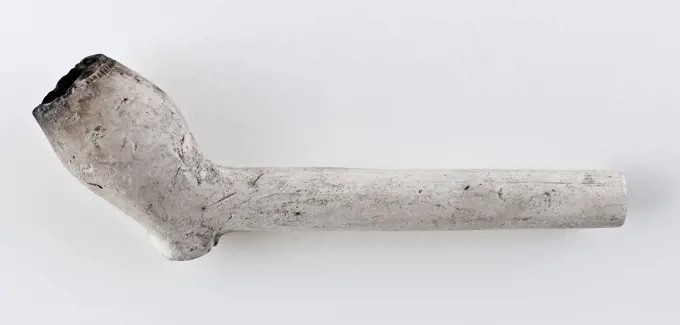
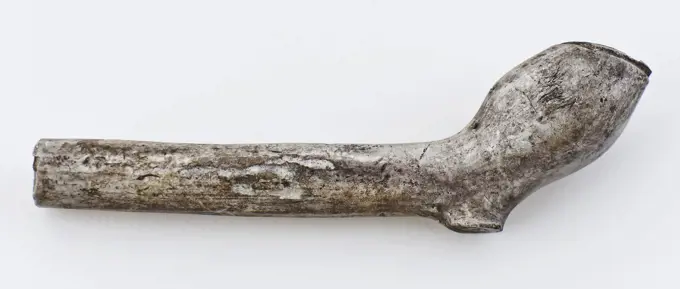
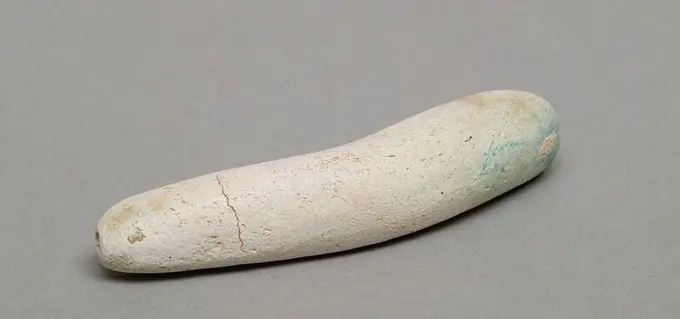
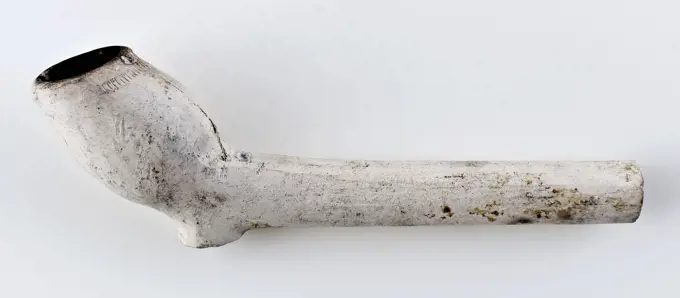
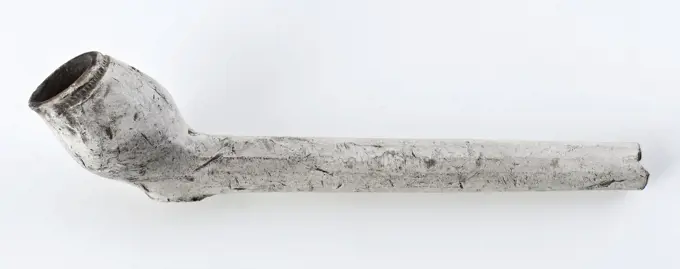
White clay pipe, unnoticed, with smooth handle, clay pipe smoking equipment smoke floor pottery ceramics pottery, pressed pressed baked white clay pipe unnoticed with smooth handle thick heel with large stamp area archeology smoking tobacco
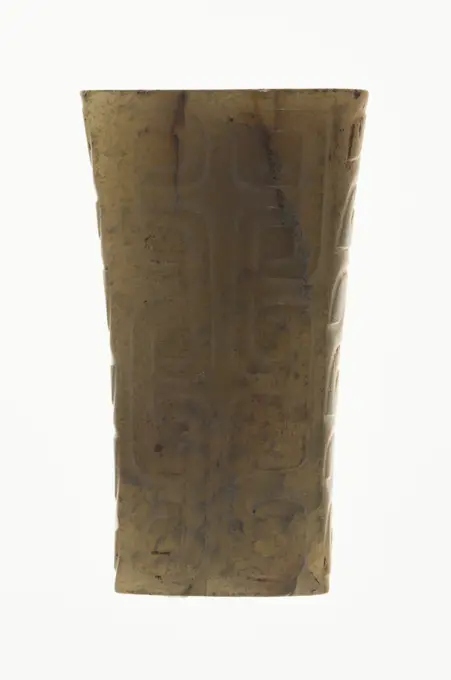
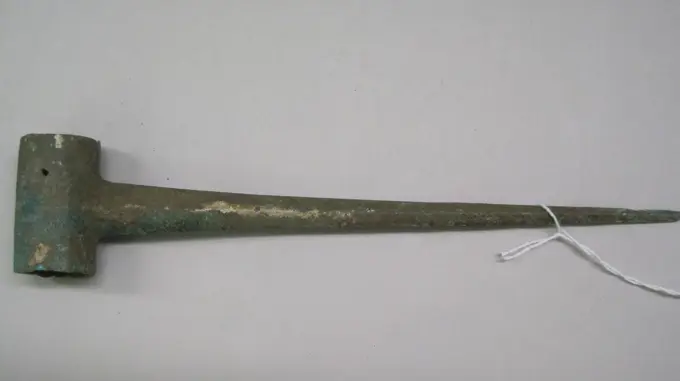
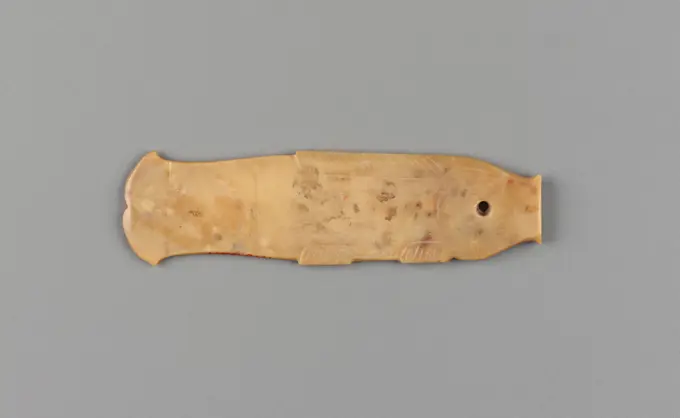
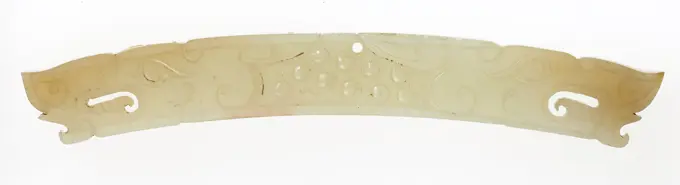
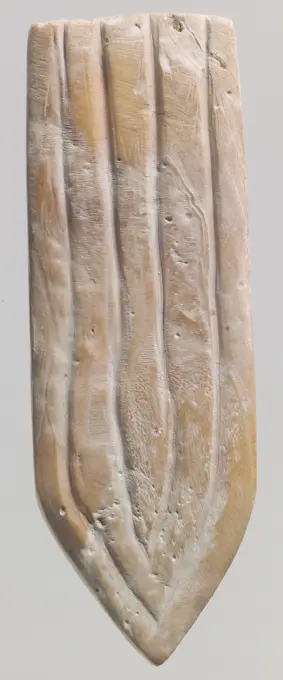
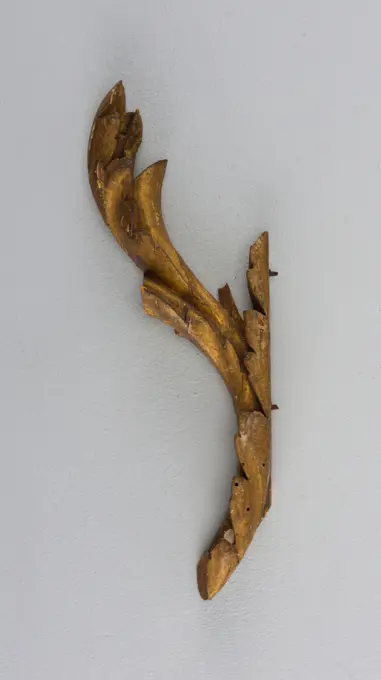
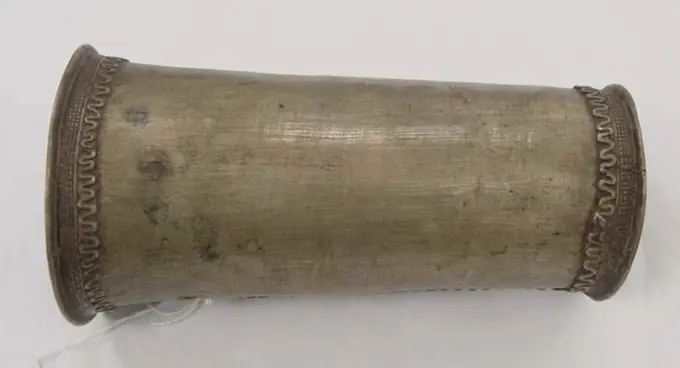
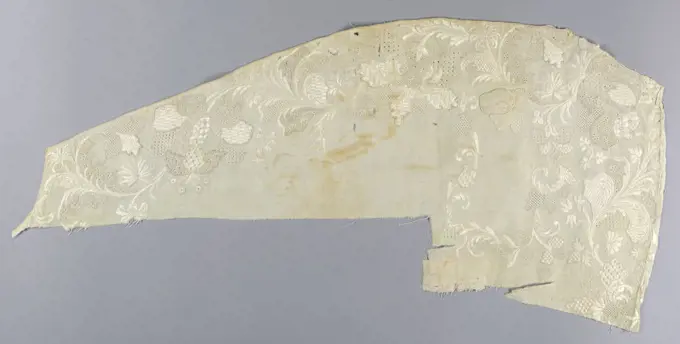
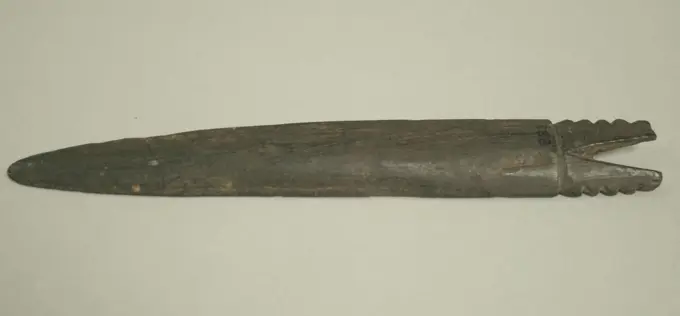
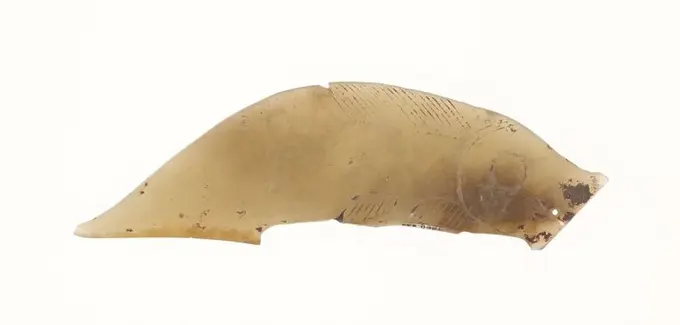
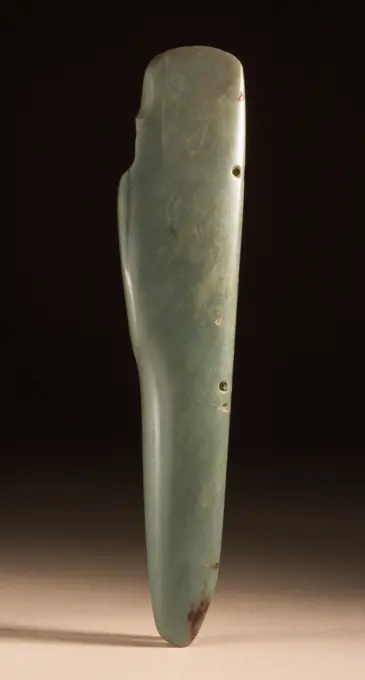
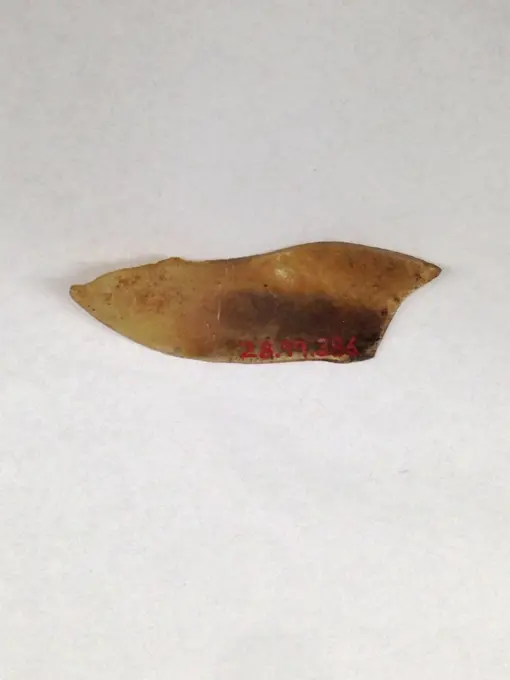
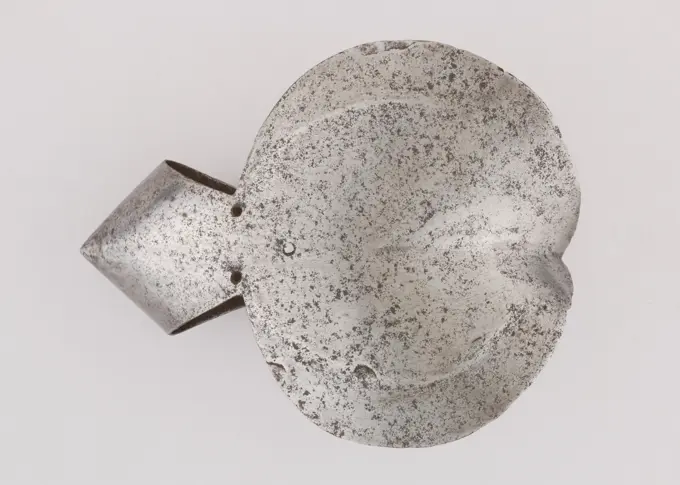
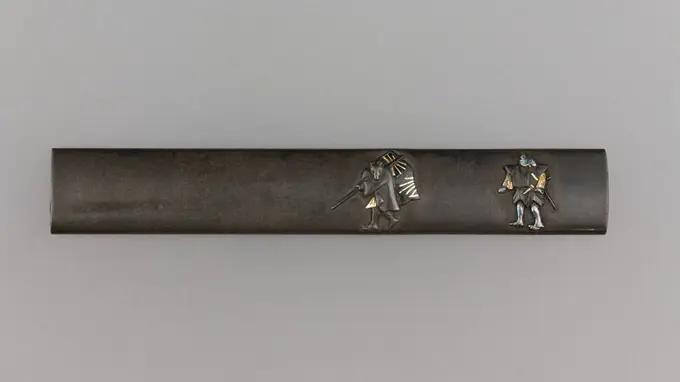
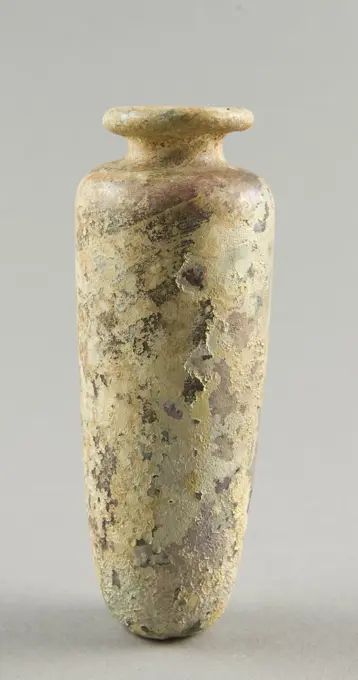
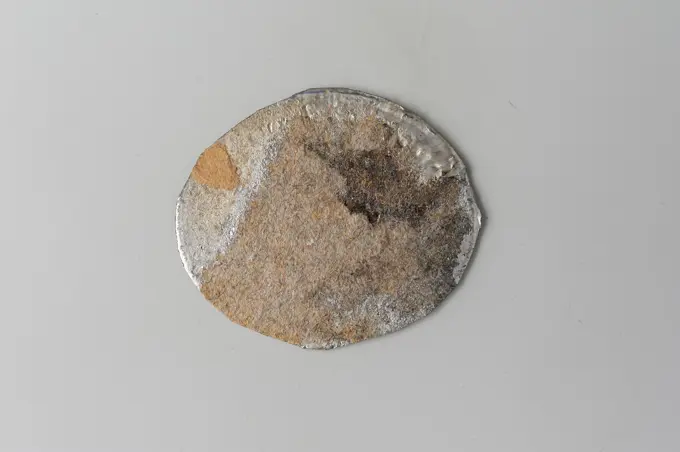
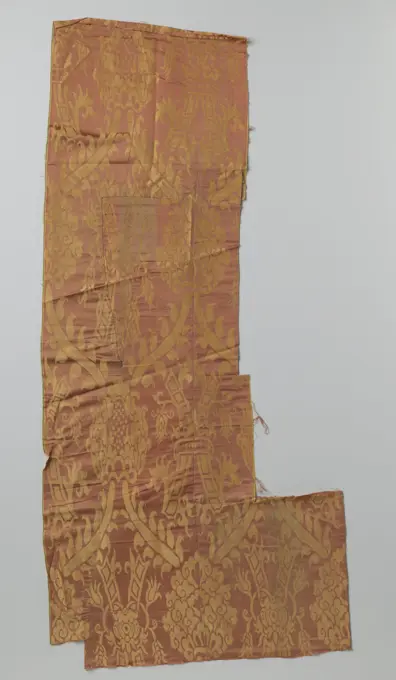
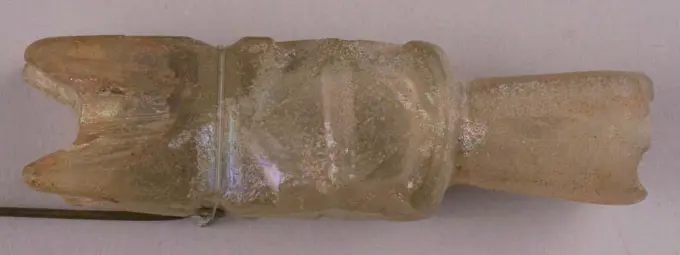
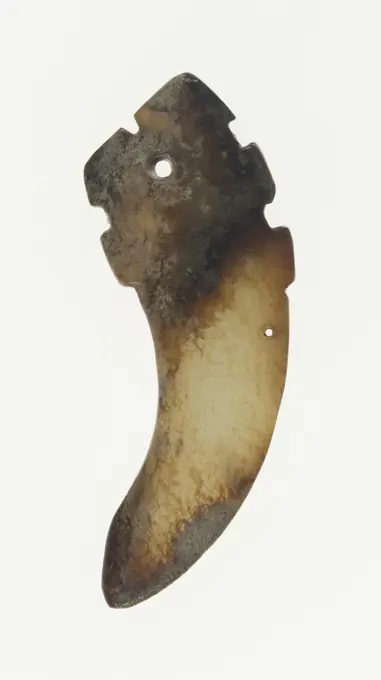
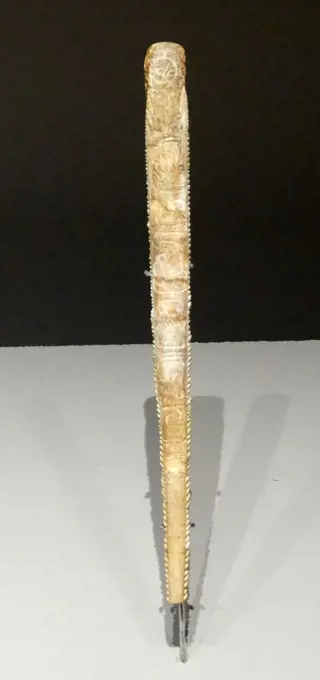
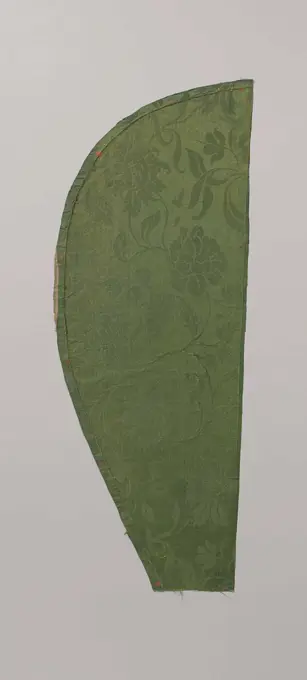
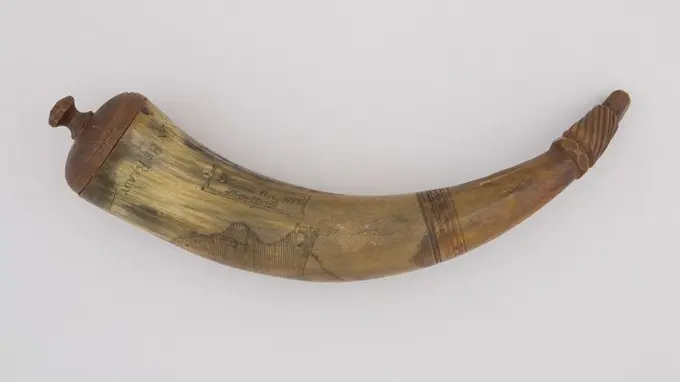
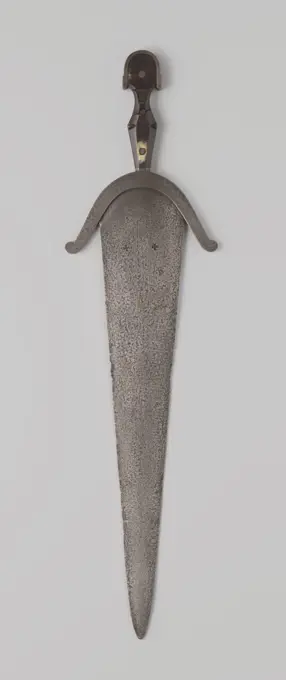
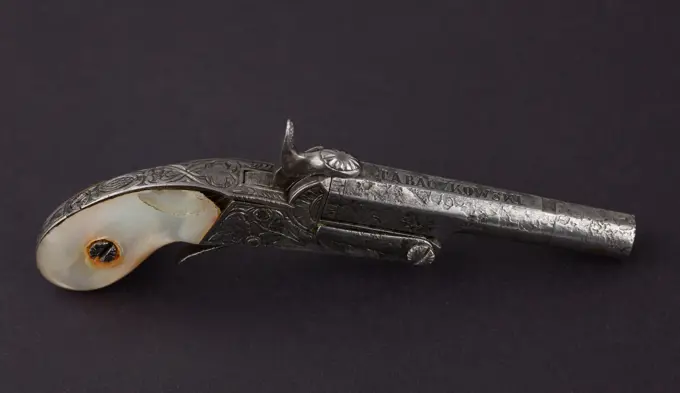
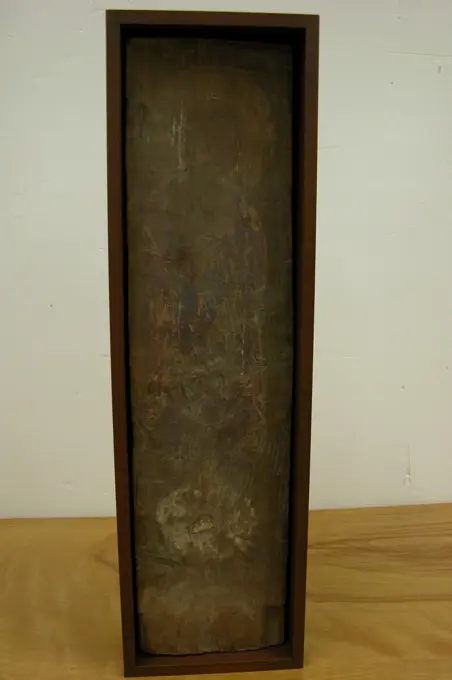
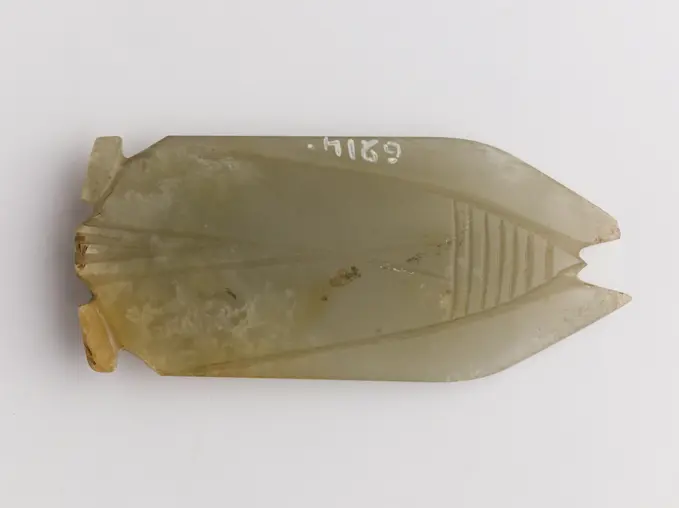
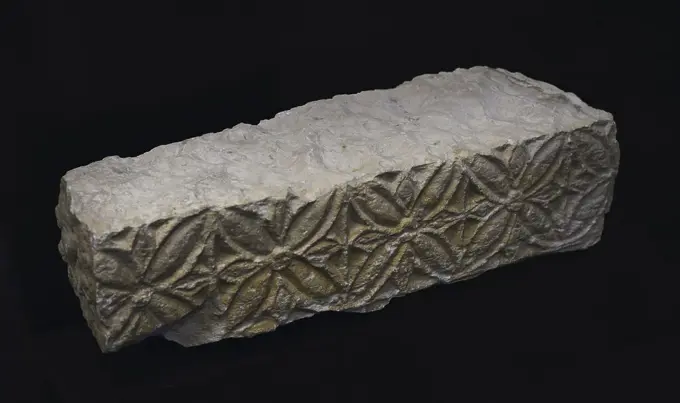
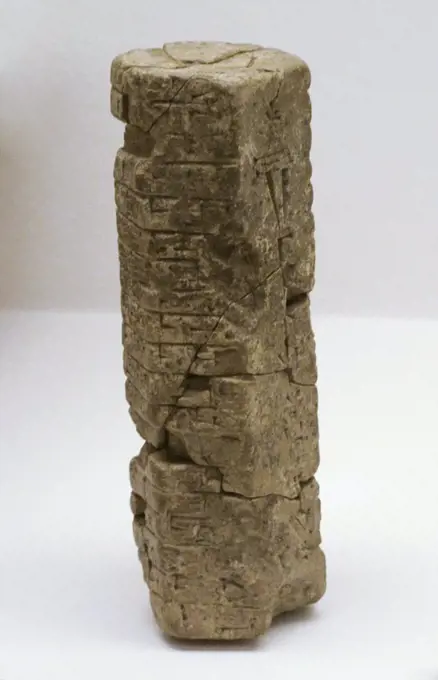
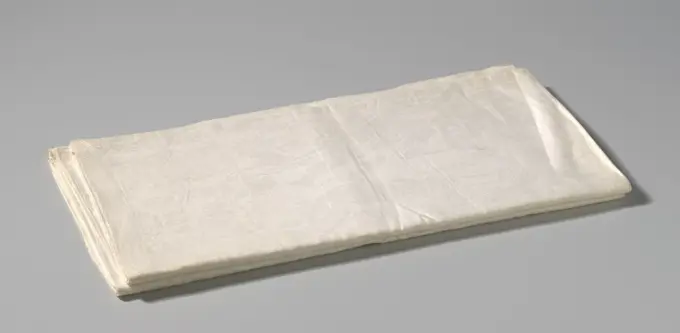
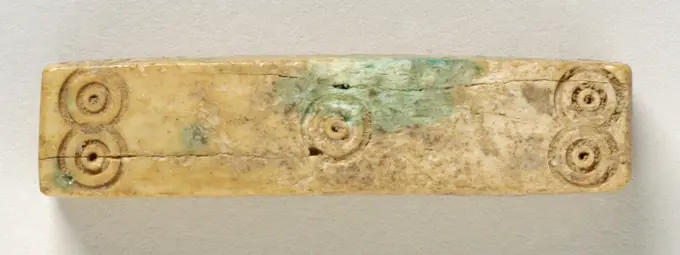
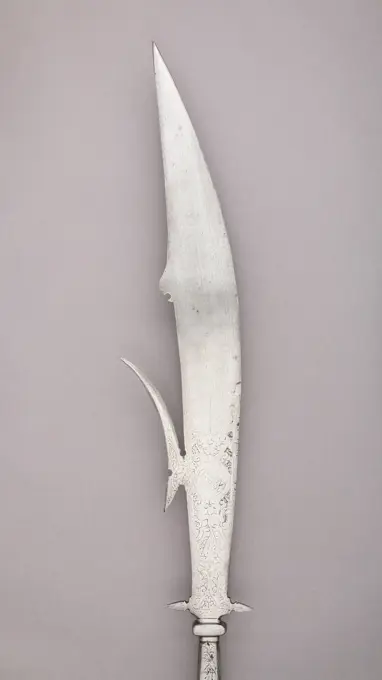
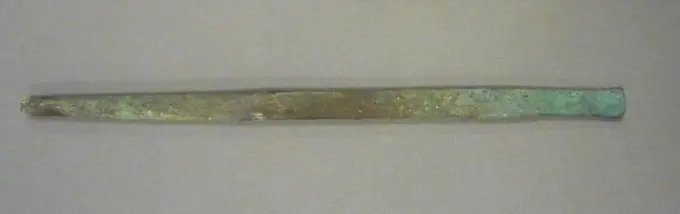
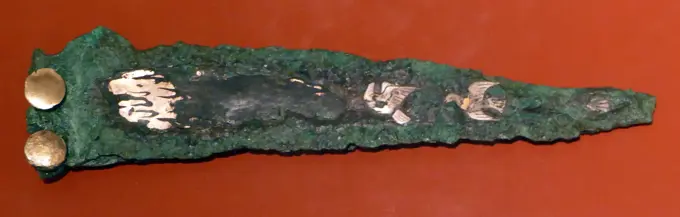
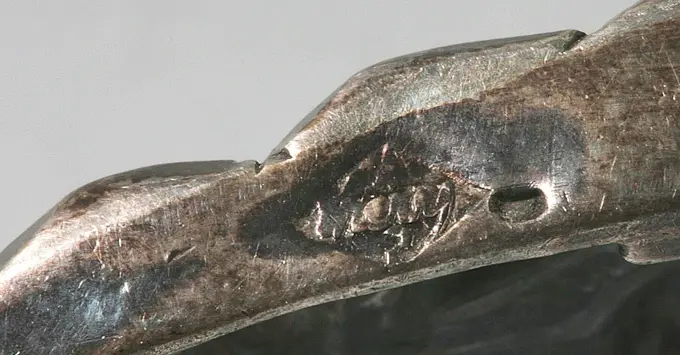
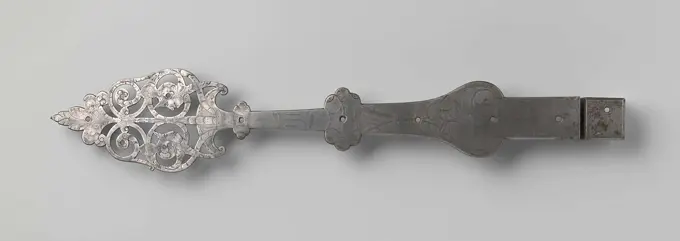
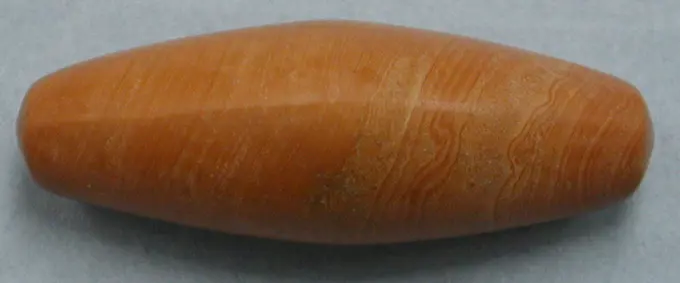
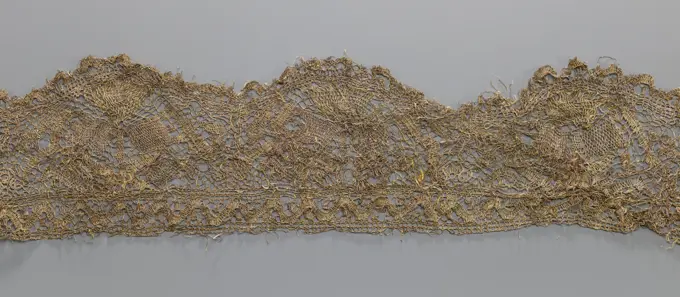
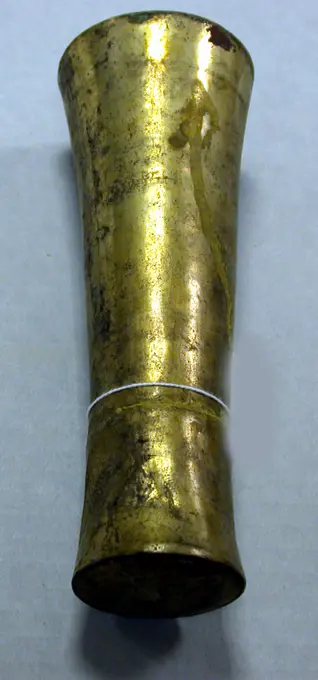
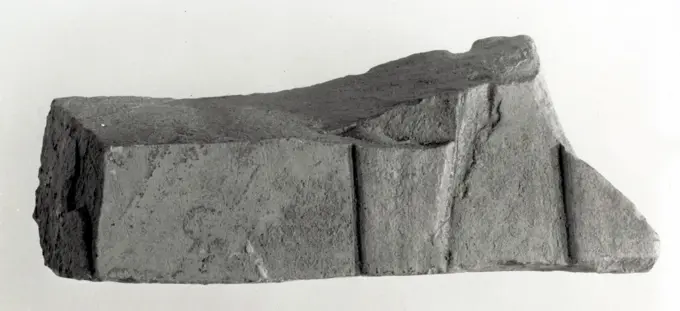
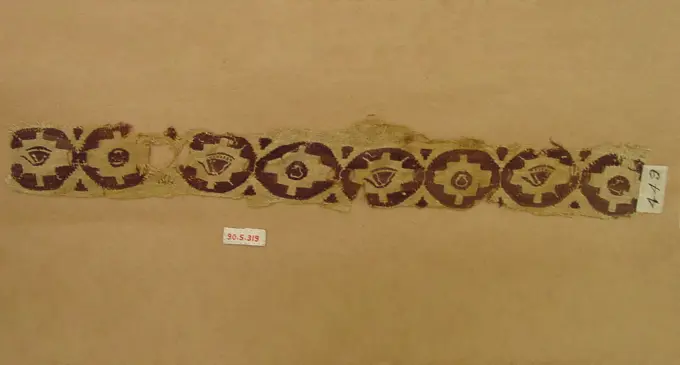
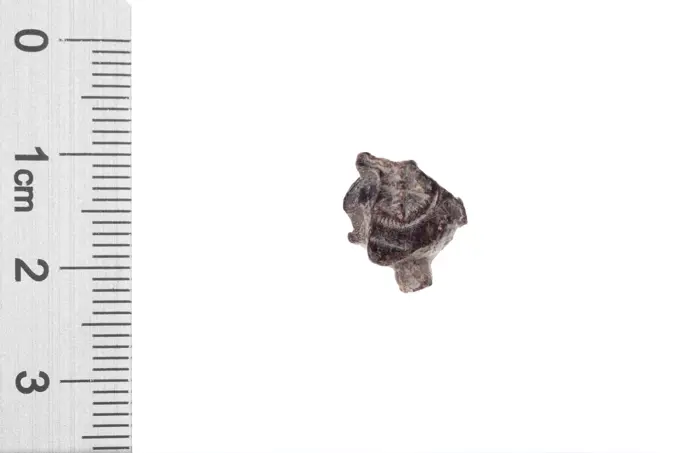
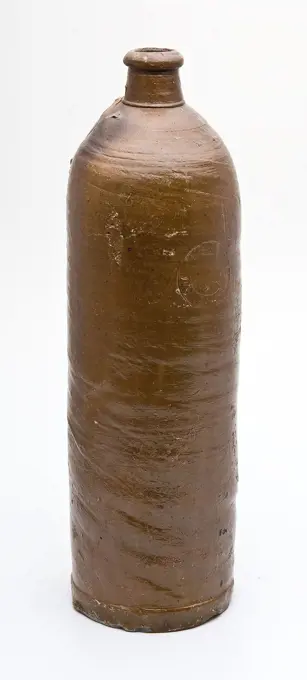
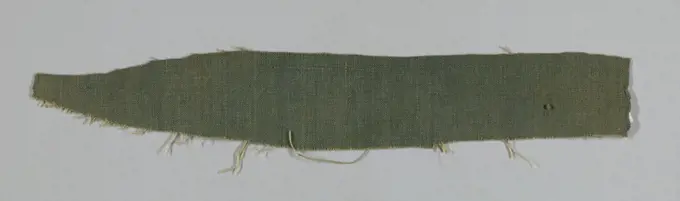
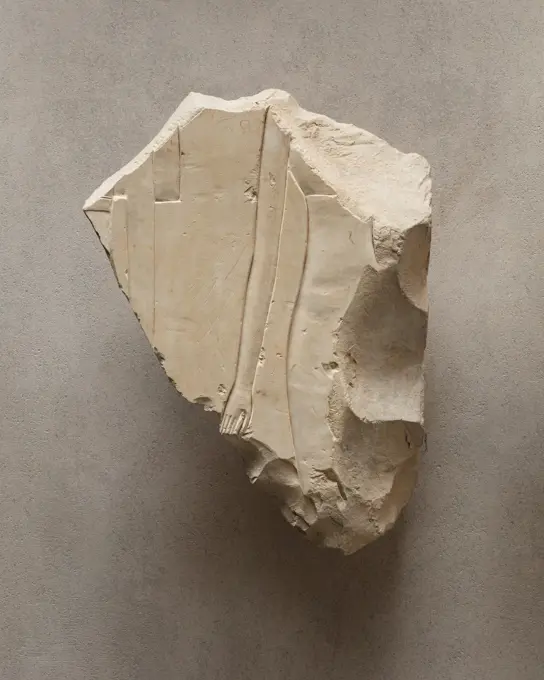
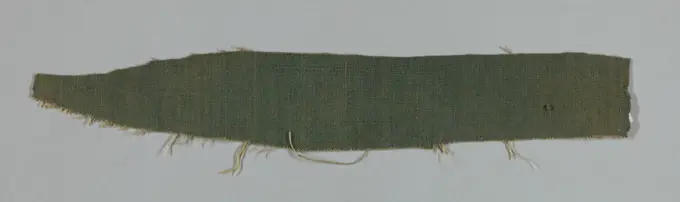
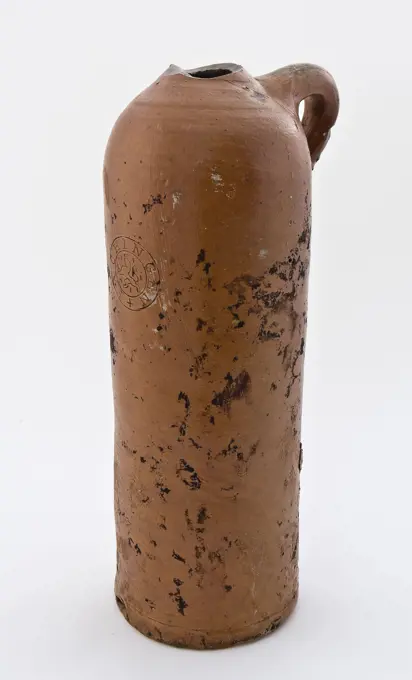
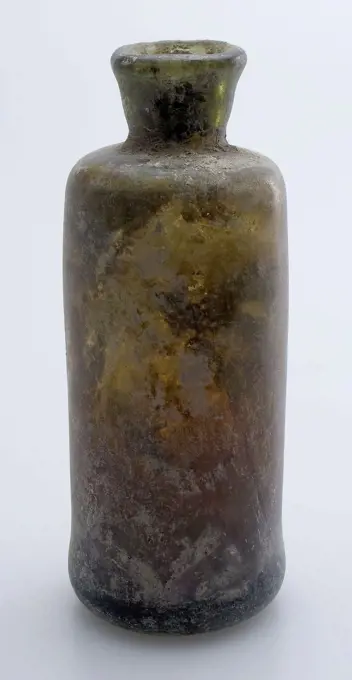
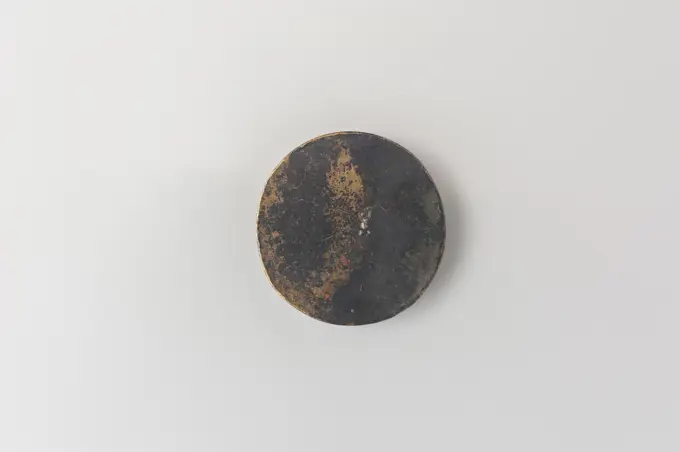
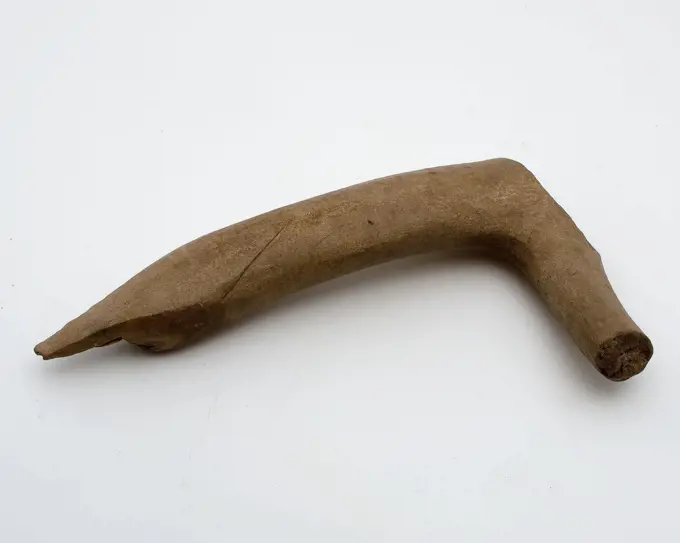
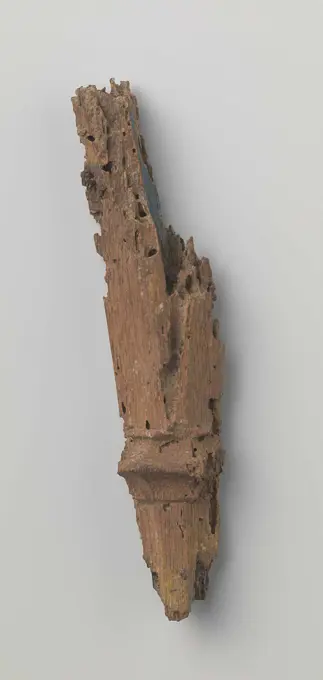
Fragment; (possibly) belonging to the retable of Soest ..Bead with Interlocked Spirals Made 1600 BCE-1050 BCE China. Jade .Axe Dian. , 5th century B.C.E.-early 1st century C.E. Bronze, 10 1/4 x 2 1/8 x 1 1/8 in. (26 x 5.4 x 2.9 cm).   Asian Art 5th century B.C.E.-early 1st century C.E.White clay pipe, unnoticed, with smooth handle, clay pipe smoking equipment smoke floor pottery ceramics pottery, pressed pressed baked white clay pipe unnoticed with smooth handle thick heel with large stamp area archeology smoking tobaccoPendant in form of afishFragment 8th-9th century. Fragment 448785Pendant in the Form of a Heng Girdle, 475-221 BCE, 4 3/8 x 9/16 x 3/16 in. (11.11 x 1.43 x 0.48 cm), Translucent white jade, China, 5th-3rd century BCEShell fragment ca. 2900-2350 B.C. Sumerian. Shell fragment. Sumerian. ca. 2900-2350 B.C.. Shell. Early Dynastic. Mesopotamia, NippurFragment; wood, gildedBarbed point 13th-15th century Chimú or Chancay. Barbed point 315760White pipe bowl, marked, with stem fragment, clay pipe smoking equipment smoking ground find ceramics pottery, pressed baked White pipe head marked with stem fragment provided with heel mark heel mark: MA archeology Rotterdam Hillegersberg-Schiebroek Hillegersberg Noord Hillegersberg Zuid Right Rottekade smoking tobacco Soil discovery: 1869 at the making the cover at the Rottekade Rotterdam.Bracelet 19th Century African (Sao peoples) This collection of largely ethnographic jewelry includes examples from cultures in South America, North America, Europe, Asia, and Africa and dates from the Pre-Columbian period to the twentieth century. Owned by renowned art collector and fashion enthusiast Muriel Kallis Newman, the collection represents her knowledge and appreciation of a wide range of jewelry design and making traditions. Numerous items in her collection are composite artifacts made from various cultures and time periods reappropriated as modern jewelry creations by or for Muriel. It is important to note that Newman wore many of the pieces in the collection, interpreting them to suit and express her own singular, often avant-garde style.. Bracelet 141534Waistcoat, uncut, Medium: linen, cotton Technique: embroidery, Right side of wite twill waistcoat with deep white embroidered border of scrolling floral and leaf patterns in variety of stitches. Pakcet flap missing and a couple of pieces of white embroidery appliquéed in its place., Netherlands, 18th century, costume & accessories, Waistcoat, uncutPin, eyelet type. Pin, eyelet type 244256Wooden Weaving Sword before 16th century Peruvian. Wooden Weaving Sword 309278Bowl sherd ca. 8th-7th century B.C. Assyrian. Bowl sherd 324654Fish Pendant. China. Date: 1300 BC-900 BC. Dimensions: 3 1/8 × 7/8 × 3/16 in. Jade. Origin: China. Museum: The Chicago Art Institute, Chicago, USA.Pectoral. Mexico, Olmec, 1000-400 BCE. Stone. JadeModel cucumber. Dimensions: l. 9.6 cm (3 3/4 in). Dynasty: Dynasty 12, late-13 to 1700 B.C.. Date: ca. 1850-1700 B.C.. Museum: Metropolitan Museum of Art, New York, USA.Sickle Blade, 1980-1801 BC. Egypt, Middle Kingdom, Dynasty 12. Flint; overall: 5 cm (1 15/16 in.).Fragment ca. 1150-ca. 1250 European or Middle Eastern. Fragment 695326Red brickElbow Defense (Couter) ca. 1430-40 Italian This is part of a large find of medieval armor discovered in 1840 in the ruins of the fortress of Chalcis, on the Greek island of Euboea (then a Venetian colony called Negroponte). The fortress had been captured and destroyed by the Turks in 1470. Now divided largely between the Ethnological Museum, Athens, and The Metropolitan Museum of Art, the Chalcis hoard contains many rare and unusual elements of fourteenth- and fifteenth-century armor. Of particular importance are the variety of headpieces and the many fragments of brigandines (armor for the torso constructed of small plates riveted to layers of fabric), some of which retain portions of their original velvet covering. The Chalcis armor provides a unique picture of the armament used in the Aegean, one of the easternmost military outposts of the Venetian empire.. Elbow Defense (Couter) 23161COLGANTE CALENDARIO. PALEOLITICO. (DEPOSITO: MUSEO ARQUEOLOGICO NACIONAL).Glasherfter from V.O.C. ship De 'Witte Leeuw', Before 1613  Glas sharf from V.O.C. ship De 'Witte Leeuw', fragment window glass.  glass   Sint-HelenaLappet (one of a pair) early 18th century Flemish, Brussels. Lappet (one of a pair) 222783Knife Handle (Kozuka). Culture: Japanese. Dimensions: L. 3 13/16 in. (9.7 cm); W. 9/16 in. (1.4 cm); thickness 1/4 in. (0.6 cm); Wt. 1.1 oz. (31.2 g). Maker: Marukawa Hiroyoshi (Japanese, died 1841 or 1842). Date: 19th century. Museum: Metropolitan Museum of Art, New York, USA.Bottle 1 CE-100 CE Mediterranean Region. Initially affordable only among the wealthy, glass was used in ancient Rome as containers for oils, perfume, and tablewares. The variety of glass-making techniques reveals the changing tastes and fashions over the centuries. During the 1st century CE, cast glass was a novel form that was a luxury for the Roman household, but by the end of the century, the innovation of blown glass allowed for less labor-intensive and less expensive production, which meant people of lesser means could afford it. Blown glass became so popular it nearly supplanted ceramic and even bronze wares in the home.. Glass, blown technique . Ancient MediterraneanGrahal-Manzara. Carnavalet 2013-2016 collection sites. Numismatics.Zijddamast, probably part of a liturgical robe, Anonymous, 1500 - 1600  Six fragments of silk dam mast, same pattern as parts of two accompanying manipels. The pattern has a stylized flower and leaf motif in yellow on red. Italy (possibly) silk damaskStathed stab blade (attributed title). Bronze. Carnavalet museum, history of Paris.Bottle 9th-10th century The vessel type represented by this piece excavated from Nishapur in eastern Iran is known in English as the "molar flask" due to the distinct, tooth-like form of its base. The molar flask was a popular household item in the Islamic world between the eighth and eleventh centuries, and their wide distribution from Egypt to Iran suggests multiple centers of manufacture. Such vessels were most likely used to hold small amounts of valuable liquid perfumes. Like this bottle and the others found at Nishapur, molar flasks are usually made from monochrome glass and are often embellished with carved decorations. Examples crafted from more expensive materials like fused glass mosaic and even rock crystal are also known.. Bottle 449144Pointed Pendant 700 BCE-500 BCE China. Jade .HACHA NEOLITICA DE PIEDRA PULIMENTADA.Fauchard. Culture: Italian. Dimensions: L. 9 ft. 8 1/2 in. (295.9 cm); L. of head 40 3/4 in. (103.5 cm); W. 10 1/2 in. (26.7 cm); Wt. 13 lbs. 12 oz. (6236.9 g). Date: ca. 1735. Museum: Metropolitan Museum of Art, New York, USA.White clay pipe, unnoticed, with smooth handle, clay pipe smoking equipment smoke floor pottery ceramics pottery, pressed finished baked White clay pipe unnoticed with smooth handle. Pressing seam still present on the boiler archeology smoking tobaccoA stylus or punch used by the Mayans to create glyphs. 600-900 AD MexicoOval bowl ca. 6th-7th century A.D. Sasanian. Oval bowl 324081Fragment green silk damask with pattern of winding tendrils with stylized leaves, anjelieren and roses. Fragment Green Silk Damask from Two Sewn Sharing, with a Pattern of Winding Tendrils with stylized leaves, anjelieren and Roses.Iron Hatchet Head. Dated: c. 1938. Dimensions: overall: 35.7 x 20.3 cm (14 1/16 x 8 in.). Medium: watercolor, graphite, and colored pencil on paper. Museum: National Gallery of Art, Washington DC. Author: Sydney Roberts.Powder Horn. Culture: Colonial American, Concord, Massachussets. Dimensions: L. 13 7/8 in. (35.2 cm); Diam. 2 3/4 in. (7 cm); Wt. 6 oz. (170.1 g). Date: 1775.This powder horn is engraved with a map of Boston, a gun and a running animal among others. Museum: Metropolitan Museum of Art, New York, USA.Short two -edged sword, anonymous, c. 1500 - c. 1550 sword Short iron double -edged sword, so -called 'oxtong' or cinquedea. On the triangular blade on one side, two side by side of each other Maltheser crosses. The iron grip is covered with horn with Hoorn, while the button wears a magnet-shaped batter. The pare bar is half -shaped downwards and ends in a flat button on both sides. Germany iron (metal). horn (animal material)Ferret 6th-7th century Frankish. Ferret 465466 Frankish, Ferret, 6th7th century, Copper alloy, Overall: 2 3/8 x 9/16 x 3/16 in. (6.1 x 1.4 x 0.4 cm). The Metropolitan Museum of Art, New York. Gift of J. Pierpont Morgan, 1917 (17.193.154)Miniature pistol for the ammunition of the Lefaucheaux system Tabaczkowski, Kazimierz (Fl. Ca 1870)White clay pipe, unnoticed, with smooth handle, clay pipe smoking equipment smoke floor pottery ceramics pottery, pressed finished baked White clay pipe unnoticed with smooth handle Bottom heel is equal to the bottom of the handle. Pipe is coarsely finished archeology smoking tobaccoHalf table, Wood, A light wood half table with scalloped edges sitting on three legs. The legs are curvilinear and looped under with added curved wood pieces., Austria, 1850-60, furniture, Decorative Arts, Half tableAncient Egyptian, Flint knife. Predynastic Period (4000-3000 BC).Standing Buddha 7th century Central Asia. Standing Buddha 40326Plate. Jade, China, Han dynasty (206 BC AP.J.-C.). Paris, Cernuschi museum. Asian art, Chinese art, han, jade dynasty, plaqueFrieze decorated with secant circles forming octopetal flowers. Limestone. 7th century. From Toledo's Vega Baja archaeological site. Museum of Visigoth Councils and Culture. Toledo, Castile-La Mancha, Spain.Sample of Telegraph Cable, anonymous, 1865 - 1875 telegraph cable. sample Monster of Telegraaf cable, presumably for sea mines. It is a short piece because steel cable of ten threads, around a copper wire in a thick insulating layer consisting of an unknown plastic (presumably gutta percha) and paper. unknown iron (metal). copper (metal). paper.Sumer. Mesopotamia. Near East. Hexagonal clay prism with an abstract from a lexical list of professions, titles, and social characteristics. Lagash. Sargonic period. The state Hermitage Museum. Saint Petersburg. Russia.Cigar holder caseHand ca. 1353-1336 B.C. New Kingdom, Amarna Period. Hand 549826Tablecloth with Absalom, Anonymous, 1600 - 1650 White linen dams of tablecloth with the history of Absalom and input of texts. Flanders (Possible) linen (material) damask White linen dams of tablecloth with the history of Absalom and input of texts. Flanders (Possible) linen (material) damaskGaming Piece. Syria, 10th-11th century. Bone, carved and drilledDragon Pendant. China. Date: 400 BC-200 BC. Dimensions: Diam. 2 5/8 in.; 3/4 × 1/8 in. Jade. Origin: China. Museum: The Chicago Art Institute, Chicago, USA.Fauchard late 16th century Italian. Fauchard 25016Pair of Sword-Grip Ornaments (Menuki). Culture: Japanese. Dimensions: L. of each 2 1/8 in. (5.4 cm); Wt. of each 0.2 oz. (5.7 g). Date: 18th century. Museum: Metropolitan Museum of Art, New York, USA.Chisel ca. 1479-1458 B.C. New Kingdom. Chisel. ca. 1479-1458 B.C.. Bronze or copper alloy. New Kingdom. From Egypt, Upper Egypt, Thebes, Deir el-Bahri, Temple of Hatshepsut, forecourt, Foundation Deposit 4 (D), MMA excavations, 1923-24. Dynasty 18Bronze dagger with inlaid birds and dolphins made of gold and silver.Maître Antoine Thery Pincon, master in 1781 in Paris. 2 pearl strips separated by a twisted and guilloche strip, 2 high and low middle palm patterns.Realistic black marble stone platform on wall background with plant shadows. Vector illustration of natural rock for luxury beauty product presentation, interior design accessory, spa salon banner. Realistic black marble stone platformFragment of a basement bottle from the wreck of the East Indians' t Vliegend Hart, c. 1700 - c. 1735  The very thin, wrapped glass fragment is green in color. Case Bottle.  . blow moldingBottle probably 18th-19th century. Bottle 444763Deurhengsel van vertind ijzer, versierd met graveringen en narrenkoppen.Door mixture of tinned iron decorated with engravings. The batter is as follows from the hinge: a baluster-shaped start, delegating in a narrow, straight piece from which to the end steal some leaf motifs that curl as volutes. In the middle of it two narrows look at each other. The whole ends in a pointed leaf.Dagger ca. 10th-8th century B.C.. Dagger. ca. 10th-8th century B.C.. Bronze. Iron Age II. Northwestern Iran, Caspian regionPipette with spilled cosmetic oil or serum on a gray background. Photos for your cosmetics business.. Pipette with spilled cosmetic oil or serum on a gray background.Polishing Stone (pulidor) Mexican before 16th centuryNecktie late 19th century American. Necktie 118990Fragment of the lace;  18th century (1701-00-00-1800-00-00);Stamp seal (scarab) with animal 9th - 8th century B.C. Syro-Anatolian-Levantine. Stamp seal (scarab) with animal 325626Hammered Silver Rattle Beaker 8th-mid-16th century Peru; north coast (). Hammered Silver Rattle Beaker. Peru; north coast (). 8th-mid-16th century. Silver (hammered), gilt. Peru. Metal-ContainersRaised relief fragment 664-610 B.C. Late Period, Saite see 23.3.468. Raised relief fragment. 664-610 B.C.. Limestone. Late Period, Saite. From Egypt, Upper Egypt, Thebes, Deir el-Bahri, Tomb of Nespekashuty (TT 312, MMA 509), 1st chamber W. wall; bottom register, MMA excavations, 1922-23. Dynasty 26Fragment of a Band 3rd-4th century. Fragment of a Band 443805Drohiczyn seal. unknown, managerStoneware mineral pitcher, cylindrical with round shoulder, sausage ear and short neck, mineral water pitcher jar product packaging container soil find ceramic stoneware glaze salt glaze, hand turned glazed baked Stoneware mineral pitcher cylindrical with round shoulder short neck and sausage ear. Stand area with traces of deduction and soul. brown glazed. Jug is twisted messy and slightly tapered. Marked under the ear and marked on the front with medallion. Mark under ear pottery brand: NUM 58 archeology Rotterdam Kralingen-Crooswijk Struisenburg Oostmaaslaan Boslaan Buizengat advertising indigenous pottery import drinking water drinking medicine medicine packaging Soil discovery: Buizengat Oostmaaslaan Boslaan Rotterdam an old landfill of municipal waste.Rock Crystal Cone Seal. Dimensions: L. 1 3/8 in. (3.5 cm)W. 3/4 in. (1.9 cm). Date: 6th-7th century.This work is thought to have been found near a Christian church dedicated to the popular warrior Saint Theodore Stratelates and built on the grounds of Medinet Habu, the mortuary temple of Ramesses III from the early twelfth century B.C. It may have belonged to a ranking prelate there. Museum: Metropolitan Museum of Art, New York, USA.Textile swatch, Deerfield Society of Blue and White Needlework, (Deerfield, Massachusetts, USA, 1896-1926), Deerfield, Massachusetts, USA, 1910-20, Textile swatchHabit à la disposition 1805-10 French. Habit à la disposition 83876Meat Hook. Dated: c. 1940. Dimensions: overall: 54.2 x 22.9 cm (21 5/16 x 9 in.). Medium: graphite on paper. Museum: National Gallery of Art, Washington DC. Author: George Spector.Frontlet of gold leaf. Frontlet of gold leaf 242968Cuff with Chevron Designs() 300 B.C.-A.D. 400 Thailand. Cuff with Chevron Designs() 53279 Thailand, Cuff with Chevron Designs(), 300 B.C.A.D. 400, Bronze, H. 3 1/4 in. (8.3 cm); W. 1 15/16 in. (4.9 cm). The Metropolitan Museum of Art, New York. Samuel Eilenberg Collection, Bequest of Samuel Eilenberg, 1998 (2001.433.176)Prehistory, Albania, Iron Age. Band diadem with embossed geometric decoration. From Korce.Relief fragment from a procession of attendants - see 31.3.1-1 ca. 2051-2030 B.C. Middle Kingdom. Relief fragment from a procession of attendants - see 31.3.1-1. ca. 2051-2030 B.C.. Limestone, paint. Middle Kingdom. From Egypt, Upper Egypt, Thebes, Deir el-Bahri, Tomb of Neferu (TT 319, MMA 31), MMA excavations, 1930-31. Dynasty 11Textile Swatch; Manufactured by Deerfield Society of Blue and White Needlework (American, 1896-1926) (United States)Rough wooden board isolated on white backgroundBracelet or Arm Ring 3000 BCE-2000 BCE China. Jade .Stoneware mineral water pitcher, cylindrical with round shoulder, sausage ear and short neck, mineral water pitcher jar product packaging container soil find ceramic stoneware glaze salt glaze approx., hand turned glazed baked Stoneware mineral pitchers cylindrical with round shoulder short neck and sausage ear. Stand area with traces of deduction and soul. Glazed. Marked under the ear and marked on the front with medallion Medallion in the medallion: FACHINGEN in the midfield left clawing lion archeology Rotterdam Kralingen-Crooswijk Struisenburg Oostmaaslaan Boslaan Buizengat advertising indigenous pottery import drinking water drinking medicine packaging Soil discovery: Buizengat Oostmaaslaan Boslaan Rotterdam an old landfill of urban waste.Medicine Bottle, medicine bottle bottle holder soil find glass, free blown and shaped Small (medicine) Bottle in clear light green glass. Pontil mark under raised bottom. Cylindrical body slightly flared at the bottom to straight shoulders short neck and flared irregularly flattened lip (dm 1.8 cm) archeology health care packaging pharmacyCarnavalet museum, tokens collectionNAIPE DECORADO EN NEGRO CON CUATRO LINEAS DE TRAZO GRUESO - CUERO Y PIGMENTO - SIGLO XVIII - PROCEDENTE DE CHILE - ESTILO MAPUCHE - 10,8x7,6 CM. Location: MUSEO DE AMERICA-COLECCION. MADRID. SPANIEN.Spoon. Spoon. BoneObject of modified antlers, possibly leg, tools equipment soil finds leg horn, w 8,9 sawn cut Tools made of part of an antler Possibly paw stick Well in the hand. Clear traces of sharpening at the point visible archeology Poortugaal Albrandswaard indigenous product remodeling garden farmer archaeological find in the soil Poortugaal Terp I wide flow at the entrance of the Count.Cap 19th century British. Cap. British. 19th century. no medium availableSchijf from V.O.C. ship De 'Witte Leeuw', Before 1613  Wooden disc.  wood (plant material)   Sint-HelenaYeah; Tauron-Parisot (couples; Factory; 1839-); XIX-XX century (1901-00-00-2000-00-00);Grahal-Manzara. Carnavalet 2013-2016 collection sites. Numismatics.Hair comb or comb of plain fine imitation turtle, with a long row of narrow teeth, anonymous, c. 1800 - c. 1899 Hair comb or comb from plain fine imitation turtle, with a long row of narrow teeth. Netherlands (possibly) celluloid (cellulosic). cellulose acetate sawing / filing / polishing Hair comb or comb from plain fine imitation turtle, with a long row of narrow teeth. Netherlands (possibly) celluloid (cellulosic). cellulose acetate sawing / filing / polishingHat of black long -haired hair felt, anonymous, c. 1947 - c. 1950 Hat of black long -haired hair felt (). Pancake model made of draped fabric over a wire reinforced with slightly hanging flat edge. Rolling edge with black velvet. Netherlands whole:. whole: velvet (fabric weave) Hat of black long -haired hair felt (). Pancake model made of draped fabric over a wire reinforced with slightly hanging flat edge. Rolling edge with black velvet. Netherlands whole:. whole: velvet (fabric weave)