Ancient Artifacts and Fragments

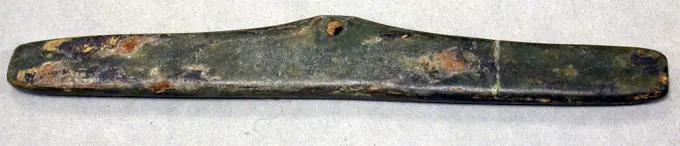
A collection of historical fragments, including a wooden retable piece, jade bead, bronze axe, clay pipe, and ceramic fragment, showcasing various ancient cultures.
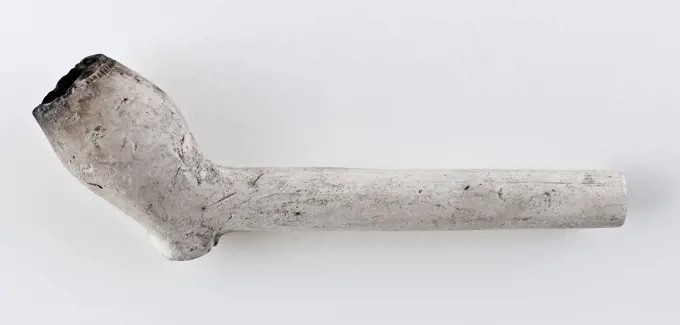
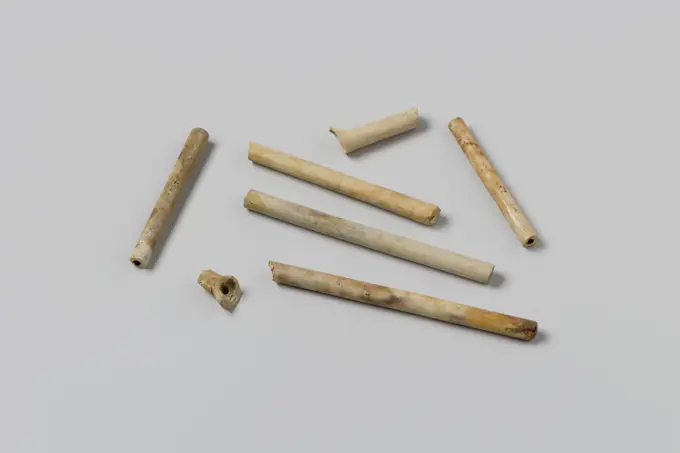
White clay pipe, unnoticed, with smooth handle, clay pipe smoking equipment smoke floor pottery ceramics pottery, pressed pressed baked white clay pipe unnoticed with smooth handle thick heel with large stamp area archeology smoking tobacco
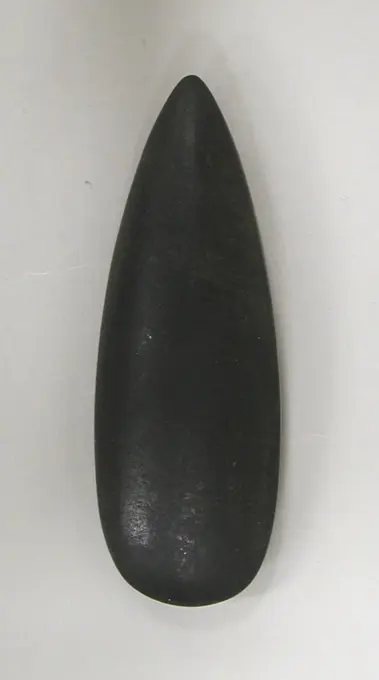
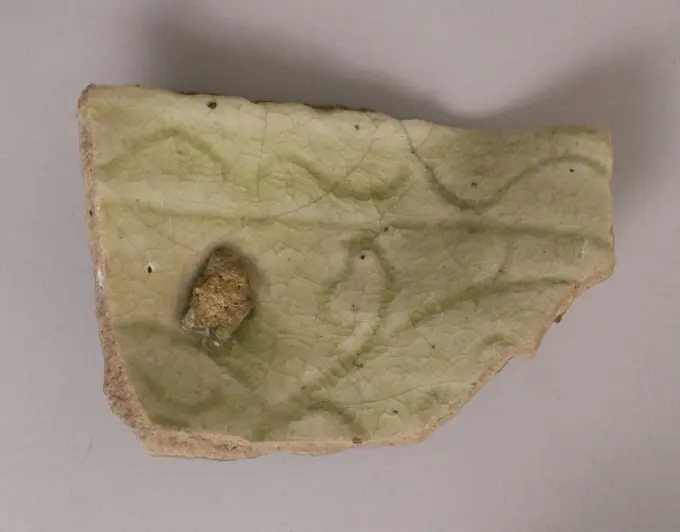
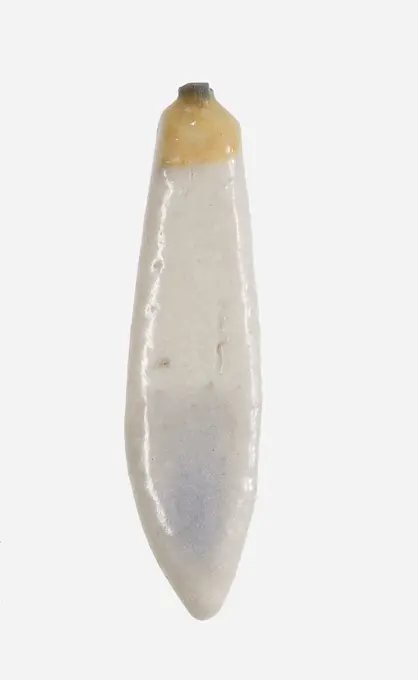
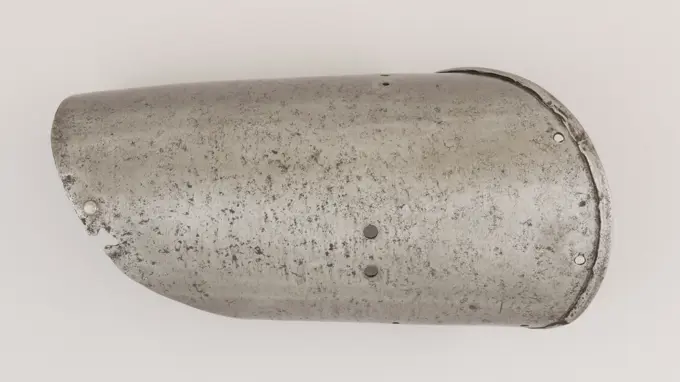
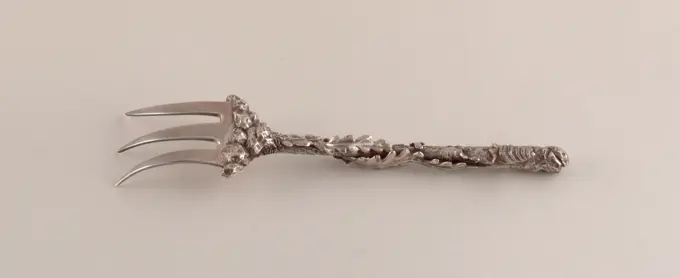
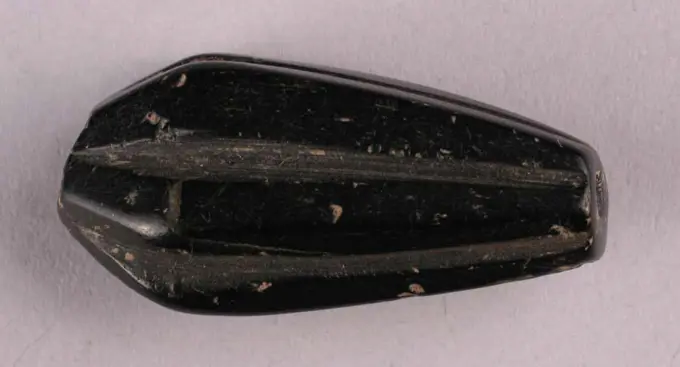
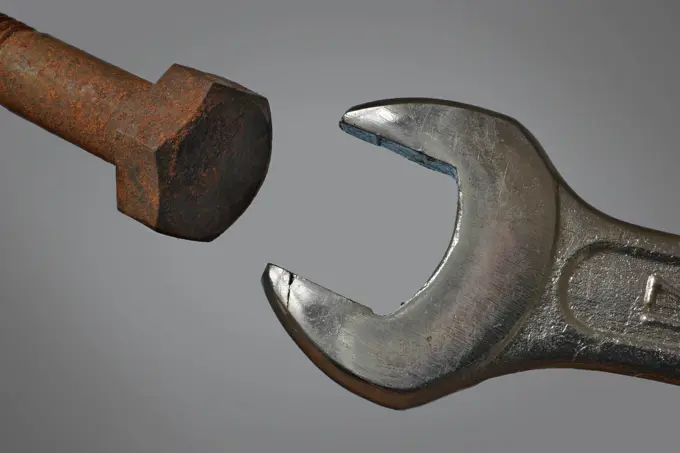
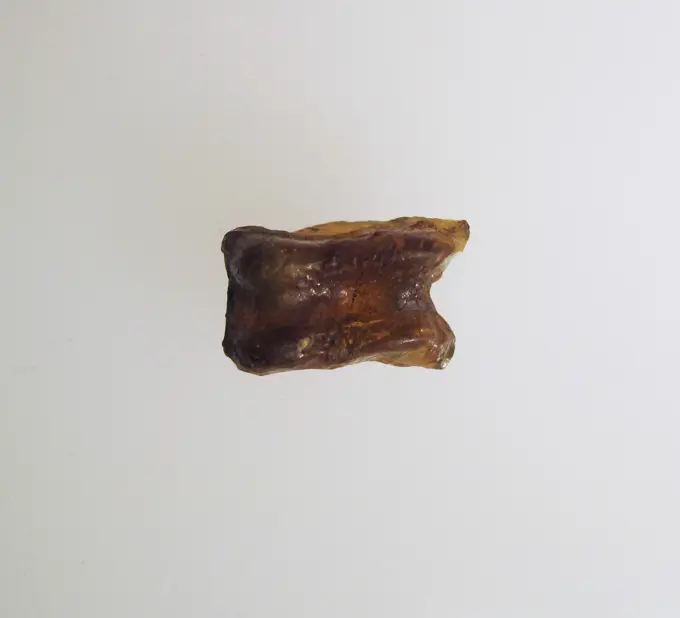
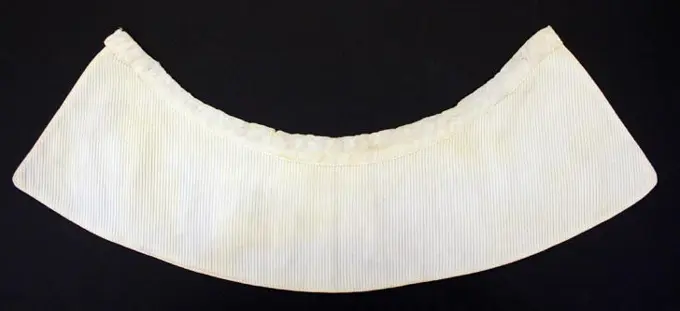
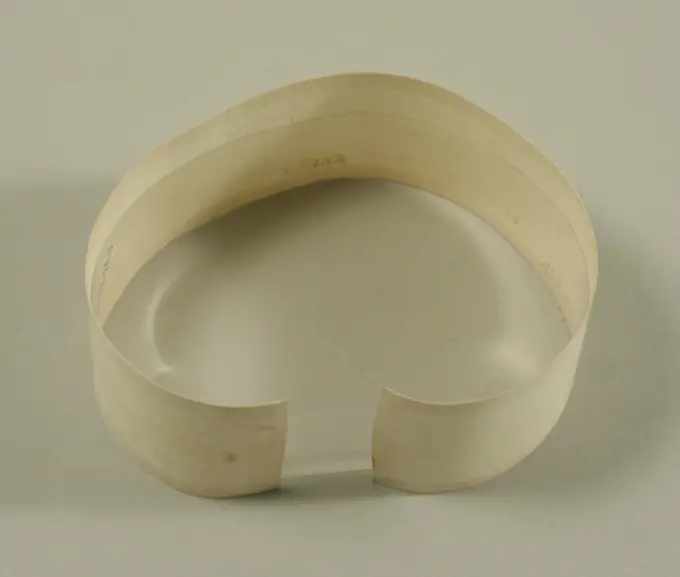
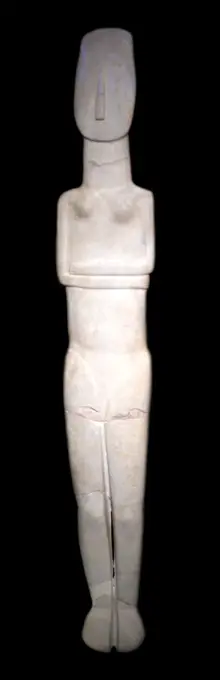
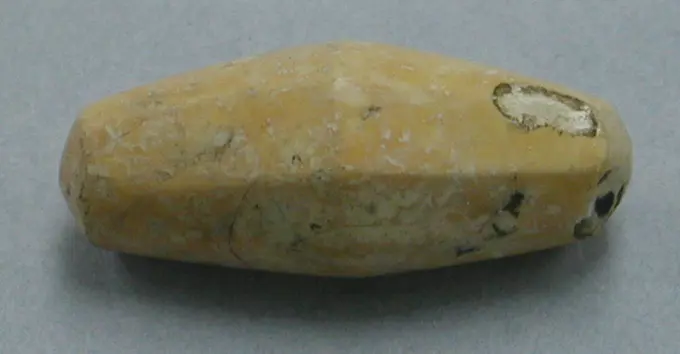
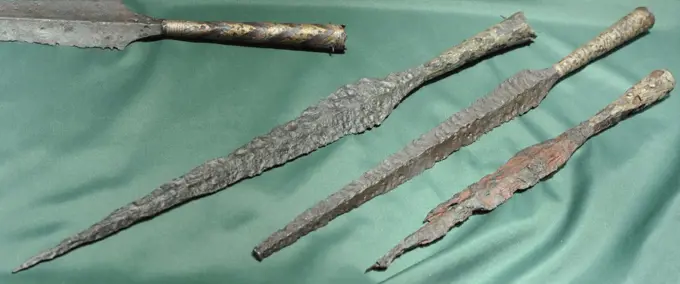
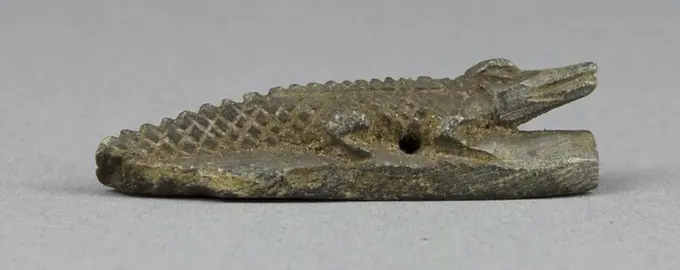
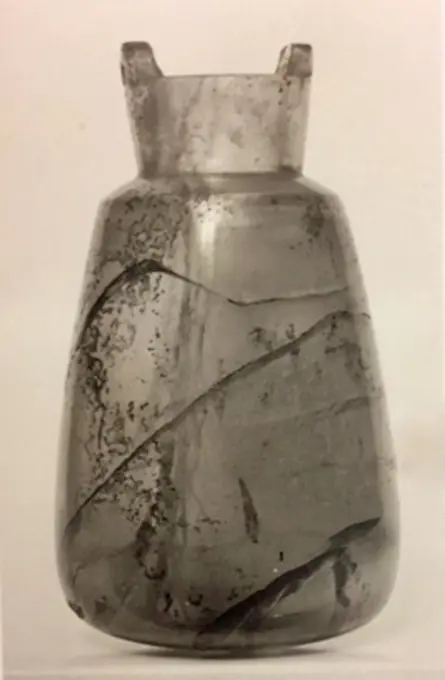
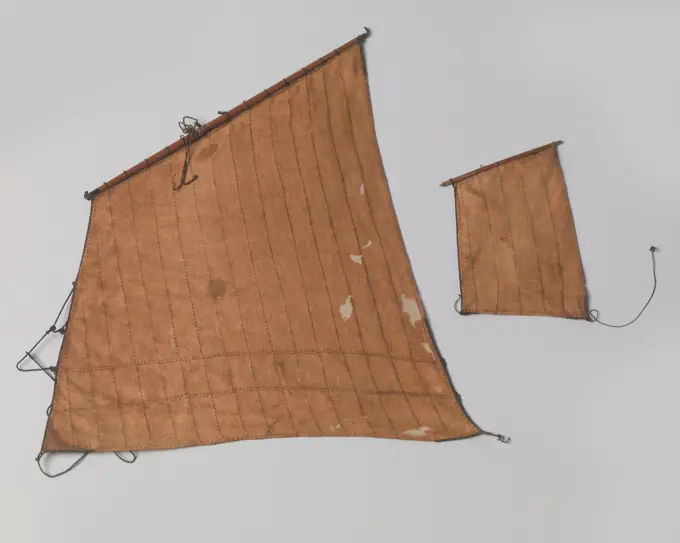
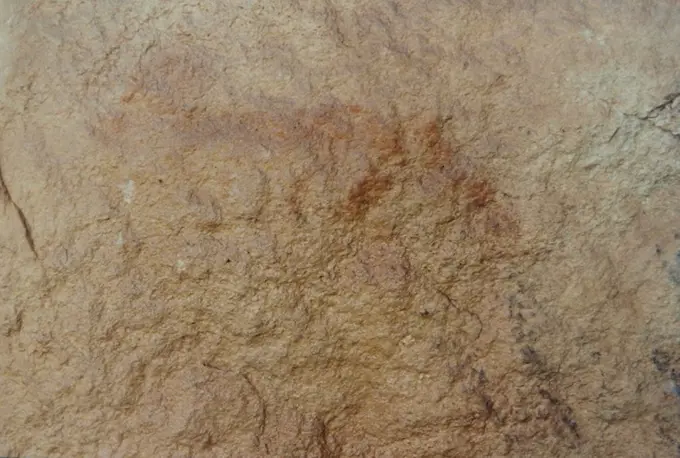
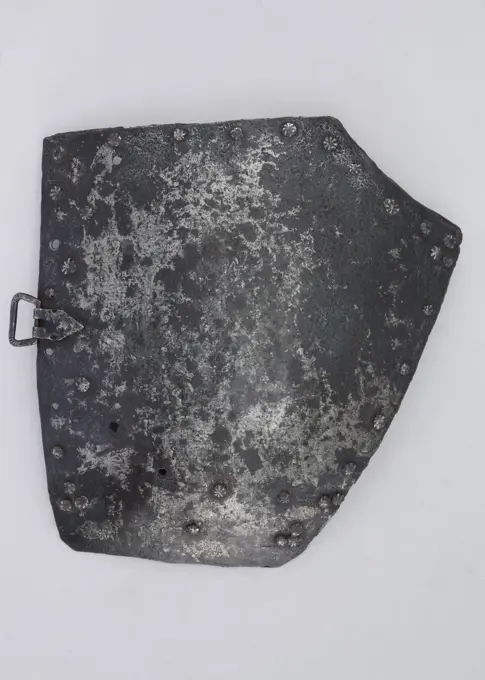
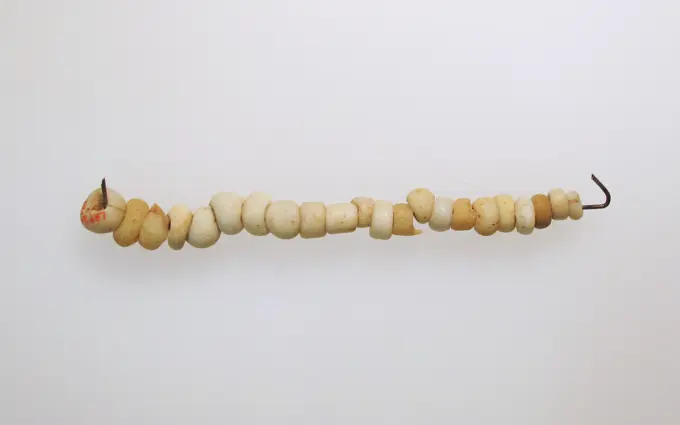
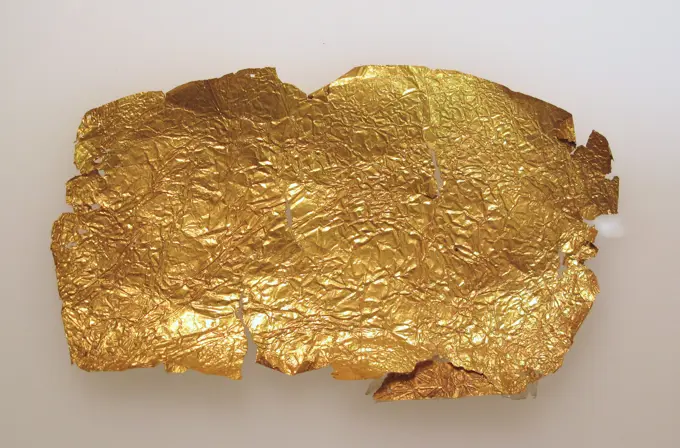
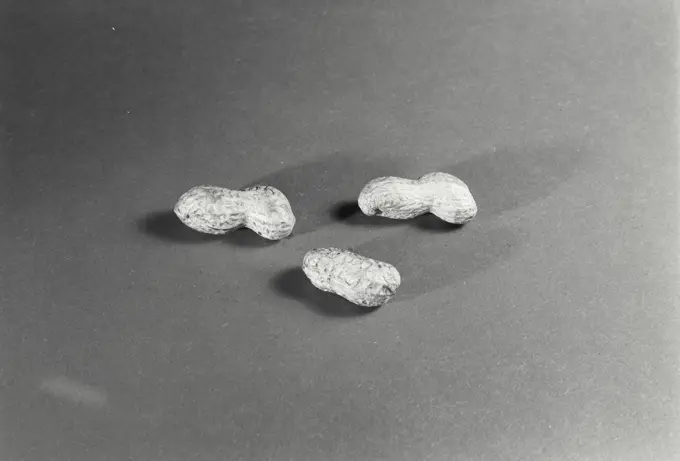
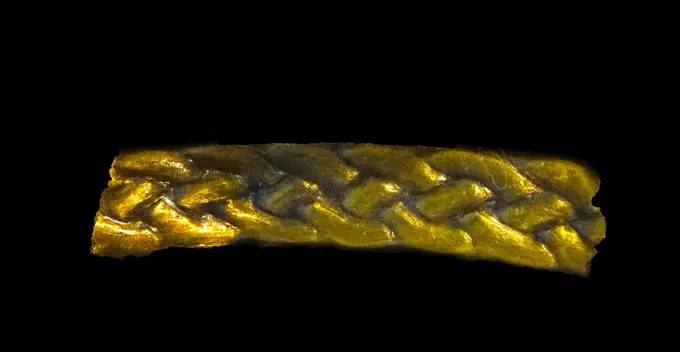
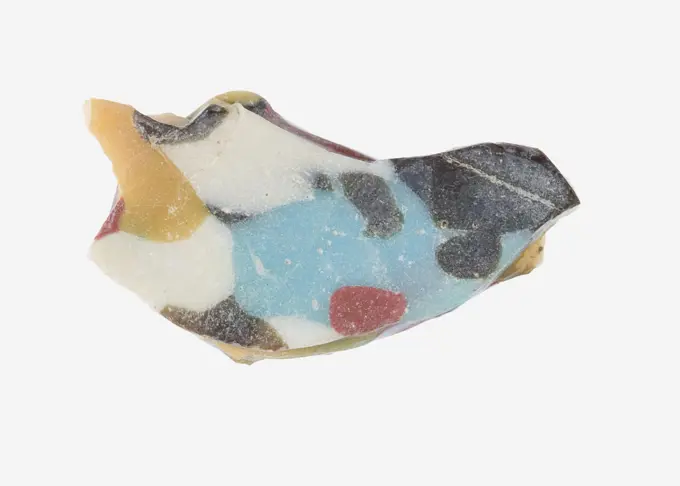
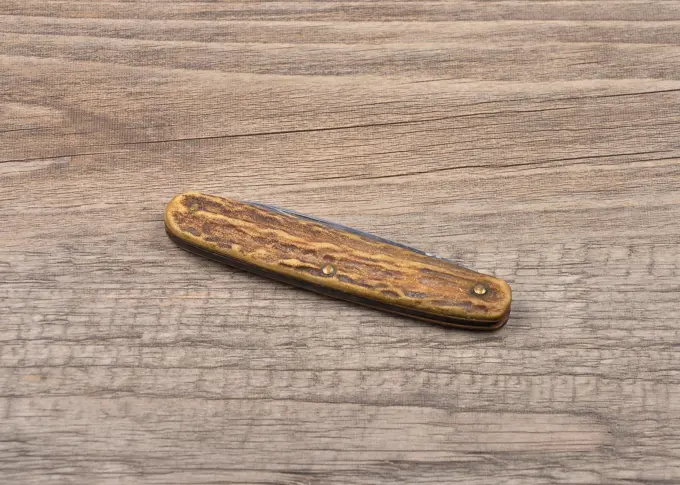
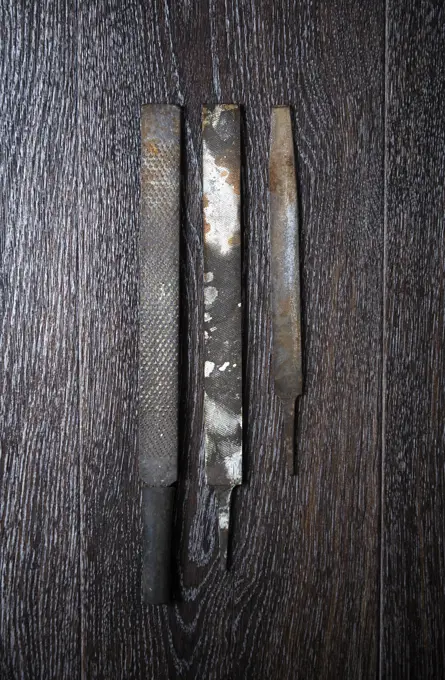
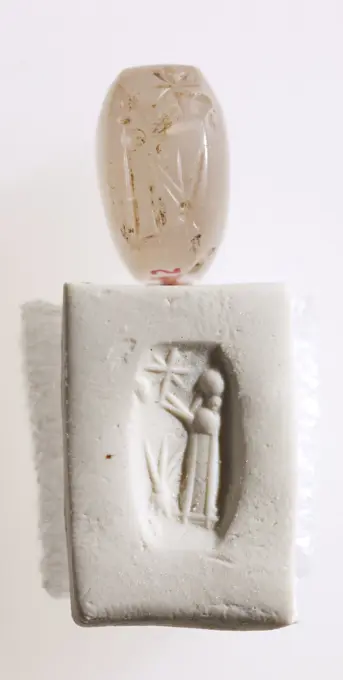
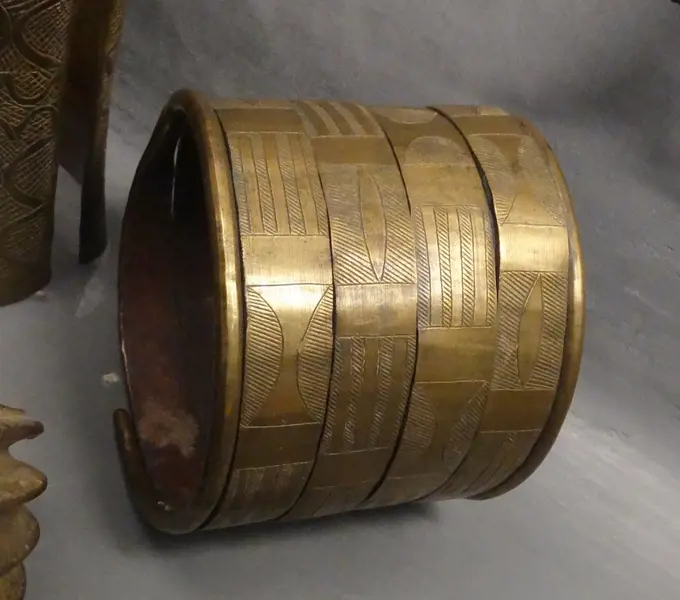
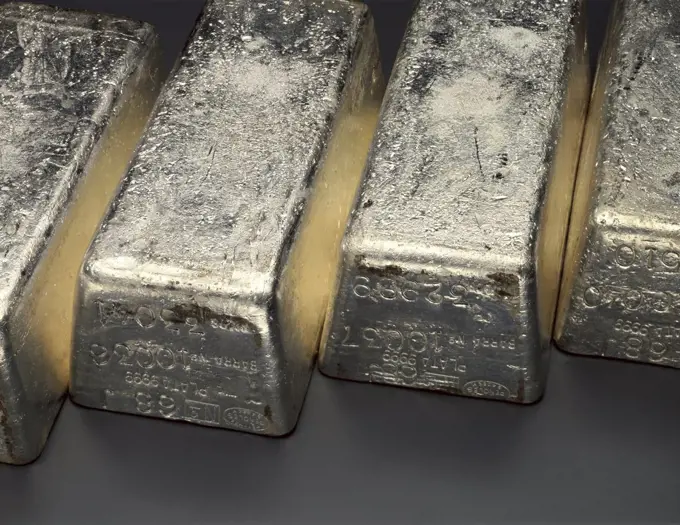
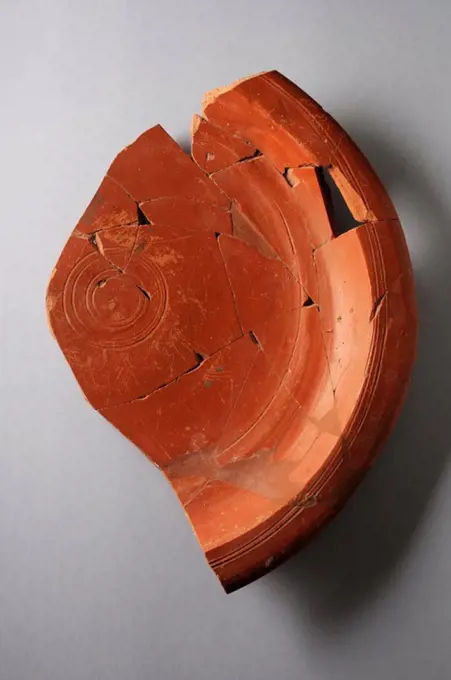
Ceramic plate Hispanic imitation African " Terra Sigillata ". Rim diameter 270 mm Base diameter 64 mm Height 42 mm ( 5 th CE )- Roman period , from the "Villa del Val" - Archaeological site of Complutum in Alcalá de Henares (Madrid). SPAIN.Textile Swatch , 1950s to 1960s. Silk, 16 3/4 x 4 1/4 in. (42.5 x 10.8 cm).    1950s to 1960sAngel wing of brass, anonymous, c. 1400 - c. 1500 Cast right wing, with a row of five feathers, with five long springs above it. On the mounting piece numbered IIV. Northern Netherlands (possibly) brass (alloy) casting Cast right wing, with a row of five feathers, with five long springs above it. On the mounting piece numbered IIV. Northern Netherlands (possibly) brass (alloy) castingStone Celt before 16th century Costa Rica (). Stone Celt 3171681939 Maserati 8CTF Boyle Special, winner of the 1939 Indy 500 race. Close-up on taped steering wheelFragment of a Bowl 12th-13th century. Fragment of a Bowl 447708Fragment of the box sarcophagus (fragment of the peak wall from the head);  around 2055-1650 BC ; Average state (-2060-00-00--1650-00-00);Lotus Petal Pendant ca. 1390-1353 B.C. New Kingdom. Lotus Petal Pendant. ca. 1390-1353 B.C.. Faience. New Kingdom. From Egypt, Upper Egypt, Thebes, Malqata, Palace of Amenhotep III, MMA excavations, 1910-11. Dynasty 18Set of twelve miniature meat plates. Artist: David Clayton (British, active 1689). Culture: British, London. Dimensions: Diameter (each): 1 5/16 in. (3.3 cm). Date: ca. 1720-30. Museum: Metropolitan Museum of Art, New York, USA.Pendant 4th-8th century Atlantic Watershed. Pendant 313040Copper alloy spearhead ca. 2500-2000 B.C. Cypriot Leaf-shaped blade with a hooked tang.. Copper alloy spearhead 244159Upper Arm Defense (Rerebrace) ca. 1430-40 Italian This is part of a large find of medieval armor discovered in 1840 in the ruins of the fortress of Chalcis, on the Greek island of Euboea (then a Venetian colony called Negroponte). The fortress had been captured and destroyed by the Turks in 1470. Now divided largely between the Ethnological Museum, Athens, and The Metropolitan Museum of Art, the Chalcis hoard contains many rare and unusual elements of fourteenth- and fifteenth-century armor. Of particular importance are the variety of headpieces and the many fragments of brigandines (armor for the torso constructed of small plates riveted to layers of fabric), some of which retain portions of their original velvet covering. The Chalcis armor provides a unique picture of the armament used in the Aegean, one of the easternmost military outposts of the Venetian empire.. Upper Arm Defense (Rerebrace) 23126Lantaka, anonymous, c. 1600 - c. 1900 lilla. cannon Bronze Lilla on Mik with Eastern decorations. Indonesian Archipelago (possibly) bronze (metal)Bronze drain-cover with grille to prevent rubbish entering the drain. Dated 4th Century BCObject ID #18653843; Manufactured by Charles Victor Gibert (French); silver; L x W x D: 15.9 x 3.6 x 1.6 cm (6 1/4 x 1 7/16 x 5/8 in.)Arrowhead ca. 10,000 B.C.-5000 B.C. European, Italian peninsula. Arrowhead. European, Italian peninsula. ca. 10,000 B.C.-5000 B.C.. Stone. Archery Equipment-ArrowheadsAxe. China. Date: 3500 BC-2000 BC. Dimensions: 15.6 × 9.5 × .5 cm (6.1 × 3.7 × 0.2 in.). Jade. Origin: China. Museum: The Chicago Art Institute, Chicago, USA.Ax ca. 1981-1802 B.C. Middle Kingdom. Ax 556012Horns or legs pointed with three barbs, pointed harpoon groundfound horn bone, sawn cut ground Late stone age archeology Maglemose culture Rotterdam Maasvlakte prehistoric stone age late stone age fish catch fish nutrition hunt Soil discovery Maasvlakte Maglemose culture.Stone Chisel before 16th century Mexican. Stone Chisel 317277Chisel ca. 1550-1295 B.C. New Kingdom. Chisel. ca. 1550-1295 B.C.. Wood, bronze or copper alloy. New Kingdom. From Egypt, Upper Egypt, Thebes, Deir el-Bahri, Temple of Hatshepsut, Foundation Deposit 4 (D), MMA excavations, 1923-24. Dynasty 18Shards of Kommen from V.O.C. ship De 'Witte Leeuw', Before 1613 bowl Shards of Kommen from V.O.C. ship De 'Witte Leeuw'.  porcelain   Sint-HelenaBead 8th-13th century. Bead 450892Flint point of yellowish, translucent flint, point artifact soil finding flint, mined Small point of flint from the stone age or bronze age. Yellowish and translucent flint. Small turns along the side. Probable fragment of tool artifact archeology Rotterdam stone age prehistoric Hillegersberg Vlaardingen culture cutting drilling pricks archaeological find in the soil Rotterdam found in Hillegersberg on the eastern edge of the Kerkhof north of the entrance at the plantation 1958-1959.Awl ca. 4600-3600 B.C. Ghassulian. Awl. Ghassulian. ca. 4600-3600 B.C.. Stone. Chalcolithic. Levant, Teleilat GhassulPolishing Stone (pulidor) before 16th century Mexican. Polishing Stone (pulidor) 317019Screw with wrench screw with wrenchBurned paper and close up holeGlass astragal (knucklebone) 3rd-2nd century B.C. Greek Translucent amber brown.Shaped like the knucklebone of a sheep or goat. Solid with continuous mold seam along sides and ends.Intact; pinprick and a few larger bubbles; dulling and patches of faint weathering.In antiquity, one of the most popular games of chance was played with astragaloi, knucklebones of sheep and goats. They could be used like dice or like jacks, thrown in the air and caught on the back of the hand. Knucklebones have been found in tombs where they must have been intended to help the deceased while away endless time.. Glass astragal (knucklebone). Greek. 3rd-2nd century B.C.. Glass; cast in a two-part mold. Hellenistic. GlassColumn probably early 15th century. Column 447040Collar 1700-1943 American. Collar 119232A porcupine spine isolated against a blue backgroundGoldweight Pipe, 19th-20th century, 1 1/2 x 1/2 x 1/4 in. (3.81 x 1.27 x 0.64 cm), Brass, Ghana, 19th-20th centuryCollar American 1880-84Foot of a Vessel 4th-early 5th century Coptic. Foot of a Vessel 479112crystal of brown Tourmaline Dravite mineral stone macro shooting of collection natural rock - crystal of brown Tourmaline Dravite mineral stone isolated on white background Copyright: xZoonar.com/ValeryxVoennyyx 8635955Fragment of an Inscribed Slab 6th-7th century. Fragment of an Inscribed Slab 456146Exceptional in size (1.52m High) female figure with arms folded under the breasts, of parian marble. It is thought to be a female divinity. the figure stands on toe tips, but her bending knees hold her back from balancing on the ground. It was probably meant to be placed in supine position. It belongs to the widespread 'Spedos' type. Figurines vary in height from 8cm to full size, have clear-cut outline and incised anatomical details. The nose and usually the ears are in relief. From Amorgos, Early Cycladic II, 2800-2300 BC.Stone Pulidor before 16th century Mexican. Stone Pulidor. Mexican. before 16th century. Stone. Mexico, Mesoamerica. Stone-ImplementsSpears. 10th century. From Telemark and Hedmark. Norway. Historical Museum. Oslo. Norway.Bracelet probably 19th century African This collection of largely ethnographic jewelry includes examples from cultures in South America, North America, Europe, Asia, and Africa and dates from the Pre-Columbian period to the twentieth century. Owned by renowned art collector and fashion enthusiast Muriel Kallis Newman, the collection represents her knowledge and appreciation of a wide range of jewelry design and making traditions. Numerous items in her collection are composite artifacts made from various cultures and time periods reappropriated as modern jewelry creations by or for Muriel. It is important to note that Newman wore many of the pieces in the collection, interpreting them to suit and express her own singular, often avant-garde style.. Bracelet 141550Amulet of a Crocodile. Egyptian. Date: 1500 BC-664 BC. Dimensions: 1.3 × 5.1 × 1.3 cm (1/2 × 2 × 1/2 in.). Steatite. Origin: Egypt. Museum: The Chicago Art Institute, Chicago, USA. Author: Ancient Egyptian.Sandow chest expander accessory - small paper envelope, 1910s, England, maker unknown.Excerpt orange silk tissue, c. 1400 - c. 1950   silk   silkAfrica, West Africa, Ghana, Navrongo. Close-up of piereced clay pot in Navrongo Basilica Museum.Lappet 18th century French. Lappet 227689Date Pendant ca. 1353-1336 B.C. New Kingdom, Amarna Period. Date Pendant. ca. 1353-1336 B.C.. Faience. New Kingdom, Amarna Period. From Egypt, Middle Egypt, Amarna (Akhetaten), Various houses in the town, Petrie/Carter excavations, 1891-92. Dynasty 18Rock crystal bottle ca. 5th-2nd century B.C. Cypriot or Phoenician Craftsmen in Egypt and the Near East began making vessels out of rock crystal as early as the Early Bronze Age. The tradition was passed on to the great empires of the Classical world and persisted until late antiquity. The shapes of two of the examples (74.51.3599, 74.51.3600) are unusual and so are difficult to date. Despite their plain forms, they remain fine examples of the stonecutter's skill, for they are carved out of solid blocks of crystal. Above all, it was the almost transparent quality of the rock crystal that made such vessels highly prized luxury objects.. Rock crystal bottle. Cypriot or Phoenician. ca. 5th-2nd century B.C.. Rock crystal. Classical or Hellenistic. Gold and SilverTwo sails belonging to a model of a gunner galei, Jochem Pietersz. Asmus, c. 1800 - c. 1807 ship model. fully rigged model Two sails, belonging to a witnessed clipping model of a flat -bottom gun. Restored in 1997. Netherlands wood (plant material). cotton (textile). ropeABRIGO 82/17-3R. PINTURA. FIG 14.Top view of wooden cutting board on a gray marble background with space for text.Pendant before 16th century Tairona. Pendant 317461Zapinka do pasa. unknown, craftsmanHat veil of lace plaque on mechanical tulle with bows, anonymous, c. 1900 Hat veil of natural -colored lace bobbin work, tambouring work on machine tulle, lierse side. The tambouring work runs along one of the long sides and has a pattern of flower and leaf vend that is alternately interrupted by a bow and a C-volute. An arc of rosette flowers has been made over each C-Volute. Strooi pattern with mosjes. The veil has deposited a faintly scalloped edge with picots on three sides. A double wave line runs along the edge at the top, but the edge is not finished. Belgium Hat veil of natural -colored lace bobbin work, tambouring work on machine tulle, lierse side. The tambouring work runs along one of the long sides and has a pattern of flower and leaf vend that is alternately interrupted by a bow and a C-volute. An arc of rosette flowers has been made over each C-Volute. Strooi pattern with mosjes. The veil has deposited a faintly scalloped edge with picots on three sides. A double wave linABRIGO DE VALDESAELICES. PINTURAS.Zygmunt Bell (Ear Fragment)  Zygmuntów Tower, Wawel Cathedral, Krakow Beheem, Hans (FL. 1520)Bangle with Wide raised Flange 300 B.C.-A.D. 400 Thailand. Bangle with Wide raised Flange. Thailand. 300 B.C.-A.D. 400. Bronze. Late period. JewelryBrigandine Plate 1400-1450 Italian This is part of a large find of medieval armor discovered in 1840 in the ruins of the fortress of Chalcis, on the Greek island of Euboea (then a Venetian colony called Negroponte). The fortress had been captured and destroyed by the Turks in 1470. Now divided largely between the Ethnological Museum, Athens, and The Metropolitan Museum of Art, the Chalcis hoard contains many rare and unusual elements of fourteenth- and fifteenth-century armor. Of particular importance are the variety of headpieces and the many fragments of brigandines (armor for the torso constructed of small plates riveted to layers of fabric), some of which retain portions of their original velvet covering. The Chalcis armor provides a unique picture of the armament used in the Aegean, one of the easternmost military outposts of the Venetian empire.. Brigandine Plate 27669old wood board plank on a beach                               . old wood board on a beachMusket Bullet that Killed Ernest Casimir, anonymous, c. 1632 bullet (ammunition) Musket bullet with a notch on one side. Netherlands (possibly) lead (metal) castingTablespoon.  Artist: Jeronimus Alstyne, American, 1736-1807Valance ca. 1770 American. Valance 14177Eucalyptus dried leaves branch in vase, stock photoDrum andStickTwenty-two beads. Twenty-two beads. Glass. GlassFragments Pipe stems from the wreck of the East Indians Hollandia, Anonymous, 1700 - in Or Before 1743  Stems, fragm. Netherlands pipe clay   SecondFranning of Groene Wol Honends with a cushion cover, A. Lepelaar (attributed to), 1657 Three times fringe of green wool horning with a cushion cover with the city coat of arms of Gouda. Gouda wool. silk Three times fringe of green wool horning with a cushion cover with the city coat of arms of Gouda. Gouda wool. silkEarring disc. Culture: Cypriot. Dimensions: Diameter (A): 1 1/8 x 3/16 in. (2.9 x 0.5 cm).Slightly convex form covered with granulation. Museum: Metropolitan Museum of Art, New York, USA.Frontlet of gold leaf. Frontlet of gold leaf 242967Inscribed Stone. Egypt, 1st Dynasty (circa 3050 - 2850 BCE) (inscription likely modern). Tools and Equipment; marbles. MarbleClose up of a screwBowl sherd ca. mid-3rd millennium B.C.. Bowl sherd 326124Vintage Photograph. Three peanuts in the middle of frame.Fragment of Bowl 4th-early 5th century Coptic. Fragment of Bowl 479100Artefact from the Staffordshire Hoard of Anglo-Saxon gold and silver metalwork. Discovered in a field near the village of Hammerwich, near Lichfield, in Staffordshire, England, on 5 July 2009, it consists of over 3,500 items from the Anglo-Saxon kingdom of Mercia.Penannular Brooch. Culture: Scandinavian or Baltic. Dimensions: Overall: diam. 2 15/16 x 11/16 in. (7.4 x 1.8 cm). Date: 10th-11th century. Museum: Metropolitan Museum of Art, New York, USA.Mezuzah at the doorframe of a former Jewish orphanage until 1949, today synagogue of the Jüd. Gemeinde, Fürth, Middle Franconia, Bavaria, Germany, Eur...in a row blue denim pillows isolated on whiteFragment of a Dish of Polychrome Mosaic Glass ca. 1390-1353 B.C. New Kingdom Among the glass fragments found at the site of Malqata during the Museum's excavations from 1910-1912 were nine pieces of mosaic glass that probably come from the same dish (11.215.724-.732). The dish was made in a mold and, judging from a rim fragment (11.215.727) and a base fragment (11.215.729), it was about 15 cm (5 7/8 in) in diameter.. Fragment of a Dish of Polychrome Mosaic Glass. ca. 1390-1353 B.C.. Glass. New Kingdom. From Egypt, Upper Egypt, Thebes, Malqata, Palace of Amenhotep III, MMA excavations, 1910-12. Dynasty 18Taschenmesser - Pocket knife Taschenmesser - Pocket knife Copyright: xZoonar.com/lantapixx 6161897Comb, c. 100 BCE -c. 200 CE, 2-1/8 x 1-1/4 x 1/4 in. (5.4 x 3.2 x 0.6 cm), Wood, China, 2nd century BCE - 3rd century CEOrnament with leaves, Bernard Willem Wierink, c. 1910 print   paper  foliage, tendrils, branches ~ ornament. fable of Reynard the FoxTUMBA DE SERVILIA - DECORACION PICTORICA - SIGLO I AC. Location: NECROPOLIS ROMANA. CARMONA.Three rasps Three old rasps on a wooden surface. Vertical photo Copyright: xZoonar.com/ArmanxZhenikeyevx 7713336Cucharas de pastor, 1904. Museu Català de les Arts i Tradicions Populars.String of Beads 9th-11th century. String of Beads. 9th-11th century. Steatite. Excavated in Iran, Nishapur. JewelryAmulet and Signature Seal Stone, 6th-5th century BCE, 7/8 x 5/8 x 3/8 in. (2.22 x 1.59 x 0.95 cm), Yellow agate, Babylon, 6th-5th century BCEAlabaster vase inlaid with floral garlands, from the tomb of the pharaoh Tutankhamen - Stock from tomb of Tutankhamen. From the tomb of King Tutankhamen. 1323 BC. 18th dynasty, New KingdomLeg cuff carved with symbols. From Gabon. Made from copper alloy.Drawing, Studies of Objects from Athens Museum; Frederic Edwin Church (American, 1826-1900); USASkeins Of Yarn (Scotland (Yarn)); Dyed by Deerfield Society of Blue and White Needlework (American, 1896-1926) (United States); linen, cottonFragment ca. 1150-ca. 1250 European or Middle Eastern. Fragment 694227Grater from St. Thomas, Jamaica, Used for making Kumina music. Dated 2005Close-up of silver barsGiant rusty screw on a support of an electricity transmission. Close-upSauna key sauna key copyright: xzoonar.com/antjexlinder- rottkex 11318843Man of Gokstad. Bones of the skeleton of a man between 40 and 50 years old, 181-183 cm tall and of important rank in his society, died in battle. Found in the burial chamber of the Gokstad Ship. Viking Ship Museum. Oslo. Norway.Praying mantis (Oxyopsis media) ootheca / egg case, Sao Paulo, Brazil. meetyourneighbours.net projectHarpoon finger rest -