Ancient Artifacts and Fragments

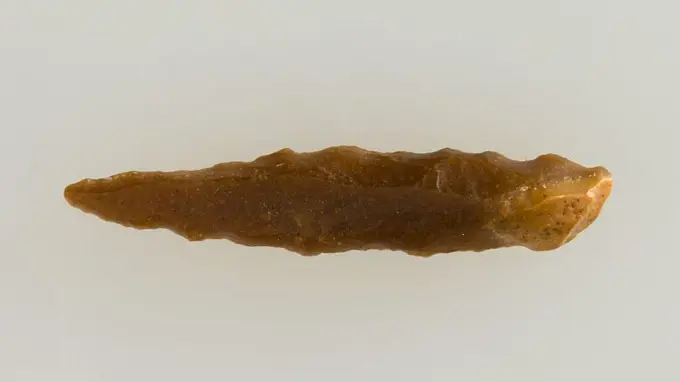
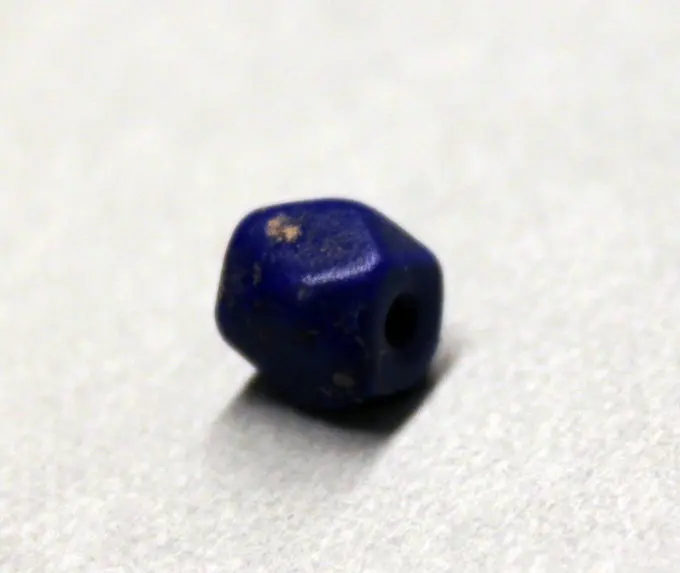
A collection of historical fragments, including a wooden retable piece, jade bead, bronze axe, clay pipe, and ceramic fragment, showcasing various ancient cultures.
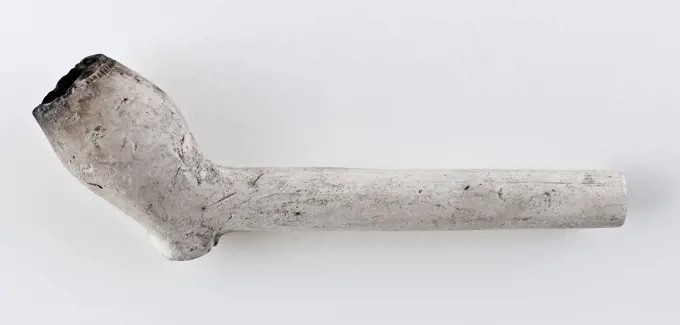
White clay pipe, unnoticed, with smooth handle, clay pipe smoking equipment smoke floor pottery ceramics pottery, pressed pressed baked white clay pipe unnoticed with smooth handle thick heel with large stamp area archeology smoking tobacco
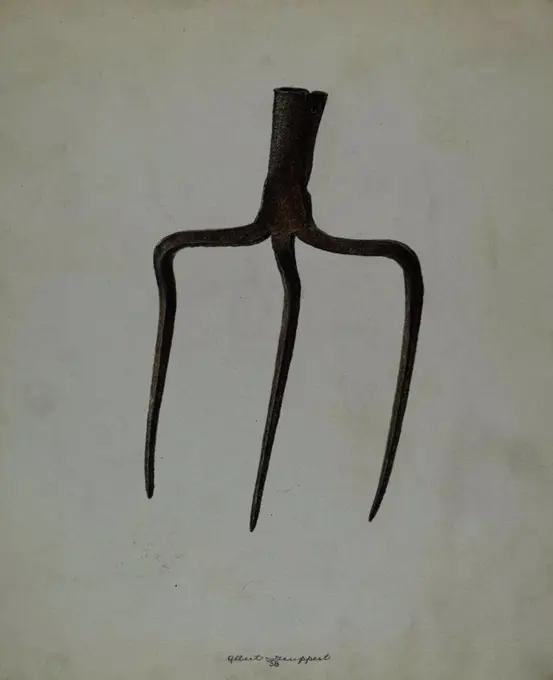
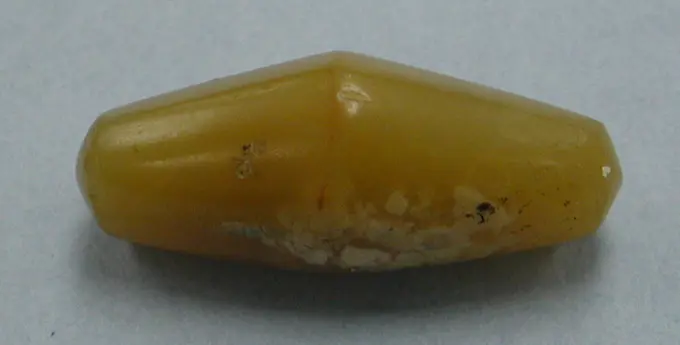
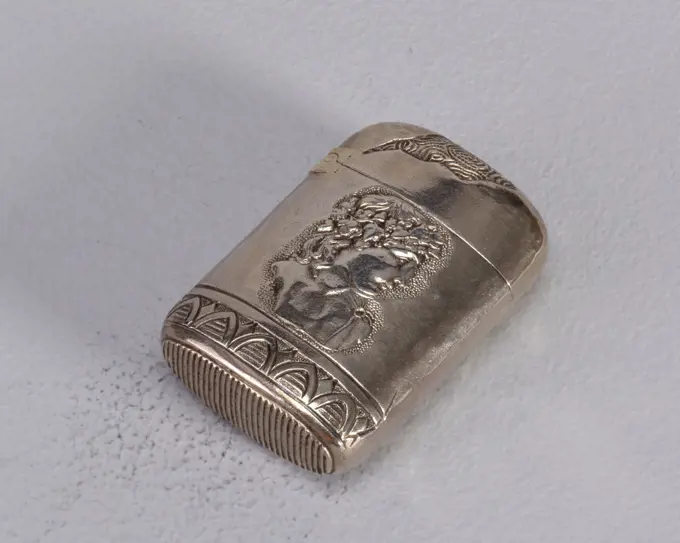
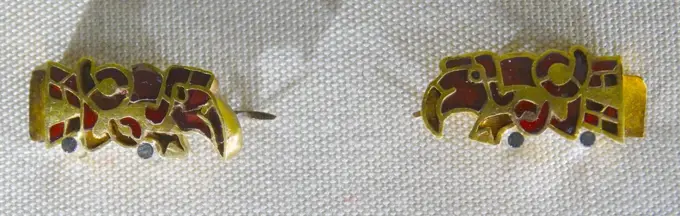
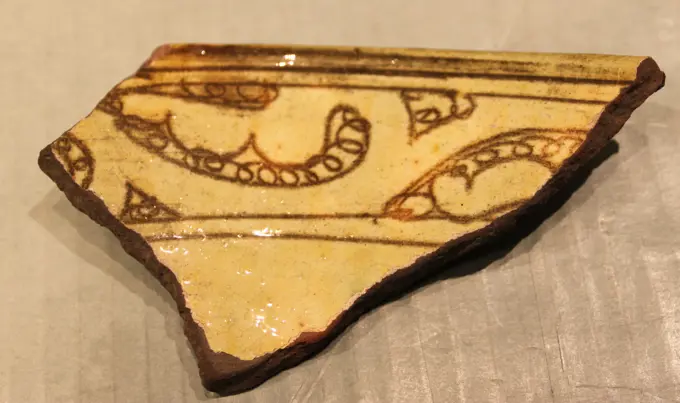
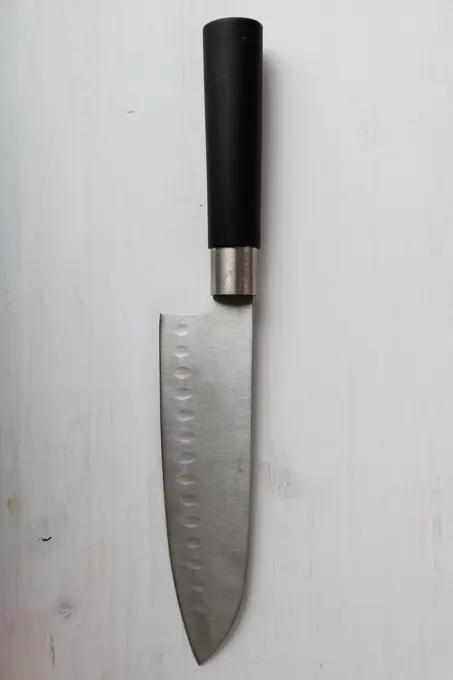
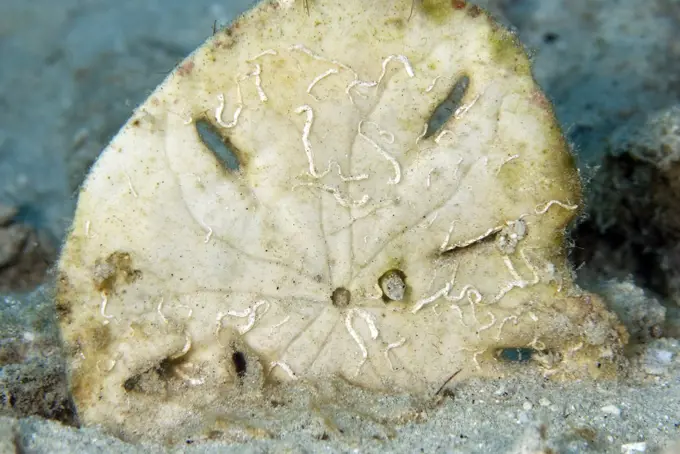
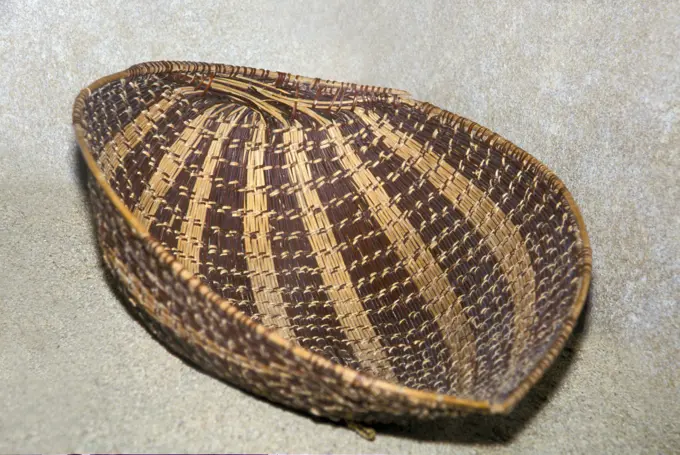
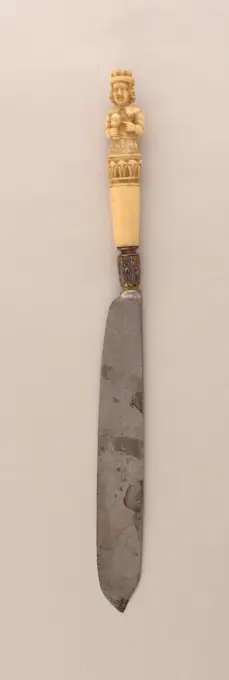
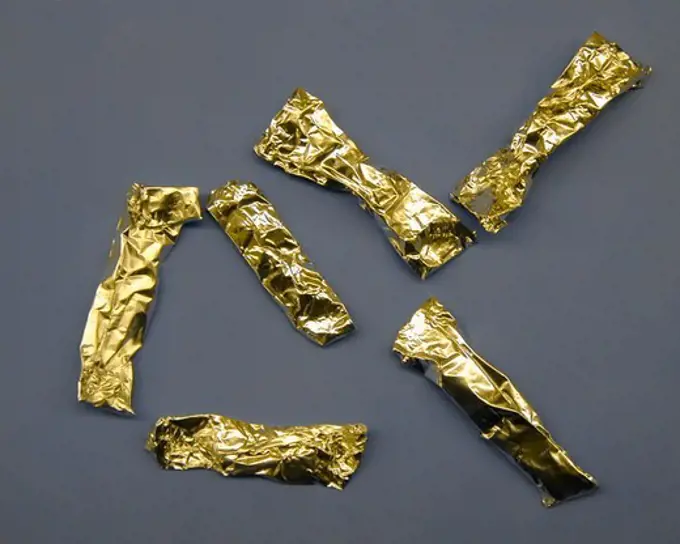
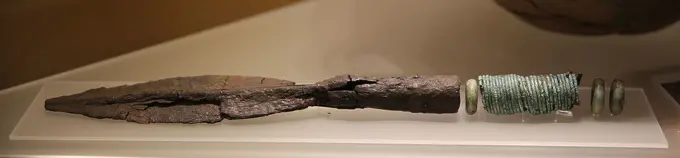
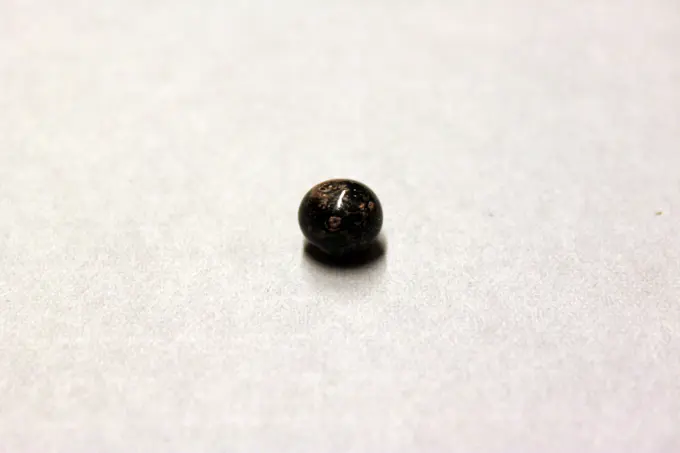
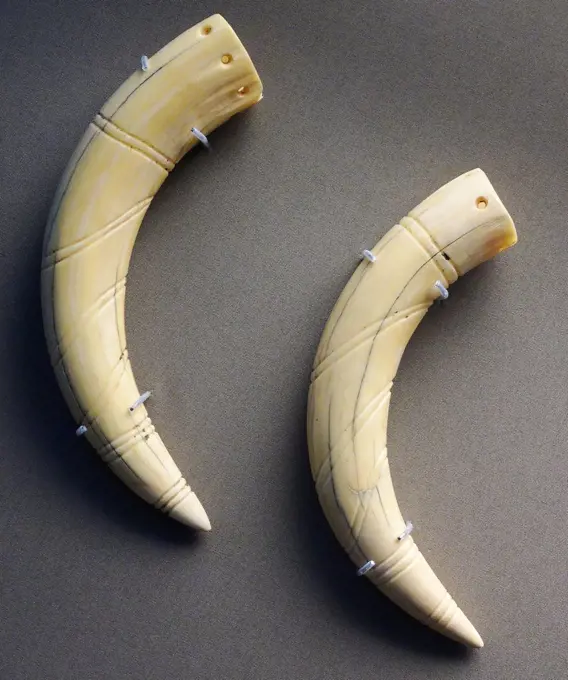
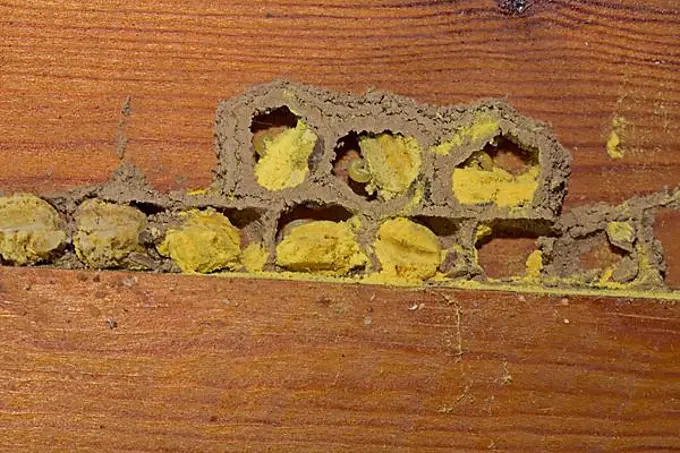
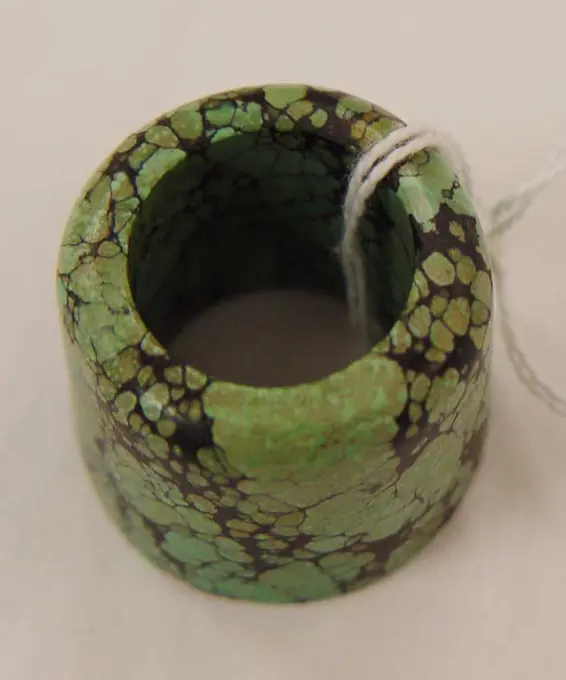
A drop of cosmetic product on a beige background. Texture of serum.Fur pillow Unusual pillow made from real animal fur Copyright: xZoonar.com/Baloncicix 14274263Lace hat slip, photograph, photo, photos, height 178 mm, width 110 mm, photographerCase; steel, glass, leather-covered cardboard caseHay Fork. Dated: 1938. Dimensions: overall: 37.9 x 23 cm (14 15/16 x 9 1/16 in.). Medium: watercolor, graphite, and colored pencil on paperboard. Museum: National Gallery of Art, Washington DC. Author: Albert Geuppert.Cylinder seal. Culture: Sumerian. Dimensions: 1.06 in. (2.69 cm). Date: ca. 2600-2350 B.C.. Museum: Metropolitan Museum of Art, New York, USA.Stone Pulidor before 16th century Mexican. Stone Pulidor 317075Scale of Camberwell Beauty wing enlarged five hundred timesClothes of Mevlana at Mevlana museum in Konya,Turkey. 28 August 2017. Clothes of Mevlana at Mevlana museum in Konya,TurkeyFragment ca. 1150-ca. 1250 European or Middle Eastern. Fragment 696637Medallion Decoration, George W. Shiebler & Co., American, 1876 - 1910, Silver, Oblong, curved corners, featuring central bust of Bacchic figure with grapevine diadem, below which is band with egg and dart motif, above, on lid, is broken edged, ruin-like element. Reverse features busts of Mars with helmut and shield, and Diana, amid various classical motifs and ruin-like element. Lid hinged on side. Striker on bottom., 1885-95, containers, Decorative Arts, Matchsafe, MatchsafePair of gold mounts in the shape of eagels, decorated with cloisonne garnets, from the Staffordshire Hoard. Dated 7th CenturyFragment 14th-15th century. Fragment. 14th-15th century. Earthenware; incised decoration through a white slip and coloring under transparent glaze. Attributed to Egypt, Fustat. CeramicsHead in Bird's Beak, before 1990. Mexico, Oaxaca, Mixtec(). Serpentine; overall: 1.8 cm (11/16 in.).Baluster mid-18th century British. Baluster. British. mid-18th century. Pine. Woodworkbig steel knife big metallic sharp shiny knife on table Copyright: xZoonar.com/FuroxLxFelixx 8855251Shards of a sign from V.O.C. ship De 'Witte Leeuw', Before 1613 plate (dishes) Shards of a sign from V.O.C. ship the 'Witte Leeuw'.  porcelain   Sint-HelenaVest button of plastic with relief rib, fixed eye and loose against clamp, c. 1900 - c. 1940 Vest button of plastic with relief rib, fixed eye and loose against clamp. Netherlands (possibly) metal Vest button of plastic with relief rib, fixed eye and loose against clamp. Netherlands (possibly) metalKnife in the hands, karambit knife tactical fighter, self defense Martial Arts FightingSealing piston;  19th/20th century (1891-00-00-1910-00-00);Rosy Earthstar (Geastrum rufescens) in the final stadium the starlike arms having pushed the sporecontaining bowl to ths top, so allowing the spores to be broadcasted over a long distanceUnidentified blenny in sand dollar home. Family: Chaenopsidae, Clypeaster subdepressus. Caracasbaai, Curacao, Netherlands Antilles. . . .Fragment. Culture: European or Middle Eastern. Dimensions: L. 2 1/4 in. (5.7 cm). Date: ca. 1150-ca. 1250. Museum: Metropolitan Museum of Art, New York, USA.This shallow basket was used to separate the chaff from the grain by means of tossing the grain in a breeze. On display at the Coyote Hills museum CaliforniaInscribed Ointment Jar From Foundation Deposit 2 of Hatshepsut's Valley Temple. Dimensions: h. 9 cm (3 9/16 in). Dynasty: Dynasty 18. Reign: Joint reign of Hatshepsut and Thutmose III. Date: ca. 1479-1458 B.C.. Museum: Metropolitan Museum of Art, New York, USA.Plaque;  19th century (1801-00-00-1900-00-00);Knife (possibly France); ivory (whale bone), silver, steel, gold; L x W: 24 x 2.1 cm (9 7/16 x 13/16 in.); The Robert L. Metzenberg Collection, gift of Eleanor L. Metzenberg; 1985-103-174Bronze daggers from Akrotiri, GreeceGenova Municipal Cemetery Genova Municipal Cemetery, Mallorca, Balearic Islands, Spain Copyright: xZoonar.com/BartomeuxBalaguerxRotgerx 21685239Foil Wrappers of PCPMap of Turkey cut outlined on marble stoneglow, silver,18th century, hermitage of Nossa Senhora Da Ajuda, Evora museum, Evora, Alentejo, Portugal, Europe.Pijpenkop and Seeds from the wreck of the East Indians Hollandia, Anonymous, 1700 - in Or Before 1743  Pipe, bowl, heelmark: fish, flounder; 2hsm1,5, contains organic material id. NG 1980-27H222H. Netherlands pipe clay   SecondVia Laurientina-Acqua Acetosa. Protohistoric necropolis. 9th-8th BC. Grave goods. Spearhead. Italy. National Roman Museum. The Baths of Diocletian. Rome. Italy.Tool. Date: ca. 3850-2960 B.C.. Museum: Metropolitan Museum of Art, New York, USA.Heyrovskyite, sulphide.Fragment ca. 1150-ca. 1250 European or Middle Eastern. Fragment 695384Holzrahmen - Wooden frame Holzrahmen - Wooden frame Copyright: xZoonar.com/lantapixx 7084567Tab Ornament 1st century B.C.-A.D. 2nd century Salinar (). Tab Ornament 312999Cauris Marin (11). Shell, bone, wood, china, zhou dynasty (11th century BC Paris, Cernuschi museum. Cauris, Asian civilization, Chinese civilization, zhou dynasty, currencydecorated staff, slate, 3400-2500 BC, Anta da Herdade das Antas, Montemor-o-Novo, Portugal, Huelva Museum, Huelva, Andalusia, Spain.Beads 9th-12th century This object was excavated at Nishapur.Nishapur was a vital city in the early and middle Islamic periods, located along one of the main trajectories that connected Iran and West Asia Islamic lands with Central Asia and China. These itineraries are often referred to by the term Silk routes’ but were in fact crucial to the movement of constellations of materials and objects, as well as people and ideas. The diverse population of Nishapur and its surroundings, from the better-researched elite groups of merchants, land-owning aristocracy, and literates, to the less-known artisans, farmers, miners, and servants, were instrumental in adapting global cultural trends to create their own distinctive visual languages. This is seen in the material remains of everyday life in medieval Nishapur - from pots and pans to lighting devices, inkwells, textiles and trimmings, jewelry, games and toys, talismanic devices, weapons, coins, and architectural fragments.Nishapur lost its pStrapHingeCuban cigar on black backgroundgreen malachite in front of black backgroundTexture of cosmetic products on skin with water reflection. Moisturizing concept. High quality photo.Goldweight Knot, 19th-20th century, 1 1/8 x 1/2 x 3/16 in. (2.86 x 1.27 x 0.48 cm), Brass, Ghana, 19th-20th centuryBeads 8th-13th century This object was excavated at Nishapur.Nishapur was a vital city in the early and middle Islamic periods, located along one of the main trajectories that connected Iran and West Asia Islamic lands with Central Asia and China. These itineraries are often referred to by the term Silk routes’ but were in fact crucial to the movement of constellations of materials and objects, as well as people and ideas. The diverse population of Nishapur and its surroundings, from the better-researched elite groups of merchants, land-owning aristocracy, and literates, to the less-known artisans, farmers, miners, and servants, were instrumental in adapting global cultural trends to create their own distinctive visual languages. This is seen in the material remains of everyday life in medieval Nishapur - from pots and pans to lighting devices, inkwells, textiles and trimmings, jewelry, games and toys, talismanic devices, weapons, coins, and architectural fragments.Nishapur lost its ptusks made of ivory or bone in the shape of the incisor teeth of a hippopotamus, used to repel evil by turning the power of the animal against itself. Early Predynastic, Egyptian (Naqada 1) 3000-2600 BCpolished orbicular jasper gemstone on dark macro shooting of natural mineral rock specimen - polished orbicular jasper gemstone on dark granite background Copyright: xZoonar.com/ValeryxVoennyyx 11380698Red mason bee (Osmia bicornis), breeding cell, wooden beamA horse shoe and a shamrock for St. Patrick's dayoverhead high angleLollypop stickHutchinsonite, sulphide.Ring probably 19th century Chinese This collection of largely ethnographic jewelry includes examples from cultures in South America, North America, Europe, Asia, and Africa and dates from the Pre-Columbian period to the twentieth century. Owned by renowned art collector and fashion enthusiast Muriel Kallis Newman, the collection represents her knowledge and appreciation of a wide range of jewelry design and making traditions. Numerous items in her collection are composite artifacts made from various cultures and time periods reappropriated as modern jewelry creations by or for Muriel. It is important to note that Newman wore many of the pieces in the collection, interpreting them to suit and express her own singular, often avant-garde style.. Ring 141602Bead 8th-13th century. Bead. 8th-13th century. Stone. Excavated in Iran, Nishapur. Stoneoysters in a basket underwater in oyster culture cancale brittany france.Plaque