Ancient Artifacts and Fragments

A collection of ancient pottery pieces, including a turtle palette, vase fragments, and an oil lamp, showcasing historical ceramic craftsmanship.

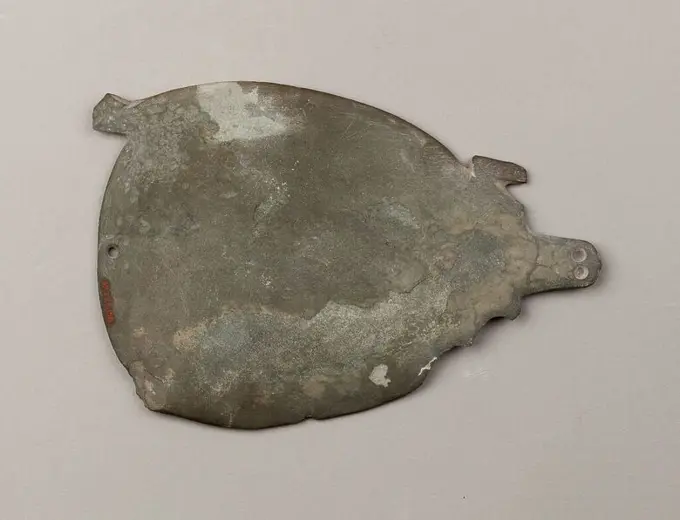
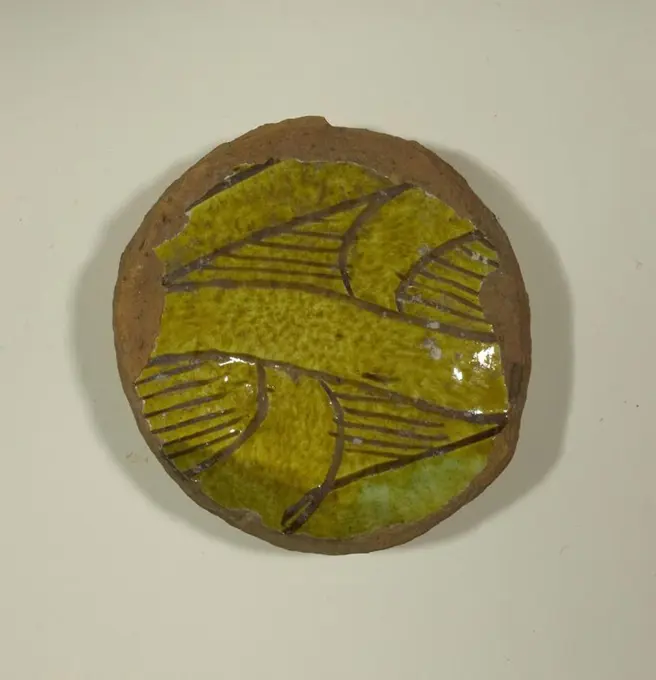
Fragment earthenware dish with nubs in the rim, biscuit, without glaze, plate dish crockery holder soil find ceramic earthenware biscuit, w 12.3 hand-turned fried Fragment earthenware dish with studs in the edge biscuit without glaze Misbaksel; one baked dish orange yellow shard on stand During or after baking broken or deformed and then rejected for further processing and discarded archeology City Triangle Rotterdam Town Hall indigenous pottery craft steward Bakery soil finding: probably found around the Town Hall in Rotterdam 1916 - 1917.
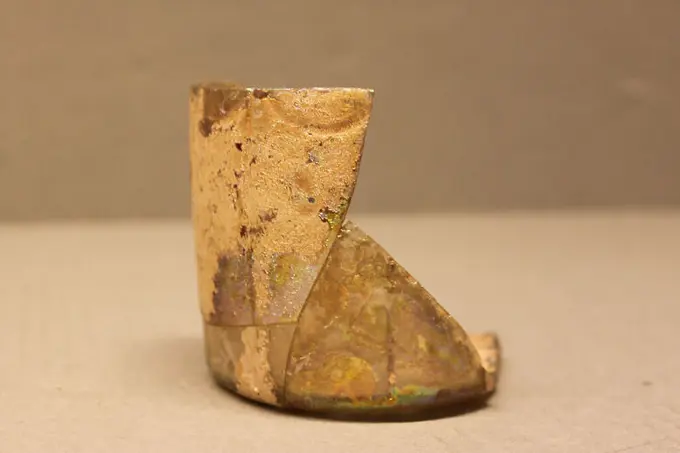
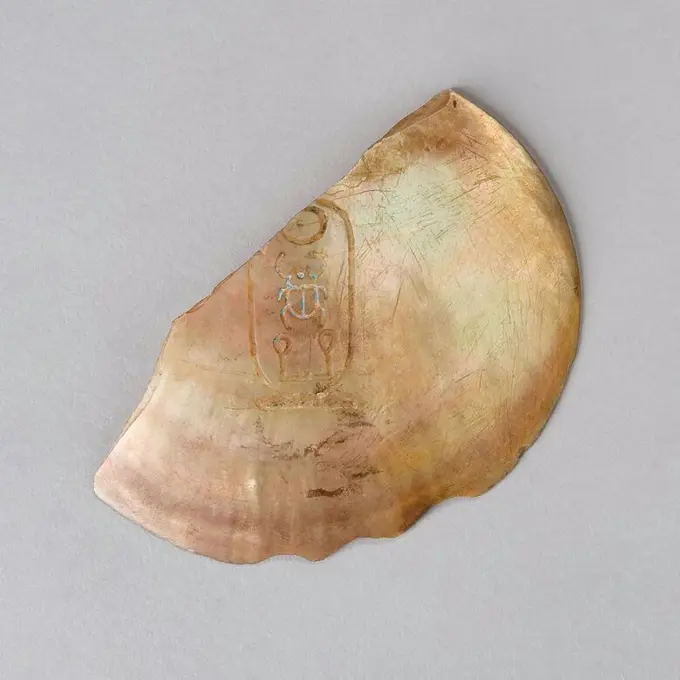
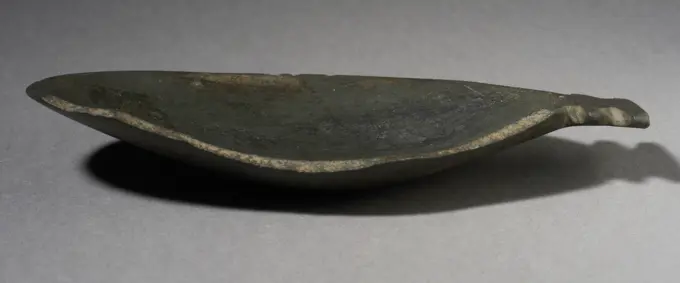
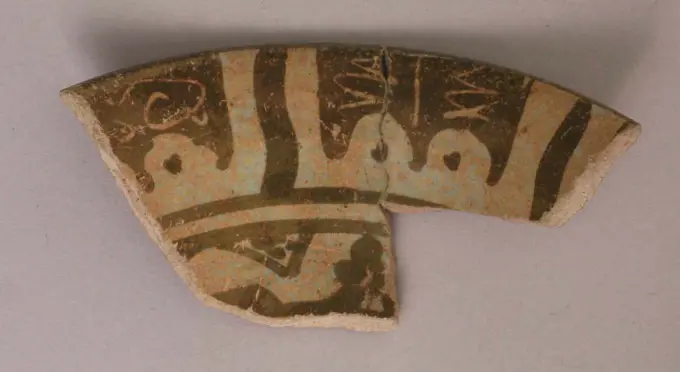
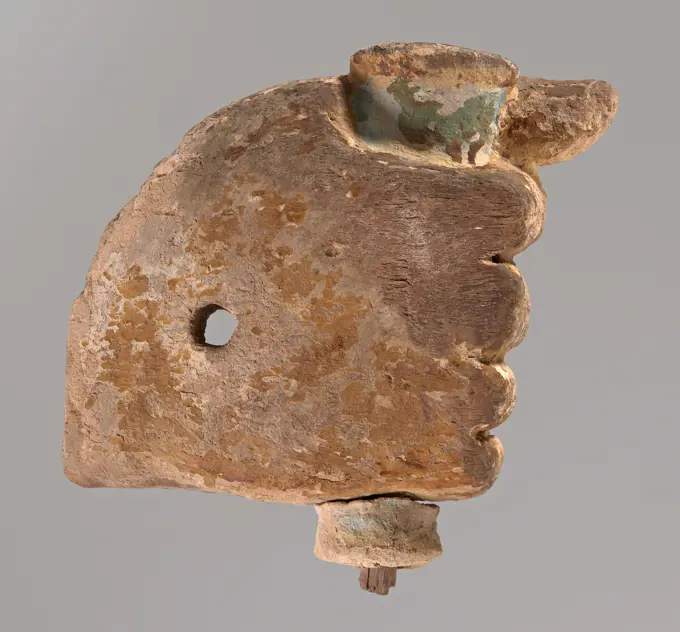
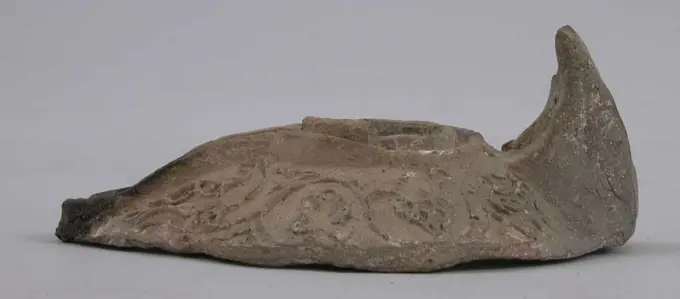
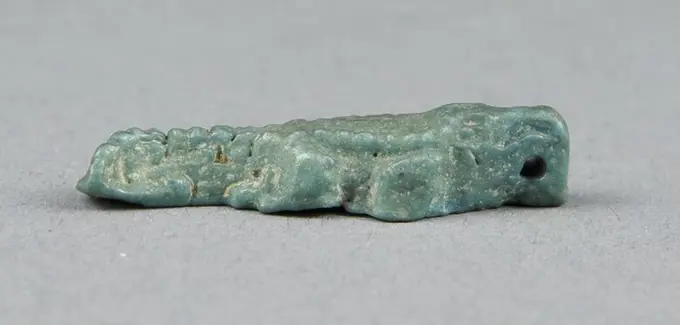
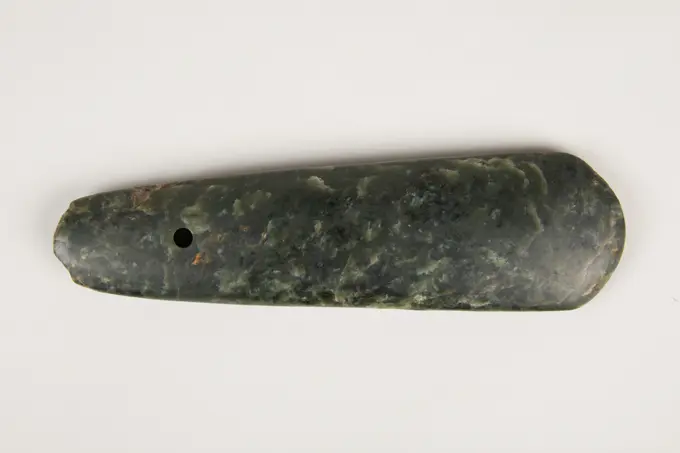
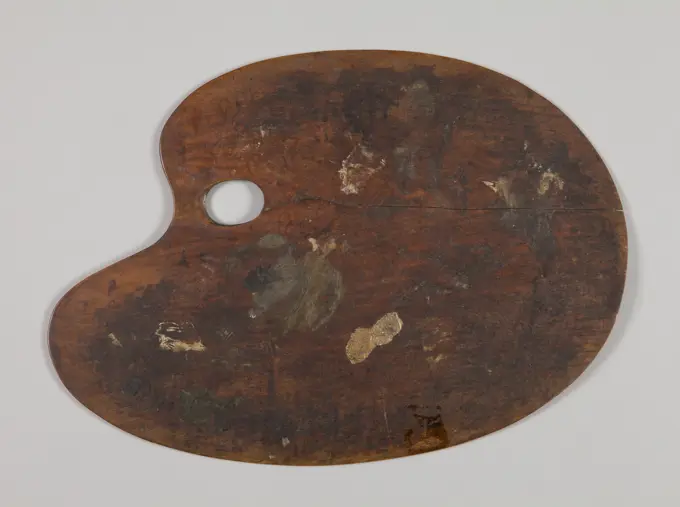
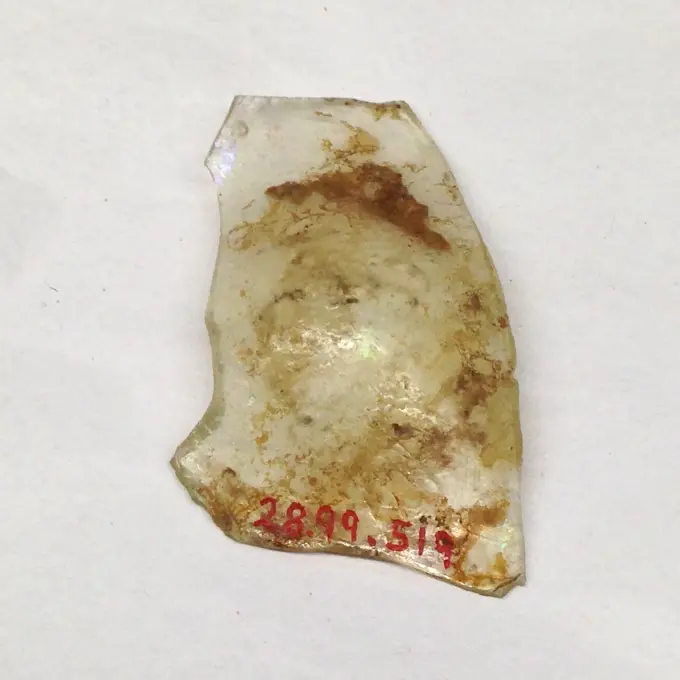
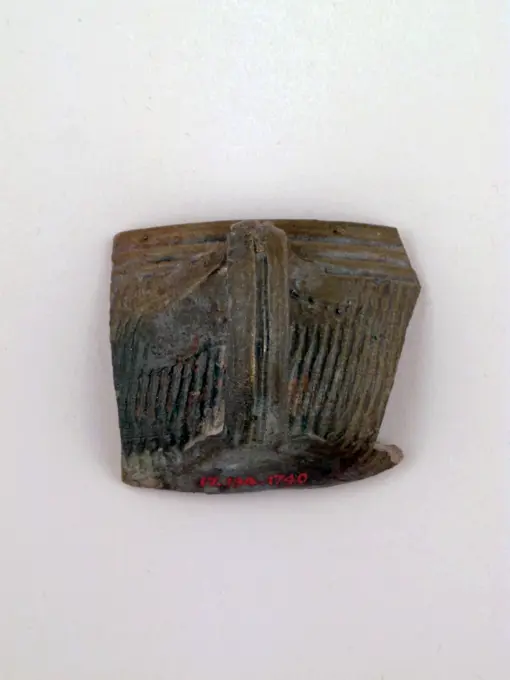
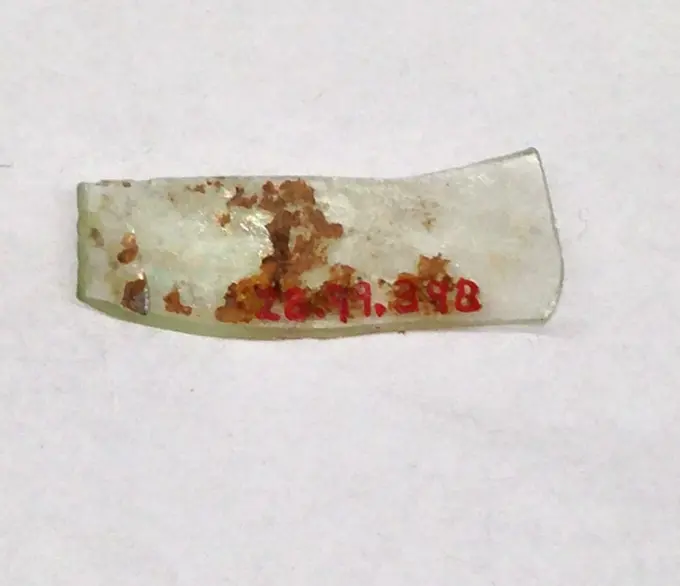
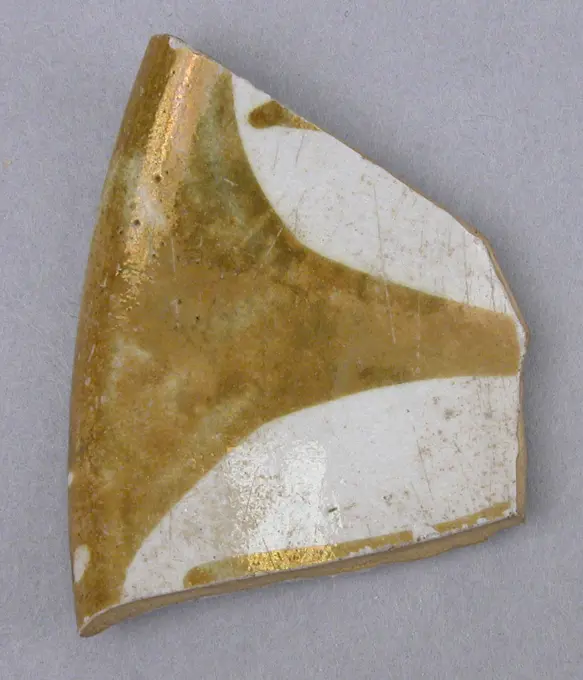
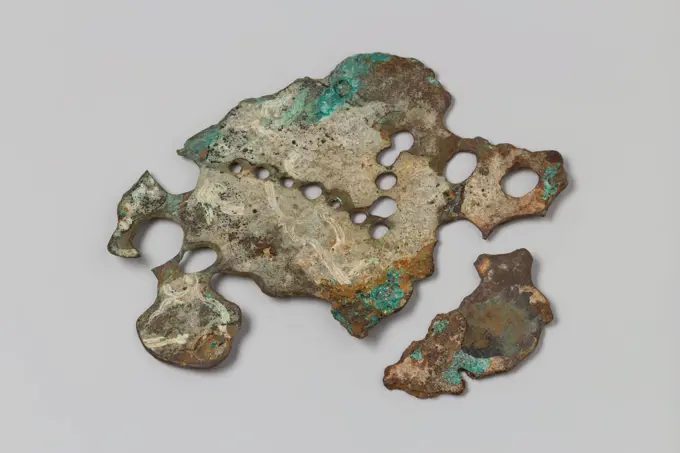
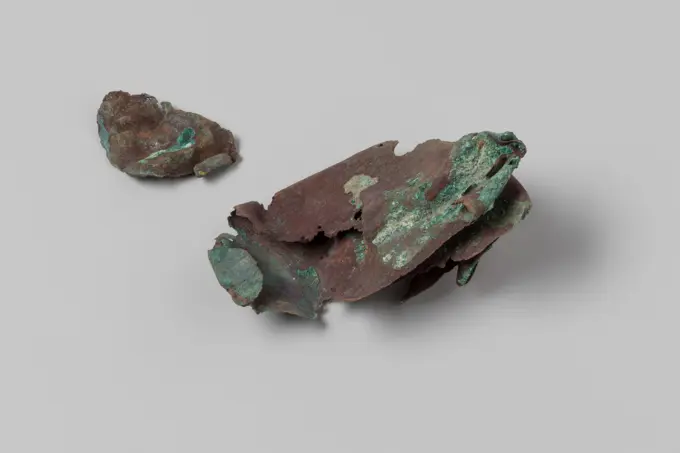
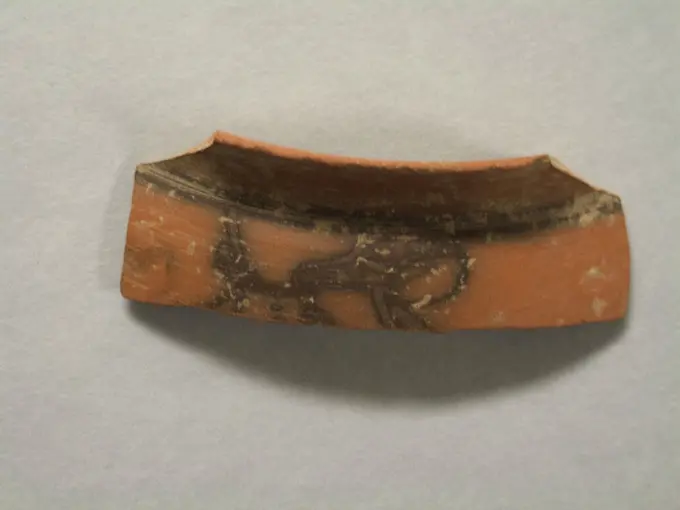
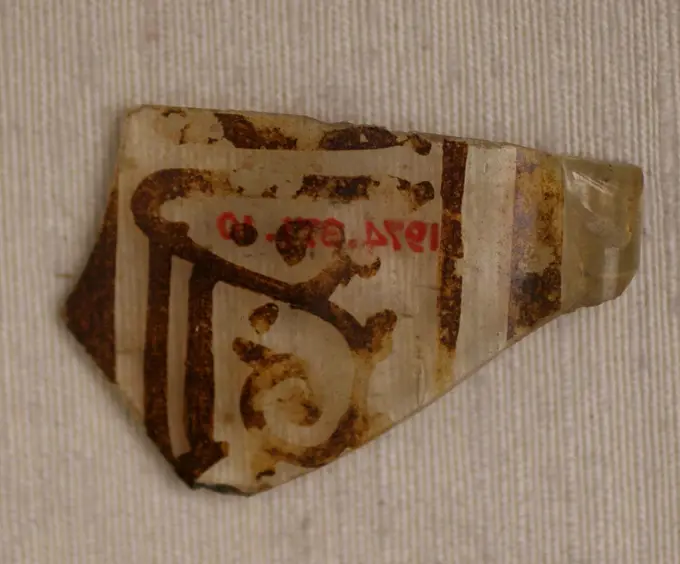
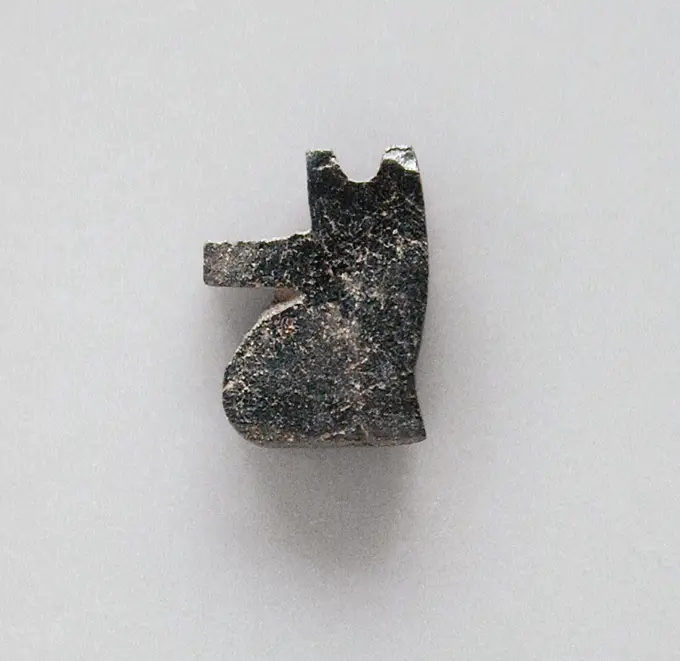
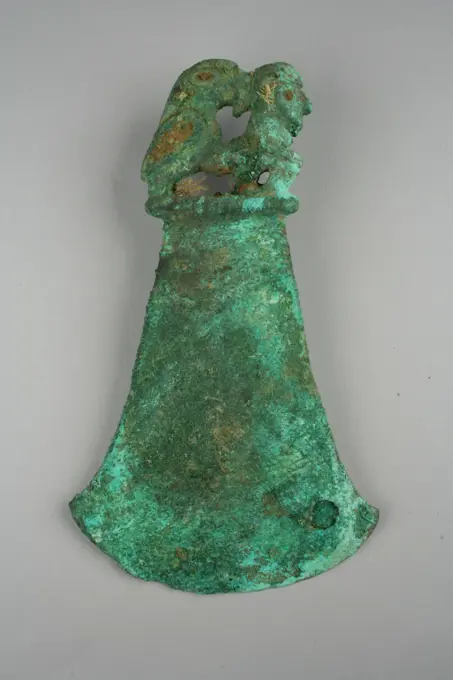
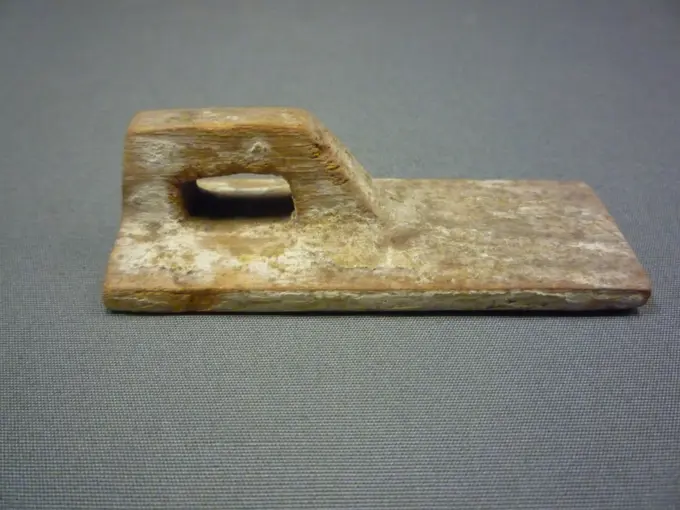
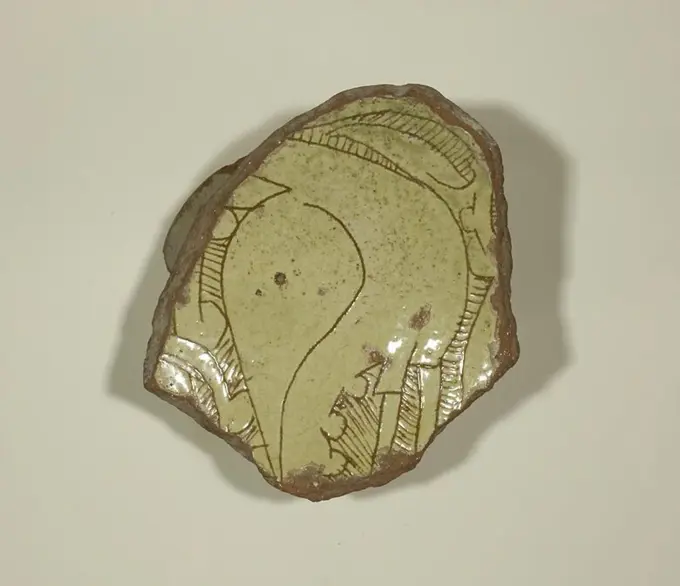
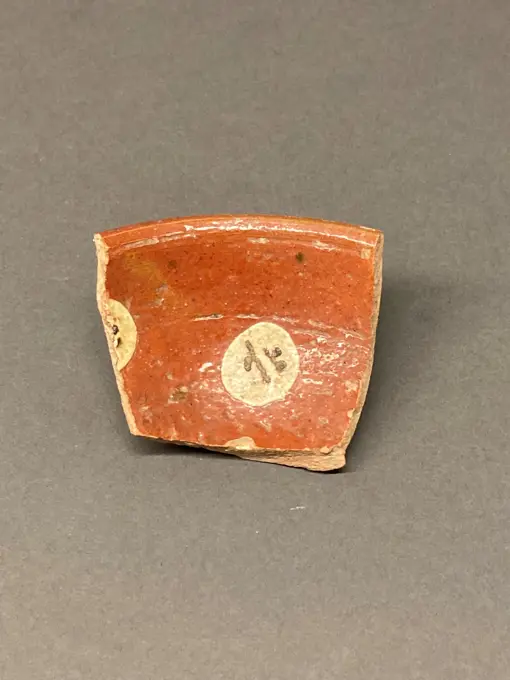
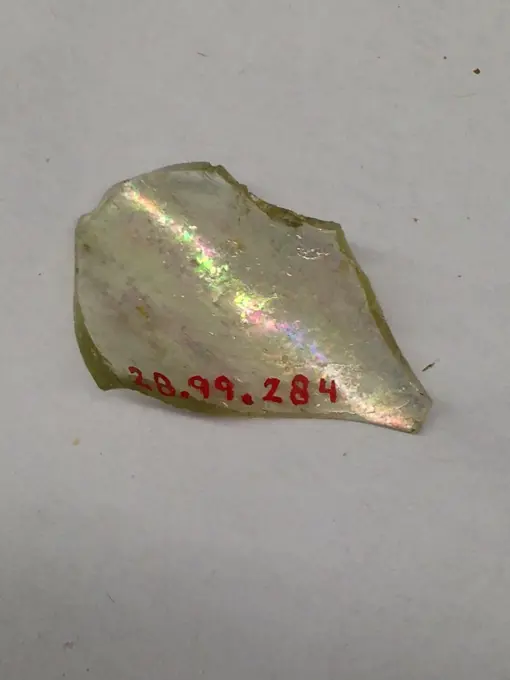
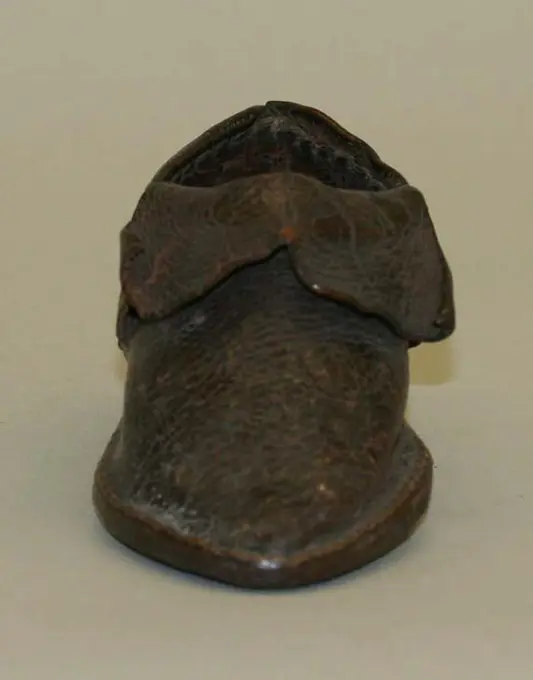
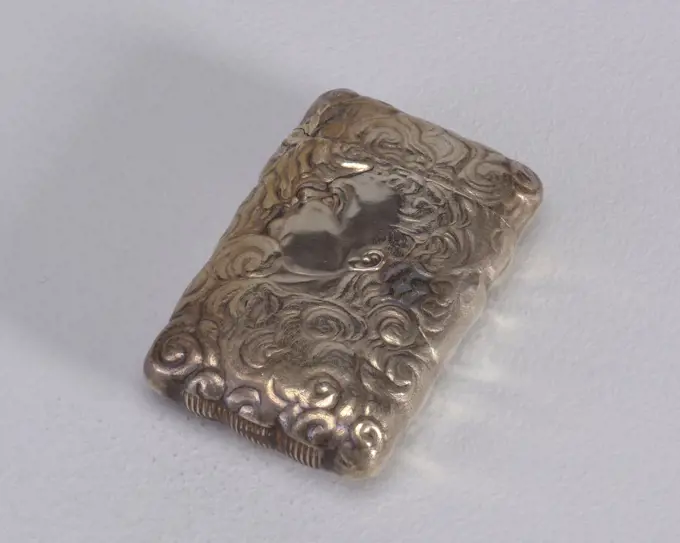
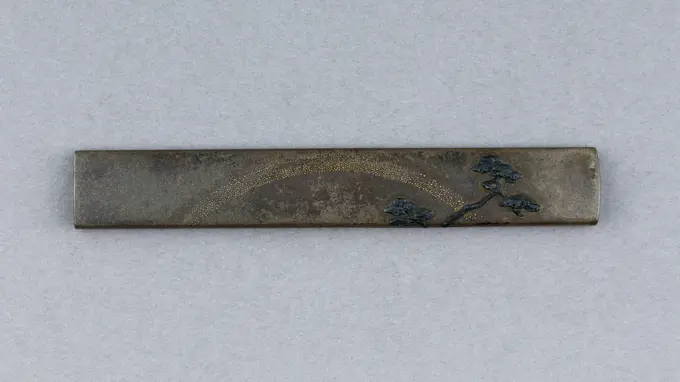
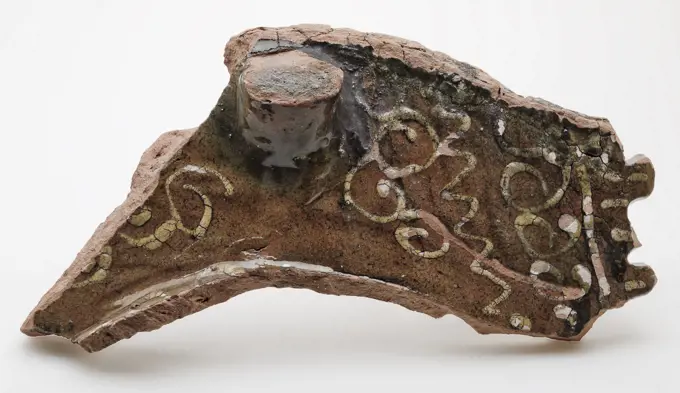
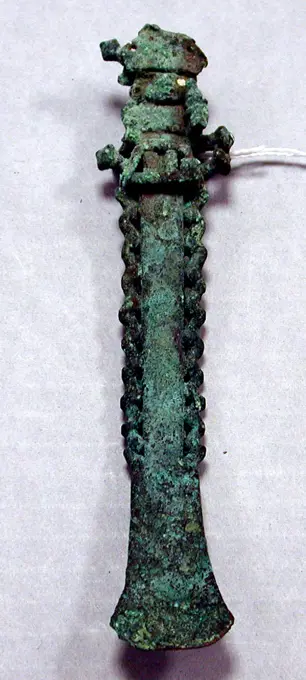
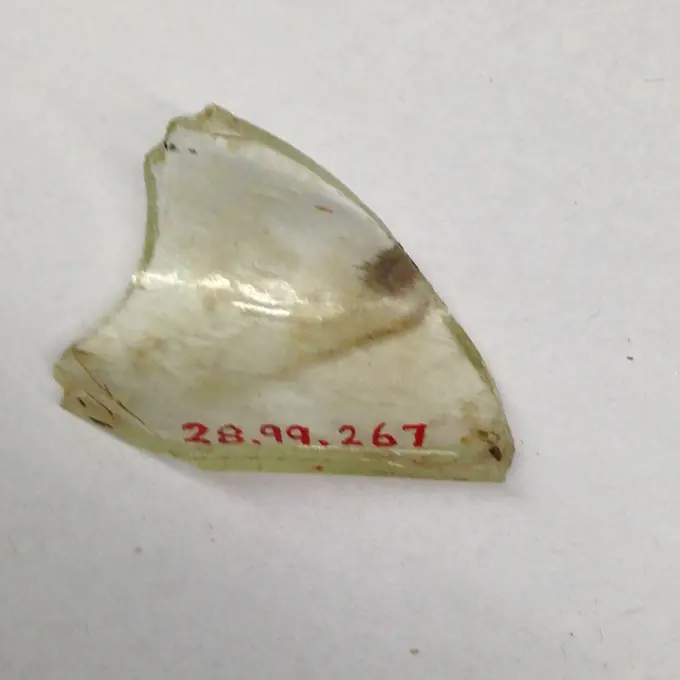
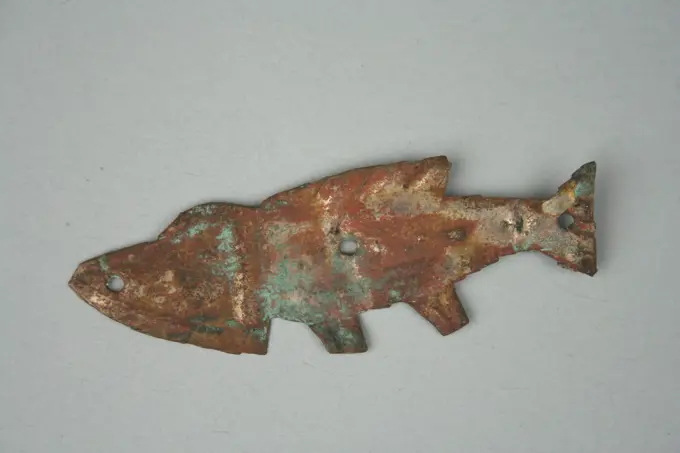
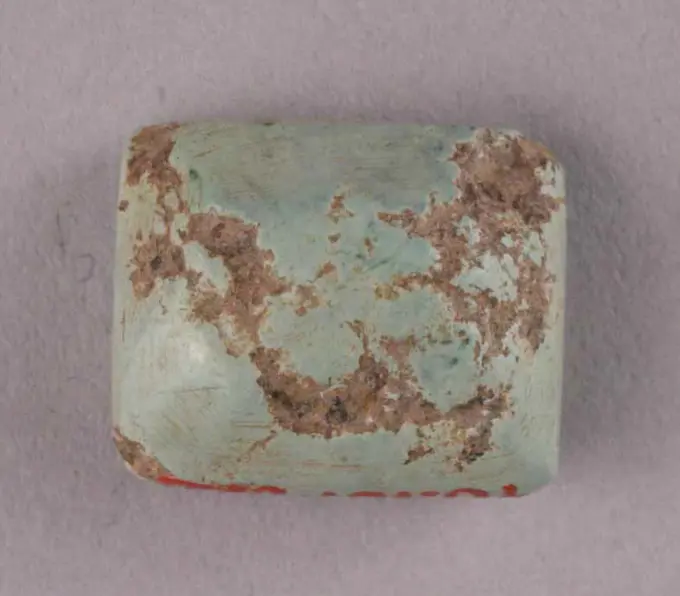
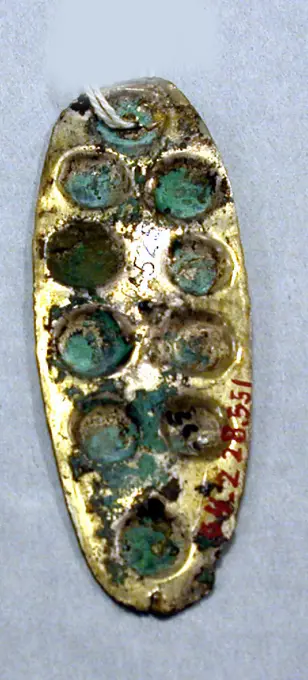
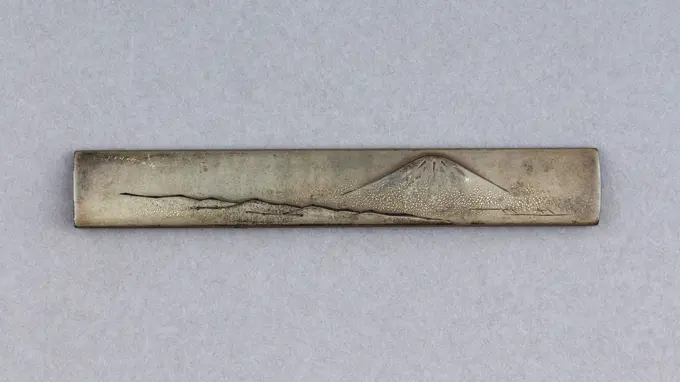
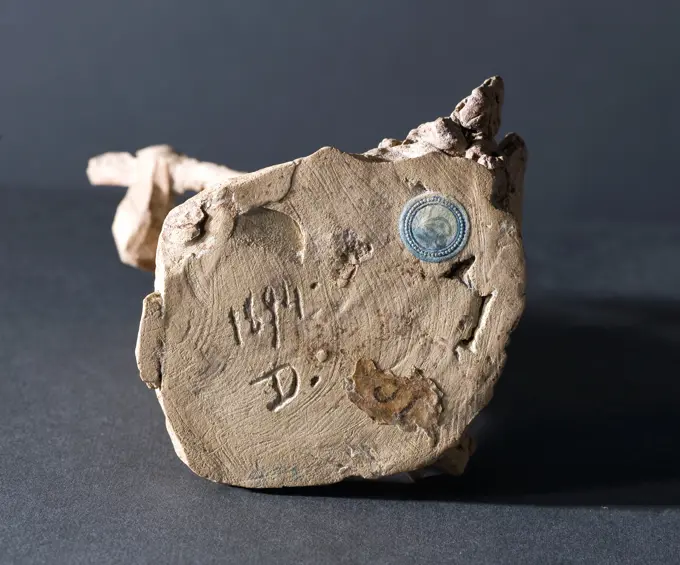
Palette, turtle. Date: ca. 3900-3500 B.C.. Museum: Metropolitan Museum of Art, New York, USA.Fragment 14th-15th century. Fragment 446521Fragment earthenware dish with nubs in the rim, biscuit, without glaze, plate dish crockery holder soil find ceramic earthenware biscuit, w 12.3 hand-turned fried Fragment earthenware dish with studs in the edge biscuit without glaze Misbaksel; one baked dish orange yellow shard on stand During or after baking broken or deformed and then rejected for further processing and discarded archeology City Triangle Rotterdam Town Hall indigenous pottery craft steward Bakery soil finding: probably found around the Town Hall in Rotterdam 1916 - 1917.Oil Lamp 4th-7th century Coptic. Oil Lamp 478693Vase fragment ca. 3000-2000 B.C. Aegean. Vase fragment 253297 Aegean, Vase fragment, ca. 30002000 B.C., Terracotta, Other: 1 5/8in. (4.2cm). The Metropolitan Museum of Art, New York. Anonymous Gift, 1930 (30.119.92)Pendant with the Cartouche of Kheperkare (Sesostris I). Egyptian. Date: 1956 BC-1911 BC. Dimensions: 10.5 × 6.4 × 0.3 cm (4 1/8 × 2 1/2 × 1/8 in.). Shell. Origin: Egypt. Museum: The Chicago Art Institute, Chicago, USA. Author: Ancient Egyptian.Palette. Egypt, 18th or 19th Dynasty, circa 1300 B.C.. Tools and Equipment; palettes. SlateToilet box Cypriot. Toilet box. Cypriot. BoneFragment. Culture: European or Middle Eastern. Dimensions: L. 2 7/8 in. (7.3 cm). Date: ca. 1150-ca. 1250. Museum: Metropolitan Museum of Art, New York, USA.Fragments of Splashed Ceramic 9th century. Fragments of Splashed Ceramic 853308Goldweight Locust, 19th-20th century, 1 7/8 x 11/16 x 2 7/8 in. (4.76 x 1.75 x 7.3 cm), Brass, Ghana, 19th-20th centuryFragment of Bowl 11th-12th century. Fragment of Bowl 446533Prawa dłoń z sarkofagu. unknown, authorLamp 7th-8th century. Lamp 451655Fragment lid from a coffin from the wreck of the East Indiesman Hollandia. Box, member; Fragm, 1 half with 1 Long Straight Side and Five-Sided Outline, Slightly Curved.Fragments copper sheet metal from the wreck of the East Indies Hollandia, Anonymous, 1700 - in or Before 1743 fragment Varied parts or fragments, sheet metal fragments: worked, with circular, rectangular or square holes; fragm, eroded; 2 circular holes. Netherlands copper (metal)   SecondShards of wine bottles from the wreck of the East Indians Hollandia, Anonymous, 1700 - in Or Before 1743  Typologically not identifiable, flat fragment, fragment. Netherlands .   SecondFragment. Culture: European or Middle Eastern. Dimensions: L. 1 5/8 in. (4.1 cm). Date: ca. 1150-ca. 1250. Museum: Metropolitan Museum of Art, New York, USA.Amulet of a Crocodile. Egyptian. Date: 1069 BC-332 BC. Dimensions: 3.2 × 1 × 0.8 cm (1 1/4 × 3/8 × 5/16 in.). Faience. Origin: Egypt. Museum: The Chicago Art Institute, Chicago, USA. Author: Ancient Egyptian.Fragment ca. 1150-ca. 1250 European or Middle Eastern. Fragment 695410Fragment of a Bowl. Byzantine, Asia Minor. Date: 1201-1400. Dimensions: 3.8 × 8.3 × 7.3 cm (1 1/2 × 3 1/4 × 2 7/8 in.). Ceramic. Origin: Istanbul. Museum: The Chicago Art Institute, Chicago, USA.Axe China. Axe. China. Nephrite. JadeFragment. Culture: European or Middle Eastern. Dimensions: L. 1 1/2 in. (3.8 cm). Date: ca. 1150-ca. 1250. Museum: Metropolitan Museum of Art, New York, USA.Fragment. Culture: European or Middle Eastern. Dimensions: L. 1 7/8 in. (4.8 cm). Date: ca. 1150-ca. 1250. Museum: Metropolitan Museum of Art, New York, USA.Henryk Siemiradzki's Painting PaletteKnee Fragment 4th-7th century Coptic. Knee Fragment 478943Fragment ca. 1150-ca. 1250 European or Middle Eastern. Fragment 695432Fragment ca. 1150-ca. 1250 European or Middle Eastern. Fragment 696610Mirror Decoration. Egyptian. Date: 301 AD-700 AD. Dimensions: 6 3/4 × 6 3/4 × 1 cm (2 3/4 × 2 3/4 × 3/8 in.). Glass. Origin: Egypt. Museum: The Chicago Art Institute, Chicago, USA. Author: Ancient Egyptian.Vase fragment Roman Fragment of brown enamelled cup with handle; perpendicular wavy lines.. Vase fragment. Roman. Terracotta. VasesBowl. Culture: Coptic. Dimensions: Overall: 2 7/16 x 6 1/4 in. (6.2 x 15.9 cm). Date: 4th-7th century. Museum: Metropolitan Museum of Art, New York, USA.Fragment ca. 1150-ca. 1250 European or Middle Eastern. Fragment 695340Fragment 14th-15th century. Fragment 446493Fragment ca. 1150-ca. 1250 European or Middle Eastern. Fragment 695151Fragment 9th century. Fragment. 9th century. Earthenware; glazed, luster painted. Attributed to Iraq. CeramicsFragments sheet metal from the wreck of the East Indians Hollandia, 1700 - in Or Before 1743  Parts of artefacts; eroded fragments: materials; copper. Netherlands copper (metal)   SecondPalette Predynastic Period ca. 4500-4000 B.C.Sealing ca. 7th century A.D. Sasanian. Sealing 323416Fragment of a Beaker. Dimensions: H. 3 in. (7.6 cm)Diam. (at bottom) 3 3/8 in. (8.5 cm). Date: 9th-10th century. Museum: Metropolitan Museum of Art, New York, USA.Excerpt copper from the wreck of the East Indies Hollandia, 1700 - in or before 1743 fragment Parts of artefacts; eroded fragments: materials; copper. Netherlands copper (metal)   SecondVase fragment ca. 1600-1450 B.C. Minoan. Vase fragment 247711Fragment of a Bowl 15th century. Fragment of a Bowl 445439Fragment from the Base of a Bowl. Byzantine; Thessaloniki, Greece. Date: 1201-1400. Dimensions: H. 2 cm (3/4 in.); diam.: 6 cm (2 1/4 in.). Glazed terra-cotta. Origin: Constantinople. Museum: The Chicago Art Institute, Chicago, USA.Shard: Neckpiece with Figure Looking Back ca. 4th-5th century Pakistan. Shard: Neckpiece with Figure Looking Back. Pakistan. ca. 4th-5th century. Painted terracotta. CeramicsFragment 9th century. Fragment 452694Bowl fragment 4th century A.D. Roman Part of the rim.. Bowl fragment. Roman. 4th century A.D.. Terracotta. Late Imperial or Late Antique. VasesWadjet. Egypt, New Kingdom (1500 - 1050 BCE). Jewelry and Adornments; amulets. StoneCeremonial Knife (Tumi) 2nd-7th century Moche. Ceremonial Knife (Tumi) 315352Fragment of a Jar 9th-10th century. Fragment of a Jar. 9th-10th century. Earthenware; dark buff body, white slip on black ground under glaze. Excavated in Iran, Nishapur. CeramicsModel Mason's Float from the Foundation Deposit for Hatshepsut's Tomb ca. 1479-1458 B.C. New Kingdom The location of tomb 20 in the Valley of the Kings was first recorded in 1799 by an expedition of artists and scientists organized by Napoleon. Most of the tomb was choked with debris and the accessible part was undecorated, so the owner remained unknown until the early twentieth century. In February 1903, while working with Theodore M. Davis, Howard Carter was clearing the entrance to the tomb, looking for evidence that would reveal the name of the king who had commissioned it. From previous work in the area, Carter had an inkling of the owner's identity, and his theory was confirmed when he discovered a single foundation deposit of model tools and small jars inscribed with the cartouche Maatkare, the coronation name of Hatshepsut (see 30.3.1-30.3.20). This model mason's float was among the objects discovered in the deposit.Foundation deposits often contained tools or models of tools tHarpoon 1500-500 B.C. India. Harpoon 39404Fragment ca. 1150-ca. 1250 European or Middle Eastern. Fragment 694337Fragment of jar, piece of molded lead. Fragment, piece of melted lead. Subjects or the bottom of a tin jug or lead that is cast in a jar of ceramics.Mortar 7th-6th millennium B.C.. Mortar. 7th-6th millennium B.C.. Limestone. Neolithic. SyriaArrowheadLamp Fragment 13th century Syrian or Crusader. Lamp Fragment 729811Fragment of a Bowl. Byzantine; Greece, Corinth or Asia Minor, Constantinople. Date: 1150-1350. Dimensions: 11.1 × 9.5 × 2.9 cm (4 3/8 × 3 3/4 × 1 1/8 in.). Ceramic, sgraffito design. Origin: Salonika. Museum: The Chicago Art Institute, Chicago, USA.Fragment of a Bowl 9th-10th century This object was excavated at the site of Qanat Tepe in Nishapur. Nishapur was a vital city in the early and middle Islamic periods, located along one of the main trajectories that connected Iran and West Asia Islamic lands with Central Asia and China. The term "Silk routes" often refers to these itineraries, but these were, in fact, crucial to the movement of constellations of materials and objects, as well as people and ideas. The diverse population of Nishapur and its surroundings, from the better-researched elite groups of merchants, land-owning aristocracy, and literates, to the lesser-known artisans, farmers, miners, and servants, were instrumental to adapting global cultural trends that led to the creation of a distinctive visual language. This is seen in the material remains of everyday life in medieval Nishapur - from pots and pans to lighting devices, inkwells, textiles and trimmings, jewelry, games and toys, talismanic devices, weapons, coiSquare Plaque. Culture: Vicús. Dimensions: Height 2 in. (5.1 cm). Date: 3rd century B.C.-A.D. 2nd century. Museum: Metropolitan Museum of Art, New York, USA.Polishing Stone (pulidor) before 16th century Mexican. Polishing Stone (pulidor) 317014Fragment ca. 1150-ca. 1250 European or Middle Eastern. Fragment. European or Middle Eastern. ca. 1150-ca. 1250. Glass, ceramic. Glass-VesselsFragment ca. 1150-ca. 1250 European or Middle Eastern. Fragment 694206Fragment of a Handle 500 B.C.-A.D. 300 Indonesia (Java). Fragment of a Handle. Indonesia (Java). 500 B.C.-A.D. 300. Bronze. Bronze and Iron Age period. MetalworkFragment ca. 1150-ca. 1250 European or Middle Eastern. Fragment 694200Vase fragment Roman, Gaul Human figures and medallions.. Vase fragment. Roman, Gaul. Terracotta. VasesCostume Ornament. Culture: Peru; central coast (). Dimensions: L. 1 3/8 in. (3.5 cm). Date: 11th-12th century. Museum: Metropolitan Museum of Art, New York, USA.Shoes 18th century Swiss. Shoes 89017Fragment 9th-10th century. Fragment 451500Hand Holding Cigar Amid Smoke, Silver, Rectangular, rounded corners and sides, featuring raised decoration of hand holding a cigar amid smoke swirls that decorate entire surface. Reverse features male in profile, blowing smoke, his curly hair blending in amid smoke swirls that decorate entire surface. Lid hinged on side. Striker on bottom., USA, late 19th century, containers, Decorative Arts, Matchsafe, MatchsafeKnife Handle (Kozuka) first half 19th century Japanese A kozuka is a handle of a by-knife that is part of a sword mounting. It is kept in a slot on the reverse of a katana scabbard, often with a matching kōgai (hairdressing tool).. Knife Handle (Kozuka) 29769Costume Ornament. Culture: Peru; central coast (). Dimensions: Overall: 1 3/8 in. (3.49 cm). Date: 11th-12th century. Museum: Metropolitan Museum of Art, New York, USA.Djed Amulet ca. 1390-1352 B.C. New Kingdom. Djed Amulet. ca. 1390-1352 B.C.. Faience. New Kingdom. From Egypt, Upper Egypt, Thebes, West Valley of the Kings, Tomb of Amenhotep III (WV 22), Carnarvon/Carter excavations, 1915. Dynasty 18Fragment earthenware fire dome, red shard, decorated in sludge technology, fire dome soil find ceramic earthenware clay glaze lead glaze, w 12.2 hand-turned glazed fired ring piece Fragment of earthenware fire dome decorated with sludge technique Decoration consists of yellow loops of teeth and curls. Red shard top glazed Heavy sausage ear Body decorated with outstretched teeth Foot fragment with onset of central bulging archeology Rotterdam Heliport terrain indigenous earthenware fire extinguish room kitchen Soil discovery: Heliport site Rotterdam June 1978.Copper Tumi with Figure 2nd-7th century Moche. Copper Tumi with Figure 315805Fragment ca. 1150-ca. 1250 European or Middle Eastern. Fragment 695160Stone Celt Costa Rica before 16th centuryDado romano de hueso procedente del yacimiento arqueológico de Can Modolell. Can Serra Museu de Mataró.Handle of a bowl Roman, Cypriot. Handle of a bowl 244326Fish Ornament 11th-12th century Peru; central coast (). Fish Ornament 308833Bowl 9th century. Bowl 449431Fragment of a Dish 13th-14th century. Fragment of a Dish 446381Dish 9th-10th century. Dish 449588Sample of "Hansford" 20th century China. Sample of "Hansford" 62096Long narrow tapered plate with rounded corners, artifact soil found bronze copper metal, cast cut Long narrow tapered plate with rounded corners. On one side thickening in the form of two circles between which line. Function unknown possible residue of coppersmiths or semi-finished products archeology Rotterdam Kralingen-Crooswijk Kralingen East Honingerdijk Soil discovery: Honingerdijk 1982-08-30.Spit Ball with Sunburst Motif 500 B.C.-A.D. 300 Indonesia. Spit Ball with Sunburst Motif 51372Amulet. Egypt, Amarna, New Kingdom (circa 1569 - 1081 BCE). Jewelry and Adornments; amulets. FaienceStone probably 8th-12th century. Stone 855922Hollow Bangle with Small Circular Patterns 4000 B.C.-A.D. 400 Thailand. Hollow Bangle with Small Circular Patterns 53331Plate and Nail 15th-16th century European. Plate and Nail. European. 15th-16th century. Iron. Metalwork-IronGlazed tile, red shard, green, tile floor tile tile footage floor find ceramic earthenware clay engobe glaze lead glaze, in shape made glazed baked Green glazed tile floor Damaged green glaze layer with elongated must of enamelled strange earthenware Engobe and copper oxide archeology Valckensteyn Poortugaal Albrandswaard indigenous pottery Soil discovery: castle Valckensteyn in Poortugaal now Albrandswaard.Tubular Bead. Egypt, early Dynastic (circa 3050 - 2687 BCE). Jewelry and Adornments; beads. FaienceHammered Silver Ornament with Repoussé Disks 8th-mid-16th century Peru; north coast (). Hammered Silver Ornament with Repoussé Disks. Peru; north coast (). 8th-mid-16th century. Silver (hammered), gilt. Peru. Metal-OrnamentsShard of a pot from the wreck of the East India Hollandia.Stoneware, Rhenish, Westerwald, Pot; or body, sim. NG 1980-27H2624R.Amulet, Anubis. Amulet, Anubis. Clay, glazed. Gold and SilverKnife Handle (Kozuka) ca. 1615-1868 Japanese A kozuka is a handle of a by-knife that is part of a sword mounting. It is kept in a slot on the reverse of a katana scabbard, often with a matching kōgai (hairdressing tool).. Knife Handle (Kozuka) 34509Ceramic Fragments late 7th-first half 8th century. Ceramic Fragments 447663Scraper 3rd millennium B.C. Valdivia. Scraper 314208Floor tile, Anonymous, 1400 - 1500 Floor tile decorated with a quarter circle in which the inscription Thvis with a lily in the two corners. Netherlands (possibly)France (possibly) earthenware. lead glaze Floor tile decorated with a quarter circle in which the inscription Thvis with a lily in the two corners. Netherlands (possibly)France (possibly) earthenware. lead glazeAmulet of a Seated Cat. Egypt, Old Kingdom - New Kingdom (2687 - 1081 BCE). Jewelry and Adornments; amulets. Rock crystal carved in the roundAimé-Jules Dalou (1838-1902). "La Faneuse". Terracotta, 1894. Museum of Fine Arts of the City of Paris, Petit Palais. Date, base base, label, tank, inscription, terracotta